5 Star Hotels in the City of London
Five-star hotels in the City of London combine premium rooms with professional services and convenient access to the Square Mile, transport links and business hubs. They can suit corporate groups needing overnight accommodation alongside meeting or dining options. When comparing hotels, check room availability, group booking terms, accessibility, transport connections and what is included in the quoted price.
- Free to enquire
- Group bookings team
26 hotels in City Of London
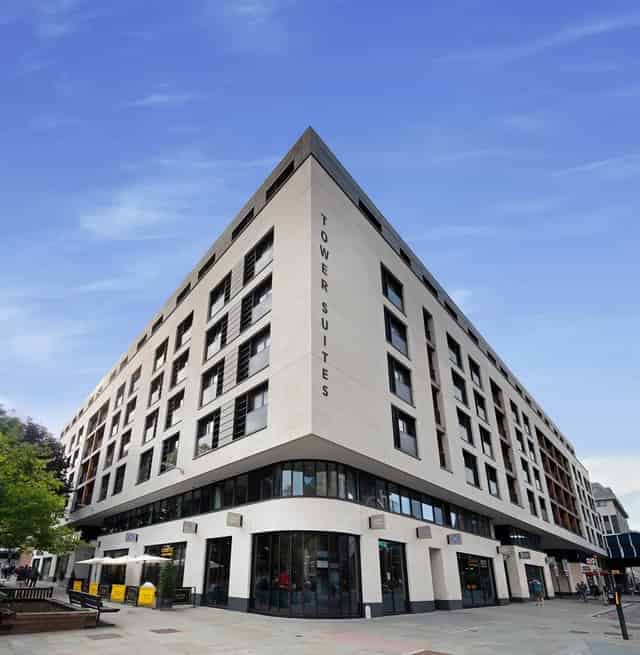
Tower Suites by Blue Orchid Hotels
Estimate£170 to £530 per night in November
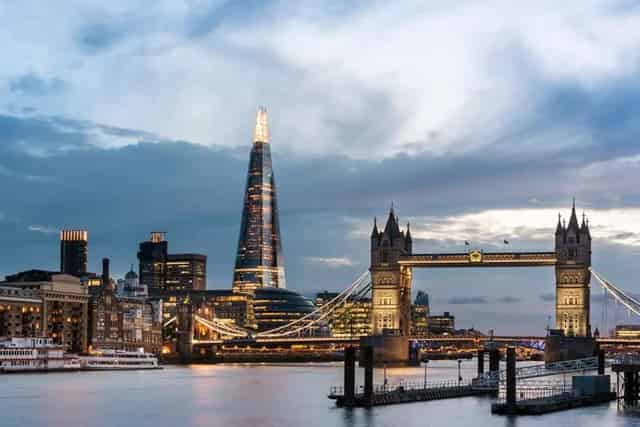
Shangri-La The Shard, London
Estimate£490 to £1,470 per night in November
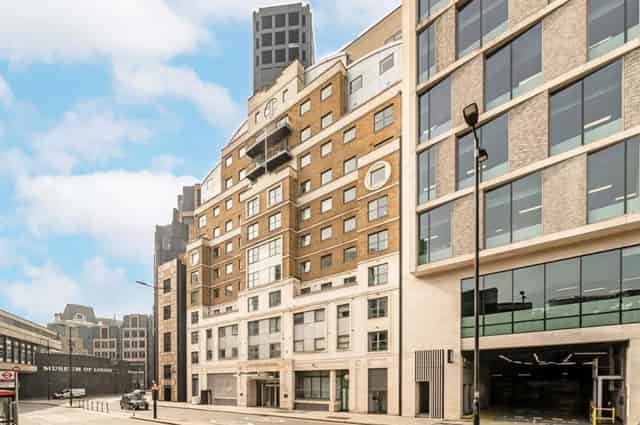
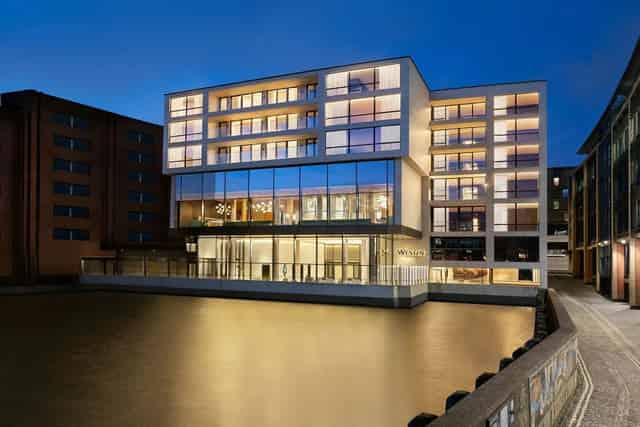
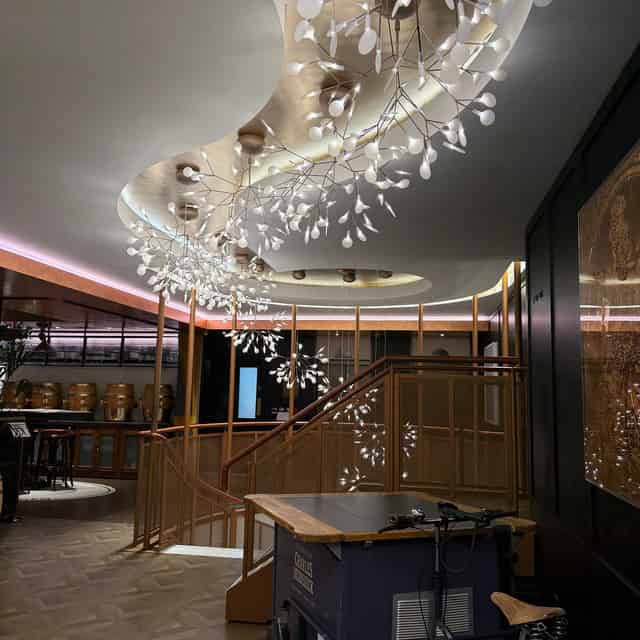
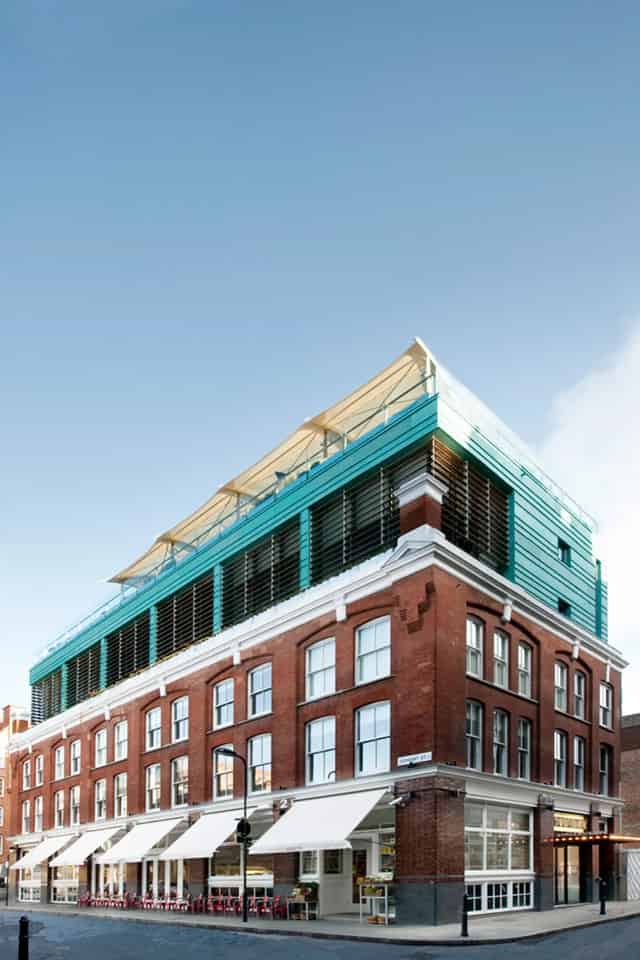
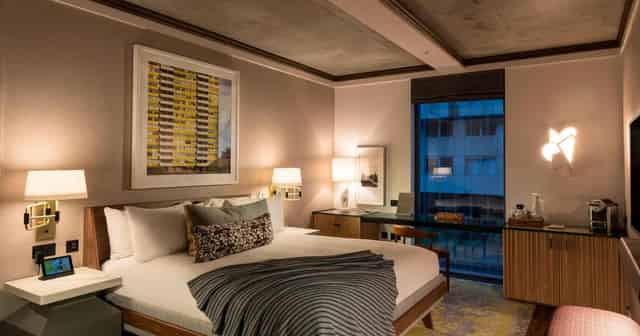
Bankside Hotel, Autograph Collection
Estimate£310 to £950 per night in November
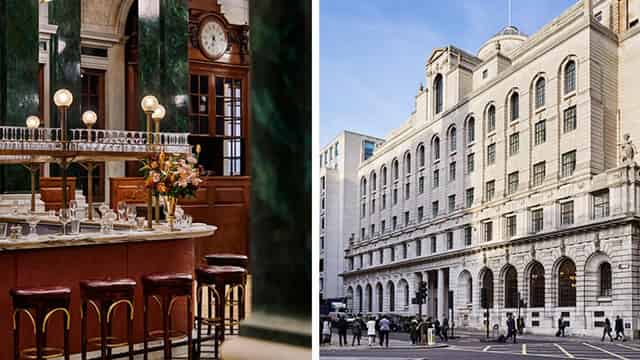
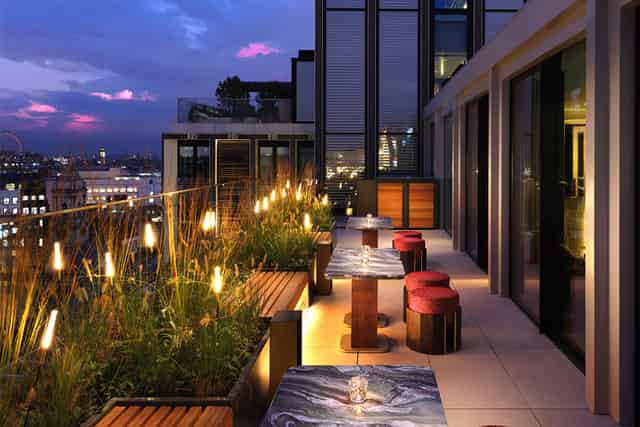
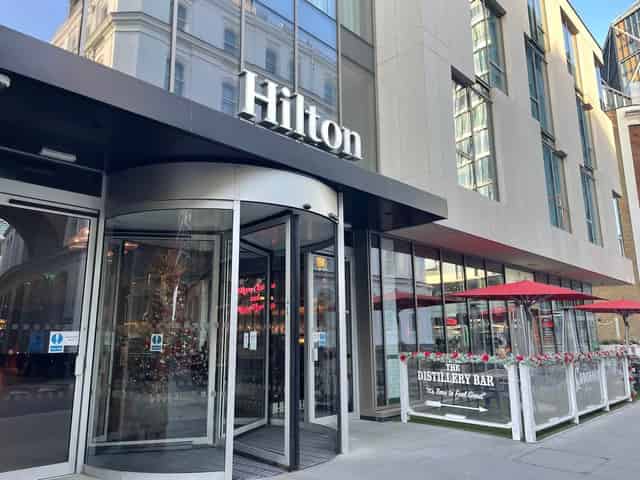
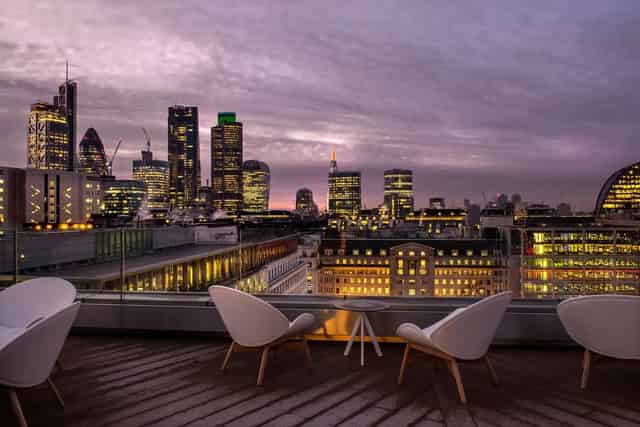
Montcalm Royal London House
Estimate£250 to £750 per night in November
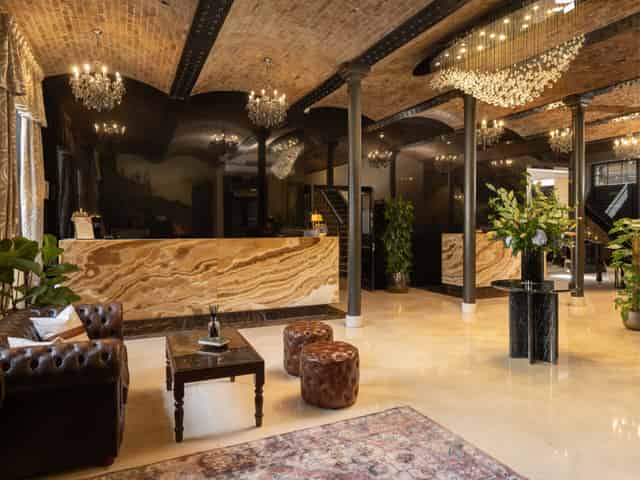
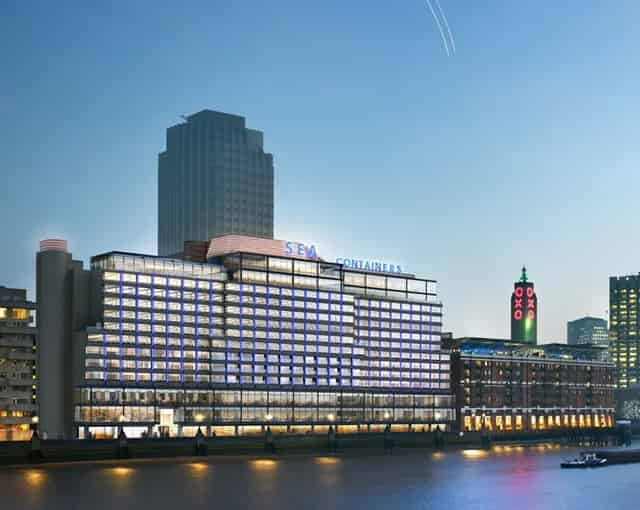

Virgin Hotels London-Shoreditch
Estimate£180 to £530 per night in November
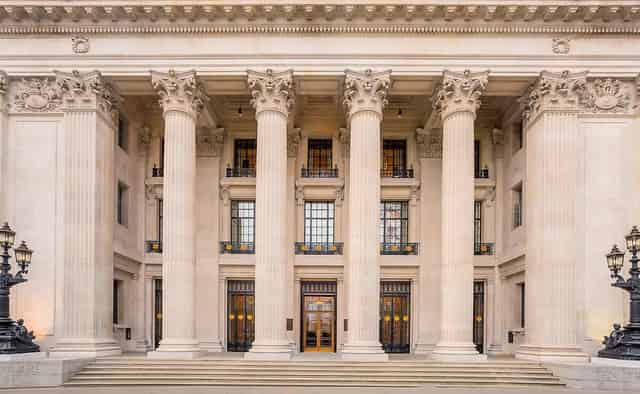
Four Seasons Hotel London at Tower Bridge
Estimate£640 to £1,930 per night in November
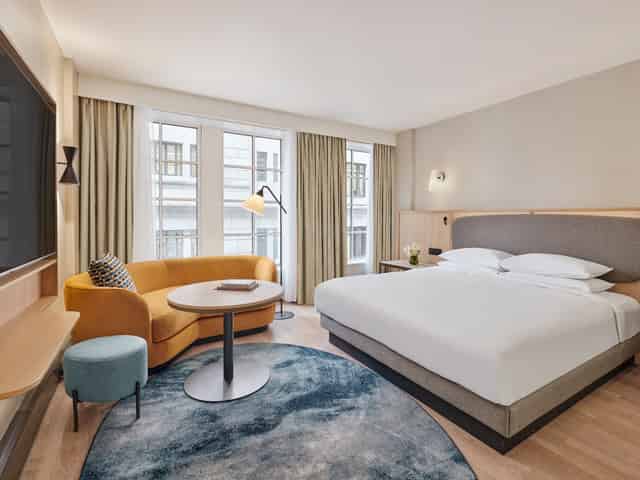
Hyatt Regency London Blackfriars
Estimate£790 to £2,360 per night in November
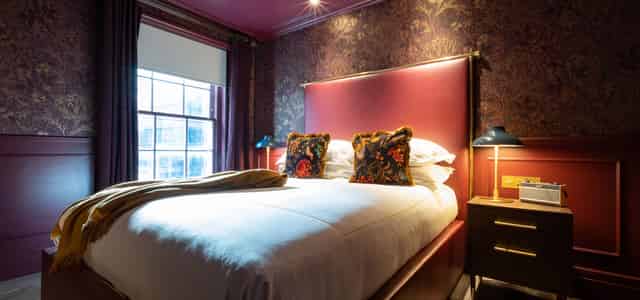
Sun Street Hotel, Shoreditch
Estimate£300 to £910 per night in November
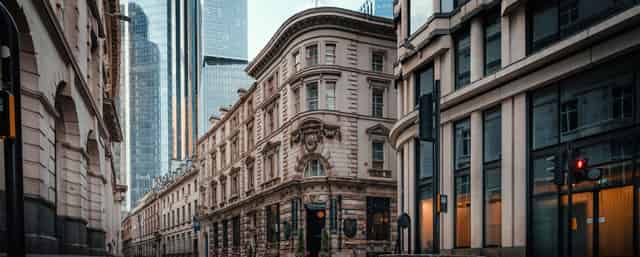
Threadneedles, Autograph Collection
Estimate£390 to £1,150 per night in November

Montcalm East, Autograph Collection
Estimate£240 to £730 per night in November
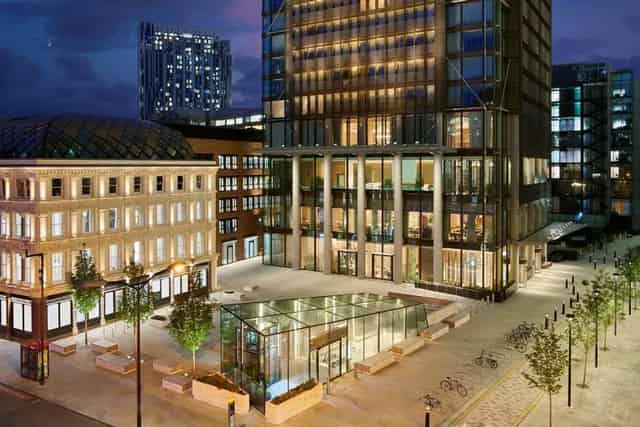
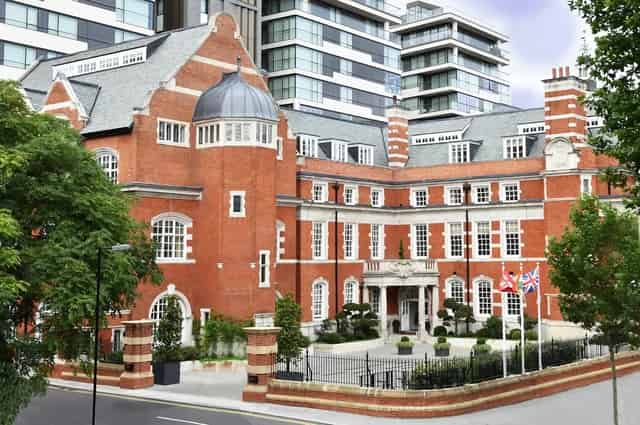
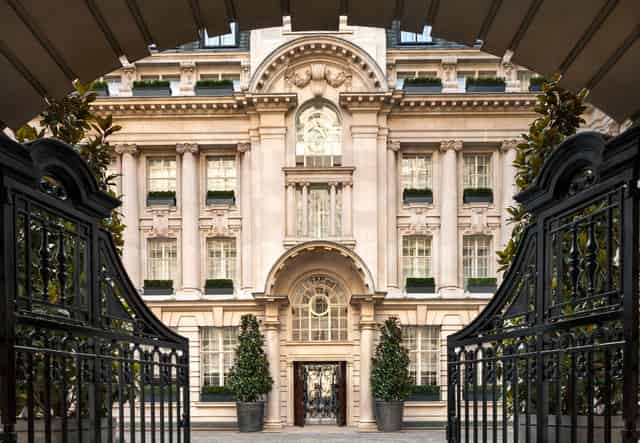
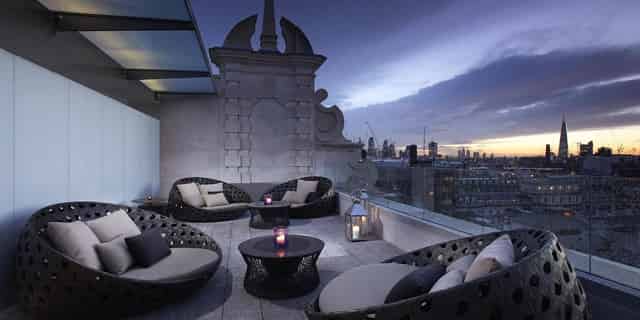
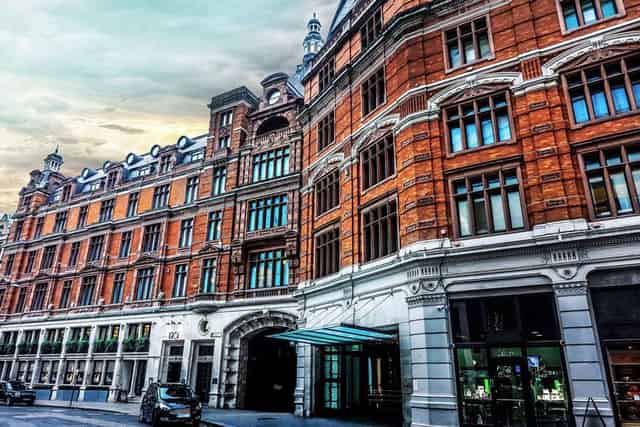
Andaz London Liverpool Street, by Hyatt
Estimate£210 to £630 per night in November
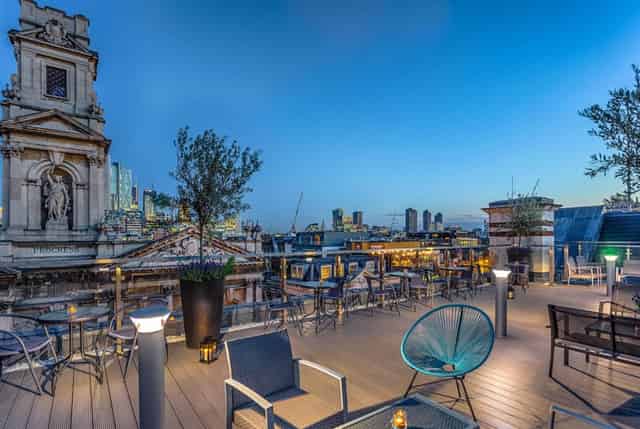
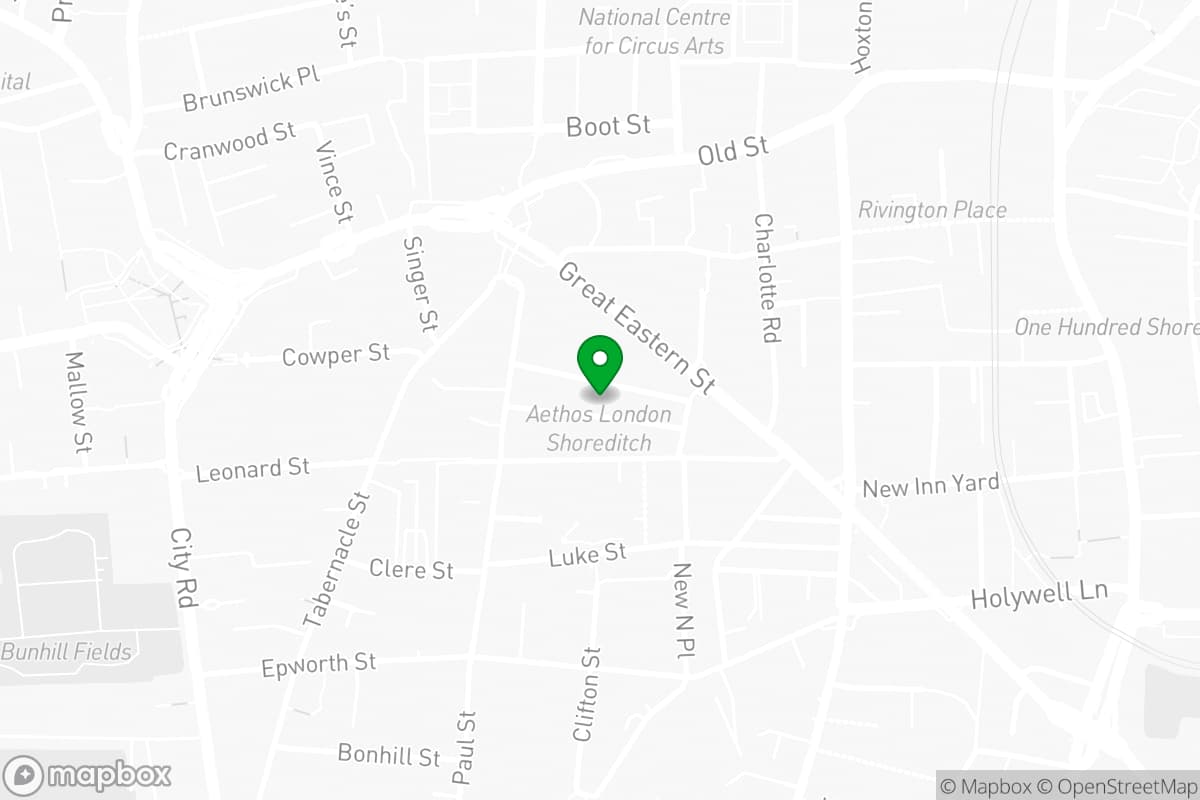
Explore more NEW
More group accommodation in London
- London group accommodation
- 4 Star Hotels
- 5 Star Hotels
- Conference Room Blocks
- Corporate Offsite Hotels
- Hotels for 100 rooms
- Hotels for 20 rooms
- Hotels for 200 rooms
- Hotels for 50 rooms
- Hotels near BDC
- Hotels near Billingsgate
- Hotels near ExCeL
- Hotels near Olympia
- Hotels near QEII Centre
- Hotels near The O2
- Hotels Near Tobacco Dock
- Hotels near Wembley
- Sports Team Hotels
- Business Suitable Hotels in Marylebone
- Business Suitable Hotels in City Of London
- Business Suitable Hotels in Westminster
- Business Suitable Hotels in Mayfair
- Business Suitable Hotels in Holborn
- Business Suitable Hotels in Bloomsbury
- 4 Star Hotels in City Of London
- 4 Star Hotels in Marylebone
Show all (24 more)Show fewer
- 4 Star Hotels in Bloomsbury
- 4 Star Hotels in Holborn
- 4 Star Hotels in Westminster
- 4 Star Hotels in Canary Wharf
- 5 Star Hotels in Marylebone
- 5 Star Hotels in Mayfair
- 5 Star Hotels in Soho
- 5 Star Hotels in Westminster
- 5 Star Hotels in South Bank
- Business Suitable Hotels in Belgravia
- Business Suitable Hotels in Clerkenwell
- Business Suitable Hotels in Covent Garden
- Business Suitable Hotels in Fitzrovia
- Business Suitable Hotels in Knightsbridge
- Business Suitable Hotels in Soho
- Business Suitable Hotels in Victoria
- Business Suitable Hotels in Waterloo
- Business Suitable Hotels in Canary Wharf
- Business Suitable Hotels in Old Street
- Business Suitable Hotels in Shoreditch
- Business Suitable Hotels in Whitechapel
- Business Suitable Hotels in South Bank
- Business Suitable Hotels in South Kensington
- Business Suitable Hotels in Paddington
About 5 Star Hotels in the City of London
Matching your group size to 5 star hotels in City Of London
When booking a block of rooms for colleagues or visiting delegates, matching your group size to the right property ensures a seamless stay. For 5 star hotels in the City of London, all of the hotels hold 5 stars, yet their footprint varies significantly across the Square Mile.
Sizing up larger room blocks
If you need to keep a substantial delegation under one roof, look towards the larger addresses. About half of the hotels have 200 or more rooms, offering the necessary volume to secure a sizable block without overwhelming the hotel's daily capacity. Meanwhile, some of the hotels have 100 to 199 rooms, which provides a balanced setting for mid-sized groups travelling to nearby Conference Venues in City of London.
Boutique settings for smaller teams
For executive committees or smaller working groups seeking a discreet environment, smaller hotels offer a quieter atmosphere. A few of the hotels have 50 to 99 rooms, a few have 20 to 49 rooms, and a few of the hotels have fewer than 20 rooms. With less total inventory available, smaller properties require careful coordination:
- Establish attrition allowances early so you can return unallocated rooms without penalty.
- Enquire about group check-in processes to avoid reception bottlenecks upon arrival.
- Consider walking distances to local Meeting Rooms in City of London to minimise morning transit.
As a clear next step, map your expected peak room requirements across your event dates, then contact your shortlisted hotels to place a provisional hold on your required block.
How many rooms to hold in your block and when to request them
Locking down the right volume of rooms requires balancing delegate uptake against contractual commitments. Properties in the Square Mile see strong mid-week business travel, so early timing makes all the difference when securing group accommodation.
Timing your block request
We recommend initiating discussions the moment your core event dates are locked into the diary. Mid-week nights command heavy demand across the financial district, particularly around major corporate summits and financial reporting periods. By requesting rooms early, we secure greater choice across room categories and maintain stronger leverage over hold durations.
When opening negotiations for your block, keep these operational milestones front of mind:
- The courtesy hold: Ask how long the hotel will hold your provisional room allocation before requiring a signed contract.
- The cut-off schedule: Establish staged release dates where unallocated rooms can drop back into general inventory without financial penalty.
- Attrition allowances: Check the exact proportion of rooms you are permitted to release prior to the final cut-off date.
Calculating your room allocation
Estimating room uptake is rarely an exact science, especially with overseas travellers. We suggest basing your block on confirmed attendees, adding a modest buffer for late additions, and using contractual attrition clauses to mitigate risk.
If your delegates are travelling to off-site Event Venues in City of London, map out transit times early so rooms match your daytime schedule. Always verify what is included in the quoted rate, such as breakfast or internet access, to avoid unexpected extras on the master account.
To take the next step, compile your daily room requirements into a rooming grid and ask your shortlisted hotels for written proposals detailing their release dates and attrition terms.
Navigating seasonal nightly rates and understanding what moves room prices
Budgeting for bedrooms across the Square Mile requires understanding the shifting patterns of corporate demand. Nightly room costs fluctuate considerably throughout the year, with peak autumn conference activity and early-year planning cycles driving distinct pricing environments.
Seasonal rate patterns
When forecasting your accommodation spend, seasonal timing plays a decisive role across the business calendar:
- High autumn corporate demand sees rates at a Typical £200 to £1,150 per night in November.
- Late-year schedules taper off towards the holidays, showing a Typical £170 to £790 per night in December.
- The start of the quarter typically brings lower demand, resulting in a Typical £110 to £540 per night in January.
Keep in mind that these figures are indicative estimates, not quotes or availability. Your final contracted room rate will reflect your specific dates, requested room types and the size of your group block.
Factors that shape group pricing
Beyond the calendar month, several operational variables will directly influence the rates hotels quote for your delegation:
- Day of the week: Mid-week nights command the strongest demand in the financial district, whereas Sunday or Monday stays frequently offer more flexibility.
- Rate inclusions: Always verify whether breakfast, VAT and internet access are included in the quoted room rate, rather than added to the master bill later.
- Wider London events: Major industry gatherings across central London, including delegates attending Event Venues in Holborn, can quickly tighten room supply across the City.
To take the next step, send your confirmed date range and outline room counts to your shortlisted properties to request bespoke written group proposals.
Coordinating seamless travel between your hotel base and the event
Navigating the Square Mile on foot and rail
When your delegates are staying in the City of London, proximity to major transport interchanges simplifies morning departures. Many properties sit within comfortable walking distance of dense business clusters around Bank, Liverpool Street, Cannon Street and Moorgate, allowing attendees to bypass road traffic altogether.
For gatherings taking place slightly further afield, such as daytime presentations across Event Venues in Westminster, the Underground network and the Elizabeth line offer reliable connections directly from the district's core stations.
Managing group arrivals and luggage transfers
Moving a corporate delegation through central London requires careful advance planning around peak commuting hours:
- Time your group movements: Aim to transit outside peak weekday rush hours, when narrow historic streets and tube platforms experience heavy commuter congestion.
- Coordinate coach and taxi access: On-street vehicle waiting is tightly regulated across the area, so check hotel drop-off bays and arrange specific collection windows in advance.
- Streamline baggage handling: If attendees arrive before bedrooms are ready, confirm whether secure porterage and consolidated group bag drops are included in your agreement.
- Verify step-free routes: Check accessible pathways from nearby rail stations to the hotel entrance for guests travelling with heavy luggage or reduced mobility.
To take the next step, audit the exact walking and rail routes between your shortlisted hotels and your daytime event spaces to map out departure schedules for your group.
Looking beyond the bedroom: on-site event space and group amenities
While restful bedrooms are essential after a demanding day in the Square Mile, what happens outside the guest room often defines the success of a group stay. When coordinating visiting colleagues, leadership teams or international delegates, having dedicated areas to connect, debrief and dine under one roof transforms the entire trip.
Assessing internal event facilities
About half of the hotels have their own event space. If your schedule requires breakfast briefings, executive committee sessions or evening hospitality, selecting a property with integrated rooms keeps your delegation centralised and removes the friction of secondary venue transit.
Even when the bulk of your daytime programme takes place off-site, such as at external Event Venues in Mayfair, on-site function areas offer valuable utility. A private syndicate room gives your team an exclusive hub for morning preparation, private video calls or secure group luggage storage after morning check-out.
Evaluating communal amenities and delegate support
Beyond formal function suites, day-to-day amenities determine how comfortably your attendees can work and recharge between calendar commitments. When evaluating these hotels, pay close attention to operational details that support busy corporate groups:
- Executive lounges and quiet corners: Check whether hotel bars, mezzanines or residents' lounges can accommodate informal client catch-ups without competing for seating during peak evening hours.
- Technology and connectivity: Confirm that robust, high-speed Wi-Fi is included across all communal areas and dining rooms, rather than limited solely to individual bedrooms.
- Bespoke dining and breakfast logistics: Ask how the property manages large groups arriving for breakfast simultaneously, ensuring your delegates depart on schedule without morning delays.
- Wellness facilities: Intensive corporate schedules take their toll; access to on-site fitness facilities or recovery spaces provides a welcome balance for travelling teams.
Aligning your room booking with the right on-site facilities avoids fragmented itineraries and keeps your attendees focused throughout their stay. As a clear next step, map out any breakfast meetings or evening debriefs across your event schedule, then ask your shortlisted hotels to provide function room availability alongside your room block contract.
Questions about 5 Star Hotels in the City of London
How much do 5 star hotel rooms in the City of London cost per night?
Are 5 star hotel rooms in the City of London cheaper in January?
What affects the nightly price of group rooms in a City of London hotel?
How far ahead should I book a block of hotel rooms for a group?
How many rooms should I hold for a group booking?
What size of 5 star hotel suits a large group in the City of London?
Do 5 star hotels in the City of London have their own event space?
How do guests get from a City of London hotel to an event?
What should I check in group booking terms for a hotel?
Is a 5 star hotel in the City of London a good choice for corporate groups?
Need rooms across several hotels?
Our group bookings team can split a block between hotels near your venue. Free, no obligation.