Hotels in London for 20 rooms
Find London hotels for group accommodation with around 20 rooms, ideal for accommodating colleagues, clients or delegates attending an event. Compare options across the capital, from central locations with excellent transport links to quieter neighbourhoods. When choosing, check room availability, breakfast and meeting facilities, accessibility, and whether the hotel can keep your group together. Rates vary by location, season and room type.
- Free to enquire
- Group bookings team
515 hotels in London
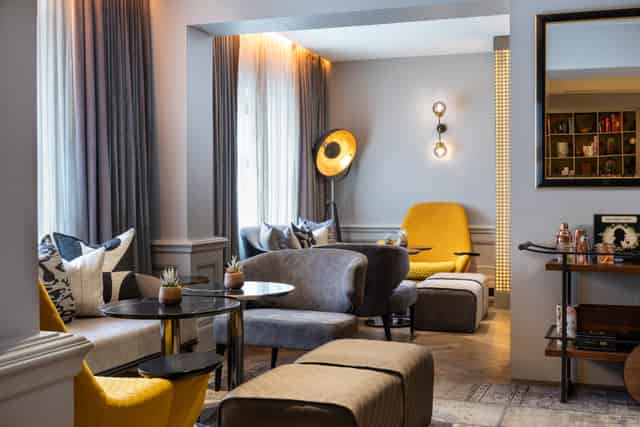
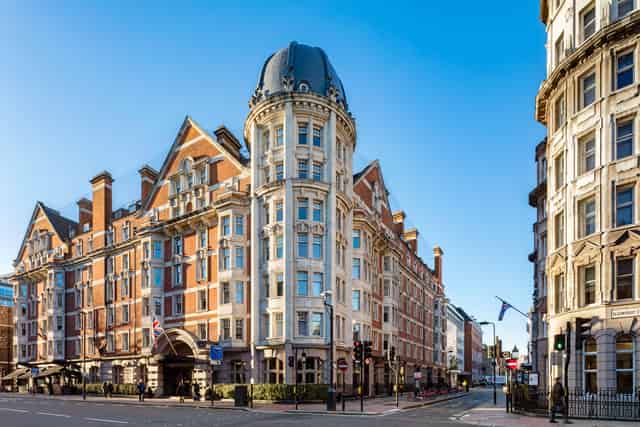
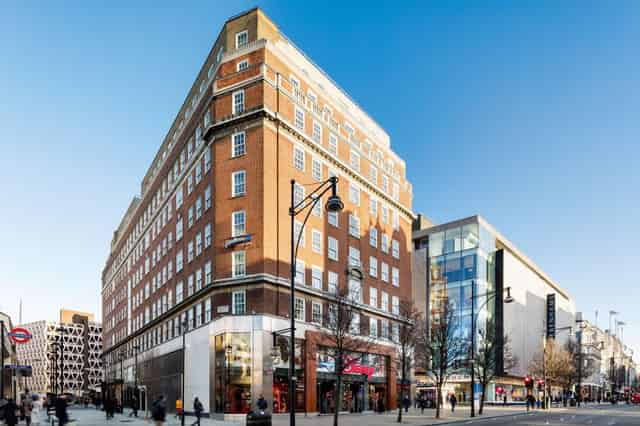
Radisson Blu Hotel, London Bloomsbury
Estimate£220 to £630 per night in November
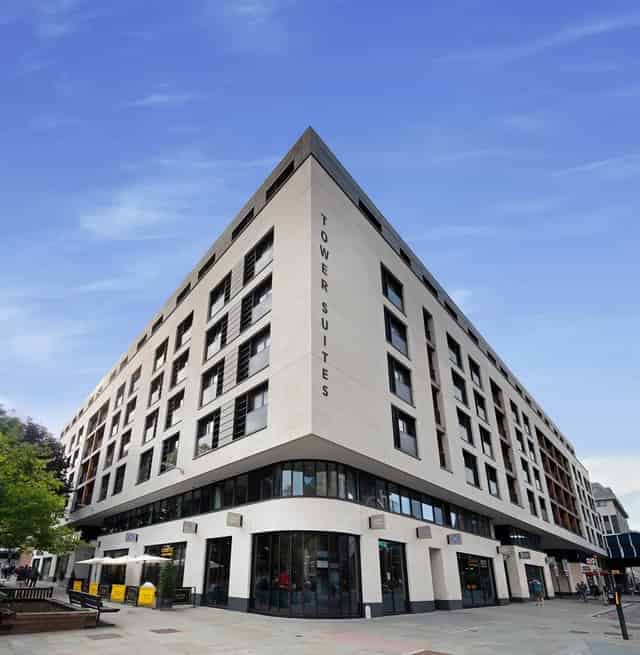
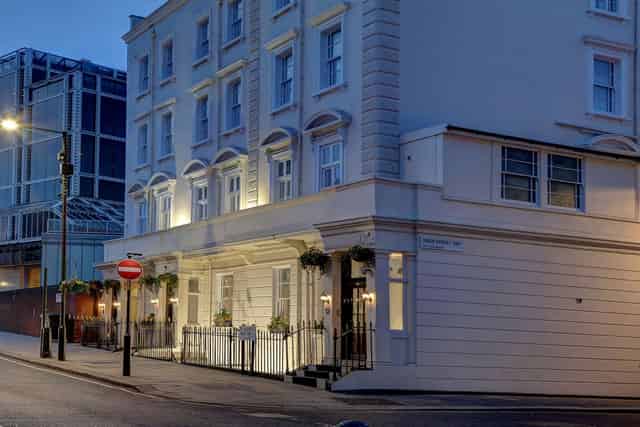
Tower Suites by Blue Orchid Hotels
Estimate£170 to £530 per night in November

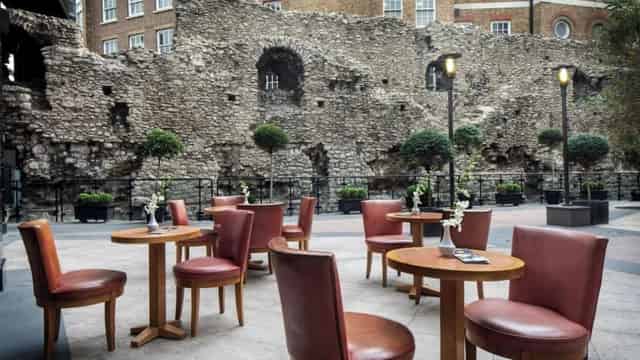
Leonardo Royal Hotel London City
Estimate£160 to £470 per night in November
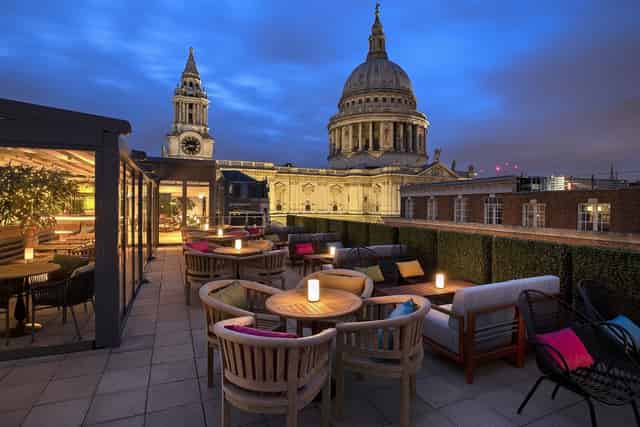
Leonardo Royal London St Paul's
Estimate£260 to £890 per night in November
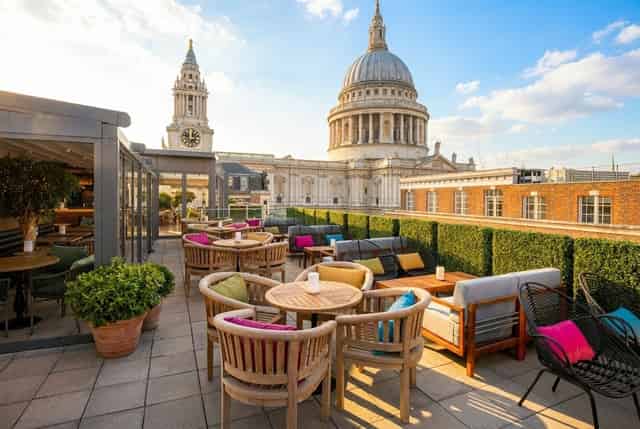
Leonardo Royal Hotel London Tower Bridge
Estimate£230 to £680 per night in November
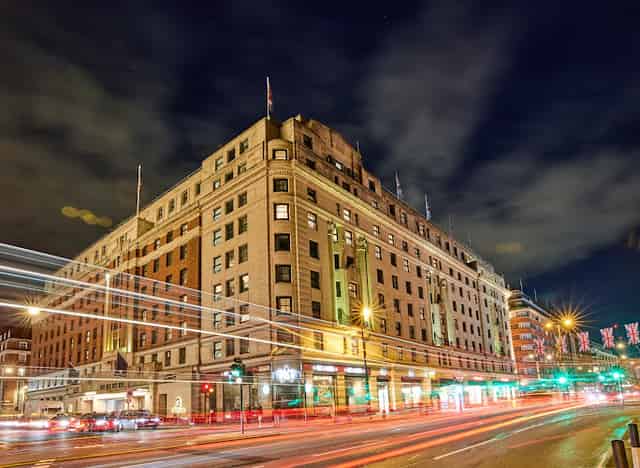
The Cumberland Hotel, London
Estimate£140 to £410 per night in November
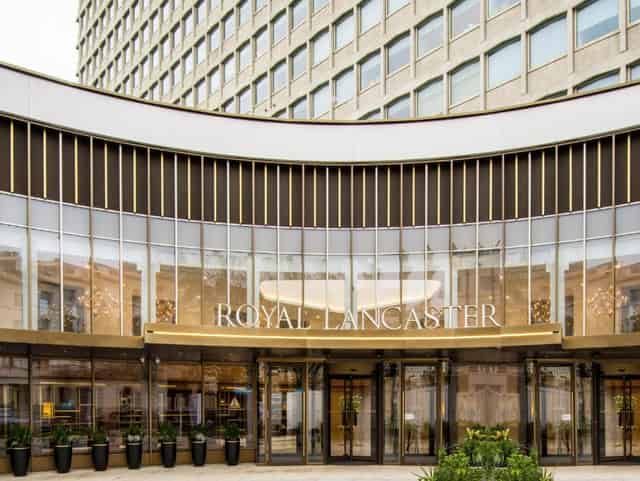
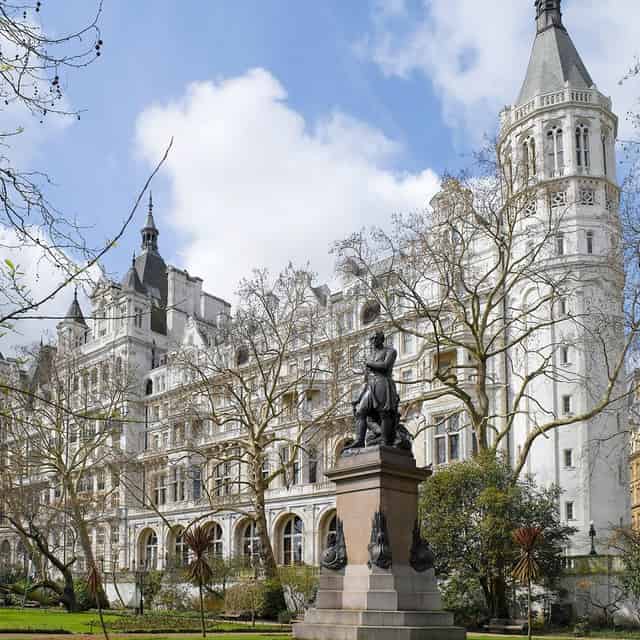
The Royal Horseguards Hotel & One Whitehall Place, London
Estimate£260 to £810 per night in November
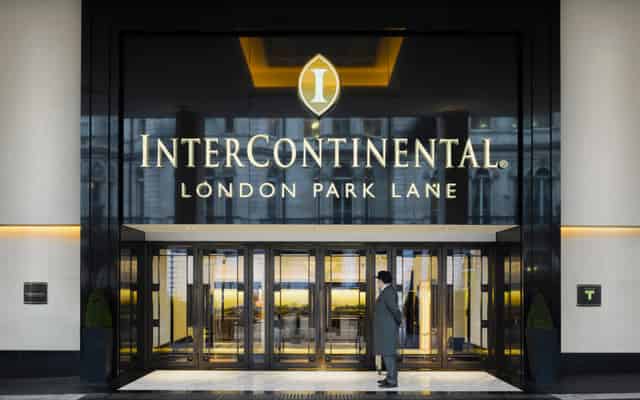
InterContinental London Park Lane by IHG
Estimate£290 to £890 per night in November
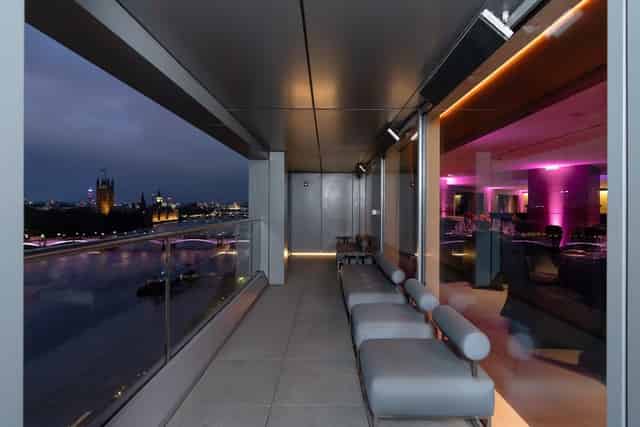
Park Plaza London Riverbank
Estimate£170 to £490 per night in November
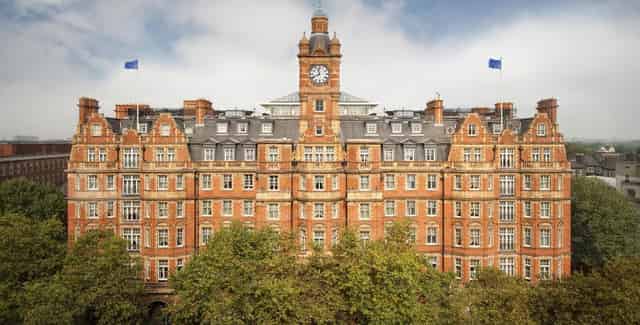
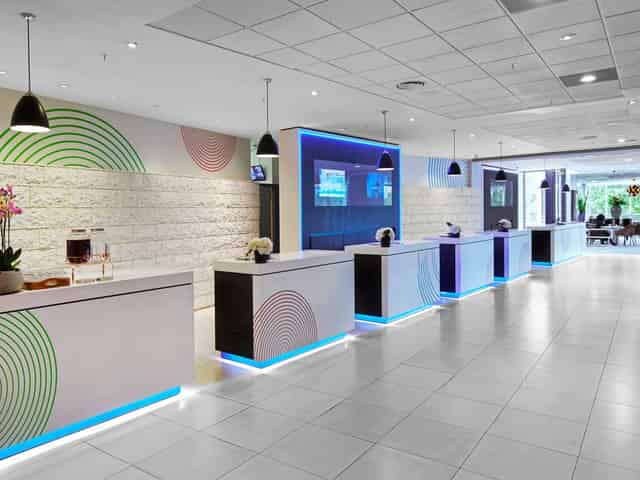
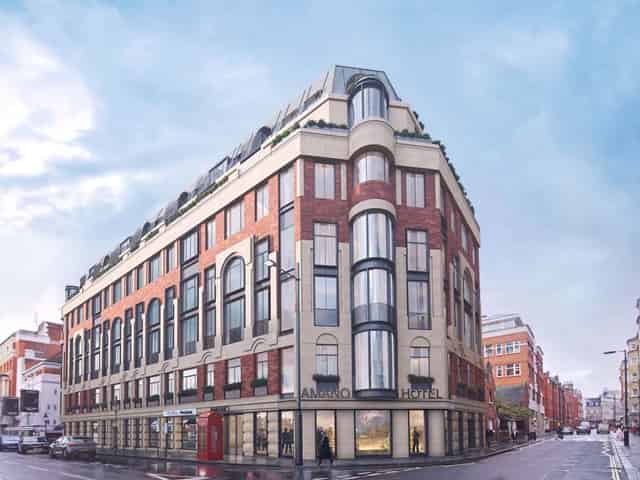
Hotel AMANO Covent Garden
Estimate£210 to £650 per night in November
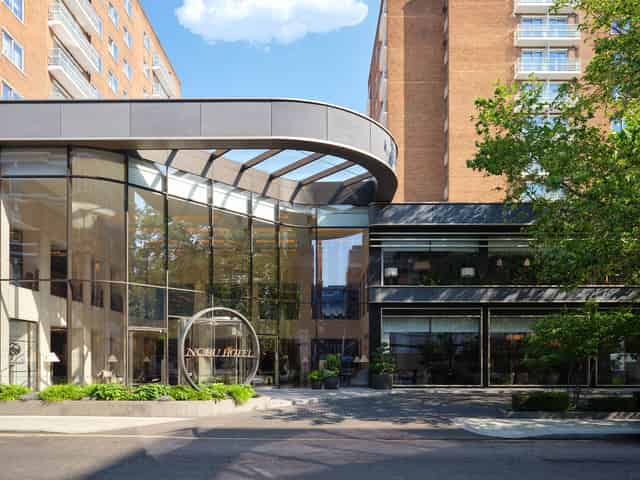
Nobu Hotel London Portman Square
Estimate£230 to £740 per night in November
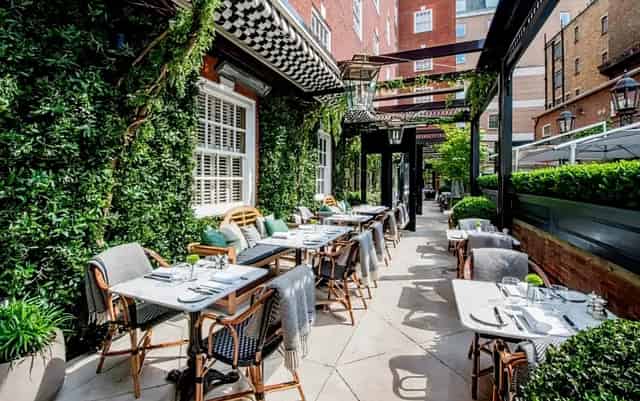
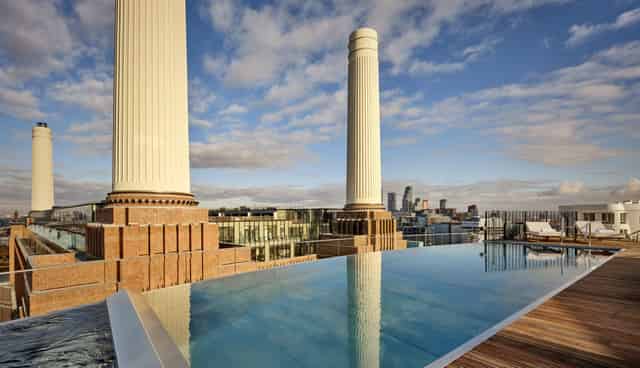
art'otel London Battersea Power Station, Powered by Radisson Hotels
Estimate£240 to £750 per night in November
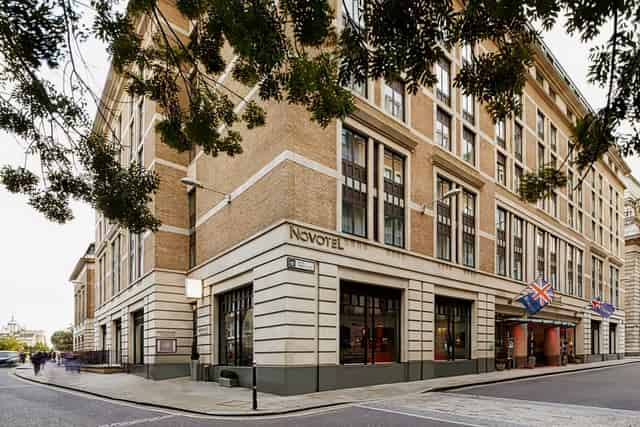
Novotel London Tower Bridge
Estimate£170 to £500 per night in November
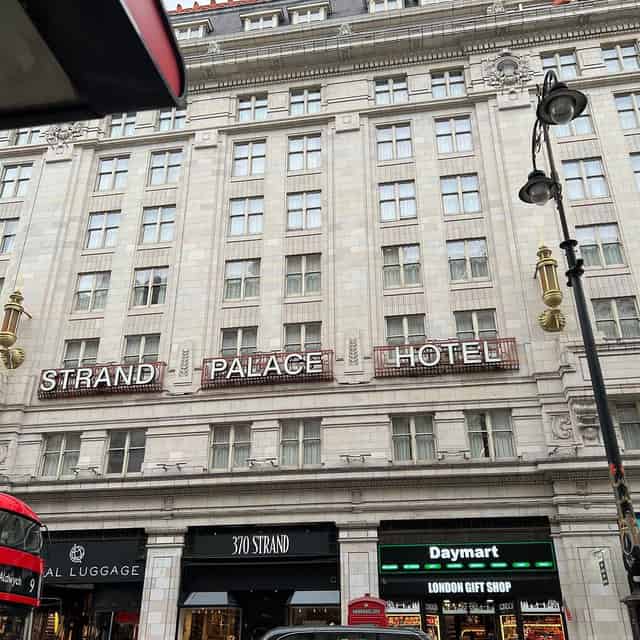
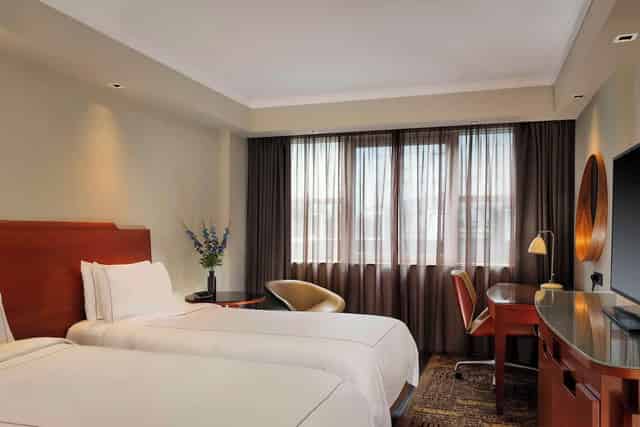
Park Plaza Victoria London
Estimate£180 to £520 per night in November
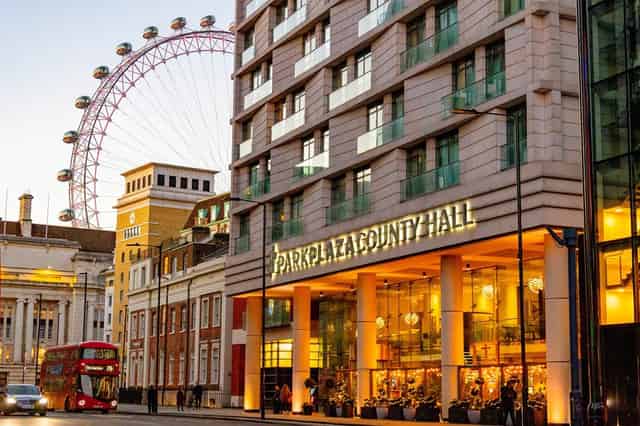
Park Plaza County Hall London
Estimate£170 to £500 per night in November
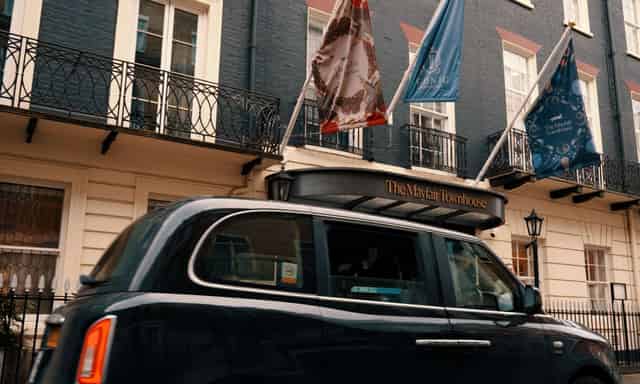
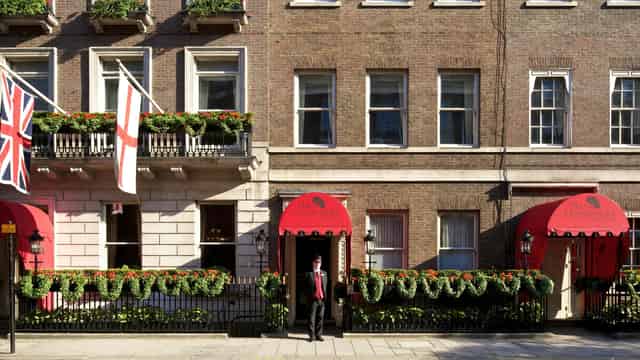
The Chesterfield Mayfair
Estimate£210 to £610 per night in November
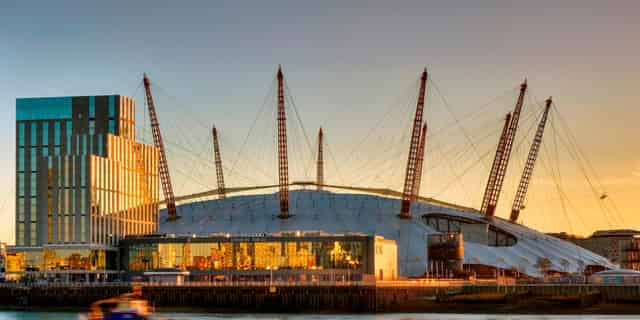
InterContinental London - the O2 by IHG
Estimate£210 to £640 per night in November
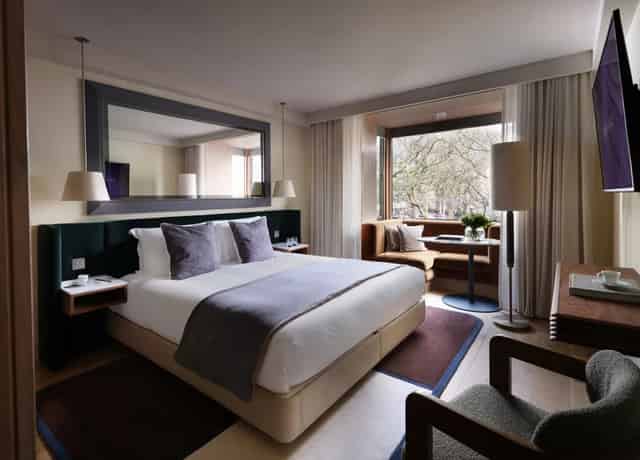
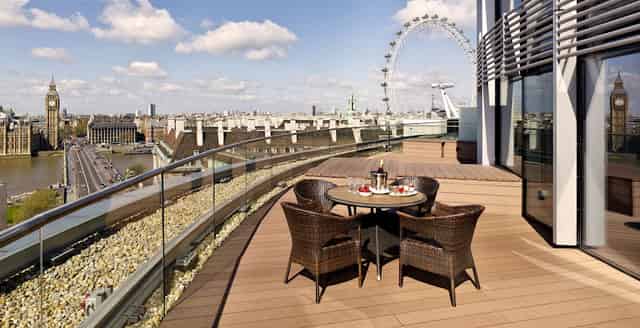
Park Plaza London Westminster Bridge
Estimate£170 to £510 per night in November
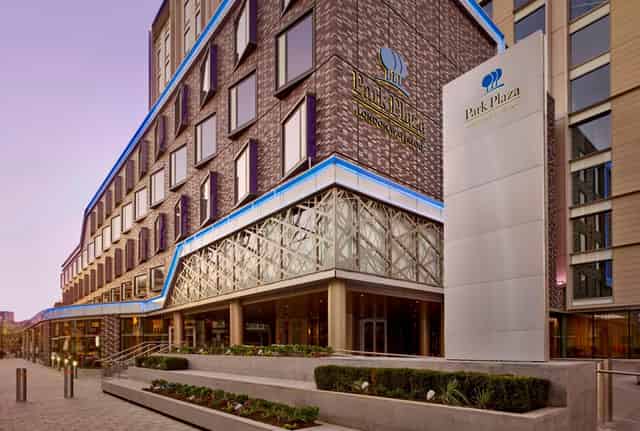
Park Plaza London Waterloo
Estimate£140 to £400 per night in November

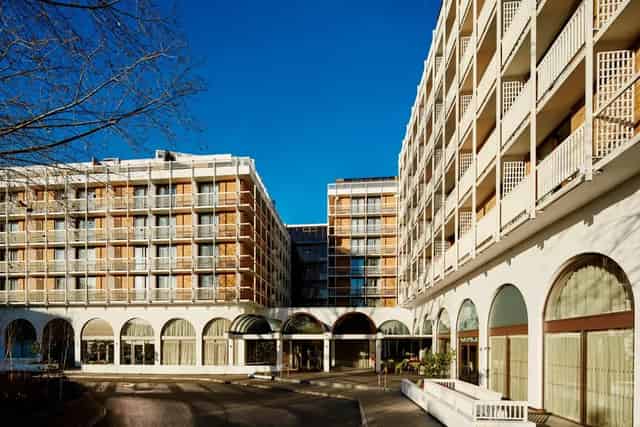
London Marriott Hotel Regents Park
Estimate£200 to £590 per night in November
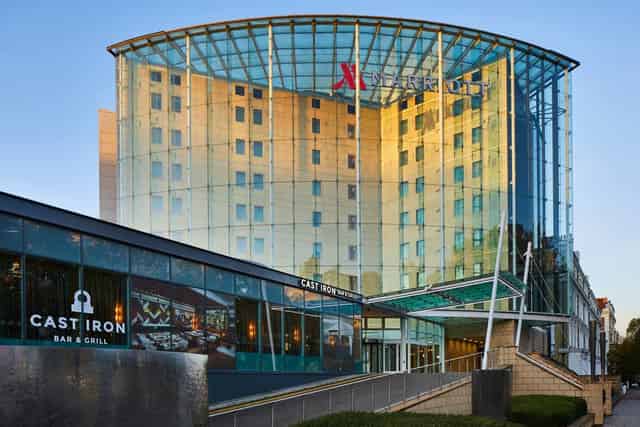
London Marriott Hotel Kensington
Estimate£170 to £510 per night in November
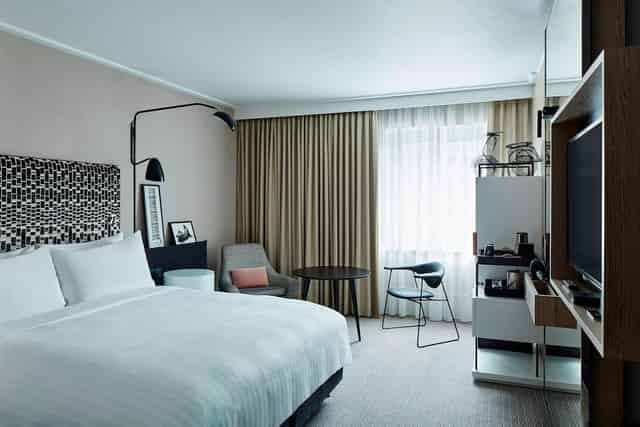
London Marriott Hotel Maida Vale
Estimate£170 to £510 per night in November
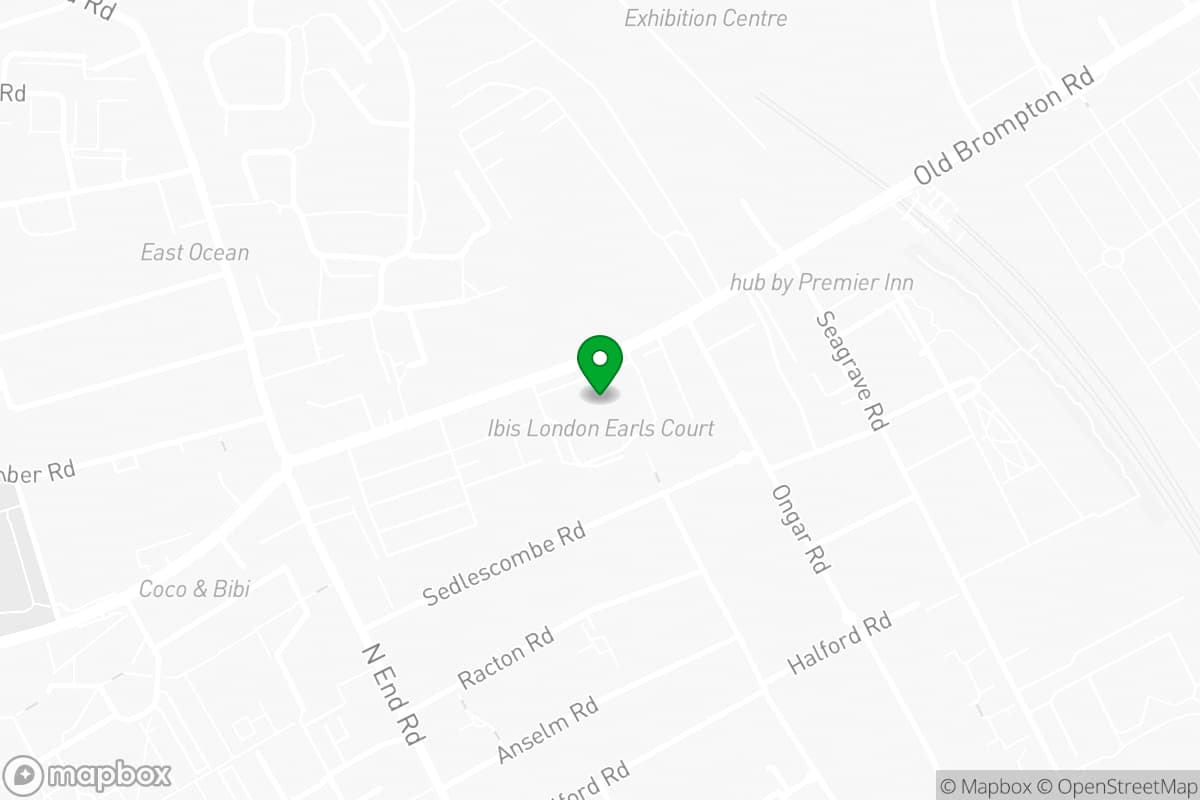
Mercure London Earls Court
Estimate£110 to £340 per night in November
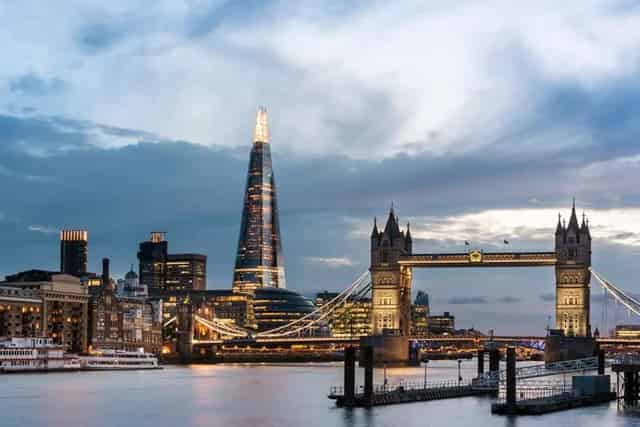
Shangri-La The Shard, London
Estimate£490 to £1,470 per night in November



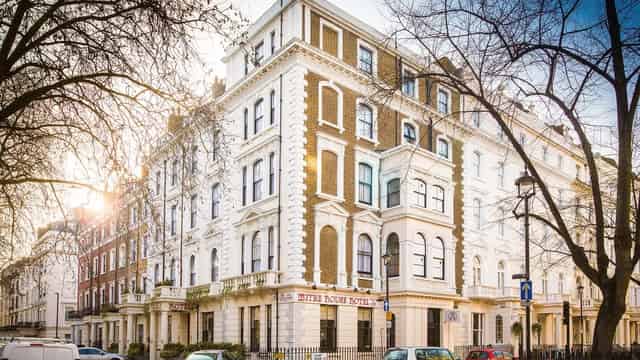
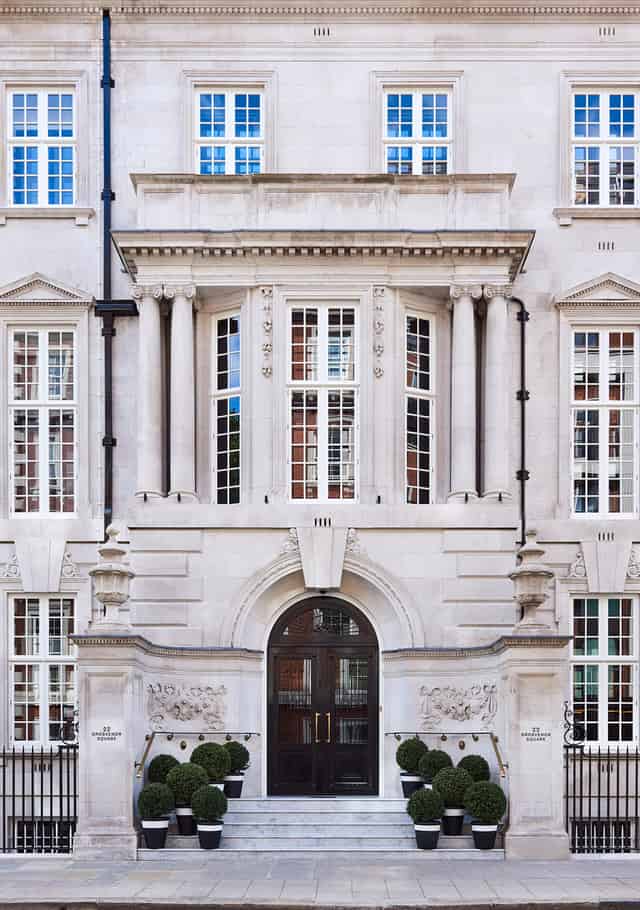
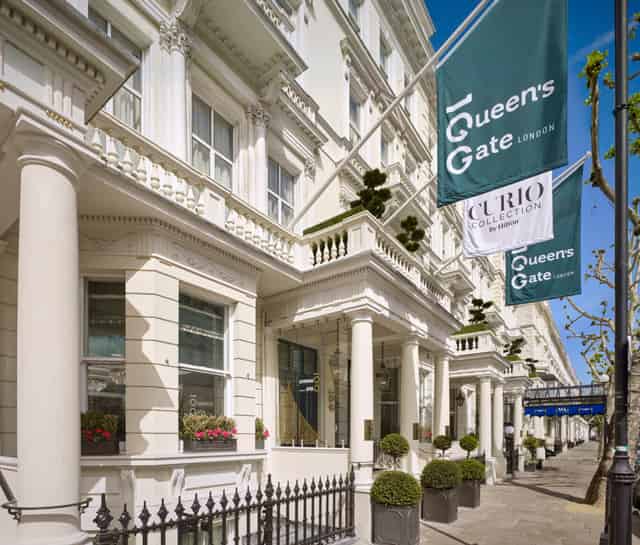
Explore more NEW
More group accommodation in London
- London group accommodation
- 4 Star Hotels
- 5 Star Hotels
- Conference Room Blocks
- Corporate Offsite Hotels
- Hotels for 100 rooms
- Hotels for 200 rooms
- Hotels for 50 rooms
- Hotels near BDC
- Hotels near Billingsgate
- Hotels near ExCeL
- Hotels near Olympia
- Hotels near QEII Centre
- Hotels near The O2
- Hotels Near Tobacco Dock
- Hotels near Wembley
- Sports Team Hotels
- Business Suitable Hotels in Marylebone
- Business Suitable Hotels in City Of London
- Business Suitable Hotels in Westminster
- Business Suitable Hotels in Mayfair
- Business Suitable Hotels in Holborn
- Business Suitable Hotels in Bloomsbury
- 4 Star Hotels in City Of London
- 4 Star Hotels in Marylebone
Show all (25 more)Show fewer
- 4 Star Hotels in Bloomsbury
- 4 Star Hotels in Holborn
- 4 Star Hotels in Westminster
- 4 Star Hotels in Canary Wharf
- 5 Star Hotels in City Of London
- 5 Star Hotels in Marylebone
- 5 Star Hotels in Mayfair
- 5 Star Hotels in Soho
- 5 Star Hotels in Westminster
- 5 Star Hotels in South Bank
- Business Suitable Hotels in Belgravia
- Business Suitable Hotels in Clerkenwell
- Business Suitable Hotels in Covent Garden
- Business Suitable Hotels in Fitzrovia
- Business Suitable Hotels in Knightsbridge
- Business Suitable Hotels in Soho
- Business Suitable Hotels in Victoria
- Business Suitable Hotels in Waterloo
- Business Suitable Hotels in Canary Wharf
- Business Suitable Hotels in Old Street
- Business Suitable Hotels in Shoreditch
- Business Suitable Hotels in Whitechapel
- Business Suitable Hotels in South Bank
- Business Suitable Hotels in South Kensington
- Business Suitable Hotels in Paddington
About Hotels in London for 20 rooms
Selecting the right size and star rating among hotels for 20 rooms in London
When securing a block among hotels for 20 rooms in London, matching property scale to your group dynamics makes all the difference. Across the capital, about half of the hotels suited to this allocation are 4-star properties, offering a dependable balance of working space and comfort. Some of the hotels carry a 5-star rating for executive stays, while a few of the hotels are 3-star options ideal for cost-conscious itineraries.
Balancing footprint and group experience
The total room count directly shapes how your guests interact during their stay:
- Smaller settings (20 to 49 rooms): Found across a few of the hotels, securing 20 rooms here creates an intimate atmosphere, though it accounts for a large portion of their bedrooms.
- Mid-sized properties (50 to 99 rooms and 100 to 199 rooms): Some of the hotels sit in each of these tiers, providing attentive service alongside dedicated breakfast facilities.
- Large hotels (200 or more rooms): Some of the hotels offer 200 or more rooms, giving front-desk teams the flexibility to allocate your group across neighbouring floors.
If you plan to run team briefings or evening recaps, remember that some of the hotels have their own event space on site, keeping travel across town to a minimum.
Your immediate next step is to list your non-negotiables—such as twin versus double configurations, accessible bedrooms, and whether breakfast should be included—before reaching out to properties with your allocation dates.
How many rooms to hold and when to secure your group allocation
Securing a block of bedrooms across the capital requires a clear timeline and a structured approach to attrition. When coordinating accommodation for an upcoming event, holding 20 rooms is substantial enough to warrant a formal contract, but nimble enough that front-office teams can quickly reallocate the space if deadlines slip.
Setting realistic release milestones
Instead of trying to pin down exact guest names months in advance, we recommend negotiating phased release dates within your group agreement. This structure allows you to release unallocated bedrooms in stages without penalty as your programme firms up:
- Initial hold: Request a provisional option on the full block of 20 rooms while your attendee numbers crystallise. Ensure the sales team puts the cut-off dates in writing.
- Staggered drops: Arrange review points at four, three, and two weeks prior to check-in, returning surplus bedrooms to general inventory in manageable batches.
- Final rooming list: Submit the finalised guest list, billing instructions, and specific twin or double preferences at least seven to ten days before arrival.
Timing your enquiry around London demand
London experiences significant corporate demand on Tuesdays and Wednesdays, particularly during peak autumn and spring periods. If your schedule falls between late autumn and winter, seasonal shifts will naturally influence bedroom availability and budgeting. For context, typical rates reflect this movement: Typical £120 to £740 per night in November, Typical £90 to £600 per night in December, and Typical £70 to £370 per night in January. These figures are indicative estimates, not quotes or availability, making early conversations with hotels all the more valuable for locking in terms.
Before signing any agreement, ask whether the hotel can place your block on neighbouring floors or within the same wing, and verify whether breakfast is included in the nightly rate.
Your immediate next step is to map out your registration milestones and establish your contract cut-off dates before confirming the room allocation.
Navigating typical nightly rates and seasonal price shifts across the capital
When budgeting for accommodation across the capital, nightly pricing fluctuates significantly depending on the timing of your programme. Demand across central boroughs shifts between busy business periods and quieter travel windows, which directly alters what hotels charge when holding an allocation of 20 rooms. Understanding these broader seasonal swings helps you set realistic expectations and manage budgets effectively.
Understanding seasonal price patterns
Late autumn and midwinter illustrate just how much the calendar influences bedroom pricing across London:
- Autumn business peaks: Expect a Typical £120 to £740 per night in November, reflecting steady corporate travel and major commercial gatherings.
- Year-end movement: Rates transition to a Typical £90 to £600 per night in December as the city shifts towards festive schedules.
- New year quiet periods: Stays early in the year provide clearer budgeting space, seeing a Typical £70 to £370 per night in January when travel demand softens.
These figures are indicative estimates, not quotes or availability. Actual rates depend on your chosen neighbourhood, room types, and overall demand across the city for your chosen dates.
Strategic budgeting for your room block
To manage your overall spend, always ask hotels whether breakfast is included in the proposed nightly rate. Securing rooms with breakfast included keeps morning routines centralised and removes variable dining expenses from individual expense claims. You should also confirm whether local city events fall over your dates, as demand spikes can push rates towards the higher end of typical ranges.
Your immediate next step is to align your event dates with these seasonal price brackets and contact shortlisted hotels to request written rate options.
Getting your group smoothly between the hotel and your event
Moving delegates across the capital during peak morning hours can quickly disrupt an event schedule if travel logistics are left to chance. While an address close to the centre looks attractive on paper, the true measure of convenience is door-to-door transit simplicity, interchange frequency, and ease of navigation for attendees travelling together.
Evaluating transit links and direct connections
When shortlisting accommodation for your group, focus on simple journeys over geographic proximity:
- Direct routes: Prioritise properties positioned along a direct line to your primary destination. Avoiding busy station interchanges keeps your attendees moving together without unnecessary delays.
- Station walking routes: Look for hotels within a short, straightforward walk from station entrances. Check whether routes involve complex road crossings or narrow pavements that slow down group travel.
- Step-free accessibility: Ensure access routes between the platform and street level are step-free, supporting delegates travelling with heavy luggage or mobility requirements.
Coordinating arrivals and evening schedules
Managing group logistics across town requires clear operational touchpoints throughout your itinerary:
- Independent morning movement: Rather than attempting to herd everyone onto a single train, share clear transit notes so guests can travel smoothly in smaller clusters.
- Late-night returns: Check final timetables in advance if your schedule extends into the evening, as weekday services finish earlier than weekend night routes.
- Centralised luggage care: Confirm the property provides secure bag storage on arrival and departure days, allowing delegates to head straight into morning sessions unburdened.
Your immediate next step is to map the exact transit route between your shortlisted hotels and your event location, checking peak-time service frequencies before finalising your room allocation.
Evaluating what hotels offer beyond a bed for your itinerary
When you bring a team or delegation together in the capital, the overall success of the trip often hinges on operational practicalities rather than simply having a place to sleep. A well-chosen property acts as an anchor for your itinerary, supporting your schedule from the moment delegates arrive until their final departure.
Streamlining mornings and dining logistics
Breakfast sets the tone for your working day, especially when schedules require prompt departures across town:
- Shared morning dining: Check whether breakfast is included in your agreed rate and ask if the restaurant can accommodate your group together. Gathering over breakfast provides a natural opportunity to share itinerary updates without organising a formal briefing.
- Service timings: Confirm what time breakfast service begins on weekdays and weekends. If your programme starts early, verify that the kitchen can provide early service so delegates never leave unrefreshed.
- Flexible evening options: For groups returning from late receptions or dinners across the city, an accessible lounge or quiet dining space on site avoids the stress of finding late tables in crowded central districts.
Supporting working routines and delegate comfort
Practical amenities throughout the property allow your colleagues to remain productive and comfortable between scheduled sessions:
- Dedicated work environments: While comfortable bedrooms are vital, attendees often appreciate quiet lounge areas or informal breakout seating to review presentation notes and answer urgent emails.
- Reliable connectivity: Fast, property-wide Wi-Fi should be included throughout bedrooms and public spaces, supporting multiple devices without complex login procedures.
- Comprehensive accessibility: Ensure the property offers step-free access across main entrances, public areas, and lifts, alongside thoughtfully designed accessible bedrooms.
- Arrival and departure storage: Secure luggage storage is essential on travel days, enabling attendees to head straight into morning meetings unburdened by heavy bags.
- Centralised room grouping: Ask the front-desk team to place your bedrooms within the same wing or across neighbouring floors, keeping your group cohesive and simplifying internal coordination.
Your immediate next step is to build a checklist of these operational essentials—from breakfast timings to luggage storage—and confirm them in writing with your shortlisted hotels before confirming your bedroom allocation.
Questions about hotels in London for 20 rooms
What is the average cost of a hotel room in London for a group?
How much does a hotel room cost in London in November?
Are London hotel rooms cheaper in January than December?
How far in advance should I book 20 hotel rooms in London?
Do hotel prices go down nearer the time in London?
What size and star rating of hotel suits a group needing 20 rooms?
Do London hotels for groups have their own event space?
What should I ask a hotel when booking 20 rooms for a group?
Which area of London is best for a group staying near an event?
How do I get a group from the hotel to the event in London?
Can a London hotel keep a group of 20 rooms together?
Is breakfast and accessibility information worth checking before booking?
Need rooms across several hotels?
Our group bookings team can split a block between hotels near your venue. Free, no obligation.