4 Star Hotels in the City of London
Four-star hotels in the City of London offer convenient group accommodation close to major transport links, business districts and central London attractions. They can suit conferences, corporate events and away days, with guest rooms, dining and meeting facilities under one roof. When comparing options, check room capacity, accessibility, transport connections, catering and whether bedrooms can be reserved for your group.
- Free to enquire
- Group bookings team
71 hotels in City Of London
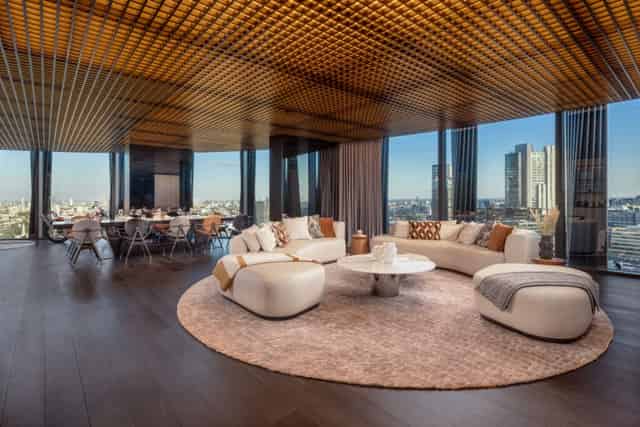
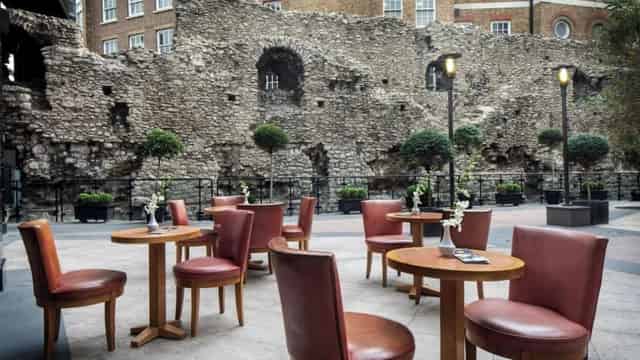
Leonardo Royal Hotel London City
Estimate£160 to £470 per night in November
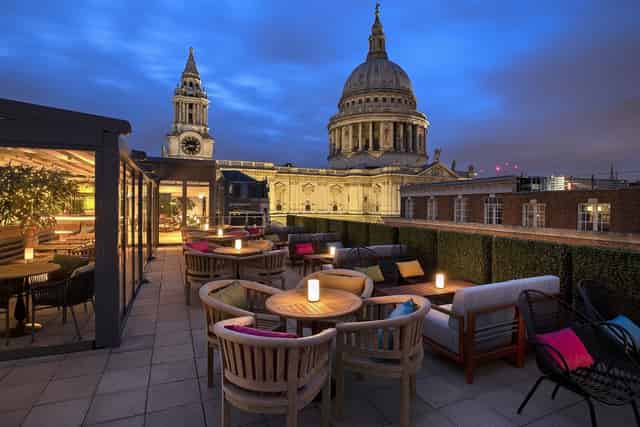
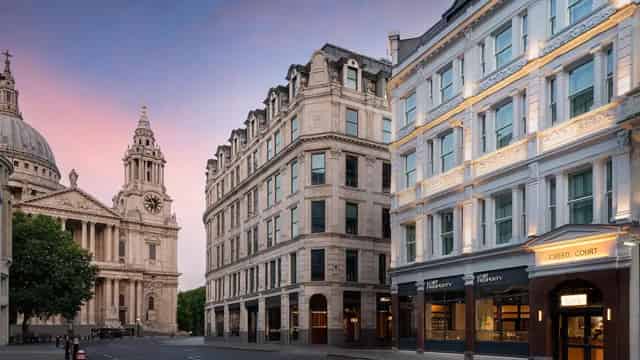
Leonardo Royal London St Paul's
Estimate£260 to £890 per night in November
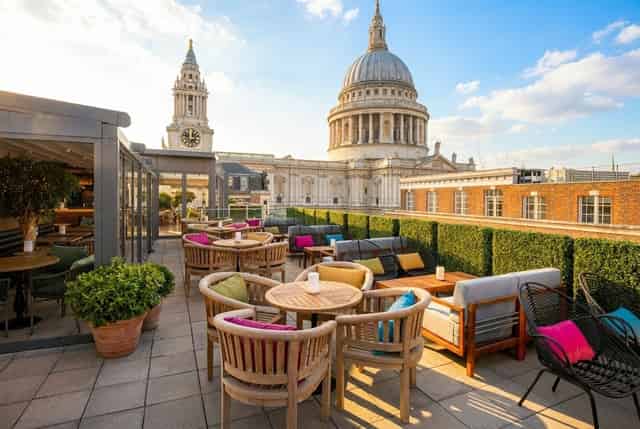
Leonardo Royal Hotel London Tower Bridge
Estimate£230 to £680 per night in November
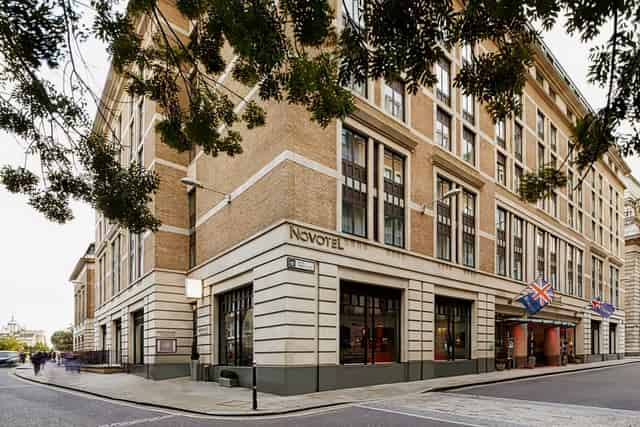
Novotel London Tower Bridge
Estimate£170 to £500 per night in November
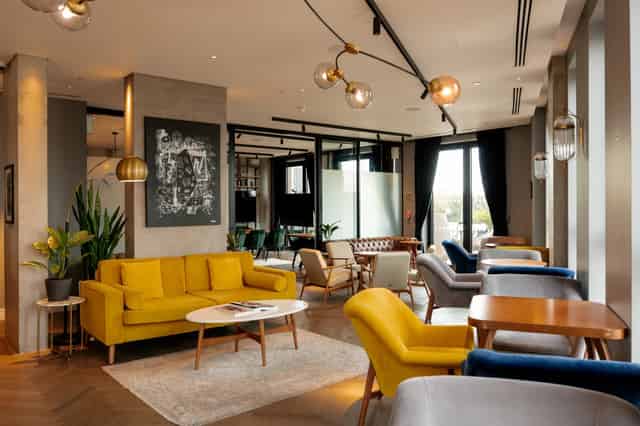
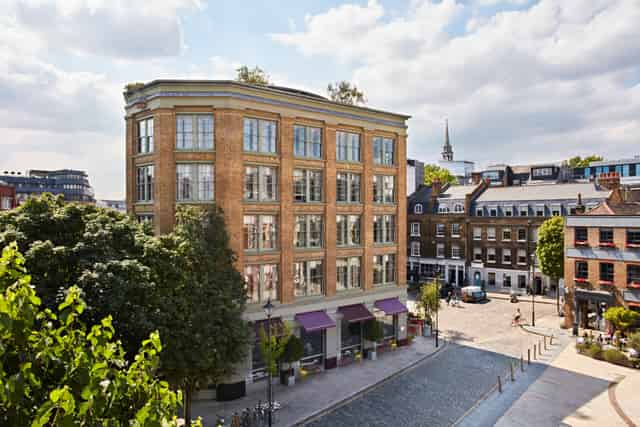
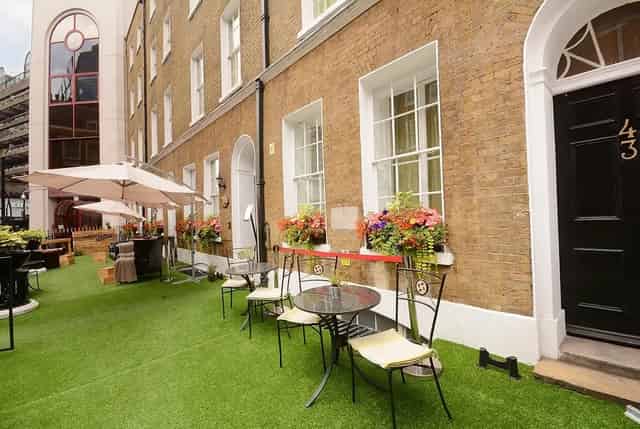
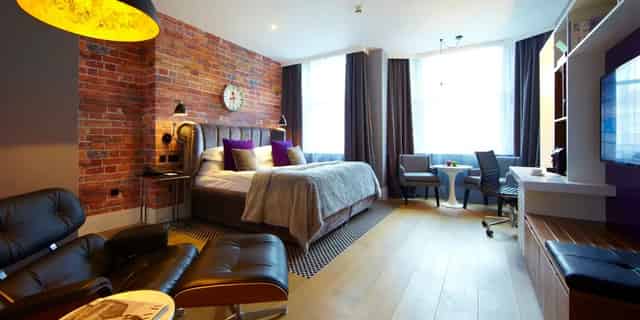
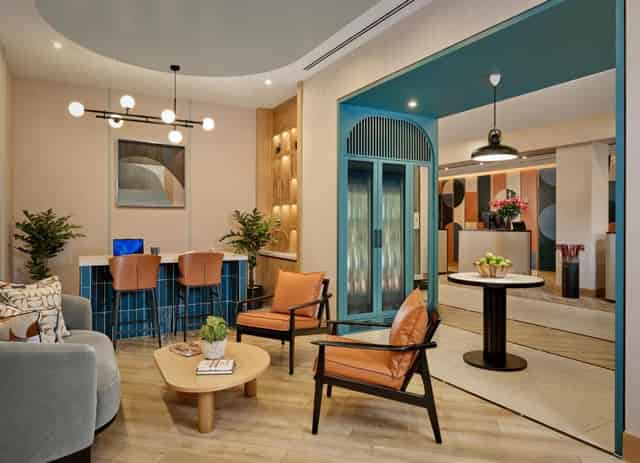
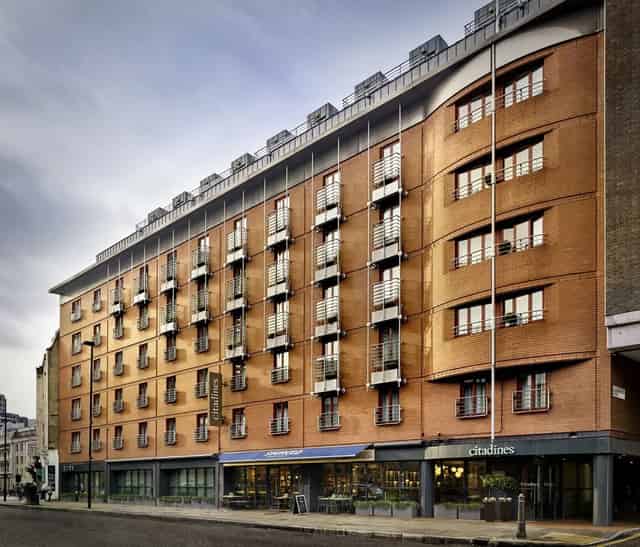
Citadines Holborn-Covent Garden London
Estimate£160 to £460 per night in November
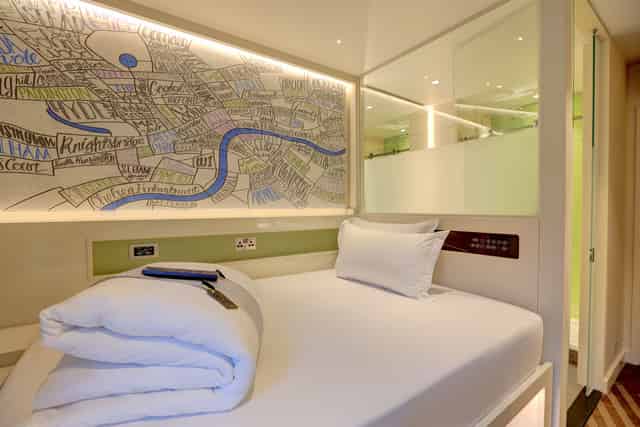
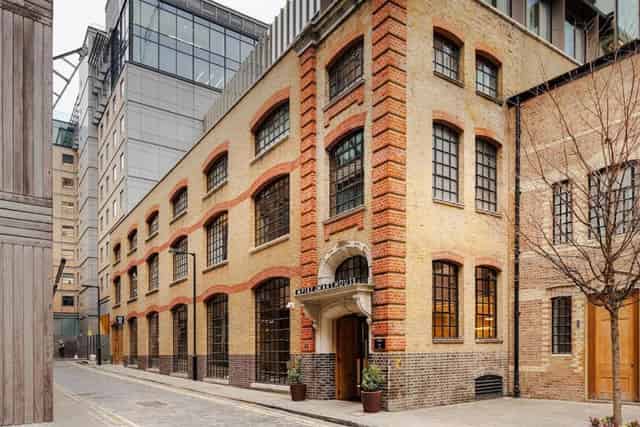

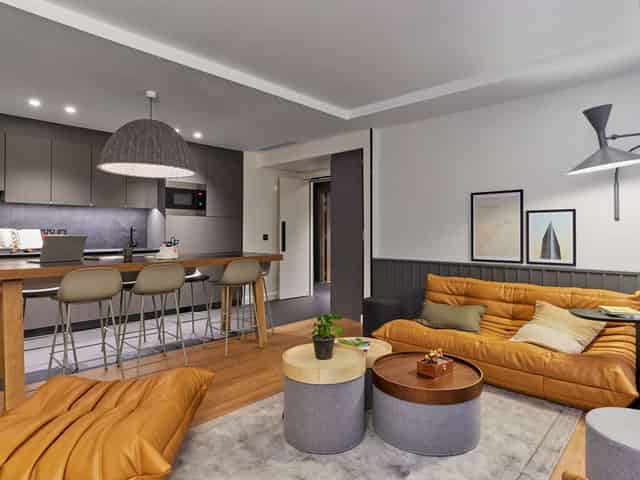
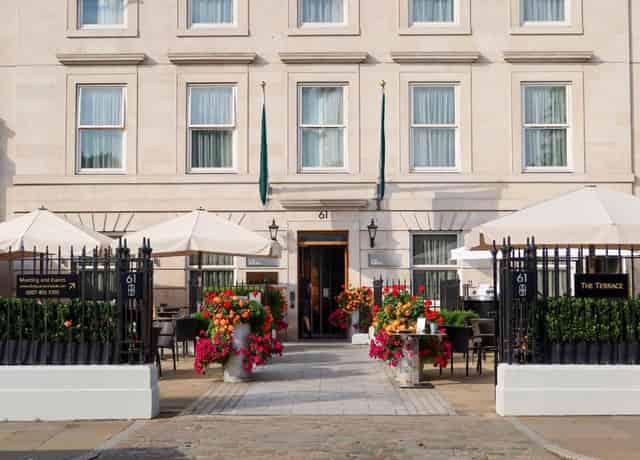
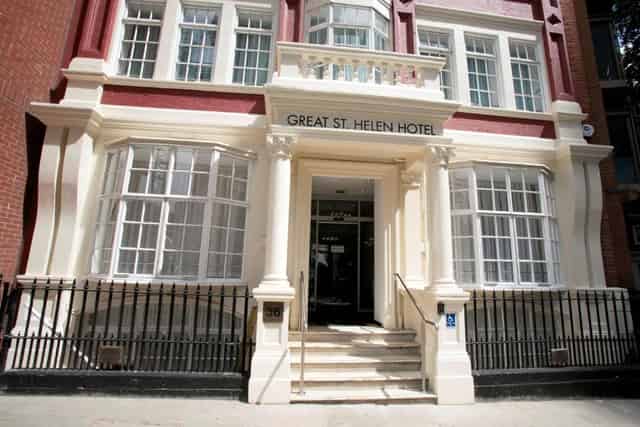
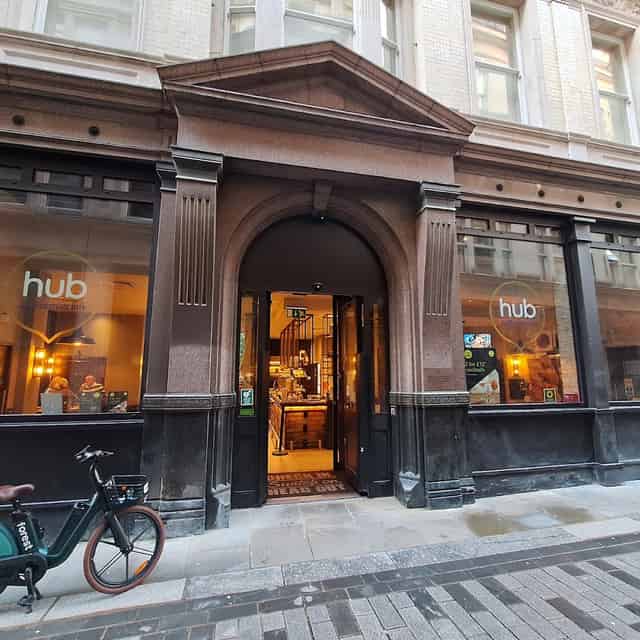
Great St Helen Hotel | Crown Group of Hotels
Estimate£160 to £460 per night in November
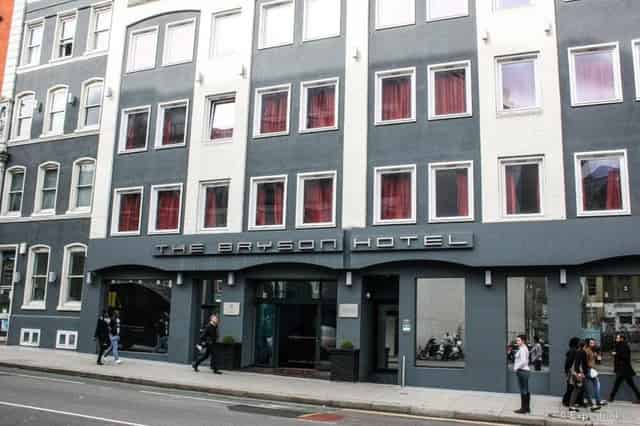
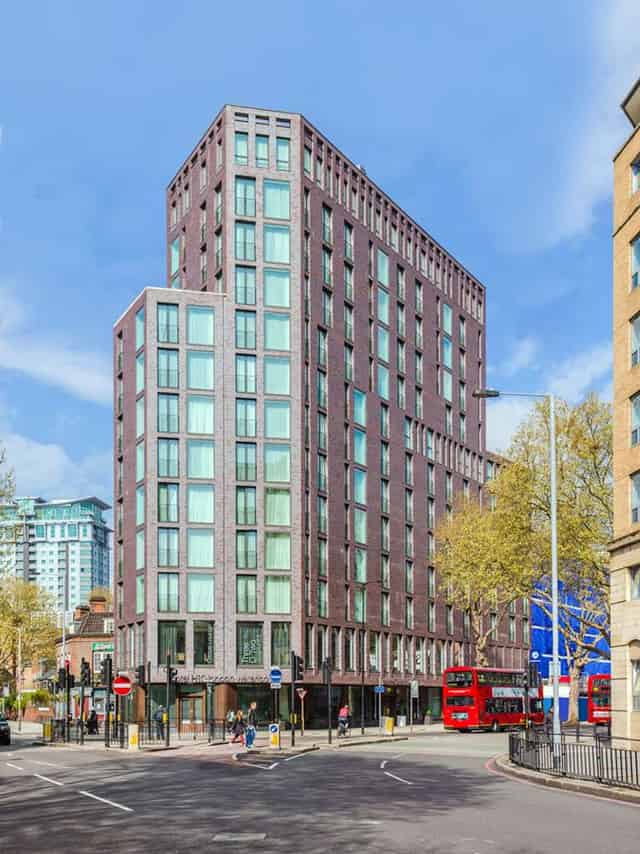
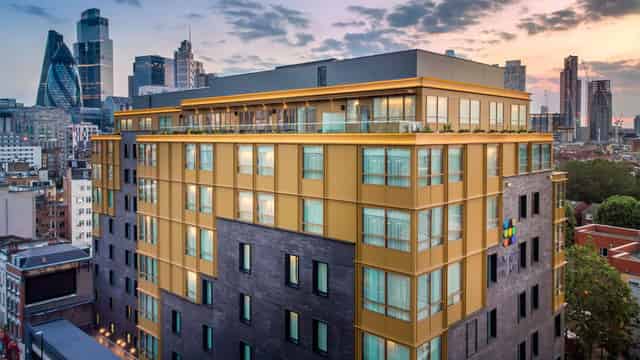
Hyatt Place London City East
Estimate£130 to £410 per night in November
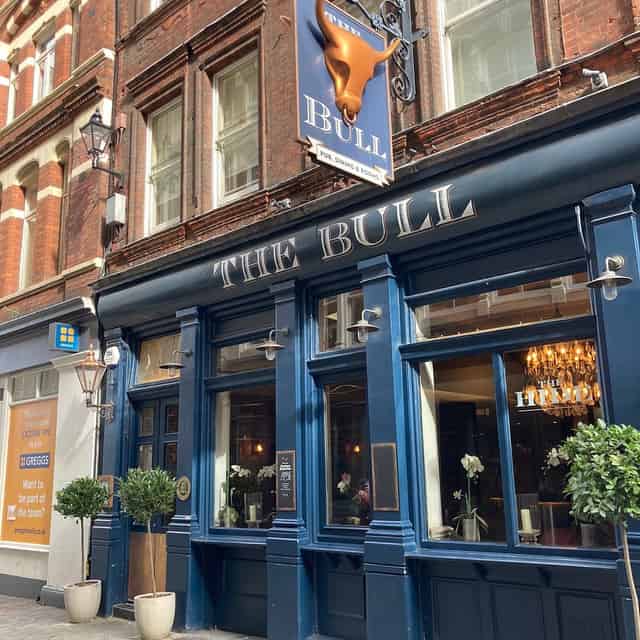
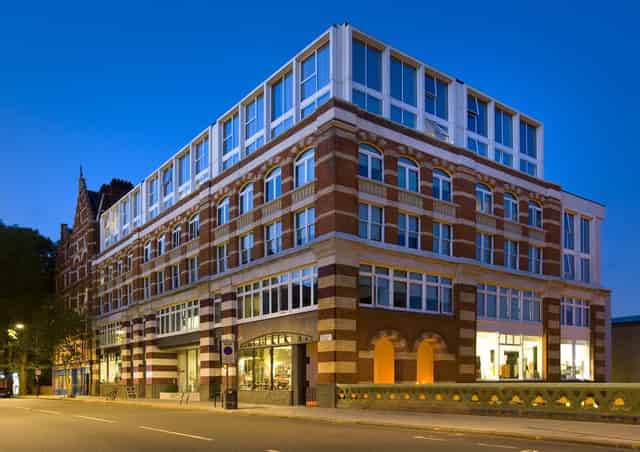
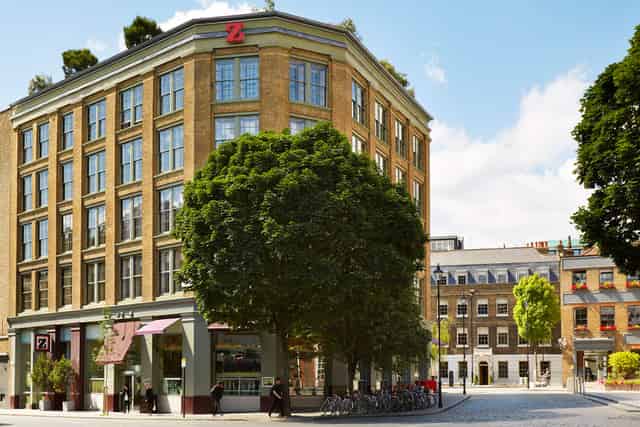
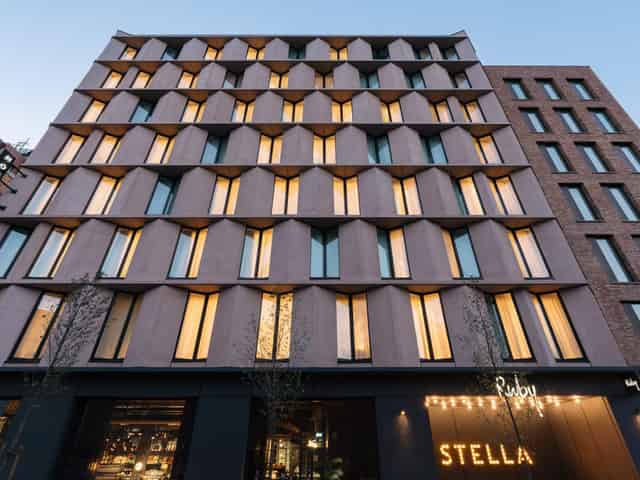
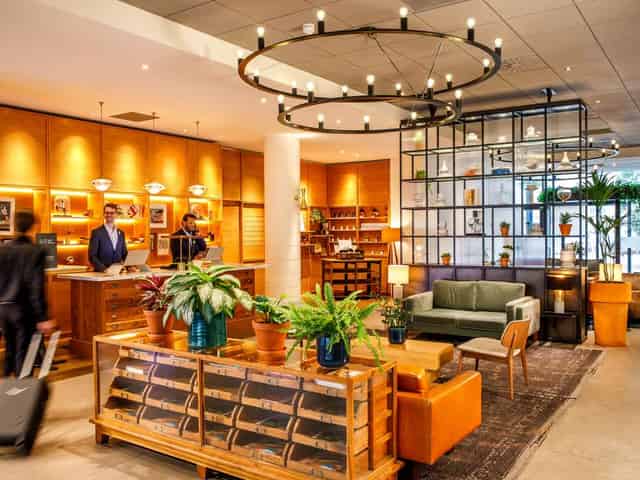
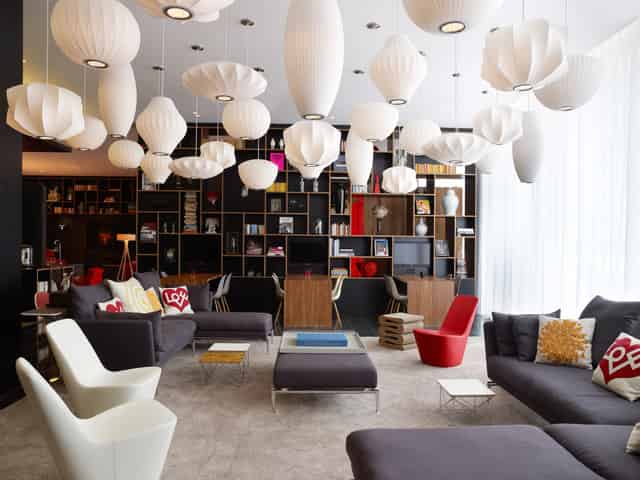
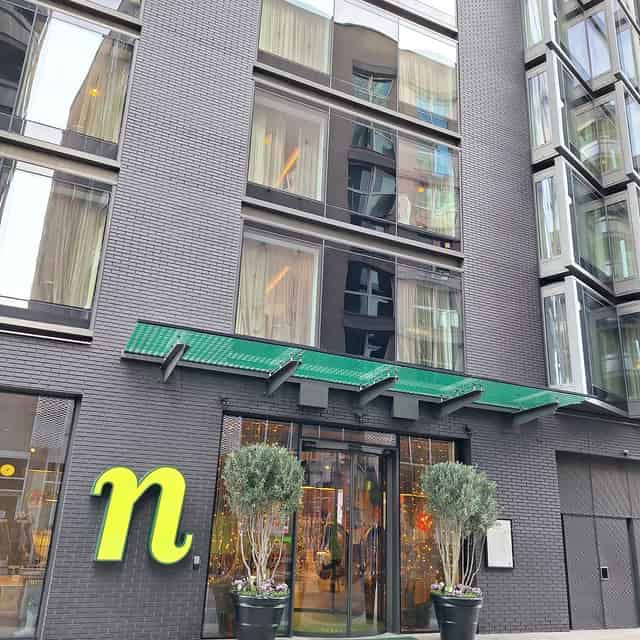
citizenM London Bankside
Estimate£200 to £600 per night in November
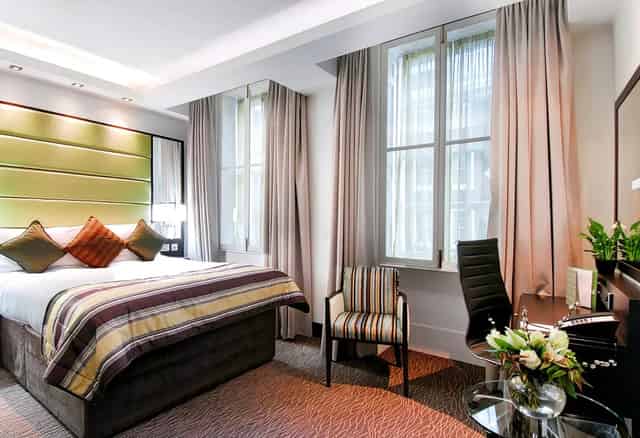
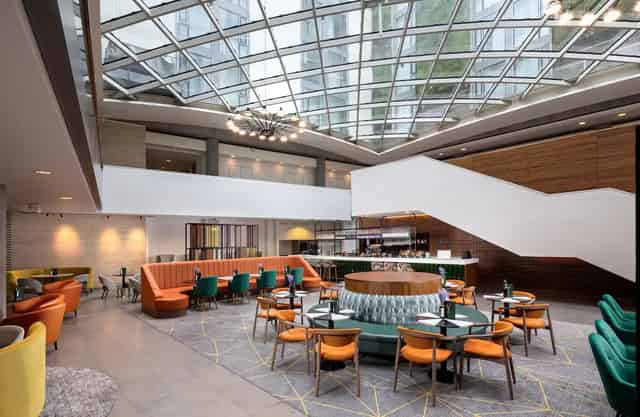
DoubleTree by Hilton London - Tower of London
Estimate£200 to £600 per night in November
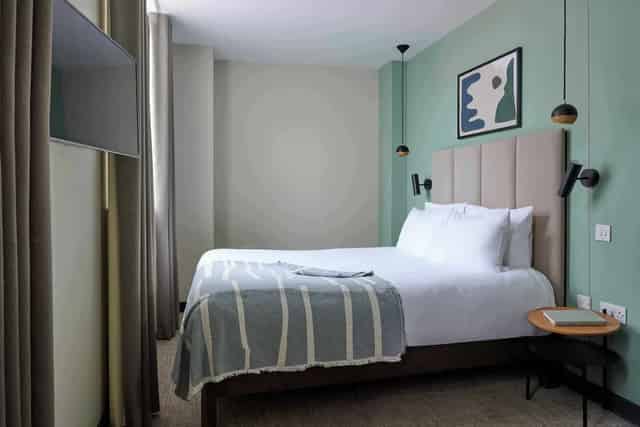

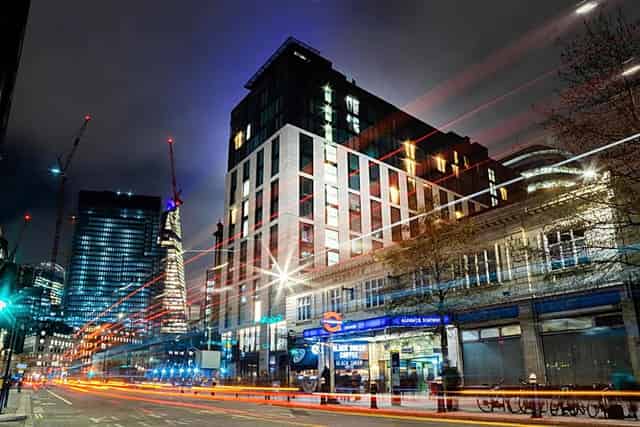
Leonardo Hotel London Aldgate - Formerly Hotel Saint
Estimate£240 to £700 per night in November
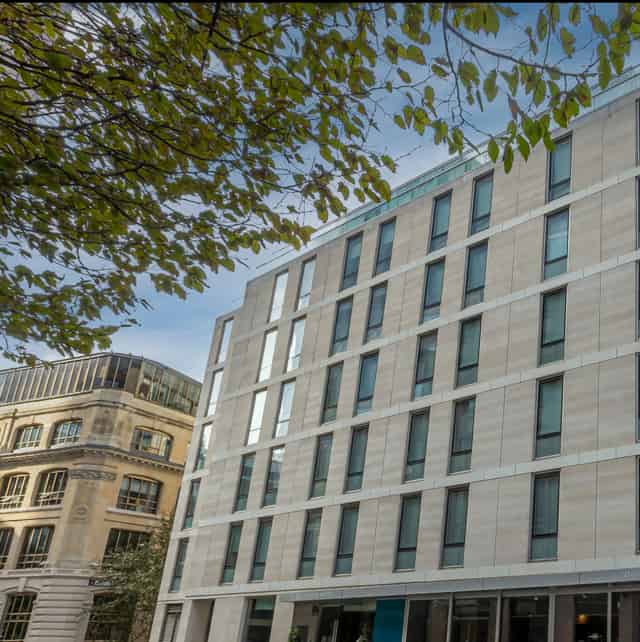
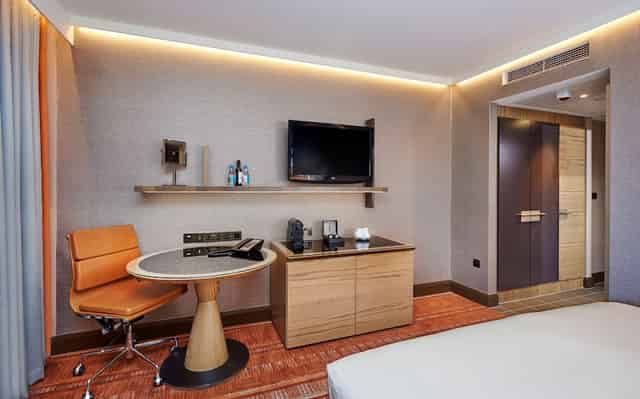
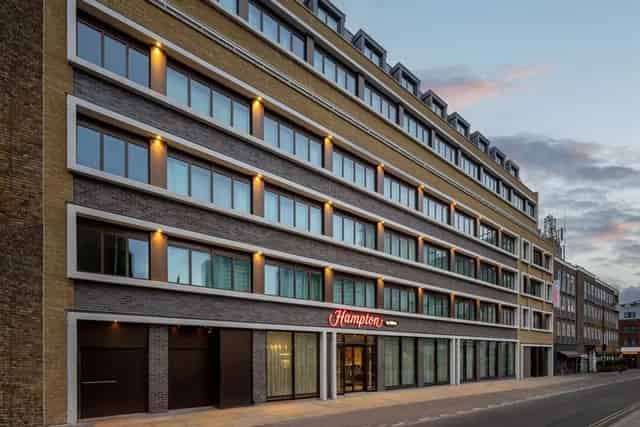
Hilton London Tower Bridge
Estimate£250 to £720 per night in November
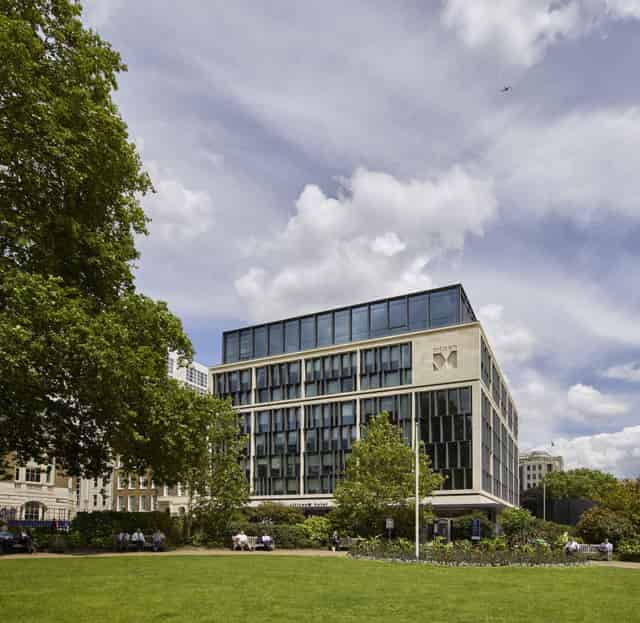
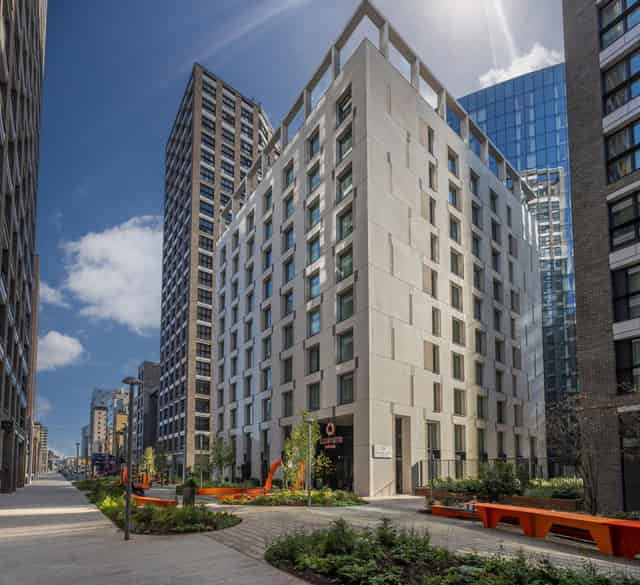
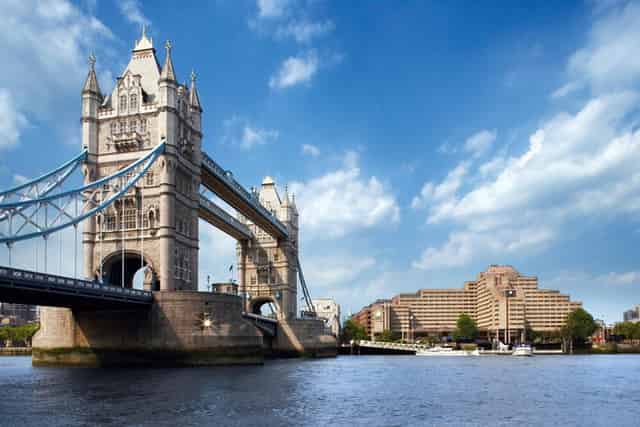

Explore more NEW
More group accommodation in London
- London group accommodation
- 4 Star Hotels
- 5 Star Hotels
- Conference Room Blocks
- Corporate Offsite Hotels
- Hotels for 100 rooms
- Hotels for 20 rooms
- Hotels for 200 rooms
- Hotels for 50 rooms
- Hotels near BDC
- Hotels near Billingsgate
- Hotels near ExCeL
- Hotels near Olympia
- Hotels near QEII Centre
- Hotels near The O2
- Hotels Near Tobacco Dock
- Hotels near Wembley
- Sports Team Hotels
- Business Suitable Hotels in Marylebone
- Business Suitable Hotels in City Of London
- Business Suitable Hotels in Westminster
- Business Suitable Hotels in Mayfair
- Business Suitable Hotels in Holborn
- Business Suitable Hotels in Bloomsbury
- 4 Star Hotels in Marylebone
- 5 Star Hotels in Marylebone
Show all (24 more)Show fewer
- 4 Star Hotels in Bloomsbury
- 4 Star Hotels in Holborn
- 4 Star Hotels in Westminster
- 4 Star Hotels in Canary Wharf
- 5 Star Hotels in City Of London
- 5 Star Hotels in Mayfair
- 5 Star Hotels in Soho
- 5 Star Hotels in Westminster
- 5 Star Hotels in South Bank
- Business Suitable Hotels in Belgravia
- Business Suitable Hotels in Clerkenwell
- Business Suitable Hotels in Covent Garden
- Business Suitable Hotels in Fitzrovia
- Business Suitable Hotels in Knightsbridge
- Business Suitable Hotels in Soho
- Business Suitable Hotels in Victoria
- Business Suitable Hotels in Waterloo
- Business Suitable Hotels in Canary Wharf
- Business Suitable Hotels in Old Street
- Business Suitable Hotels in Shoreditch
- Business Suitable Hotels in Whitechapel
- Business Suitable Hotels in South Bank
- Business Suitable Hotels in South Kensington
- Business Suitable Hotels in Paddington
About 4 Star Hotels in the City of London
Finding the right fit: matching group size to 4 star hotels in the City of London
When you are organising group accommodation in the Square Mile, scale dictates your entire delegate experience. Choosing 4 star hotels in City of London means finding a property where your room block feels integrated rather than lost in the crowd.
Matching property capacity to team dynamics
Because all of the hotels hold 4 stars, the deciding factor often comes down to footprint:
- Large-scale delegations: Some of the hotels offer 200 or more rooms, while some have 100 to 199 rooms. These larger properties easily absorb substantial delegations seeking shared common areas without splitting people across multiple locations.
- Mid-sized teams: Some of the hotels feature 50 to 99 rooms, offering an ideal balance of reliable service and focused attention for corporate projects.
- Executive and VIP groups: A few of the hotels feature 20 to 49 rooms, and a few have fewer than 20 rooms. These smaller settings suit leadership retreats requiring a quieter environment.
Balancing bedrooms with event locations
Consider how your bedrooms link to the wider programme. Some of the hotels provide event space on site for meetings or evening dinners, keeping logistics delightfully simple. If your main gathering takes place off site at Conference Venues in City of London or nearby Event Venues in City of London, look for properties within an easy walk of key interchanges like Bank or Liverpool Street to minimise morning travel.
Once you have established your headcount, decide whether keeping the group together in a larger property or taking over a smaller base suits your objectives best. Your immediate next step is to request initial allocations with clearly defined cut-off dates for submitting guest names.
Securing your room block: when to request bedrooms and how many to hold
Locking down group accommodation in the Square Mile requires a proactive approach, particularly during peak corporate periods. Once your dates are settled, requesting your room block should be an immediate priority to keep your delegation housed together.
Timing your allocation request
Midweek demand across the business district moves quickly, which means availability can tighten months in advance. Requesting your bedrooms early gives you the greatest flexibility over room configurations and check-in schedules. If your programme splits time between overnight stays and off-site sessions at Meeting Rooms in City of London, securing your sleeping rooms concurrently prevents logistical headaches across your team.
Sizing your block and managing attrition
When determining how many bedrooms to hold, you must balance delegate certainty against financial exposure:
- Hold a modest buffer: Request slightly more rooms than your baseline confirmed headcount to absorb late-joining colleagues, avoiding the scramble of finding nearby overflow accommodation later.
- Clarify room types early: Determine whether team members require single occupancy or twin rooms well before contracting, as twin configurations often book up much faster.
- Agree phased release terms: Rather than accepting a single rigid cut-off date, negotiate staggered review dates. This flexibility lets you return unreserved rooms to general inventory without incurring cancellation charges.
- Establish billing arrangements: Decide whether room, tax and breakfast go to a central master account, or if individuals settle incidentals on departure.
If your delegate count outgrows your primary base, expanding your search towards Event Venues in Holborn provides a practical alternative along the same transport corridors.
Your next step is to consolidate your attendee list and request contract proposals that clearly detail cut-off dates and attrition allowances.
Anticipating nightly room rates and understanding seasonal price shifts
Budgeting for group bedrooms in the Square Mile requires an understanding of how corporate demand moves across the calendar. Midweek periods see intense pressure from international business travel, whereas seasonal shifts can open up far more breathing room in your accommodation budget.
Understanding typical seasonal shifts
When mapping out delegate accommodation costs across late autumn and winter, nightly benchmarks shift noticeably:
- Autumn conference season: Typical £170 to £730 per night in November, reflecting heavy corporate travel across the capital.
- Festive transitions: Typical £120 to £480 per night in December, as corporate travel tapers towards the holiday break.
- New year restarts: Typical £90 to £290 per night in January, which represents the quietest rate window of the winter quarter.
Keep in mind that these figures are indicative estimates, not quotes or availability. They provide a helpful planning baseline when shaping your initial budget, but confirmed pricing depends entirely on your exact pattern of stay.
Strategies for managing group spend
To keep overnight expenses manageable for your delegation, think carefully about how your programme aligns with wider travel flows:
- Examine day-of-week patterns: Sunday and Monday nights generally see softer demand than the compressed Tuesday-to-Thursday corporate peak.
- Centralise breakfast costs: Confirming an included breakfast within your room contract keeps morning catering straightforward and avoids unexpected incidental expenses.
- Look at nearby transport corridors: If peak business dates push rates higher than anticipated, checking transport links towards Event Venues in Bloomsbury or Event Venues in Westminster can provide workable overflow options.
Your immediate next step is to benchmark your planned event dates against these seasonal ranges and request tailored proposals to establish confirmed pricing for your room block.
Planning group travel: navigating transport links between your hotel and the event
Connecting your delegate bedrooms to your event programme requires careful thought around commuter flows and accessibility across the Square Mile. While the district is remarkably compact, moving a collective group during peak morning transit requires practical coordination to keep your schedule running smoothly.
Prioritising walkable rail and Underground connections
The simplest way to keep delegates punctual is anchoring your room block near key interchanges such as Liverpool Street, Bank, Farringdon, or Cannon Street. Rail connections, including the Elizabeth line, provide swift links across the capital and straightforward routes from major airports. When evaluating properties:
- Assess walking routes: Opt for hotels situated within an uncomplicated stroll of your destination. Narrow pavements and bustling junctions can slow down larger parties, so a direct, pedestrian-friendly route keeps your group together.
- Audit accessible routes: Check that the journey from platform to hotel entrance offers level access for delegates carrying luggage or those with mobility requirements. Confirm lift access from the reception lobby to all guest floors before contracting.
- Avoid peak road congestion: Traffic across historic streets can stall taxis during the morning rush and evening commute. Encourage delegates to walk or use rail rather than relying on road transfers.
Managing luggage and arrival schedules
If team members arrive before bedrooms are ready, ensure the hotel can store bags securely so delegates can head straight to morning sessions without delay. Similarly, establish whether early arrivals can check in smoothly or if holding a designated hospitality room is beneficial.
Your immediate next step is to map the pedestrian routes between your shortlisted hotels and your event location, confirming accessible access and direct station connections for your travelling attendees.
Looking beyond the bedrooms: checking on-site dining and event space for delegates
Looking past the sleeping arrangements to consider how delegates gather between sessions can transform a standard business trip into a cohesive team experience. When hosting a travelling group, on-site dining and informal communal areas keep your delegation connected without requiring extra transit across the Square Mile.
Streamlining delegate dining and morning routines
Coordinating breakfast and evening meals within the property eliminates morning rushes and keeps team members aligned:
- Shared morning dining: Check whether the hotel can allocate a dedicated seating area for an included breakfast, allowing colleagues to connect before departing for off-site sessions.
- Informal breakout spots: Hotel lounges, bars and ground-floor restaurants provide practical touchpoints where delegates can catch up on emails or hold casual catch-ups between agenda items.
- Consolidated account billing: Arrange for team dinners and refreshments to route directly to your central master account, avoiding the administrative headache of reconciling individual delegate expense claims later.
Integrating gathering areas with your bedroom block
If your schedule requires a quiet base for executive debriefs or team prep, securing gathering space within the building offers valuable convenience:
- Logistical continuity: Having a dedicated room under the same roof lets presenters rehearse and leadership teams conduct private briefings without stepping outside into unpredictable weather.
- Day-use flexibility: Ask whether larger suites within your bedroom block can serve as daytime coordination hubs before delegates retire to their individual rooms in the evening.
Your immediate next step is to ask your shortlisted properties about private dining availability and request details on any on-site meeting areas alongside your bedroom contract.
Questions about 4 Star Hotels in the City of London
What is the typical nightly price of a 4 star hotel in the City of London?
What moves the price of group hotel rooms in the City of London?
What does a 4 star hotel mean for a group booking?
What size of hotel suits a group booking in the City of London?
How far ahead should I request a room block for a group?
How many rooms should I hold for a group attending an event?
Do 4 star hotels in the City of London have their own event space?
How do delegates get between a City of London hotel and the event?
What should I check about accessibility when booking group rooms?
Can guests under 18 stay in a hotel as part of a group booking?
Need rooms across several hotels?
Our group bookings team can split a block between hotels near your venue. Free, no obligation.