Sustainable Conference Venues for Hire in South London
Compare sustainable South London conference spaces with integrated AV, breakout rooms and green catering policies for your next corporate event.
59 Sustainable Conference Venues for Hire in South London




















































No venues match these filters
Try widening your capacity, luxury level or event type.
Don't have time to search? We'll find it for you.
For business events that need human judgement, talk to our team. Free for events of 100+ people, budgets over £10k or ongoing programmes.




Explore more venues in South London






Frequently asked questions
What defines a sustainable venue in South London?
How does location affect a venue's sustainability?
How can I ensure a venue is truly green?
Are historic venues in South London sustainable?
What size venue is best for sustainability?
What are key eco policies for conference venues?
Which venue layout optimises space and sustainability?
What transport options are near South London venues?
How to assess a venue's environmental performance?
How to factor sustainability into conference pricing?
How do South London venues support event logistics?
How do sustainable venues balance cost and green practices?
What certification should sustainable venues have?
What roles do technology upgrades play in green events?
What sustainable features should conference venues offer?
Other platforms search their database. We search everything.
Tell us what you need. Our deep research finds any venue, whether it's in our marketplace or not. No one else does this.
About Sustainable Conferences in South London
Balancing stage production, breakouts and energy demand
Planning a full day conference with a plenary stage, breakout sessions and dedicated catering means managing how a building consumes power throughout the day. A programme that runs from an eight o'clock registration through to an evening reception places continuous load on ventilation, lighting and audiovisual hardware. Choosing a space that matches your group size prevents you from heating, cooling and illuminating floor area that your delegates never use. A compact footprint keeps delegate movement efficient and prevents the energy waste that comes with under-occupied rooms.
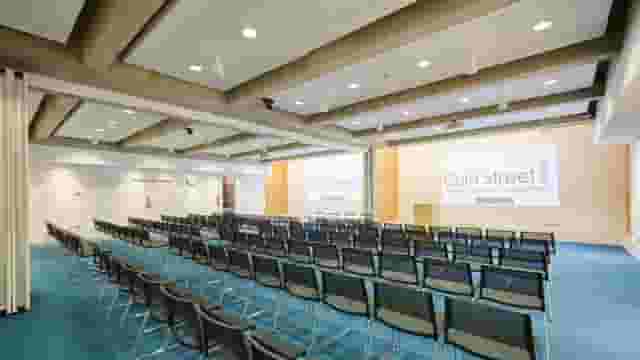
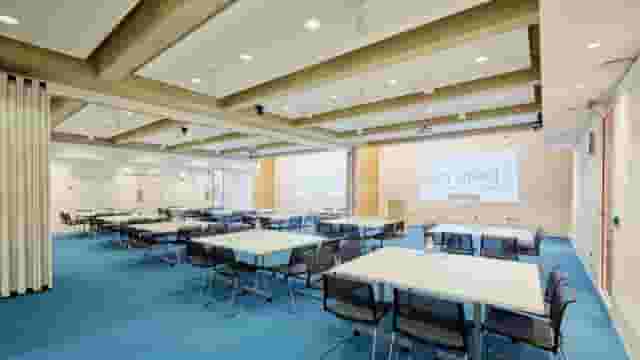
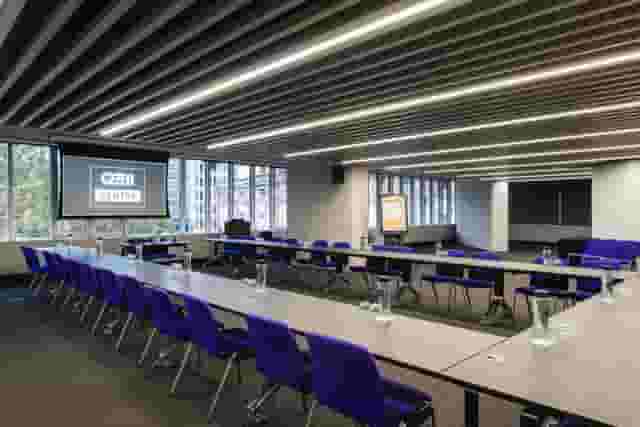
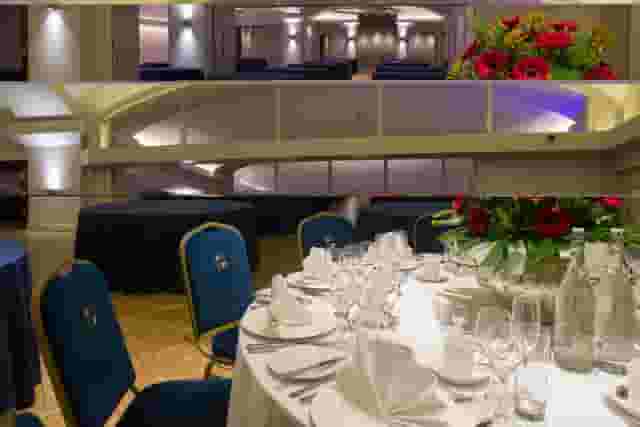
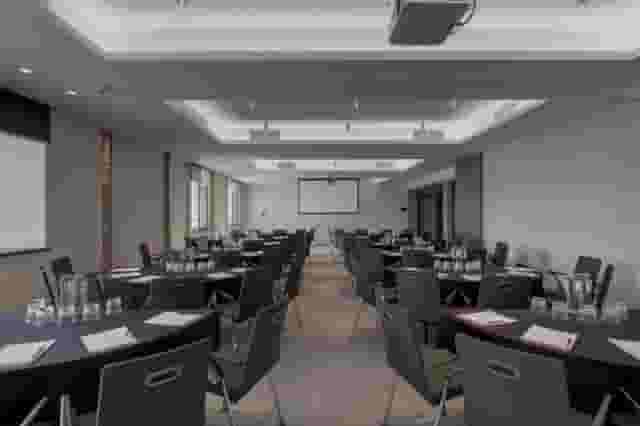
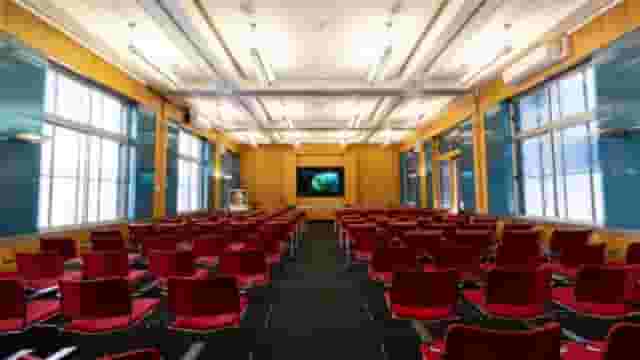
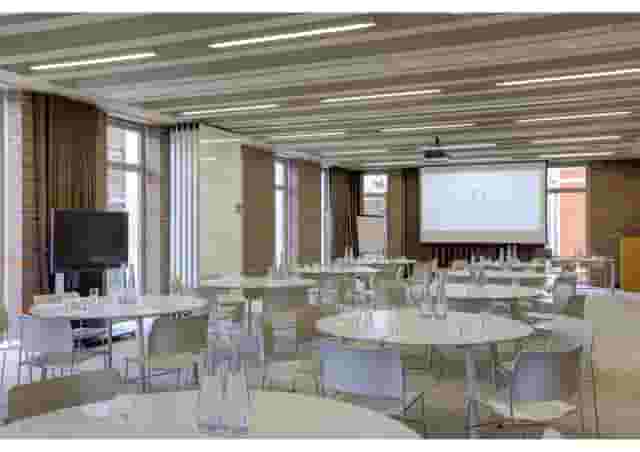
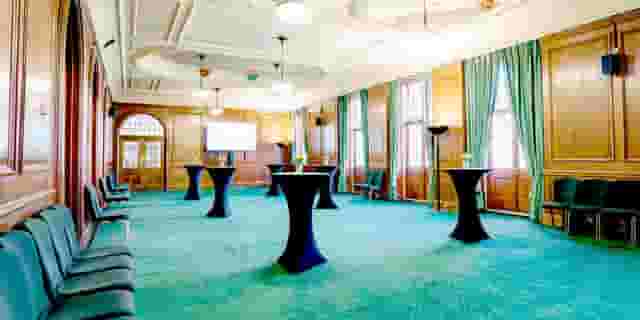
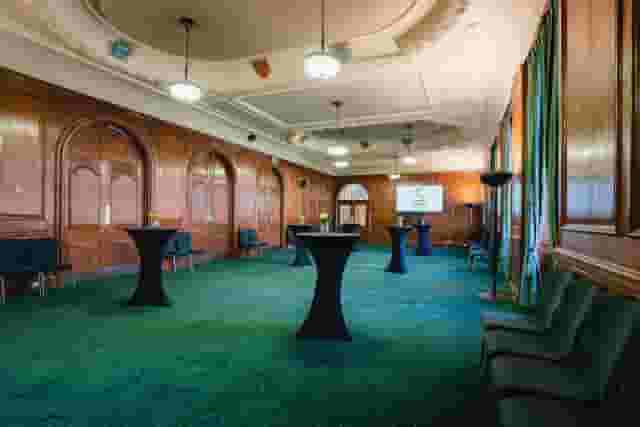
When your conference agenda splits delegates across multiple presentations, look for rooms clustered closely together rather than spread across different wings. Connected rooms share thermal zones and reduce the transit time between sessions, which keeps the day running to schedule. For example, Coin Street Conference Centre on the South Bank features the South Bank Suite, which accommodates up to 125 guests in a banquet setup and includes an adjoining foyer with an attached syndicate room. Having the primary presentation room and syndicate space immediately adjacent allows technicians to balance lighting and screen power between rooms as the group moves between plenary sessions and smaller workshops.
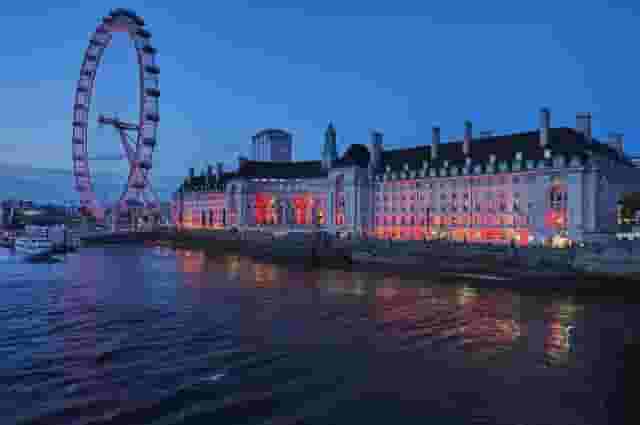
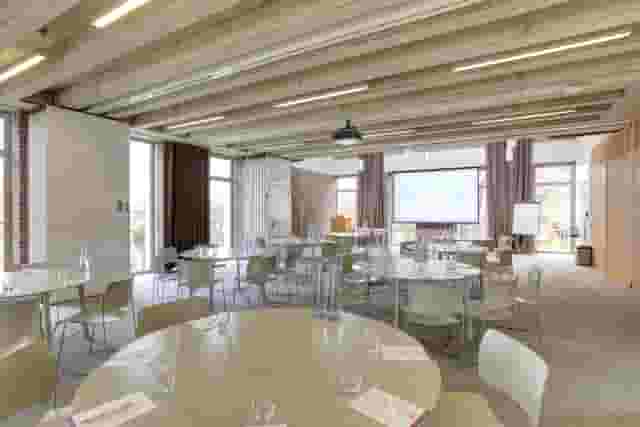
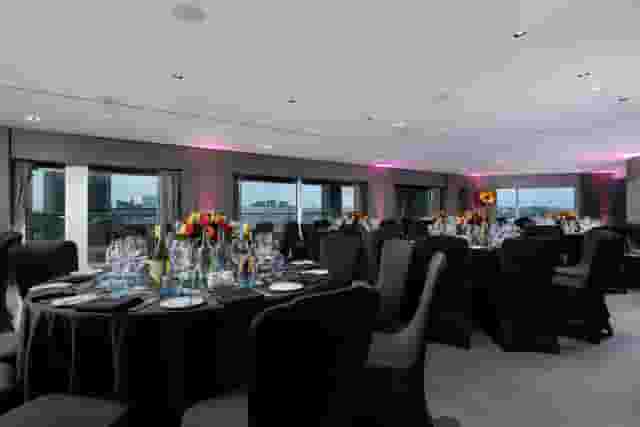
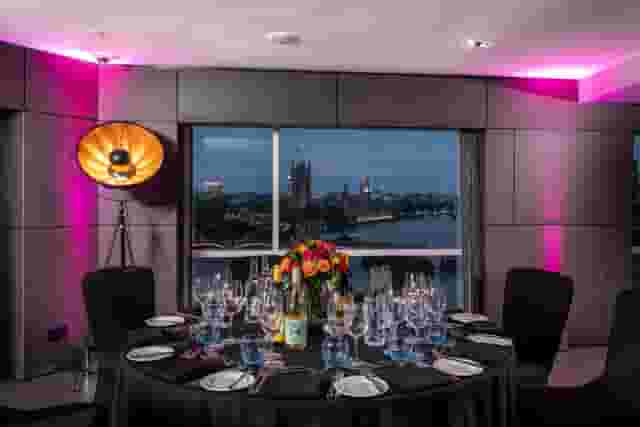
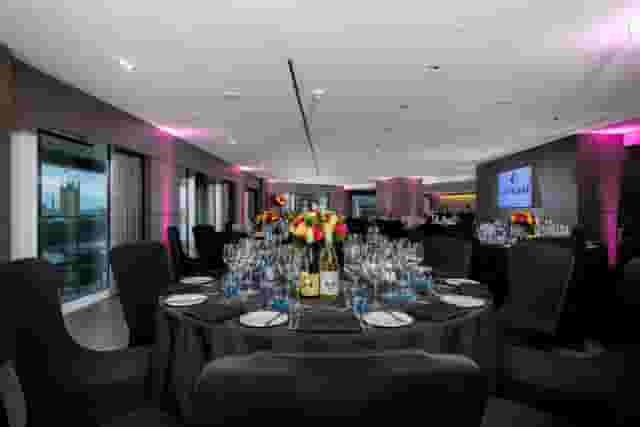
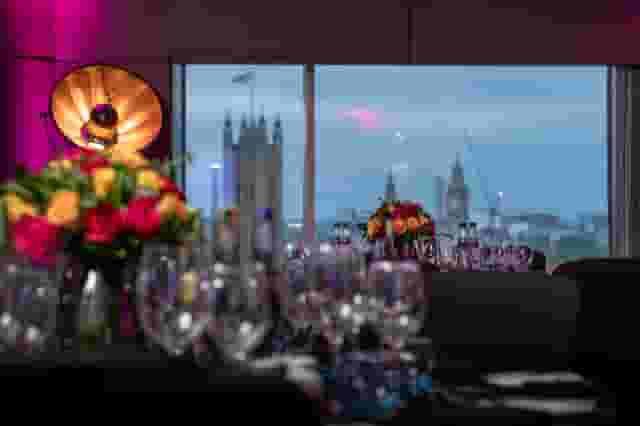
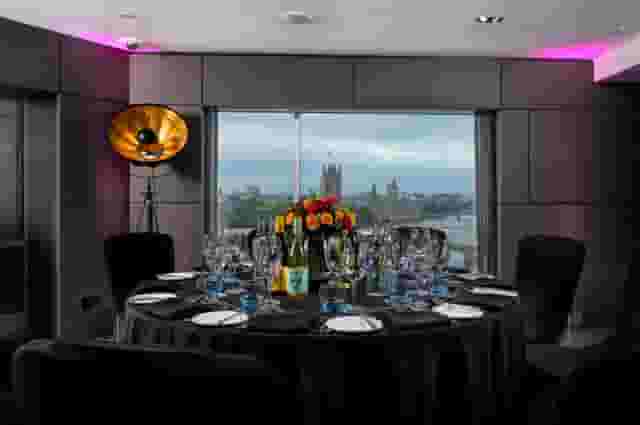
Dedicated conference centres often provide built-in infrastructure that avoids bringing external technical rigs into the building. Delivering, rigging and running external generators or heavy truss systems dramatically increases the freight footprint of an event. At etc.venues County Hall westminster, the Chancellor Suite accommodates 96 guests in a cabaret layout with views over the Thames. Because spaces like this are purpose-built for corporate meetings, they feature installed projection, fixed speaker arrays and established digital wayfinding, cutting down the transport emissions and turnaround power required during load-in and load-out.
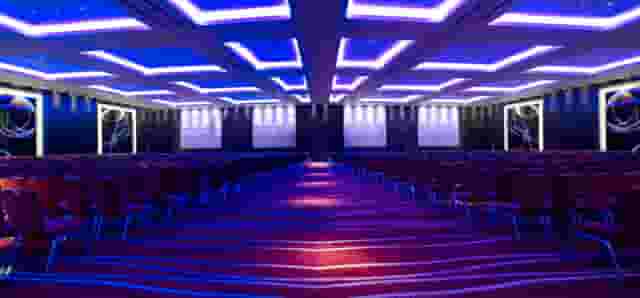
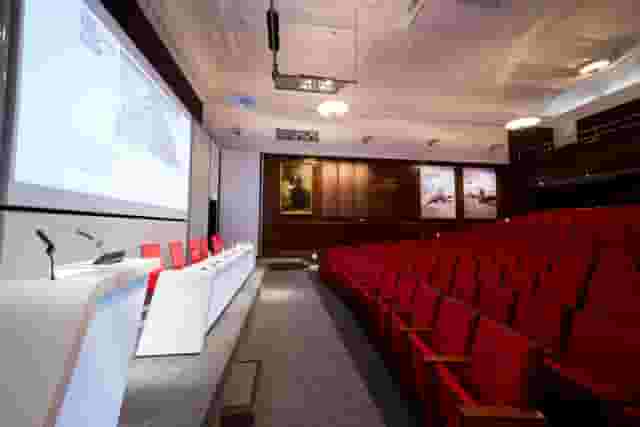
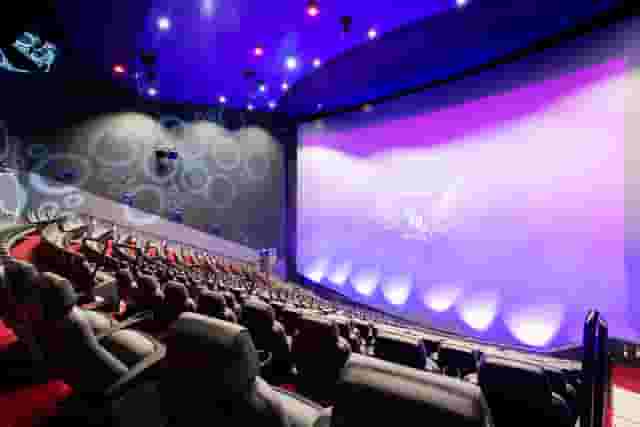
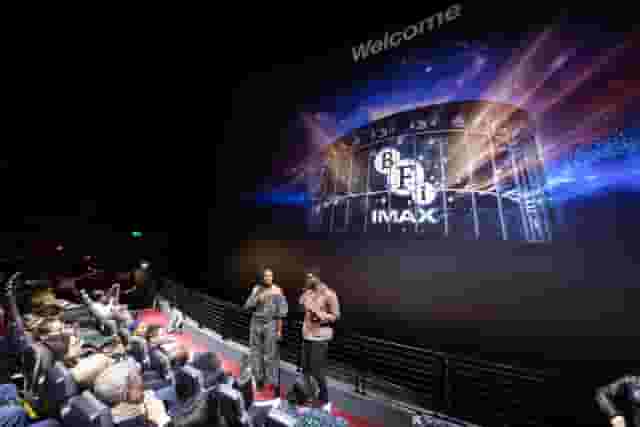
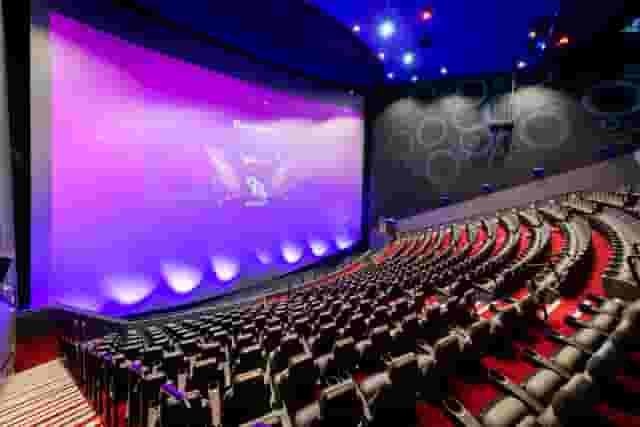
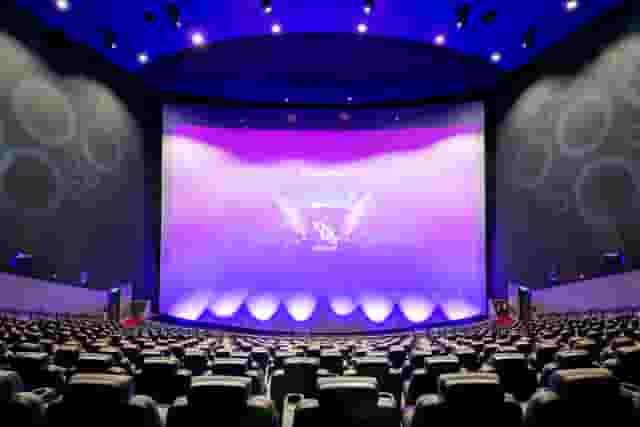
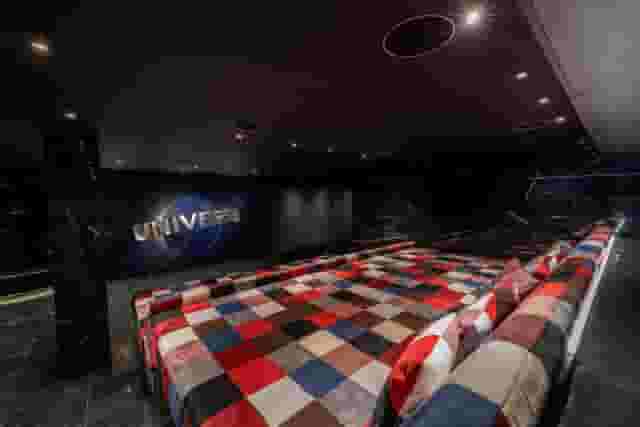
For events with larger plenary audiences, an auditorium format with fixed raked seating provides clear sightlines without demanding extra floor space for riser staging. The IMAX SCREEN at BFI IMAX in Waterloo offers a reception capacity of 500 guests, giving organisers a massive permanent screen setup. Using an auditorium that already integrates high-grade projection means you do not need to construct temporary video walls or fly supplementary trussing, keeping production logistics minimal.
When remote delegates join sessions, running hybrid components requires careful planning to prevent doubling up on production gear. You can review technical formats and audio setups in London's 8 Best Hybrid Ready Conference Venues to understand how installed camera networks and digital patching reduce the physical footprint of hybrid events.
Managing attendee travel and South London transport routes
Transport to and from the venue represents the single largest contributor to a corporate conference carbon footprint. An otherwise efficient event can generate significant indirect emissions if delegates are forced to rely on private cabs or drive personal vehicles. South London offers distinct transport corridors, from dense commuter hubs along the Thames to leafier boroughs further south, and selecting your location determines how easily guests can arrive on foot, by rail or via public transit.
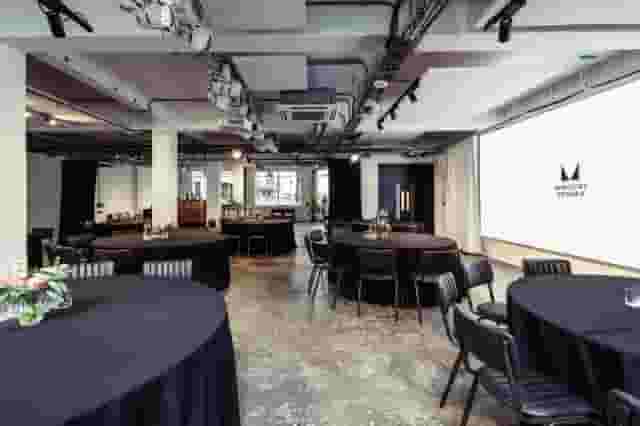
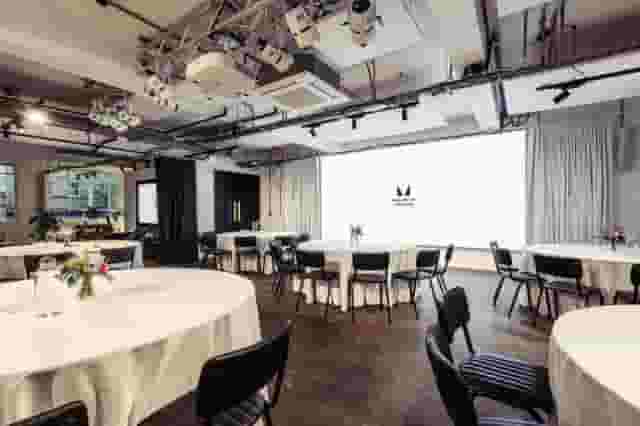
Areas directly along the river benefit from some of the strongest rail and underground connections in the capital. Waterloo and London Bridge serve as primary arrival points for both suburban rail lines and cross-city underground routes, making riverside spaces practical for attendees travelling from across the country. In Borough, The Ministry offers The White Space with a reception capacity of 200 guests, situated a short walk from multiple underground connections. A short distance away, Uncommon Borough provides the Cafe Lounge for up to 150 guests in a reception format. Venues in these dense transit areas allow planners to mandate public transport in their joining instructions, backed by secure cycle parking and pedestrian routes.
When considering properties further from central railway interchanges, planners must look closely at last-mile connections. Outer London venues present different logistical dynamics. For example, Warren House Hotel in Kingston upon Thames features the London Room, which accommodates up to 150 guests standing. Because the venue sits in a residential quarter outside the city centre, relying on informal delegate travel can lead to a surge in taxi journeys from Kingston or Norbiton stations. For events held outside central transport corridors, organisers should organise chartered low-emission group coaches from major transit stations or supply clear walking maps from the nearest rail stop.
| Location profile | Typical transit options | Logistical considerations for organisers |
|---|---|---|
| Central river corridor (Waterloo, South Bank) | National Rail terminals, Bakerloo, Northern, Jubilee lines, River Bus | Excellent step-free access; minimal delegate taxi usage; tight loading bays for freight |
| South Central hubs (Borough, Elephant & Castle) | Northern line, Thameslink, London Overground, strategic cycleways | High public transport uptake; easy walking routes; limited commercial parking |
| Outer South London (Kingston, Richmond borders) | Suburban rail links, local bus networks, regional road connections | Requires dedicated group transfer planning; lower rail frequency; larger grounds |
Assessing step-free routes between stations and venue doors is essential during your initial site inspection. True accessibility is inseparable from environmental sustainability: an event that cannot accommodate delegates using public transit excludes attendees with mobility requirements or forces them into private vehicle hire. Check the street-level walking route between the platform and the venue entrance, noting dropped kerbs, road crossings and whether the venue provides internal lift access to every breakout room.
What full day conference packages cost and where budgets shift
Conference budgets in South London vary according to production requirements, layout complexity and catering specifications. For full day business conferences, pricing typically sits at £57 to £163 per head. This indicative figure is based on 124 quotes from the venues on this page for about 100 guests, and it assumes that party size. Venue booking platform Hire Space, supported by a team of real people who oversee the process, provides instant price estimates drawn from actual booking figures to clarify expected costs before you enquire. If an initial choice pushes past your target budget, the platform recommends comparable alternatives at a lower price point.
Understanding where your booking lands across this range depends on what the venue includes within its standard rate versus what it bills as supplemental production or staffing. Towards the £57 end of the range, quotes generally cover bare room hire, standard daylight lighting, baseline Wi-Fi access and basic hot drinks service with self-serve lunch stations. At this level, clients usually supply their own stage furniture, badge printing and dedicated technical crew. Towards the £163 end, packages tend to incorporate comprehensive daylight-balanced projection, sound rigs with dedicated audio engineers, all-day catering using regional produce, continuous breakout space and late-afternoon networking receptions.
| Package tier | What is typically included | Common extras and budget variables |
|---|---|---|
| Entry band (towards £57 per head) | Main room hire, simple syndicate space, basic screen, flipcharts, filter coffee and tea | Dedicated AV technician, stage wash lighting, plated or hot fork buffet, post-event drinks |
| Mid band | Main plenary, one to two breakout rooms, PA system with roving microphones, buffet lunch | Hybrid streaming tech, stage build, digital branding assets, overtime staffing fees |
| Top band (towards £163 per head) | Full room access, multiple breakouts, production engineer on site, complete seasonal dining, evening reception drinks | Rigging structural points, out-of-hours de-rig, bespoke staging, supplementary power distribution |
Catering choices exert a major influence on both your total bill and your environmental footprint. Food production, transport and waste form a substantial portion of an event's measurable impact. Many corporate event planners now default to vegetarian or plant-forward menus for daytime meetings, introducing red meat only upon specific request. Aside from lowering scope 3 emissions, seasonal menus that rely on domestic growers often reduce per-head food costs compared to menus demanding imported cuts or out-of-season produce.
To keep costs predictable and minimise waste, agree on strict cut-off dates for dietary requirements and delegate counts. Over-catering by ten or fifteen percent was once standard practice, but it inflates catering invoices and guarantees surplus food that must be composted or disposed of. Work with the venue to provide tap water stations rather than bottled water, and request unportioned food displays that allow delegates to take only what they intend to consume.
AV staffing represents another area where quotes fluctuate. While a venue may state that AV equipment is included in the room rate, having a dedicated sound and lighting technician present for the full eight hours is often billed on a day-rate basis. Clarify whether the venue technician handles active live mixing during presentations or merely unlocks the cupboard in the morning and hands over a handheld microphone.
Operational logistics, waste prevention and measuring performance
Running an environmentally responsible conference requires rigorous operational planning before delegates ever arrive on site. The operational footprint of an event is shaped by loading regulations, waste separation protocols and how building materials are handled behind the scenes.
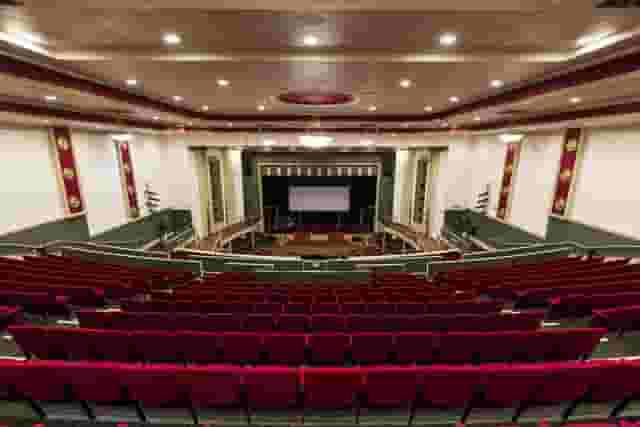
Repurposing established structures rather than demanding newly constructed modern spaces offers immediate carbon savings. In Camberwell, Lighthouse Venue features The Lighthouse, an adapted historic cinema with space for 1200 standing guests. Converting and maintaining an existing building avoids the heavy emissions tied to demolition and fresh construction. When working in adapted historic spaces, ask about the venue's recent thermal improvements, secondary glazing and HVAC zoning capabilities, because older venues can demand higher heating inputs if not managed attentively by on-site facilities staff.
Waste management requires proactive coordination with your venue management team and your external suppliers. The most effective route to waste prevention is removing single-use materials entirely rather than relying on recycling bins at the exit:
- Replace printed delegate packs and printed schedules with digital conference guides accessed through mobile devices or static digital display boards.
- Require catering teams to provide washable china, metal cutlery and glassware across all refreshment breaks, banning single-use coffee cups and disposable bowls.
- Eliminate vinyl stage backdrops, dated foam board signage and unrecyclable banner stands in favour of reusable digital projection backdrops or modular fabric frames that can be used again.
- Establish clear bin stations with separate streams for clean dry mixed recycling, food waste and general items, ensuring every bin is marked with clear visual signage.
To turn green intentions into verifiable data, adopt recognised operational standards. A structured framework like ISO 20121 establishes clear targets across procurement, transport and operations. Many venues also hold BREEAM In-Use assessments that monitor water consumption, electrical efficiency and building fabric performance. You can read practical approaches to setting and tracking quantifiable sustainability targets in Sustainable Event Planning: Set & Measure Green Goals with isla, which provides guidance on establishing carbon baselines and post-event reporting. Hire Space 360 is enterprise venue and hotel procurement for companies spending £1m or more a year on meetings and events: a managed meetings and events programme, the kind procurement teams call strategic meetings management. To see how Hire Space 360 works for procurement, teams can consolidate all venue contracts under one supplier agreement with unified invoicing, giving finance leaders live spend reporting and full audit trails across regional programmes.
When you walk through spaces during your planning visits, test the practical mechanics of the building. Ask where the food waste goes once plates are cleared from the foyer, verify whether the venue purchases certified renewable electricity, and check whether room temperatures can be adjusted individually in breakout spaces to prevent over-cooling empty rooms. A venue with transparent operations will willingly share utility data, previous event waste figures and loading bay logistics, helping you deliver a polished corporate conference that meets your company environmental targets.
What our customers say
Inspiration and planning guides

Hire Space Presents: New World, New Strategies. The Opportunity To Nail Your Sustainability Objectives?
Could this global crisis be the ideal opportunity to scale up our commitments to environmental sustainability? We delve into this topic in terms of events and venues.

Hire Space Presents: Setting Measurable Sustainability Objectives For Event Projects
Sustainability expert Abena Poku-Awuah offers her practical tips and frameworks that will get you ready to initiate your own sustainability objectives for your next event.

Women and Sustainability in Events: Kate Simpson
We met with the wonderful Kate Simpson – Marketing Director at the Business Design Centre. Not only does the BDC hold unforgettable events, they recently celebrated ten years as a carbon neutral venue, regularly contribute 0% to landfill and use 100% renewable energy sources.
One supplier. Every venue. Full visibility on what you spend.
Multiple venues and events. One agreement.