Small Meeting Rooms for Hire in North East London
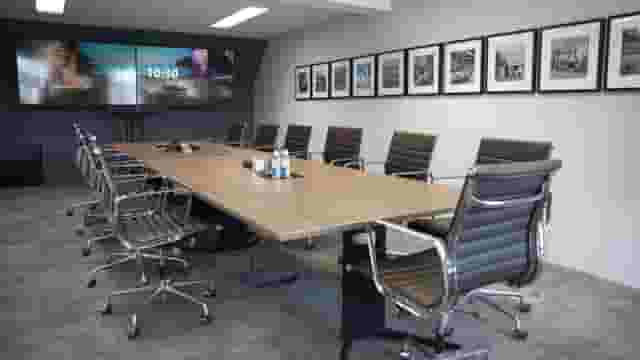
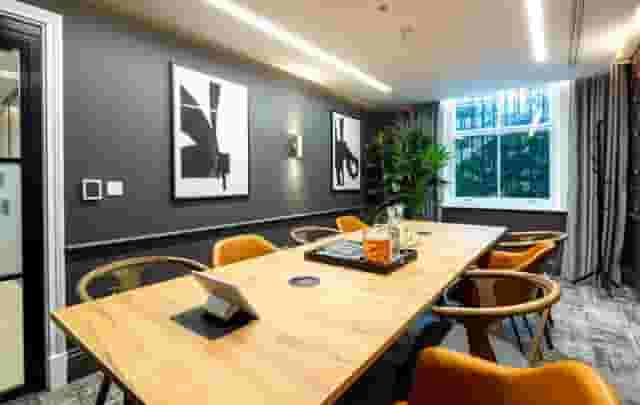
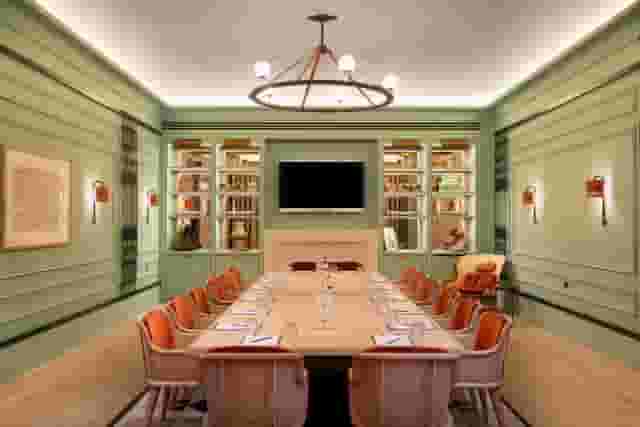
Compare small meeting rooms across North East London with upfront pricing, fast screen setups and rooms sized for team sessions.
77 Small Meeting Rooms for Hire in North East London
























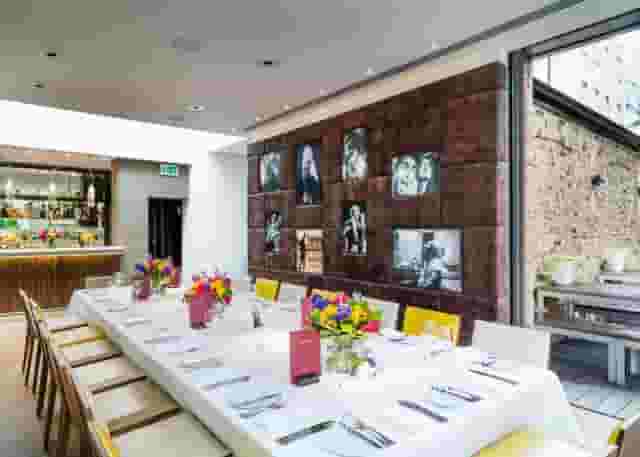
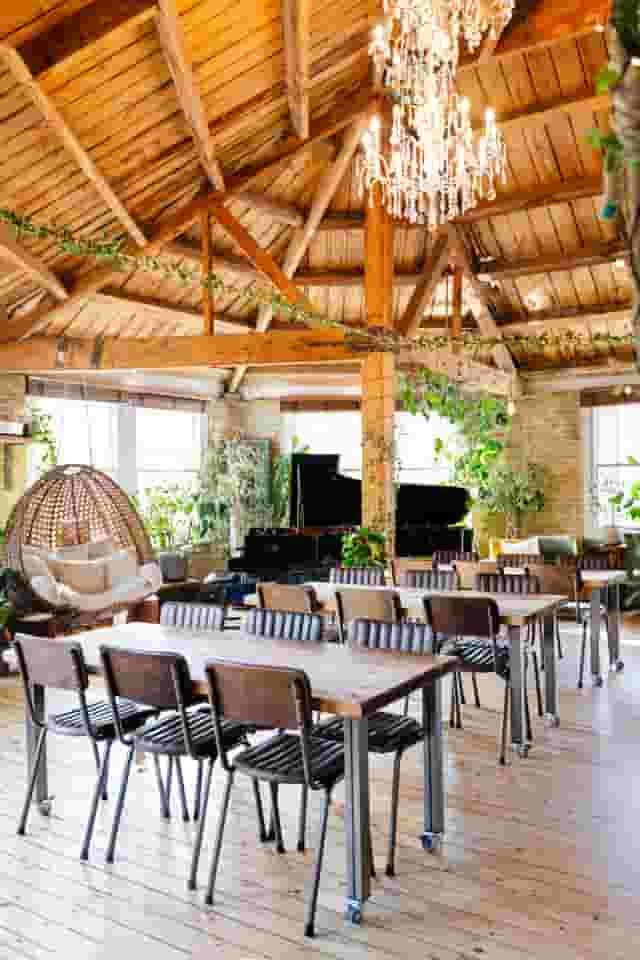










































No venues match these filters
Try widening your capacity, luxury level or event type.
Don't have time to search? We'll find it for you.
For business events that need human judgement, talk to our team. Free for events of 100+ people, budgets over £10k or ongoing programmes.




Explore more venues in North East London
Frequently asked questions
How much does it cost to hire a small meeting room in North East London?
Can I get catering for small meeting rooms in North East London?
What size meeting room do I need for 10 people in North East London?
What's the difference between basic and premium meeting rooms in NE London?
Do I need insurance to hire a small meeting room in North East London?
What's the minimum notice needed to book a small meeting room in North East
What facilities should a small meeting room in North East London include?
Which areas in North East London have the best transport links for meetings
Other platforms search their database. We search everything.
Tell us what you need. Our deep research finds any venue, whether it's in our marketplace or not. No one else does this.
About Meeting Rooms in North East London
Planning a half-day meeting sounds straightforward until you begin balancing the practical details. You need a room that keeps a team focused for four hours, reliable screen sharing that connects on the first attempt, tea and coffee that arrives on time, and a location that attendees can reach without crossing three train zones.
North East London has become one of the most practical parts of the capital for these sessions. It bridges the financial borders of the City with creative districts in Hackney and major transport junctions in Stratford and Islington. The variety of spaces reflects this geography. You can hire a restored civic boardroom with decades of history, an intimate hotel suite or a purpose-built conference facility with dedicated technical staff down the hall.
Getting the morning or afternoon right comes down to matching your meeting format to the room environment, understanding what is included in the cost and asking the right operational questions before you sign an agreement.
Room formats and choosing the right environment
The atmosphere of the room directly shapes how people contribute. A strategy session where directors discuss sensitive figures demands a very different setting from an interactive workshop or an internal training morning. In North East London, small meeting spaces fall into four distinct categories.
Civic and heritage boardrooms
If your meeting involves external clients, trustees or formal governance, traditional civic buildings offer authority and privacy. These rooms usually provide solid acoustics, heavy doors and fixed tables where everyone faces each other.
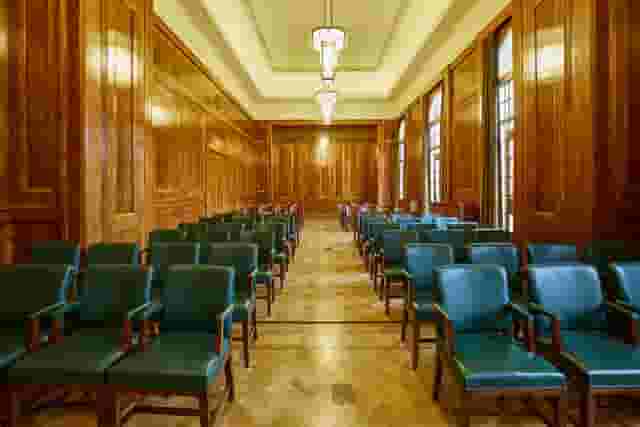
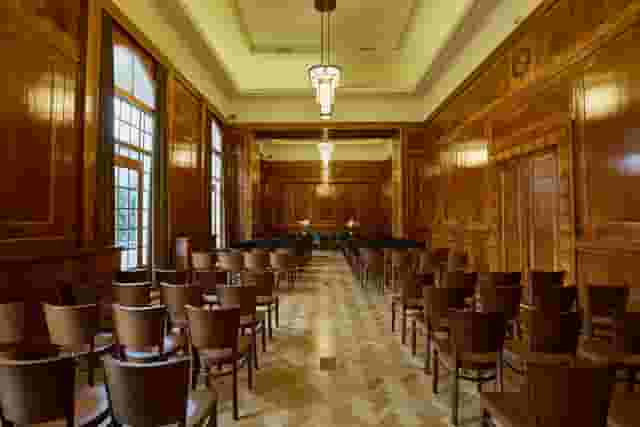
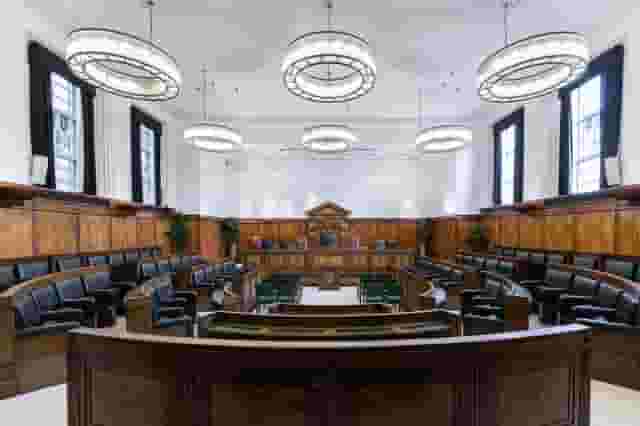
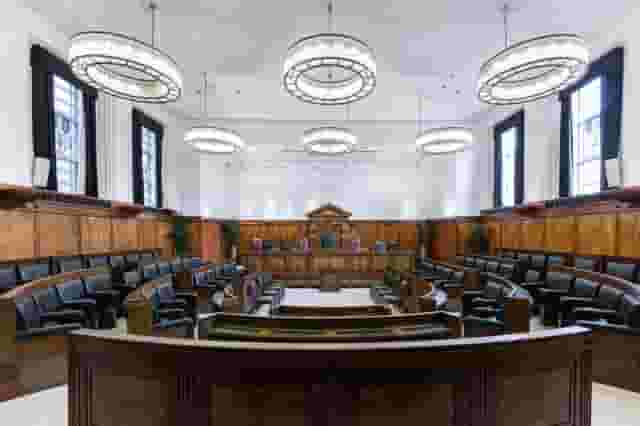
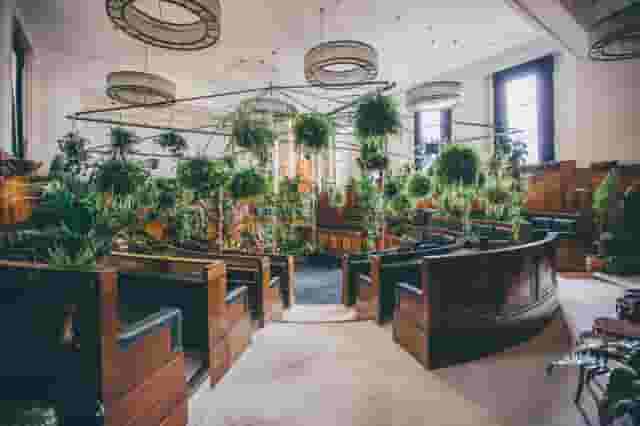
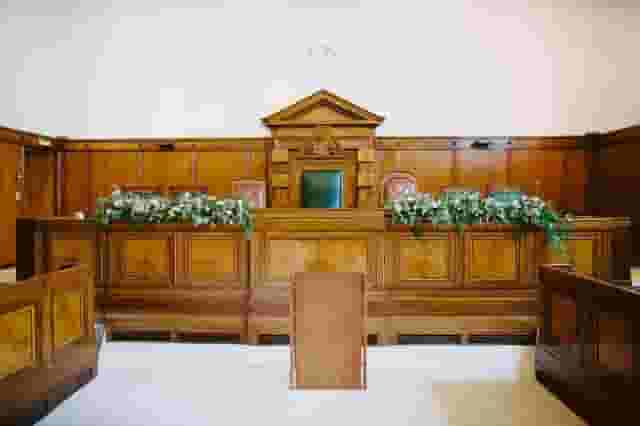
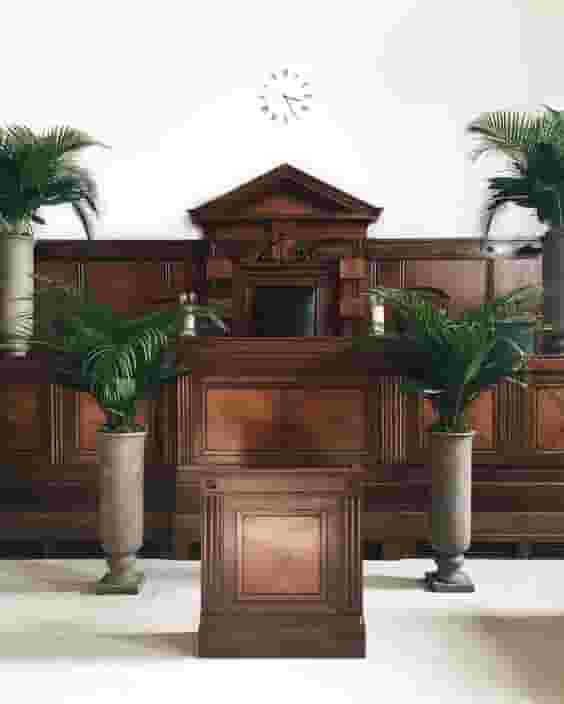
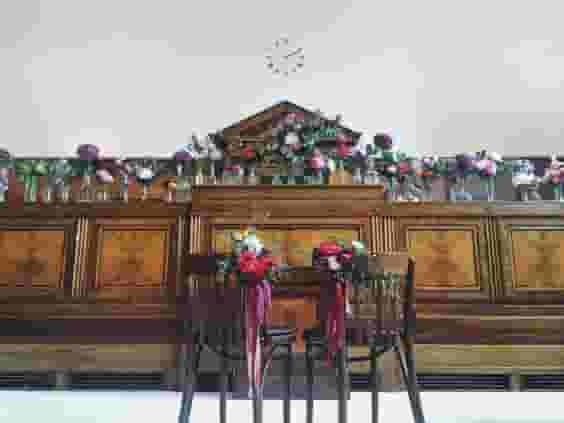
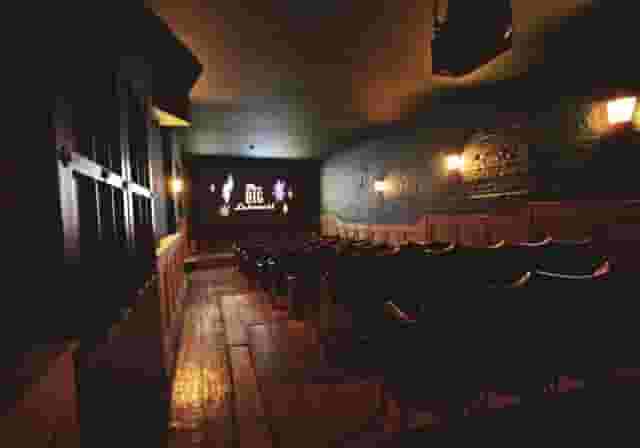
The Committee Rooms at Hackney Town Hall seat up to 30 people in a boardroom format within a Grade II listed art deco building, combining architectural character with modern presentation screens. Further south, the Council Chamber in Bethnal Green accommodates up to 100 people for larger presentations, retaining original timber features and tiered seating that works well when one person needs to address a team before smaller discussions begin.
The compromise with heritage venues is layout flexibility. Boardroom tables in civic spaces are often fixed, meaning you cannot easily rearrange the room into pods or cabaret clusters. If you want alternative layouts, read our guide on historic meeting rooms in London to see how older properties balance listed architecture with modern office requirements.
Purpose-built training and conference facilities
When the priority is productivity without distractions, dedicated business centres provide structured support. These venues are designed for clear sightlines, reliable internet and straightforward logistics.
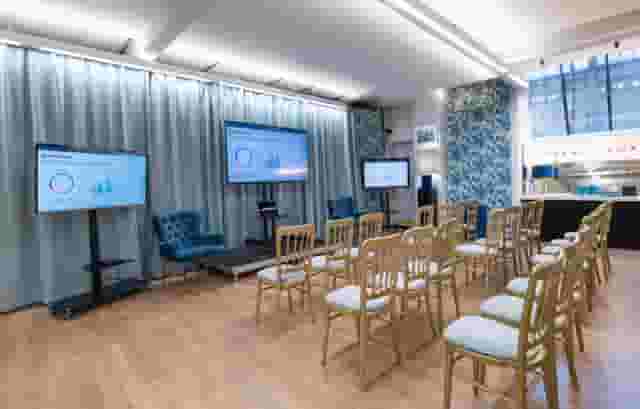
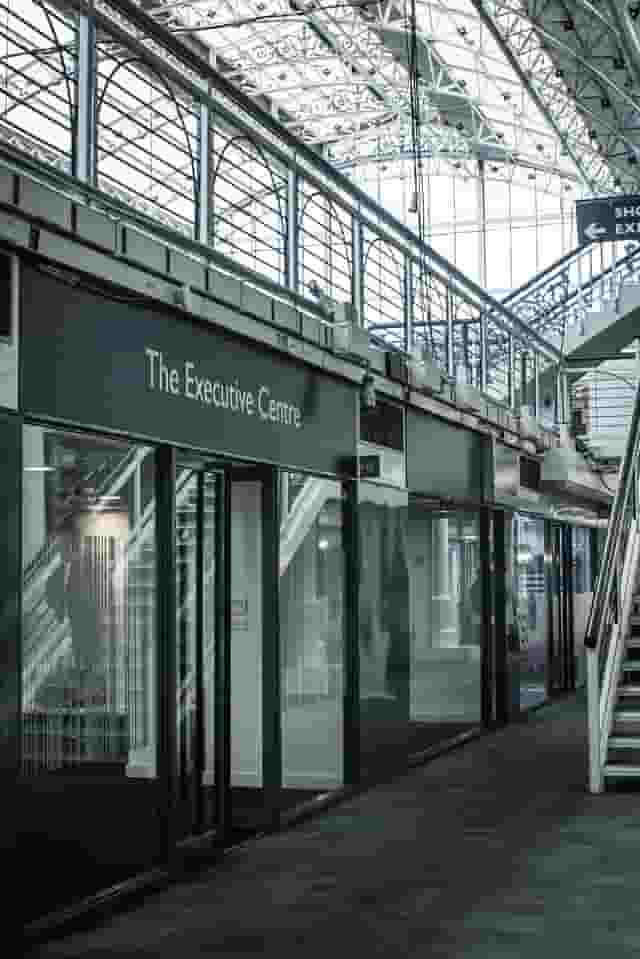
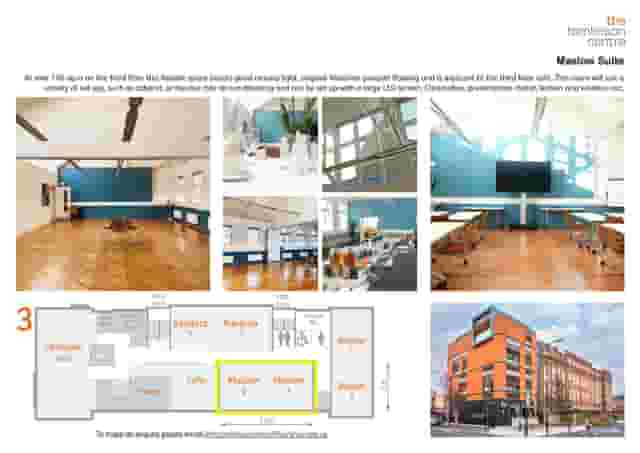
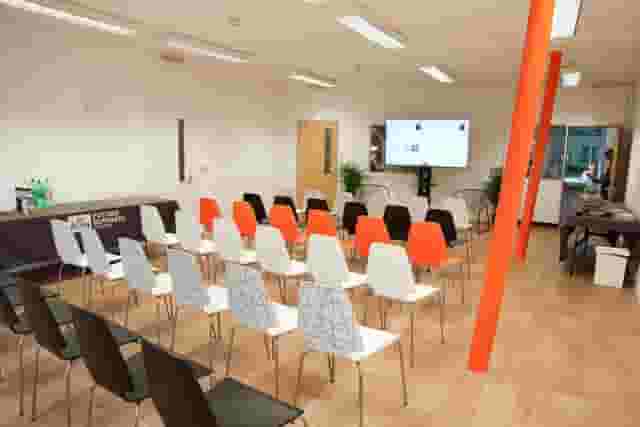
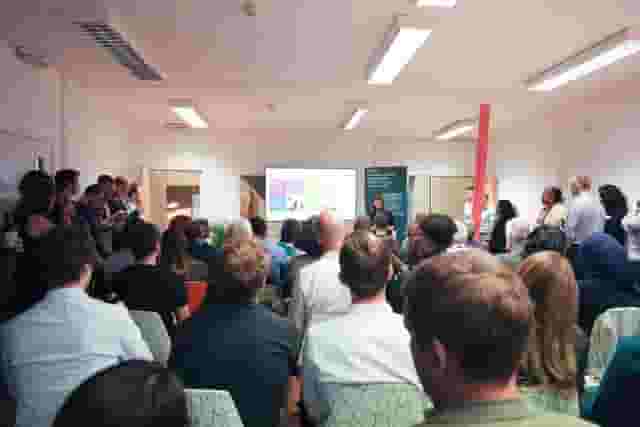
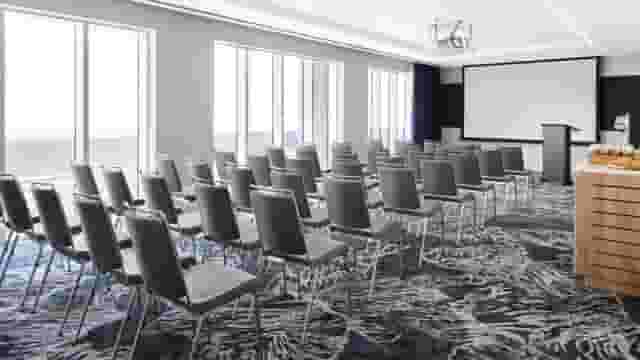
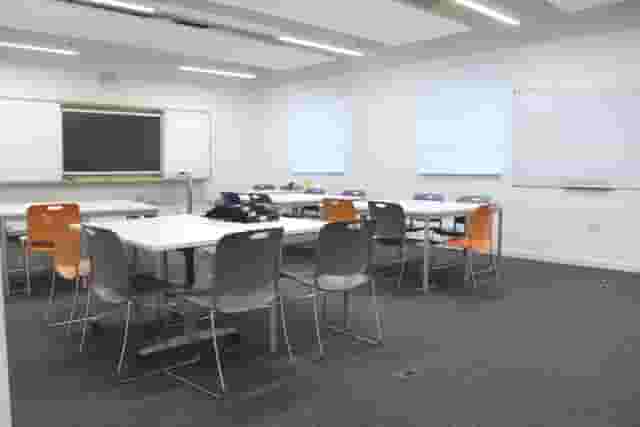
The Executive Centre in Islington offers a focused ground-floor setting that works well for workshops and training sessions for up to 100 people. Similarly, the Maslow Suite in Hackney provides modern conference facilities for up to 80 guests in theatre layout, backed by dedicated audio-visual technicians on site.
Venues built specifically for corporate use tend to have reception staff on hand to direct guests, spare cables in the cupboard and washrooms situated close to the meeting space. They lack the social character of boutique hotels, but they reduce technical hitches to almost zero.
Design-led studios and creative spaces
For product sprints, creative workshops or team planning sessions where attendees need to stand, move around and post ideas on walls, traditional boardrooms can feel stiff. Creative studios offer open floors, flexible furniture and abundant natural daylight.
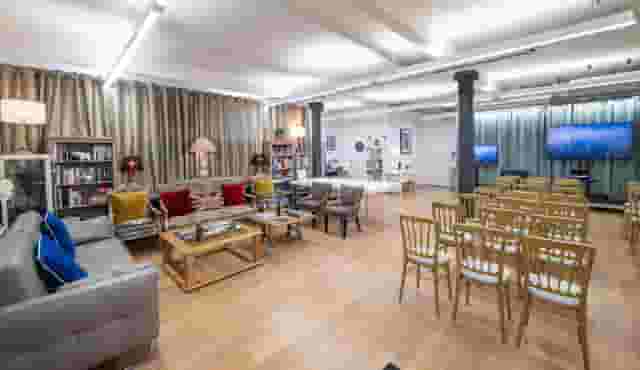
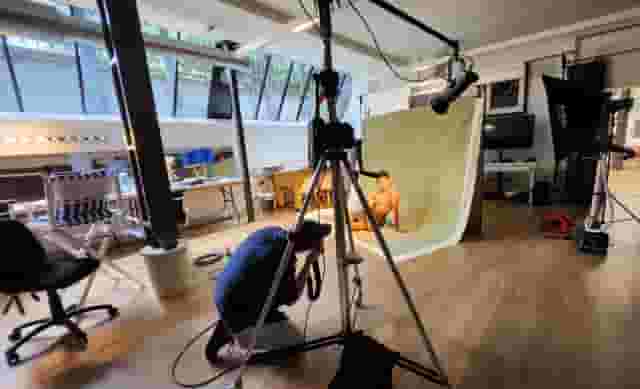
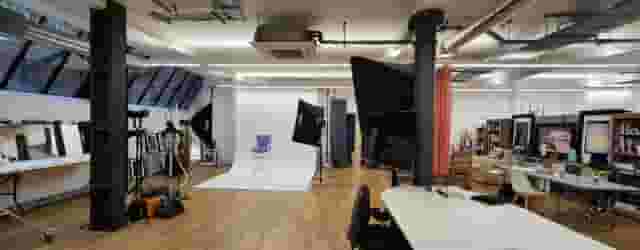
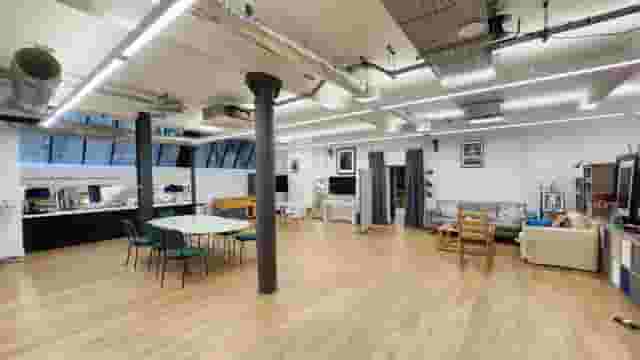
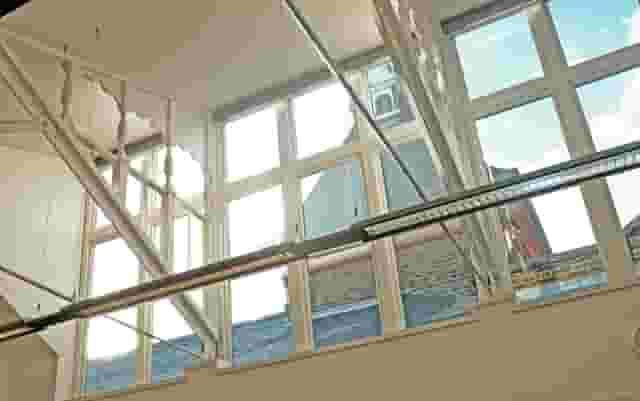
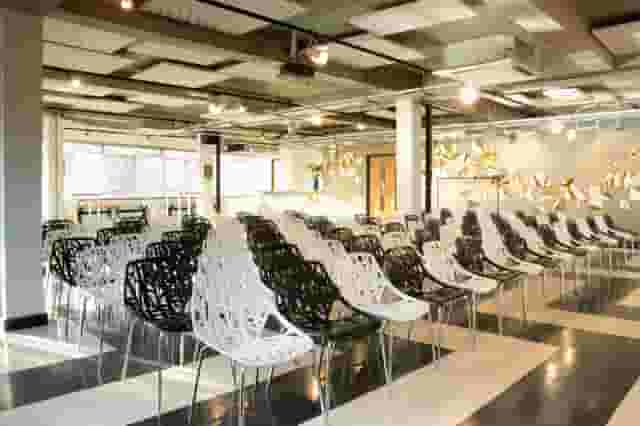
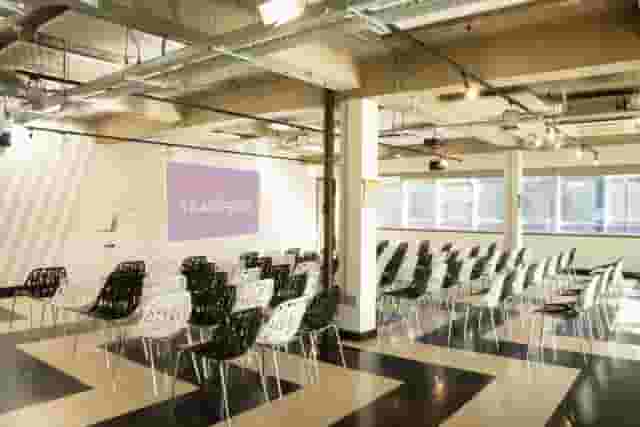
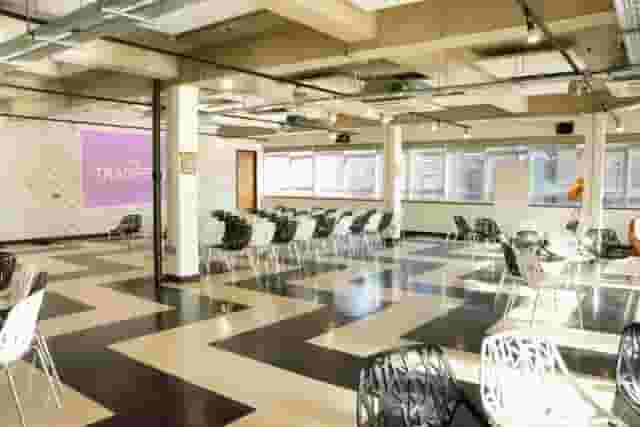
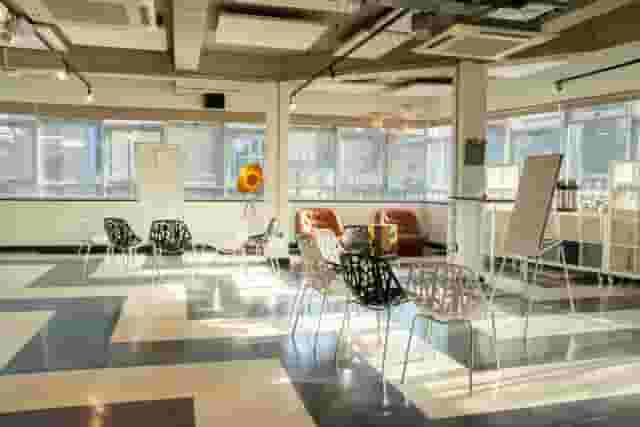
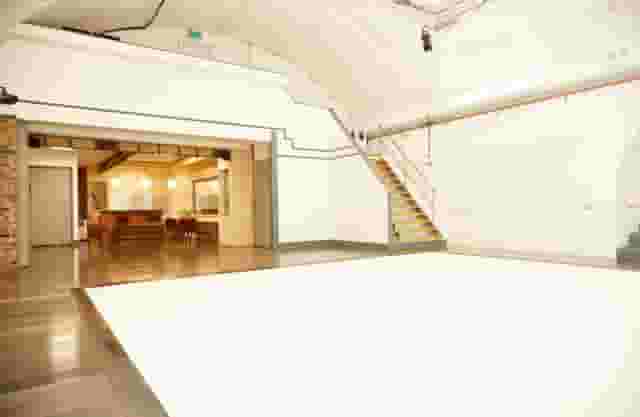
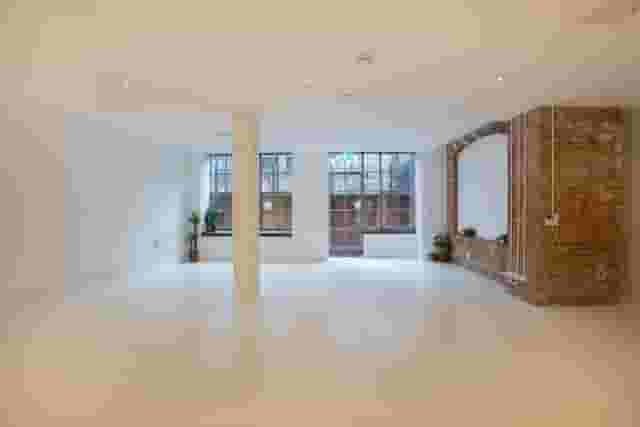
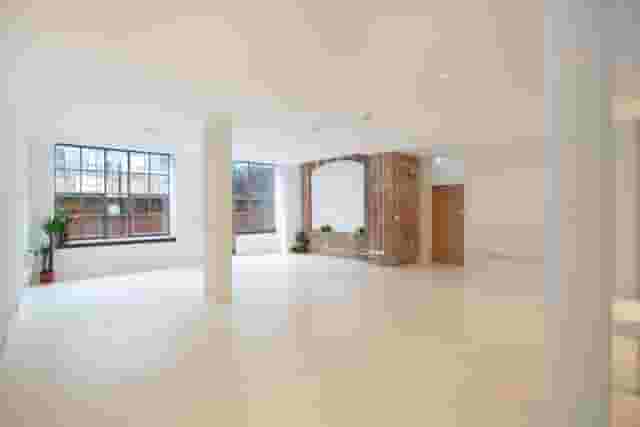
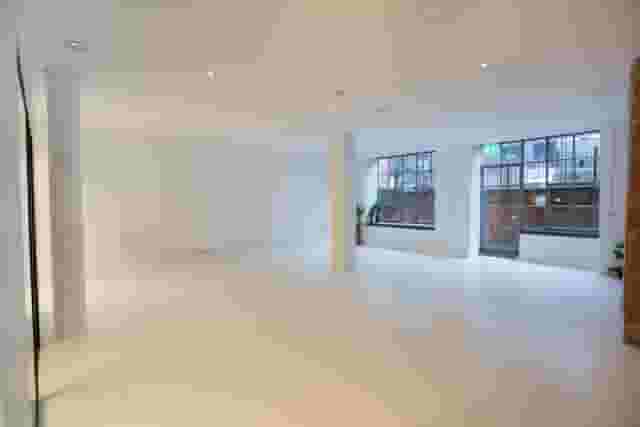
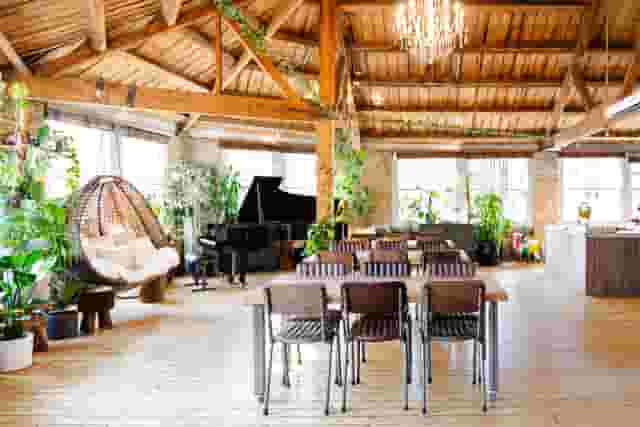
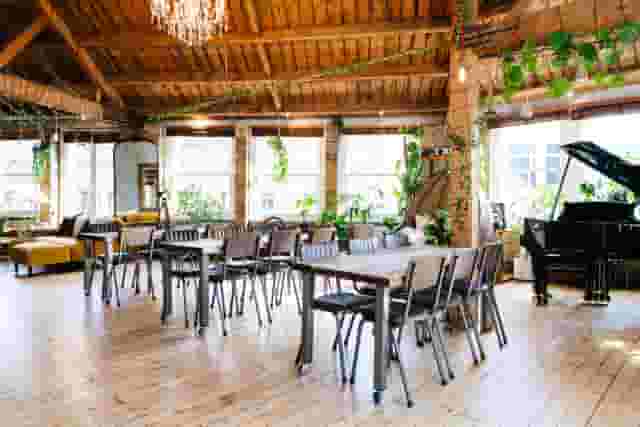
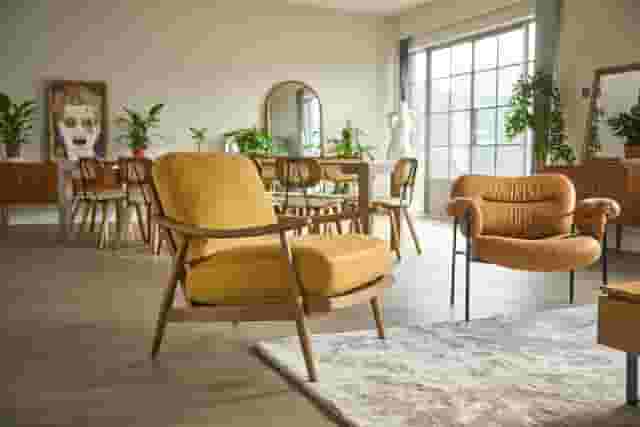
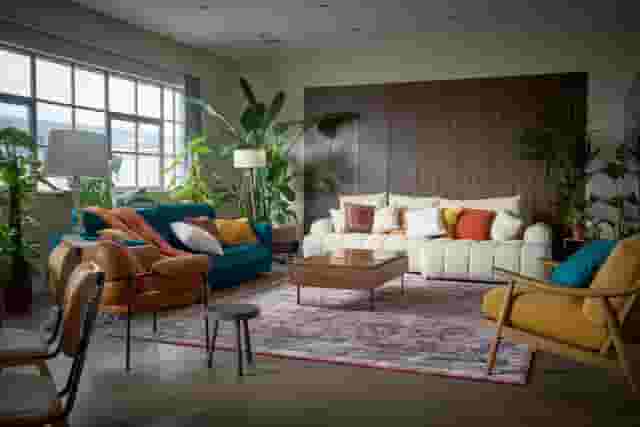
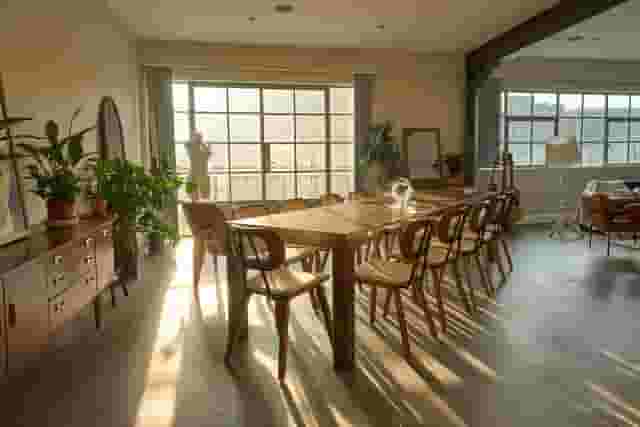
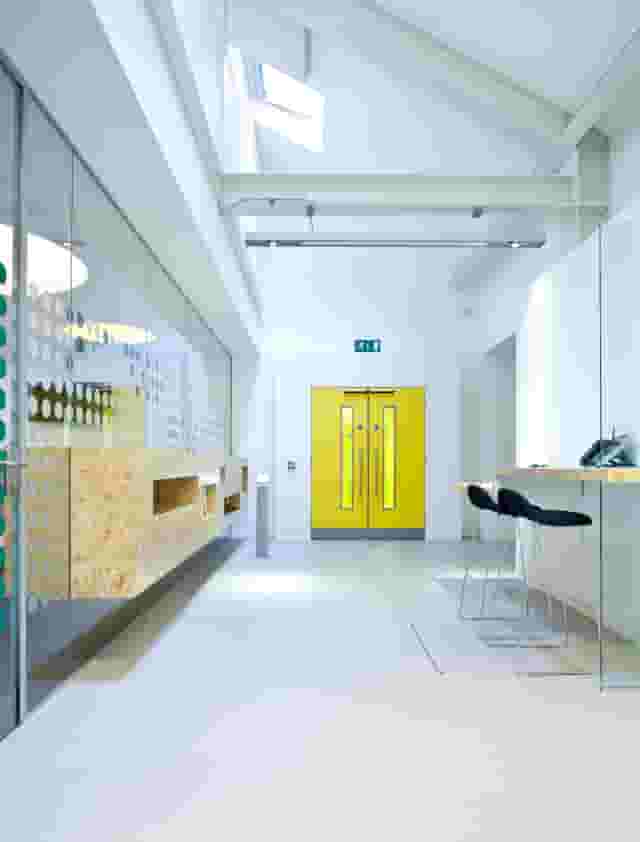
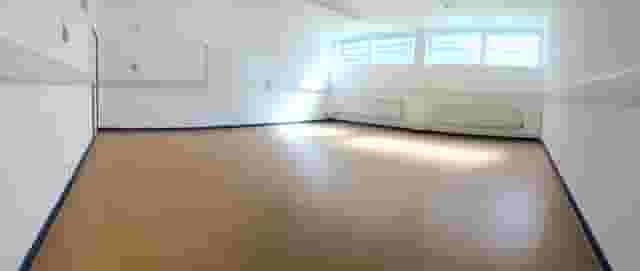
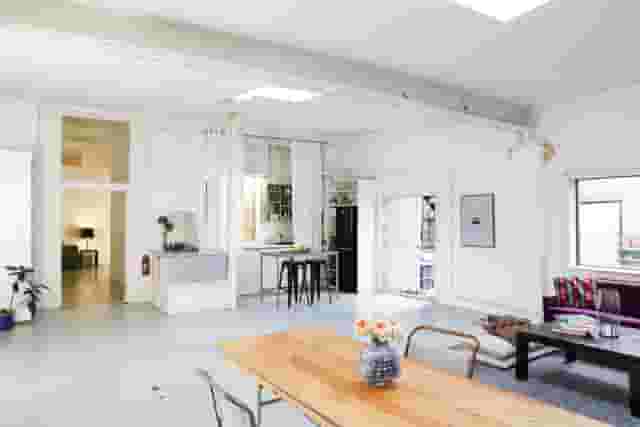
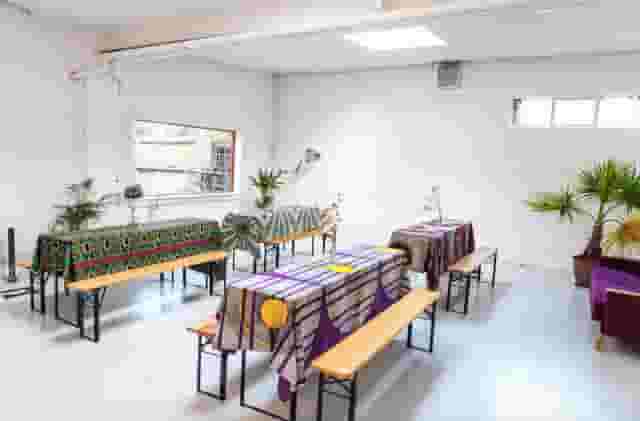
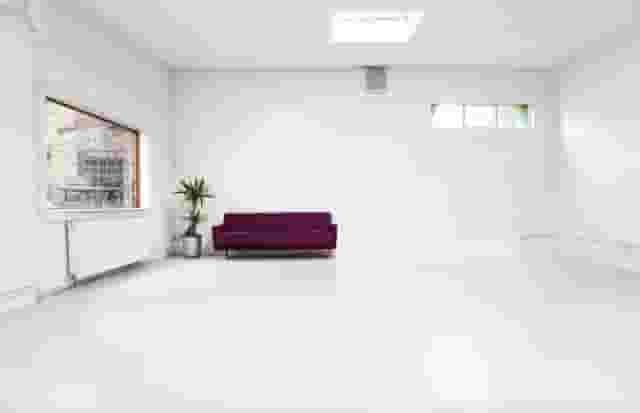
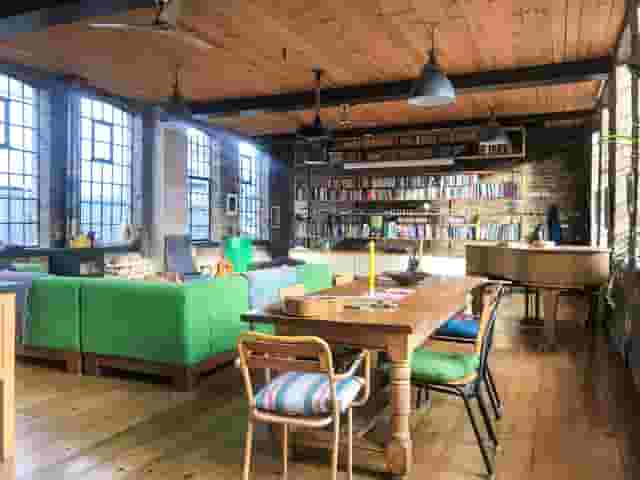
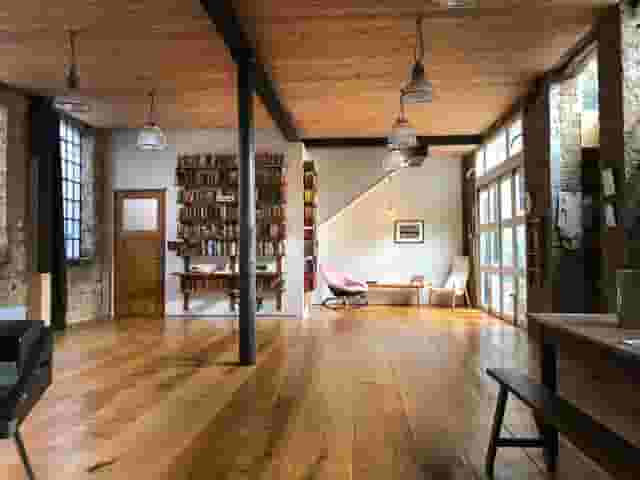
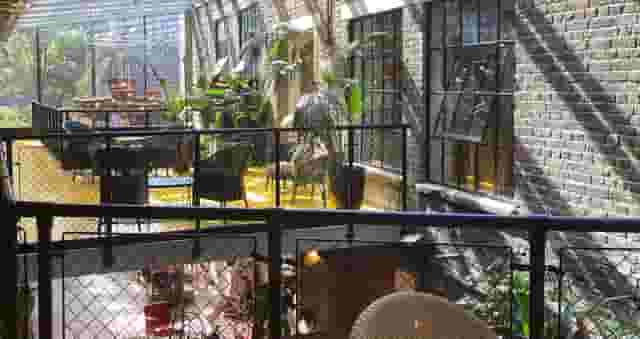
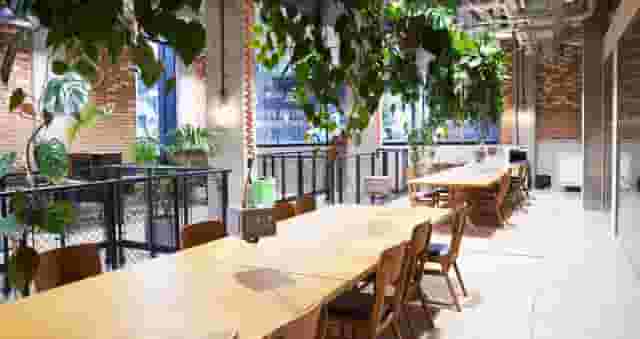
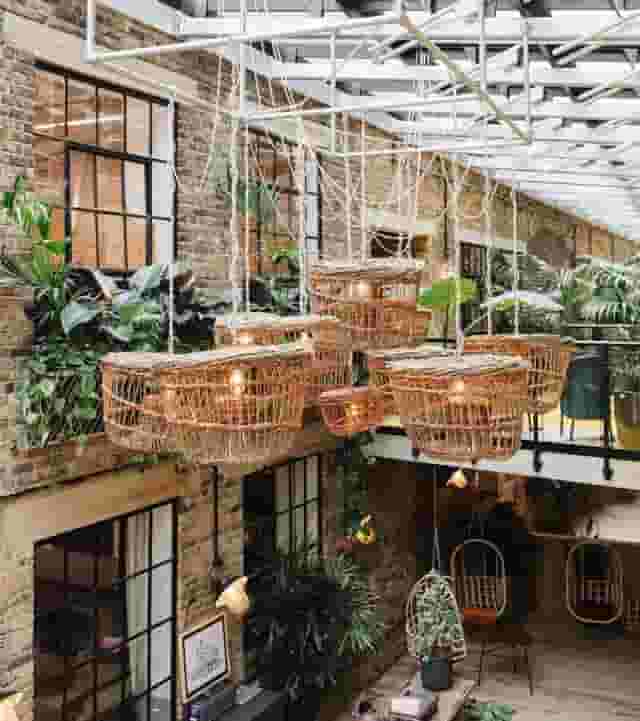
Spaces like The Baroque in Islington use six large windows to flood the room with daylight, holding up to 60 people for daytime discussions. Across in Old Street, The Studio provides a light open floor for up to 70 guests, making it practical for teams who need space to break out into small groups.
The watch-out with studio spaces is acoustic control. Hard floors, bare brick and high ceilings look appealing, but they can create echo. If your half-day session relies heavily on conference calling or remote attendees dialling in, test the room acoustics beforehand.
Hotel meeting suites
Hotel meeting rooms offer convenience, comfortable seating and straightforward catering. They are well suited to sessions where attendees travel in from outside London or need to stay overnight.
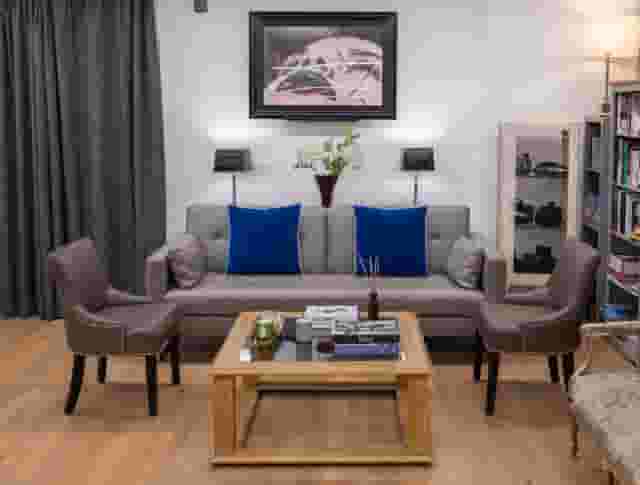
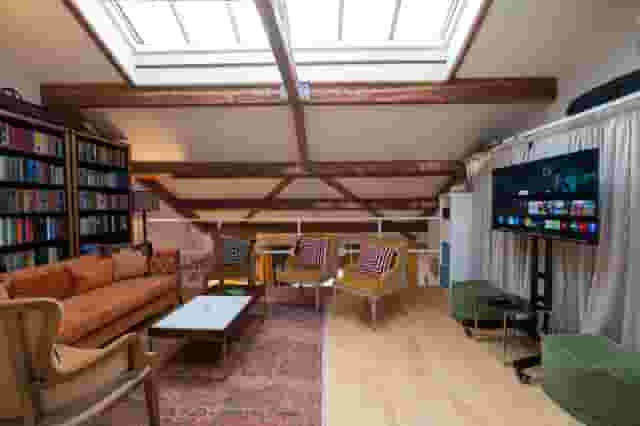
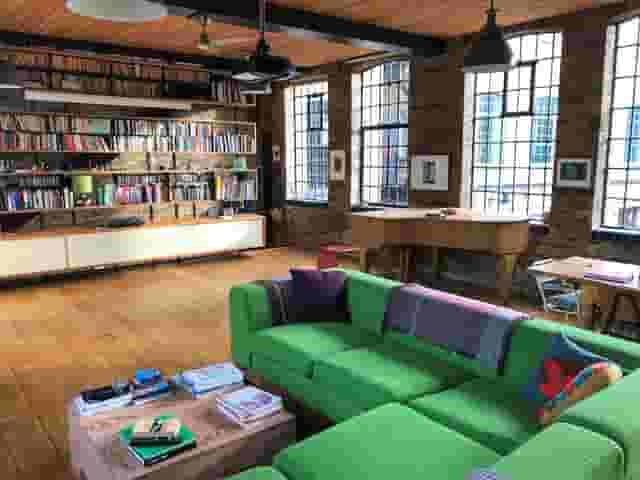
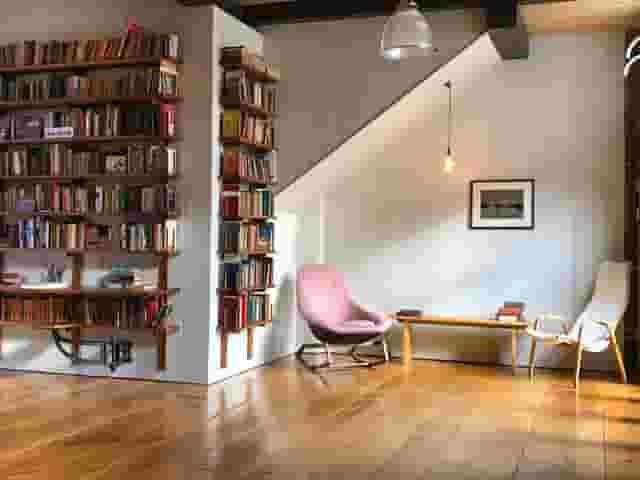
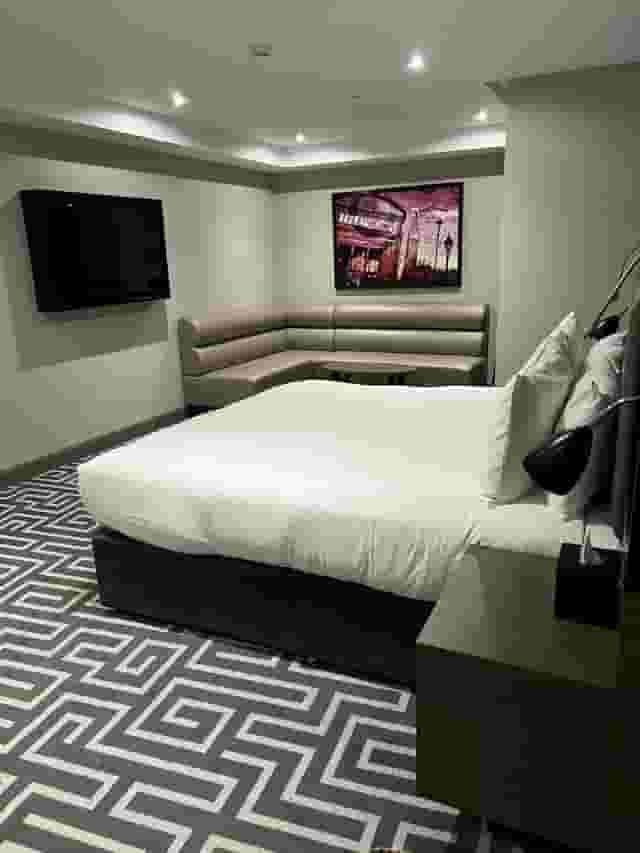
The Library in Shoreditch provides an apartment-style layout for up to 30 people in theatre style, offering natural light and communal lounge areas for breaks. Near the transport hub at Stratford, the Bow Suite accommodates up to 40 people in cabaret style, giving organisers direct access to hotel catering and reception teams.
Hotel options provide a polished experience, though communal corridors can bring outside noise during peak check-in and breakfast hours.
| Room category | Best suited for | Layout flexibility | Natural light levels |
|---|---|---|---|
| Civic and heritage | Board meetings, client pitches, formal governance | Low (usually fixed boardroom tables) | Moderate to high |
| Dedicated business centres | Training sessions, compliance updates, workshops | High (theatre, classroom, u-shape) | Moderate |
| Creative studios | Brainstorms, product design, away-days | Very high (movable modular furniture) | High |
| Hotel meeting suites | Regional team get-togethers, interviews, client presentations | Moderate to high | High |
Audio-visual checks for a smooth half-day session
A four-hour meeting has little margin for error. If the display screen takes 20 minutes to configure, you lose a substantial portion of your working agenda.
Basic rooms generally provide a standalone display screen, standard HDMI cables and wireless internet. Premium rooms upgrade this to integrated video-conferencing cameras, ceiling microphone arrays, interactive touchscreens and on-site technical assistance.
When reviewing venue specifications, check these five technical items:
- Display inputs and adapters. Most venues supply a standard HDMI connection. If your team uses modern laptops with USB-C ports, ask the venue manager if they provide adaptors or whether you must bring your own dongles. Wireless screen casting works well when configured properly, but guest corporate firewalls often block local wireless sharing protocols. Having a physical cable attached to the screen is always safer.
- Audio and video for remote dial-ins. If colleagues are joining via video link, a small webcam perched on top of a television will struggle to pick up voices from the far end of an eight-seat table. Check whether the room has boundary microphones or an integrated sound bar that isolates voices from background air-conditioning noise.
- Power point distribution. A four-hour session will drain laptop batteries. Avoid rooms where all power sockets are situated along a skirting board six feet from the table. Look for boardroom tables with integrated power boxes, or request extension reels before your arrival.
- Natural light and screen glare. Daylight keeps attendees alert, but sunlight hitting a glossy presentation screen makes slides unreadable. Ensure the room has functional blackout or diffusion blinds, particularly if you are booking an east-facing space for a morning session.
- Analogue working tools. Presentation slides are only half the toolkit. If your agenda includes brainstorming, check whether flipcharts, markers and whiteboards are included in the room or charged as add-on items.
If you want inspiration on spaces that combine strong technology with distinctive decor, explore our recommendations for cool meeting rooms in London.
Refreshments, catering and schedule design
A half-day session typically runs in one of two formats: a morning slot from 9am to 1pm ending with lunch, or an afternoon slot from 1pm to 5pm starting with food. The way you organise refreshments dictates the energy in the room.
| Time | Morning session |
|---|---|
| 08:30 | Arrival, registration, coffee and pastries |
| 09:00 | Session one (focused presentation or strategic review) |
| 10:45 | 15-minute coffee break and screen rest |
| 11:00 | Session two (interactive workshop or discussion) |
| 12:45 | Wrap-up and clear actions |
| 13:00 | Standing sandwich lunch or departure |
| Time | Afternoon session |
|---|---|
| 12:30 | Working lunch and arrival coffee |
| 13:15 | Session one (review of performance or briefing) |
| 15:00 | 20-minute tea and snack break |
| 15:20 | Session two (breakout discussions and planning) |
| 16:45 | Next steps and summary |
| 17:00 | Close |
Tea, filter coffee and tap water are standard requirements. In basic packages, coffee is often served in insulated pump flasks set on a side table at the start of the morning. In premium spaces, you may have access to bean-to-cup machines, specialist herbal teas, cold-pressed juices and fruit bowls refreshed throughout the session.
For meetings of 10 to 20 people, avoid heavy hot buffet lunches if you plan to keep working. A heavy meal induces an afternoon dip that slows discussion down. Sandwich platters, finger foods, salads and fresh fruit keep the agenda moving.
Always ask when catering numbers must be confirmed. Most venues require final numbers and special dietary requirements five to seven working days before the booking date. Ask whether catering is delivered directly into your room or served in an adjoining communal break-out lounge. Eating outside the meeting room gives attendees a physical change of scenery, clears food smells from the workspace and lets them return with renewed focus.
Understanding costs, packages and commercial terms
Pricing for meeting rooms in North East London varies based on whether you book on a room-only basis or select a half-day delegate package.
Our pricing data indicates that meeting spaces in this area typically cost between £24 to £66 per head. This indicative range is based on 4 quotes from the venues on this page for about 20 guests, and the figures assume that party size.
Understanding where your booking sits along that spectrum helps you evaluate what is worth paying for. As a venue booking platform backed by a team of real people who own the outcome, Hire Space gives instant price estimates based on real booking data so you know expected costs before submitting an enquiry. Finding and shortlisting takes minutes rather than days of waiting for responses, with similar venues suggested if an initial choice sits outside your budget.
Towards the £24 end of the range, you are typically looking at straightforward room hire with basic facilities. This covers a private meeting room, standard display screen, guest Wi-Fi and simple tea and coffee supplies. This works well if you want a no-frills internal review and intend to head to an external cafe for lunch afterwards.
Towards the £66 end of the range, packages usually encompass comprehensive daytime delegate amenities. This covers the room hire for four hours, continuous tea, coffee and mineral water, morning pastries, an upgraded lunch buffet, full audio-visual infrastructure with video-conferencing units and dedicated on-site reception support.
| Cost element | Basic packages (towards £24 per head) | Premium packages (towards £66 per head) |
|---|---|---|
| Refreshments | Arrival filter coffee, tea and tap water | Continuous fresh bean-to-cup coffee, specialty teas, pastries and afternoon snacks |
| Catering | Usually excluded; must be bought separately | Buffet lunch or gourmet sandwich selection included |
| Technology | Wall-mounted TV screen with HDMI cable | Video-conferencing setup, boundary mics and technical support |
| Support | Self-service check-in with general building reception | Dedicated event host and on-site technician on call |
| Stationery | Flipchart on request (sometimes extra) | Flipcharts, whiteboards, pens and notepads included |
Identifying hidden extras
When reviewing quotations, check the itemised breakdown for items that can inflate the invoice:
- VAT. Ensure all quotes specify whether figures are inclusive or exclusive of VAT. Corporate venues almost always quote exclusive of tax.
- Service charges. Some venues, particularly hotels, add an automatic discretionary service charge of 10% to 12.5% to food and drink orders.
- AV technician call-out. While the equipment may be included, having an engineer spend 30 minutes helping you patch in a hybrid video call can incur an hourly charge.
- Overtime penalties. Half-day hire slots are strict. A morning hire usually requires the room to be vacated by 12:30pm or 1:00pm so cleaning teams can prepare the space for an afternoon booking. Check the hourly overrun penalty so you do not get charged a full day rate if your meeting runs 20 minutes late.
Location, accessibility and notice periods
Selecting the right geographic spot within North East London depends on where your attendees are travelling from.
Stratford functions as the primary transport node for the region. It provides direct connections via the Central and Jubilee underground lines, the Elizabeth line, London Overground, DLR and National Rail services. For teams assembling from Essex, Kent, central London and Heathrow Airport, Stratford requires the fewest transfers.
Islington and Angel offer strong access for colleagues based in central London or travelling down from Kings Cross and St Pancras, with the Northern line providing direct links.
Hackney and Shoreditch suit creative businesses and local teams. They rely heavily on London Overground stations such as Shoreditch High Street, Hackney Central and Dalston Junction, alongside regular bus routes.
Accessibility checks
Never assume that a venue has step-free access simply because it hosts corporate events. Older converted town halls, Victorian warehouses and historic buildings may have steps at the entrance or narrow lifts that do not accommodate wheelchairs comfortably.
Ask the venue coordinator to confirm step-free access from the street directly to the meeting room table and washrooms. Check if the building has an operational passenger lift, accessible toilets on the same floor and whether an induction hearing loop is available for attendees who use hearing aids.
Notice periods and insurance
Meeting venues operate differing booking lead times. Some modern business centres can accommodate short-notice bookings made one or two working days in advance, provided a standard boardroom setup is acceptable.
However, if your half-day session requires specific catering, an unusual seating layout or dedicated technical assistance, book at least two to three weeks ahead. This gives the catering team time to order fresh produce and ensures room turnarounds are properly scheduled.
Check the venue hire agreement regarding insurance. While there is no universal legal rule mandating public liability insurance for an ordinary meeting room booking, many corporate venues require proof of your organisation's public liability cover before confirming the reservation. Ask the coordinator whether an insurance certificate is required when the contract is signed to avoid last-minute administrative delays. Hire Space 360 is enterprise venue and hotel procurement for companies spending £1m or more a year on meetings and events: a managed meetings and events programme, the kind procurement teams call strategic meetings management. It brings every venue hire and hotel stay under one master agreement, replacing individual supplier contracts with consolidated invoicing within your company event policy. For teams exploring how Hire Space 360 works for procurement, it provides spend reporting and an audit trail across every booking, with named event sourcing experts handling the operational details.
What our customers say
Inspiration and planning guides
8 of the Coolest Meeting Rooms in London
Looking for the coolest meeting rooms in London? From stylish interiors to unique settings, here are 8 venues that will definitely elevate your next meeting!

Sneak Peek: The Salters' Hall Refurbishment
Located in the heart of the City, Salters’ Hall combines the rich heritage of the salt trade of medieval London with contemporary surroundings. Rebuilt in 1972 by Basil Spence and now a Grade II listed building, it is a rare example of a post-war livery building and has remained largely untouched until now... Architects de Metz Forbes Knight [http://www.dmfk.co.uk/projects/load/salters-hall] (dMFK) were tasked with the project to upgrade the building whilst retaining its sense of history and al

Venue Review: Anomalous Space
Creative ventures across the artistic spectrum are accommodated and embraced at Anomalous Space [https://hirespace.com/Venues/London/1551/Anomalous-Space], situated stunningly close to Angel Station on Pentonville Road. The venue's name captures its uniqueness, in that it deviates from the standard, unoriginal function space that's all too common. Anomalous Space combines the most contemporary of technological facilities with Art-Deco features, all set within an authentic Georgian townhouse.
One supplier. Every venue. Full visibility on what you spend.
Multiple venues and events. One agreement.