Private Dining in Soho
Compare private dining rooms in Soho for corporate dinners and client entertaining, with instant pricing estimates and real venue options.
98 Private Dining in venues in Soho








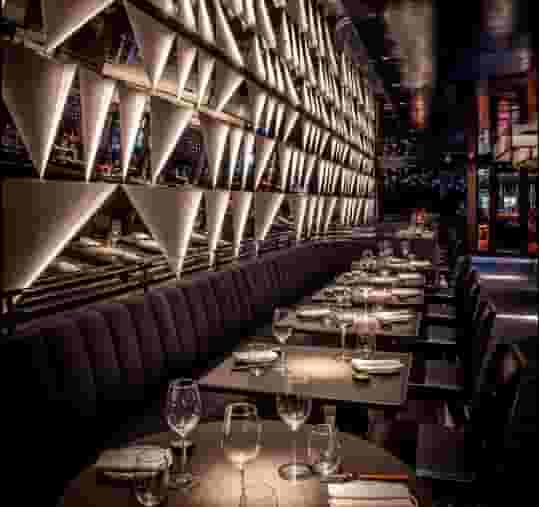
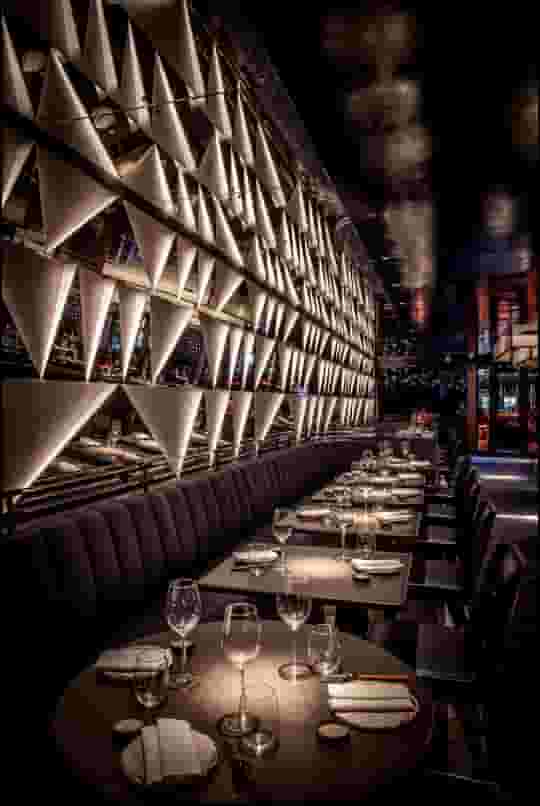
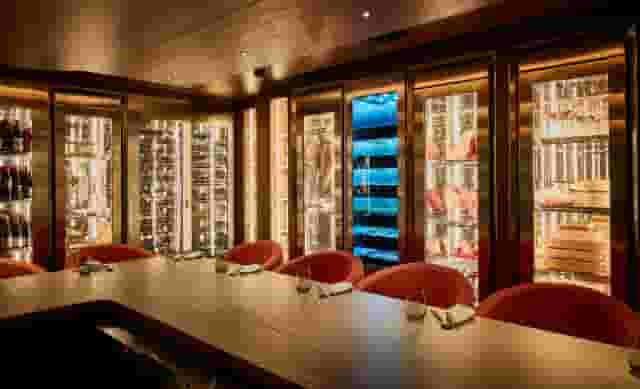
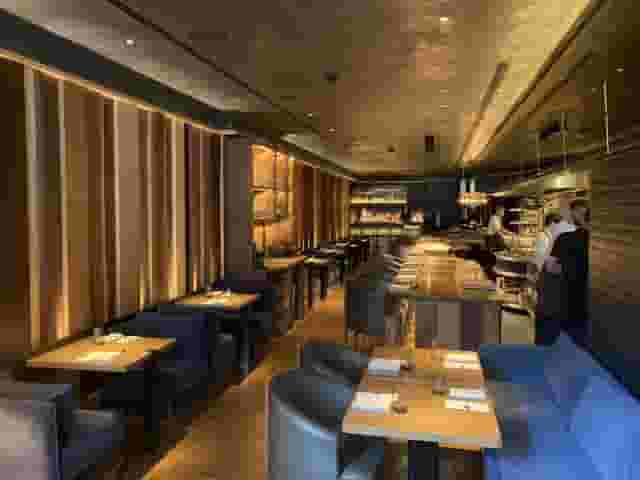


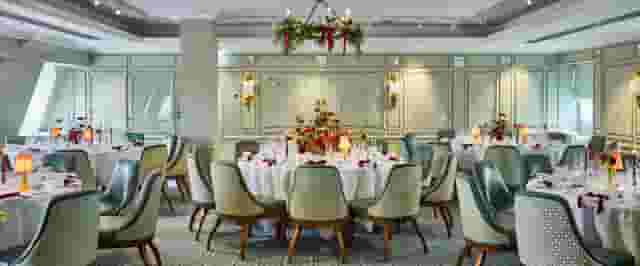
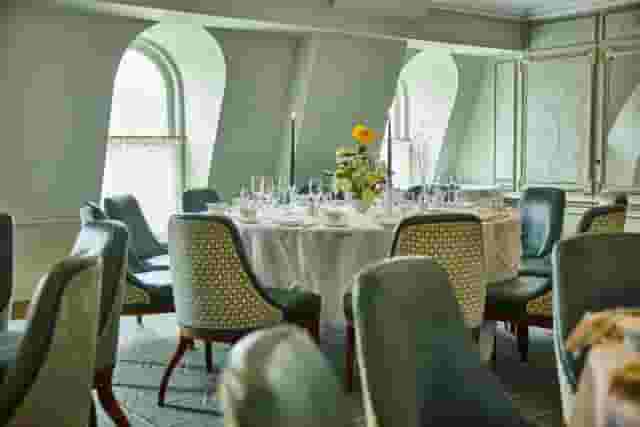

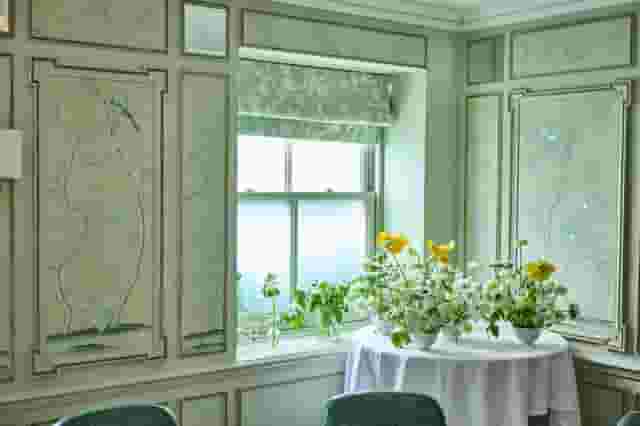
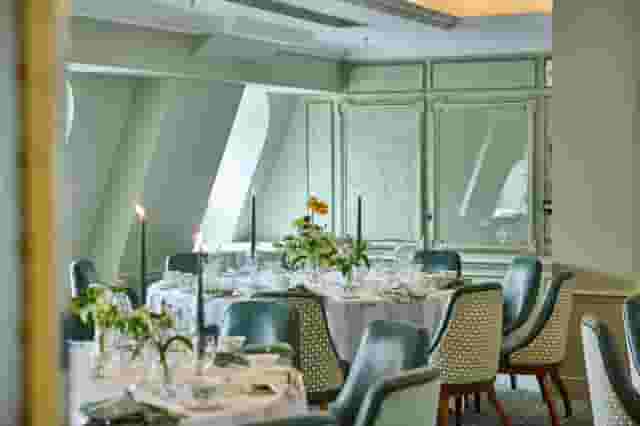


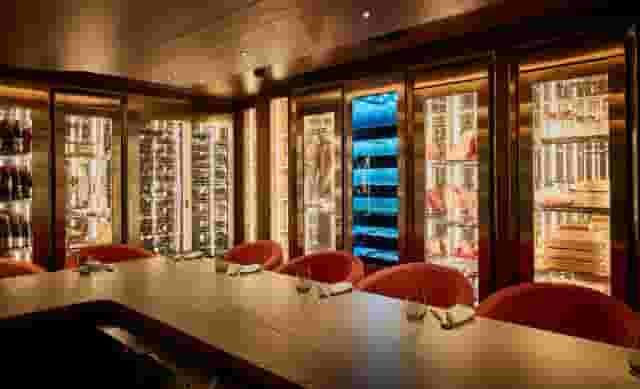
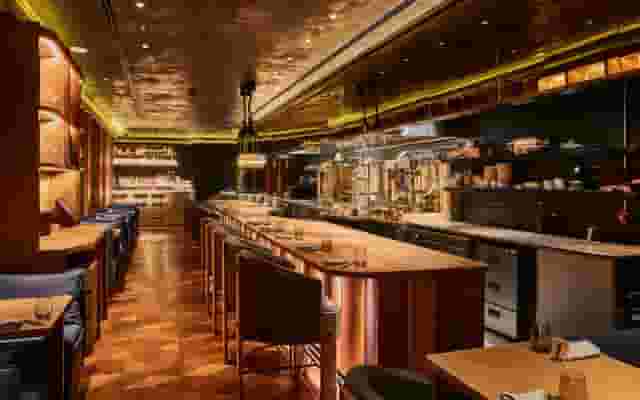
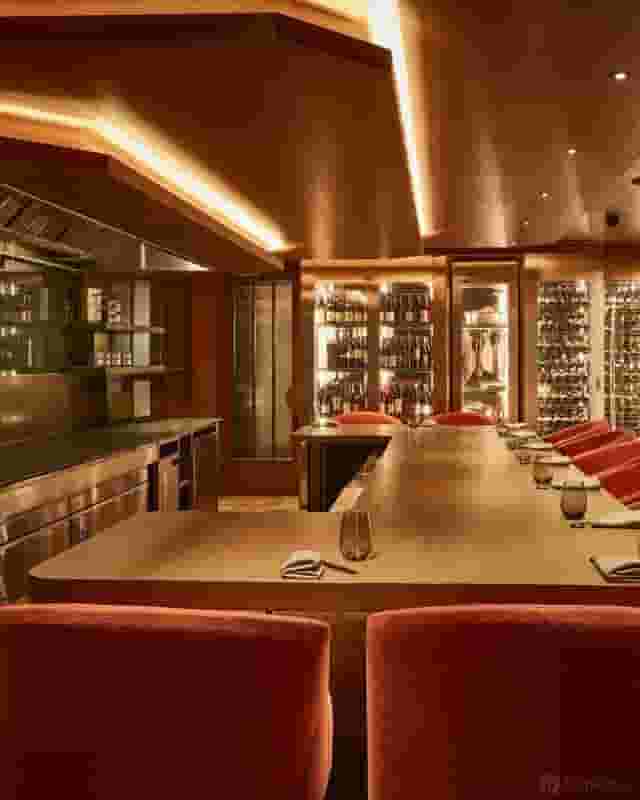
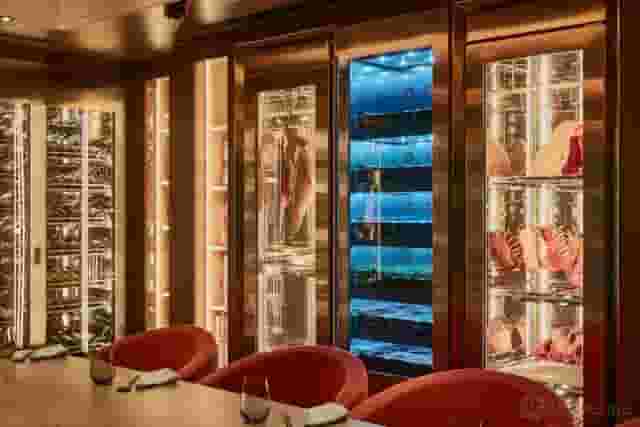
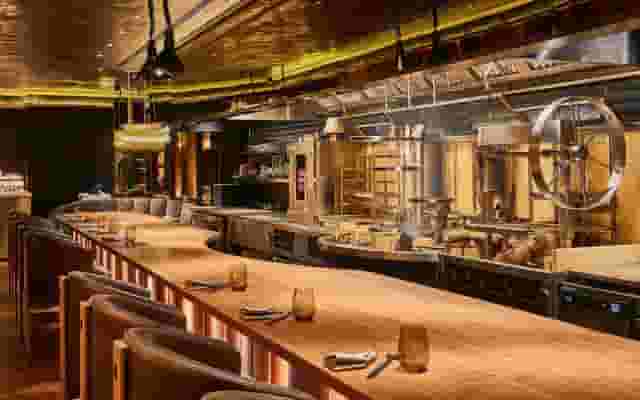


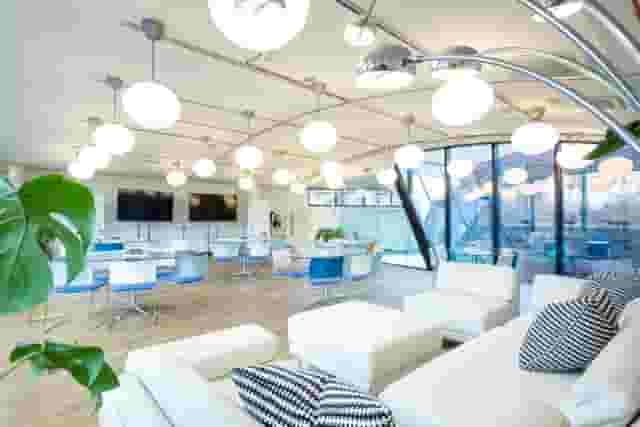
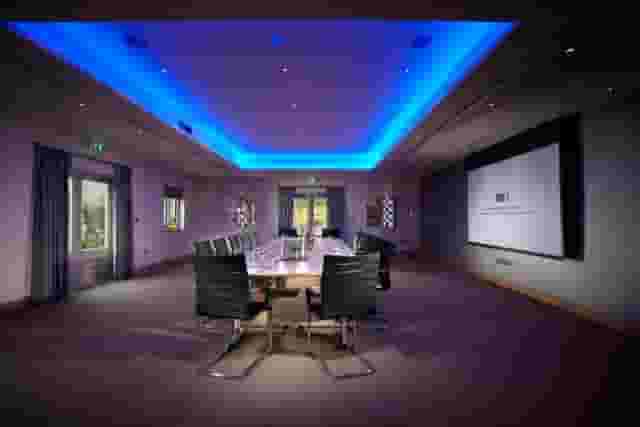
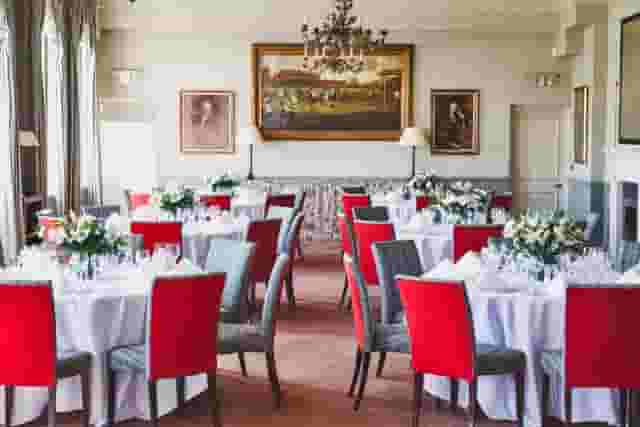


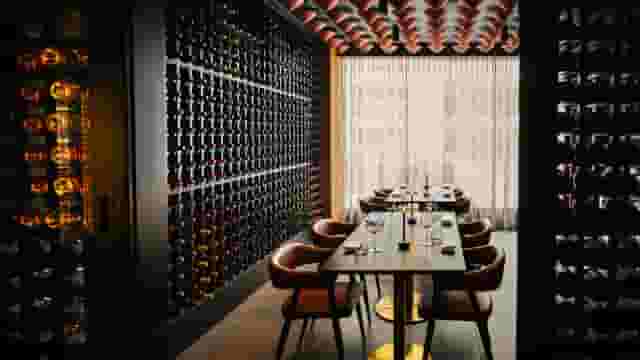
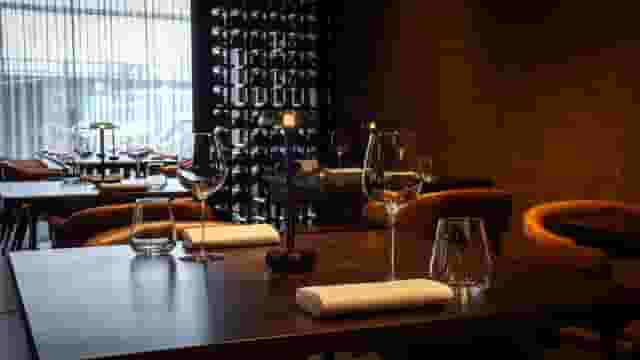
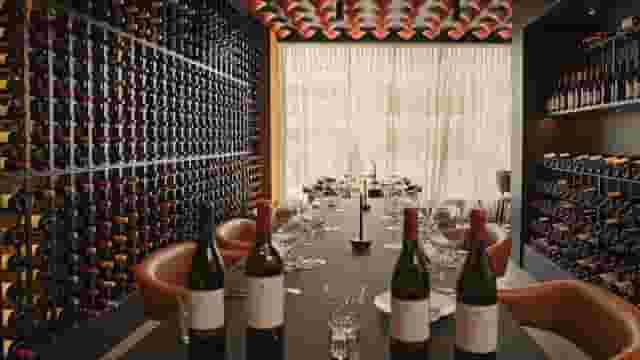
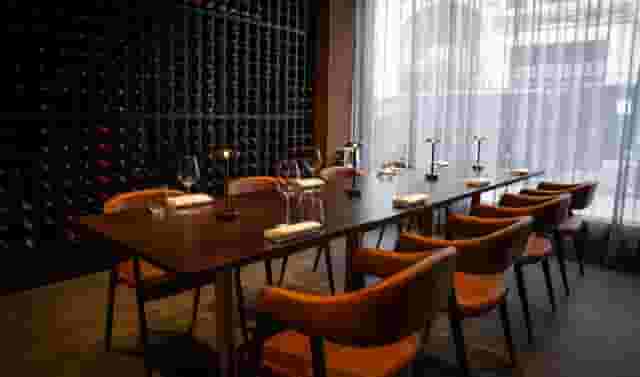
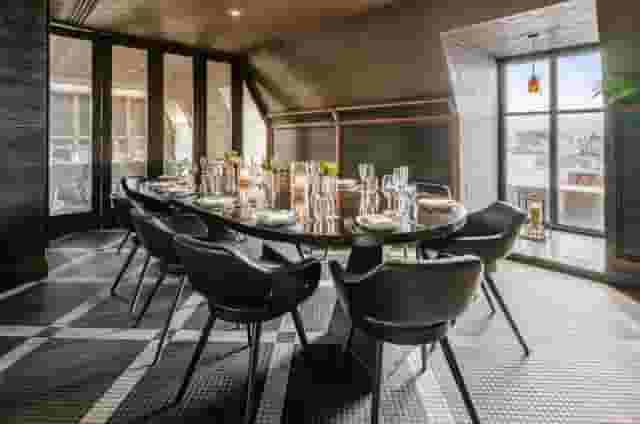
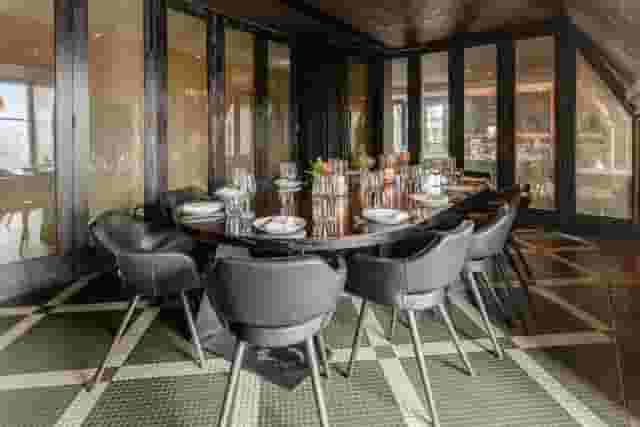
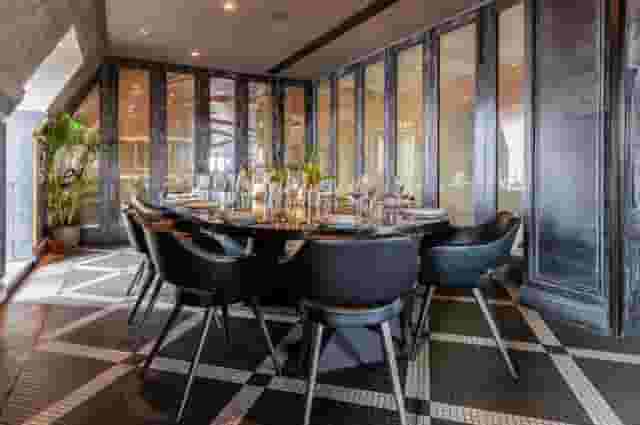
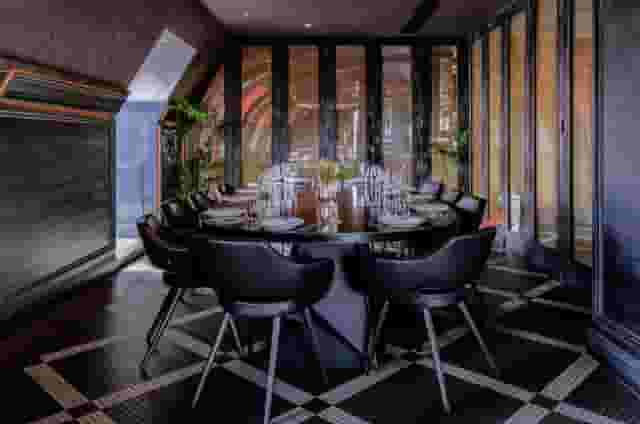




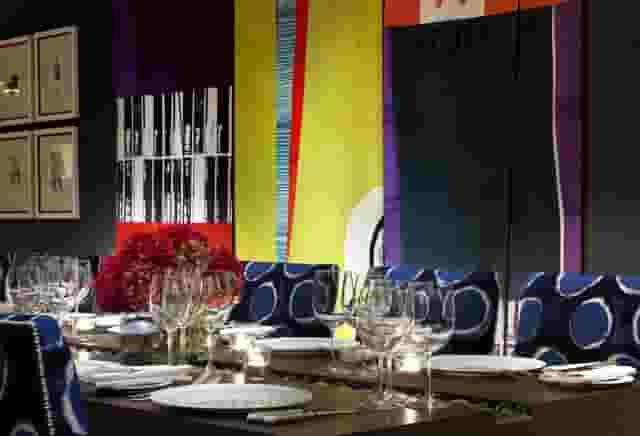


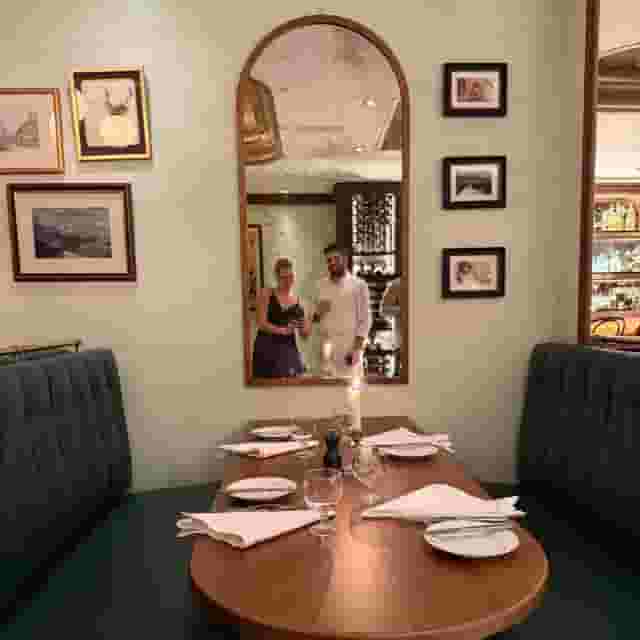
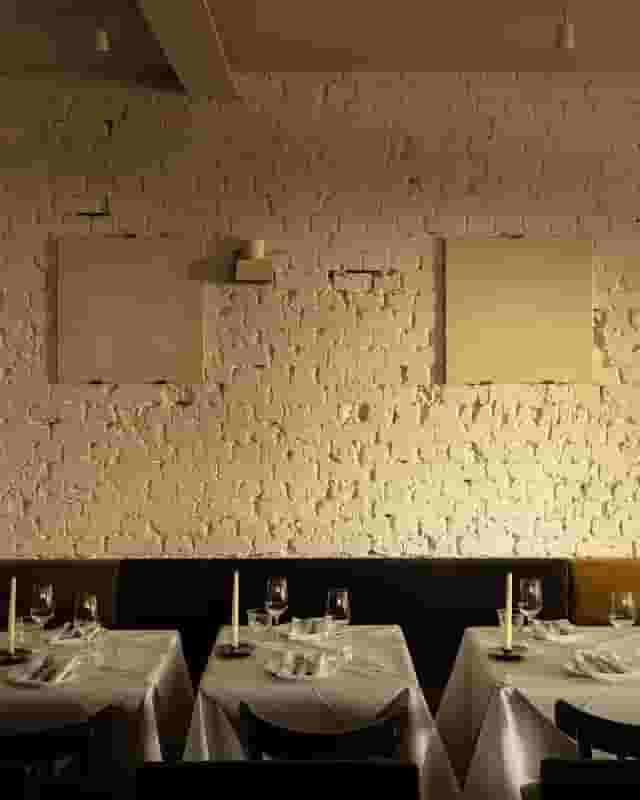










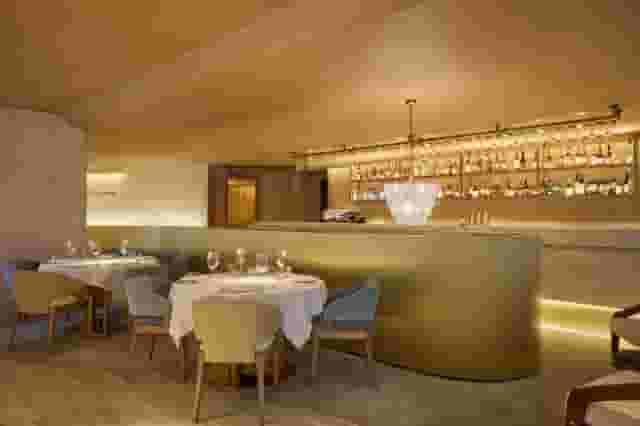


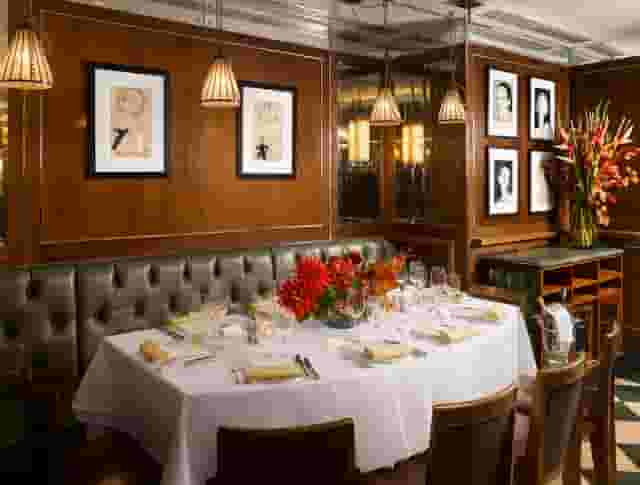
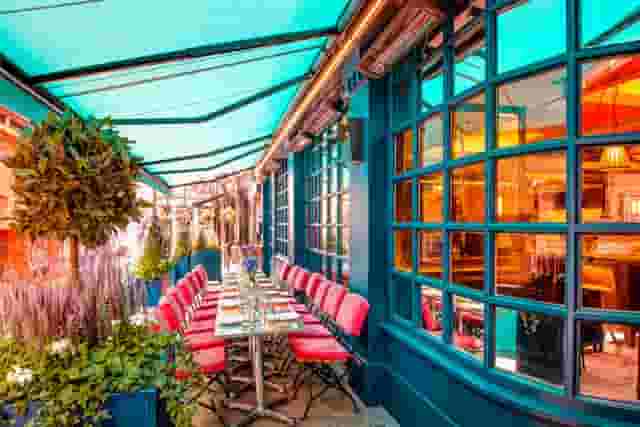
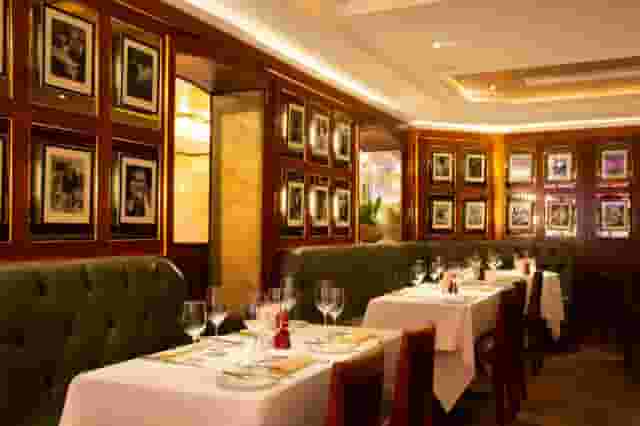










No venues match these filters
Try widening your capacity, luxury level or event type.
Don't have time to search? We'll find it for you.
For business events that need human judgement, talk to our team. Free for events of 100+ people, budgets over £10k or ongoing programmes.




Explore more venues in Soho













Frequently asked questions
Can I find historic dining rooms in Soho?
What size are Soho private dining rooms?
Are Soho venues tech-equipped?
What's the cost of Soho private dining?
How to ensure privacy in Soho dining?
Other platforms search their database. We search everything.
Tell us what you need. Our deep research finds any venue, whether it's in our marketplace or not. No one else does this.
About Private Dining in Soho
Room layouts and privacy levels across central Soho
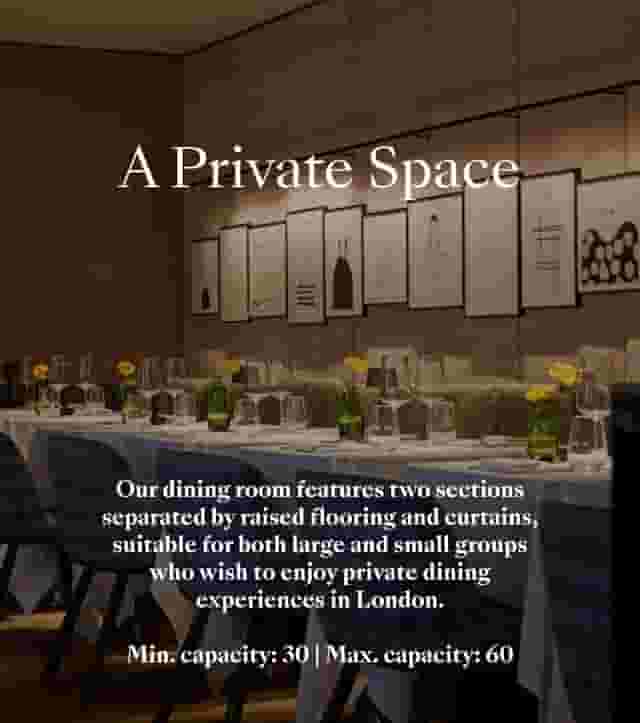
Organising a corporate dinner in Soho means balancing the district's social energy with the discretion your guests expect. The central question when reviewing rooms is whether the space offers genuine acoustic separation or merely visual shielding. In busy restaurant quarters, many venues sell semi-private mezzanines or curtained alcoves as private dining rooms. For a leadership briefing, board dinner or client negotiation, that distinction changes the entire evening. Sound from the main dining room bleeds into speeches, background music competes with table conversation and restaurant guests regularly walk past your group to reach bathrooms or fire exits.
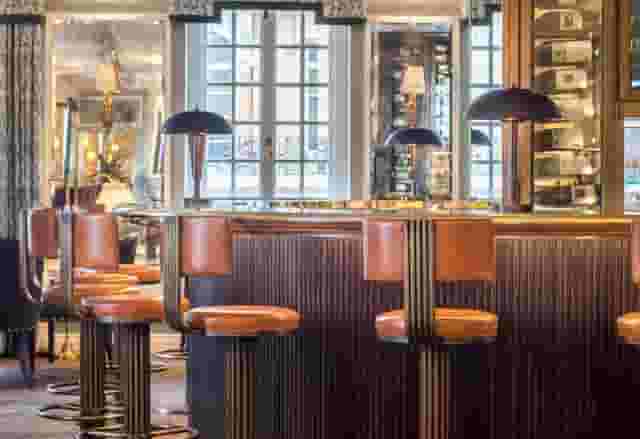
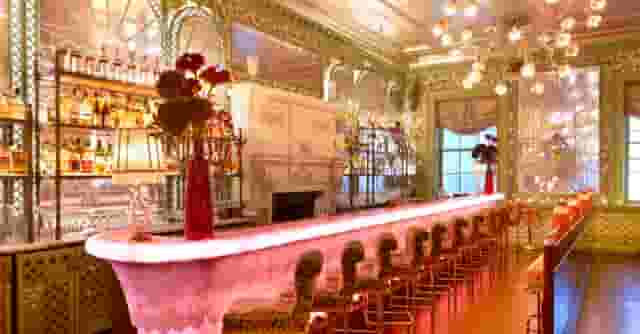
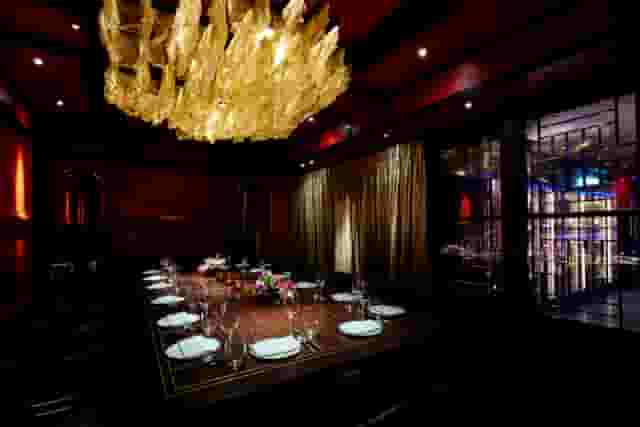
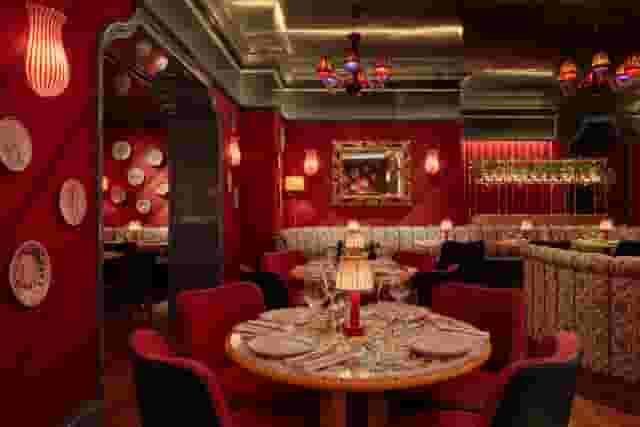
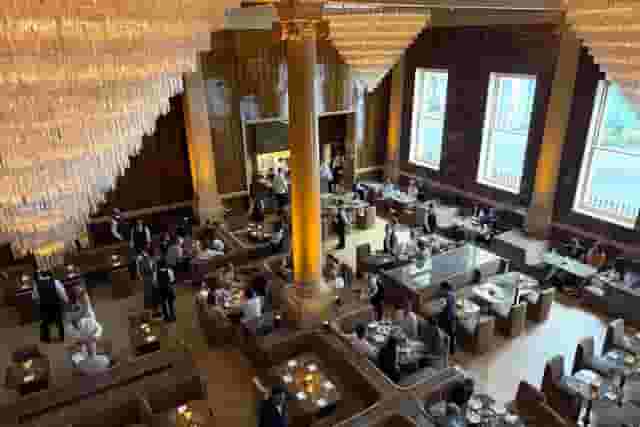
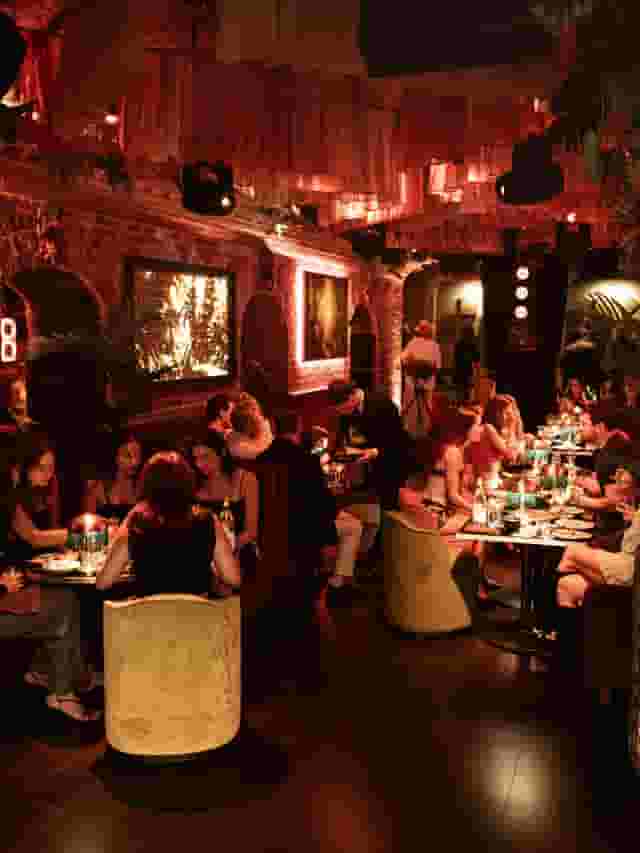
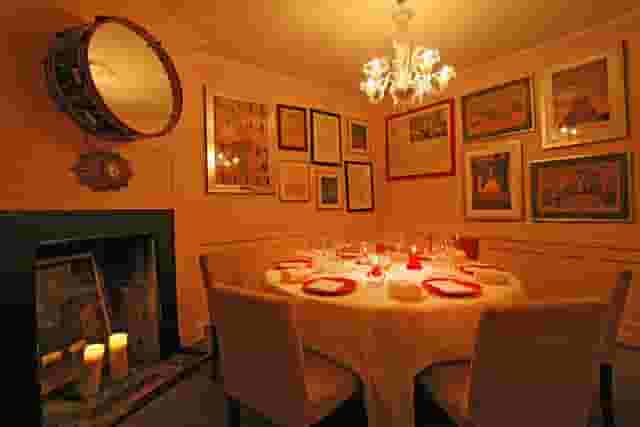
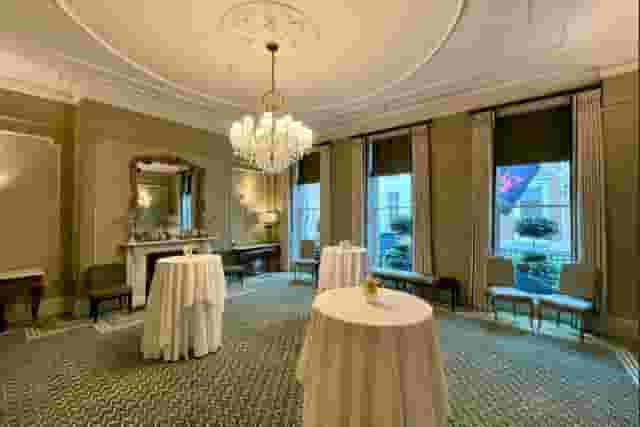
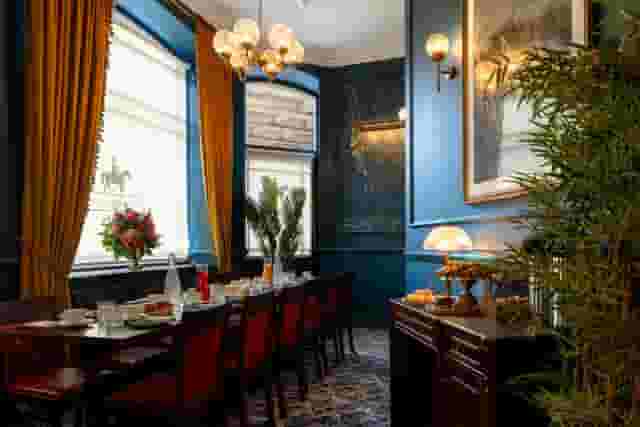
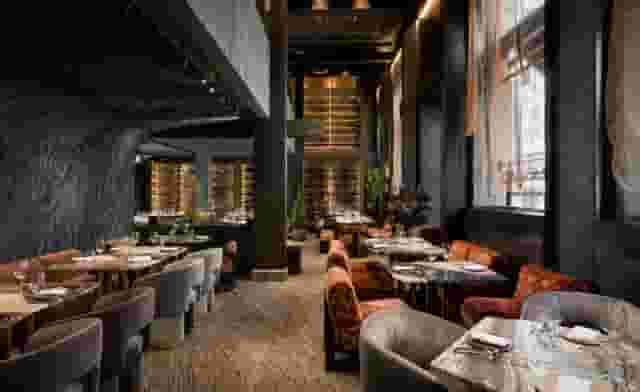
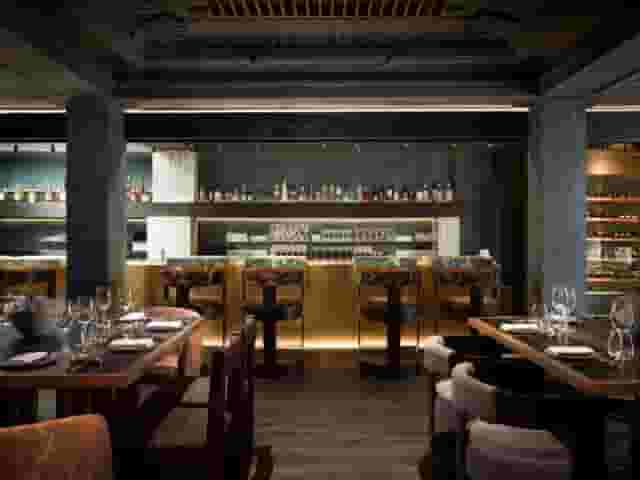
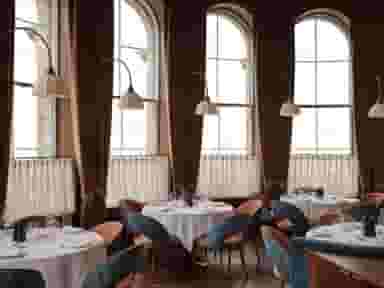
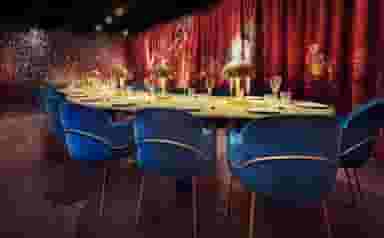
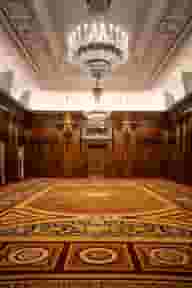
To secure an environment where guests can discuss sensitive business without straining to be heard, look for rooms with solid walls, closable doors and dedicated staff. Claude's (PDR) provides an enclosed private dining room with its own bar and lounge area for up to 50 guests in reception format, keeping your group contained away from public foot traffic. If you need a more formal, self-contained setting for a larger dinner, the Domino Room accommodates up to 90 guests for receptions and combines historic architectural details with modern acoustic isolation. For organisers evaluating private dining spaces, Hire Space works as an event planning and venue booking platform with a team of real people beside it to handle venue sourcing. Through Deep Venue Research, you can search any venue across Soho to match your exact layout and acoustic requirements, narrowing down your shortlist in minutes rather than waiting days for individual responses.
When evaluating floor plans, consider how guests move through the space across the four hours of the booking. A single rectangular banquet table works well for groups under 20 because everyone shares the same conversation. Once your guest list climbs past 24 people, a single boardroom table becomes divisive, splitting guests into three isolated conversation clusters. At that point, round tables seating eight to ten people make better sense. They allow open conversation across each table, improve sightlines if you plan to make remarks between courses and give waiting staff enough clearance to serve wine without bumping guest chairs.
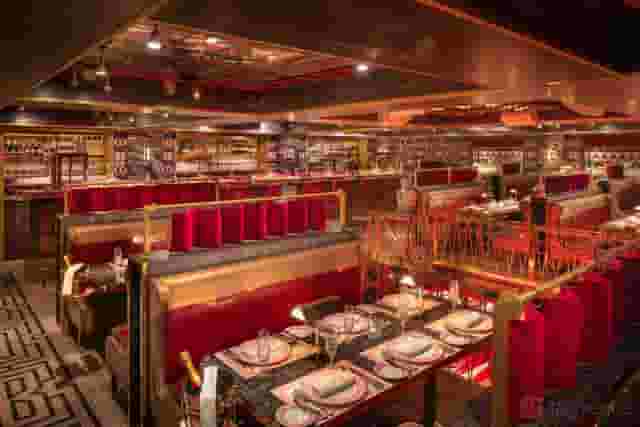
For gatherings that mix drinks and seated dining, rooms that offer a dedicated reception area prevent awkward congestion. Spaces like The Shooting Gallery, which accommodates up to 120 guests for receptions, allow guests to arrive, take a glass and mingle before moving through to their allocated places. When inspecting potential rooms, always confirm whether the capacity figure refers to standing receptions, theatre seating or seated dining with service space. A room rated for 80 standing guests often holds fewer than 40 for a comfortable three-course dinner once wait stations, wine buckets and coat rails enter the space.
Structuring the menu and beverage service
Corporate dining runs on a tighter schedule than personal socialising. Guests often arrive after a long working day, speeches must fit into natural pauses and attendees rely on known departure times to arrange travel home. Pacing the evening depends heavily on how you structure the food and wine service with the restaurant team weeks before the event.
À la carte ordering on the night is an operational trap for groups over 12 people. If 30 guests order individually from a wide menu, kitchen ticket times stretch, courses arrive unevenly across the table and conversations stall while half the room waits for their main course. Restaurants serving central London private rooms almost universally operate fixed set menus for corporate bookings. You will typically select three options per course in advance, or provide a single fixed menu with adjustments handled for dietary requirements.
| Menu format | Recommended guest count | Kitchen turnaround time | Operational considerations |
|---|---|---|---|
| Single set menu with dietary alternatives | 20 to 140 guests | 20 to 30 minutes between courses | Fastest service; requires dietary requirements submitted five working days ahead |
| Choice menu (three options per course) | 10 to 35 guests | 30 to 45 minutes between courses | Requires place cards with guest meal choices confirmed in advance |
| Family-style sharing platters | 15 to 60 guests | Continuous service | Informal atmosphere; table requires wide centre clearance for platters |
| Multi-course tasting menu | 8 to 25 guests | 15 to 20 minutes per small plate | Extended running time; requires a minimum three-hour dining window |
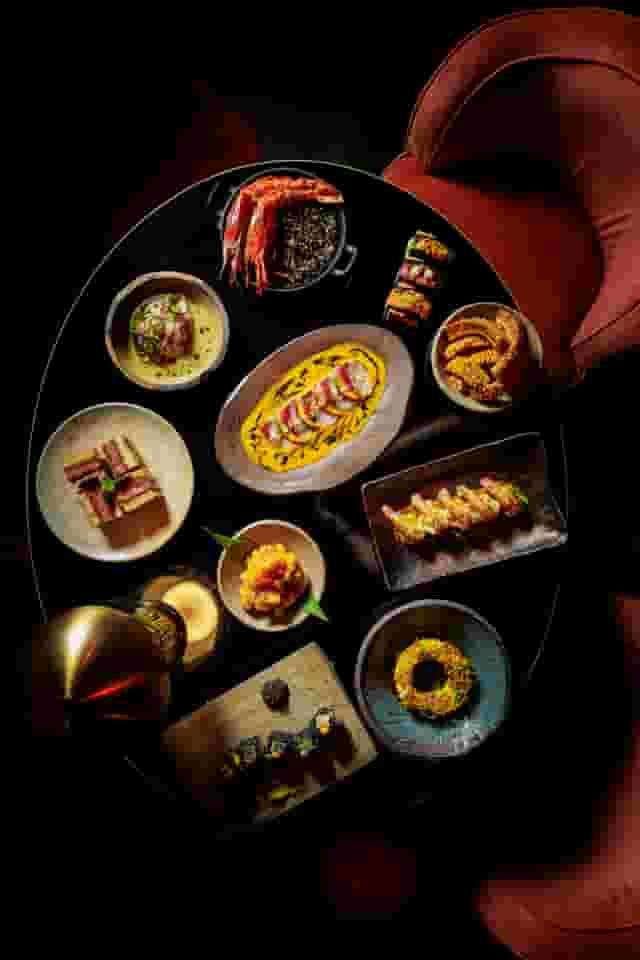
Sharing menus have become common across contemporary dining rooms, especially in modern Asian and Mediterranean kitchens. In spaces such as the Ling Ling dining area, which accommodates up to 250 standing guests, group dining often centres on high-end Cantonese sharing courses. Sharing plates encourage conversation and break down corporate stiffness, but they require generous table space. Ensure the venue does not crowd table settings with excessive glassware or bulky floral decorations if multiple dishes need to sit on the table at once. For further ideas on high-quality group dining formats, read through our review of 5 Delicious Private Dining Venues In London.
Wine service requires clear boundaries agreed in writing. The standard corporate allocation is half a bottle of wine per guest alongside water, with sparkling wine poured on arrival. If you host senior clients or aim to extend the evening, budget for three-quarters of a bottle per guest. Instruct the event manager clearly on table service rules. Generous sommeliers topping up glasses automatically will deplete your wine allocation before the main course arrives, leading to unexpected bar spend. Agree in advance whether the service team should open additional bottles automatically or ask your nominated host before uncorking past the agreed allocation.
Collect dietary requirements at least seven days before the dinner. Modern corporate groups routinely include vegan, vegetarian, gluten-free, dairy-free, halal and kosher preferences. Professional kitchens handle standard allergies with ease, but strict kosher meals must be brought in from specialist external caterers, which incurs an advance surcharge. Confirm with the venue whether dietary meals are served alongside the main group dishes or staged separately.
Audio-visual kit, acoustics and historic room character
Private dining rooms in Soho fall broadly into two camps: historic townhouse dining rooms and contemporary restaurant spaces. Each brings distinct advantages and practical constraints, particularly regarding technology and room aesthetics.
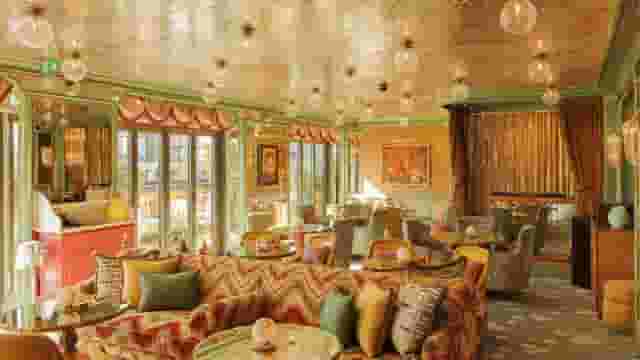
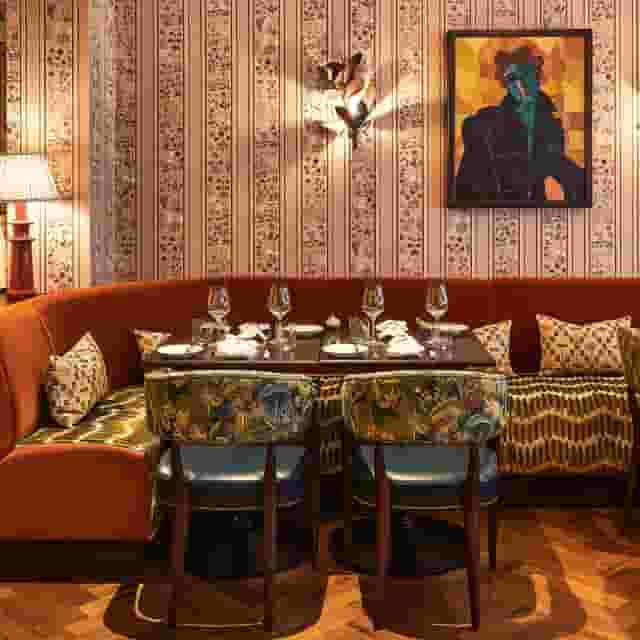
Historic townhouses, listed Georgian properties and heritage buildings offer high ceilings, ornate cornicing and period fireplaces. These details create an atmosphere of warmth and prestige that modern corporate function suites rarely match. However, Grade II listing restrictions often prevent venues from installing permanent drop-down projection screens, heavy cabling or wall-mounted monitors. If your dinner includes a formal slide deck, annual review presentation or video playback, verify early what kit the room can support. You can explore contrasting styles across the capital in our guide to Unique Private Dining Rooms in London.
A venue might confirm it has audio-visual facilities, but this can mean anything from an integrated surround-sound system to an old domestic television rolled in on a trolley. Clarify these details during your initial enquiry:
- Screen size, resolution and connection types, ensuring support for HDMI, USB-C and wireless screen sharing.
- Microphone availability for dinner remarks, including handheld wireless options or lapel microphones for roving speakers.
- Acoustic separation from adjoining bars, ensuring bass frequencies do not reverberate through the floorboards.
- Dedicated high-speed Wi-Fi networks for corporate guests who need secure remote access during the evening.
- Ambient lighting control, including independent dimmers so screens remain legible without plunging dinner guests into darkness.
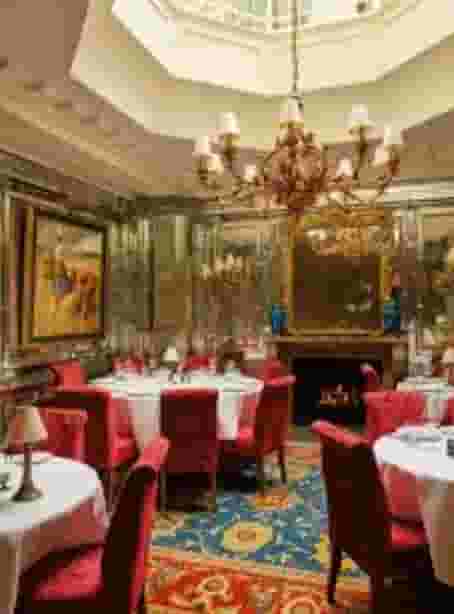
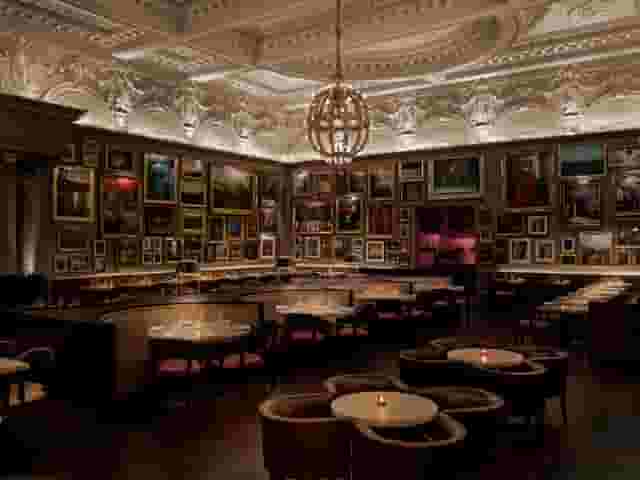
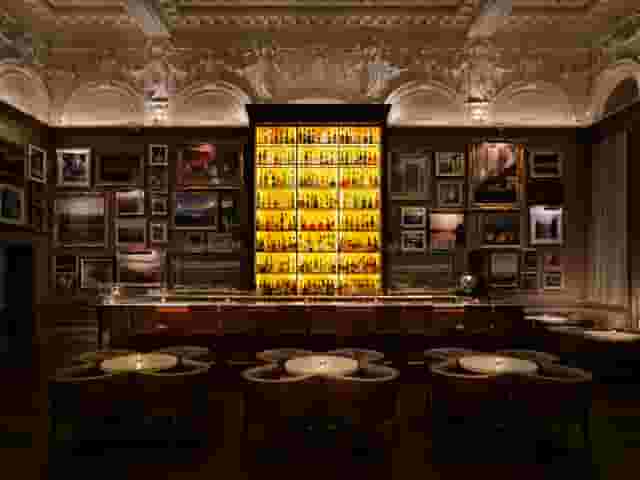
Some rooms offer built-in entertainment options that suit more informal client entertaining. The Captain's Quarters provides an audio-visual setup and full soundproofing for up to 80 guests in a ship-themed private bar setting, creating a distinct backdrop for celebrations or team milestones. For grander, high-capacity dining, Berners Tavern accommodates up to 140 guests for seated dining under historic ceilings, showing how heritage proportions support large gatherings.
If speeches form part of the schedule, schedule them between the starter and the main course, or immediately following dessert. Delivering a speech during the main course causes dishes to grow cold on the pass, while speaking before guests have eaten anything leaves your audience distracted and hungry. Keep presentations under 15 minutes, instruct waiting staff to pause wine pouring while the speaker holds the floor, and keep ambient background music muted until the talk concludes.
Pricing structures, minimum spends and billing terms
Private dining costs across central London are structured differently from standard venue hire. Most restaurants do not levy an upfront room hire fee. Instead, they operate on a minimum food and beverage spend. Under this model, you commit to spending an agreed total sum on food, wine, cocktails and soft drinks across your booking window. If your group's orders exceed the minimum spend, you simply pay the final bill. If your orders fall short of the agreed target, the venue adds a shortfall room charge to bridge the difference.
Based on 8 quotes from the venues on this page, private dining in Soho typically costs £123 to £266 per head. This figure is indicative, and estimated from what these venues have charged for similar events. It assumes a gathering of about 60 guests. Understanding where your booking sits along this spectrum depends on several clear variables:
Date and seasonal timing
A Tuesday dinner in late January sits towards the £123 end of the spectrum, because demand across corporate dining remains subdued after the holidays. Venues are keen to fill rooms and will often negotiate minimum spends or throw in an arrival drink without charge. Conversely, booking a Thursday or Friday evening in late November or December pushes quotes firmly towards the £266 end. During peak festive trading, restaurants can sell their private rooms multiple times over, meaning minimum spends rise steeply and deposit terms harden.
What sits inside the package
When comparing proposals, check whether quotes represent a combined per-head package or an unbundled minimum spend. An all-inclusive private dining package should clearly state:
- Canapes or an arrival drink poured over the first 45 minutes.
- A three-course fixed dinner menu with bread service and table water.
- Allocated wine service across dinner, typically half a bottle per person.
- Fresh coffee and petits fours following dessert.
- Dedicated staffing, linen hire and private cloakroom facilities.
Items charged on top regularly inflate the final settlement. Discretionary service charges in central London restaurants run between 12.5% and 15%, and these apply to the total bill, including the minimum spend. If your minimum spend is £10,000, expect a service charge of £1,250 to £1,500 added automatically to your final invoice. Value Added Tax (VAT) at 20% should also be verified on every quote; commercial quotes often state figures exclusive of VAT, while restaurant menus list VAT-inclusive numbers. Hire Space 360 is enterprise venue and hotel procurement for companies spending £1m or more a year on meetings and events: a managed meetings and events programme, the kind procurement teams call strategic meetings management. It places every dining venue and hotel booking on one agreement with consolidated invoicing, keeping company entertaining aligned with internal event policy. Finance teams gain live spend reporting and full audit trails across departments, demonstrating how Hire Space 360 works for procurement when managing recurring event budgets.
| Cost category | Typical market practice | Negotiation lever |
|---|---|---|
| Room hire | Waived if minimum food and drink spend is achieved | Ask to roll minor shortfalls into upgraded dessert wines rather than straight room hire fees |
| Service charge | 12.5% to 15% added to total bill | Fixed percentage; ensure it is calculated against actual spend, not pre-tax estimates |
| AV equipment | Basic Wi-Fi included; screens and microphones charged as hire items | Request complimentary screen and projector access on mid-week bookings |
| Deposit schedule | 50% on contract signature, balance cleared 14 days before event | Request phased deposits for large bookings, with final balance settled on departure |
| Cancellation window | Full refund outside 30 days; rolling loss of deposit within 14 days | Ensure clear weather and transport disruption clauses appear in the contract |
To avoid falling short of a minimum spend, plan your drinks allocation deliberately. If your numbers drop by five guests at short notice, you still must achieve the contracted minimum total. Upgrading the table wines to a higher vintage or adding an after-dinner digestif tray allows your group to meet the agreed financial threshold while delivering a noticeably better experience for the attendees who are in the room.
Guest access, timings and transport considerations
Soho is one of the most accessible entertainment districts in London, but its narrow streets and pedestrianised zones present distinct logistical hurdles for corporate groups. Knowing how your guests will arrive and depart ensures the evening concludes as smoothly as it begins.
Tottenham Court Road, Oxford Circus, Piccadilly Circus and Leicester Square stations all sit within a five to ten minute walk of Soho's central dining rooms. The Elizabeth Line connection at Tottenham Court Road has dramatically improved accessibility for corporate guests travelling straight from Canary Wharf or Heathrow Airport, making east-west journeys fast and reliable. For attendees coming from the City, the Central and Northern lines offer direct routes.
However, road transport within Soho is heavily restricted. Many central streets operate timed pedestrianisation schemes that ban vehicle traffic from early afternoon until late night. If your attendees expect executive car services or black cabs to collect them directly from the venue entrance, warn them in advance that vehicles may have to pull up on perimeter routes such as Shaftesbury Avenue, Regent Street or Charing Cross Road. Always note the nearest practical vehicle drop-off point on your guest invitations.
Confirm access timings with the venue manager before issuing schedules to guests. Private dining slots are frequently sold on fixed rotations, particularly in high-demand restaurants. A dinner booking might grant access from 18:30 with an absolute departure time of 23:00 to comply with premises licences and council curfew restrictions. If your host wishes to arrive early to set out place cards, run an AV tech check or brief the waiting team, arrange this setup access in writing. Arriving an hour early without prior notice often coincides with the kitchen team's afternoon deep clean or staff changeover, leaving your organiser waiting on the pavement.
By locking down room privacy, confirming menu mechanics early, clarifying AV practicalities and budgeting accurately for minimum spends and service charges, you ensure your private dinner runs with corporate precision and delivers an exceptional evening for your guests.
What our customers say
Inspiration and planning guides

Beyond the Bowl: The Ultimate Bowl Food Recipes To Wow Your Guests
In the quest for the perfect party or private dining menu? One that combines convenience with style? Look no further than the versatile bowl food!

5 Catering Suppliers To Ensure Your Food is Glorious
Here's our curated list of catering suppliers guaranteed to transform your event into an extraordinary feast!

Unique Venue of the Month: The Attendant
If we said our Unique Venue of the Month for March was a restaurant inside a public toilet, you would probably start to think we've (finally) lost it here at Hire Space. Well...our Unique Venue of the Month is a restaurant inside a public toilet. But it's not what it seems. Hear us out. The Attendant [https://hirespace.com/Spaces/London/8941/Attendant/Whole-Venue/Events] was originally a Victorian public gents' bathroom in Fitzrovia, built in 1890. It was mothballed and made spick-and-span in
One supplier. Every venue. Full visibility on what you spend.
Multiple venues and events. One agreement.