Intimate Event Venues for Hire in London
Find intimate London venues for corporate events, from private dining rooms to discreet hotel lounges with data-backed pricing.
1,231 Intimate Event Venues for Hire in London




























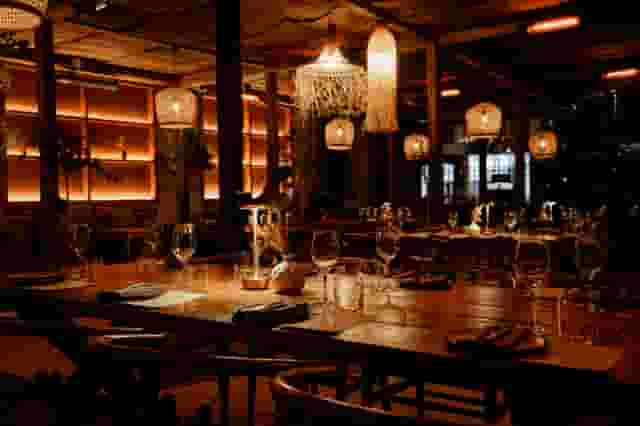
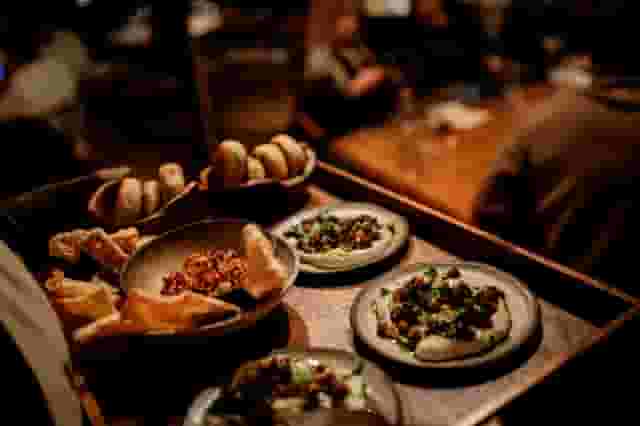
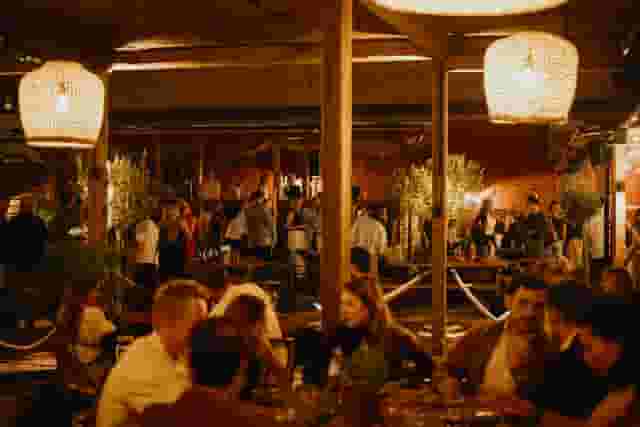
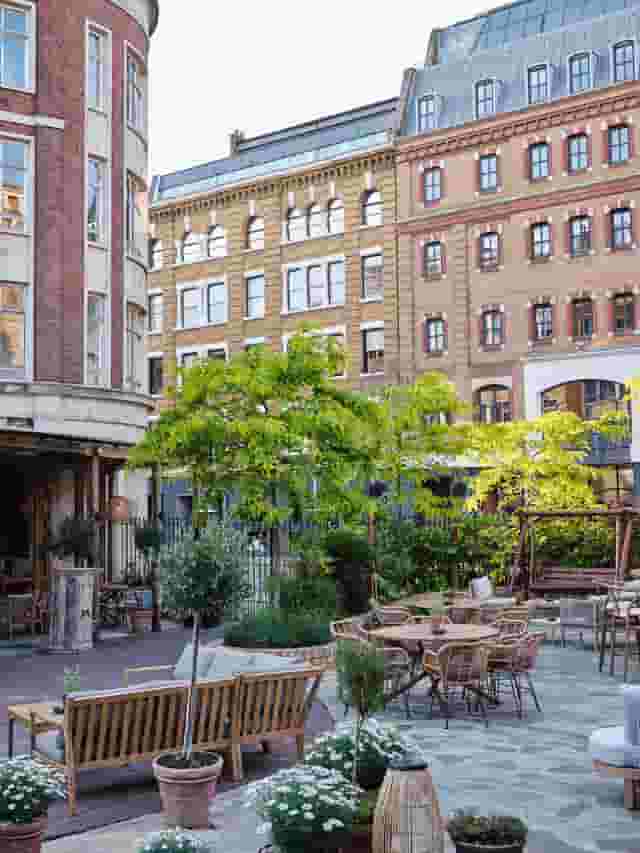
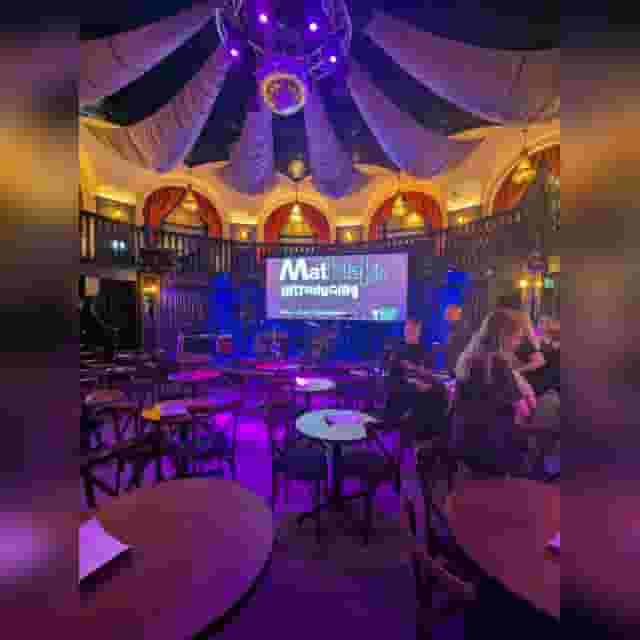
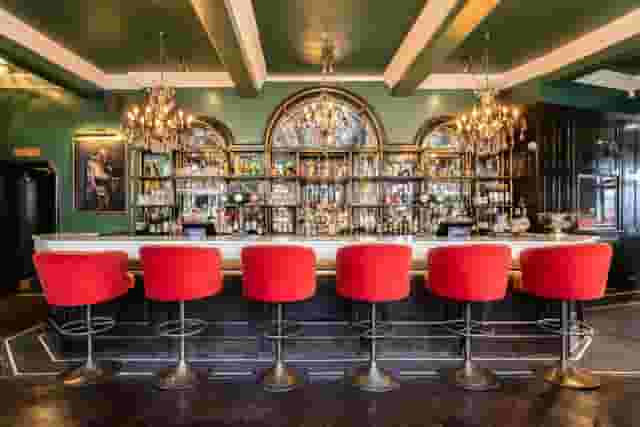
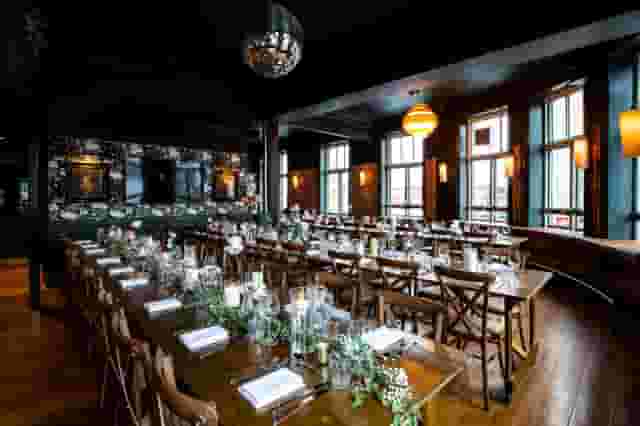
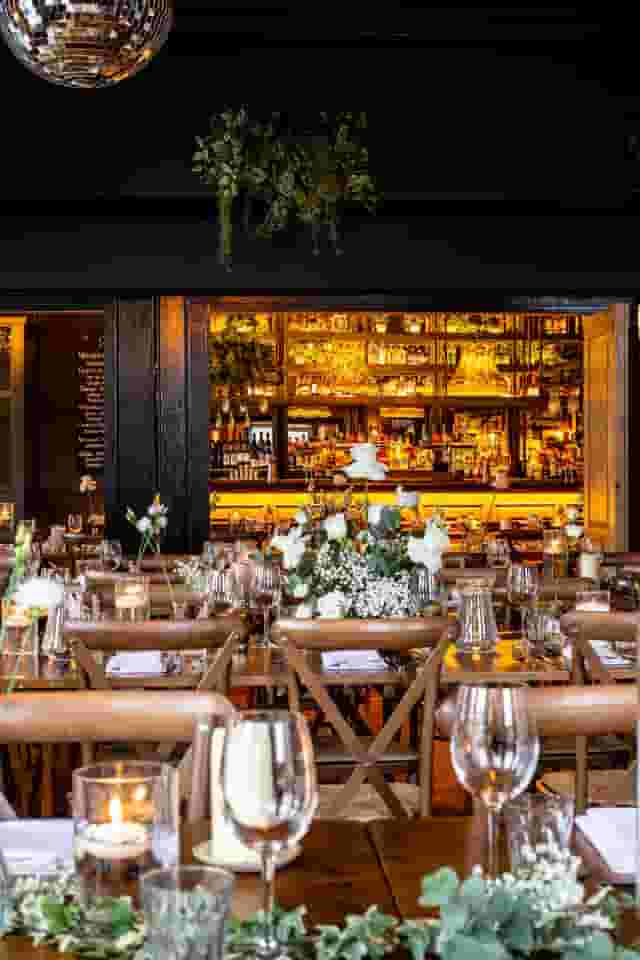





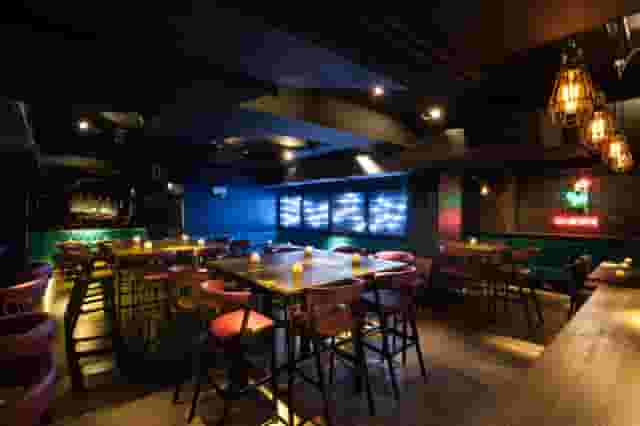
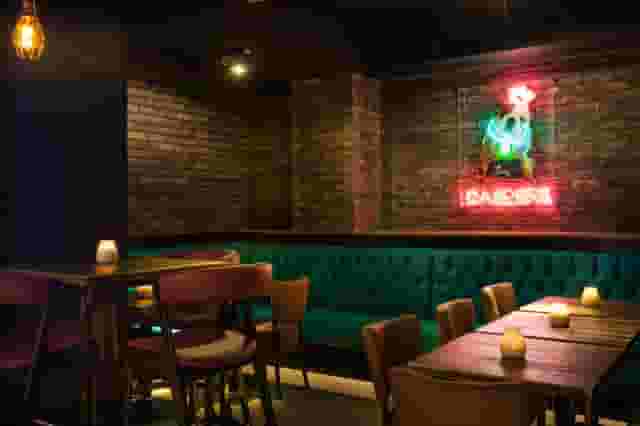
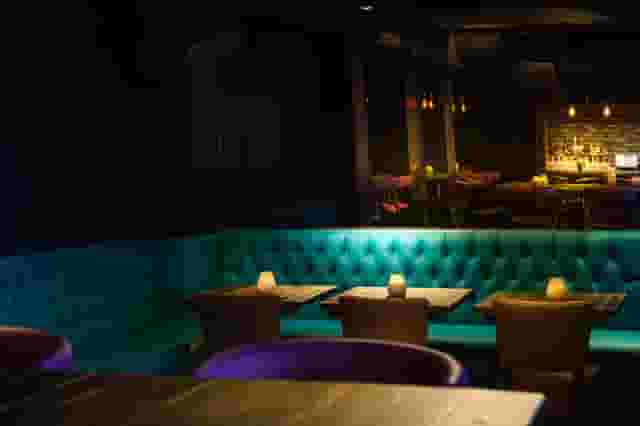
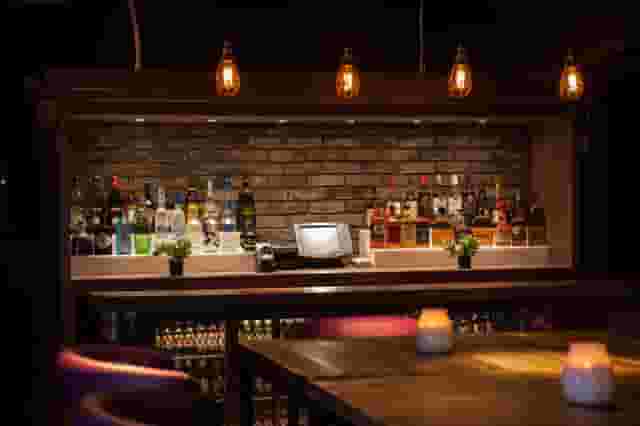



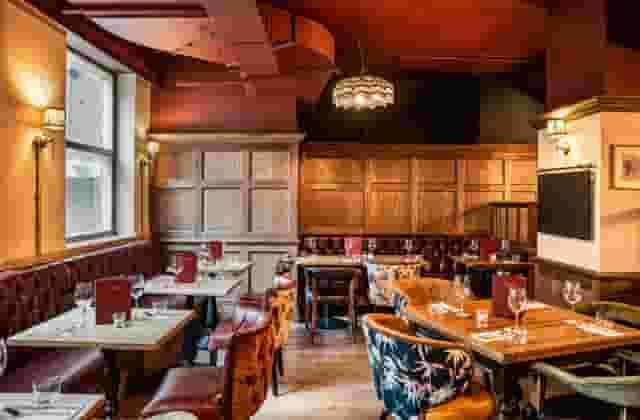
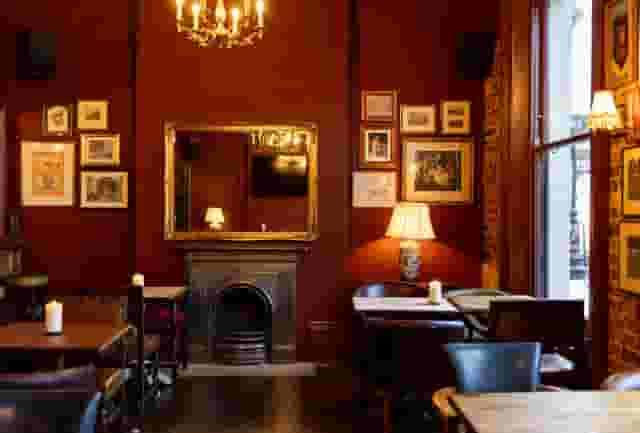
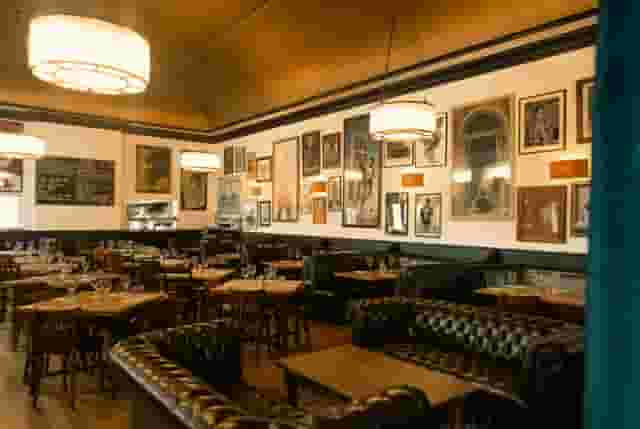
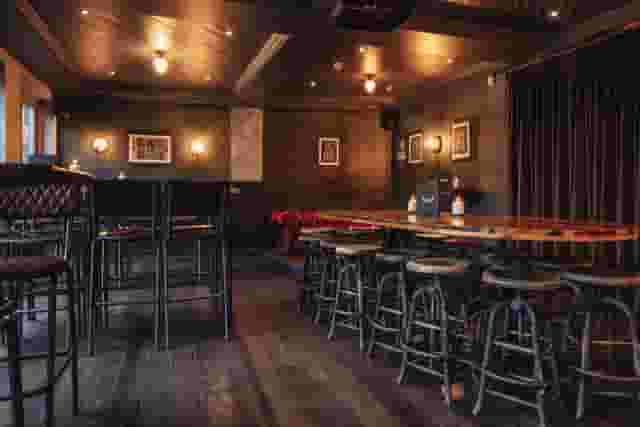




















No venues match these filters
Try widening your capacity, luxury level or event type.
Don't have time to search? We'll find it for you.
For business events that need human judgement, talk to our team. Free for events of 100+ people, budgets over £10k or ongoing programmes.




Explore more venues in London












Frequently asked questions
What defines an intimate venue in London?
Are boutique hotels suitable for small events?
Can art galleries host intimate events?
How do I select a private dining room?
What should I expect to pay for an intimate venue?
Other platforms search their database. We search everything.
Tell us what you need. Our deep research finds any venue, whether it's in our marketplace or not. No one else does this.
About Intimate in London
Defining intimacy for a company gathering
An intimate corporate event is not defined by an arbitrary guest limit. It is defined by scale and proportion. When thirty colleagues gather in a ballroom built for two hundred, conversation falters, momentum dissipates and the gathering feels hollow. When seventy people occupy a tailored lounge with dedicated service, the atmosphere carries itself. An intimate space keeps your team or clients close enough to speak comfortably without competing against background noise from a public bar, while leaving enough physical clearance for staff to circulate with drinks and canapes.
For a business gathering, intimacy requires four practical components: acoustic containment, physical privacy, a clear flow between arrival and hospitality, and service dedicated strictly to your party. Whether you are hosting an executive dinner, a client entertainment reception or a departmental social, the objective is effortless interaction. Guests should not have to lean across three feet of dead space to hear a speaker, nor should they find themselves squeezed against a service door.
True privacy also matters when company performance, future roadmaps or client accounts might be discussed. A semi-private mezzanine screened by rope or curtains often leaks sound both ways. If the conversation demands discretion, look for self-contained spaces with solid doors, private restrooms and independent sound controls. A boutique hotel setting often meets these demands well, combining private dining or meeting rooms with on-site accommodation and dedicated event staff under one roof. In hotel settings, confirm whether your hire grants exclusive use of the floor or foyer, and ask how guest arrivals are managed from the main entrance to your private suite. If you need to find spaces that guarantee absolute discretion, event planning and venue booking platform Hire Space pairs an expert team of real people with Deep Venue Research to search any location across London. They supply qualified shortlists in minutes alongside data-backed price estimates drawn from actual bookings, ensuring you secure the right private setting without unnecessary delays.
Matching room style to your event format
The nature of your guest list determines the layout you need. Choosing between a sit-down meal, an informal reception or an interactive activity alters the square footage required per person and changes how guests interact throughout the evening.
Cocktail lounges and private bars
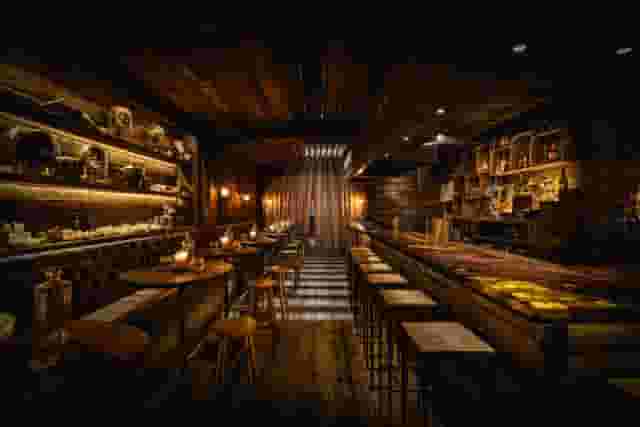
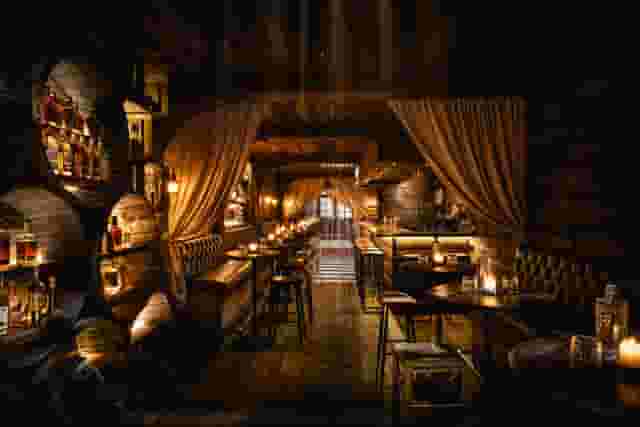
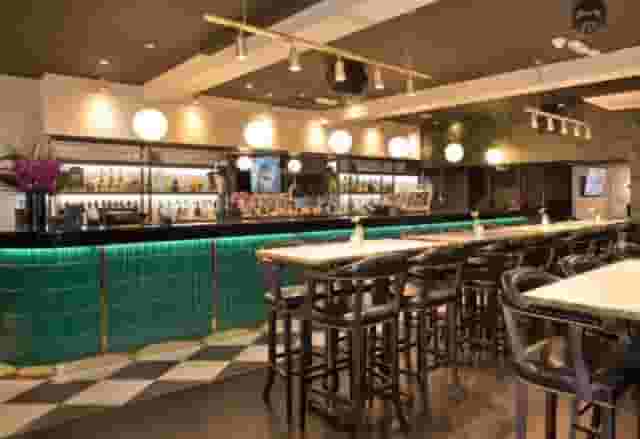
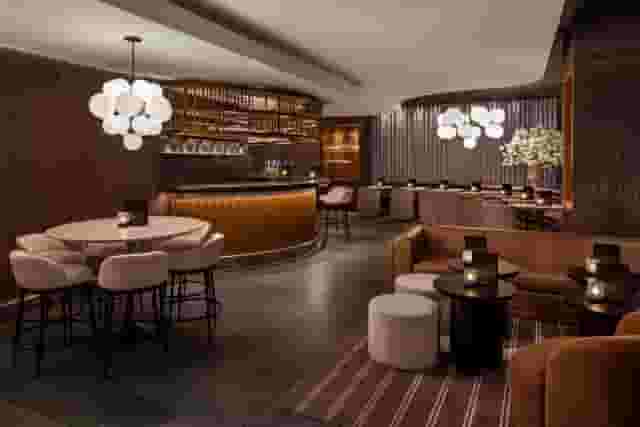
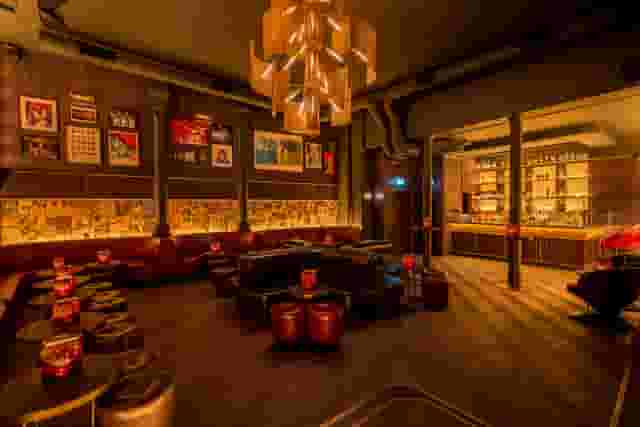
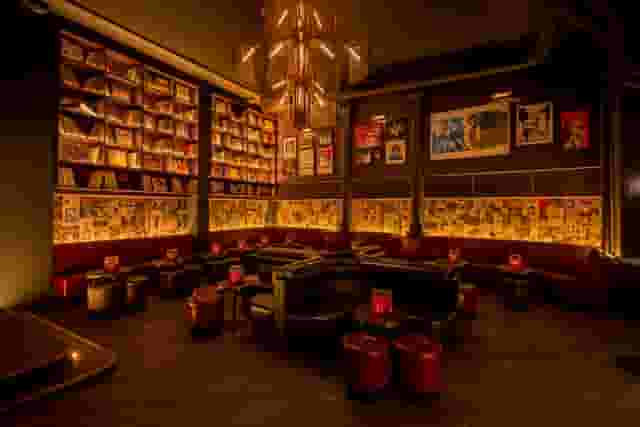
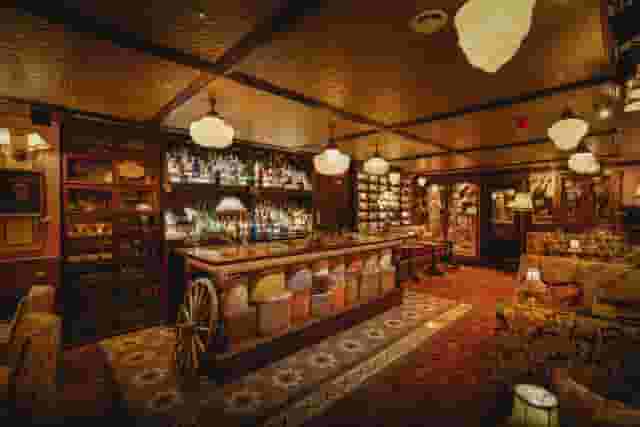
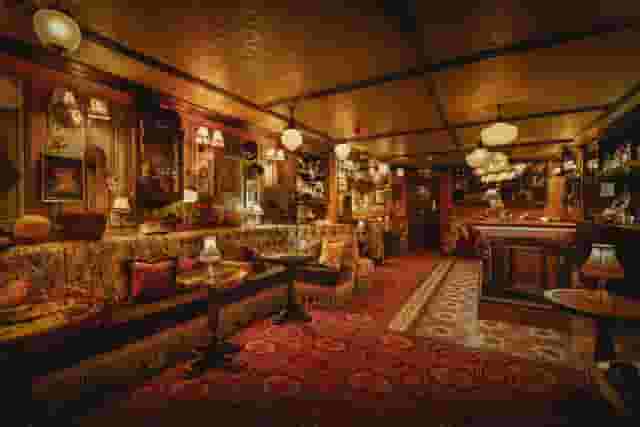
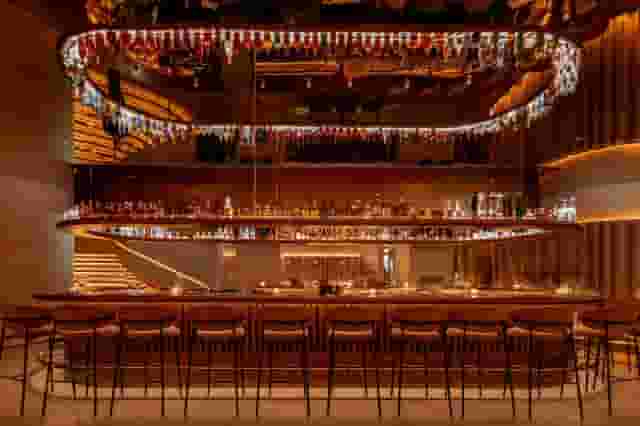
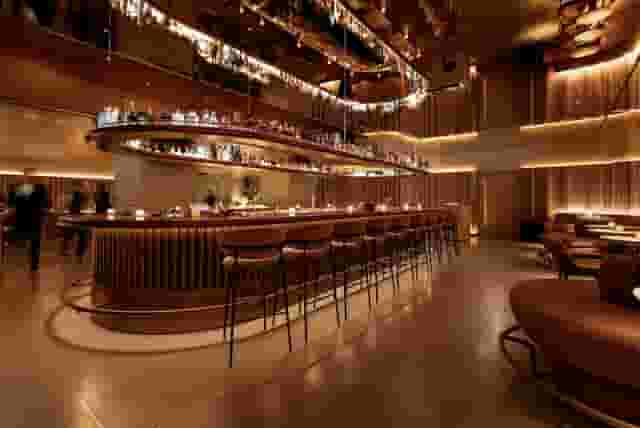
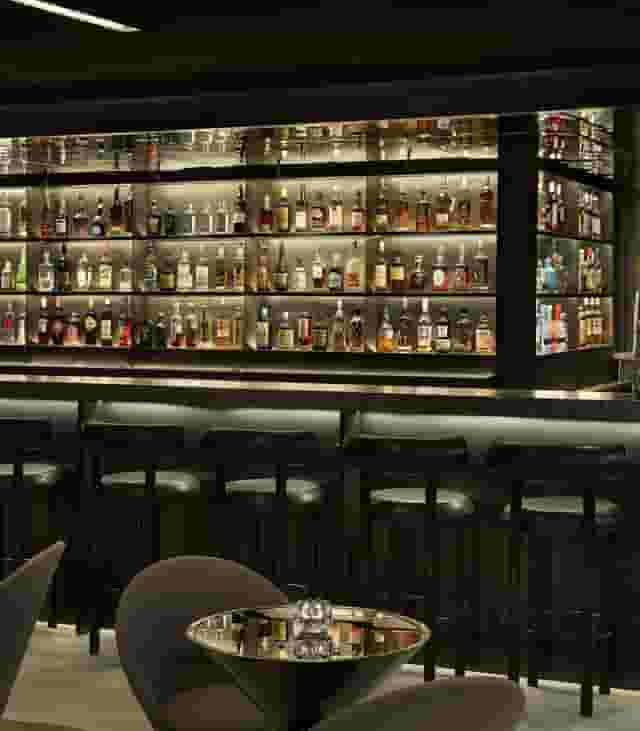
Private cocktail rooms offer immediate warmth. They arrive pre-furnished with comfortable seating, low tables and ambient lighting that standard conference suites lack. They suit networking receptions, project celebrations and informal client entertainment where standing conversation is the primary focus.
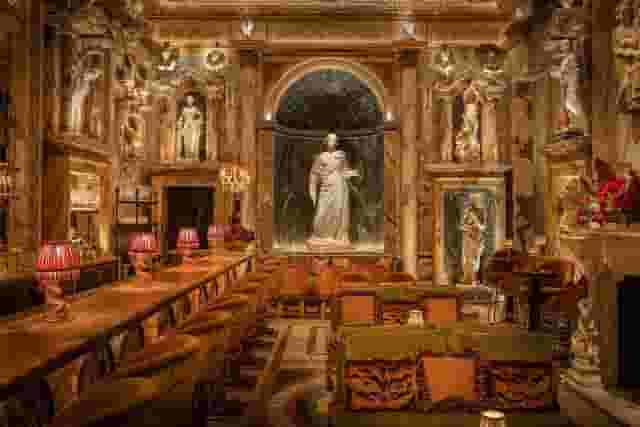
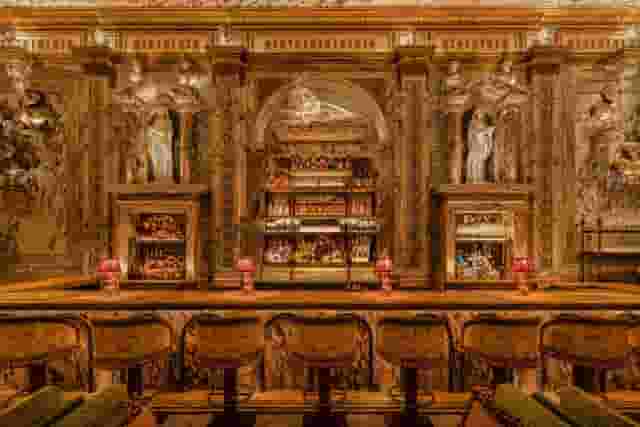
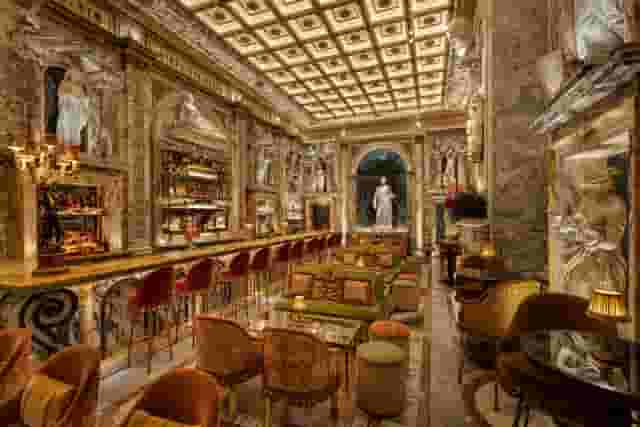
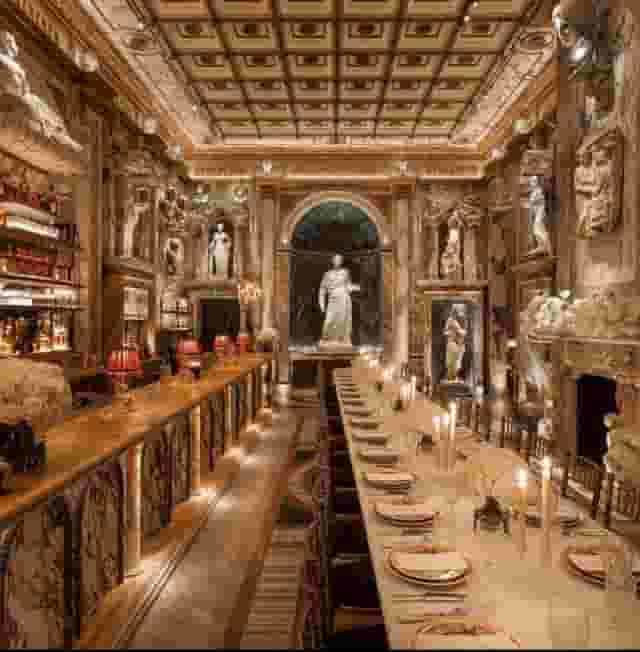
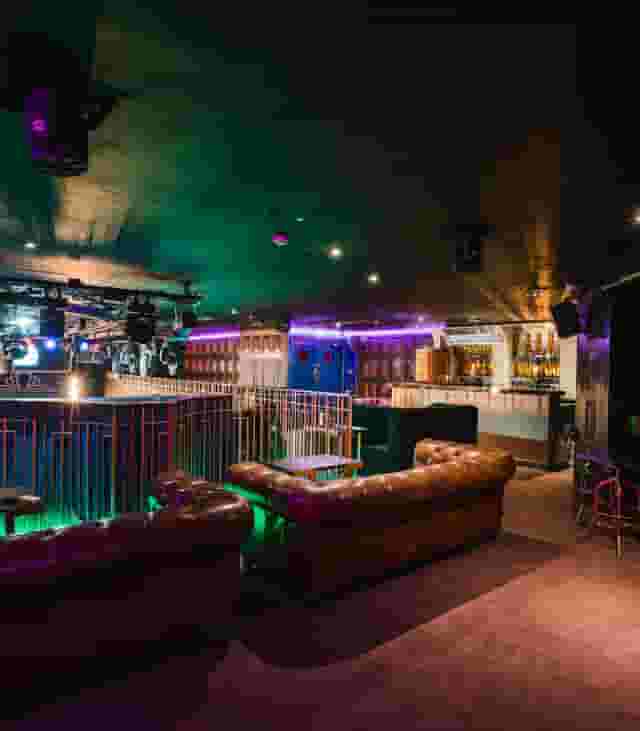
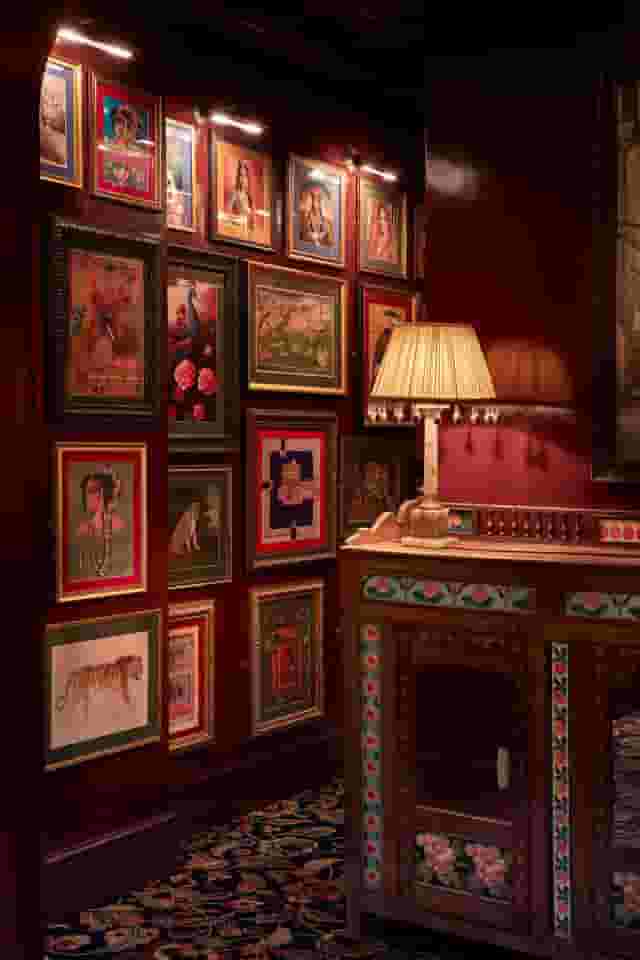
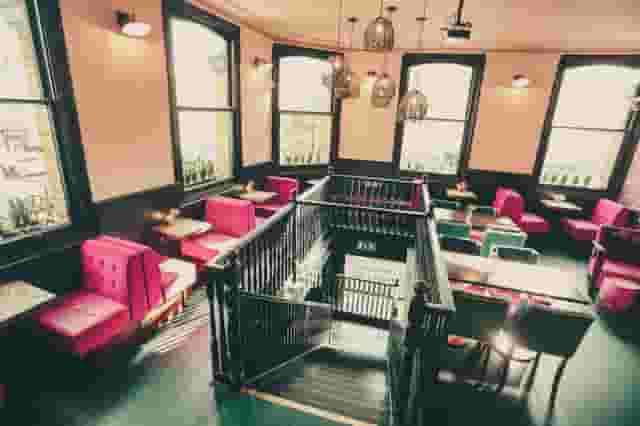
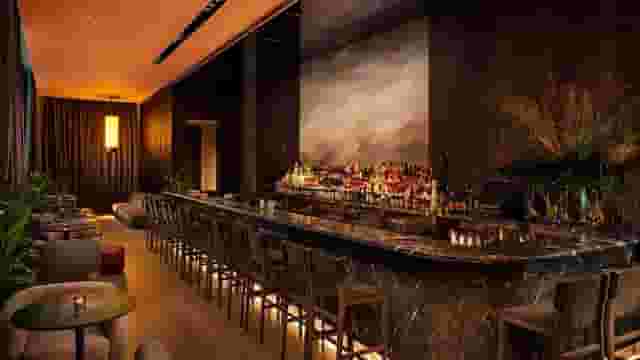
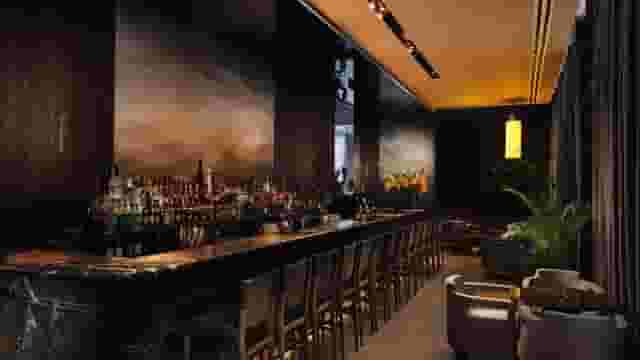
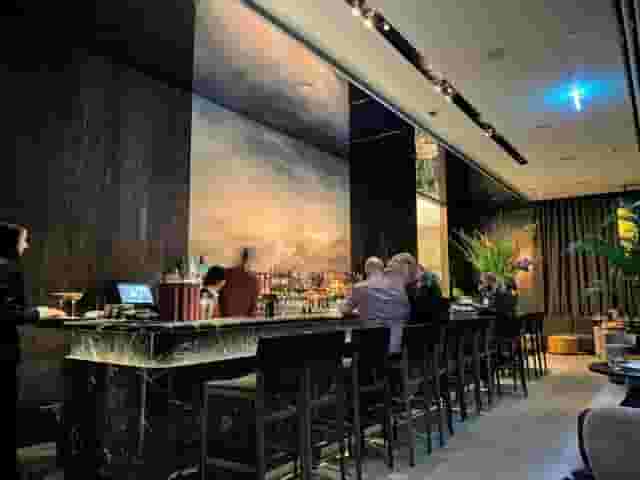
In Mayfair, Apollo's Muse provides a focused, high-finish setting for up to 100 standing guests or 40 seated guests, framed by marble interiors and classical art. For events near transit hubs in central London, Anthracite in King's Cross operates as a martini lounge across interconnected rooms accommodating up to 120 guests, allowing an organiser to separate initial registration drinks from a secondary presentation area.
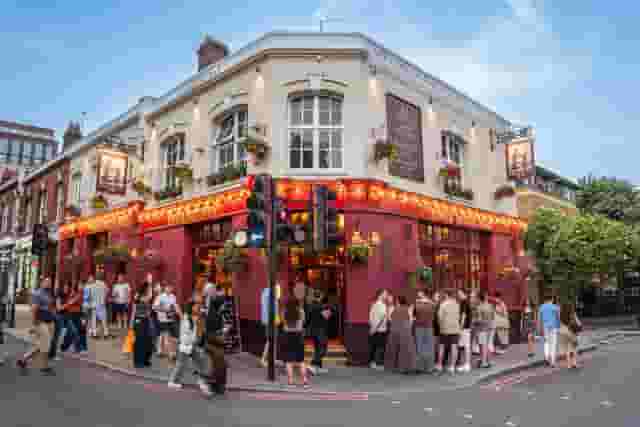
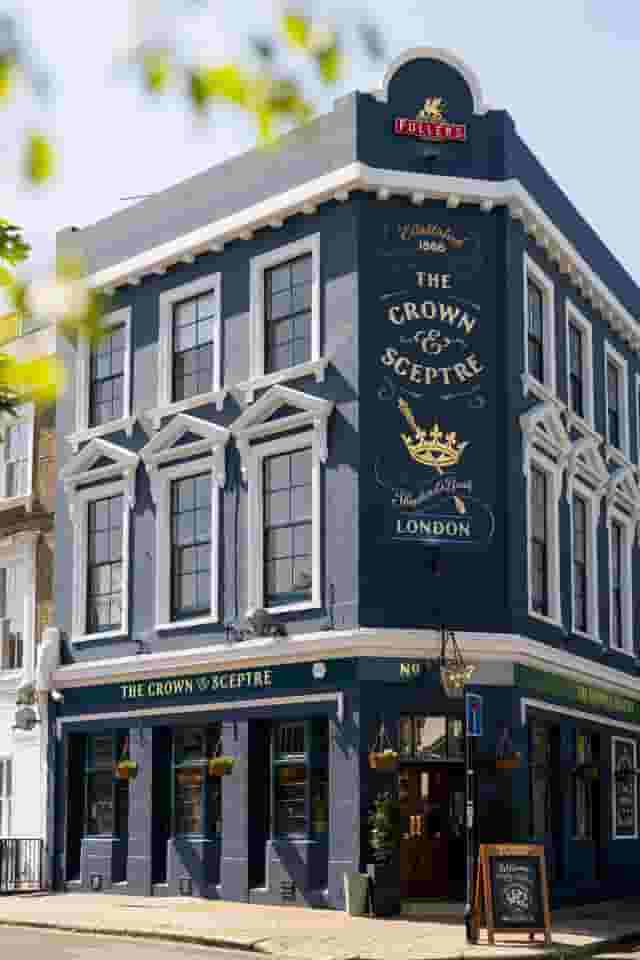
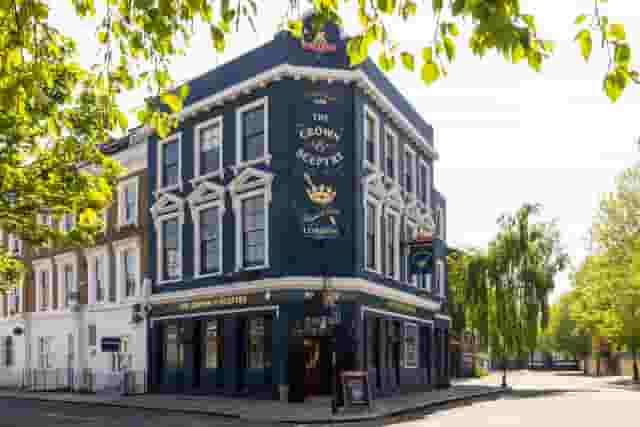
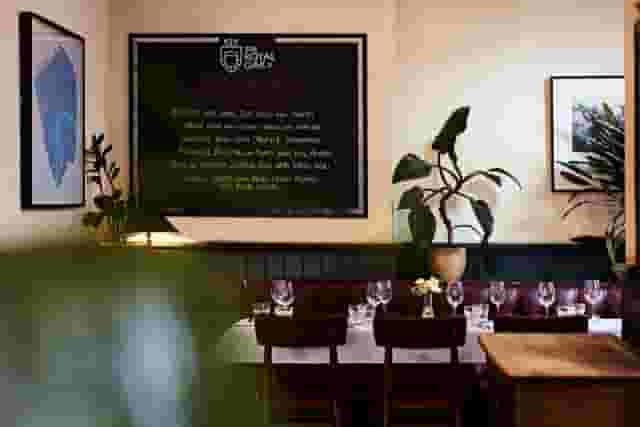
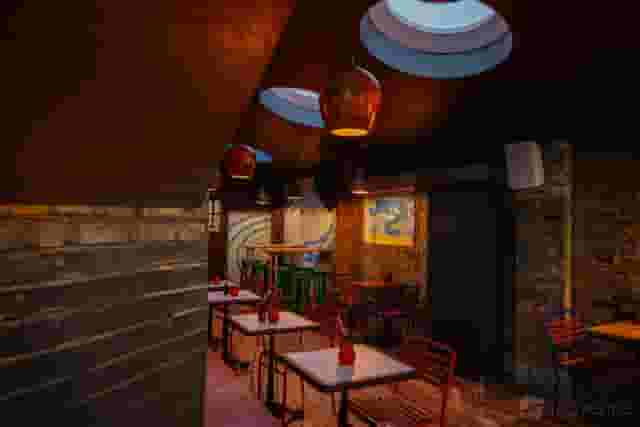
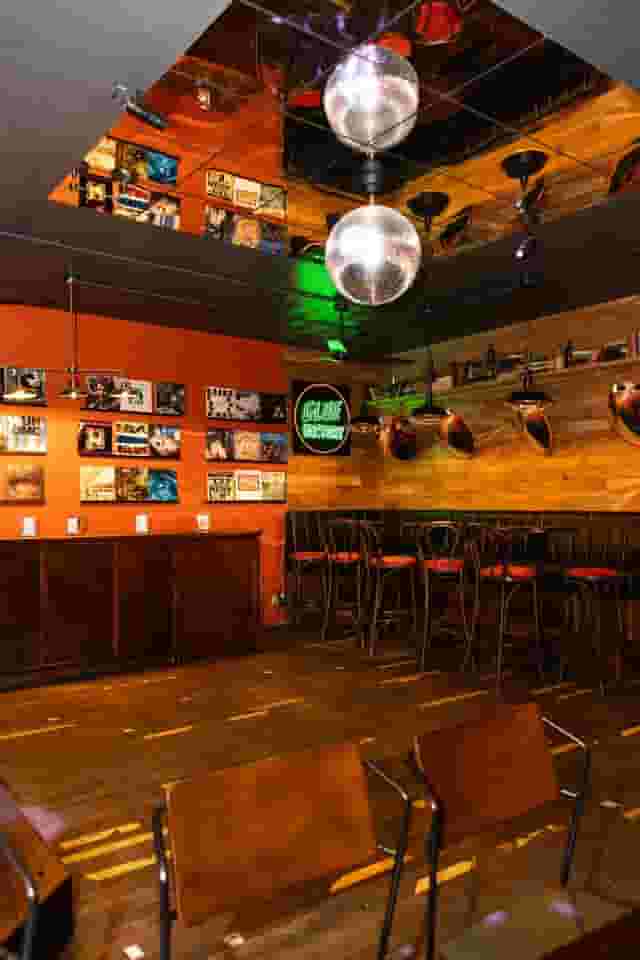
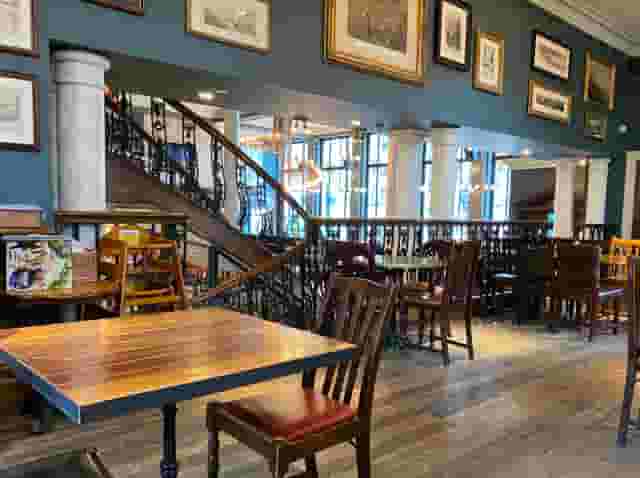
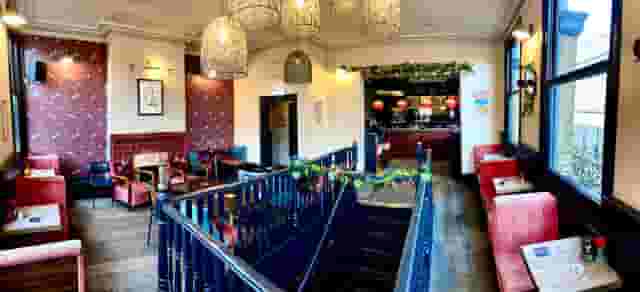
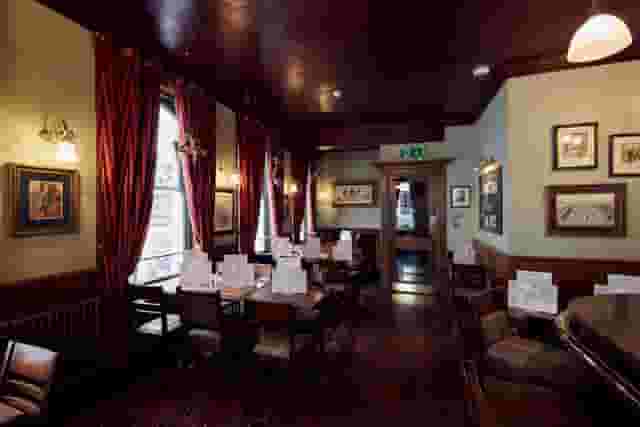
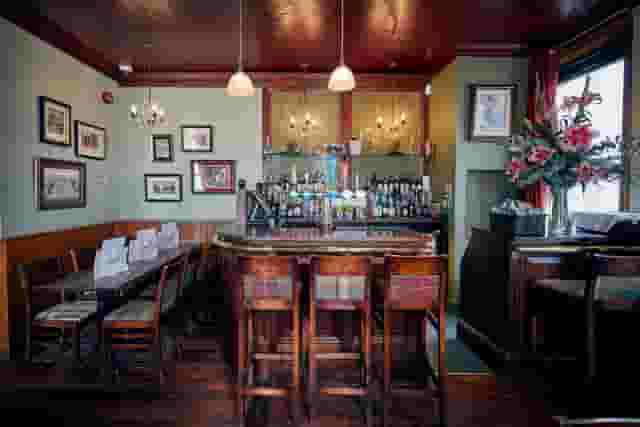
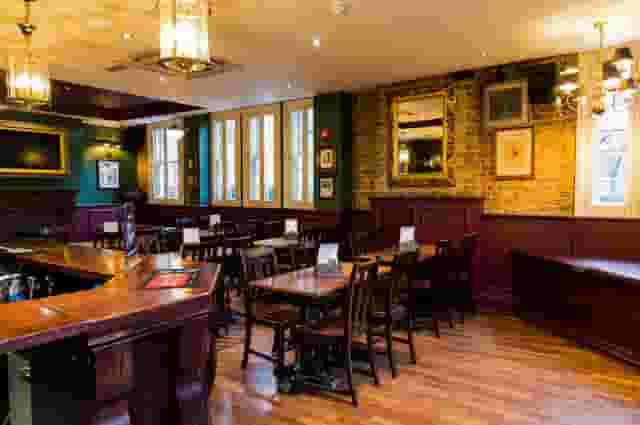
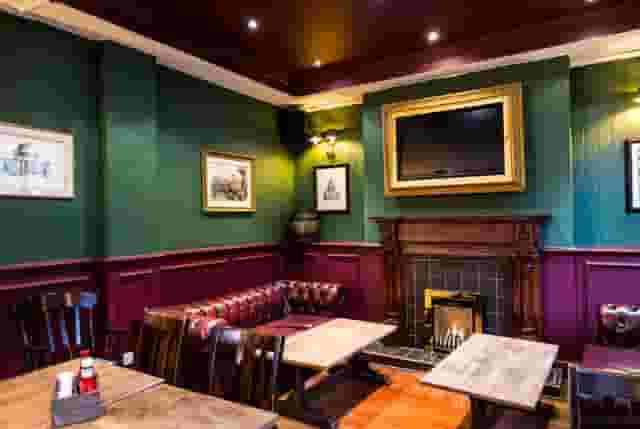
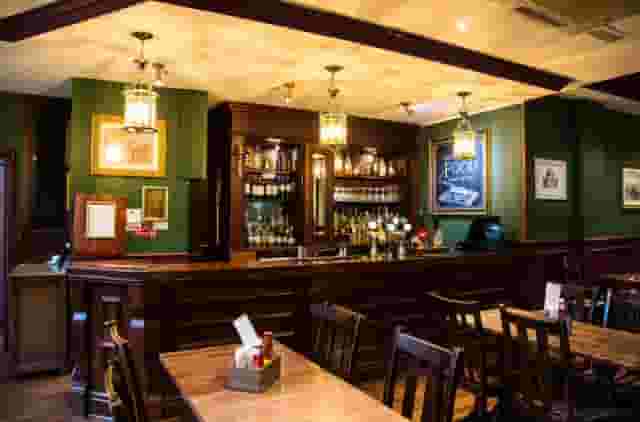
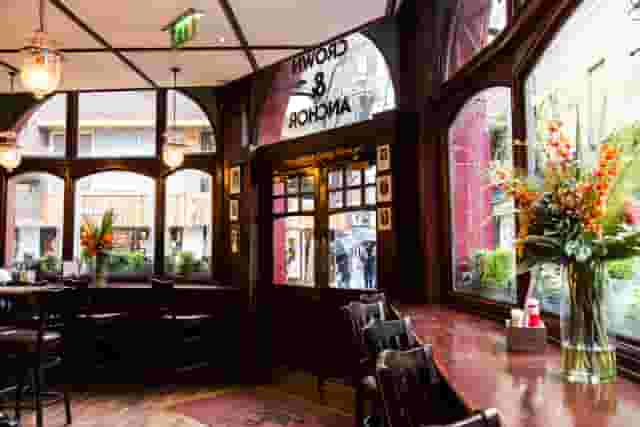
If your team prefers an upbeat, pub-style gathering with less formality, upstairs function rooms offer a sensible balance between character and cost. In Soho, the Chairmen's Lounge at The Crown & Two Chairmen holds up to 100 standing guests with its own private bar, giving guests an exclusive retreat above the street level. Further west, the cocktail bar on the upper level of Mezcalito Brompton caters for smaller receptions of up to 45 guests, keeping the perimeter tight enough to maintain high energy without crowding the room.
Private dining rooms
Private dining demands a different calculation. Seating twenty to forty guests at a single imperial table or across several rounds requires generous space for waitstaff to serve plates and pour wine without brushing against chairs. To explore classic central rooms, review our top 7 Central London private dining venues for spaces tailored to board dinners.
Before reserving a private dining room, confirm the table configuration. Long boardroom tables keep everyone facing inward, but guests can usually only talk to the two or three colleagues directly beside or opposite them. Round tables of eight to ten encourage broader group conversation, though they require a larger room footprint. Spaces like The 411 near Angel Station accommodate dining for up to 150 guests, pairing comfort food menus with dedicated sections for dining and reception drinks.
For high-profile hospitality, premium dining environments add polish that impresses external clients. Organisers looking for luxury touches can browse our guide to these top private dining rooms. When booking premium dining rooms, always ask whether the kitchen requires a set menu for groups above twelve guests. Most restaurants insist on a reduced choice or pre-orders to prevent service delays.
Spaces with views, activities or thematic design
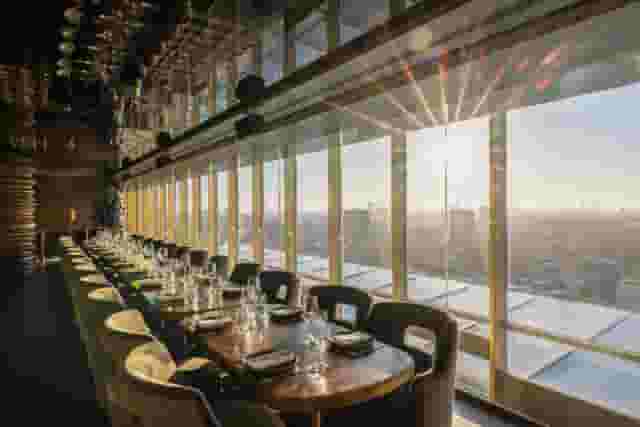
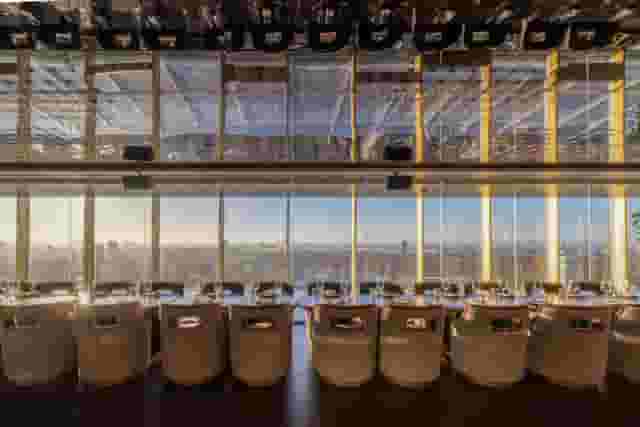
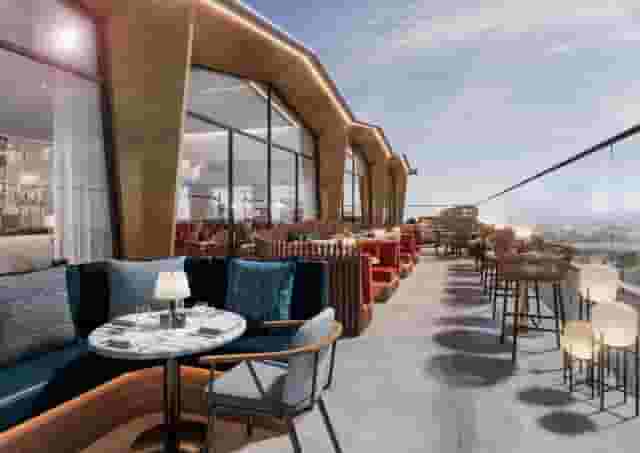
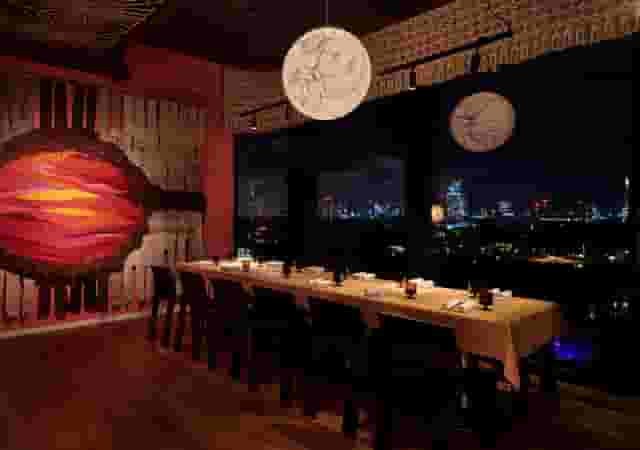
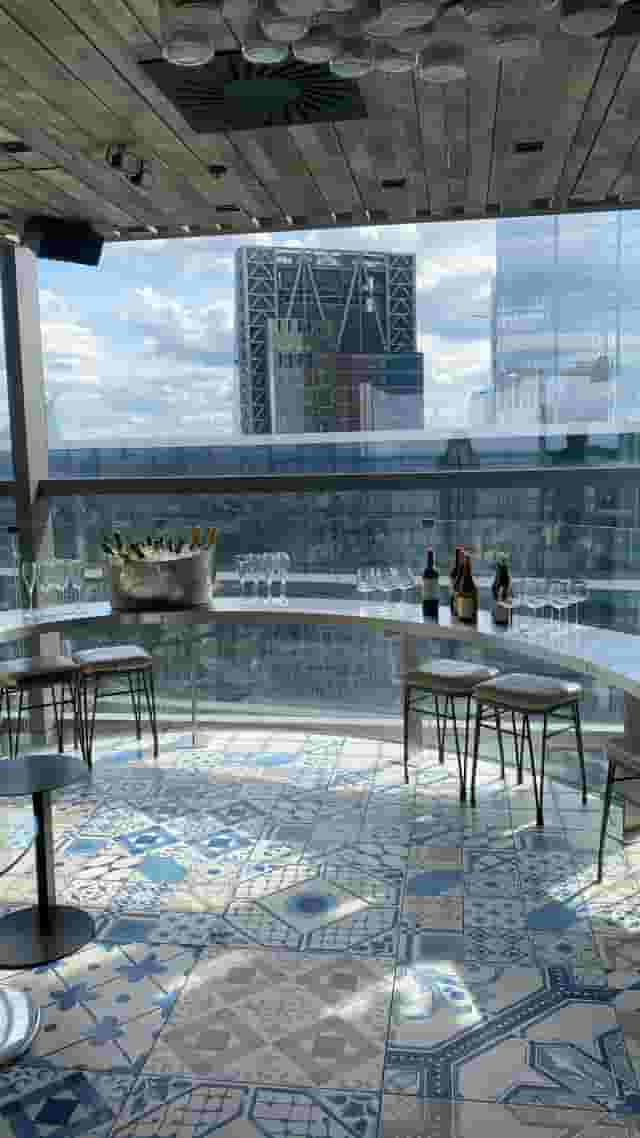
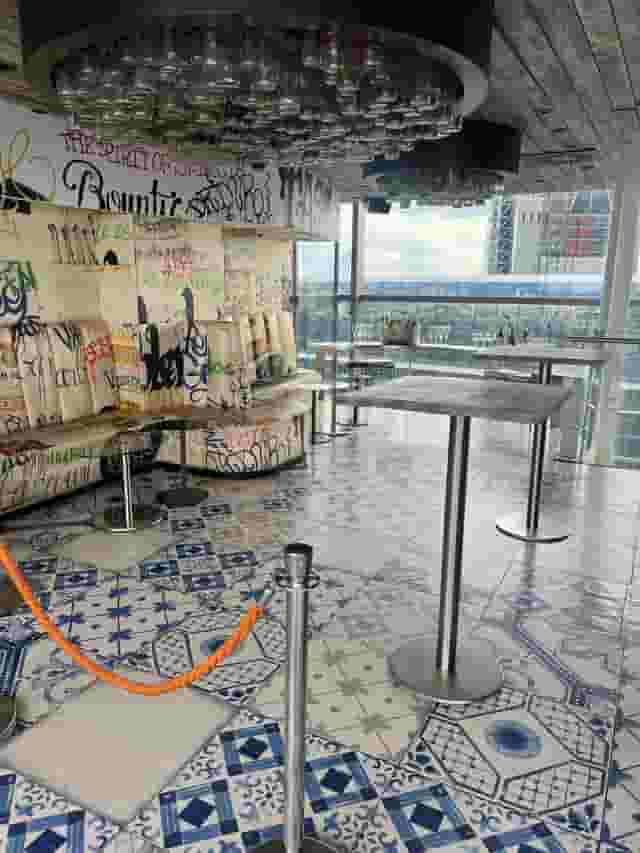
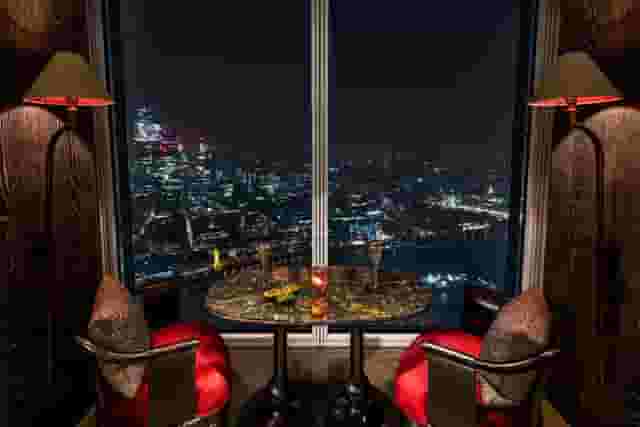
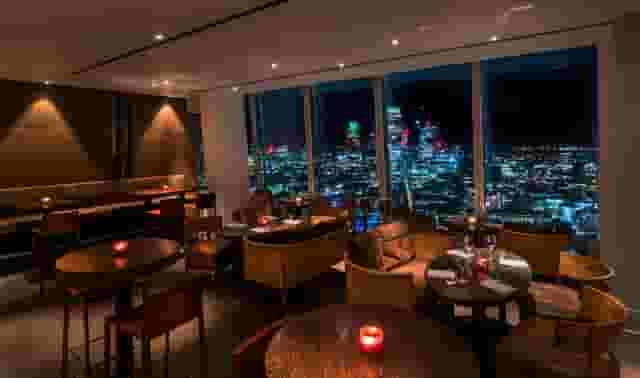
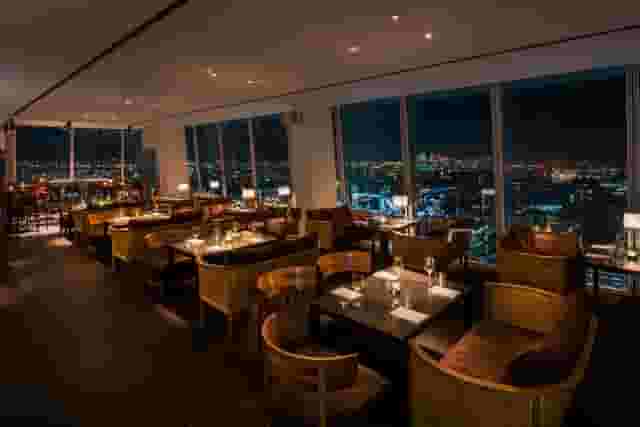
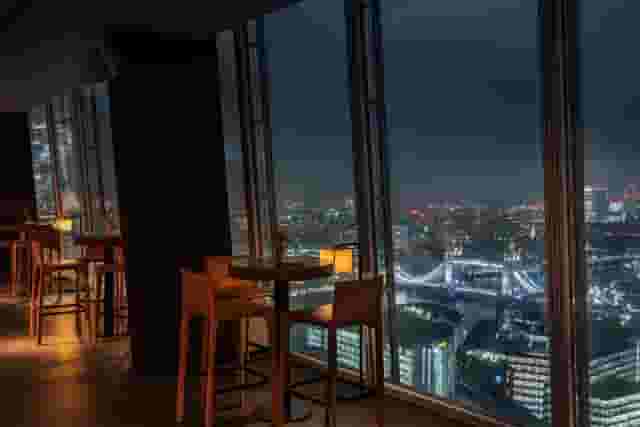
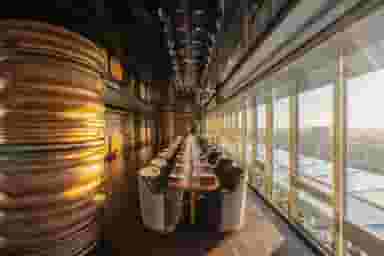
Some company gatherings need an icebreaker or a striking backdrop to get conversation moving. High-level spaces provide visual interest without requiring extensive dressing. For instance, the south side space on the 18th floor at CÉ LA VI London in Paddington accommodates 30 guests in a boardroom setup, offering skyline views alongside an integrated sound system.
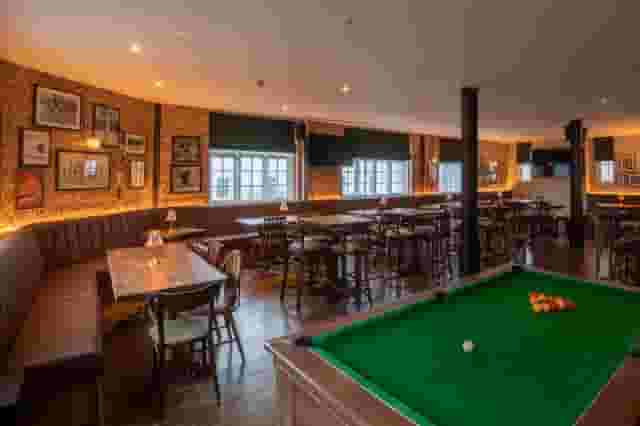
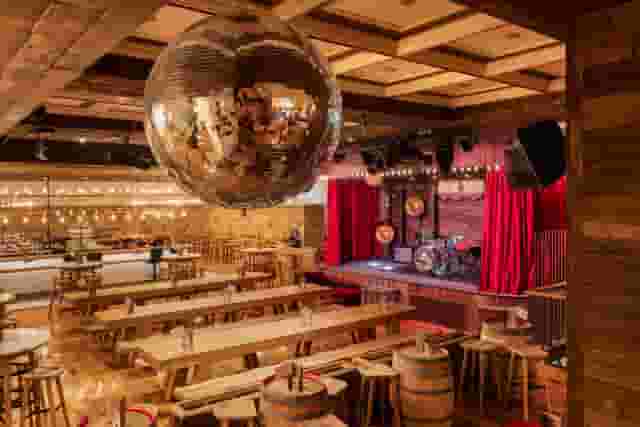
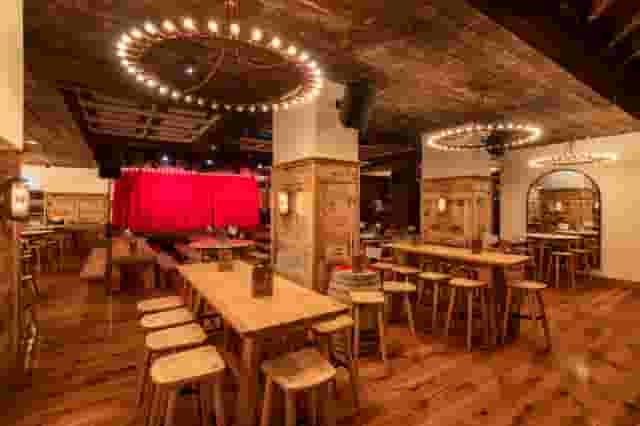
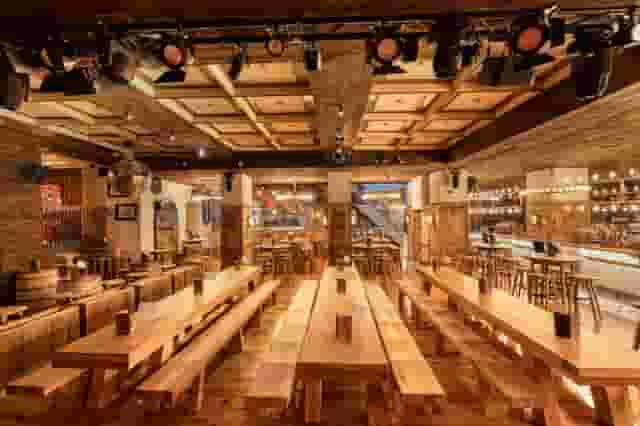
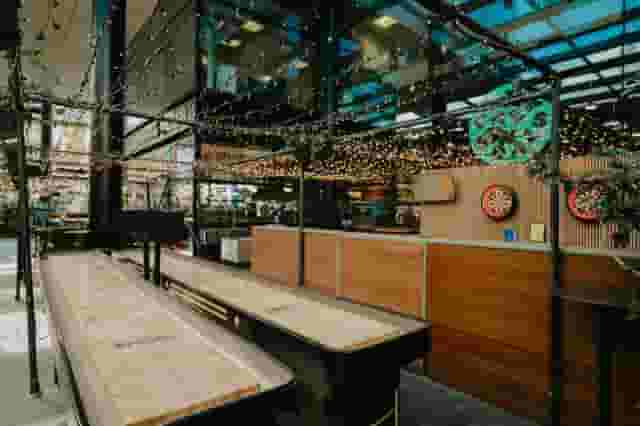
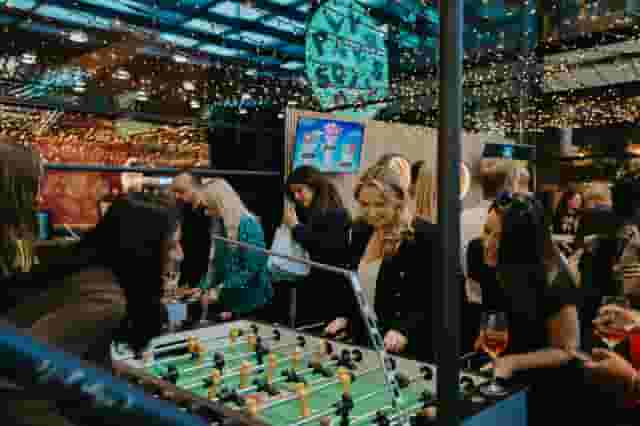
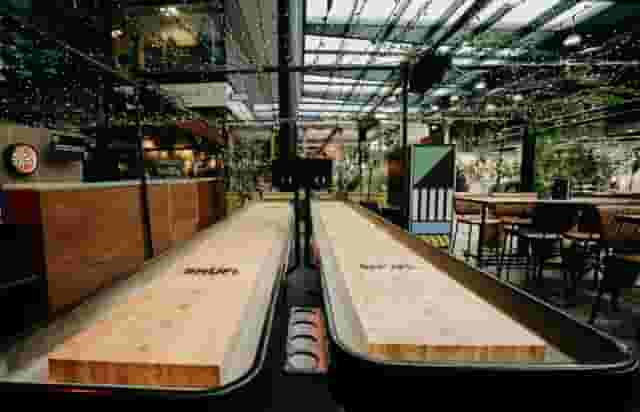
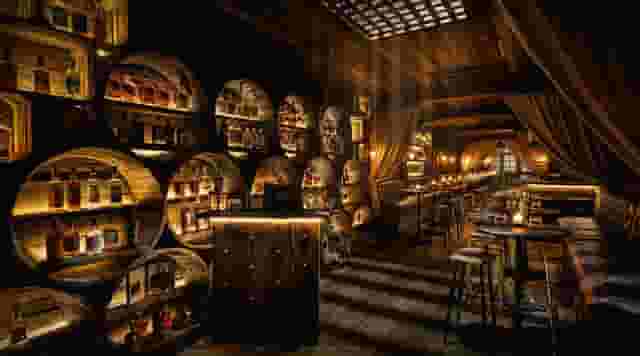
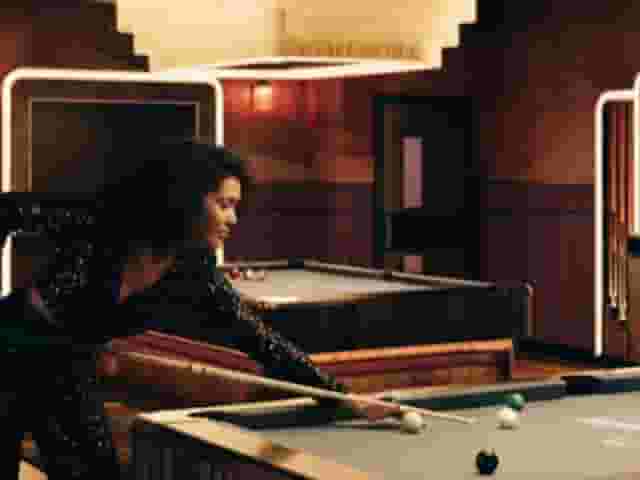
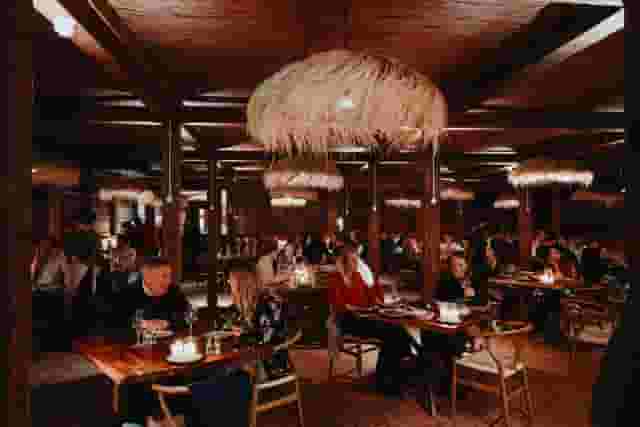
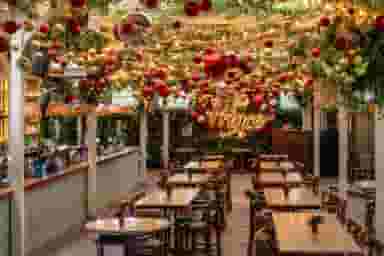
If your priority is team engagement rather than speeches, social and activity-led rooms keep people moving. In the City, Poolhouse near Liverpool Street offers the Queen Vera Suite for up to 80 standing guests, featuring automated pool tables alongside a private bar. In Soho, the Schnapps Store at Albert's Schloss Soho accommodates up to 70 standing guests in an Alpine-inspired tavern setting, giving informal teams a lively backdrop for seasonal gatherings.
| Venue type | Best event format | Capacity focus | Key operational question |
|---|---|---|---|
| Cocktail lounges | Client networking, drink receptions | 40 to 120 guests | Is there dedicated bar staff included? |
| Private dining rooms | Board dinners, team milestones | 12 to 80 seated | What are the pre-order and diet cut-offs? |
| Skyline suites | Executive entertainment, pitches | 20 to 50 guests | Are there lift access bottlenecks at peak times? |
| Activity spaces | Socials, informal team mixers | 50 to 80 guests | Does background noise interfere with speeches? |
What private hires cost and how to budget
Budgeting for an intimate corporate hire requires understanding the balance between venue hire fees, minimum spends and per-person catering packages. Small rooms in London restaurants and bars frequently operate on a minimum spend basis, while dedicated private rooms in hotels and cultural venues tend to charge a room hire fee with food and drink added on top.
Based on 6 quotes from the venues on this page, the indicative spend for corporate events is £113 to £186 per head. This figure assumes a gathering of about 50 guests, and is estimated from what these venues have charged for similar events.
Towards the £113 end of the range, quotes typically reflect a midweek minimum food and drink spend in an established pub or casual bar. This structure usually covers arrival drinks, circulating bowl food or sharing platters and house wines or beers. At this level, you rarely pay an upfront room hire charge, provided your party meets the agreed food and beverage total across the night.
Towards the £186 end of the range, pricing reflects full private rooms in prime postcodes such as Mayfair, Soho or the City. This upper band covers multi-course seated dinners, sparkling wine receptions, premium spirits, dedicated service staff and integrated audio equipment.
| Cost category | Typical charging format | Budget considerations |
|---|---|---|
| Room hire | Flat fee or minimum spend | Check if VAT is included on the initial quote |
| Food service | Per-head package or set menu | Agree dietary alternatives at the contract stage |
| Beverages | On consumption or timed package | Ask if service charges apply to drinks top-ups |
| Production and AV | Flat item fee or package rate | Microphones, screens and inputs for presentations |
| Staffing and service | Discretionary 12.5% to 15% | Confirm whether service contributes to minimum spend |
Minimum spends versus room hire
When negotiating a minimum spend, clarify whether service charge and VAT contribute toward the target. In most London hospitality venues, the minimum spend applies exclusively to food and beverage consumption before the standard 12.5% or 15% service charge is calculated. If your guests drink less than expected, you must still pay the shortfall as a room hire balance, which usually attracts VAT without giving you any goods in return.
If your guest count is unpredictable, push for a transparent per-head package rather than a steep minimum spend. A per-head package locks in your financial exposure and ensures every pound spent corresponds to food and drink served. Hire Space 360 is enterprise venue and hotel procurement for companies spending £1m or more a year on meetings and events: a managed meetings and events programme, the kind procurement teams call strategic meetings management. It unifies every venue contract and hotel stay under one supplier agreement with consolidated invoicing, simplifying payment across all departments. Learn how Hire Space 360 works for procurement to see how live spend reporting and centralised negotiations keep company events aligned with internal policy.
Hidden costs to look out for
Always examine quotes for discretionary extras that can inflate your final invoice. Ask these questions before signing:
- Does the venue charge corkage if you supply specific wines, or cakeage if you bring a celebration cake?
- Is there an extended security charge if your event finishes past 23:00?
- Are microphones, portable speakers and presentation screens included, or are they sub-hired via a third party?
- What are the terms surrounding cloakroom management? Having dedicated cloakroom attendants included helps guests settle quickly during winter months.
Practical checks: acoustics, privacy and circulation
The physical reality of a room often differs from wide-angle marketing photographs. An organiser must evaluate how the room performs when filled with people, plates and conversation.
Managing sound and speech
Hard surfaces such as polished concrete, exposed brick, glass and marble look sharp, but they create acoustic reverberation. When thirty guests begin chatting in a room lined with hard finishes, ambient noise rises quickly. If you plan to deliver a business update, thank-you speech or client address, verify whether the space has acoustic panelling, carpet or heavy drapery to absorb sound.
Always check whether your private hire includes an independent audio input. You should be able to plug in your own device for background playlists and adjust the volume inside your room without having to summon a venue duty manager. If you need speeches, ensure a wireless microphone is tested and set up prior to guest arrival.
Movement and natural zoning
A room should not trap people in one spot. Even in an intimate gathering of forty guests, people naturally divide into smaller conversational clusters. Look for venues that offer distinct zones:
- An entry area where guests can check coats, collect a drink and register.
- High poser tables or bar space where standing guests can rest glasses.
- Low lounge seating for older attendees or colleagues who prefer seated conversation.
- Clear corridors between tables and restrooms so servers carrying trays do not collide with guests.
If you are using an art gallery or historical venue, confirm the rules surrounding circulation and catering. While exhibition walls offer an engaging backdrop for corporate hospitality, venues often enforce restrictions on where red wine can be poured, how close guests can stand to artwork, and which approved suppliers can bring catering equipment on site.
Structuring the evening and managing service
A well-paced itinerary keeps a company event professional without feeling rigid. Intimate events suffer when service drags or when drinks run dry during the first thirty minutes.
Timing drinks and food service
Plan for a minimum of forty-five minutes between guest arrival and any formal speech or dinner service. London transit delays mean up to twenty percent of your party will arrive after the stated start time.
- 18:30 Arrival and welcome: Greet guests with ready-poured sparkling wine, signature cocktails or non-alcoholic options. Keep coat check immediately adjacent to the door.
- 19:15 Short remarks: If business announcements or welcomes are required, deliver them now while attention is sharp and glasses are fresh. Keep speeches under seven minutes.
- 19:30 Dinner or substantial food service: If serving seated courses, aim for ninety minutes total. If serving standing bowl food, stagger three to four waves across an hour so guests do not queue at a central buffet.
- 21:00 Informal networking and tea: Clear dining tables promptly to encourage guests to stand, change seats and mingle across different groups.
- 22:30 Last orders and departures: Confirm transport logistics, especially if the venue sits outside central travel hubs.
Managing service staff and bars
Service ratios make or break small corporate events. In a standing reception, ensure there is at least one bartender for every thirty-five guests, and one floor server for every twenty guests. If the venue only assigns one bartender to a group of sixty people, your attendees will spend their evening waiting in a queue rather than discussing business.
Pre-order house wines, bottled beers and seasonal soft drinks so the bar staff can serve guests rapidly upon arrival. For sit-down dinners, ask the venue to assign dedicated table staff who remain assigned to your room for the duration of the evening, rather than staff who rotate between public dining areas and your private suite.
Accessibility and end-of-night logistics
Examine the venue entrance from the perspective of all attendees. Many basement lounges and upper-floor pub rooms across London are accessible only via steep, narrow staircases. If any of your colleagues or clients require step-free access, confirm early whether the property has an operational passenger lift, accessible restrooms on the same level, and step-free routes from the street.
Finally, consider the journey home. Choose venues positioned near major Underground lines, night buses or easy taxi pick-up ranks. If your event finishes late, ensure the venue's staff can book black cabs or provide clear walking directions toward well-lit transport hubs, ensuring your guests leave your gathering with a lasting, positive impression.
What our customers say
Inspiration and planning guides

This Is Why London Has Such Unique Venues
At Hire Space, unusual venues are the name of the game. Passion to find a unique venue for an event seems to be unabated in London, but it's of little surprise when taking into account all the amazing spaces the capital has to offer. But just why is London filled with so many unusual venues for hire? We investigated: Romans, Saxons, Normans, Tudors and Stuarts. The Black Death, two World Wars and one Great Fire. London has seen it all and lived to tell the tale. That's why so many of its bu

EventLAB Series: Introducing the Event
We're very excited to introduce EventLAB [https://eventlab.online/], our first two-day event designed to take event professionals through every step of the event planning process. We'll be bringing you the latest updates in the run-up to the event in our 'EventLAB Series' [https://hirespace.com/blog/tag/eventlab//], including relevant content and a little glimpse of the speakers, workshops and themes that will feature at the event. In the first instalment, we’ll explain all there is to know a

6 Reasons Why Venues Should Join Hire Space
Four years ago, we launched Hire Space to connect event venues with new customers easily via our online platform and Venue Expert service. We've come up with 6 reasons why Venue Managers might like working with Hire Space, and why venues should join the club [http://bit.ly/2kQaHEd]! 1. Best SEO in the Industry = High Web Traffic Our Marketing team has enhanced our site visibility on search engines and as a result 1.3M customers visited our web site in 2016 (7% higher than the previous year). Ou
One supplier. Every venue. Full visibility on what you spend.
Multiple venues and events. One agreement.