Dry Hire Venues in London
Find dry hire event spaces across London to host brand launches, conferences and corporate receptions with your own catering and production.
693 Dry Hire in venues in London



































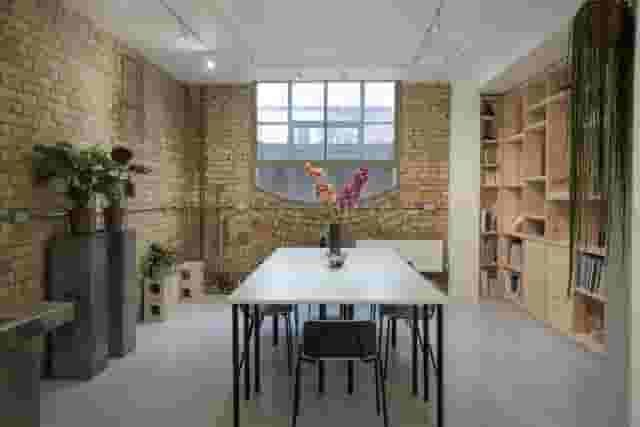


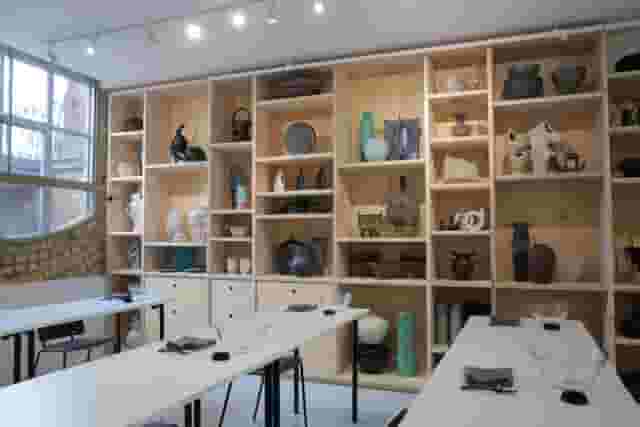

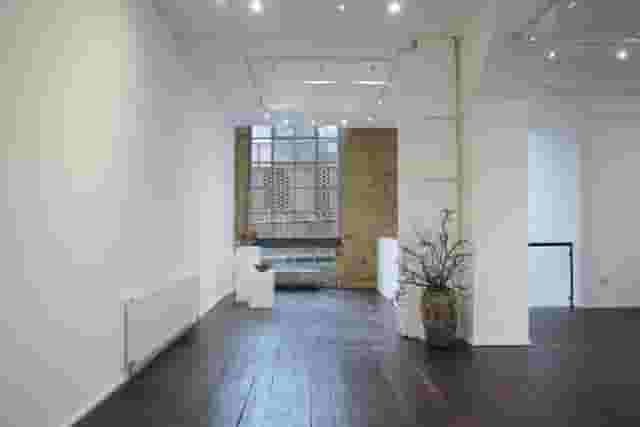
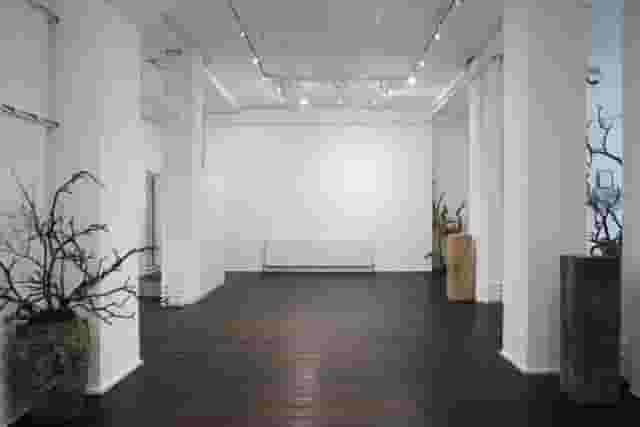






























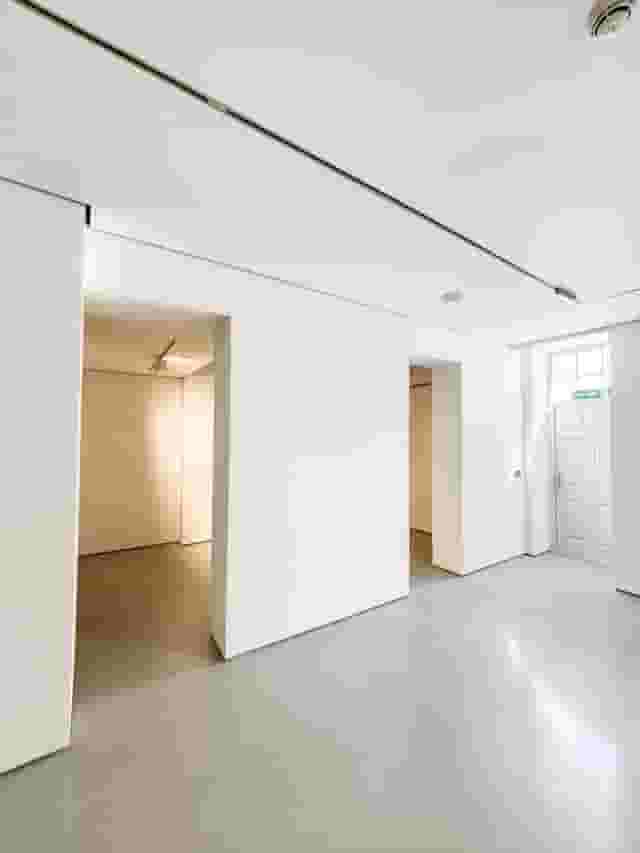

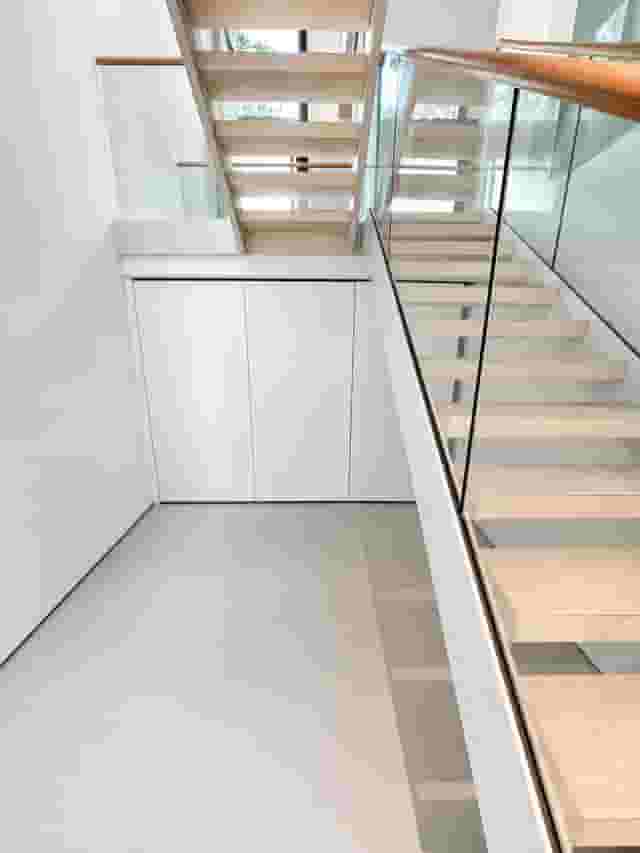
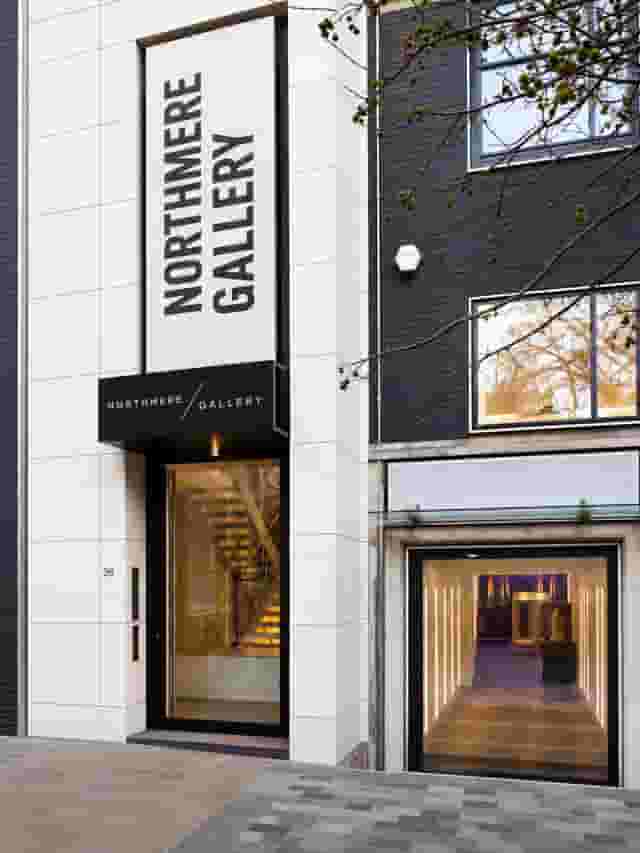



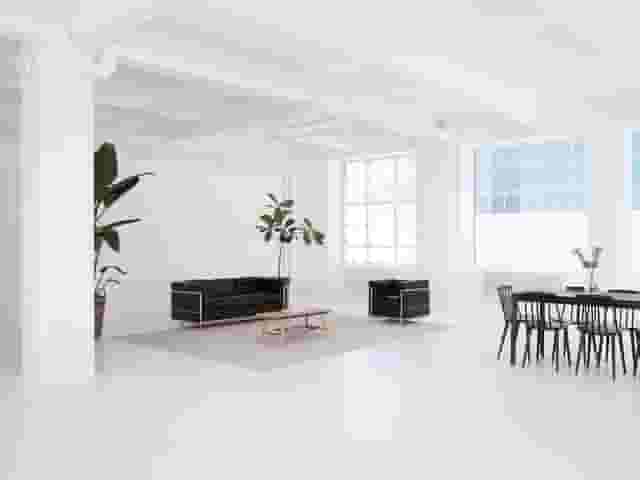







































































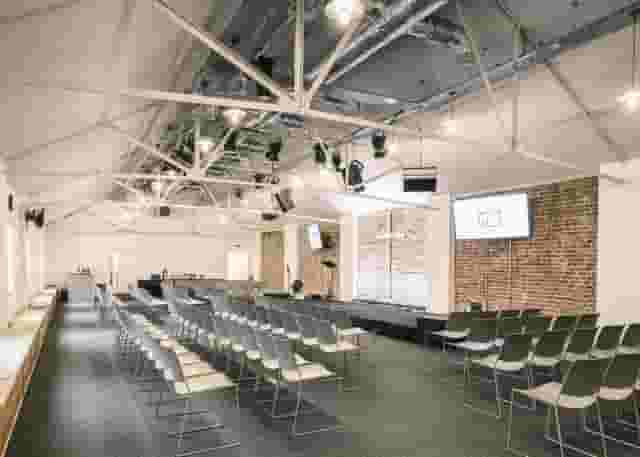

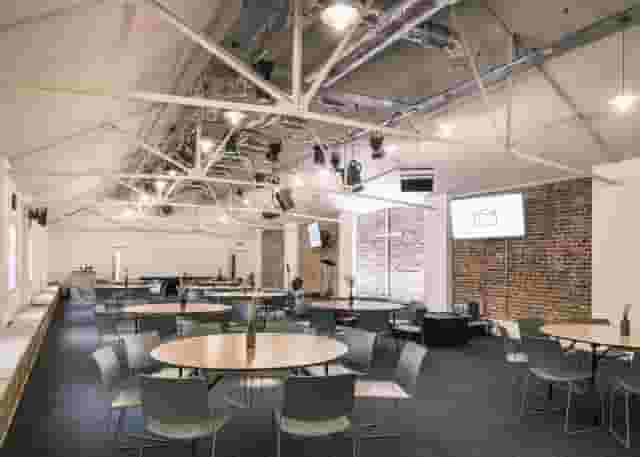


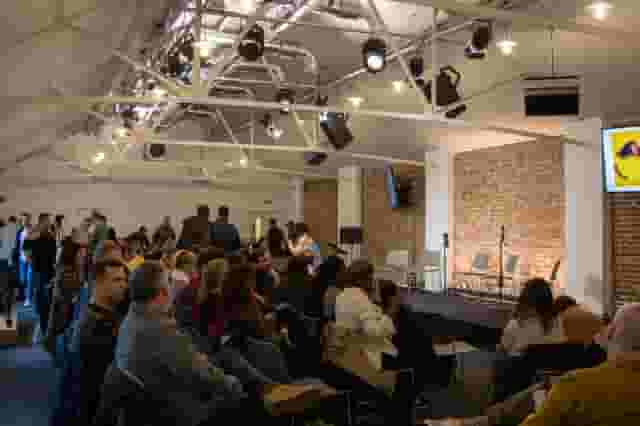


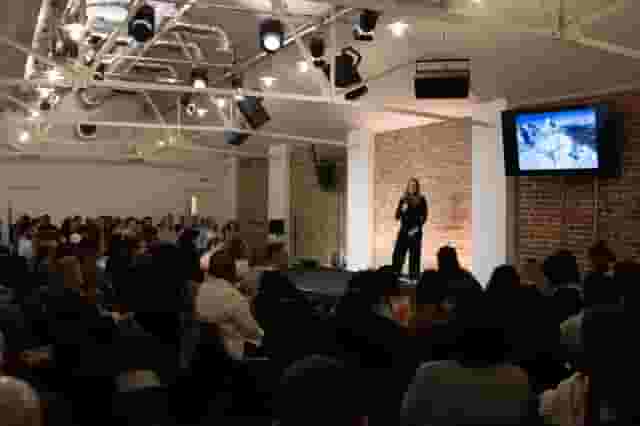
































No venues match these filters
Try widening your capacity, luxury level or event type.
Don't have time to search? We'll find it for you.
For business events that need human judgement, talk to our team. Free for events of 100+ people, budgets over £10k or ongoing programmes.




Explore more venues in London



















Frequently asked questions
What is a 'dry hire' venue?
Can I bring in my own caterers for dry hire?
What are 'dry hire' venues commonly used for?
Other platforms search their database. We search everything.
Tell us what you need. Our deep research finds any venue, whether it's in our marketplace or not. No one else does this.
About Dry Hire in London
Dry hire gives an organisation total authority over how an event looks, runs and tastes. Instead of taking a fixed per-head package of house prosecco, three canapes and a room set with banqueting rounds, you hire an empty shell. You decide who runs the kitchen, what is poured at the bar, which technical crew builds the stage and how late the music plays.
For corporate event organisers running product launches, client dinners, conferences or annual company receptions, this control is the primary appeal. It removes the constraints of traditional venue packages where dietary choices are rigid and wine lists carry steep markups. But booking a dry hire space also shifts operational responsibility directly onto your shoulders. When you book a raw room, you are not just hosting an event; you are managing a temporary production site. Understanding how dry hire functions across London, what infrastructure is included and where the operational pitfalls sit will determine whether your evening runs like clockwork or collapses under logistical oversights.
How to choose the right shell for your event format
London has hundreds of blank-canvas properties, ranging from polished Mayfair art galleries to cavernous docklands structures and East End warehouses. Matching your guest count and format to the physical quirks of a building is the first critical decision. To narrow the search quickly, venue sourcing through Hire Space combines an event planning platform with a team of real people who help manage the process from start to finish. Using Deep Venue Research, you can explore any suitable building across the capital and receive instant, data-backed cost estimates for your specific brief, cutting shortlisting down to minutes instead of waiting days for individual sales teams to respond.
High-capacity spaces for brand launches and company gatherings
When scaling past a few hundred guests, your primary constraints become ceiling height, floor loading capacity and clear sightlines. A space needs to handle heavy technical rigs, lighting trusses and substantial crowd movement without feeling crowded.
In Canary Wharf, The Pelligon offers 900 square metres of open floor under a soaring glass dome, holding up to 750 guests for a standing reception. It features a mezzanine level and a waterside terrace, giving you natural zones to separate arrivals and drinks from a main presentation or dinner. In East London, The Rogue Room provides a minimalist modernist environment capable of hosting 300 guests for a dinner dance. Large footprints like these give you total freedom to construct pop-up brand installations, custom staging or elaborate central bars, but they require serious lighting design to make the room feel populated before every guest arrives.
Gallery environments for receptions and presentations
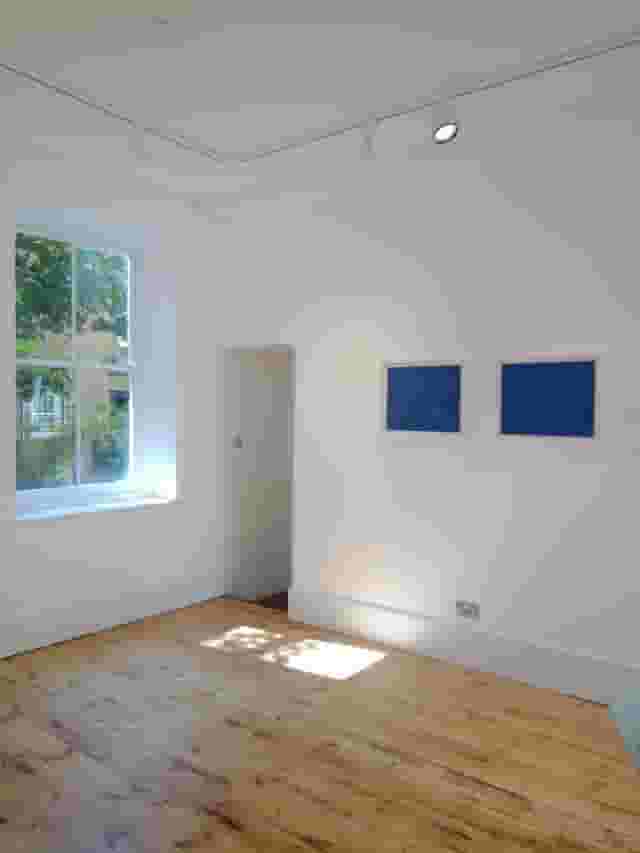
If your event requires clean architectural lines, neutral backdrops and good natural light, art galleries offer an orderly environment for corporate drinks, awards evenings and panel discussions.
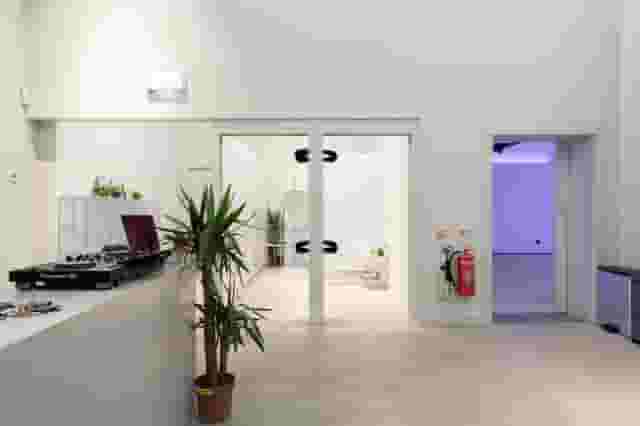
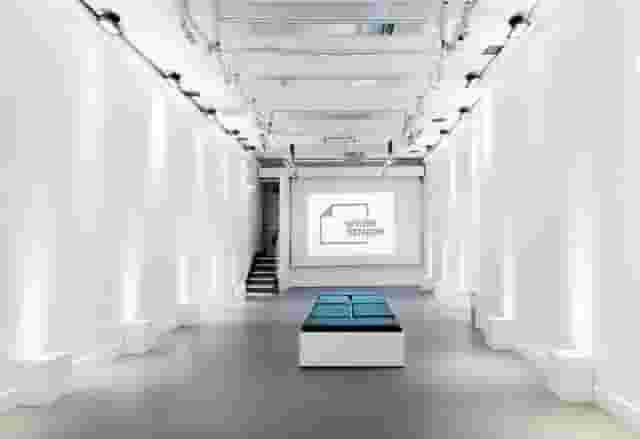
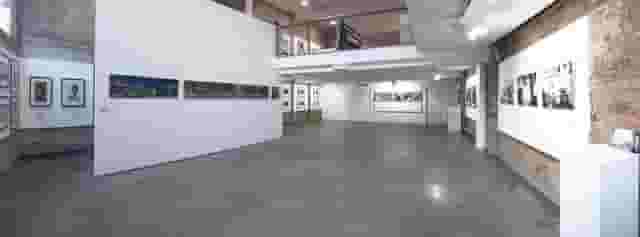
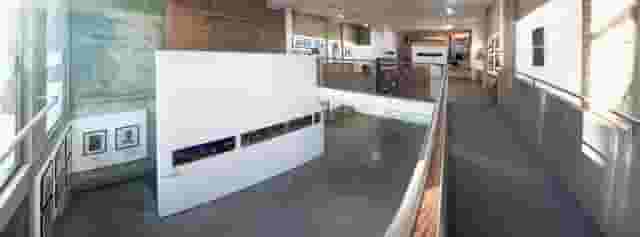
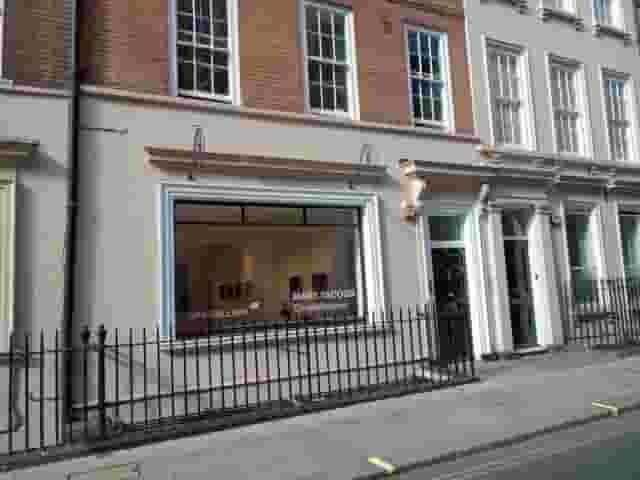
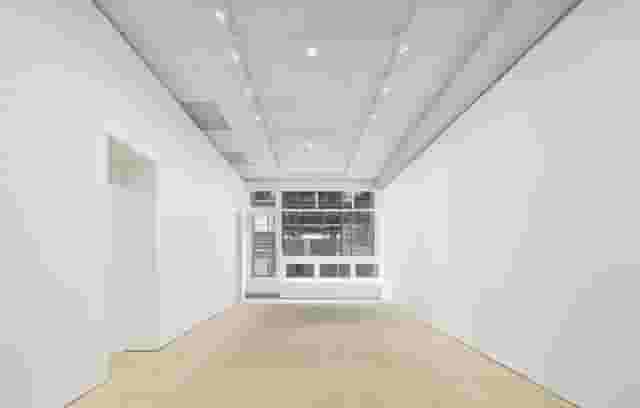
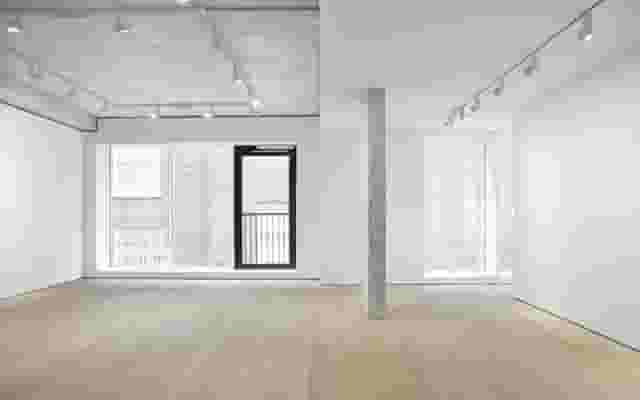
Mayfair holds several spaces built specifically for high-end display that adapt well to private corporate bookings. Red Wolf Mayfair features high ceilings, generous windows and an outdoor terrace, with capacity for 250 standing guests. While it functions as an open gallery floor, it maintains optional access to an in-house PA system, AV capabilities and a dedicated DJ point to support brand launches without requiring external technical suppliers for basic sound. Nearby, No.9 Cork Street sits in the middle of the Mayfair art district, accommodating up to 200 standing guests for evening receptions, screenings and client talks.
In Central London near the Mall, Mall Galleries provides 100 square metres of contemporary gallery space with subtle industrial features, accommodating up to 150 guests for standing receptions. Further east, The Old Street Gallery in Shoreditch accommodates up to 80 guests for more intimate gatherings, providing a manageable blank canvas where a modest branding budget can still transform the entire room.
Studios and raw industrial warehouse spaces
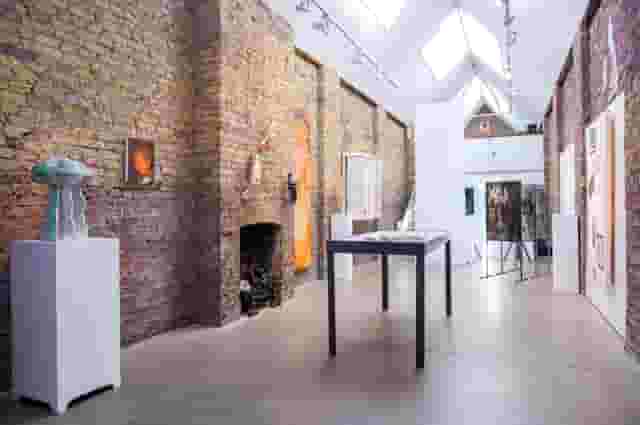
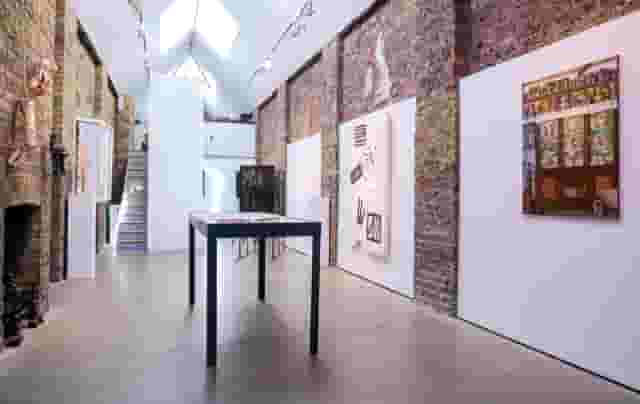
For creative off-sites, content launches and presentations where exposed brickwork and relaxed surroundings fit the brand better than clean white plaster, London studios and converted industrial buildings are the standard choice.
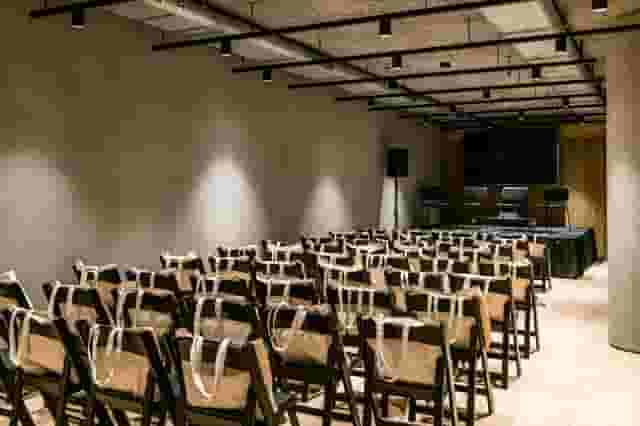
In Soho, 15 Bateman Street provides a flexible townhouse gallery holding up to 125 standing guests. Its central location makes it straightforward for guests arriving from across the West End, while its domestic proportions suit experiential pop-ups and retail showcases. For events requiring theatrical setups or breakout spaces, Bright, Spacious Warehouse North-East London in Hackney Wick features exposed brick, high ceilings and raw warehouse finishes. Its Wave Studio configuration handles up to 100 people in theatre style, making it practical for daytime conferences that transition into evening drinks. Exploring these less conventional spaces often uncovers hidden architectural gems across the capital, as detailed in our guide to 9 London Venues You Didn't Know You Could Hire.
| Venue | Location | Max Capacity | Primary Layout | Best Suited For |
|---|---|---|---|---|
| The Pelligon | Canary Wharf | 750 | Standing | Large-scale receptions and showcases |
| The Rogue Room | East London (E1) | 300 | Dinner Dance | Evening entertainment and dinners |
| Red Wolf Mayfair | Mayfair | 250 | Standing | Brand activations and summer drinks |
| No.9 Cork Street | Mayfair | 200 | Standing | Private views, talks and screenings |
| Mall Galleries | Central London (SW1) | 150 | Standing | Formal corporate receptions |
| 15 Bateman Street | Soho | 125 | Standing | Pop-ups and West End brand events |
| Bright, Spacious Warehouse North-East London | Hackney Wick | 100 | Theatre | Raw industrial plenaries and workshops |
| The Old Street Gallery | Shoreditch | 80 | Reception | Boutique product launches and mixers |
Managing catering, bars and the operational checklist
In a package venue, the kitchen runs continuously behind closed doors. In a dry hire space, you must construct that operational engine yourself or hire a caterer who brings it on wheels.
Kitchen infrastructure vs temporary field kitchens
The first question to ask any venue manager is whether a working kitchen exists on site. Many London gallery spaces and studios provide only an empty prep room, a single domestic sink and a domestic power circuit. If your event calls for a hot three-course seated dinner, your caterer will need to build a temporary field kitchen. This involves hiring:
- Convection ovens, hot cupboards and induction rings
- Stainless steel prep tables and hand-wash stations
- Dedicated refrigeration or refrigerated vans parked on site
- Screening or pipe-and-drape to hide the prep zone from guest view
Caterers accustomed to London dry hire venues know how to specify these requirements, but every piece of rented kitchen equipment comes out of your production budget and takes up floor space you cannot sell to guests.
Approved caterers vs open tender
Venues treat external caterers in two distinct ways. Some operate a strictly closed list of approved suppliers. These caterers know the building's loading bays, understand power distribution limits and carry the required public liability insurance and risk assessments already on file. While this narrows your choice, it protects you from operational errors on the night.
Other venues operate an open catering policy, allowing you to bring in any company provided they supply valid hygiene ratings, health and safety documentation and insurance cover. An open policy is ideal when your event requires specialised regional cuisine, kosher catering or street food vendors, but you must factor in the time needed to review their paperwork and arrange a pre-event site walkthrough.
Drinks, bars and licensing
Controlling your own alcohol supply is one of the quickest ways to manage costs on high-attendance company events. Buying wine and spirits through specialist merchants or independent breweries allows you to tailor the selection to your team's tastes without absorbing venue restaurant markups.
However, bringing in your own bar requires addressing four distinct elements:
- Corkage fees: Some dry hire venues allow free alcohol importation; others levy a flat corkage charge per bottle or per head to offset lost bar revenue. Clarify this before signing the hire agreement.
- Sale of alcohol: If you plan to sell drinks to guests via a cash or card bar, the venue must hold a premises licence covering retail alcohol sales. If it does not, you or your bar operator must apply for a Temporary Event Notice (TEN) from the local London borough council at least ten working days before the event.
- Glassware and ice: You must hire every wine glass, tumbler, water jug and bar tool. A common oversight on summer corporate events is ice supply: an event with 200 guests over four hours requires tens of kilograms of cubed and crushed ice, along with insulated storage tubs to keep it frozen.
- Waste and recycling: Standard venue hire agreements state that all empty bottles, food waste and packaging must be removed from the premises at the end of the night. Check whether the venue provides commercial refuse bins or if your caterer must load the rubbish back onto their vans.
The hidden costs and commercial realities of dry hire
A dry hire venue fee often looks attractive when viewed beside an all-inclusive hotel package quote. However, the venue rental is only the base platform. To calculate your true spend, you must account for the supplementary line items that a package venue rolls into its headline rate.
| Cost Element | What It Covers |
|---|---|
| Base Venue Hire Fee | The core rental of the space |
| Furniture | Chairs, tables, poseur bars, lounge seating |
| Linen, Glassware, Crockery and Cutlery | Tableware and glassware for service |
| Production | PA systems, wireless microphones, ambient lighting, projectors |
| Facilities | Post-event commercial cleaning, waste removal, extra security staff |
| Extended Hours | Early load-in, late-night de-rig, council TEN fees |
Furniture and styling
Empty gallery floors and warehouse rooms come with zero furniture. You will need to hire:
- Registration desks and coat rails with hangers and cloakroom tickets
- Poseur tables for standing receptions (calculate one table per 15 guests)
- Dining tables, chairs and linens for seated formats
- Soft seating areas to give guests a place to hold private business conversations
Furniture transport into central London brings its own logistical costs. Suppliers charge vehicle delivery and collection fees, with higher rates applied to late-night removals after the event concludes.
Technical production and power distribution
Do not assume a space has adequate electrical supply because it has wall sockets. A full technical setup with intelligent moving lights, a line-array sound system, catering ovens and LED screens draws significant amperage.
In historical buildings or smaller galleries, power is often limited to standard 13-amp domestic sockets distributed across a few ring mains. If your caterer plugs in three hot cupboards on the same circuit as the audio console, you risk tripping the breakers during the keynote speech. Check whether the venue supplies 16-amp, 32-amp or three-phase power connections. If they do not, you will need to plan your equipment wattage carefully or bring in silenced generator power where outdoor access permits.
| Cost Element | Included in Dry Hire | What You Must Organise or Pay For |
|---|---|---|
| Physical Space | Yes (Exclusive use of hired areas) | Floor plans, room transitions and styling |
| Utilities | Basic lighting, water and heating | Three-phase power drops or external generators |
| Catering | No | External kitchen equipment, chefs and front-of-house waiting staff |
| Drinks Service | No | Bar structures, draft pumps, refrigeration, glassware and ice |
| Technical AV | Rarely (Occasionally background PA) | Microphones, stage lighting, projectors and audio engineers |
| Furniture | No | Banqueting chairs, tables, poseur units and cloakroom rails |
| Staffing | Duty manager and basic security | Dedicated SIA door staff, cloakroom attendants and cleaners |
| Waste Disposal | Shared bins occasionally | Full post-event refuse removal and glass recycling |
Timings, access and production logistics across London
London transport networks and council regulations make logistics more complex than in out-of-town venues. A dry hire event succeeds or fails based on its setup schedule.
Load-in and de-rig windows
In an all-inclusive venue, the room is dressed before you arrive. In dry hire, your suppliers need time to build the space. A complex corporate dinner with production, stage sets and external catering typically requires:
- Four to six hours for setup and kitchen build
- Two to three hours for guest arrivals and presentations
- Two hours for food and bar service
- Two to three hours for complete teardown, packing and cleaning
If your venue contract runs strictly from 18:00 to 23:00, you have zero time to erect staging or cook dinner. You must book the venue from midday or early morning to allow seamless access for deliveries. Ensure your contract also accounts for overnight pack-down. Leaving equipment in the room until the following morning is rarely permitted unless you pay for an extended hire period, as the venue will have another booking arriving at 08:00.
Central London parking and loading restrictions
Venues located in Soho, Mayfair or the City of London sit on narrow streets with strict council enforcement. Red routes, double yellow lines and narrow pedestrian alleys mean delivery trucks cannot simply park outside and unload.
Check the following before confirming your supplier logistics:
- Loading bays: Does the venue have a dedicated off-street loading bay with direct access to a goods lift, or must suppliers park on the street?
- Vehicle size limits: London parking wardens actively ticket production vans. If your furniture and AV suppliers are using seven-and-a-half-tonne trucks, confirm that the approach streets have no vehicle width or weight restrictions.
- Congestion Charge and ULEZ: Inform your suppliers that vehicles entering central London must meet Ultra Low Emission Zone standards and pay the daily Congestion Charge, which will be added to your freight invoices.
- Noise curfew: Residential neighbours in areas like Shoreditch and Soho mean strict exterior loading curfews. Venues frequently mandate that all equipment rolling across pavements must cease by 23:00 to avoid council environmental health fines.
Managing these moving parts requires methodical planning, clear communications with suppliers and strict oversight on the night. When executed properly, a London dry hire event gives your business a completely bespoke gathering that reflects your brand identity far more effectively than any generic hotel suite ever could. Hire Space 360 is enterprise venue and hotel procurement for companies spending £1m or more a year on meetings and events: a managed meetings and events programme, the kind procurement teams call strategic meetings management. For businesses running an ongoing calendar of events, it consolidates every venue contract, production supplier and accommodation booking under centrally agreed terms with consolidated invoicing. Dedicated venue sourcing experts ensure every hire complies with company event policy while giving finance teams live spend reporting and audit tracking across every department.
What our customers say
Inspiration and planning guides

6 Networking Venues That'll Seal the Deal
Networking is a key tool in today's competitive business world: it's often a necessary activity when trying to secure the right contacts, gain new employment or generally advance professionally. But in order to successfully rub elbows, you'll need an inspiring venue – such as one of these slick spaces. 1. Lee Valley VeloPark [https://hirespace.com/Spaces/London/107652/Lee-Valley-VeloPark/Velodrome-Track-Centre/Business] Stratford Few venues can claim to have been a part of the 2012 London Ol

6 Stunning London Wedding Venues for 2026
Planning a 2026 wedding? Discover 6 stunning London wedding venues, handpicked by Hire Space. From iconic landmarks to hidden gems, compare styles, capacities and locations, and enquire direct with our venue experts to secure the perfect backdrop for your big day.

Unique Venue of the Month: Madame Tussauds
Legendary Madame Tussauds really needs no introduction, so we could pretty much just end this blog right here. But the home of wax figures has such a rich history that we'd be remiss not to share it. The wax-centric museums are now dotted around the world – there are branches in Beijing, Tokyo, Sydney, San Francisco and Orlando – but the experience grew from humble beginnings. The Madame herself – born as Marie Grosholtz – sculpted her first wax figure of Voltaire in 1777, but it was still a
One supplier. Every venue. Full visibility on what you spend.
Multiple venues and events. One agreement.