Pub Function Rooms in London
Compare London pub function rooms for team drinks and company dinners, with clear advice on minimum spends, private bars and sound systems.
1,180 Pub Function Rooms in venues in London













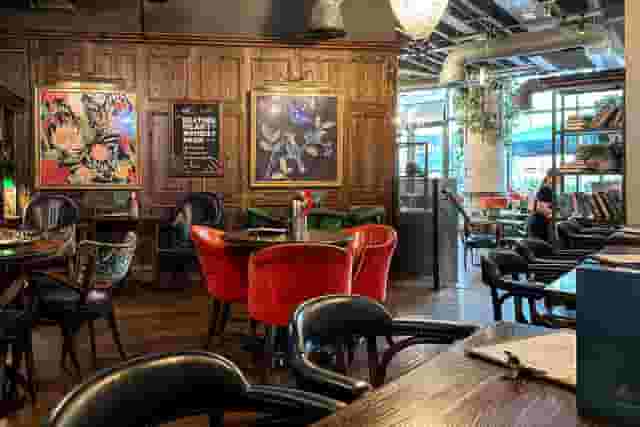
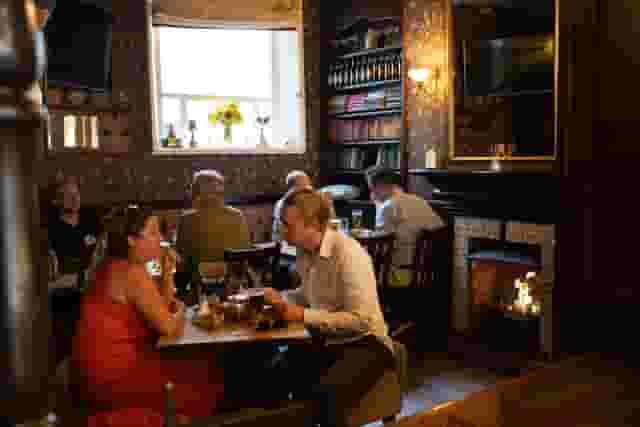
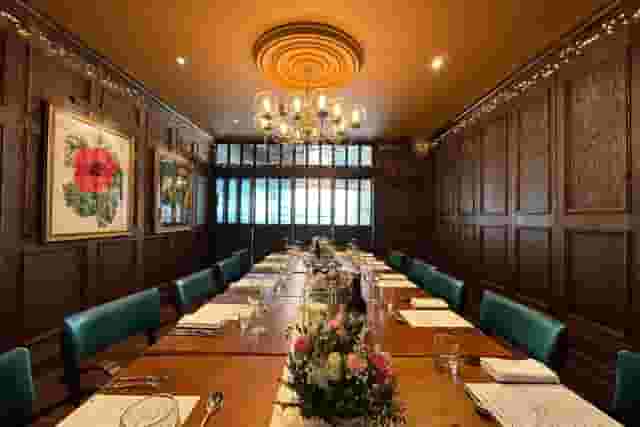


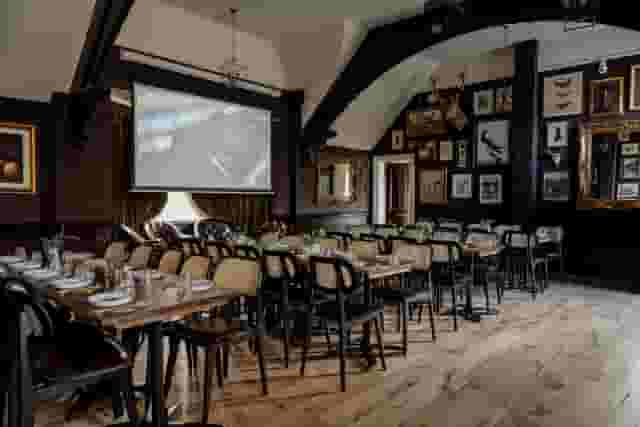












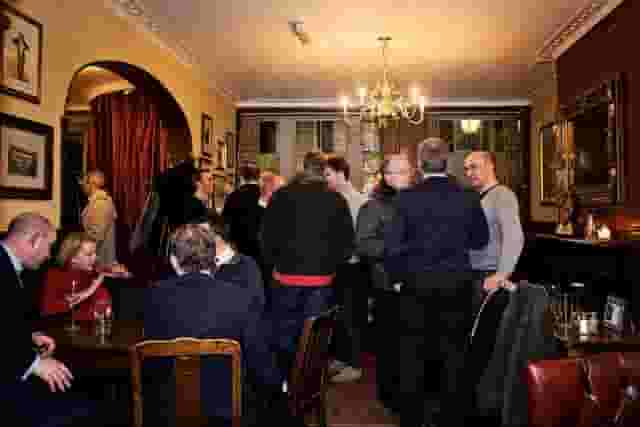


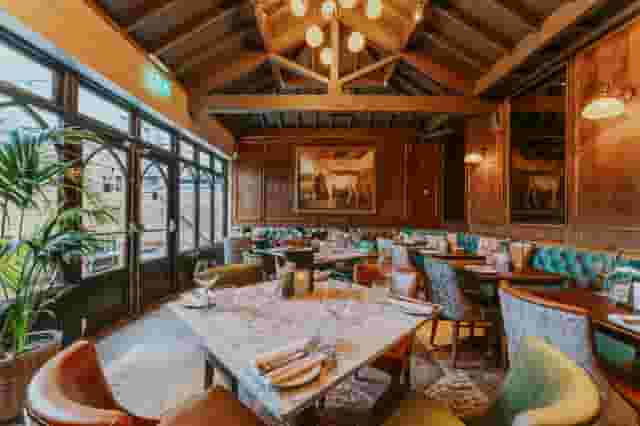
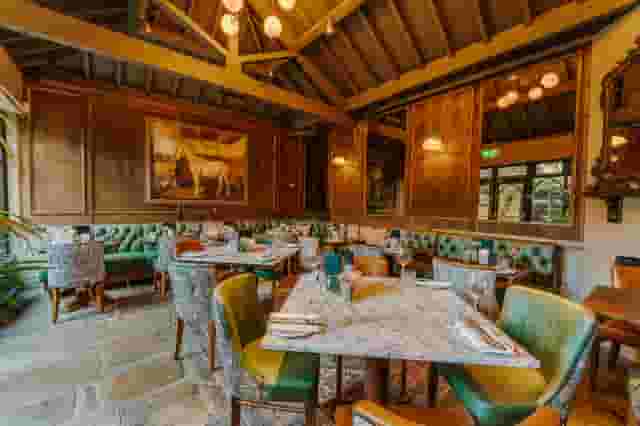


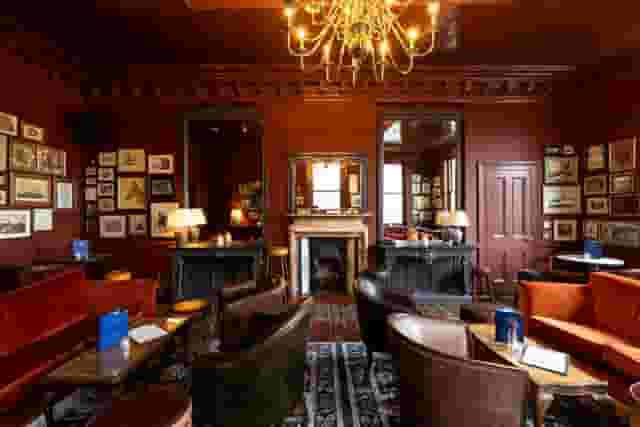


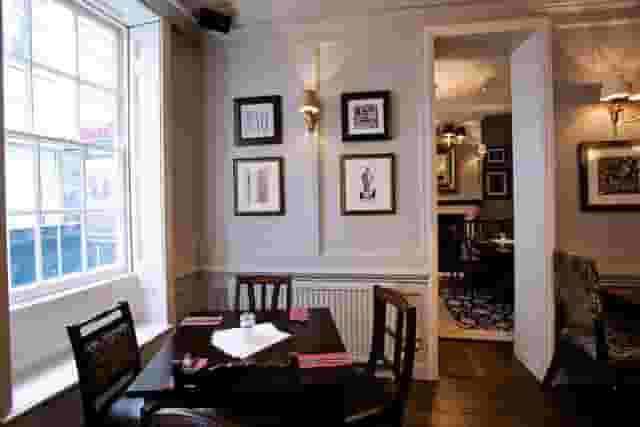
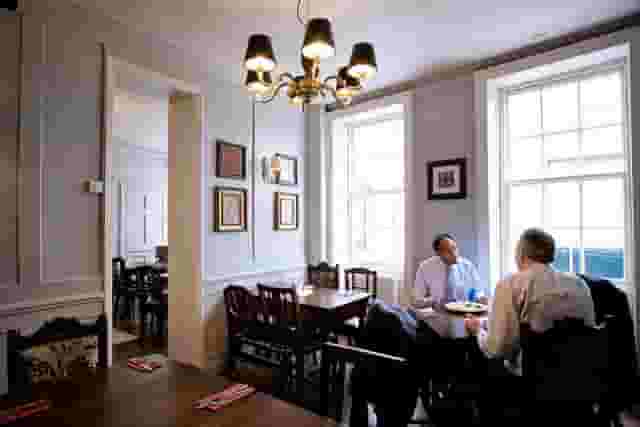
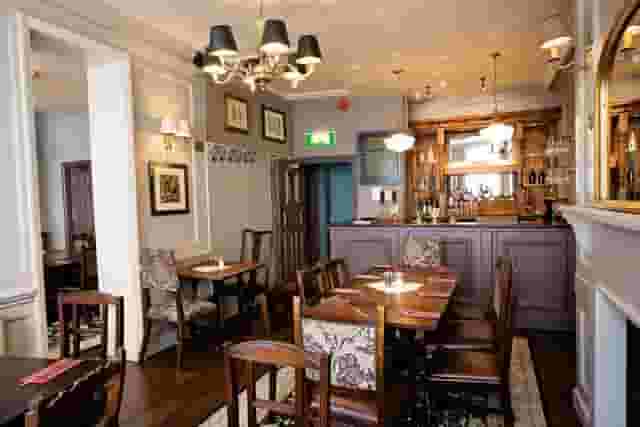
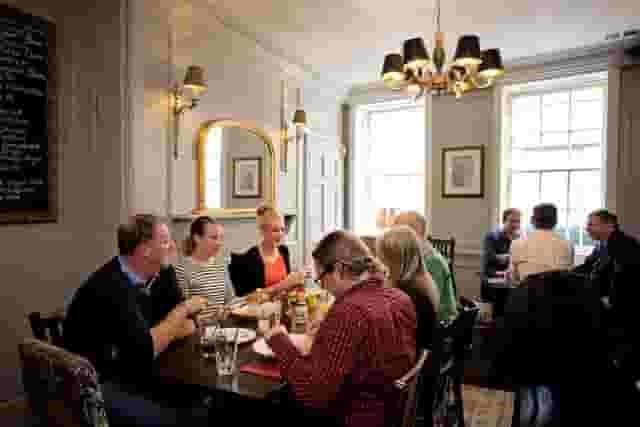







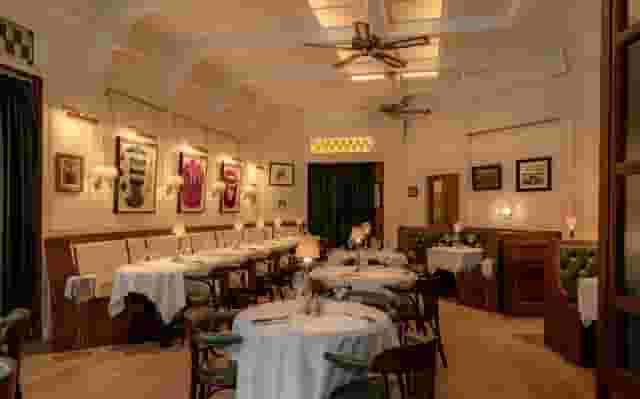
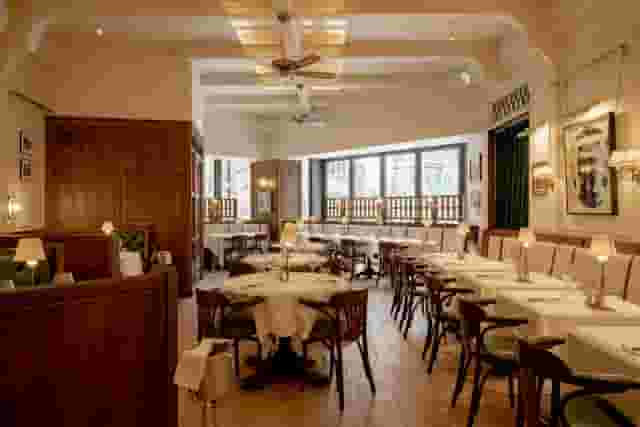
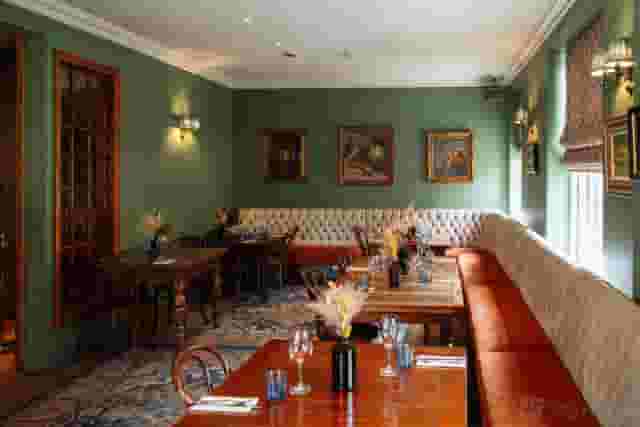


















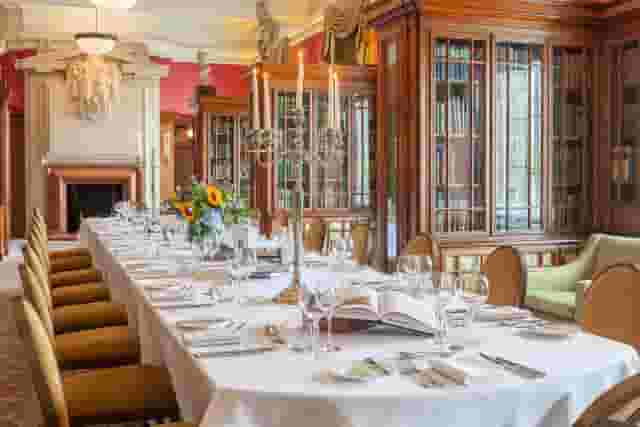


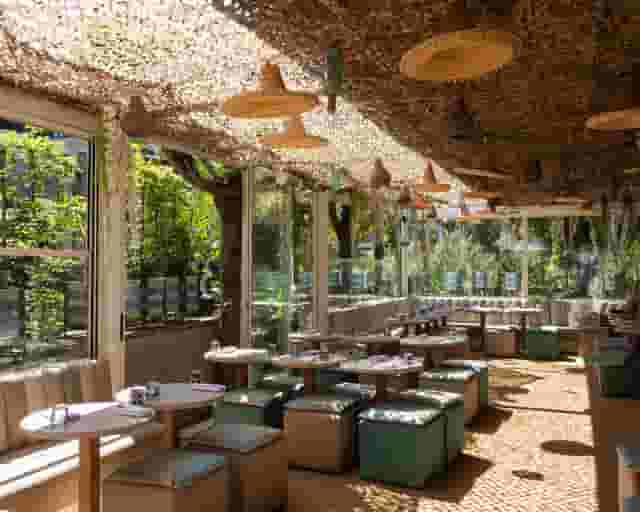

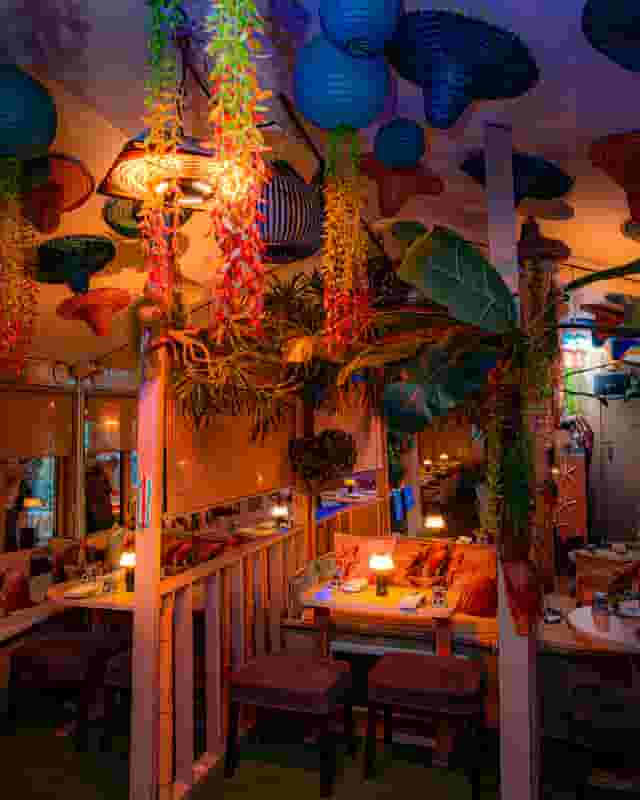
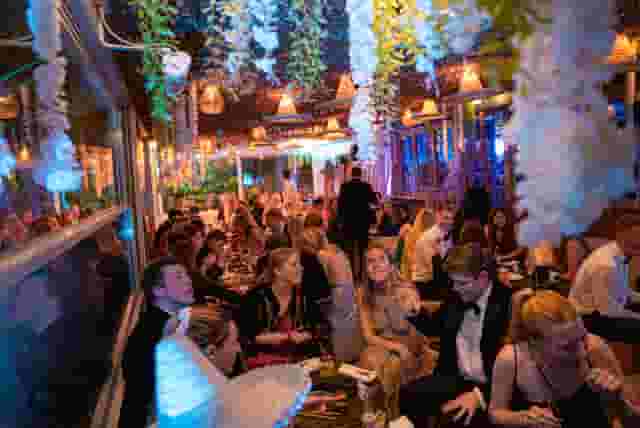



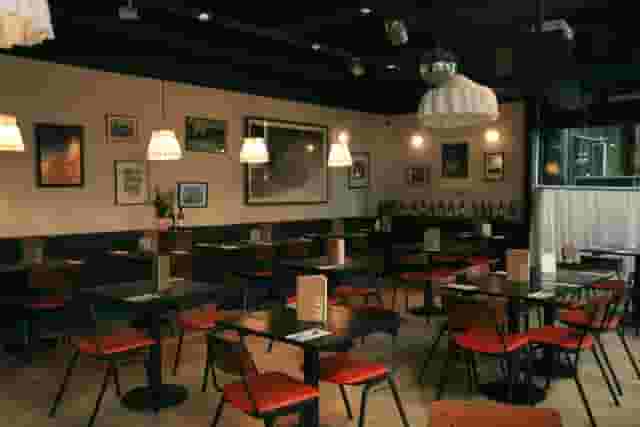
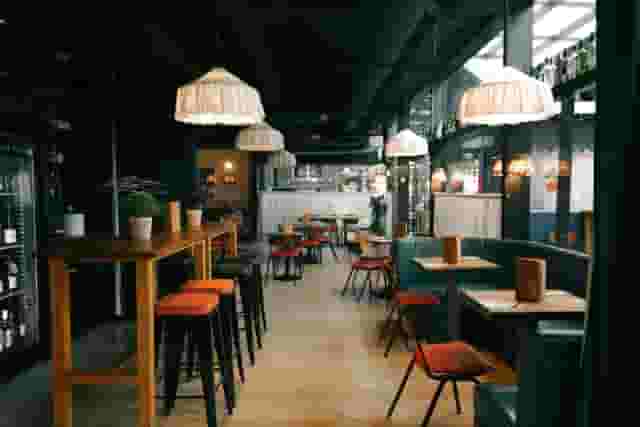


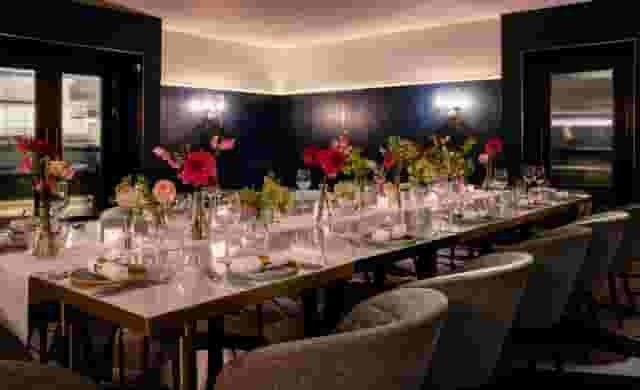


No venues match these filters
Try widening your capacity, luxury level or event type.
Don't have time to search? We'll find it for you.
For business events that need human judgement, talk to our team. Free for events of 100+ people, budgets over £10k or ongoing programmes.




Explore more venues in London












Frequently asked questions
How much does it cost to hire a function room in a pub in London?
Can I supply my own music for a pub function room?
Can I bring my own food to a pub function room for my event?
How do I hire a pub function room in London?
Other platforms search their database. We search everything.
Tell us what you need. Our deep research finds any venue, whether it's in our marketplace or not. No one else does this.
About Pub Function Rooms in London
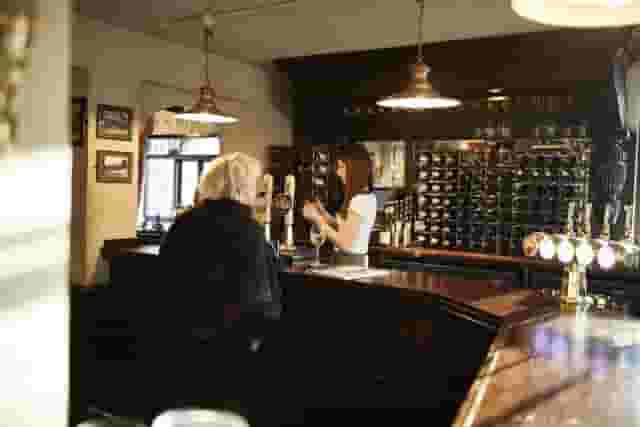
A private room in a London pub solves an immediate problem for corporate organisers. It avoids the cold formality of a hotel meeting suite, keeps your team together away from the main public crowd, and gives you direct access to good food and draught beer without having to coordinate external suppliers. Whether you are planning an end-of-quarter social, a team dinner, an informal presentation or a client reception, London has hundreds of pub function rooms that fit the bill.
Securing the right space requires looking beyond aesthetic charm. Pubs differ wildly in how they manage sound separation, bar access, food service and audiovisual kit. An upstairs room above a quiet backstreet tavern functions very differently from a basement vault off a bustling thoroughfare. Understanding how layouts, minimum spends and technical specifications work in practice will ensure your event runs smoothly. As an event planning and venue booking platform, Hire Space streamlines this search alongside a team of real people who help manage the final outcome. Through Deep Venue Research, organisers can find tailored spaces across the capital, compare data-backed price estimates and build a shortlist in minutes rather than waiting days for individual venues to reply.
Matching room layouts to your event format
The shape and layout of a pub function room dictate how people interact throughout the evening. Before putting down a deposit, consider whether your group needs open floor space to circulate, dedicated dining tables, or quiet sightlines for speeches and presentations.
Standing receptions and team socials
If your priority is mingling, look for rooms that provide a dedicated private bar and enough open floor space for guests to move around freely. Shared bars in public areas dilute the privacy of your gathering and force your colleagues to queue alongside regular pub patrons.
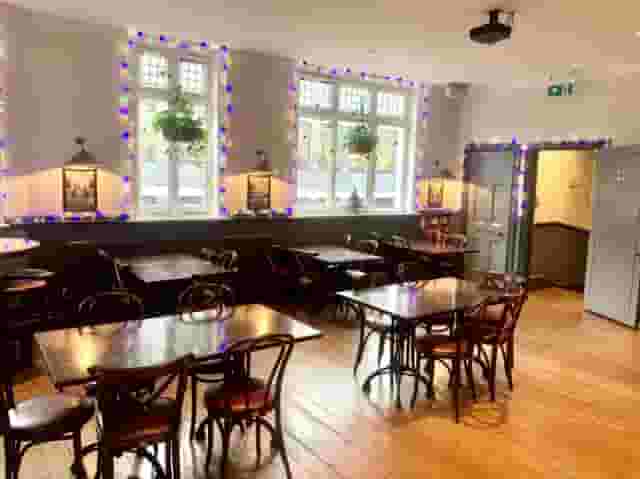
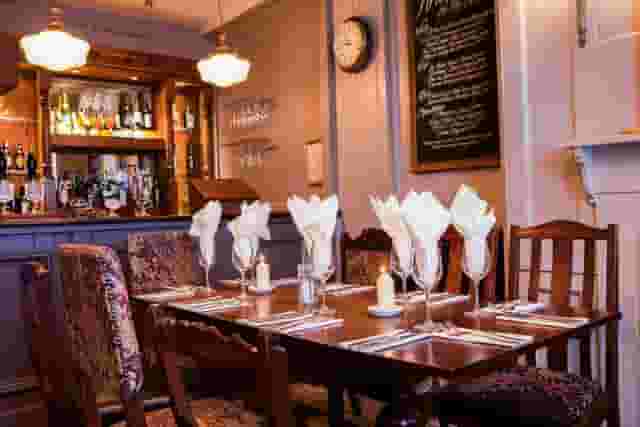
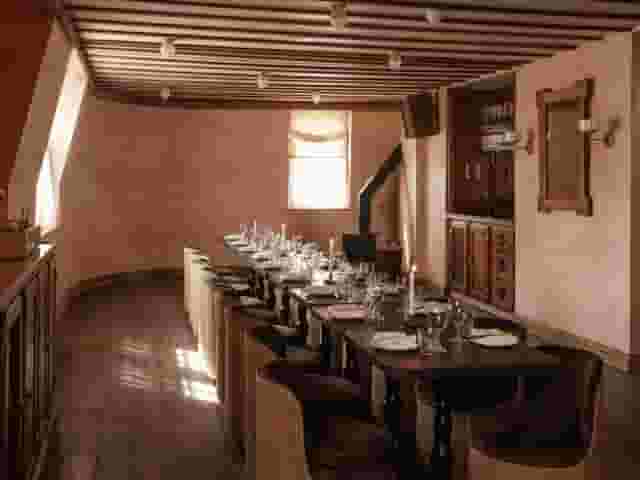
For groups between 60 and 80 guests, dedicated upstairs or basement rooms work well. The Lounge at The Angel near Old Street accommodates up to 70 people standing for a buffet reception and features its own private bar, giving your team an independent hub right on the edge of the City. If you are organising an informal team get-together in Soho, The Vault at Albert's Schloss Soho holds 65 guests standing, providing a lively basement setting within easy reach of West End transit links.
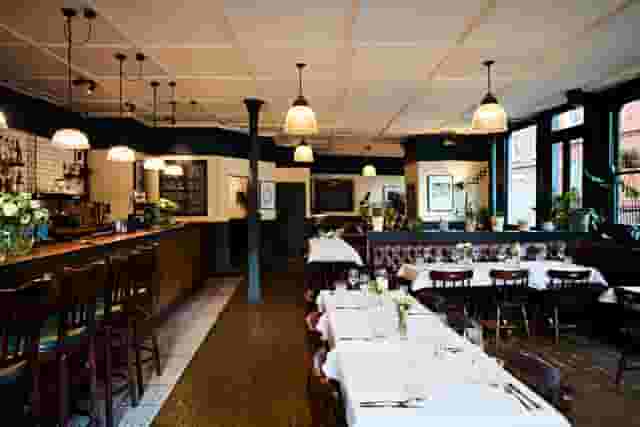
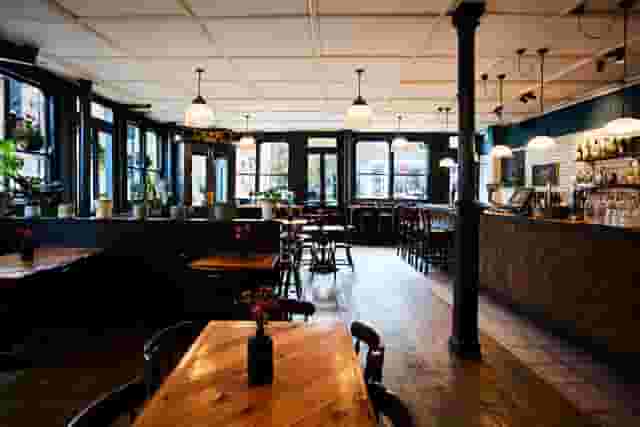
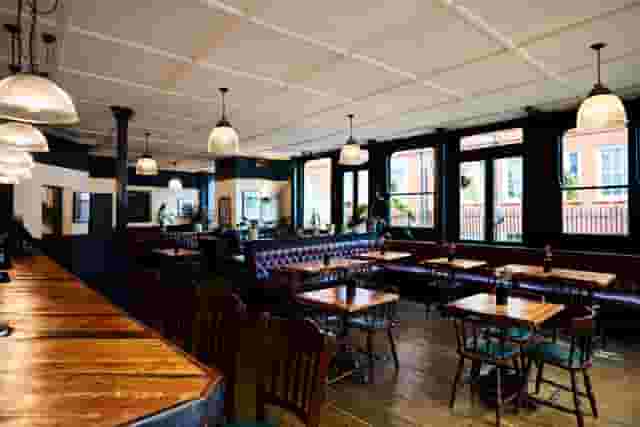
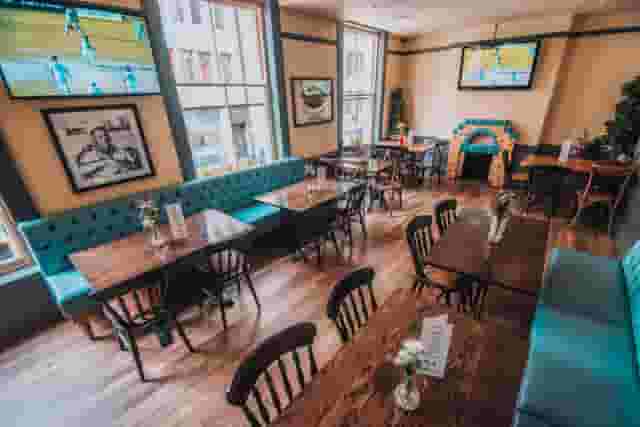
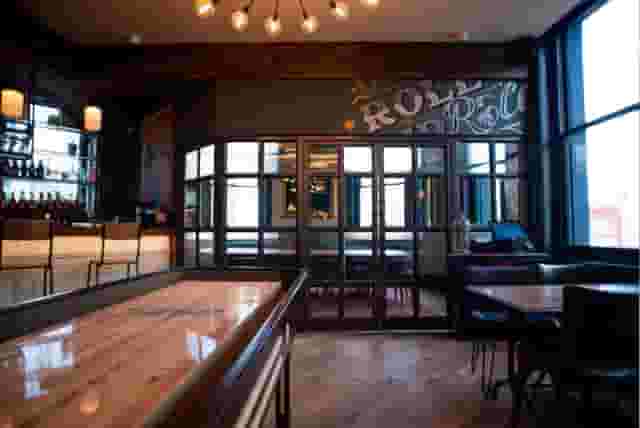
For slightly larger parties where you want the character of a neighbourhood local, look at full-floor or whole-pub options. The Royal Oak in Marylebone offers an exclusive hire option with capacity for 120 guests at a drinks reception, giving you full control over the doors and background volume. In north London, The Three Compasses in N8 can host up to 148 standing guests, with space to set up dining areas for 100 alongside its built-in sound system.
Seated dinners and hybrid presentations
When an evening starts with a quarterly business review or team presentation before shifting into dinner, seating arrangements become critical. A standing space cannot easily be converted into a dining room halfway through the night if staff have nowhere to clear furniture.
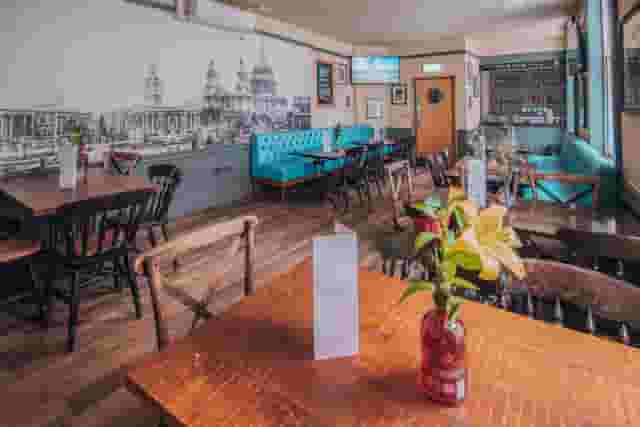
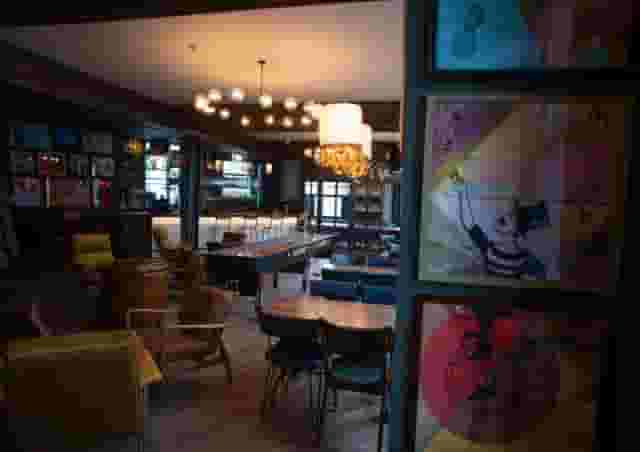
For focused group dinners where acoustic clarity matters, traditional dining rooms offer the best setup. The Rose & Crown in Clapham Old Town has an upstairs dining room that accommodates 60 guests for a reception or seated gathering, complete with its own bar and period features. If your office sits in the Square Mile, The Bull and The Hide near Liverpool Street offers a room called The Hide. It holds 55 people for a buffet and comes equipped with a projector and a Sonos sound system, making it well suited to daytime working sessions that lead straight into evening hospitality.
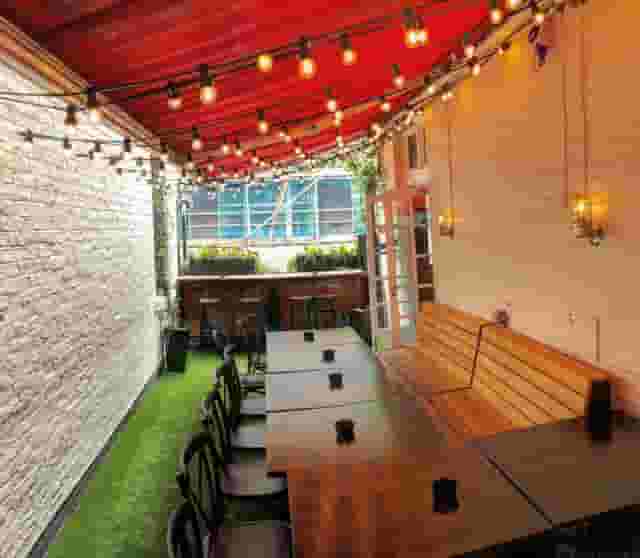
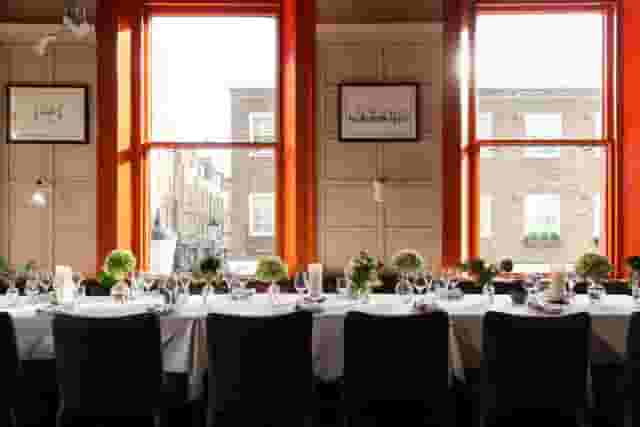
If you want a maritime theme or a setting by the water for summer entertaining, The Blue Anchor in Hammersmith features the upstairs River Room. It holds 65 guests standing overlooking the Thames, with its own private bar for drinks receptions and seated group dining. For teams looking for themed spaces in the West End, Rhum Tavern on the borders of Fitzrovia and Soho provides the Captain's Quarters, accommodating up to 80 guests for private cocktail receptions.
To compare how pub dining rooms measure up against traditional restaurant spaces across the capital, explore our guide to the Top 7 Central London Private Dining Venues.
| Room and Venue | Area | Capacity | Standout Features |
|---|---|---|---|
| The Lounge at The Angel | Old Street | 70 standing | Private bar, TV screen, projector, portable PA |
| The River Room at The Blue Anchor | Hammersmith | 65 standing | Thames views, first-floor private bar |
| The Hide at The Bull and The Hide | City / Liverpool Street | 55 buffet | Integrated Sonos system, projector, meeting setup |
| The Upstairs Room at The Rose & Crown | Clapham | 60 standing | First-floor dining room, private bar |
| Exclusive Hire at The Royal Oak | Marylebone | 120 standing | Warm traditional pub interior, dance space |
| The Vault at Albert's Schloss Soho | Soho | 65 standing | Central West End access, private basement area |
| Three Compasses Pub at The Three Compasses | Hornsey | 148 standing | Dedicated AV, dining for up to 100 |
| Captain's Quarters at Rhum Tavern | Fitzrovia | 80 standing | Themed cocktail bar, central location |
Understanding pub hire structures and costs
When budgeting for a corporate event in a London pub, you will encounter two main pricing models: minimum spend agreements and room hire fees. Knowing how these operate helps you avoid surprise charges on your final invoice.
Cost Structure Comparison
| Fee Structure | How It Operates | Best Suited For | Watch Out For |
|---|---|---|---|
| Minimum Spend | You commit to spending a set baseline across food and drink. No room fee applies if met. | Evening drinks receptions and large team celebrations with high beverage spend. | Shortfalls are charged as a room penalty; service charge may not count toward the baseline. |
| Room Hire Fee | You pay a flat rate to secure the room, then pay for all food and drinks separately. | Daytime team meetings, workshops and shorter gatherings with light refreshments. | Adding meals and drinks packages can push the total spend higher than expected. |
Minimum spend agreements
Most London pubs prefer a minimum spend arrangement for evening hires. Under this model, you do not pay for the room itself, provided your group spends a contracted total across food and drink. Across the London market, a typical baseline for a private function space falls into the following range:
- Minimum spend: £300 to £1,500 in total (Typical London pub function-room minimum spend; varies with location, guest numbers, day and season.)
The wide spread reflects geographical demand and timing. A Tuesday night booking in an outer borough sits near the bottom of that bracket, whereas a Thursday or Friday evening in Soho or the City will naturally sit at the top.
Always check whether the venue calculates the minimum spend net or gross of value added tax and discretionary service charges. In most establishments, the service charge (typically 12.5%) is added to your bill on top of the minimum spend target rather than contributing toward it. If your guests fall short of the agreed total at the bar, the venue will bill the remaining shortfall directly to your corporate card as a hire fee. Hire Space 360 is enterprise venue and hotel procurement for companies spending £1m or more a year on meetings and events: a managed meetings and events programme, the kind procurement teams call strategic meetings management. For organisations running socials, dinners and offsites throughout the year, this brings every booking under a single supplier agreement with consolidated invoicing instead of fragmented expenses. Finance and procurement leads also gain live spend reporting and clear audit trails to keep every social event aligned with company event policy.
Room hire fees and dining packages
Where a venue does not use a minimum spend, they will typically quote a flat hire fee:
- Separate room-hire fee: £125 to £300 in total (Typical London pub room-hire fee where the venue does not use a minimum-spend arrangement.)
This structure is common for daytime corporate meetings or quieter mid-week slots. You retain the room for a set number of hours and then order catering or drinks on a consumption basis.
When planning a formal sit-down meal rather than bar snacks, pubs often propose set menus:
- Private dining and event package: £20 to £30 per head (Typical pub private-dining rate before higher-cost drinks packages, premium catering and additional event services.)
This usually covers a two-course or three-course menu of classic British pub dishes. Premium items such as dry-aged steaks, artisan cheeseboards or matched wine pairings will sit above these figures. For further inspiration on high-end private rooms with elevated menus, read our overview of how to Taste the Luxury with These Top Private Dining Rooms.
Food and beverage planning: menus, buffets and bar tabs
Corporate pub catering must strike a balance between satisfying varied dietary requirements and keeping the event sociable. Sit-down meals limit movement, while finger foods encourage guests to circulate.
Catering formats
Pubs generally offer three main catering styles for private room bookings:
- Finger food and sharing platters: Sliders, scotch eggs, croquettes and skewers served on platters around the room. This is the least disruptive option for standing drinks and keeps guests on their feet.
- Hot fork buffets: Dishes such as curries, braised meats, pies and roasted root vegetables served from chafing dishes. Guests can eat substantial food without requiring allocated table seating.
- Set dining menus: A fixed menu with two or three options per course. This requires pre-orders from your attendees at least 10 to 14 days prior to the event date.
Pubs with working commercial kitchens almost universally mandate that all food is sourced in-house. External caterers are rarely permitted because of food safety liabilities and kitchen space limitations. If your team requires specific cultural catering, such as certified kosher or halal menus, discuss this with the general manager before signing any agreement. Some venues will permit external caterers under specific conditions, but they may levy kitchen access charges, cleaning deposits and waste disposal fees.
Managing the bar tab
A corporate bar tab can escalate quickly without clear boundaries. Decide in advance how your company wants to manage beverage service:
- Open bar to a monetary ceiling: Set a strict cap (for example, £1,500) and instruct bar staff to notify the lead organiser when the spend reaches 80% of that limit. You can then choose to increase the limit or switch to a cash bar.
- Restricted drinks lists: Restrict the tab to house wines, draught beers, single house spirits and soft drinks. Excluding double measures, premium whiskies and champagne keeps the average cost per drink predictable.
- Token systems: Hand out physical drink tokens to guests on arrival (for instance, three tokens per attendee). Guests exchange tokens for standard drinks, after which they purchase their own.
Technical facilities, acoustics and music licences
A standard corporate event often requires basic sound and visual equipment for opening remarks, quarterly award presentations or background playlists. Never assume a pub function room possesses plug-and-play capability without testing it.
Audiovisual checks
While dedicated meeting centres supply commercial projection systems, pub hardware varies considerably. If your event involves a presentation, confirm the following points during your site visit:
- Display connections: Verify whether screens use standard HDMI connections or wireless streaming. Pub TV screens mounted high up for sports viewing may have inaccessible input ports.
- Microphones and PA systems: Background ambient noise from the public bar downstairs will often travel up stairwells. If you plan to make speeches to more than 40 guests, a handheld microphone connected to an isolated PA system is necessary.
- Presentation sightlines: Check for structural pillars, low beams or alcoves that block views of the display screen from certain corners of the room.
Music and licencing rules
Playing your own music through the room speakers is standard practice for private hires, but operational rules apply. Most venues allow an auxiliary cable or Bluetooth connection to their sound systems. However, venues operate under local council premises licences that dictate maximum decibel levels and mandatory cut-off times.
In residential areas of London, outdoor terraces and function rooms frequently have sound limiters installed. If your music triggers the limiter, the power supply to the amplifier cuts out automatically. Always ask the duty manager about council noise restrictions, particularly if you plan to hire an acoustic duo or a private DJ.
Planning logistics: confirmation and guest journeys
A successful private pub event depends on clear planning in the weeks leading up to the night. Follow these guidelines to keep your project on schedule.
The booking process
To secure your chosen space, follow a structured confirmation routine:
- Initial enquiry: Provide your anticipated headcount, target date, preferred timings, room setup style and catering intentions.
- Written contract: Obtain a comprehensive written contract detailing the agreed minimum spend or room hire fee, payment milestones, cancellation terms and service charge rates.
- Pre-payments: Most pubs require an upfront deposit (typically 20% to 50% of the minimum spend) to confirm the calendar hold, with the remaining balance due two to four weeks prior to the event.
- Final details: Submit dietary requirements, final attendee numbers and pre-orders no later than 10 business days before the function.
Transport and guest journey
When selecting a pub, evaluate how your colleagues will travel to and from the venue at the end of the night. Pubs situated near major transport hubs, such as Liverpool Street, Old Street, Soho or Marylebone, allow staff to catch London Underground lines or suburban rail services without relying on long taxi journeys.
Consider accessibility requirements early. Many traditional London pubs are historic or Victorian properties where function spaces sit up narrow flights of stairs or down in cellars, without lift access. Always verify step-free access paths, accessible toilet facilities and entrance logistics with the venue team before booking if any of your guests have mobility needs.
What our customers say
Inspiration and planning guides

This Is Why London Has Such Unique Venues
At Hire Space, unusual venues [https://hirespace.com/Browse/Unusual-Event-Venues-London] are the name of the game. Passion to find a unique venue for an event seems to be unabated in London, but it's of little surprise when taking into account all the amazing spaces the capital has to offer. But just why is London filled with so many unusual venues for hire? We investigated: Romans, Saxons, Normans, Tudors and Stuarts. The Black Death, two World Wars and one Great Fire. London has seen it a

EventLAB Series: Introducing the Event
We're very excited to introduce EventLAB [https://eventlab.online/], our first two-day event designed to take event professionals through every step of the event planning process. We'll be bringing you the latest updates in the run-up to the event in our 'EventLAB Series' [https://hirespace.com/blog/tag/eventlab//], including relevant content and a little glimpse of the speakers, workshops and themes that will feature at the event. In the first instalment, we’ll explain all there is to know a

6 Reasons Why Venues Should Join Hire Space
Four years ago, we launched Hire Space to connect event venues with new customers easily via our online platform and Venue Expert service. We've come up with 6 reasons why Venue Managers might like working with Hire Space, and why venues should join the club [http://bit.ly/2kQaHEd]! 1. Best SEO in the Industry = High Web Traffic Our Marketing team has enhanced our site visibility on search engines and as a result 1.3M customers visited our web site in 2016 (7% higher than the previous year). Ou
One supplier. Every venue. Full visibility on what you spend.
Multiple venues and events. One agreement.