Sustainable Conference Venues for Hire in North East London
Find verified eco-friendly conference spaces across North East London, from Stratford tech hubs to converted Shoreditch warehouses.
51 Sustainable Conference Venues for Hire in North East London






























































No venues match these filters
Try widening your capacity, luxury level or event type.
Don't have time to search? We'll find it for you.
For business events that need human judgement, talk to our team. Free for events of 100+ people, budgets over £10k or ongoing programmes.




Explore more venues in North East London
Frequently asked questions
Can universities host sustainable conferences?
How does venue size impact sustainability?
What tech should a sustainable venue offer?
What defines a sustainable venue in NE London?
Are there green hotels with conference spaces?
What modern tech amenities should eco venues offer?
Which boroughs in NE London offer best transport links?
Which areas define North East London for conferences?
What are typical delegate rates for sustainable conferences?
Are large flexible event spaces available in eco venues?
What sustainable features do eco venues typically offer?
Which sustainable certifications are valued for venues?
How do green practices influence venue operating costs?
What environmental practices are a must-have for venues?
What planning steps ensure a sustainable conference?
Other platforms search their database. We search everything.
Tell us what you need. Our deep research finds any venue, whether it's in our marketplace or not. No one else does this.
About Sustainable Conferences in North East London
How to structure a full-day conference in North East London
Planning a full-day conference requires balancing stage time, active delegate participation and networking. When sustainability is a primary requirement, this structure also needs to manage building energy use, waste generation and travel impact. North East London offers distinct operational advantages here. The region contains some of the best connected transport hubs in the capital alongside former industrial structures and purpose-built venues that can support complex technical production.
A standard business conference schedule running from 08:30 to 17:30 typically breaks down into four operational phases:
- Arrival, registration and breakfast (08:30 to 09:30): Delegate traffic peaks during this hour. Choosing a venue near major interchanges reduces commuter emissions. Registration should rely on digital ticketing or QR codes on mobile devices, cutting out single-use plastic badge holders and printed itineraries.
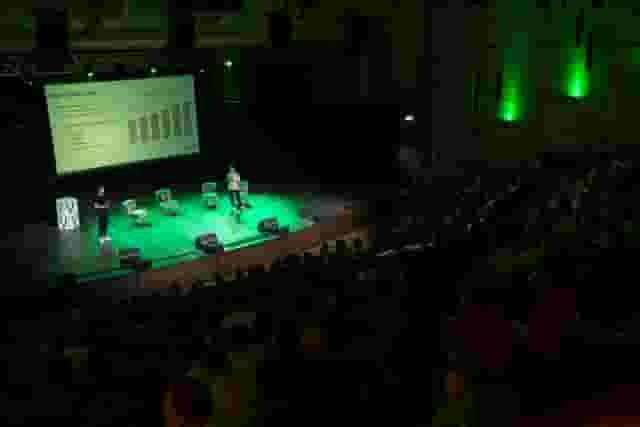
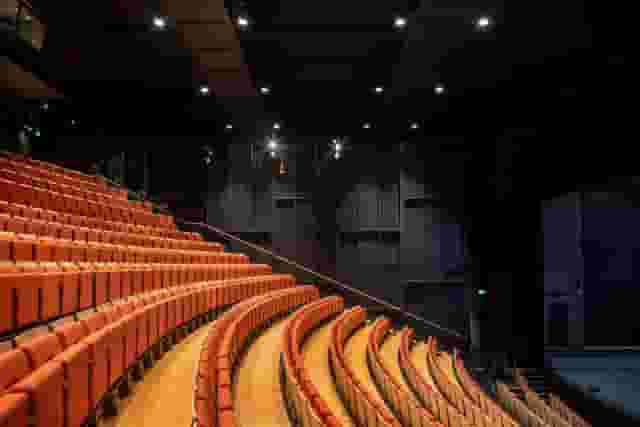
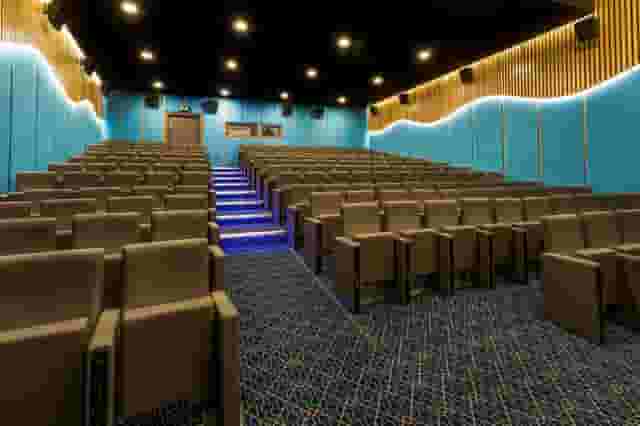
- Morning plenary sessions and keynotes (09:30 to 12:30): The main auditorium needs comfortable theatre seating, clear line of sight, dynamic stage lighting and balanced acoustics. A 30-minute mid-morning coffee interval lets delegates stretch and allows production teams to reset technical cues.
- Lunch and exhibition or networking (12:30 to 14:00): This is the highest waste-risk window of the day. A 90-minute break gives delegates sufficient time to eat, network and visit exhibition stands without feeling rushed.
- Afternoon breakouts and closing panel (14:00 to 17:00): Smaller rooms or partitioned zones allow workshops, roundtables and departmental tracks before delegates reassemble in the main room for concluding thoughts. An optional networking reception from 17:00 to 18:30 can follow in the exhibition area.
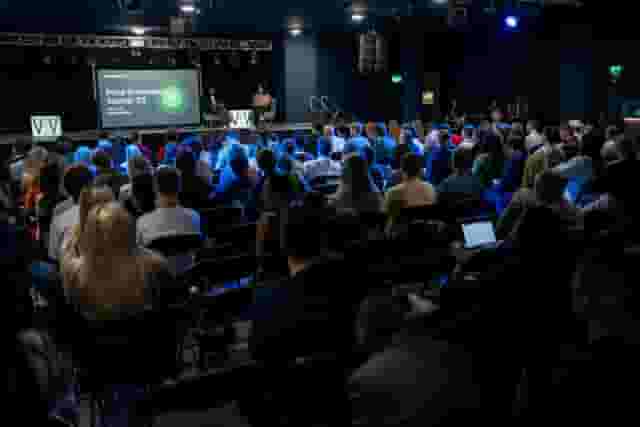
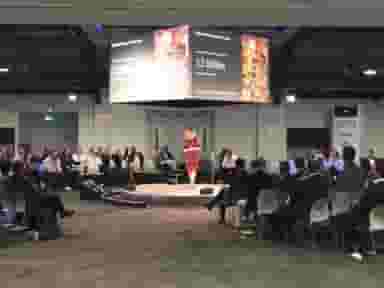
Running an event with main stage presentations and concurrent breakout tracks demands careful zoning. If you hire a venue with multiple distinct spaces, you avoid the acoustic bleed and logistical disruption of flipping a main room during the lunch break. Business Design Centre in Islington provides a dedicated auditorium space for up to 500 delegates, alongside smaller executive rooms and substantial exhibition space under one roof. Because the building maintains certified operational standards and comprehensive recycling streams, it allows organisers to run multitrack schedules without building temporary partition walls from scratch.
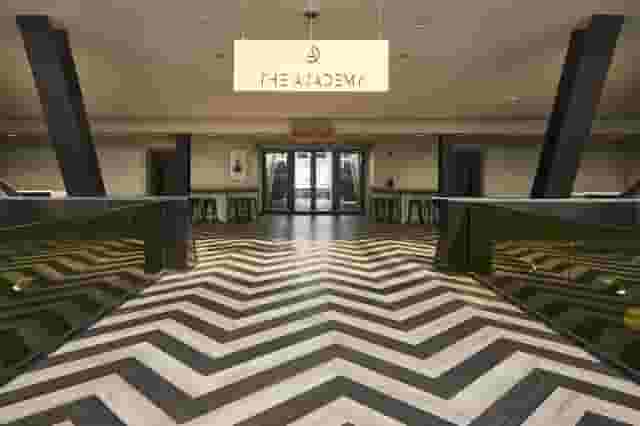
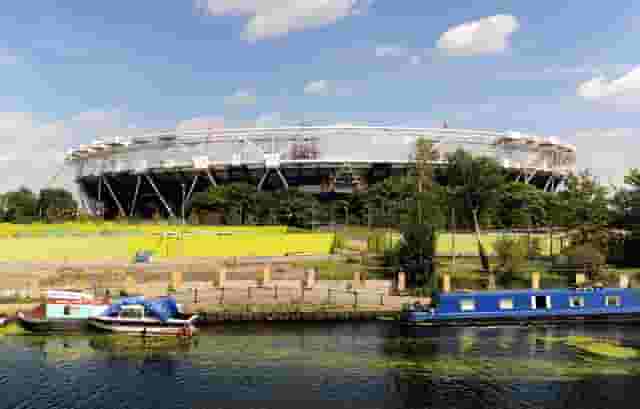
For events needing significant scale and integrated facilities, Olympic legacy venues in Stratford provide ready-made zoning. London Stadium offers spaces like The Great Briton and The Academy, presenting 1000 square metres of floor space with room for 60 exhibition stands alongside reception capacities of up to 800. The natural daylight across its hospitality suites cuts down on daytime lighting energy, while the surrounding Queen Elizabeth Olympic Park guarantees high walkability from regional rail, Underground, DLR and Elizabeth line connections.
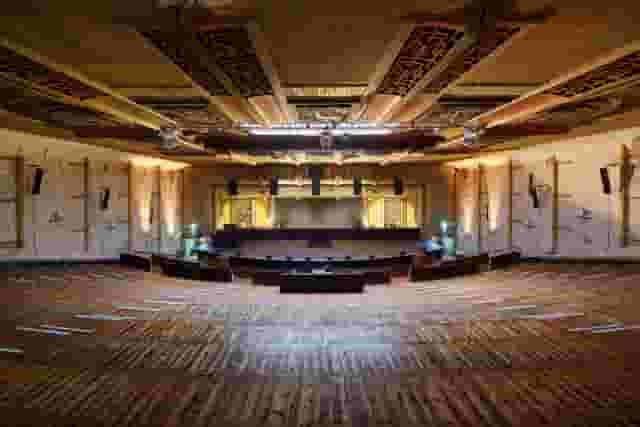
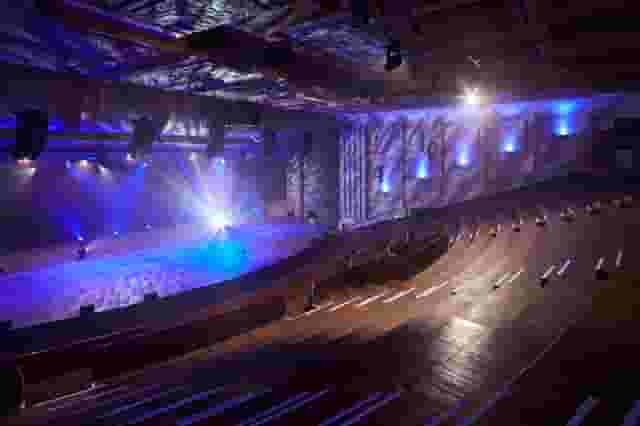
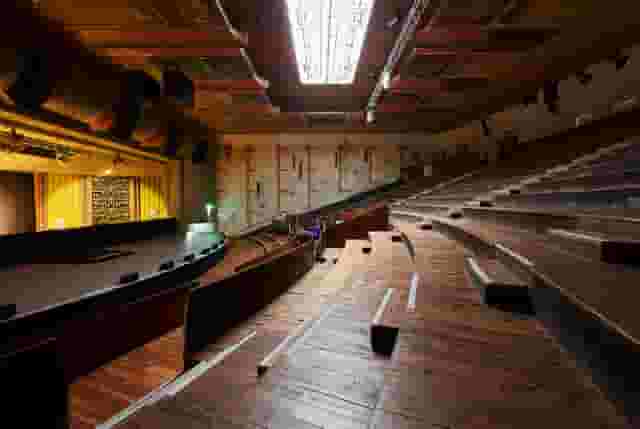
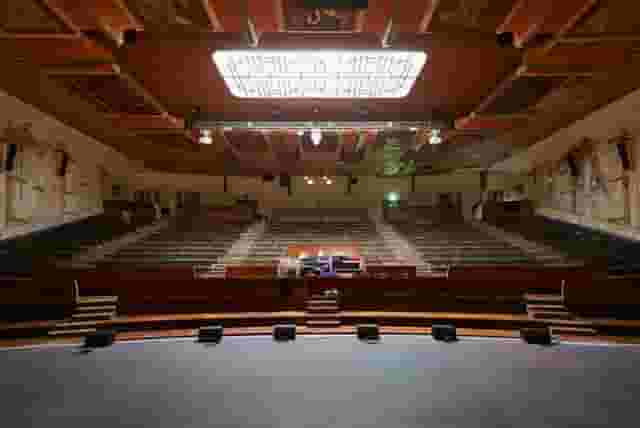
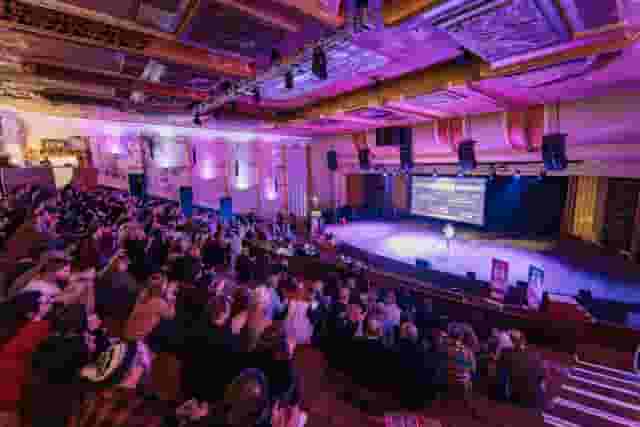
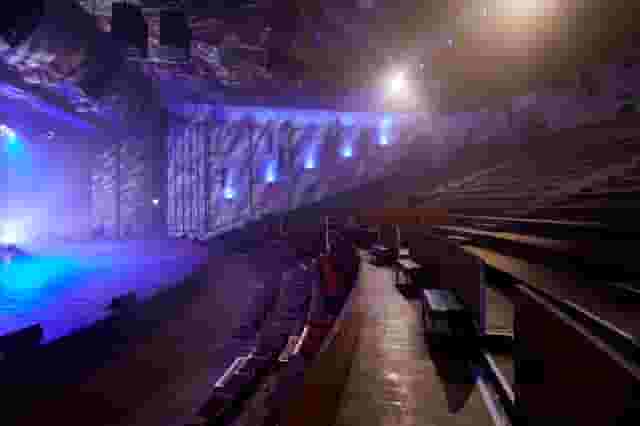
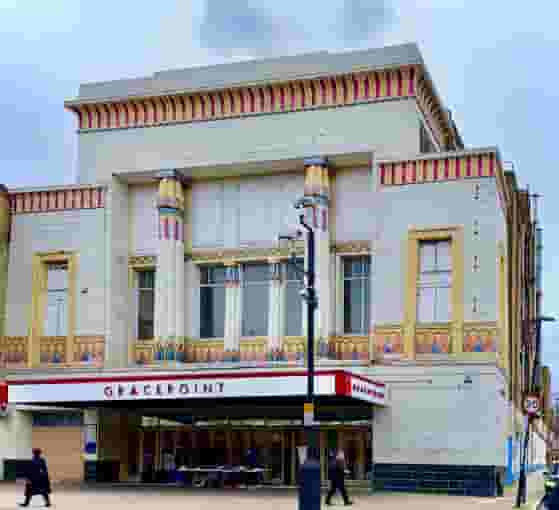
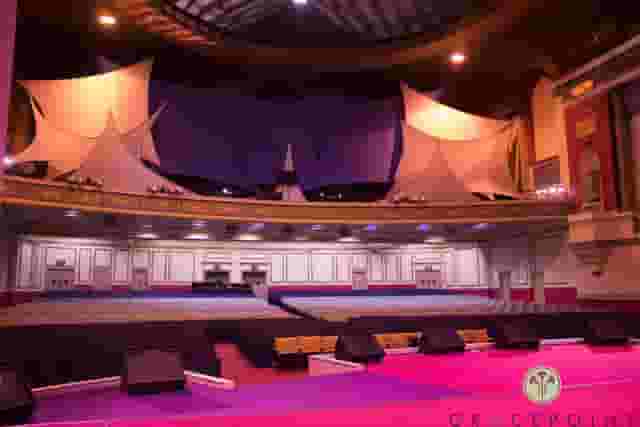
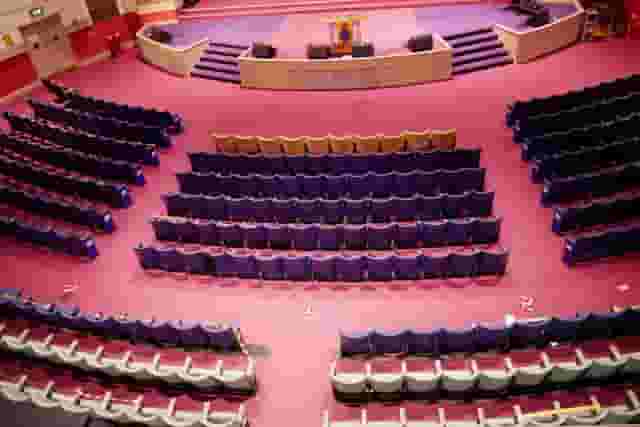
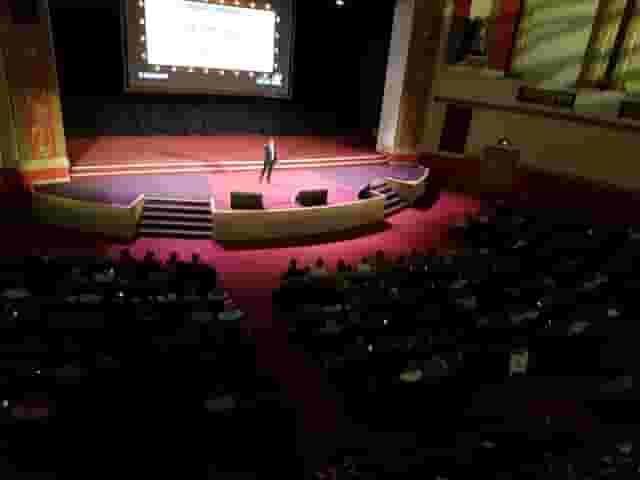
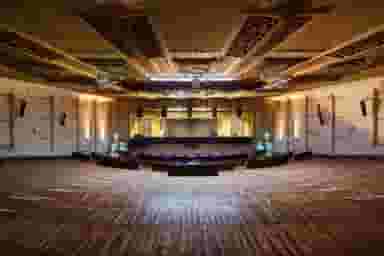
For large plenary gatherings requiring tiered seating and historic character, GRACEPOINT in Islington offers a theatre layout for 1160 delegates. Its art deco auditorium handles large plenary groups cleanly, leaving adjoining foyers and subsidiary rooms clear for registration, refreshment breaks and focused breakout discussions.
Verifying environmental standards and operational controls
A sustainable conference is defined by measurable operational controls rather than marketing declarations. When evaluating venues across Hackney, Islington, Tower Hamlets and Newham, look for documented policies covering energy management, waste diversion, water stewardship and procurement. Independent building standards like BREEAM or operational frameworks like ISO 20121 confirm that a venue systematically monitors its environmental impacts.
To establish clear metrics from the outset, many organisers follow the framework set out in our guide to setting and measuring green event goals with isla. Setting measurable carbon and waste targets before issuing your venue brief makes site inspections far more objective. To build that brief and evaluate locations against your environmental criteria, venue sourcing platform Hire Space pairs intuitive technology with a team of real people who own the outcome. Through Deep Venue Research, you can search and shortlist venues across London in minutes rather than days, with instant availability confirmed directly by venues for conferences of 100 delegates or more.
| Operational Area | What to look for during site inspection | Questions to ask the operations team |
|---|---|---|
| Power and HVAC | Sub-metered spaces, LED stage rigs, heat recovery | Can you supply event-level kWh consumption data? |
| Waste and materials | Dedicated food-waste bins, clear front-of-house sorting | What percentage of event waste avoids incineration? |
| Catering service | Wash facilities for reusable crockery, mains water | Do you compost prep waste and plate scraps locally? |
| Public transit access | Step-free routes from rail, bus routes, bike storage | What proportion of deliveries arrive outside peaks? |
Table 1: Key operational checks for environmental verification during site visits.
Energy consumption during a conference is dominated by heating, ventilation and air conditioning (HVAC), followed closely by technical AV rigs. Modern facilities often incorporate building management systems that dynamically adjust climate control based on room occupancy. When touring older warehouses or repurposed industrial spaces, check how temperatures are maintained throughout a day of high occupancy.
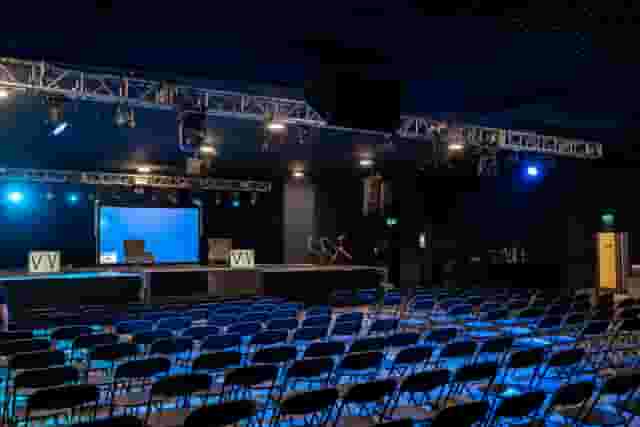
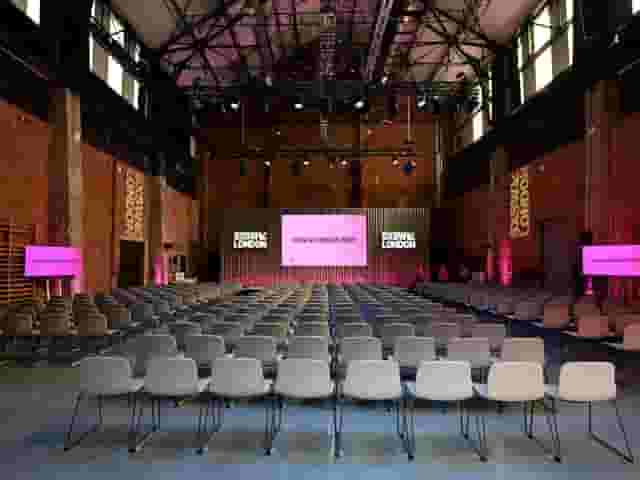
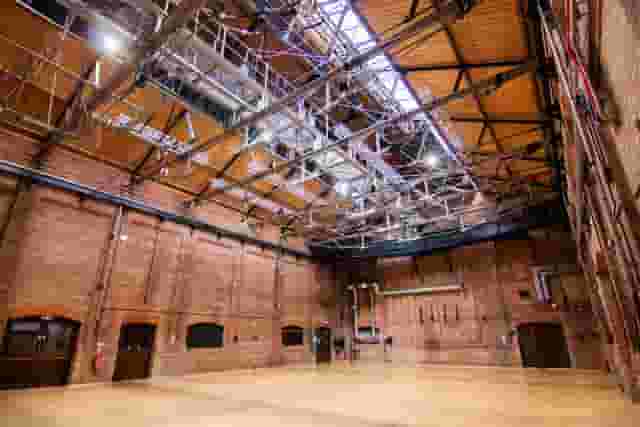
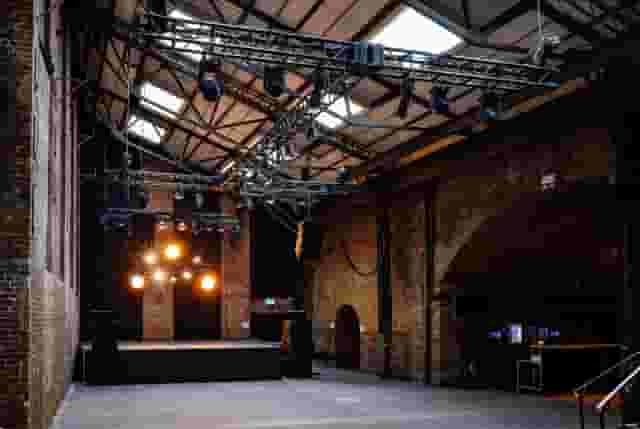
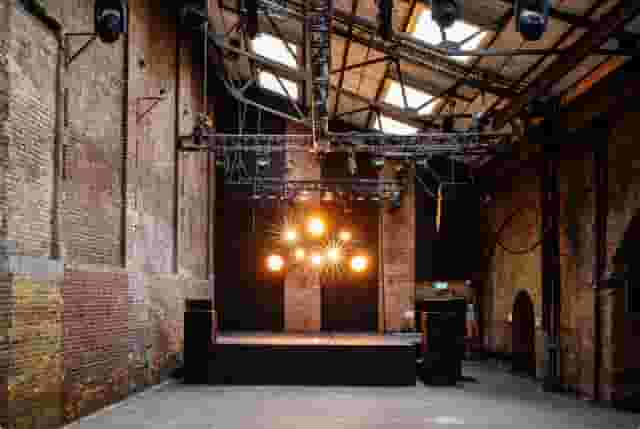
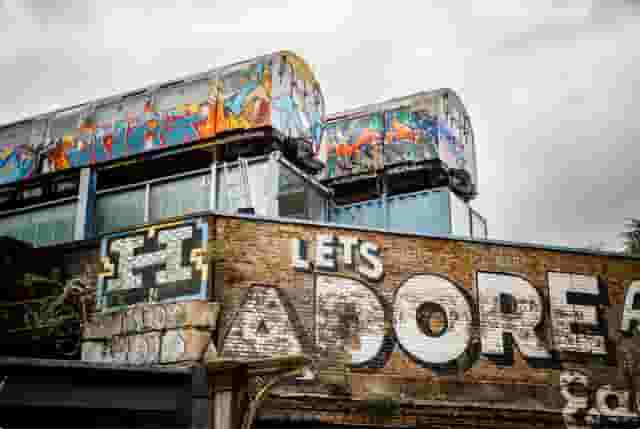
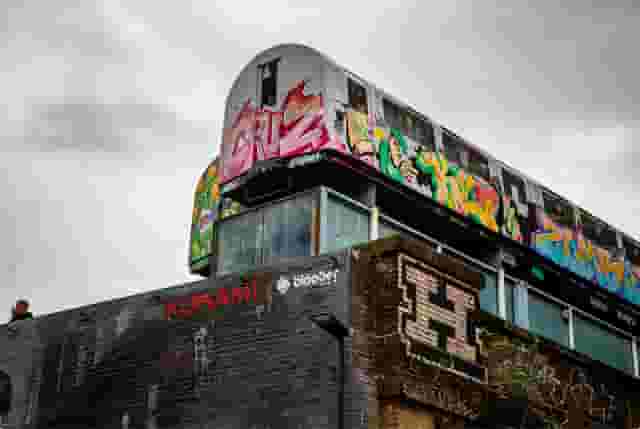
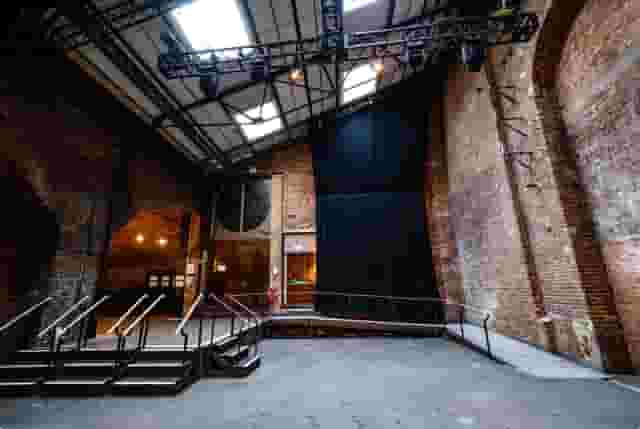
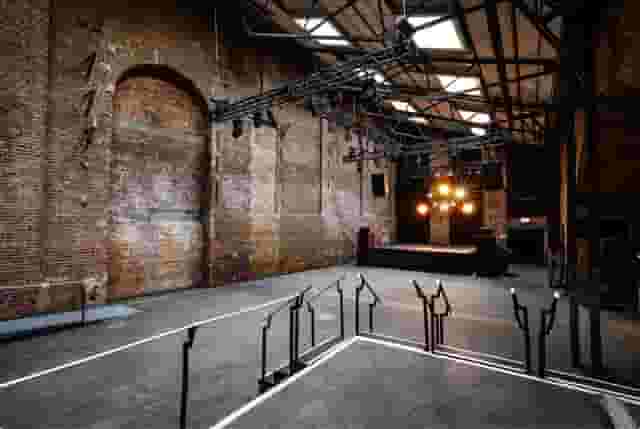
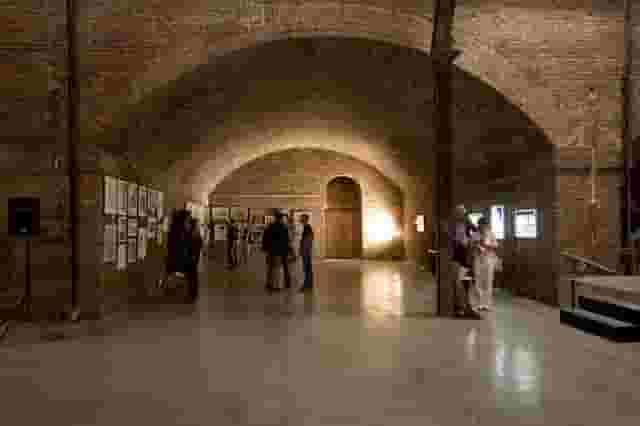
In Shoreditch, Shoreditch Electric gives production teams an industrial heritage space with high ceilings, structural rigging points and blackout options, accommodating up to 600 standing guests. The flexibility of its structural points lets your technical supplier hang energy-efficient LED fixtures directly over presentation areas, avoiding ground-supported truss structures and unnecessary peripheral fill lights.
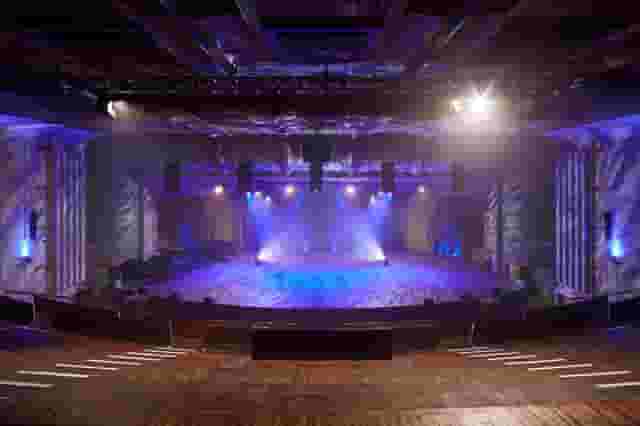
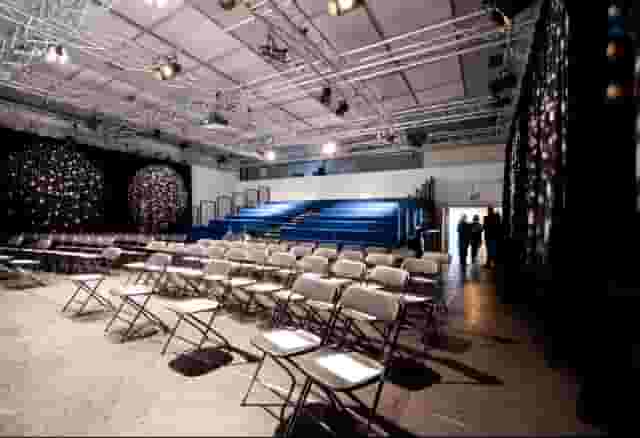
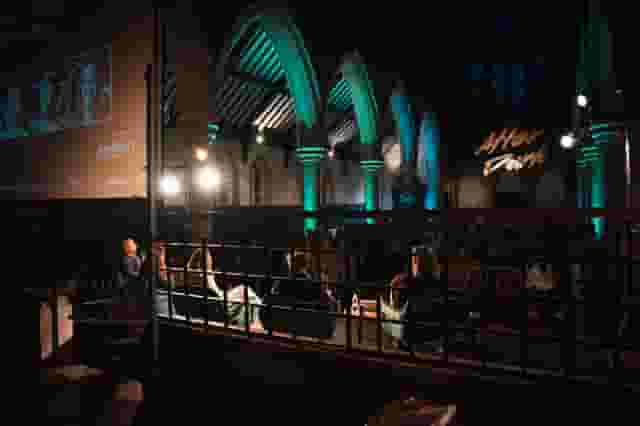
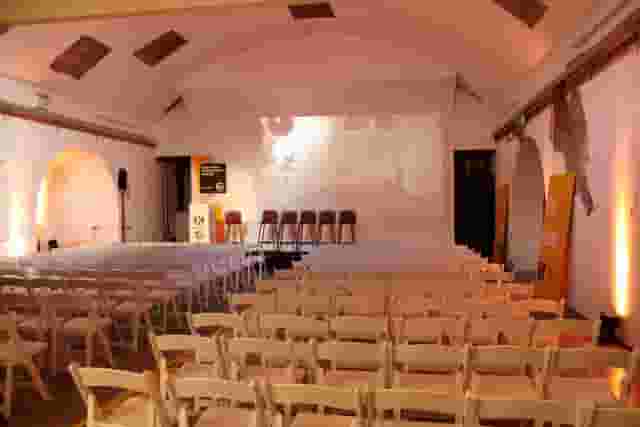
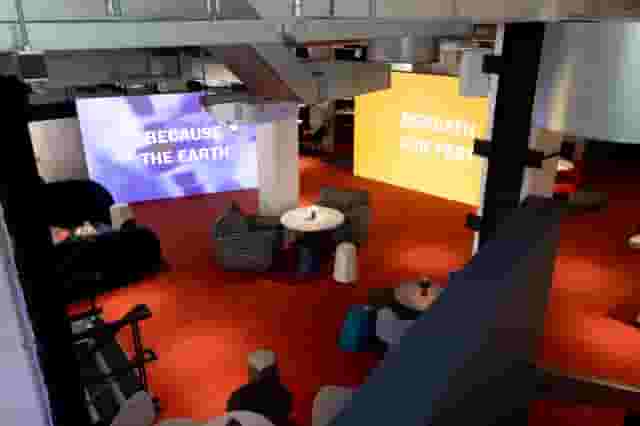
In Dalston, EartH presents a restored 700-seat art deco theatre. It features an advanced permanent audio-visual system, which removes the need to transport heavy speaker arrays and amplifiers across town by road. Utilising an in-house rig with low-draw equipment substantially cuts both your freight emissions and production setup costs.
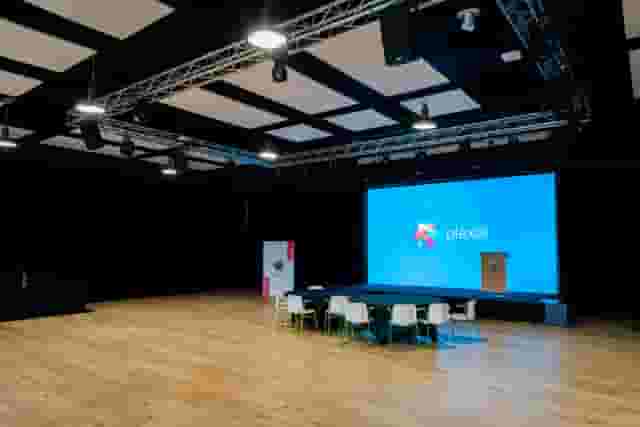
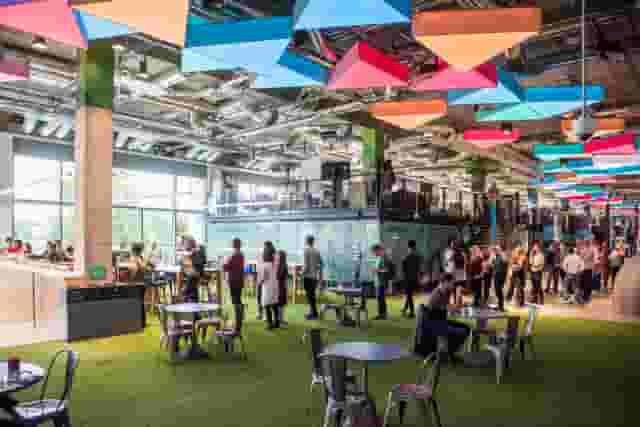
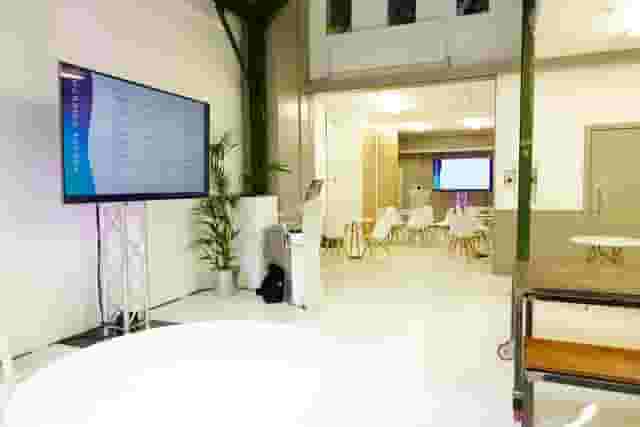
For enterprise tech summits and collaborative events, Plexal in Stratford provides CENTRE STAGE for up to 300 standing guests. Located inside the former Olympic broadcast centre at Here East, it has modern building controls, sub-metering systems and digital wayfinding screens built into the fabric of the building, minimising the need to print single-use signage boards.
Low-impact catering, hydration and waste workflows
Food and beverage service typically generates the highest visible volume of event waste. A sustainable conference design eliminates single-use plastics entirely, limits food waste through precise headcount management and designs menus around plant-forward, seasonal produce sourced within the region.
When discussing catering with in-house or preferred suppliers, address these core areas:
- Plated versus buffet service: Straight buffets frequently over-cater by 15% to 20% to avoid presentation dishes appearing empty toward the end of service. Bowl food or plated meals provide tighter portion control. If running a buffet, ask the caterer to replenish smaller dishes incrementally rather than laying out the full volume at the start.
- Plant-forward menu ratios: Committing to a default vegetarian menu, with meat options available only upon advance delegate request, cuts the baseline carbon footprint of your food service significantly.
- Hydration infrastructure: Bottled mineral water on delegate tables creates unnecessary packaging and transportation bulk. Verify that the venue provides plumbed water stations or reusable carafes filled with tap water, with glassware washed and restocked between breaks.
- Food waste processing: Enquire whether the venue or caterer works with local redistribution charities for surplus unserved food, and confirm that back-of-house prep areas and front-of-house clearance stations have dedicated food-waste bins linked to an anaerobic digestion facility.
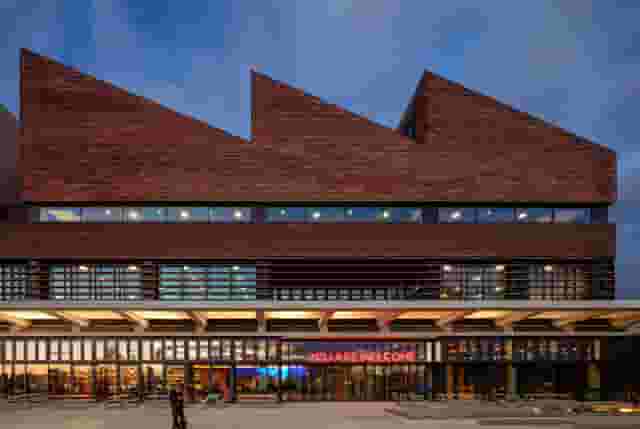
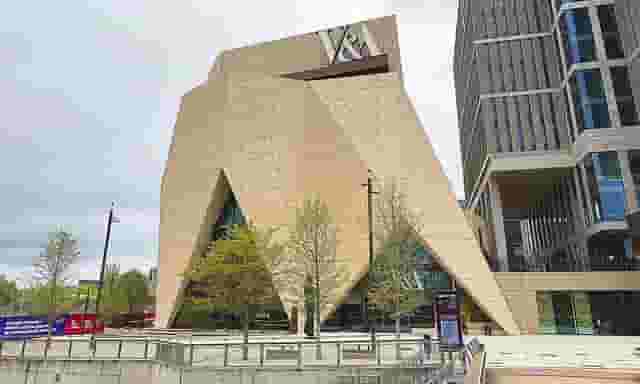
Venues located within dedicated creative or performing arts spaces often operate with strong waste-minimisation cultures. At Sadler's Wells East in Stratford, the 550-capacity theatre auditorium is matched by contemporary building infrastructure designed around modern sustainability guidelines, including clean waste separation and efficient service areas.
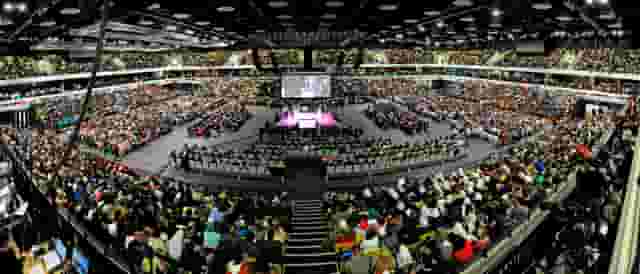
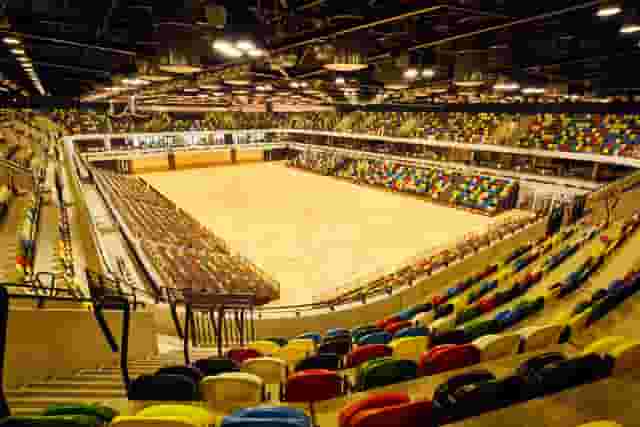
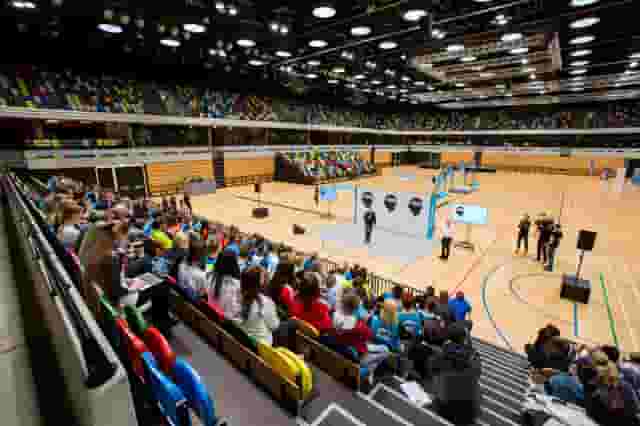
For very large scale conventions, Copper Box Arena in Stratford supports up to 3500 delegates in its pillar-free Main Arena. Its commercial scale means operational logistics, including waste segregation and bulk catering prep, are managed through industrial-grade service bays with high-volume recycling and compaction facilities already operational on site.
What conferences cost in North East London
Budgeting for a conference requires an understanding of venue pricing structures. In this region, conference packages are typically quoted as a Day Delegate Rate (DDR) or as a separate venue hire fee combined with itemised production, catering and staffing costs.
| Pricing Structure | Best Suited For | What It Usually Covers |
|---|---|---|
| Day Delegate Rate (DDR) | Standard plenary conferences (50 to 300) | Room hire, AV package, lunch and hot drinks |
| Dry Hire plus Production | Custom set builds, bespoke catering (300+) | Bare space, basic power and security |
| Minimum Spend on Food & Beverage | Evening-weighted events or social summits | Room hire waived against catering commitment |
Table 2: Comparison of typical conference pricing mechanisms across North East London.
Based on 63 quotes from the venues on this page, conferences in North East London typically cost £90 to £183 per head. This figure assumes a guest count of about 100 guests.
Where your event lands within this indicative range depends on several variables:
- The lower end of the range (£90 per head): Quotes towards the £90 end are typical for venues that bundle room hire with in-house AV systems and standard delegate catering packages. These usually cover the main room hire, a single screen and projector setup, two microphones, continuous tea and coffee stations and a cold sandwich or bowl food lunch.
- The upper end of the range (£183 per head): Quotes towards the £183 end reflect complex multi-room configurations, venues with dedicated technical production crews, multi-course hot lunches featuring seasonal regional ingredients, professional hybrid streaming setups and post-event drinks receptions.
When reviewing quotes, check what is included in the base package versus what incurs an additional charge. Common extras include:
- Extended load-in or de-rig hours outside the standard 08:00 to 18:00 window
- Dedicated on-site AV technicians and camera operators
- Additional power drops or heavy three-phase electrical connections
- Overnight storage fees between multi-day bookings
- Cleaning surcharges for complex exhibition builds
Venues often have room to move on pricing if your dates fall outside peak corporate conference periods (such as October, November and early spring), or if you can confirm a multi-year tenancy across their space. Hire Space 360 is enterprise venue and hotel procurement for companies spending £1m or more a year on meetings and events: a managed meetings and events programme, the kind procurement teams call strategic meetings management. It places all venue bookings and delegate hotel stays onto a single supplier agreement with consolidated invoicing and centralised event policy compliance. Dedicated event sourcing experts oversee negotiations, giving finance teams a live view of spend reporting and clear audit trails across every department.
Transport links, local access and freight logistics
Delegate travel often represents the largest single component of a conference's carbon footprint. North East London offers distinct advantages here, anchored by major transport hubs that allow the vast majority of attendees to arrive via public transit.
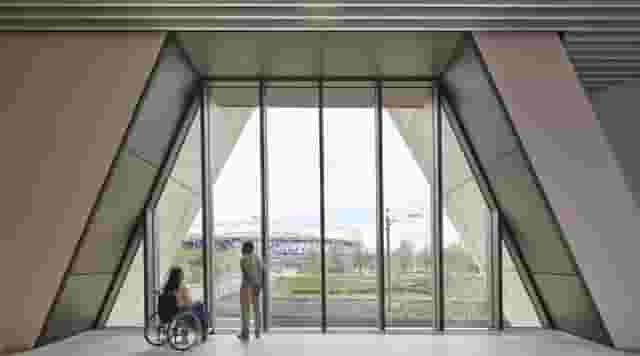
Stratford acts as the region's primary interchange, serving the Central line, Jubilee line, Elizabeth line, Docklands Light Railway, London Overground and National Rail routes from East Anglia. Venues within the Queen Elizabeth Olympic Park, including Copper Box Arena, Sadler's Wells East and London Stadium, benefit from fully step-free transit routes leading directly from Stratford station and Stratford International. This accessibility ensures inclusive access while minimising taxi reliance.
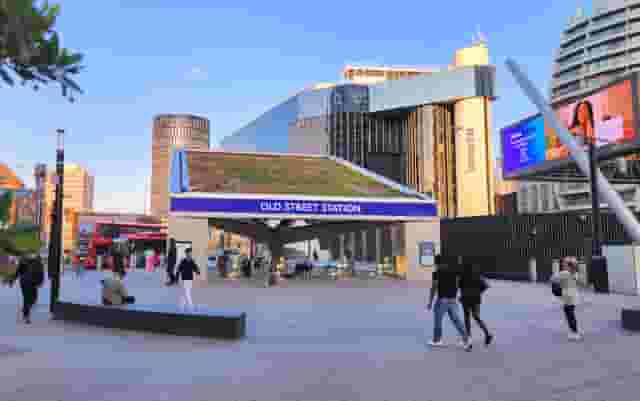
Islington and Shoreditch offer high accessibility via Old Street, Highbury & Islington and Angel stations, as well as multiple central bus corridors. For venues like Business Design Centre and GRACEPOINT, proximity to tube and rail hubs makes walking or cycling straightforward for London-based attendees.
Freight and production access
When managing technical staging, exhibition booths and external catering deliveries, logistics must be planned carefully to avoid local congestion and idling vehicles:
- Delivery time windows: Central boroughs enforce strict Low Emission Zones and congestion charges. Arrange equipment deliveries during early morning consolidation windows rather than morning commuter hours.
- Loading bays and vehicle holding: Venues like London Stadium and Copper Box Arena offer dedicated off-street loading docks with marshalled vehicle turnaround areas. Repurposed urban venues in Shoreditch or Dalston, such as Shoreditch Electric or EartH, require planned kerbside loading permits arranged with local councils well in advance.
- Local courier fleets: Encourage production suppliers to use electric delivery fleets or cargo bikes for courier runs, badges, registration items and small-format equipment.
Questions to ask before signing a venue contract
Before finalising a contract for your conference, conduct a structured review with the venue manager to verify operational alignments. These questions ensure that practical delivery matches your sustainability and production standards:
How is energy billed, and can you report on our event's usage?
Ask whether energy is included in the flat room hire or charged based on metre readings. Request post-event metre data covering the hours of your hire, which allows you to measure and report your total carbon emissions accurately.What technical infrastructure is already installed?
Clarify whether sound systems, lighting rigs, digital projectors and hybrid streaming equipment are included in the hire fee or managed by an exclusive external production contractor. Using in-house, low-energy LED fixtures avoids the haulage and packaging associated with bringing in third-party rigs.What are the waste management procedures for break-down?
Confirm what happens to leftover printed collateral, stage graphics and packaging. Ask whether the venue imposes contamination penalties if non-recyclables enter their compost or dry-mixed recycling streams.What are the catering service standards?
Confirm that all water is served from mains carafes, that reusable ceramic or compostable serviceware is used exclusively, and that unused, safe food is packaged for local redistribution.What are your access and noise curfews?
Check the precise breakdown schedule. If you plan an evening networking reception following your main stage close, confirm the venue's alcohol and entertainment licence limits to ensure your schedule runs smoothly without unexpected curfews.
What our customers say
Inspiration and planning guides

Hire Space Presents: New World, New Strategies. The Opportunity To Nail Your Sustainability Objectives?
Could this global crisis be the ideal opportunity to scale up our commitments to environmental sustainability? We delve into this topic in terms of events and venues.

Hire Space Presents: Setting Measurable Sustainability Objectives For Event Projects
Sustainability expert Abena Poku-Awuah offers her practical tips and frameworks that will get you ready to initiate your own sustainability objectives for your next event.

Women and Sustainability in Events: Kate Simpson
We met with the wonderful Kate Simpson – Marketing Director at the Business Design Centre. Not only does the BDC hold unforgettable events, they recently celebrated ten years as a carbon neutral venue, regularly contribute 0% to landfill and use 100% renewable energy sources.
One supplier. Every venue. Full visibility on what you spend.
Multiple venues and events. One agreement.