Banqueting Suites for Hire in London
Explore London banqueting suites for company dinners and awards nights, with indicative pricing and capacities for corporate events across the capital.
1,804 Banqueting Suites for Hire in London





















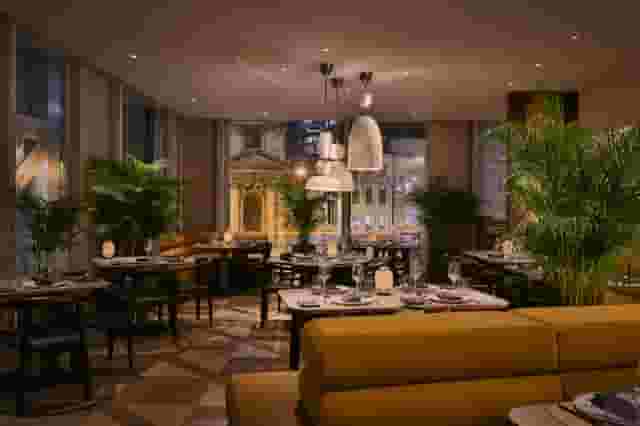
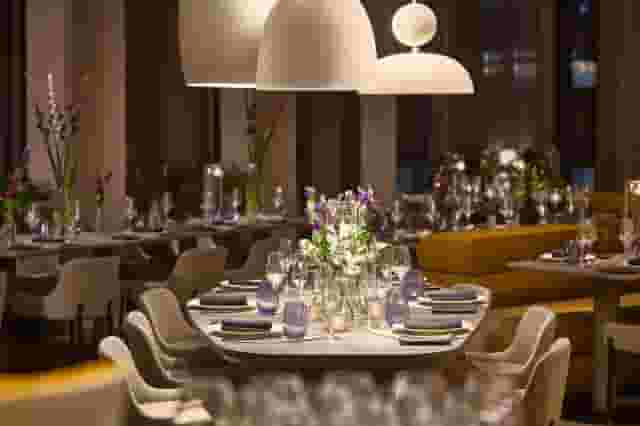

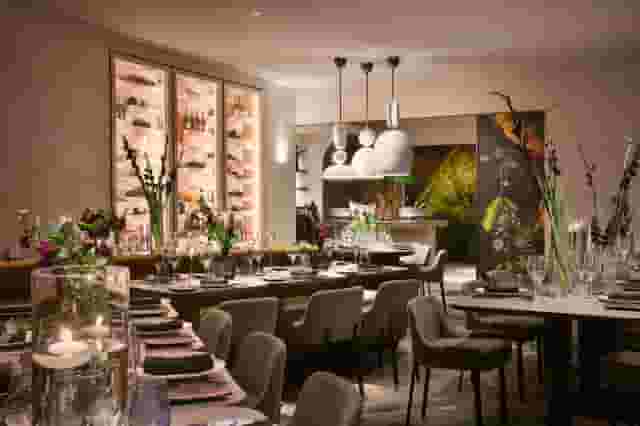
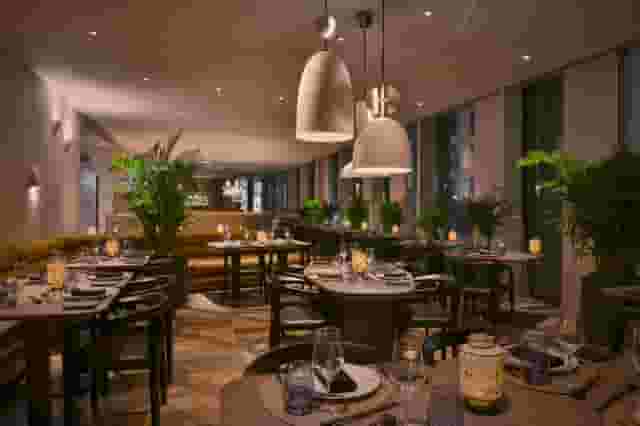
















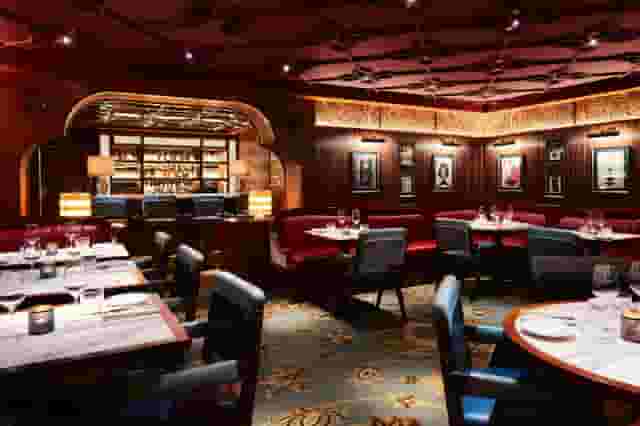
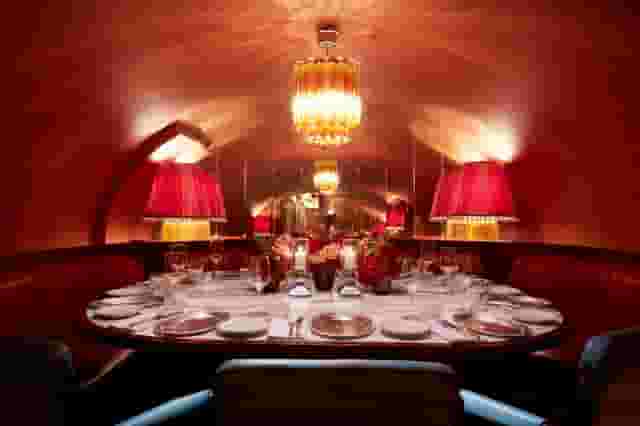
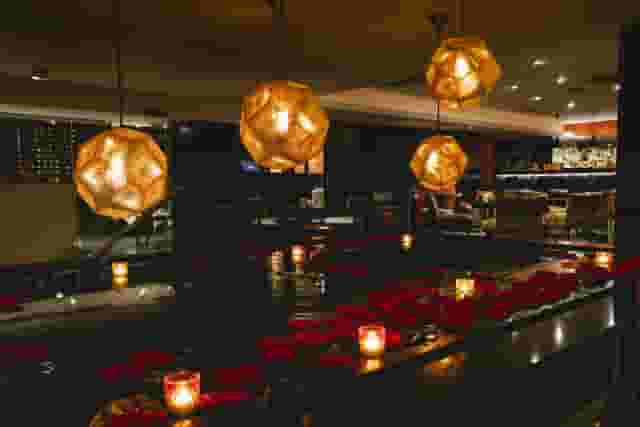
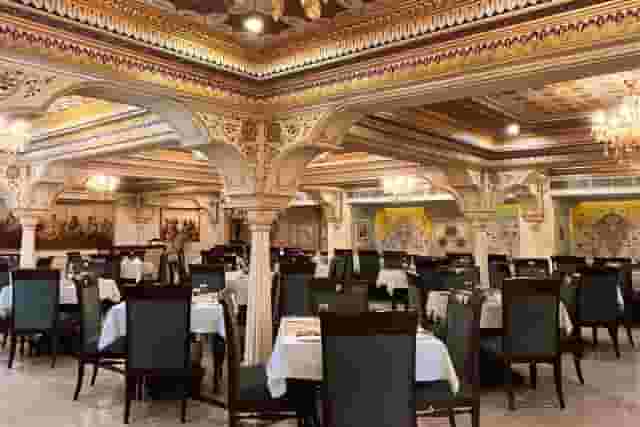









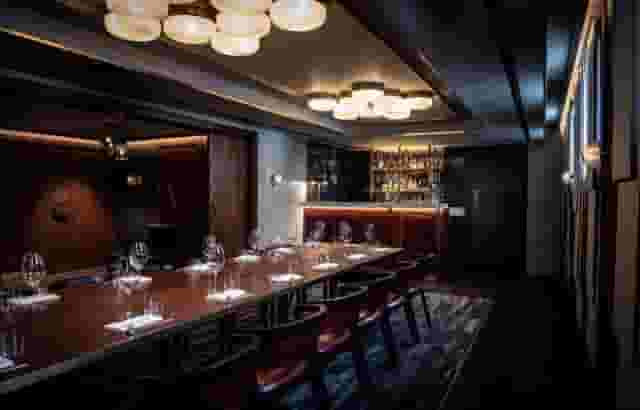
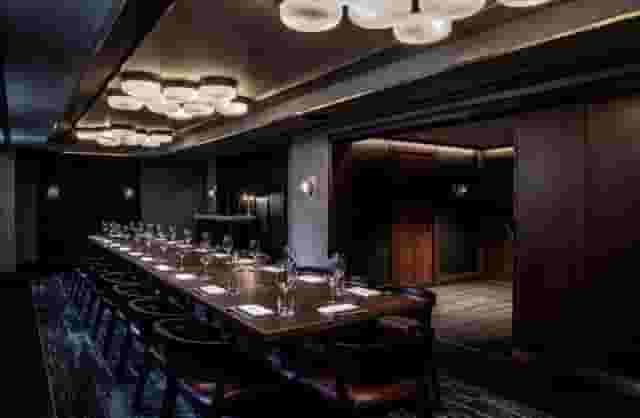
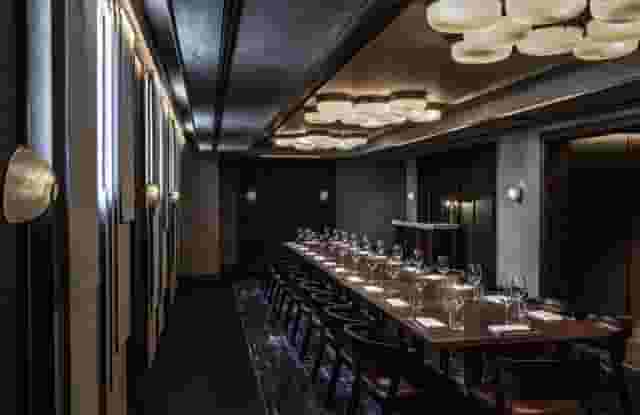
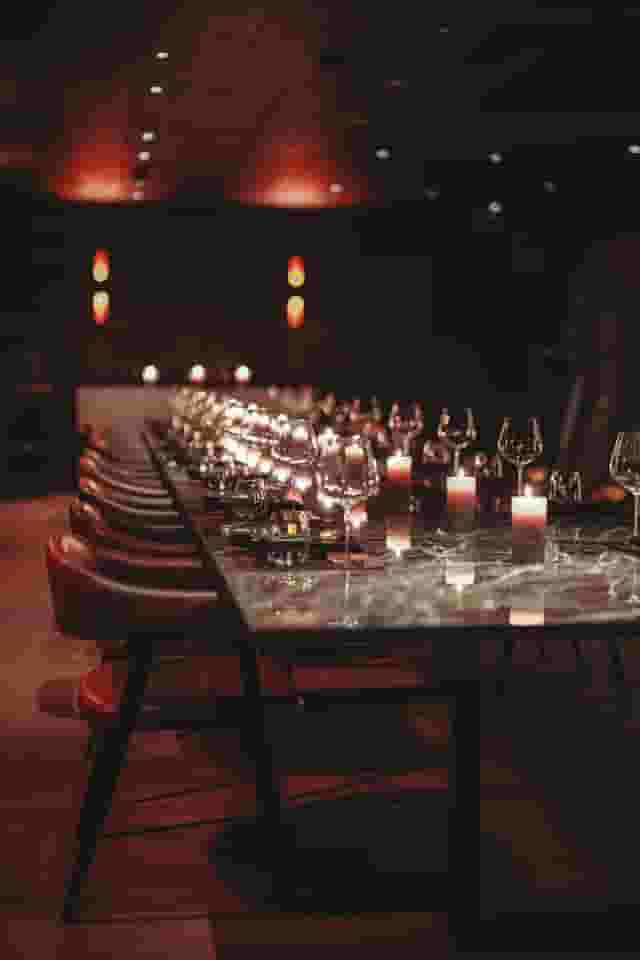







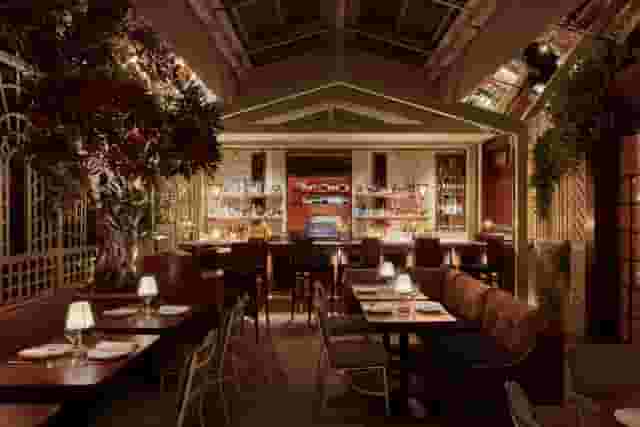
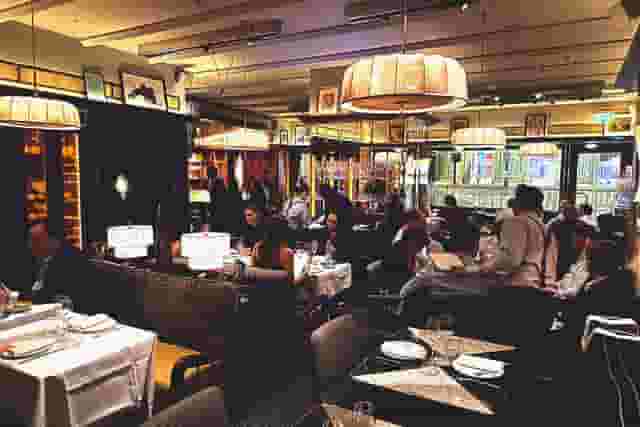
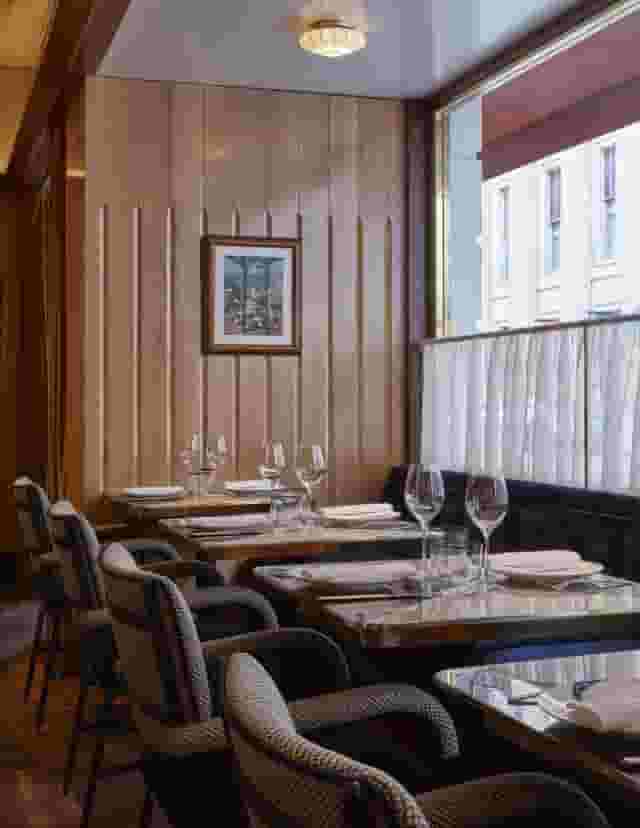
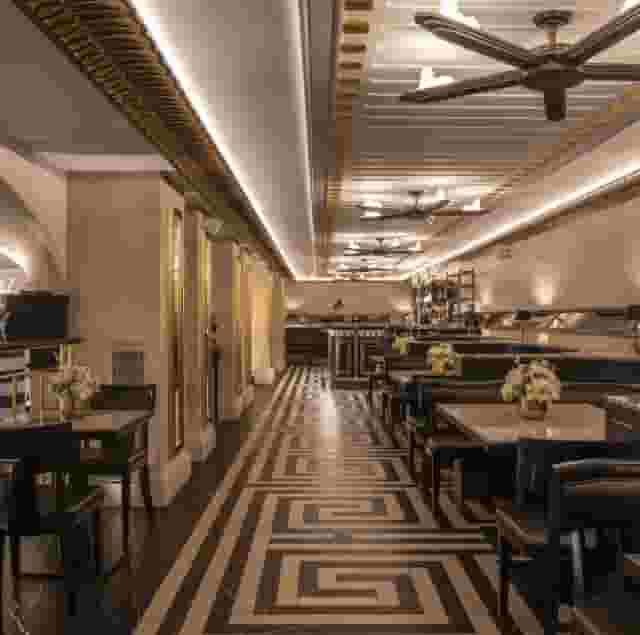

No venues match these filters
Try widening your capacity, luxury level or event type.
Don't have time to search? We'll find it for you.
For business events that need human judgement, talk to our team. Free for events of 100+ people, budgets over £10k or ongoing programmes.




Explore more venues in London






Frequently asked questions
Can I find exclusive banqueting suites in London?
What defines a top London banqueting suite?
What should I budget for a London banquet?
Are historic venues suitable for banquets?
How to select a London banquet hall?
Other platforms search their database. We search everything.
Tell us what you need. Our deep research finds any venue, whether it's in our marketplace or not. No one else does this.
About Banqueting Suites in London
Choosing between a traditional banqueting hall and a private restaurant room
Organising a corporate banquet in London usually begins with a choice between two distinct operational models. On one side are purpose-built banqueting suites and hotel ballrooms. On the other are private dining rooms and exclusive restaurant buyouts. Both provide private space, dedicated hospitality teams and tailored menus, but they handle the evening differently.
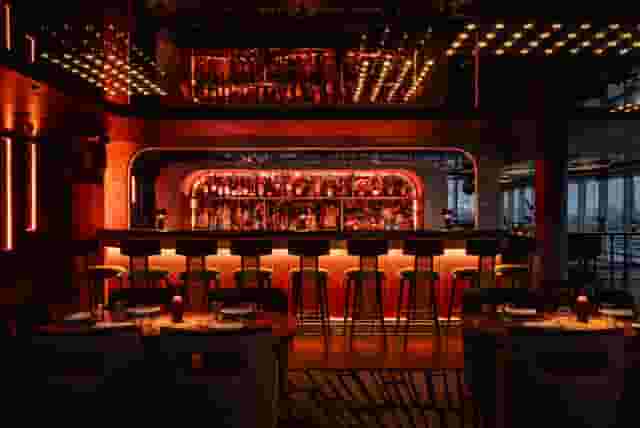
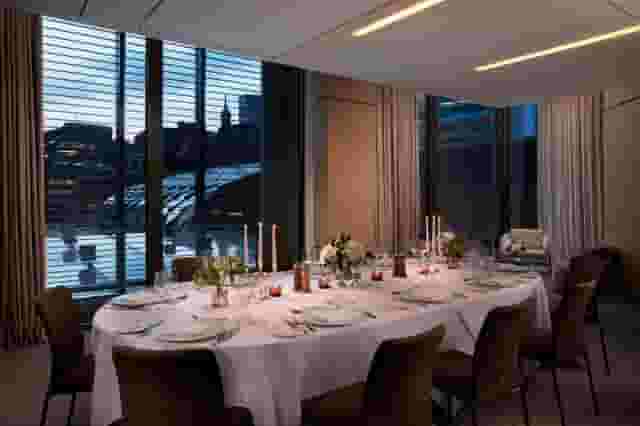
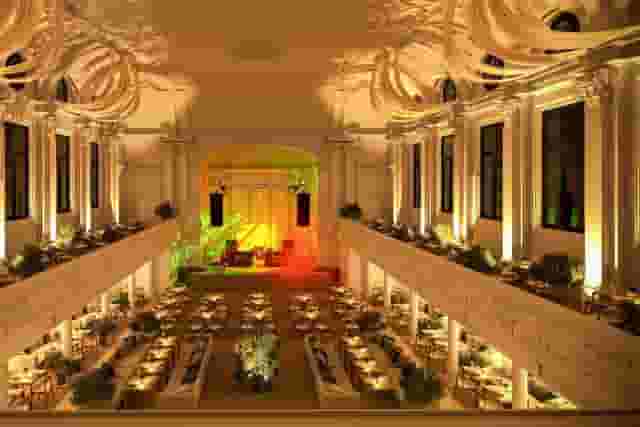
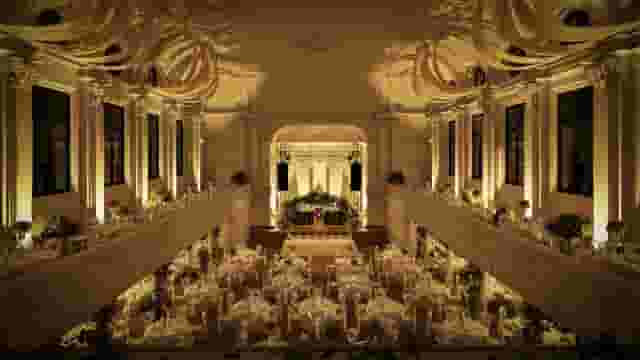
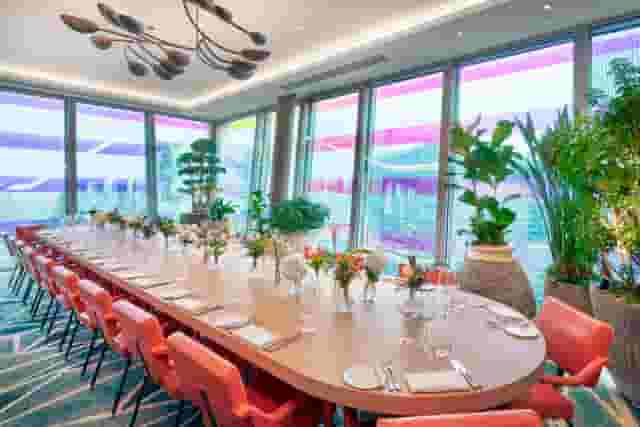
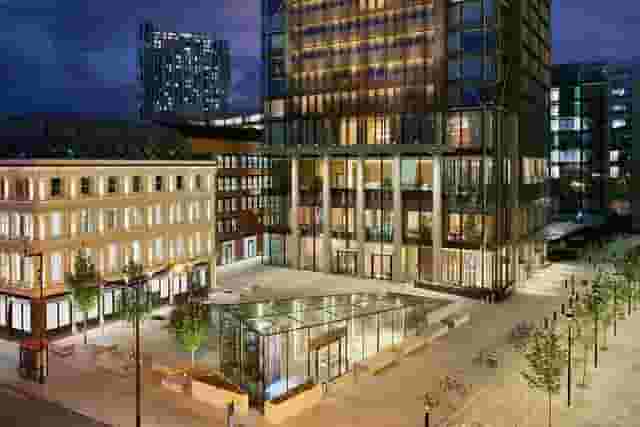
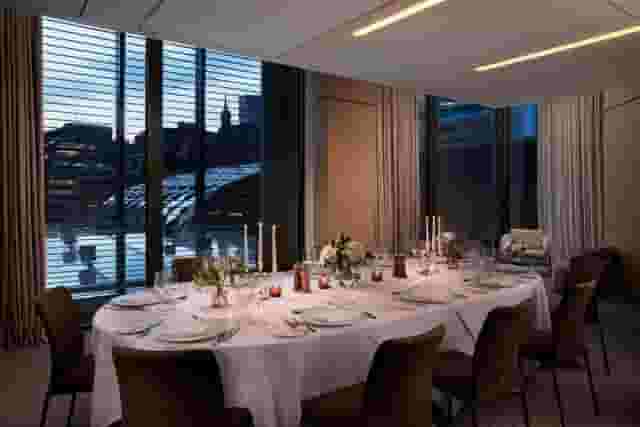
Traditional banqueting halls and hotel suites are built around production flexibility. They give you a blank slate where you control the floor plan, the stage placement, the lighting rig and the exact timetable. If your evening requires a twenty-minute awards presentation with video projection followed by a seated three-course meal for several hundred people, a dedicated hall is built for that sequence. For large guest lists, spaces like the Ballroom at Canary Riverside Plaza London, Vignette Collection accommodate up to 300 guests for a reception while offering Thames views and hotel amenities. These rooms are designed for rapid operational changes, letting banqueting staff clear tables or open up dance floors without disturbing conversations.
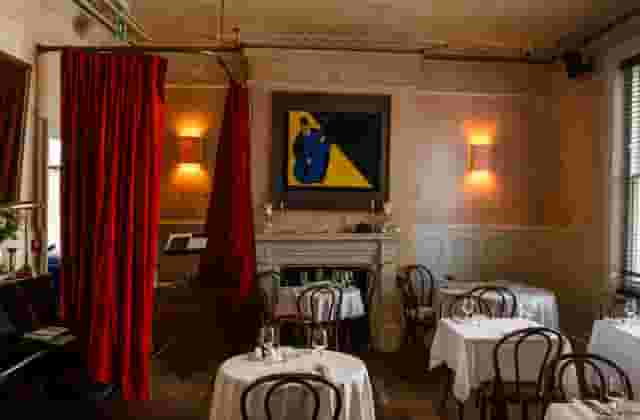
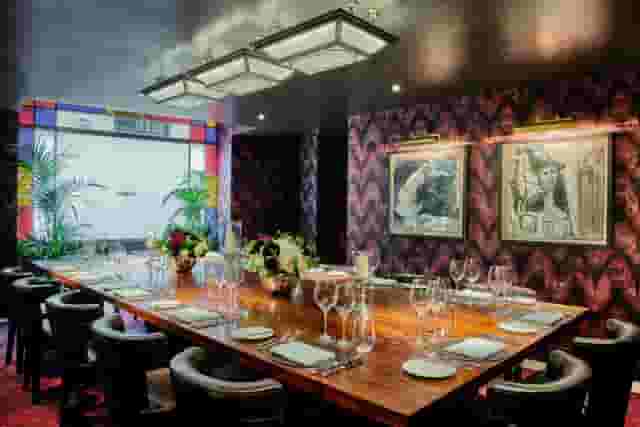
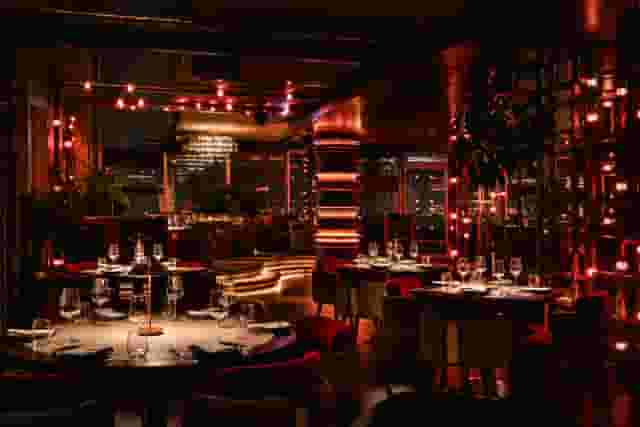
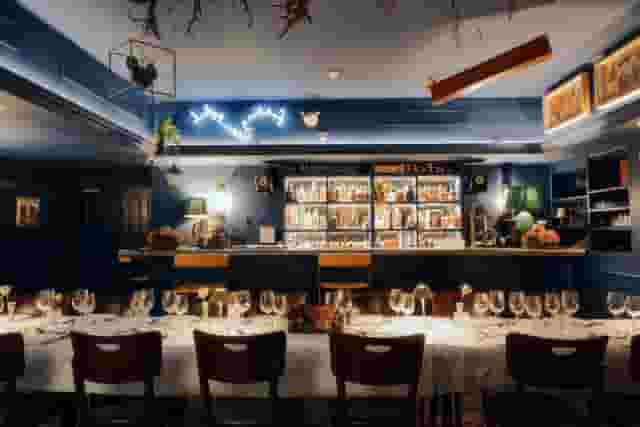
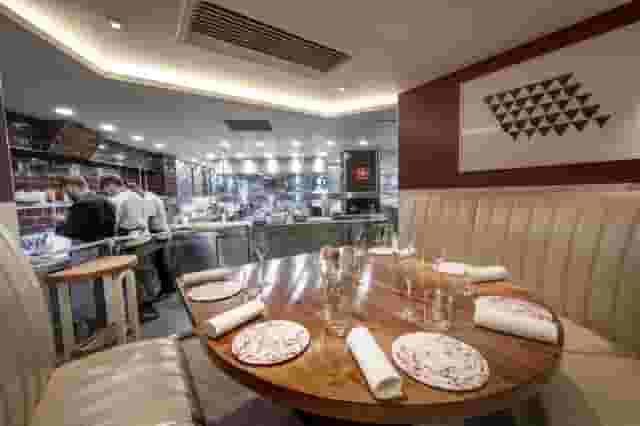
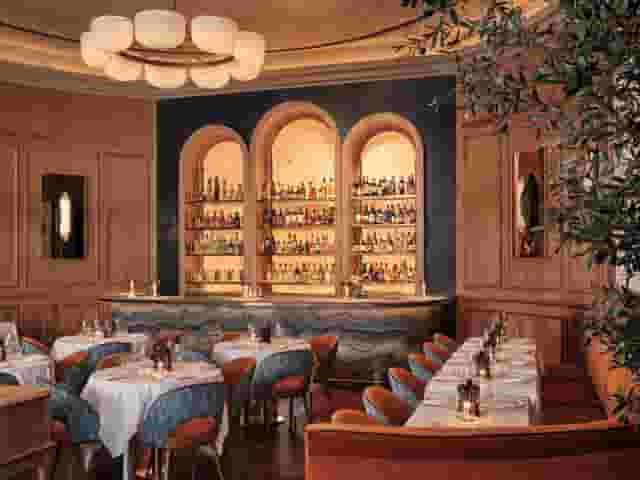
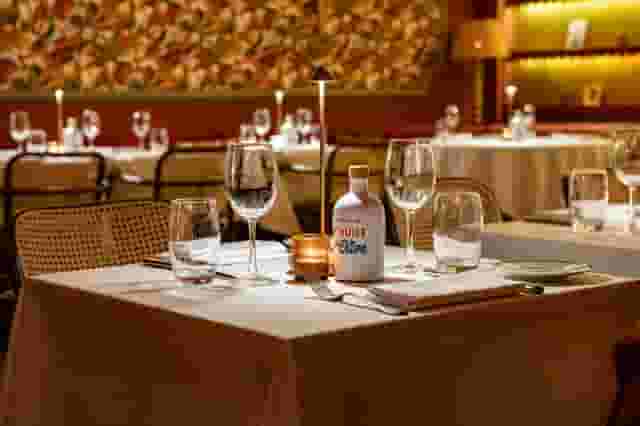
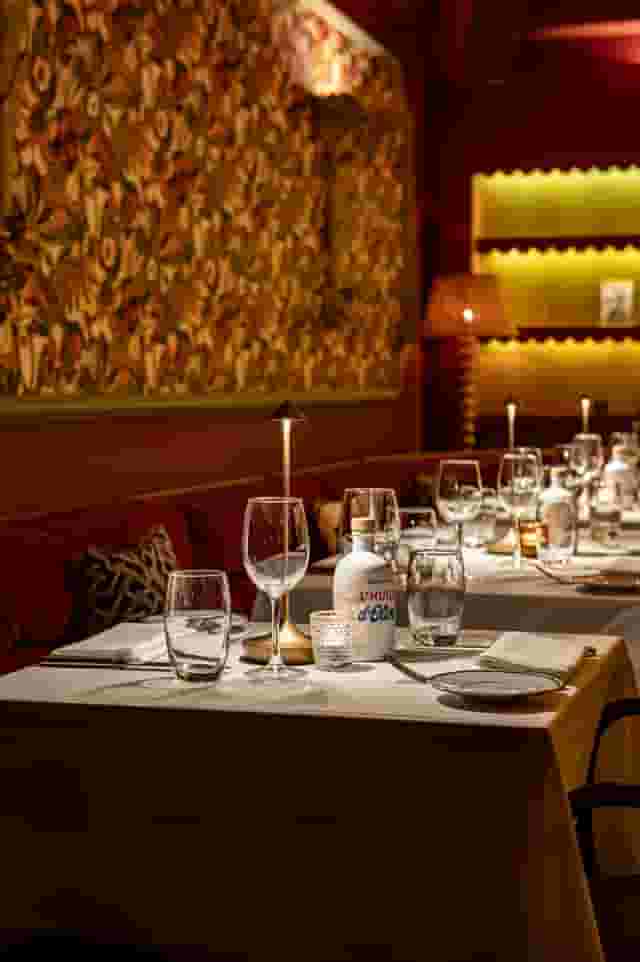
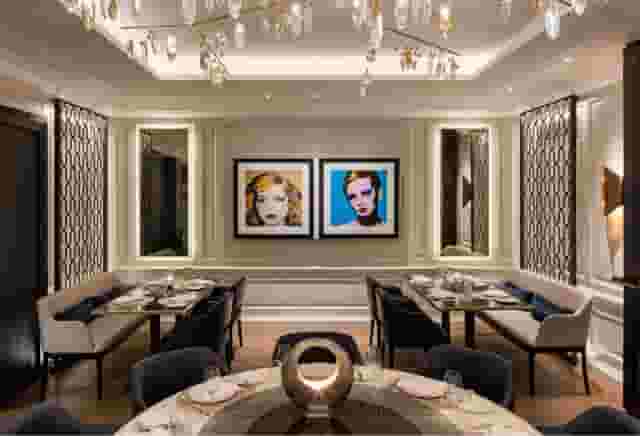
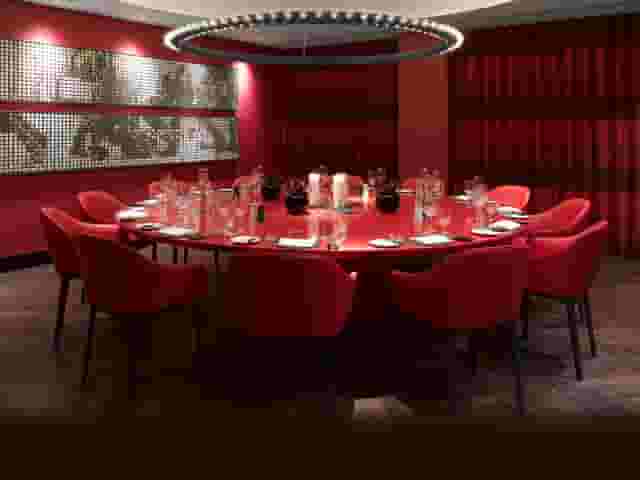
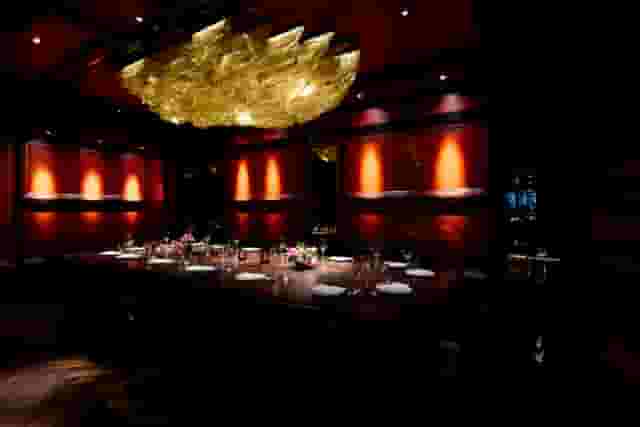
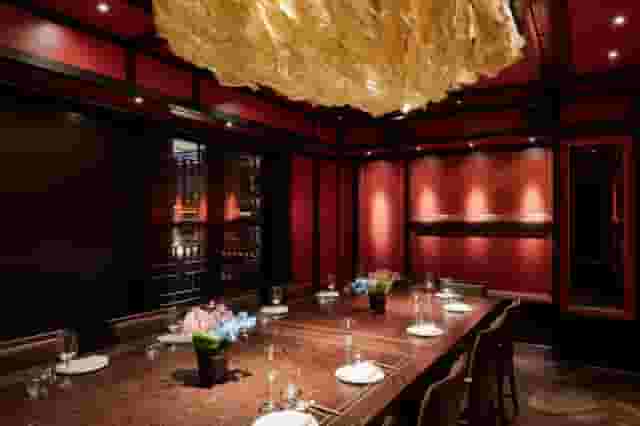
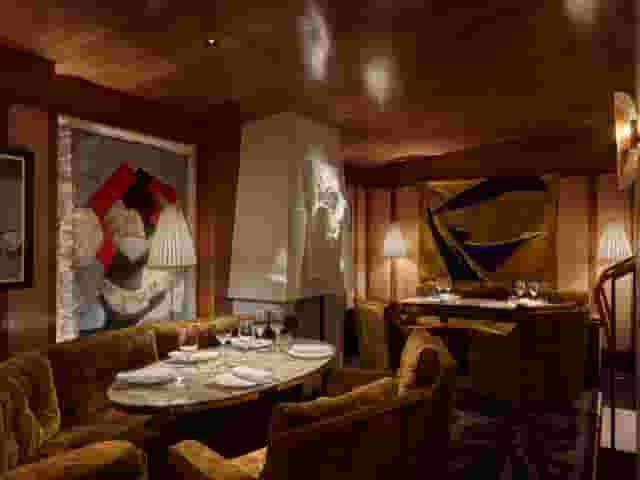
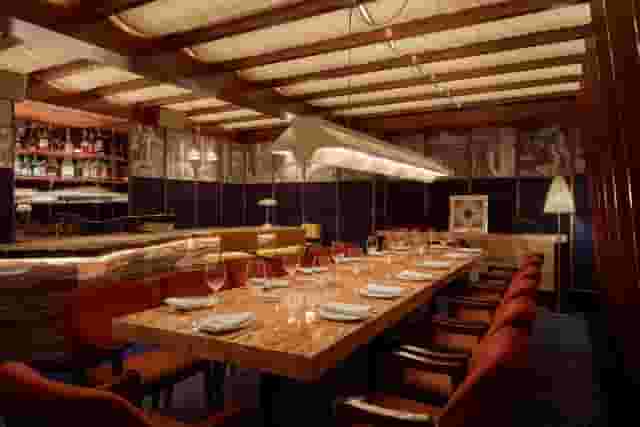
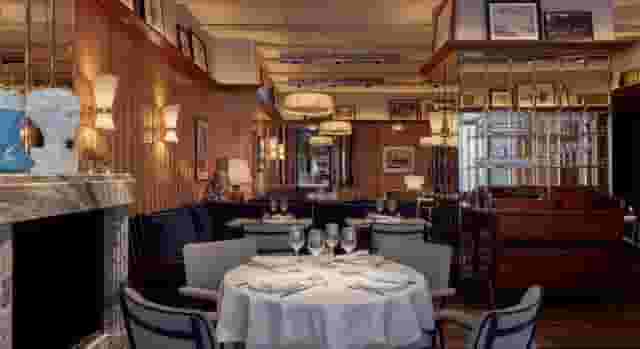
Private dining rooms and restaurant buyouts offer an established interior and an operational kitchen from the minute you arrive. You do not need to hire extra furniture, bring in external table dressing or build lighting schemes from scratch. A space such as The Emin Room at 34 Mayfair seats up to 60 guests (or 80 for a standing reception) with walls already hung with original works by Tracey Emin. In these spaces, your budget goes directly toward food, wine and staffing rather than production infrastructure.
The trade-off comes down to spatial control. A dedicated banqueting suite lets you dictate every centimetre of the room, whereas a restaurant dining room requires you to work around its fixed layout. If your programme demands speeches, staging or complex audiovisual production, explore unique venues for glamorous gala dinners to see how different buildings manage sound, sightlines and movement. To simplify your search, venue booking platform Hire Space combines Deep Venue Research with a dedicated team of real event planners who guide you through the process. They provide instant, data-backed cost estimates based on actual past bookings and confirm date availability directly with venues for gatherings of 100 guests or more.
Understanding capacities, circulation and table configurations
A common mistake in banquet planning is confusing standing capacity with seated dining capacity. A room that comfortably holds 120 people with drinks in hand can feel uncomfortably cramped once dining tables, service stations and presentation screens enter the room.
To plan your room effectively, consider how different table formats affect guest experience and movement:
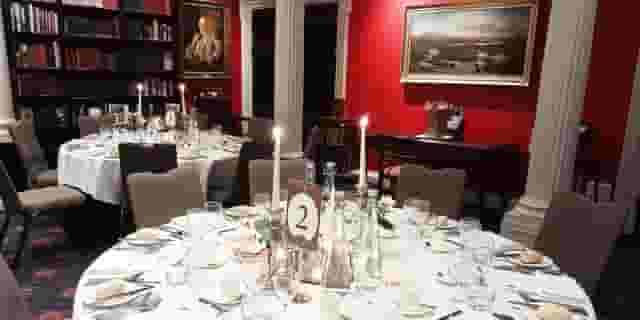
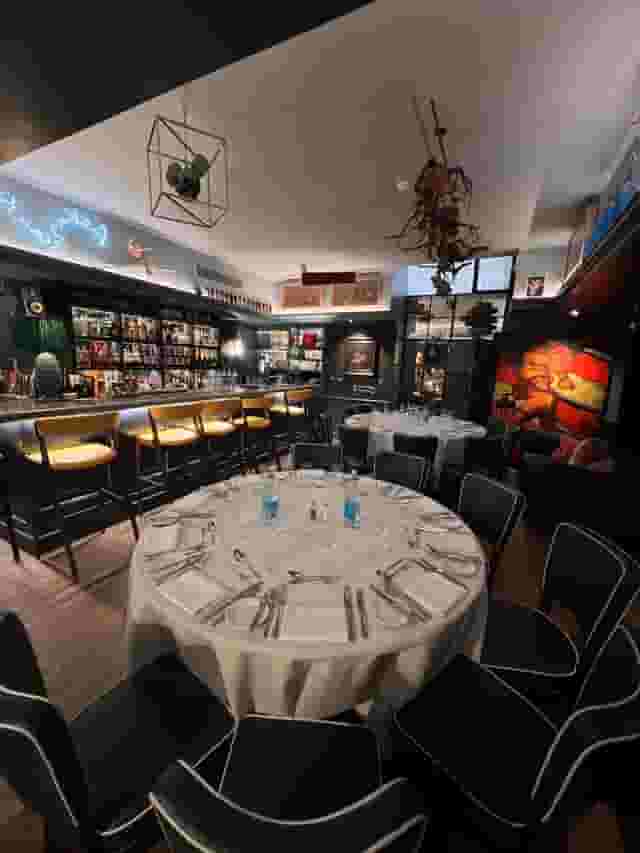
- Round tables of ten or twelve: Rounds encourage conversation across the table and work best for team celebrations, awards nights and social galas. However, they take up the most floor area. A table of ten needs a five-foot or six-foot tabletop plus at least five feet of perimeter clearance so waiting staff can pour wine and serve plates without brushing against seated guests.
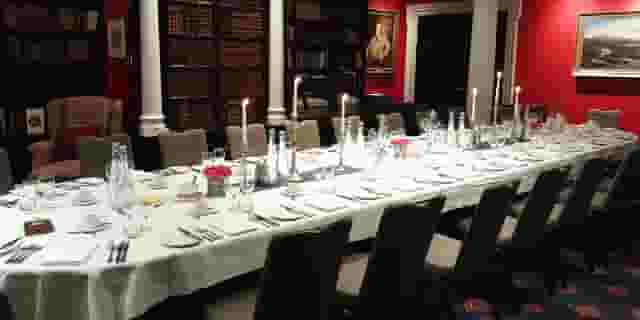
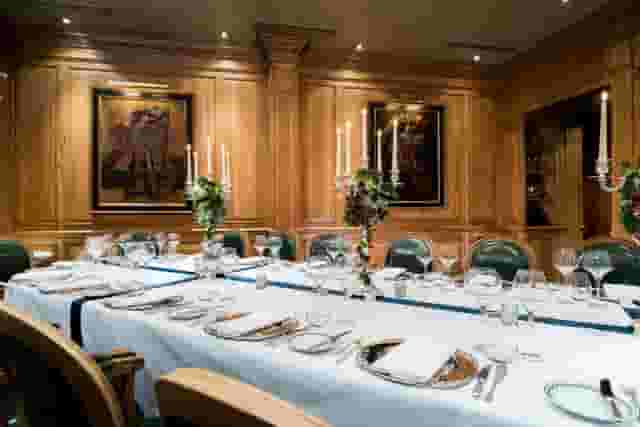
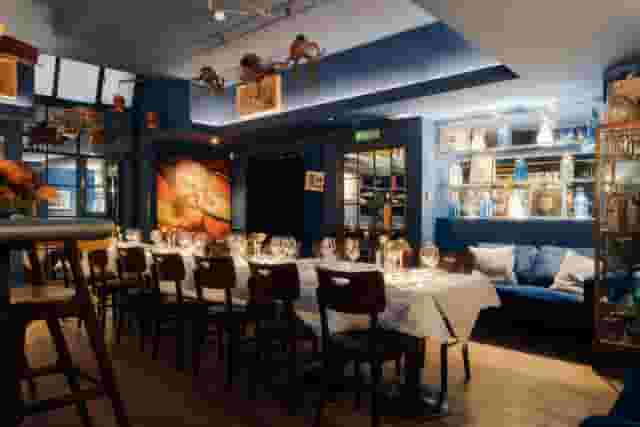
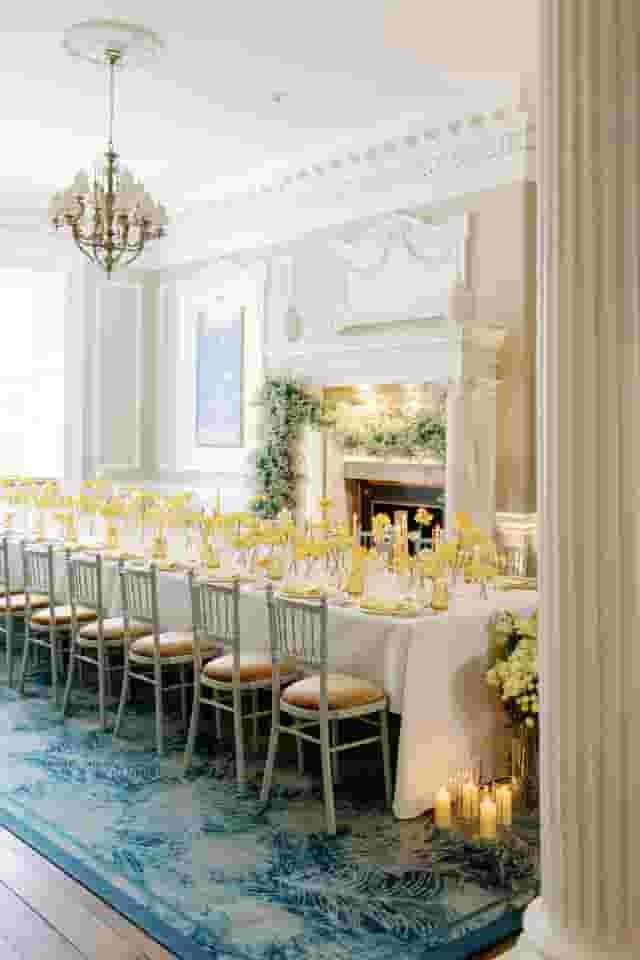
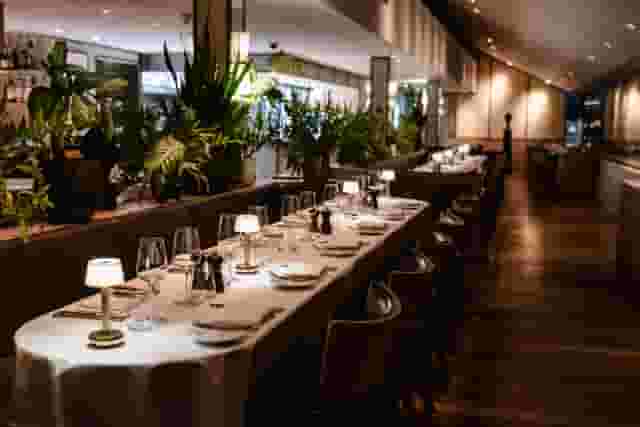
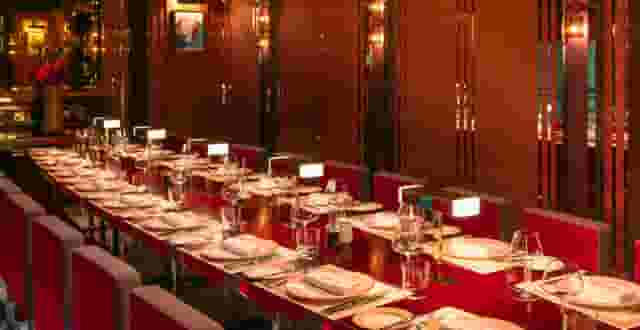
- Long banquet or imperial tables: Long rectangular tables create a unified, celebratory feel and can increase seated density by up to twenty percent. They suit speeches better than rounds because fewer guests have their backs turned to the front of the room.
- Cabaret style: If your dinner features a presentation, video or keynote speech, leaving one side of each round table empty ensures that no guest has to twist in their seat. This configuration reduces your room capacity by roughly thirty percent compared to fully seated banquet rounds.
Circulation space matters just as much as table dimensions. You need clear walkways between the kitchen doors, the bar, the guest tables and the emergency exits. When surveying a space, ask the venue coordinator to map out where the service routes run. If your guests are queuing for coat check or waiting at the bar in the same corridor where waiters are carrying trays of hot food, service slows down and the atmosphere turns chaotic.
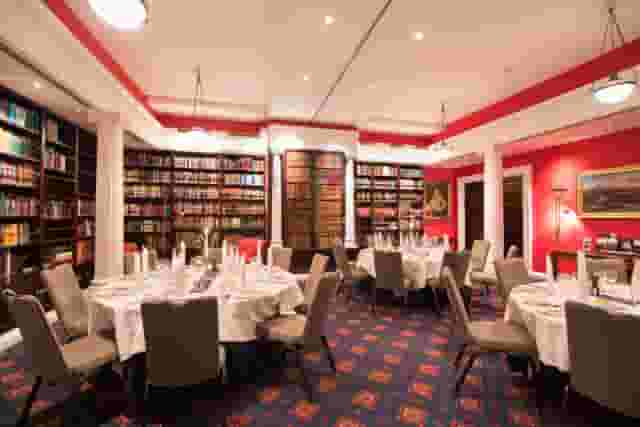
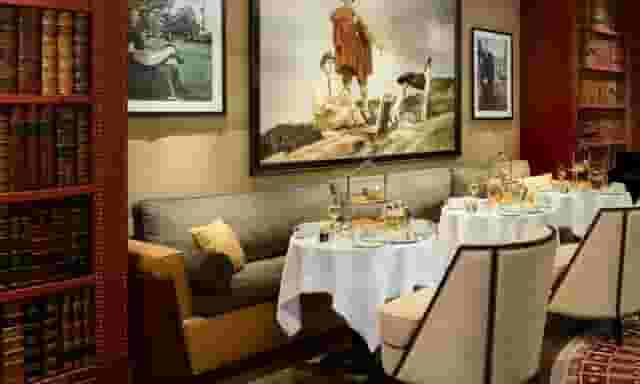
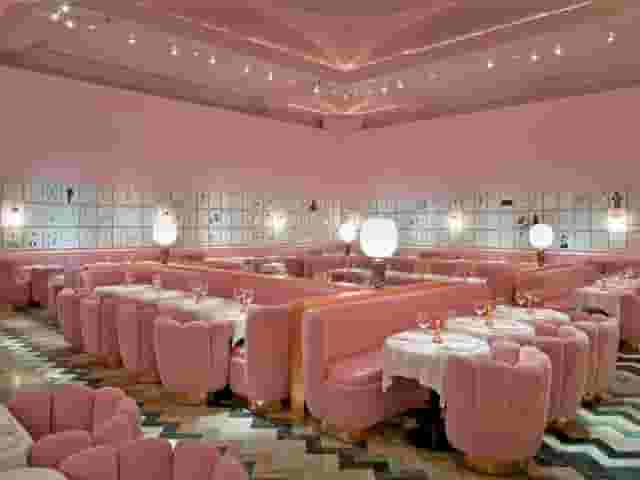
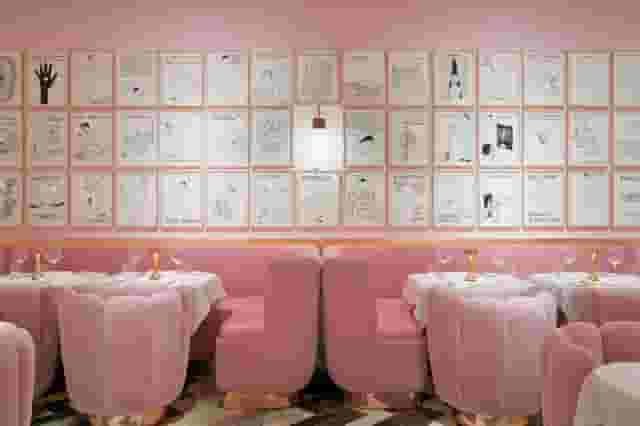
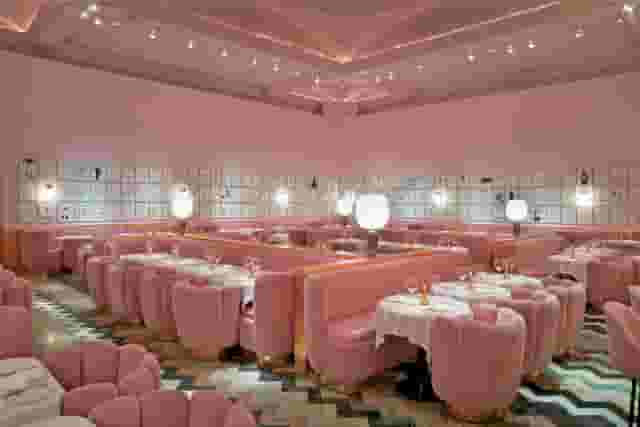
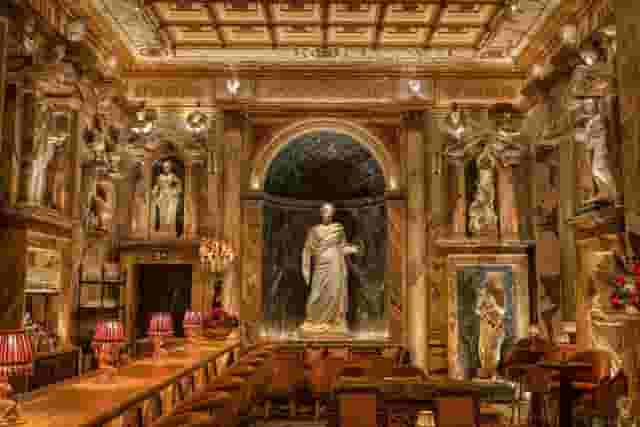
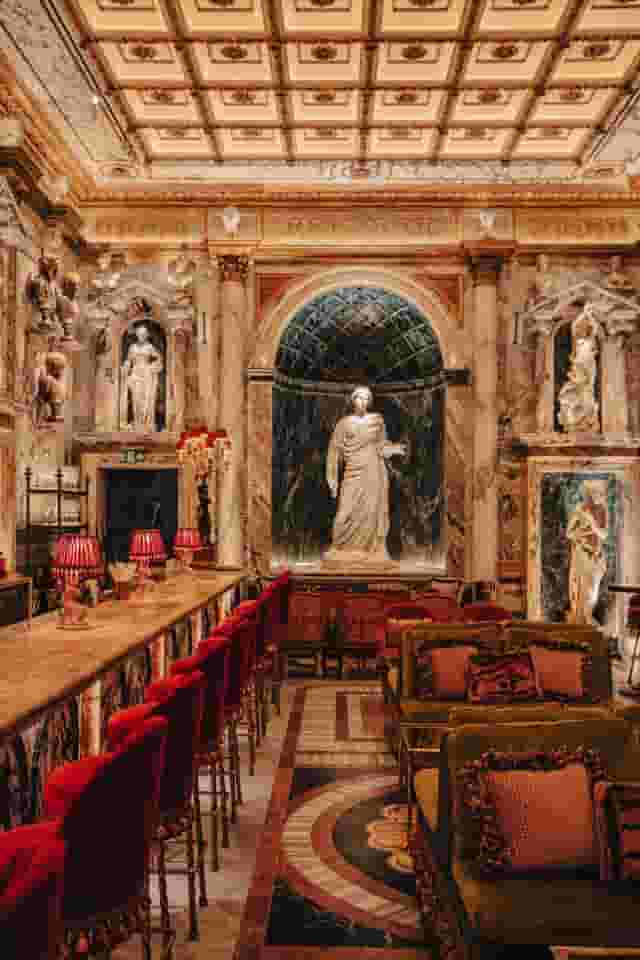
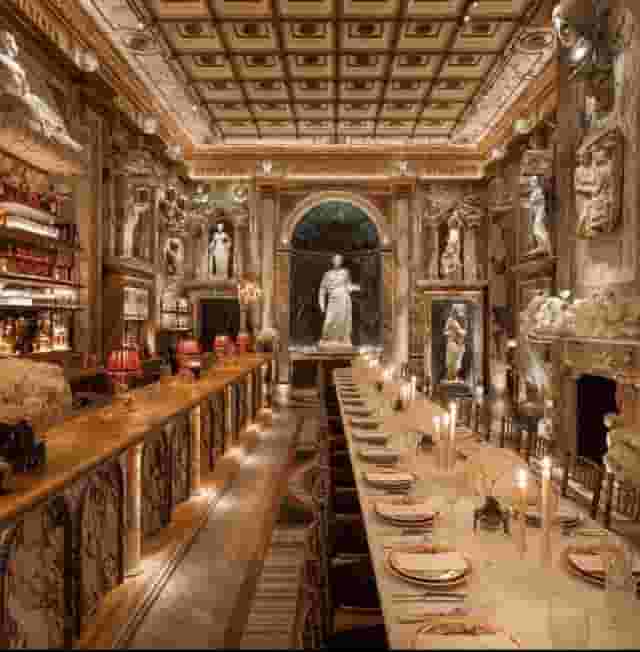
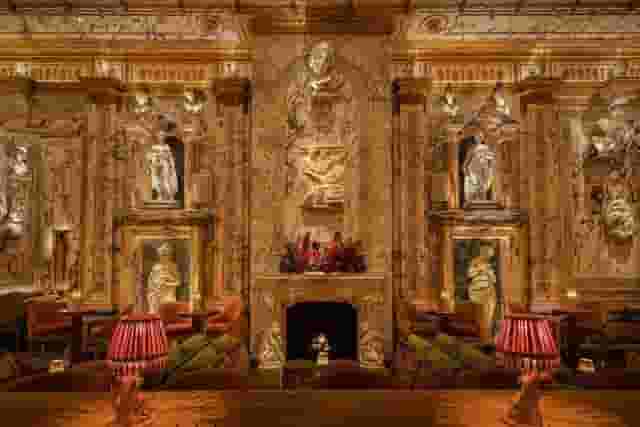
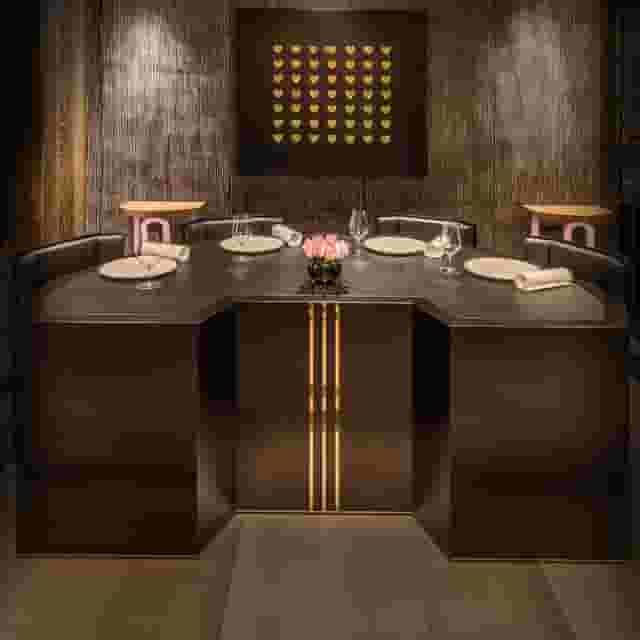
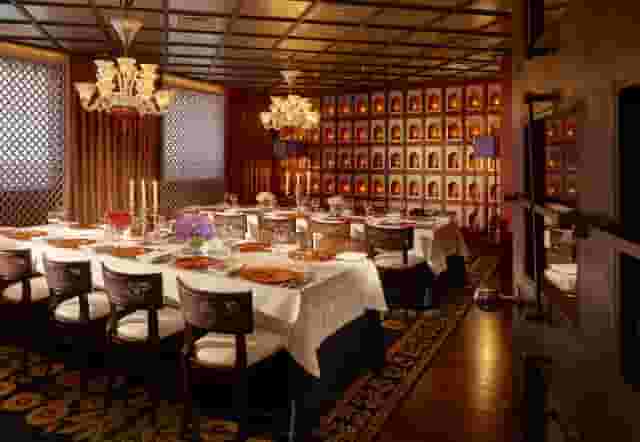
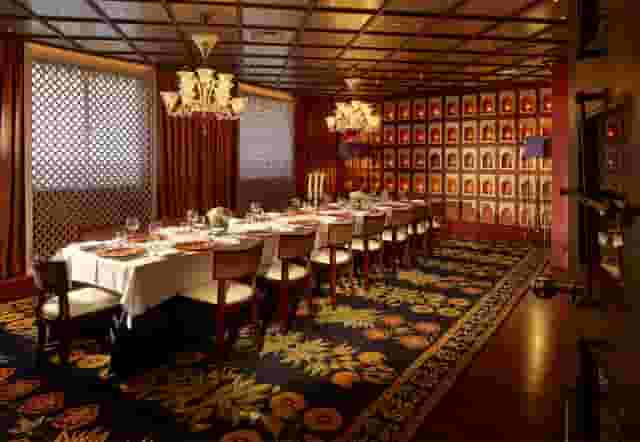
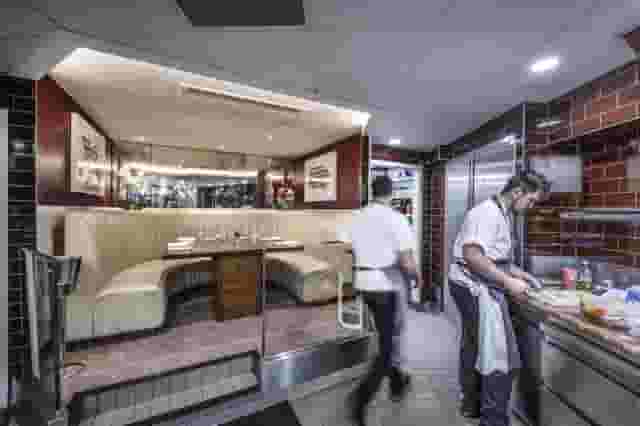
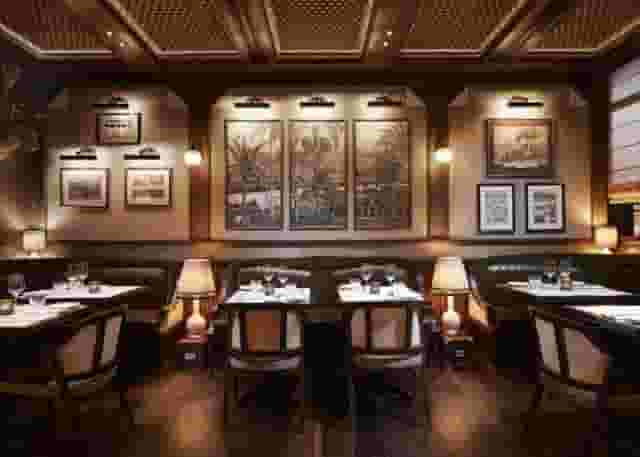
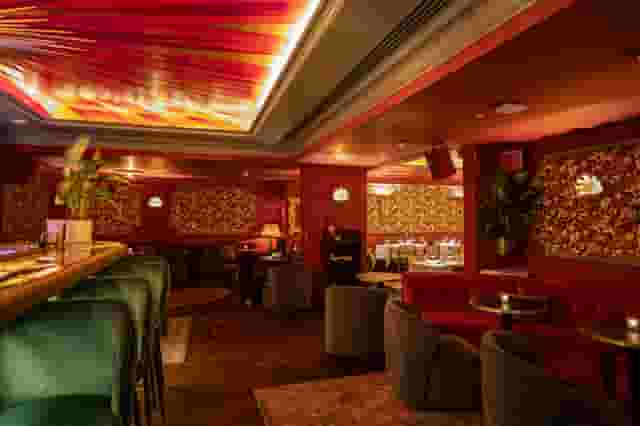
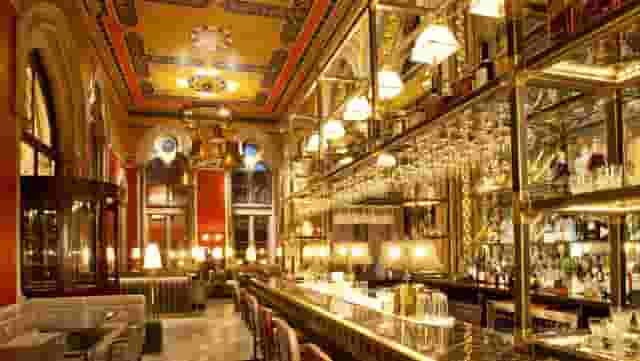
For a mid-sized event, spaces like the Gallery at Cinnamon Club accommodate up to 50 guests standing within a historic Westminster library setting, demonstrating how split-level layouts can naturally separate arrival drinks from seated courses. For smaller, candlelit executive gatherings, The Apartment at One Club Row holds up to 60 standing in a Grade II listed property, creating an intimate residential environment where guests can move easily between conversation areas.
How to evaluate historic buildings against modern spaces
London has a deep inventory of historic properties available for corporate dining, from restored livery halls to converted banks. While these settings carry clear prestige, historic architecture introduces operational constraints that modern venues simply do not have.
Heritage regulations often prohibit naked flames, which rules out open candelabras and sternos for heating food. Kitchens in older properties are sometimes situated on different floors or down narrow staircases, requiring food to be transported via service lifts. When planning a dinner in a listed building, confirm whether the venue operates an on-site finishing kitchen or if external caterers must bring in temporary mobile cookers. You can find useful context on heritage settings in our guide to 7 beautiful banqueting venues in London.
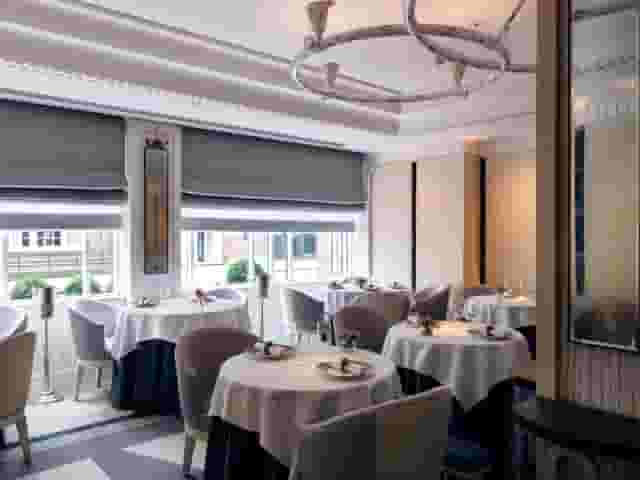
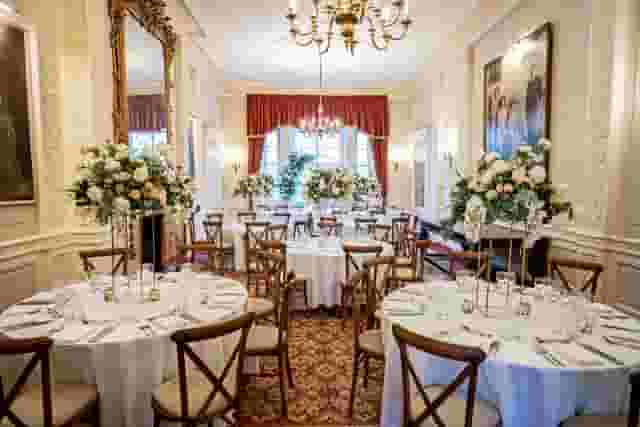
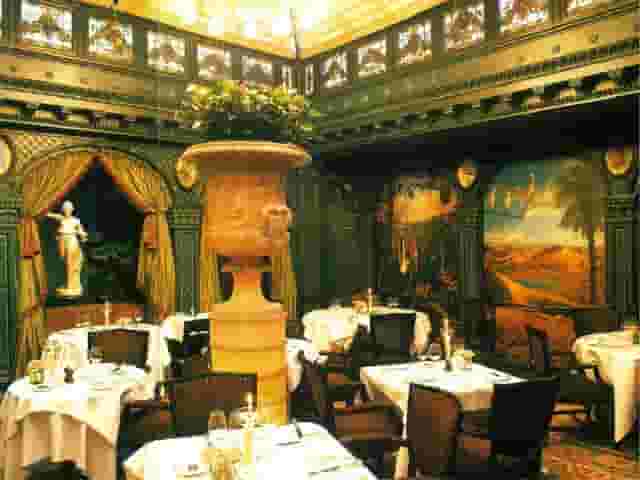
Consider how culinary pedigree interacts with historic surroundings. At CORD Restaurant by Le Cordon Bleu, you get a Grade II listed City setting combined with a world-renowned culinary institution, accommodating up to 130 guests for a reception. Here, the kitchen infrastructure matches the architectural quality, ensuring food arrives at the correct temperature without logistical delays.
Modern spaces, on the other hand, eliminate these structural barriers. They typically feature wide loading bays, high-speed goods lifts, built-in rigging points and heavy-duty three-phase power supplies. If your event involves branded staging, external lighting packages or high-demand catering equipment, modern properties make load-in and breakdown significantly faster, which directly reduces production crew labour costs.
What corporate banqueting costs and how to compare quotes
Corporate banqueting quotes in London generally follow two financial structures: room hire plus catering, or a minimum spend on food and drink. Knowing how to read these proposals lets you compare options accurately. Hire Space 360 is enterprise venue and hotel procurement for companies spending £1m or more a year on meetings and events: a managed meetings and events programme, the kind procurement teams call strategic meetings management. The service places every booking under a single supplier contract, giving finance teams consolidated invoicing and live spend reporting across departments. You can learn how Hire Space 360 works for procurement to keep corporate dining aligned with internal event policy while securing centrally negotiated terms.
For context, corporate events across the venues on this page typically fall within £75 to £215 per head. This figure is indicative, based on 5 quotes from the venues on this page and estimated from what these venues have charged for similar events, assuming a party size of about 50 guests.
At the lower end of that range, you are typically looking at private restaurant rooms operating on a minimum spend model, where your spend goes entirely toward a set three-course menu and house wine. Towards the £215 per head mark, pricing reflects multi-course fine dining menus, premium drinks receptions with Champagne, dedicated service staff, room hire fees and private space in prime postcodes.
| Pricing element | Minimum spend model | Room hire plus package |
|---|---|---|
| Venue fee | Usually £0, provided spend targets are met | Fixed hire charge regardless of food ordered |
| Catering and drinks | Billed per item or menu against the agreed minimum spend threshold | Billed as a fixed per-head catering and beverage package |
| Overspend risk | Low, unless guests order premium spirits or extra wine beyond the target | Medium, as service charges and equipment hire sit on top of the base package |
| Best suited for | Social celebrations, company dinners and informal networking | Formal awards dinners, long multi-course events and full buyouts |
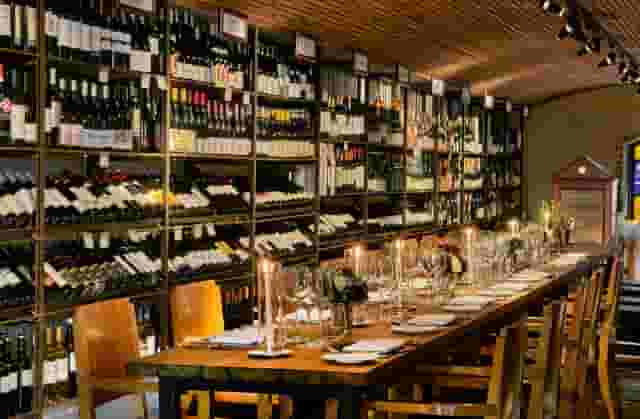
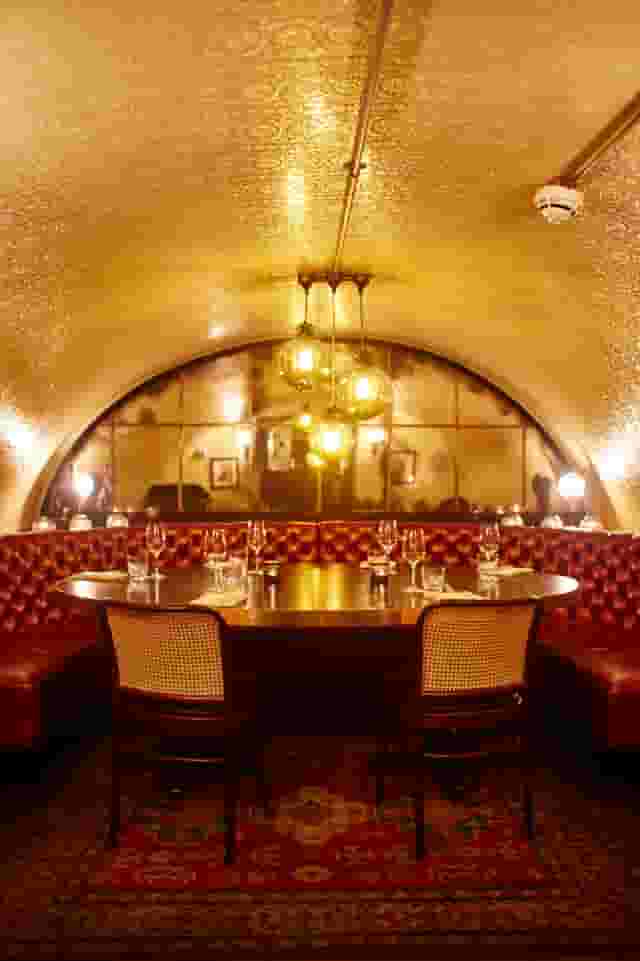
Understanding the minimum spend structure can save your budget. The Josephine Room at The Jugged Hare operates without hire fees, relying solely on minimum spends on food and drink for up to 50 seated or 75 standing guests. Set against exposed brick, high vaulted ceilings and restored Champagne racks, this model ensures that every pound you spend delivers hospitality value directly to your attendees.
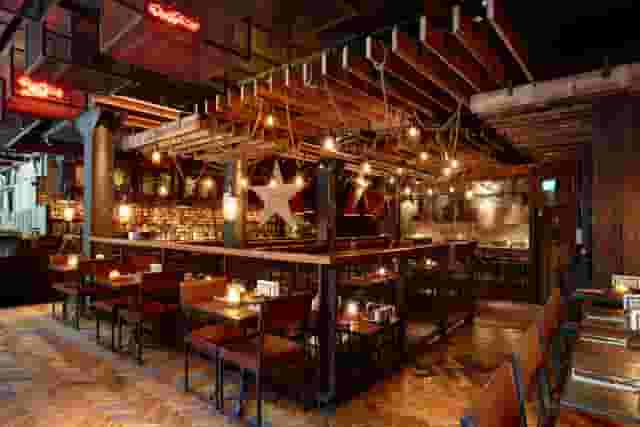
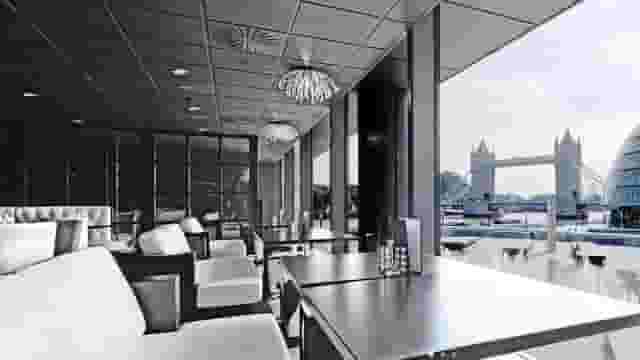
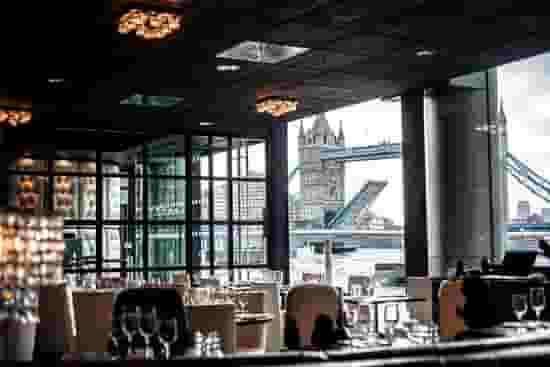
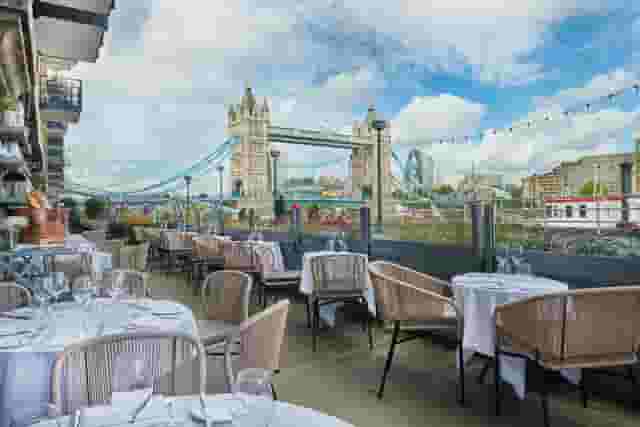
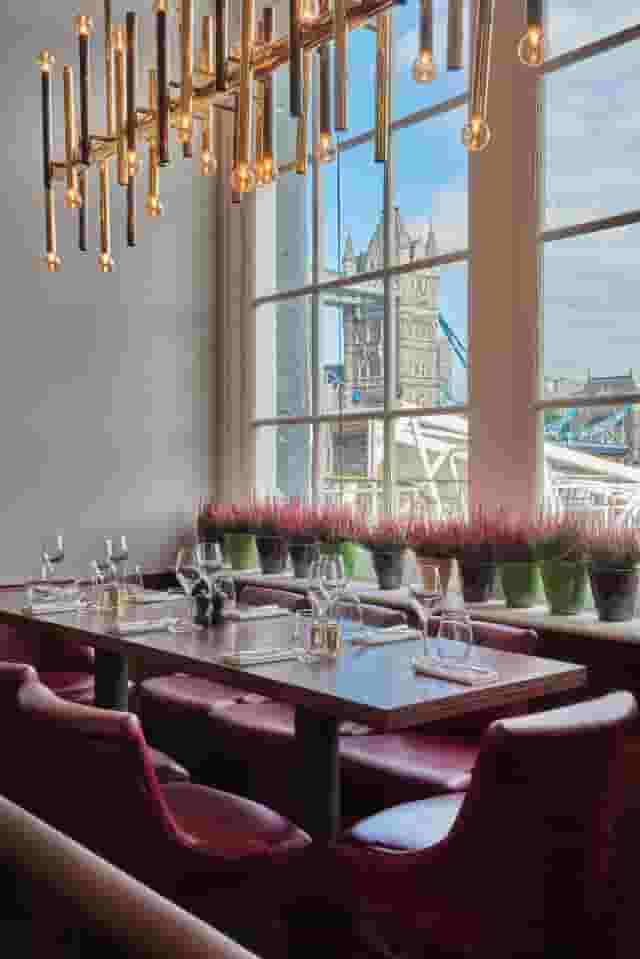
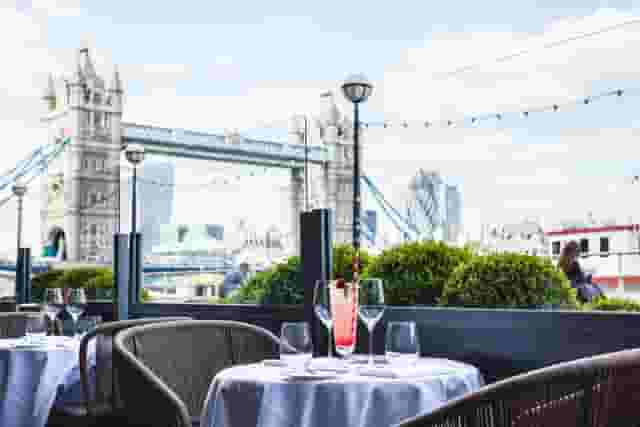
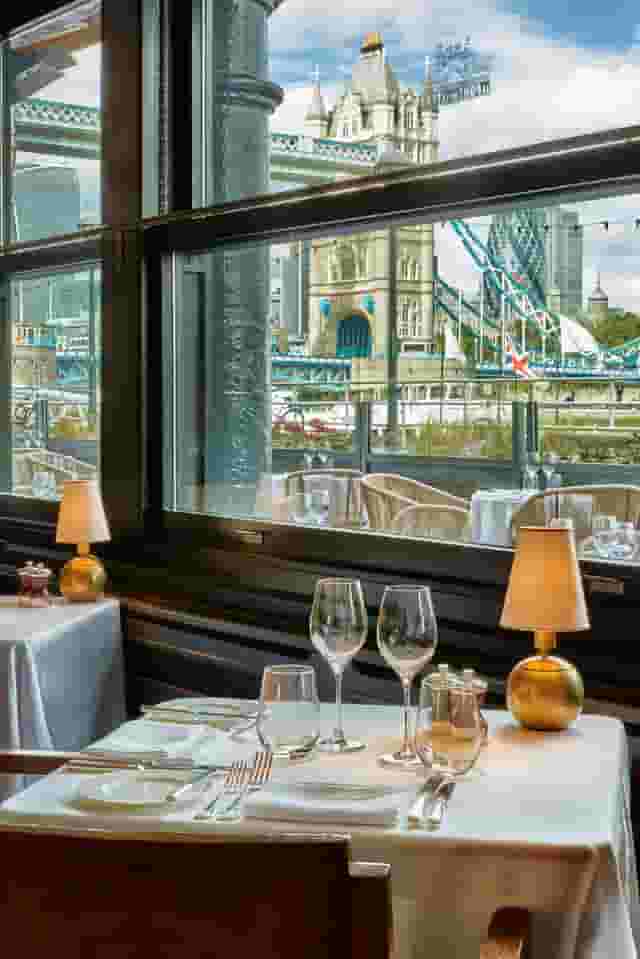
When an evening calls for exclusive use of an entire restaurant, costs shift upward to reflect the venue closing its doors to regular diners. An exclusive buyout of Tower Bridge (Gaucho) accommodates 100 seated dining guests, giving you private access to the entire footprint with views across the Thames. Conversely, for high-capacity, energetic gatherings, Exclusive Hire at Big Easy Covent Garden accommodates up to 300 standing in an industrial space with barbecue, lobster and live music.
When reviewing quotes, look out for costs that sit outside the headline per-head price:
- Service charge: Almost all London venues add a discretionary service charge of 12.5% to 15% on all food and beverage spend. Ensure this is calculated in your initial budget model.
- AV and staging: If a venue does not have built-in microphones, speakers or projection, external hire can add thousands to your bottom line.
- Menu tasting charges: Some venues include a tasting for two people once a contract is signed, while others invoice it as an extra expense.
- Linen, glassware and crockery upgrades: Standard white linens and house glassware are often complimentary, but coloured linens, specialist charger plates or Riedel glassware will trigger hire charges.
Structuring the run of show: arrival, dining and speeches
A successful corporate banquet depends on pacing. A dinner that drags on leaves guests tired and distracted, while an overly rushed service prevents colleagues and clients from having meaningful conversations.
The reception: 45 to 60 minutes
Keep the standing drinks reception to an hour at most. This gives late arrivals time to reach the venue and check coats while letting guests mingle over a glass of wine or Champagne. Serving two to three canapes per person during this window keeps hunger at bay without spoiling dinner appetites.
The transition to dining: 15 to 20 minutes
Moving 100 people from a bar area into a seated dining room takes longer than most planners expect. Have your banqueting manager sound a chime or make a clear announcement, and ensure place cards and table plans are clearly visible at the entrance to prevent bottlenecks.
The meal: 90 to 120 minutes
For a three-course plated dinner, allow approximately 30 minutes per course, with brief pauses between plates. Work closely with the head chef on your timeline. If you plan to insert speeches between courses, tell the kitchen well in advance. Serving meat or fish after a delay can ruin dishes that rely on precise cooking times.
| Time | Stage of the evening | Key operational focus |
|---|---|---|
| 18:30 | Guest arrival and drinks | Cloakroom staffed; trays of prosecco and water circulated |
| 19:15 | Call to dinner | Background music lowered; staff direct guests to tables |
| 19:35 | Starter served | Wine poured at tables; dietary alternatives delivered first |
| 20:15 | Main course served | Head chef coordinates plated service table by table |
| 21:00 | Speeches or awards | Service paused; coffee and dessert wine prepared silently |
| 21:30 | Dessert and coffee | Bar reopens; lighting dimmed slightly for post-dinner drinks |
| 23:00 | Last orders and departure | Taxis called; cloakroom collection managed efficiently |
If your evening includes speeches, the safest moment to schedule them is either right before the starter is served (when attention is highest) or after the main course plates have been cleared. Never allow speeches to run while hot food is sitting under warming lights in the kitchen.
Food, wine and dietary requirements
Managing dietary requirements smoothly is one of the clearest markers of a well-run corporate event. With modern teams, between fifteen and thirty percent of your guest list will likely require vegetarian, vegan, gluten-free, halal, kosher or allergen-safe options.
Collect dietary data at least two weeks before the event. Share a consolidated spreadsheet with the venue, noting table numbers and guest names alongside each requirement. Experienced banqueting teams will cross-reference this plan during service, ensuring that guests with severe allergies receive their meals without awkward delays or public confusion.
When choosing your menu, opt for dishes that hold their quality across large covers. Slow-braised meats, well-seasoned poultry and structured vegetarian tarts generally fare much better during large-scale service than dishes that demand minute-by-minute pan frying, such as beef fillet or delicate sea bass.
For wine, calculate roughly half a bottle per person across the meal, plus two glasses during the arrival reception. Always provide non-alcoholic alternatives beyond tap water. High-end botanical sodas, cold-pressed juices and alcohol-free sparkling teas show equal consideration for non-drinking attendees.
Acoustics, lighting and presentation equipment
A corporate dinner requires careful acoustic management. Large rooms with high ceilings, polished wooden floors and bare brick walls look characterful, but they amplify chatter. Once 80 people begin talking over background music, the room volume escalates quickly.
If your dinner includes speeches, test the microphone and sound system from every corner of the room during your site visit. Wireless handheld microphones or lapel mics are essential; do not rely on speakers projecting their voices unassisted in a room filled with clinking cutlery and glassware.
Lighting shapes the mood of the dinner across its stages:
- Arrivals: Warm, medium-level lighting allows guests to navigate easily and spot colleagues.
- Dining: Soft, lowered lighting focuses attention on the tables and creates an inviting dinner atmosphere.
- Speeches: Use pin-spot lighting or a spotlight on the podium while dimming the perimeter lighting, which naturally quiets the room.
Check where the room's power distribution boxes sit. Running extension cords across guest walkways creates severe trip hazards that must be covered with rubber safety ramps.
Licensing, curfews and transport links
Before signing a venue contract, review the operational restrictions that dictate how the evening finishes. In central London, premises licences dictate exact times for alcohol sales, live music and guest departures.
A standard restaurant licence often requires music to cease at 23:00, with all guests off the premises by 23:30. Dedicated banqueting spaces may hold late licences extending to 01:00 or 02:00, though these extensions sometimes trigger overtime fees for security, bar and cleaning staff.
Transportation is equally critical for corporate attendance. Select venues located within a short walk of London Underground lines with night tube service, or near major railway hubs such as Liverpool Street, London Bridge, Waterloo or King's Cross. If guests have to navigate poorly lit side streets or struggle to book private hire vehicles at midnight, their final impression of the evening suffers regardless of how good the meal was. Ensure the cloakroom remains fully staffed until the final guest leaves, keeping coat returns swift and departures orderly.
What our customers say
Inspiration and planning guides

Get Ready, Set, Go at ArcelorMittal Orbit
The unique design of the ArcelorMittal Orbit provides an unrivalled backdrop for any event. Guests will be amazed at the views from 114.5 metres in the air as they enjoy a breath-taking panorama of up to 20 miles across London at the award-winning events venue.

9 Reasons Why The Brewery is the Venue You’ve Been Dreaming of
Searching for the right venue for your event can feel like wading through treacle - we’ve all been there. You want a venue that’s the right size, in the right location, with the right facilities and the right look. Easier said than done! Or is it…?

Awesome Awards at the Eventim Apollo
From the Oscars to the Oliviers, nothing says ‘awards ceremony’ like a grand and glitzy theatre. And if it’s a bit of old-school glamour you’re after, you can’t get better than the Eventim Apollo, Hammersmith.
One supplier. Every venue. Full visibility on what you spend.
Multiple venues and events. One agreement.