Small Meeting Rooms for Hire in Manchester
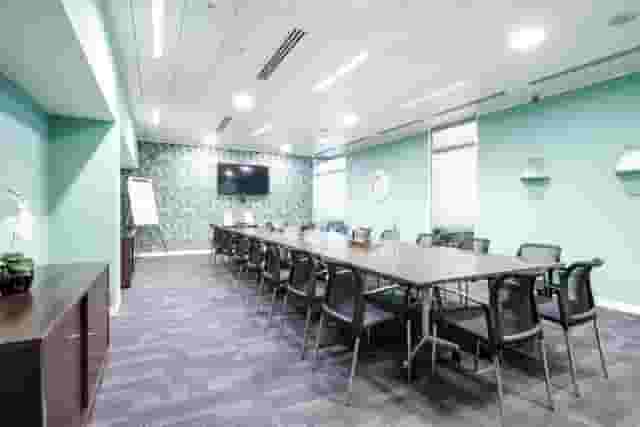
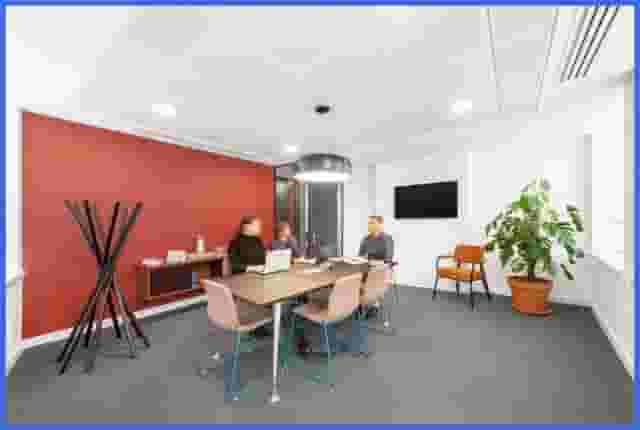
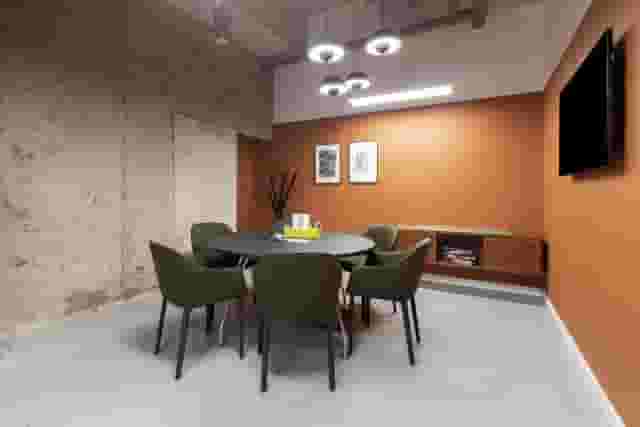
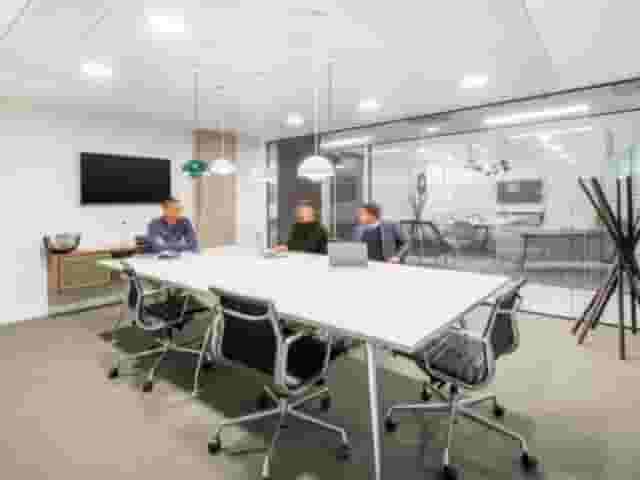
Compare small meeting rooms in Manchester with AV support, screen setups and tea and coffee packages for team sessions.
148 Small Meeting Rooms for Hire in Manchester




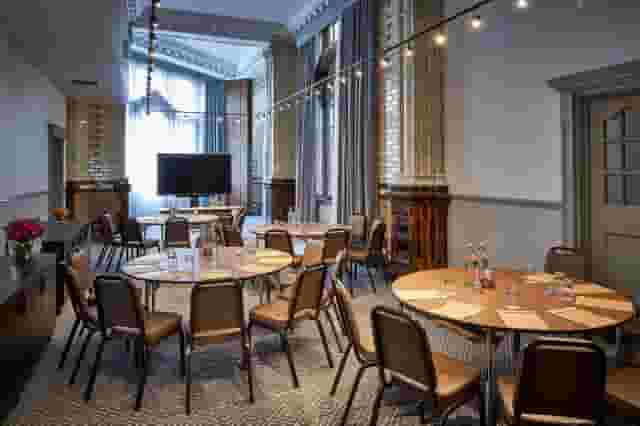
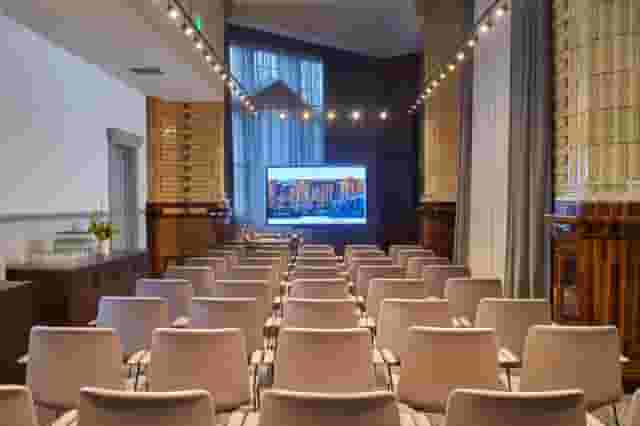
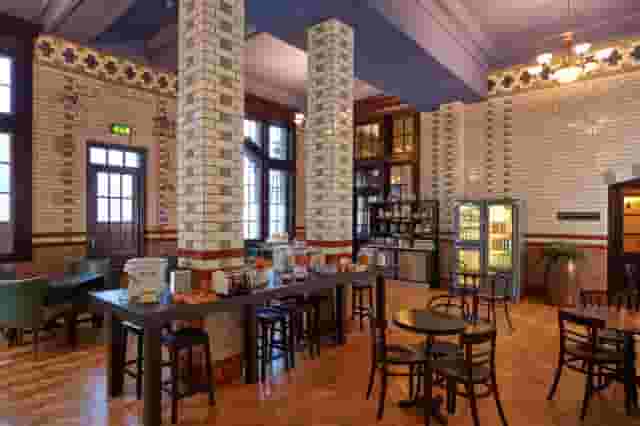
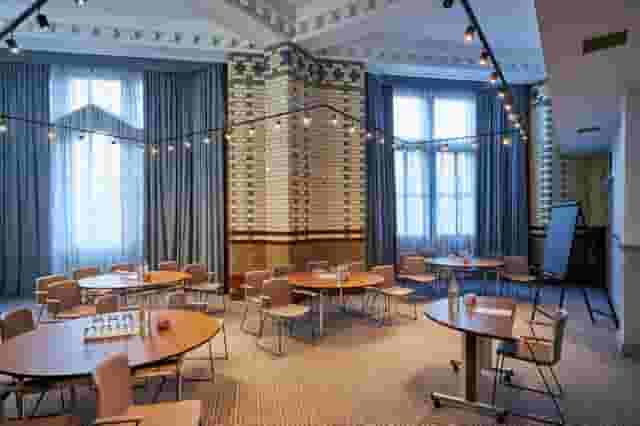





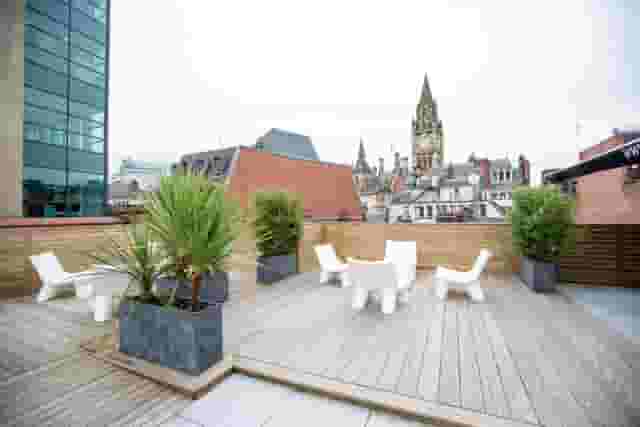
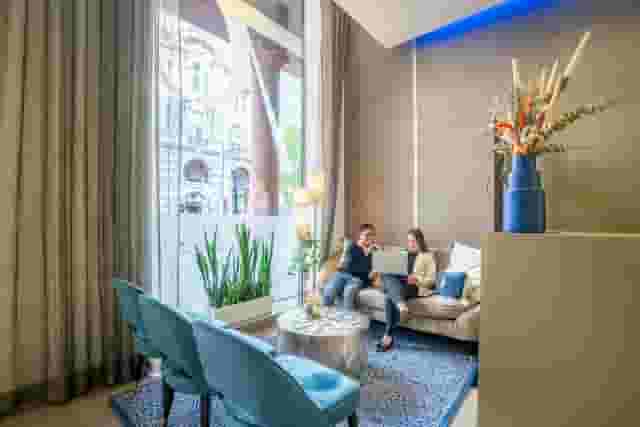
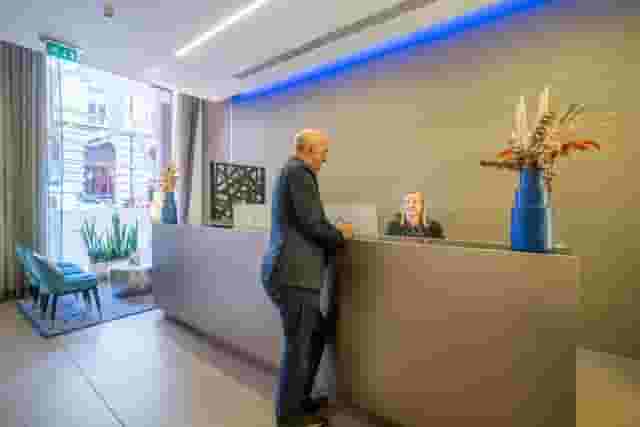
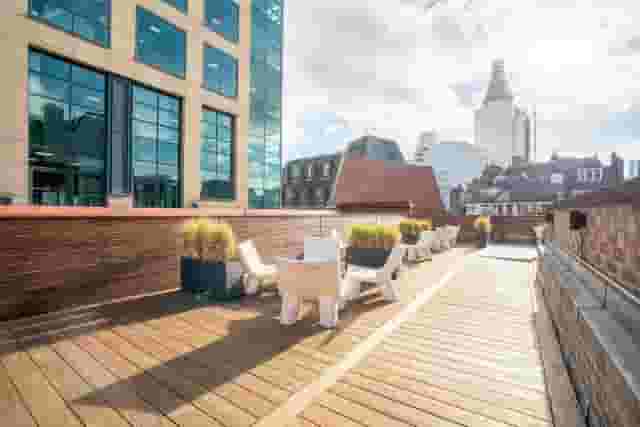

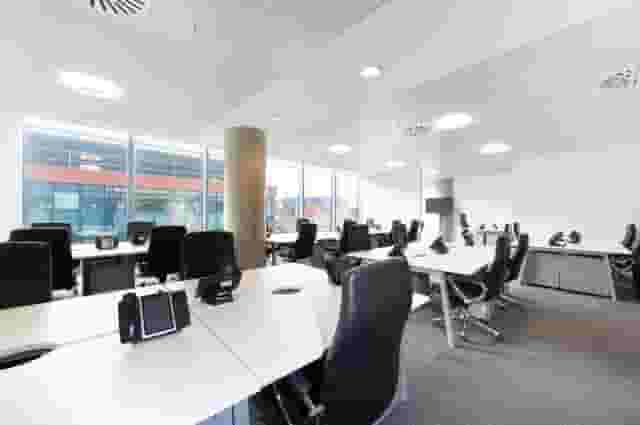
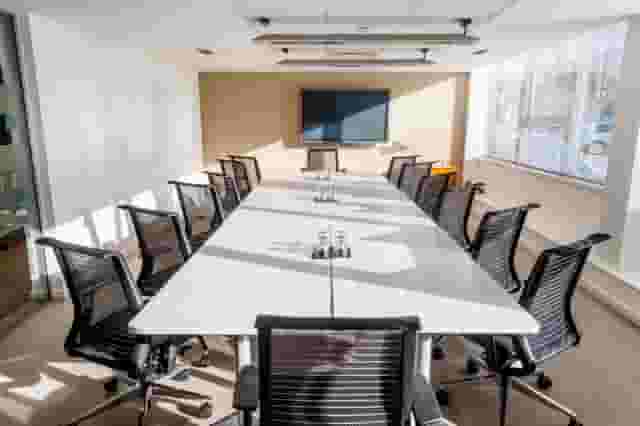
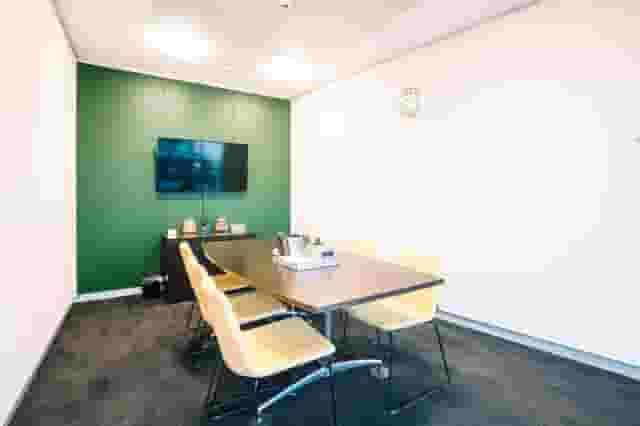
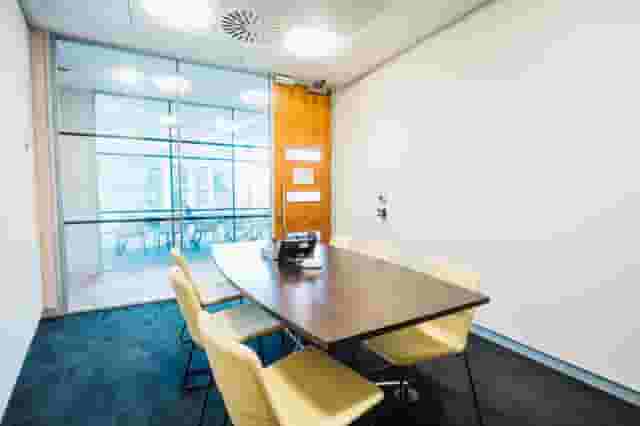


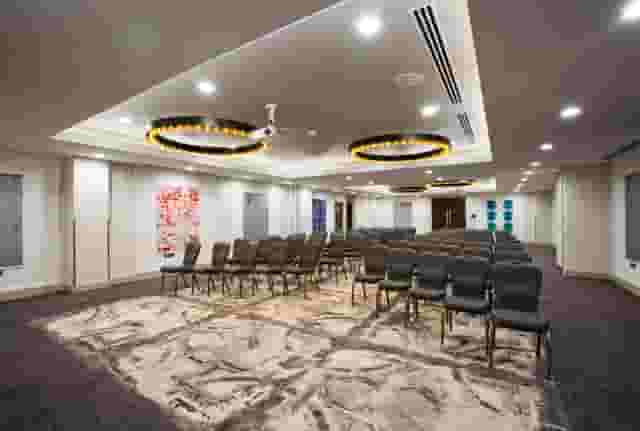
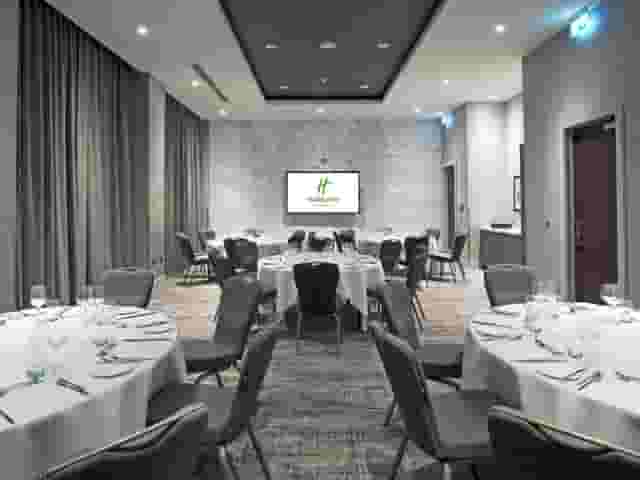
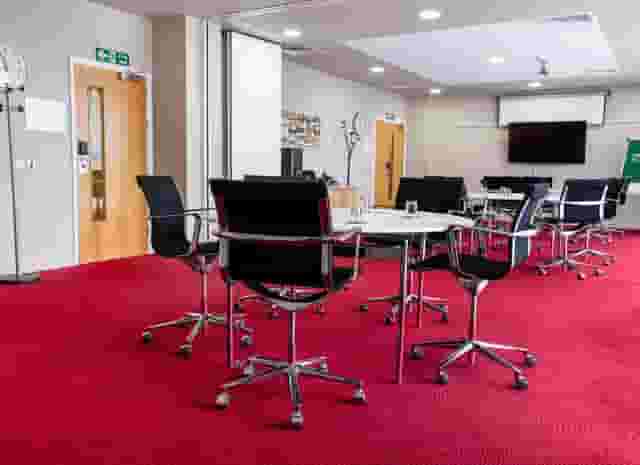






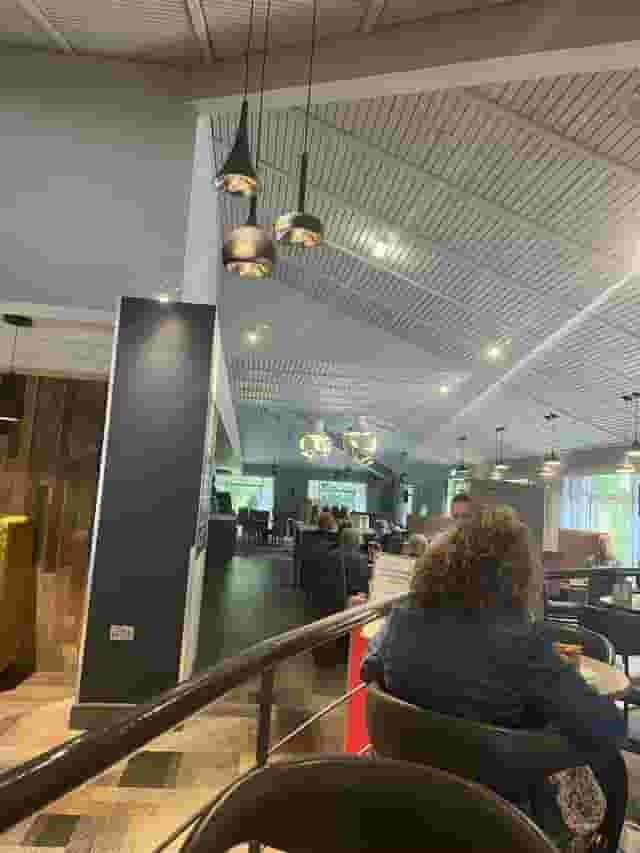
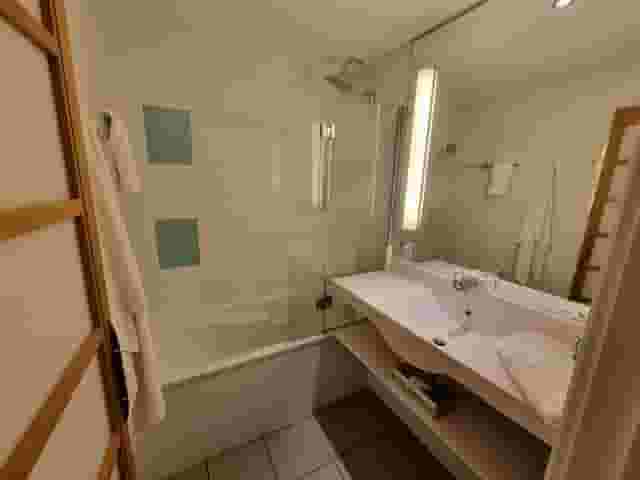
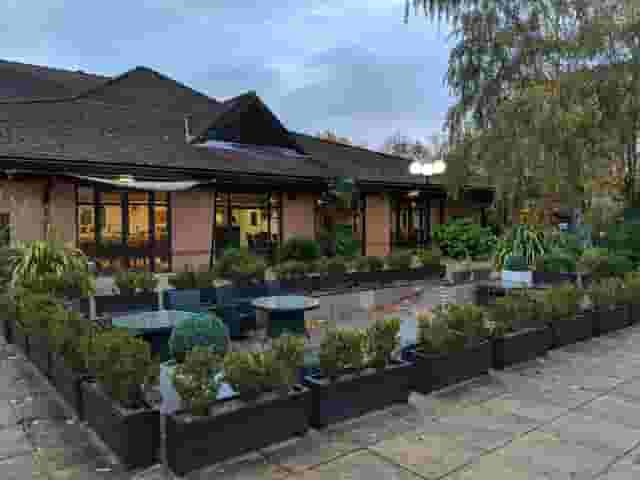
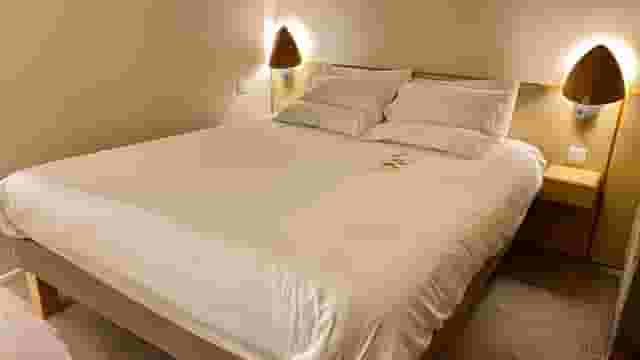




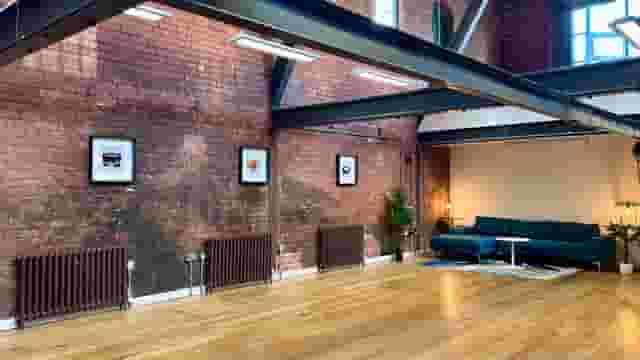
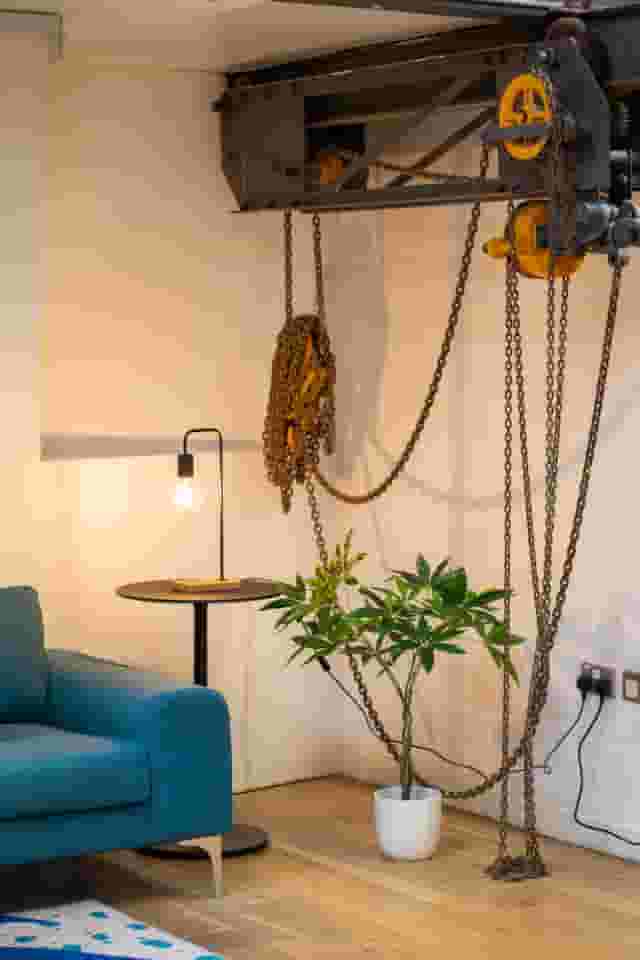
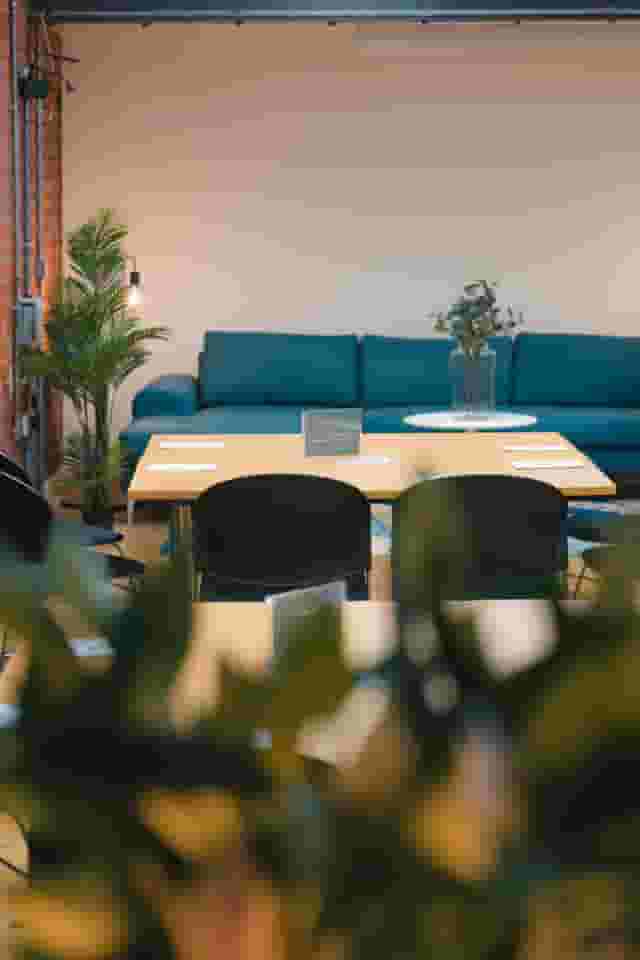
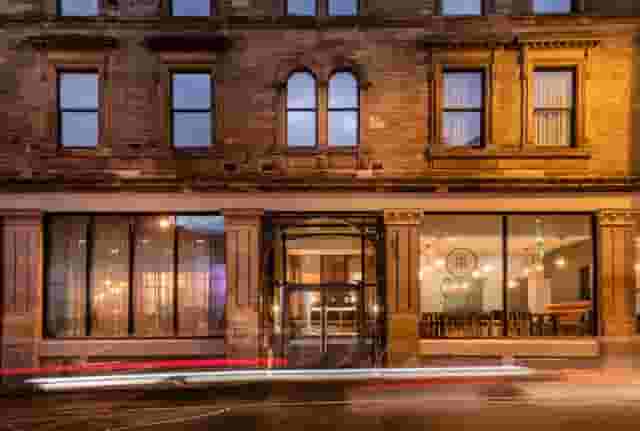




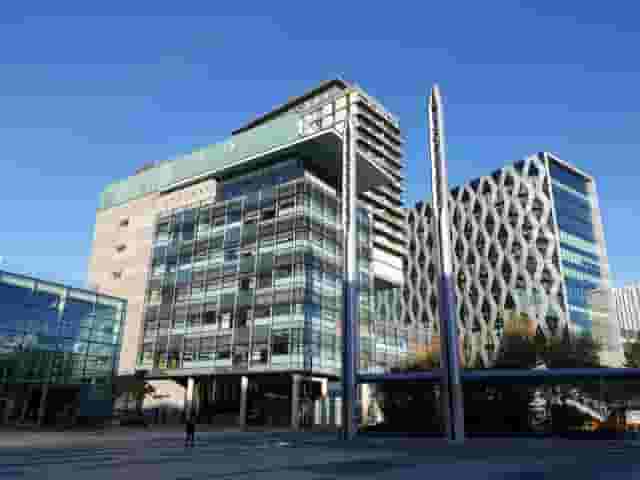


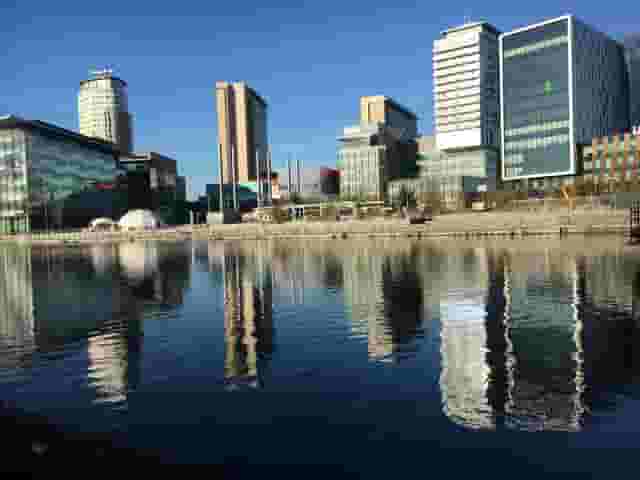
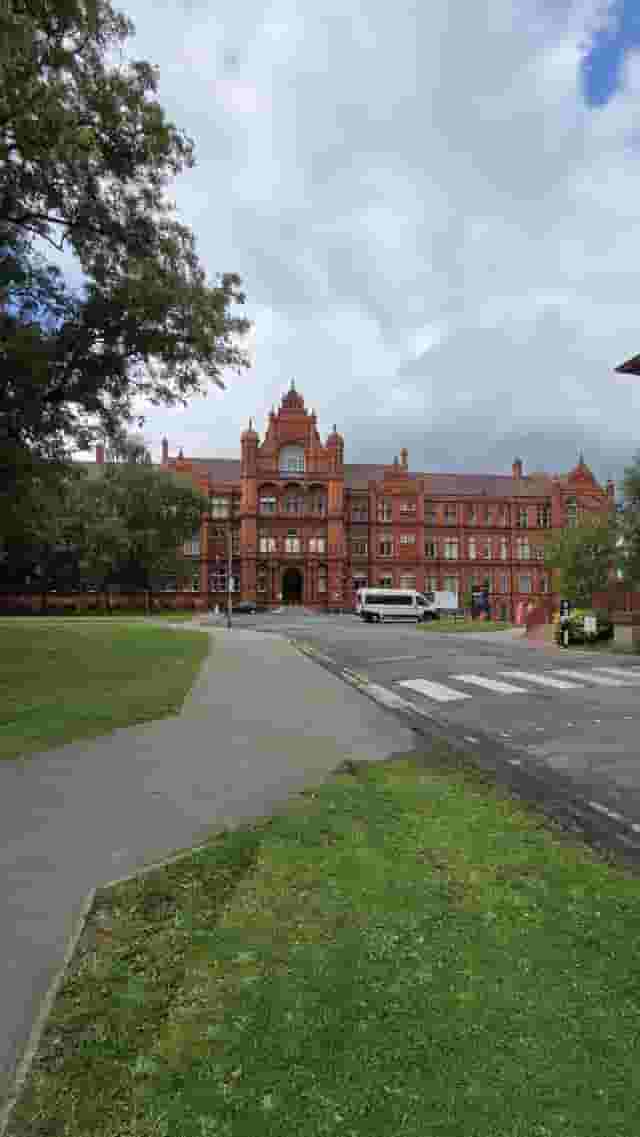




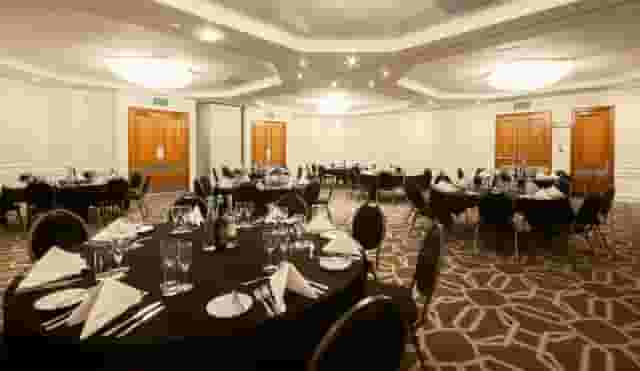
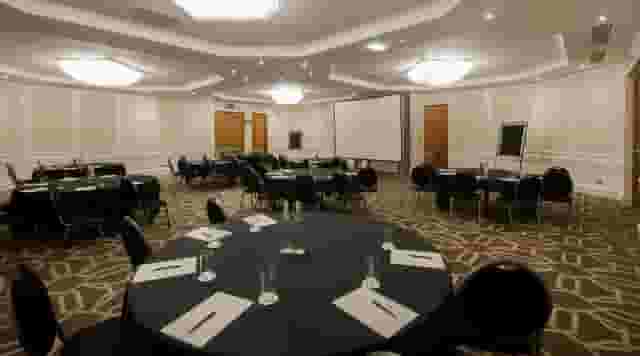
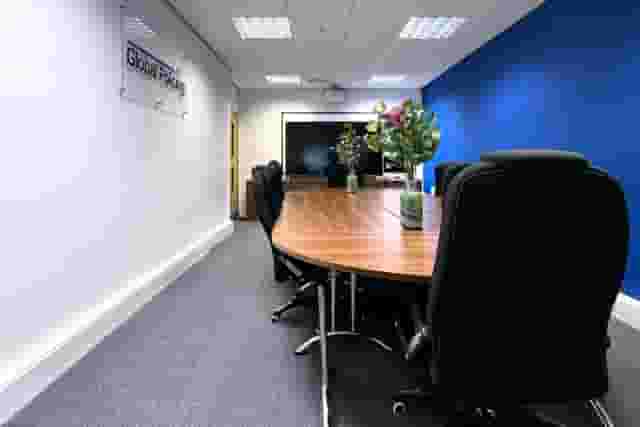
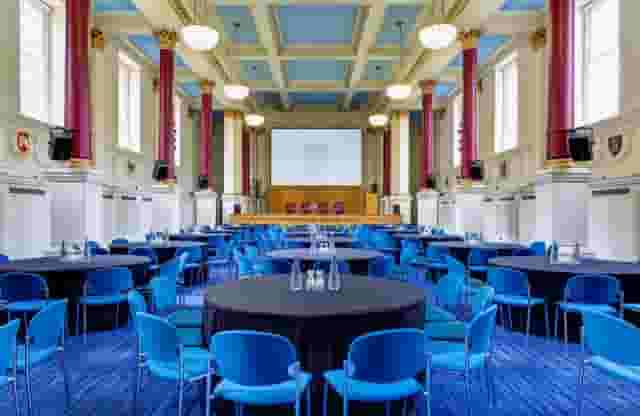







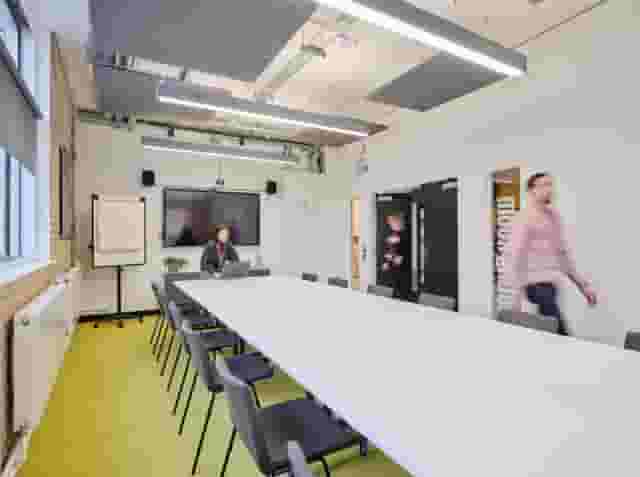
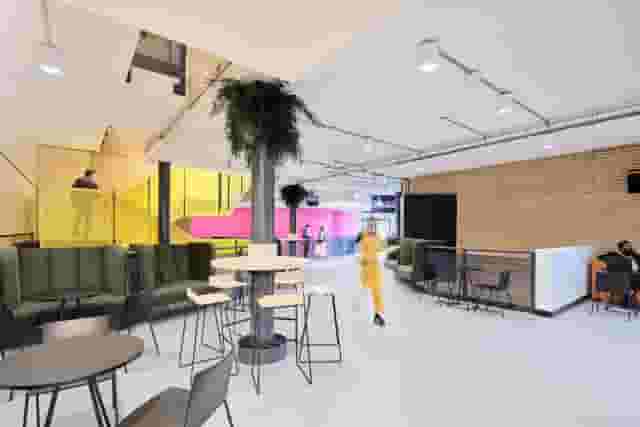
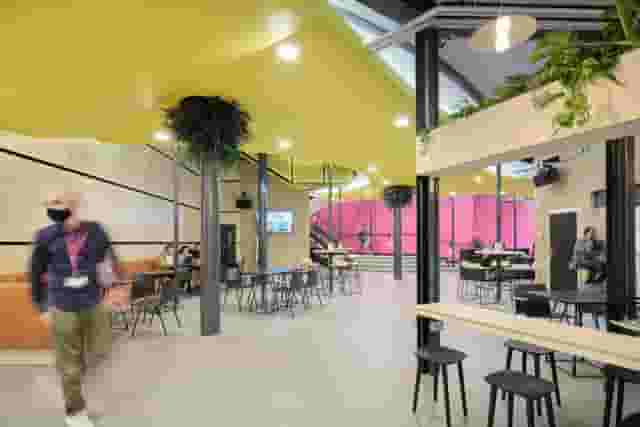
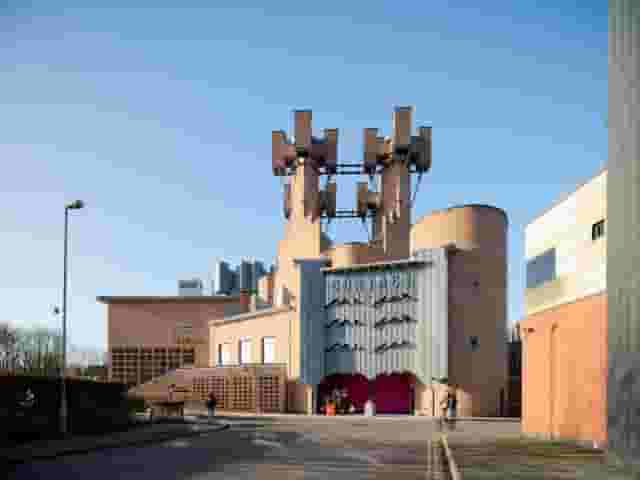




















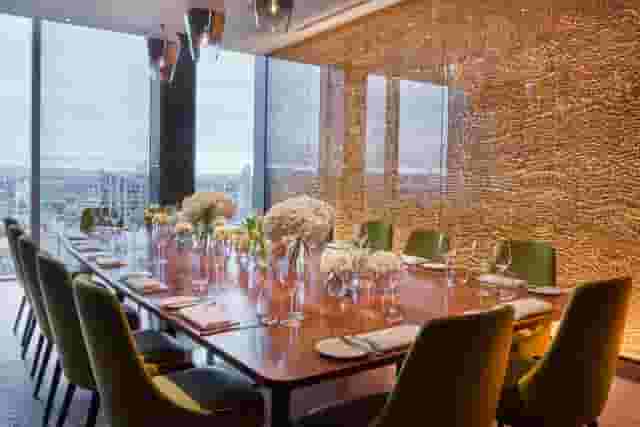
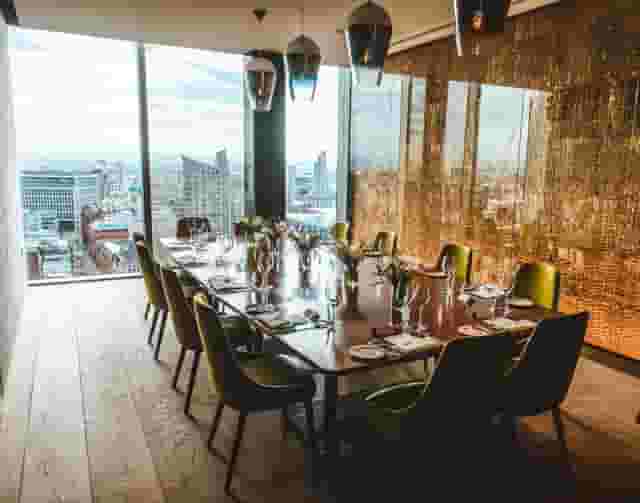
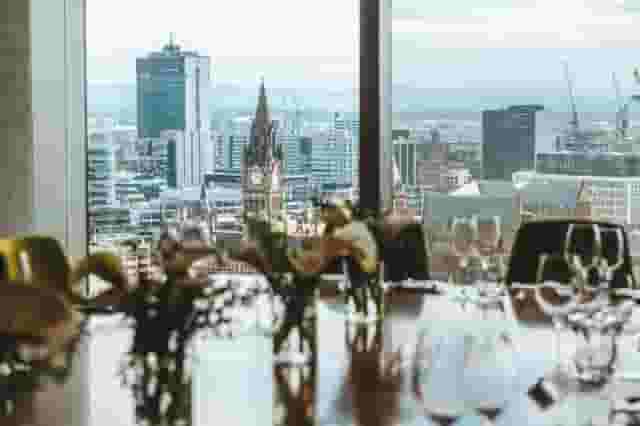
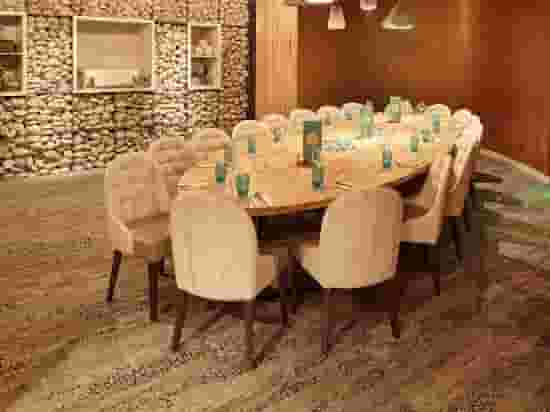
No venues match these filters
Try widening your capacity, luxury level or event type.
Don't have time to search? We'll find it for you.
For business events that need human judgement, talk to our team. Free for events of 100+ people, budgets over £10k or ongoing programmes.




Explore more venues in Manchester
Frequently asked questions
Where are the best-located meeting rooms in Manchester?
What size are small meeting rooms in Manchester typically?
What's the cancellation policy for Manchester meeting rooms?
How far in advance should I book a Manchester meeting room?
What's the minimum booking duration for Manchester meeting rooms?
Do Manchester meeting rooms include catering options?
What facilities should Manchester meeting rooms include?
How much do small meeting rooms cost to hire in Manchester?
Other platforms search their database. We search everything.
Tell us what you need. Our deep research finds any venue, whether it's in our marketplace or not. No one else does this.
About Meeting Rooms in Manchester
Planning a half-day meeting in Manchester: layout, light and logistics
Organising a productive half-day meeting comes down to removing friction before your team sits down. When you bring twenty people together for four hours, the space needs to support sustained attention. A room that feels cramped after thirty minutes or overheats by mid-morning will derail a strategic discussion faster than a weak presentation.
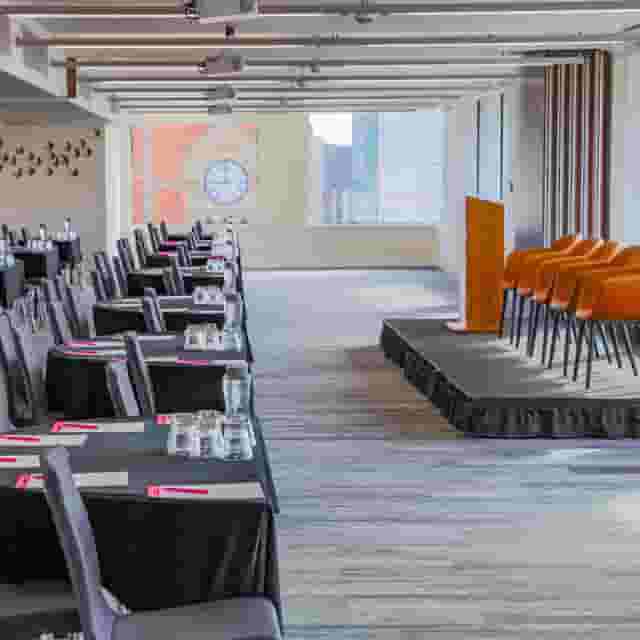
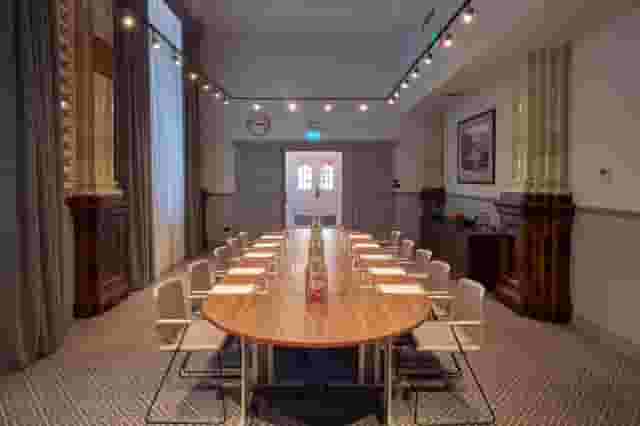
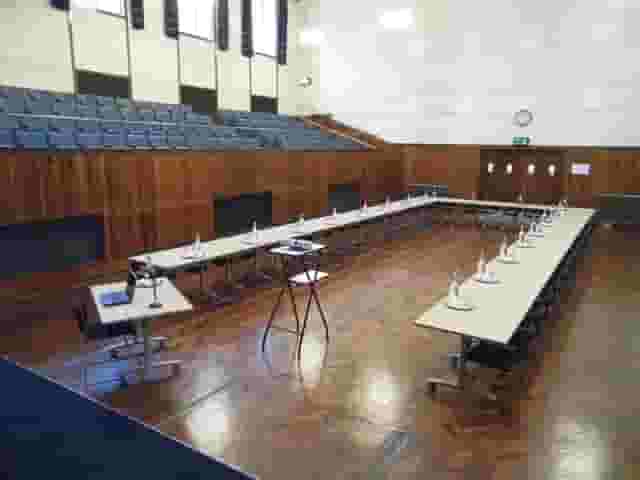
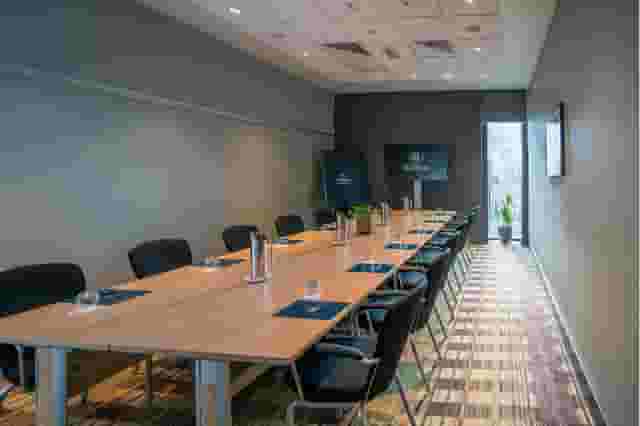
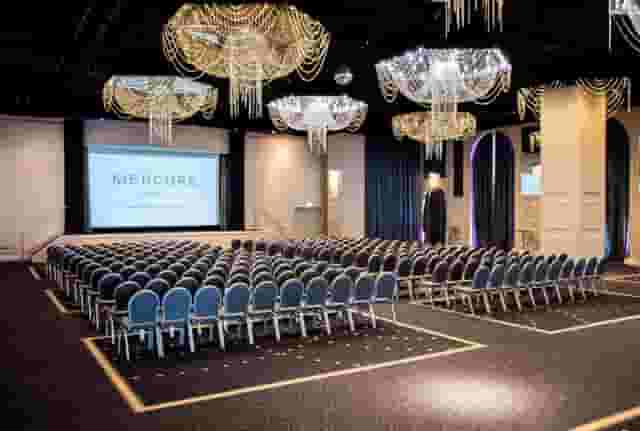
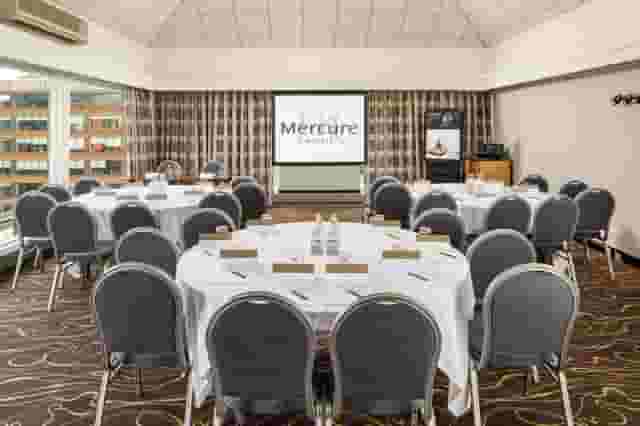
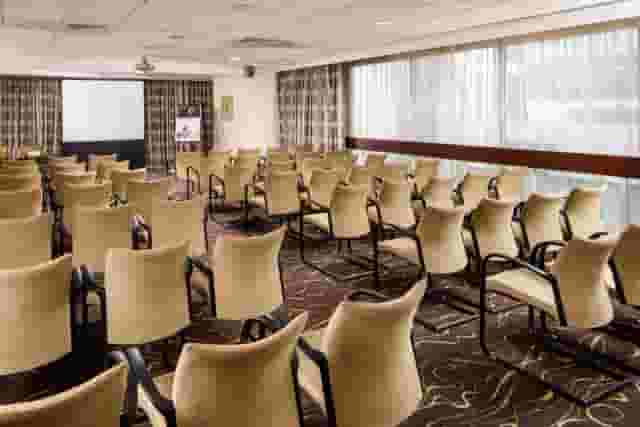
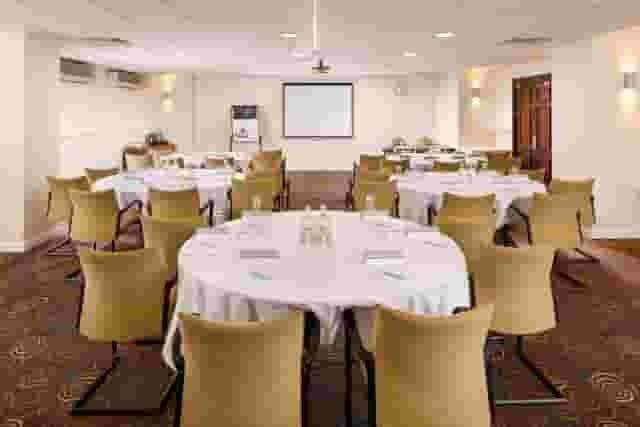
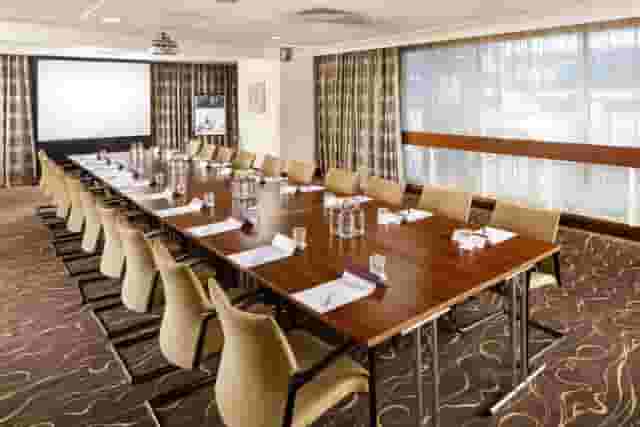
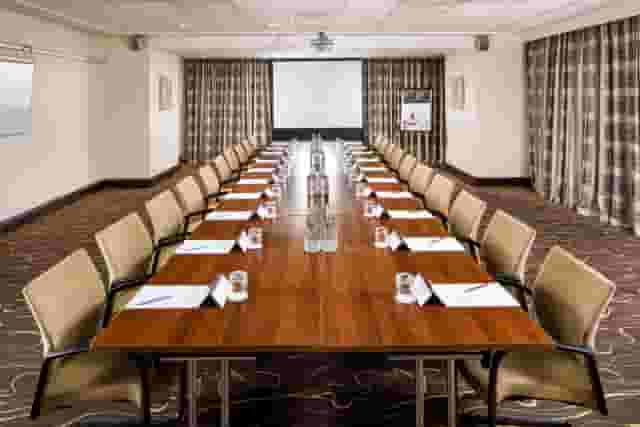
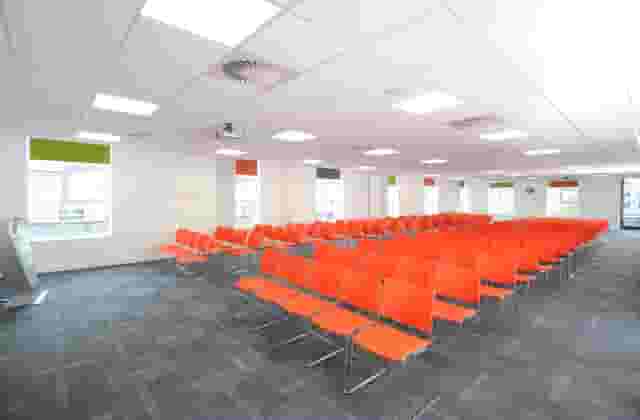
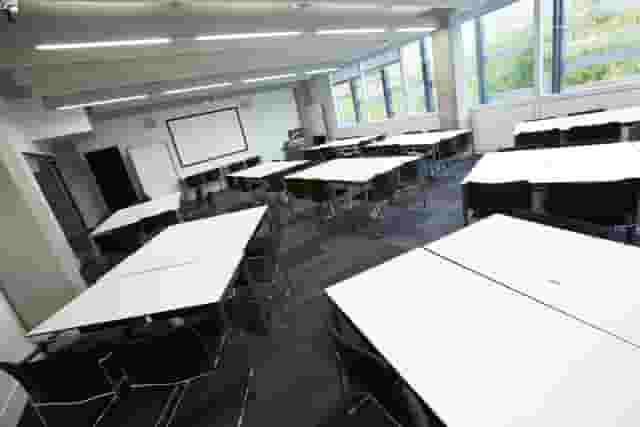
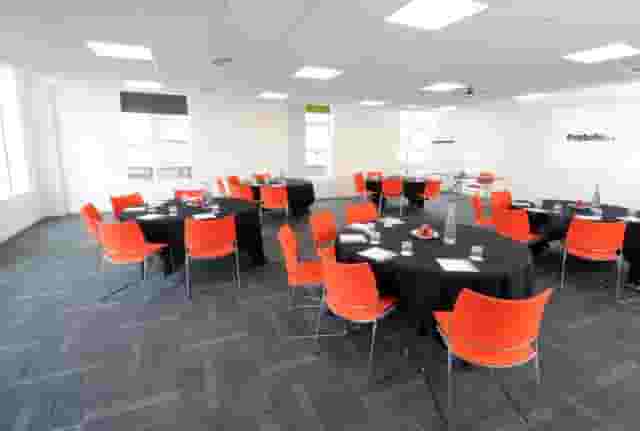
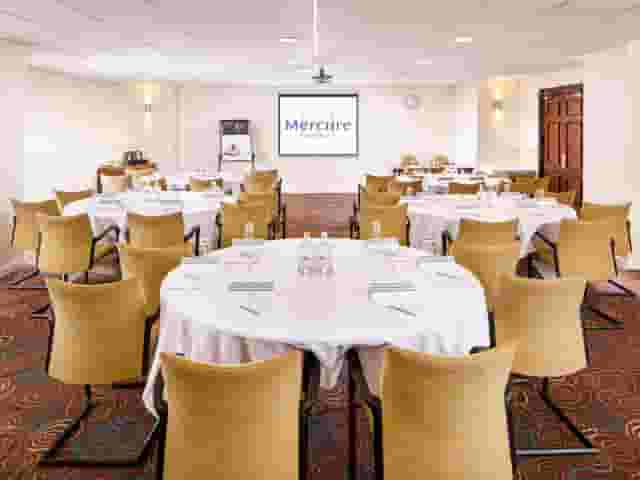
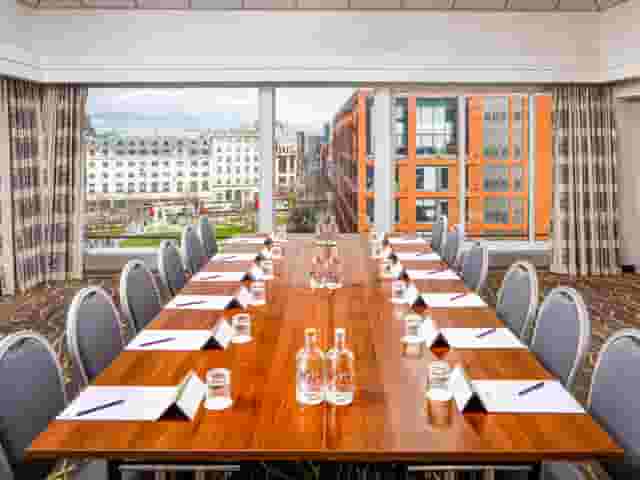
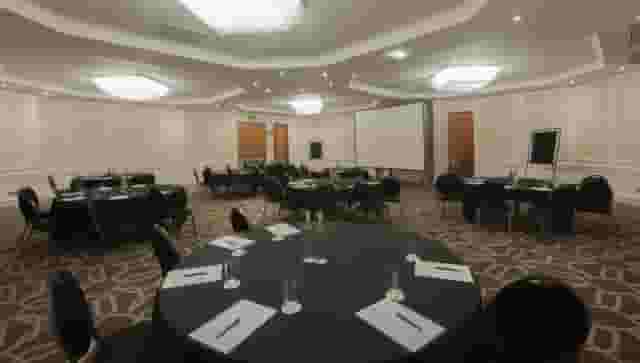
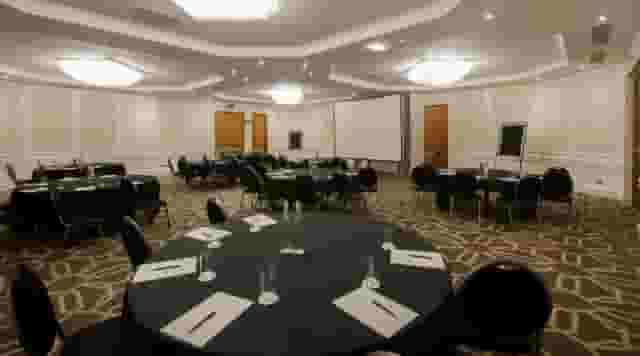
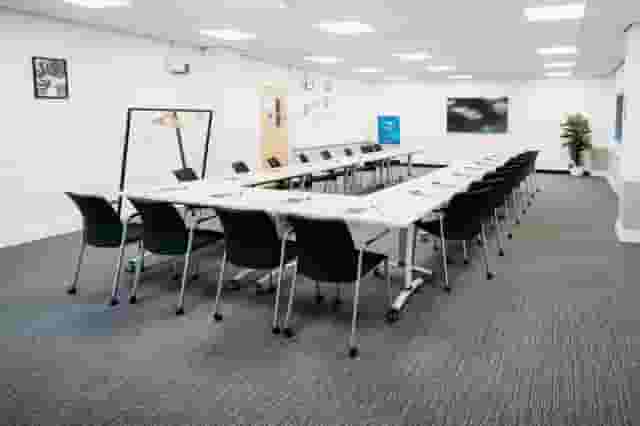
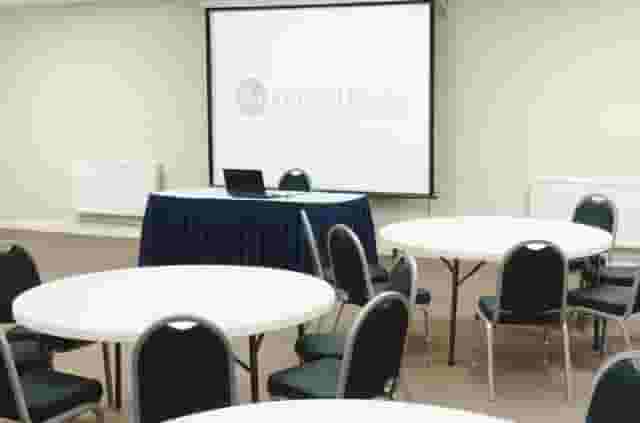
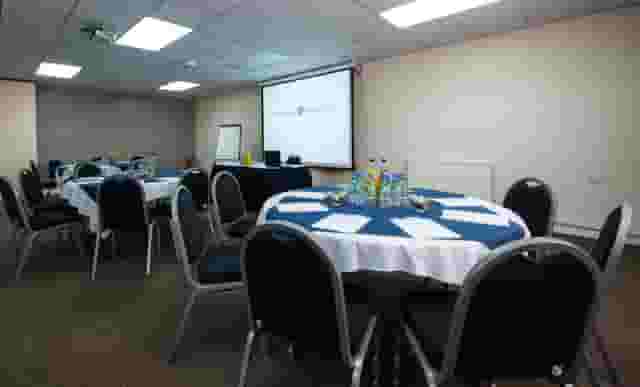
The first detail to assess is how the venue defines its capacity numbers. A room listed for thirty people in a theatre layout will rarely seat twenty people comfortably in a boardroom setup. Theatre layouts strip out tables entirely to fit chairs in rows, which works for an address but fails for a working session where delegates need laptops, notebooks, water glasses and presentation materials. For a half-day workshop or planning session, you want a boardroom, U-shape or cabaret layout. Boardroom tables keep everyone facing inward for debate. U-shapes give an open end so a presenter can address the room without turning their back on anyone. Cabaret tables split attendees into small groups, which suits workshops that pivot between group presentations and team exercises.
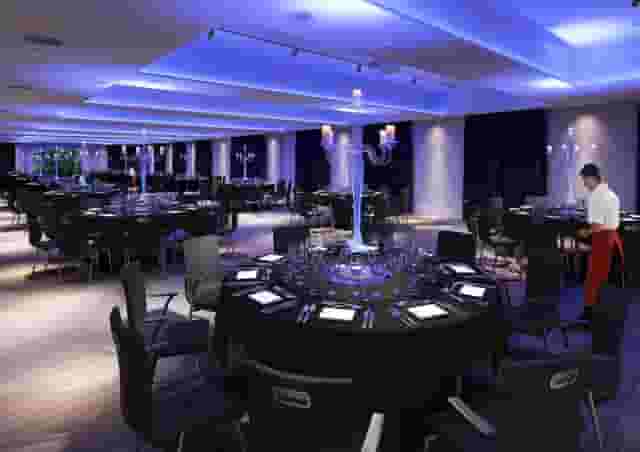
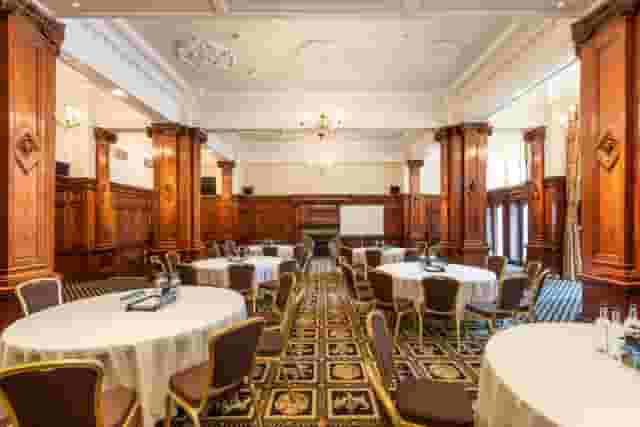
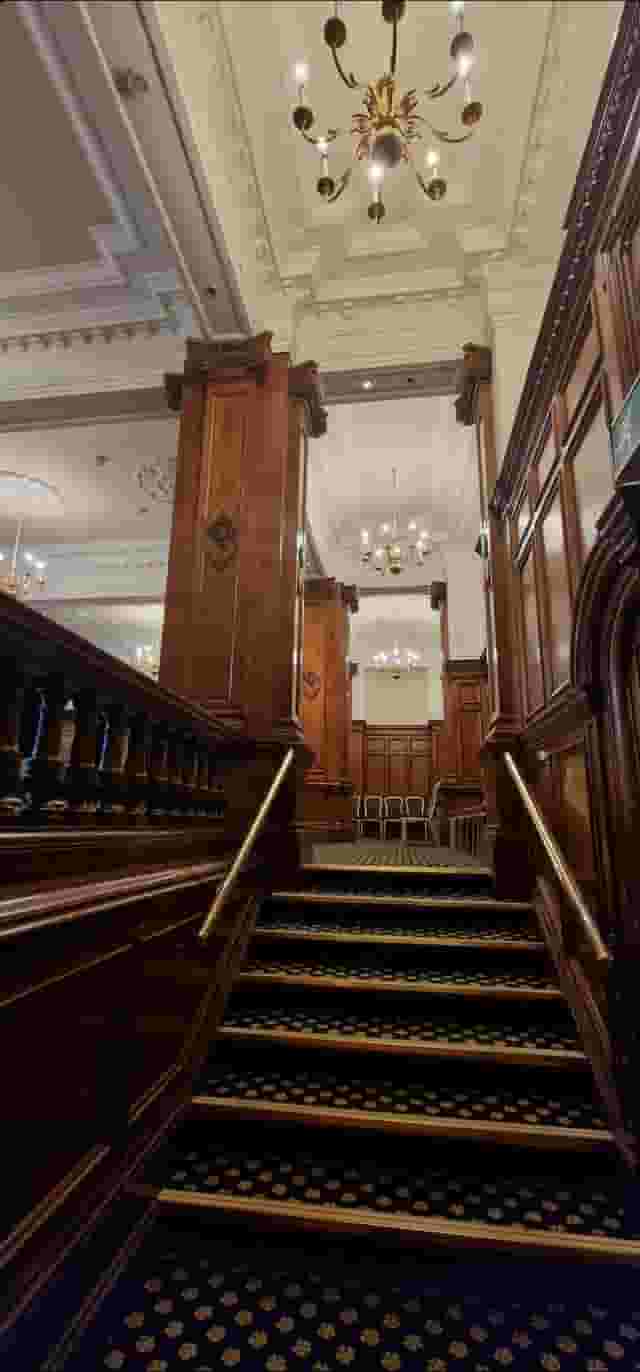
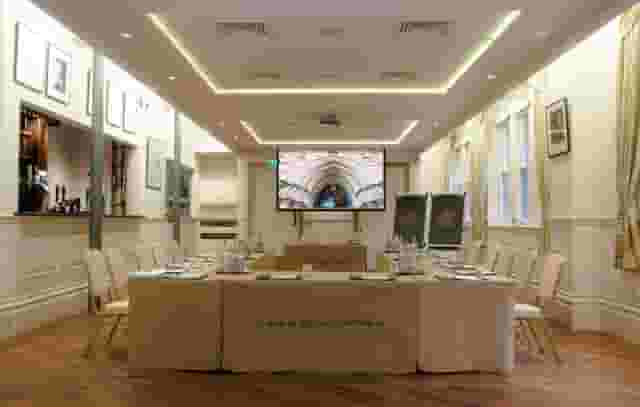
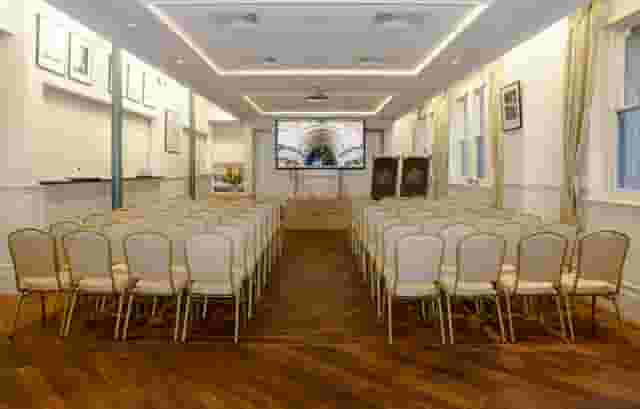
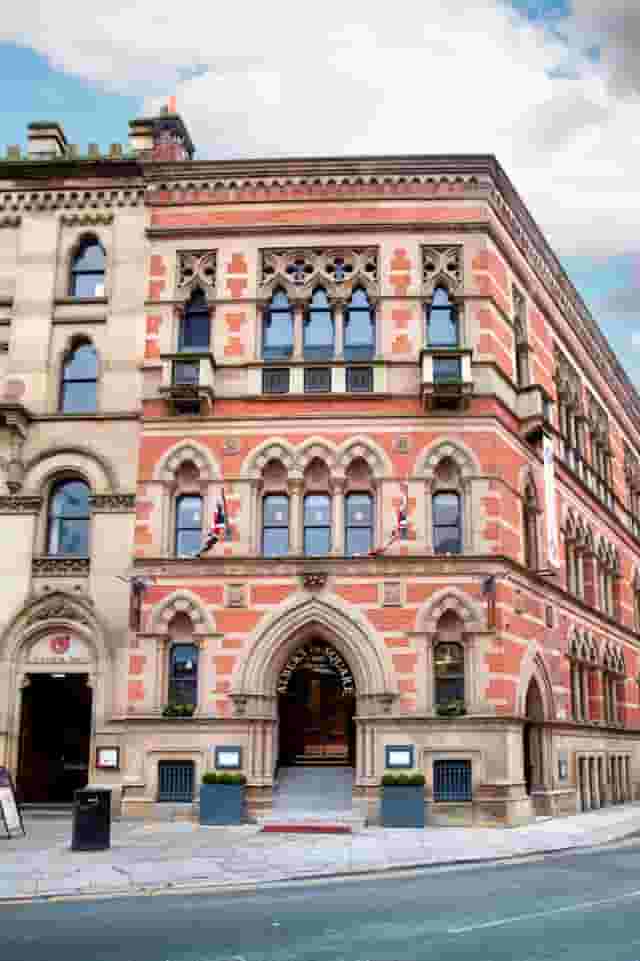
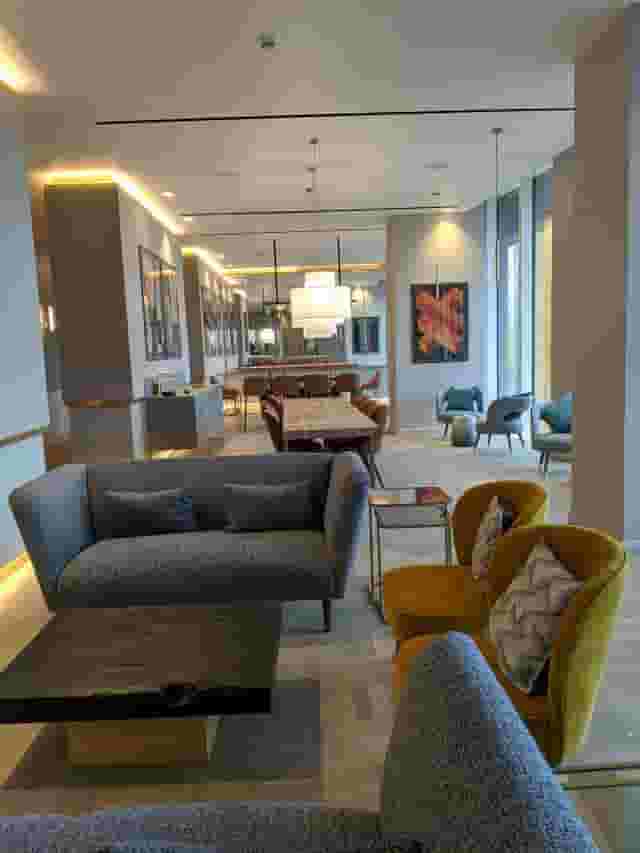
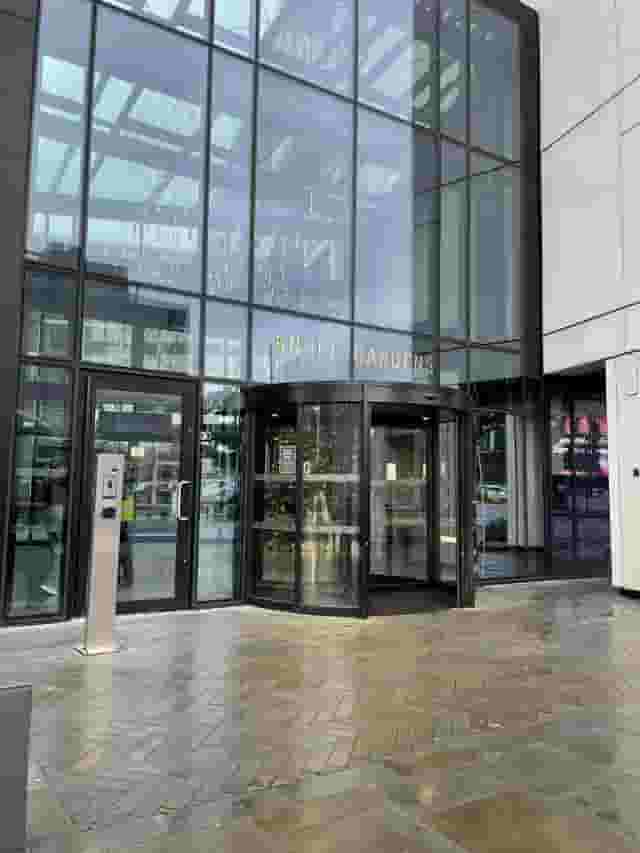
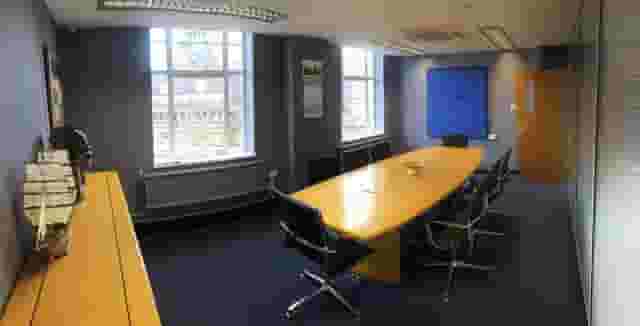
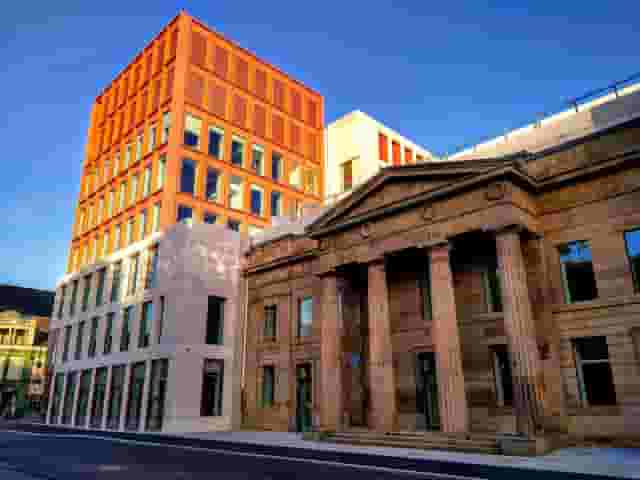
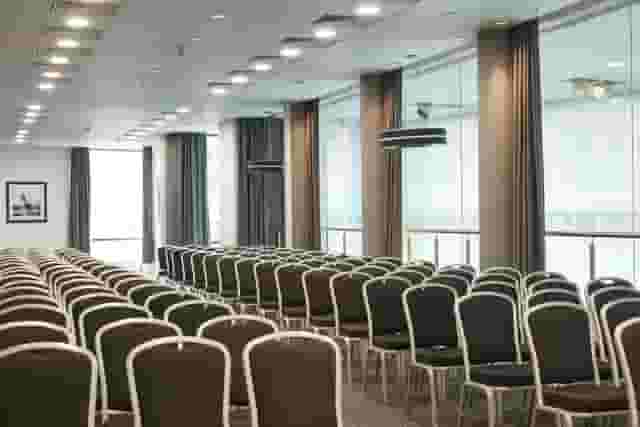
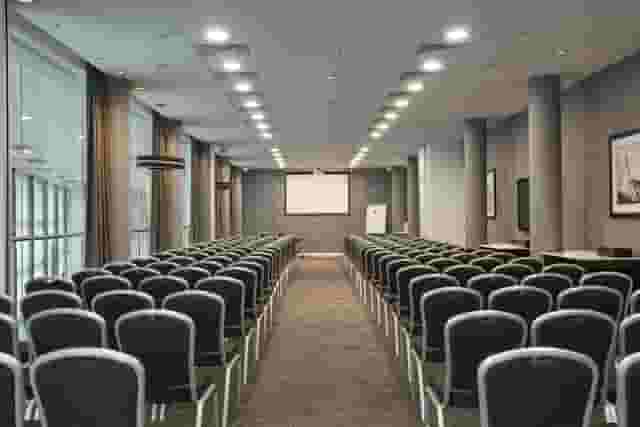
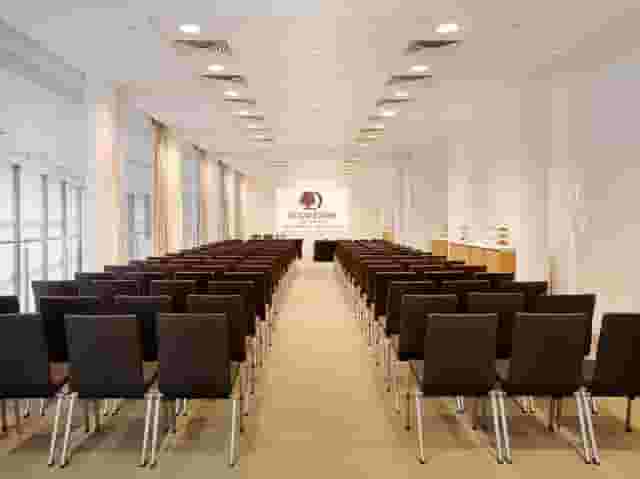
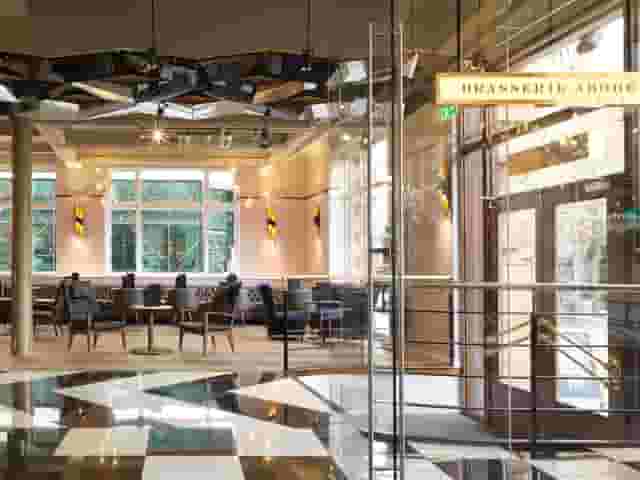
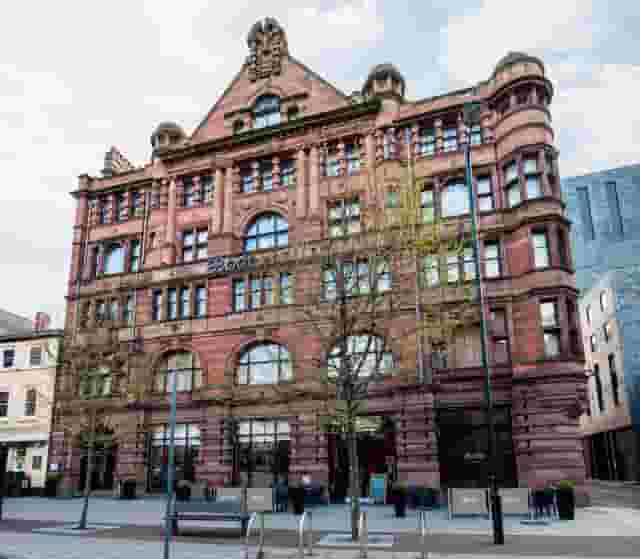
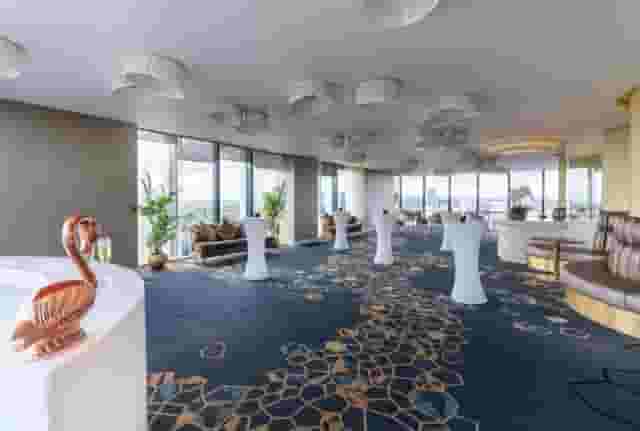
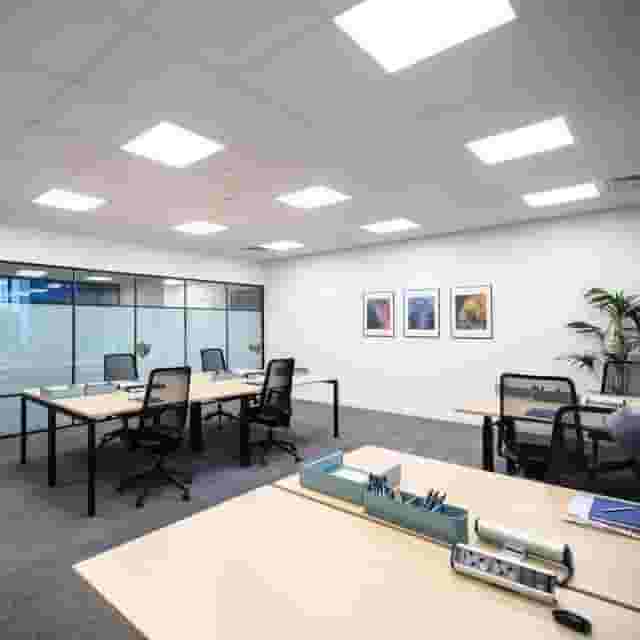
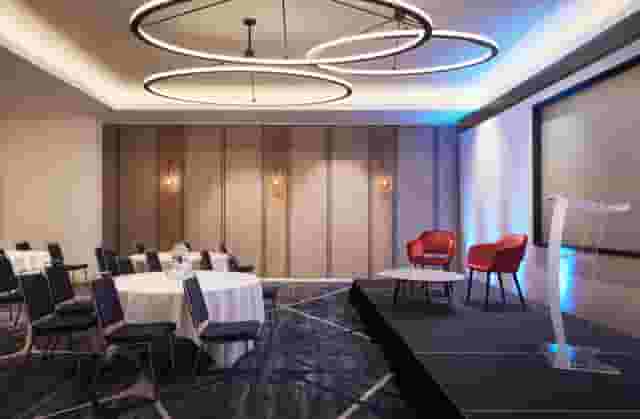
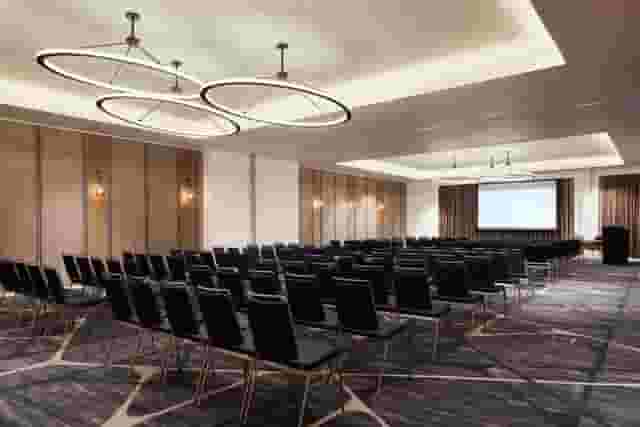
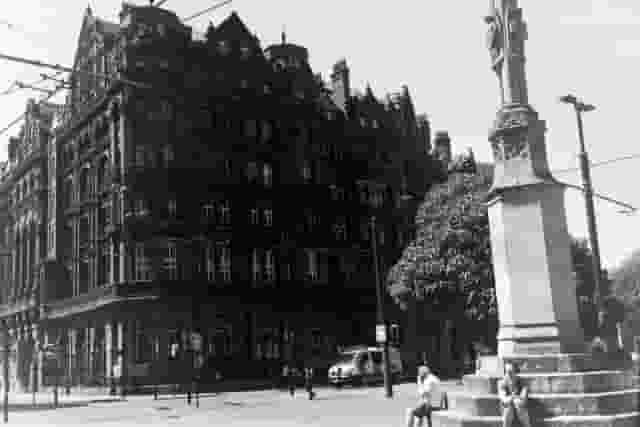
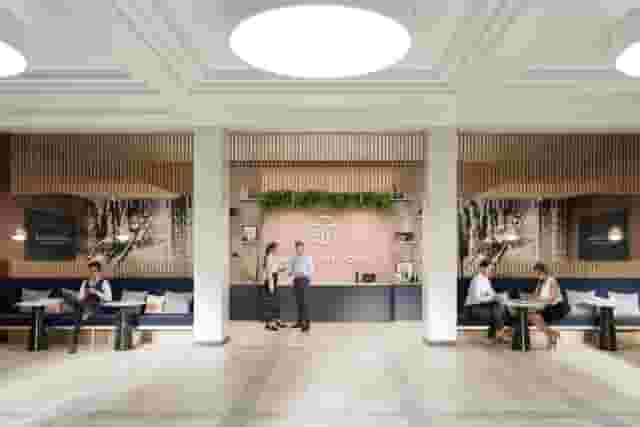
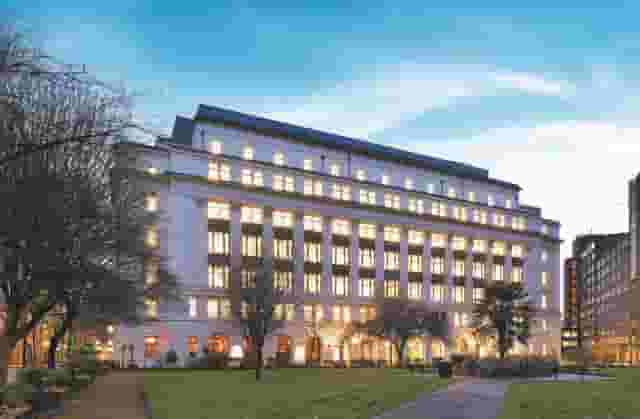
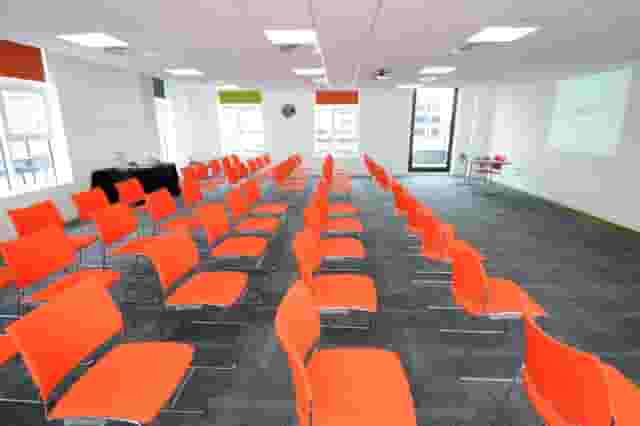
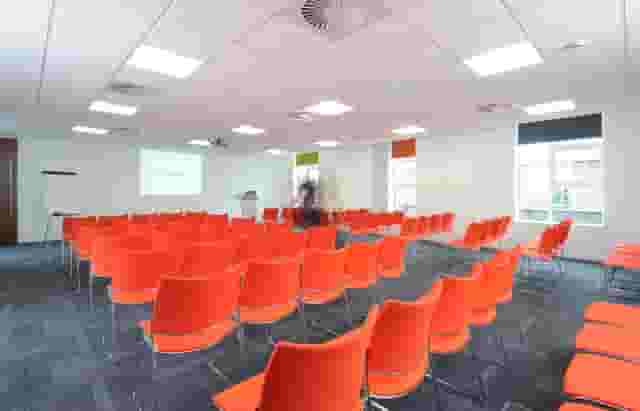
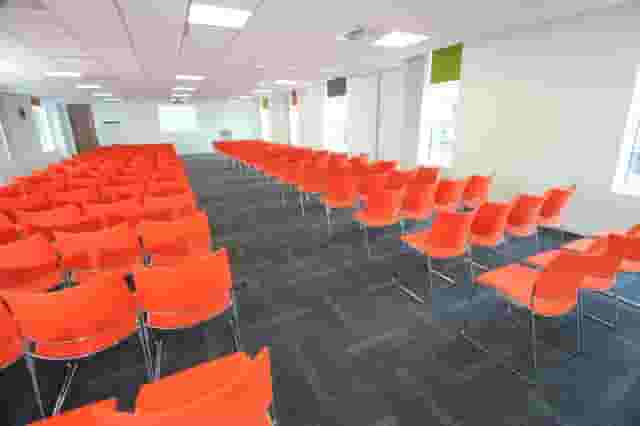
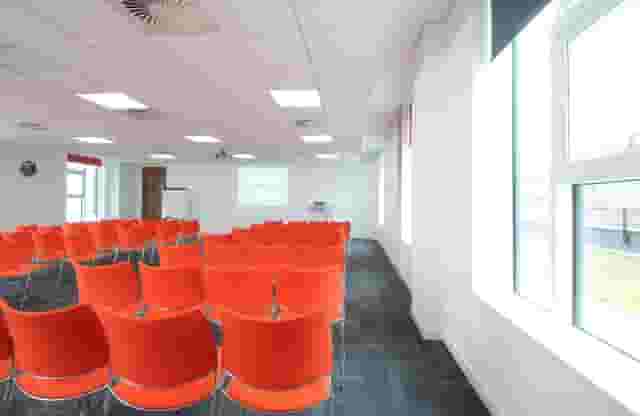
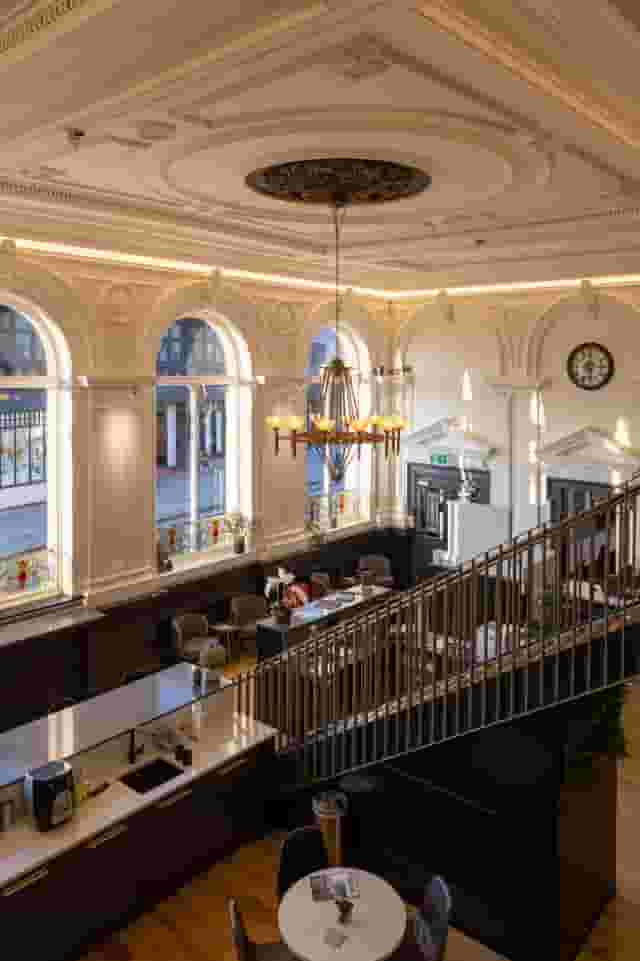
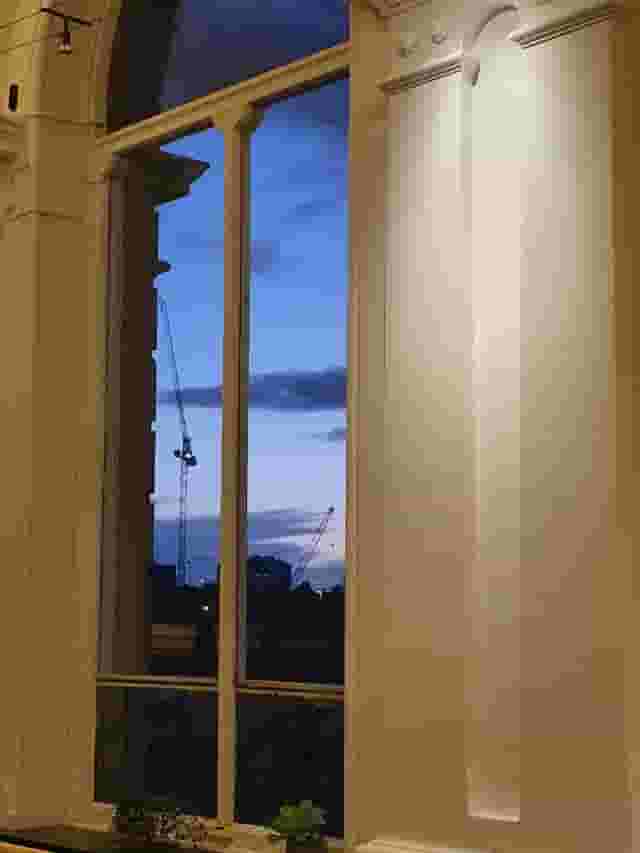
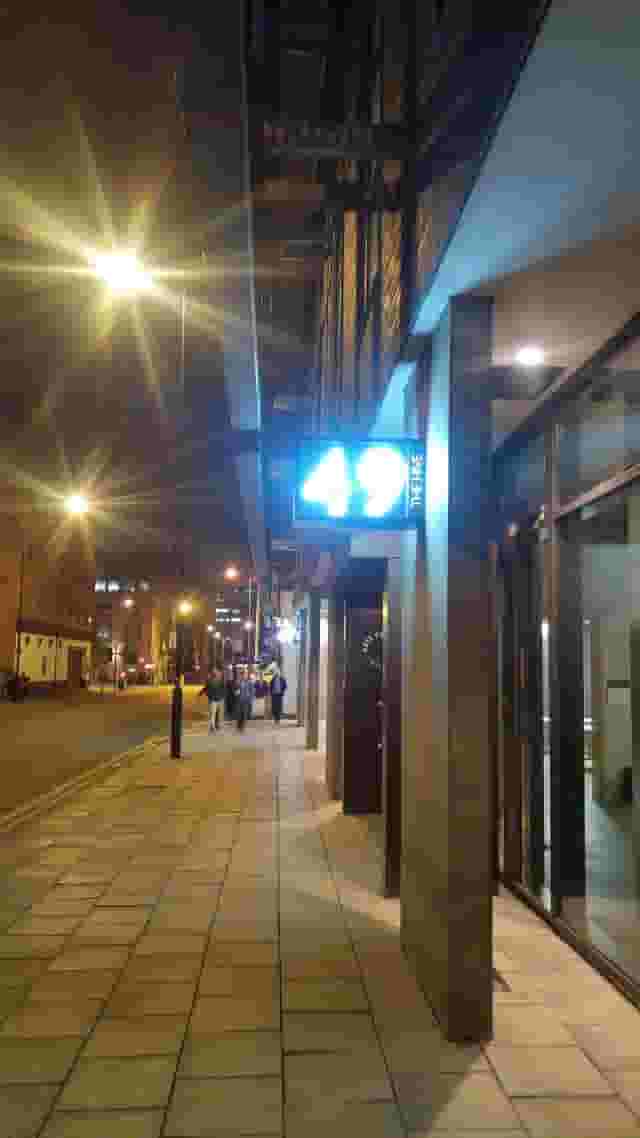
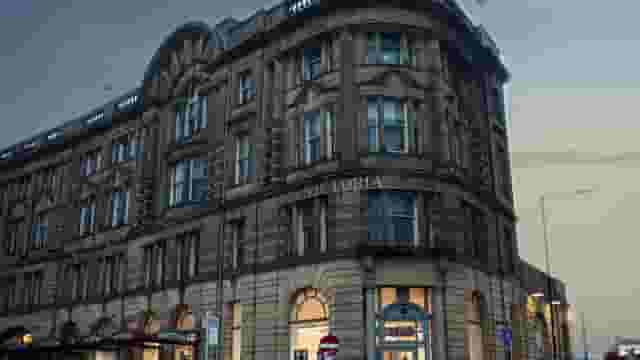
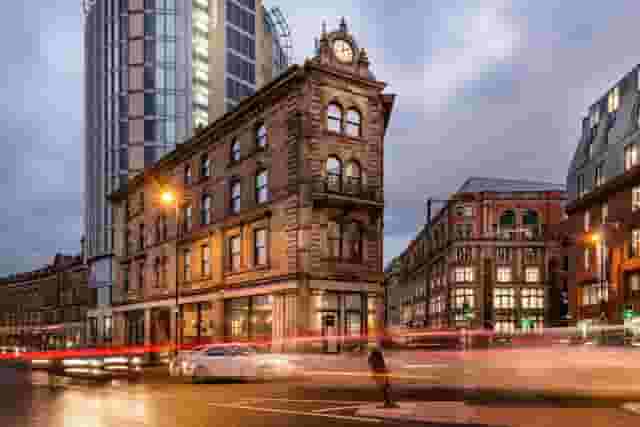
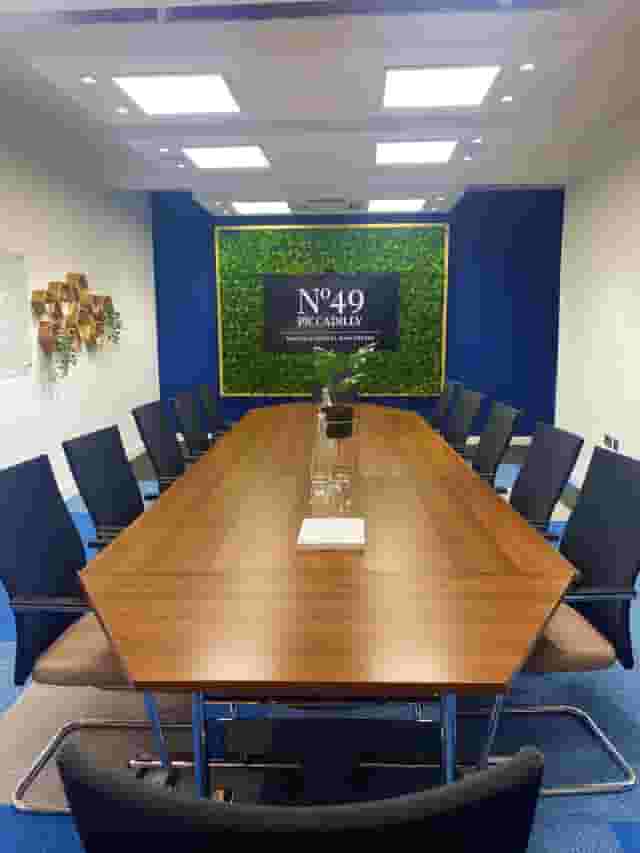
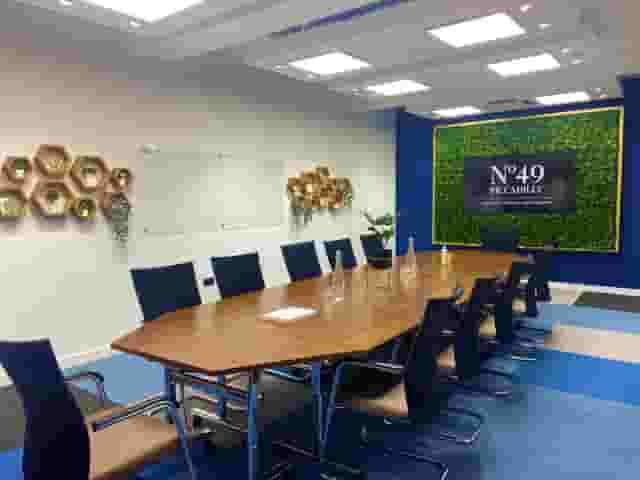
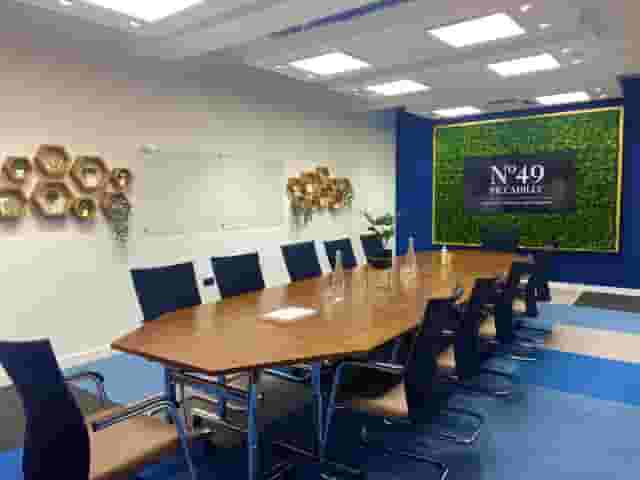
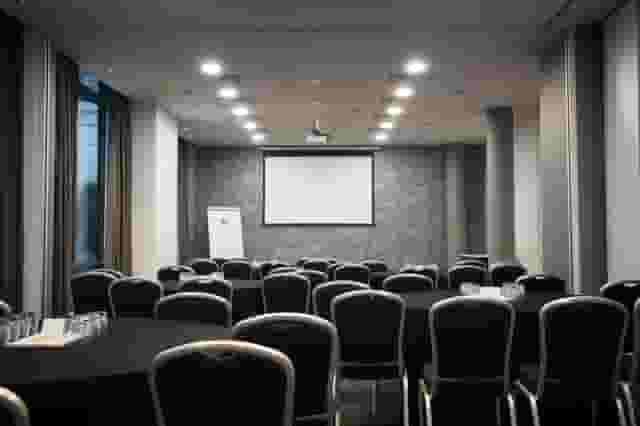
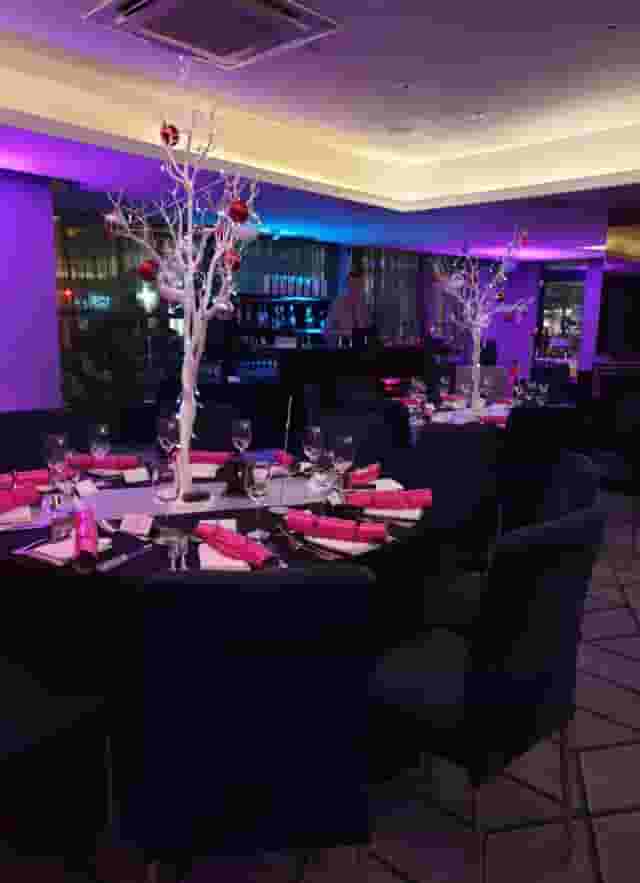
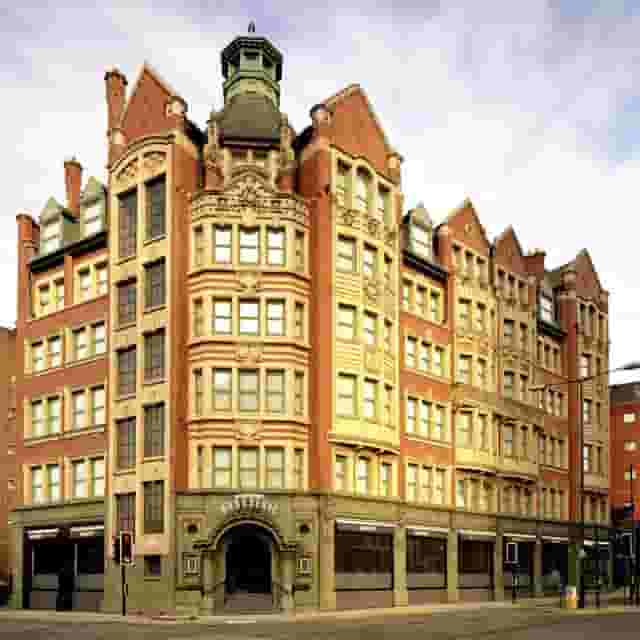
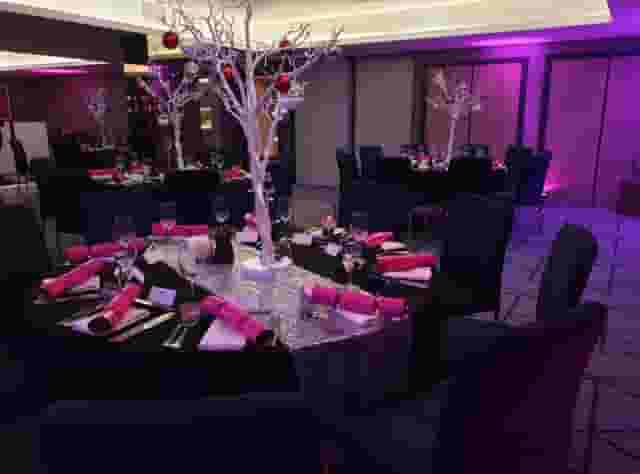
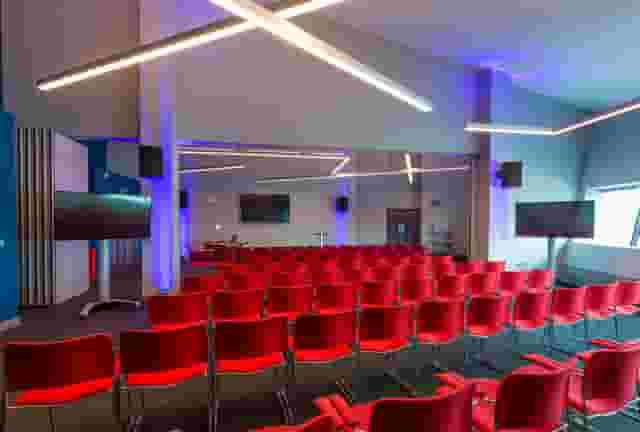
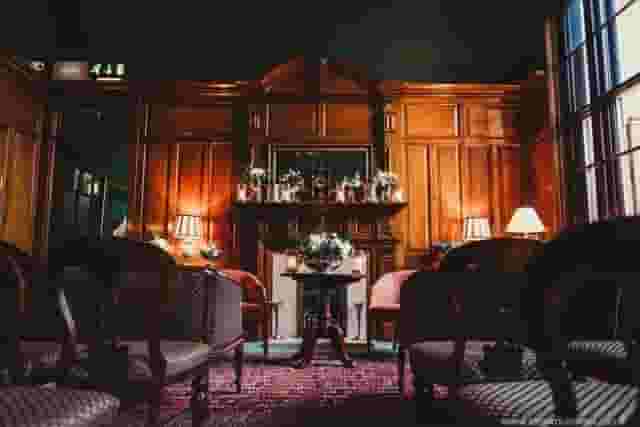
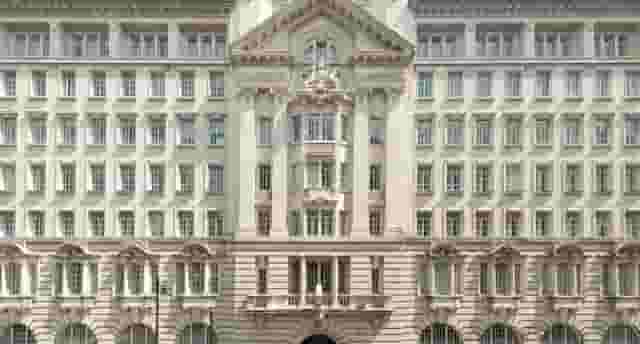
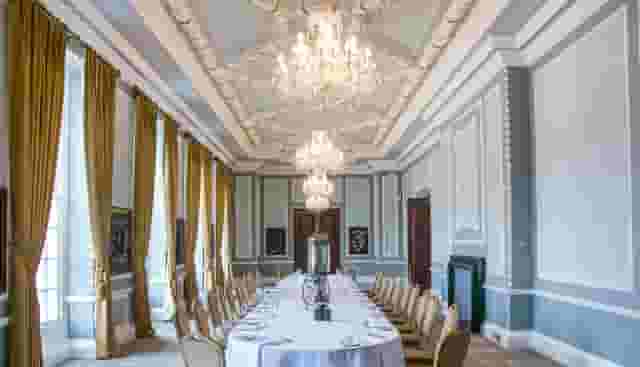
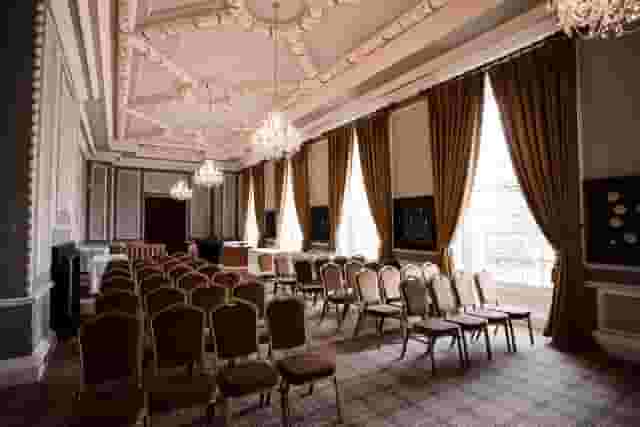
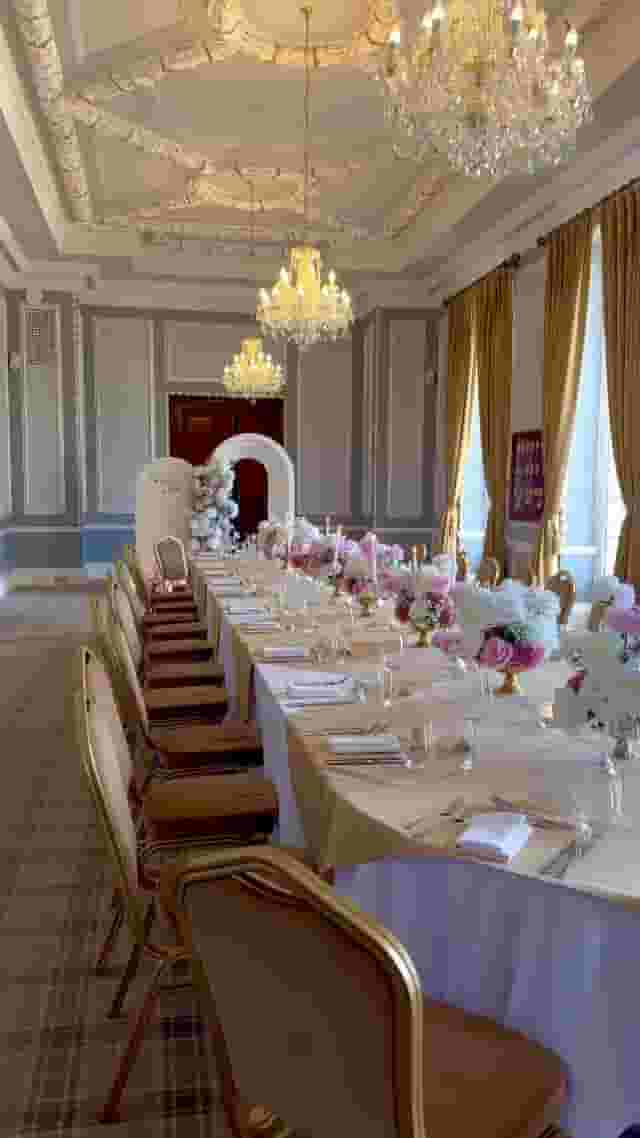
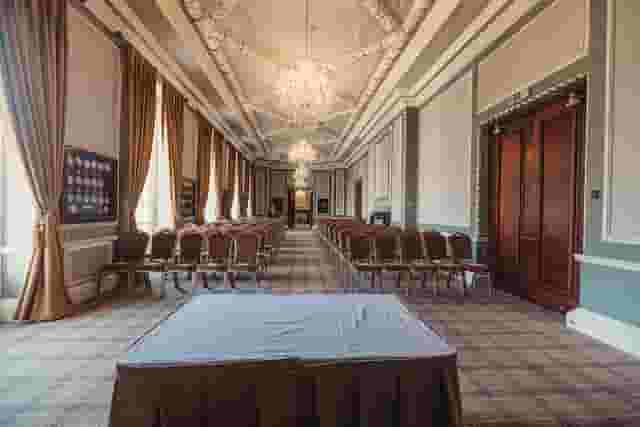
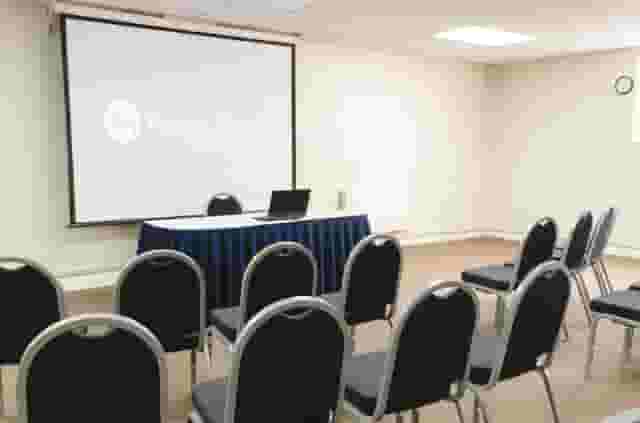
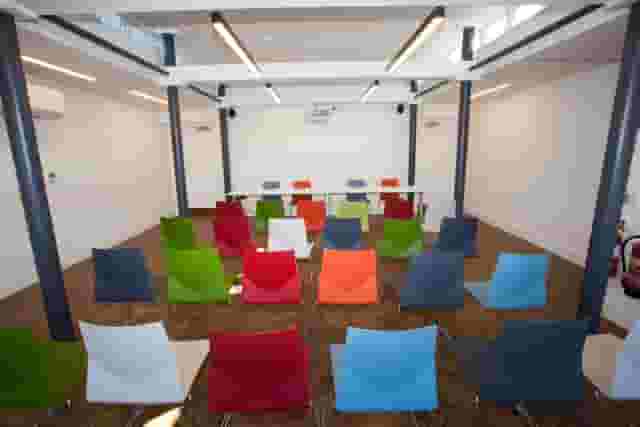
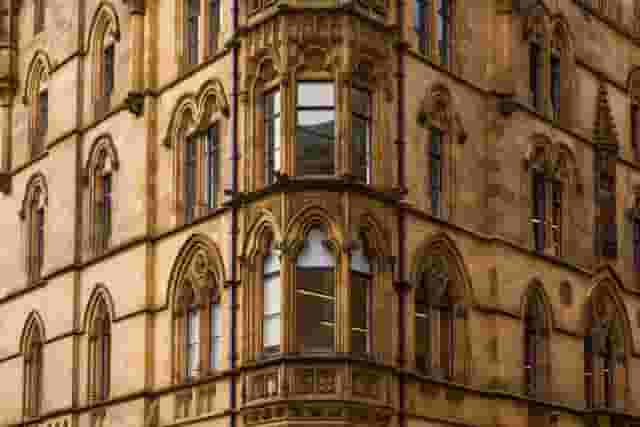
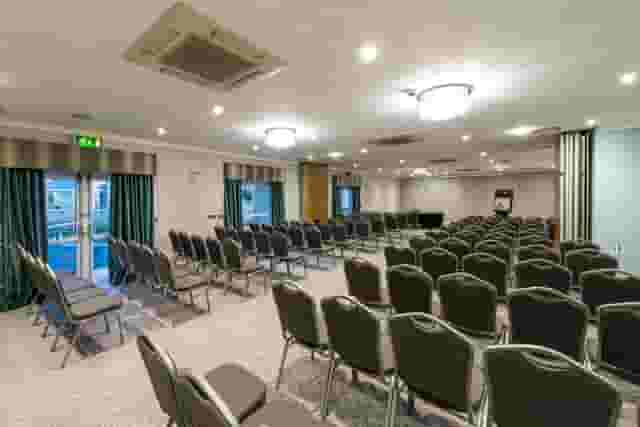
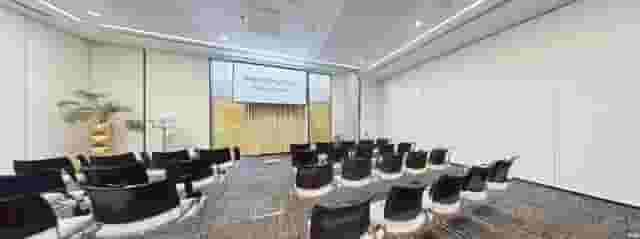
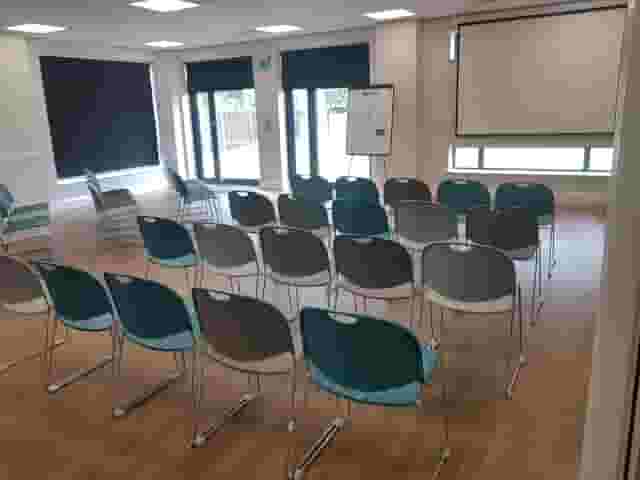
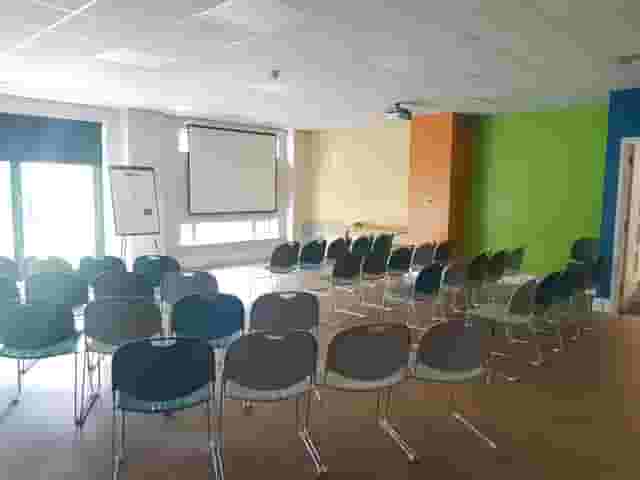
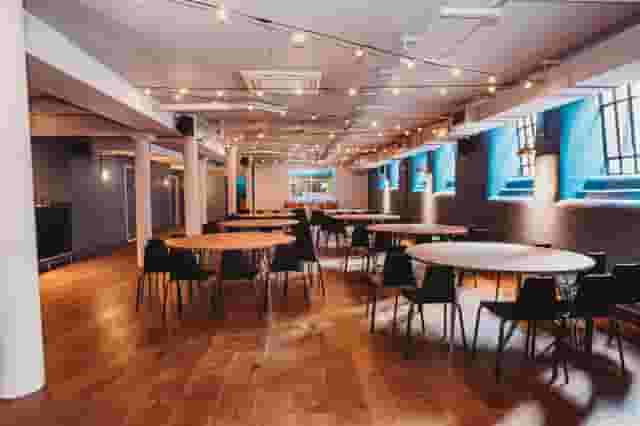
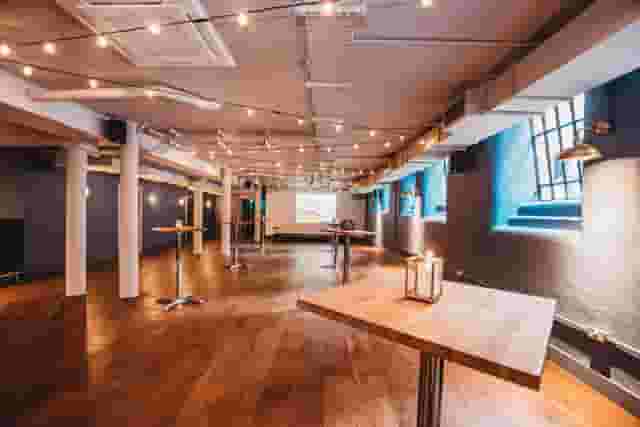
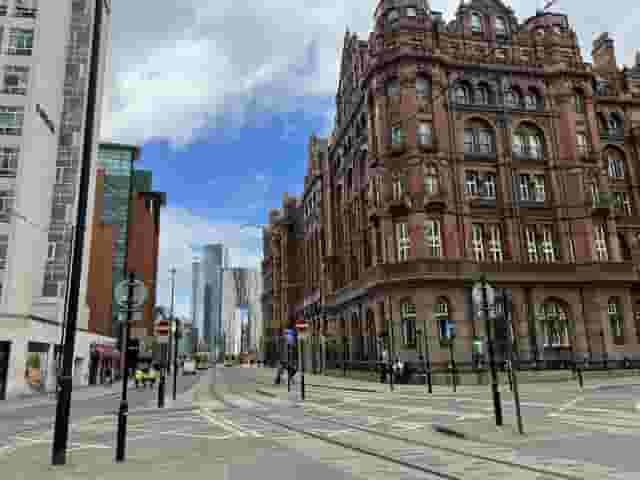
A space like the Crompton room at No 49 Piccadilly holds up to 30 people in theatre style. For twenty delegates doing collaborative work, that footprint provides enough breathing room to set up tables without delegates knocking elbows or tripping over power cords. If you prefer a private room with character, the EVA room at ABode Manchester accommodates 40 for a reception in a Grade II listed building near Piccadilly station. Having that extra floor area gives you room to move around, split off for five-minute group chats and lay out refreshments without crowding the main table.
Natural daylight is another non-negotiable factor for four hours of focused work. Basement suites and windowless breakout spaces might look sharp under dim architectural lighting, but they drain energy quickly. Look for external windows with functional blinds. You need daylight to keep delegates alert, but you also need to cut screen glare when running slides. Check ventilation controls as well. A sealed room with twenty people working on laptops will warm up rapidly. Look for rooms with independent temperature controls rather than central building heating that you cannot adjust.
Acoustic separation matters just as much. If you are discussing quarterly numbers, personnel changes or commercial strategy, you cannot afford sound bleeding through thin partition walls. Hotel meeting rooms placed next to service corridors or kitchens often suffer from door clatter and trolley noise. Dedicated business centres and converted historic halls tend to offer heavier walls and quieter corridors, which protects both privacy and focus.
Technical essentials: screens, Wi-Fi and presentation hardware
Nothing wastes meeting time faster than twenty minutes spent hunting for an HDMI adapter or waiting for a guest Wi-Fi network to connect. A half-day session has tight momentum. If the first half hour disappears into troubleshooting audio, you will rush the most important agenda items before lunch.
When evaluating a room for digital presentations, find out whether the display is a high-definition monitor or a projector. For a group of twenty, a large wall-mounted 4K screen with a minimum 75-inch diagonal is far easier to read than an older projector bulb battling daylight. Look for simple plug-and-play connections: native HDMI and USB-C leads placed directly at the conference table. If the room relies on wireless screen sharing systems, ask whether delegates need to download external software or run administration rights on corporate laptops. Many corporate firewalls block third-party screen-casting apps, so having a physical cable running straight into the wall socket remains the safest fallback.
Wi-Fi capacity should be specified for business use, not general guest browsing. Twenty attendees will typically carry two devices each: a laptop actively running cloud applications and a phone checking email. That means your room needs an access point capable of managing forty simultaneous connections without bandwidth throttling.
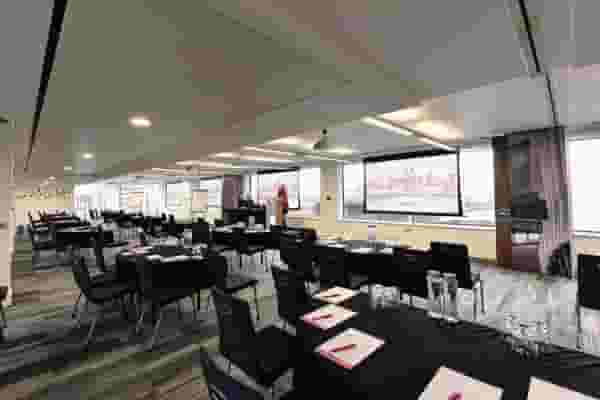
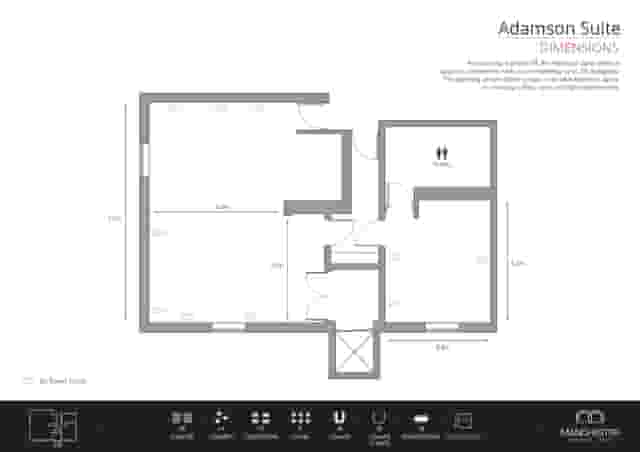
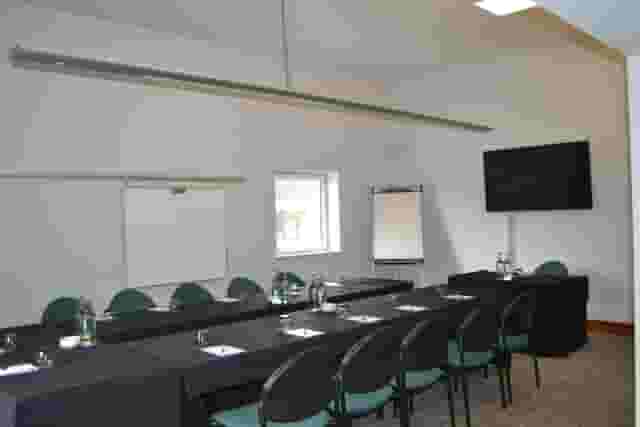
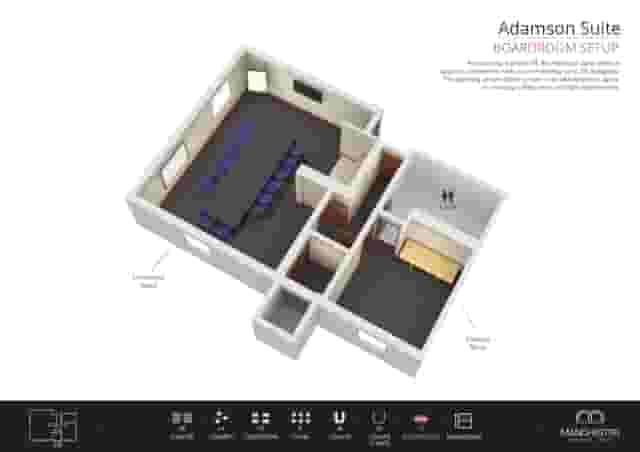
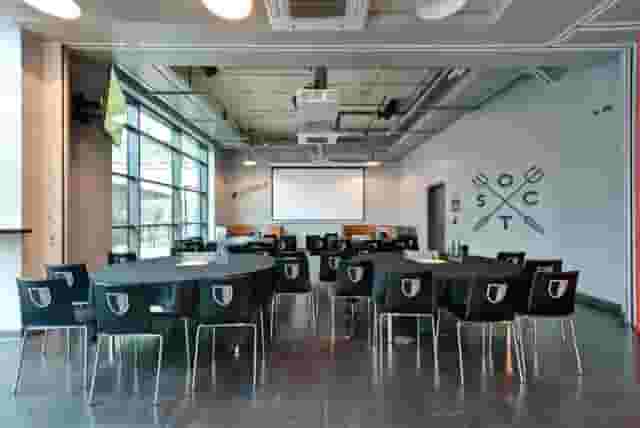
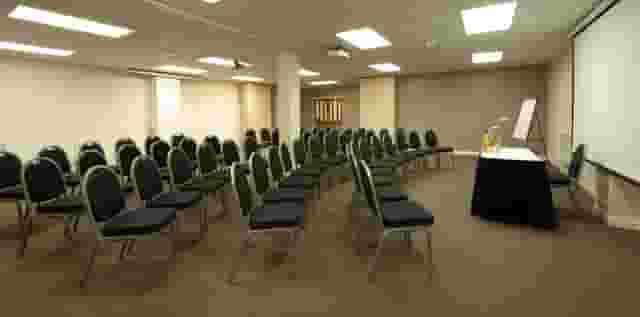
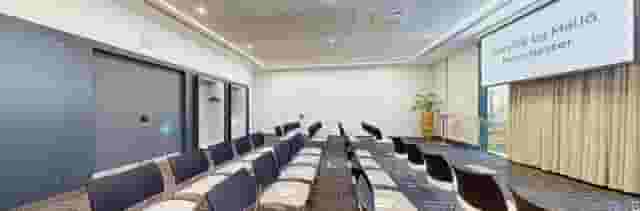
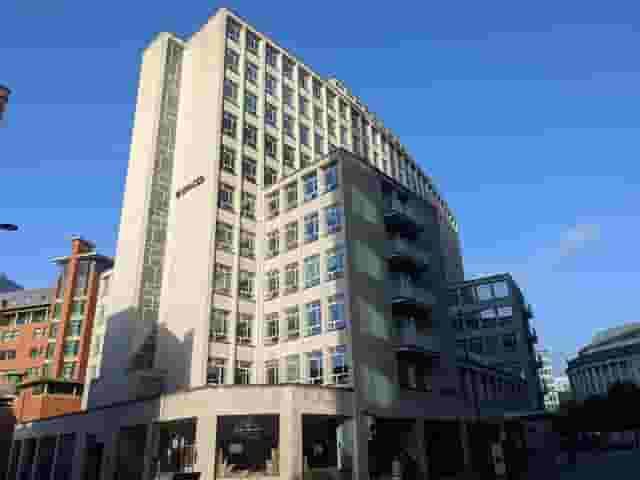
For sessions with complex technical briefs or remote dial-ins, dedicated conference facilities offer a real advantage over multipurpose rooms. The Adamson Suite at Manchester Conference Centre & Pendulum Hotel seats 35 in a theatre setup and includes dedicated AV support along with private lift access. Having professional support staff on site means that if a video call fails or a soundbar drops out, someone is down the hall to fix it within three minutes.
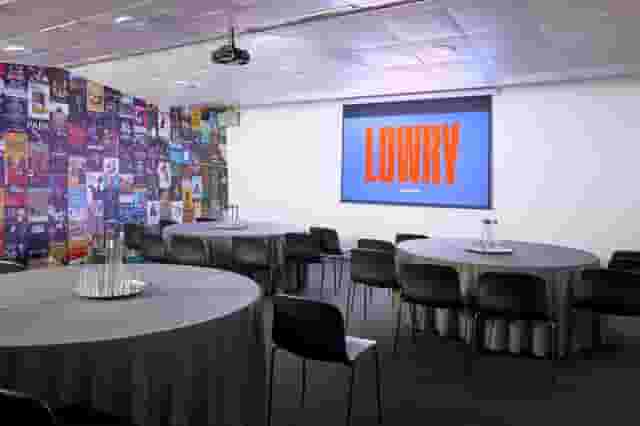
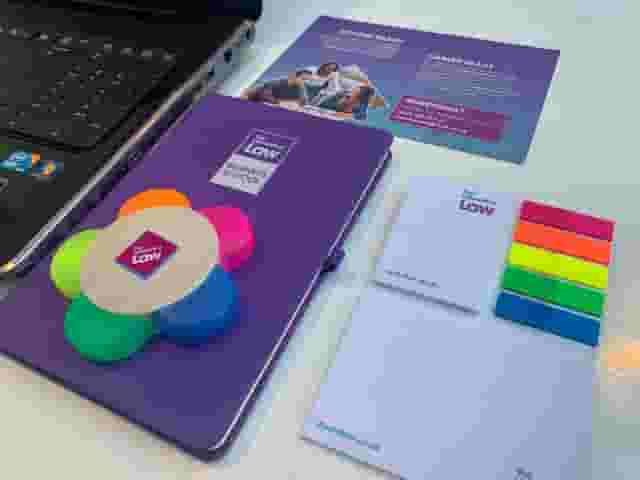
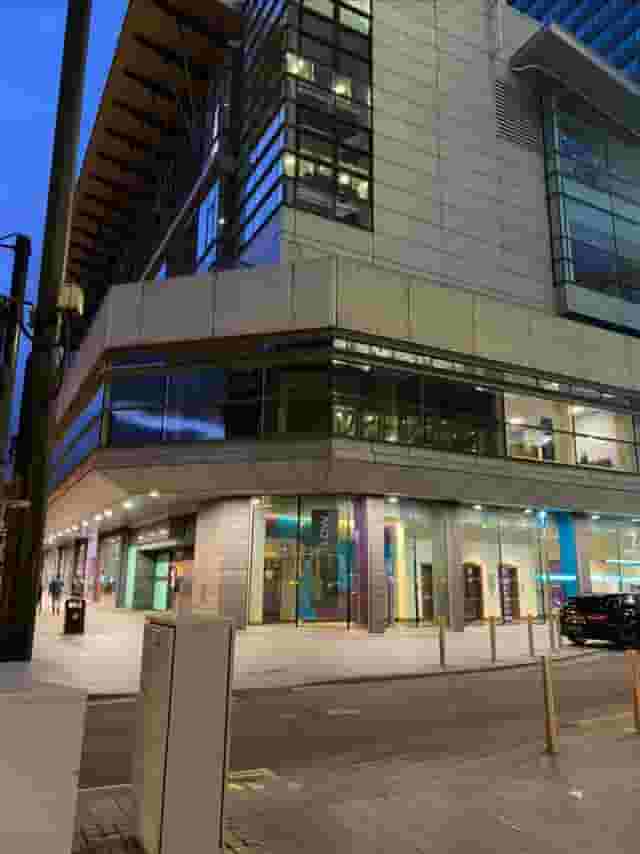
If your team is working on creative presentations or design reviews, venues like the Lowry at Salford Quays provide purpose-built facilities. Its South Room accommodates 40 in theatre style and features air-conditioning and integrated audiovisual equipment, offering a clean setting for visual work away from the rush of central Manchester.
| Equipment item | Minimum standard for 20 delegates | Common failure point |
|---|---|---|
| Main display | 75-inch 4K screen or 4,000-lumen projector | Screen washed out by ambient daylight |
| Input connections | Native HDMI and USB-C at table level | Requires third-party software downloads |
| Audio playback | Dedicated table soundbar or ceiling speakers | Laptop speakers echoing in a large room |
| Power supply | One mains socket per delegate at table height | Trailing extension cables creating trip hazards |
| Collaboration tools | Magnetic whiteboard or dry-erase flipchart | Dried-out pens or missing fresh paper pads |
Always confirm whether the venue supplies essential accessories. Dry-erase markers, flipchart pads, clickers with laser pointers and spare extension blocks should be in the room when you unlock the door, rather than requested from reception after the meeting has already started.
Understanding the costs: Day delegate rates and room hire in Manchester
Budgeting for a small meeting in Manchester usually follows one of two pricing models: a day delegate rate (DDR) or an hourly room hire fee combined with itemised food and drink costs.
For small business meetings in the city, indicative pricing sits at £50 to £65 per head. This estimate is based on 3 quotes from the venues on this page for about 20 guests, and assumes that group size.
| Indicative delegate cost (based on quotes for ~20 guests) | Lower end | Higher end |
|---|---|---|
| Cost per head | £50 | £65 |
| What it typically includes | Standard room + tea/coffee | Premium hotel suite + hot lunch |
What that figure covers depends on how the venue packages its services:
- Towards the £50 end of the range, quotes typically cover half-day room hire, basic presentation equipment like an LED screen or projector, standard guest Wi-Fi and two rounds of tea, coffee and biscuits.
- Towards the £65 end, packages usually include continuous refreshments, morning pastries, an upgraded buffet or hot working lunch served inside or outside the room, mineral water and full technical setup.
Understanding the difference between a delegate package and a room-only quote helps you spot where extra charges creep in. Some venues quote an attractive baseline room hire fee, but add charges for each screen, flipchart pad, jug of tap water and pot of coffee. A venue quoting a low baseline room hire fee can quickly push the total above the £50 to £65 per head indicative range once you add lunch orders, equipment rental and service fees.
Venues with high-end hospitality services, such as the Clegg Suite at Townhouse Hotel Manchester, which seats 30 for dining, or Private Room 18 at The Edwardian Manchester, A Radisson Collection Hotel, which takes 80 for a standing reception, balance their pricing by packaging premium catering with their private dining and conference suites.
When you review quotes, ask specifically whether the following items are included in the headline figure:
- VAT (many business venues quote excluding VAT by default).
- AV equipment hire fees and technician call-out charges.
- Continuous hot drinks versus fixed servings (a fixed serving means you pay extra if delegates ask for more coffee at 11:30 am).
- Still and sparkling bottled water replenishment.
- Service charges on food and drink.
Ask also about deposit terms and cancellation policies. Most commercial venues require a deposit to confirm the reservation, often between 25% and 50% of the total contract value. Full payment is typically due two to four weeks before the event date. Cancellation policies scale with time: cancelling four weeks out might incur a modest administration fee or loss of deposit, whereas cancelling within seven days will usually leave you liable for 100% of the room hire and pre-ordered catering costs. Always check the final date by which you can alter delegate numbers without paying for unused plates. Hire Space 360 is enterprise venue and hotel procurement for companies spending £1m or more a year on meetings and events: a managed meetings and events programme, the kind procurement teams call strategic meetings management. It brings every venue contract onto one central supplier agreement, replacing individual deposits with consolidated invoicing and keeping bookings within company event policy. Finance and procurement teams also gain live spend reporting and full audit trails across all departments.
Refreshments, timings and keeping delegates engaged
The flow of refreshments dictates the energy of a half-day session. For a morning meeting running from 9:00 am to 1:00 pm, schedule three clear refreshment touchpoints to keep delegates engaged.
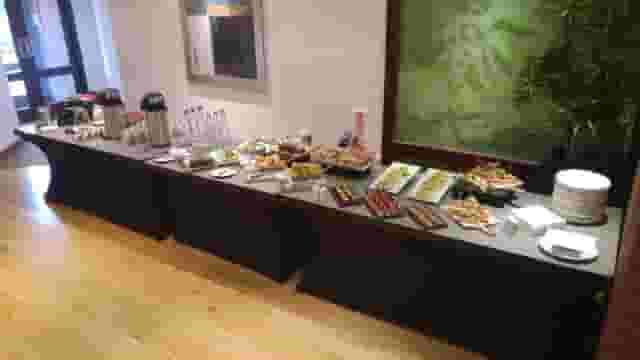
Have fresh coffee, tea, water and light breakfast items available fifteen minutes before the formal start time. This lets delegates arrive, settle in, check email and grab a drink without cutting into presentation time. Set up a mid-morning break around 11:00 am for fifteen minutes. This allows attendees to stretch their legs, make urgent calls and refresh their coffee cups.
For the close of the meeting at 1:00 pm, decide whether lunch should be served inside the meeting room as a working spread or in an adjoining lounge or restaurant area. Eating away from the presentation table clears the mental air and allows delegates to network informally before travelling back to the office.
| Time slot | Session stage | Food and beverage service |
|---|---|---|
| 08:45 to 09:00 | Arrival and setup | Fresh coffee, selection of teas, fruit and pastries |
| 09:00 to 11:00 | Morning work session | Mineral water and mints at table |
| 11:00 to 11:15 | Mid-session break | Coffee top-up, herbal teas and biscuits |
| 11:15 to 13:00 | Deep-dive discussion | Replenished water jugs |
| 13:00 onwards | Wrap-up and debrief | Working deli buffet, sandwich platters or light hot bowls |
Catering choices should avoid heavy carbohydrates. Sandwiches on artisanal bread, salad bowls, lean proteins, cut fruit and nut platters keep mental focus sharp. Heavy pasta bakes or fried buffet options lead straight to mid-afternoon slumps, especially if delegates have to return to the desk afterwards. Always poll dietary requirements at least five working days in advance: vegetarian, vegan, gluten-free and dairy-free options should be labelled clearly by the venue catering team so delegates can serve themselves quickly.
The physical atmosphere also shapes how your team interacts. If your team finds conventional corporate boardrooms rigid, exploring creative formats or reading up on quirky London meeting rooms to inspire creative thinking can give you ideas on how different surroundings shift group energy. You can also look at inspiring meeting rooms to see how room dressing and architecture affect discussion flow.
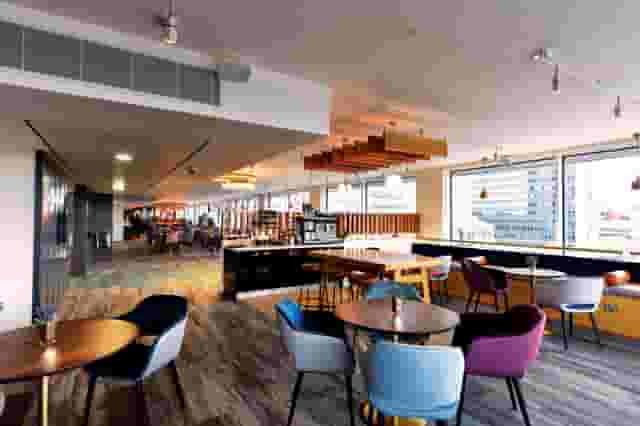
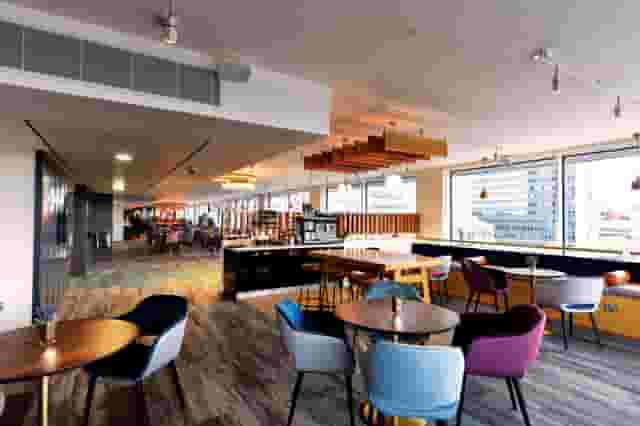
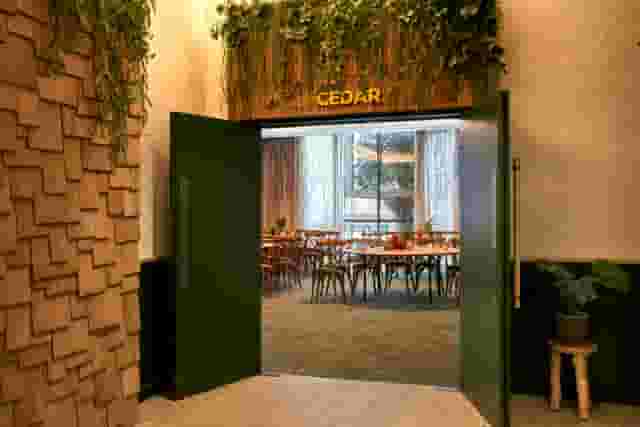
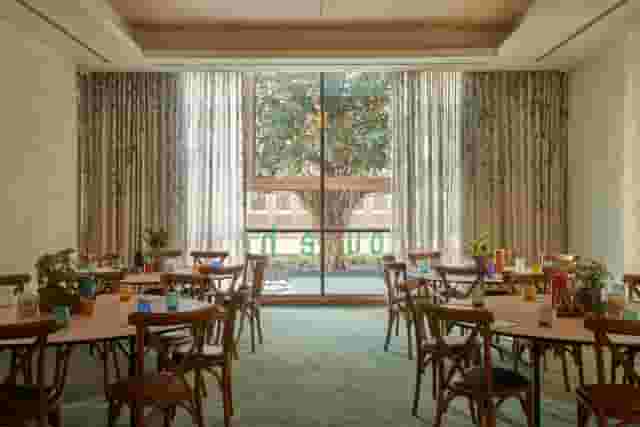
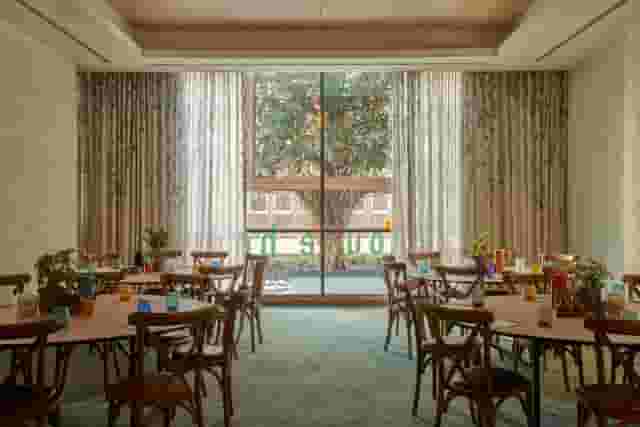
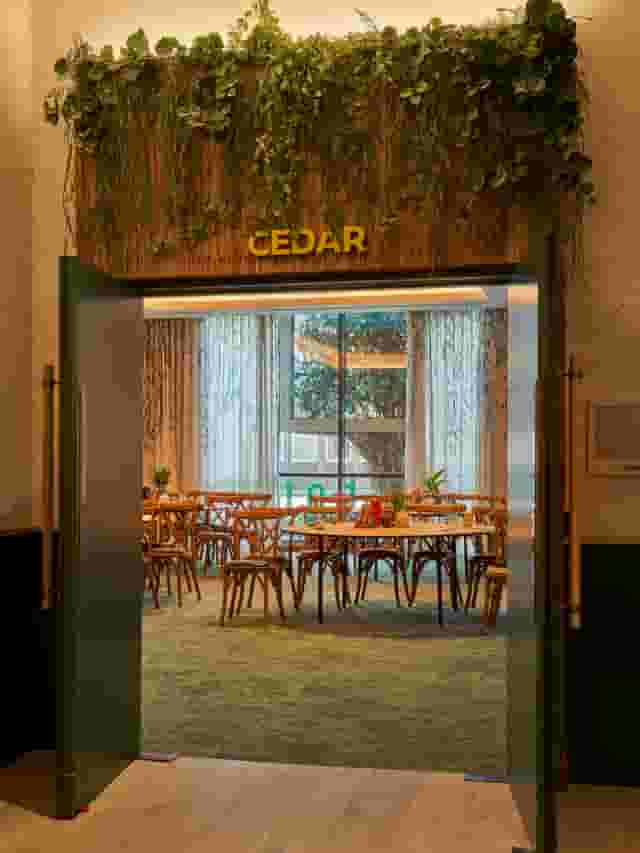
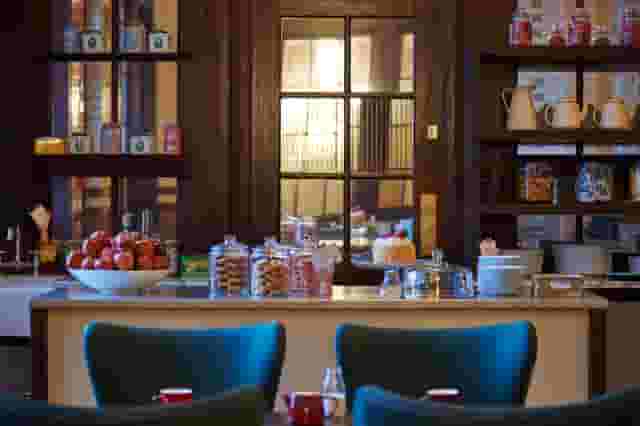
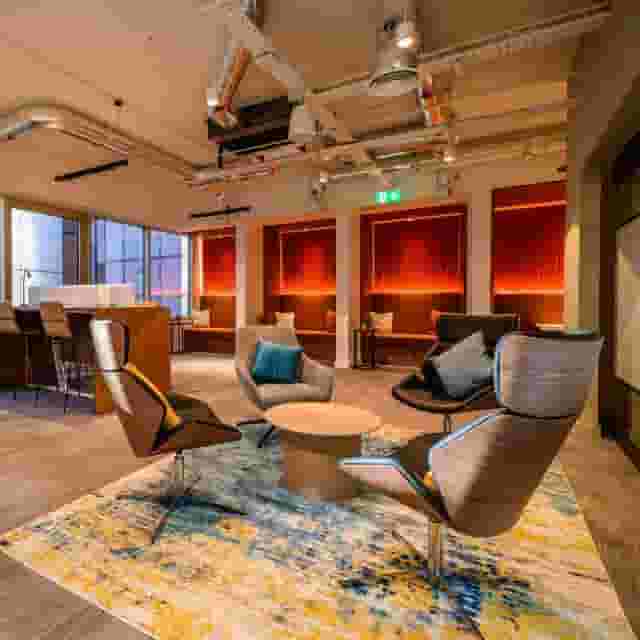
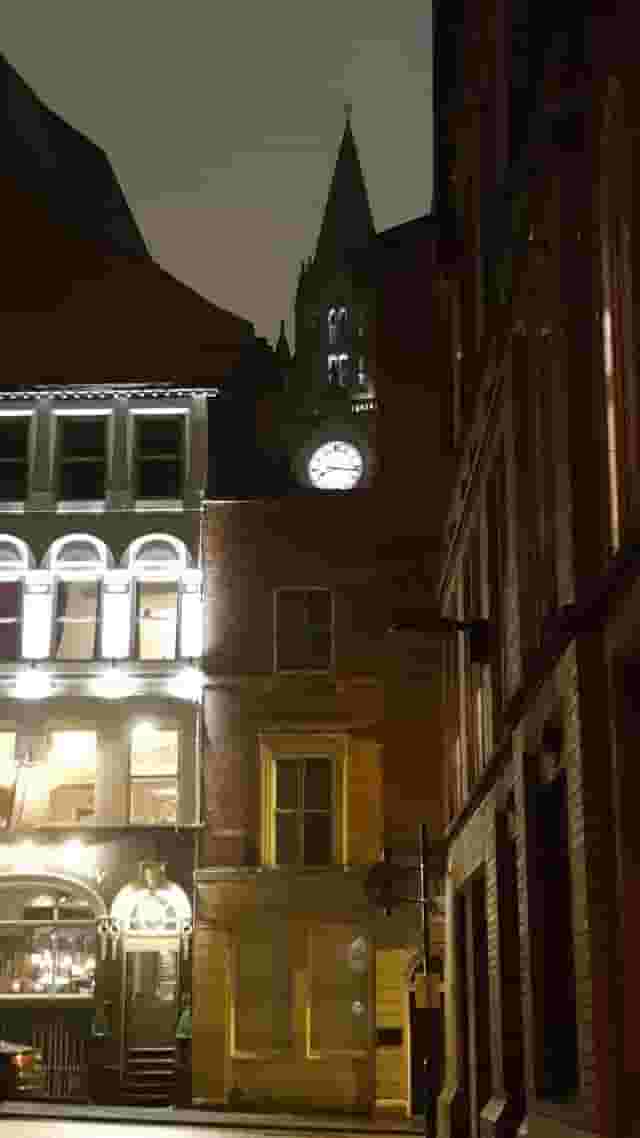
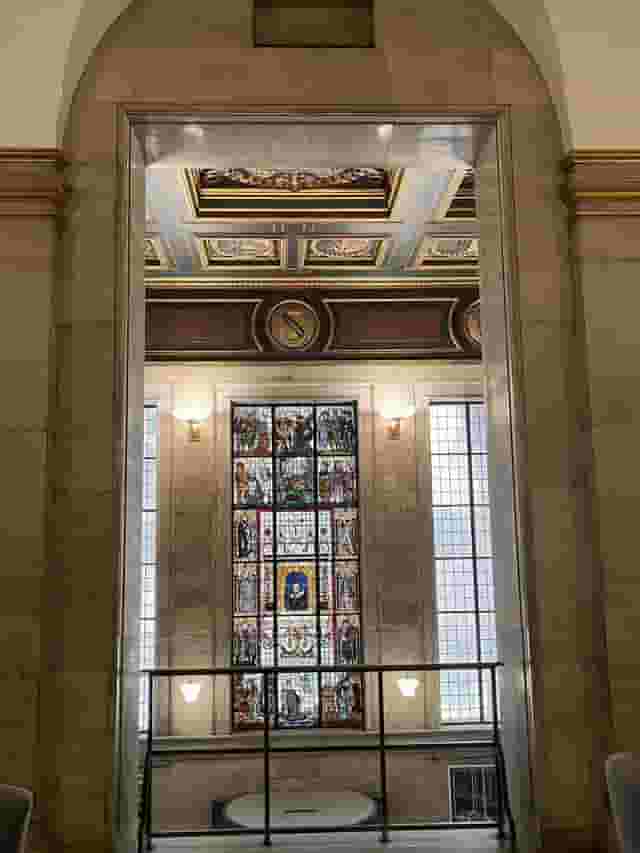
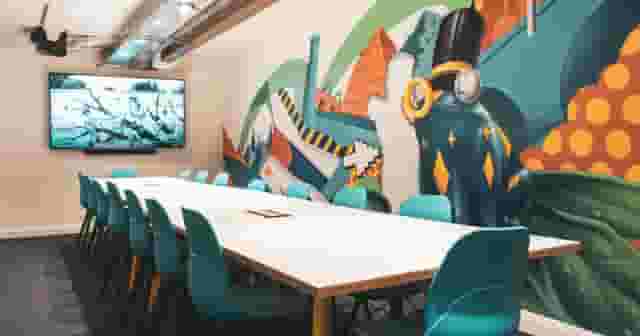
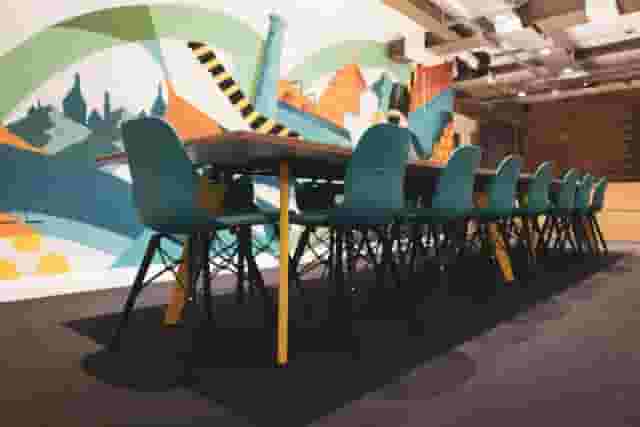
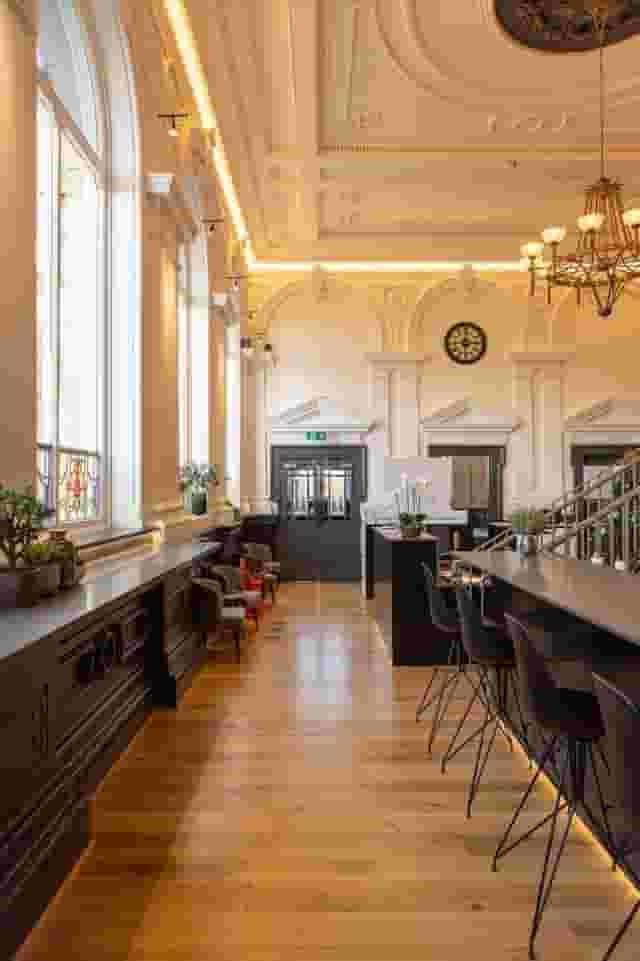
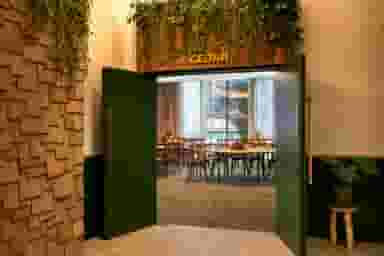
In Manchester, spaces with architectural character help stimulate conversation. The Clock Tower Rooms & Business Centre at Kimpton Clocktower Hotel offers seven flexible rooms for up to 50 in theatre style, pairing period architecture with natural daylight. For a design-forward feel, the Cedar room at Treehouse Hotel Manchester in the Medieval Quarter accommodates 100 for a reception and provides a relaxed backdrop that works well for roadshow presentations and team off-sites.
Location, access and booking timelines across Manchester
Selecting the right neighbourhood in Manchester depends heavily on where your attendees are starting their journey. If attendees are arriving by train from London, Leeds, Birmingham or regional offices across the North West, staying close to Manchester Piccadilly is the most sensible choice.
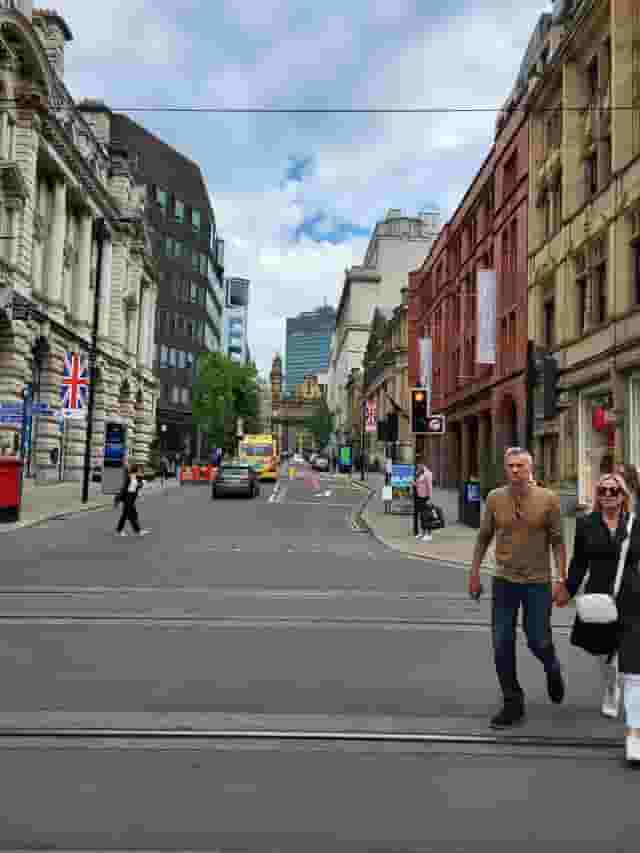
Piccadilly serves as the city's primary rail hub, with direct Metrolink tram connections running across Greater Manchester. Venues clustered around Piccadilly, Portland Street and the Northern Quarter allow delegates to walk from platform to meeting room in under ten minutes, avoiding delays from crosstown traffic.
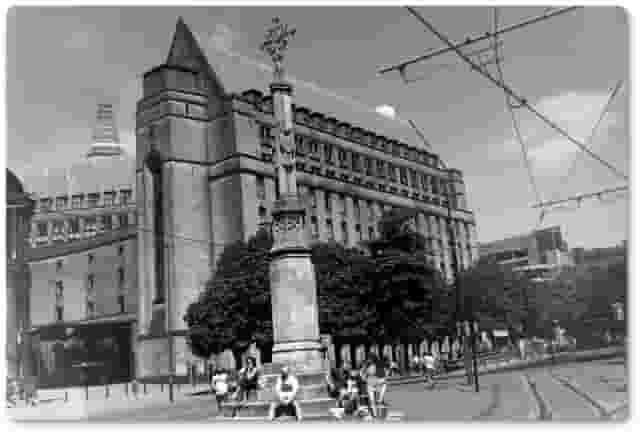
If your attendees are driving or using regional rail lines through Oxford Road or Deansgate, look towards the Petersfield district or the civic core around St Peter's Square. These areas offer convenient multi-storey car parking facilities and quick connections to the inner ring road, while remaining walking distance from central hotels and restaurants for post-meeting client dinners.
Booking timelines vary through the business calendar. For a standard private room holding twenty people with presentation facilities and lunch, begin your search three to four weeks ahead of your target date. Manchester has a dense calendar of industrial conferences, sporting fixtures and cultural events. When a major medical congress arrives at Manchester Central or large events take over the city, hotel meeting rooms across the central core book out weeks in advance, and local room rates climb.
Tuesdays, Wednesdays and Thursdays represent peak corporate meeting demand. If your dates are fixed to a mid-week slot, booking a month ahead ensures you secure a room with external windows, natural light and your preferred layout. If you only have a few days of lead time, you can often find availability on Mondays and Fridays, when corporate off-sites occur less frequently. When you need to secure space quickly during peak periods, venue booking platform Hire Space shortlists suitable rooms in minutes rather than leaving you waiting days for responses. Backed by a team of real people who help manage the details, it provides instant price estimates based on real booking data so you can lock in the right room without budget surprises.
Check the venue's policy on access times before signing a contract. A four-hour meeting from 9:00 am to 1:00 pm requires at least thirty minutes of access before the start time so the organiser can test presentation slides, lay out agendas and verify that the display connects to the presenter's laptop. Many commercial venues run morning and afternoon half-day slots back to back, meaning morning access might strictly start at 8:30 am and require full vacation by 1:00 pm sharp so the team can reset for an afternoon booking. Confirm those buffer times in writing so your meeting does not get cut short while you are wrapping up your final actions.
What our customers say
Inspiration and planning guides
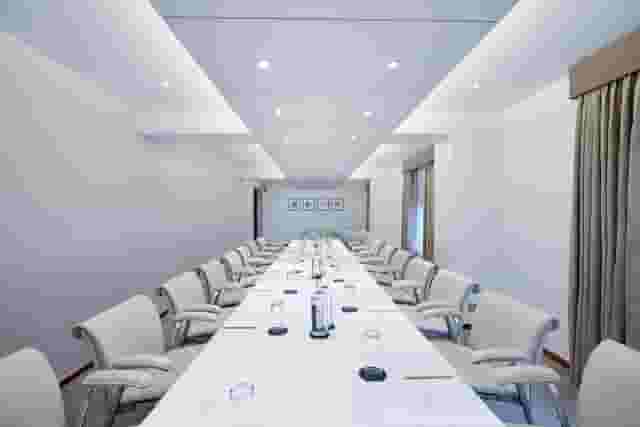
8 of the Coolest Meeting Rooms in London
Looking for the coolest meeting rooms in London? From stylish interiors to unique settings, here are 8 venues that will definitely elevate your next meeting!

Sneak Peek: The Salters' Hall Refurbishment
Located in the heart of the City, Salters’ Hall combines the rich heritage of the salt trade of medieval London with contemporary surroundings. Rebuilt in 1972 by Basil Spence and now a Grade II listed building, it is a rare example of a post-war livery building and has remained largely untouched until now... Architects de Metz Forbes Knight [http://www.dmfk.co.uk/projects/load/salters-hall] (dMFK) were tasked with the project to upgrade the building whilst retaining its sense of history and al

Venue Review: Anomalous Space
Creative ventures across the artistic spectrum are accommodated and embraced at Anomalous Space [https://hirespace.com/Venues/London/1551/Anomalous-Space], situated stunningly close to Angel Station on Pentonville Road. The venue's name captures its uniqueness, in that it deviates from the standard, unoriginal function space that's all too common. Anomalous Space combines the most contemporary of technological facilities with Art-Deco features, all set within an authentic Georgian townhouse.
One supplier. Every venue. Full visibility on what you spend.
Multiple venues and events. One agreement.