Sustainable Conference Venues for Hire in East London
Compare sustainable conference venues in East London with verified stage and breakout capacities, public transit connections and data-backed delegate pricing.
53 Sustainable Conference Venues for Hire in East London















































No venues match these filters
Try widening your capacity, luxury level or event type.
Don't have time to search? We'll find it for you.
For business events that need human judgement, talk to our team. Free for events of 100+ people, budgets over £10k or ongoing programmes.




Explore more venues in East London















Frequently asked questions
How can I ensure a venue meets sustainability standards?
Are there eco-friendly catering options in East London?
What tech should a green venue offer for conferences?
Can sustainable venues accommodate large conferences?
What defines a sustainable venue in East London?
What planning logistics are key for an eco-friendly conference?
What sustainable features should a conference venue have?
What is East London's commitment to hosting green events?
How much do sustainable conference venues cost per delegate in East London?
How accessible are sustainable venues in East London's transport network?
What innovative waste reduction systems do East London venues use?
How do venues balance eco-friendly design with modern luxury?
Which sustainability practices are city-approved for conference venues?
Are modern tech amenities standard in sustainable conference venues?
Other platforms search their database. We search everything.
Tell us what you need. Our deep research finds any venue, whether it's in our marketplace or not. No one else does this.
About Sustainable Conferences in East London
Matching your conference format to East London venue types
Planning a full day business conference with a plenary stage, breakout spaces, catering areas and dedicated technical infrastructure requires careful alignment between your programme and the venue floor plan. East London holds a broad spectrum of commercial event spaces, ranging from repurposed industrial warehouses in Wapping and Dalston to purpose-built auditoriums and innovation centres in Stratford and Canary Wharf. The structural layout you choose directly influences how efficiently your event runs and how effectively you can manage your environmental footprint.
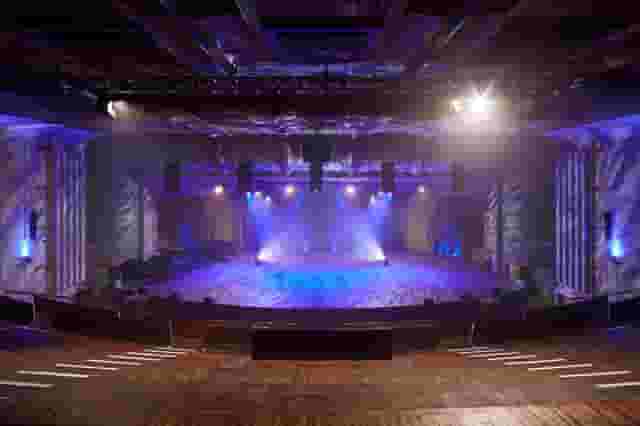
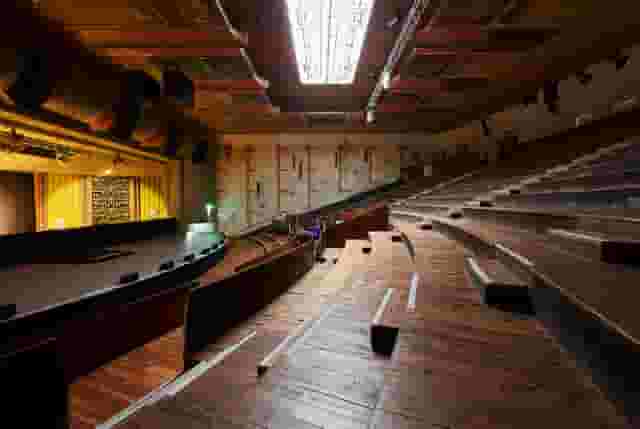
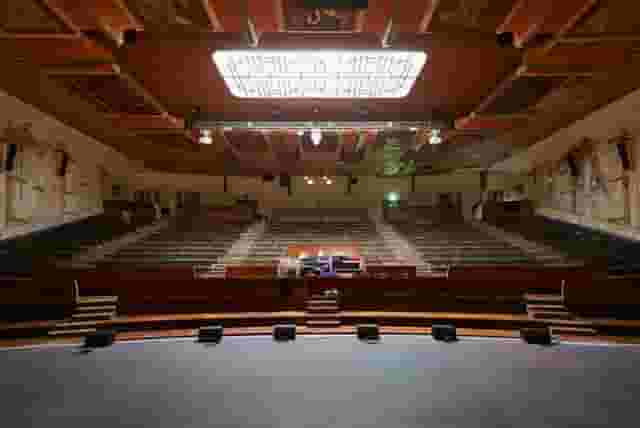
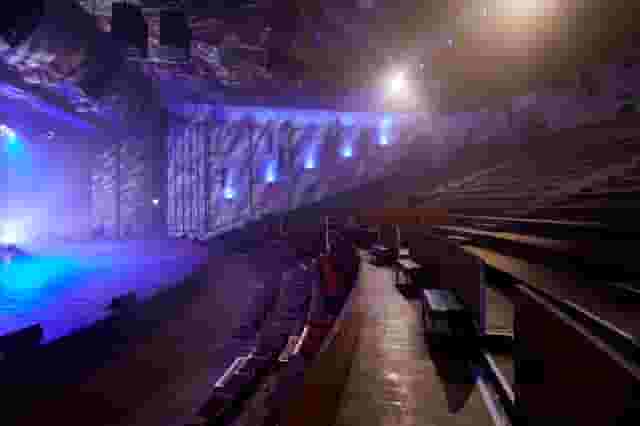
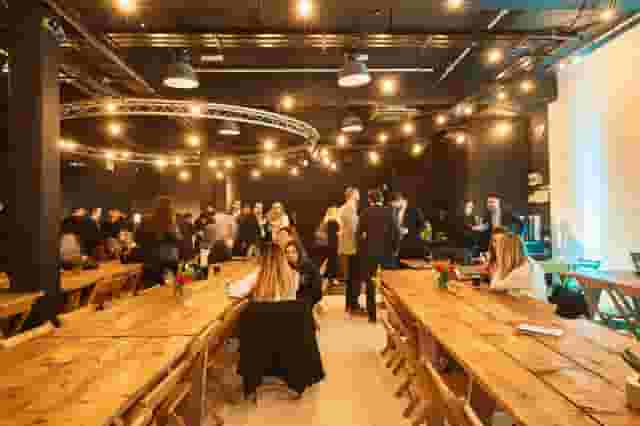
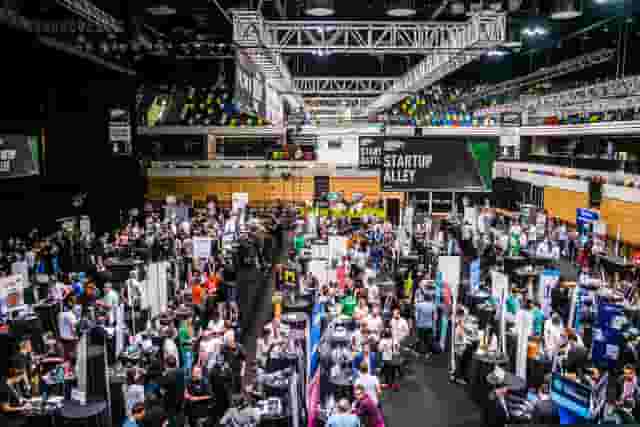
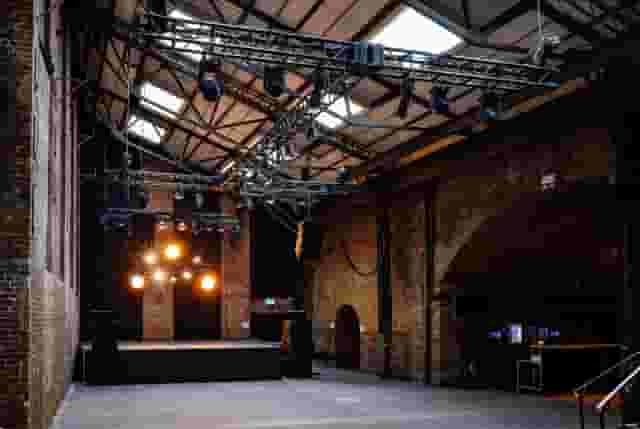
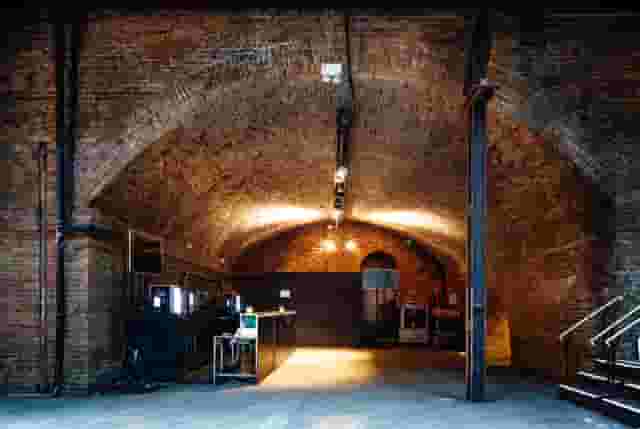
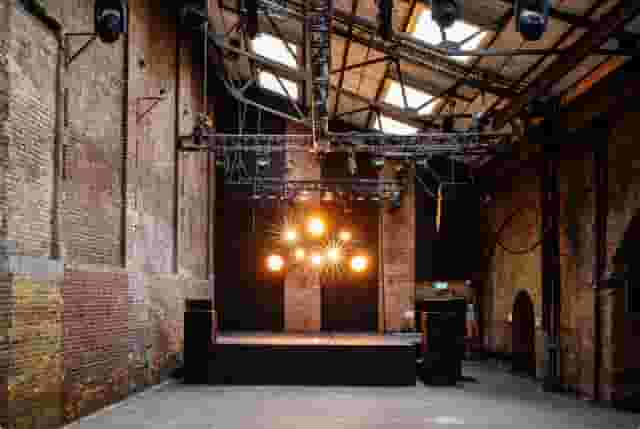
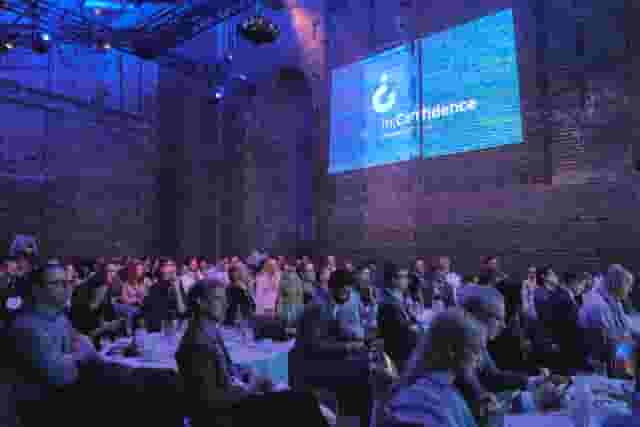
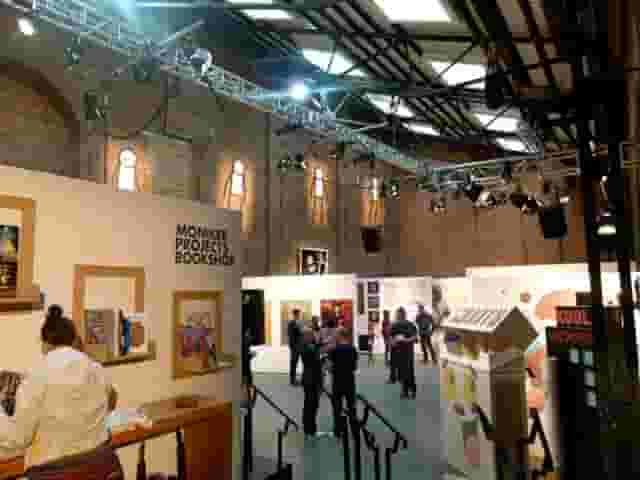
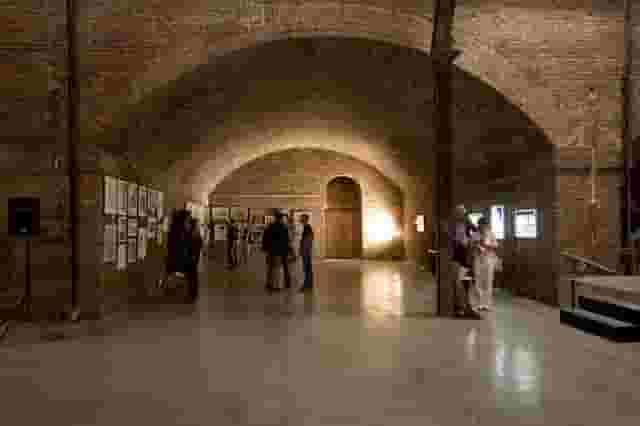
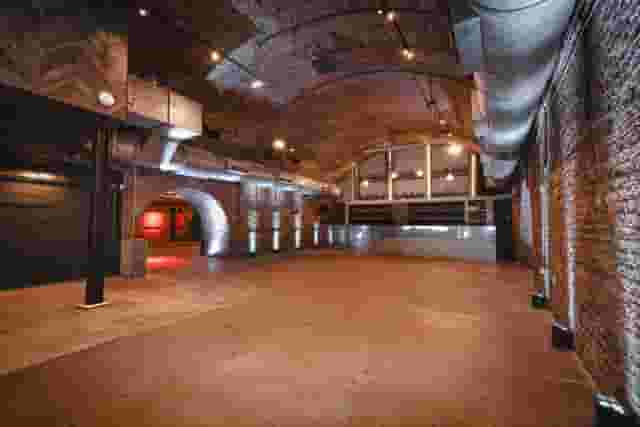
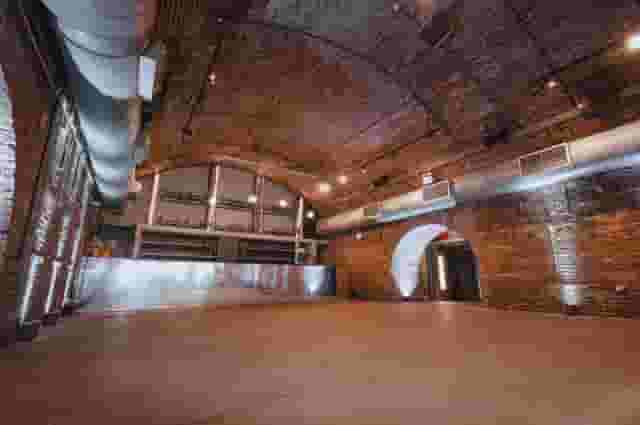
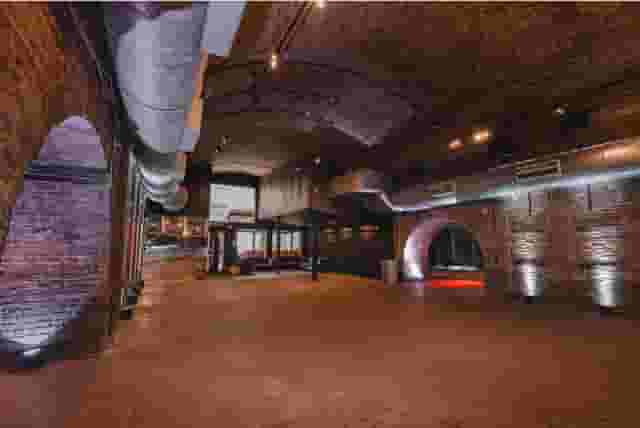
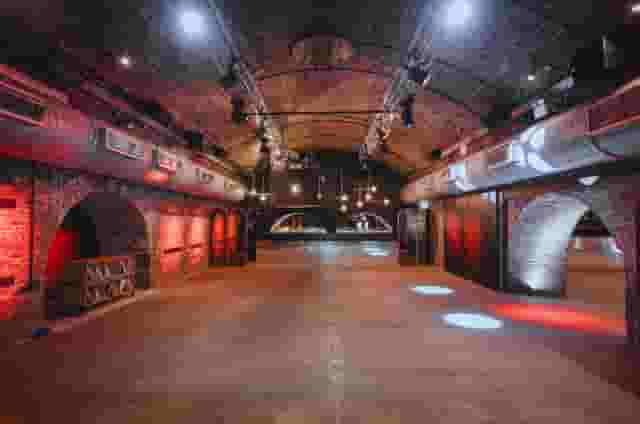
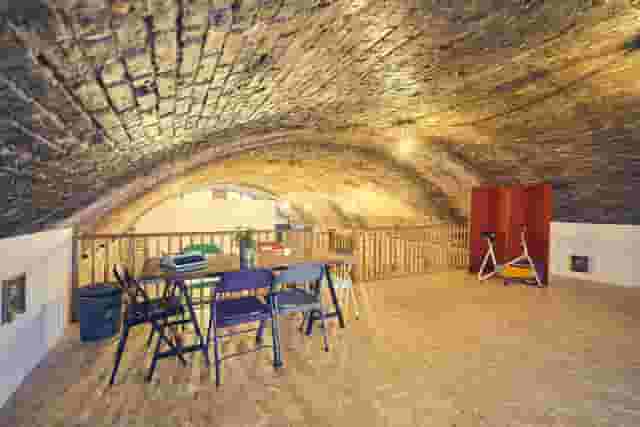
Converted industrial properties offer generous open footprints, high ceilings and solid architectural character, which work well when your event requires large exhibition areas alongside stage programming. At Tobacco Dock in Wapping, the North and South Vaults accommodate up to 740 guests in a standing setup. The raw brick arches provide natural division for separate sponsor areas and workshop zones, though older structures often demand extra planning around thermal efficiency, acoustic insulation and temporary technical production. In Dalston, EartH presents a theatre space that accommodates 700 standing guests with tiered wooden seating and integrated audio systems, making it well suited to technical keynotes and panel discussions that benefit from an established auditorium layout without the need to import temporary tiered seating.
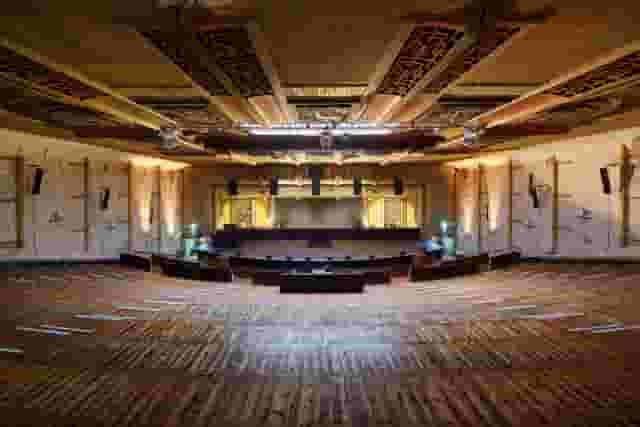
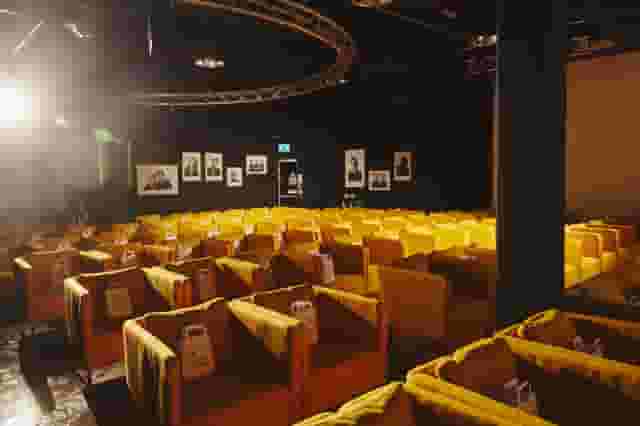
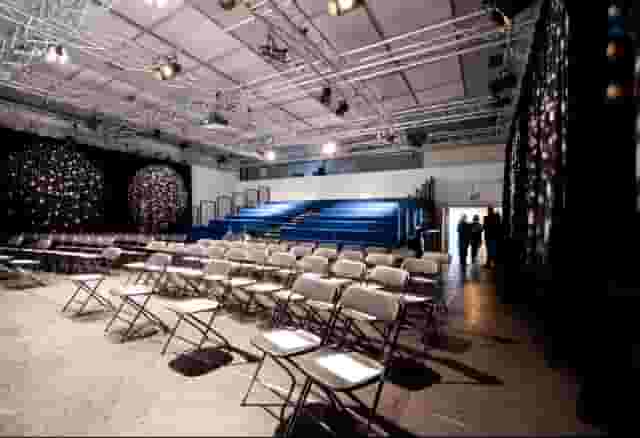
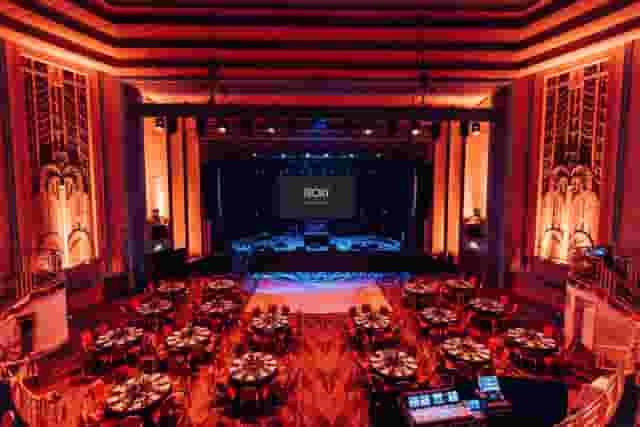
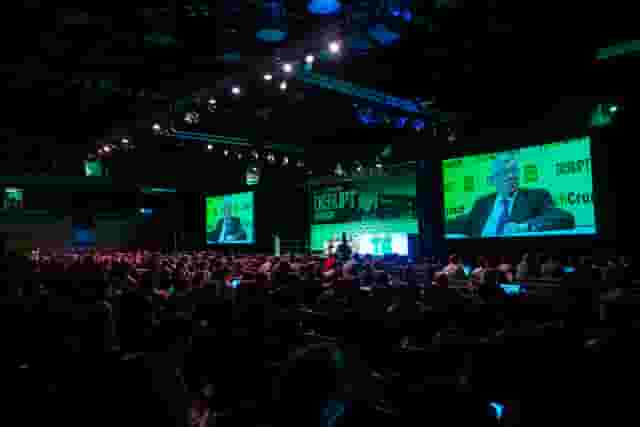
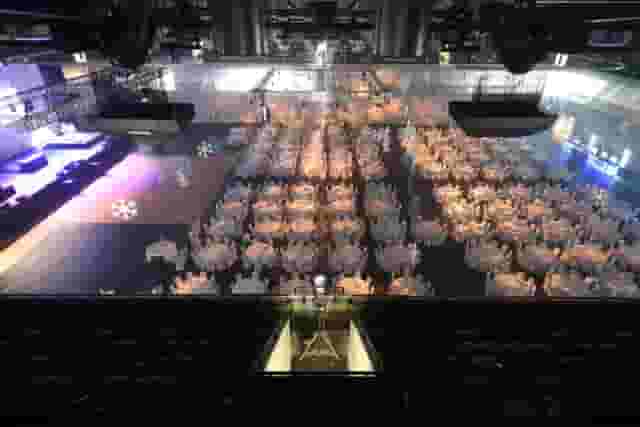
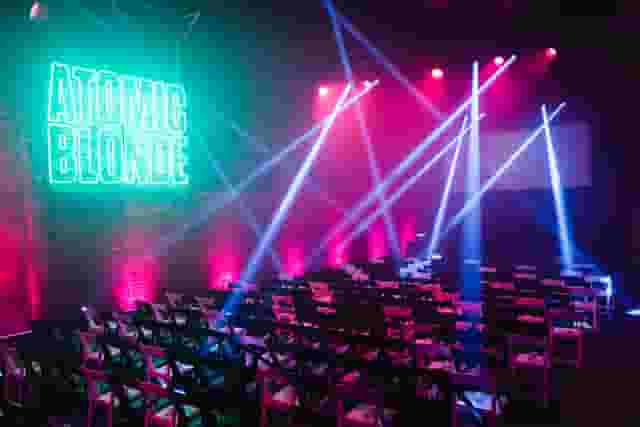
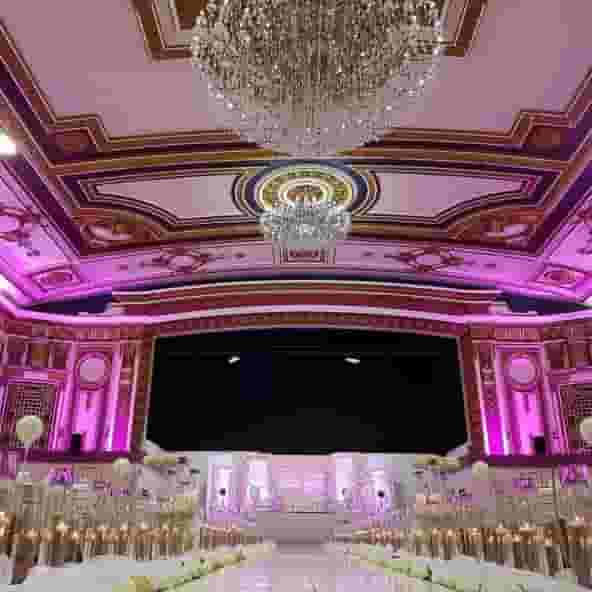
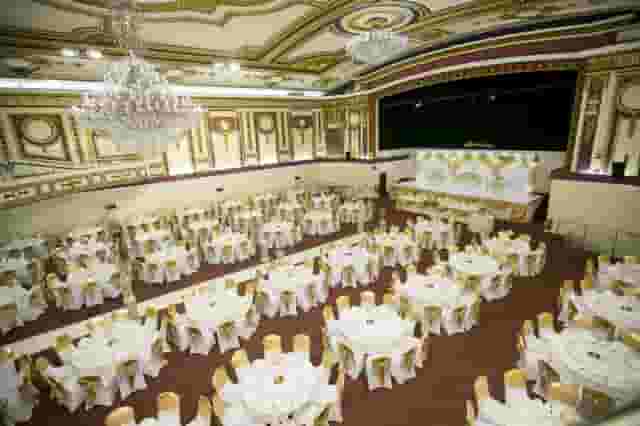
When your conference centres on a continuous plenary address with concurrent seminar streams, established performance spaces and auditoriums provide operational advantages. Troxy in Tower Hamlets features an art deco hall with a pillar-free structure that seats 1,200 guests at tables or up to 2,100 in theatre layout. The permanent stage and fixed production infrastructure reduce the freight emissions associated with trucking in temporary staging, trussing and lighting rigs. For contemporary performance facilities, Sadler's Wells East in Stratford offers a 550-capacity auditorium in theatre format, providing fixed sightlines, dressing rooms and purpose-built breakout studios that simplify delegate movement between morning keynotes and afternoon workshop tracks.
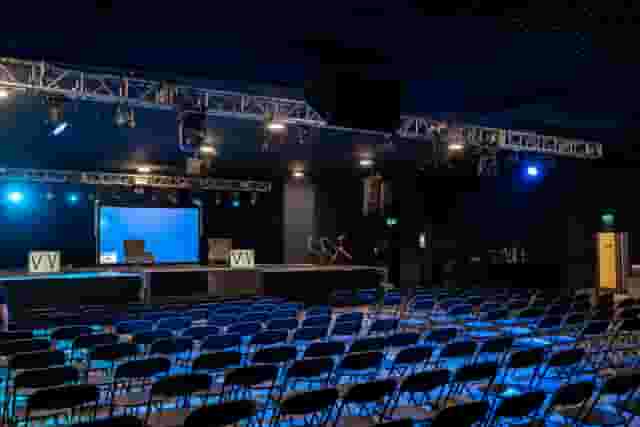
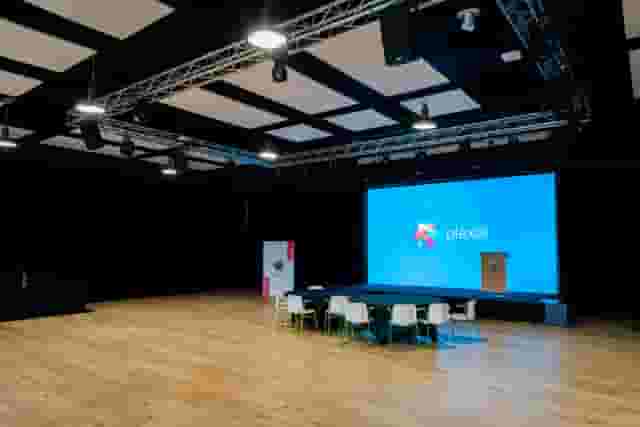
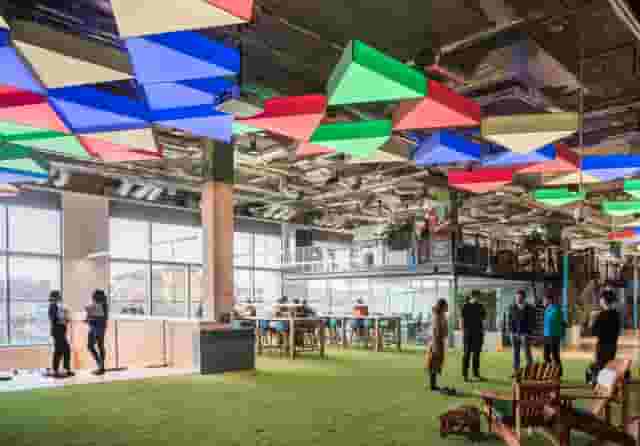
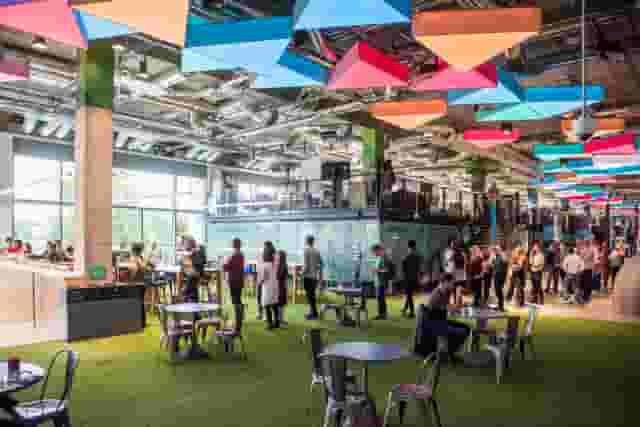
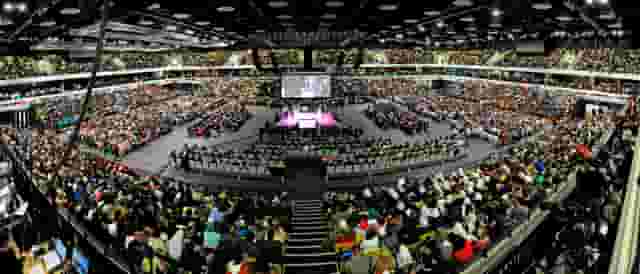
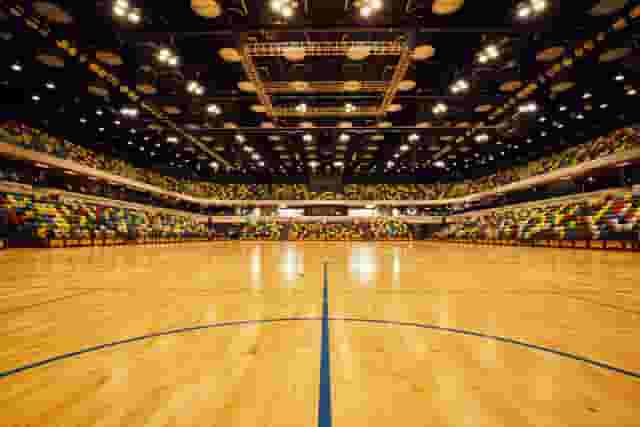
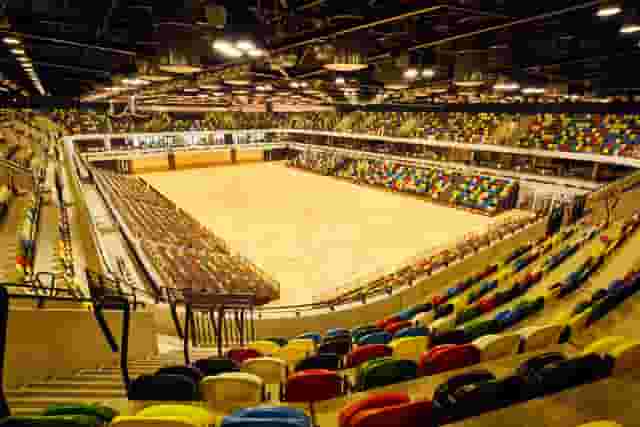
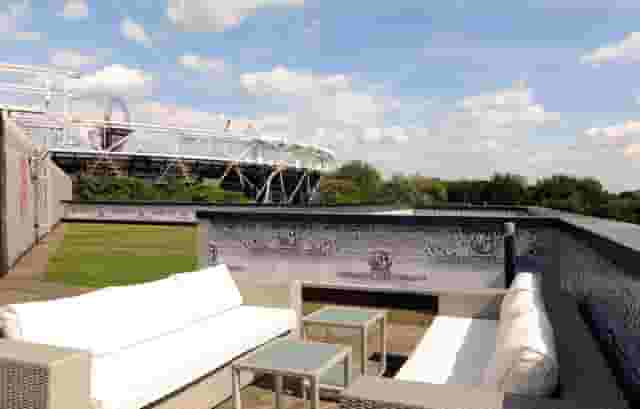
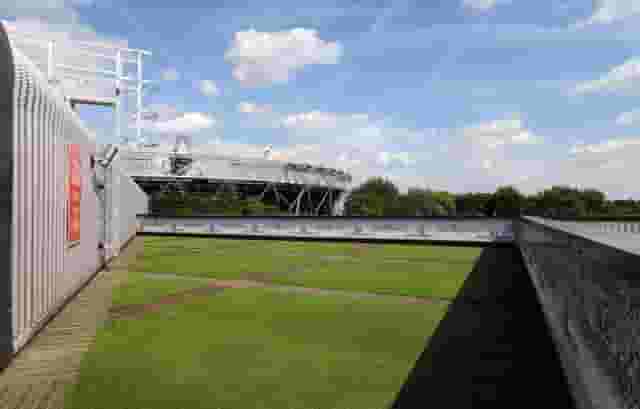
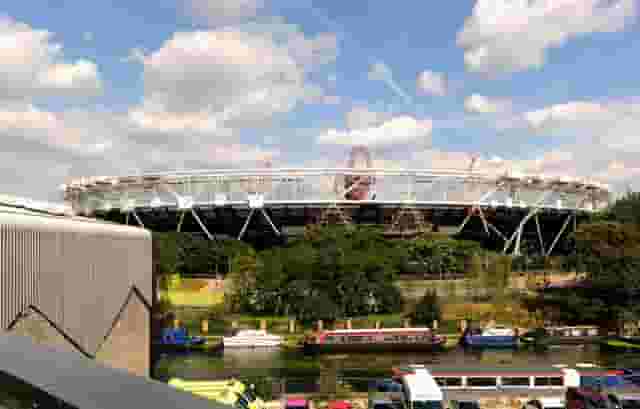
Innovation hubs and commercial technology districts offer a third format, built around modern building services, reliable digital connectivity and integrated meeting suites. Plexal in Stratford provides its Centre Stage space for up to 300 standing attendees, situated within a broader technology campus where modern HVAC systems, sub-metered power supplies and flexible communal workshops are already installed. In Canary Wharf, Level39 provides The Sandbox with capacity for 200 guests in a reception setup, alongside high-specification AV equipment and dedicated presentation hardware. For massive programmes requiring stadium-scale floor plates, Copper Box Arena in Stratford offers an arena floor that accommodates up to 3,500 guests for wide plenary sessions, while London Stadium features suites such as The Boleyn for up to 1,000 standing guests, providing expansive hospitality areas overlooking the pitch for networking lunches. For teams weighing up these locations, event planning and venue booking platform Hire Space combines venue sourcing technology with a team of real people who own the outcome. Planners can use Deep Venue Research to assess spaces across the city, accessing instant data-backed price estimates and checking availability confirmed directly by venues for events of 100 delegates or more.
| Venue format | Typical attendee capacity | Core operational strengths | Environmental and planning watch-outs |
|---|---|---|---|
| Heritage and industrial halls | 300 to 1,000 guests | Flexible layouts, separate breakout areas, authentic character | Heating efficiency, acoustic leakage, temporary rig power |
| Fixed auditoriums | 500 to 2,100 guests | Built-in stage sightlines, permanent AV, minimal freight | Fixed seating limits interactive workshops, rigid load-in windows |
| Modern innovation hubs | 100 to 300 guests | High thermal efficiency, pre-installed tech, sub-metering | Restricted floor sizes, daytime access rules in shared buildings |
| Arena and stadium suites | 1,000 to 3,500 guests | Substantial plenary capacities, multiple catering concourses | High base energy demands, complex transit logistics for production |
Production, AV and the reality of energy efficiency on site
Audio-visual production and stage lighting represent a substantial share of a conference's immediate energy consumption. When assessing venues across East London, scrutinise the permanent technical inventory before specifying external rental packages. A venue that maintains modern, low-energy LED stage fixtures and solid-state digital audio processors eliminates the carbon footprint of transport logistics, heavy road cases and temporary diesel generator installations.
Digital infrastructure also governs your hybrid conference capability. Delivering high-definition live streams to remote participants directly reduces delegate travel, which remains the single largest emissions contributor for national and international corporate gatherings. Verify whether the venue offers dedicated, uncontended fibre connections and broadcast-ready switching desks. Facilities like Level39 and Troxy provide integrated AV networks that handle complex technical runs without needing supplemental power drops. Where a venue operates as a dry-hire shell, evaluate the local supply chain for equipment hire. Contracting production suppliers located in East London cuts transport miles and shortens load-in schedules.
Establishing clear monitoring protocols is essential if your company reports on carbon emissions. You can coordinate with your technical teams using frameworks such as Sustainable Event Planning: Set & Measure Green Goals with isla to establish baseline metrics for kilowatt-hour consumption, freight volumes and equipment efficiency. International standards such as ISO 20121 provide recognised methodologies for monitoring event operational systems, helping you verify whether a venue measures active sub-circuits or simply estimates aggregate power use across the entire building.
| # | AV and technical question |
|---|---|
| 1 | Is the stage lighting 100% LED, and are dimming racks powered down when dark? |
| 2 | Does the venue supply dedicated, hard-wired broadcast internet for remote streaming? |
| 3 | Can the in-house technical team provide sub-metered power logs for our production run? |
| 4 | Are sound systems tuned to contain spill within breakout spaces without excessive volume? |
Always request the venue's technical specifications in writing before contract signing. Confirm whether the house package includes a sound engineer and lighting technician, or whether your production company must bring in outside crew. Ensuring the venue team remains on site prevents delays and avoids last-minute additions of inefficient, hired-in kit.
Catering logistics, sourcing and waste management
Food and beverage service forms an essential element of delegate experience, yet it produces significant waste and indirect supply-chain emissions if not managed tightly. When planning an eco-friendly conference, catering should be approached as an operational discipline focused on menu architecture, portion control, packaging elimination and residue recovery.
Begin by requesting a seasonal, plant-forward catering structure. Plant-rich catering significantly reduces the greenhouse gas emissions associated with institutional food procurement. Many East London venues partner with catering suppliers that source fresh produce from growers in Essex and Kent, dramatically lowering supply road miles. Enquire about the venue's policy on single-use plastics and disposable serviceware. A genuinely sustainable conference package should supply washable chinaware, metal cutlery, cloth napkins and glassware as standard. Bottled water should be replaced by chilled mains-water dispensers or refilling carafes on presentation tables.
Waste reduction requires rigorous agreements with both the venue and the caterer. London boroughs such as Newham and Tower Hamlets have local climate plans encouraging source-separated commercial waste, meaning your venue should provide clear three-stream or four-stream bins for delegates, covering compostable food waste, mixed recycling, paper and residual landfill. Discuss surplus food management early. Confirm whether the caterer has a working arrangement with local food redistribution charities, or whether leftovers can be chilled safely for collection.
| Catering specification | Requirement |
|---|---|
| Menu design | Minimum 60% plant-based or vegetarian options using seasonal British produce |
| Water provision | Plumbed-in filtered stations or glass carafes; zero single-use plastic bottles |
| Tableware | 100% washable ceramic, glass and metal; no single-use paper cups or wooden cutlery |
| Surplus redistribution | Established process with registered food rescue partners |
| Composting | On-site food maceration or separate organic collection bins in service pantries |
Ensure you gather precise dietary counts from your delegates ten working days prior to the event. Over-ordering out of fear of running short is the primary driver of catering waste at corporate conferences. Agreeing on realistic delegate drop-out percentages with your catering team helps keep production numbers accurate.
Delegate transit, accessibility and arrival coordination
Delegate transport typically generates over seventy percent of an event's total carbon impact. Selecting an East London location with comprehensive public transport links makes it possible to eliminate private hire car journeys and reduce domestic flights.
Stratford serves as one of the best-connected transit hubs in the capital, linking the Elizabeth line, Central line, Jubilee line, London Overground, DLR and National Rail services. Venues situated in this area, including Sadler's Wells East, Plexal and Copper Box Arena, allow delegates travelling from central terminals like Liverpool Street, Farringdon and Paddington to arrive within minutes using high-capacity electric rail networks. Further south and west, Tobacco Dock in Wapping connects via the London Overground at Wapping and Shadwell, while Troxy sits within short walking distance of Limehouse DLR station.
Accessibility must be planned alongside public transport communications. Not all East London stations offer level platform boarding or lift access at every exit, and DLR stations are largely unstaffed, requiring passenger assistance to be booked in advance through Transport for London. Review the step-free access route between the station platform and the venue entrance before publishing joining instructions. Ensure the venue itself provides automatic doors, wide corridors, functioning passenger lifts to breakout levels, accessible toilets and hearing induction loops across all active presentation suites.
| Delegate travel communication guideline | Action |
|---|---|
| Step-free routes | Publish step-free walking routes from the nearest Elizabeth line, tube or DLR stations |
| Cycling | Highlight secure cycle parking and local hire bike docking locations near the venue |
| Private vehicles | Discourage private vehicle use; clarify clean air zone and parking restrictions up front |
| Live travel info | Include direct links to real-time TfL accessibility and journey planning tools |
Understanding conference packages and budgeting in East London
When evaluating venue proposals for a business conference, headline hire fees rarely tell the complete commercial story. To accurately forecast your total financial commitment, you must review whether the quoted figure is an all-inclusive delegate package or a dry-hire license fee requiring additional line items for production, security, waste removal and staffing.
Our pricing data indicates that a full day conference in this area typically costs between £97 to £228 per head. This figure is based on 89 quotes from the venues on this page and assumes a delegate size of about 100 guests. Depending on the venue format and operational model, this budget generally covers the main room hire, a base technical setup, arrival refreshments, a mid-morning coffee break, a working lunch and an afternoon tea service.
Quotes toward the £97 end of the range are typically found in modern business suites, higher education facilities or spaces with integrated AV packages where minimal external labour is required. Quotes moving toward the £228 end reflect expansive heritage buildings, larger halls with complex staging requirements, or venues that include high-specification live streaming rigs, premium plant-forward menus and multiple breakout rooms within the baseline agreement.
| Cost category | Typical package inclusion status | Items frequently charged as supplementary extras |
|---|---|---|
| Main plenary room hire | Included in day delegate rates | Access outside 8am to 6pm, overnight staging holds |
| Breakout workshop suites | Sometimes included (one or two rooms) | Additional seminar rooms, furniture reconfiguration fees |
| Production and AV | Base PA, two radio mics, projector or screen | Dedicated live stream technicians, complex lighting designs |
| Catering and beverages | Tea, coffee, pastries, working buffet lunch | Post-conference drinks receptions, canapes, barista stations |
| Venue operations and staffing | Basic security, duty manager, standard clean | Waste disposal surcharges, heavy rigging crew, cloakroom staff |
When negotiating conference quotes, ask the venue to unbundle optional costs so you can identify where sustainable choices yield budget efficiencies. Opting for digital signage rather than printed foam boards saves on disposal fees. Selecting a venue with comprehensive in-house staging and digital lighting cuts down on external riggers, logistics charges and overtime delivery costs. Ensure your contract specifies exact handover times, transparent power utility charges and agreed waste sorting criteria to avoid post-event surcharges. Hire Space 360 is enterprise venue and hotel procurement for companies spending £1m or more a year on meetings and events: a managed meetings and events programme, the kind procurement teams call strategic meetings management. This approach brings every contract, venue booking and hotel stay under a single supplier agreement, keeping all arrangements aligned with company event policy while simplifying administration through consolidated invoicing. It also provides procurement and finance teams with live spend reporting, tracked savings and a complete audit trail across all meetings and events, as outlined in how Hire Space 360 works for procurement.
What our customers say
Inspiration and planning guides

Hire Space Presents: New World, New Strategies. The Opportunity To Nail Your Sustainability Objectives?
Could this global crisis be the ideal opportunity to scale up our commitments to environmental sustainability? We delve into this topic in terms of events and venues.

Hire Space Presents: Setting Measurable Sustainability Objectives For Event Projects
Sustainability expert Abena Poku-Awuah offers her practical tips and frameworks that will get you ready to initiate your own sustainability objectives for your next event.

Women and Sustainability in Events: Kate Simpson
We met with the wonderful Kate Simpson – Marketing Director at the Business Design Centre. Not only does the BDC hold unforgettable events, they recently celebrated ten years as a carbon neutral venue, regularly contribute 0% to landfill and use 100% renewable energy sources.
One supplier. Every venue. Full visibility on what you spend.
Multiple venues and events. One agreement.