Filming Locations for Hire in Central London
Explore filming locations in Central London equipped for panel talks, private views and drinks receptions, with instant pricing on every space.
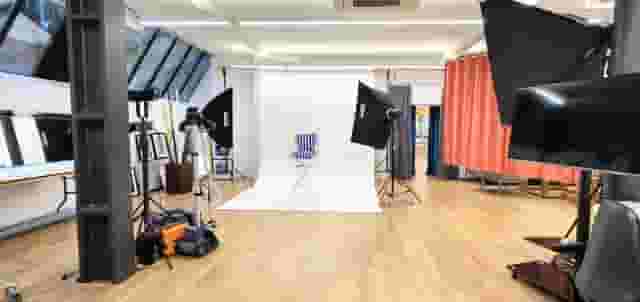
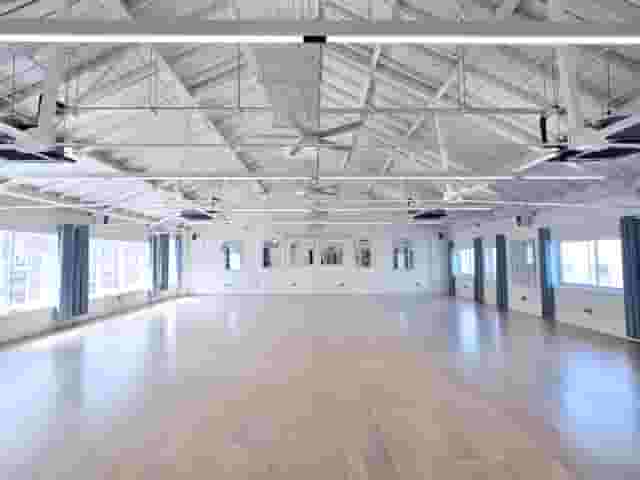
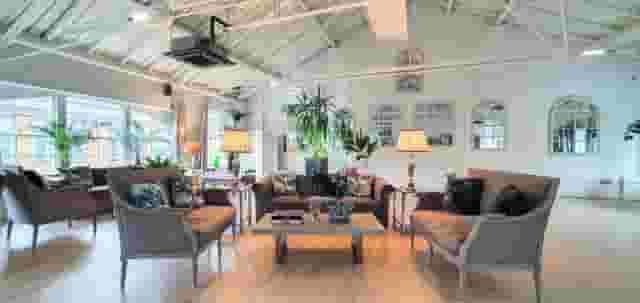
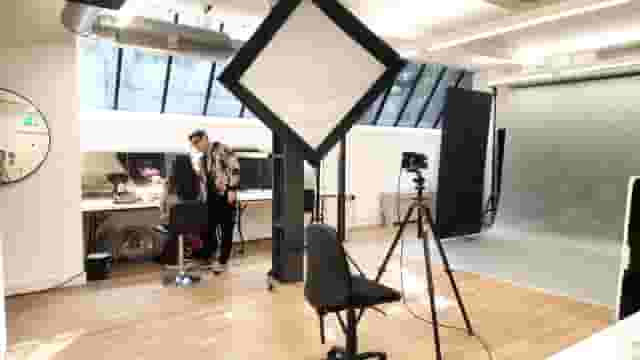
1,016 Filming Locations for Hire in Central London
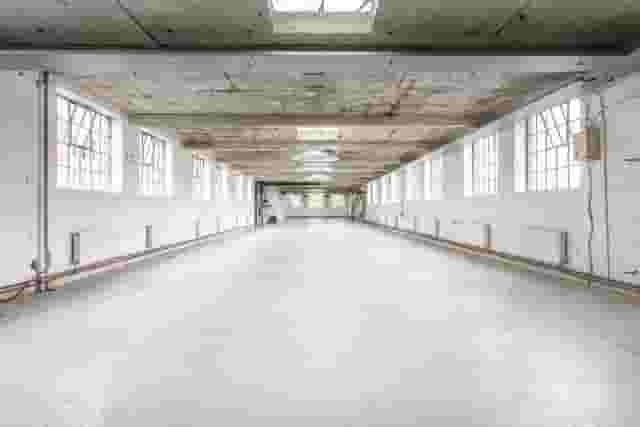
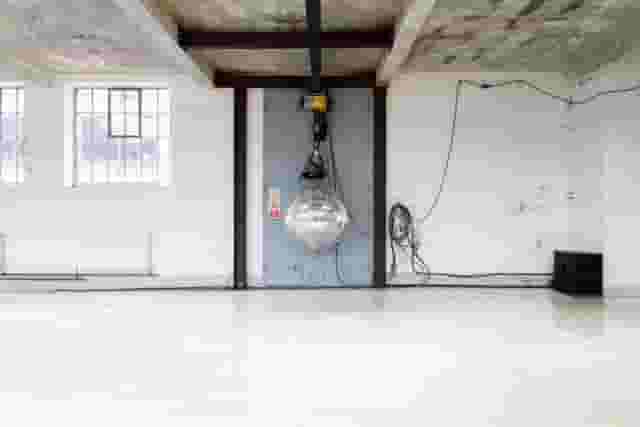
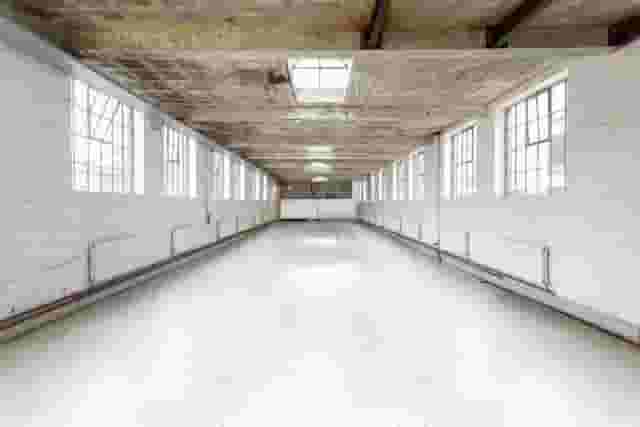
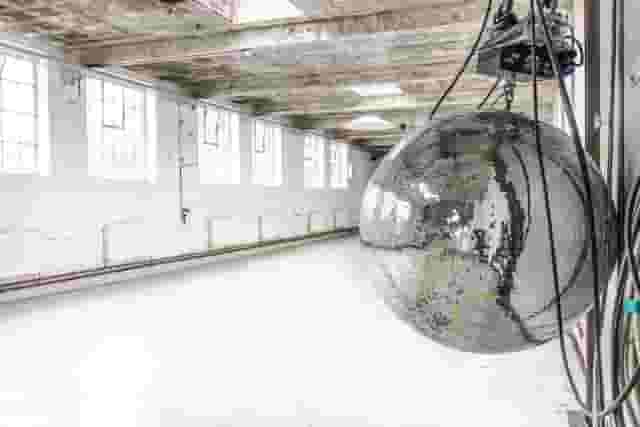
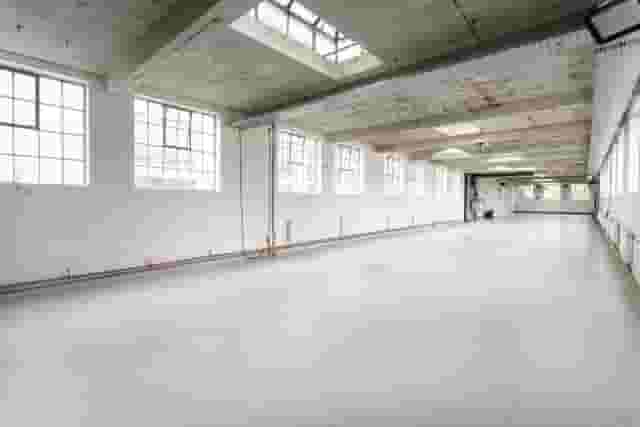
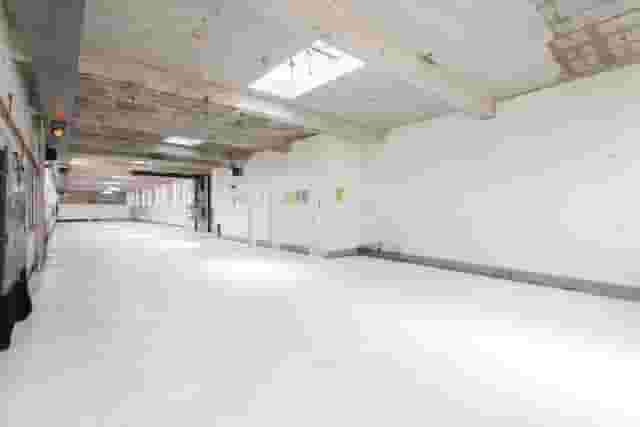
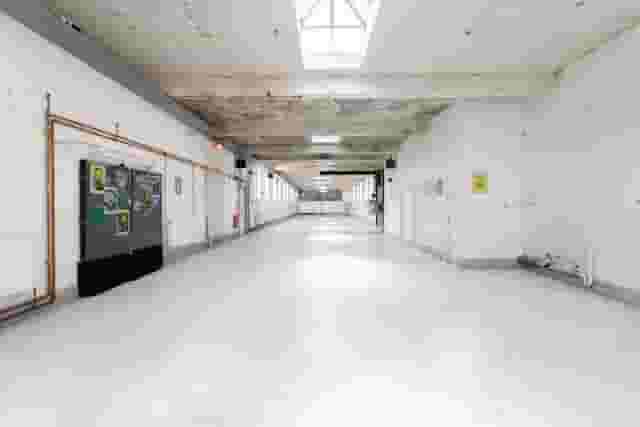
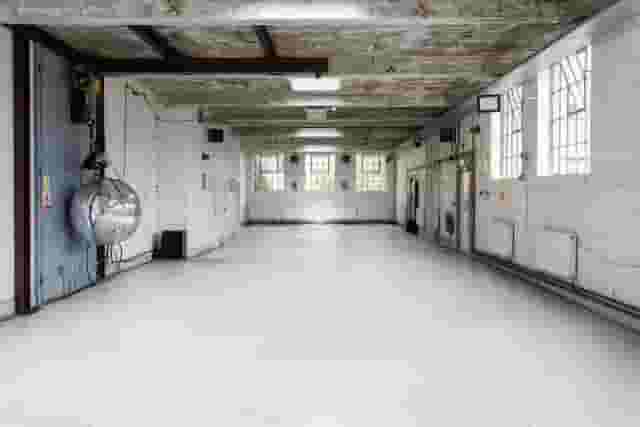














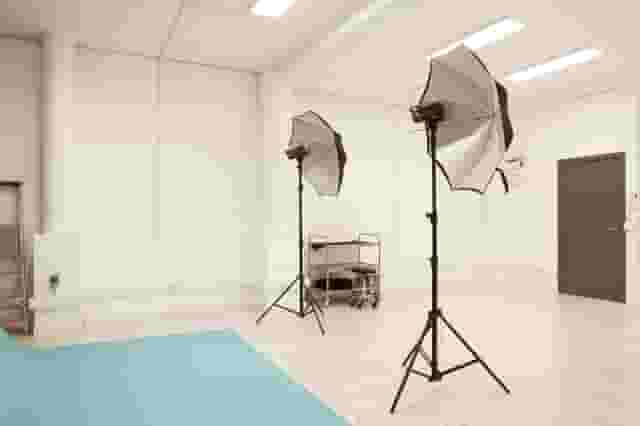



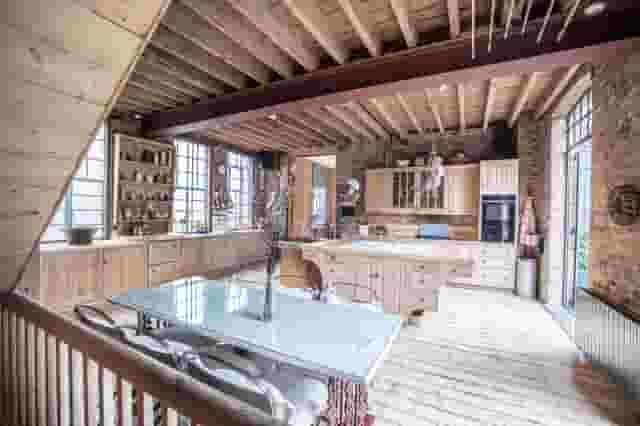
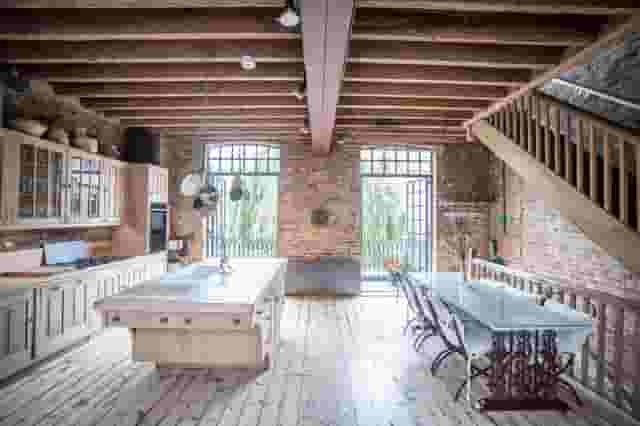
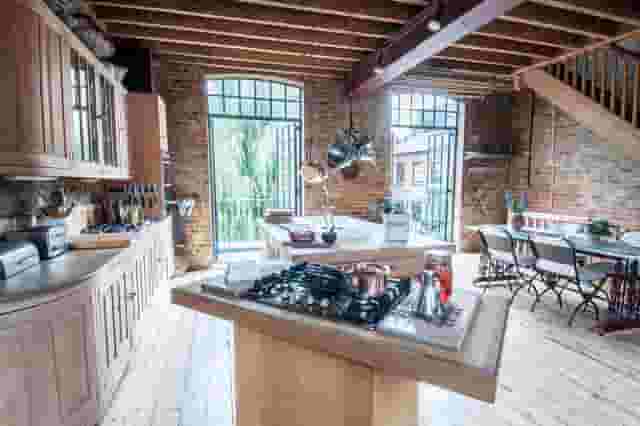
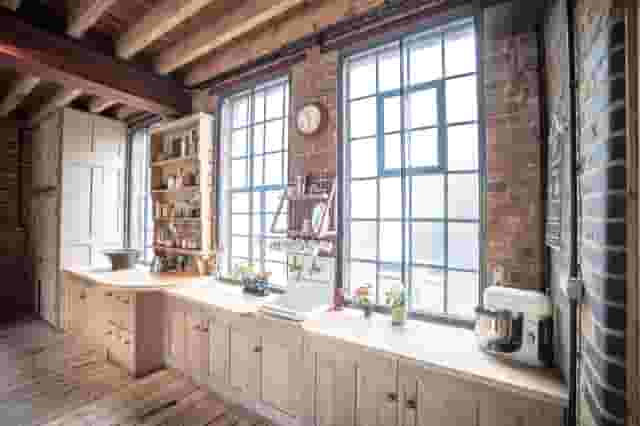
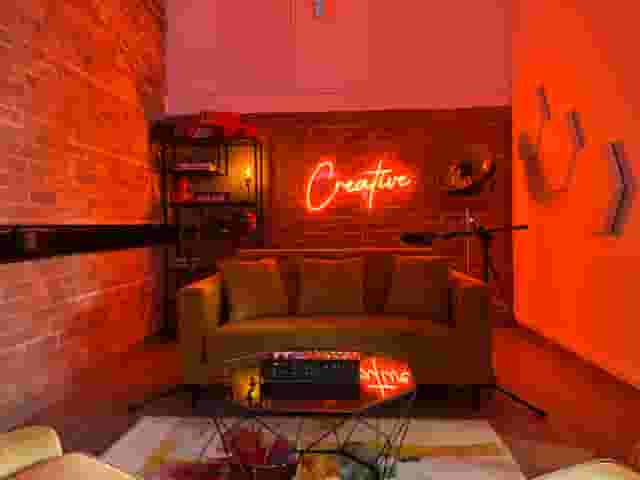
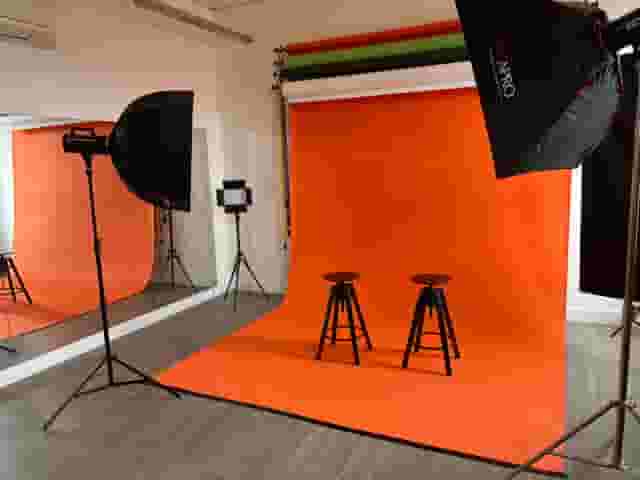
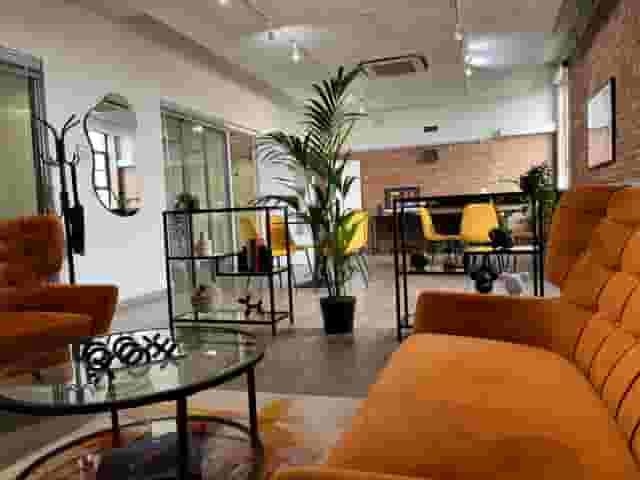
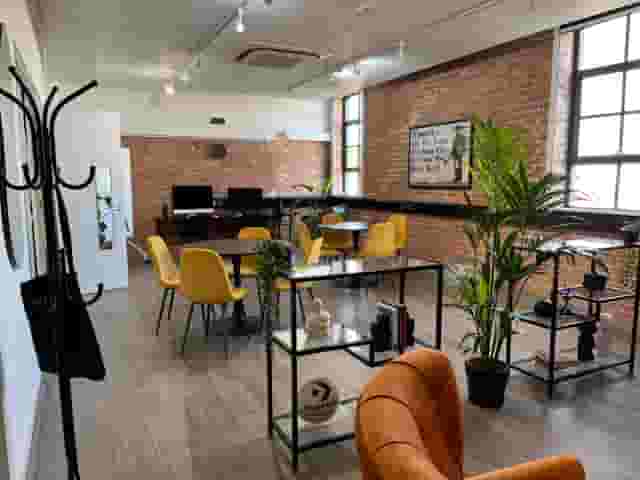


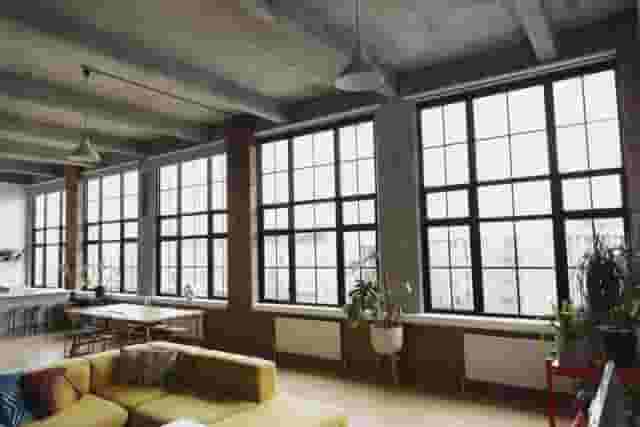
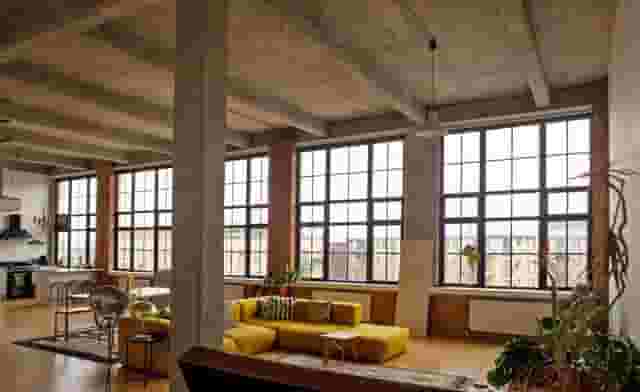
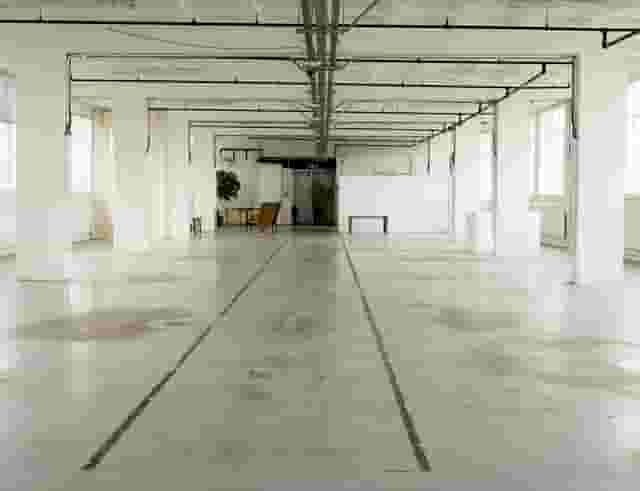
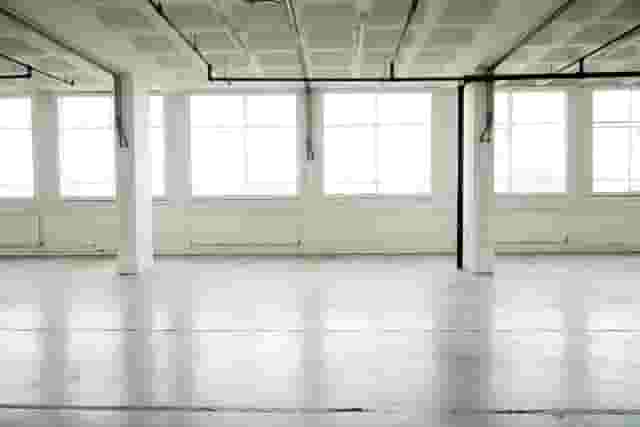








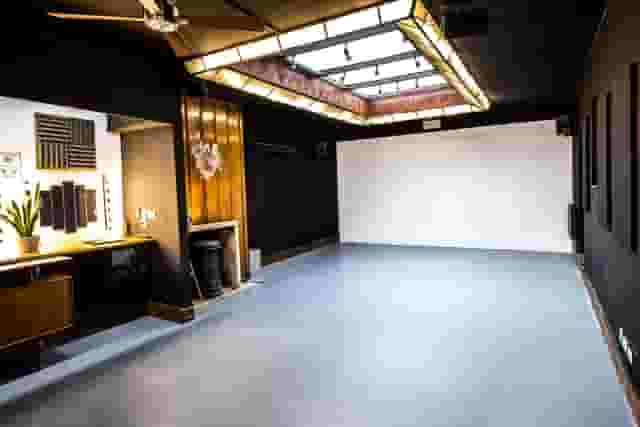
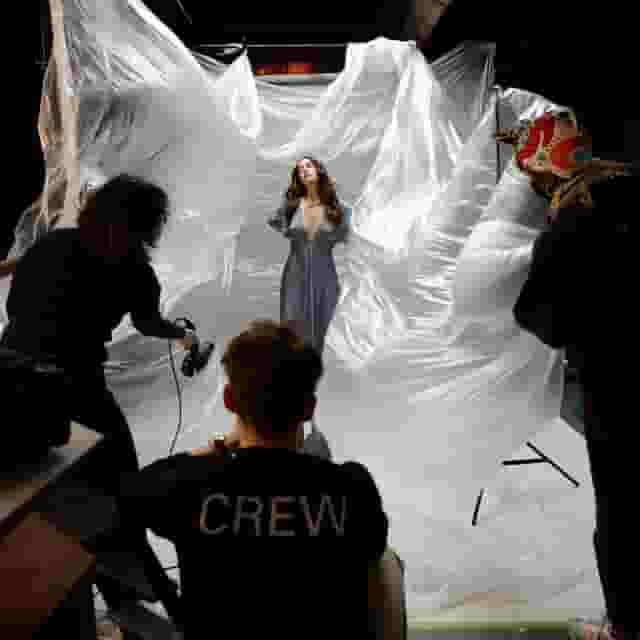
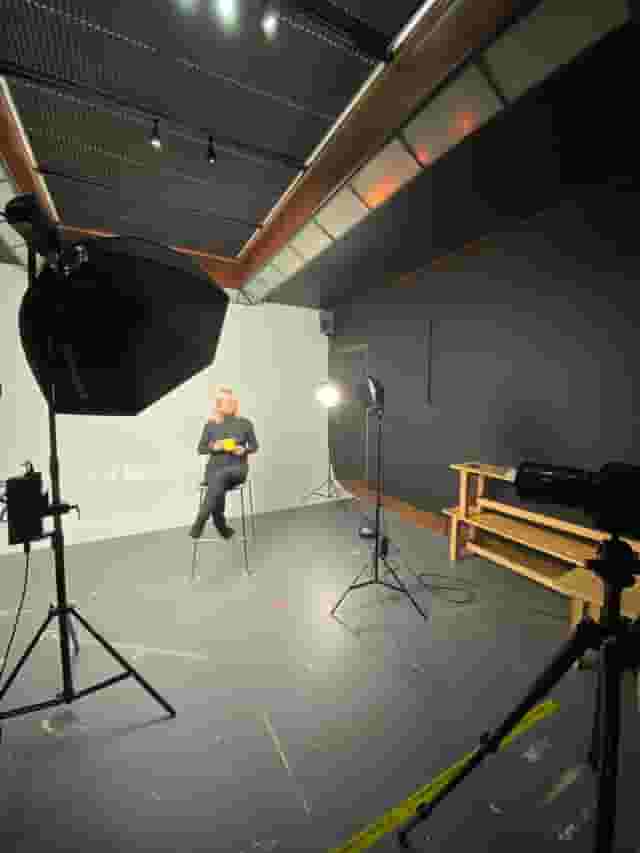
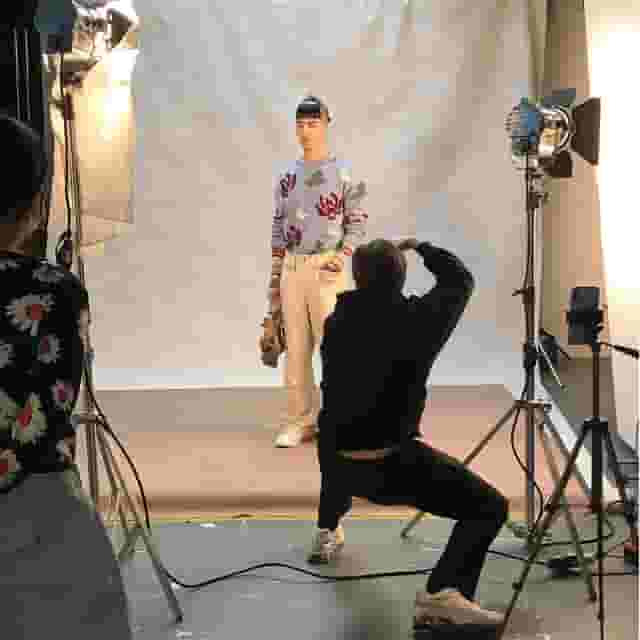














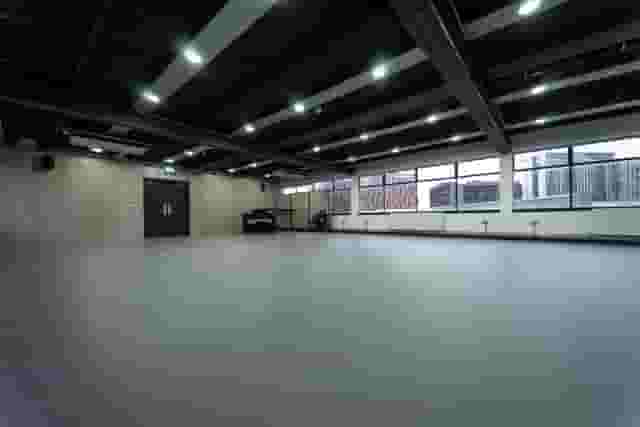
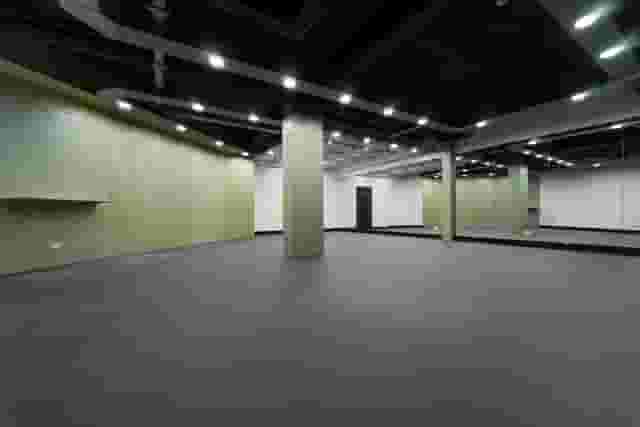
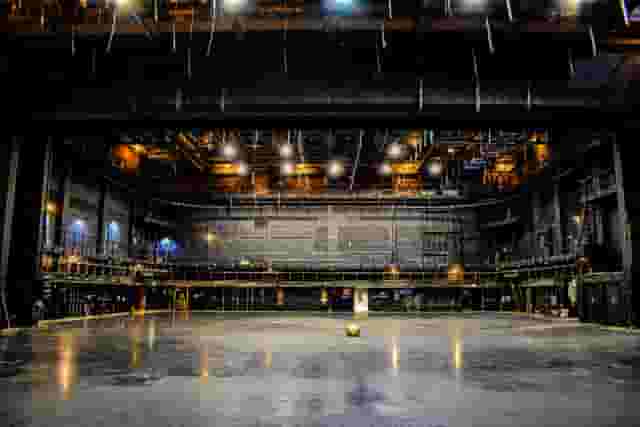
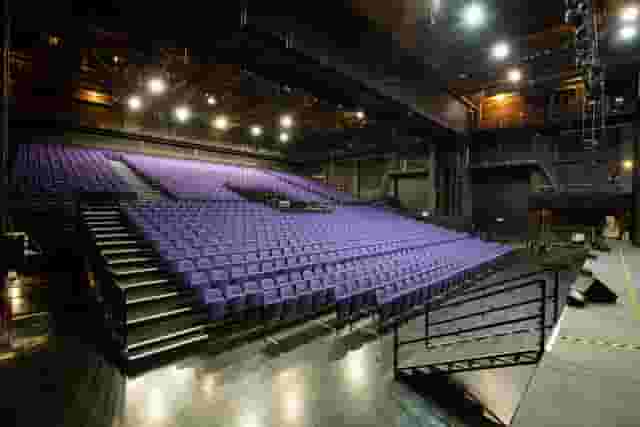












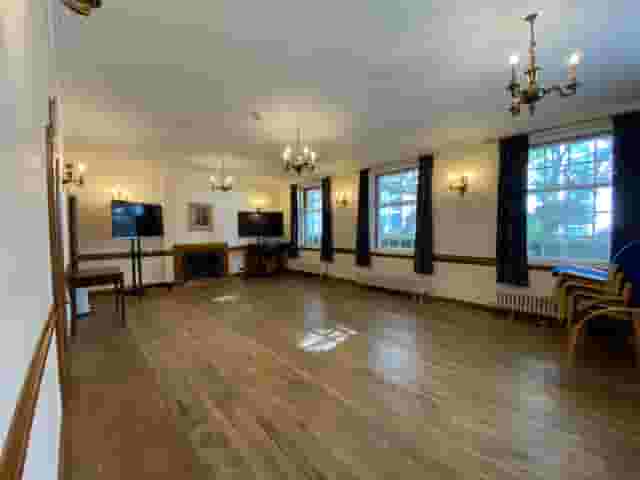
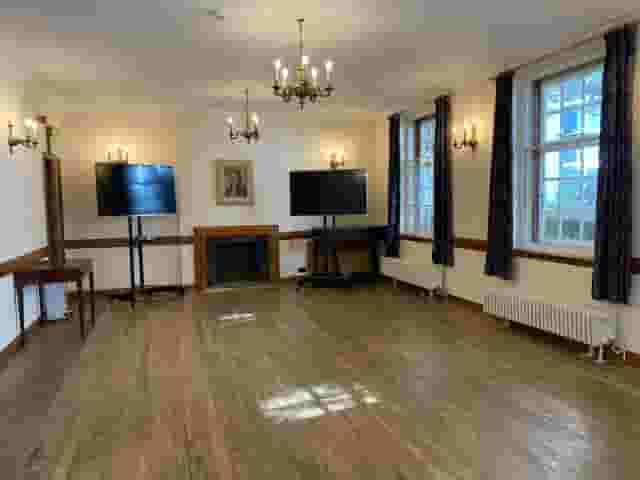
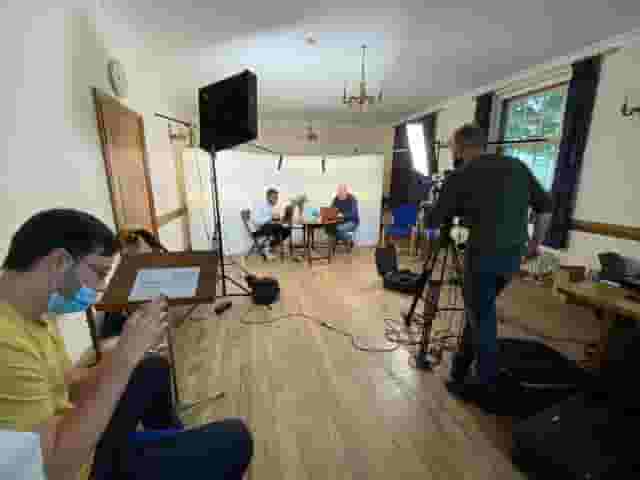
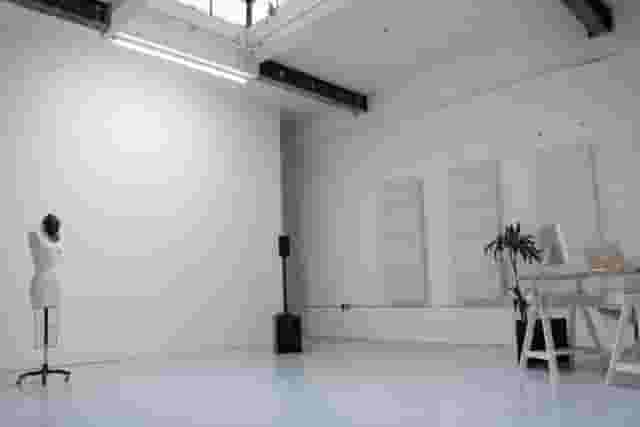

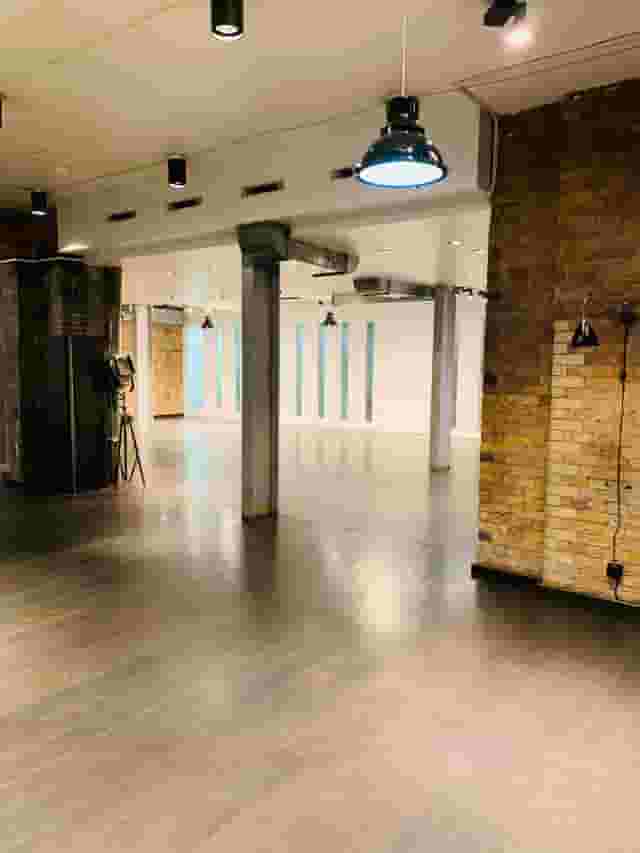
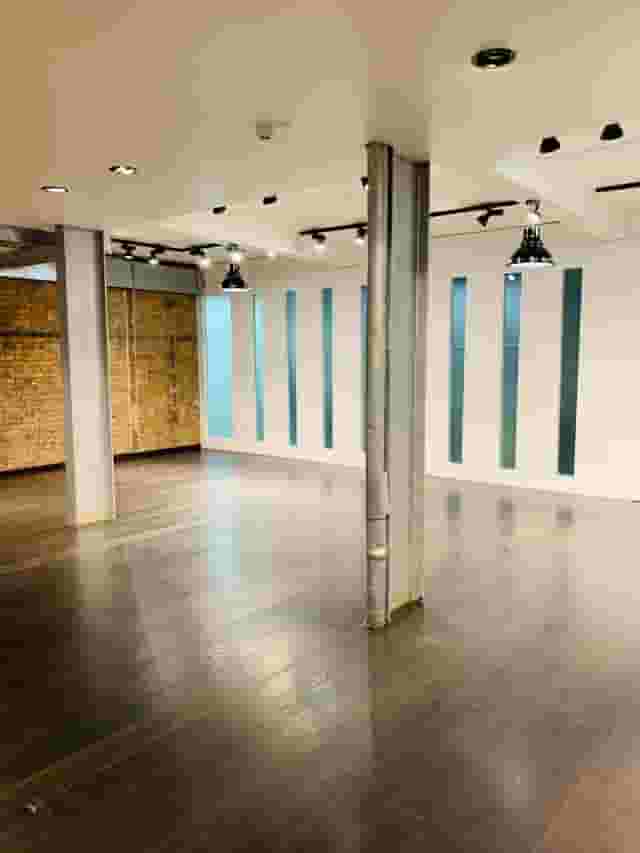
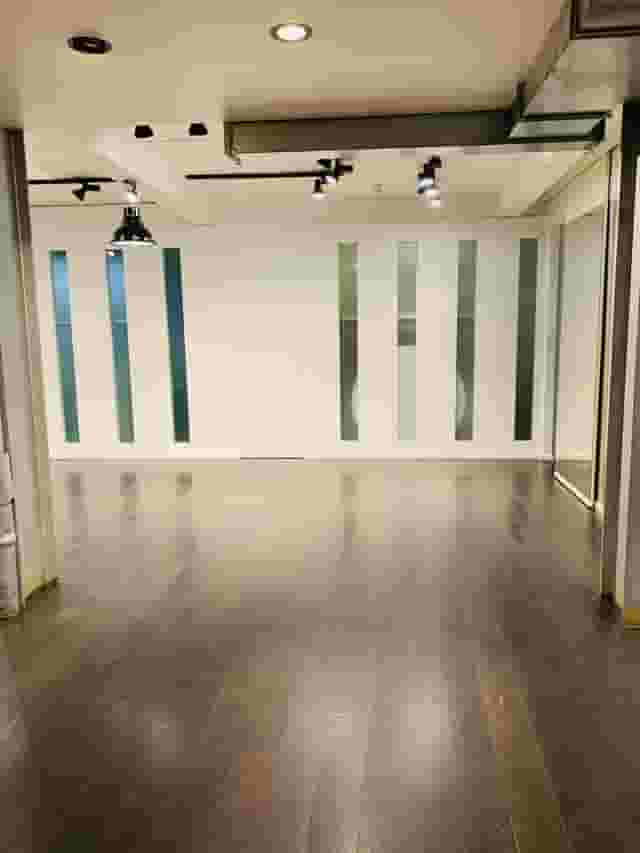
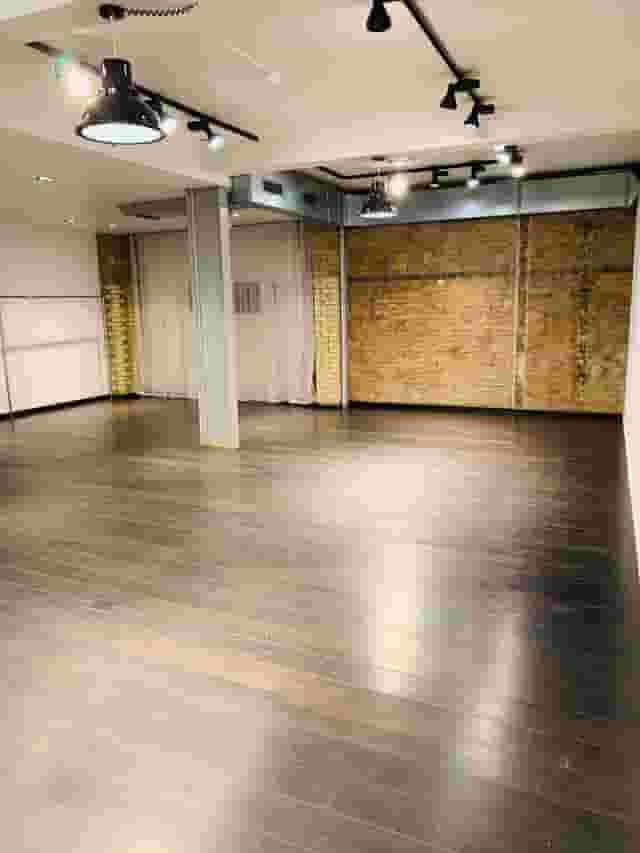
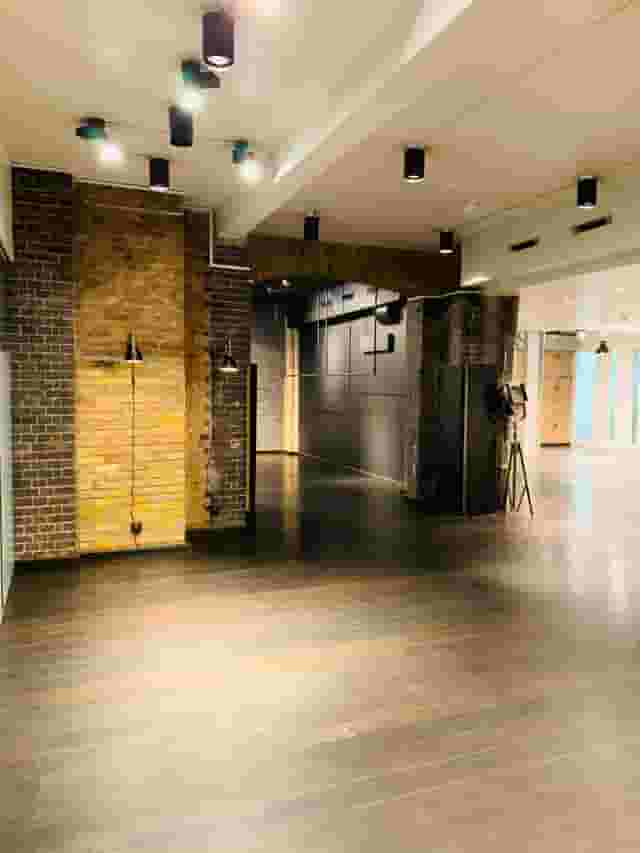
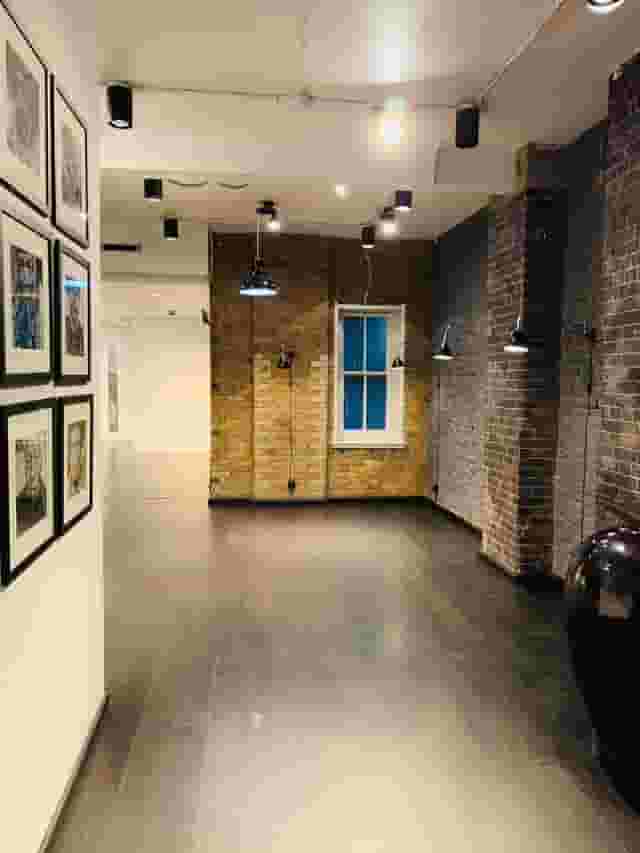
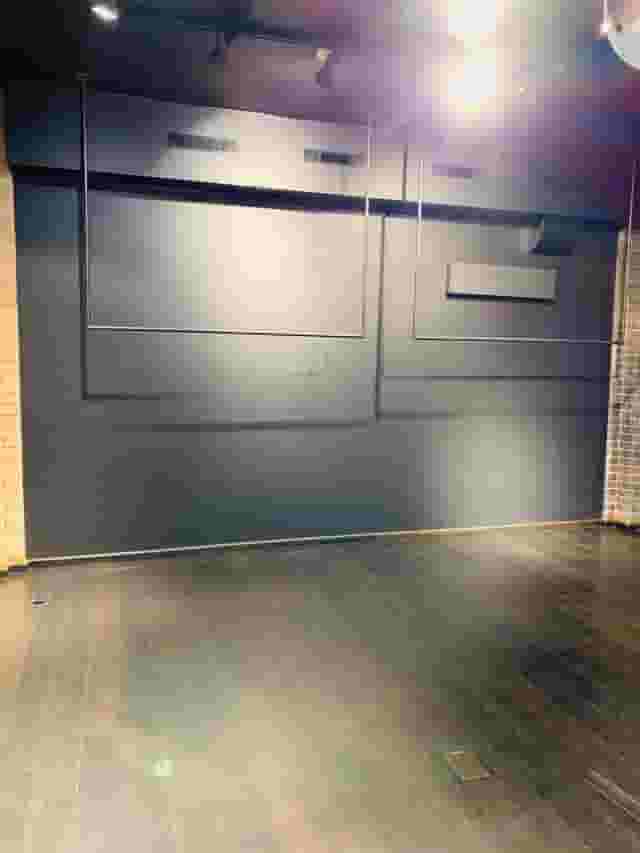
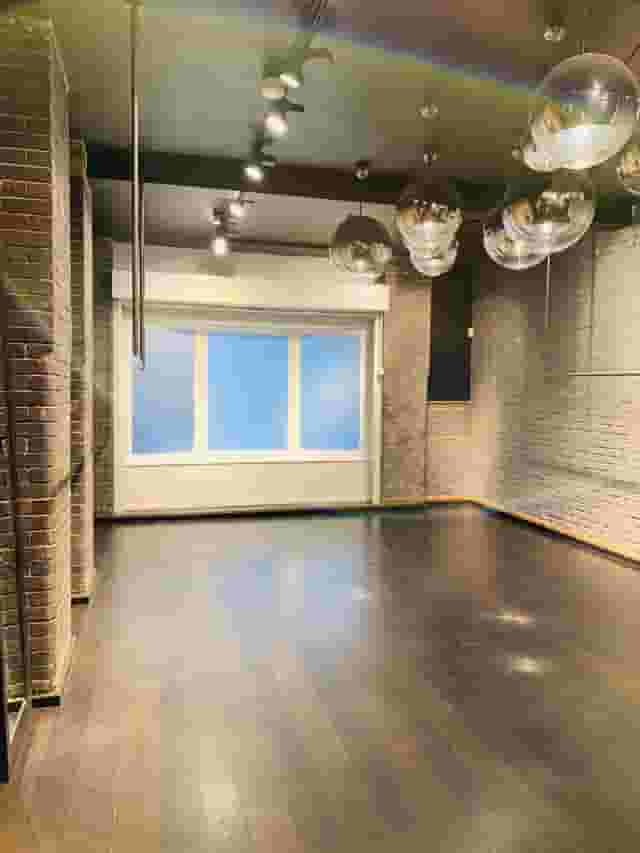
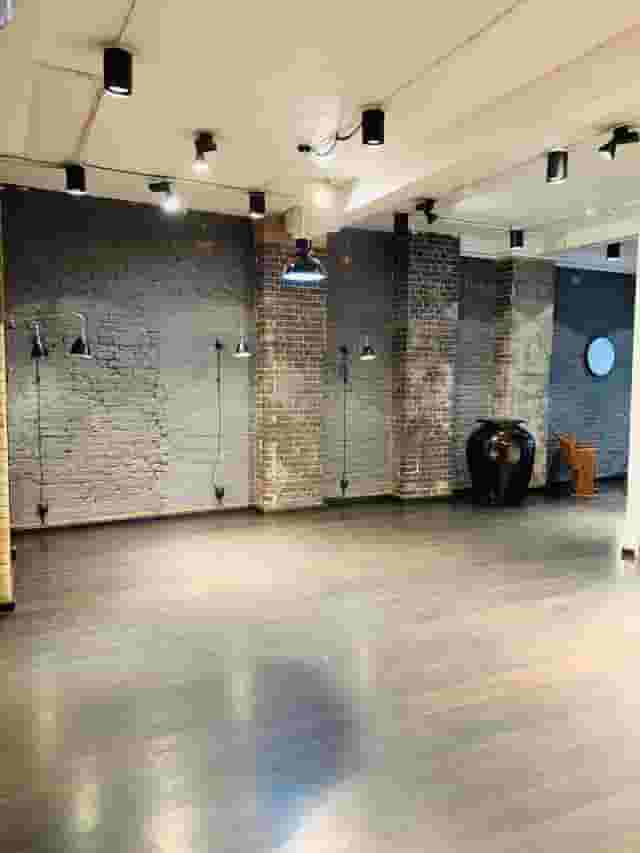
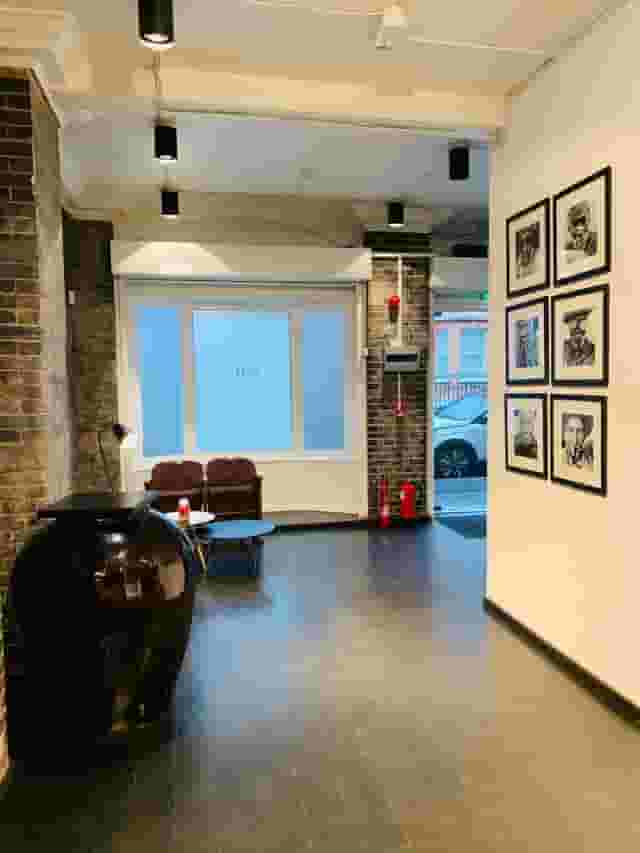
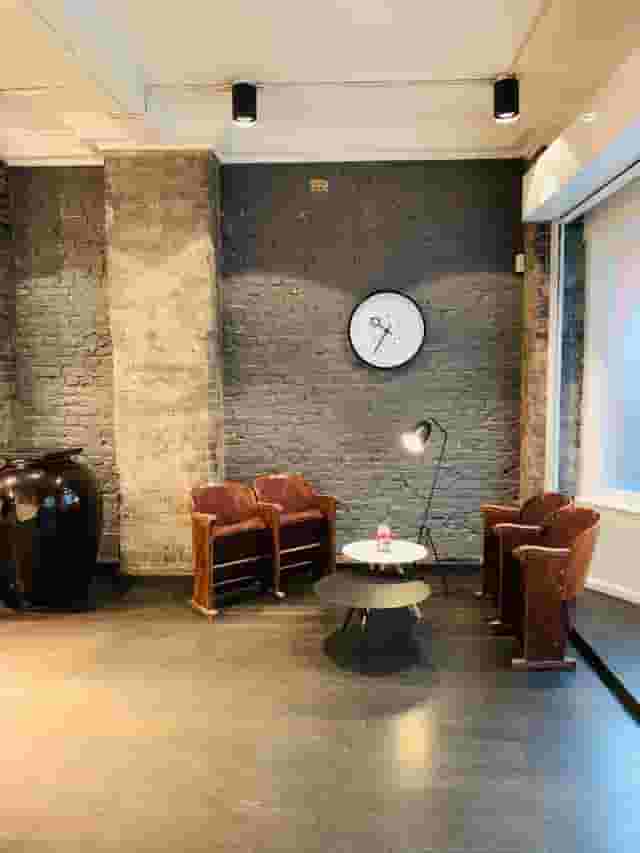
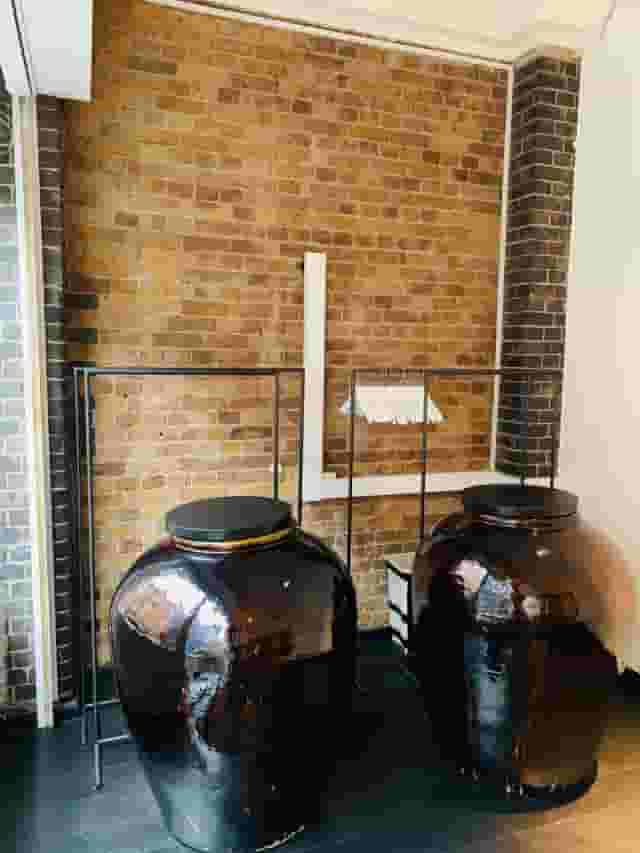















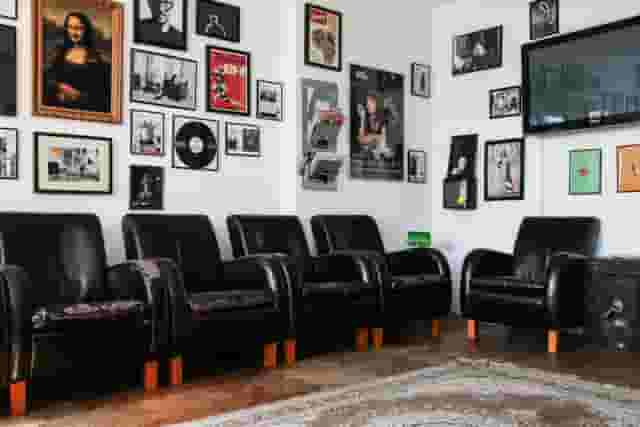
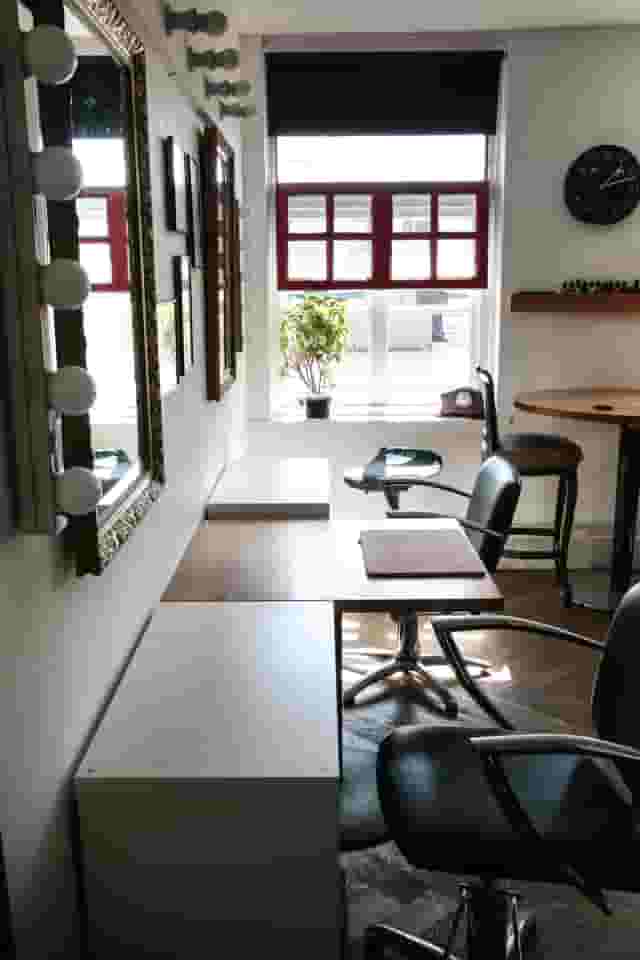
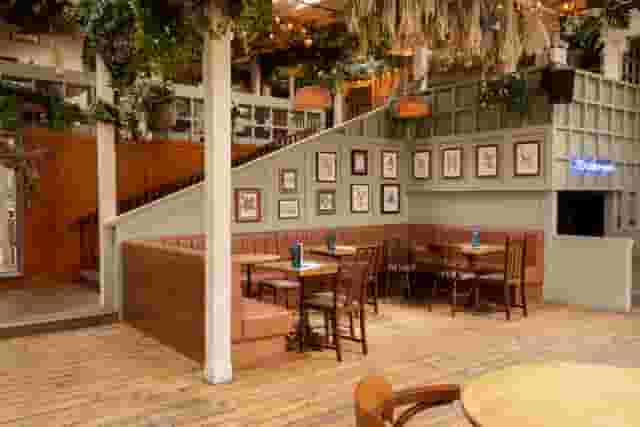
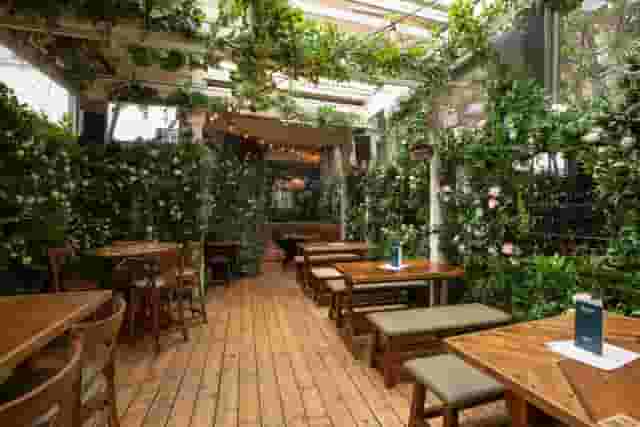

No venues match these filters
Try widening your capacity, luxury level or event type.
Don't have time to search? We'll find it for you.
For business events that need human judgement, talk to our team. Free for events of 100+ people, budgets over £10k or ongoing programmes.




Explore more venues in Central London
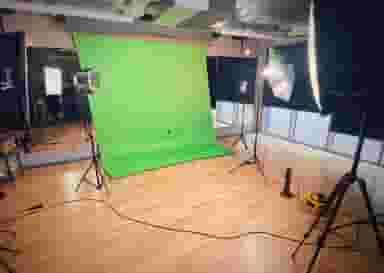
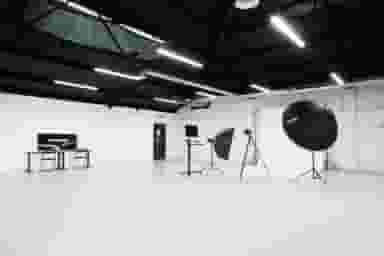
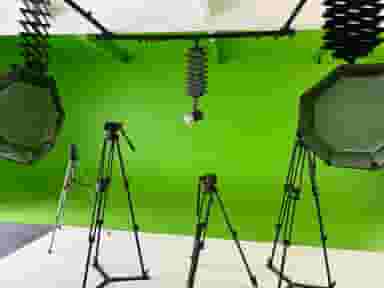
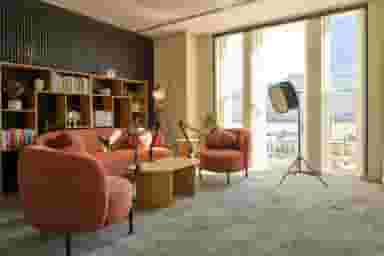
Other platforms search their database. We search everything.
Tell us what you need. Our deep research finds any venue, whether it's in our marketplace or not. No one else does this.
About Locations For Filming In London in Central London
Choosing the right production space for a three-part cultural evening
Organising a cultural evening built around an art viewing, a live talk and a drinks reception requires a venue that can shift shape. Traditional art galleries often restrict drinks near the walls, impose strict decibel limits and demand early finishes. Standard conference halls provide reliable seating and clear acoustics, but they lack character and rarely inspire people to linger over a drink.
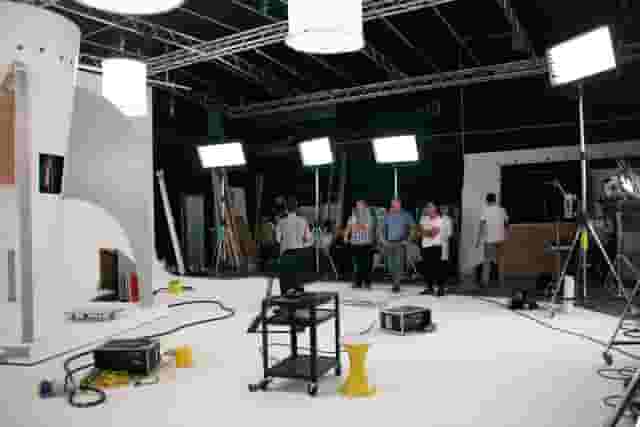
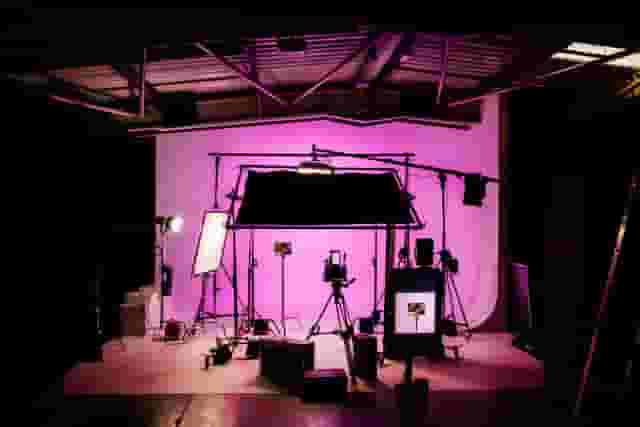
Filming locations and production studios offer a practical middle ground. These rooms are built from the floor up to be modified. They feature overhead lighting rigs, high ceilings, acoustic insulation and neutral surfaces designed to hold installations, projection screens and temporary bars. Instead of adapting your programme to match the rigid layout of a commercial venue, you can shape a production space to fit your exact run of show.
The first decision comes down to the aesthetic backdrop your exhibition demands. Film and photography spaces across London broadly divide into two styles: clean daylight coves and industrial loft spaces.
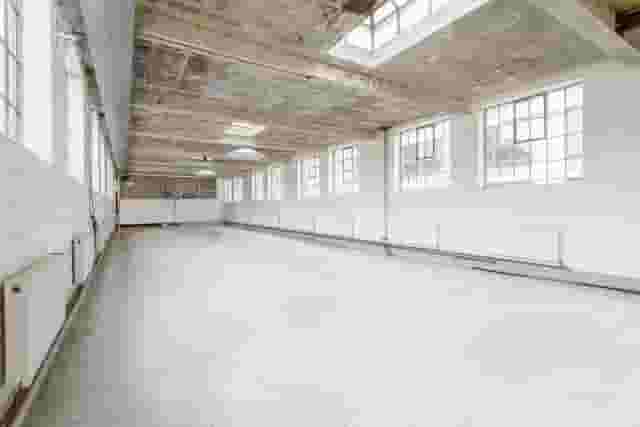
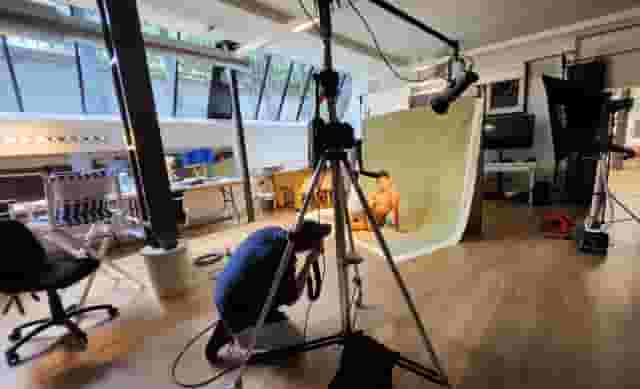
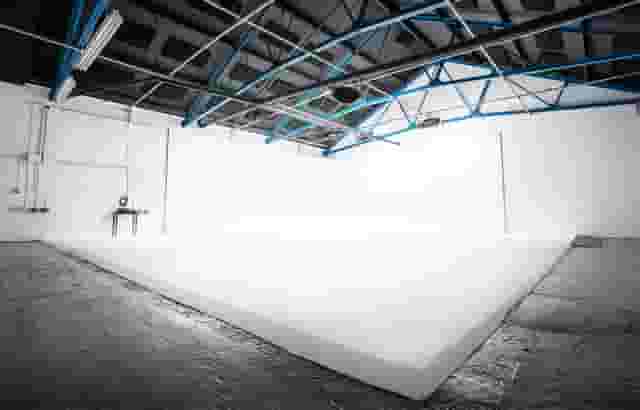
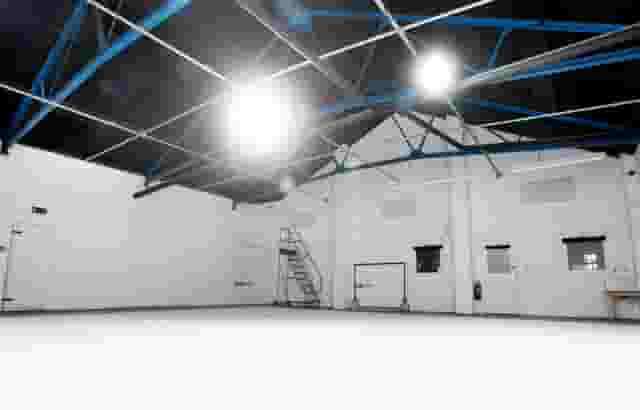
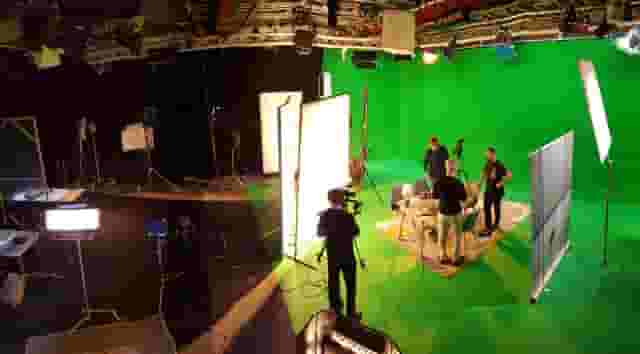
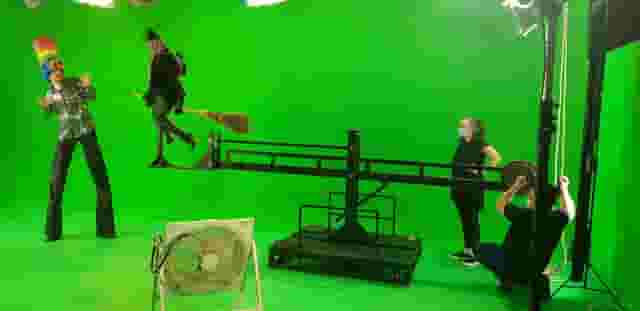
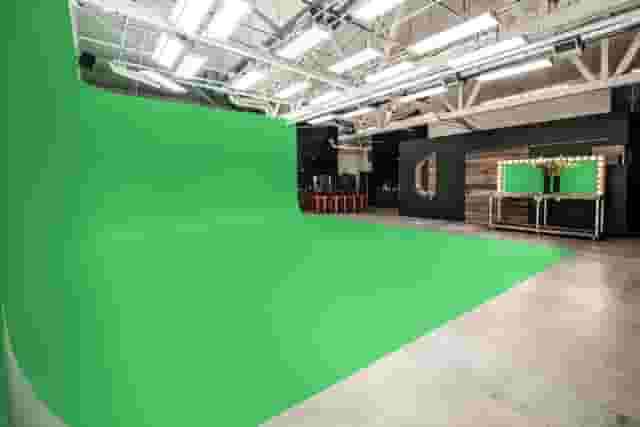
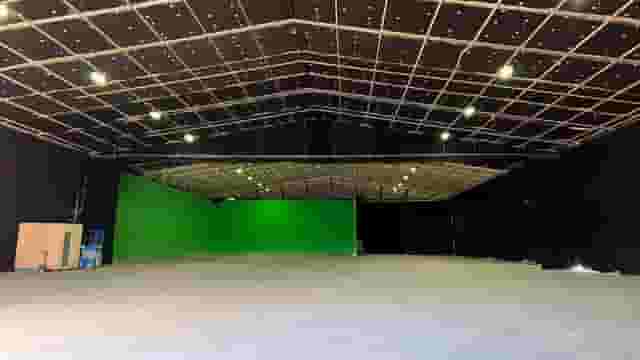
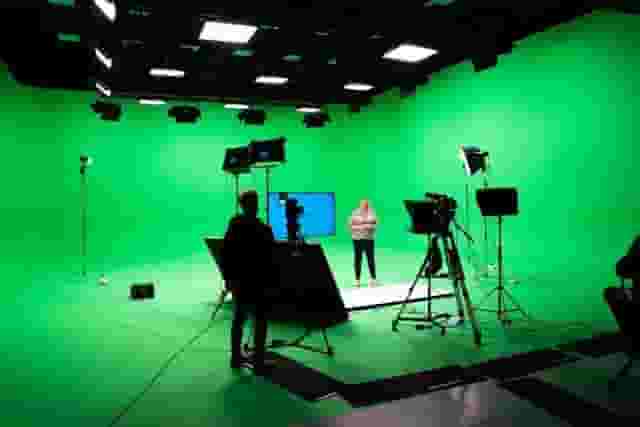
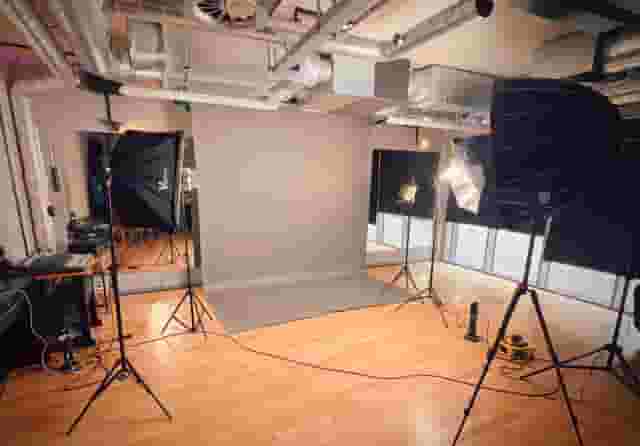
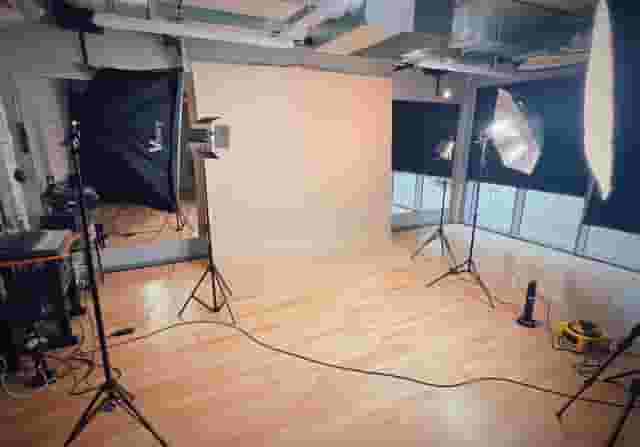
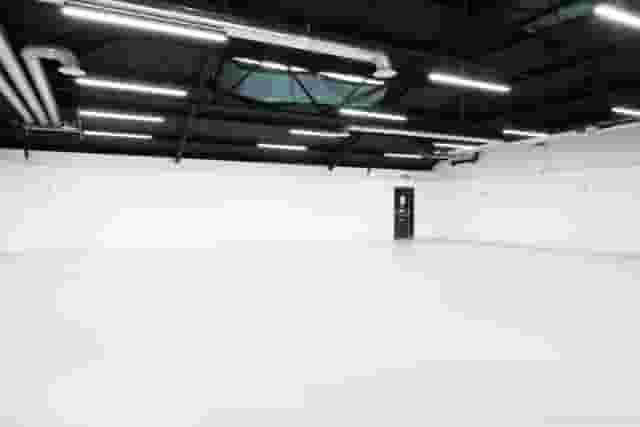
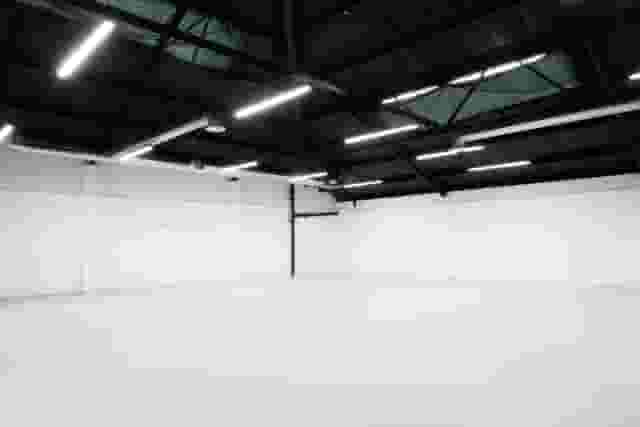
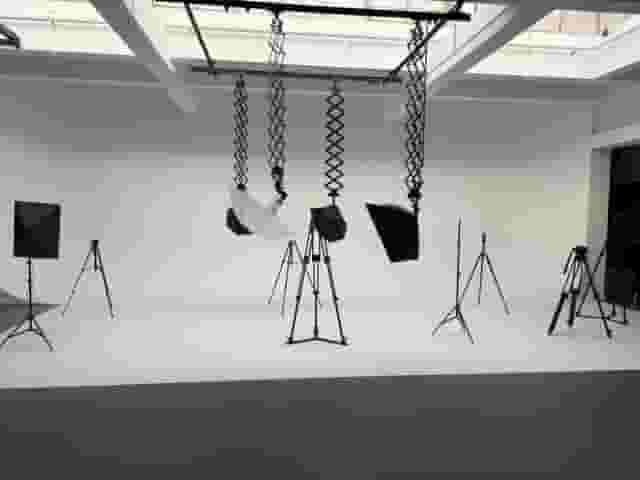
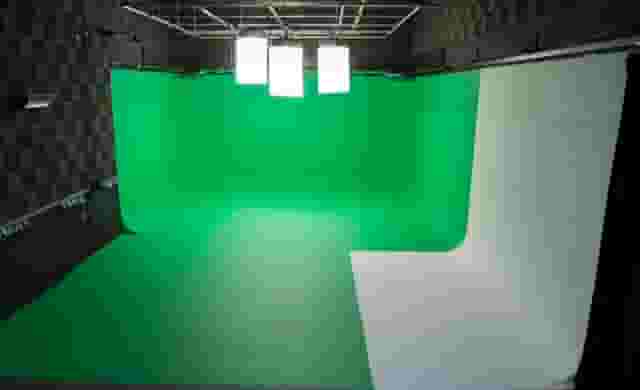
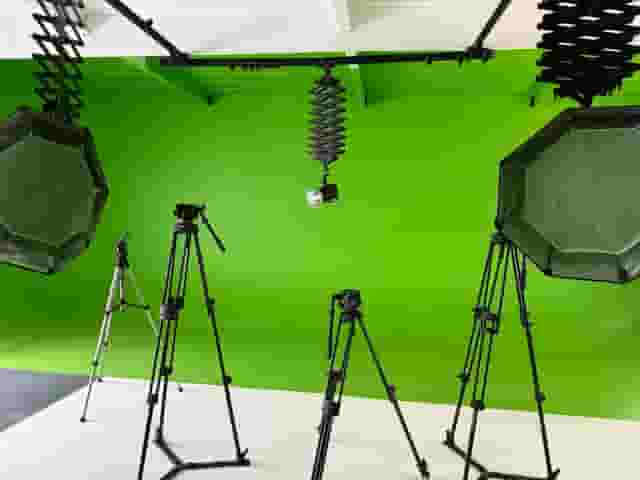
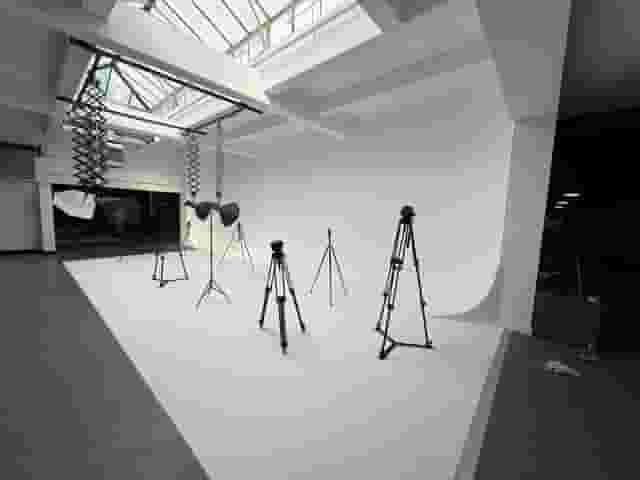
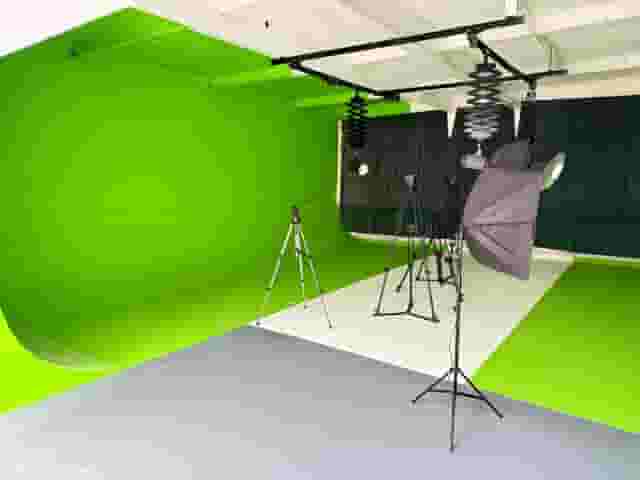
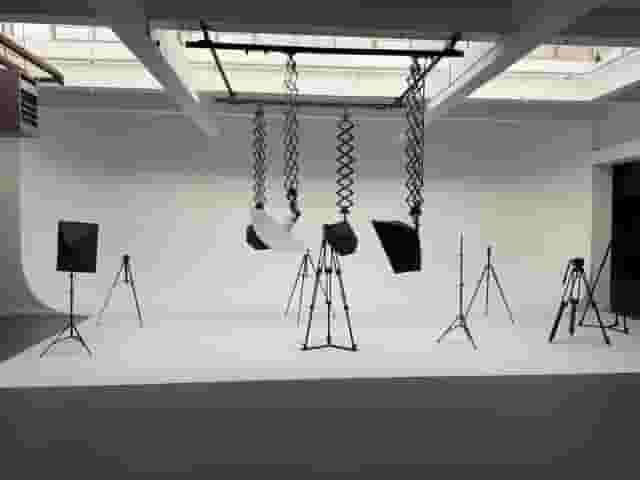
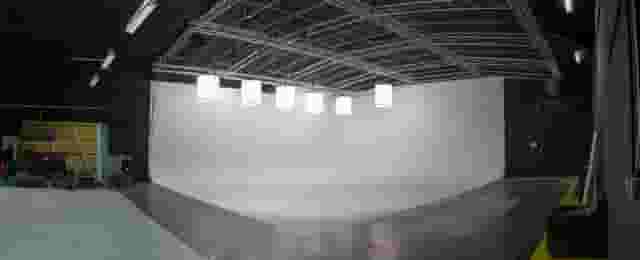
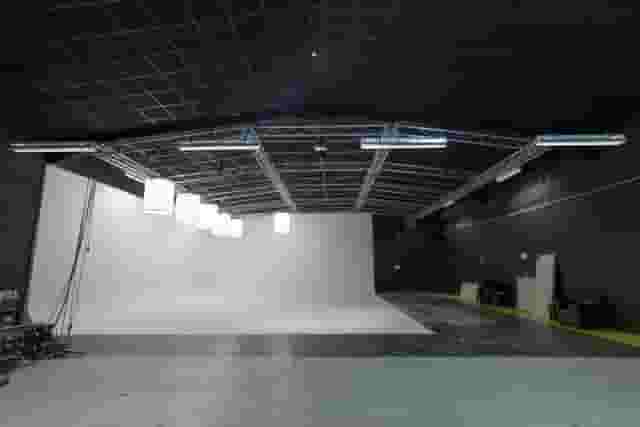
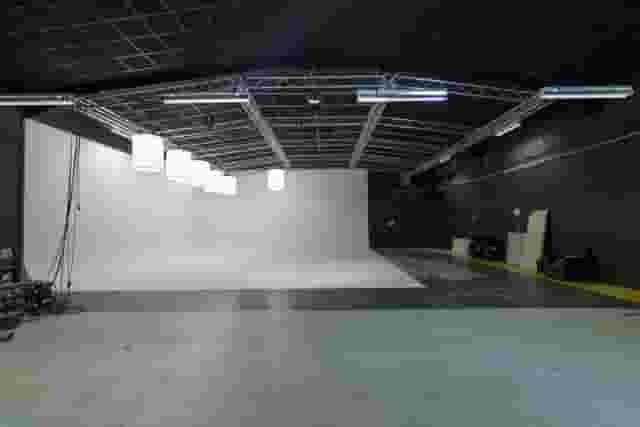
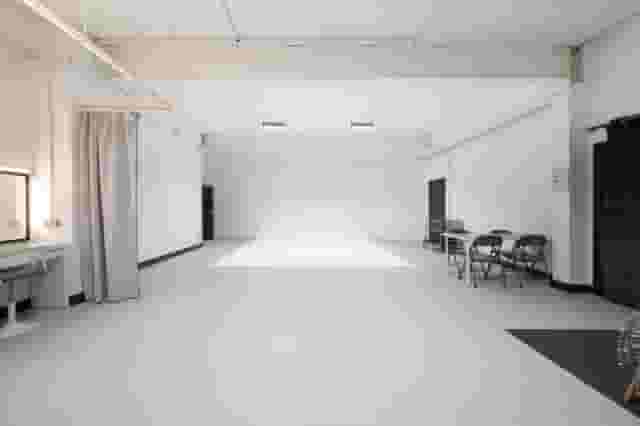
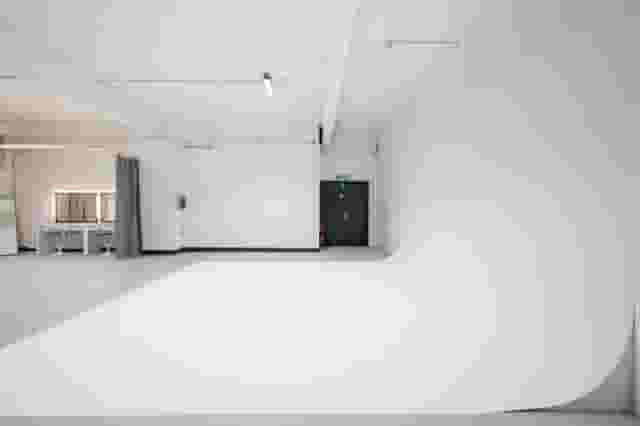
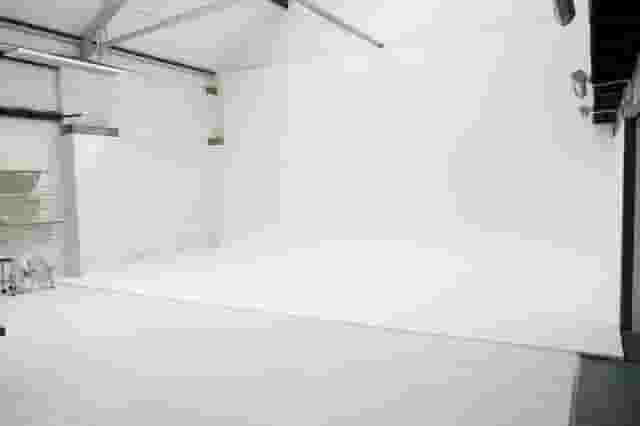
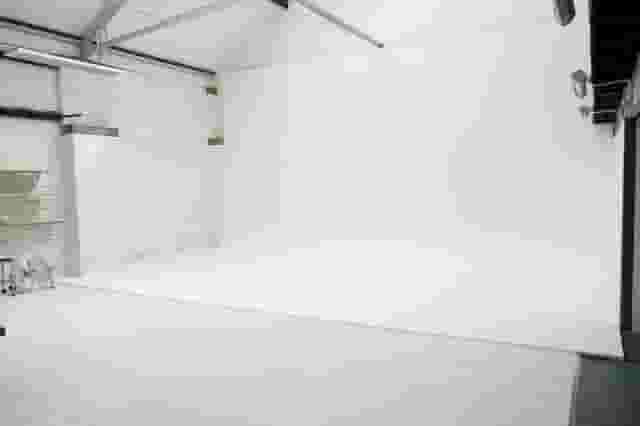
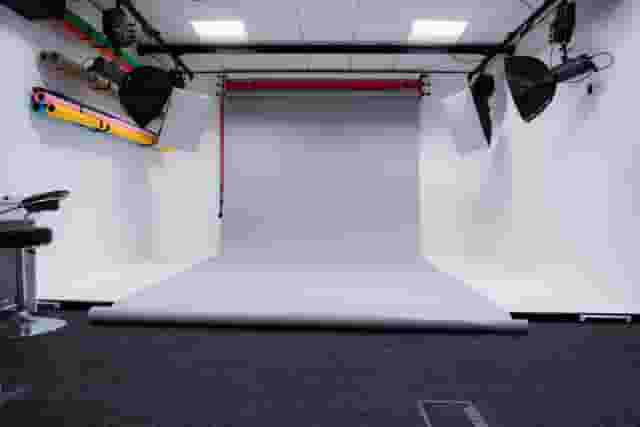
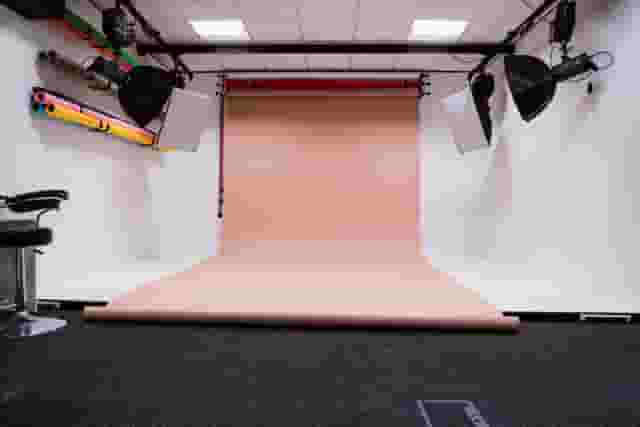
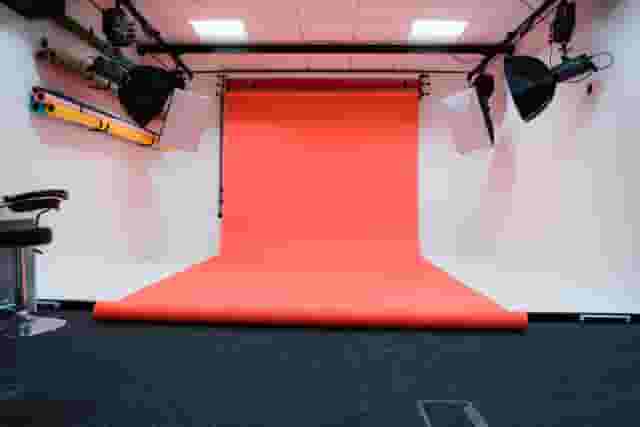
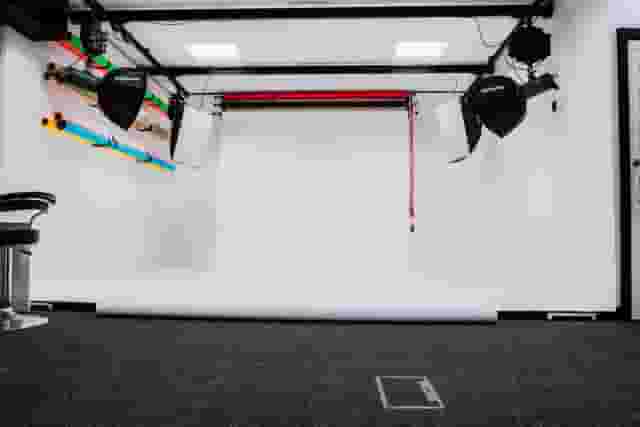
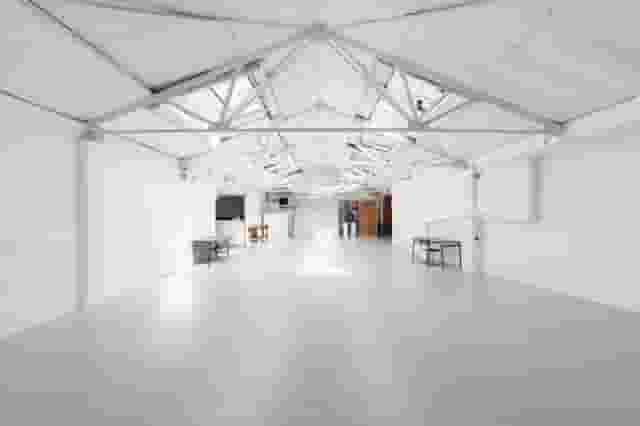
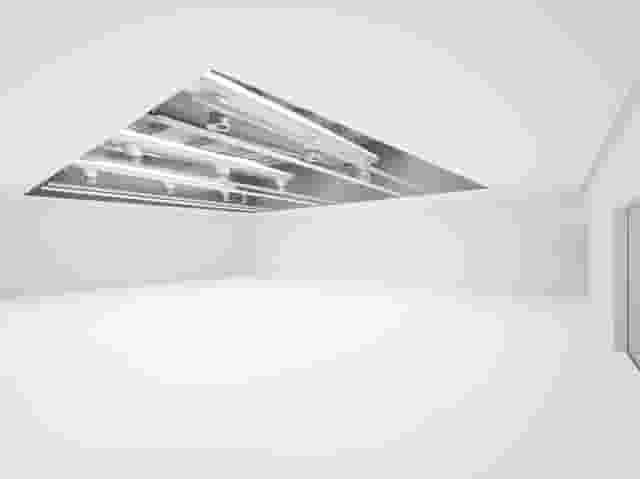
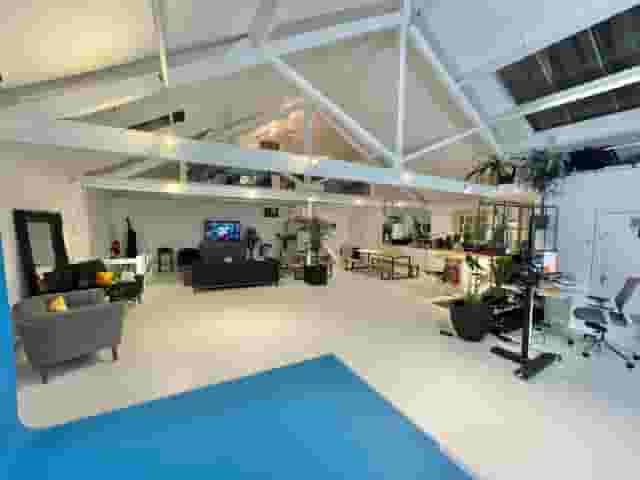
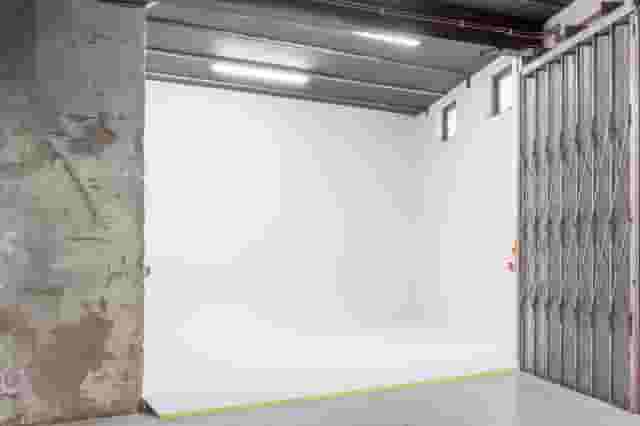
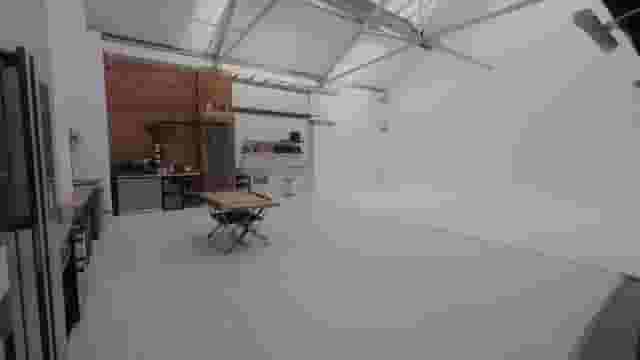
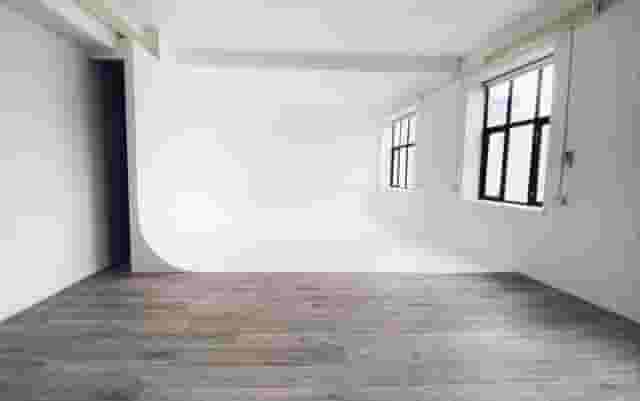
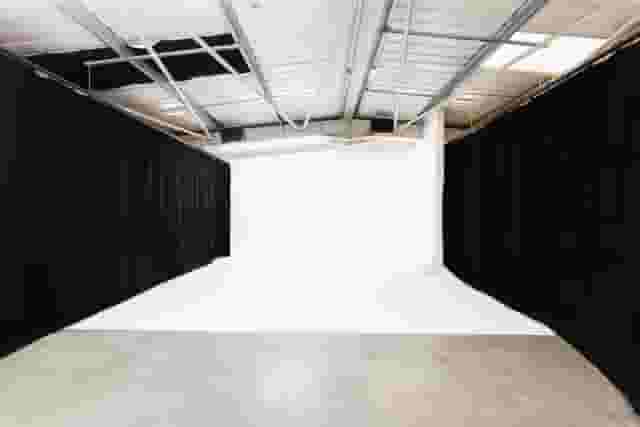
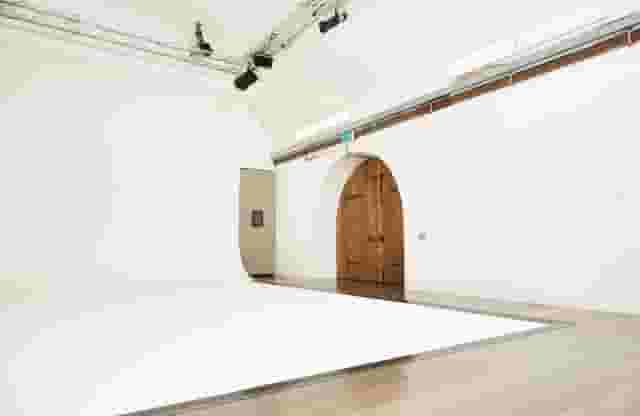
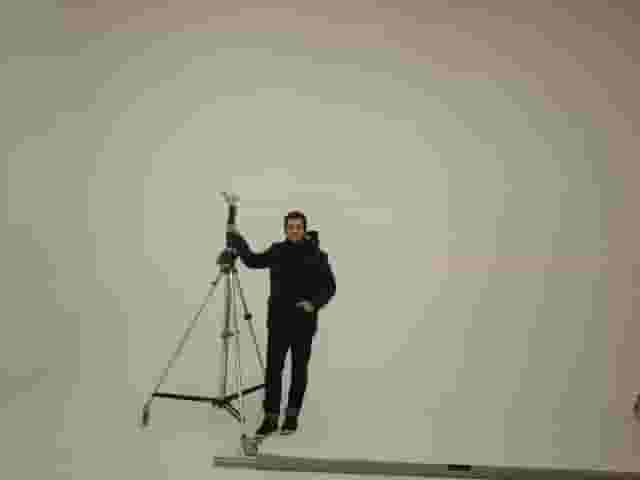
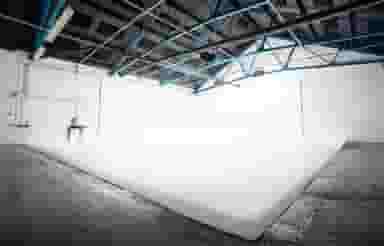
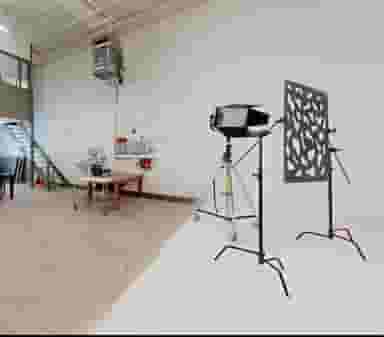
White infinity coves and daylight studios offer an uncluttered, contemporary environment where visual art, sculpture and hanging prints command direct focus. Spaces like Lumiere Underwood in Old Street, which accommodates 130 standing guests across the New White Loft and the Studio, provide plain white walls and natural light that works well during daytime arrivals before switching to focused artificial spotlighting as dusk falls. For smaller gatherings or focused breakout viewings, 69 drops studios in Whitechapel provides access to three infinity coves and total blackout options within a 6000 sq ft open-plan studio complex, featuring a boardroom setup for 30 people that can function as a holding green room or production office.
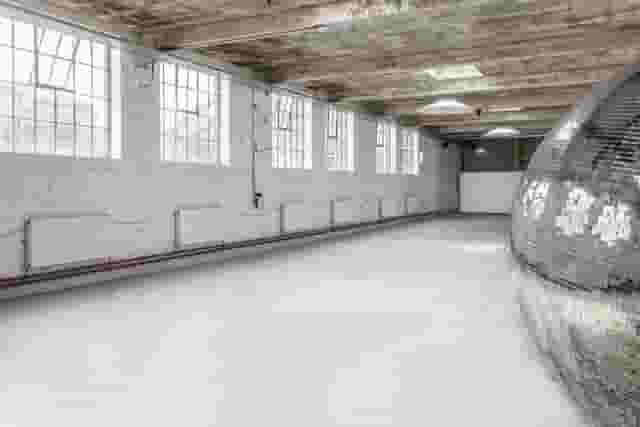
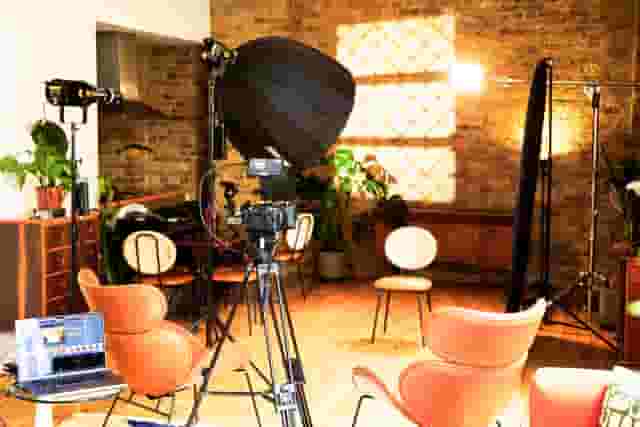
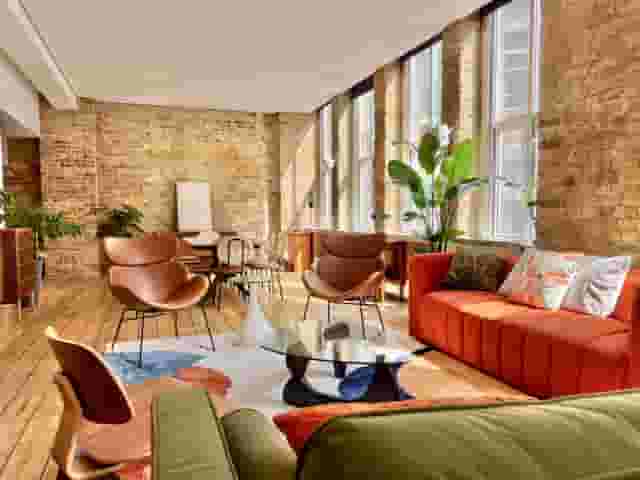
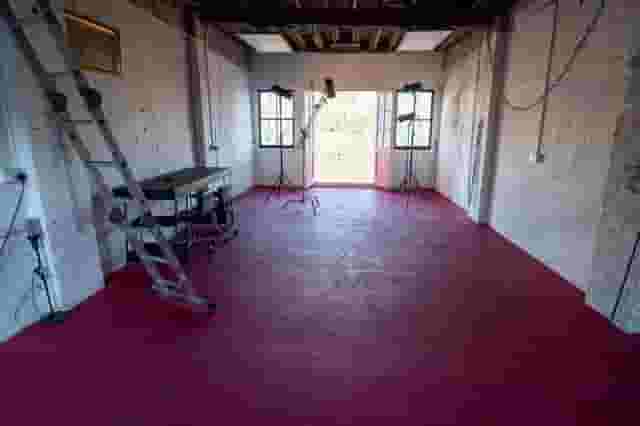
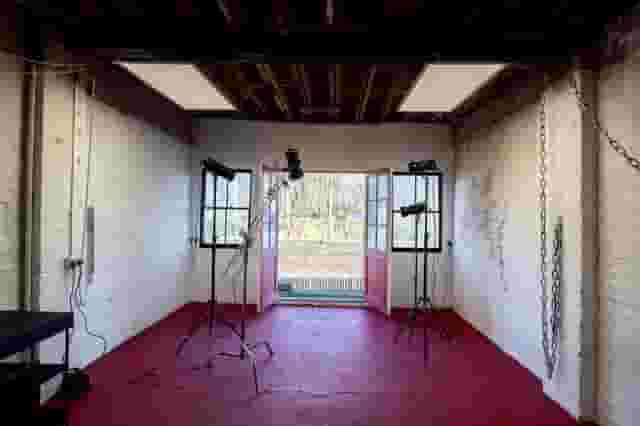
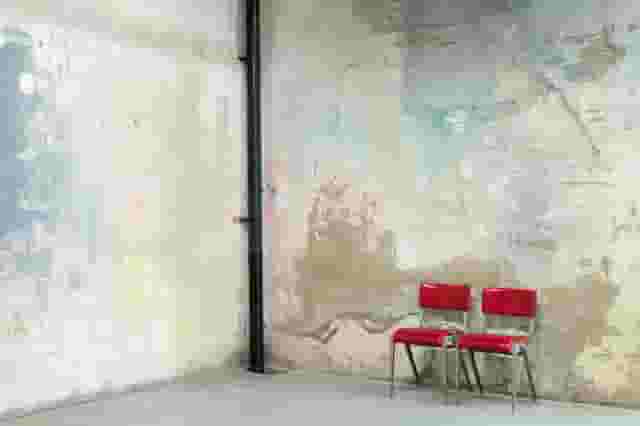
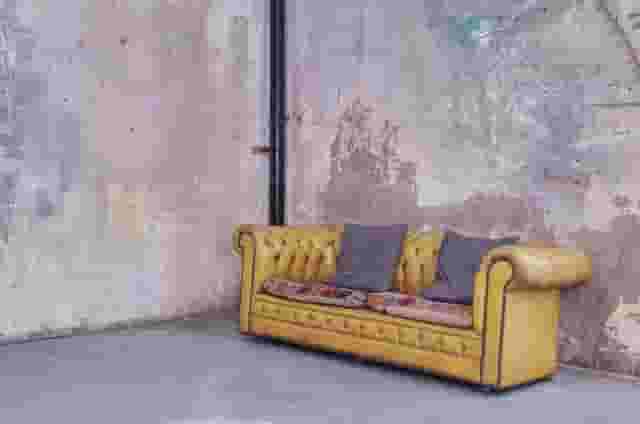
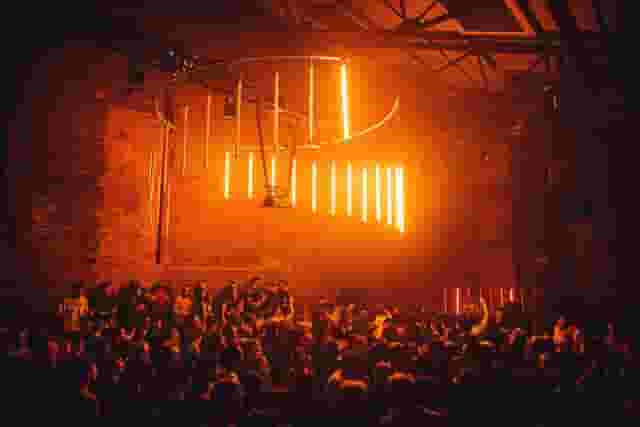
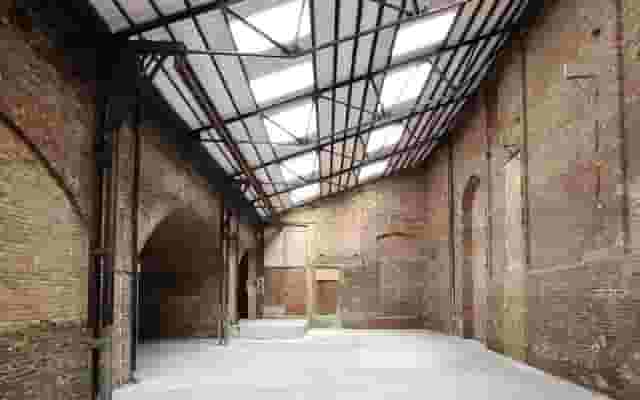
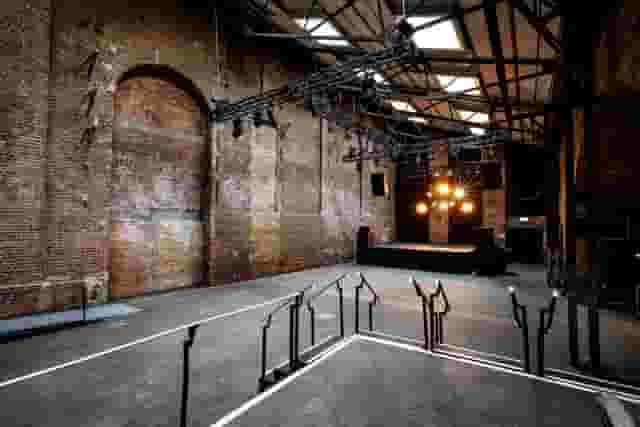
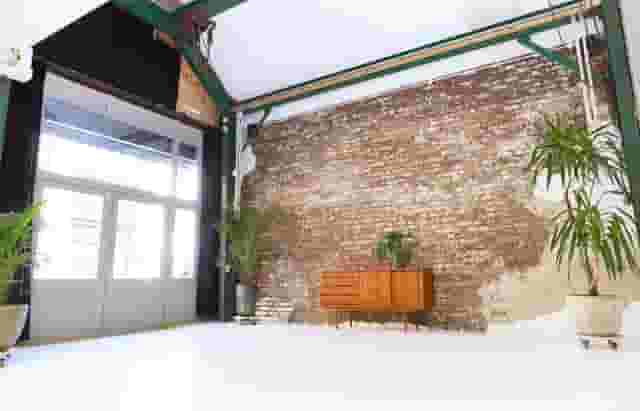
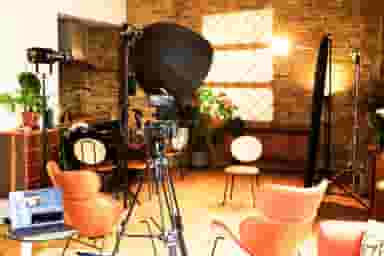
When an evening calls for raw architectural character rather than stark white surfaces, converted Victorian warehouses and industrial studios provide textured brickwork, exposed beams and steel trusses. Electrowerkz in Angel offers an industrial warehouse club environment, where its Penthouse room can host up to 390 standing guests with flexible room connections and late licensing that allows an evening to transition naturally from an exhibition into an extended post-talk reception. Similarly, Dollhouse Ingrid Kraftchenko Studios - Victorian Industrial Warehouse in Dalston provides a 900 sq ft studio that holds 100 standing guests, pairing a weathered interior with rooftop access for fresh air during evening intervals.
Choosing between a clean studio and an industrial warehouse determines how much lighting and dressing you will need to supply yourself. A white loft needs little more than gallery spotlights and projection equipment. An industrial warehouse often requires directional uplighting, draping and strategic spatial dividers to prevent guests from feeling lost in large, shadowy corners.
Structuring the run of show: private view, talk and reception
A successful cultural evening relies on clear movement through distinct phases. When guests arrive, they need enough floor space to circulate around exhibits with a glass in hand. When the talk begins, the focus must shift entirely to the speaker without ambient noise from catering teams clearing glasses. When the presentation finishes, the room must quickly return to a social gathering space.
Accomplishing all three phases within a single space demands thoughtful zone planning or multi-room studio facilities.
| Phase | Timing | Programme |
|---|---|---|
| Phase 1: Arrival & Private View | 18:30 to 19:30 | Perimeter artwork viewing and low ambient background music; tray-served drinks from an unobtrusive back bar; soft perimeter spotlights on exhibits |
| Phase 2: Live Talk & Presentation | 19:30 to 20:15 | Theatre-style seating facing central stage or projection wall; house lights dimmed with high-focus podium spotlights; service paused and bar quietened |
| Phase 3: Reception & Discussion | 20:15 to 22:30 | Standing cocktail tables cleared of obstructions; full house illumination and background sound restored; bar reopened for networking and discussion |
Acoustic management is the single most common failure point when running talks inside creative studios. High-ceilinged spaces with bare concrete or timber floors bounce sound, turning an engaging presentation into an unintelligible wash of reverberation. If your evening centres on a keynote address or panel discussion, you must prioritise acoustic control.
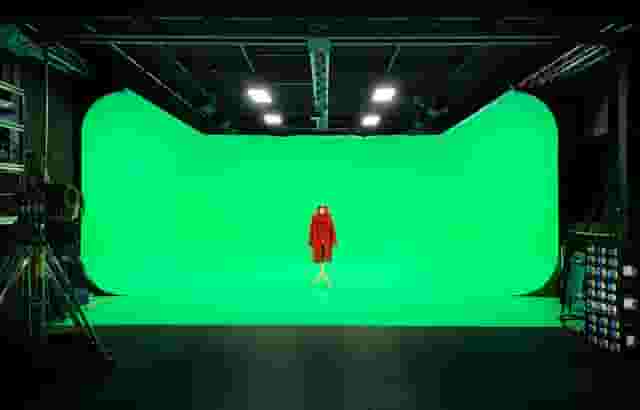
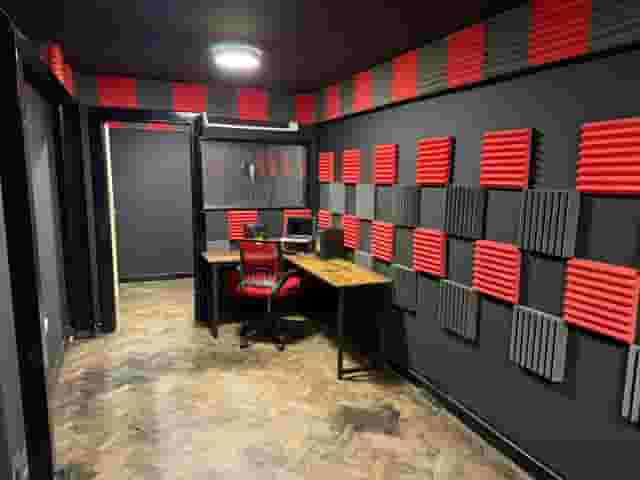
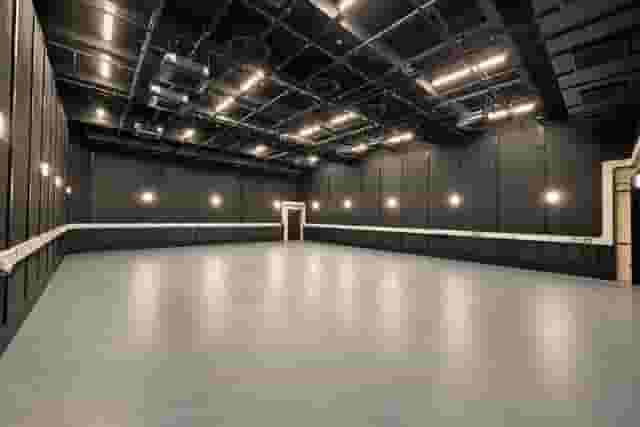
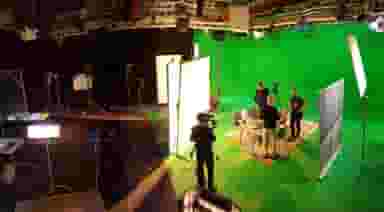
Dedicated sound stages solve this challenge directly. Kennington Film Studios in Central London features Studio 1, a sound-treated film studio with a wrap-around infinity cove and production support spaces that can seat 50 guests in theatre layout. The sound dampening built into the walls ensures that every word from the podium travels cleanly to the back row without slap-back echo. For larger audiences requiring full audiovisual infrastructure, Soundstage Studios in NW10 provides a soundproof production facility holding up to 150 standing guests, complete with in-house technical support to manage audio feeds and visual displays.
If you opt for a venue without acoustic panelling, plan to bring in soft furnishings, pipe-and-drape curtains and targeted directional microphones. Point loudspeakers directly at the seated audience rather than firing sound toward bare masonry walls.
| Space Configuration | Primary Advantage | Acoustic Consideration | Ideal Guest Count |
|---|---|---|---|
| White Infinity Cove | Neutral backdrop for visual art | High natural bounce; requires perimeter soft acoustic baffles | 50 to 130 guests |
| Sound-Treated Production Studio | Complete vocal clarity for presentations | Deadened room; requires amplified background music for receptions | 40 to 150 guests |
| Industrial Loft Warehouse | Atmospheric architecture with character | Variable reverb; requires distributed PA systems rather than twin speakers | 80 to 390 guests |
| Studio with Mezzanine Level | Built-in separation for drinks and talks | Clear sightlines from above; allows catering prep away from stage | 15 to 70 guests |
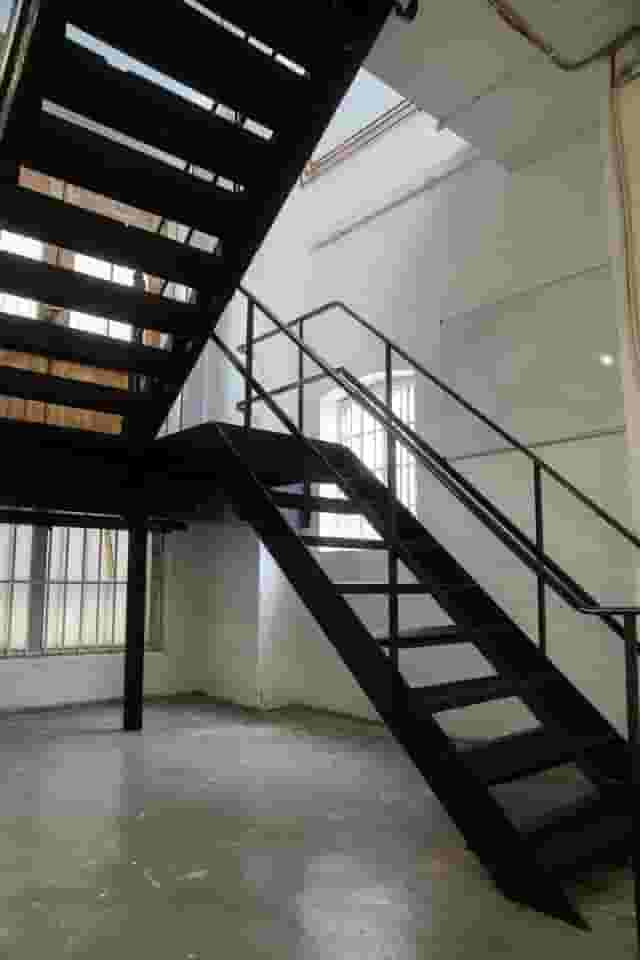
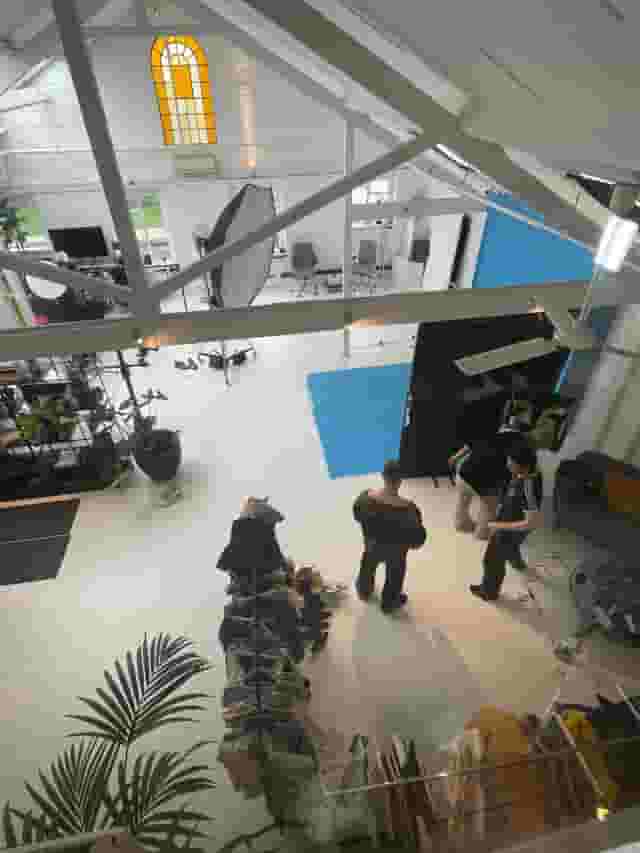
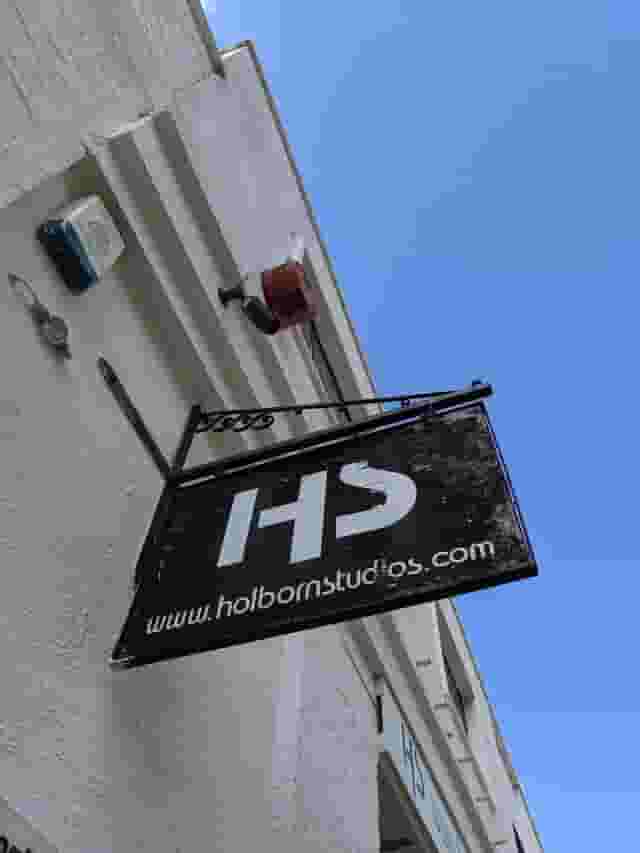
When separating the private view from the talk, consider using mezzanine layouts. A venue such as Holborn Studios, Studio 1, which covers 1,250 sq ft and holds 15 standing guests, features a dedicated mezzanine area. Mezzanines allow speakers to prepare their notes, hosts to store equipment, or production staff to oversee operations without interrupting guests on the main studio floor. For guides detailing similar architectural options, read our round-up of The Top 5 Photography & Filming Venues In London to understand how different floorplans accommodate multi-stage itineraries.
Budgeting, hire models and production costs
Budgeting for a cultural evening in a filming studio works differently from booking a hotel suite or a private members' club. Filming spaces operate primarily on a dry hire model. You pay for the square footage, access hours and baseline utilities, while catering, bar staffing, presentation equipment and decor are sourced separately.
Our data indicates that indicative pricing for arts and culture events in these Central London locations falls in the range of £20 to £55 per head. This figure is based on 5 quotes from the venues on this page and assumes a guest count of about 120 guests. If you want clear figures for your own plans, Hire Space is a venue booking platform backed by a team of real people who help manage your search. It provides instant price estimates based on real booking data so you can see what a space is likely to cost before enquiring and suggests similar studios at a lower rate if your first choice stretches the budget.
Because studio dry hire fees are typically flat daily or half-daily rates, your per-head cost drops as your attendance nears venue capacity. Towards the £20 end of the range, an event usually operates with basic venue dry hire, straightforward house lighting, client-provided artwork displays and outsourced corkage-free bar service where drinks are served from simple trestle tables.
Towards the £55 end of the range, budgets incorporate professional production support. This includes specialised rig lighting, dedicated sound engineers, mobile cloakrooms, security personnel and tailored canape service.
To prevent unexpected budget surprises, account for the standard production line items that commercial studios invoice separately:
| Cost Element | What It Covers | Organiser Checklist |
|---|---|---|
| Studio Hire Fee | Base access to the floor, green rooms and bathrooms | Confirm exact load-in and derig times |
| Overtime Rates | Access outside the agreed hire window | Check hourly penalties past midnight |
| Power Drops & Three-Phase | Heavy-duty electrical distribution for lighting and catering | Check whether a power surcharge applies |
| Studio Manager Fee | On-site venue technician overseeing house systems | Confirm if their presence is mandatory |
| Waste Disposal Fee | Industrial refuse removal after post-event derig | Check if you must take recycling off-site |
| Cleaning Charge | Deep clean of floors, cove repaint and bathrooms | Ask if cove repainting is charged automatically |
When negotiating dry hire agreements, pay close attention to studio floor care. Infinity coves are painted pure white before photoshoots, and studios often charge a mandatory repaint fee if guests walk across the curved floor during a reception. You can protect your budget by keeping the talk stage and drinks tables strictly within the flat floor perimeter, preserving the cove surface untouched.
Technical delivery, logistics and licensing
Behind every smooth cultural evening sits a series of operational details that studio spaces handle exceptionally well, provided you plan for them early. Filming locations are inherently industrial work environments. They welcome flight cases, heavy equipment and technical crews far more readily than heritage institutions.
Loading artwork, temporary bars, stage furniture and staging requires clear vehicle access. Klatch Studio - Infinity Cove in Ealing, which has a standing capacity of 70, provides direct drive-in access. Drive-in roller shutters allow production vans to back straight into the room, reducing load-in times from several hours to forty-five minutes. This level of access reduces labour costs and protects delicate exhibition pieces from rain during transit.
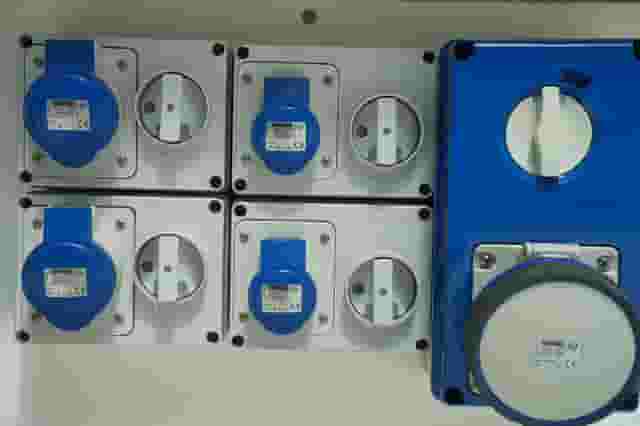
Power supply is another area where filming locations excel. Standard hospitality venues often trip circuit breakers when you plug in heavy theatrical spotlights, warmers for food service and commercial audio amplifiers simultaneously. Filming locations routinely offer three-phase power drops capable of running high-output lighting rigs alongside external catering kitchens. Always ask your audiovisual supplier and caterer for their total wattage requirements before your initial venue walk-through, so the studio technician can allocate designated distribution boxes. For further technical considerations on choosing production locations, explore our review of Hollywood in London: 5 Venues for Filming.
You must also confirm the licensing status of the space. While traditional bars and hotels hold permanent premises licences, many photo and film studios operate under commercial production permissions. If you intend to sell alcohol directly or charge an entry fee that covers drinks, you may need to file a Temporary Event Notice (TEN) with the local London borough council.
Local authorities require a standard TEN to be submitted at least ten working days prior to your event date. The notice permits temporary licensable activities, such as selling alcohol or providing late-night entertainment, for up to 499 people at a time. If the studio allows you to provide complimentary drinks without an admission charge or direct sales, a TEN may not be necessary, but you should always verify the specific licensing terms with the studio manager.
Pay equal attention to curfew limits. Central London residential neighbourhoods enforce strict noise abatement controls after 23:00. Venues holding late licences, like the warehouse spaces at Electrowerkz, permit events to run into the early hours, whereas daylight studios in mixed residential streets often require all guests to leave by 22:30.
Planning guest arrivals, cloakrooms and transport
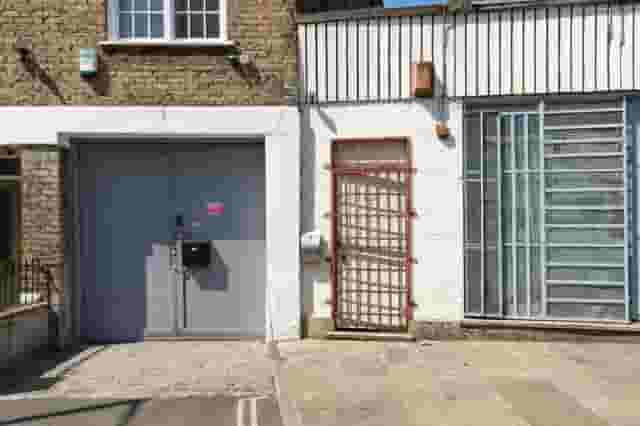
Because commercial studios are often located down quiet side streets, inside converted mews or within light-industrial yards, helping your guests find the entrance requires proactive communication. Unlike major museums or landmark event halls, these venues rarely feature prominent street-level signage.
Send an arrival guide forty-eight hours before the event that details the exact entrance gate, pedestrian buzzer instructions and local public transport options. Studios situated around Old Street, Angel and Whitechapel benefit from high public transport connectivity, with short walking routes to London Underground and Overground stations. For studios located south of the river or in outer zones, note the nearest station clearly and advise guests whether mini-cab pick-up points operate directly outside the gates.
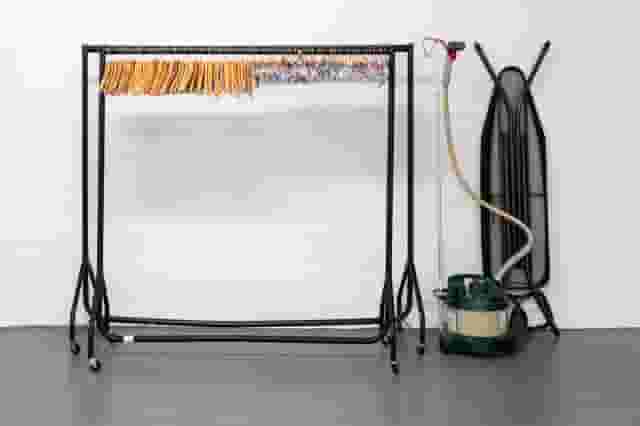
Plan for cloakroom infrastructure early in your schedule. Filming spaces often lack fixed coat check facilities. If you expect 120 guests on an autumn or winter evening, a pile of wet overcoats left over empty production flight cases undermines the visual polish of your art exhibition. Hire three to four portable wheeled garment rails and double-sided cloakroom tags, and position them immediately inside the main entrance with an allocated attendant.
Managing the threshold smoothly keeps the main floor clear for viewing the exhibits, directs guests straight towards the bar, and ensures the room feels organised from the first step inside.
What our customers say
Inspiration and planning guides

The Top 5 Photography & Filming Venues In London
It wasn't that long ago that we featured a blog on photography studios but with so many great venues joining the Hire Space stable, we knew that it was time to send James Roche out again to preview five more marvellous film and photography spaces available for hire in London! First Option Studio With a Welsh slate entrance and custom built French doors, one could never accuse this split-level studio space of being culturally exclusive. And whether you're filming a Bollywood blockbuster,

Unique Venue of the Month: Motel
Under a Victorian railway arch, just steps from Kingsland Road, lies a studio [https://hirespace.com/Spaces/London/85467/MOTEL/Whole-Venue/Events] that's the brainchild of famed photographer and filmmaker John Wright, who's worked with such big-name clients as Vanity Fair, Louis Vuitton and Sky Arts, and captured the biggest pop cultural names on camera including Rihanna, Paul McCartney and Arnold Schwarzenegger. GQ Britain's James Mullinger called the space the "best photographer's studio in Lo

Venue Review: Anomalous Space
Creative ventures across the artistic spectrum are accommodated and embraced at Anomalous Space [https://hirespace.com/Venues/London/1551/Anomalous-Space], situated stunningly close to Angel Station on Pentonville Road. The venue's name captures its uniqueness, in that it deviates from the standard, unoriginal function space that's all too common. Anomalous Space combines the most contemporary of technological facilities with Art-Deco features, all set within an authentic Georgian townhouse.
One supplier. Every venue. Full visibility on what you spend.
Multiple venues and events. One agreement.