Recording Studios in Central London
Explore top Recording Studios in Central London suitable for events of up to 200 people.
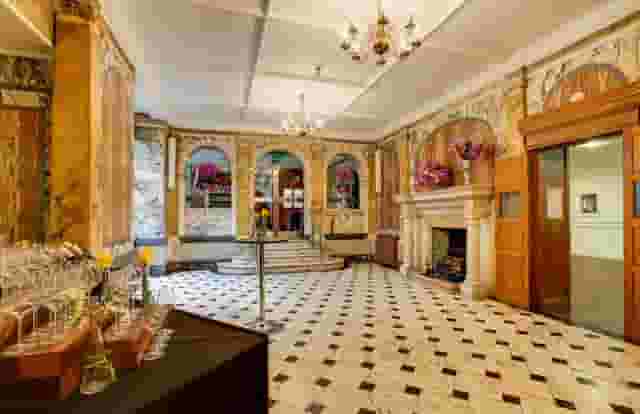
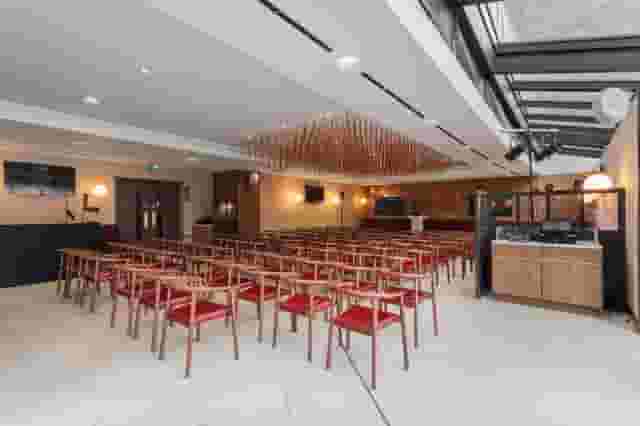
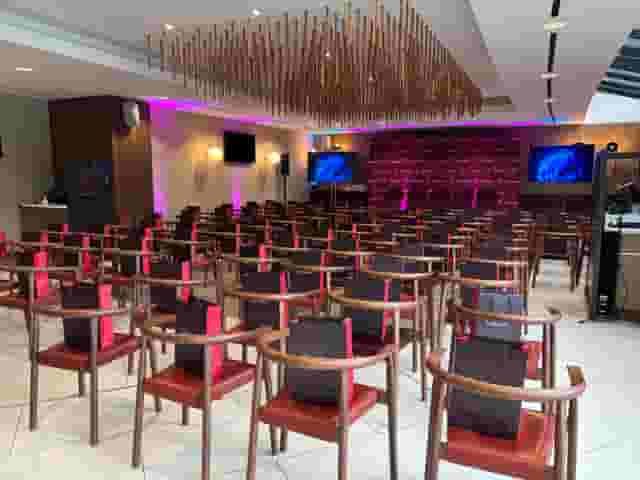
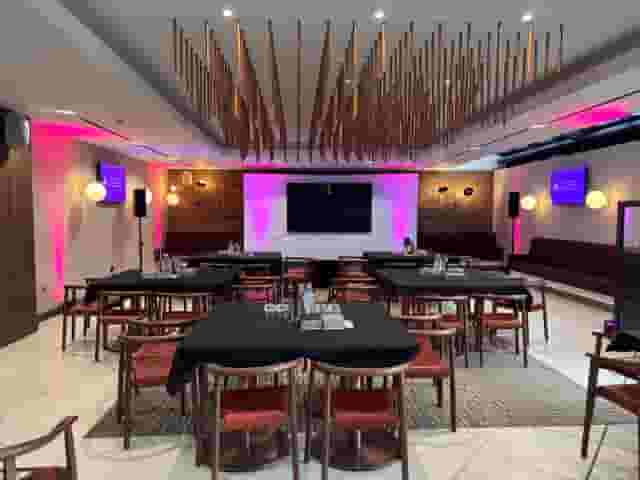
38 Recording Studios in venues in Central London
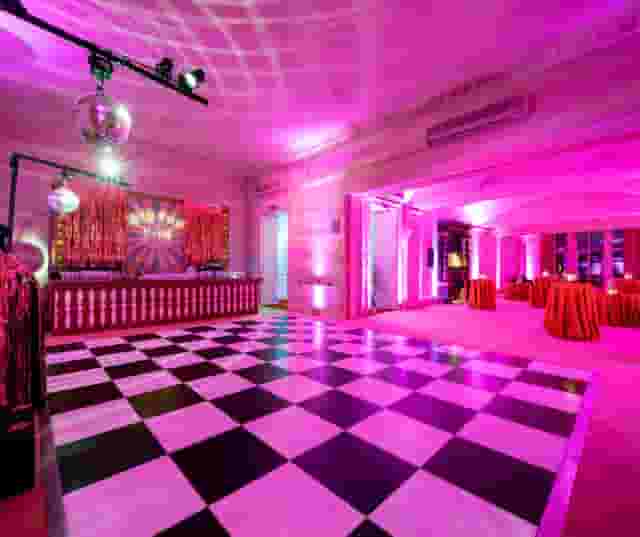
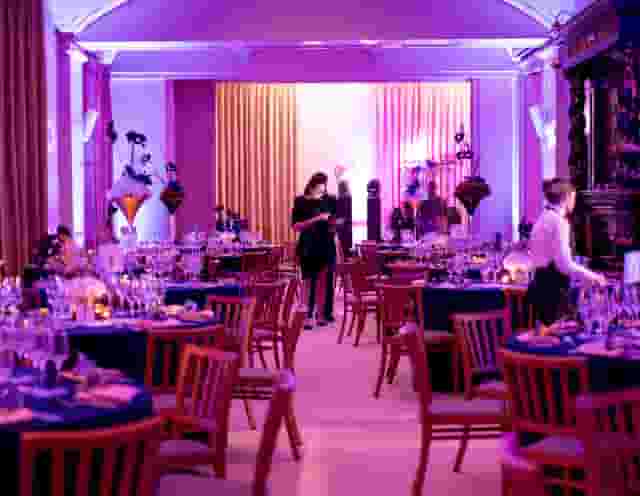
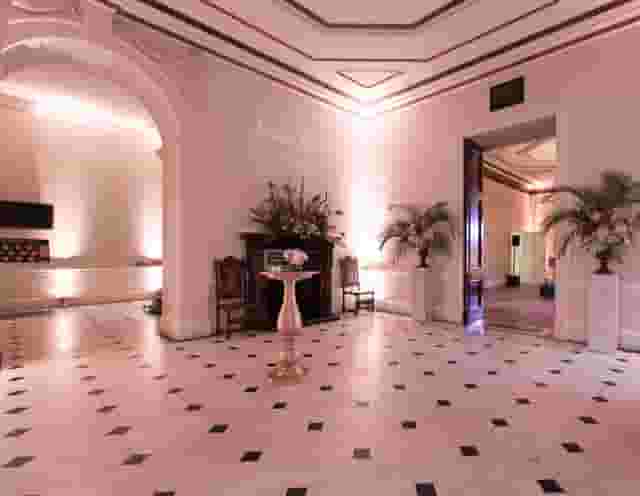
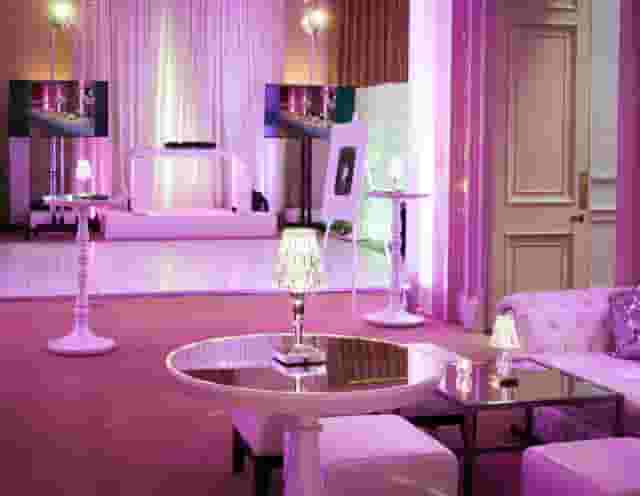










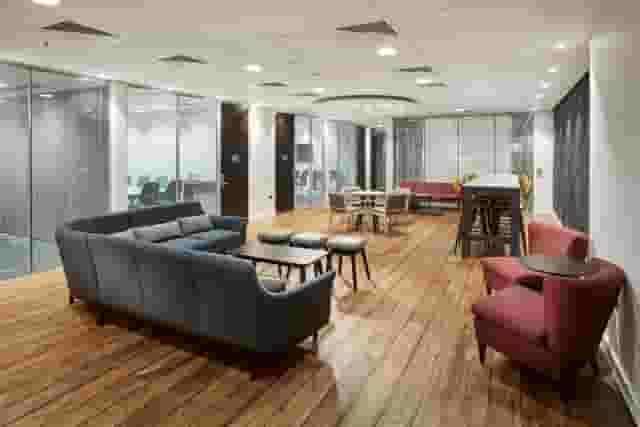
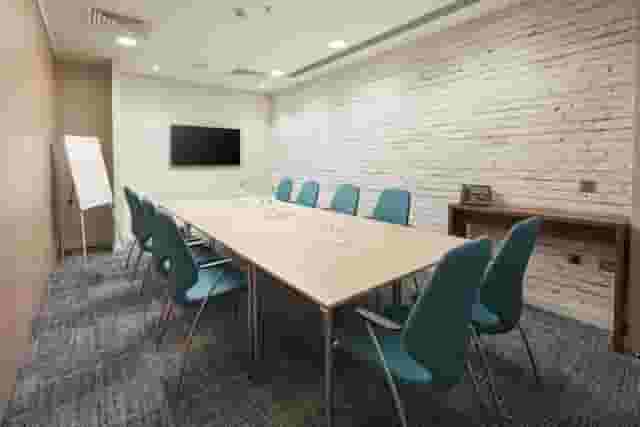
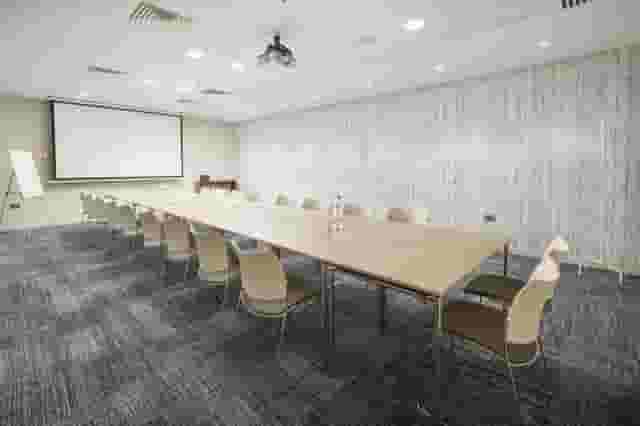
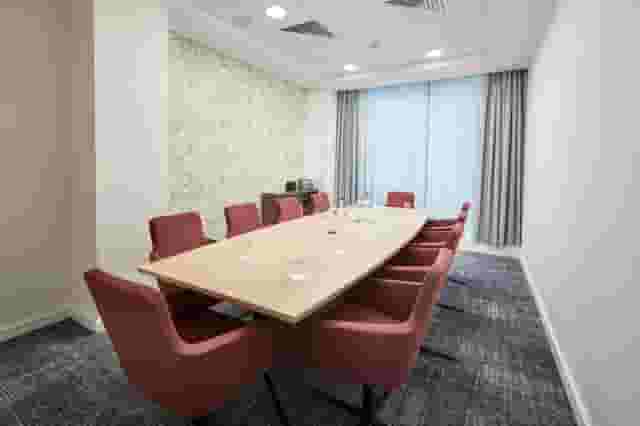















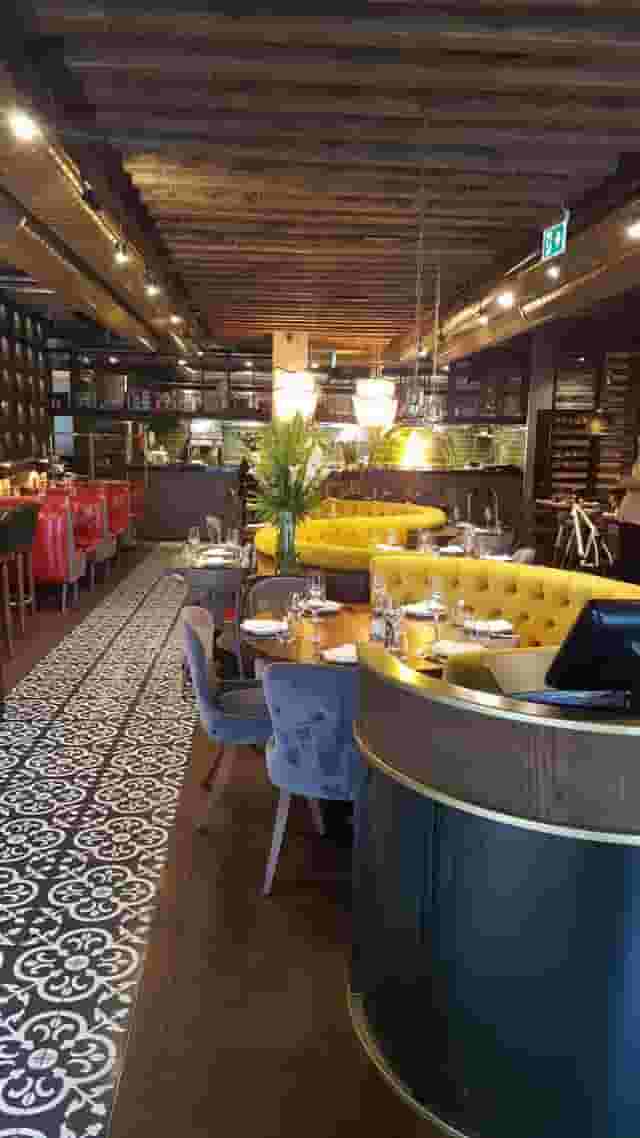
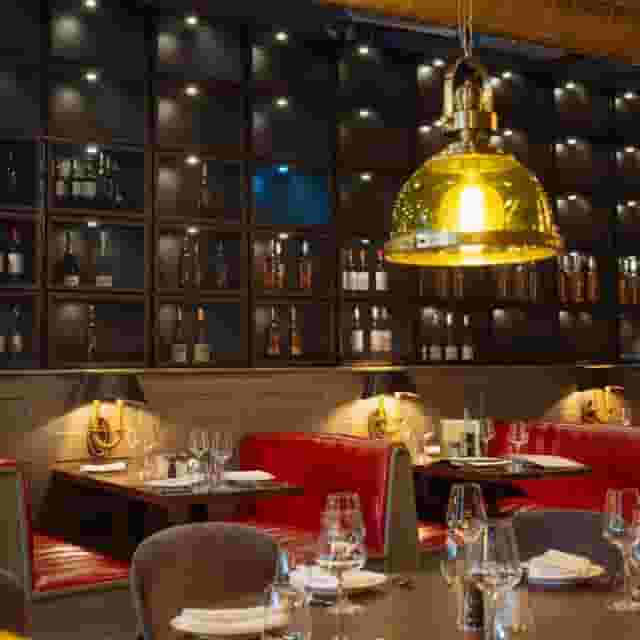
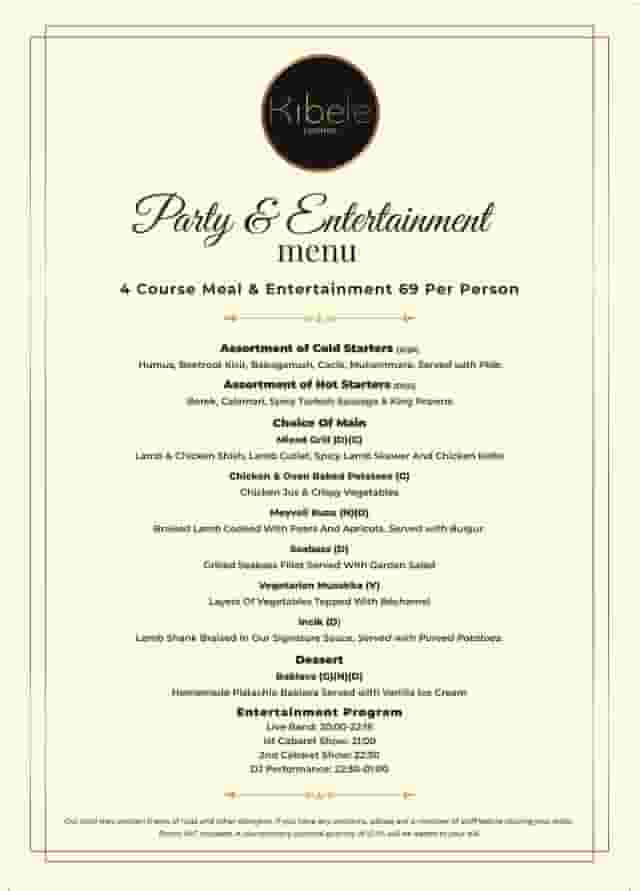
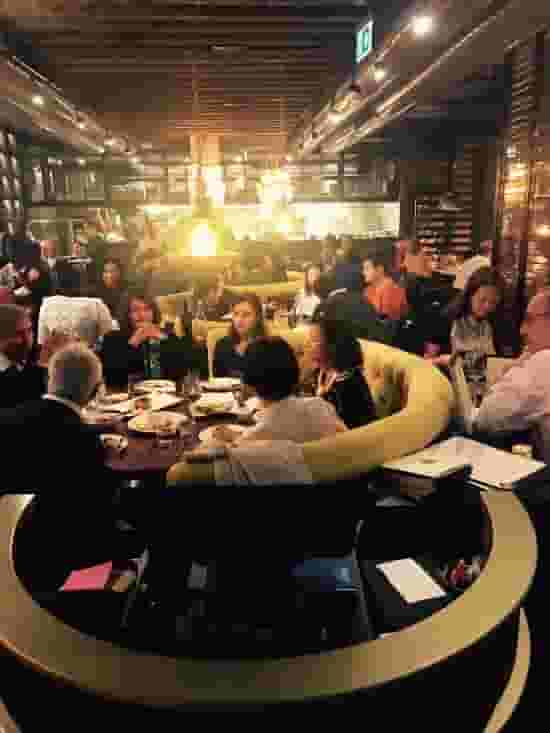








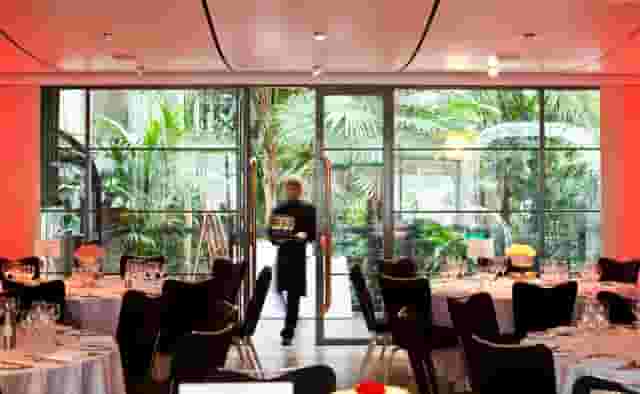
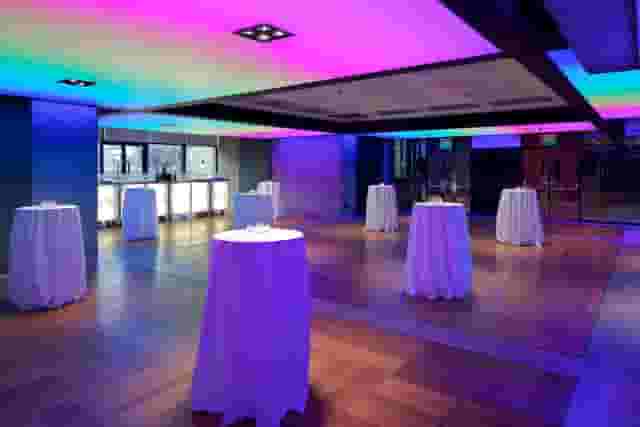
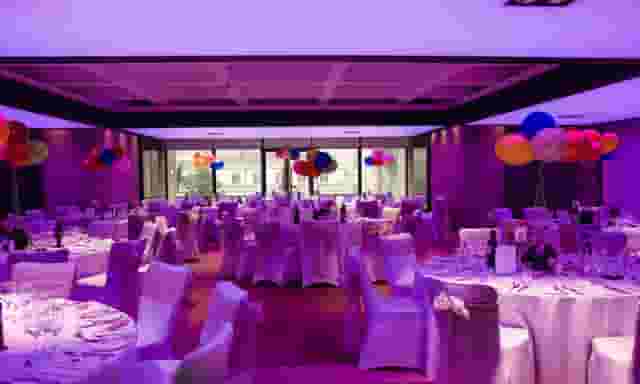
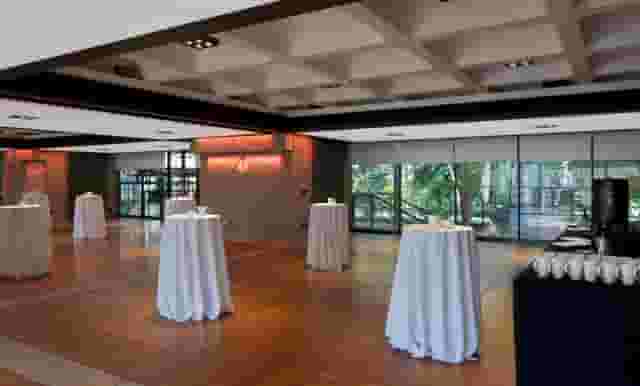











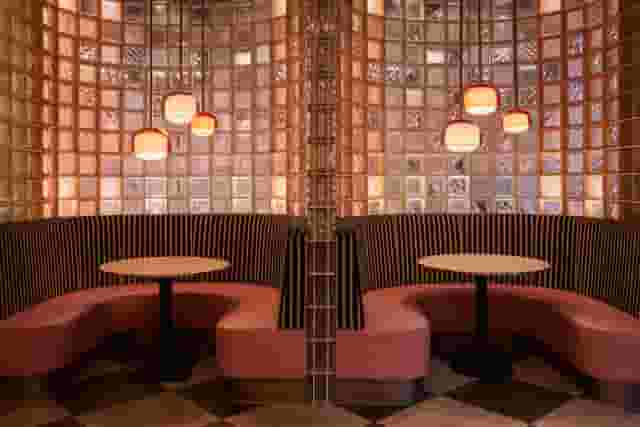
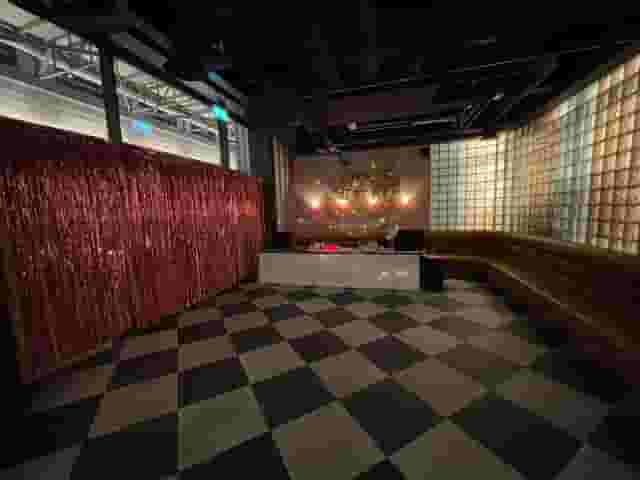
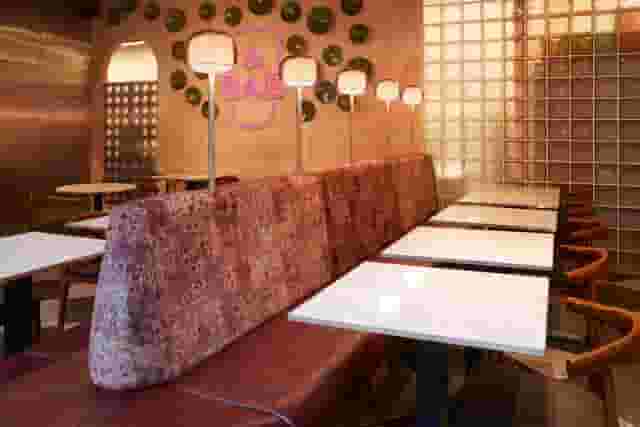
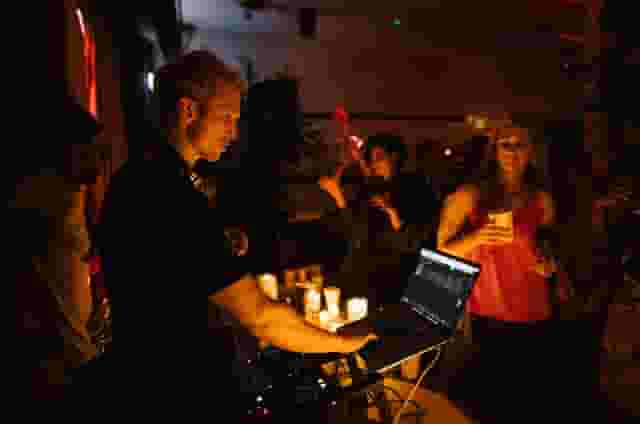


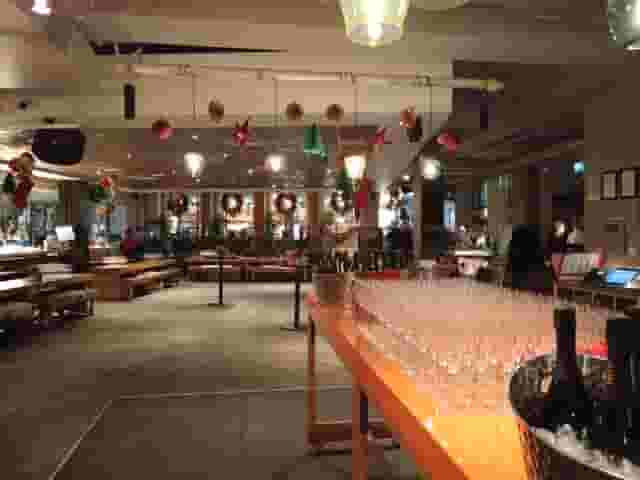

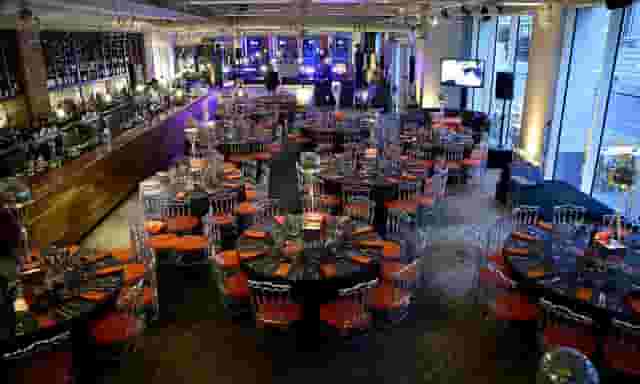

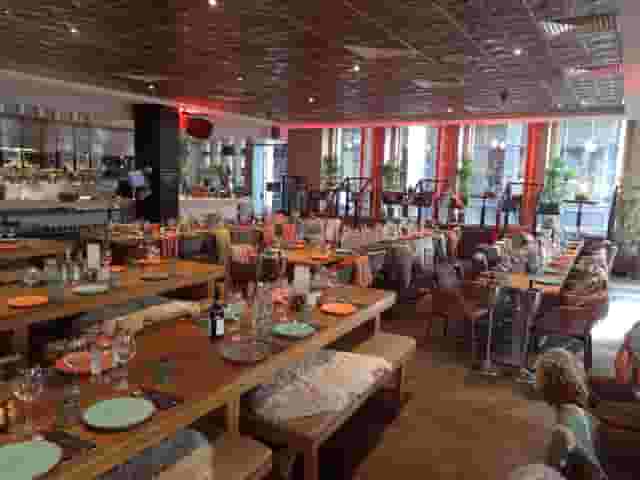
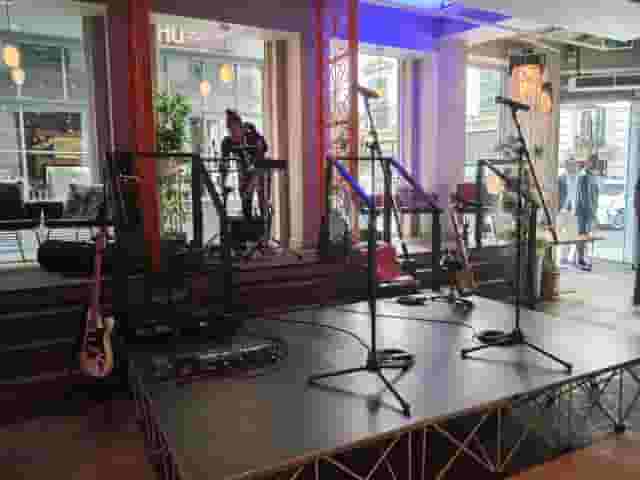

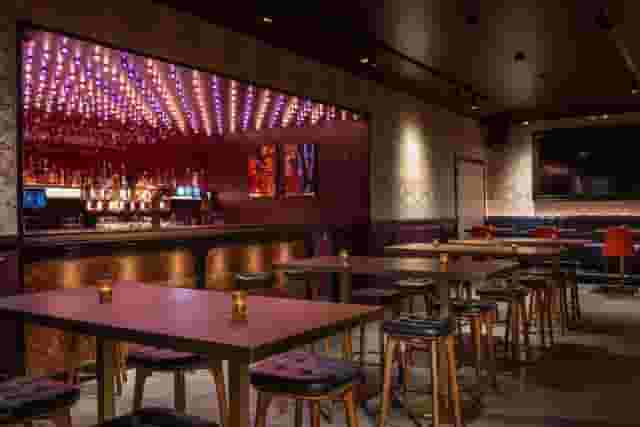
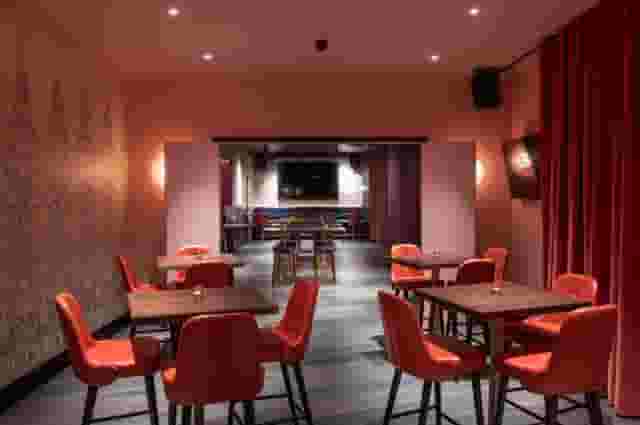
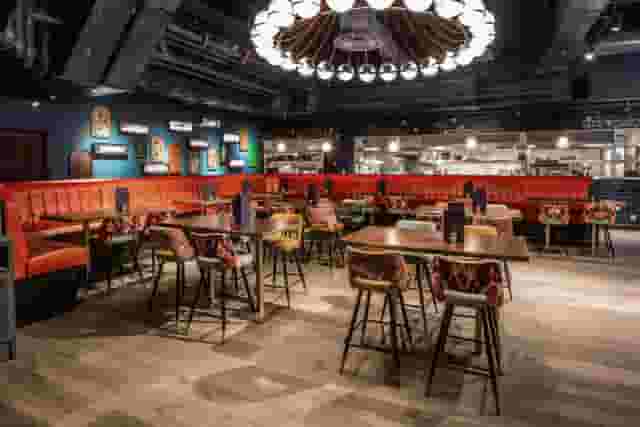
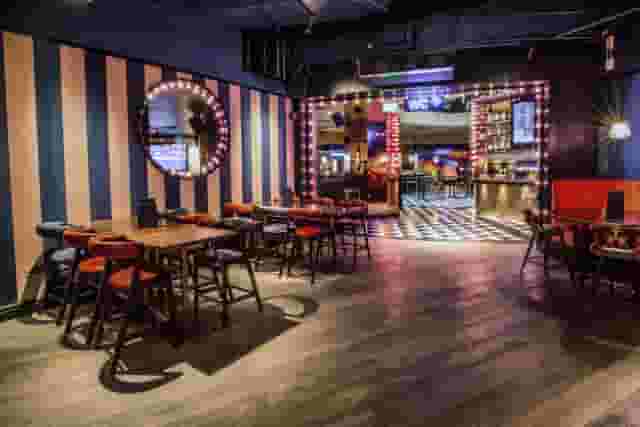
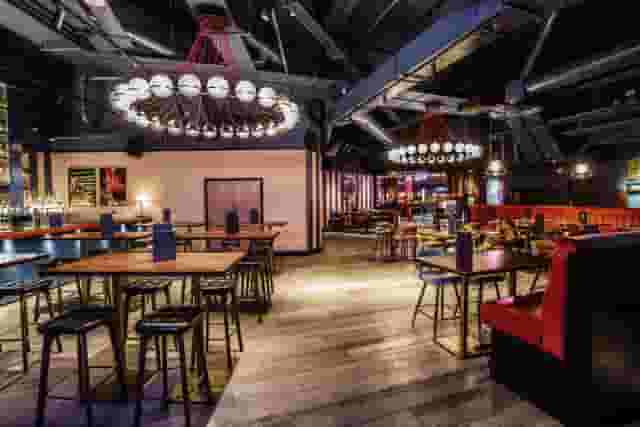
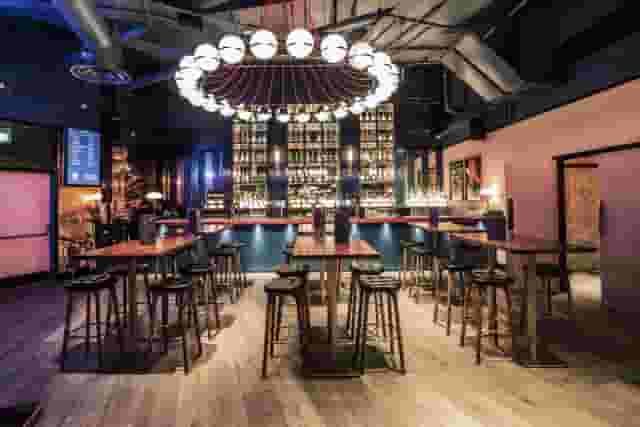
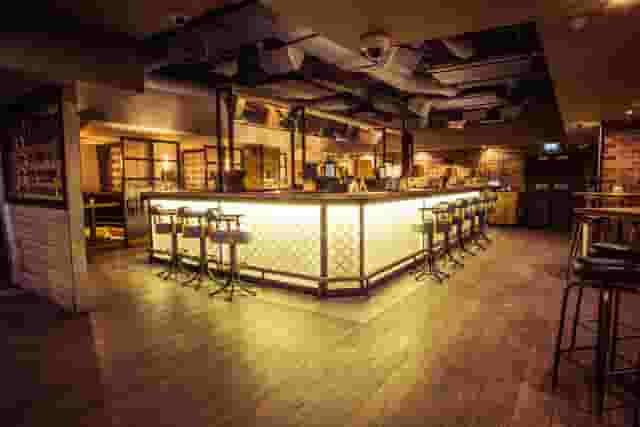
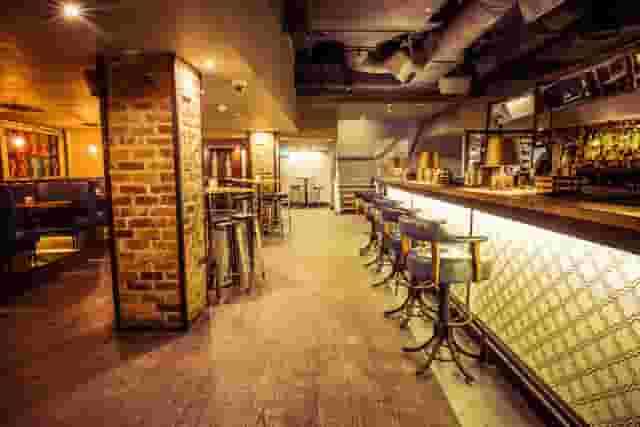
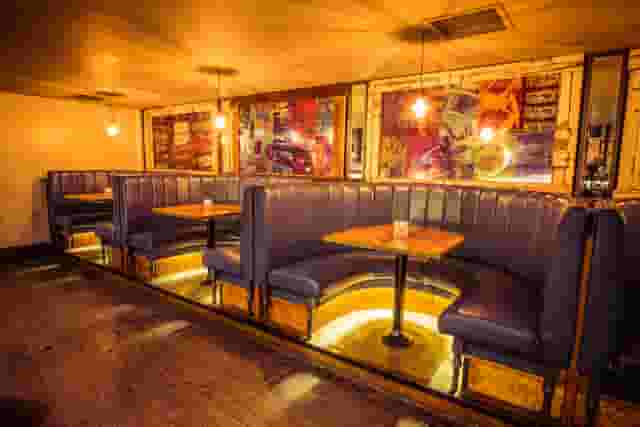
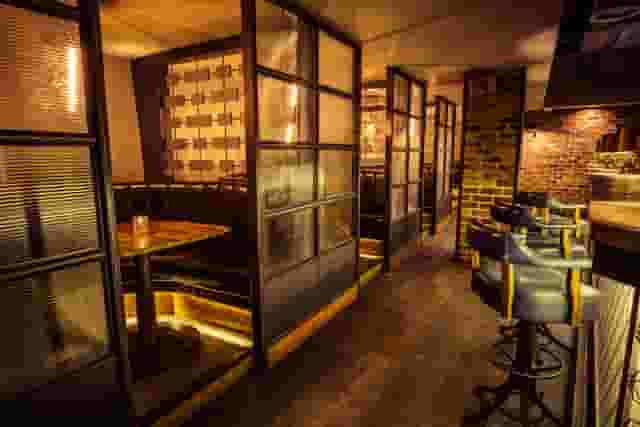
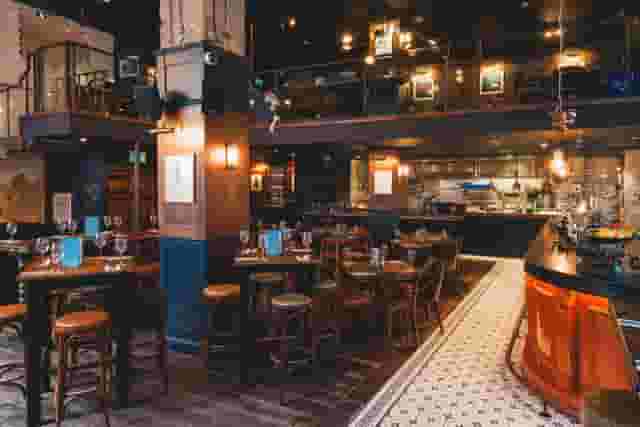
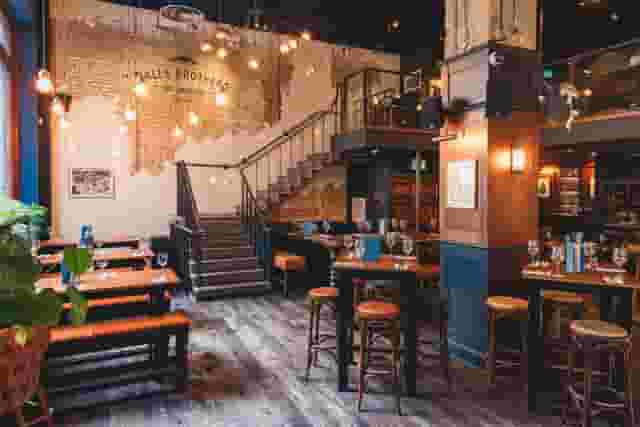


























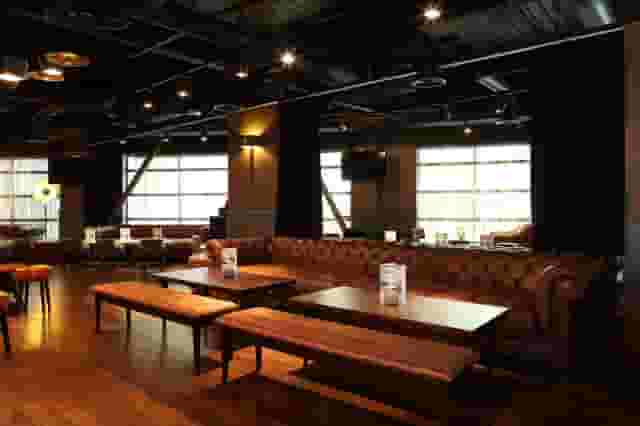

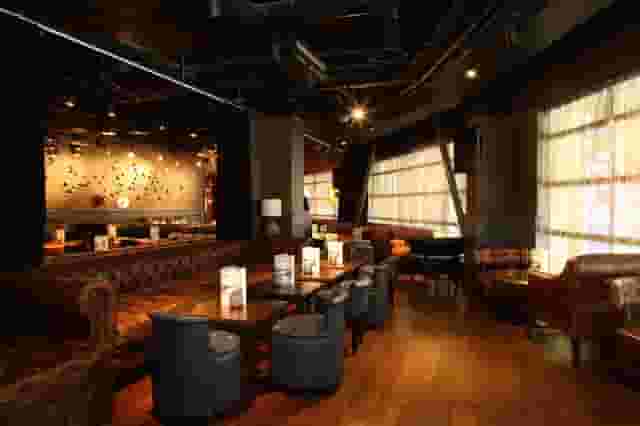
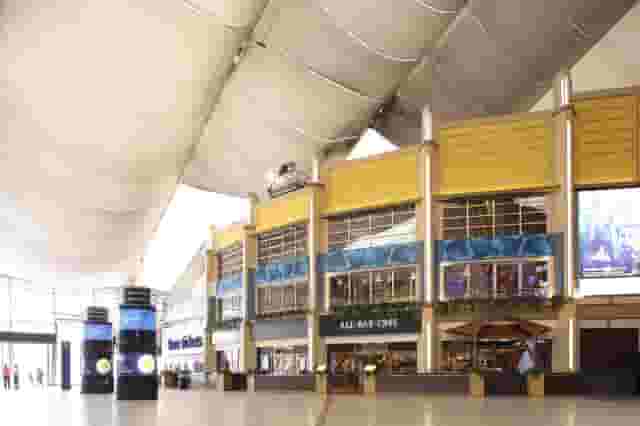





No venues match these filters
Try widening your capacity, luxury level or event type.
Don't have time to search? We'll find it for you.
For business events that need human judgement, talk to our team. Free for events of 100+ people, budgets over £10k or ongoing programmes.


Explore more venues in Central London








Other platforms search their database. We search everything.
Tell us what you need. Our deep research finds any venue, whether it's in our marketplace or not. No one else does this.
About Recording Studios in Central London
Why Central London's Recording Studios Are Perfect for Large-Scale Creative Events (And What Makes Them Different)
When you're planning an event for 200 people, most venues feel like they're either too corporate or too cramped. But Central London's recording studios? They're in a league of their own, and here's why they're absolutely brilliant for large-scale creative gatherings.
The magic lies in their unique DNA. These spaces were built for collaboration and creativity from the ground up. Unlike traditional conference venues that feel sterile, recording studios have this incredible energy that gets people talking and thinking differently. We've seen product launches transform into genuine creative workshops simply because the environment encourages it.
The Technical Edge That Changes Everything
What sets these studios apart is their exceptional infrastructure. A proper 200-person recording studio in Central London typically spans 300-400 m² with ceiling heights of 4-5 metres – that's crucial for both acoustics and creating that sense of space your guests crave. The power supply alone tells the story: while smaller venues struggle with basic AV needs, these studios run on 3-phase power with 63A+ capacity, meaning you can run sophisticated lighting, sound, and streaming setups without a hitch.
The acoustic treatment is where things get really interesting. Variable absorption panels and floating floors don't just make recordings sound perfect – they create an atmosphere where conversations flow naturally, even with 200 people in the room. No echo, no strain to hear speakers, just crystal-clear communication.
Location Advantages You Can't Ignore
Central London's studio scene clusters around Soho and King's Cross for good reason. You're 15 minutes from major transport hubs, with venues like London Recording Studios offering that perfect blend of accessibility and creative credibility. Your guests arrive inspired before they even walk through the door.
The pricing reflects this premium positioning – expect £1,500-£3,500 per day for a quality 200-person studio space. Yes, it's an investment, but when you factor in the included technical infrastructure and the creative boost your event gets, it's often better value than piecing together AV rentals at a traditional venue.
Making It Work for Your Event
The key is understanding these spaces were designed for performance and collaboration. That means natural staging areas, excellent sightlines, and acoustics that make every word count. Whether you're launching 7 Perfect Product Launch Locations or running creative workshops, the space actively supports your objectives rather than fighting against them.
Book early – these venues are increasingly popular, and the best studios get snapped up months in advance, especially for midweek events when demand peaks.
The Essential Technical Checklist: What Every 200-Person Recording Studio Event Actually Needs
Right, let's get into the nitty-gritty of what you actually need to make a 200-person recording studio event work flawlessly. After years of watching brilliant events fall flat due to technical oversights, we've learned that the devil really is in the details – especially when you're working with spaces that have their own unique requirements.
Power and Connectivity: The Foundation That Makes or Breaks Your Event
First things first – power supply. You'll need dedicated 3-phase power with at least 63A capacity to handle your full technical load. Don't assume the studio's existing setup covers your event needs. We've seen too many events where the lighting rig worked perfectly until someone plugged in the catering equipment and everything went dark.
For connectivity, insist on minimum 100 Mbps symmetrical internet. Recording studios often have excellent bandwidth for their daily operations, but streaming a live event to remote participants whilst running registration systems and social media feeds? That's a different beast entirely. Always test the connection during your site visit, not just ask about it.
Audio-Visual Requirements That Actually Matter
Here's where recording studios shine – and where you need to be most careful. The existing sound system might be perfect for recording, but completely wrong for live events. You'll typically need line arrays or large PA systems designed for 200 people, not studio monitors designed for precision listening.
Climate control becomes critical with this many bodies in an acoustically sealed space. Ensure the HVAC system can maintain 20-22°C with 200 people generating heat, whilst remaining whisper-quiet during presentations. The floating floors that make these studios acoustically perfect can also make them feel stuffy if the air circulation isn't spot-on.
The Technical Setup Timeline Nobody Talks About
Budget minimum 8 hours for complex event setup in recording studios. The acoustic treatment that makes these spaces special also makes cable runs more complicated, and you can't just drill into walls like you might elsewhere. Everything needs to work around the existing acoustic design.
| Setup Element | Time Required | Key Considerations |
|---|---|---|
| Audio System | 3-4 hours | Work around existing acoustic treatment |
| Lighting Rig | 2-3 hours | Respect ceiling-mounted acoustic panels |
| Streaming Setup | 2-3 hours | Test all connections thoroughly |
| Final Rehearsal | 1-2 hours | Full technical run-through essential |
The Insider's Checklist for Success
Always bring backup power distribution – studios often have limited accessible power points for events. Confirm load-bearing capacity for any staging or heavy equipment; those beautiful floating floors have weight limits. And here's something most people miss: check the studio's noise restrictions for load-in times. Many have strict early morning limits that could affect your setup schedule.
Most importantly, work with the studio's technical team rather than against them. They know every quirk of their space and can save you hours of troubleshooting. When you're investing £2,000-£3,500 for the day, that technical partnership is worth its weight in gold.
Your next step? Create a detailed technical rider and share it with the studio at least two weeks before your event. This isn't just about avoiding problems – it's about unlocking the full creative potential of these remarkable spaces.
Navigating Central London's Studio Landscape: From Abbey Road's Shadow to Hidden Gems
Let's be honest – when most people think recording studios in Central London, Abbey Road immediately springs to mind. But here's the thing: while Abbey Road is iconic, it's not necessarily the best choice for your 200-person event. The real gems are often the studios that have evolved beyond pure recording into hybrid creative spaces, and knowing where to find them can save you both money and headaches.
The Geography of London's Large-Scale Studios
Central London's recording scene has shifted dramatically over the past decade. The traditional Soho cluster around Denmark Street is brilliant for intimate sessions, but for 200-person capacity, you need to look at the newer developments around King's Cross and the converted warehouse spaces in Fitzrovia. These areas offer the ceiling heights and floor space that events of this scale demand, plus they're incredibly well-connected – King's Cross St Pancras gets you anywhere in 15 minutes.
We've found that studios charging £200-£400 per hour for recording often offer day rates of £2,500-£3,500 for events, which actually represents better value when you factor in the technical infrastructure included. The key is understanding that peak recording times (10 AM to 6 PM weekdays) don't always align with optimal event times, so there's room for negotiation.
Beyond the Famous Names: Where the Real Value Lives
The studios making waves for large events aren't always the ones with platinum albums on the walls. Tileyard London has cracked the code by integrating creative workspaces with recording facilities, creating environments that feel both professional and inspiring. These hybrid spaces understand that a 200-person product launch needs different acoustics than a string quartet recording session.
Look for studios that mention "live room" capacities rather than just control room specs. A proper live room for 200 people needs at least 300 m² of usable space, and many traditional recording studios simply weren't built for this scale. The venues that work best have often been purpose-built or significantly renovated in the last five years.
The Insider's Navigation Strategy
Here's what we always check: can the studio handle your full guest list for both standing reception (200 people) and seated presentation (around 160 people)? Many studios can squeeze in 200 for a cocktail reception but struggle when you need proper sightlines for presentations. Always ask about their largest successful event – if they can't give you specific examples with similar numbers, that's a red flag.
The Elizabeth Line expansion has opened up new possibilities too. Studios that were previously considered "too far out" are now genuinely accessible, often offering better value and more flexible booking terms.
Your next move? Create a shortlist of three studios and visit them all. The space that feels right for your event will be obvious when you walk in – trust that instinct, but verify it with their technical specifications and recent event portfolio.
The Real Cost Breakdown: What You'll Actually Pay for Recording Studio Events in Central London
Nobody likes budget surprises, especially when you're already stretching to book a premium Central London recording studio. After managing dozens of these events, we've learned that the initial quote is just the starting point – and understanding the full cost picture upfront can save you from some rather awkward conversations with finance later.
The Base Rate Reality Check
Let's start with the headline figures. A quality recording studio that can genuinely handle 200 people will cost you £2,500-£3,500 per day in Central London. Yes, that's significantly more than a basic conference room, but here's what you're actually getting: professional-grade sound systems, sophisticated lighting rigs, climate control that works with 200 bodies in the room, and technical support that knows how to make it all work seamlessly.
The studios charging less than £2,000 per day? They're either smaller than you need, lacking essential technical infrastructure, or have hidden costs that'll bite you later. We learned this the hard way when a "bargain" studio at £1,800 ended up costing £4,200 after equipment hire, additional power, and overtime charges.
The Hidden Costs That Add Up Fast
Here's where things get interesting – and expensive. Most studios quote their base rate assuming you'll use their existing setup. But a 200-person event needs additional equipment that recording sessions don't require. Budget an extra £800-£1,500 for event-specific kit: additional microphones for Q&A sessions, staging for presentations, and often upgraded sound systems designed for live audiences rather than recording precision.
Staffing is another area where costs escalate quickly. You'll need minimum 3-5 technical staff for a 200-person event – sound engineers, lighting technicians, and stage managers. At £300-£500 per technician per day, that's easily another £1,500-£2,500 on top of your venue hire.
Smart Budget Allocation Strategy
| Cost Category | Percentage of Total Budget | Typical Range |
|---|---|---|
| Venue & Basic Tech | 40-45% | £2,500-£3,500 |
| Additional Equipment | 15-20% | £800-£1,500 |
| Technical Staffing | 25-30% | £1,500-£2,500 |
| Contingency & Extras | 10-15% | £500-£1,000 |
The venues that offer genuine value often bundle technical support into their day rate. When comparing quotes, always ask what's included – a studio charging £3,200 with full technical support often beats one at £2,800 plus £1,500 in extras.
Negotiation Opportunities That Actually Work
Here's an insider tip: studios are often more flexible on multi-day bookings or off-peak dates. If you can be flexible with your event date, Tuesday-Wednesday bookings sometimes offer 15-20% savings compared to Thursday-Friday peak times. Similarly, booking 6-8 weeks in advance often unlocks better rates than last-minute bookings.
For events that align with the studio's brand – like 7 Perfect Product Launch Locations showcasing creative industries – some venues offer partnership rates in exchange for content rights or case study opportunities.
Your next step? Request detailed quotes from three studios, ensuring each includes the same technical specifications and staffing levels. Only then can you make a proper comparison and avoid those budget surprises that keep event planners awake at night.
5 Critical Mistakes That Kill Recording Studio Events (And How to Avoid Them)
We've seen brilliant events with perfect planning crumble in spectacular fashion, and almost always it's down to the same five mistakes. The thing about recording studios is they're incredibly sophisticated spaces, but that sophistication can work against you if you don't understand their quirks. Here are the pitfalls that catch even experienced event planners off guard – and more importantly, how to sidestep them entirely.
Mistake #1: Assuming Studio Acoustics Work for Live Events
This is the big one. Recording studios are designed for controlled sound capture, not live audience engagement. Those beautiful acoustic panels that make recordings pristine can actually deaden the atmosphere for a 200-person crowd. We watched a product launch fall completely flat because the acoustics made applause sound muffled and audience energy felt suppressed.
The fix? Always request a sound check with at least 50 people in the room during your site visit. If that's not possible, ask about their largest successful live events and specifically how they adapted the acoustics. Studios that regularly host events will have moveable acoustic panels or know exactly which treatments to adjust.
Mistake #2: Underestimating Load-In Complexity
Recording studios aren't built like conference centres. Those floating floors and acoustic treatments mean you can't just wheel equipment anywhere you fancy. We've seen 8-hour setup schedules turn into 12-hour marathons because nobody factored in the acoustic restrictions on cable runs and equipment placement.
Budget an extra 2-3 hours beyond your initial estimate, and always do a detailed site survey with your technical team. Map out exactly where power points are accessible and which walls can handle mounting points. Most importantly, confirm load-in access hours – many studios have strict noise restrictions that could derail your morning setup.
Mistake #3: Ignoring Climate Control Reality
Here's something that catches everyone: 200 people in an acoustically sealed space generate enormous heat, but opening doors destroys the sound isolation that makes these venues special. We've attended events where guests were literally fanning themselves with programmes because nobody planned for the thermal load.
The solution is working with the studio's HVAC team weeks before your event. They need to pre-cool the space and adjust air circulation rates for your expected attendance. Studios experienced with large events will have protocols for this – if they seem surprised by the question, that's a warning sign.
Mistake #4: Overlooking Sightline Challenges
Recording studios prioritise acoustic performance over audience sightlines. Those carefully positioned acoustic baffles and equipment racks can create blind spots that work fine for recording but are disasters for presentations. We've seen speakers literally disappear behind acoustic panels for half their audience.
Always test sightlines from the back corners of your audience area during your venue visit. If you're planning presentations, insist on elevated staging – even 18 inches makes a massive difference in a space with acoustic obstacles.
Mistake #5: Misunderstanding the Technical Partnership
The biggest mistake? Treating studio technical staff like venue hire extras rather than creative partners. These teams know every acoustic quirk, every power limitation, and every workaround that makes events successful. When you work against them, everything becomes harder and more expensive.
Build relationships early. Share your technical rider at least three weeks in advance, and schedule a pre-event technical meeting. Studios that regularly host successful events, like those featured in our Unconventional Conference Venues You'll Love guide, understand this collaborative approach is essential.
Your next step? Create a detailed pre-event checklist covering each of t
What our customers say
Inspiration and planning guides

Proposal Requests Are Now On Hire Space!
It's now even easier to find the perfect venue for your event with Hire Space. The UK's leading venue website has just launched its new Request For Proposal (RFP) functionality, meaning that whatever size, style or sort of event you're hoping to put on, we can help make it a reality. Quick and Easy With our quick and easy online form, event planning can be a breeze. Just enter the date and time of your event as well as your budget. You can then input further details on the type of event you'r

The World's Easiest Way To Find The Perfect Venue
Need the perfect venue? Want to get it as easily and quickly as possible? Here's what you should do. Just fill in this lightning-quick form, and the world experts in UK venues will dedicate themselves to finding exactly what you're looking for. And they won't charge you a penny to do it. Here's how it works. 1. Click your event [https://hirespace.com/Ask-An-Expert] Whatever your event is, we've got you covered. 2. Pop in the details [https://hirespace.com/Ask-An-Expert] The essentials of

Event Design That Will Wow Your Guests
Take a look at some of the best designed events venues in London - so eye catching that you won't be able to forget them.
One supplier. Every venue. Full visibility on what you spend.
Multiple venues and events. One agreement.