54 Conference in venues in Central London
.jpg?q=75&w=640)
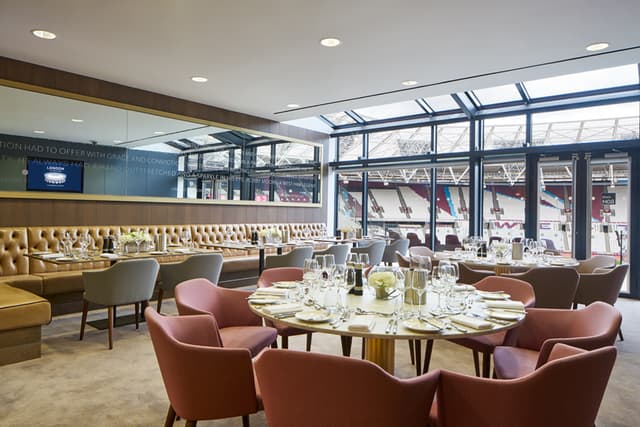
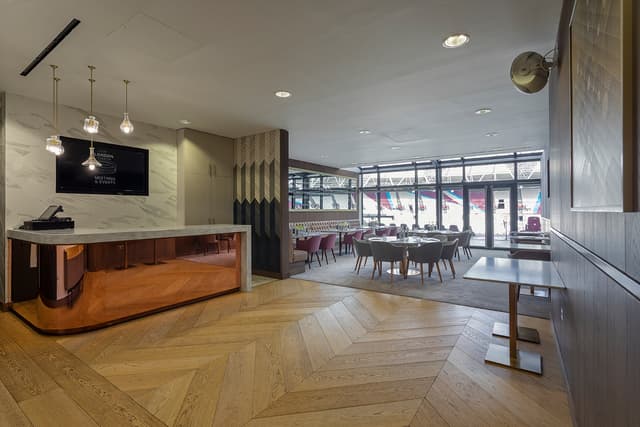
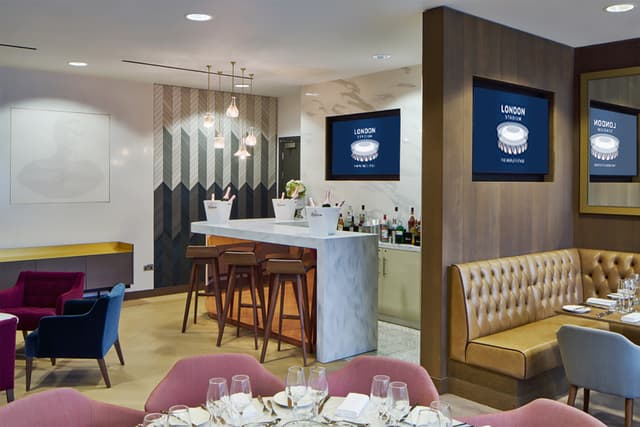
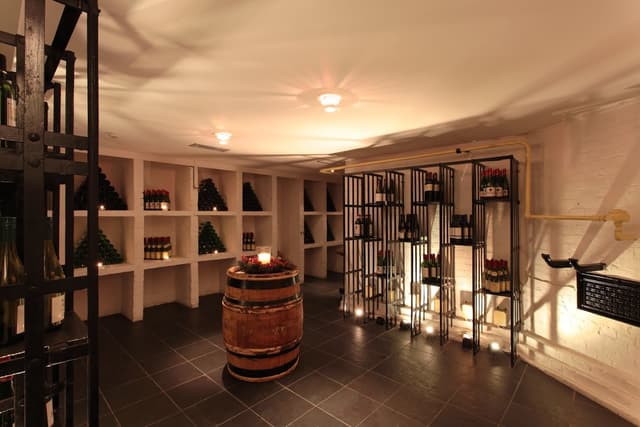
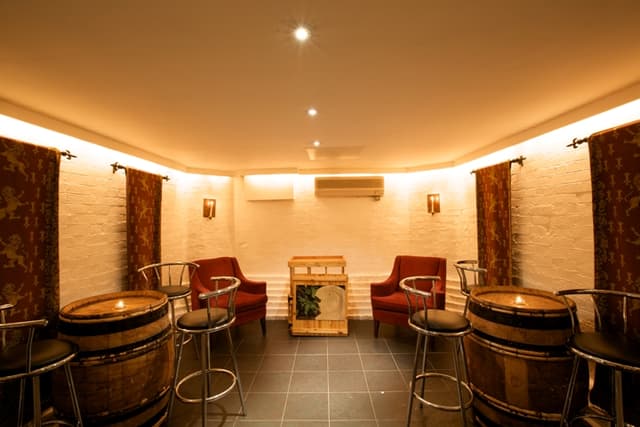
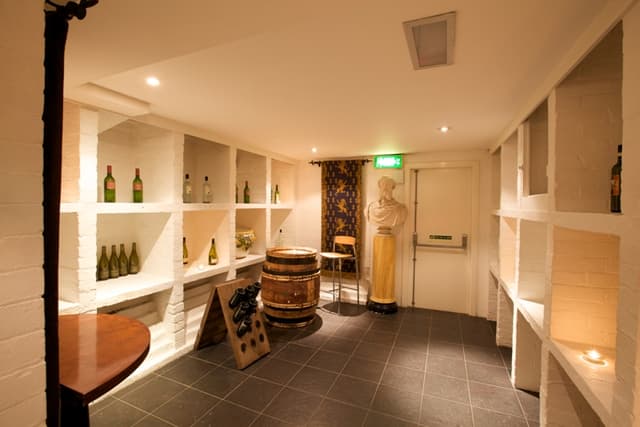
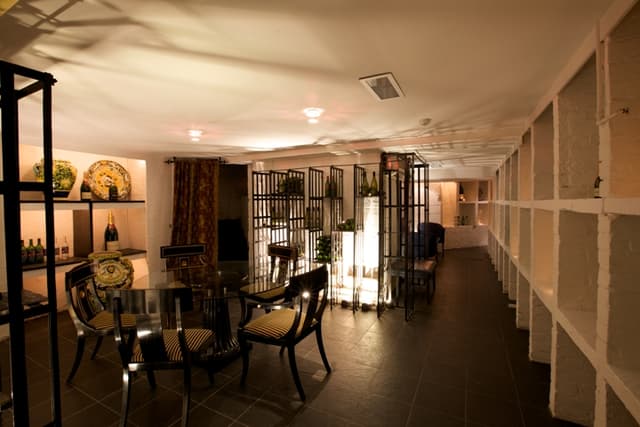
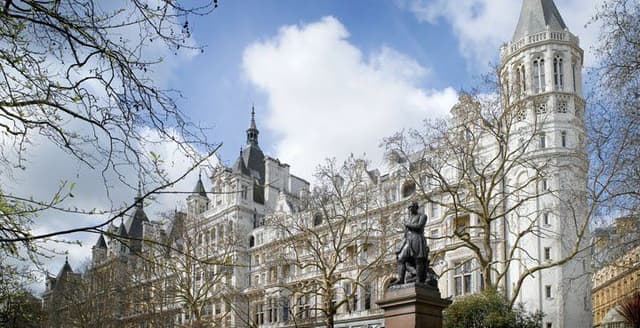
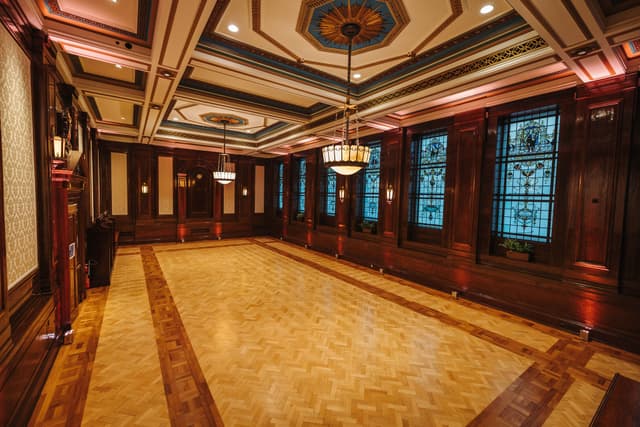
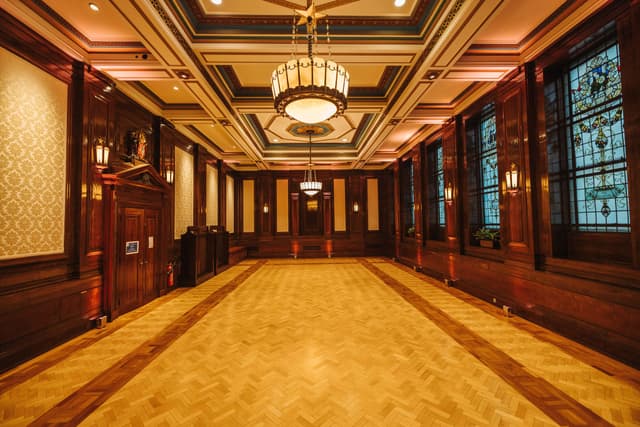
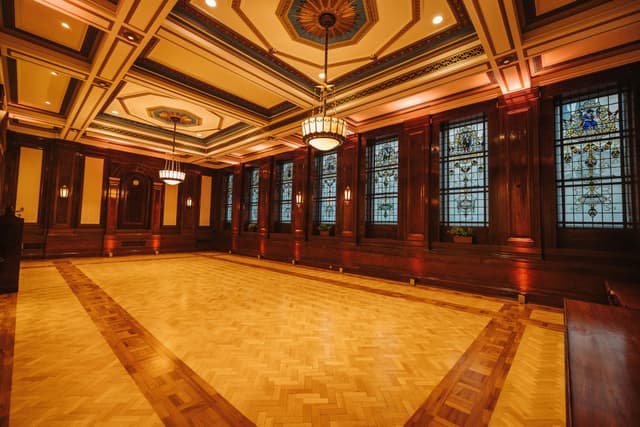
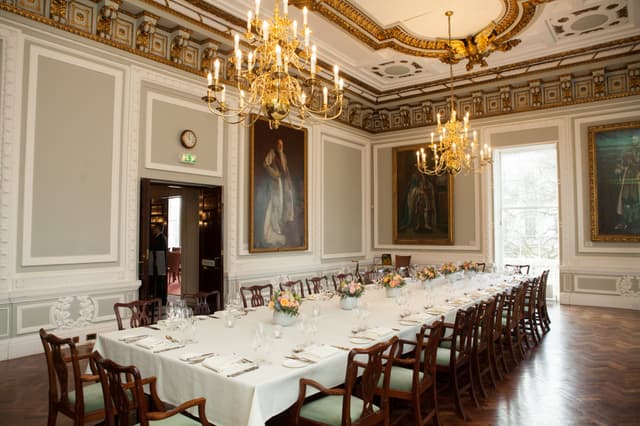
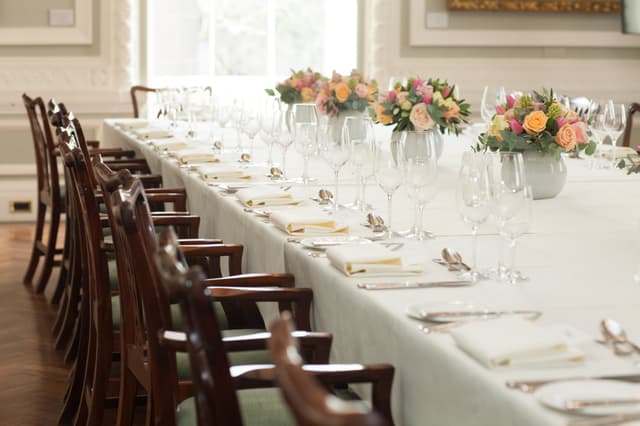
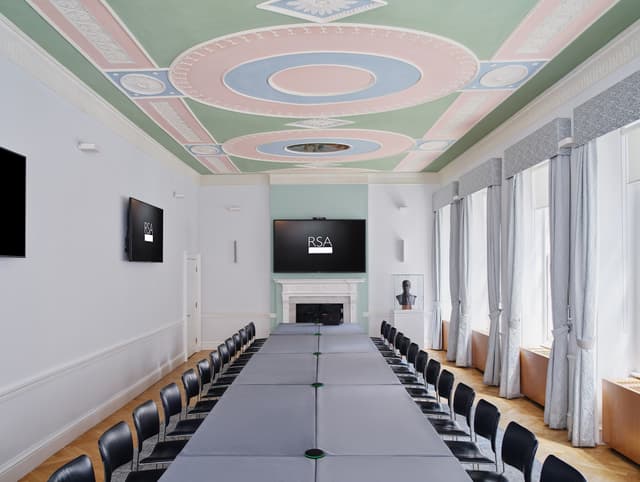
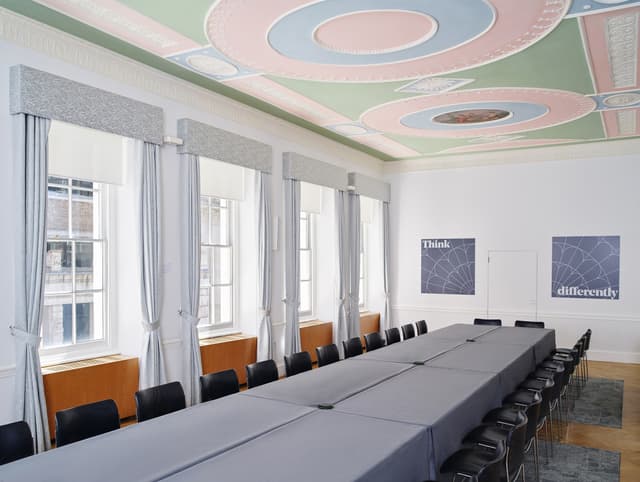
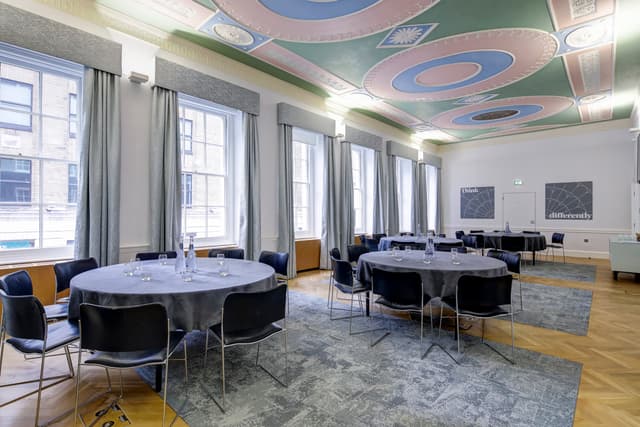
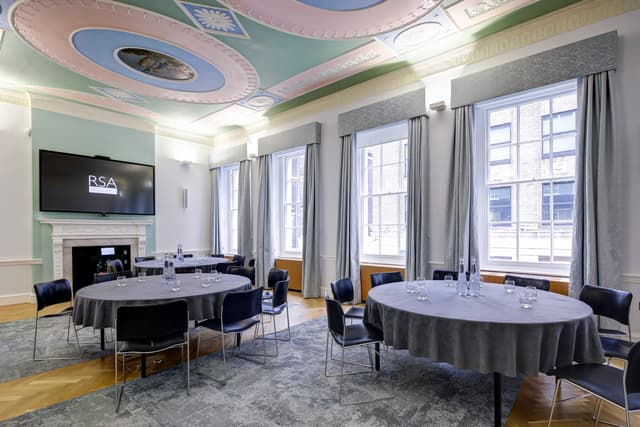
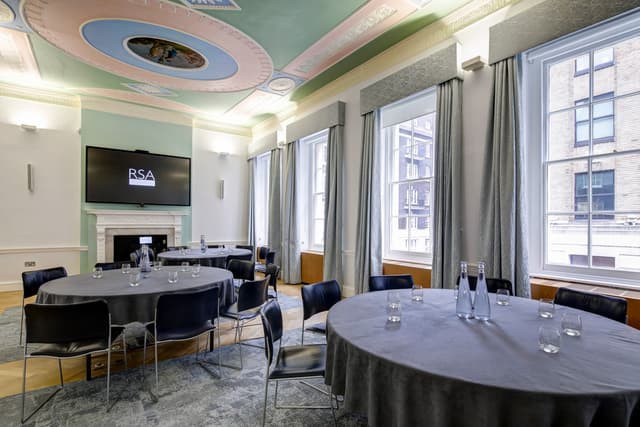
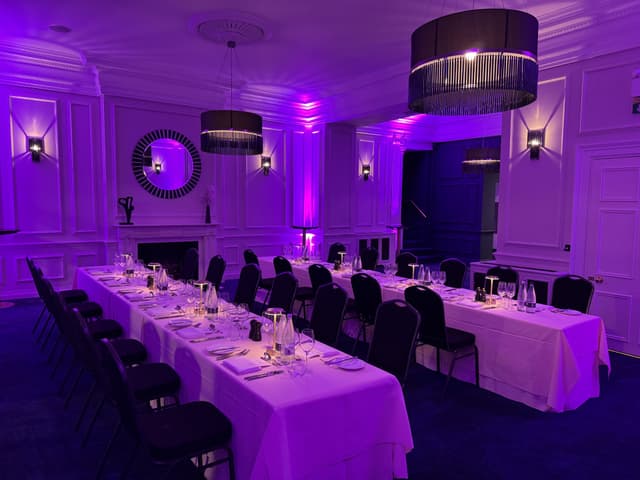
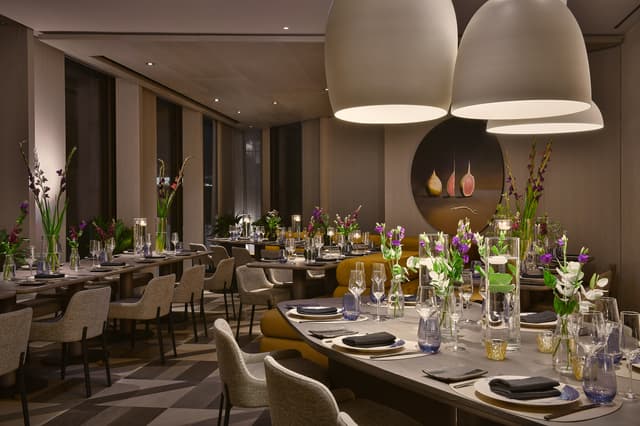
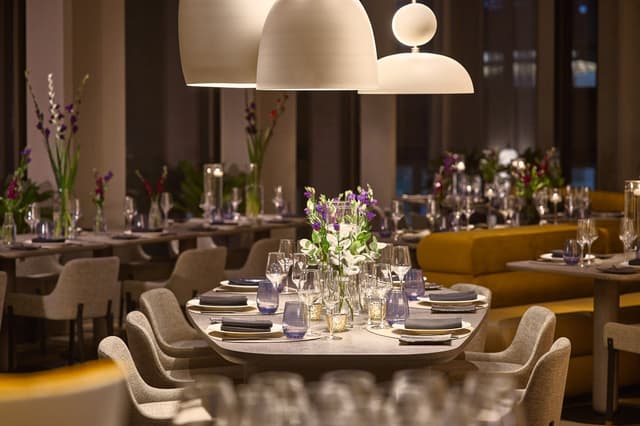
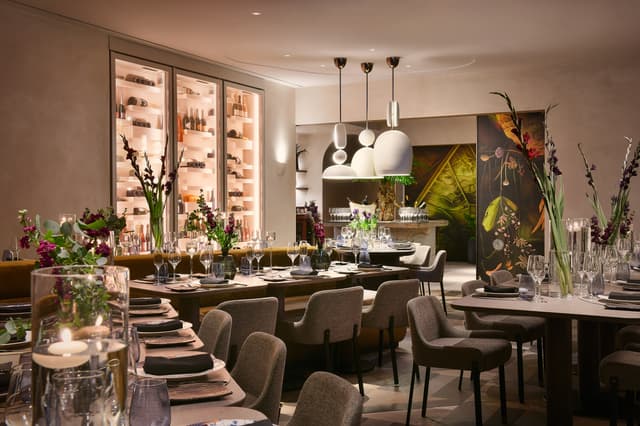
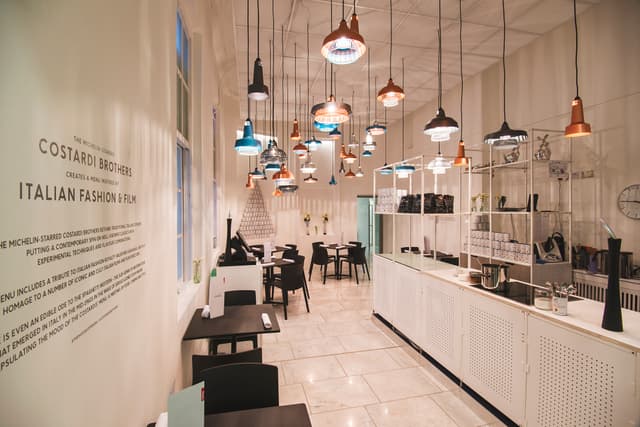
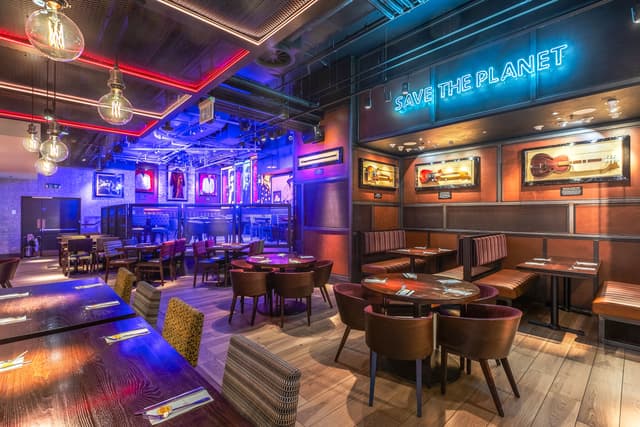
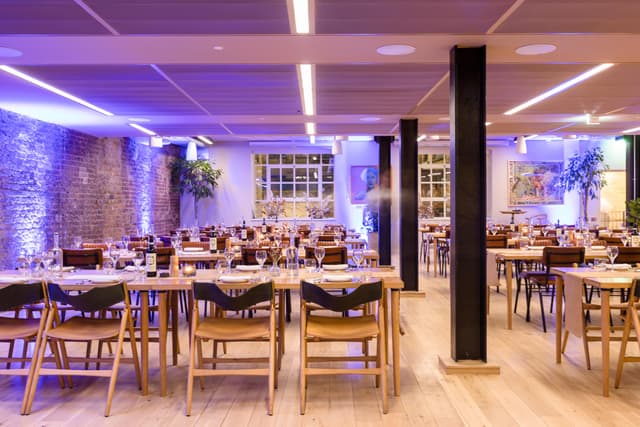
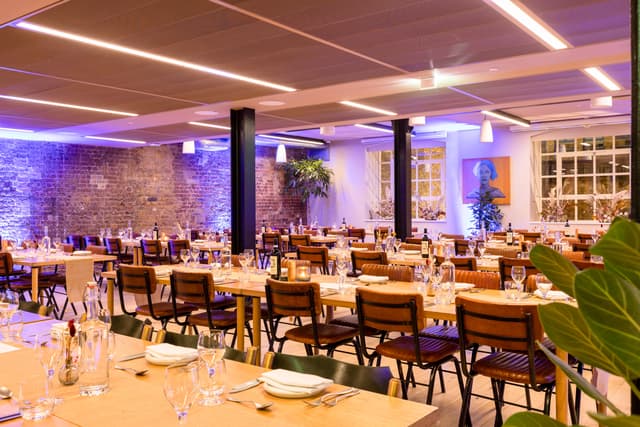
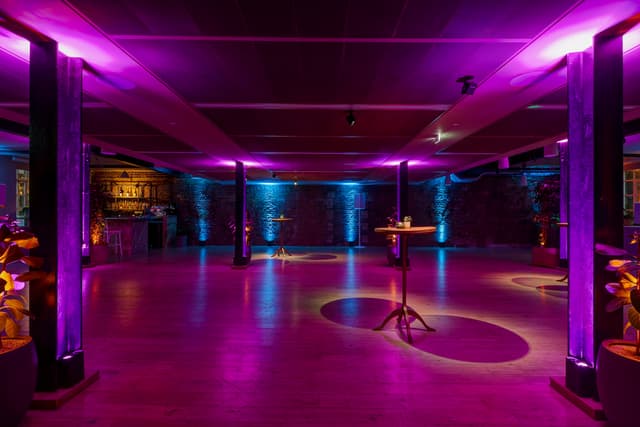
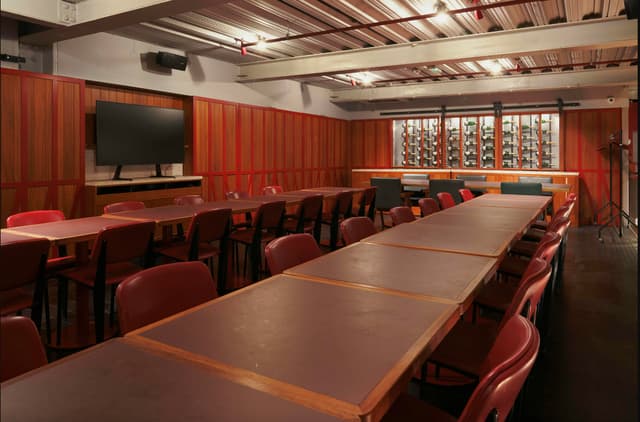
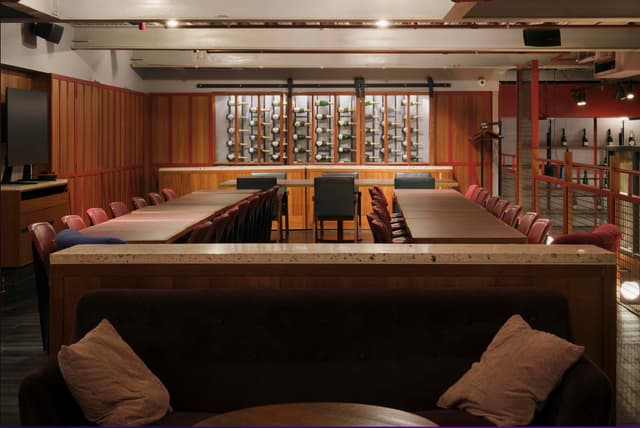
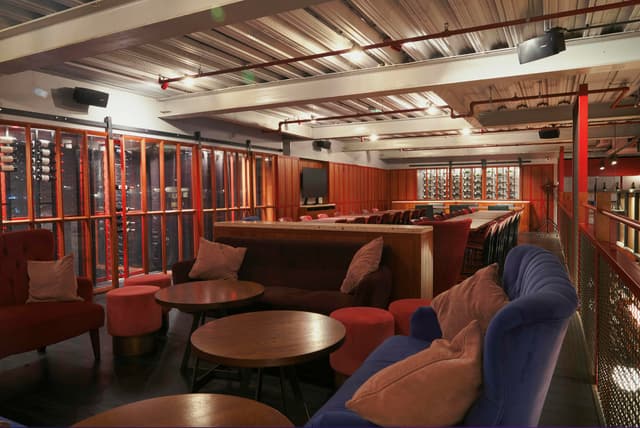
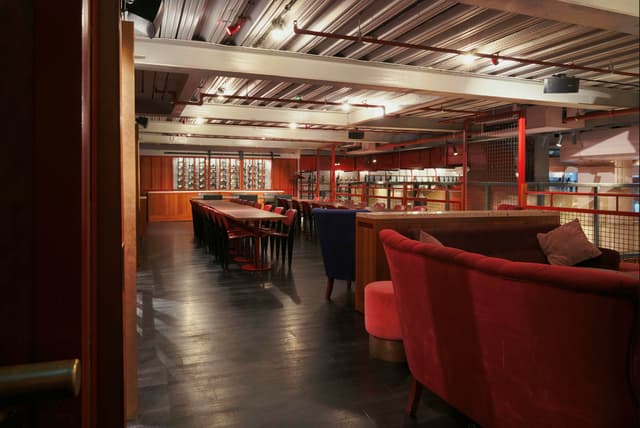
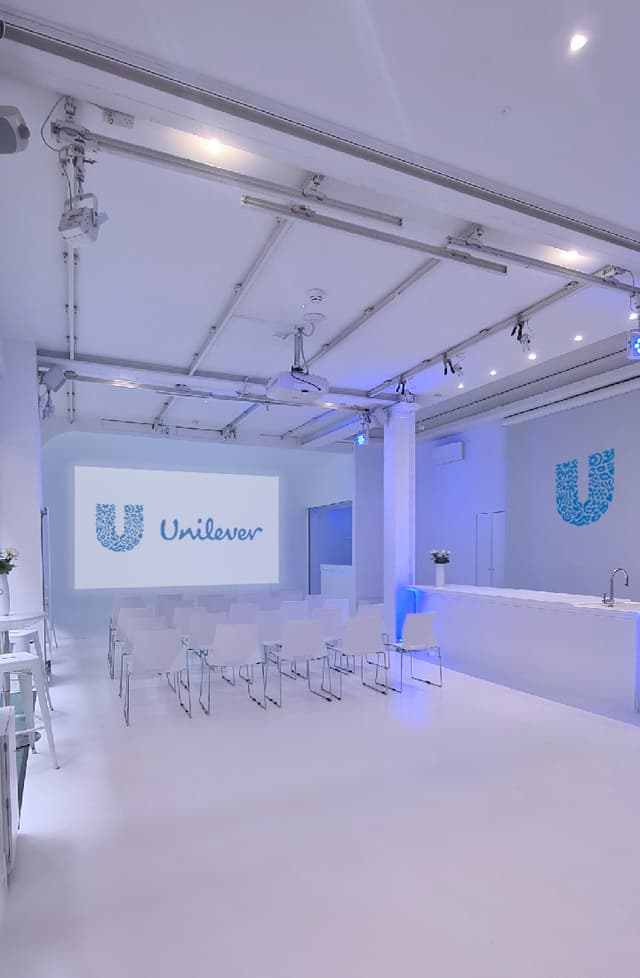
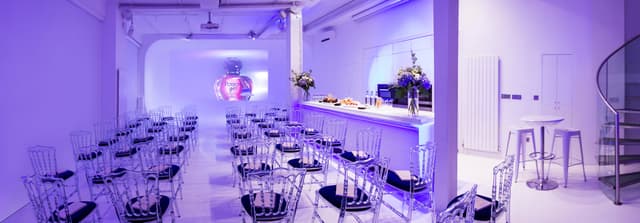
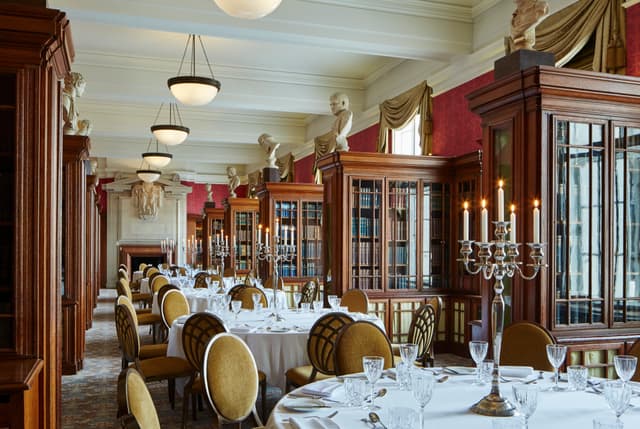
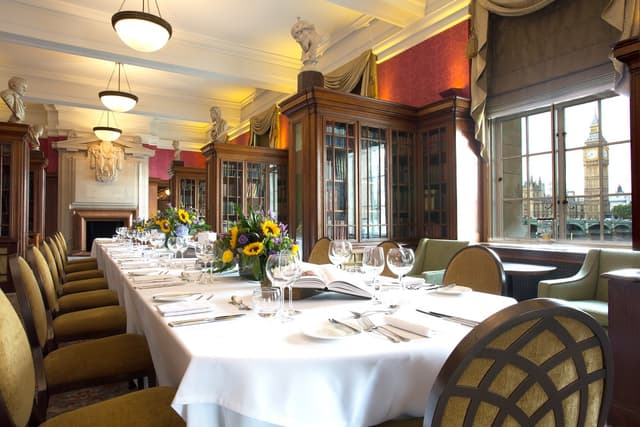
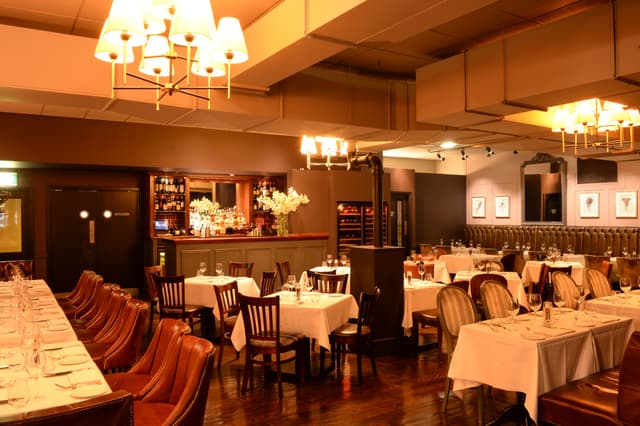
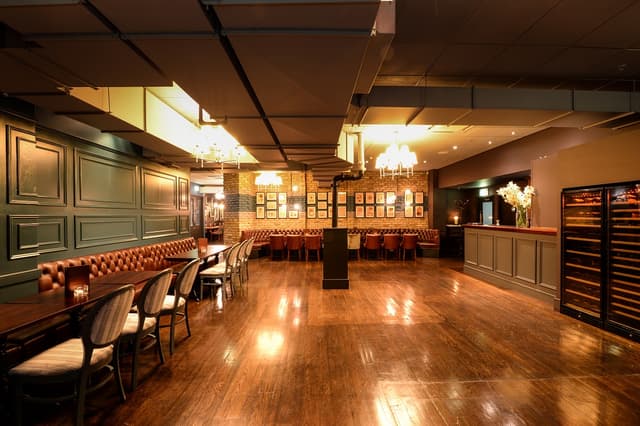
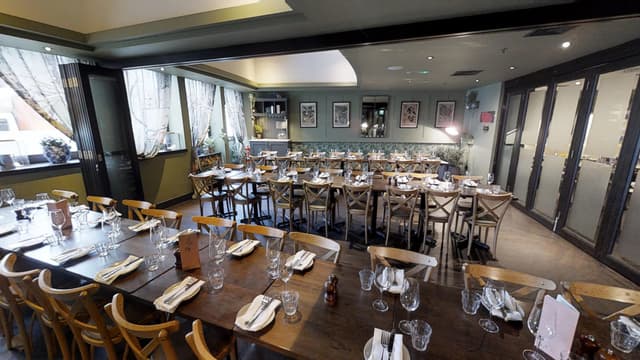
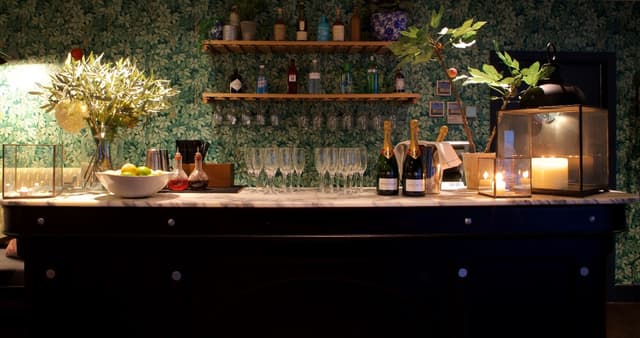
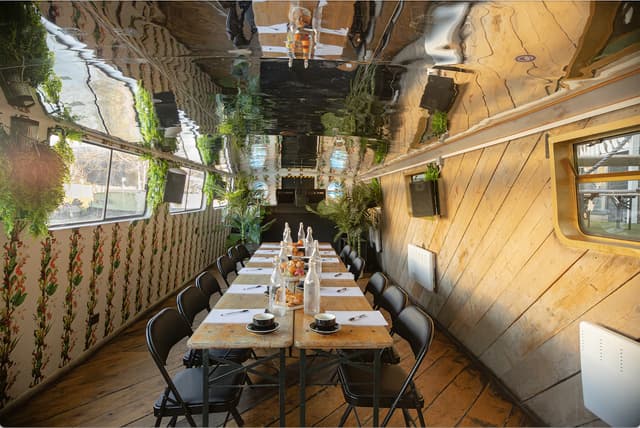
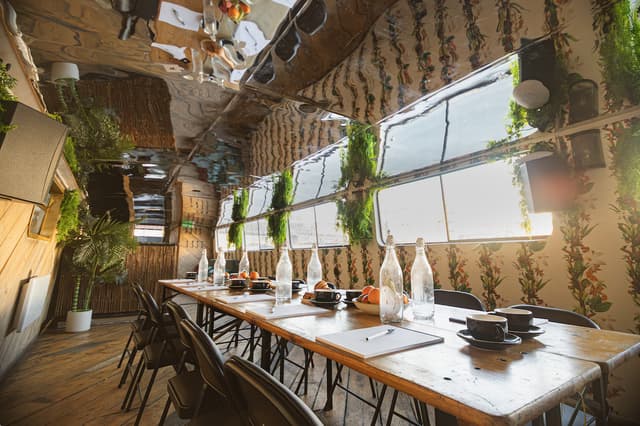
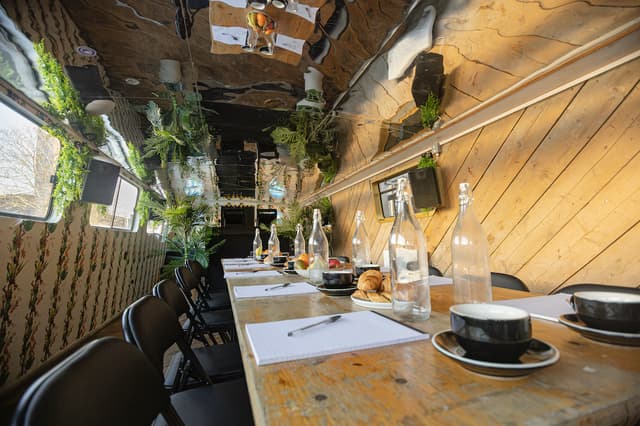
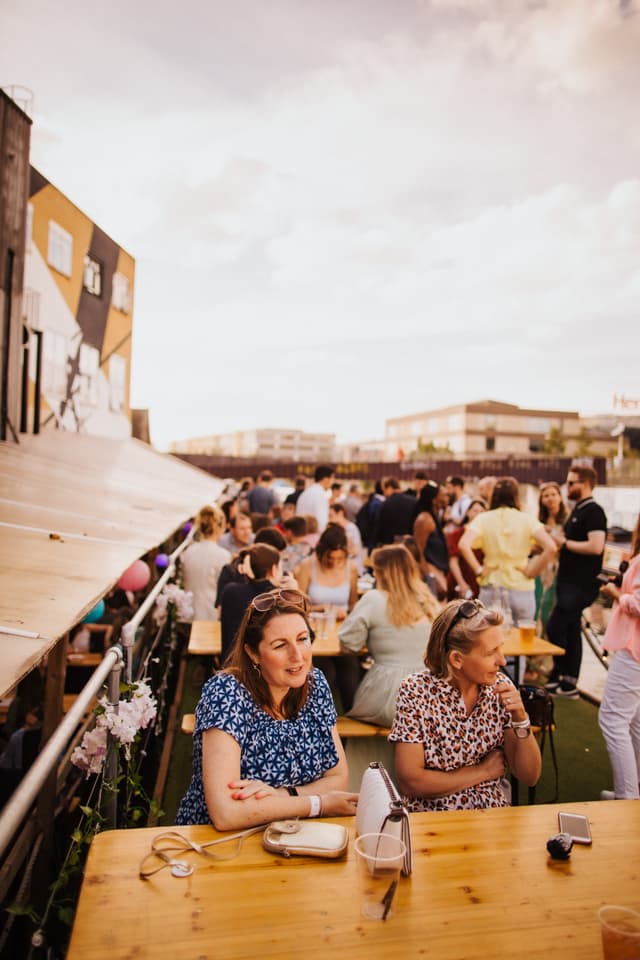

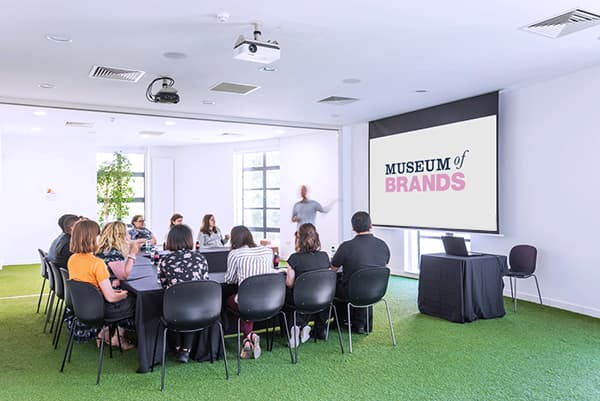
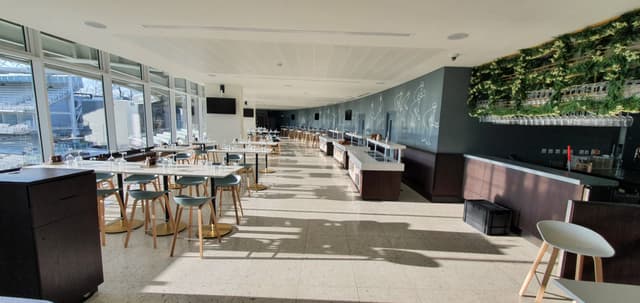
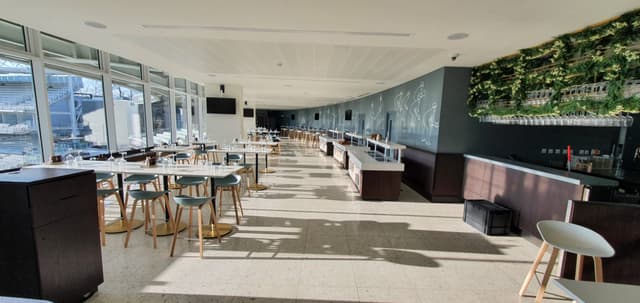
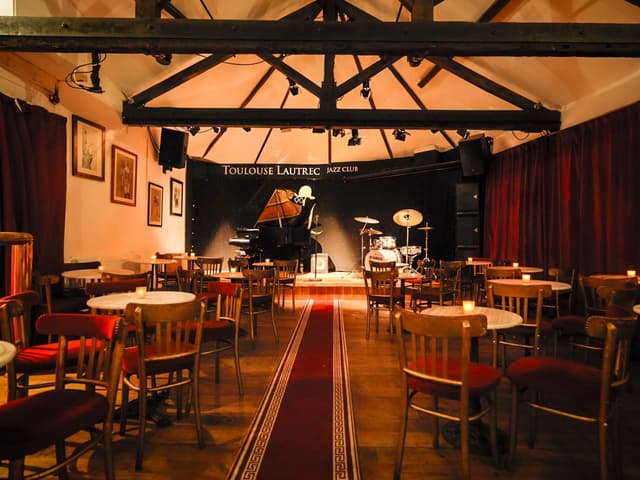
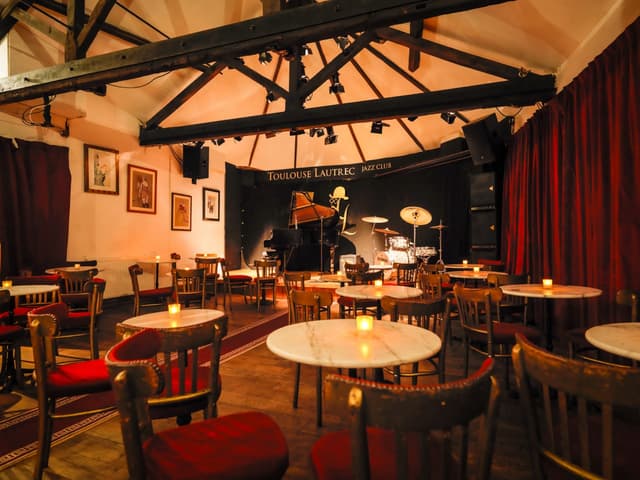
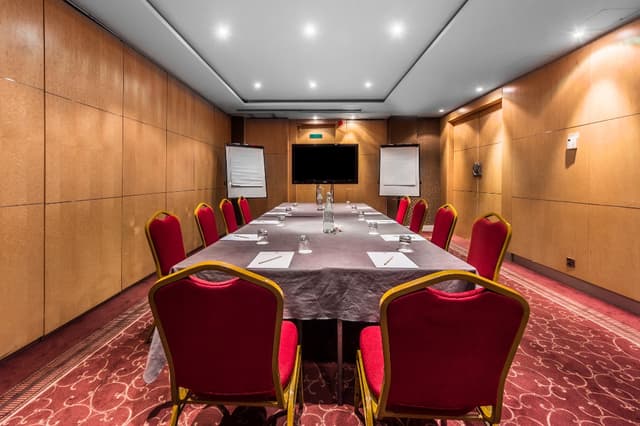
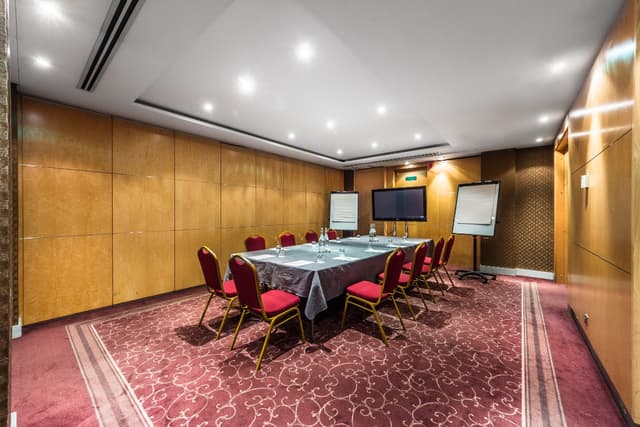
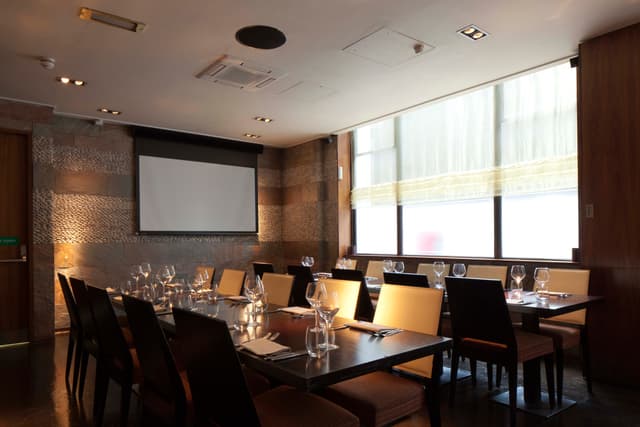
No venues match these filters
Try widening your capacity, luxury level or event type.
Explore top conference venues in Central London suitable for 50 people.
No venues match these filters
Try widening your capacity, luxury level or event type.
For business events that need human judgement, talk to our team. Free for 100 person+ events organised by businesses.

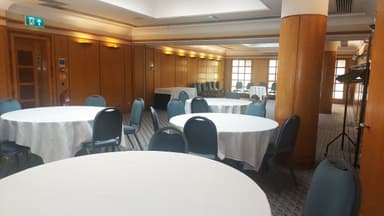
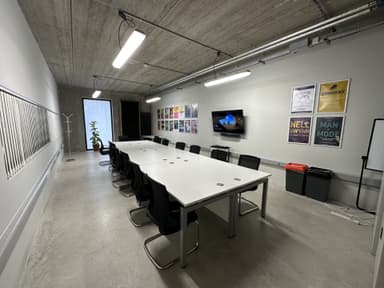
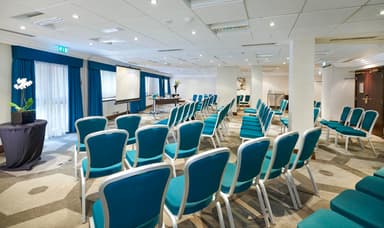





Tell us what you need. Our deep research finds any venue, whether it's in our marketplace or not. No one else does this.
When you're planning a conference for 50 people, Central London isn't just another location choice – it's your secret weapon for creating an event that delegates will actually remember and talk about long after they've left.
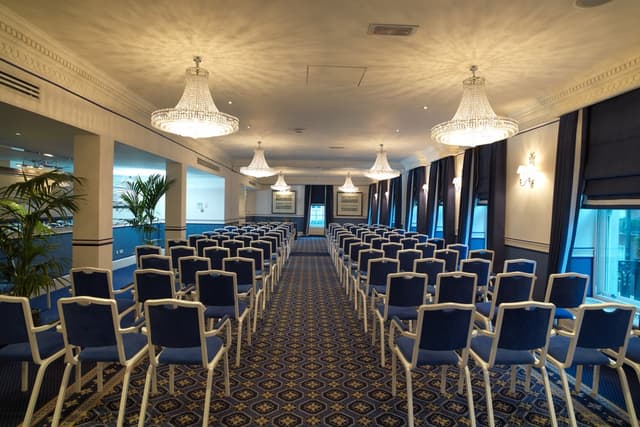
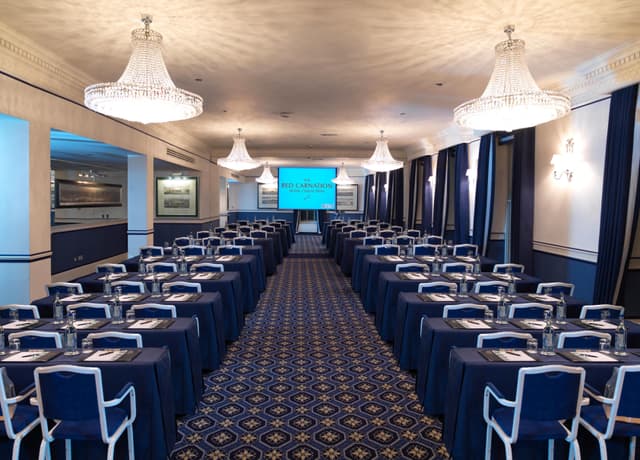
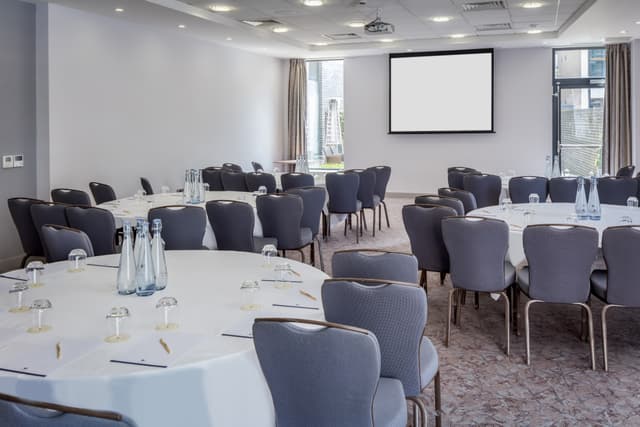
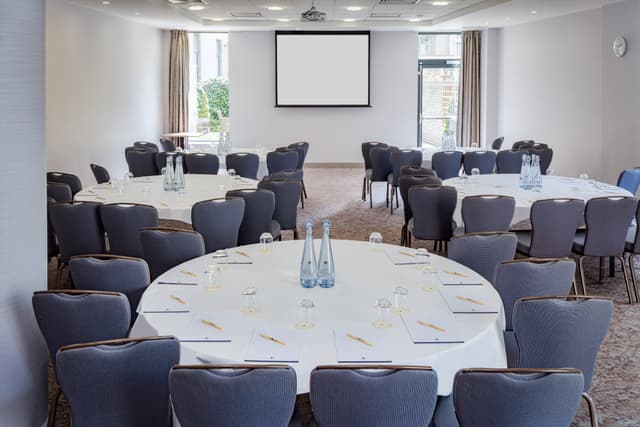
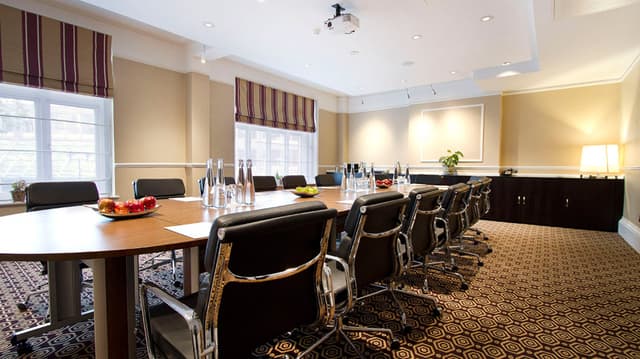
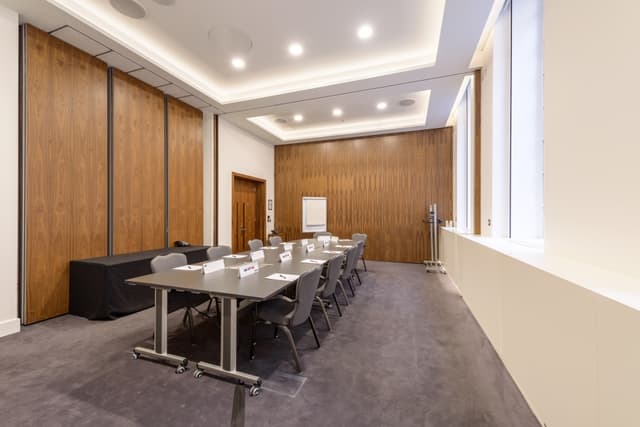
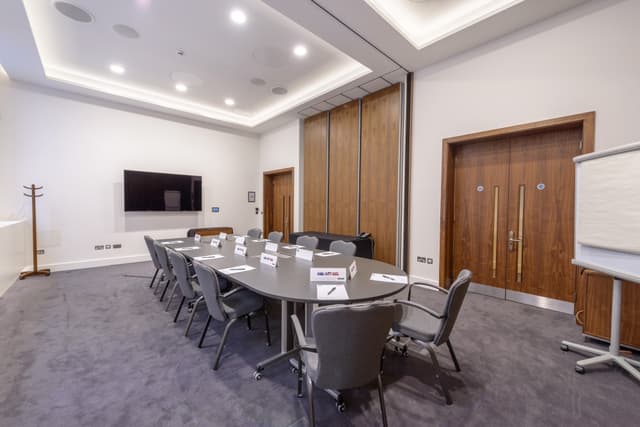
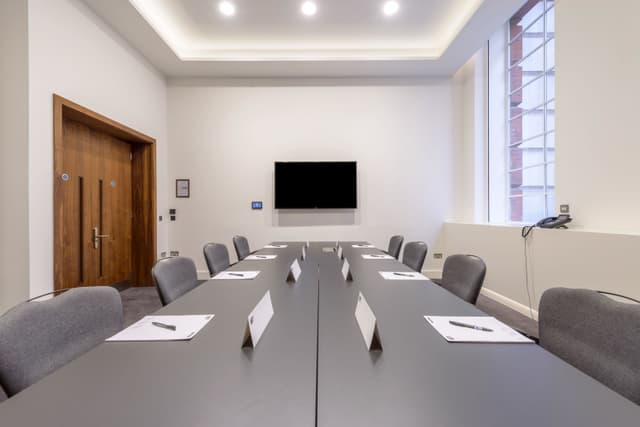
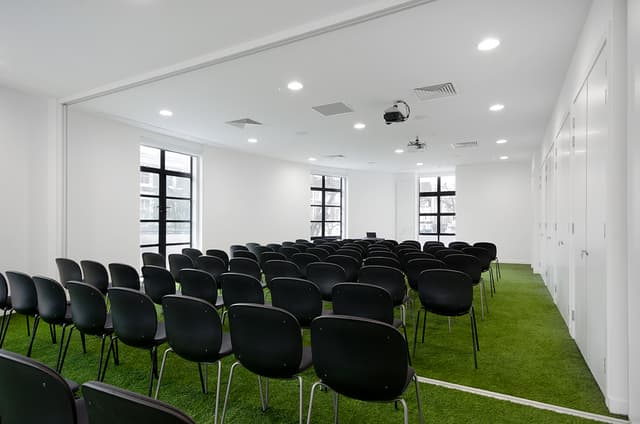
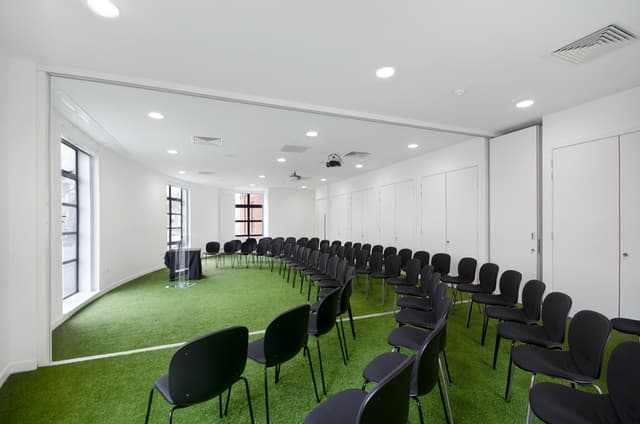
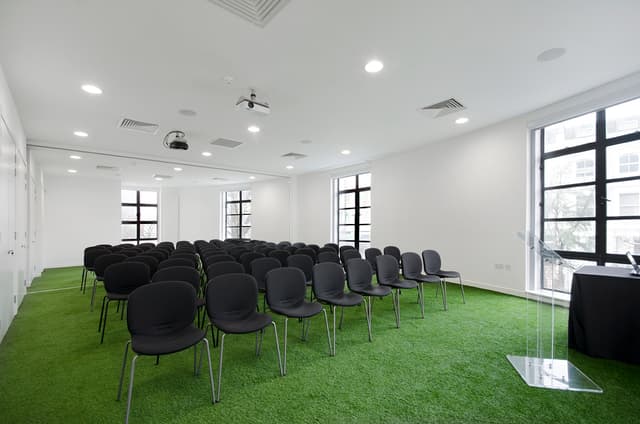
Here's what I've learned from organising countless conferences in the capital: the magic happens when you combine Central London's unparalleled connectivity with venues that are perfectly sized for intimate, productive gatherings. Unlike those cavernous conference centres that make 50 people feel lost, Central London's boutique conference spaces – typically ranging from 50-70 m² – create exactly the right atmosphere for meaningful engagement.
Your delegates' journey starts the moment they leave their front door, and Central London delivers here like nowhere else. With King's Cross St Pancras and Liverpool Street Station as your anchors, you're looking at 10-minute tube journeys to most venues. I've seen the difference this makes – when people aren't stressed about getting there, they arrive ready to engage rather than frazzled and checking their phones.
The Heathrow Express to Paddington in just 15 minutes means international delegates can be in your Conference Venues in Marylebone or Conference Venues in Mayfair within 45 minutes of landing. Try achieving that in any other major city.
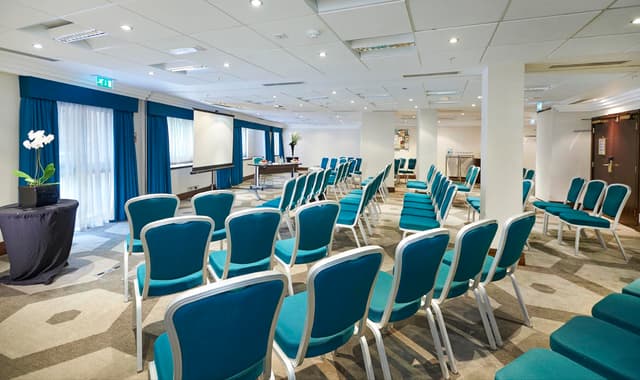
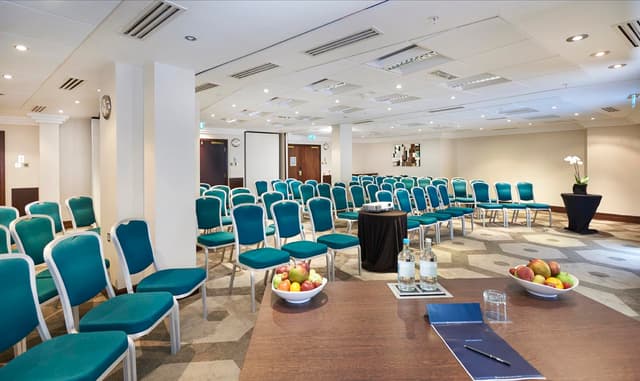
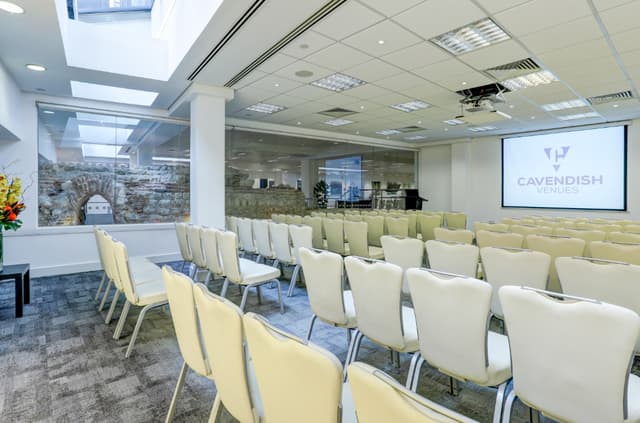
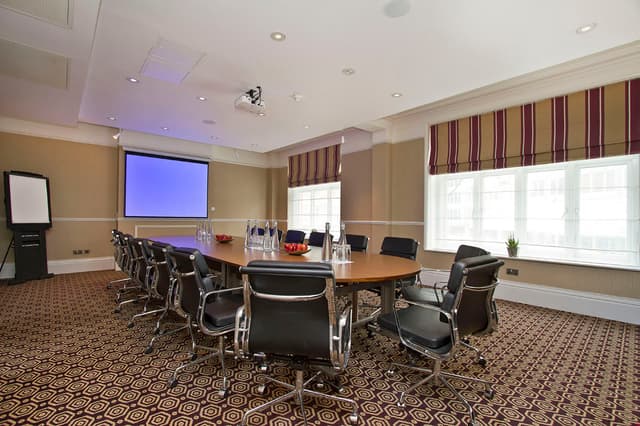
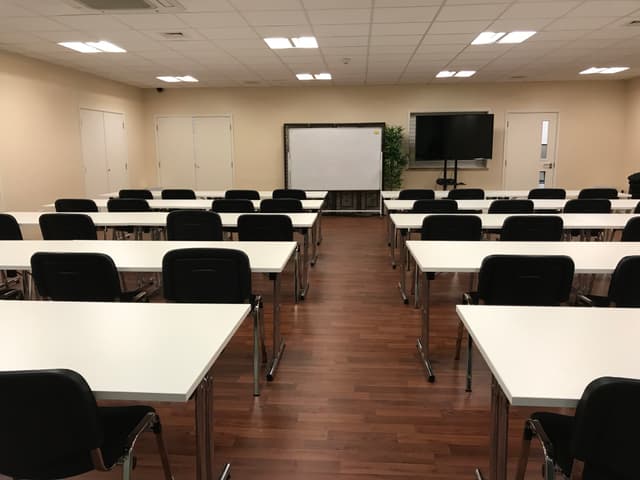
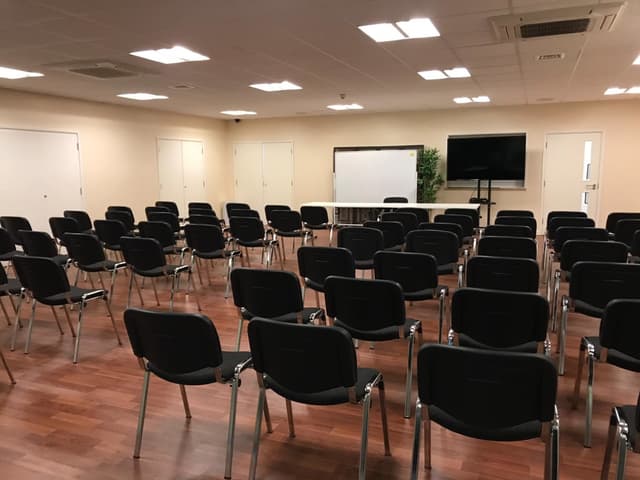
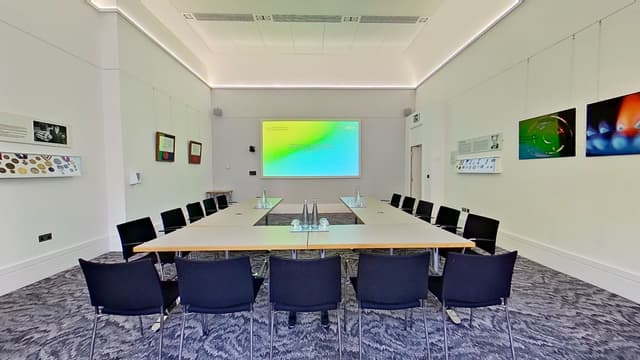
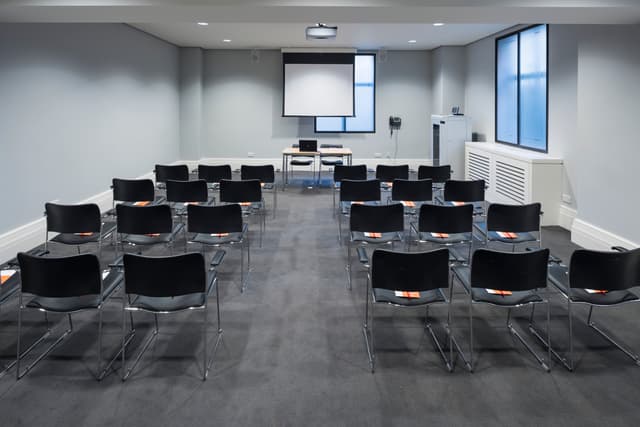
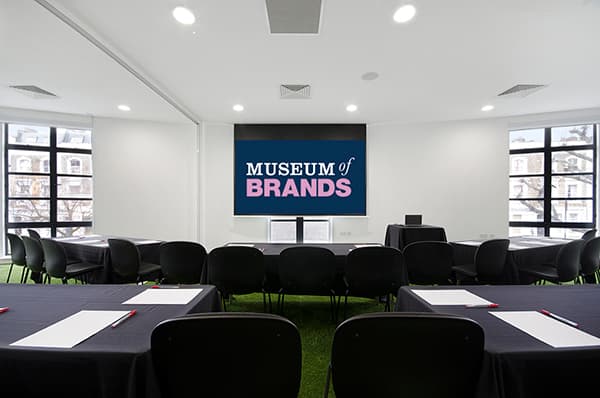
The sweet spot for 50-person conferences is venues that can flex between theatre-style (50 capacity), classroom setup (30), and boardroom configurations (20). Central London excels here because you're not paying for wasted space – these venues are designed with efficiency in mind, typically requiring minimum 2.5m ceiling heights for proper AV setup and dedicated 100 Mbps internet lines.
What really sets Central London apart is the calibre of venues available. You're not just booking a room; you're accessing spaces with proper acoustic treatment, climate control systems, and the kind of technical infrastructure that makes hybrid events seamless. When London's 8 Best Hybrid Ready Conference Venues consistently feature Central London locations, there's a reason.
The proximity to your delegates' offices means higher attendance rates, and the concentration of quality suppliers – from Event Concept for AV to Rhubarb Catering – means you can create something truly special without the logistical nightmare of coordinating across a sprawling city.
After fifteen years of booking conference venues across London, I can tell you that choosing the right space for 50 people is both an art and a science. It's not just about finding a room that fits – it's about understanding how space psychology affects your event's success.
Here's something I wish I'd known earlier: always ask to see the venue set up in your preferred configuration before signing anything. A 60 m² room might look spacious when empty, but once you've got 50 chairs in theatre style, proper AV equipment, and registration tables, it can feel cramped. The golden rule? You need at least 1.2 m² per person for comfortable theatre seating, which means looking at venues of 60 m² minimum.
I've learned to prioritise venues with flexible furniture arrangements. The best Central London conference spaces can transition from morning presentations to afternoon breakout sessions without your delegates feeling like they're in a completely different room. Conference Venues in Covent Garden excel at this – many offer modular setups that transform in under 30 minutes.
Don't just ask if they have AV equipment – dig deeper. You need dedicated 100 Mbps internet (not shared), HD projectors with multiple HDMI inputs, and wireless microphone systems that won't cut out mid-presentation. I've seen too many conferences derailed by basic tech failures.
The venues that consistently deliver have backup systems for everything. They'll have spare projector bulbs, backup internet connections, and sound engineers on standby. Conference Venues in Clerkenwell are particularly strong here – many are purpose-built with redundant systems.
Budget £500-£1,000 per day for the venue itself, but that's just the starting point. Factor in £200 deposits, potential overtime charges if you run late, and additional costs for premium AV packages. The venues charging £120+ per delegate typically include everything, whilst those at £55-75 per delegate often have extras that add up quickly.
Smart planners book their site visit during peak hours to see how the venue handles noise from neighbouring spaces and street traffic. If you can't have a normal conversation during your visit, your delegates won't be able to concentrate during your conference.
Your next step? Create a shortlist of three venues and visit each one during a similar time to when you'll be hosting. The venue that feels right during your visit will feel right for your delegates too.
The difference between a good conference and a great one often comes down to the logistics you get right before anyone even walks through the door. After coordinating hundreds of 50-person conferences across Central London, I've developed a system that eliminates the stress and ensures everything runs like clockwork.
Send your final logistics email exactly 48 hours before the event – not earlier, not later. Include specific transport instructions with journey times from major stations. For instance, if you're hosting at Conference Venues in Westminster, tell delegates it's 8 minutes from Victoria Station via the District Line, not just "near Westminster." This level of detail reduces late arrivals by about 30% in my experience.
Include parking alternatives too. NCP Covent Garden at £12/hour might seem steep, but it's worth mentioning alongside cheaper options further out. I always provide three transport options: tube (fastest), bus (cheapest), and driving (with realistic parking costs).
Arrive 90 minutes before your first delegate for tech checks – this isn't negotiable for 50-person events. Your venue should have completed their setup the night before, but you need time to test everything with your actual presentation files. I've learned to bring backup slides on three different devices and always test the wireless microphones by walking to the furthest corners of the room.
For hybrid elements, book a dedicated streaming encoder rather than relying on laptop connections. The bandwidth requirements for 50 in-person plus online delegates can overwhelm standard setups. Conference Venues in Bloomsbury typically offer dedicated streaming packages that handle this seamlessly.
Tuesday to Thursday remains the sweet spot, but I've found 10am starts work better than 9am for Central London venues. The tube network is less crowded, and delegates arrive more relaxed. For full-day events, schedule your most important content between 10:30am and 3pm – energy levels drop significantly after this.
Build in 20-minute breaks every 90 minutes rather than the standard 15 minutes. With 50 people, queues for refreshments and facilities take longer than you'd expect. The venues that understand this provide multiple service points and larger breakout areas.
Your final logistics check should happen 24 hours before the event. Confirm delegate numbers, dietary requirements, and any last-minute AV changes. This buffer gives you time to adjust without panic.
Let's talk money – because understanding the real costs of Central London conference venues for 50 people is where most event planners either save thousands or get caught out completely. After negotiating hundreds of these bookings, I can tell you the published rates are just the starting point.
You'll see venues quoting anywhere from £55 to £120+ per delegate per day, but here's what those numbers actually mean. At the £55-75 level, you're getting the basics: room hire, standard AV setup, and simple refreshments. Move up to £75-100, and you'll typically get better catering, dedicated event management, and premium AV packages. The £120+ venues? That's where you get the full service experience with backup systems, on-site technical support, and the kind of catering that becomes a talking point.
For a 50-person conference, budget £2,750-£6,000 for the day delegate package, plus your £200 deposit. But here's the insider tip: venues often have minimum spends rather than per-head pricing for groups under 60. This can work in your favour if you're willing to upgrade your catering or add evening drinks.
January and February are your golden months for securing better rates – venues are hungry for bookings after the Christmas lull. I've secured 20-30% discounts simply by being flexible with dates during these periods. Conference Venues in Victoria are particularly keen to fill midweek slots during these quieter months.
The magic phrase? "What's your best available rate for a Tuesday in February?" Don't ask for a discount – ask for their best rate. It's a subtle difference that often yields better results. For repeat bookings, negotiate an annual rate card. I've locked in venues at 15% below standard rates by committing to three conferences per year.
Overtime charges catch everyone out. Most venues include 8-hour hire periods, but setup and breakdown time counts towards this. Factor in £150-300 for extended access if you need extra time. Equipment upgrades – better microphones, additional screens, premium lighting – typically add £200-500 to your bill.
The venues that offer genuine value include these extras in their higher-tier packages. Conference Venues in Waterloo often bundle extended hours and premium AV into their day rates, making them better value despite higher headline prices.
Your negotiation strategy should focus on package deals rather than individual line items. Ask about including evening drinks, upgraded catering, or additional AV equipment as part of your day rate. Most venues prefer this approach as it simplifies their billing and often results in better margins for both parties.
I've watched brilliant conferences fall apart because of avoidable mistakes, and honestly, it breaks my heart every time. The worst part? These errors typically happen during the booking phase, long before your delegates even arrive. Here are the seven traps I see event planners fall into repeatedly when booking Central London conference venues for 50 people.
That stunning venue photo showing an elegant boardroom? It was probably taken with a wide-angle lens in an empty room. I've arrived at venues that looked spacious online only to discover they felt cramped with 50 people and proper AV setup. Always insist on a site visit during similar conditions to your event. If they're hosting a 40-person meeting when you visit, you'll get a realistic sense of how your 50-person conference will feel.
Most venues quote 8-hour hire periods, but here's what catches people out: that includes your setup and breakdown time. For a 9am-5pm conference, you need access from 7:30am to 6:30pm minimum. I've seen events charged £300 in overtime fees because planners didn't factor in the 90 minutes needed each side. Conference Venues in Soho are particularly strict about this – they often have back-to-back bookings.
With 50 delegates, you need proper breakout space for refreshments – not just a corner table. I've watched networking sessions turn into awkward queuing experiences because the venue couldn't handle the flow. Ask specifically about their catering setup for your numbers. The best venues provide multiple service points and dedicated areas that don't interfere with your main conference space.
"Standard AV package included" means different things at different venues. Some provide basic projectors and microphones; others include dedicated sound engineers and backup systems. Always request a detailed equipment list. For 50-person conferences, you need wireless microphones that won't cut out, HD projectors visible from the back row, and internet bandwidth that won't crash when everyone checks emails during breaks.
Central London's best conference venues for 50 people book up 8-12 weeks in advance, especially for Tuesday-Thursday slots. Leave it until 4 weeks before, and you'll be choosing from what's left rather than what's best. I recommend securing your venue first, then building your speaker lineup around the confirmed date.
Not just wheelchair access – though that's crucial – but also considering delegates with hearing difficulties, visual impairments, or mobility issues. The Equality Act requires venues to make reasonable adjustments, but some handle this better than others. Conference Venues in Bank, Central London typically excel here due to newer building standards.
A venue might be perfect internally but located next to major construction work or in an area with limited lunch options. I always check what's happening locally during my event dates. Conference Venues in Charing Cross can be affected by tourist crowds, whilst Conference Venues in Barbican might have limited evening dining options.
Your next step? Create a checklist covering these seven points and use it for every venue conversation. The venues that can confidently address each concern are the ones worth booking.
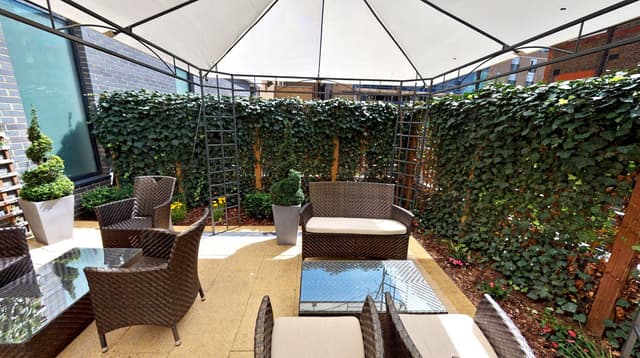
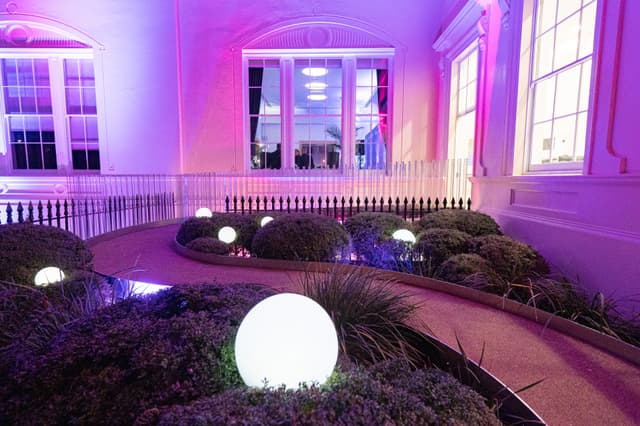
Discover 5 standout London, UK conference venues with outside space. Compare capacities, amenities and layouts for summer conferences, outdoor networking and fresh-air breakouts. Plan your next corporate event with ease.

On a blustery winter's day in January 1649, the deposed King Charles I was beheaded by the victorious rebels of the Civil War. And the bloody execution took place just outside of our Unique Venue of the Month. Not many venues can claim to be of such historical significance, but Banqueting House [https://hirespace.com/Spaces/London/42821/Banqueting-House/Main-Hall/Weddings] – the only remaining part of the Palace of Whitehall, where English monarchs used to reside – played a major part in Briti

Located in the heart of the City, Salters’ Hall combines the rich heritage of the salt trade of medieval London with contemporary surroundings. Rebuilt in 1972 by Basil Spence and now a Grade II listed building, it is a rare example of a post-war livery building and has remained largely untouched until now... Architects de Metz Forbes Knight [http://www.dmfk.co.uk/projects/load/salters-hall] (dMFK) were tasked with the project to upgrade the building whilst retaining its sense of history and al
Multiple venues and events. One agreement.


