Karaoke Bars for Hire in Central London
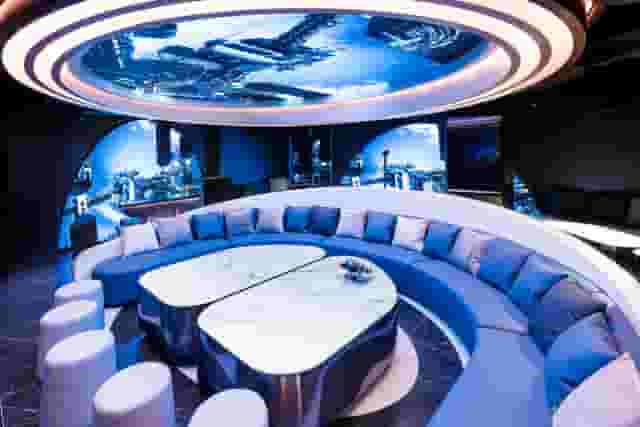
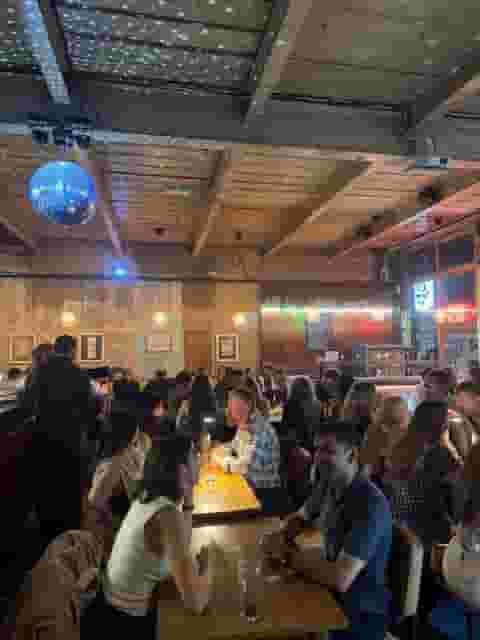
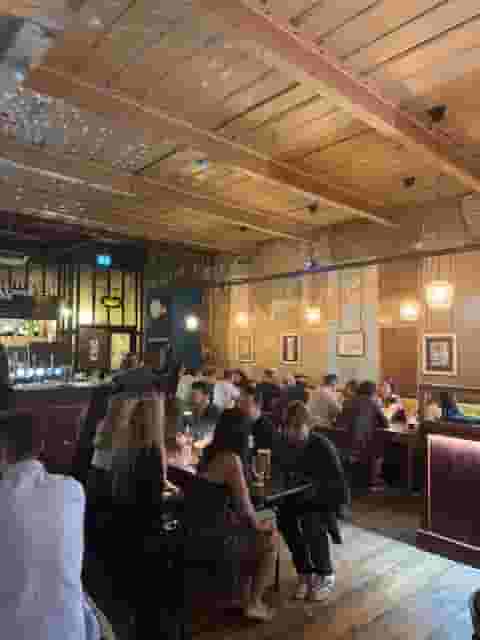
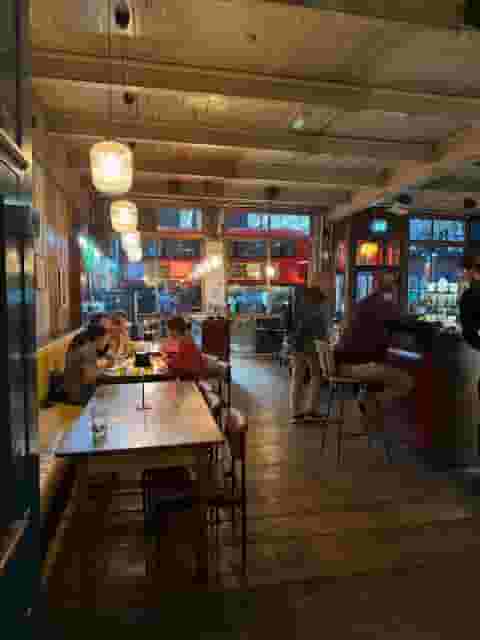
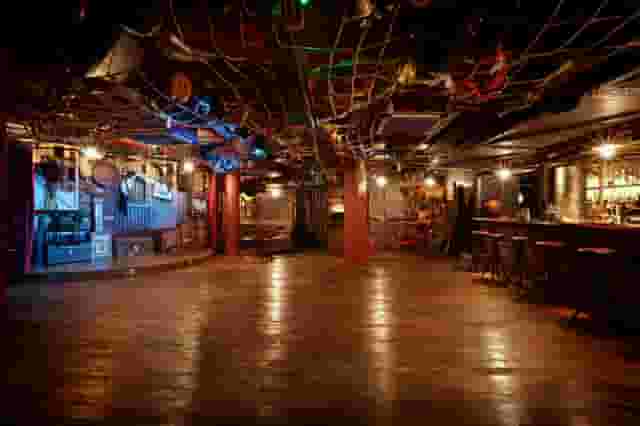
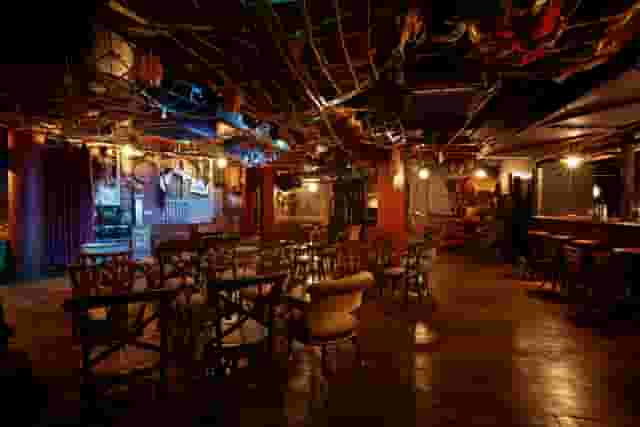
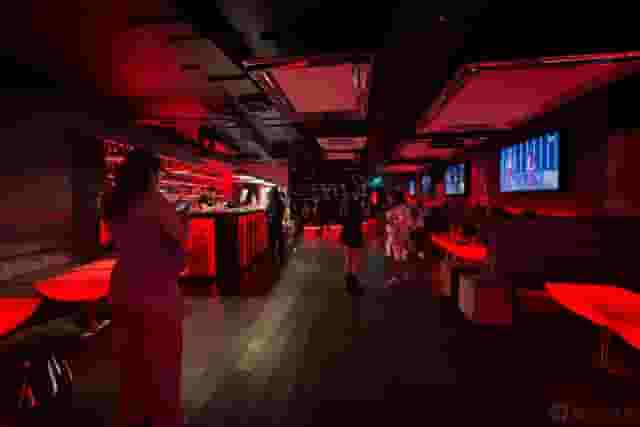
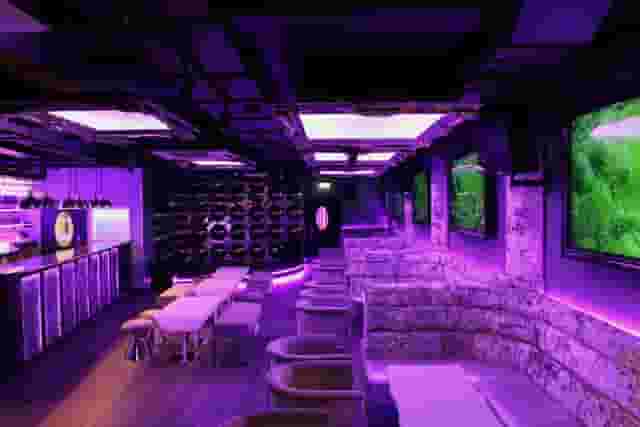
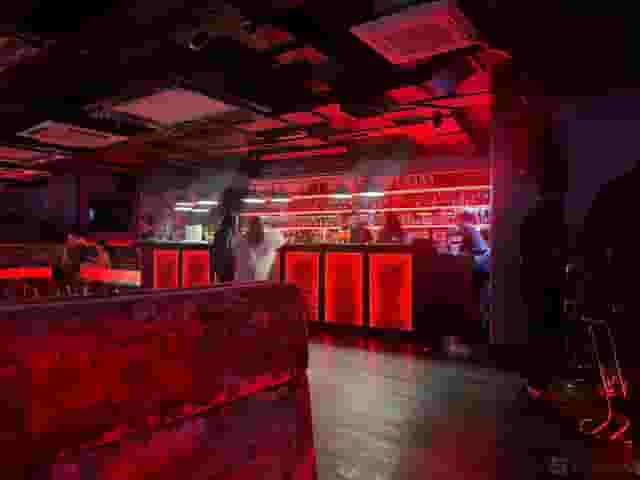
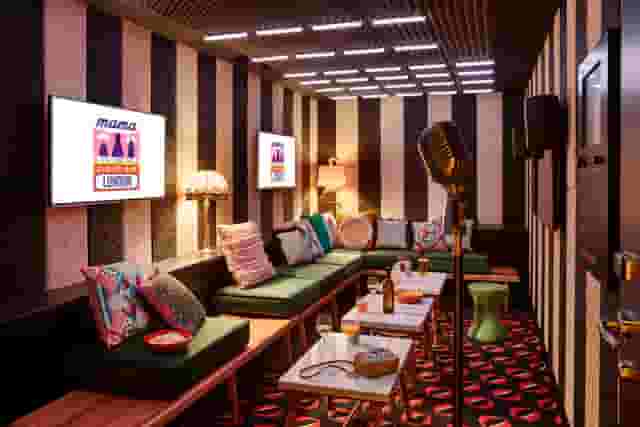
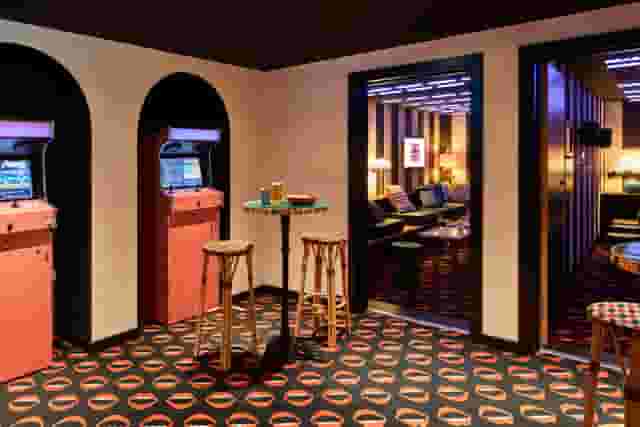
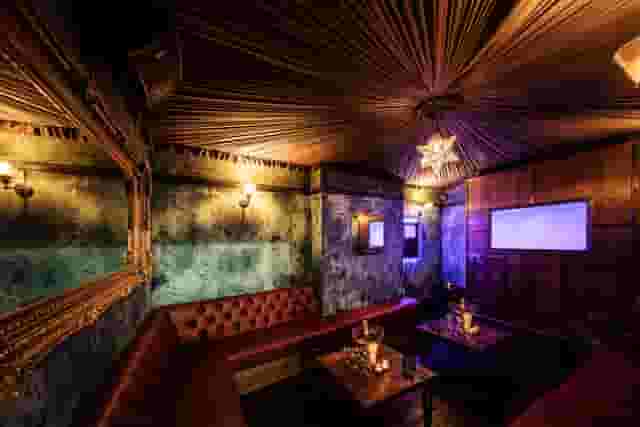
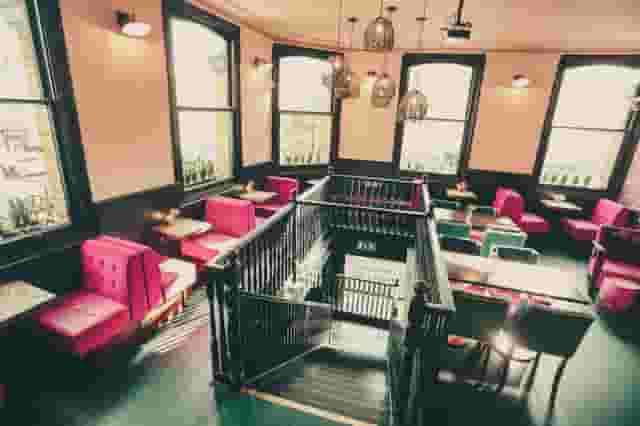
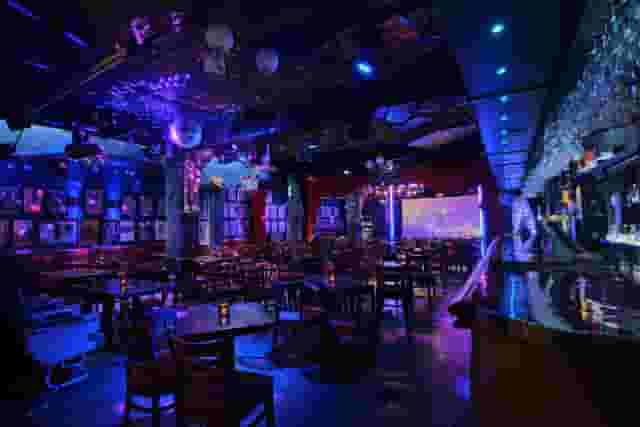
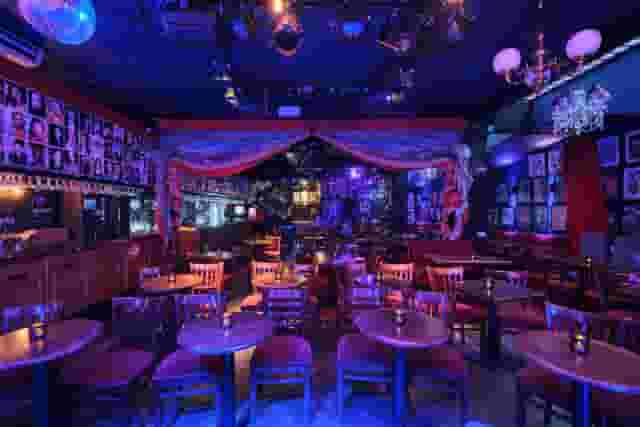
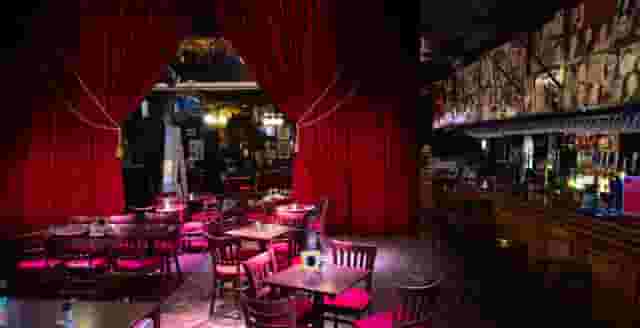
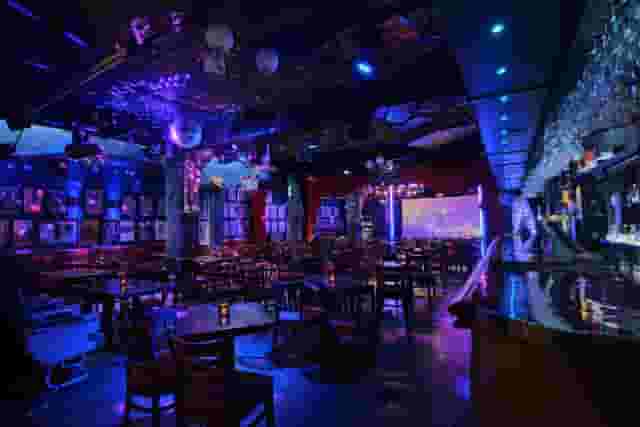
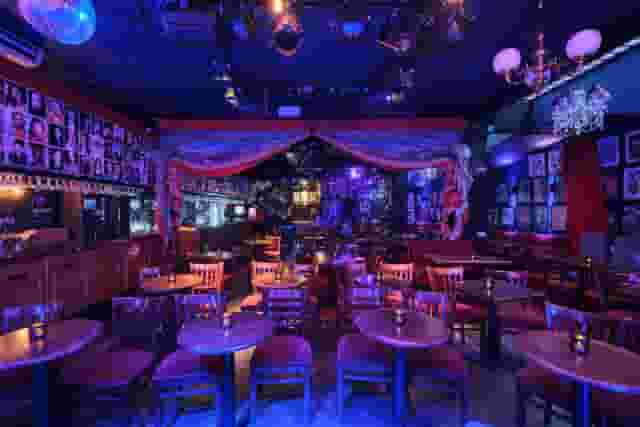
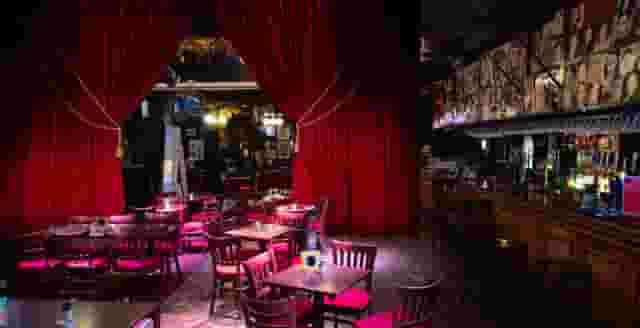
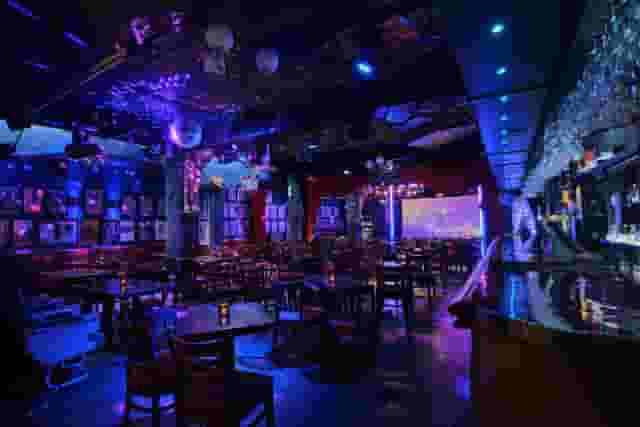
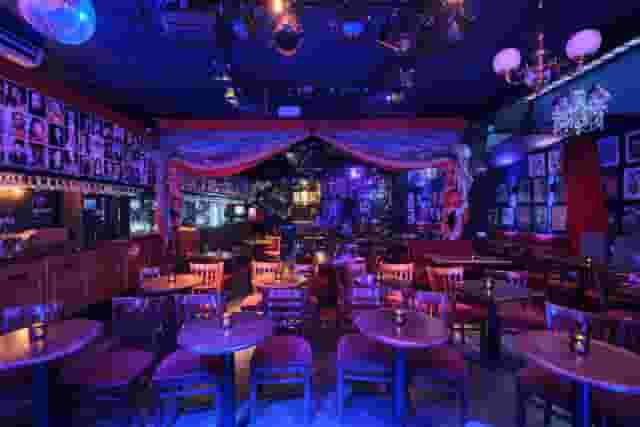
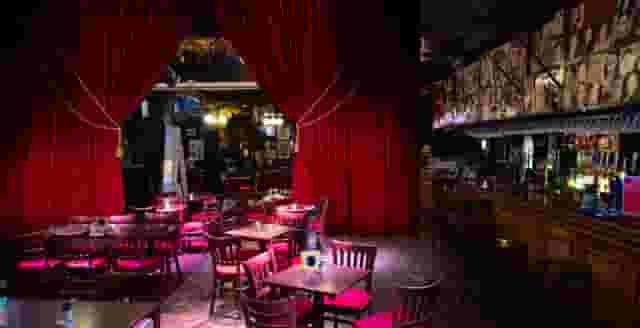
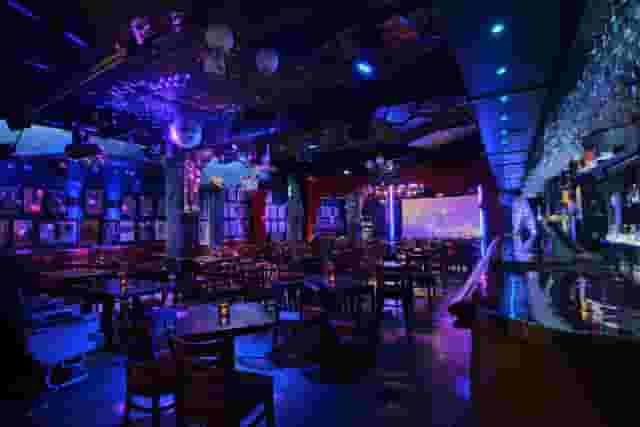
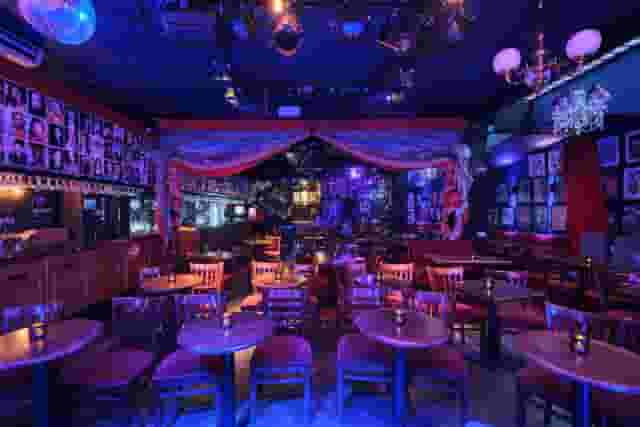
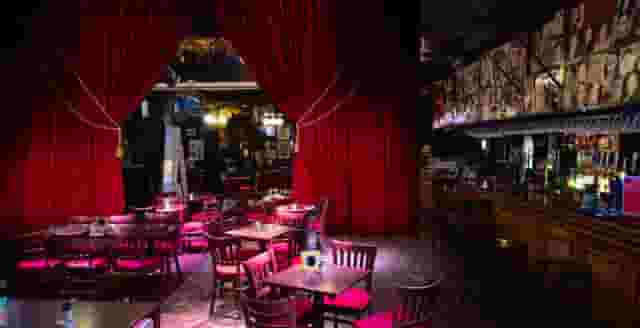
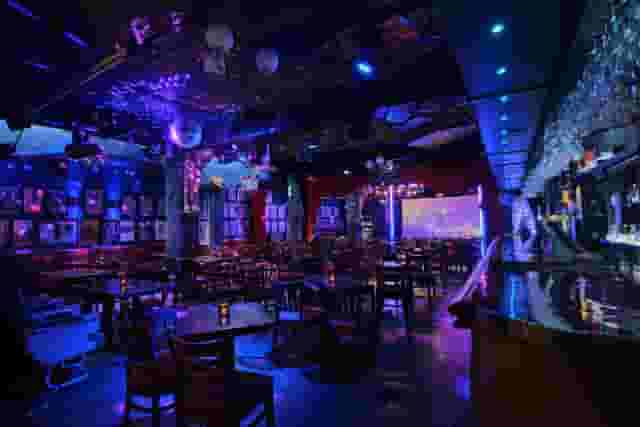
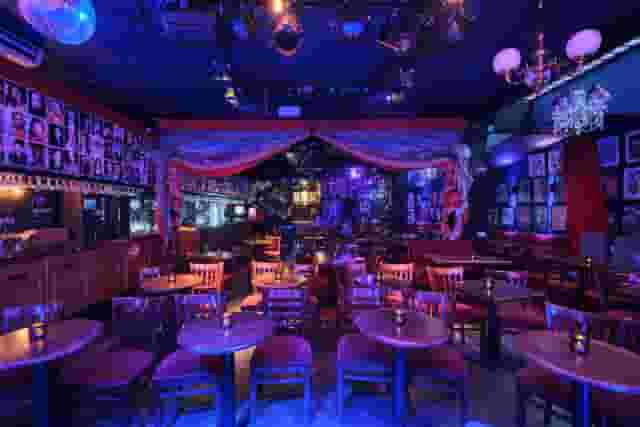
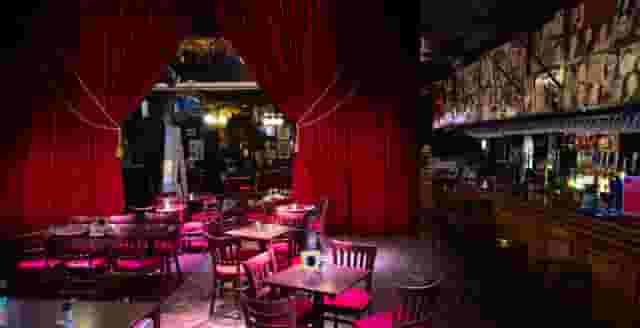
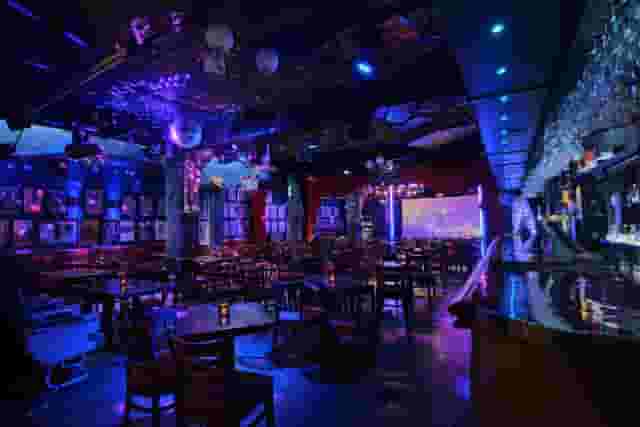
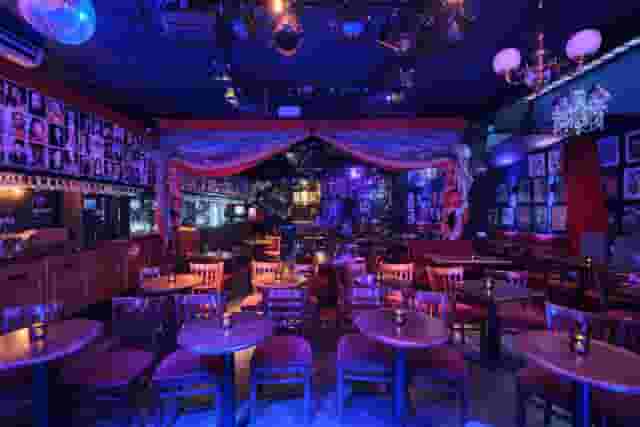
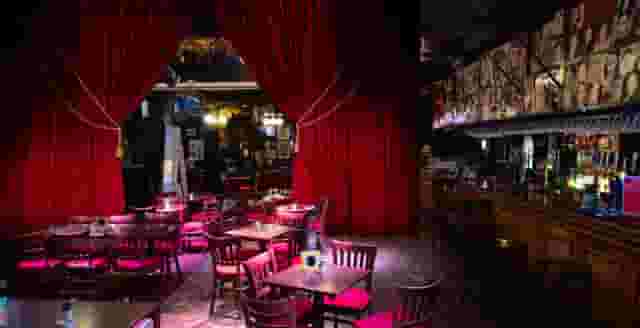
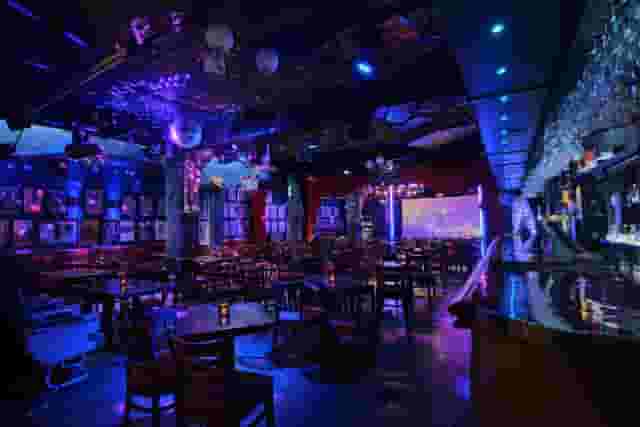
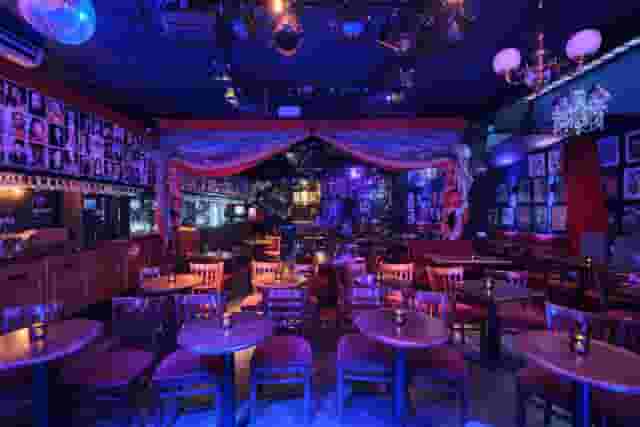
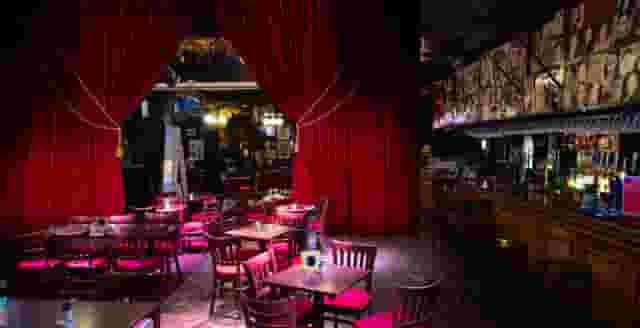
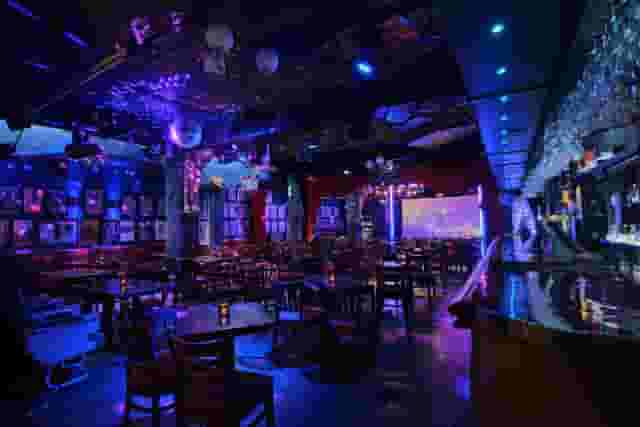
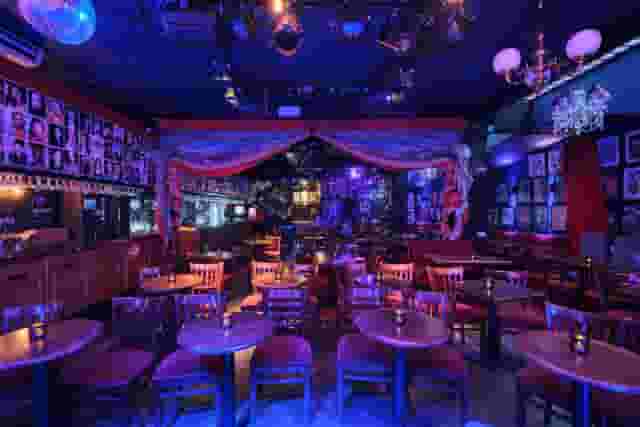
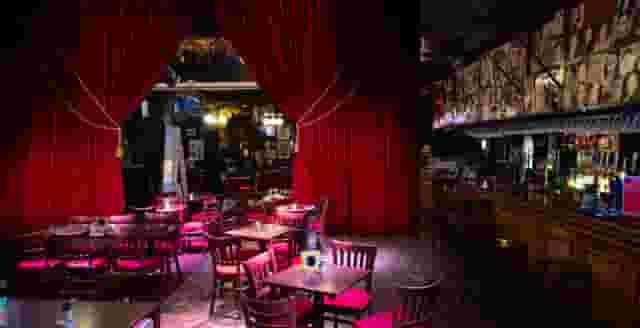
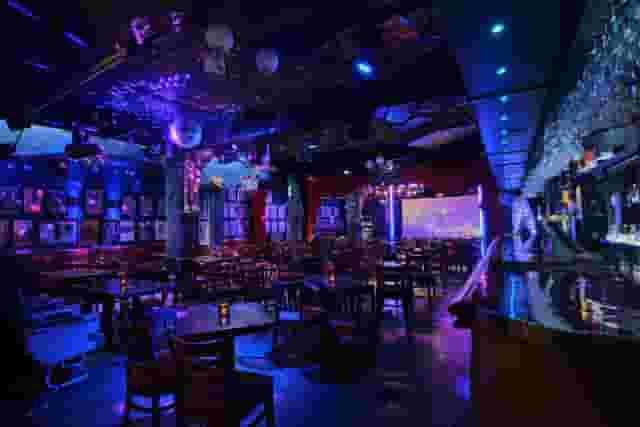
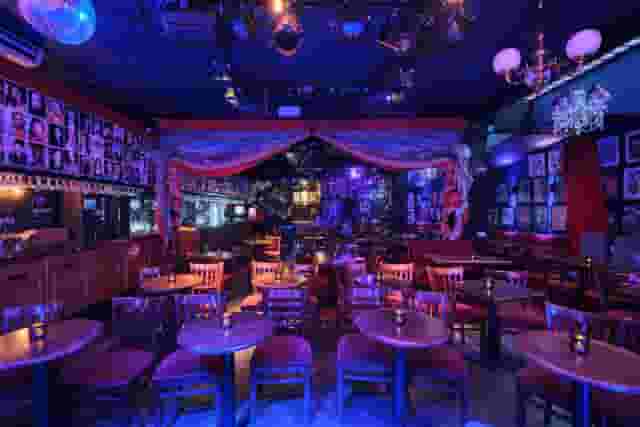
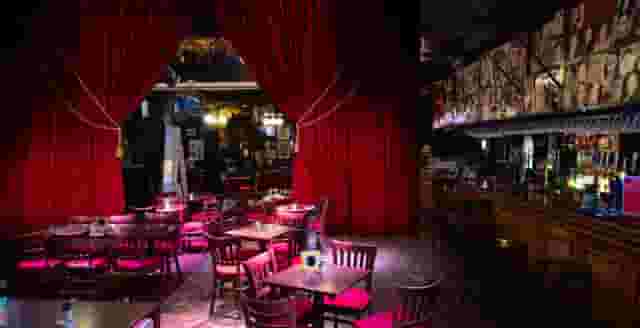
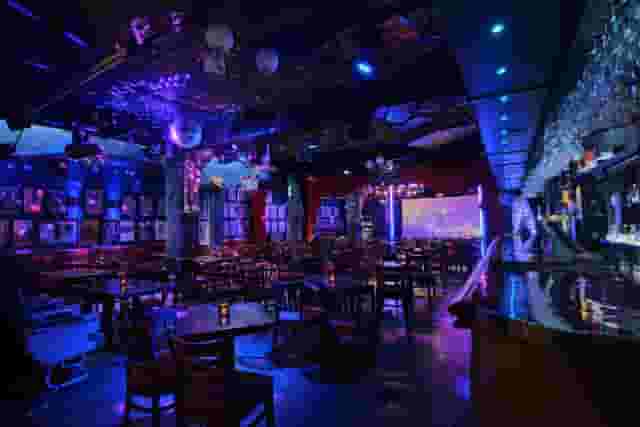
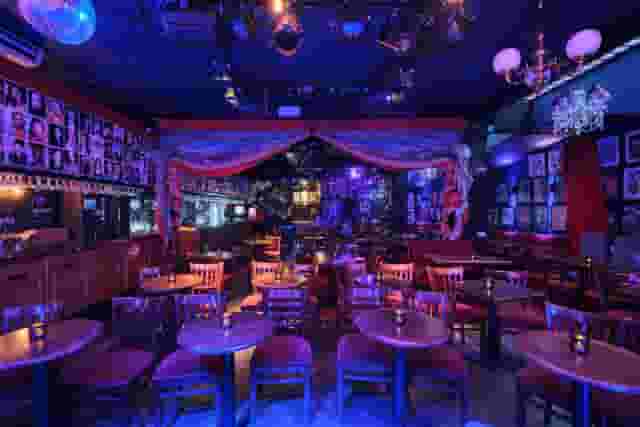
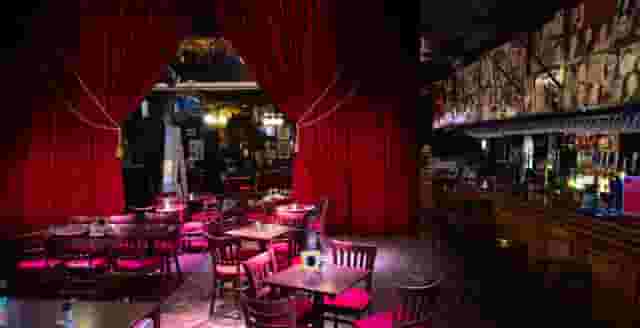
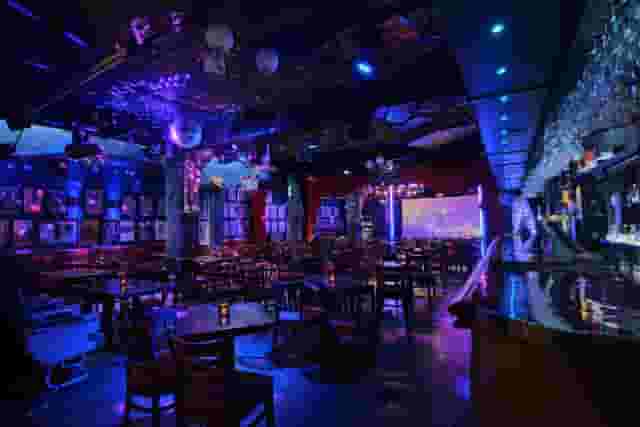
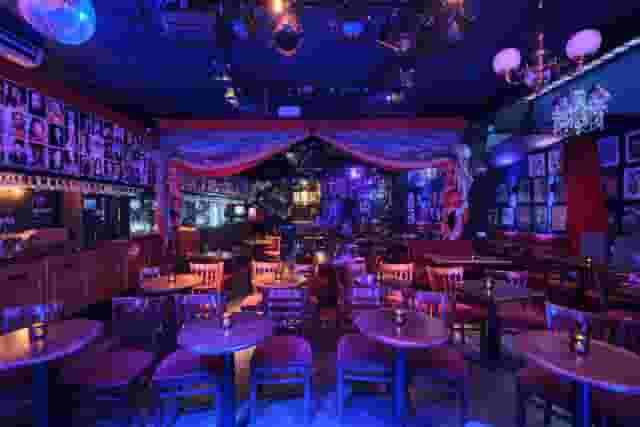
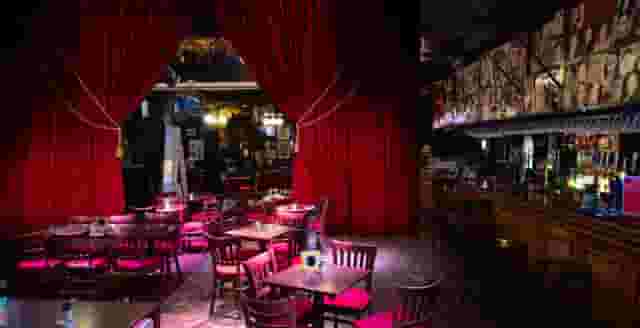
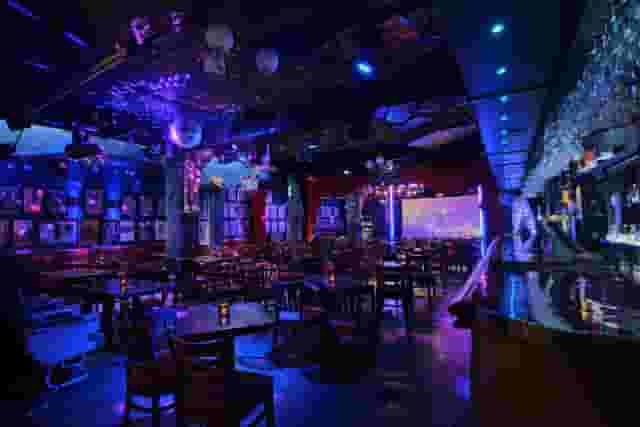
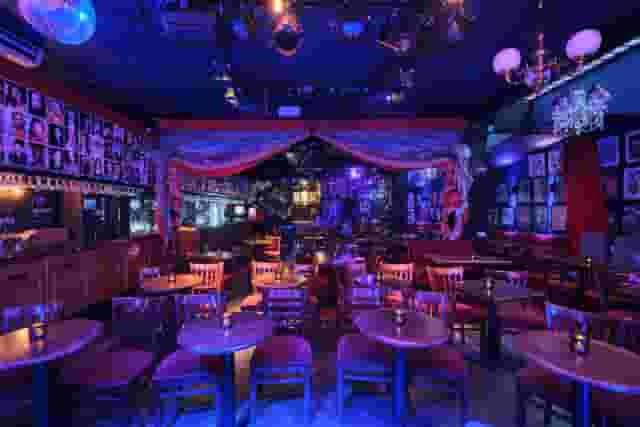
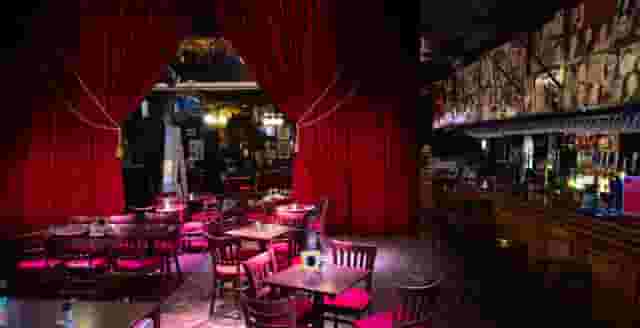
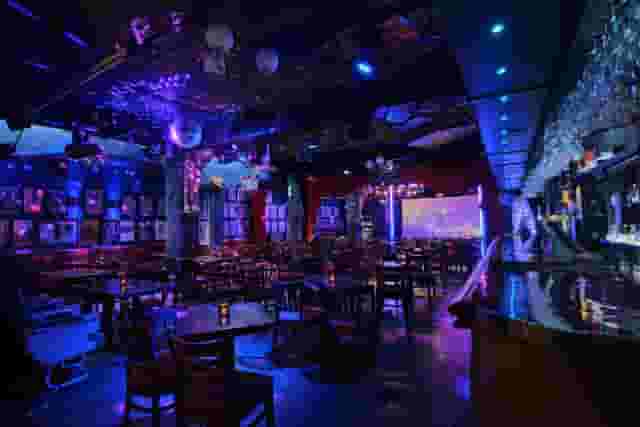
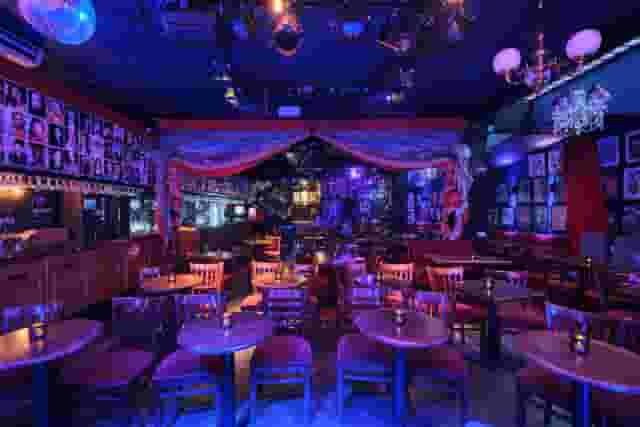
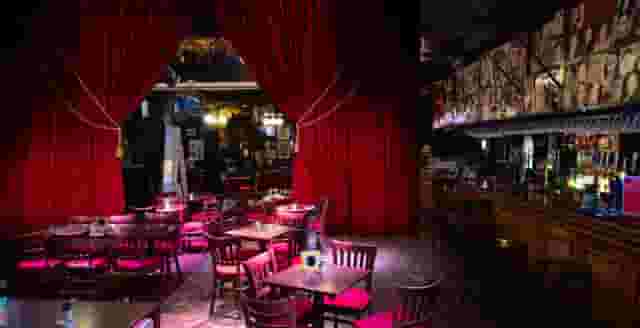
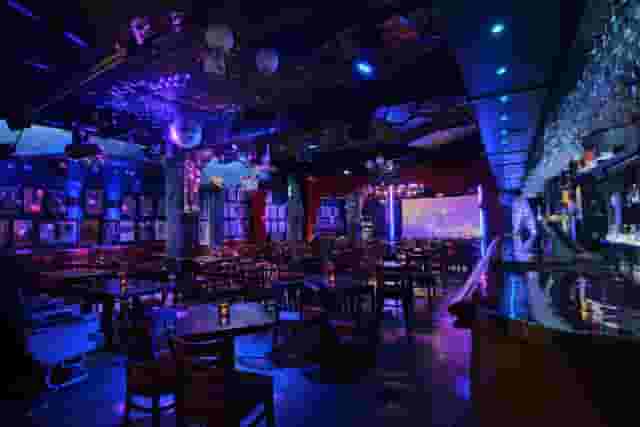
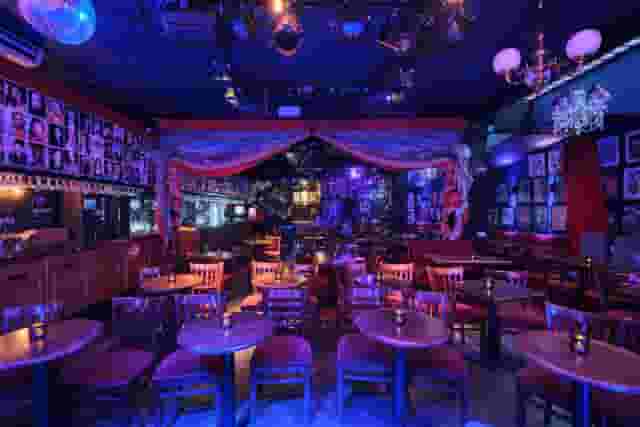
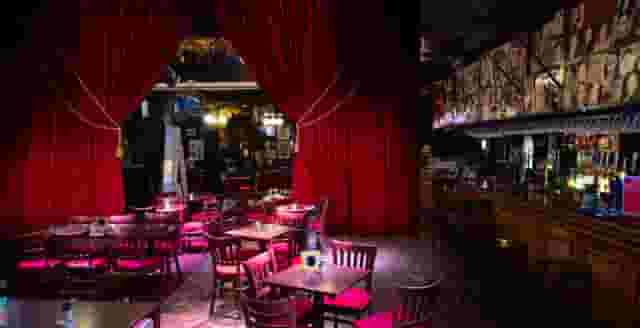
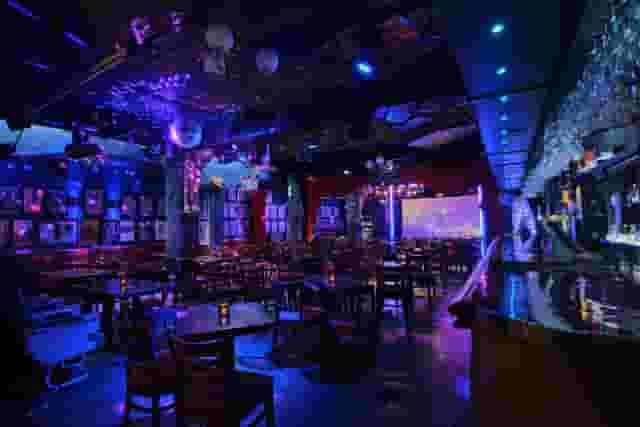
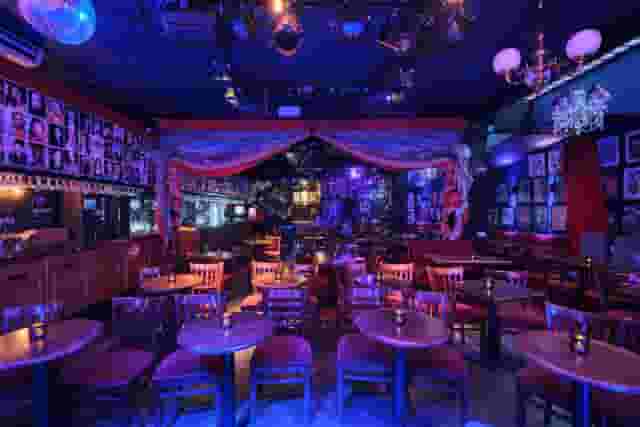
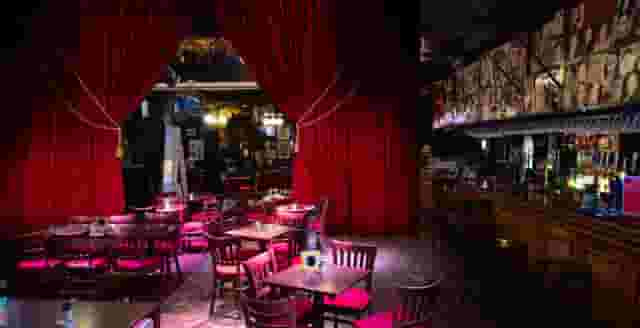
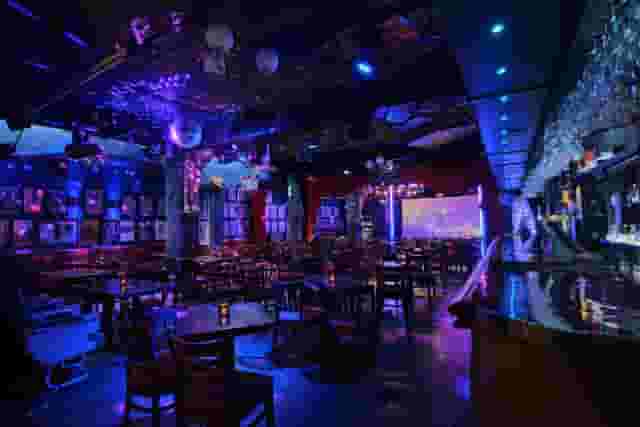
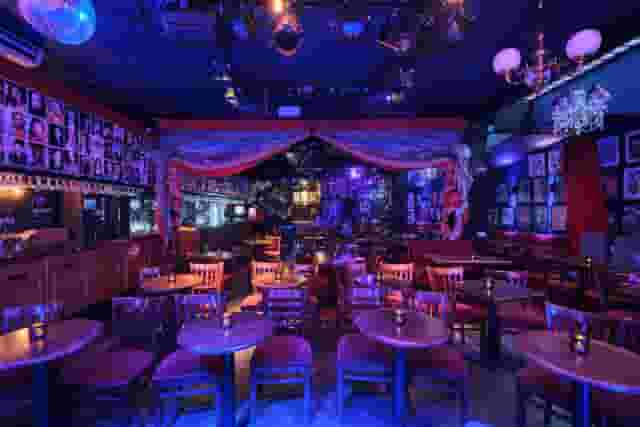
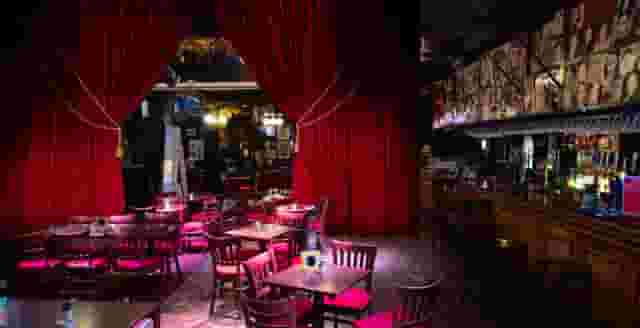
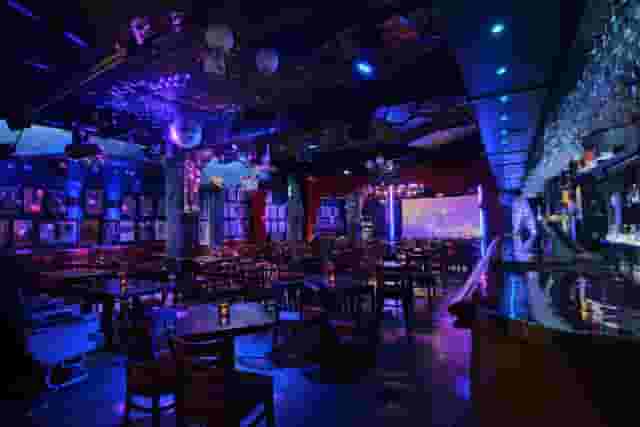
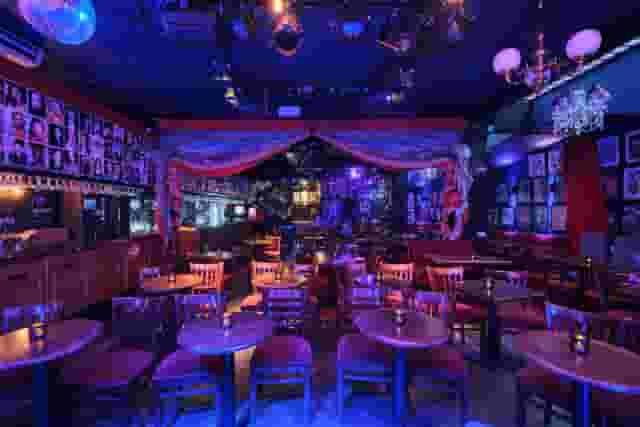
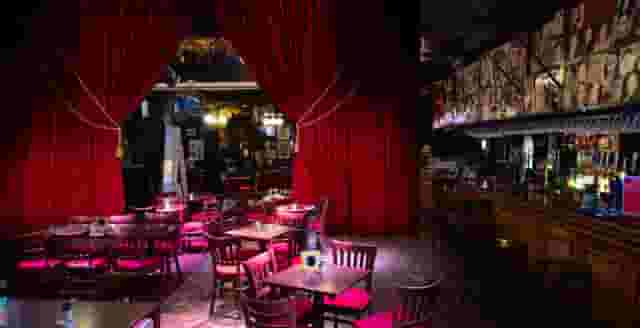
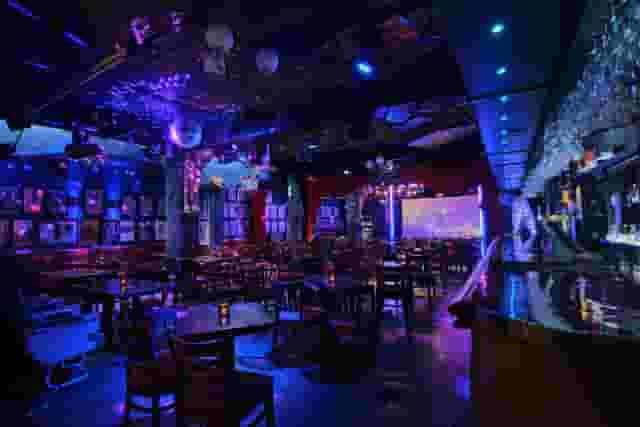
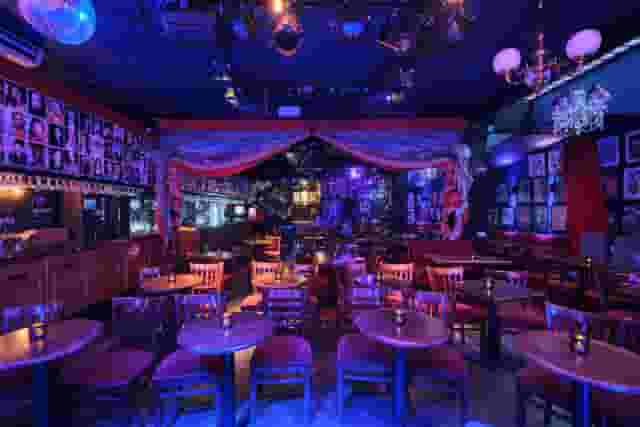
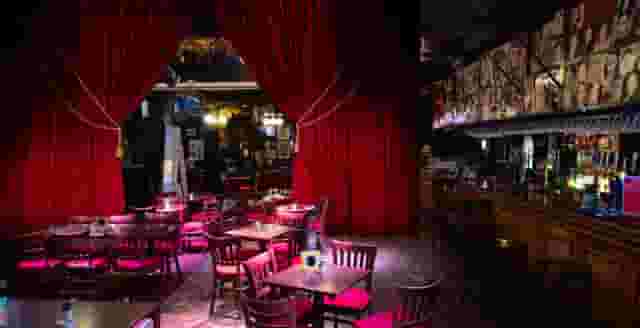
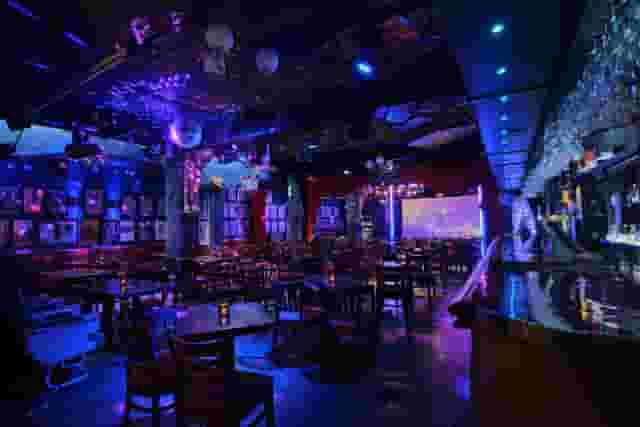
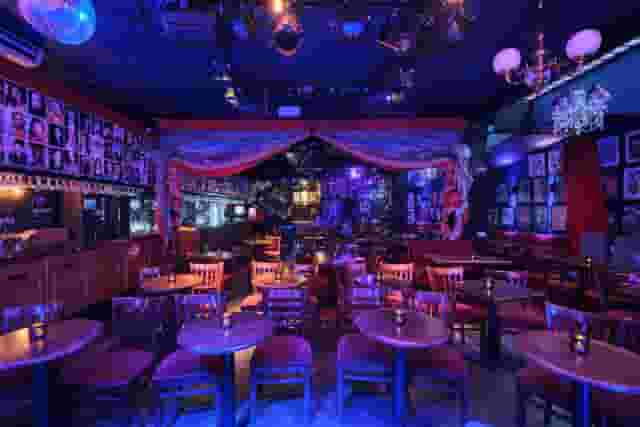
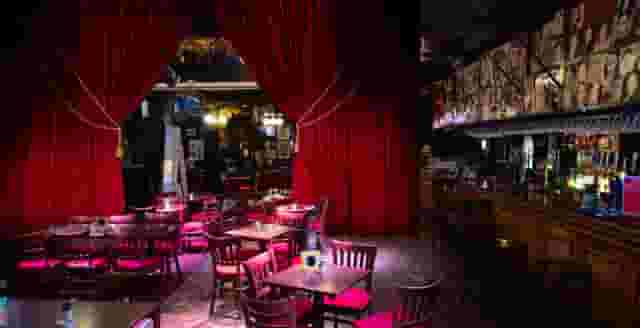
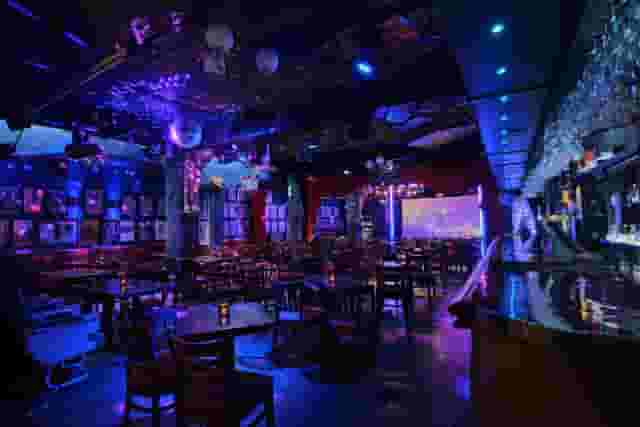
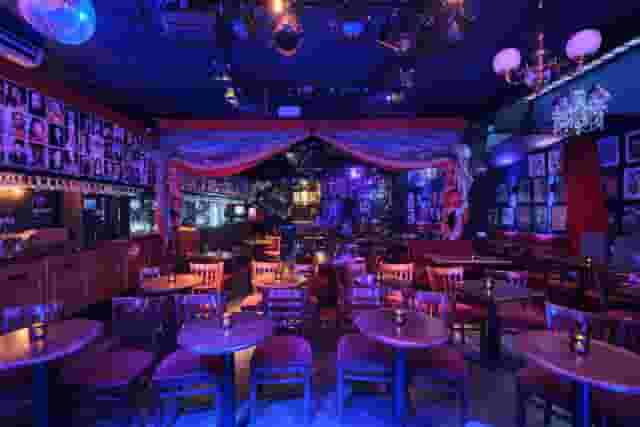
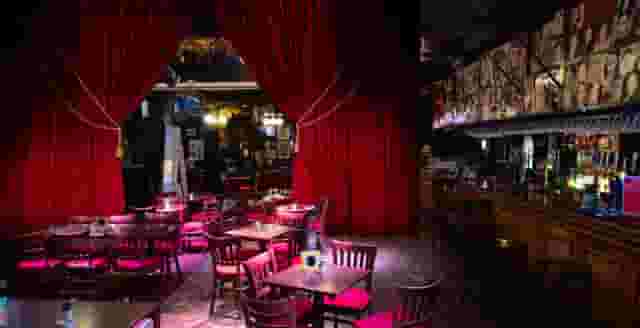
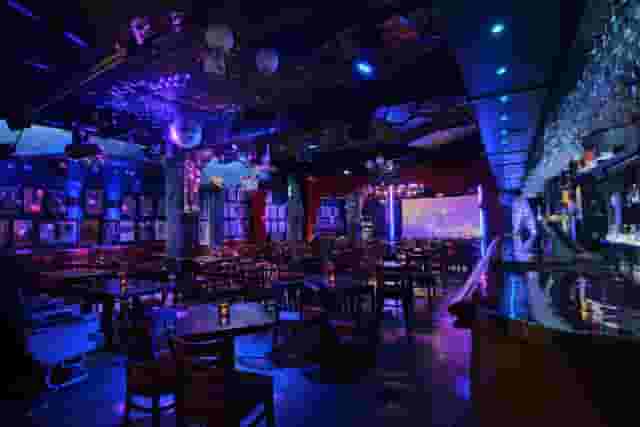
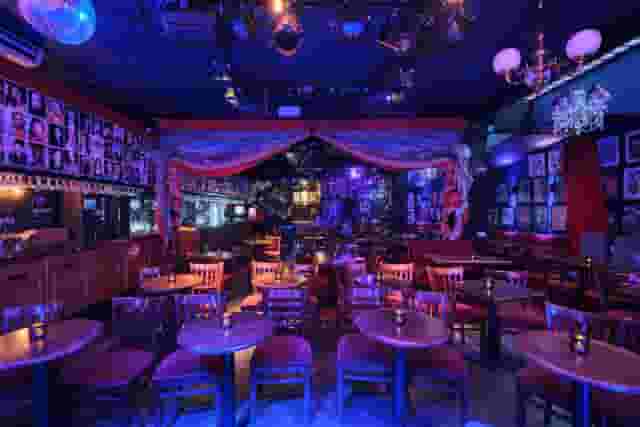
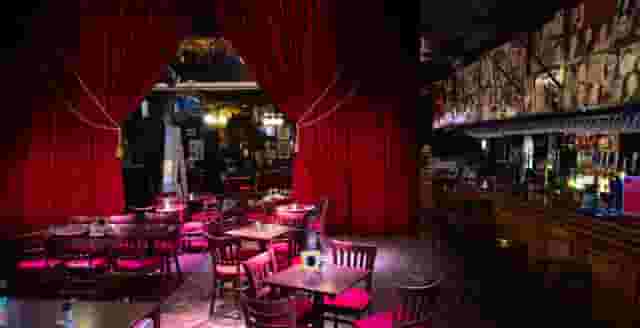
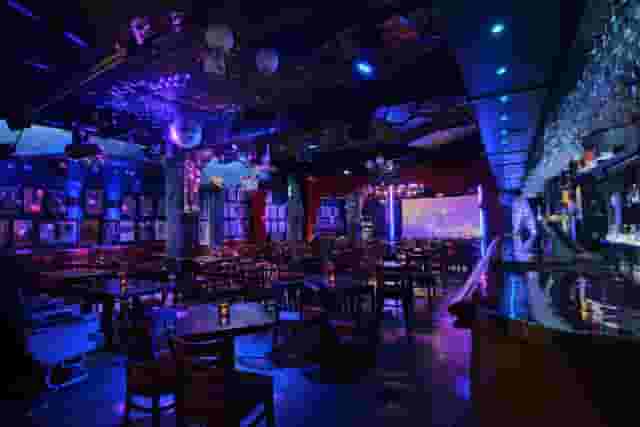
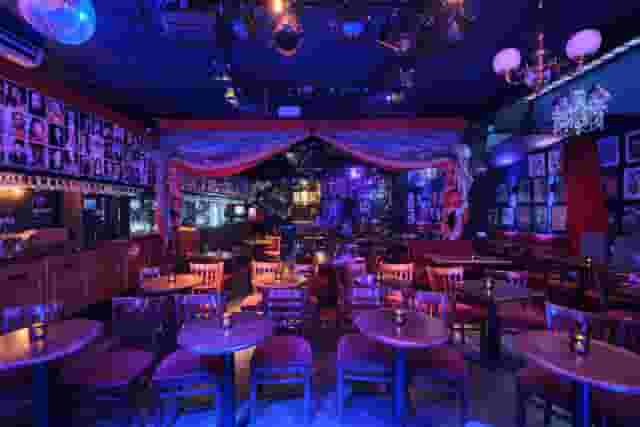
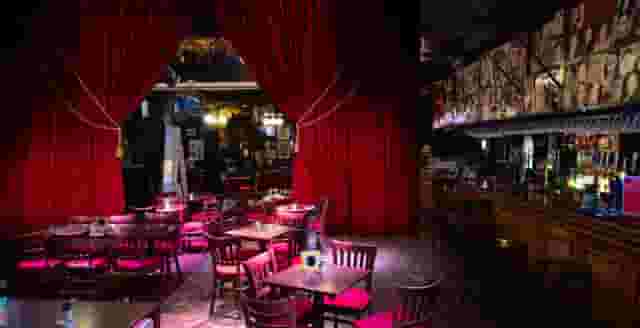
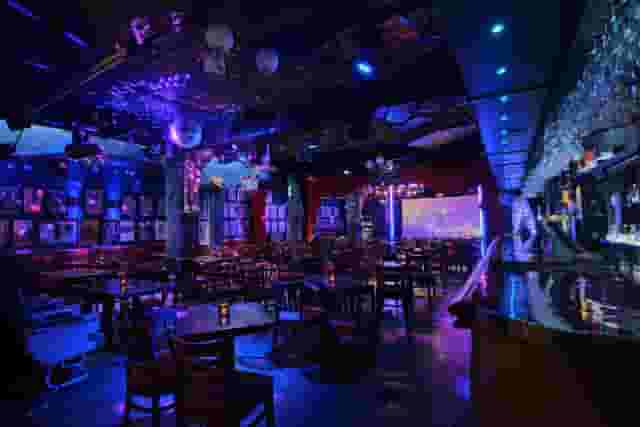
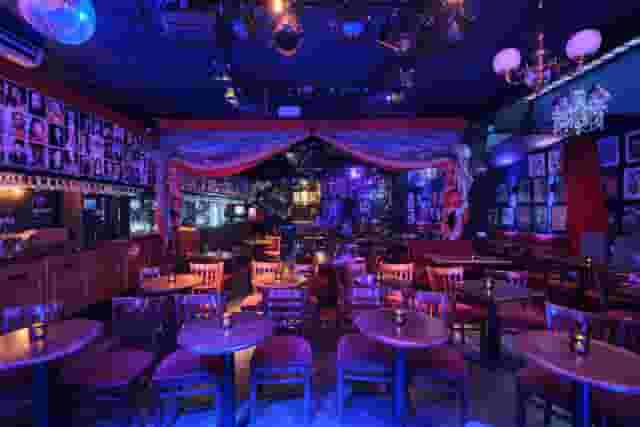
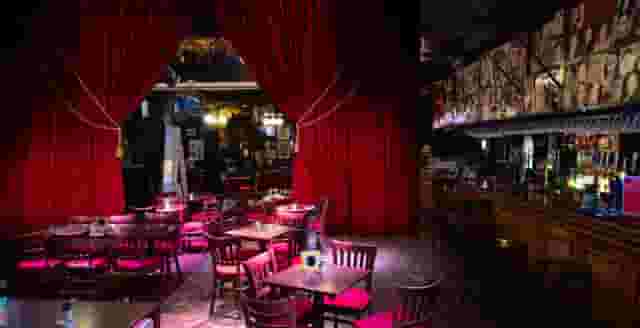
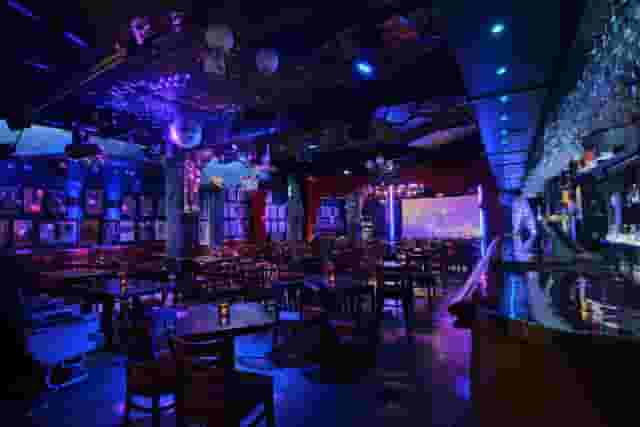
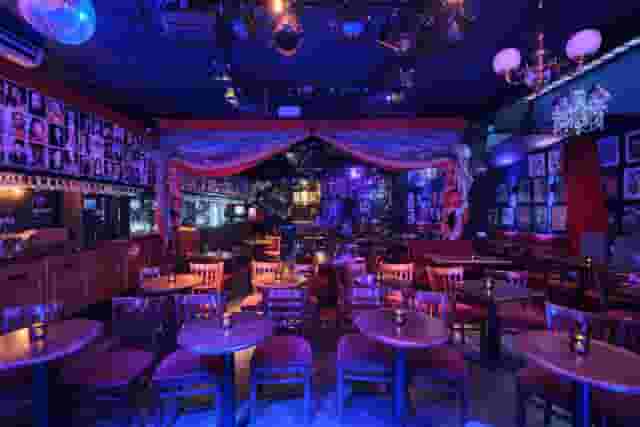
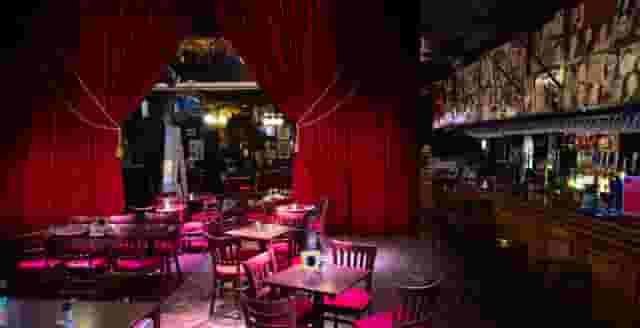
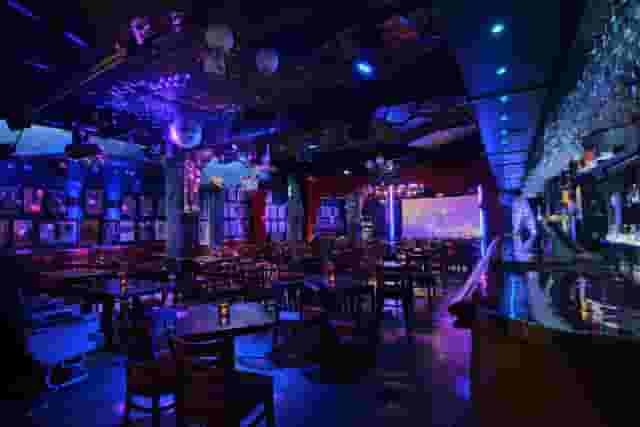
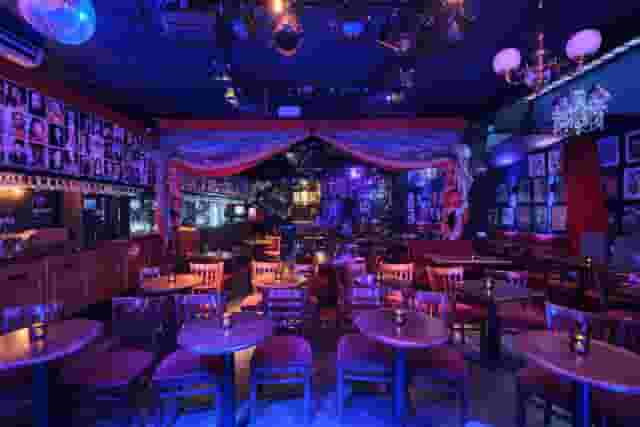
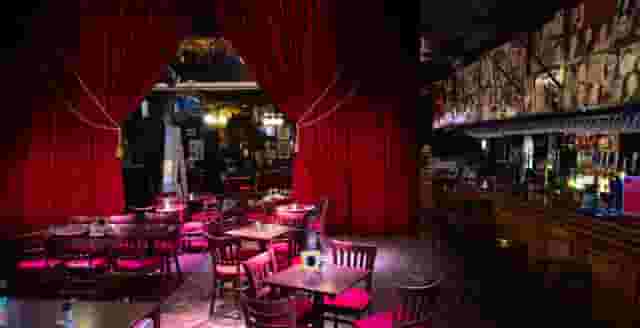
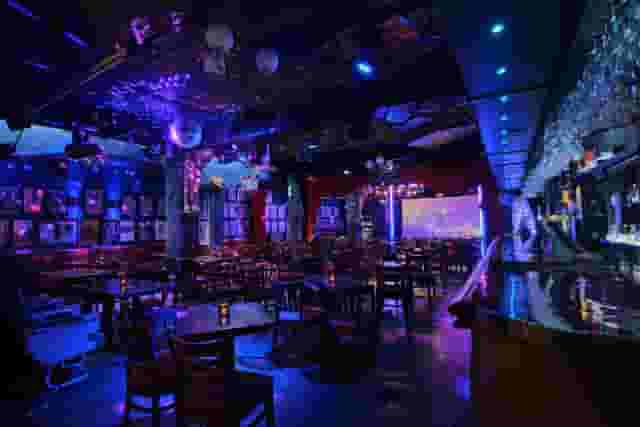
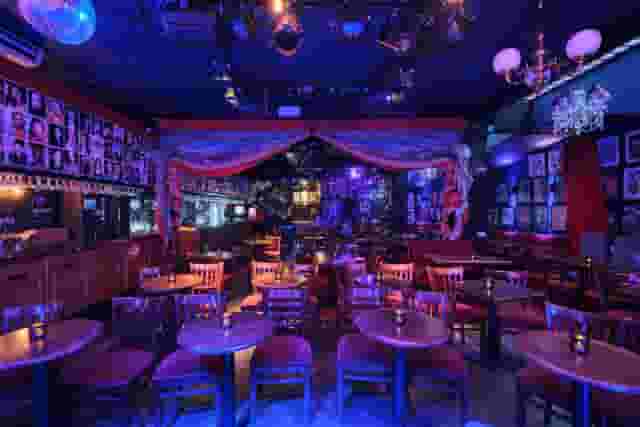
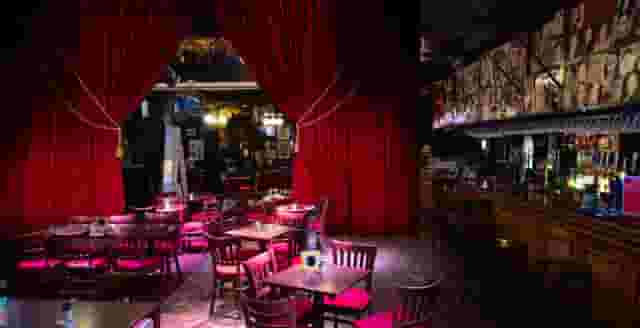
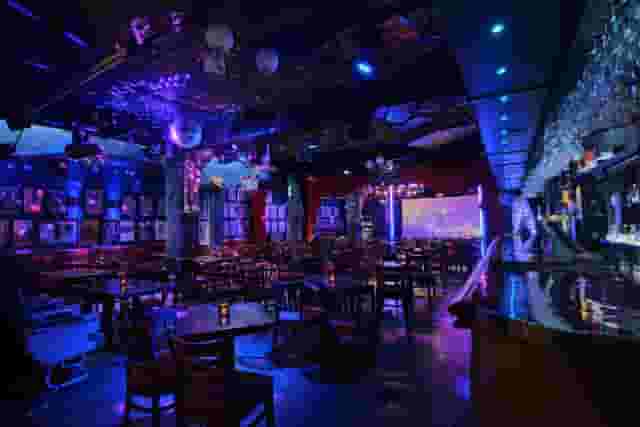
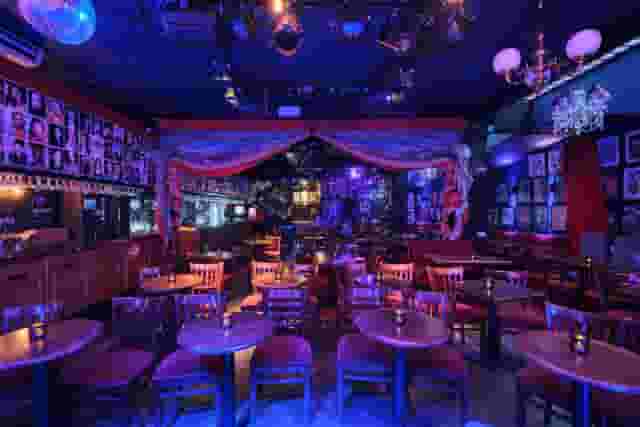
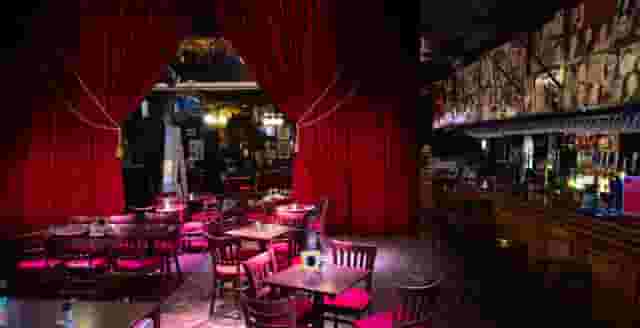
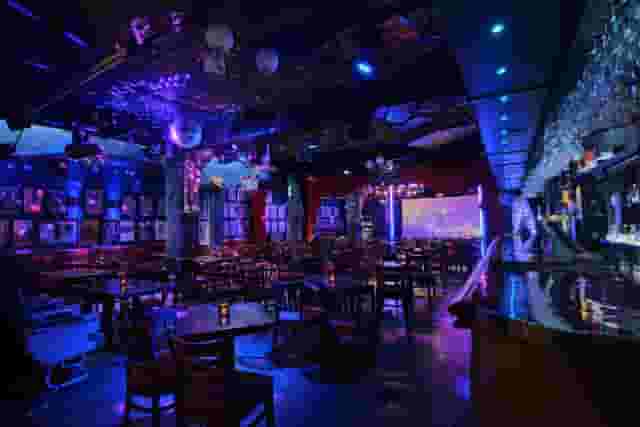
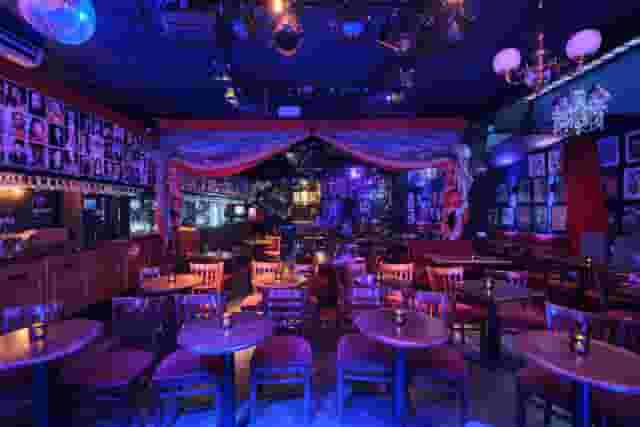
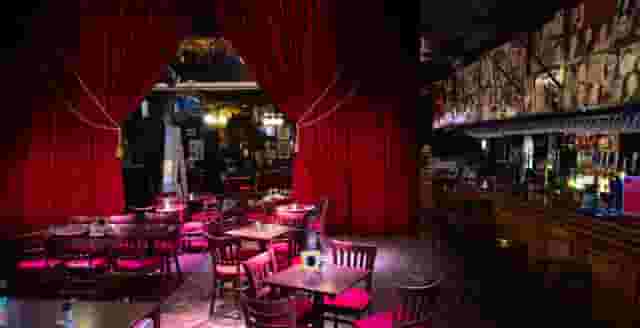
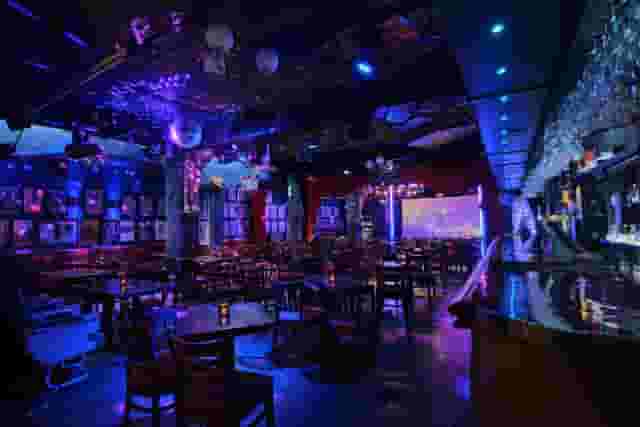
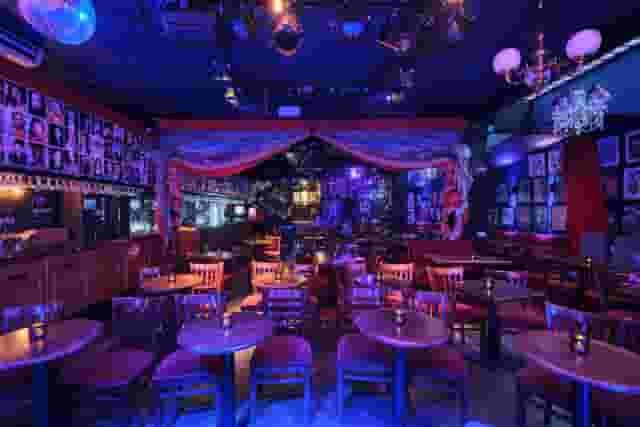
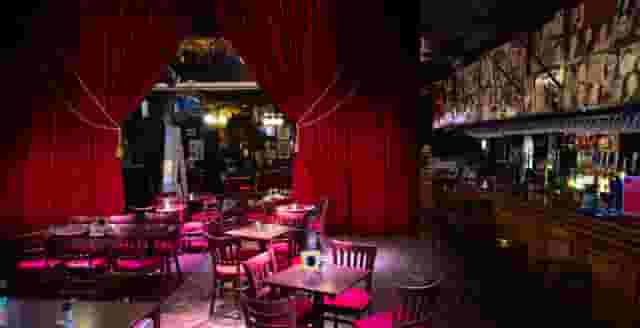
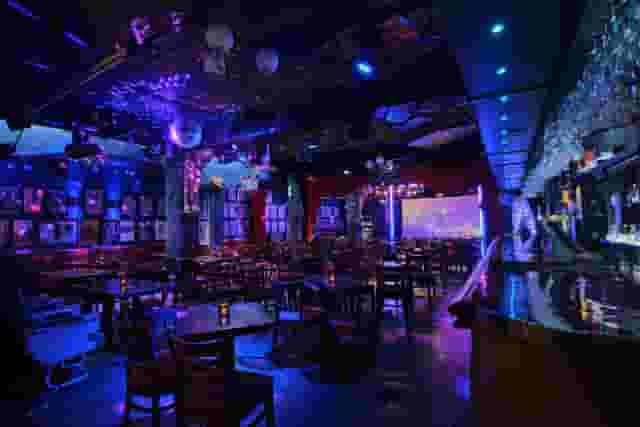
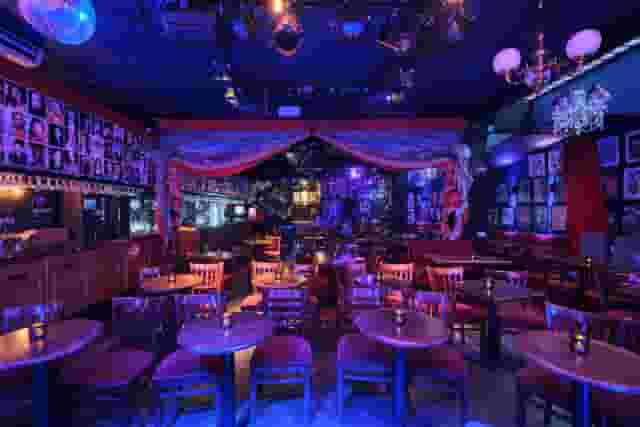
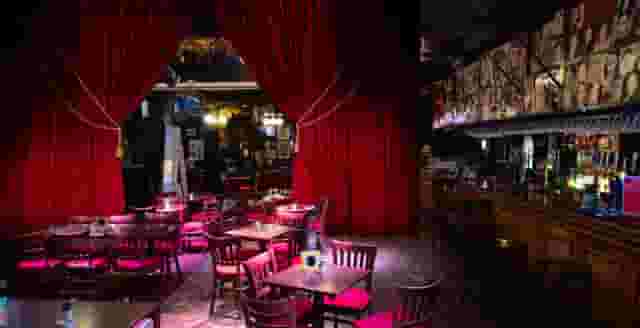
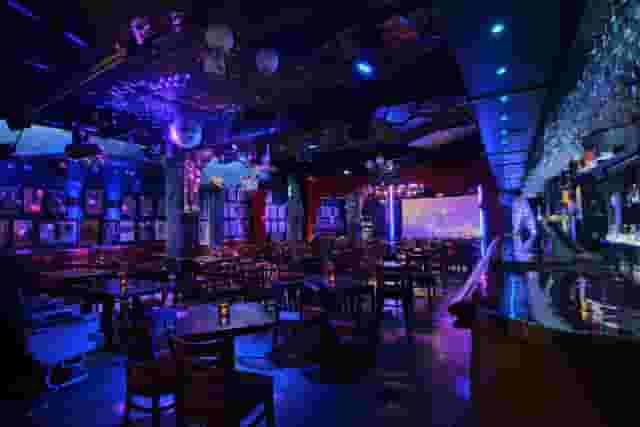
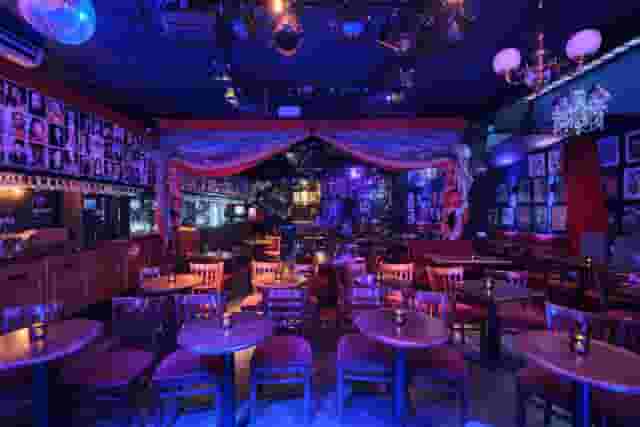
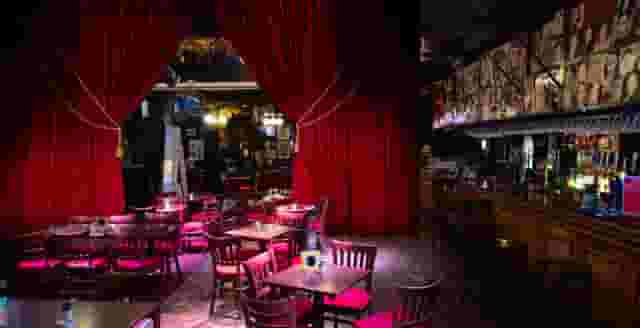
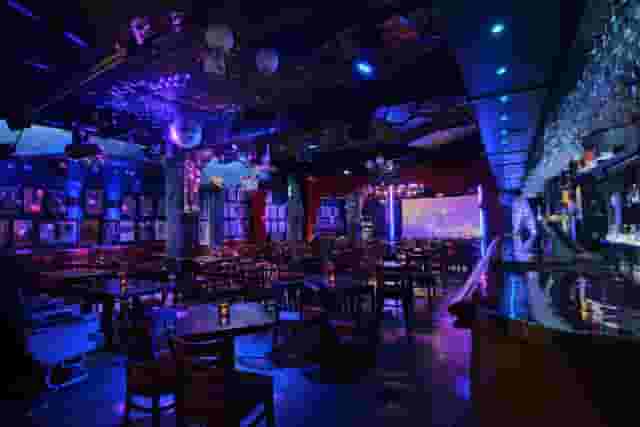
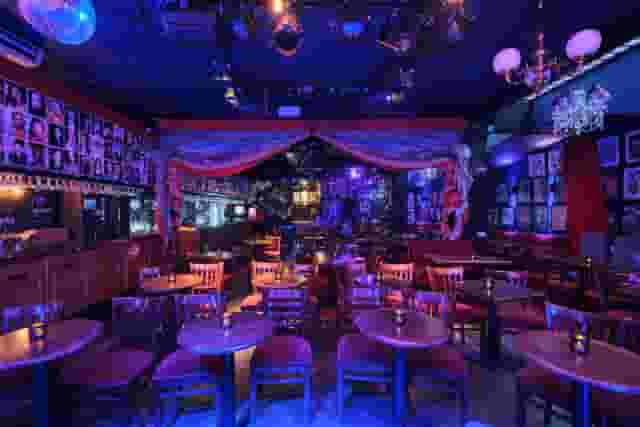
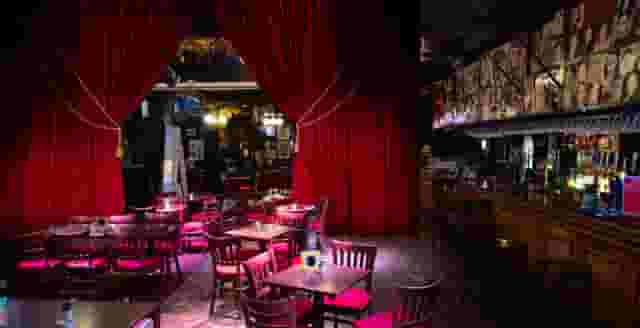
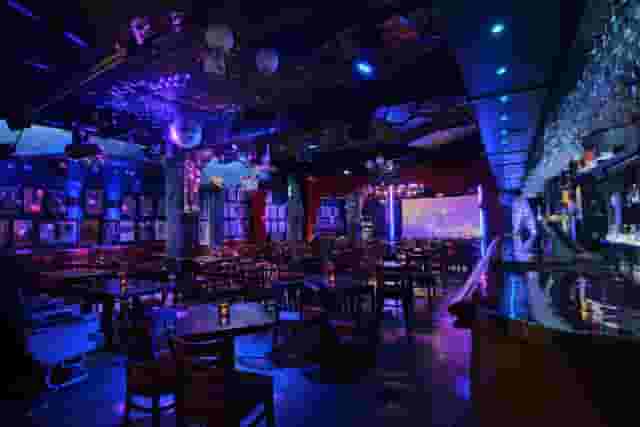
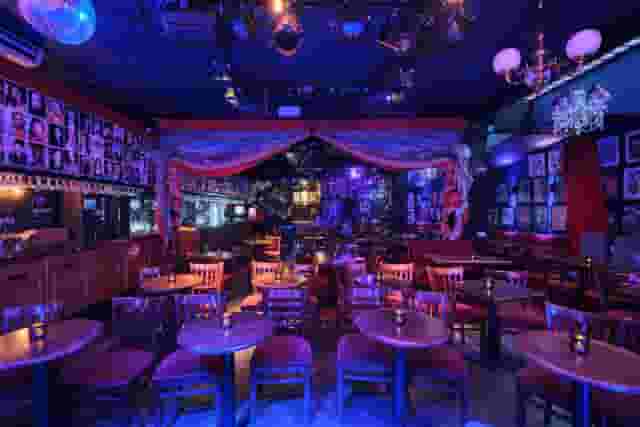
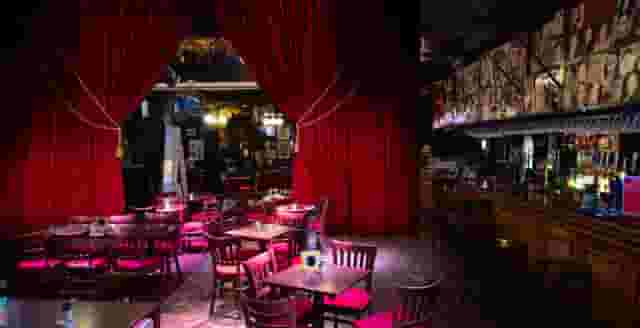
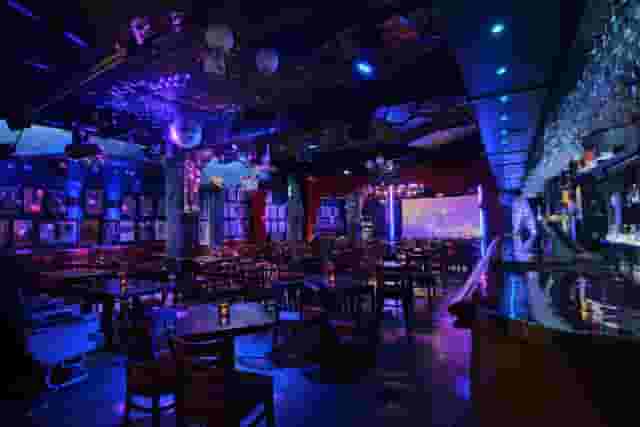
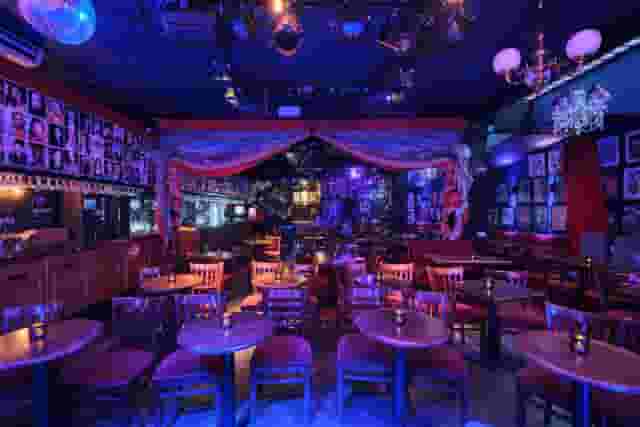
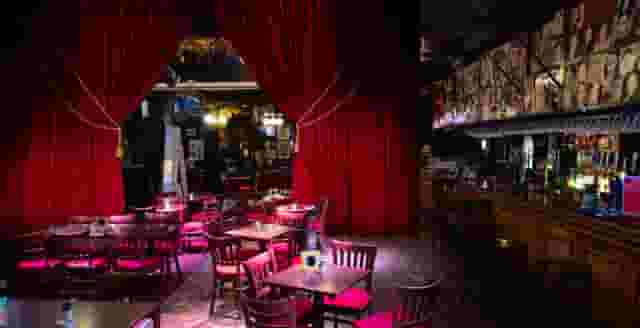
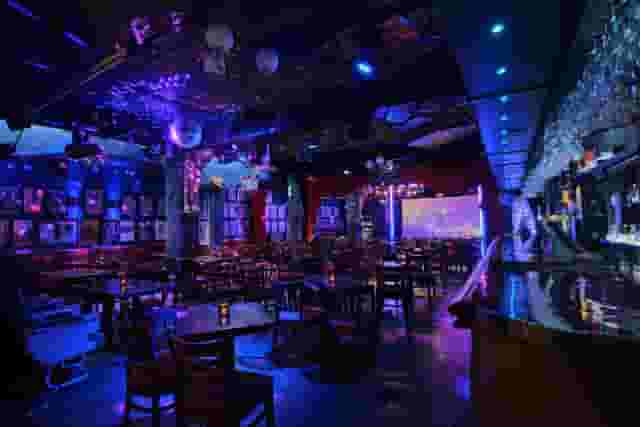
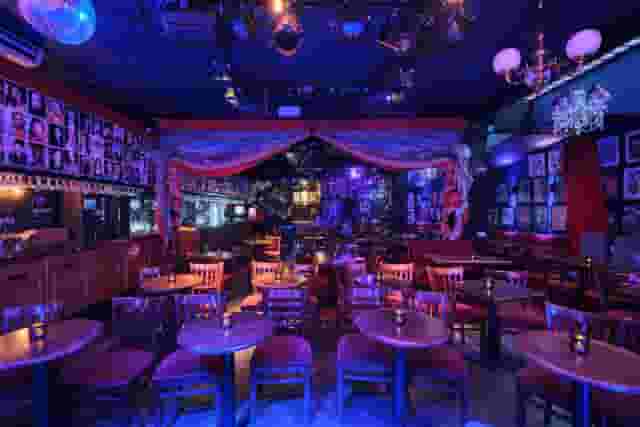
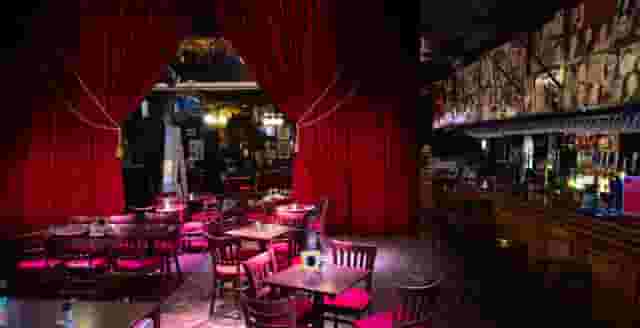
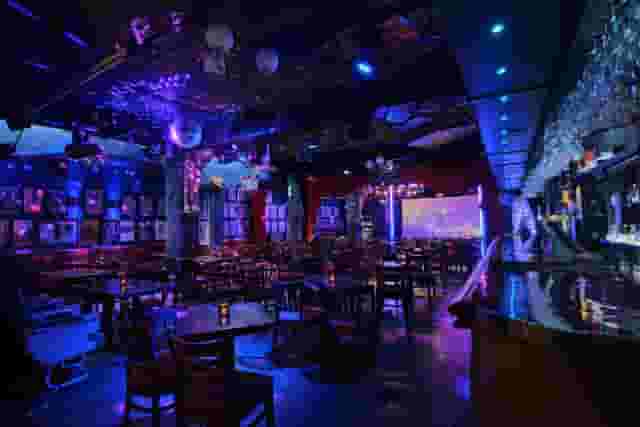
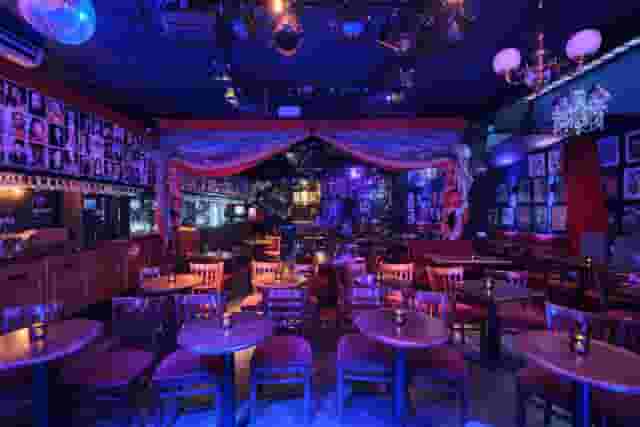
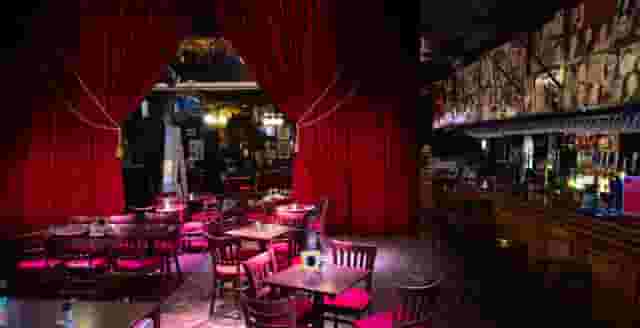
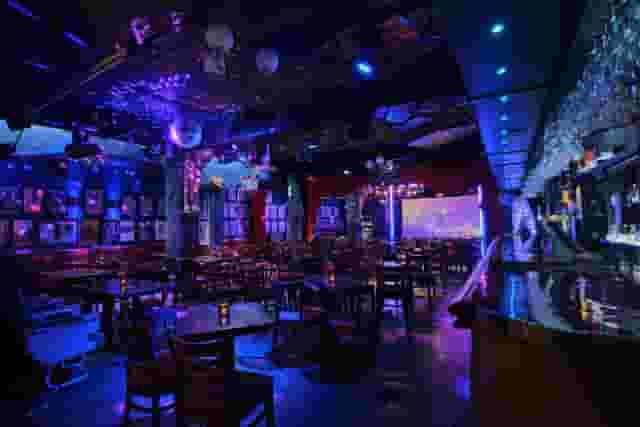
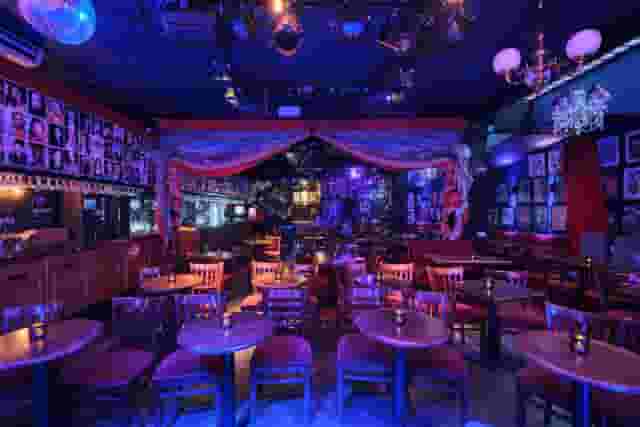
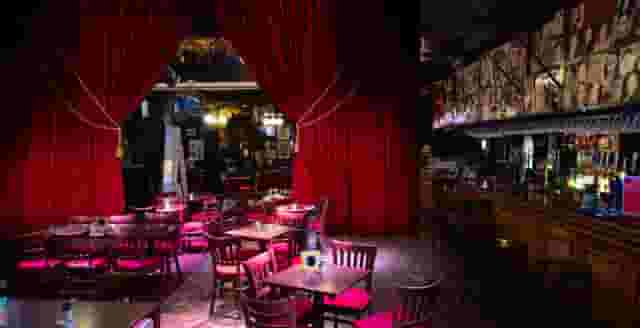
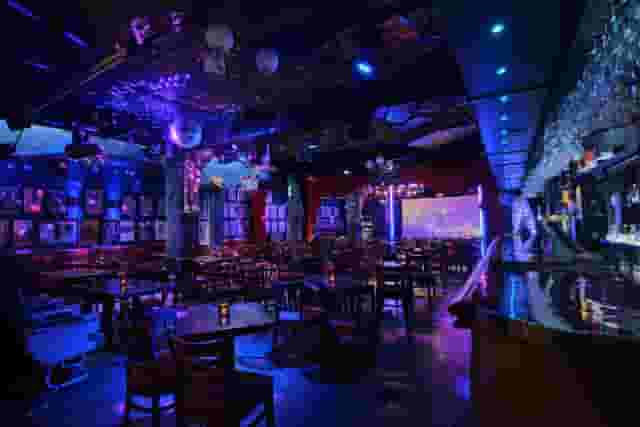
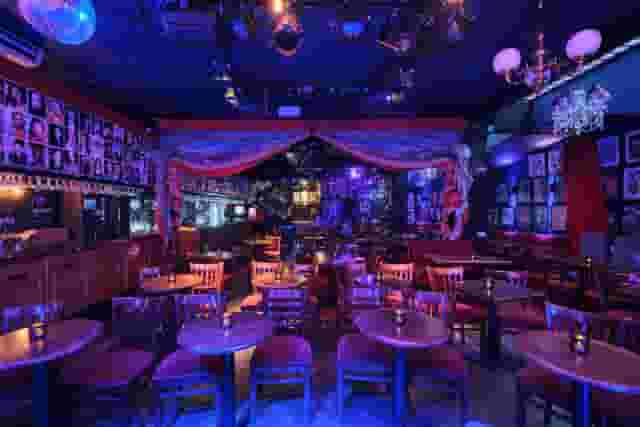
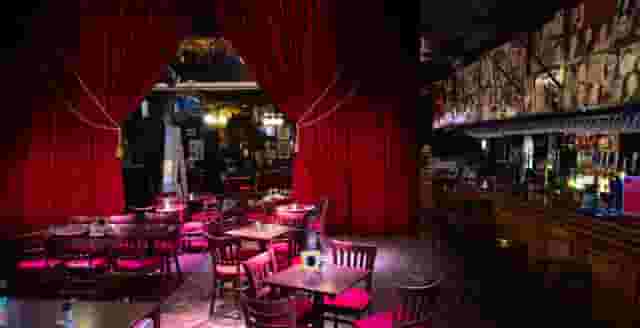
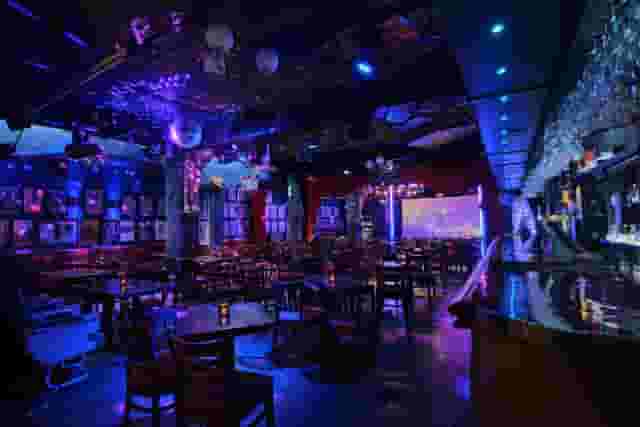
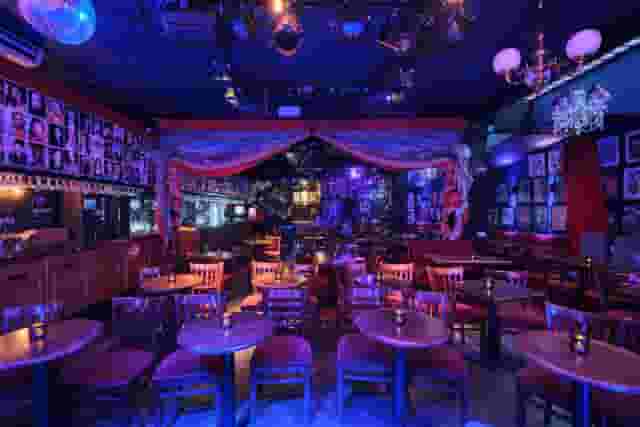
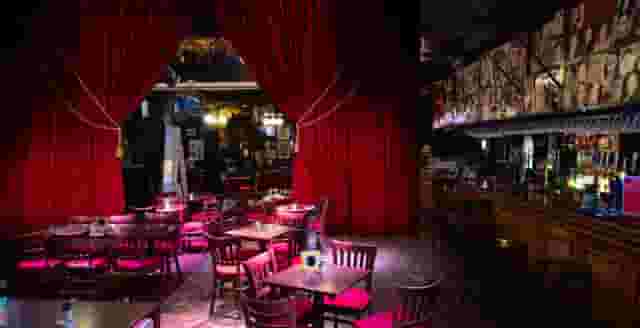
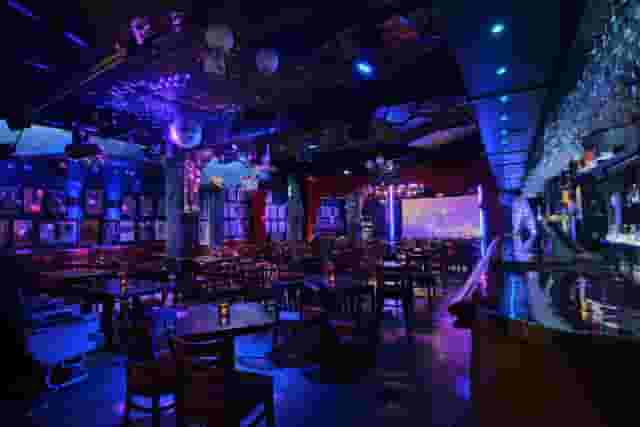
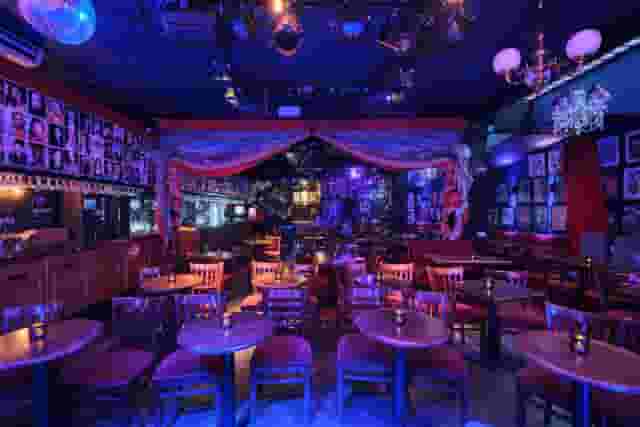
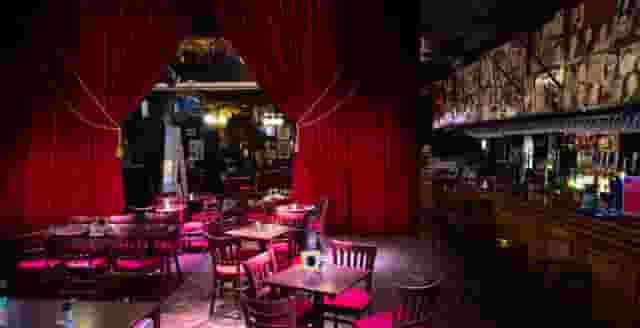
Explore Central London spaces with private karaoke pods, full cocktail bars and room for 30 to 700 guests.
83 Karaoke Bars for Hire in Central London

















































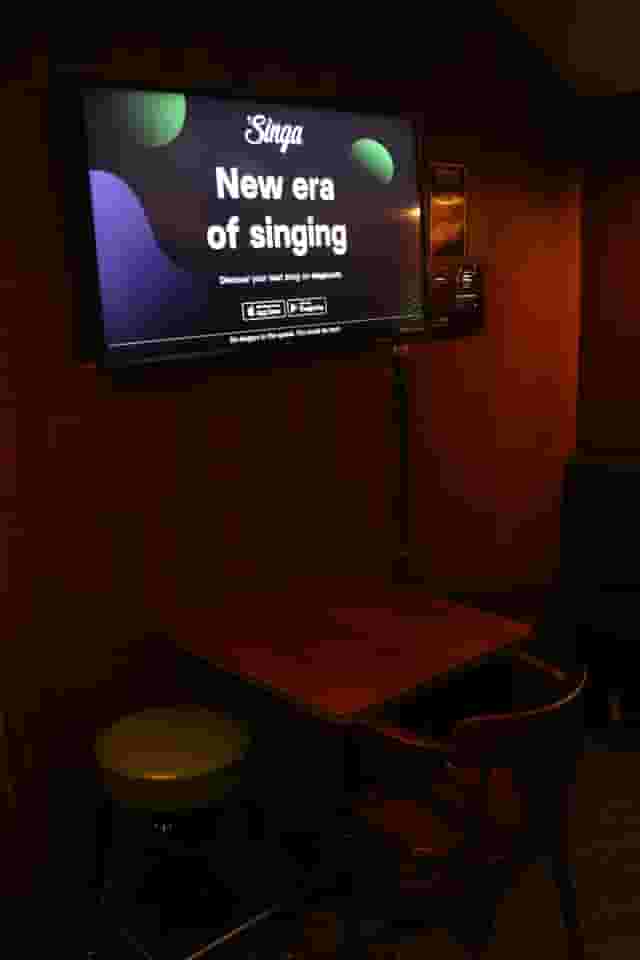
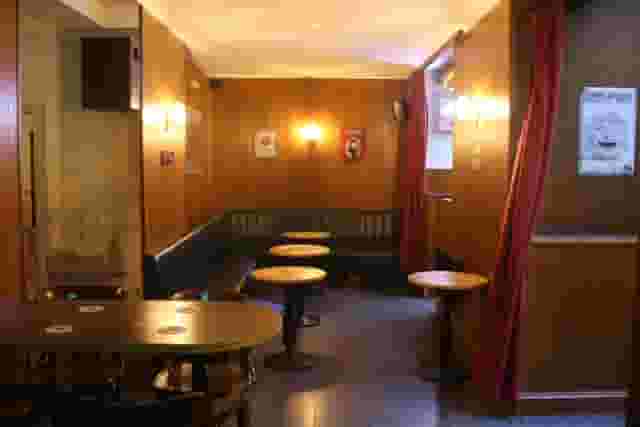
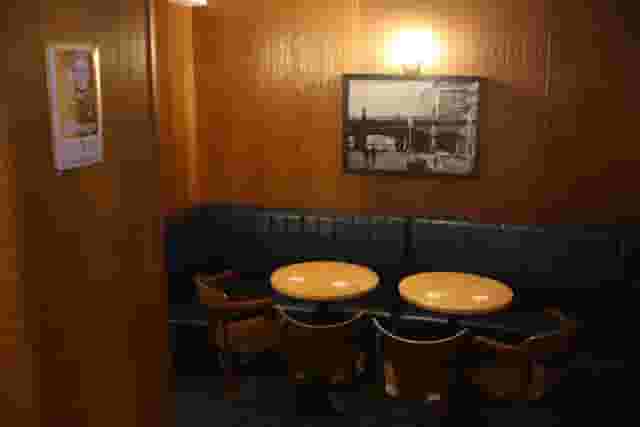






























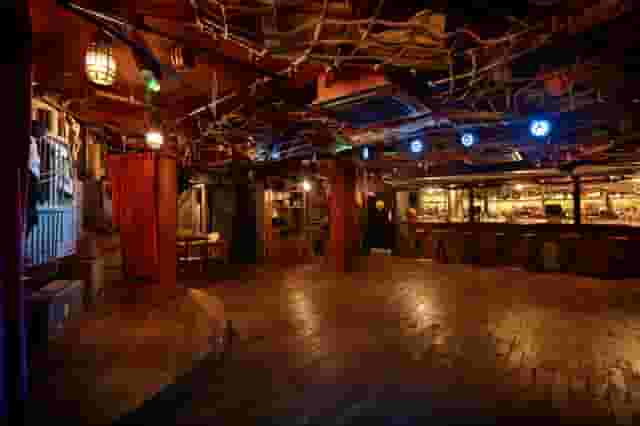
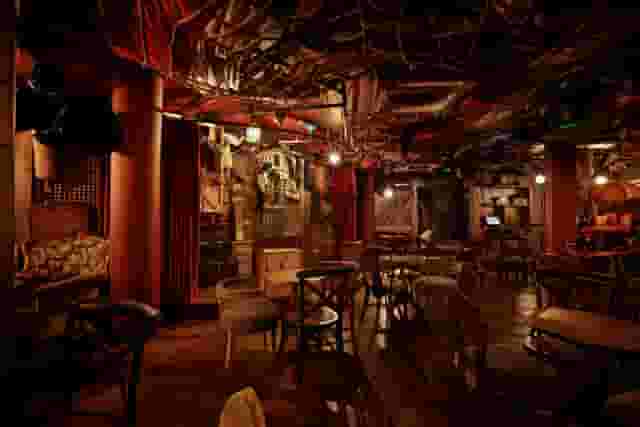
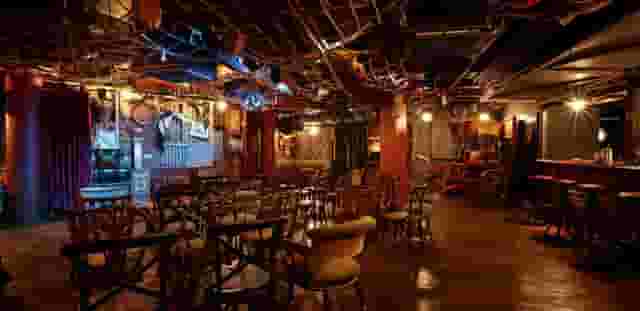
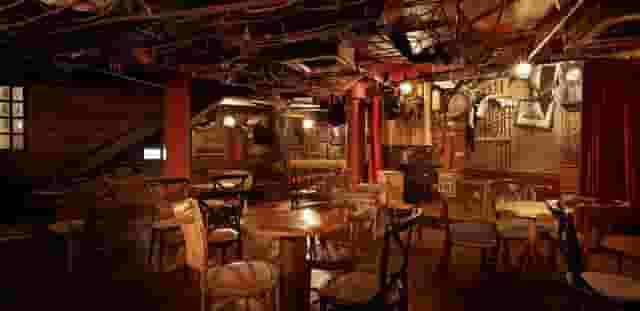



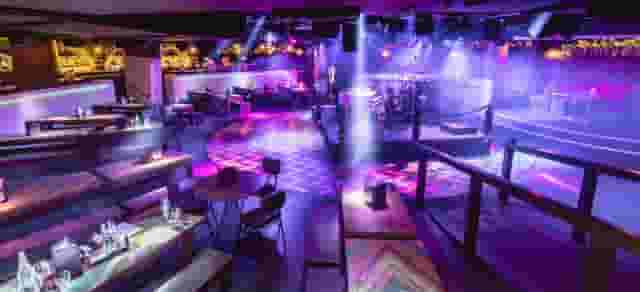
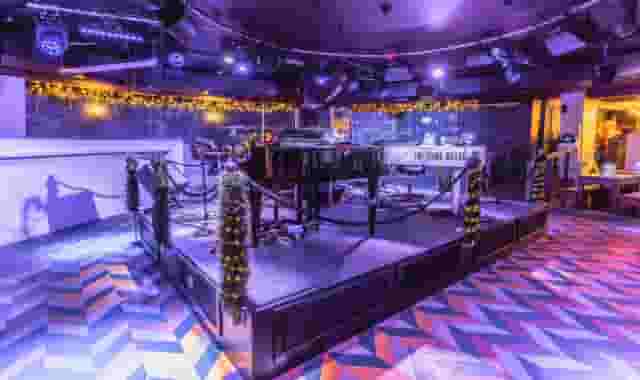
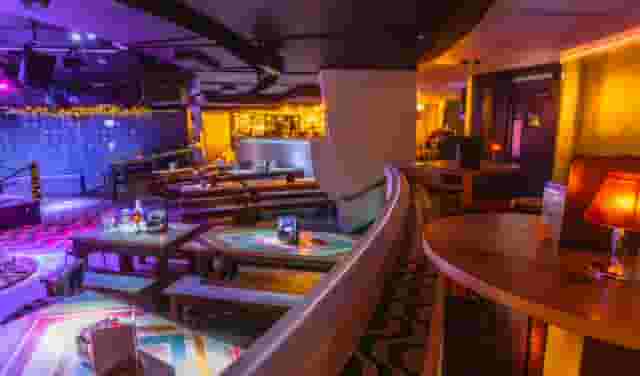
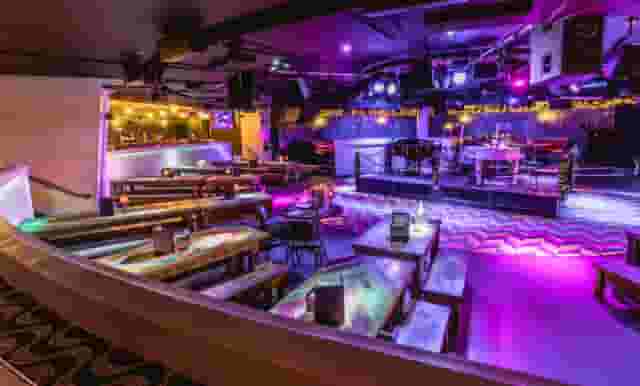





















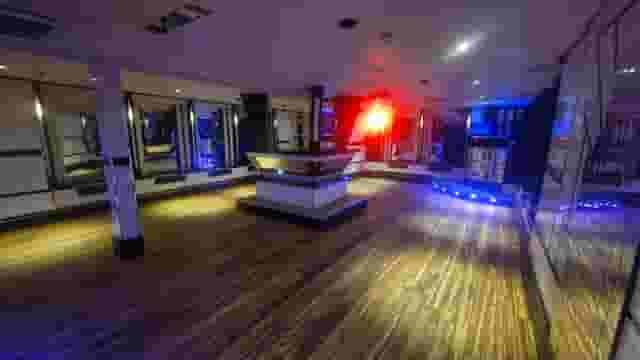
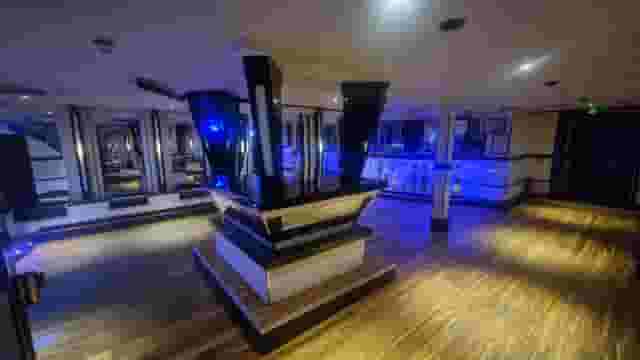
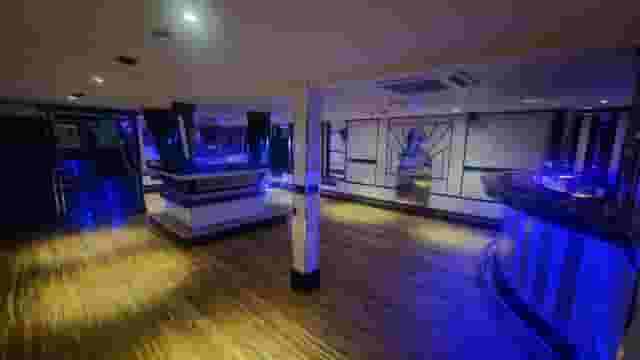
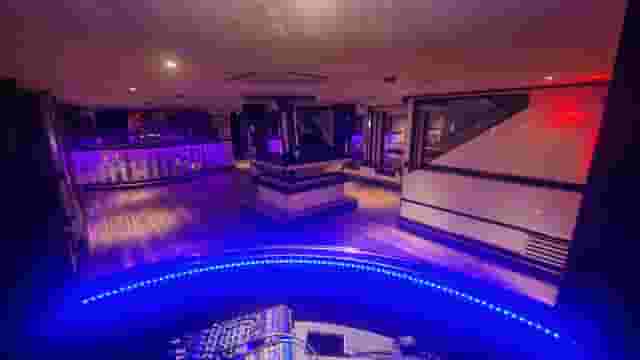
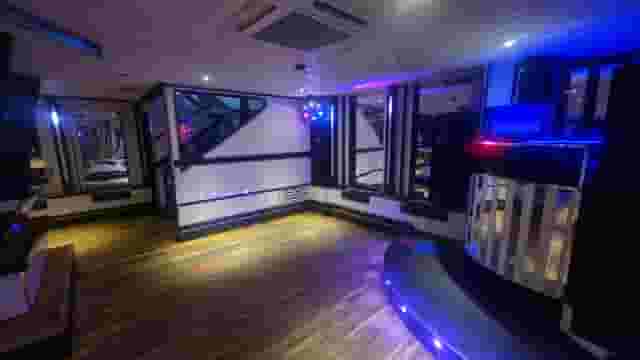
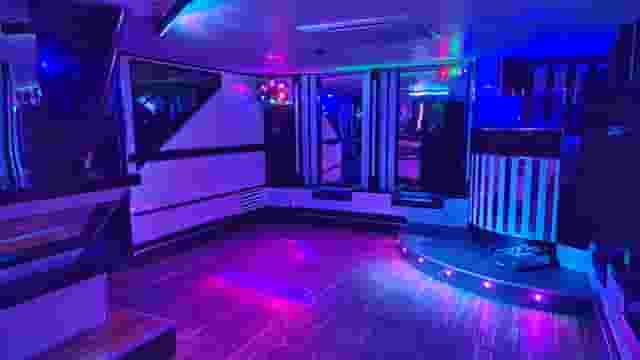
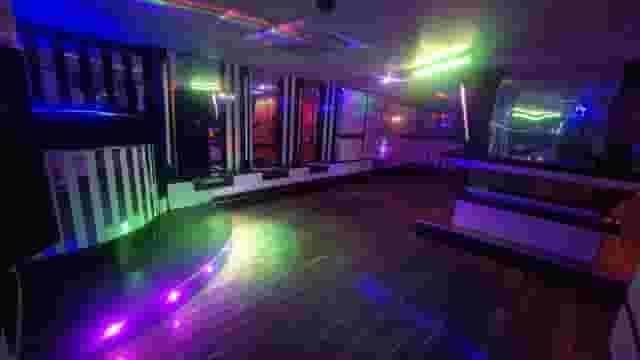






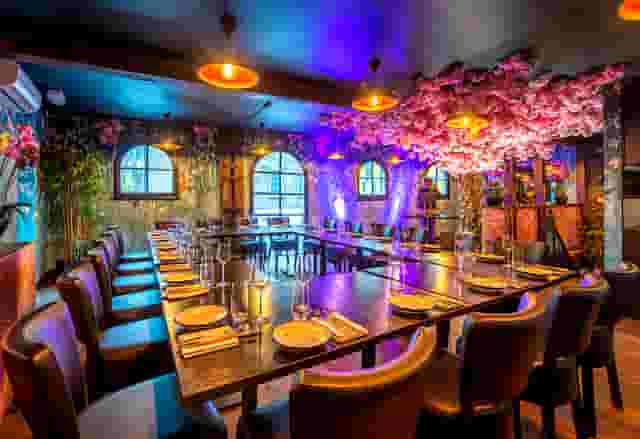
















































































































































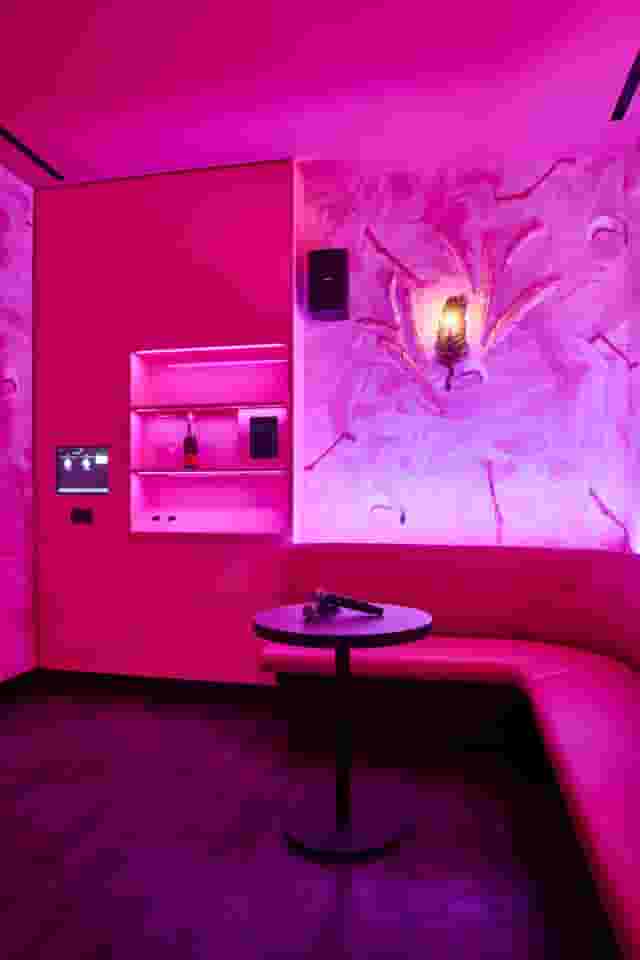
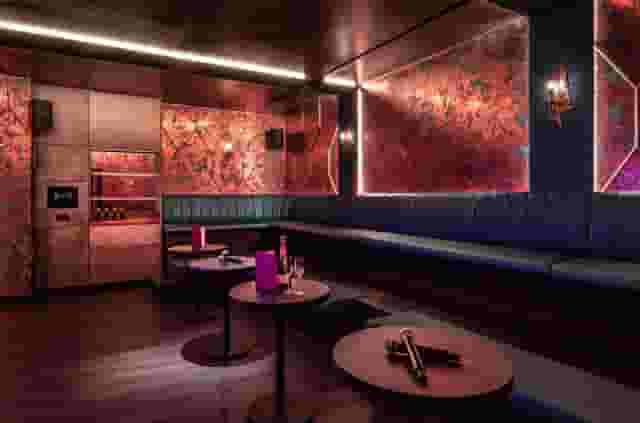
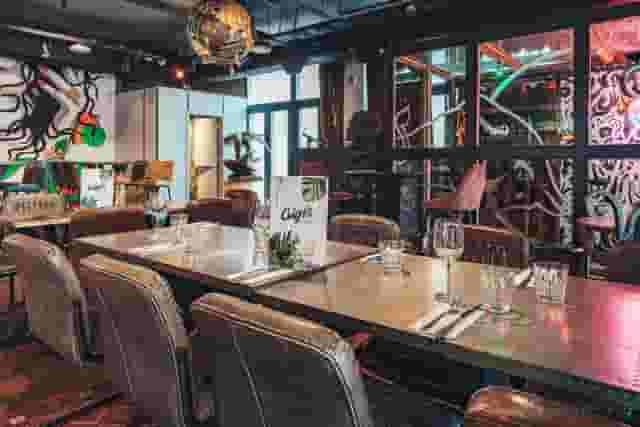
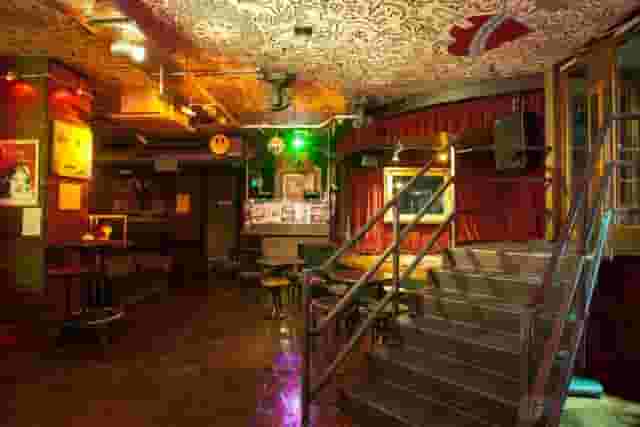































No venues match these filters
Try widening your capacity, luxury level or event type.
Don't have time to search? We'll find it for you.
For business events that need human judgement, talk to our team. Free for events of 100+ people, budgets over £10k or ongoing programmes.




Explore more venues in Central London


















Other platforms search their database. We search everything.
Tell us what you need. Our deep research finds any venue, whether it's in our marketplace or not. No one else does this.
About Karaoke Bars in Central London
Choosing between open stage karaoke and private pods
Planning a karaoke evening in Central London comes down to one core choice: do you want everyone watching one central performance, or do you want smaller groups singing in separate rooms while dipping into a shared bar? The format sets the social pressure for the entire night. Getting it wrong either leaves modest singers hiding by the coat check or strands your group across ten small rooms with no central gathering point.
The dynamic of an open stage
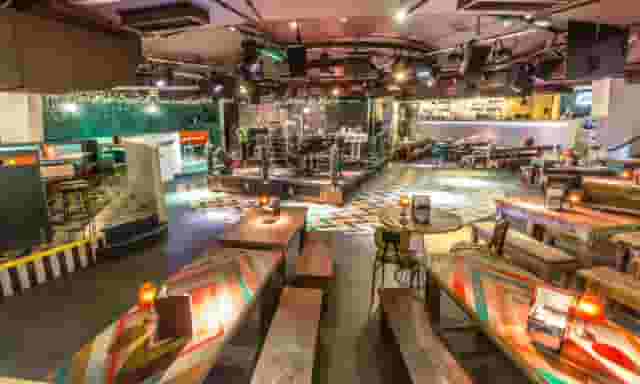
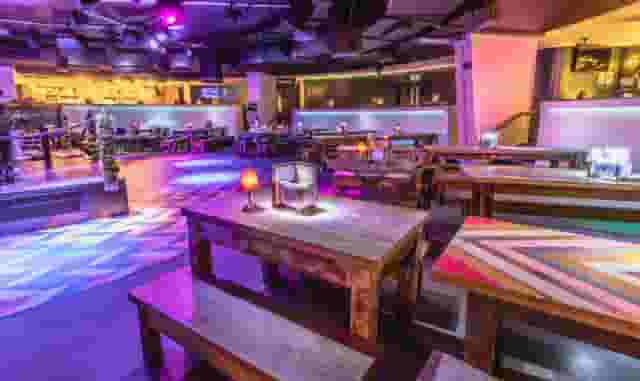
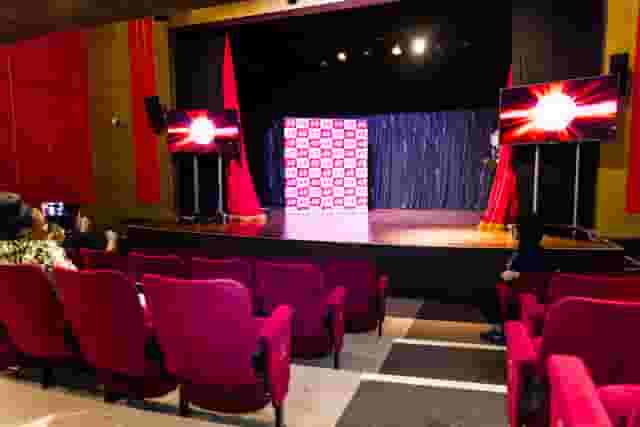
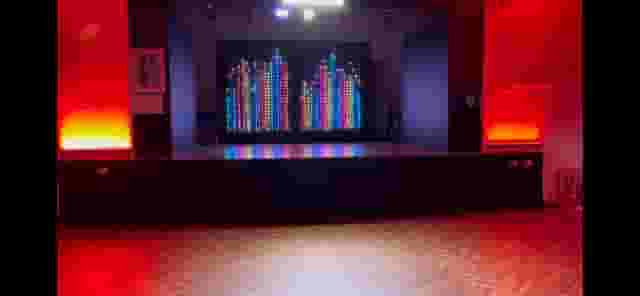
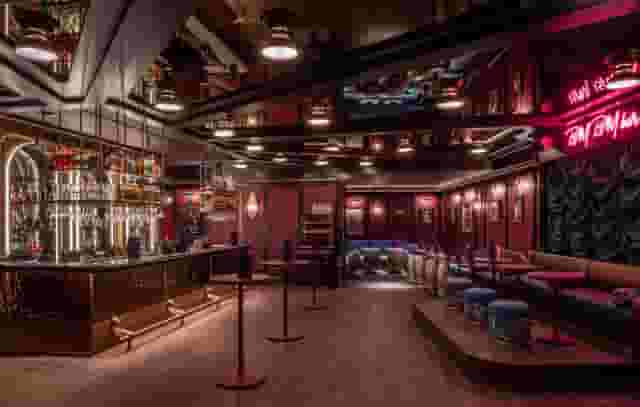
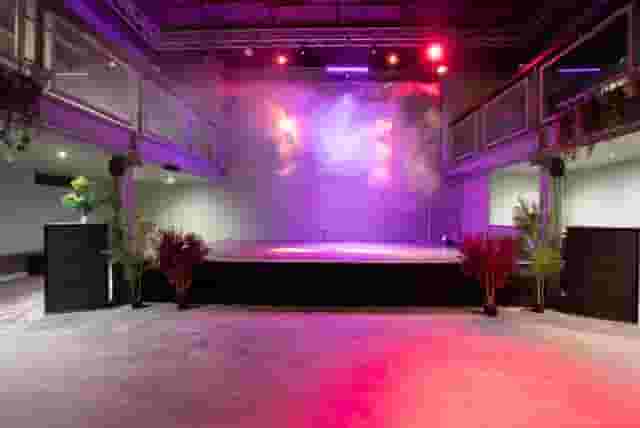
An open stage format puts the spotlight in the centre of the room. When you hire a space with a dedicated performance area, a bar and standing floor, you create a gig atmosphere. Guests hold drinks, crowd around the front and join in on the choruses. This works best when your crowd already knows each other well or when you have confident performers who can break the ice early.
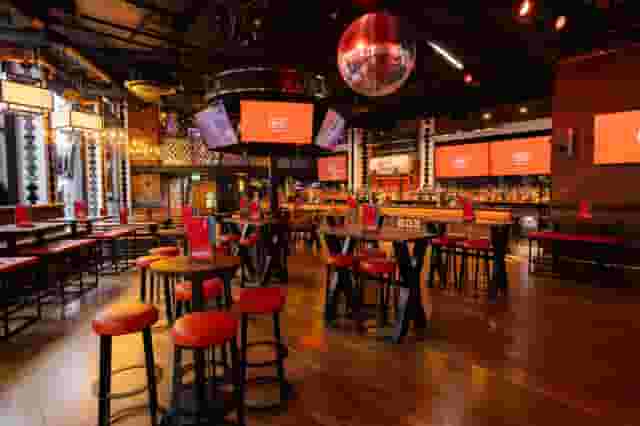
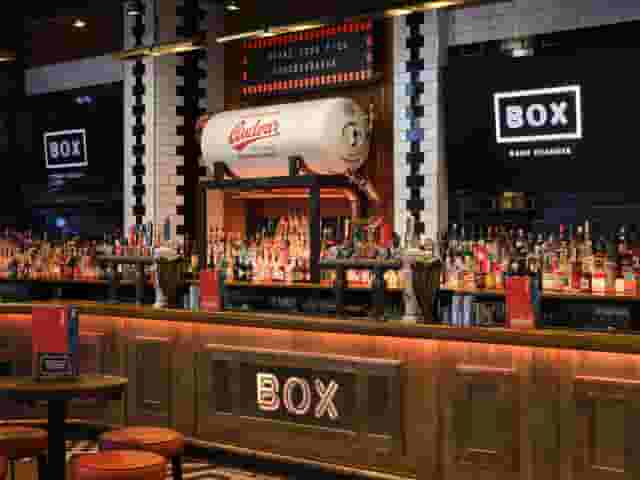
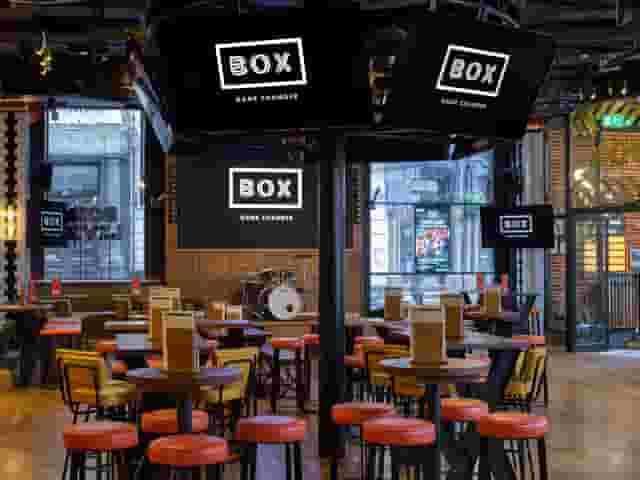
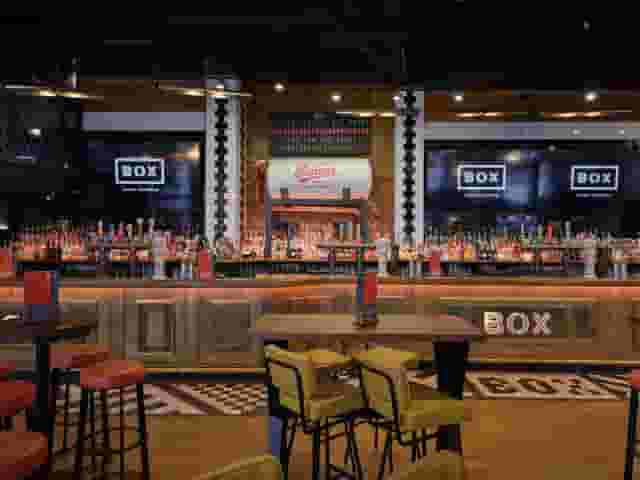
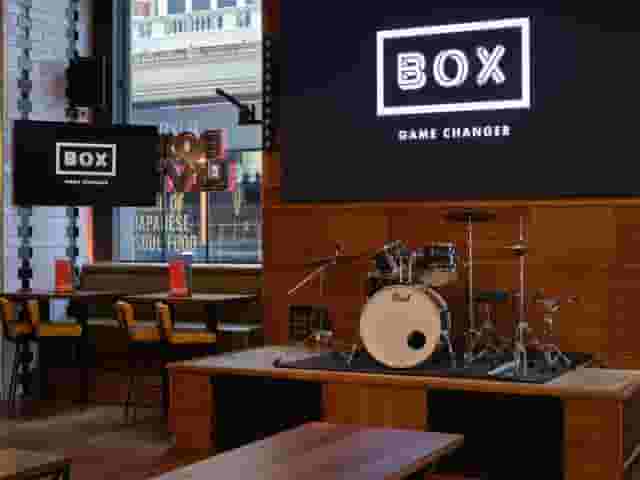
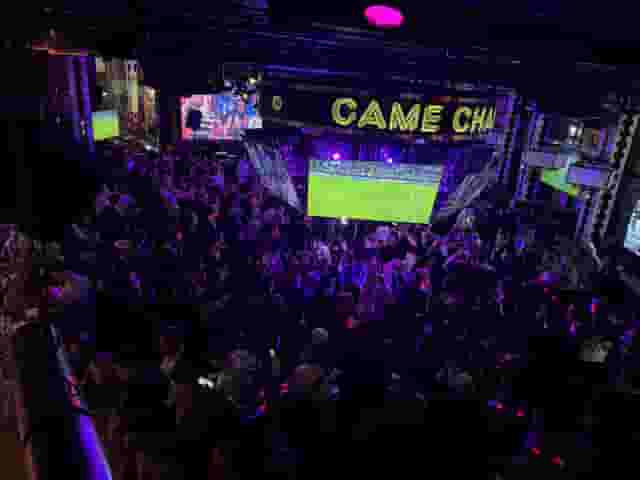
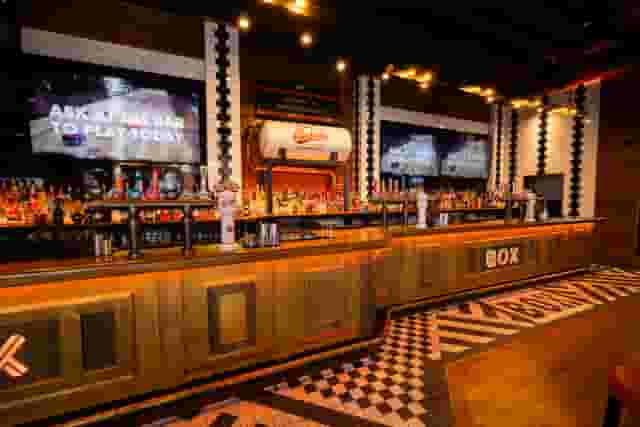
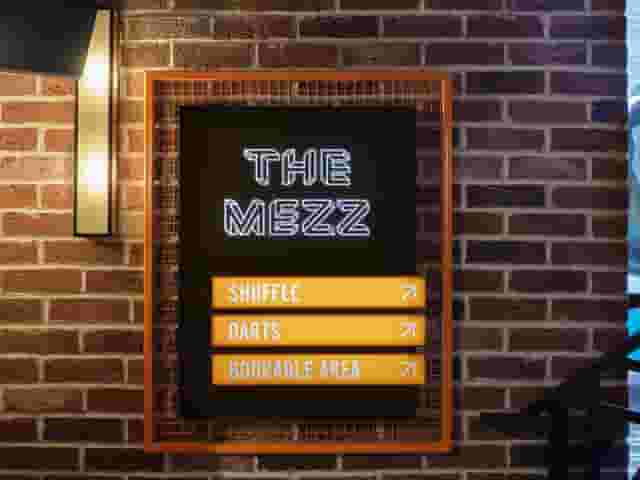
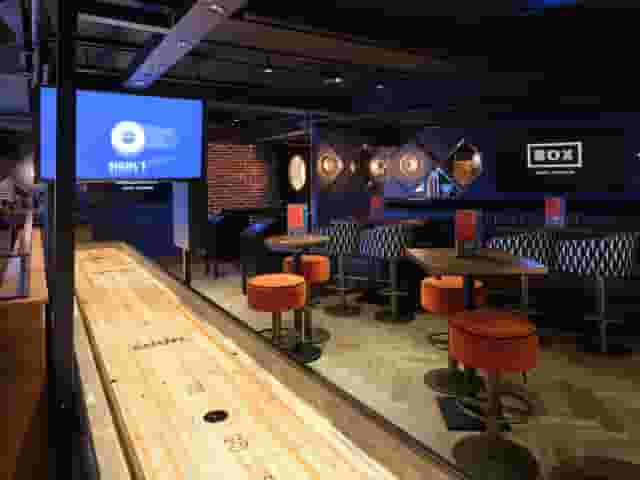
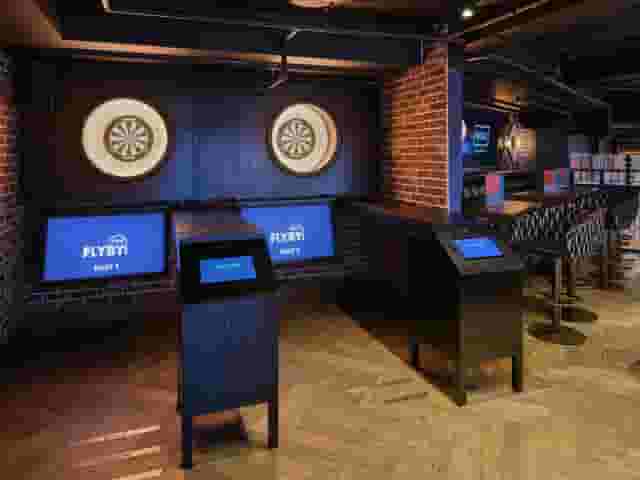
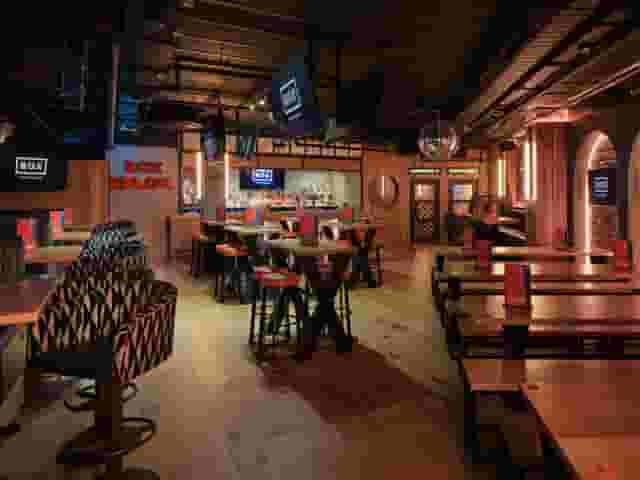
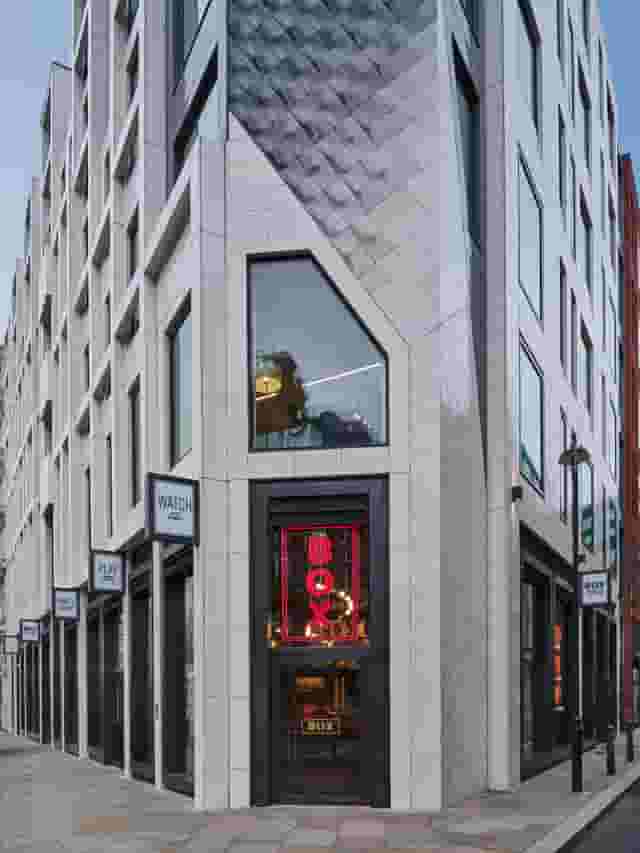
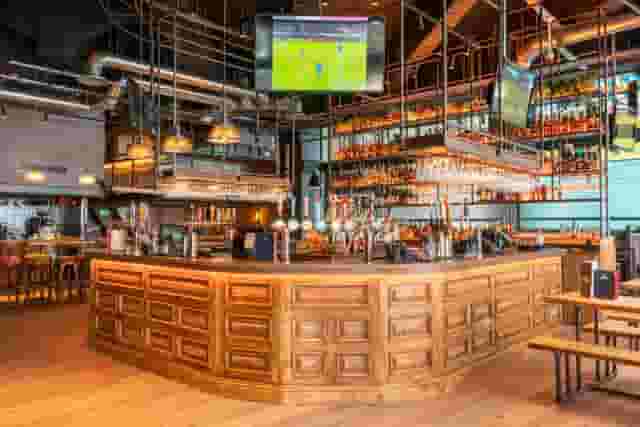
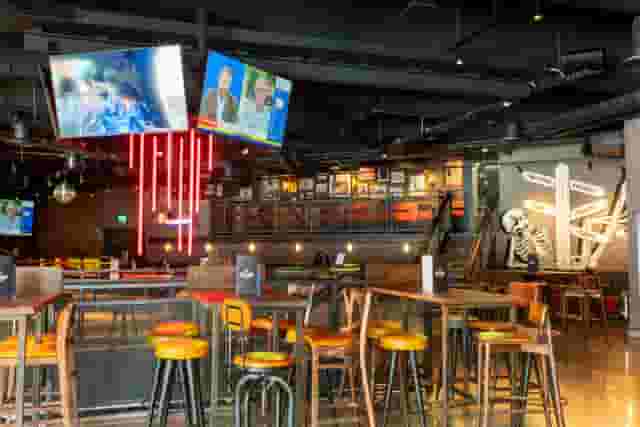
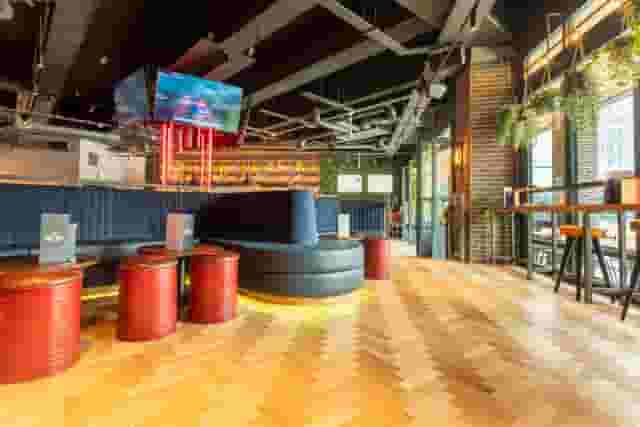
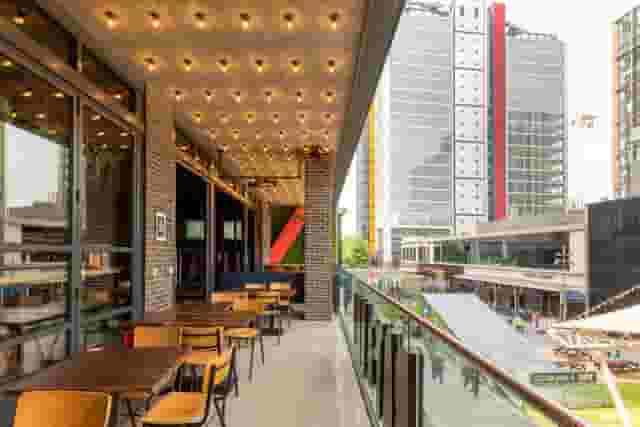
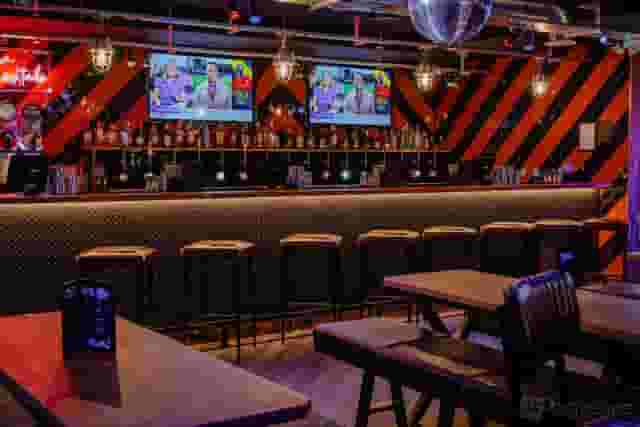
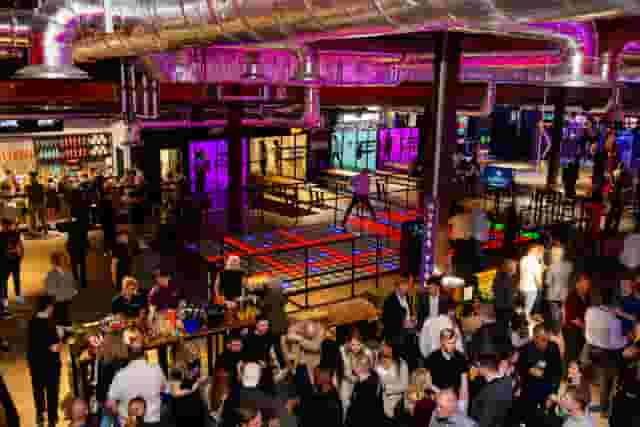
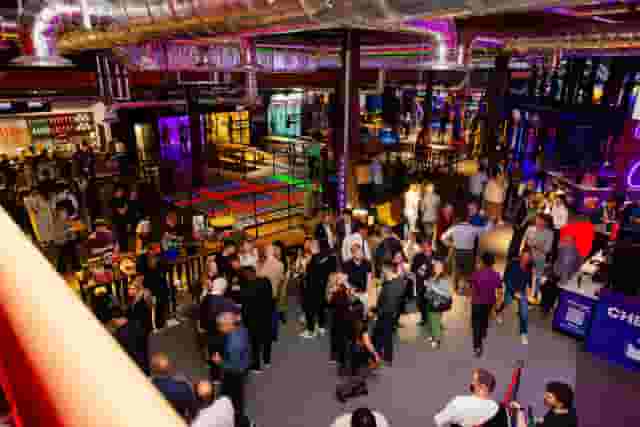
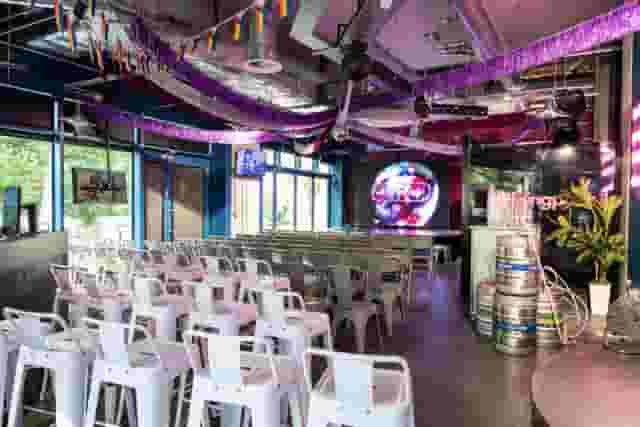
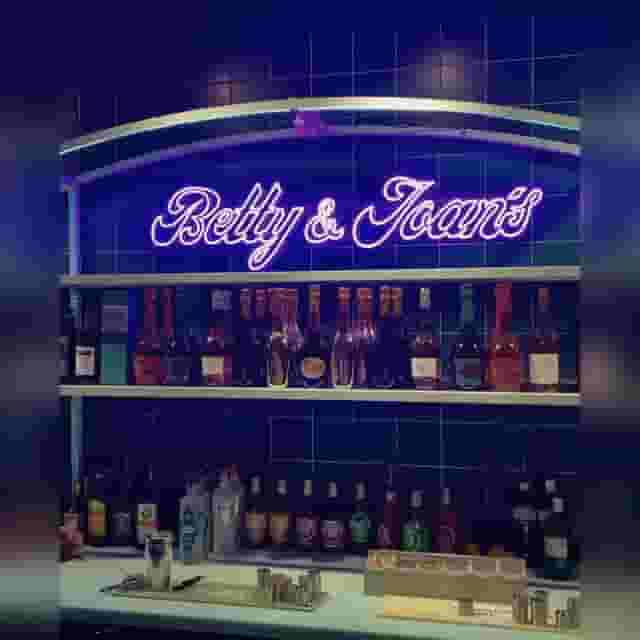
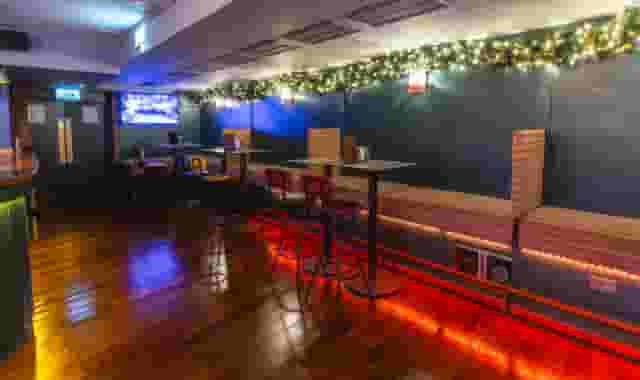
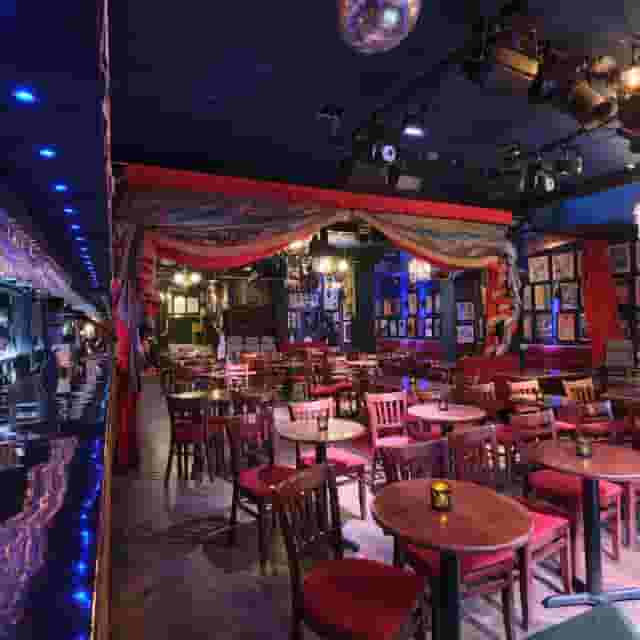
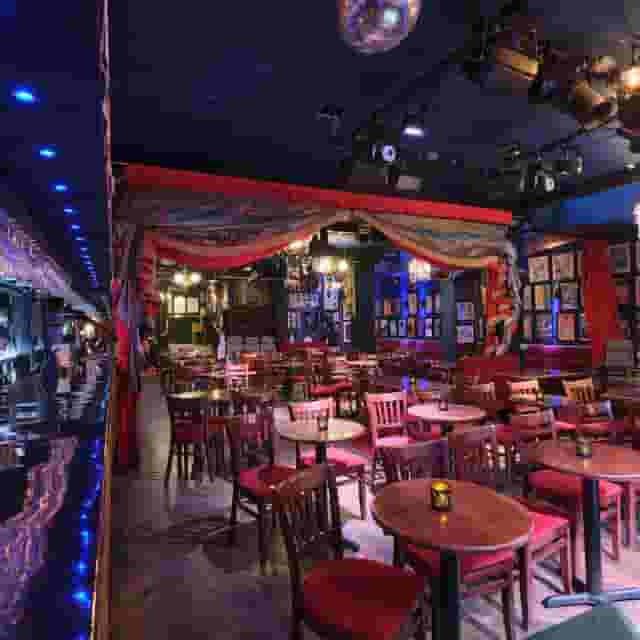
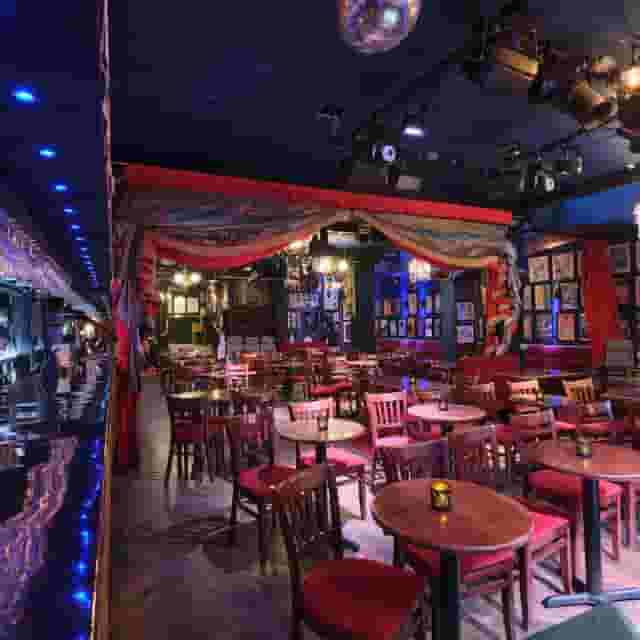
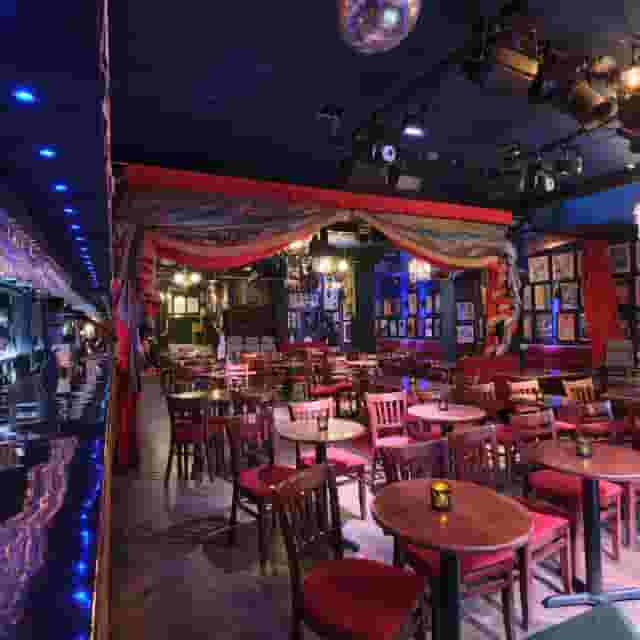
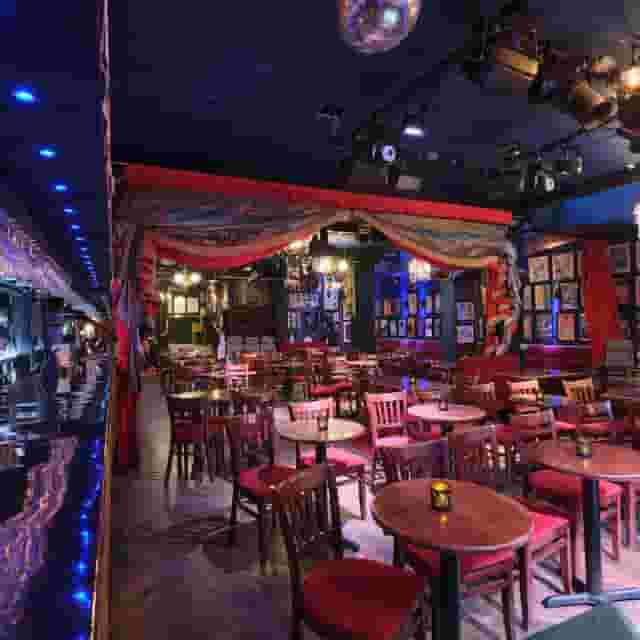
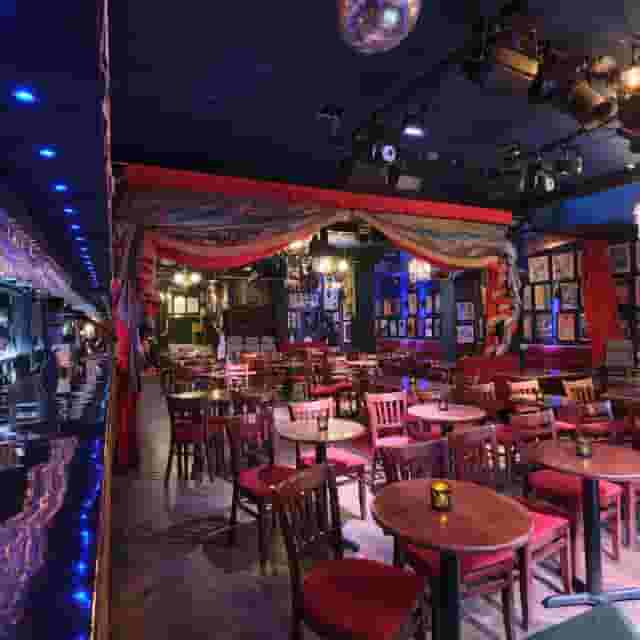
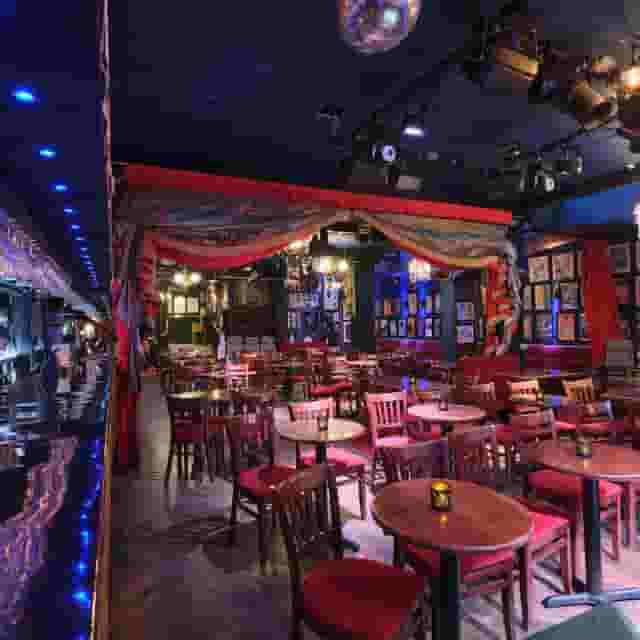
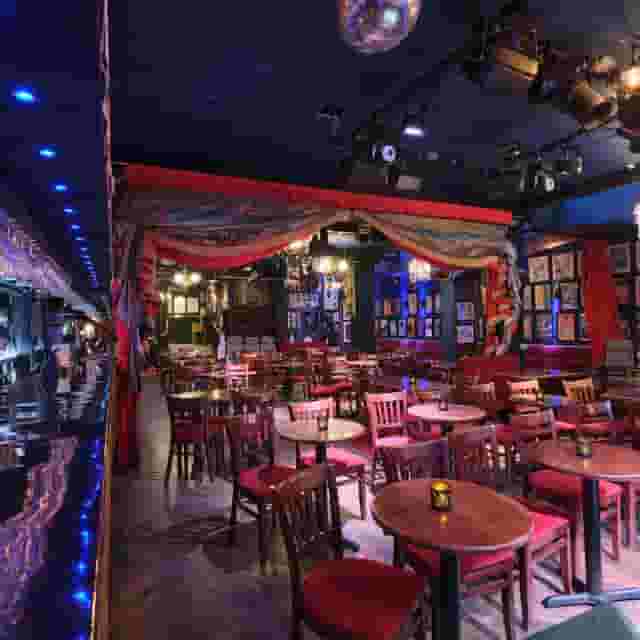
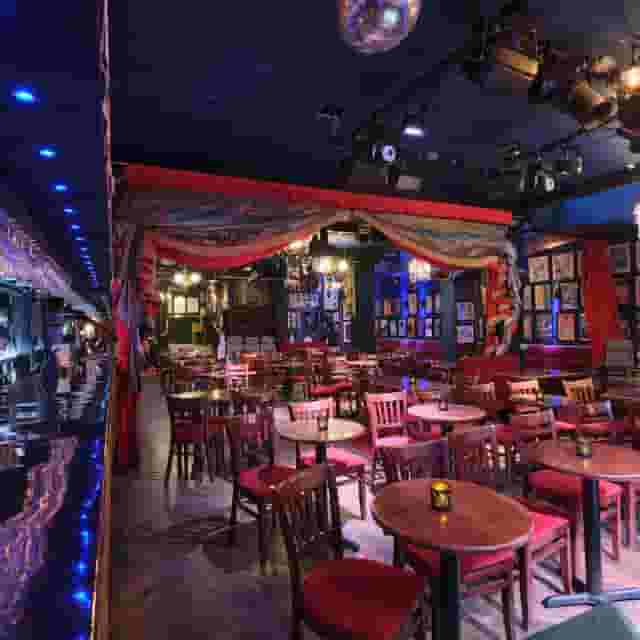
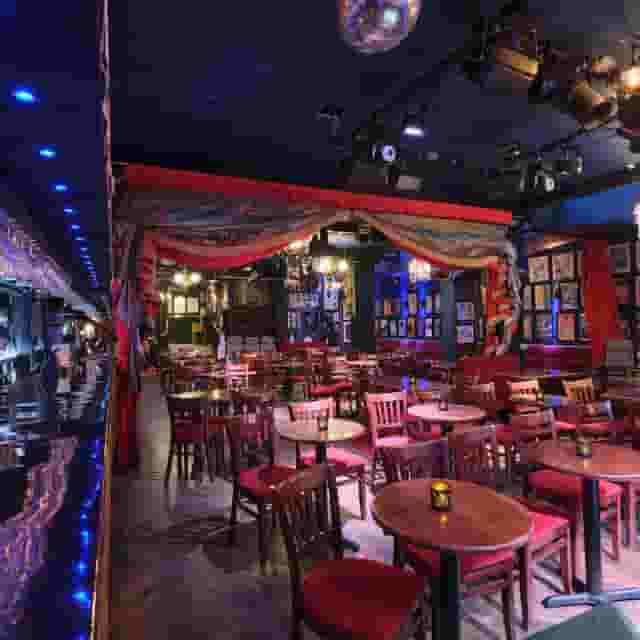
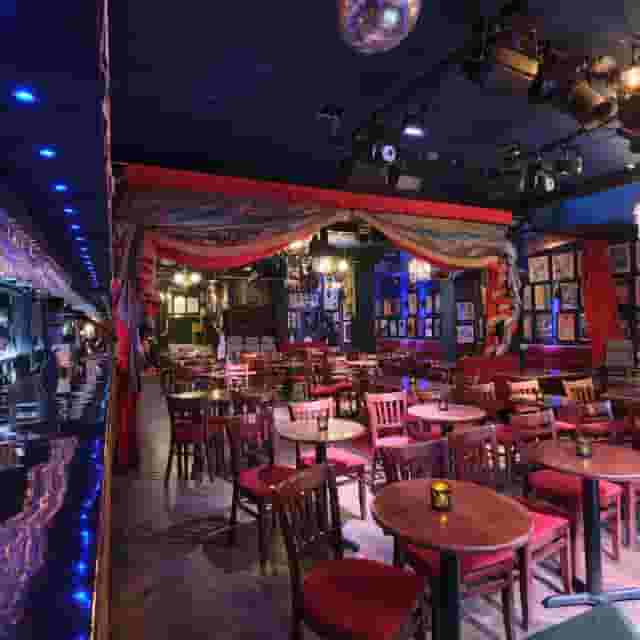
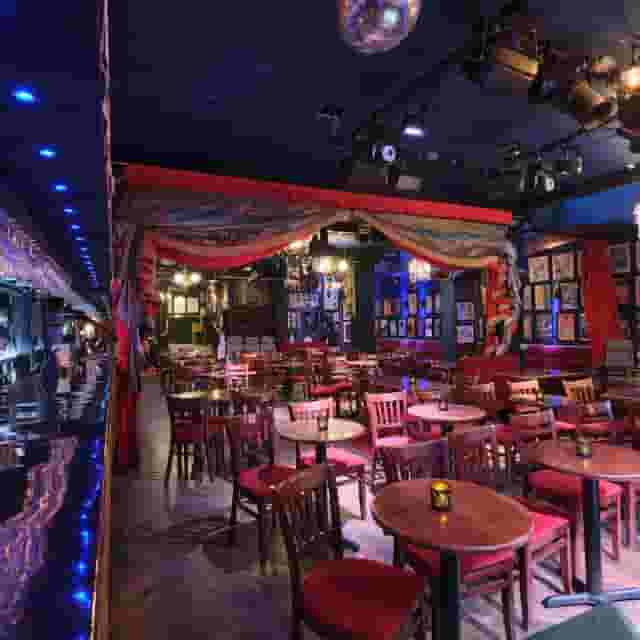
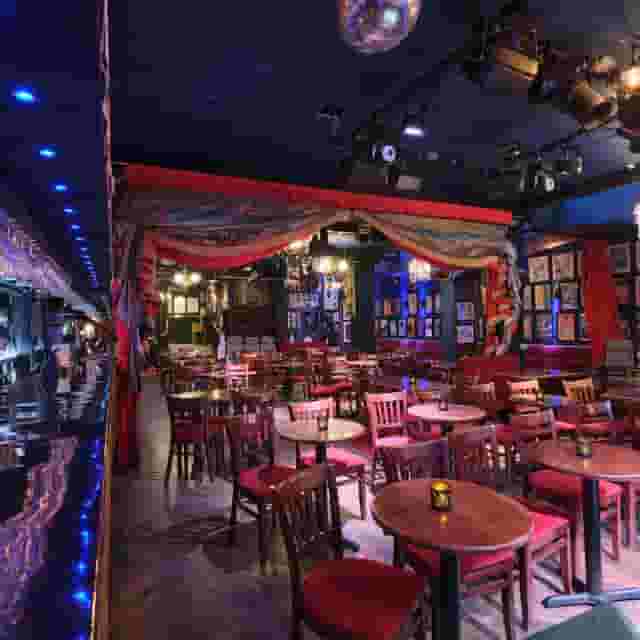
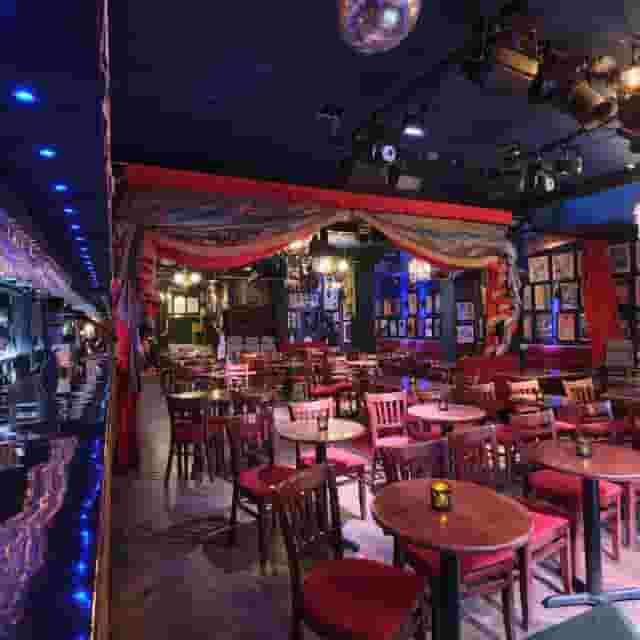
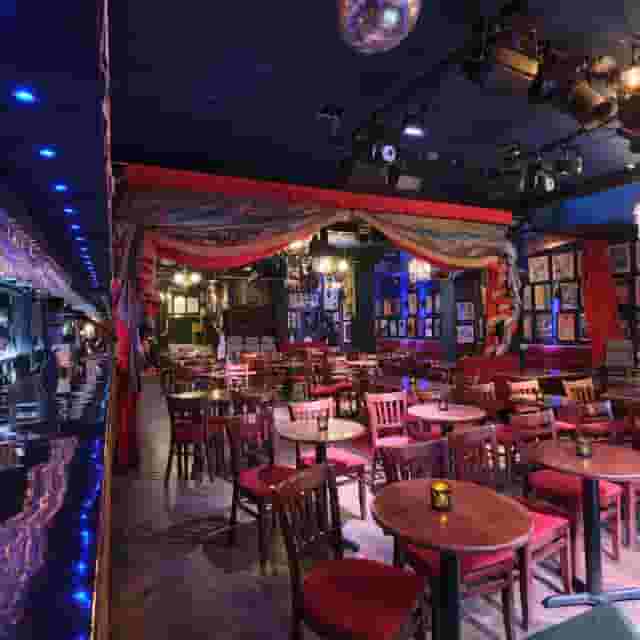
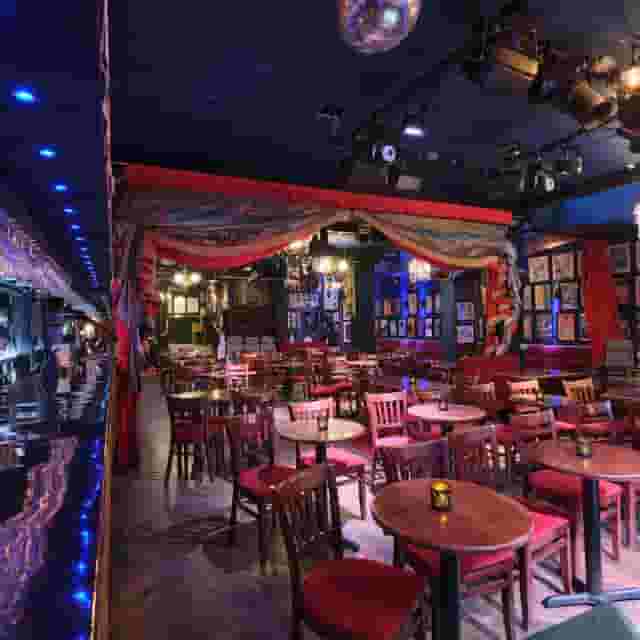
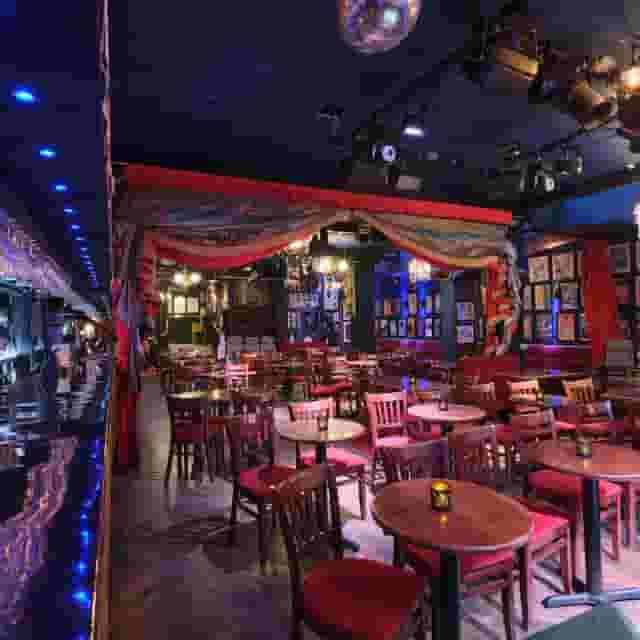
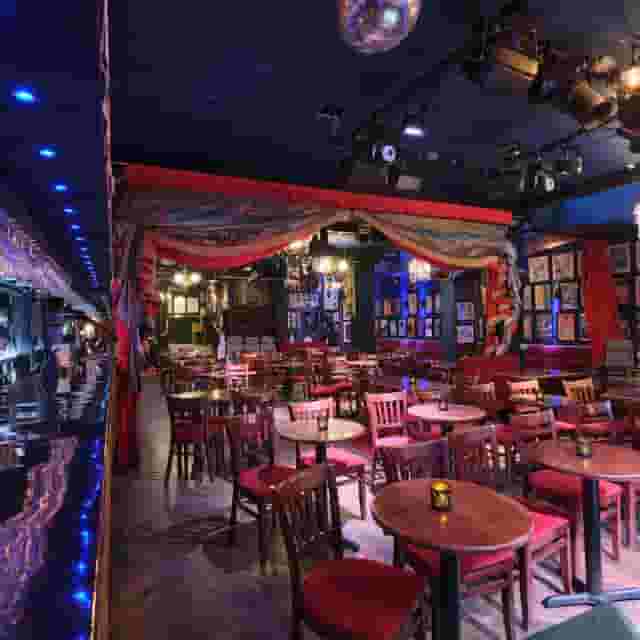
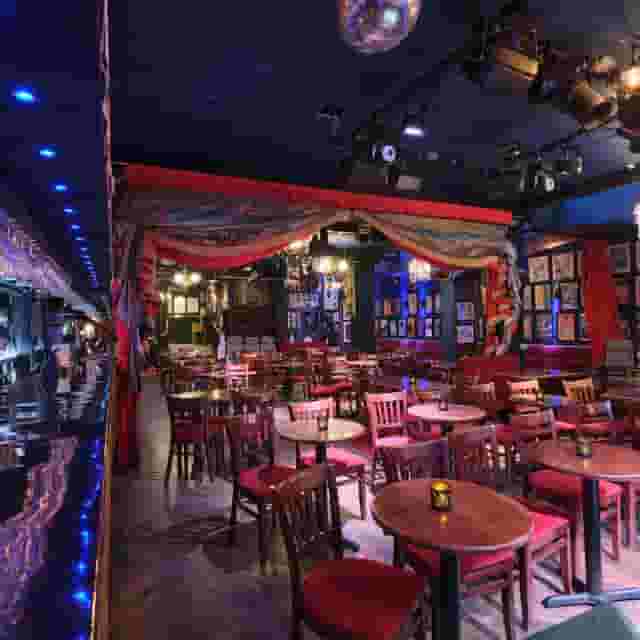
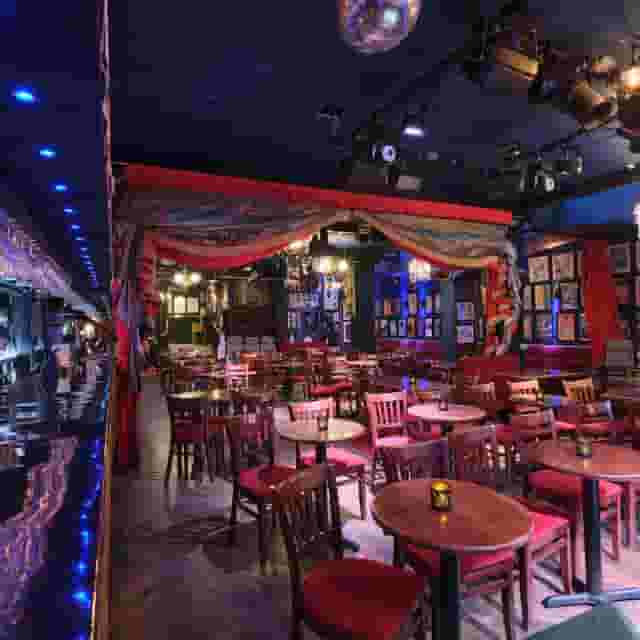
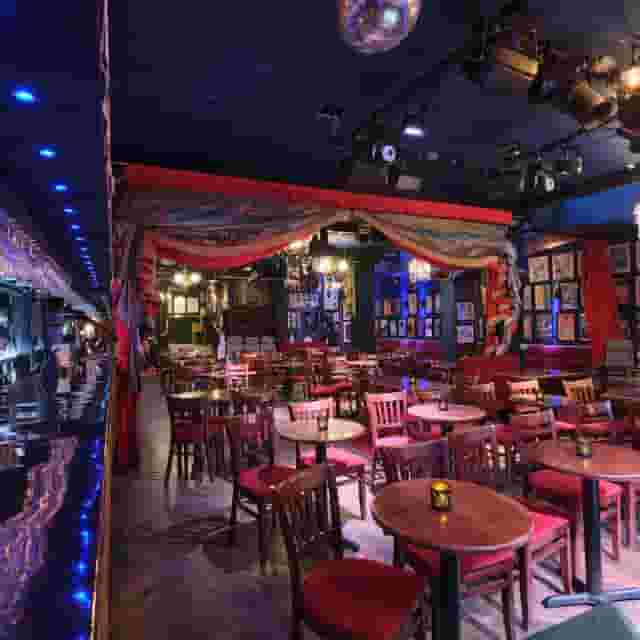
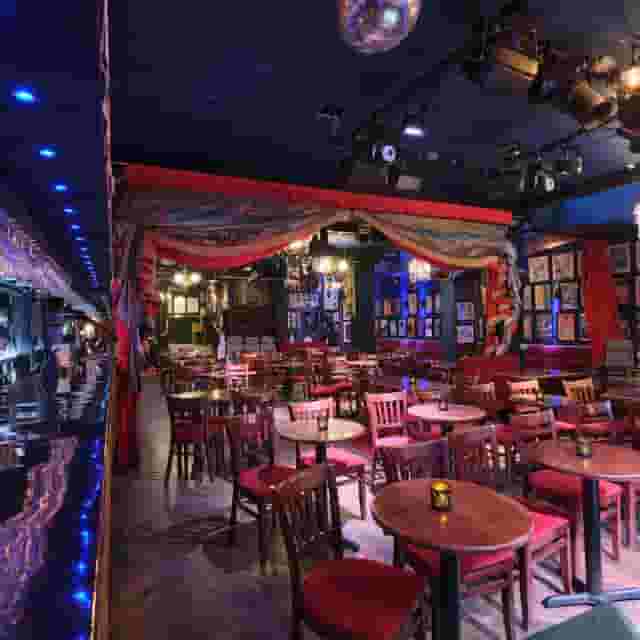
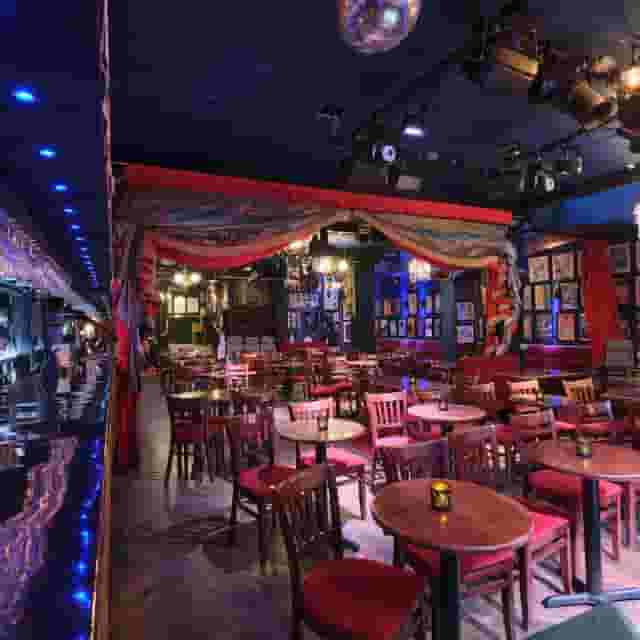
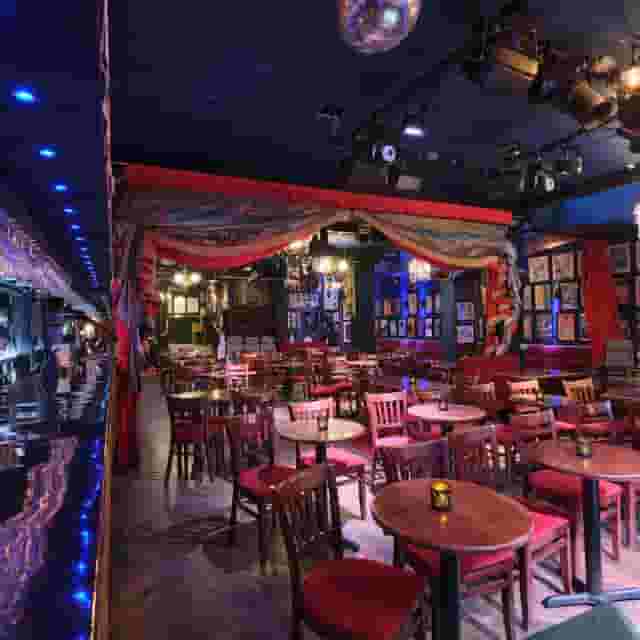
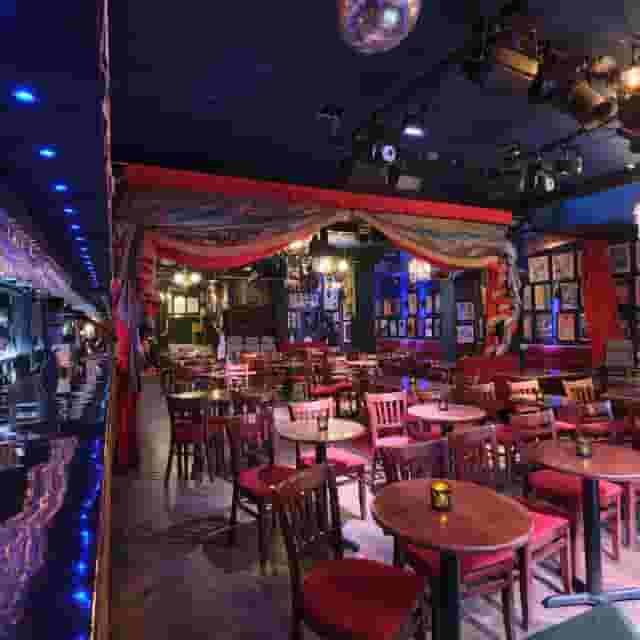
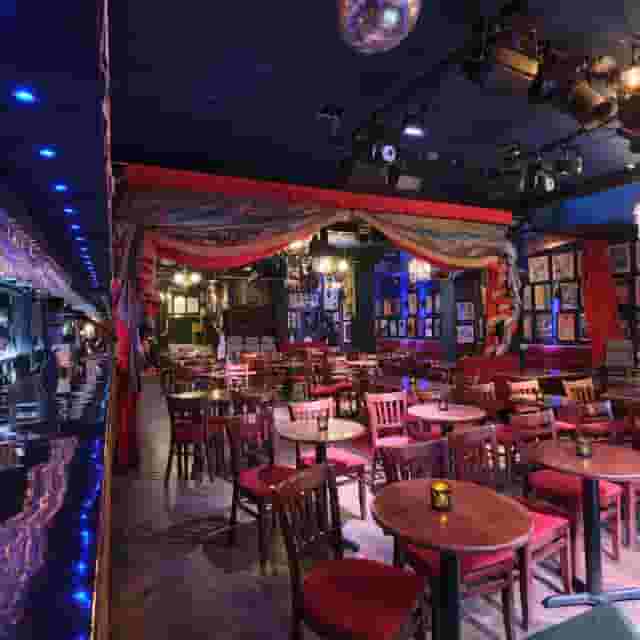
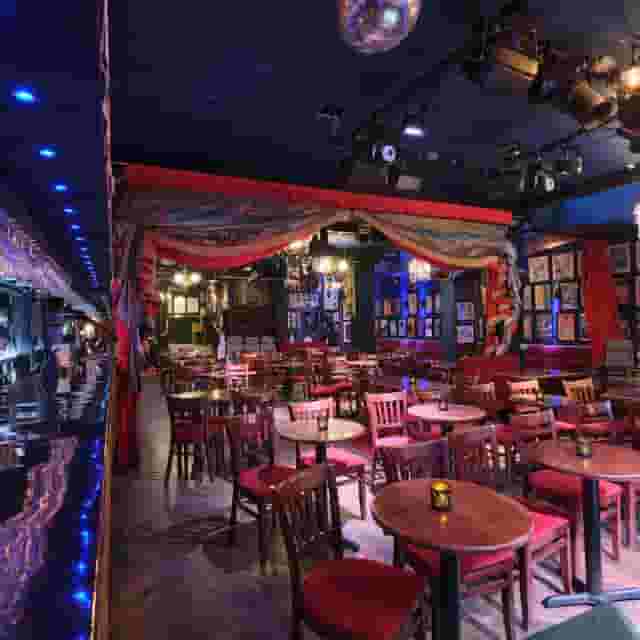
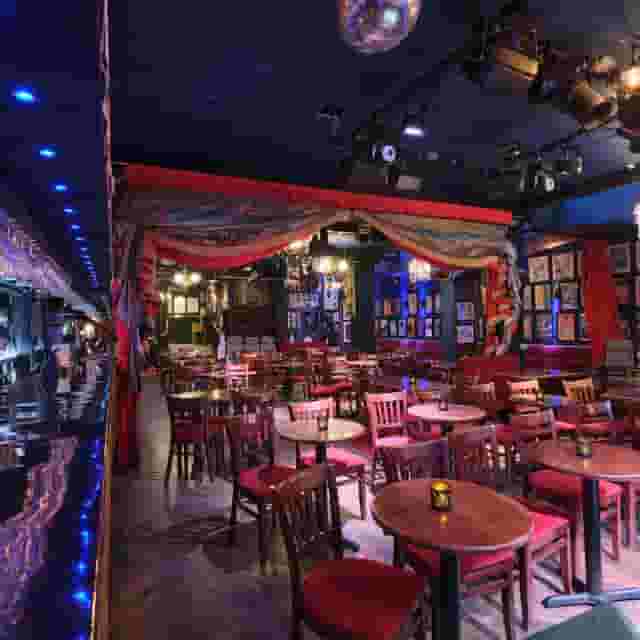
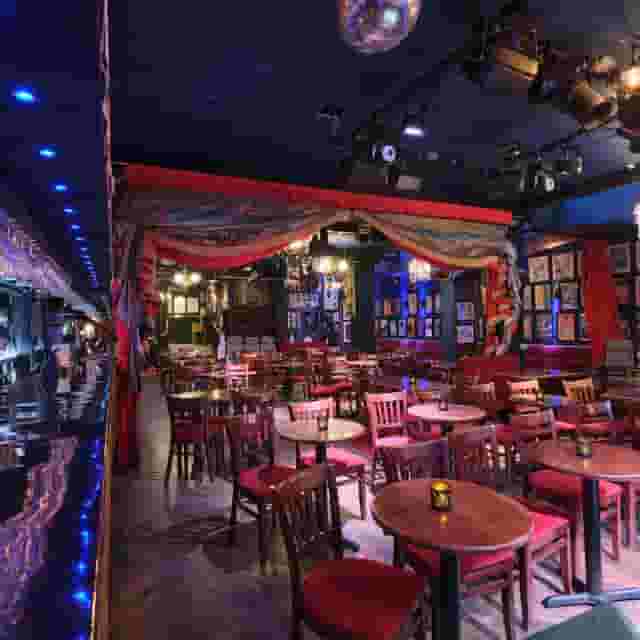
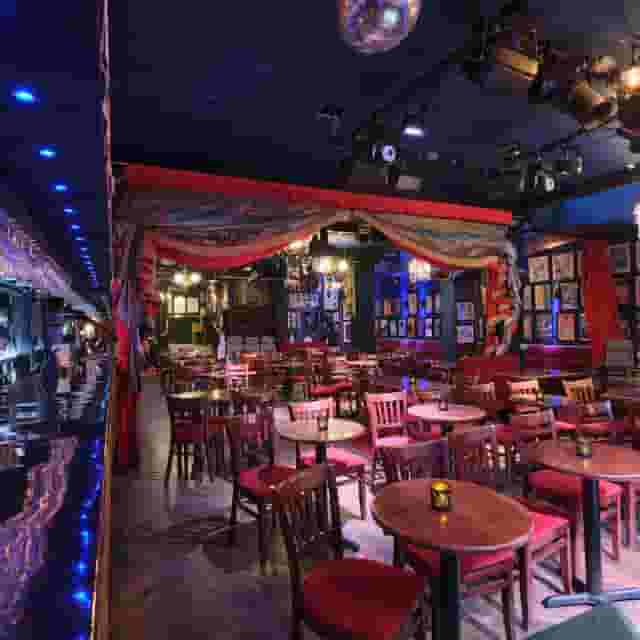
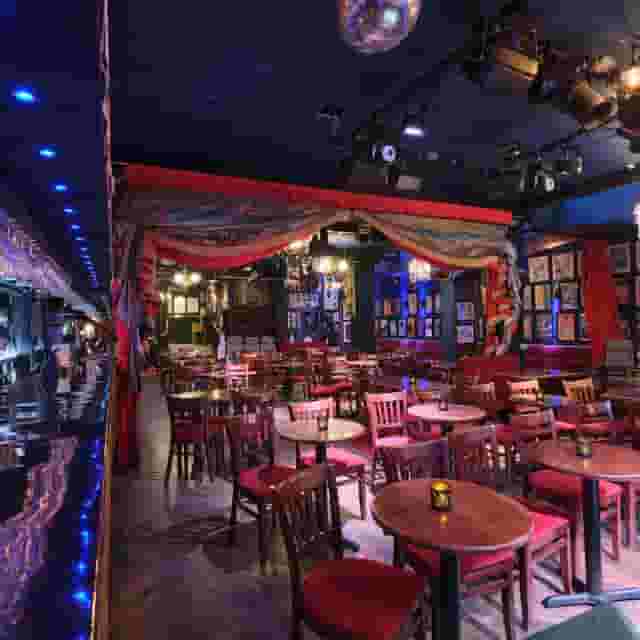
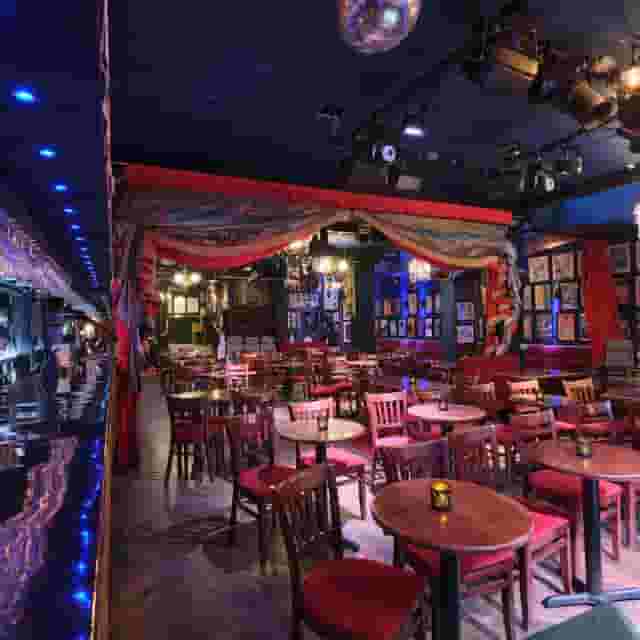
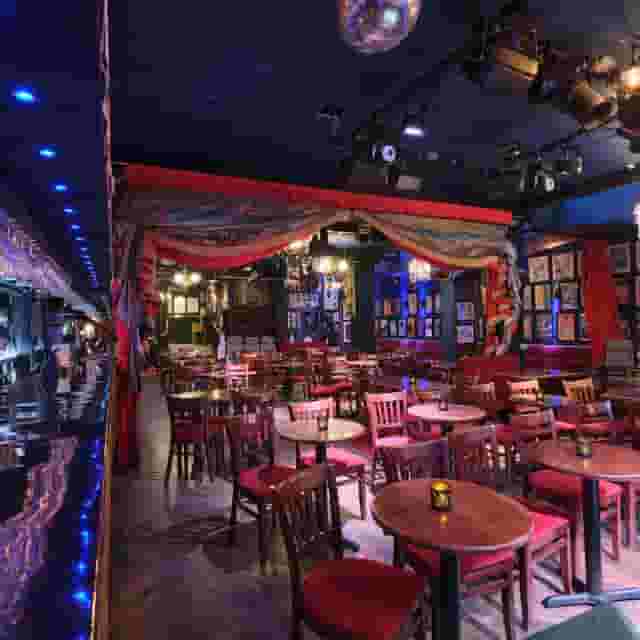
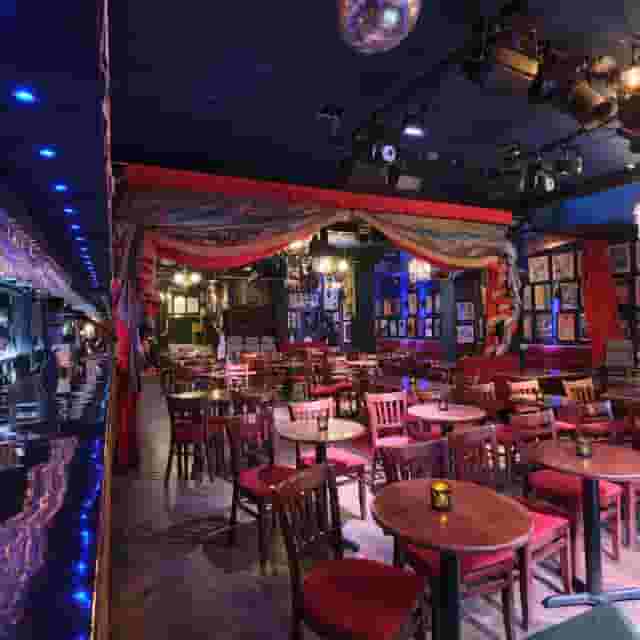
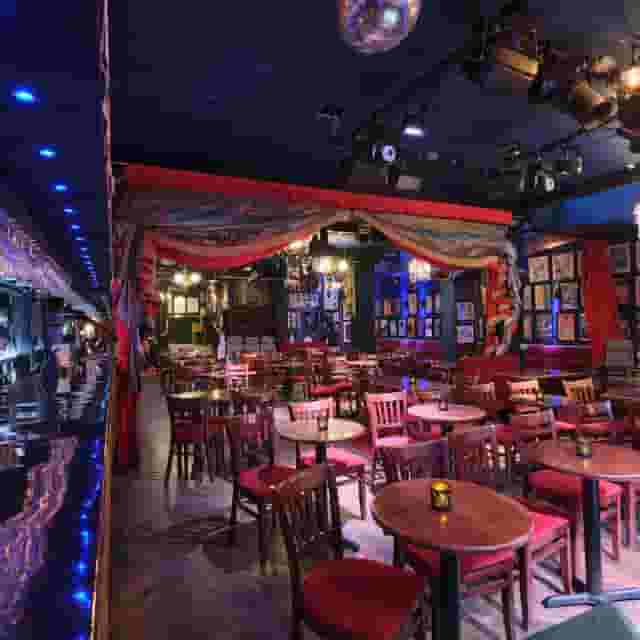
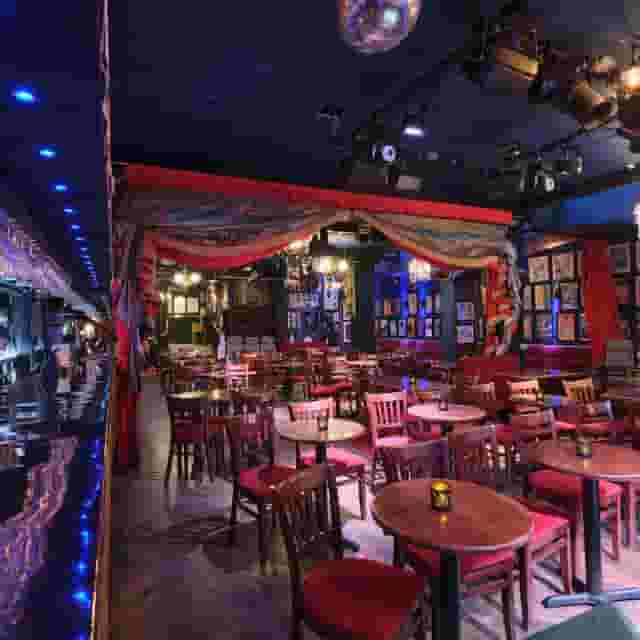
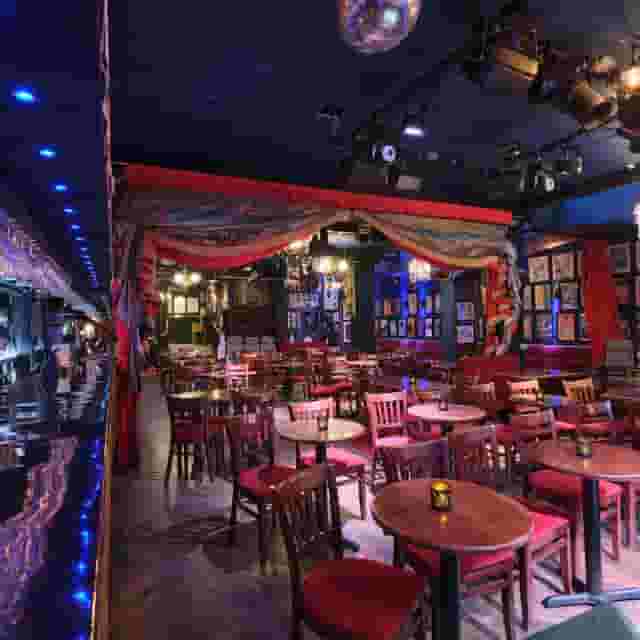
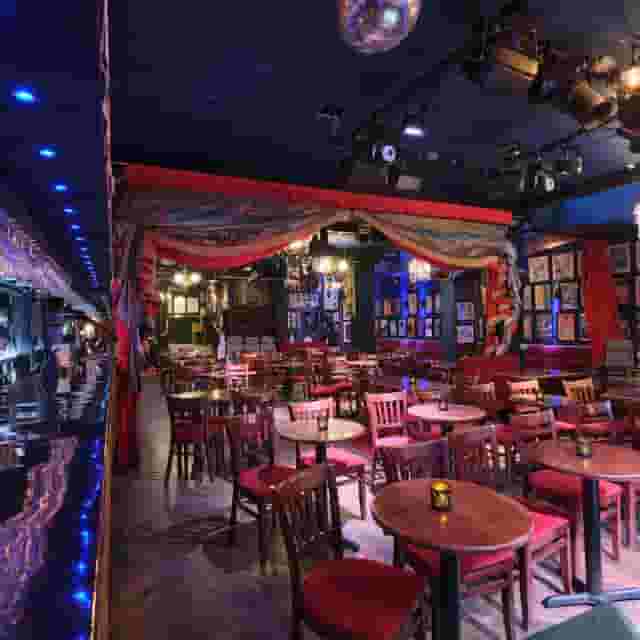
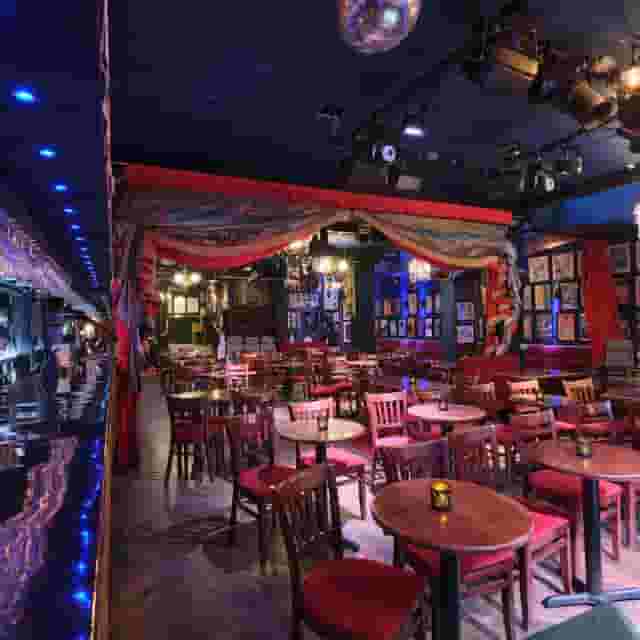
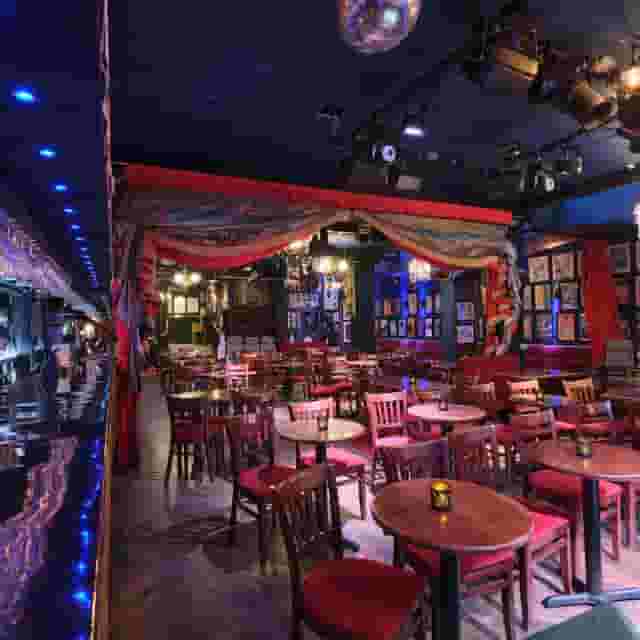
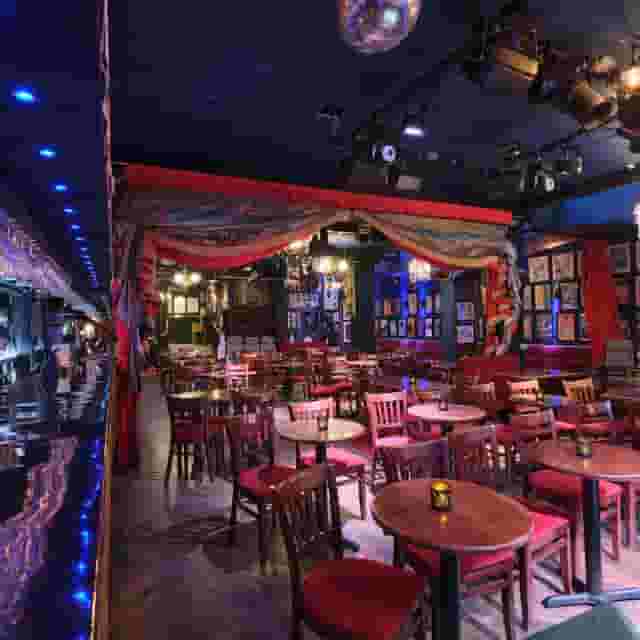
Venues built around a central stage give you that collective energy. For instance, BOX Piccadilly in Soho accommodates up to 550 standing guests across a lively sports and entertainment setting with live music capabilities alongside karaoke. It gives large parties room to circulate between the bar and the performance area without feeling trapped in a booth. If your event leans towards cabaret or theatrical staging, Betty & Joan's in Elephant Park offers a dedicated stage, integrated audiovisual kit and seating for 250 in a cabaret layout, backed by an outdoor terrace for when guests need a breather.
The risk with an open stage is stage fright. If nobody steps up in the first 30 minutes, the evening can stall. You can counter this by booking a compere, designating three outgoing colleagues to kick off the running order or setting up a digital song request queue before anyone arrives.
Private rooms with shared social spaces
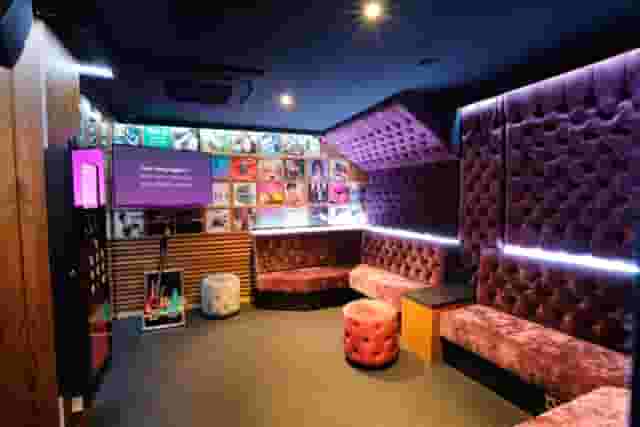
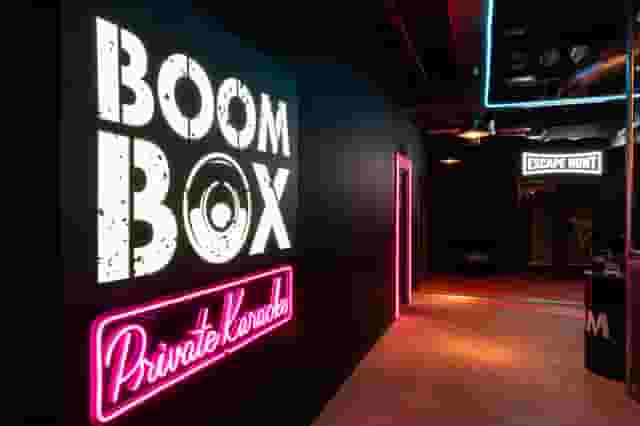
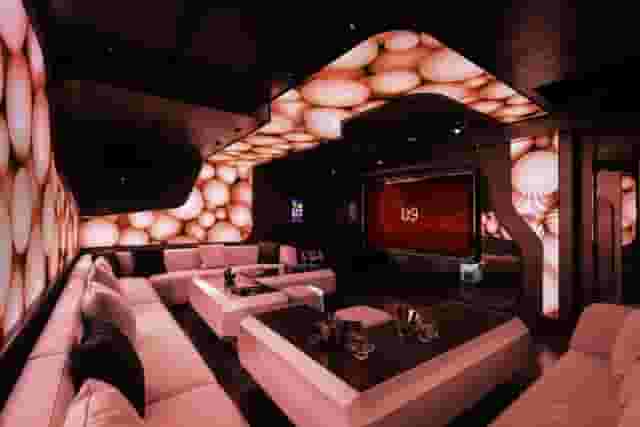
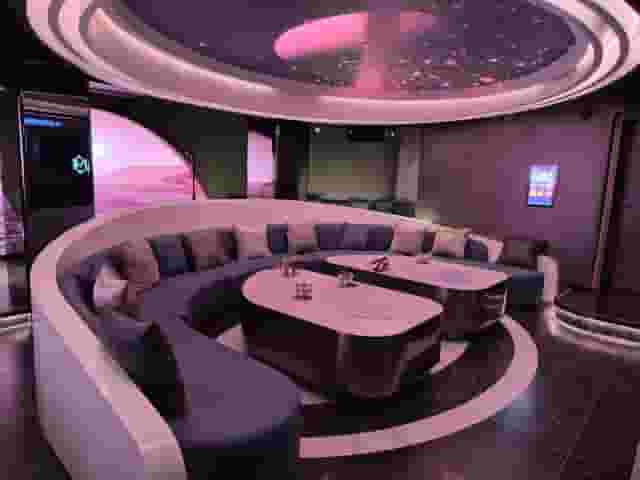
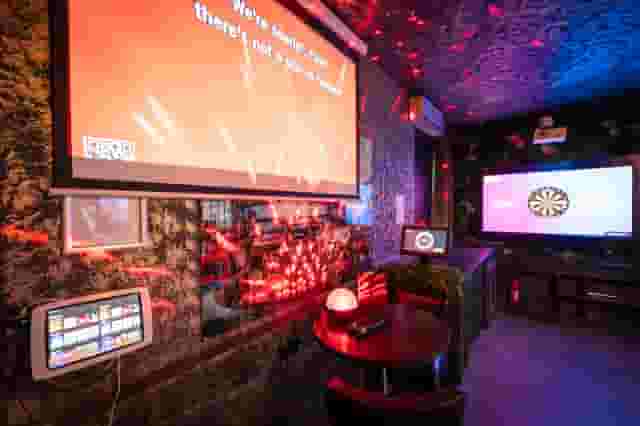
Private pod setups invert that dynamic. Instead of one large audience, guests break off into soundproofed rooms holding 10 to 30 people, with a communal lounge or bar running through the middle. This removes the intimidation factor entirely. Colleagues who would never sing in front of 200 peers will happily belt out nineties pop classics in front of six close teammates.
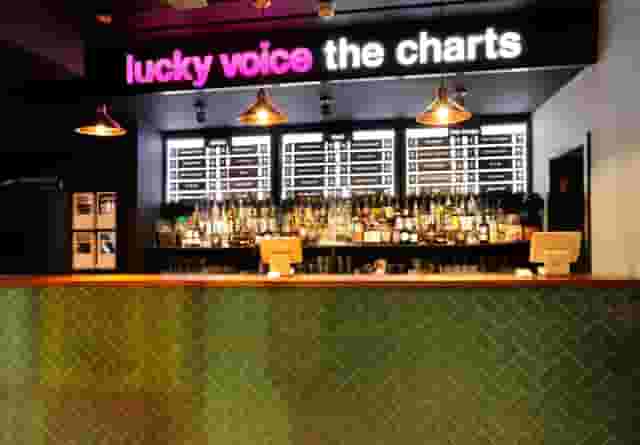
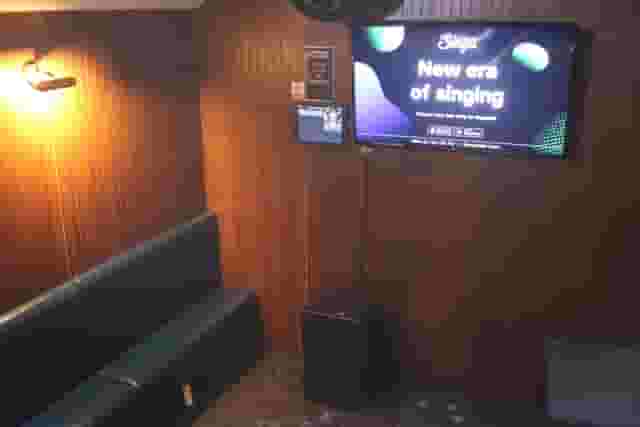
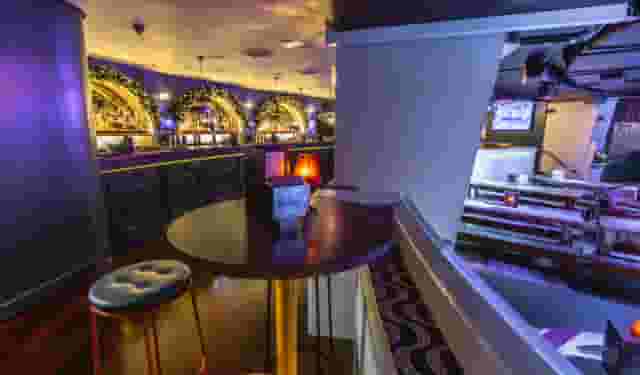
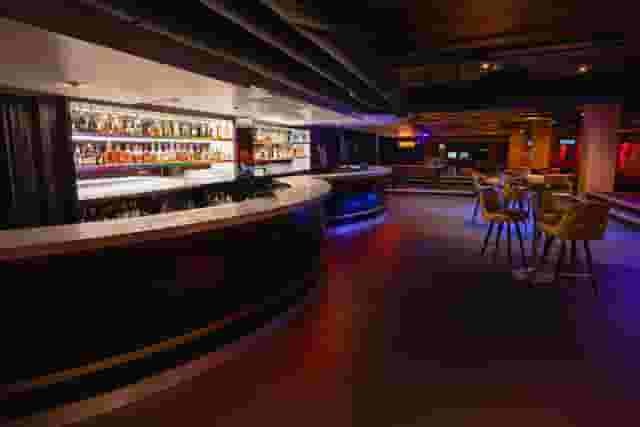
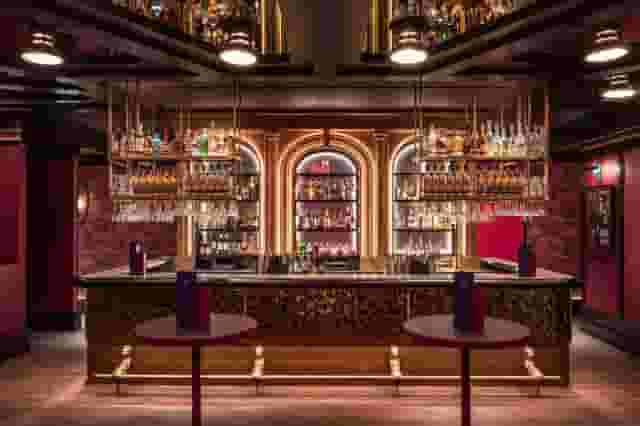
The challenge is avoiding fragmentation. If guests stay glued to their private rooms, the party fractures into half a dozen unrelated nights out. Look for venues where the bar area holds real gravitational pull. Lucky Voice Holborn balances this with 10 private rooms and a central bar area holding up to 200 standing guests, letting people rotate between private singing sessions and the main party. In Marylebone, Moyagi offers a similar hybrid model for up to 180 guests in a reception format, pairing soundproofed singing suites with a dedicated bar space.
If you opt for private rooms, schedule anchor moments. Call everyone back to the main bar at set times for food service, speeches or a group awards presentation before letting groups disperse back to the microphones.
Budgeting and understanding Central London karaoke quotes
Karaoke venues in Central London price their spaces through three distinct structures: minimum spend on food and drinks, an hourly room hire rate or an all-inclusive delegate package. Understanding which model a venue uses prevents unexpected bar bills at midnight.
Based on 9 quotes from the venues on this page, typical pricing sits at £50 to £95 per head. This figure is indicative, and estimated from what these venues have charged for similar events, assuming a party size of about 150 guests. To see what your own gathering is likely to cost before you start enquiring, venue booking platform Hire Space provides instant, data-backed price estimates drawn from real booking figures. Supported by a team of real people to help you find the right fit, it can also suggest similar spaces at a lower price if your favourite room sits over budget.
Towards the £50 end of that range, quotes generally cover basic room access alongside house wine, beer and simple bar snacks or a light finger food buffet. Towards the £95 end, packages tend to include arrival cocktails, substantial street food or bowl food bowls, dedicated tech support and extended evening hire until 1am or 2am.
| Hire model | What you pay up front | Hidden extras to check | Best suited to |
|---|---|---|---|
| Minimum spend | A committed total spend across bar and catering | Service charge (often 12.5% to 15%), AV hire, security fees | Large groups wanting an open bar and shared stage |
| Hourly room hire | A fixed fee per pod per hour | Bar tabs charged at standard retail prices on the night | Small to medium groups prioritising singing time |
| Per-head package | A fixed rate covering drinks, food and singing | Extensions past agreed hours, premium spirits, cloakroom fees | Organisers needing total budget certainty before booking |
What the price covers and what sits on top
When you review a minimum spend quote, ask immediately if the figure includes VAT and service charge. A minimum spend of £50 to £95 per head quickly rises once VAT applies, and an added service charge pushes the out-of-pocket spend higher still. Clarify whether singing equipment, touchscreens and microphone hire count towards that minimum spend threshold or sit as separate facilities charges.
Food choices alter the budget considerably. Formal dining rarely fits an evening built around singing, because seated meals freeze the room for two hours while food clears. Most venues supply standing bowl food, pizza boards or street food platters. Finger food keeps guests moving between the bar and the microphones while avoiding messy cutlery. Check whether late-night snacks, such as loaded fries or mini burgers delivered around 10pm, can be folded into your minimum spend commitment.
Venues often negotiate on package components rather than headline prices. If a venue cannot drop its minimum spend, ask them to upgrade your arrival drinks, include extra microphone units or extend your private room access by an additional hour at no extra charge.
Structuring the evening so people actually sing
An evening of karaoke requires active pacing. Leaving a room full of people to browse a touchscreen catalogue of 40,000 tracks often results in awkward silence for the first hour followed by a frantic queue of unfinished ballads right before closing time.
| Time | Activity |
|---|---|
| 18:30 to 19:15 | Arrival drinks and background music in the main bar |
| 19:15 to 20:00 | Food service: finger food or standing buffet |
| 20:00 to 20:15 | Welcome speech and icebreaker group performance |
| 20:15 to 22:30 | Main karaoke window (stage performances or open pod rotation) |
| 22:30 to 23:00 | Final full-group anthems, last orders and wrap-up |
Warm-ups and breaking the ice
The first 45 minutes should focus purely on arrivals, cloakroom drop-off and getting drinks into hands. Background music should stay upbeat but low enough for easy conversation. Starting karaoke too early falls flat because guests need time to unwind and transition from work mode.
Schedule food early. If you serve food while the main singing competition runs, half your guests will juggle paper plates and beer bottles while trying to hold a microphone. Bring platters out around 45 minutes after doors open, let everyone eat, and then officially open the stage or pods.
To get the performances started, plant a confident singer. A pre-arranged duo singing an accessible crowd-pleaser gives permission for everyone else to join in. Keep slow acoustic tracks or seven-minute rock solos off the playlist until much later in the night.
Multi-activity spaces for mixed groups
Not everyone in your group will want to sing all night. In large teams, expect about a third of your guests to take the microphone, a third to sing along from the floor, and a third to prefer chatting over a drink. Venues that pair karaoke with other activities keep non-singers engaged without leaving them bored in a dark booth.
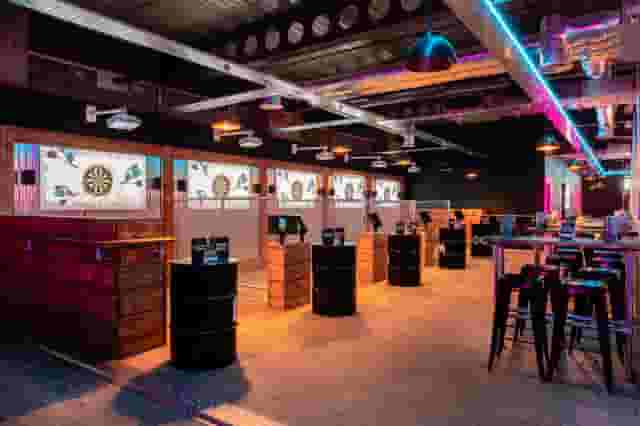
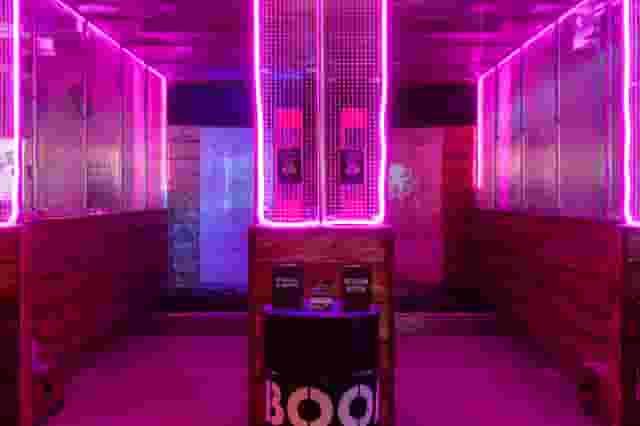
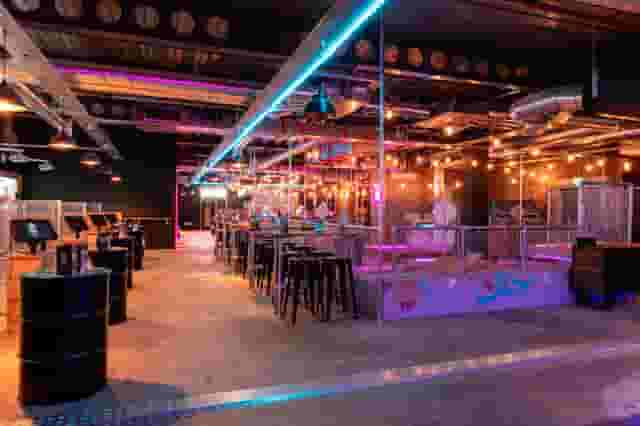
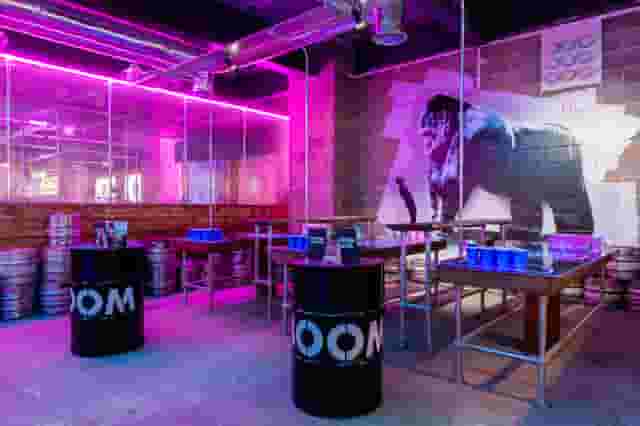
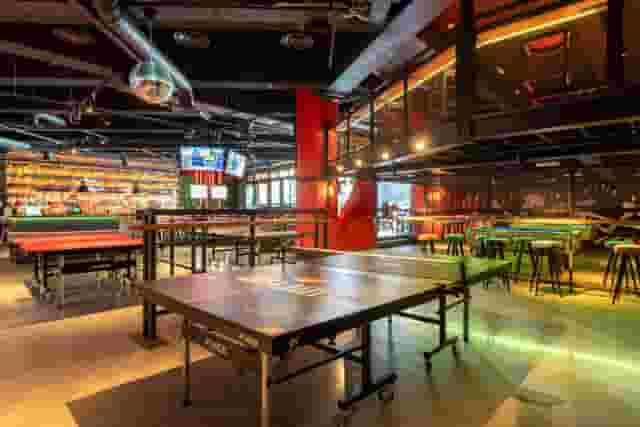
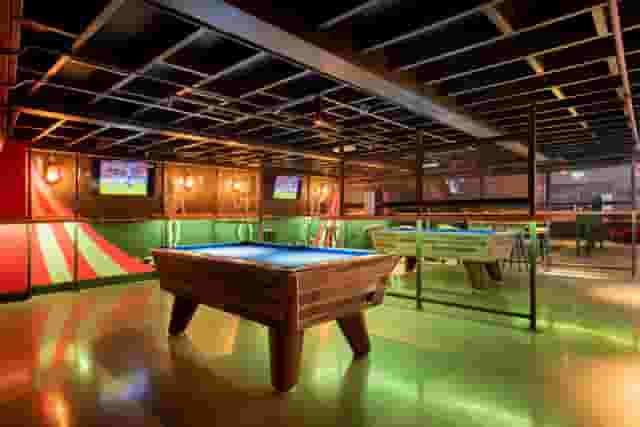
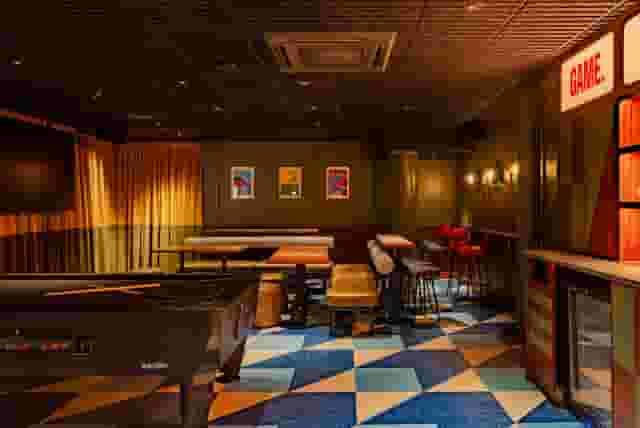
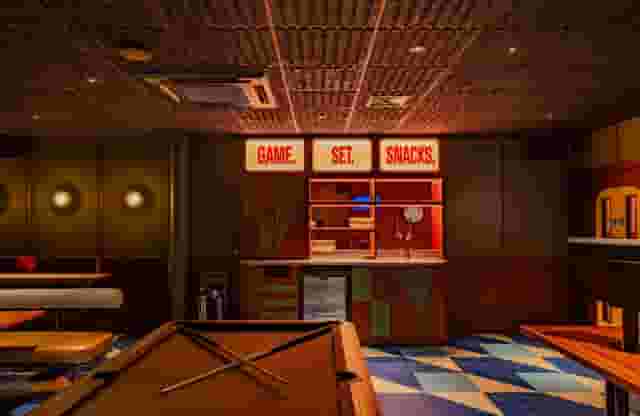
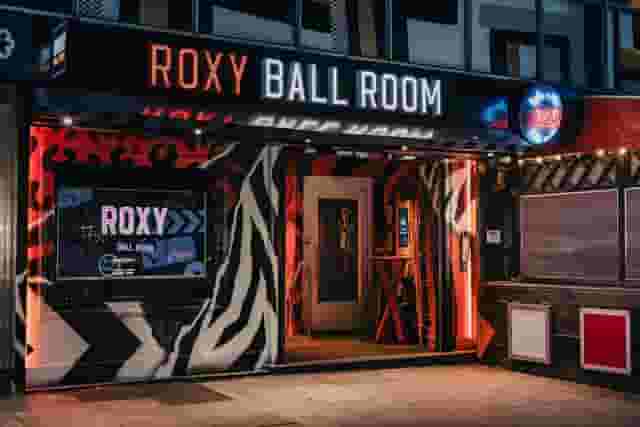
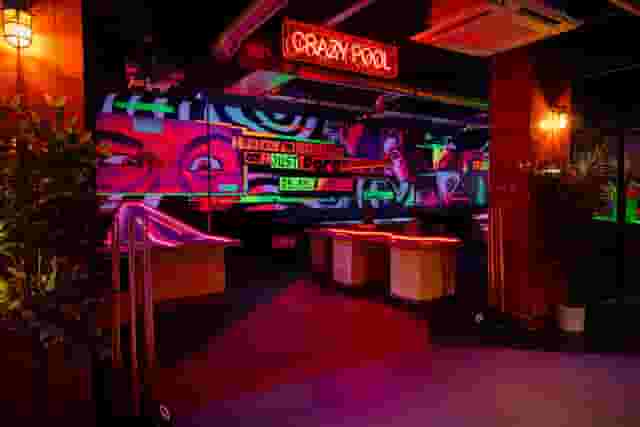
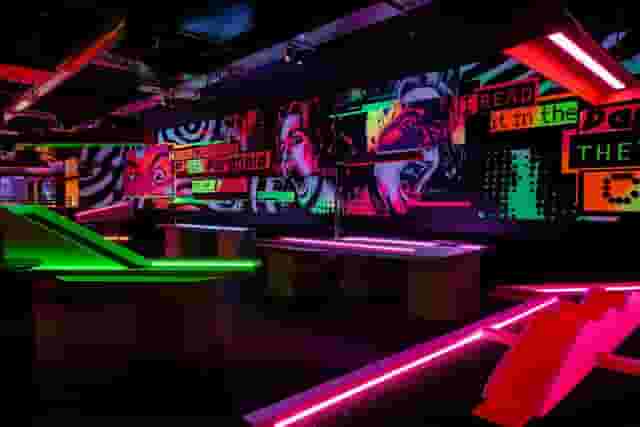
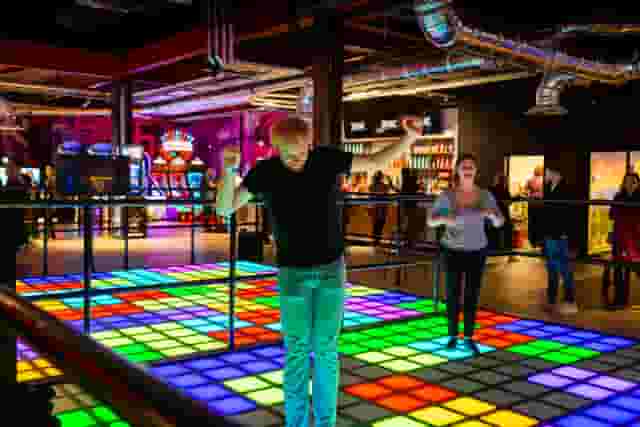
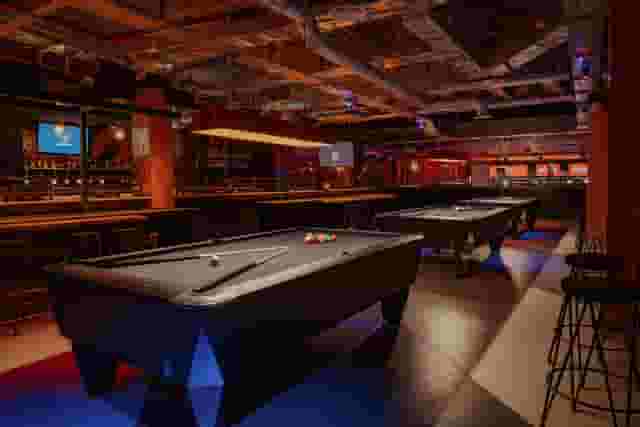
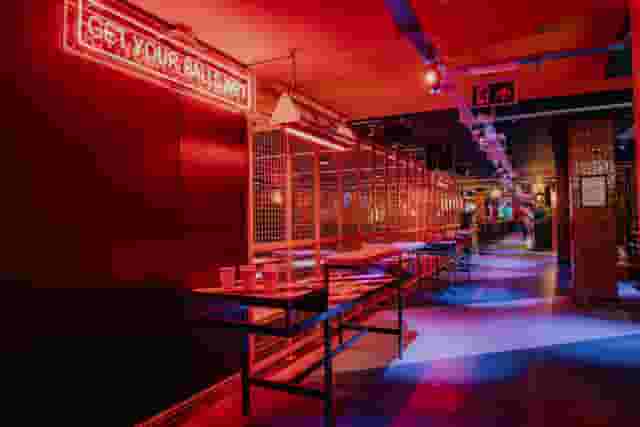
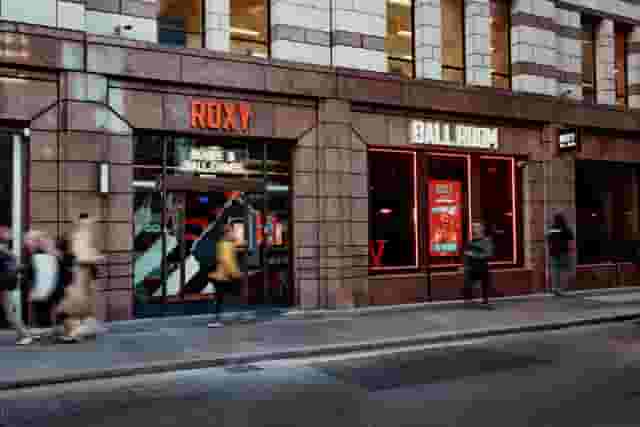
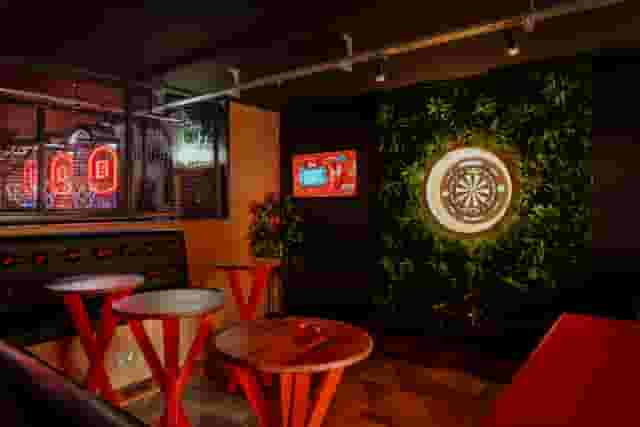
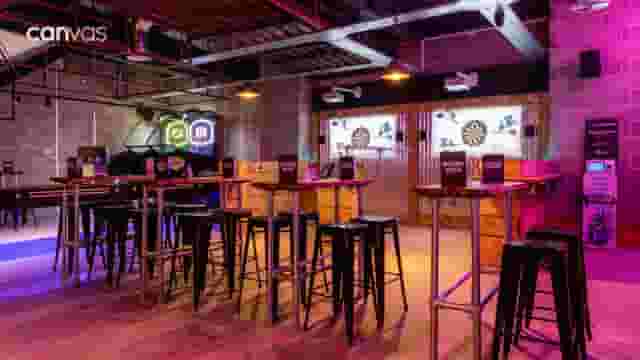
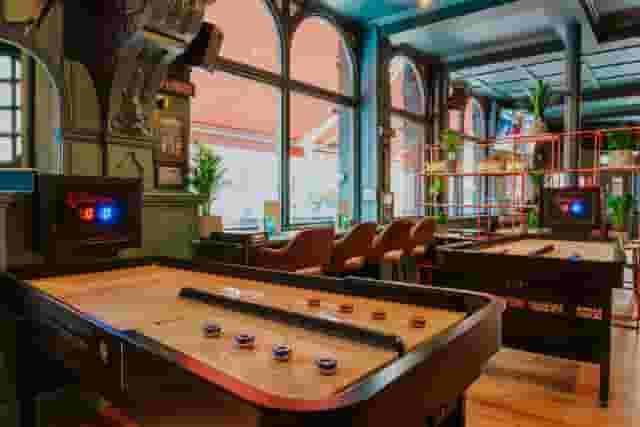
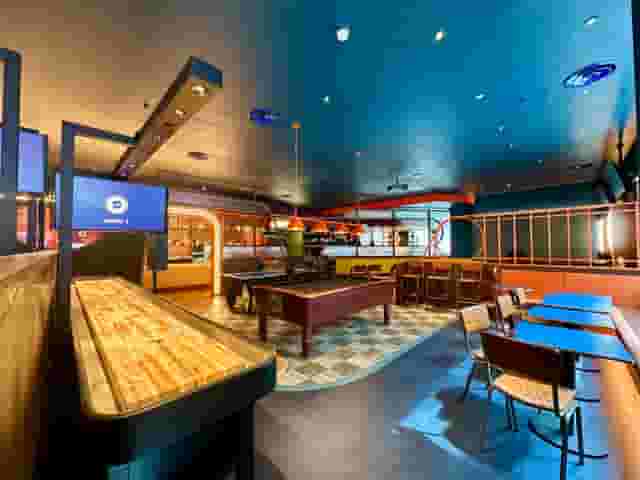
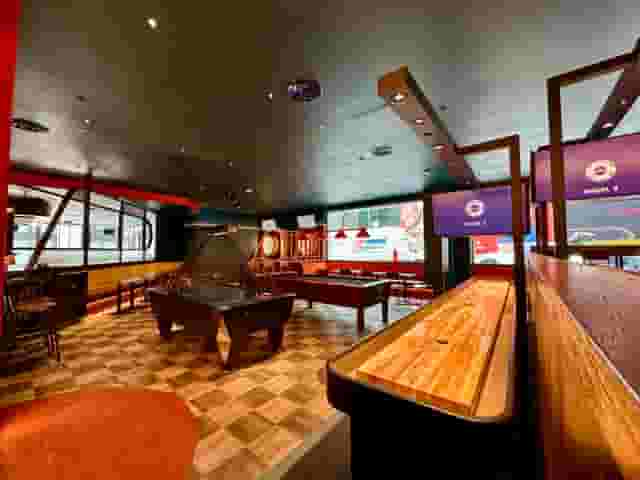
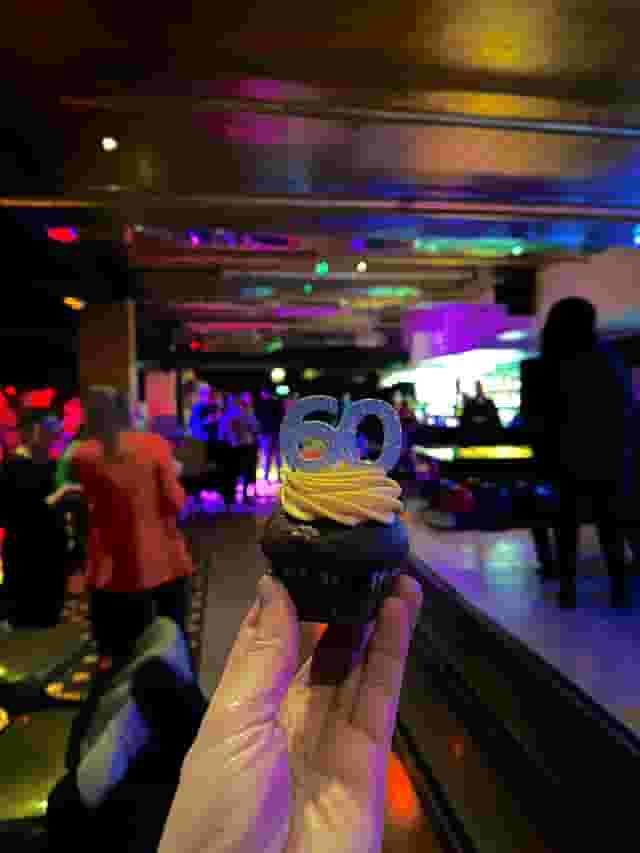
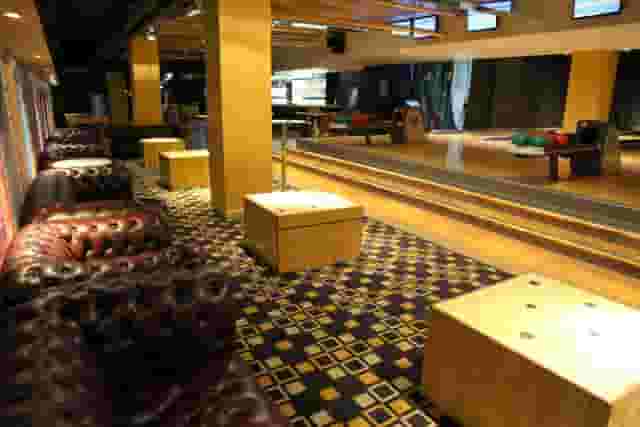
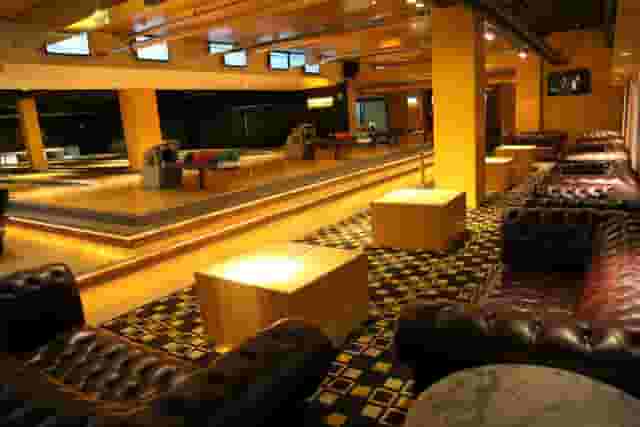
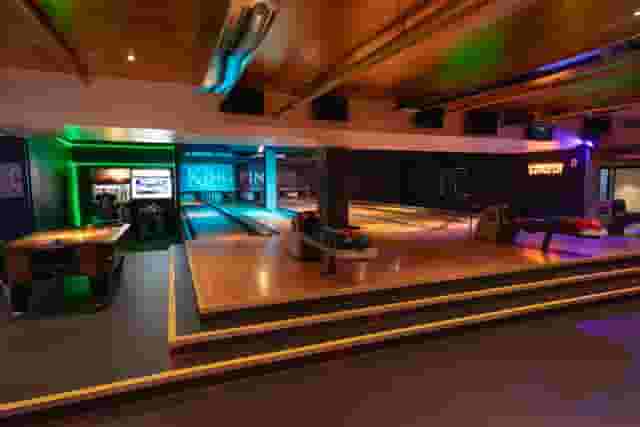
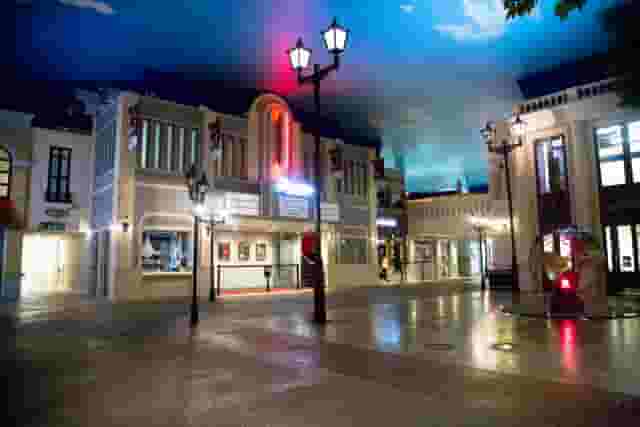
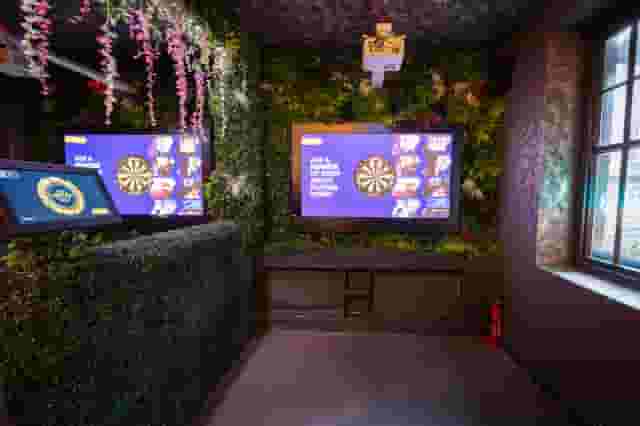
Spaces with mixed games provide an easy release valve. For example, Roxy Ball Room & Roxy Lanes High Holborn covers 12,000 square feet with pool, bowling, beer pong and karaoke, holding up to 270 standing guests. Similarly, Boom Battle Bar Oxford Street in Soho accommodates up to 500 guests for a buffet style event, combining street food, cocktails and DJs alongside social games. Having competitive bar games alongside microphones prevents singing fatigue and keeps energy high across a four-hour booking.
Sound, tech and staging requirements
Technical issues kill momentum faster than a bad song choice. A microphone cutting out mid-chorus or a confusing touch interface leaves guests standing awkwardly on stage while staff scramble for cables. Check the venue's hardware capabilities before you sign a contract.
Microphones, monitors and song selection
Always ask how many wireless microphones are included per room or stage area. Two microphones should be the absolute minimum, allowing for duets and group backing vocals. For an open stage format with over 100 guests, three or four roving wireless microphones let the audience sing along from the front row.
Check how performers hear themselves. On an open stage, the main PA speakers project sound out towards the bar, meaning the singer on stage hears a delayed, muffled echo unless the venue provides stage monitor wedges or in-ear monitors. Ask the venue manager where the monitor speakers sit and whether sound levels can be adjusted independently between the vocal tracks and backing tracks.
Song selection systems vary widely:
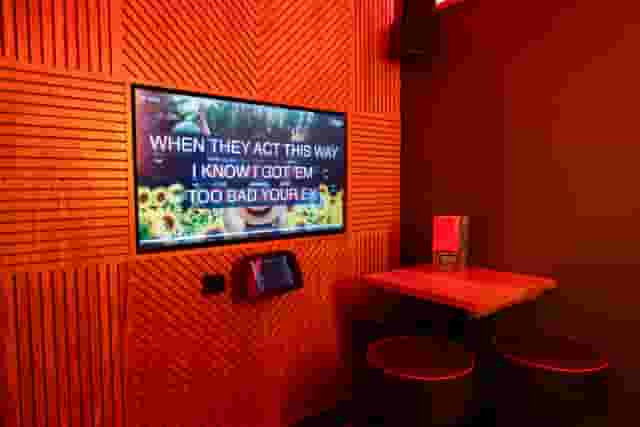
- Digital touchscreen consoles: Mounted on walls or tables, letting guests browse by artist, genre or era.
- Smartphone QR systems: Allow guests to search songs and submit requests directly from their phones without crowding the stage terminal.
- DJ or compere consoles: A host manages the queue manually, ensuring fair rotation and keeping tempo high.
For smaller private hire groups, boutique venues keep controls intuitive. Lucky Voice Soho hosts up to 160 guests across its private rooms and bar area, using straightforward digital touchscreens and integrated cocktail call buttons inside the pods. For a smaller team gathering of up to 50 standing guests, HUCKSTER London in Paddington provides an eighties themed lounge featuring a private drinks fridge, seating for 40 and an intimate singing setup.
Acoustic isolation and noise control
If you choose a venue with multiple private pods, ask about soundproofing quality. Poor acoustic dampening between adjacent rooms results in duelling basslines, where your team trying to sing an acoustic ballad gets overwhelmed by heavy dance tracks from the neighbouring room. High-density acoustic panelling and double-glazed doors make a noticeable difference to voice clarity and overall fatigue.
Licences, timings and transport logistics
An evening karaoke event lives and dies by its closing time and transport links. Central London venues operate under strict licensing rules enforced by local borough councils like Westminster, Camden or the City of London. Knowing these restrictions upfront prevents your event being shut down midway through your final song.
Understanding council licences and curfew restrictions
Standard premises licences in Soho and the West End frequently mandate last orders at 23:00 on weekdays and midnight on Thursdays and Fridays. If you want your party to continue until 01:00 or 02:00, verify that the venue holds an existing late licence rather than applying for a Temporary Event Notice (TEN). Local authorities cap the number of TENs granted per venue each year, and council objections can derail an extension with short notice.
Outdoor areas carry much earlier curfews. If your venue has a terrace or garden where guests take fresh air between songs, councils often require outdoor spaces to clear by 21:00 or 22:00 to reduce street noise. If an outdoor element is central to your plans for pre-event drinks before heading into the booths, explore options like 10 of the Best Bars to Soak Up the Summer Sun to see how different Central London operators manage outdoor capacity and noise curfews.
| Area | Typical last orders | Tube connections | Guest departure considerations |
|---|---|---|---|
| Soho and Oxford Street | 23:30 to 01:00 | Tottenham Court Road, Oxford Circus, Piccadilly Circus | Central and Northern night tube lines run on Fridays and Saturdays |
| Holborn and Midtown | 23:00 to midnight | Holborn, Chancery Lane | Quiet streets after 21:00, excellent central bus routes |
| Marylebone | 23:00 to midnight | Bond Street, Baker Street | Residential noise caps apply early, easy access to Jubilee line |
| City of London | 23:00 to midnight | Liverpool Street, Bank, Moorgate | Elizabeth line connections, quiet weekend trading |
Travel routes and getting guests home safely
Choose a venue within a ten-minute walk of major transit hubs. When an event ends after midnight on a Thursday or Friday, guests rely heavily on the Night Tube, the Elizabeth line or direct bus corridors. Venues situated near hubs like Tottenham Court Road, Oxford Circus or Holborn mean guests avoid long walks or expensive taxi queues in bad weather.
Ensure the venue has a dedicated, sheltered cloakroom area. Nothing empties a karaoke room faster towards the end of the night than a bottleneck at the coat check. Confirm that the venue has staff assigned specifically to hand out coats and bags rather than relying on bar staff to manage the cloakroom during peak departure hours.
If guests need taxis at closing time, check whether the street outside allows vehicles to pull over safely. Busy thoroughfares like Oxford Street have extensive bus lane restrictions, making app-based pickups difficult. Venues situated on side streets off primary roads make end-of-night departures smoother for everyone involved.
What our customers say
Inspiration and planning guides

6 Top Venues For A 30th Birthday Party
If your 30th is approaching, it's the perfect excuse for having a big old birthday bash in our books - here's a whirlwind tour of 6 of our favourite venues!

5 Summer BBQ Party Venues
What better way to usher in the summer than a summer party in a great venue. With everything from rooftops to private gardens, discover London's best.

The Top 5 North London Party Venues
East London has hipsters, west London is rich and south London has sweet suburban spots, but north London is all about good times. It's where rock 'n' roll celebs call home, with a historic reputation for fun. Hire Space venue expert Laura Richards reveals the best north London party spots to live it up as the area intended. 1. House of Wolf Source: The Independent Embrace the bohemian vibes that North London has to offer - head along to Islington's recently established House of Wolf. The
One supplier. Every venue. Full visibility on what you spend.
Multiple venues and events. One agreement.