Filming Locations in London
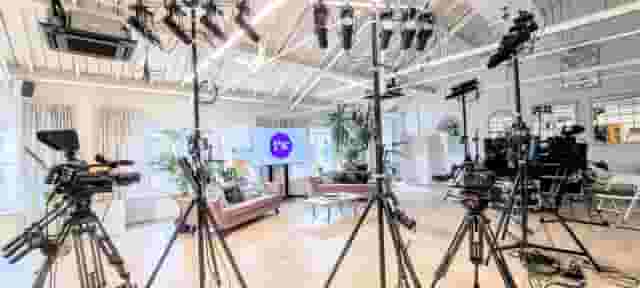
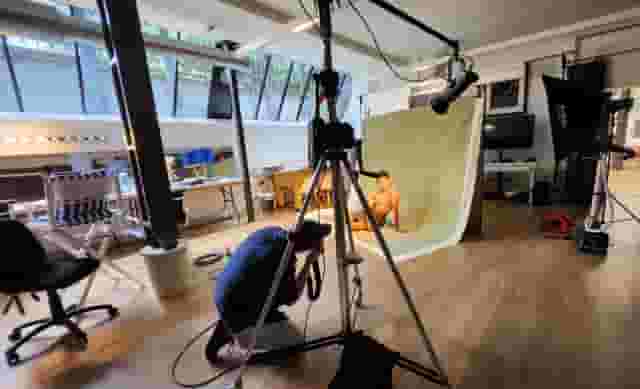
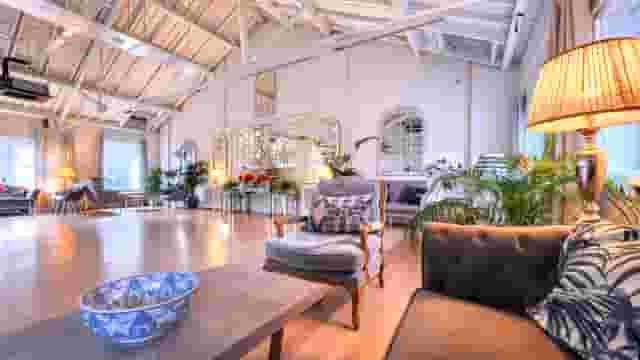
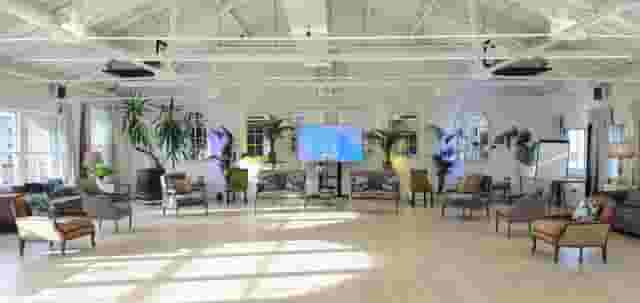
Explore London film studios and characterful shoot locations set up for panel talks, private screenings and cultural drinks receptions.
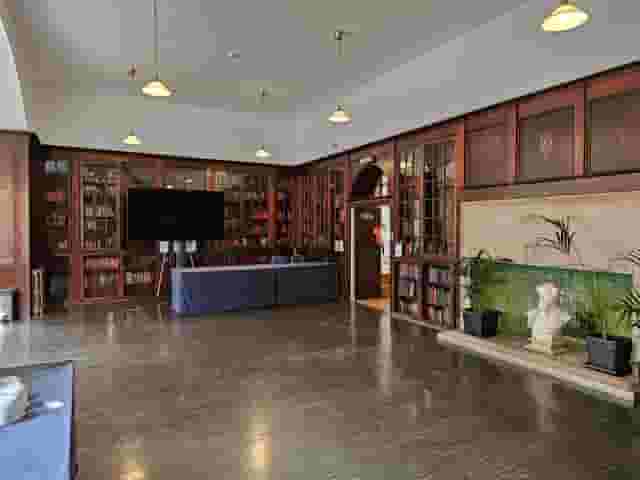
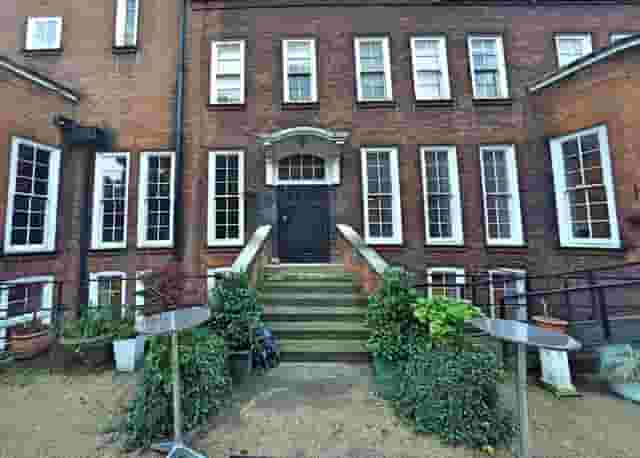
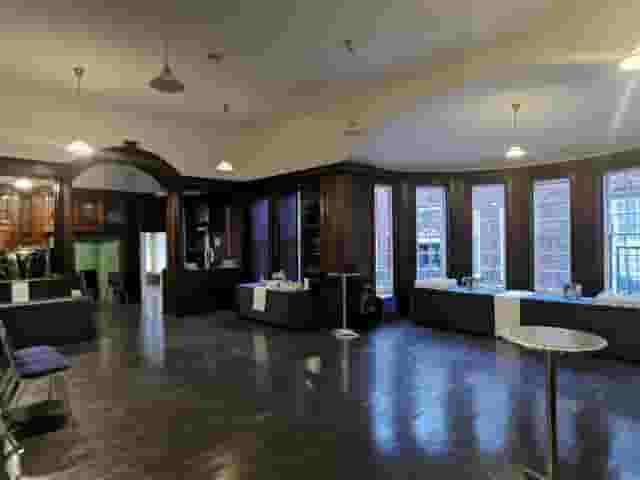
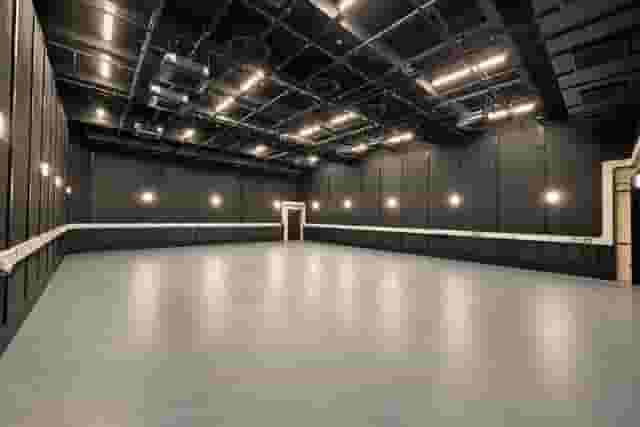
1,013 Filming Locations in venues in London
















































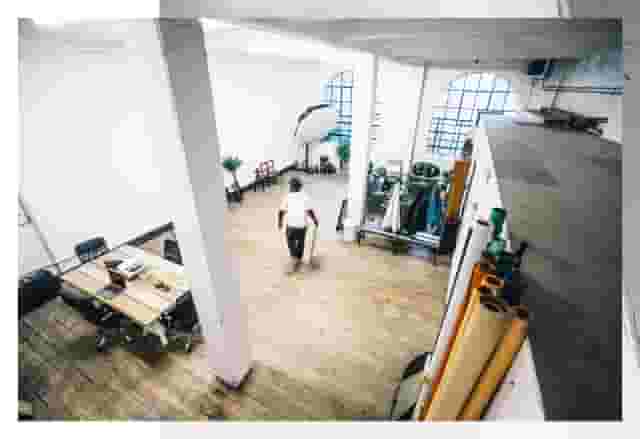
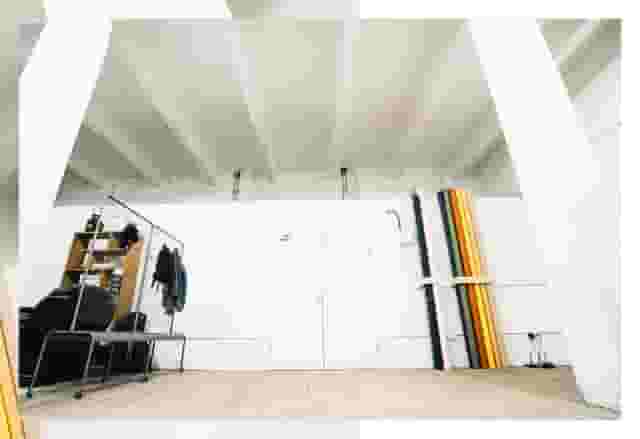
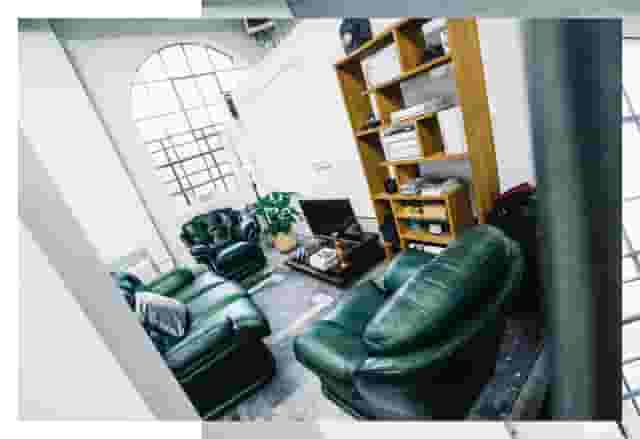
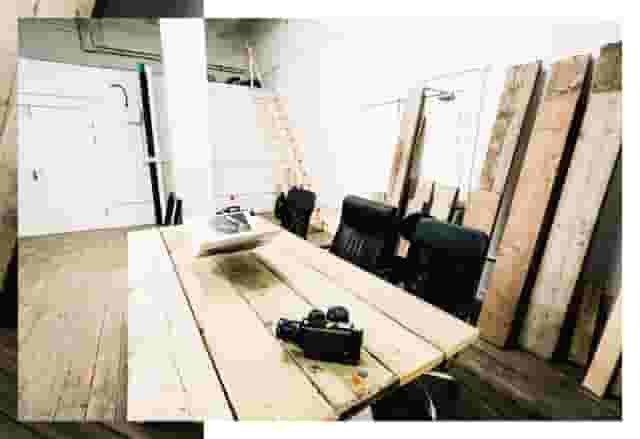
No venues match these filters
Try widening your capacity, luxury level or event type.
Don't have time to search? We'll find it for you.
For business events that need human judgement, talk to our team. Free for events of 100+ people, budgets over £10k or ongoing programmes.




Explore more venues in London










Frequently asked questions
Can I film in a public London space?
What indoor venues suit modern film scenes?
Are there spacious venues for large crews?
What's key for choosing outdoor film locations?
How to secure a historic venue for filming?
Other platforms search their database. We search everything.
Tell us what you need. Our deep research finds any venue, whether it's in our marketplace or not. No one else does this.
About Filming Locations in London
A private view paired with an artist talk and a drinks reception requires a venue that balances two contrasting needs. Guests need enough visual clarity and calm to focus on what is on display, followed by warm acoustics and comfortable seating for a seated lecture, and finally enough room to mingle with a glass of wine without bumping into the artwork. Standard conference rooms often feel sterile, while traditional art galleries rarely allow drinks near exhibits or restrict evening curfews.
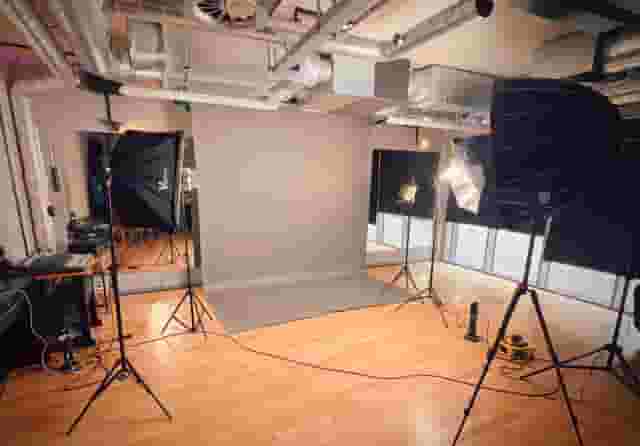
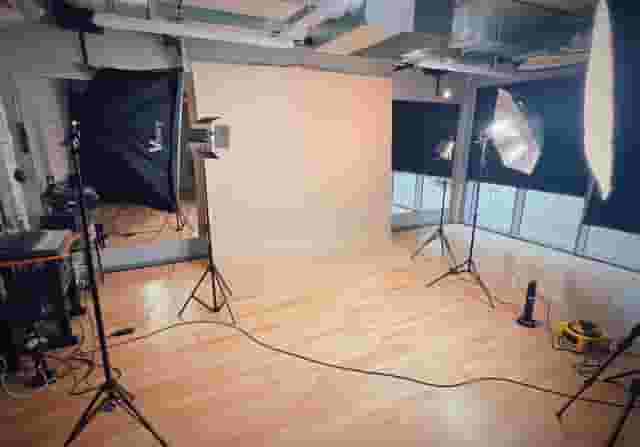
London filming locations, photography studios and converted industrial warehouses offer an adaptable alternative. Originally built to handle cameras, lighting rigs, set construction and moving crews, these spaces offer generous ceiling heights, neutral wall finishes and heavy-duty power supplies. They also give you the freedom to set your own running order, bring in independent caterers and arrange furniture to match your specific programme.
Here is how to navigate the logistical and practical choices when planning an arts and culture evening in a London studio space.
Choosing the right studio style for a private view and talk
Studio spaces across the capital fall into three main architectural styles. Each style shapes how visitors move through your exhibition, how voices carry during a presentation and how the atmosphere shifts once the bar opens.
White lofts and daylight studios
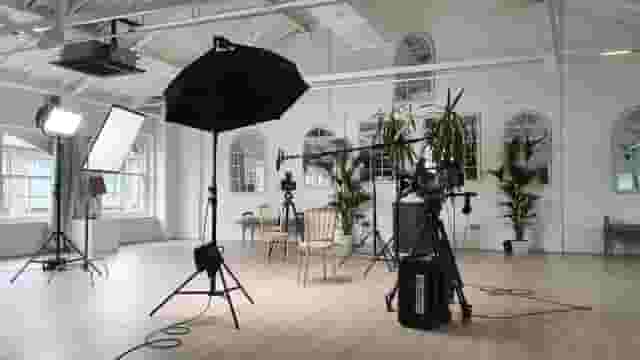
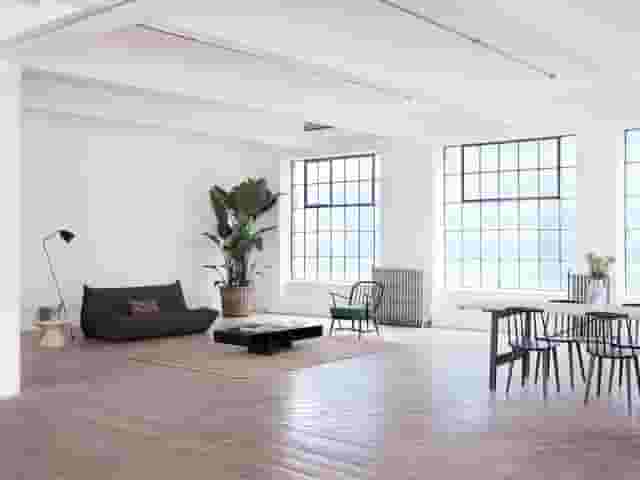
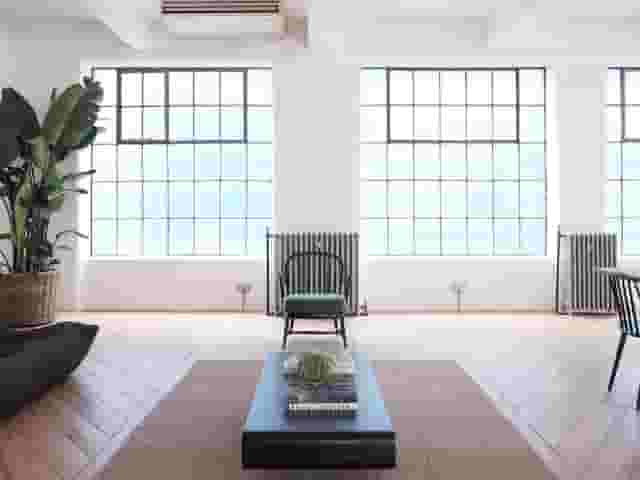
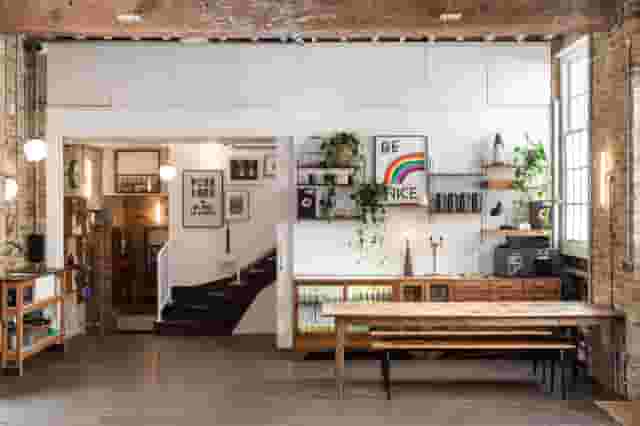
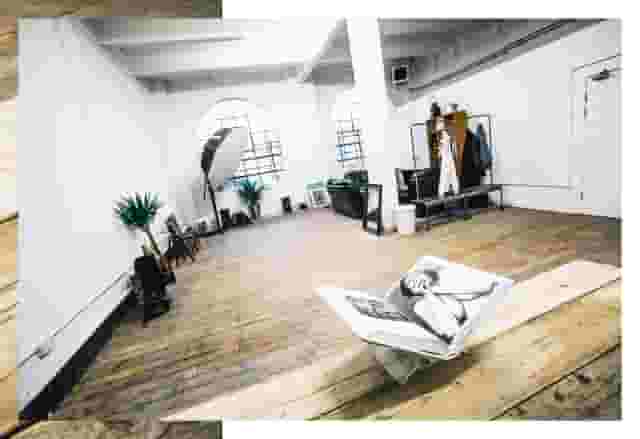
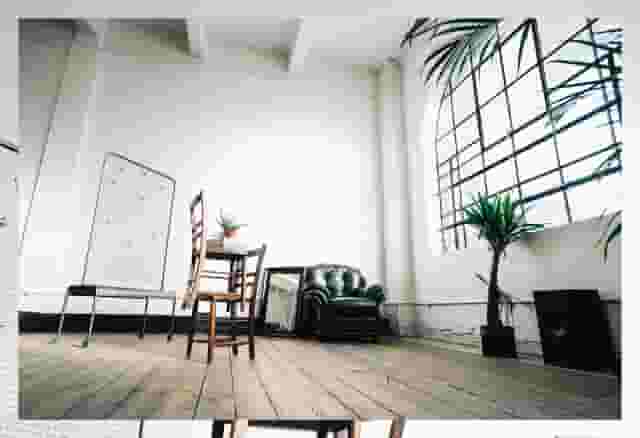
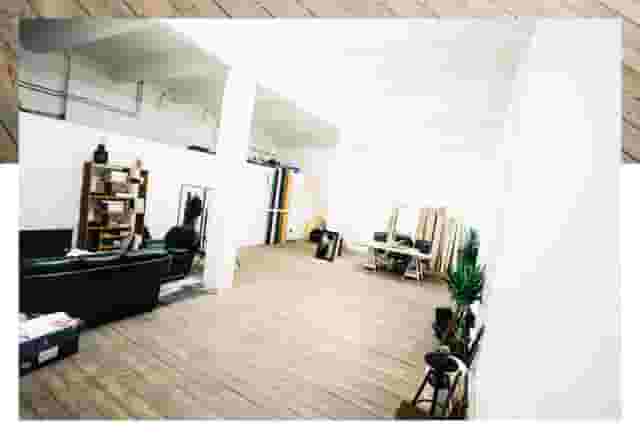
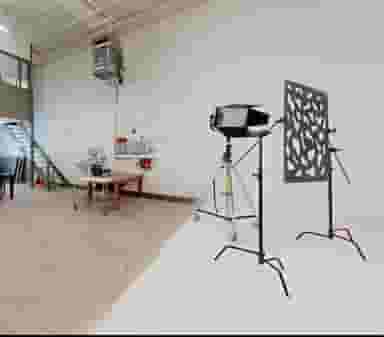
White loft studios provide an immediate gallery aesthetic without needing temporary wall flats. With painted white floors, expansive sash windows and clean architectural lines, they let artwork, photography prints or design prototypes take centre stage under natural light before dusk.
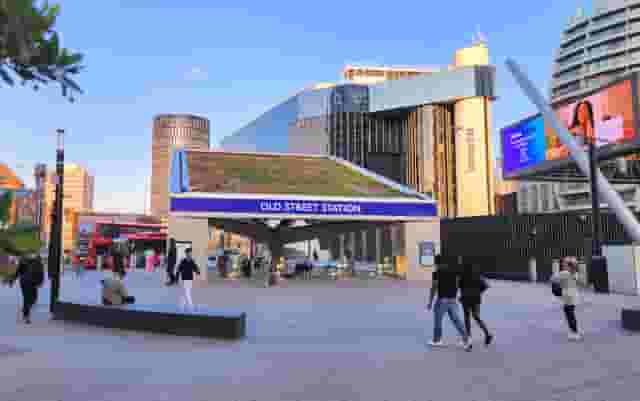
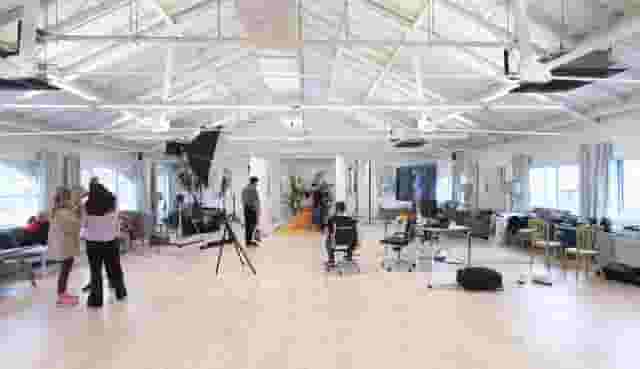
Because daylight changes throughout the late afternoon, these spaces work best for events starting in the early evening. As the sun sets, interior architectural lighting takes over, shifting the mood towards the drinks reception. For an intimate gathering of around 100 people, The New White Loft and the Studio provides a standing capacity of 130, offering clean walls and open floor space close to Old Street.
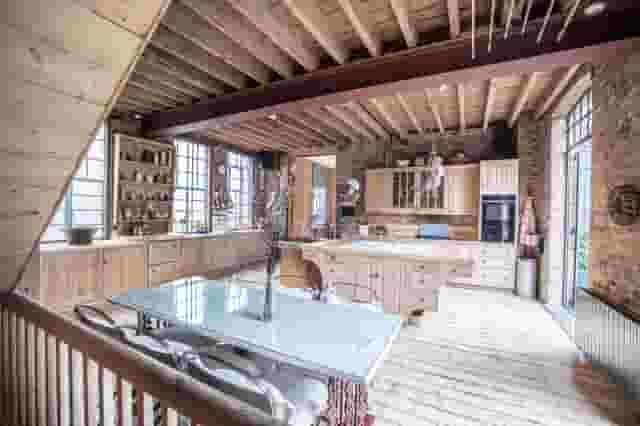
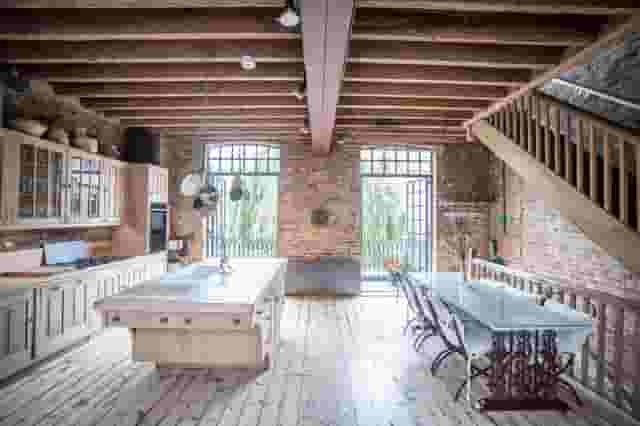
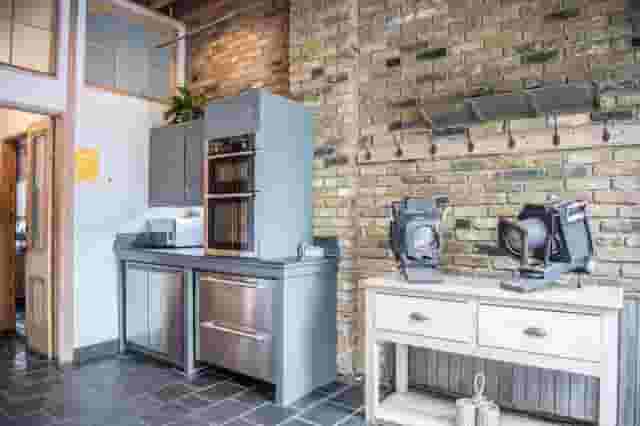
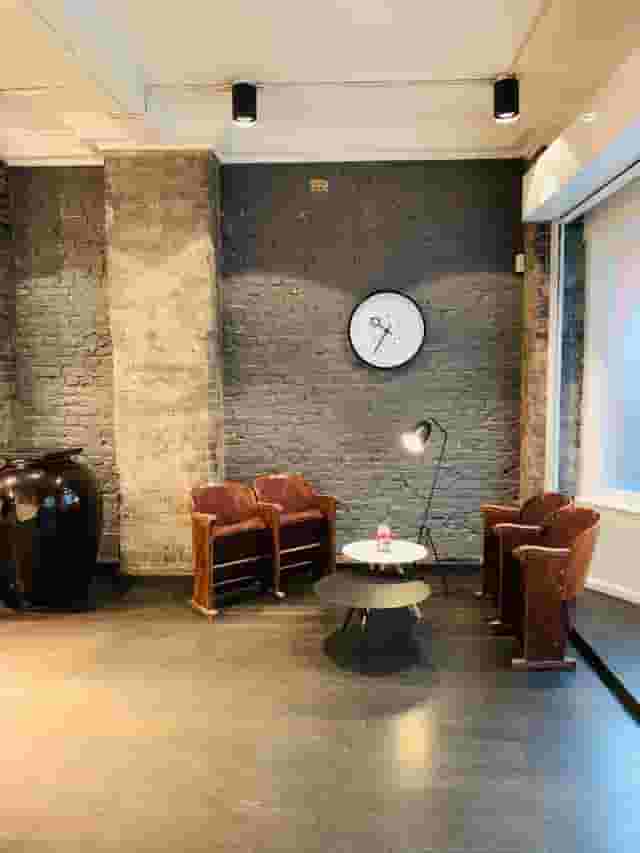
If your event leans towards raw textures, photography studios with exposed brickwork, timber floors and multi-level mezzanines offer an atmospheric backdrop. In Hackney Wick, The Heath Studio accommodates up to 60 standing guests across three daylight levels, providing natural zones where guests can wander between display floors before gathering together.
Sound stages and infinity coves
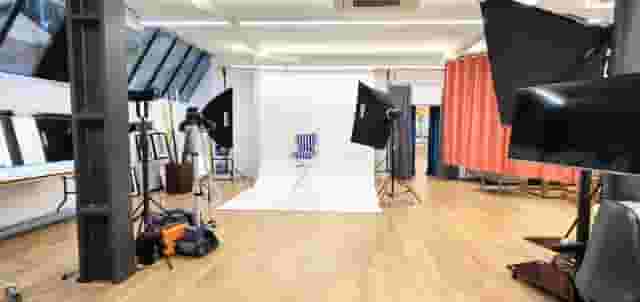
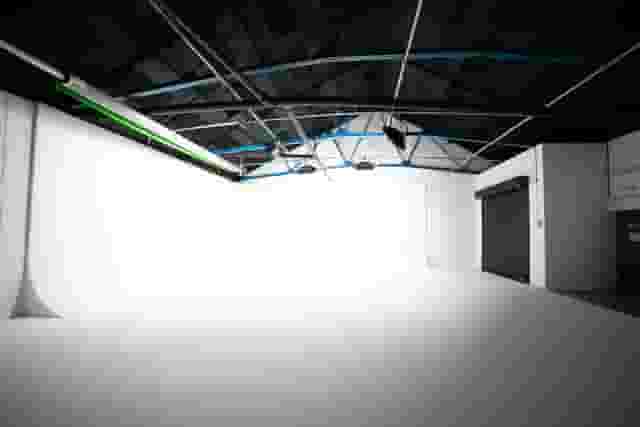
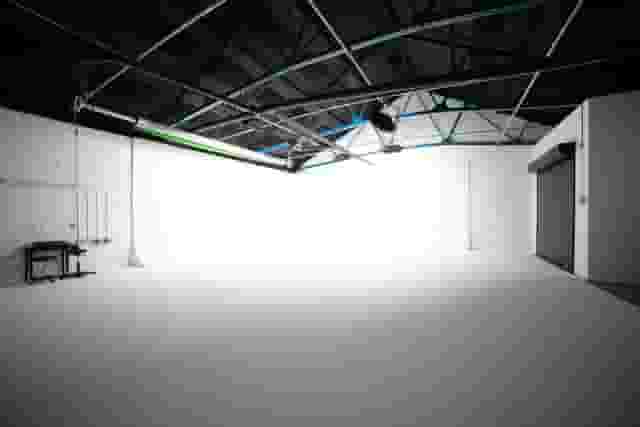
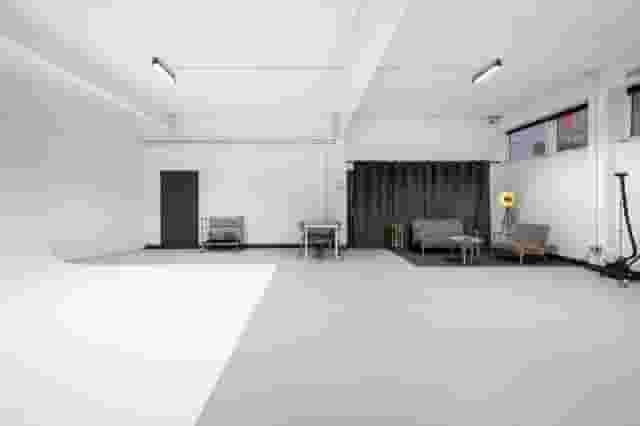
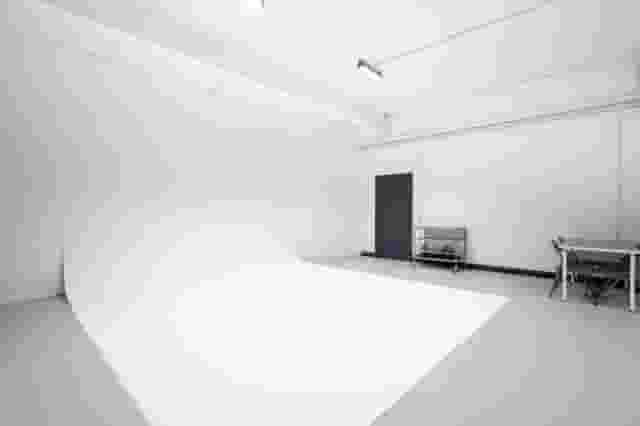
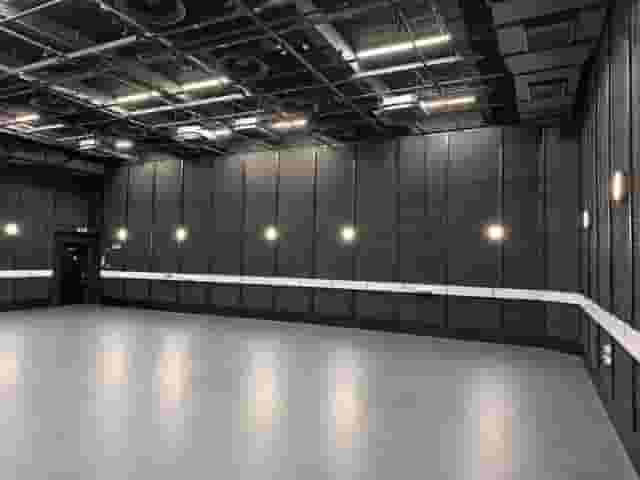
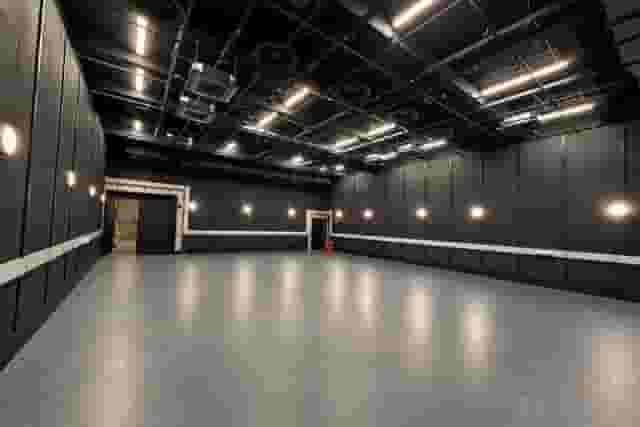
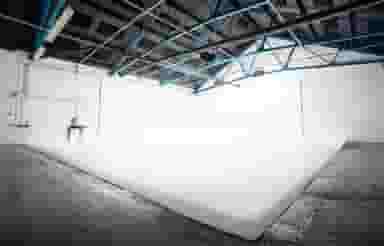
If your talk involves projected media, video screenings or high-fidelity audio, a sound-treated film studio or an infinity cove is often superior to a daylight studio. Infinity coves eliminate corners and shadows, creating an immersive, blank canvas for physical installations or lighting projections.
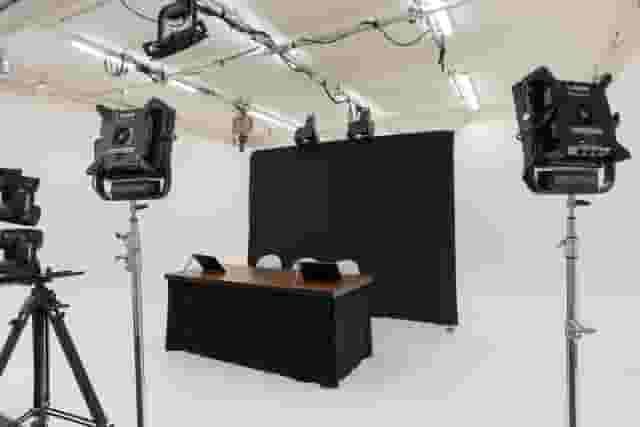
Sound-treated rooms also remove the background rumble of London traffic, sirens and railway lines. In Kennington, Studio 1 holds 50 people in a theatre layout alongside a wrap-around infinity cove and production support areas. This setup allows you to run a crisp, echo-free panel discussion before opening the floor to drinks.
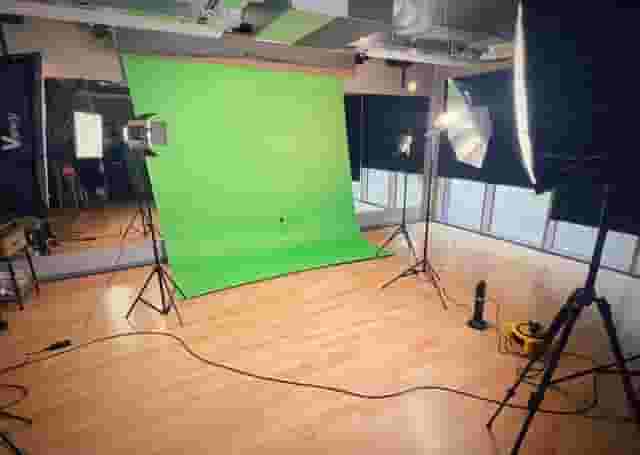
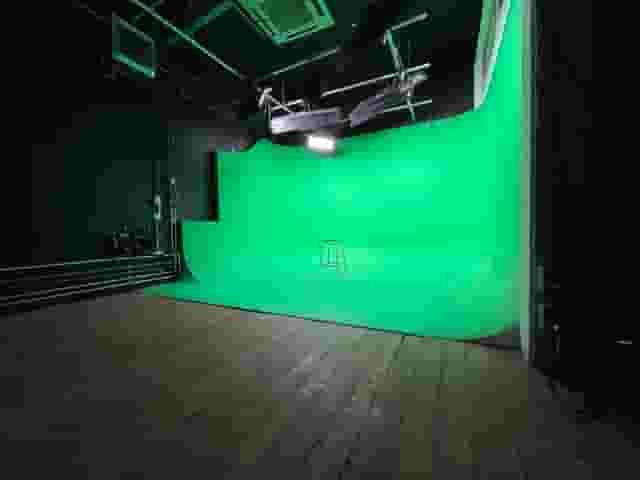
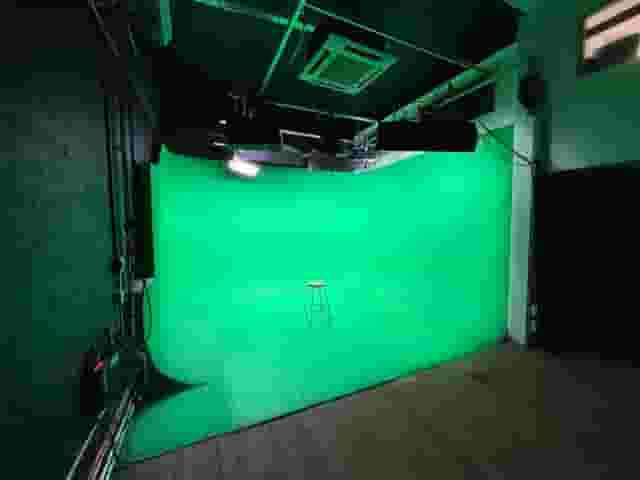
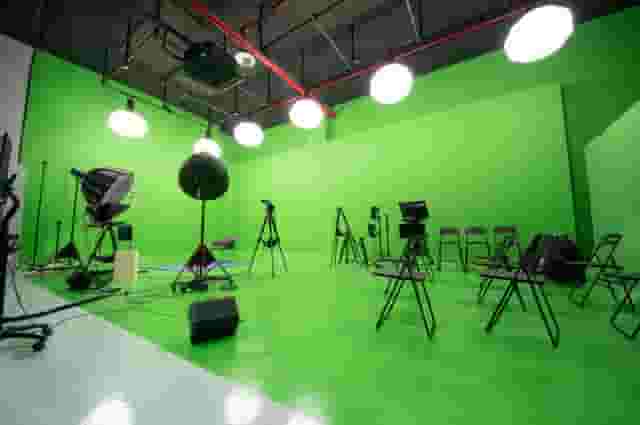
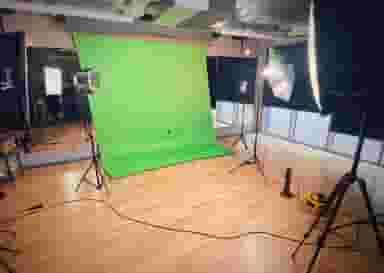
Where technical production requirements take priority, facilities like the Green Screen Studio in North West London provide standing room for 150 with dedicated technical support on site. For organisers weighing up production capabilities across the capital, our guide to Hollywood in London: 5 Venues for Filming details how large-scale studio facilities handle complex equipment setups.
Converted warehouses and industrial spaces
For larger guest lists or events where the reception will run late, industrial warehouses provide high ceilings, concrete floors and raw character. These rooms can handle heavy footfall, sculptural work and larger bar installations without feeling cramped.
In Angel, the Penthouse accommodates up to 390 standing guests within an industrial warehouse footprint, offering flexible adjoining rooms and late licensing options that suit extended post-talk discussions.
For boutique gatherings that lean into vintage design, The Studio in Shoreditch seats 50 guests theatre-style among industrial finishes and character props. You can read more about finding characterful shoot locations in our overview of The Top 5 Photography & Filming Venues In London.
Structuring the evening flow: gallery view, seating and acoustics
A successful cultural evening relies on clear transitions between phases. If guests are left balancing wine glasses while straining to hear a speaker from the back of an unamplified room, attention drifts.
| Phase | Duration | Layout requirements | Key technical checks |
|---|---|---|---|
| Arrival and private view | 45 to 60 minutes | Open perimeter circulation, low ambient music | Directional gallery spotlights, clear sightlines |
| Panel discussion or talk | 30 to 45 minutes | Theatre seating, raised lectern or stage | Radio microphones, PA system, blackout blinds |
| Drinks reception and mingling | 60 to 90 minutes | Poseur tables, perimeter bar, open floor | Background playlist, dimmed lighting wash |
Managing the room transition
In a single-room studio, turning a gallery viewing into a seated talk requires careful floor planning:
- Keep the central floorplate clear during arrival so guests naturally circulate around the walls where work is displayed.
- Stack lightweight folding chairs neatly behind a screen or along an unused wall, ready to be deployed in rows twenty minutes before the talk begins.
- Position your projection screen and speaker area away from the main entrance door to prevent latecomers interrupting the presentation.
- When the talk concludes, ask your event staff to strike or push back the front rows of seating, creating immediate standing space around the bar.
Studios with open floorplans make this choreography straightforward. The Large 2050 sqft Warehouse Studio Space in South East London offers standing room for 150 guests across an uncluttered layout, giving caterers and technicians space to adjust furniture while guests examine prints.
Where large equipment or physical sculptures are involved, ground-floor drive-in access simplifies installation. The Whole Venue at Klatch Studio provides drive-in doors and an infinity cove with standing capacity for 70 guests, making it straightforward to load display plinths directly into the room.
Managing acoustics in hard-surfaced rooms
Industrial studios, lofts and warehouse rooms often feature exposed brick, glass window walls and polished concrete floors. While visually striking, these hard, reflective surfaces bounce sound waves, creating flutter echoes that muddy speech.
To ensure your guest speaker is heard clearly:
- Choose directional cardioid lapel or handheld radio microphones rather than relying on a general room microphone.
- Use multiple small PA speakers distributed at lower volumes down the length of the room rather than two loud speakers blasted from the front.
- Soften the room using heavy fabric backdrops, canvas partition screens or rented rugs under the seating area to absorb mid-frequency reverberation.
- If screening film excerpts with dialogue, test the audio track during your site visit to confirm whether nearby traffic or rail lines penetrate the building envelope.
Budgeting and quote comparison for creative spaces
Understanding what studio hire covers requires a methodical approach. Film and photography locations rarely package their costs like commercial hotels or traditional conference venues.
Based on 6 quotes from the venues on this page, typical prices for an arts and culture event range from £21 to £54 per head. This figure assumes a guest count of about 120 guests. The estimate is indicative, and estimated from what these venues have charged for similar events.
What causes the gap between the two ends of this range?
Towards the £21 end of the range, you are typically looking at basic dry hire of the studio space alone. In this scenario, you pay an hourly or day rate for four walls, building utilities and access to standard electrical sockets. You are responsible for bringing in all event production, hiring chairs, renting audio equipment, managing the door and contracting mobile bars and waste collection.
Towards the £54 end of the range, the venue quote usually incorporates comprehensive facilities. This often includes access to in-house continuous lighting rigs, sound systems, production staff, duty managers, post-event commercial cleaning and basic furniture stock.
| Line item | What to ask the venue | Potential cost trap |
|---|---|---|
| Venue dry hire | Does the rental fee cover setup and derig hours? | Overtime fees charged at time-and-a-half |
| Power supply | Is 3-phase or 63-amp power included in the hire? | Separate metre charges or generator mandates |
| AV and lighting | Can we patch into existing overhead lighting grids? | Compulsory in-house technician call-out rates |
| Waste management | Does the venue have commercial refuse bins on site? | Levies for off-site disposal of packaging |
| Cleaning and reset | Is a floor repaint included if using an infinity cove? | Repainting fees to restore white coves to pristine condition |
When comparing quotes from different shoot locations, always request an itemised breakdown covering load-in and load-out hours. An exhibition opening often requires four to six hours of installation for hanging and lighting before guests arrive, plus two hours of de-rigging at the end of the night. If a venue quotes solely for your four-hour event window, you could see your baseline hire cost double once installation time is added. To keep numbers transparent, Hire Space acts as a venue booking platform backed by a team of real people who own the outcome, offering instant price estimates based on real booking data before you enquire. It can also suggest similar creative studios at a lower price if your first choice creeps over budget once extra setup hours are factored in.
Production practicalities: rigging, access and licensing
Because these spaces function primarily as active commercial sets during working hours, their operating rules differ from standard hospitality venues.
Rigging and display walls
Never assume you can drill into studio walls. Photography studios repoint and repaint their surfaces constantly and often enforce strict fixing policies:
- Ask whether you are permitted to fix picture hooks directly into brick or plaster, or whether work must be suspended from ceiling beams and pipe grids using wire and clamps.
- In infinity coves, walking onto the curved slope where wall meets floor can crack the plaster structure. Venues will charge a substantial repair fee if heavy plinths or attendees stand on the cove radius.
- Self-supporting exhibition flats or freestanding display boards offer the safest route for hanging framed works, allowing you to position lighting freely without touching structural walls.
Power and electrical distribution
Most professional studios feature robust electrical distribution designed for high-draw studio lamps. However, you must check where that power is situated:
- Look for distribution boards offering 16-amp, 32-amp or 3-phase outlets if you plan to run professional stage lighting or high-output video projectors.
- Ensure catering suppliers have their own dedicated electrical ring main. Mobile coffee machines, warming ovens and hot water urns draw substantial current; running them on the same circuit as your PA system or projectors can trip breakers mid-talk.
- Tape down all cable runs across circulation paths with high-adhesion hazard tape or use heavy rubber cable ramps to prevent guest trips.
Licences, curfews and catering rules
Many film studios do not operate a permanent premises licence for retail alcohol sales or public entertainment.
If you plan to sell drinks or include alcohol within a paid ticket price, you or your caterer will need to apply for a Temporary Event Notice (TEN) from the local borough council. TEN applications require at least ten working days notice, although late notices can sometimes be submitted with five working days notice. Borough councils limit the number of notices an individual premises can hold each calendar year, so ask whether the venue has available slots remaining for your chosen date.
Check the venue curfew carefully. Outer-borough studios in industrial trading estates may allow noise and loading well past midnight, whereas creative studios located in residential pockets of Hackney, Islington or Southwark frequently enforce external noise curfews of 22:00 or 23:00 to satisfy local authority planning restrictions.
Guest arrivals and transport logistics across London
London filming locations are frequently converted factories, former substations, railway arches or mews houses. Their out-of-the-way character is part of their appeal, but it requires proactive communication to ensure guests arrive smoothly and punctually for the talk.
Signage and wayfinding
Industrial estates and quiet mews streets can feel disorienting in the dark. Provide specific arrival instructions:
- Send out a direct map link marking the exact entrance doorway, not just the general postcode. Satellite navigation often deposits taxi drivers at locked rear loading bays or secure perimeter security gates.
- Position a clearly lit A-board or branded entrance lantern outside the main door, staffed by a welcoming host who can direct visitors up stairs or through freight lifts.
- Confirm whether the building offers step-free access throughout. While ground-floor soundstages usually offer level loading, older multi-level lofts may rely on narrow industrial staircases or goods-only lifts that require trained staff operation.
Cloakrooms and arrivals flow
When 100 people arrive within a twenty-minute window, bottlenecks form immediately at the doorway.
- Allocate an uncluttered space near the entrance for a staffed coat rail and umbrella stands. In wet weather, dripping outerwear brought into an exhibition space creates both humidity issues for delicate paper artwork and slip hazards on polished concrete floors.
- Hand guests their welcome drink on arrival away from the door, drawing them deeper into the main room to clear the entrance vestibule.
- Check restroom ratios early in your planning. A studio designed for a crew of twenty may only have two single-occupancy toilets. For an evening reception of over 100 people, consider hiring supplementary mobile luxury restroom trailers if the venue has a secure, private courtyard with drainage access.
By aligning your schedule with the physical realities of the space, a film studio provides a memorable setting for cultural events, giving your exhibition the architectural space it needs and your guests an evening that feels personal, relaxed and focused on the work.
What our customers say
Inspiration and planning guides

The Top 5 Photography & Filming Venues In London
It wasn't that long ago that we featured a blog on photography studios but with so many great venues joining the Hire Space stable, we knew that it was time to send James Roche out again to preview five more marvellous film and photography spaces available for hire in London! First Option Studio With a Welsh slate entrance and custom built French doors, one could never accuse this split-level studio space of being culturally exclusive. And whether you're filming a Bollywood blockbuster, Holly

Unique Venue of the Month: Motel
Under a Victorian railway arch, just steps from Kingsland Road, lies a studio [https://hirespace.com/Spaces/London/85467/MOTEL/Whole-Venue/Events] that's the brainchild of famed photographer and filmmaker John Wright, who's worked with such big-name clients as Vanity Fair, Louis Vuitton and Sky Arts, and captured the biggest pop cultural names on camera including Rihanna, Paul McCartney and Arnold Schwarzenegger. GQ Britain's James Mullinger called the space the "best photographer's studio in Lo

Venue Review: Anomalous Space
Creative ventures across the artistic spectrum are accommodated and embraced at Anomalous Space [https://hirespace.com/Venues/London/1551/Anomalous-Space], situated stunningly close to Angel Station on Pentonville Road. The venue's name captures its uniqueness, in that it deviates from the standard, unoriginal function space that's all too common. Anomalous Space combines the most contemporary of technological facilities with Art-Deco features, all set within an authentic Georgian townhouse.
One supplier. Every venue. Full visibility on what you spend.
Multiple venues and events. One agreement.