Recording Studios in Central London
Explore London recording studios for corporate events, team off-sites and private receptions with transparent pricing and commercial audio kit.
236 Recording Studios in venues in Central London



















































































No venues match these filters
Try widening your capacity, luxury level or event type.
Don't have time to search? We'll find it for you.
For business events that need human judgement, talk to our team. Free for events of 100+ people, budgets over £10k or ongoing programmes.




Explore more venues in Central London




Other platforms search their database. We search everything.
Tell us what you need. Our deep research finds any venue, whether it's in our marketplace or not. No one else does this.
About Recording Studios in Central London
Matching the event format to an audio space
Hosting a business event in a working recording studio immediately resets expectations. Traditional hotel meeting rooms and corporate conference centres feel interchangeable, but a control room or live tracking floor carries a creative discipline that changes how people interact. The trade-off is that these buildings are designed primarily for acoustic isolation, not hospitality. Making an event work in a recording environment means understanding how sound facilities are built and choosing a space that can support catering, drinks and social movement without putting expensive audio infrastructure at risk.
Studio spaces in Central London fall into three distinct types: dedicated production complexes, converted heritage halls and hybrid warehouse venues.
For smaller leadership off-sites, private discussions or content-led client sessions, smaller private facilities offer focused, distraction-free environments. Yellow Hat Studios provides a boardroom layout for up to 20 people, making it suited to collaborative planning sessions where high-grade audio capture or podcast production is part of the agenda. Where an event calls for a formal presentation followed by drinks, Shoreditch Recording Works accommodates 18 guests in a theatre format within a quiet courtyard setting, giving teams an isolated space to share sensitive company announcements before socialising.
Mid-sized corporate groups of 30 to 50 guests require rooms that balance sound capture with physical breathing room. Studio live rooms are built to contain sound, which means they feature heavy acoustic panelling, double-door airlocks and floating floors. 9M Studios accommodates 50 people standing and offers controlled acoustics for presentations, acoustic musical performances or listening parties. For events where historical association adds weight to the evening, Studio Three at Abbey Road Studios holds 50 guests for a standing reception. It allows guests to spend time inside an active, legendary production environment while networking over drinks.
When the format calls for something less conventional, specialised or maritime settings offer distinct talking points. Lightship 95 operates as a recording studio built inside a moored ship, taking up to 30 standing guests with views across the Thames. For seated dinners tied to album playbacks or executive hospitality, Baltic Studios accommodates 30 guests dining, providing an industrial studio environment that functions well for private evening meals.
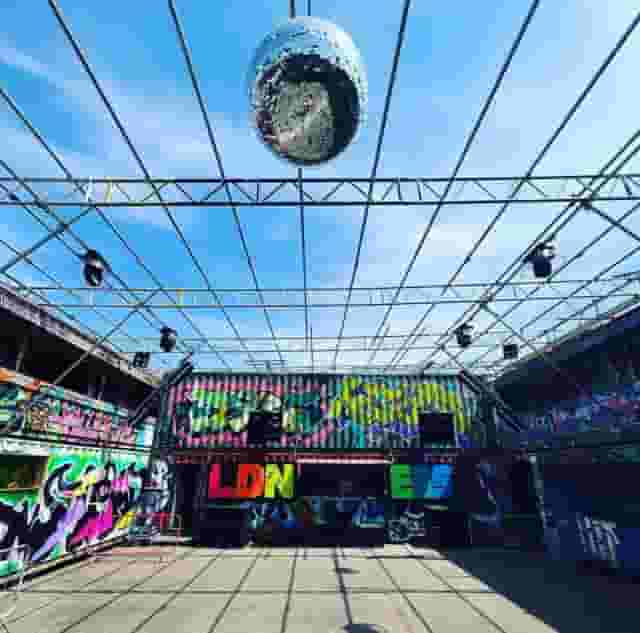
Larger corporate groups need spaces that retain sound-recording pedigree while offering the floor space of a commercial event hall. Henry Wood Hall holds 70 guests standing, functioning as an orchestral recording hall where high ceilings and orchestral acoustics create a dramatic backdrop for receptions. If your guest list expands past 100 people, standard studios become unworkable. In those cases, a warehouse production venue like Village Underground can accommodate 125 guests in cabaret, offering the heavy-duty sound system and staging capabilities of a recording venue alongside commercial venue infrastructure. For help finding and shortlisting specialist production spaces across the capital, venue booking platform Hire Space pairs Deep Venue Research with a team of real people who oversee the outcome. It searches across any suitable space to provide instant, data-backed price estimates drawn from real booking history, cutting the shortlisting process down to minutes rather than days of waiting for venue responses.
Catering, bar service and equipment protection
The central operational challenge of hosting an event in a recording studio is that liquid and audio hardware do not mix. Mixing consoles, outboard compressors, vintage ribbon microphones and studio monitoring systems can run into hundreds of thousands of pounds. A single knocked glass of red wine into a vintage mixing desk can halt a studio's commercial operations for months. Because of this, studio managers maintain strict zoning rules between production areas and hospitality zones.
Zoning your floor plan
When planning private catering and bar service, separate your space into three distinct zones:
- The live room: This is usually the main entertaining space. Because acoustic treatment covers the walls, food stations should be positioned away from fabric acoustic baffles and bass traps. Standing drinks work well here once loose floor cables and microphone stands are struck and packed away.
- The control room: This should remain a dry zone. Guests can enter to hear live playbacks, watch an audio engineer work or take part in a short demonstration, but drinks and food should be prohibited at the door. Stationing a member of your event team at the control room entrance avoids awkward conversations between guests and studio staff.
- The lounge and reception area: Most commercial studios have an artist green room or breakout lounge. This area should serve as the main catering base and bar location, keeping heavier drink consumption away from sensitive equipment.
Food formats that work in studios
Because recording spaces lack commercial kitchen infrastructure, your choice of menu matters. Smoked, fried or heavily scented food must be avoided entirely because studio acoustic foam and fabric panels absorb ambient smells, which can linger for days.
Finger food, dry canapes and room-temperature bowl food represent the most practical formats. Wet dishes requiring heavy sauces create high spill risks around delicate floor boxes and cabling.
| Catering format | Spill risk level | Space requirement | Suitability for recording studios |
|---|---|---|---|
| Canapes (cold, dry) | Low | Minimal | High. Easy for guests to consume while standing. |
| Bowl food (cold or warm) | Moderate | Standing with small side tables | High. Compact, manageable and requires no formal dining tables. |
| Seated plated dinner | Moderate to high | High. Requires separate dining floor | Low. Only feasible in large spaces like Baltic Studios or converted halls. |
| Hot buffet stations | High | High. Requires dedicated service area | Low. Steam, food aromas and grease residues damage acoustic fabrics. |
Bar service and licensing
Few recording studios hold permanent premises licences to retail alcohol. In most cases, private corporate hospitality operates under dry-hire terms where the client provides the drinks, or an external caterer serves alcohol under a Temporary Event Notice (TEN).
Check with the venue whether they require a TEN for private corporate functions, and confirm who submits the paperwork to the local council. TENs require a minimum of 10 clear working days for standard applications, or five working days for late notices, though leaving it until the late deadline introduces unnecessary risk.
Glassware presents another operational decision. While standard corporate functions rely on glass, studio owners often prefer polycarbonate glassware to eliminate the risk of shattered glass fragments entering floor tracks or damaging subwoofers. If the venue allows real glass, plan for extra staffing to collect empty glasses continuously from surfaces and speaker cabinets.
Understanding studio pricing and package structures
Budgeting for a studio hire differs from booking a standard hotel meeting room. Rather than standard delegate rates with catering built into a set package, studios quote on a facility hire basis, technical staffing fee and third-party hospitality costs. Hire Space 360 is enterprise venue and hotel procurement for companies spending £1m or more a year on meetings and events: a managed meetings and events programme, the kind procurement teams call strategic meetings management. The programme places every venue booking, technical supplier and hotel stay onto one agreement with a single consolidated invoice, keeping all activity aligned with company event policy. Finance and procurement teams also receive a live view of organisation-wide spend, with named venue sourcing experts managing the process directly.
Indicative pricing for corporate events in these spaces typically ranges from £149 to £313 per head. This estimate is based on 4 quotes from the venues on this page and assumes a party size of about 50 guests.
What you pay within that range depends on the degree of production involvement and the depth of hospitality required.
What sits at each end of the price band
Towards the £149 end of the range, bookings typically represent straightforward facility hire where the studio provides the room, basic house lighting and access to background music playback. The client brings in simple external canapes and drinks packages, with minimal involvement from the venue's technical staff. At this level, you are treating the studio primarily as a distinctive private backdrop for networking.
Towards the £313 end of the range, events incorporate full technical services. This includes dedicated sound engineers to run multi-track recordings of live speeches, live musicians performing on the tracking floor, interactive audio workshops for guests or custom mixing sessions. It also reflects full-service catering operations, complete with dedicated front-of-house hospitality staff, premium wine and cocktail provision, and full production load-in support.
| Cost element | Standard inclusion status | Budget impact considerations |
|---|---|---|
| Room hire | Included in base fee | Charged as a day rate (usually 10 to 12 hours) or half-day block. |
| House sound engineer | Often charged separately | Essential if recording audio, running live microphones or operating the desk. |
| Assistant engineer / runner | Extra charge | Recommended to manage cable safety, access doors and equipment moves. |
| Power and utility surcharge | Variable | High-draw lighting or catering equipment may incur supplementary power fees. |
| External catering spend | Quoted separately | Covers food, soft drinks, alcohol, glassware, service staff and clearing. |
| Cleaning and reset fee | Usually mandatory | Covers acoustic vacuuming and returning the room to commercial recording condition. |
When comparing quotes from different facilities, check whether the hourly or daily hire rate includes equipment usage or if using the main mixing desk incurs a separate facility charge. Always ask whether a dedicated studio assistant is included in the base rate. Having an assistant on hand to re-route audio cables, adjust house lights and monitor guest access points keeps the event running smoothly without pulling your primary sound engineer away from the console.
Technical logistics, acoustics and production crew
The acoustic qualities that make a recording room sound great also impose specific operating constraints that corporate planners must manage.
Understanding acoustic dryness
Professional recording spaces are acoustically deadened to eliminate reverberation and flutter echoes. While this delivers pristine speech clarity and makes presentations effortless to understand, it changes room psychology. In a standard hotel ballroom, the reflective walls amplify background chatter, making a gathering feel busy and loud. In an acoustically treated live room, sound does not bounce. Conversations feel quieter and more intimate, and background music needs to be balanced carefully so that it does not feel disconnected from the room.
If you are running executive presentations or an awards announcement, you will not need massive PA stacks. A pair of high-end studio reference monitors will easily fill a room for 50 people with studio-grade clarity. Work with the resident engineer rather than bringing in external commercial conference speakers, which are designed for high volume rather than nuanced fidelity.
Power management and catering hazards
Recording facilities rely on balanced, conditioned electrical circuits to eliminate ground loops, buzzes and interference on audio channels. This clean power supply is vulnerable to dirty electrical noise.
Never plug catering equipment into the same electrical ring as audio gear. Coffee machines, induction plates, hot-holding soup kettles and refrigeration units draw heavy current and generate electrical spikes that can damage audio monitors or show up as loud pops through the sound system. Instruct your catering team to identify domestic utility sockets outside the studio control circuit, or arrange for a separate power feed specifically for hospitality equipment.
Working with the studio engineering crew
The venue's resident audio team should be treated as essential partners in your event delivery. Unlike standard venue banqueting staff, studio technicians are highly trained recording specialists. Brief them clearly on your running order:
- When speeches start and which microphones are allocated to which speakers.
- Whether background music should fade down automatically when a microphone is keyed on.
- Whether you require a clean multi-track recording of the evening's talks for corporate podcasts or internal video assets.
- What time hospitality staff will be clearing plates and glasses, ensuring noise does not interrupt live capture sessions.
Guest access, schedules and site management
Because commercial recording studios protect the privacy of high-profile recording artists, their physical entrances are frequently discreet. They rarely feature corporate signage, large reception foyers or prominent street entrances.
Arrival logistics and wayfinding
Many Central London studios are located down quiet mews streets, behind unmarked industrial security gates or inside residential neighbourhoods. For example, spaces in East London or St John's Wood often blend into surrounding residential blocks to avoid drawing crowds.
To prevent confusion:
- Provide guests with detailed arrival notes, including the precise street door or entry buzzer code, rather than relying solely on a postcode.
- Position a branded welcome host or security doorperson at the outer perimeter or street entrance for the first 45 minutes of the event.
- Notify guests in advance about transport options. Because these facilities rarely offer dedicated guest parking, recommend public transport links or local drop-off points.
Load-in constraints and schedules
Loading heavy catering equipment or presentation staging into a recording studio can be complicated. Double acoustic doors, soundproof airlocks and narrow basement stairwells are common.
Confirm your delivery schedule with the studio manager well before event day. External caterers and equipment hire suppliers must allow additional time to navigate soundproof doorways, which cannot be wedged open for extended periods without disrupting climate control and acoustic seals.
Establish clear delivery windows that allow your team to complete all heavy moving before technical sound checks begin. Once microphones are live and the space is tuned, equipment movements should stop entirely.
Noise curfews and departure management
While the interior of a live room is isolated against external noise, the surrounding neighbourhood may be quiet and residential. Studio guests stepping outside to take telephone calls or have a cigarette can quickly draw complaints from neighbours if sound is not managed.
Check the venue's exterior curfew times. Most studios require guests to move indoors by 22:00, with final drinks called by 22:30 and carriages by 23:00. Having a clear departure plan, including pre-booked taxis or clear directions to the nearest Underground station, ensures your event concludes smoothly while maintaining the studio's positive relationship with its local community.
What our customers say
Inspiration and planning guides

The Top 5 Photography & Filming Venues In London
It wasn't that long ago that we featured a blog on photography studios but with so many great venues joining the Hire Space stable, we knew that it was time to send James Roche out again to preview five more marvellous film and photography spaces available for hire in London! First Option Studio With a Welsh slate entrance and custom built French doors, one could never accuse this split-level studio space of being culturally exclusive. And whether you're filming a Bollywood blockbuster, Holly

Unique Venue of the Month: Motel
Under a Victorian railway arch, just steps from Kingsland Road, lies a studio [https://hirespace.com/Spaces/London/85467/MOTEL/Whole-Venue/Events] that's the brainchild of famed photographer and filmmaker John Wright, who's worked with such big-name clients as Vanity Fair, Louis Vuitton and Sky Arts, and captured the biggest pop cultural names on camera including Rihanna, Paul McCartney and Arnold Schwarzenegger. GQ Britain's James Mullinger called the space the "best photographer's studio in Lo

Venue Review: Anomalous Space
Creative ventures across the artistic spectrum are accommodated and embraced at Anomalous Space [https://hirespace.com/Venues/London/1551/Anomalous-Space], situated stunningly close to Angel Station on Pentonville Road. The venue's name captures its uniqueness, in that it deviates from the standard, unoriginal function space that's all too common. Anomalous Space combines the most contemporary of technological facilities with Art-Deco features, all set within an authentic Georgian townhouse.
One supplier. Every venue. Full visibility on what you spend.
Multiple venues and events. One agreement.