Cocktail Bars for Hire in East London
Compare East London cocktail bars with private hire spaces, verified capacities and data-backed pricing for your next team event.
61 Cocktail Bars for Hire in East London



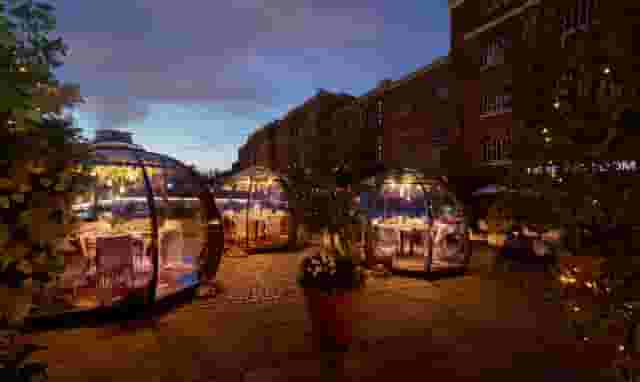
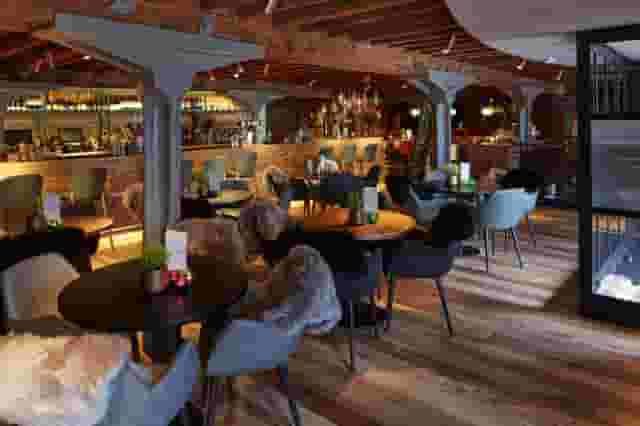
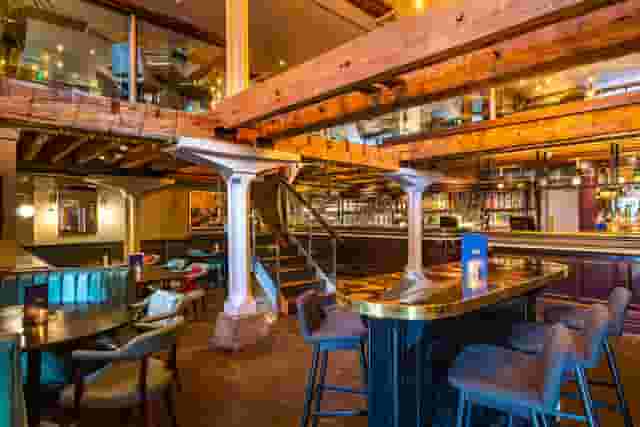
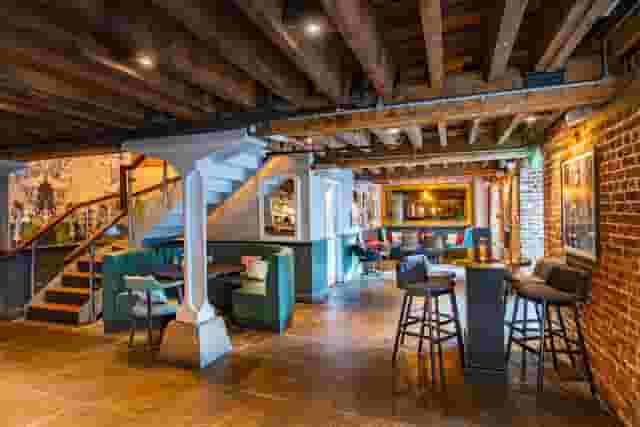





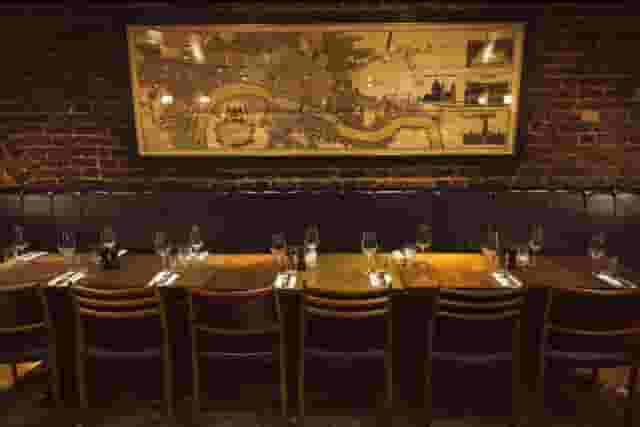
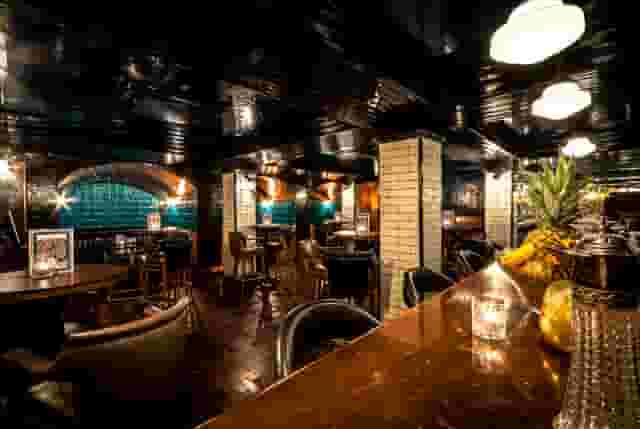
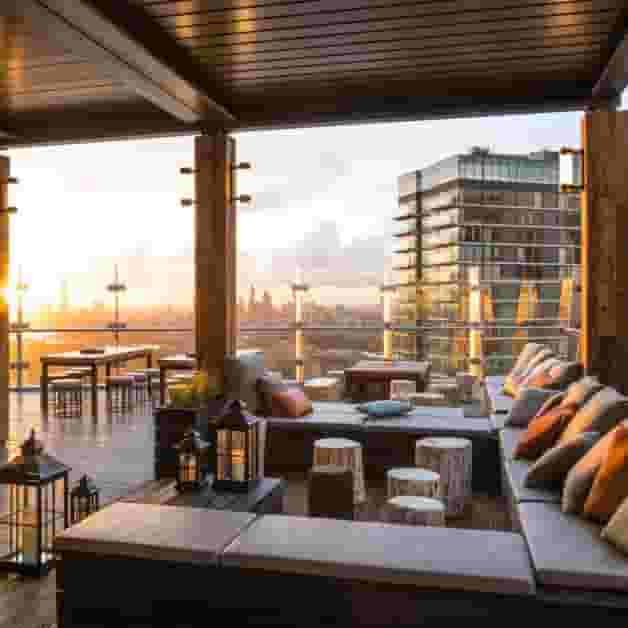
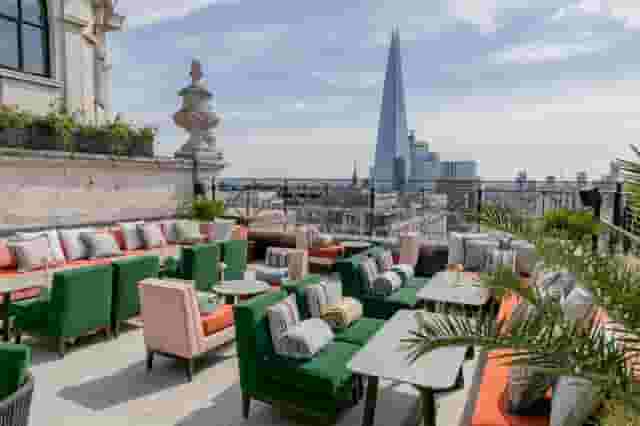













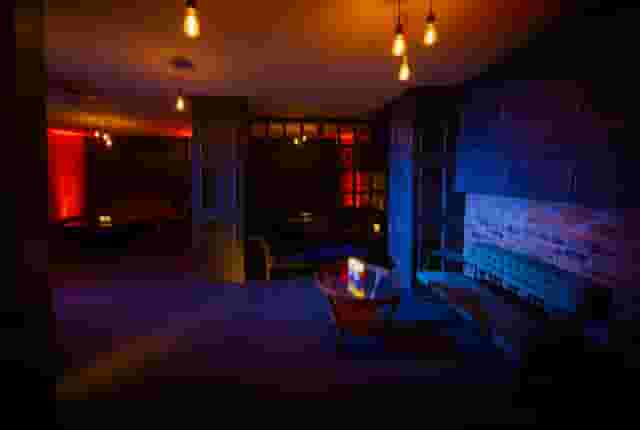

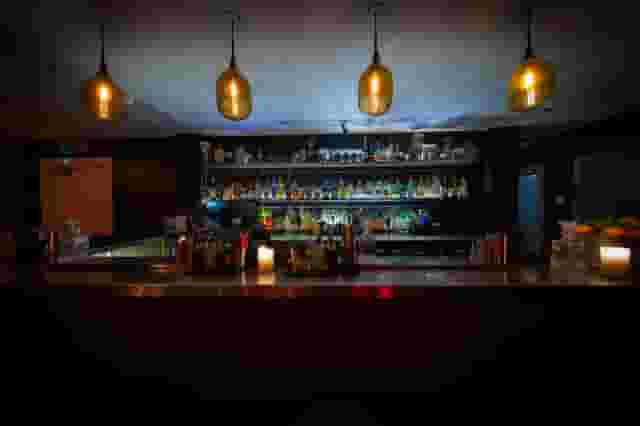
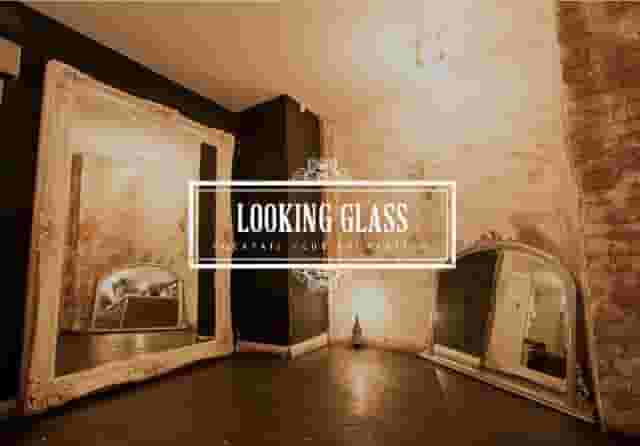
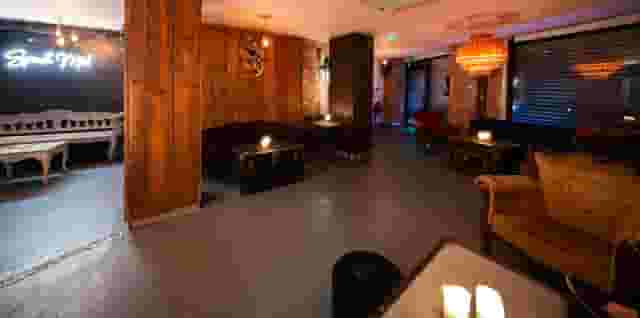




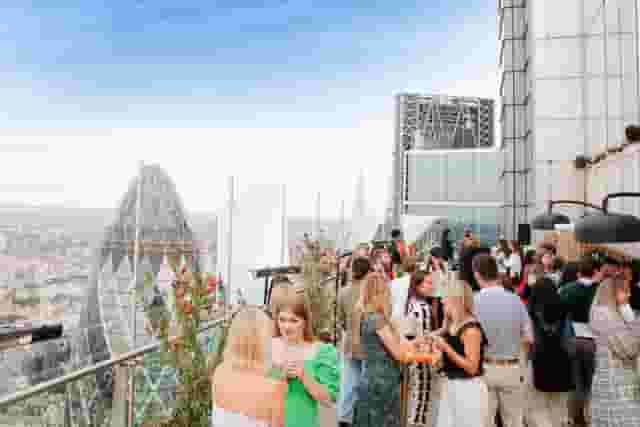
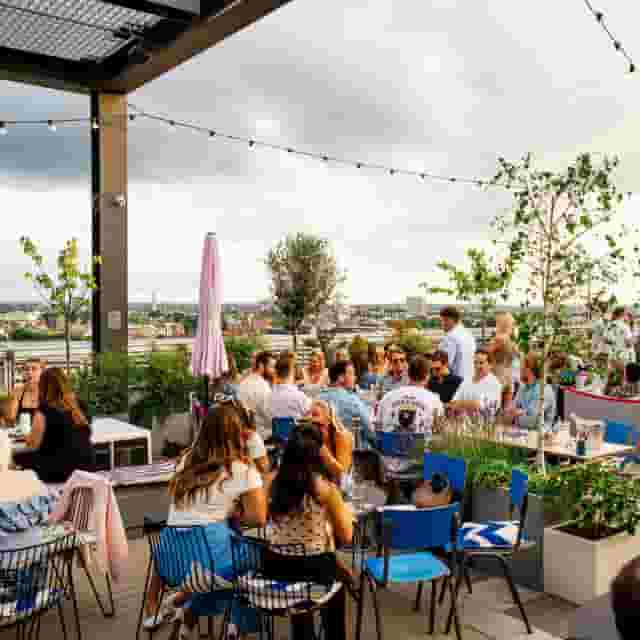
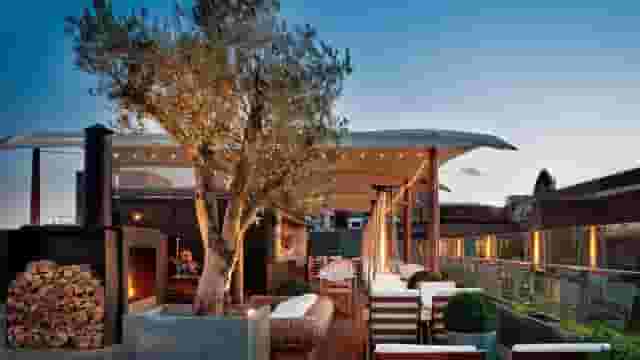


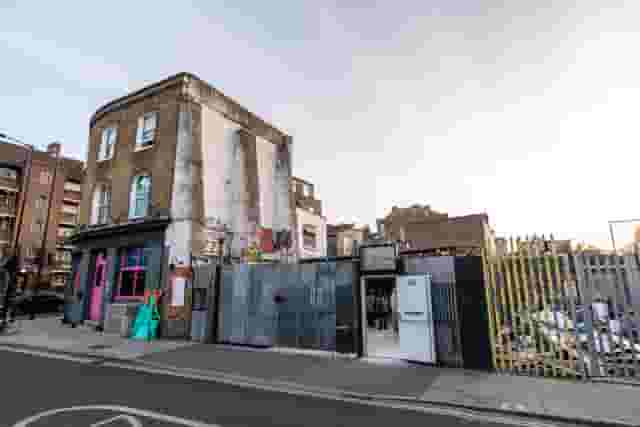
















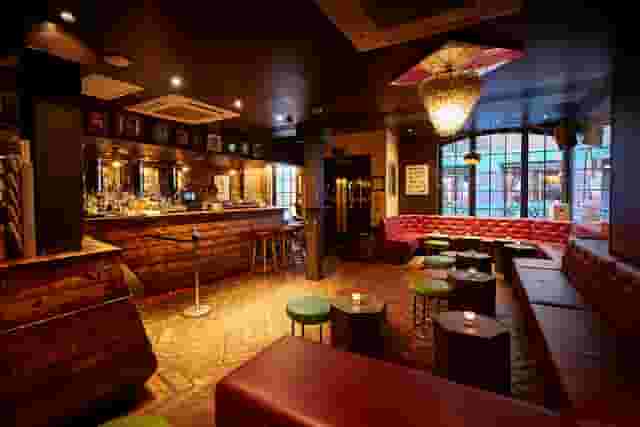
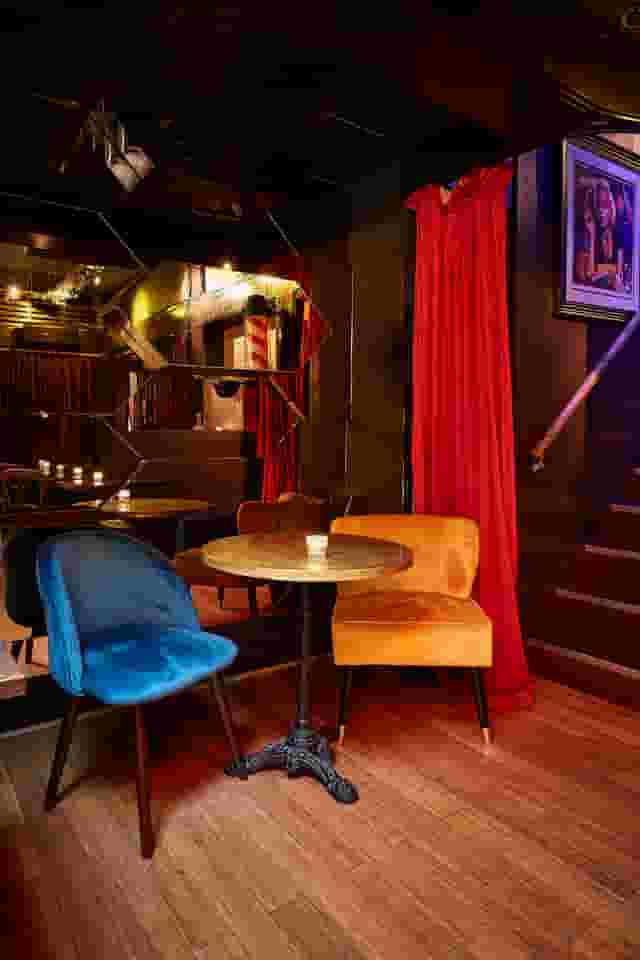
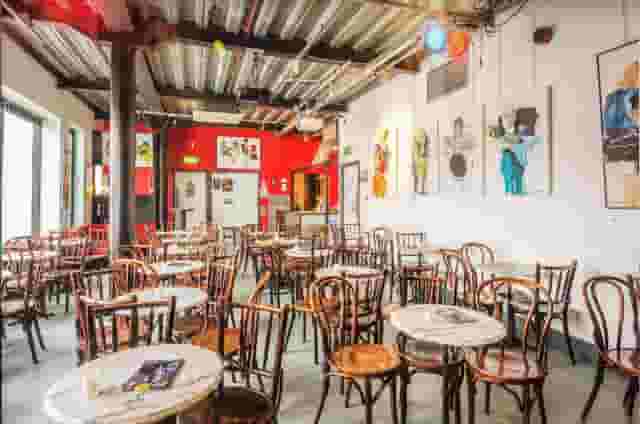
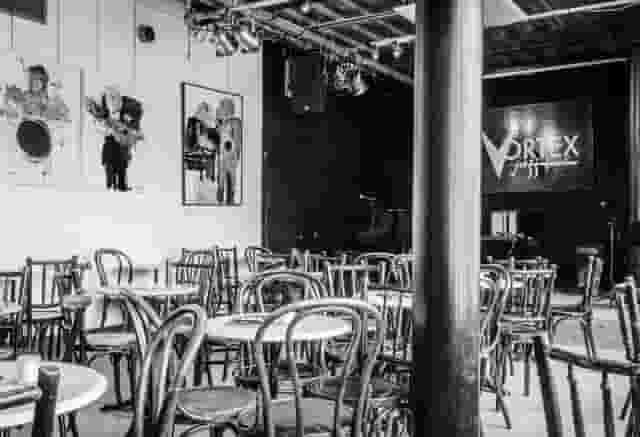







No venues match these filters
Try widening your capacity, luxury level or event type.
Don't have time to search? We'll find it for you.
For business events that need human judgement, talk to our team. Free for events of 100+ people, budgets over £10k or ongoing programmes.




Explore more venues in East London
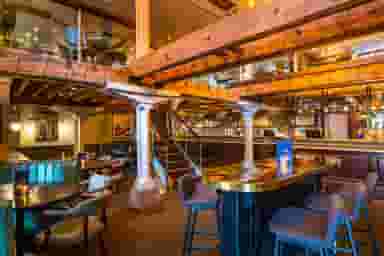
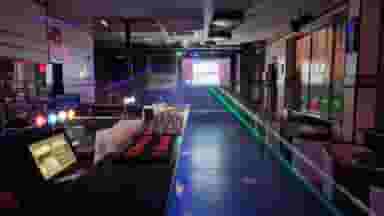
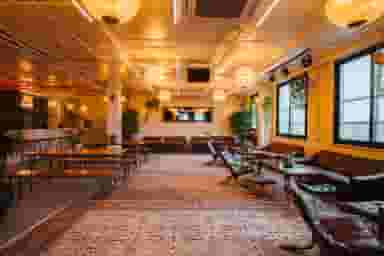
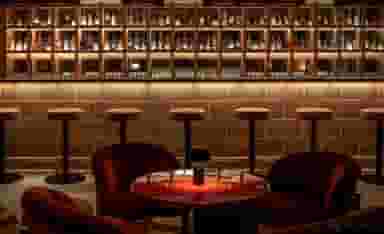
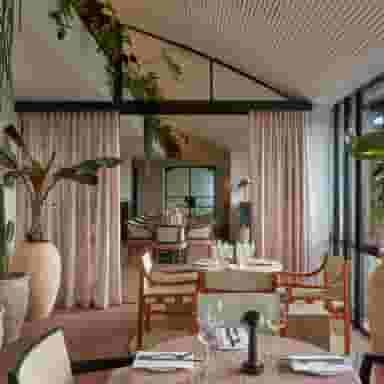
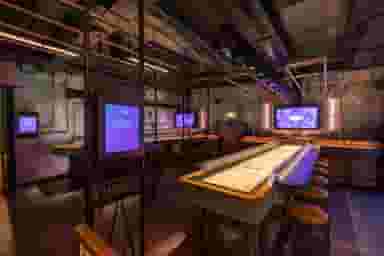
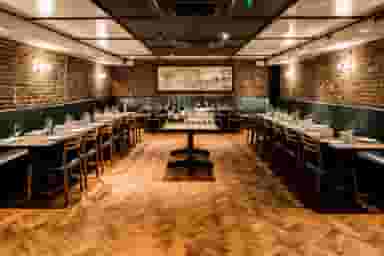
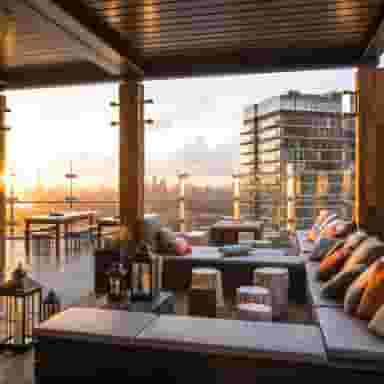




Frequently asked questions
What defines a top cocktail bar in East London?
How to spot a unique cocktail venue in East London?
Are private areas a must in East London bars?
What tech should East London cocktail bars have?
What's the ideal location for a cocktail bar in East London?
Other platforms search their database. We search everything.
Tell us what you need. Our deep research finds any venue, whether it's in our marketplace or not. No one else does this.
About Cocktail Bars in East London
Choosing the right cocktail setting in East London
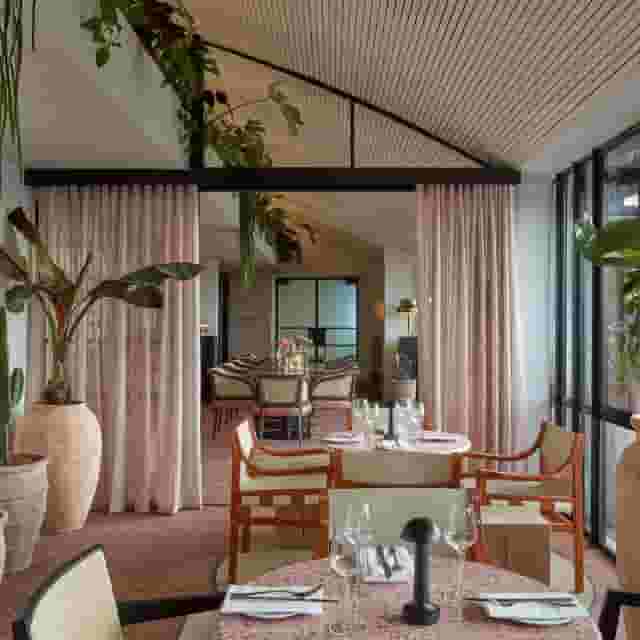
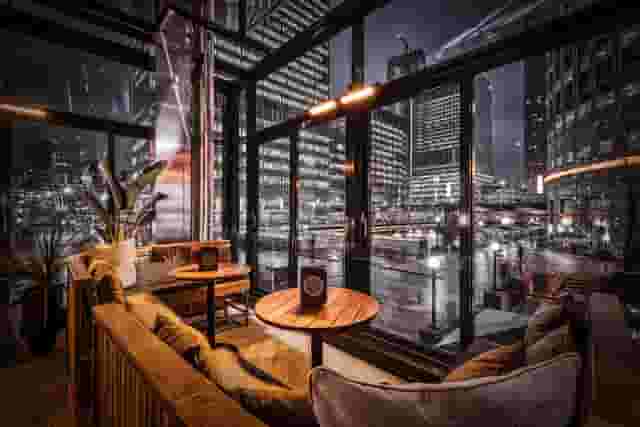
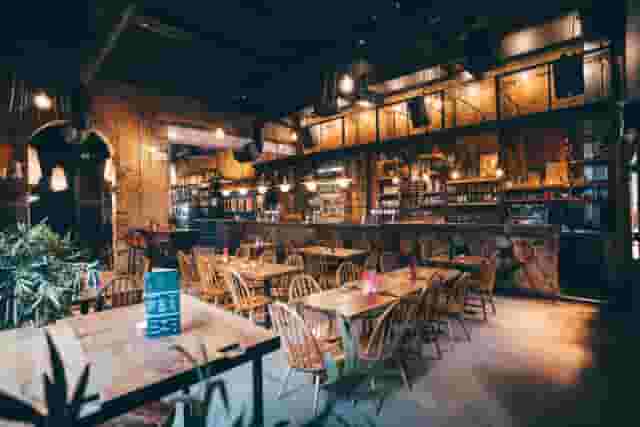
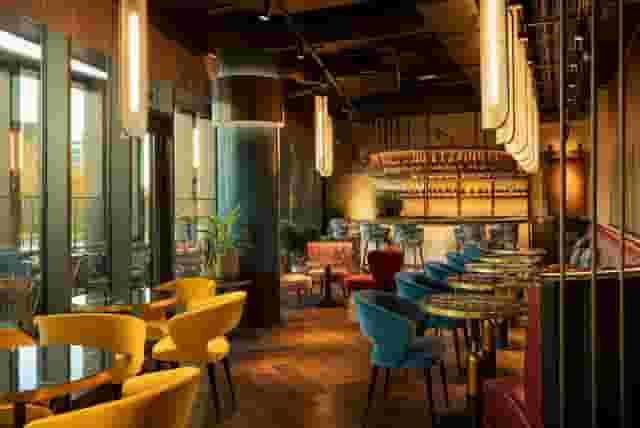
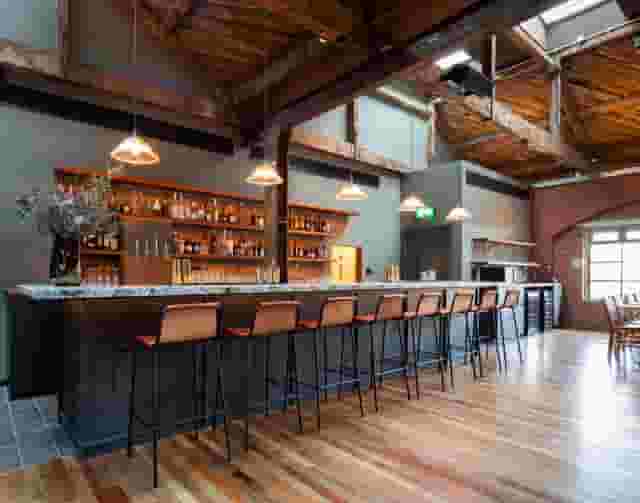
East London covers a wide spectrum of cocktail venues, ranging from subterranean drinking dens beneath Victorian streets to glass-fronted waterside terraces in the financial district. Selecting the right venue for a company gathering depends on the exact tone of the night. A team social celebrating an internal milestone needs a relaxed room with comfortable breakout seating, whereas entertaining key commercial clients demands fast, polished bar service and clear acoustics where conversations do not require shouting.
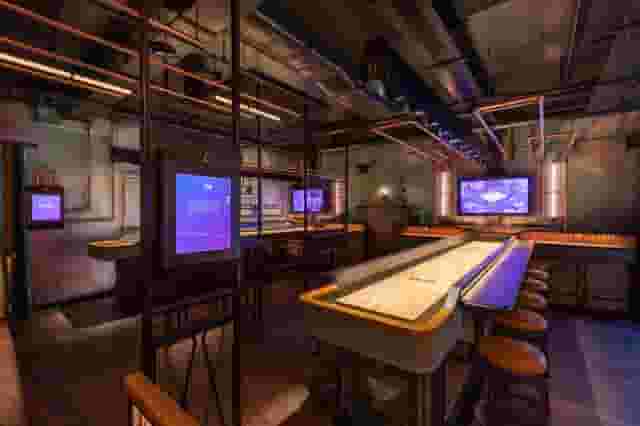
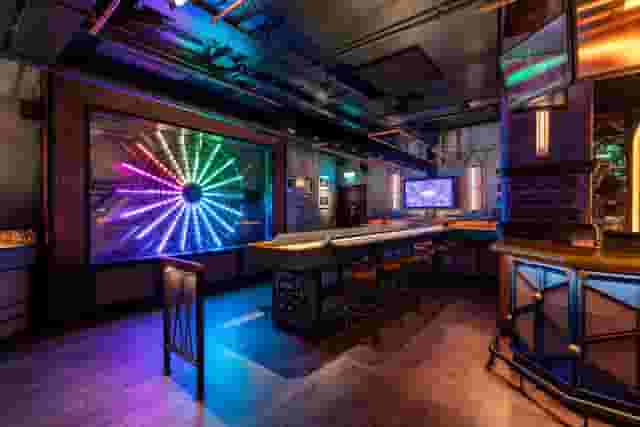
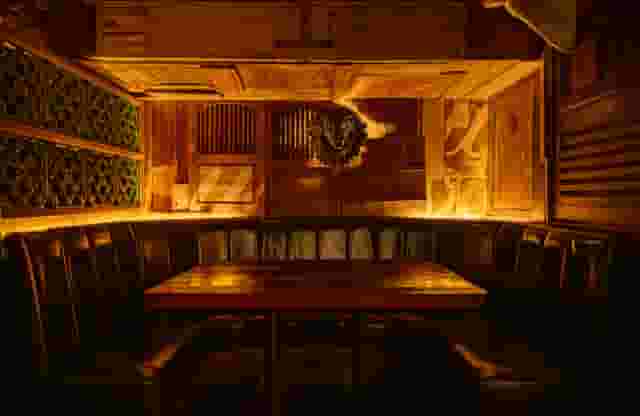
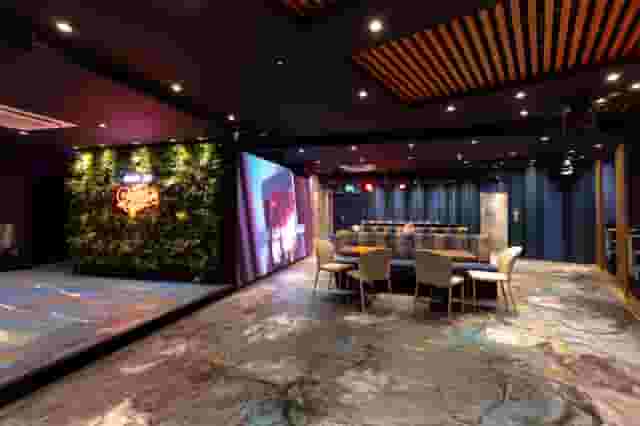
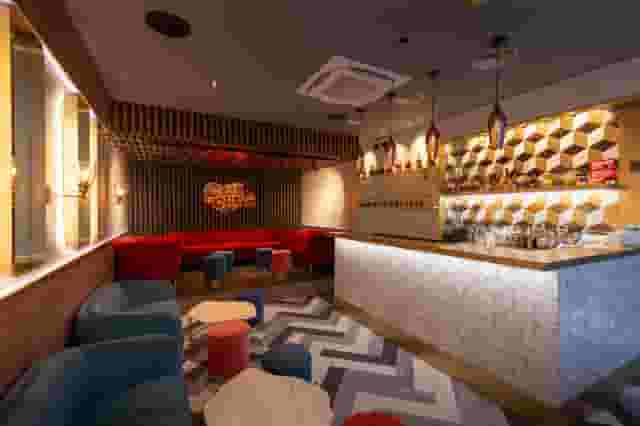
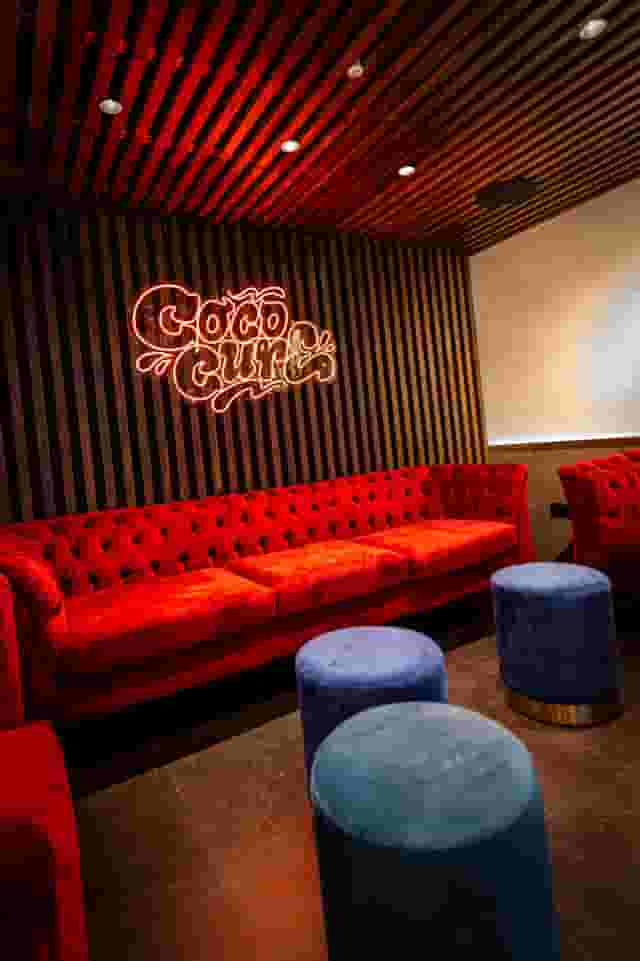
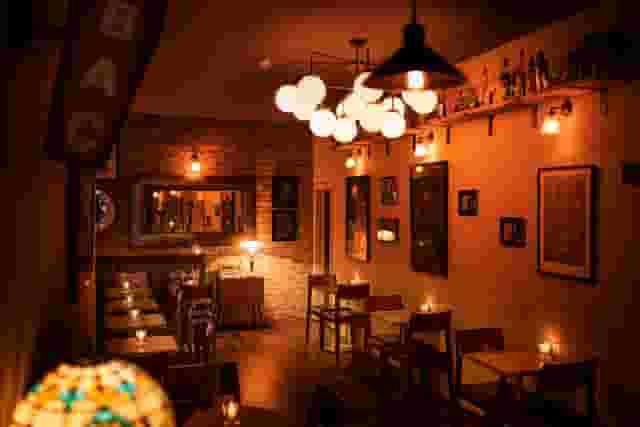
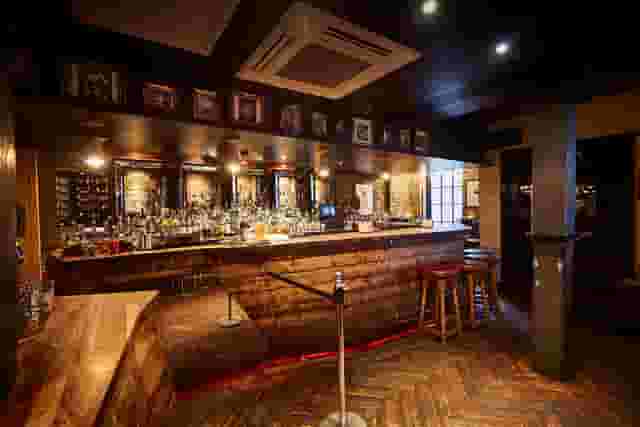
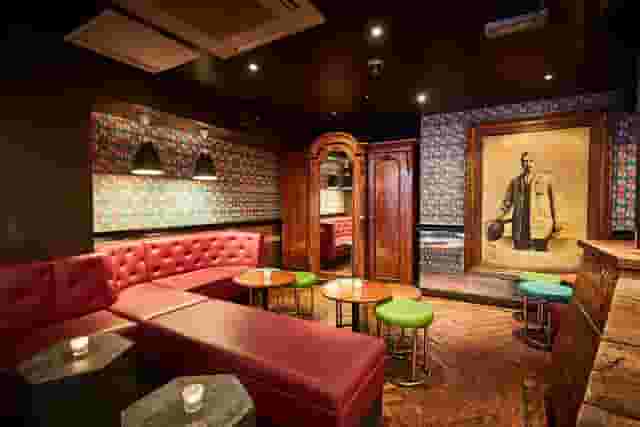
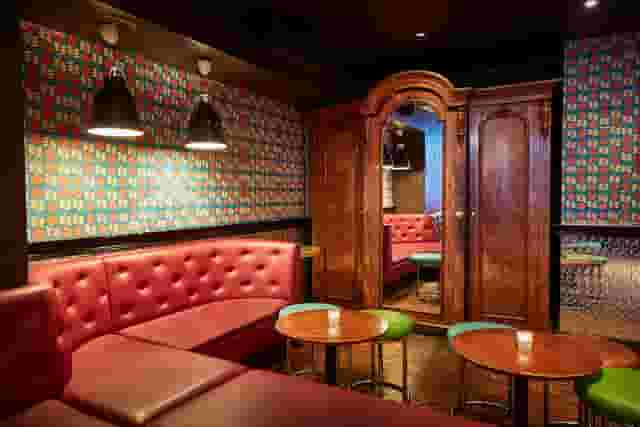
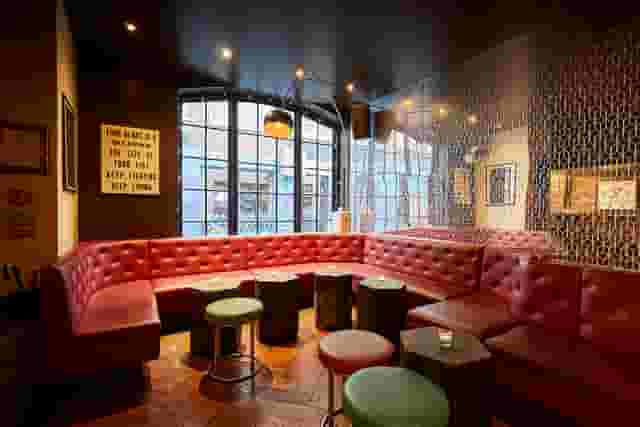
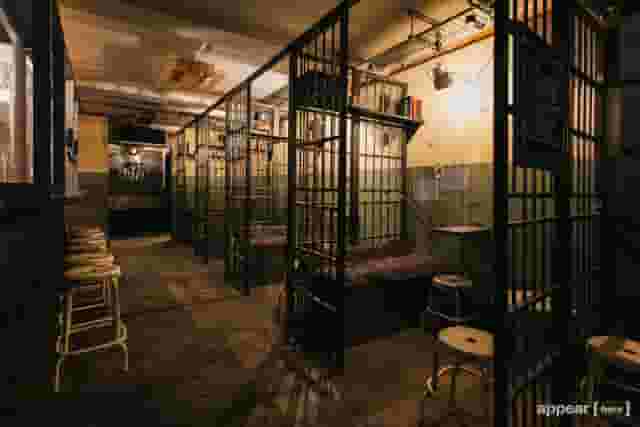
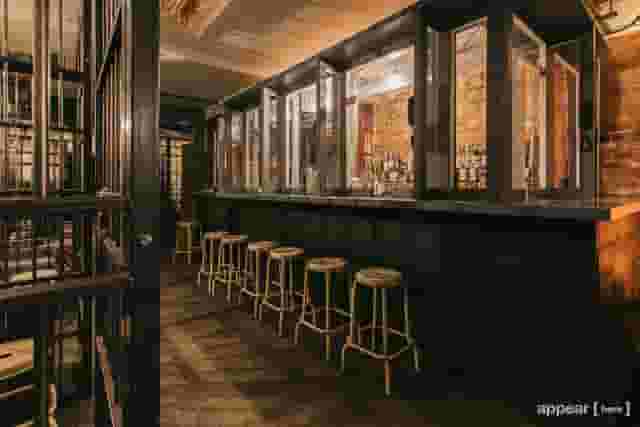
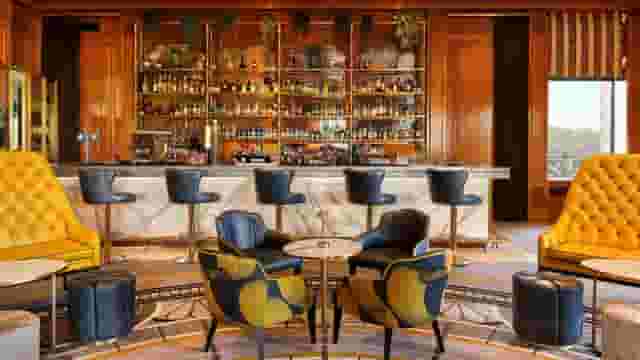
The geographic pocket you choose dictates much of the atmosphere. Shoreditch and Spitalfields lean heavily into heritage architecture, cocktail craft and moody basement settings. Looking Glass Cocktail Club in Shoreditch brings a vintage speakeasy feel with capacity for 150 standing guests, well suited to informal evening socials where the drinks program acts as a talking point. Just south in Spitalfields, Hawksmoor Spitalfields Bar provides an intimate basement bar holding up to 70 standing or 30 seated guests, lending itself naturally to focused client receptions where drinks quality and food pedigree take precedence.
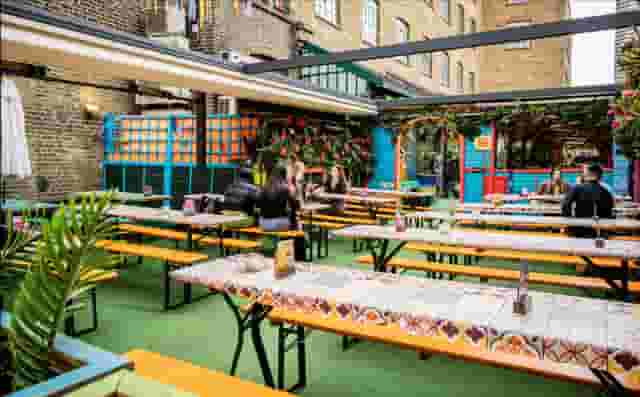
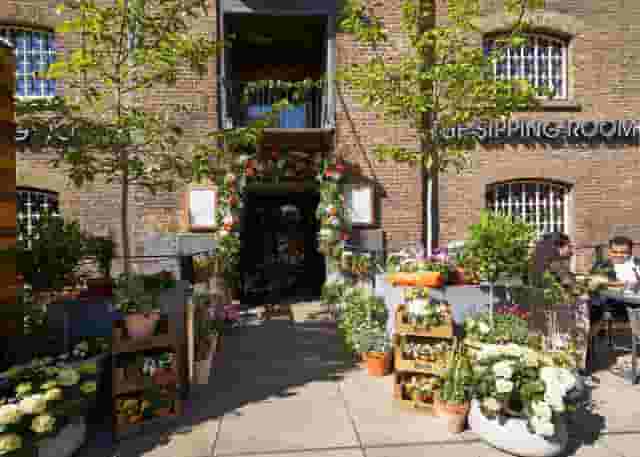
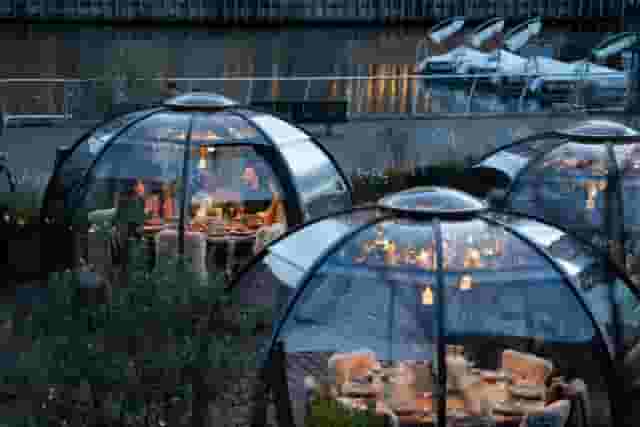
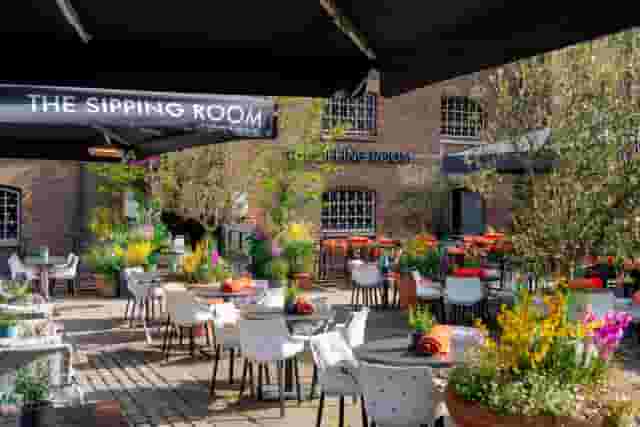
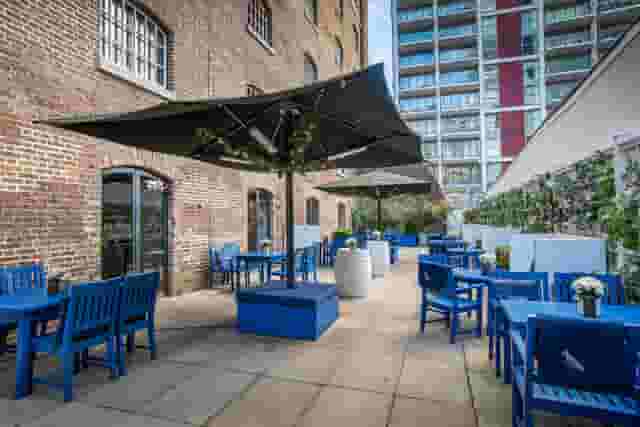
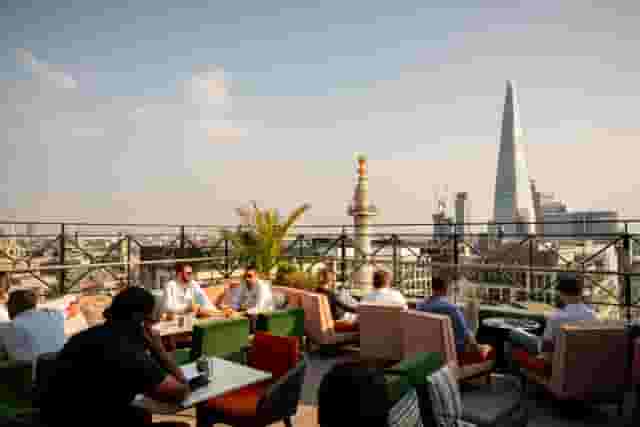
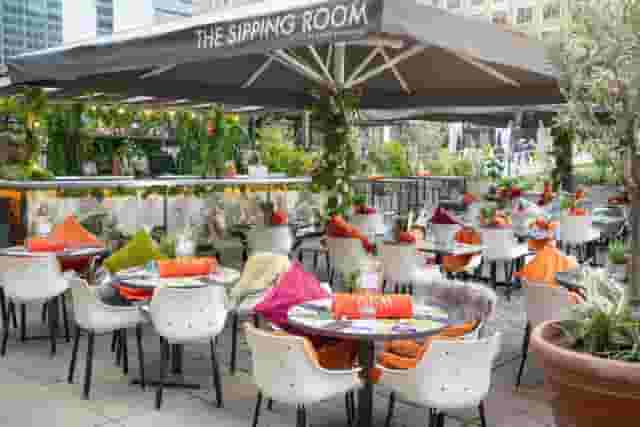
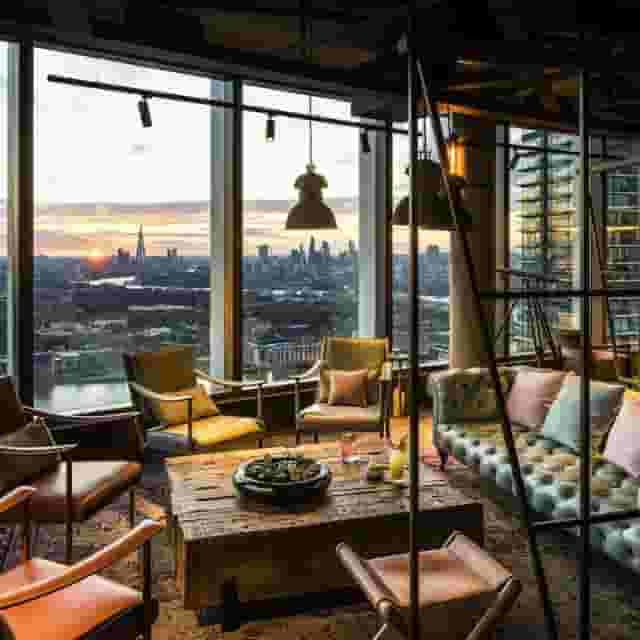
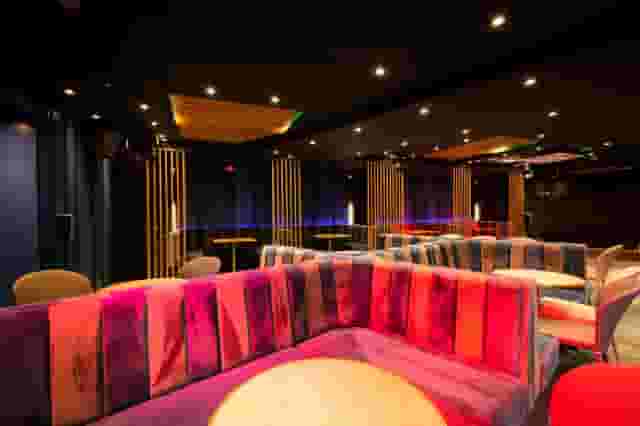
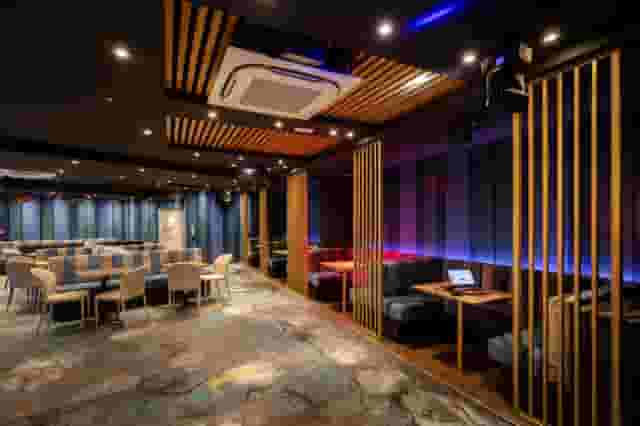
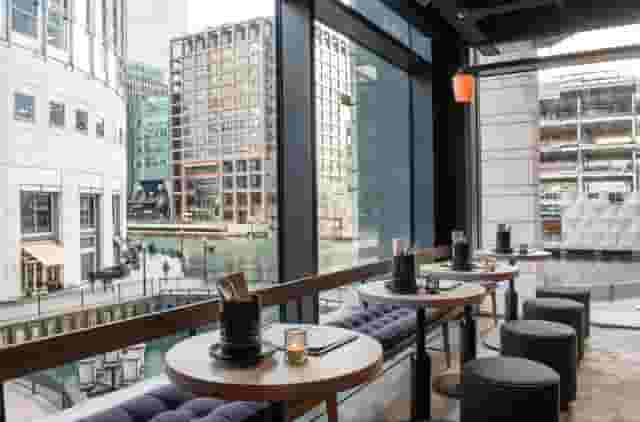
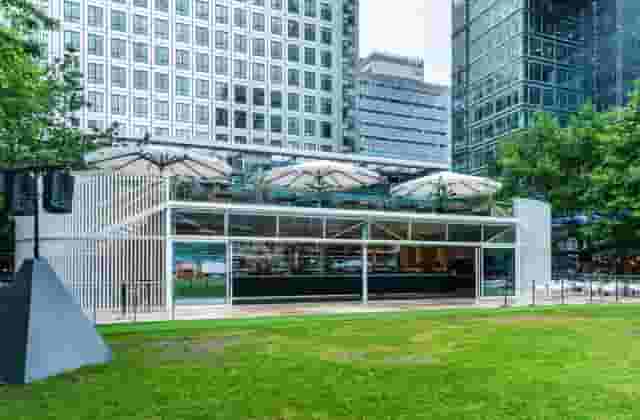
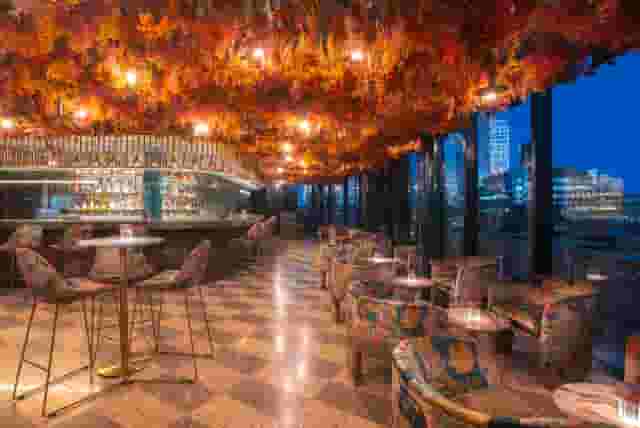
Further east along the Docklands corridor, the architectural style changes completely. In Canary Wharf, cocktail spaces open out into high-ceilinged modern builds with substantial outdoor terraces overlooking the water. The Sipping Room accommodates receptions for up to 400 people across flexible open-plan areas and an outdoor terrace. For companies with large teams who need space to move without fighting through a crowded central bar, these open layouts keep the room flowing smoothly.
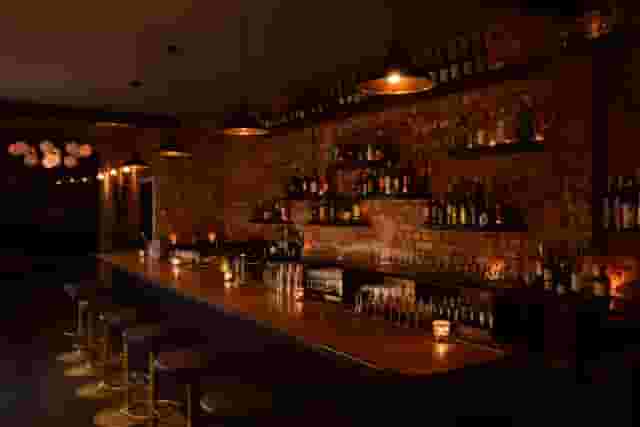
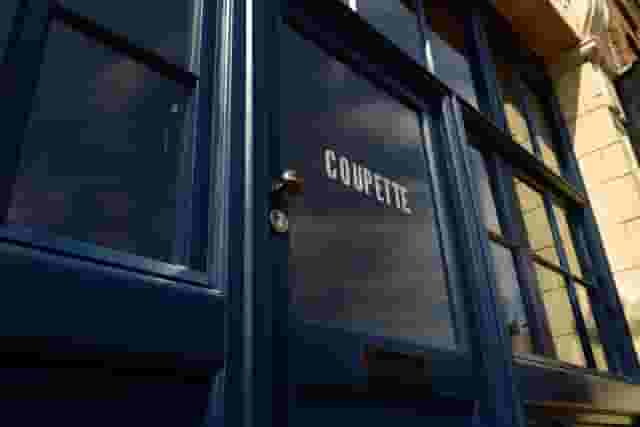
Heading north towards Bethnal Green and Hackney, spaces take on an independent, neighbourhood character that works well for creative agencies and tech teams. Coupette in Bethnal Green offers space for 65 guests for a private reception, focusing on specialist cocktails in a refined, low-lit setting. Selecting between these districts is less about finding the trendiest room and more about matching the physical environment to your guest list and the professional relationship you want to foster. To explore locations across these neighbourhoods, Deep Venue Research analyses spaces across London to uncover rooms that match your specific guest count and atmosphere. Hire Space is an event planning and venue booking platform backed by a team of real people who own the outcome, helping you build a shortlist and confirm availability in minutes rather than spending days waiting for responses.
Space planning, capacity and room layout
Cocktail bars present specific space planning challenges that standard corporate function rooms do not. Most cocktail lounges are designed for evening retail trade, which means they are filled with fixed perimeter booths, low coffee tables, heavy bar stools and narrow walkways. When evaluating a venue capacity, looking purely at the headline standing number can be misleading.
Usable floor area versus furniture footprints
A room rated for 100 standing guests might only hold 60 comfortably if the venue cannot remove or push back its central tables. Before signing a contract, establish whether loose furniture can be cleared to open up circulation paths, or if the layout is completely fixed. Guests standing shoulder to shoulder around low tables end up trapped in small clusters, creating bottlenecks that disrupt conversation and slow down catering trays.
For smaller gatherings where conversation is the primary objective, tucked-away rooms offer containment without feeling sterile. Bar Lina Shoreditch features an Italian vault space seating 15, or a larger adjoining area that holds 35 seated or 45 standing guests. An arrangement like this allows a team to gather in an enclosed setting without renting out an oversized bar where the group feels lost.
Weather contingencies and outdoor terraces
Outdoor terraces are popular for spring and summer corporate events, but East London weather makes uncovered outdoor space an operational hazard. If you book an open terrace, you must have an agreed bad-weather fallback inside the venue that holds your entire guest count without splitting the party across separate floors.
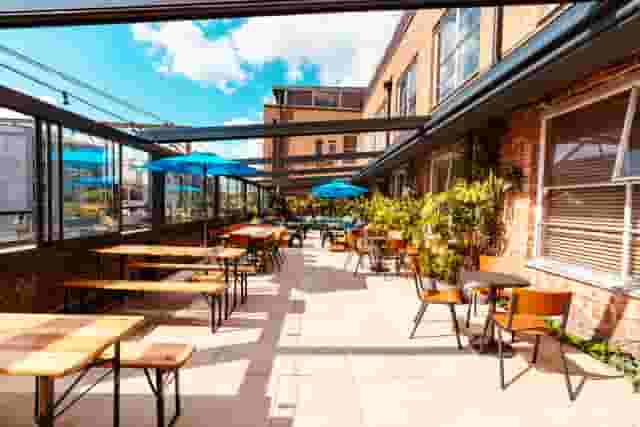
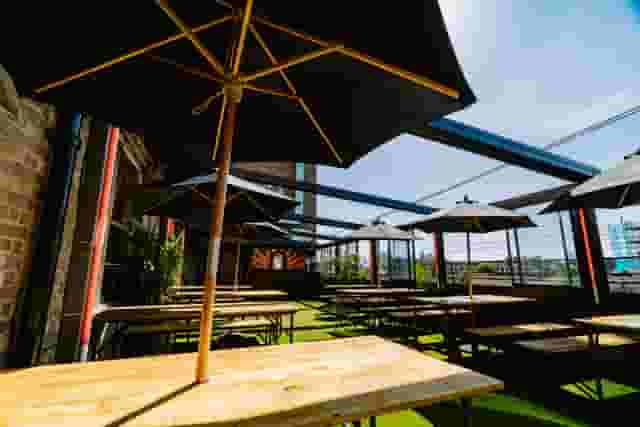
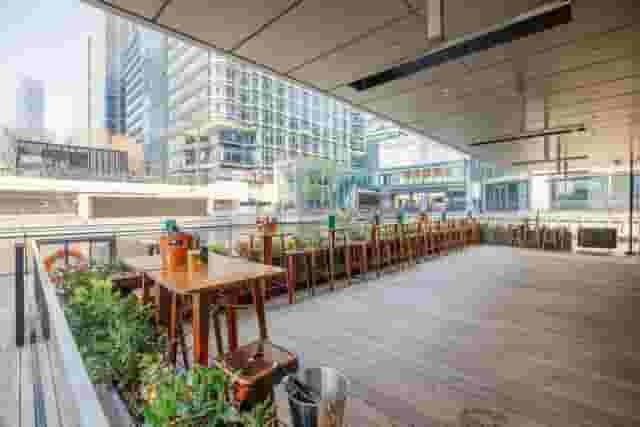
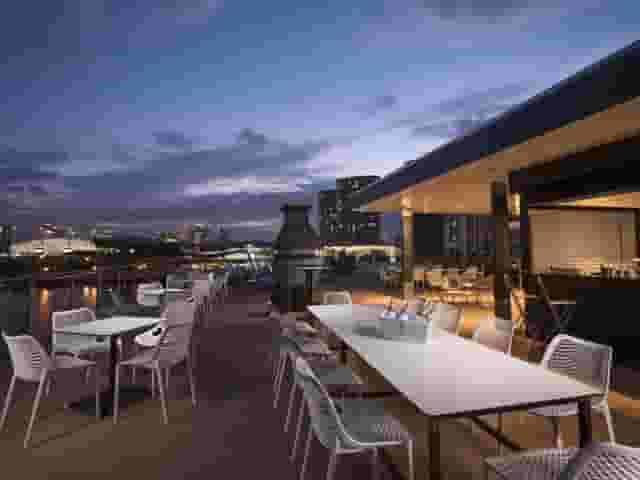
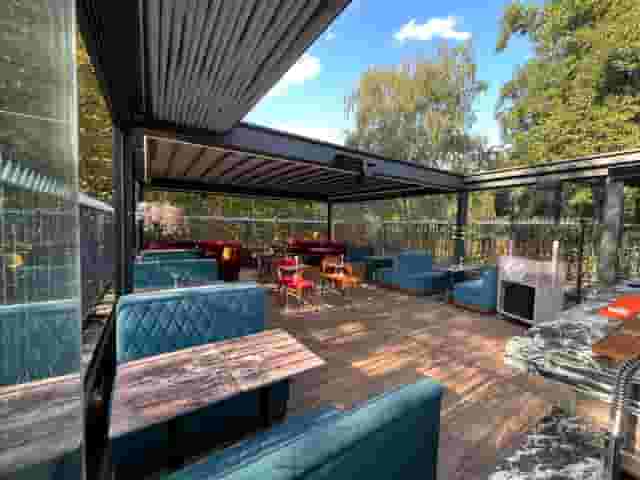
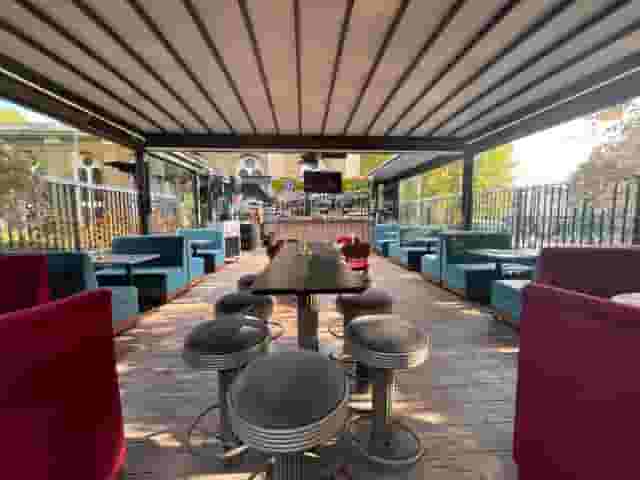
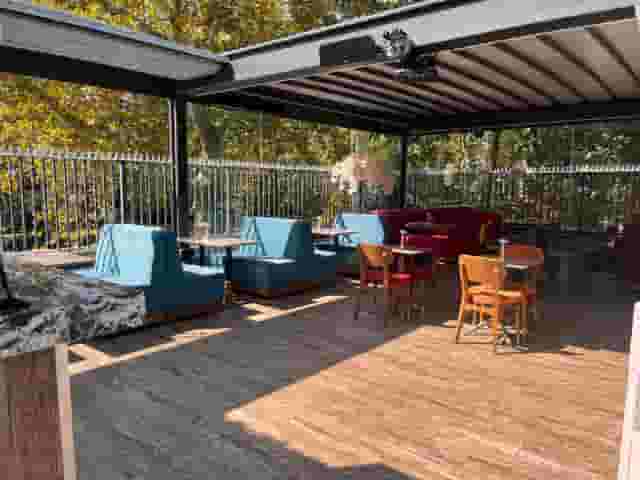
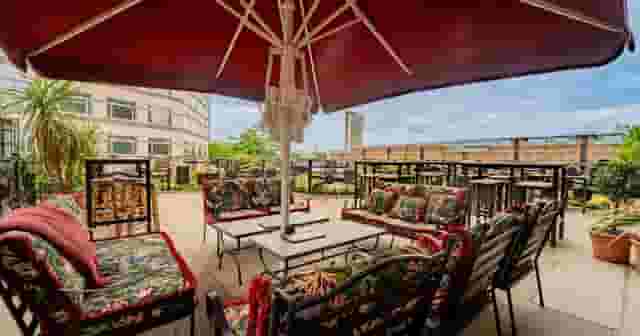
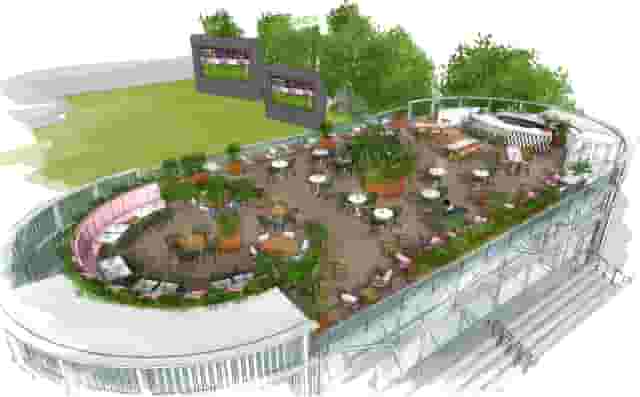
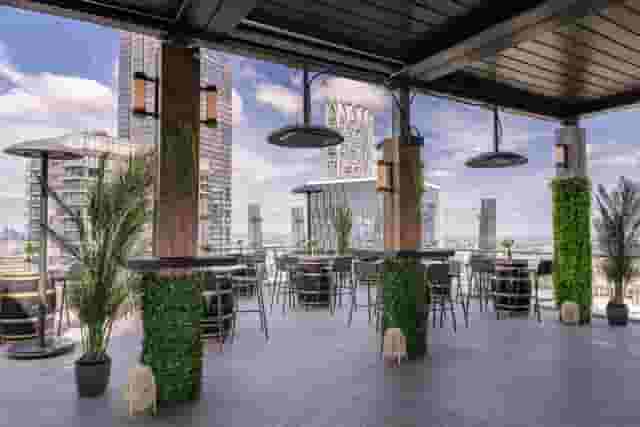
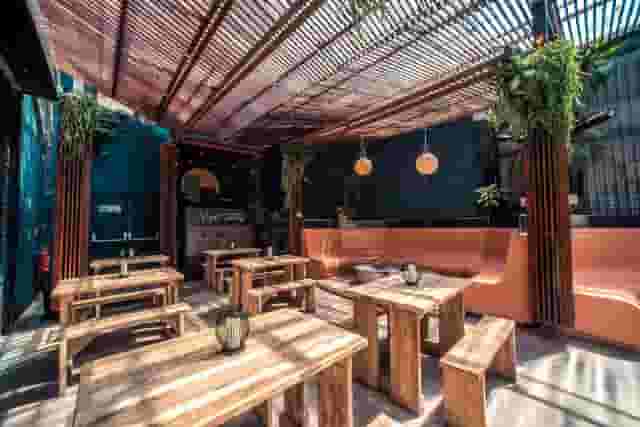
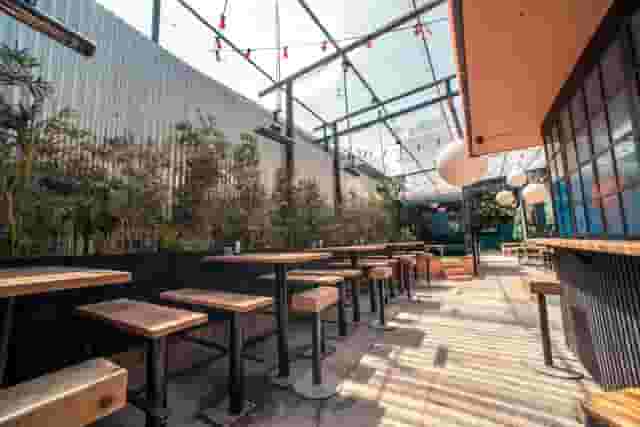
Certain East London venues solve this issue with architectural roof covers. NT's Loft in London Fields can host up to 350 standing guests across its indoor area and rooftop space, which features a retractable roof and its own private bar. Similarly, The Solo in Bethnal Green provides a heated rooftop with a retractable roof and private bar for up to 100 standing guests. A retractable roof gives organisers guaranteed outdoor atmosphere without the financial risk of rain washing out the reception.
Private hire versus semi-private roped areas
Deciding between exclusive venue hire and a semi-private section comes down to privacy, sound control and budget.
| Hire style | Best suited for | Key advantages | Potential drawbacks |
|---|---|---|---|
| Exclusive hire | Company all-hands, confidential launches, major client entertainment | Complete control of music volume, door entry, private facilities and dedicated bar teams | Higher minimum spends, strict cancellation terms |
| Semi-private hire | Casual team socials, project wind-downs, department celebrations | Lower spend thresholds, built-in ambient atmosphere | Background noise from public trade, shared toilets, potential guest overlap |
If you opt for a semi-private lounge, confirm whether you have a dedicated bar station or if your guests will be queuing alongside the general public. Sharing a main bar with public patrons instantly drains the professional feel of an internal gathering and complicates billing if you are running a bar tab.
Food service, bar speed and menu structure
High-end cocktail bars pride themselves on complex drink builds, hand-cut ice and multi-ingredient recipes. In standard service, a bartender crafting two bespoke drinks might take three to four minutes. Apply that timing to a corporate group of 80 guests arriving simultaneously after work, and the bar will gridlock within ten minutes.
Managing the arrival rush
To keep the room engaged and prevent long queues at the bar counter, establish an arrival drinks protocol with the venue management. Agree on two or three streamlined cocktails that can be pre-batched and served immediately from trays as guests check their coats. A welcome spritz, a crisp gin build or a house punch handles the initial thirst while dispersing guests deeper into the room.
Alongside alcoholic signature serves, high-grade non-alcoholic options are mandatory for any modern company gathering. Do not settle for lime and soda or generic fruit juice. Professional cocktail venues should offer distilled non-alcoholic spirits, house shrubs, fermented sodas and complex alcohol-free cocktails that match the alcoholic menu in presentation and glassware.
Pairing food with cocktails
Cocktails carry significantly higher alcohol content than beer or wine, making proper food provision essential from the moment the event starts. Relying on bowls of crisps or mixed nuts is an operational mistake that leads to early departures and over-intoxication.
Finger food and canapés must be genuinely easy to eat while standing with a drink in one hand. Avoid dishes requiring two hands, oily items that mark clothes or fragile pastries that crumble on contact. Substantial bowl food, seasonal tasting plates and warm skewers circulated on trays keep energy levels consistent throughout the evening.
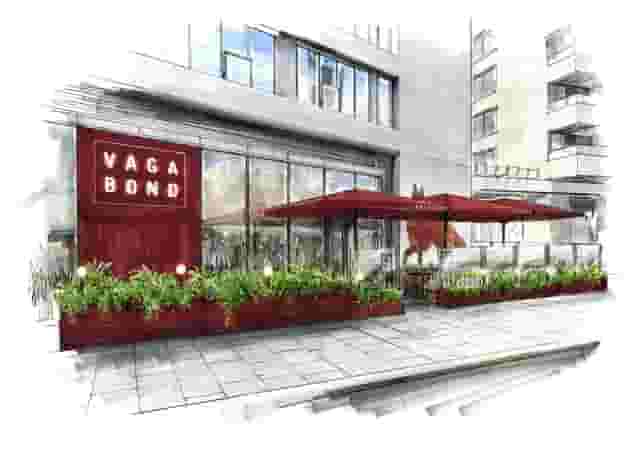
Venues with dedicated culinary operations handle this pairing smoothly. Vagabond Canary Wharf, which accommodates 220 standing guests and features over 130 wines alongside drinks packages, pairs its liquid offering with small seasonal tasting plates. When planning the food schedule, arrange for hot items to circulate in two distinct waves: the first round roughly 45 minutes after guest arrival, and a second, heartier round midway through the evening to absorb later rounds of drinks.
Costs, minimum spends and quote comparison
Cocktail bar hires in East London are typically quoted on either a per head package basis or an overall minimum spend on food and beverage. Understanding how venues calculate these charges protects your budget from unexpected end-of-night additions. Hire Space 360 is enterprise venue and hotel procurement for companies spending £1m or more a year on meetings and events: a managed meetings and events programme, the kind procurement teams call strategic meetings management. By managing venue sourcing under one supplier agreement, it delivers consolidated invoicing and ensures bookings adhere to your company event policy. Learn how Hire Space 360 works for procurement to see how teams maintain an audit trail alongside live spend reporting across all their events.
For corporate events in this category, typical costs sit between £46 to £73 per head. This indicative pricing is based on 6 quotes from the venues on this page and assumes a guest count of about 50 guests. Where your booking lands within this range depends heavily on the day of the week, the cocktail menu tier you select and the volume of food circulated.
How quotes break down
Towards the £46 end of the spectrum, packages typically cover a fixed arrival drink followed by wine, beer and soft drinks for a two-hour window, accompanied by light finger food or bar snacks. Moving towards the £73 end of the range brings premium spirits, bespoke cocktails crafted to order, champagne receptions and substantial hot bowl food menus that replace a sit-down dinner.
When comparing a minimum spend against a per head package, look carefully at what happens if your party fails to reach the target spend.
| Pricing model | How it works | When to choose it | What to watch for |
|---|---|---|---|
| Minimum spend | Venue waives hire fee if your group spends an agreed total on food and drink | Confident attendance numbers, groups with varying drinking habits | Shortfall fees charged directly to your card if spending lags |
| Per head package | Fixed price per attendee covering set drinks and food allocations | Strict corporate accounting, tight internal budget caps | Unused package components cannot be refunded on the night |
Uncovering hidden costs
When reviewing contracts, ensure the following charges are clearly addressed before signing:
- Service charge: Almost all London cocktail venues add an automatic discretionary service charge of 12.5% or 15% to the final bill. Check whether this is factored into your initial quote or added on top.
- Cloakroom staffing: Confirm whether cloakroom attendants are included in the minimum spend or billed as a separate operational cost.
- Glassware breakages: Certain heritage venues include a clause charging a flat fee for broken specialty glassware.
- Extension fees: Running thirty minutes past your contracted hire window can trigger severe overtime charges for bar, security and cleaning staff.
Sound, lighting and technical requirements
Corporate organisers frequently overlook audio and visual equipment when booking cocktail bars, assuming the venue can accommodate announcements or background presentations out of the box. However, high-end cocktail bars are acoustic environments built for hospitality, not corporate presentations.
Audio clarity and microphones
If someone needs to give a five-minute thank-you speech or announce an award, ask explicitly if the venue has an integrated PA system with a handheld wireless microphone. Many bar PAs are wired exclusively for background playlists and lack the frequency separation needed for clear vocal reproduction. If you introduce a handheld microphone into a sound system designed purely for deep house or ambient jazz, you risk severe audio feedback across hard interior surfaces.
Venues with purpose-built event spaces handle this significantly better than standard bars. If clear audio or a private music feed is essential, clarify whether the room has independent sound zones that allow you to adjust the volume in one corner while maintaining conversation levels in another.
DJ integration and lighting controls
For late-running company celebrations, transition management is vital. A room that stays brightly lit and quiet after 20:00 feels like an office foyer, while one that turns into a darkened nightclub at 18:30 prevents colleagues from holding initial conversations.
Ask the venue manager whether the overhead lighting sits on independent dimmers that can be lowered gradually as the night progresses. If you plan to bring in an external DJ, verify what input connections the bar provides, whether they have house decks or if your performer must bring a full flight-case controller, and whether sound limiters are installed that could cut power mid-track.
Licences, curfews and guest travel
The smoothest cocktail party can unravel at the end of the evening if transport connections are awkward or the venue enforces an abrupt licensing curfew that expels guests onto the pavement before midnight.
Understanding local licensing curfews
Licensing regulations vary significantly across East London boroughs. Hackney and Tower Hamlets maintain strict cumulative impact zones in parts of Shoreditch and Dalston, which often means private room bars must cease alcohol sales at 23:00 or midnight on weeknights, with sound levels reduced sharply from 22:00. In contrast, Canary Wharf developments often operate with extended indoor licences that allow events to run until 01:00 or 02:00 without friction from nearby residential properties. Always establish the precise last orders time and the mandatory drinking-up time before confirming your timeline.
Public transport corridors and accessibility
When picking your venue, map your attendees' return journeys. East London benefits from exceptional rail links, but different stations cater to different commuter lines:
- Liverpool Street and Shoreditch: Ideal for City workers and those using the Central, Elizabeth, Circle and Metropolitan lines, alongside London Overground connections.
- Canary Wharf: Exceptional east-west travel via the Elizabeth line and south-east connections via the Jubilee line and DLR networks.
- Bethnal Green and Hackney: Best for Central line and Overground travel, though walking routes from stations to off-grid cocktail bars can be darker and less intuitive for out-of-town guests.
Finally, verify step-free accessibility from street level through to the bar and restrooms. Many historic basement cocktail clubs across Shoreditch and Spitalfields rely on steep, narrow staircases that exclude guests with limited mobility or wheelchair users. Checking elevator access and accessible toilet facilities during your initial site visit ensures your event remains welcoming to every member of the team.
What our customers say
Inspiration and planning guides

Watch a real brief turn into priced, available venues in 15 minutes
Chloe Richardson has spent 17 years in events. We gave Deep Venue Research one of her briefs and filmed every step, from the first questions to availability checked at the venues she chose.

Simple Events Win: Why Restraint Beats Spectacle
Budgets are tight and audiences want connection over spectacle. The events that land in 2026 are the deliberately simple ones. Here is how to edit rather than cut, grounded in the 2026 industry data, and why the right venue does the heavy lifting.

Why UK Event Calendars Got So Tight (And How to Book Smarter)
Lead times for UK corporate events are up 39% since 2022, based on Hire Space booking data. The calendar is tighter, conversion rates fall sharply when you leave it late and the peak windows are getting more crowded. Here is what the numbers say and what to do about it.
One supplier. Every venue. Full visibility on what you spend.
Multiple venues and events. One agreement.