Christmas Party Venues in London
Explore London Christmas party venues for 200 guests with room for drinks receptions, seated dining and DJs, backed by real quote data.
69 Christmas Party in venues in London
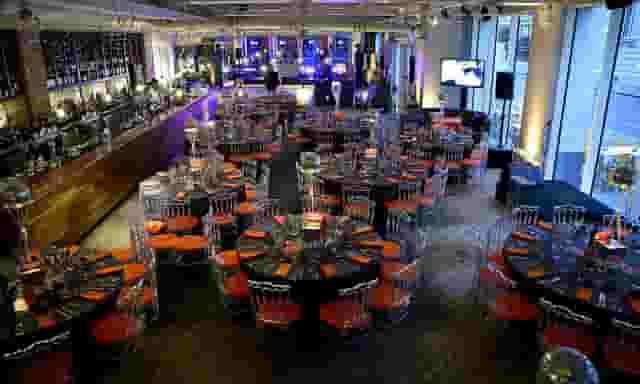
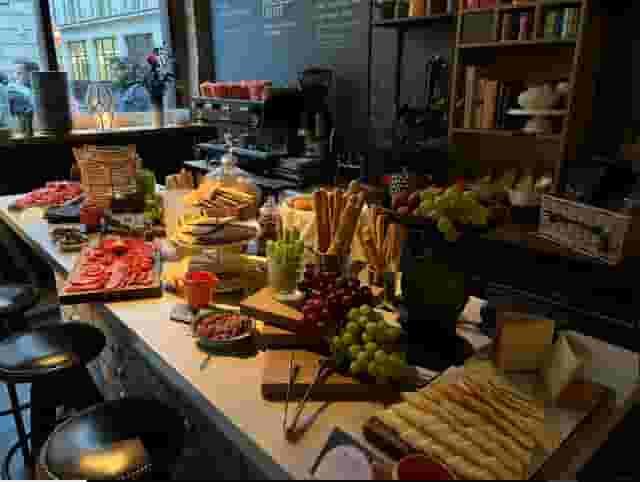
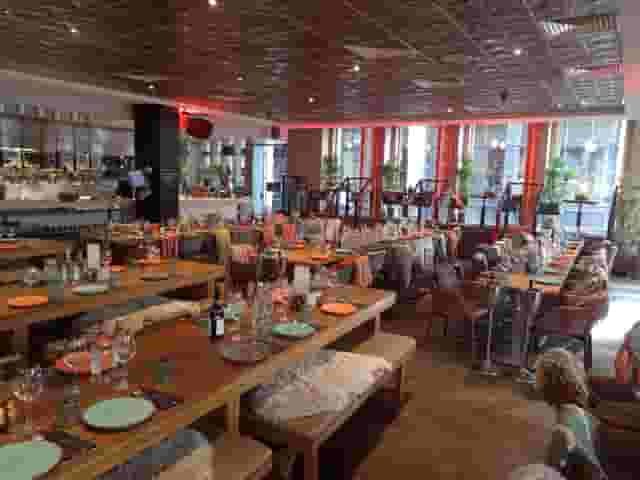
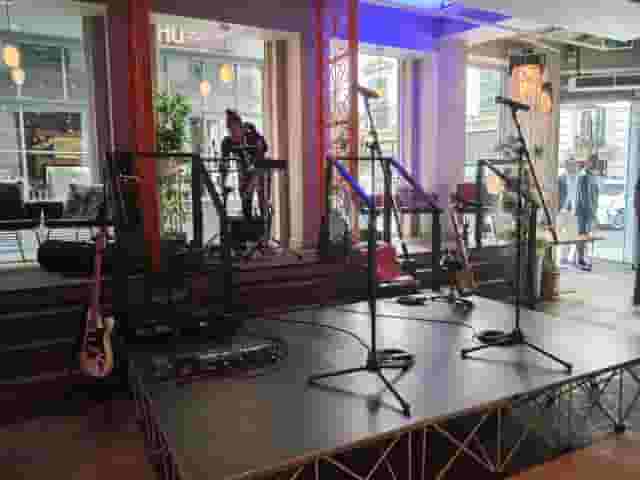








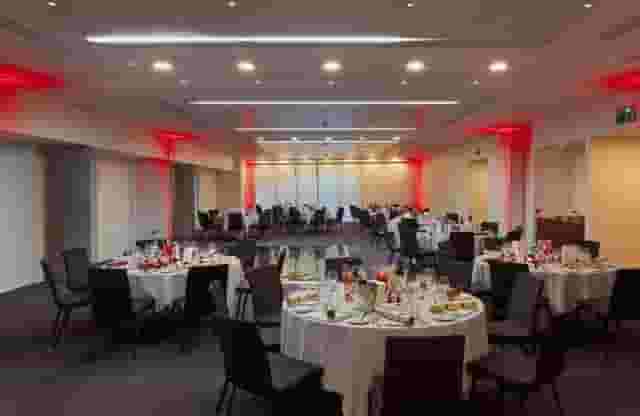

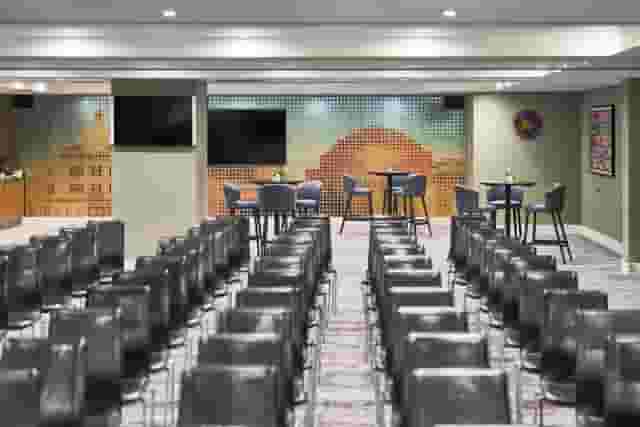
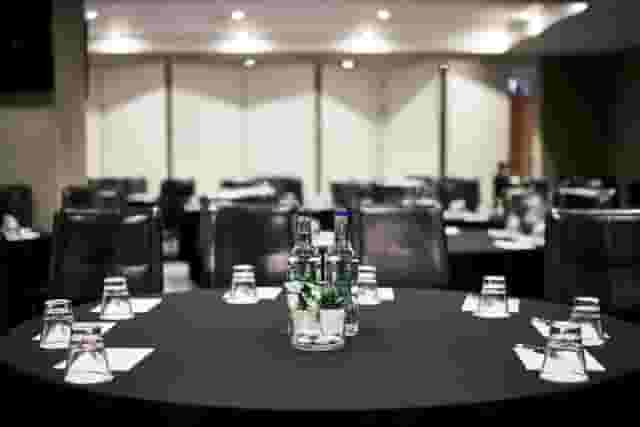
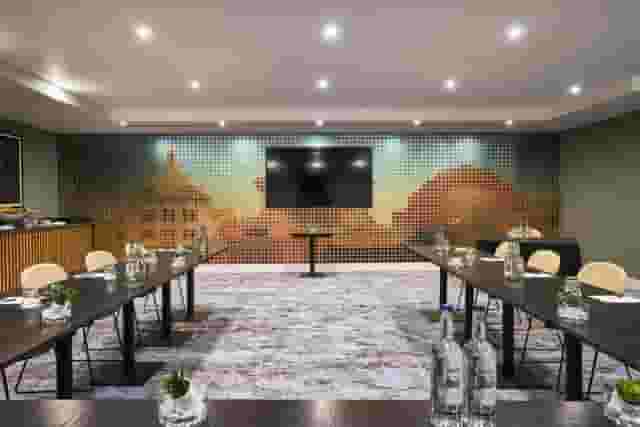

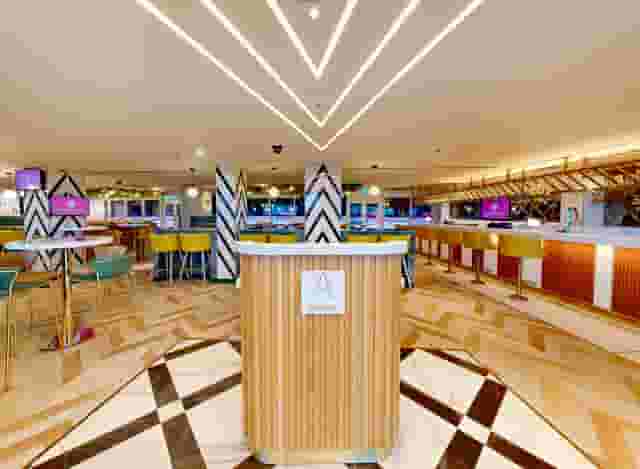
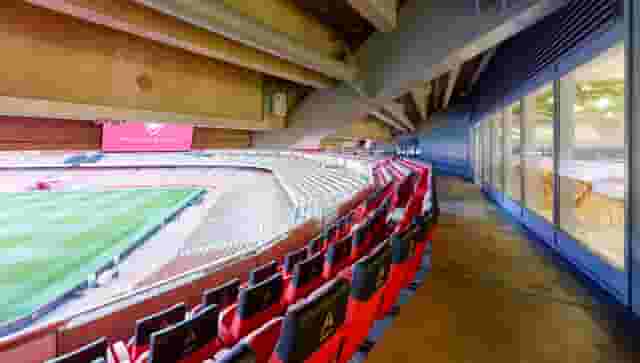
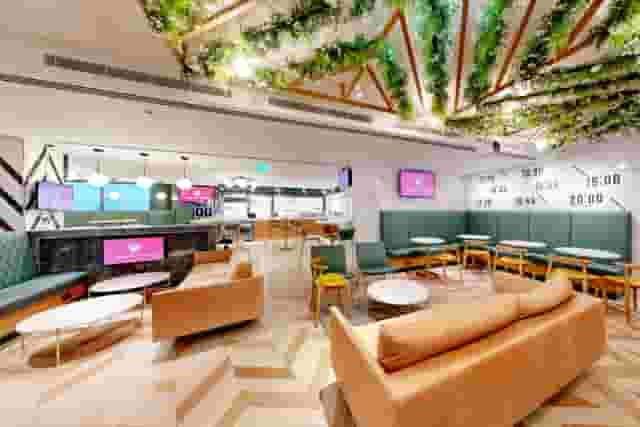
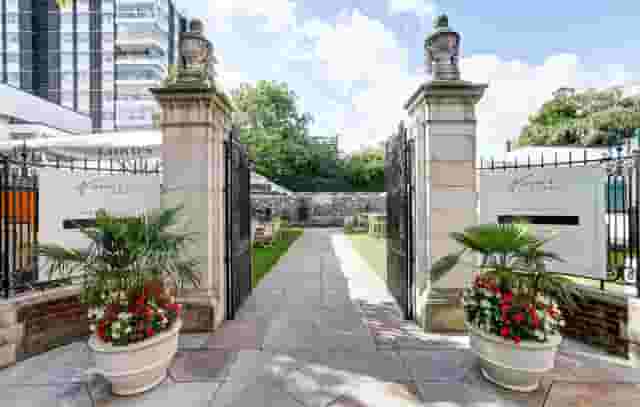
















































No venues match these filters
Try widening your capacity, luxury level or event type.
Don't have time to search? We'll find it for you.
For business events that need human judgement, talk to our team. Free for events of 100+ people, budgets over £10k or ongoing programmes.




Explore more venues in London













Other platforms search their database. We search everything.
Tell us what you need. Our deep research finds any venue, whether it's in our marketplace or not. No one else does this.
About Christmas Party in London
Matching venue format and capacity to a 200-guest party
Organising a corporate Christmas party for 200 guests places you in a specific bracket within London hospitality. A group of 200 is too large for standard private dining rooms, yet it risks feeling swallowed in cavernous exhibition halls or arena-scale spaces. For a lively evening built around a drinks reception, substantial food and a DJ, the priority is finding a room where the crowd creates an energetic atmosphere without being crammed shoulder to shoulder.
The most common trap when booking for 200 people is accepting a venue with a maximum capacity of exactly 200. Maximum standing capacities are calculated on raw floor space for clear rooms. The moment you introduce a DJ booth, an operational bar, poseur tables, food service stations and a dance floor, your usable space drops by 20 to 30 percent. A venue rated for 200 standing will leave guests queueing out the door and dodging servers carrying trays.
To give 200 guests room to circulate, eat comfortably and dance later in the evening, look for spaces with a standing capacity between 250 and 500. Hire Space is an event planning and venue booking platform with a team of real people working alongside you to secure the right space. For work events of this size, it surfaces venue-confirmed availability for your exact date and timings, with an experienced event concierge included at no charge on parties over £15,000 to assist from initial shortlist through to contracting.
Formal seated dining versus standing receptions
Your first major decision is the party format: a seated dinner followed by dancing, or a continuous standing reception with bowl food.
Seated dinners give the night a structured, traditional feel. Everyone sits down together, speeches can happen over dessert and guests know where their coats and bags are. However, a sit-down meal requires significantly more physical footprint. If you want a seated dinner dance for 200 guests, the room must accommodate round banqueting tables, circulation space for silver service waiting staff and a cleared dance floor with a DJ setup.
Traditional luxury hotels handle this layout well because their ballrooms are engineered specifically for dinner dance transitions. For instance, Rosewood London in Holborn accommodates up to 280 guests in a dinner dance layout within The Grand Ballroom. That capacity margin allows 200 guests to dine without needing to pack away tables midway through dessert just to reveal the dance floor.
Conversely, standing receptions with bowl food or food stations keep energy levels higher and encourage mixing across departments. They also free up budget that would otherwise go towards table linen, multi-course service staff and place settings. When planning a reception with dancing, spaces configured for 250 to 350 guests give you the right balance. The Drawing Room at The Landmark London in Marylebone holds up to 250 for a reception, offering enough space for scattered seating, bar areas and room for a DJ without leaving awkward dead zones.
Alternative and activity-led formats
If your company culture leans away from ballrooms and formal speeches, an entertainment-led or open-plan venue keeps people engaged without forcing a rigid schedule. Activity-focused venues break down social awkwardness early in the night, particularly for companies that have hired heavily through the autumn or run hybrid working patterns.
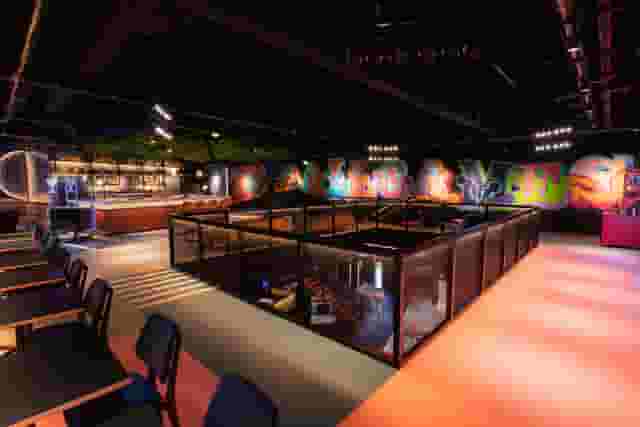
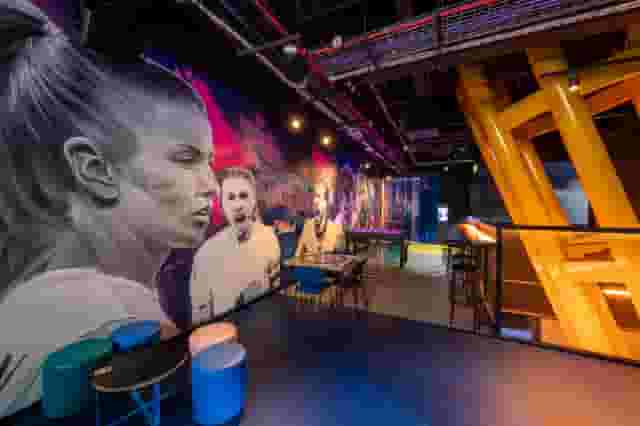
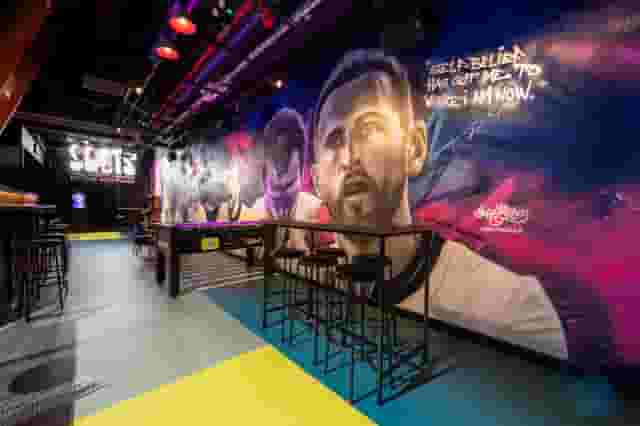
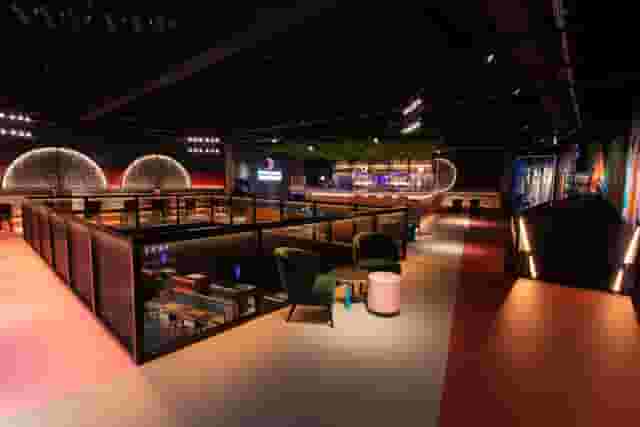
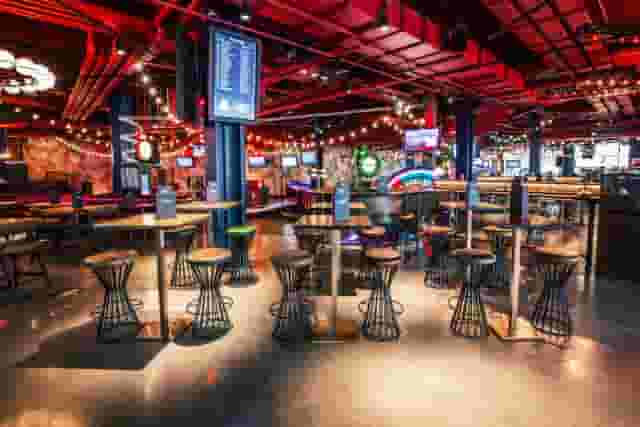
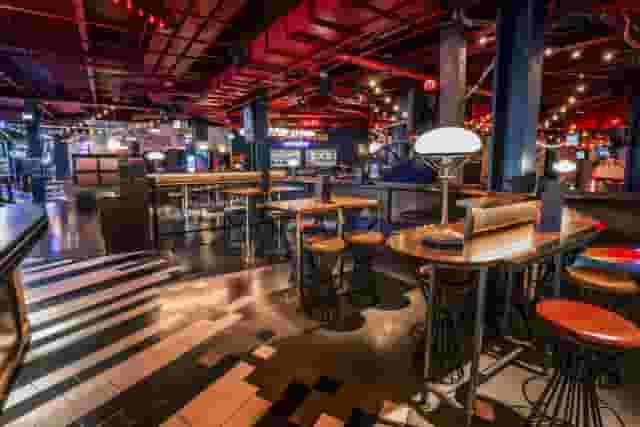
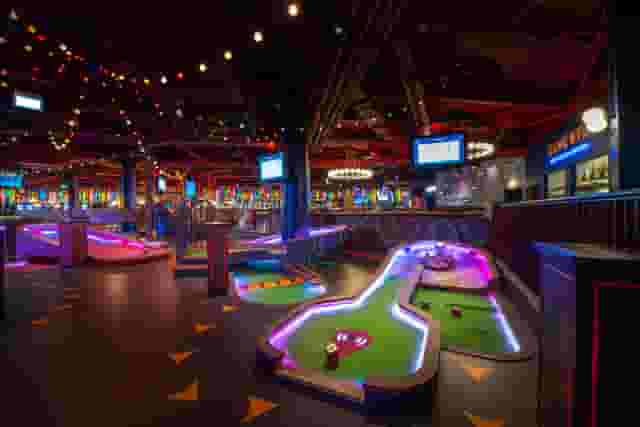
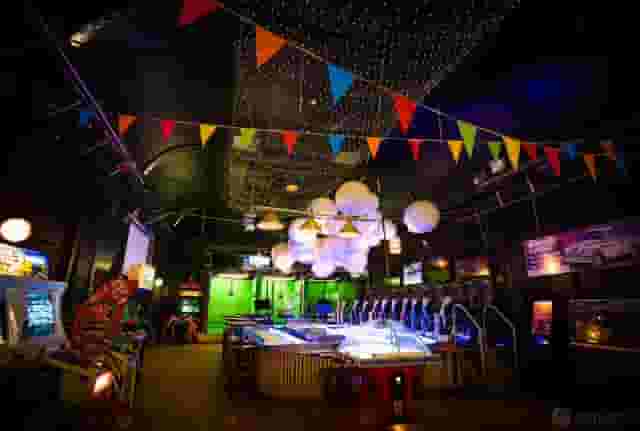
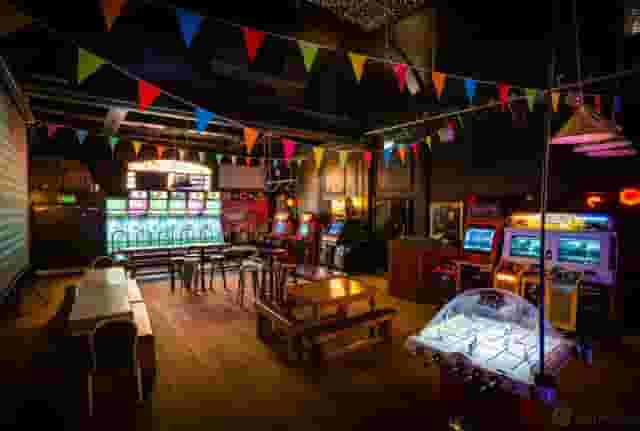
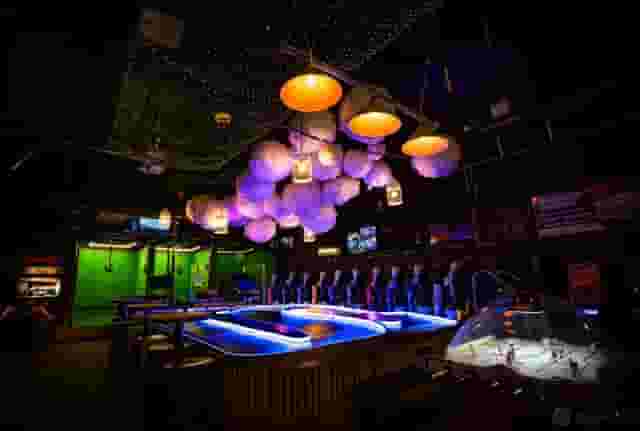
A central venue like Poolhouse near Liverpool Street provides an exclusive first floor holding up to 500 guests standing. Combining tech-driven pool tables and social spaces, it keeps guests moving naturally between games, the bar and the music.
Alternatively, if your team prefers skyline views and contemporary hospitality, CÉ LA VI London in Paddington provides exclusive hire for up to 525 standing across indoor and outdoor spaces. For a party of 200, an exclusive setting of that scale lets you zone the night: one area for arrival drinks and quieter conversation, a central room for food and high-tempo music, and heated outdoor terraces for guests stepping away from the volume.
For more inspiration on managing scale without losing atmosphere, look through our advice on top venues for hosting large Christmas parties.
Managing flow, acoustics and entertainment
A successful party depends on flow. When 200 people arrive within a 45-minute window on a cold December evening, any friction in cloakrooms, bars or corridors sets a frustrating tone.
| Time | Activity |
|---|---|
| 18:30 | Arrival drinks and coat check |
| 19:15 | Food service opens (bowl food or stations) |
| 20:30 | Speeches or awards (maximum 15 minutes) |
| 20:45 | DJ starts and dance floor opens |
| 23:30 | Last orders at the bar |
| 00:00 | Music ends and carriages |
Cloakrooms and arrivals
Never underestimate the physical bulk of 200 heavy winter coats, umbrellas and laptop bags. If a venue has a single-person cloakroom counter tucked in an entrance corridor, arrival becomes an immediate bottleneck.
Ask the venue manager how many staff will operate the cloakroom between 18:30 and 19:30. For 200 guests, you need at least two dedicated attendants during peak arrival and departure times. If the venue cannot provide them, arrange additional temporary event staff to prevent queues extending out into the rain.
Structuring food service around the DJ
If you opt for a reception format, bowl food served by circulating staff is far superior to static finger buffets. Circulating bowl food keeps guests dispersed throughout the venue rather than bunching around a central table. Ensure your caterer plans for four to six substantial bowls per person, paced over two hours.
If you prefer high-end dining without the stiffness of traditional banqueting, hiring a specialist restaurant can transform the evening. Benares in Mayfair provides standing capacity for up to 300 guests with Michelin-starred Indian catering. Holding your event in an established dining room ensures the food matches the quality of a sit-down meal while allowing guests to mingle freely before the DJ steps up the tempo.
Sound, lighting and production
Industrial spaces and converted warehouses bring immediate character, high ceilings and complete freedom over production, but they demand careful acoustic management. Raw brick and concrete bounce sound aggressively.
A converted space like Village Underground in Shoreditch holds 700 standing and features exposed brick and Victorian arches. While it has club-grade sound systems designed for live music and DJs, the volume must be managed during the opening hours so colleagues can actually speak to each other.
When reviewing production with your sound engineer or venue manager, establish clear stages for the sound profile:
- Background level (65 to 70 dB) during arrival and food service, focused around the bar.
- Speech level with dedicated wireless microphones tested across all corners of the room.
- Party level (85 to 92 dB) concentrated entirely on the dance floor after 20:30.
Position the DJ console directly facing the dance floor, keeping the main speaker arrays pointed away from lounge seating and the main bar. This allows colleagues who want to catch up quietly to stay near the bar without needing to shout over bass frequencies. If you are comparing raw warehouse options against fitted venues, read our guide on the coolest Christmas party venues for large groups to assess how production costs stack up.
What Christmas party packages cost in London
Budgeting for 200 people requires a clear understanding of packaging. In London, festive bookings are almost universally structured on either a fixed per-head package or a minimum spend against food and beverage. Hire Space 360 is enterprise venue and hotel procurement for companies spending £1m or more a year on meetings and events: a managed meetings and events programme, the kind procurement teams call strategic meetings management. For organisations managing multiple gatherings across the year alongside their festive celebration, it consolidates venue sourcing under a single agreement. This keeps bookings aligned with internal event policy while giving finance teams consolidated invoicing and live spend reporting across all departments.
Based on 32 quotes from the venues on this page, Christmas party packages for 200 guests typically run from £93 to £137 per head.
This range reflects packages designed for corporate groups, but the scope of what is included varies widely depending on the venue category and location.
| Cost component | Lower end (£93 per head) | Higher end (£137 per head) |
|---|---|---|
| Drinks package | 3 hours of house wine, bottled beer and soft drinks | 4 to 5 hours including sparkling wine on arrival, upgraded wines, premium beers and spirits |
| Food offering | 4 to 5 bowl food items or festive street food stations | 3-course seated dinner or 6 premium bowl dishes including dessert options |
| Staff and security | Basic bar staff and cloakroom included | Dedicated event manager, full waiting team, cloakroom staff and SIA security |
| AV and entertainment | Basic house PA system suitable for background music | Integrated party lighting, DJ booth equipment, wireless mics and technical engineer |
| Venue hire | Integrated directly into package pricing | Minimum spend balance or separate venue hire fee applied on premium dates |
Navigating the lower and higher ends
Towards the £93 end of the range, packages tend to cover standing receptions in flexible event spaces or stadium hospitality suites outside the West End. At this tier, drinks are usually limited to house wine, beer and soft drinks for a three-hour window. If your team expects prosecco, cocktails or spirit mixers, you will need to add a supplement or move to a cash bar once the tab runs out. Food at this level consists of straightforward bowl food or slider stations.
Moving towards the £137 end brings you into Mayfair, the City and luxury historic hotels. Here, packages frequently include a sparkling wine reception, upgraded three-course seated meals, half a bottle of wine per person at the table, table mineral water and coffee.
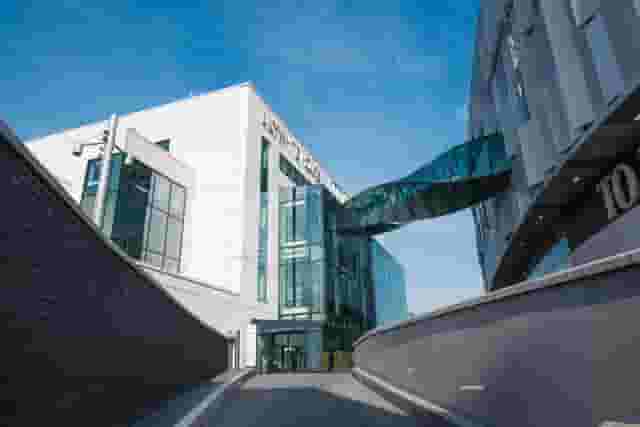
For high-profile sporting venues, hospitality suites provide excellent infrastructure. The Royal East at London Stadium in Stratford holds up to 331 guests for a reception, complete with its own dedicated bar, terrace views and built-in AV. Similarly, the Diamond Club at Arsenal Football Club - Emirates Stadium in Islington holds up to 400 guests for receptions, combining an Art Deco setting with Michelin-grade dining infrastructure. These spaces give large corporate groups private dining quality paired with the operational scale needed for hundreds of guests.
Hidden extras to check before signing
When reviewing formal proposals, always look beyond the headline per-head figure. Several costs routinely fall outside the initial quote:
- Service charge. Most London venues apply a discretionary service charge of 12.5 to 15 percent on all food and beverage spend. On a party of 200 guests, a 12.5 percent service charge on a £25,000 package adds £3,125 to your invoice. Always verify whether quoted rates are inclusive or exclusive of service.
- Value Added Tax. Corporate quotes often display figures excluding VAT. Ensure your finance team knows whether the £93 to £137 bracket includes the standard 20 percent VAT rate.
- Security charges. London venues holding evening events with DJs and alcohol licenses past 23:00 will require SIA-licensed security personnel. Venues typically mandate one guard per 50 to 100 guests, often billed at an hourly rate of £25 to £35 per guard with a four to six-hour minimum call out.
- DJ equipment and rider fees. Even if a venue provides a DJ, they may charge extra for the DJ console, Pioneer decks or lighting rig. Clarify whether sound equipment is included or if your entertainer must bring their own kit.
Location, transport and licensing logistics
When 200 colleagues finish an open-bar event at midnight, transport connections determine whether the night ends smoothly or turns into a logistical headache. Mid-December in London brings crowded stations, cold weather and high demand for ride-hailing services. Choosing a venue near major transport interchanges saves your guests significant hassle.
Transport hubs versus central hotspots
Venues located within walking distance of mainline hubs like Liverpool Street, London Bridge, Kings Cross or Stratford provide significant advantages over venues tucked deep into residential quarters. Guests can easily reach suburban commuter lines or multiple tube networks without competing for taxis in the freezing cold.
A location in Shoreditch or Mayfair works well for lively post-event options, but ensure your venue is within a five to ten-minute walk of an Underground station with Night Tube connectivity (Central, Victoria, Jubilee, Northern or Piccadilly lines) if your event runs into the early hours.
Licensing hours and noise restrictions
Most central London venues operate standard premises licenses that permit alcohol service and amplified music until 23:00 or 00:00 on weekdays, and occasionally 01:00 on Thursdays and Fridays.
If your company wants to celebrate until 01:00 or 02:00, you must check the licensing terms immediately. Extending hours often requires a Temporary Event Notice (TEN) submitted to the local council. Councils place strict annual limits on the number of TENs a single premises can host, and residential boroughs like Westminster or Camden enforce stringent noise curfews.
Ask three critical licensing questions during your initial site visit:
- What time does alcohol service cease, and is there a grace period for guests to finish drinks?
- What time must the DJ stop playing music, and does the venue have an automated sound limiter that cuts power if volume exceeds a set decibel cap?
- What is the latest time all guests and production suppliers must vacate the building?
Establishing these parameters early ensures you can coordinate your DJ schedule, manage transport recommendations for staff and avoid unexpected overtime fines from venue security.
What our customers say
Inspiration and planning guides
7 Venues to Transform Your Office Party into a Festive Fiesta!
Make this year's office Christmas party one to remember with these 7 unique venues in London. From sleek rooftop bars to immersive wonderlands, there's something for every team.

Unique Venue of the Month: Banqueting House
On a blustery winter's day in January 1649, the deposed King Charles I was beheaded by the victorious rebels of the Civil War. And the bloody execution took place just outside of our Unique Venue of the Month. Not many venues can claim to be of such historical significance, but Banqueting House [https://hirespace.com/Spaces/London/42821/Banqueting-House/Main-Hall/Weddings] – the only remaining part of the Palace of Whitehall, where English monarchs used to reside – played a major part in Briti

Review: La Belle Assiette
Dining is often the centrepiece of an event, whether served in sit-down, buffet or casual-canapé style. Especially today – when being a “foodie” is a common and trendy trait, and when culinary TV shows are among the most popular – parties of all kinds are putting a renewed significance in the edible aspects. After securing a venue, therefore, all eyes are naturally turned to the plate. Indeed, La Belle Assiette [https://labelleassiette.co.uk/] translates literally as The Beautiful Plate, and
One supplier. Every venue. Full visibility on what you spend.
Multiple venues and events. One agreement.