145 Unique Conference in venues in South West London



No venues match these filters
Try widening your capacity, luxury level or event type.
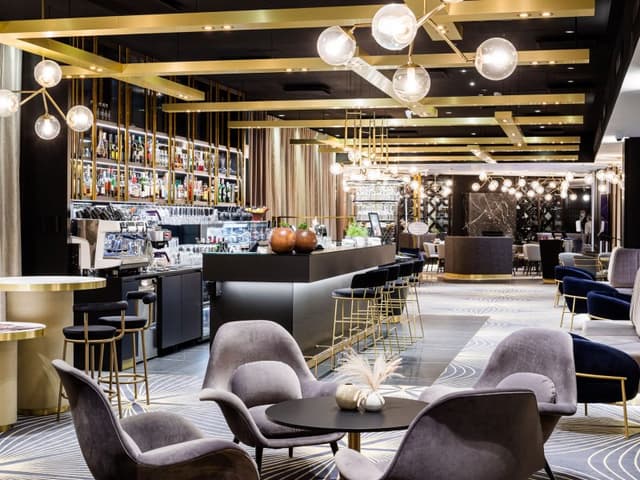
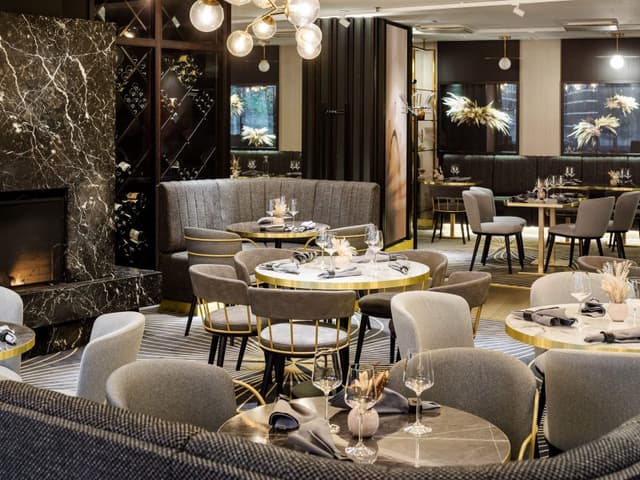
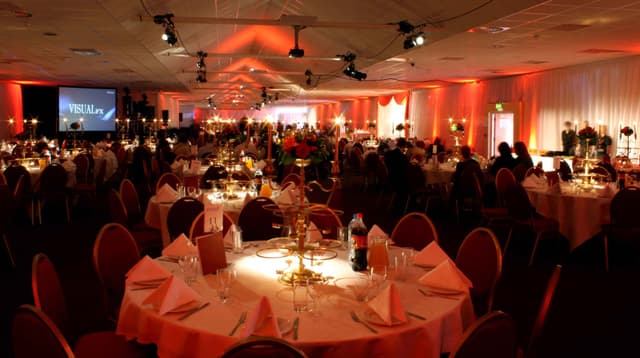
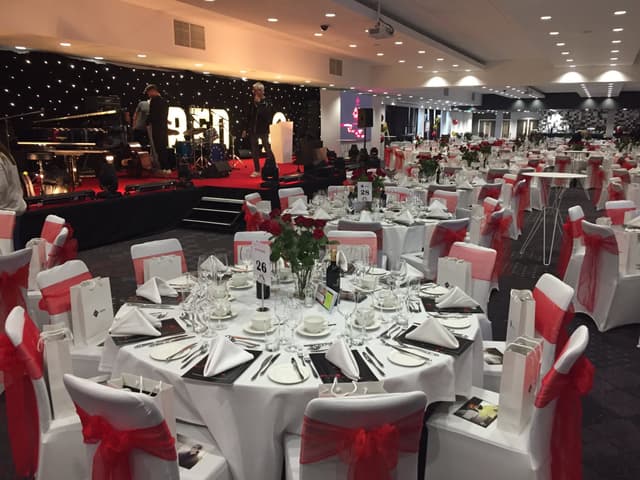
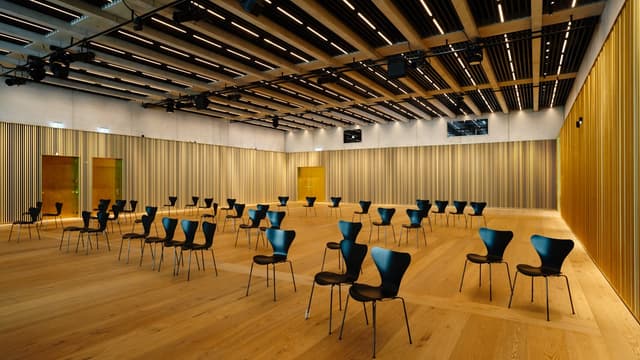
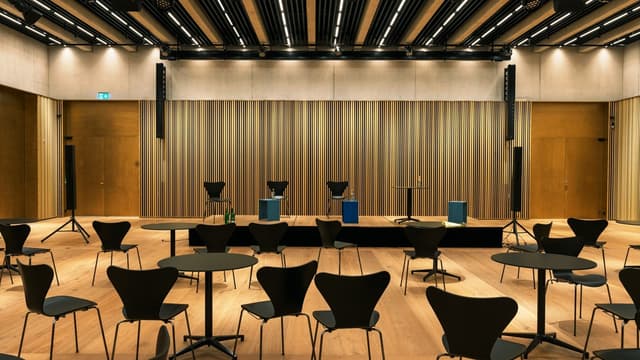
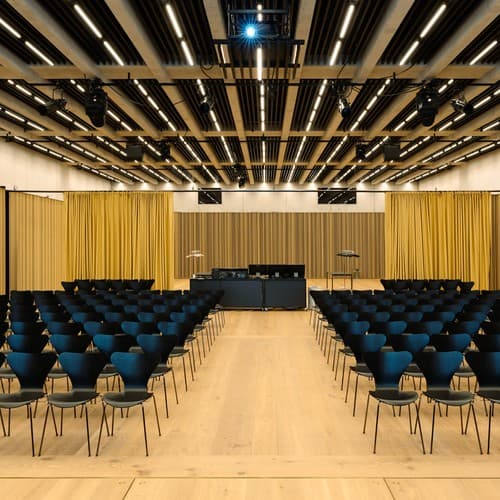
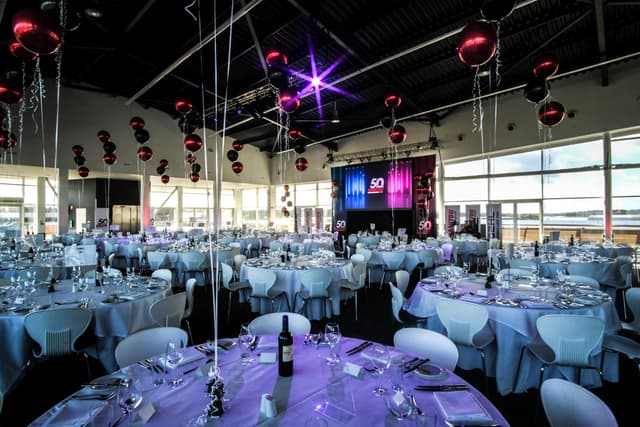
Explore unique conference venues in South West London for up to 500 people.
No venues match these filters
Try widening your capacity, luxury level or event type.
For business events that need human judgement, talk to our team. Free for 100 person+ events organised by businesses.




Tell us what you need. Our deep research finds any venue, whether it's in our marketplace or not. No one else does this.
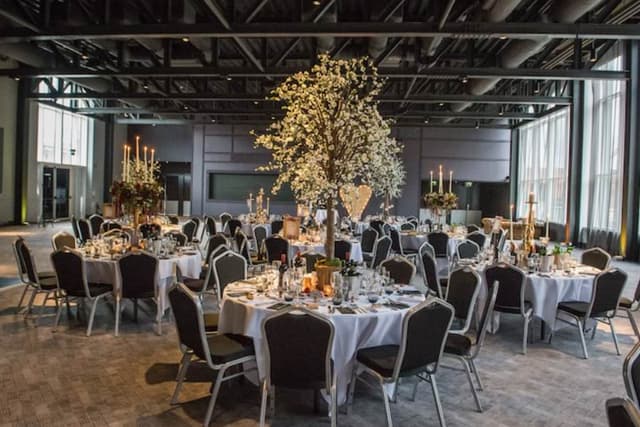
When you're planning a conference for 500 delegates, South West London's unique venues offer something truly special that traditional conference centres simply can't match. I've seen countless events transformed by choosing unconventional spaces – from converted Victorian railway stations to contemporary art galleries – and the impact on delegate engagement is remarkable.
The beauty of South West London lies in its perfect blend of accessibility and character. Take Battersea, for instance, where the ongoing Power Station redevelopment is creating extraordinary event spaces with 5-metre-high ceilings and industrial charm. These venues typically range from 400-600 m², giving you the flexibility to create distinct zones for networking, presentations, and breakout sessions – something that's crucial when managing 500 attendees.
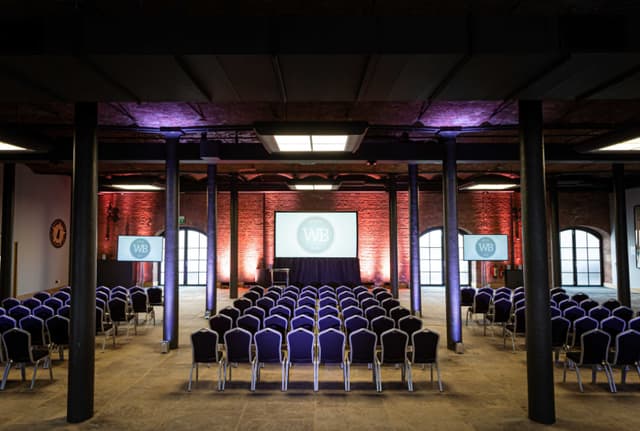
Unlike cookie-cutter conference facilities, unique venues in areas like Chelsea and Battersea offer architectural features that become talking points themselves. I've organised events in converted warehouses where exposed brick walls and original steel beams created an atmosphere that delegates were still discussing months later.
The transport links are genuinely impressive – Clapham Junction gets you to Waterloo in just 10 minutes, whilst Richmond connects to Victoria in 20. This accessibility is vital when you're coordinating 500 people's journeys, and the variety of arrival points helps distribute crowd flow.
Here's where experience counts: unique venues for 500 delegates typically command £8,000-£15,000 per day, but the value proposition is compelling. You're not just hiring space; you're creating an experience that enhances your brand message. I've seen companies achieve significantly higher delegate satisfaction scores – often 20-30% above baseline – simply by choosing venues that reflect their innovative culture.
The key is understanding that these spaces often require additional technical investment. Most need upgraded power supply (minimum 200 amps/3-phase) and dedicated internet bandwidth of at least 100 Mbps. Factor in £2,000-£4,000 for technical upgrades, but remember this investment pays dividends in seamless event delivery.
For inspiration on creative spaces that work brilliantly for large conferences, check out our guide to unconventional conference venues – it's packed with real examples of successful 500+ person events in unique settings.
Planning a 500-person conference in an unconventional space requires a completely different approach than booking a standard conference centre. After organising dozens of large-scale events in unique venues across South West London, I've developed a systematic approach that prevents the common pitfalls that can derail even the most promising events.
Your first priority is understanding the venue's limitations and opportunities. I always bring a measuring tape and check ceiling heights – you'll need minimum 4 metres for proper AV setup, though venues like converted warehouses in Battersea often offer 5+ metres, giving you fantastic creative possibilities. Document power points, natural light sources, and crucially, identify any structural columns that might obstruct sightlines for your 500 delegates.
Don't forget the practical stuff: count toilet facilities (you'll need roughly 1 per 75 people), check kitchen access for catering, and map out emergency exits. Unique venues often have quirky layouts that require creative crowd management solutions.
This is where many planners stumble. Unique venues rarely have conference-grade technical infrastructure built in. Book your AV supplier 6-8 weeks ahead and budget £3,000-£5,000 for a proper setup including HD projection, sound reinforcement, and lighting that works with the venue's character rather than fighting against it.
I've learned to always request a dedicated 100 Mbps internet line – shared WiFi simply won't cope with 500 people livestreaming and posting on social media simultaneously.
With 500 people in an unconventional space, crowd flow becomes critical. I typically create distinct zones: arrival/registration (allow 150-200 m²), main presentation area, networking spaces, and quiet breakout areas. The beauty of venues like those in Kings Road is their flexibility – you can use architectural features like mezzanines or courtyards to create natural divisions.
Unique venues often lack commercial kitchens, so you'll need to work with caterers who specialise in off-site events. Book 6 weeks ahead and ensure they've visited the venue – I've seen too many events where catering logistics weren't properly planned, causing service delays that frustrated delegates.
Unlike purpose-built conference centres, unique venues can be vulnerable to weather or access issues. Always have backup plans for outdoor elements and ensure your venue has proper climate control – 500 people generate significant heat, and period buildings often struggle with temperature regulation.
Your next step should be visiting potential venues with this checklist in hand, focusing particularly on the technical requirements that make or break large-scale events in creative spaces.
Getting 500 delegates to a unique venue in South West London might seem daunting, but the transport infrastructure here is genuinely brilliant once you know how to work with it. I've coordinated arrivals for major conferences across the area, and the key is understanding that South West London's transport network is designed around multiple hubs rather than a single gateway – which actually works in your favour for managing large groups.
Clapham Junction is your powerhouse – it's Britain's busiest railway station for good reason, connecting to Waterloo in just 10 minutes and handling over 2,000 trains daily. For venues in Battersea or Wandsworth, this is your primary arrival point. Richmond Station serves the western areas beautifully, with direct connections to Victoria in 20 minutes, whilst Wimbledon covers the southern reaches with excellent links to central London.
What I love about this setup is how it naturally distributes your delegate flow. Rather than 500 people all arriving via one route, you can guide different groups through different stations based on their origin points. I typically create arrival guides showing the quickest routes from major London terminals – it prevents bottlenecks and reduces stress.
For venues near the Thames, like those emerging from the Battersea Power Station development, consider the riverboat services. They're not just novelty transport – the Thames Clipper can handle significant passenger volumes and creates a memorable arrival experience that delegates talk about long after the event.
Parking is where you need to be realistic. NCP at Fulham Broadway charges around £18 per day, but with 500 delegates, you're looking at maybe 150-200 cars maximum. I always recommend promoting public transport heavily and partnering with local taxi firms for evening departures – particularly important since last trains typically run until midnight.
The beauty of South West London venues extends beyond transport. Areas like Chelsea and Richmond offer excellent pre and post-event dining options, which is crucial when you're asking delegates to travel to a unique location. The local restaurant scene can become part of your event's appeal rather than a logistical challenge.
For venues requiring technical upgrades, South West London's proximity to Heathrow means faster equipment delivery and easier coordination with international AV suppliers. I've saved entire events by having backup equipment flown in and delivered within hours.
Your next step should be creating detailed arrival instructions for each transport hub, including walking times and any venue-specific access requirements – particularly important for period buildings that might have unusual entrances or accessibility considerations.
Budgeting for a 500-person conference in a unique venue requires a completely different mindset than standard conference centre bookings. The headline figure might seem steep – £8,000-£15,000 per day – but I've learned that breaking this down into component costs reveals where the real value lies and, crucially, where you can make strategic savings without compromising the experience.
The venue hire itself typically represents only 40-50% of your total budget. For a premium unique space in areas like Chelsea, you're looking at £6,000-£8,000 for the day rate. However, the technical infrastructure is where costs can spiral if you're not careful. Budget £3,000-£5,000 for AV upgrades, including the essential 200-amp power supply and dedicated internet line that most period buildings lack.
Here's where experience pays dividends: book your technical suppliers 8-10 weeks ahead. I've seen last-minute AV bookings cost 40-60% more, particularly during peak conference season (September-November and February-April). The same principle applies to catering – unique venues without commercial kitchens require specialist off-site caterers who charge premium rates for complex logistics.
The sweet spot for booking unique venues is 12-16 weeks ahead. Any earlier and you're paying premium rates for prime dates; any later and your venue choices become severely limited. I've negotiated significant savings by being flexible with dates – Tuesday and Wednesday bookings often command 15-20% lower rates than Thursday events.
Consider the seasonal dynamics too. January and August offer excellent value, with some venues offering up to 30% discounts. The trade-off is delegate availability, but for internal conferences or industry events, these months can deliver exceptional value.
Many unique venues have preferred supplier relationships that can reduce your costs significantly. The 9 Glorious Glass Venues featured in our recent guide often partner with specific caterers and AV companies, offering package deals that can save £2,000-£4,000 on a 500-person event.
Don't overlook the power of multi-day bookings. If you're planning a two-day conference, negotiating a package rate often yields better value than daily rates, particularly for venues looking to maximise their utilisation.
Your next step should be creating a detailed budget spreadsheet that separates venue hire from ancillary costs, allowing you to identify where strategic partnerships and early booking can deliver the most significant savings.
After organising dozens of large-scale conferences in unique venues, I can tell you that the challenges you'll face are entirely different from those in purpose-built conference centres – but they're absolutely manageable with the right approach. The key is anticipating these issues early and having robust solutions ready, because when you're dealing with 500 delegates in a converted warehouse or historic building, there's no room for improvisation.
Sound management is your biggest technical challenge. Period buildings and industrial spaces often have hard surfaces that create echo and poor acoustics for 500 people. I've learned to budget an extra £1,500-£2,500 for acoustic treatment – temporary sound panels and strategic speaker placement can transform a challenging space into an intimate conference environment.
The trick is working with your venue's architecture rather than against it. High ceilings in venues like those featured in our unconventional conference venues guide can actually enhance sound quality when properly managed with directional speakers and acoustic dampening.
Temperature regulation becomes critical with 500 people in spaces not designed for large gatherings. Each delegate generates roughly 100 watts of heat – that's 50kW total, equivalent to running 50 electric heaters simultaneously. Most unique venues lack adequate HVAC systems for this load.
My solution is always to hire supplementary climate control equipment, budgeting £800-£1,200 per day for industrial-grade units. Position them strategically during your site visit, ensuring they don't interfere with sightlines or create noise issues during presentations.
Here's where many planners get caught out: unique venues often operate under different licensing conditions than conference centres. For 500 people, you'll likely need a Temporary Event Notice (TEN) if the venue's standard capacity is lower. Apply 10 working days ahead – I've seen events cancelled because organisers assumed the venue handled this automatically.
Fire safety becomes more complex in period buildings. Ensure your venue has conducted a recent fire risk assessment for your delegate numbers, and always have trained first aiders on-site – typically one per 100 delegates for events this size.
Unlike rectangular conference halls, unique venues often have irregular layouts that can create bottlenecks. I map out delegate movement patterns during site visits, identifying potential congestion points around registration, catering areas, and breakout spaces.
The solution is creating multiple circulation routes and using the venue's character features – like mezzanines or courtyards – as natural crowd distribution points. For venues in areas like Battersea, industrial features often provide perfect natural divisions for managing large groups.
Your next step should be conducting a detailed risk assessment with your venue, focusing specifically on these unique challenges and developing contingency plans for each potential issue.

Looking for something a bit different for your summer party? Check out our picks for the best boat venues in London. Perfect for corporate events, they're guaranteed to offer a unique experience with stunning views!

At Hire Space, unusual venues [https://hirespace.com/Browse/Unusual-Event-Venues-London] are the name of the game. Passion to find a unique venue for an event seems to be unabated in London, but it's of little surprise when taking into account all the amazing spaces the capital has to offer. But just why is London filled with so many unusual venues for hire? We investigated: Romans, Saxons, Normans, Tudors and Stuarts. The Black Death, two World Wars and one Great Fire. London has seen it a

Tired of the same old Christmas party venues? This year, why not switch things up and throw your festive bash somewhere that’s truly out of the ordinary?
Multiple venues and events. One agreement.


