Wellness as Infrastructure: The New Baseline for Event Design

On 10 May 2026, on the cusp of Global Meetings Industry Day, the Global Wellness Institute launched its Meetings and Events Initiative. GWI is the closest thing the wellness sector has to a standards body, and its decision to set up a dedicated initiative for our industry is the institutional signal that wellness has moved from optional extra to expected baseline in corporate event design.
The chair is David T. Stevens, co-founder of Olympian Meeting, with Reina Herschdorfer, Director of Marketing and PR at Caesars Entertainment's Meetings and Events division, as vice chair. The first-year deliverable is a best practices playbook. The framing in the launch document is worth reading twice: "Meetings and events already influence stress, energy, cognitive load, nourishment, connection and recovery. Whether intentional or not, the industry is shaping human wellbeing at scale."
That sentence is the shift in a nutshell. Wellness at events isn't a programme you bolt on. It's an outcome you produce one way or another by the choices you make about timing, food, lighting, room layout and content density. The question is whether you're producing it deliberately.
From optional to expected
For a long time, "wellness" at a corporate event meant a token yoga session at 7am that three keen people attended, or a smoothie cart in the foyer for the press photo. GWI's framework rejects that. The initiative organises practice around what it calls the 4 M's: Mindfulness, Movement, Meals and Meaning. These aren't four activities to schedule. They're four lenses to apply across the whole event.
The stated goal is to treat wellness as "an evidence-based performance multiplier" that improves attendee wellbeing, strengthens belonging, supports public health and drives business outcomes. That is corporate language on purpose. The initiative is positioning wellness as something CFOs and HR directors should care about, not just a nice thing to do.
If you've been briefing events for the last few years, you'll have felt the pull. Attendees push back on 9am to 6pm content blocks. Senior leaders ask why the agenda has no breathing room. HR business partners want to see how the event sits inside the wider wellbeing strategy. The GWI launch makes those conversations easier because there is finally a shared vocabulary to use.
What attendees actually want
The clearest evidence that this shift is attendee-driven rather than vendor-driven sits in Hilton's 2026 Why We Gather Report, an Ipsos poll of 3,150 adults across the UK, US and India, surveyed in November 2025.
Sixty-seven percent of attendees feel less engaged during an event if they don't get downtime. Fifty-five percent skip sessions to decompress when no breaks are planned. That is over half of your room voting with their feet because the schedule didn't give them air. Every session they skip is one your sponsors paid for and your content team built.
On the wellness side, 76 percent lean into work-organised wellness activities, while 38 percent prefer to recharge on their own. Both numbers matter. Work-led wellness is welcome, but it has to coexist with proper unstructured downtime. A walking tour at lunch is good. So is letting people stay in their room with a book.
Eighty-one percent of parents agree that getting some alone time away from the pressures of parenting is an underrated benefit of work events. Sixty-eight percent would rather participate in a give-back activity that benefits the local community than receive a physical gift. Eighty percent look forward to specialty coffee or tea during breaks. Forty-nine percent say meeting new people and bonding with their team is their main reason for attending in the first place.
These numbers are the proof, not the lecture. The job is to design for them.

The employer angle
Most large employers now have a public position on workplace wellbeing. Whether they reference the UK Mental Health at Work Standards, the WHO Healthy Workplace Framework or an internal wellbeing strategy built off the major HR practitioner frameworks, the principles are the same. Psychological safety, manageable workloads, proactive support. Employers have been signing up to this for the best part of a decade.
When you brief an event for one of those employers, your attendees' company has almost certainly signed up to a framework that talks about exactly the kind of working conditions an event creates or destroys. If your event runs four 90-minute sessions back to back with no genuine break, you are working against the policy your client has publicly committed to. The HR business partner in the room will notice. So will the comms lead.
We've written about this from the planner side in Mental Health and Wellbeing for Event Planners and the employer side in Wellbeing Strategies in the Workplace. The new thing in 2026 is that the event itself is part of that strategy, not a break from it.
The 4 M's in practice
So what does this look like on a real brief? The 4 M's are useful precisely because they translate.
Mindfulness isn't about scheduling a meditation session. It's about cognitive load. Are you asking attendees to take in eight hours of dense content with three breaks, or are you designing for retention? A quiet room costs you square footage. It also produces afternoon sessions that people are still awake for.
Movement is the easiest to bake in if your venue cooperates. A central London site with a daylight foyer, a courtyard or a walkable route to green space gives you optional walking meetings, post-lunch stretch breaks and a way for delegates to clear their heads. The Barbican gardens, the Sky Garden walkways, the canal paths around King's Cross. Use the geography.
Meals is where the data and design intersect most obviously. The Hilton data shows 80% of attendees look forward to specialty coffee at breaks. A serious coffee setup at breaks is cheap, popular and tells people the organiser thought about them. Lunch matters too. Heavy plated lunches at 1pm produce a 3pm energy crater that no amount of caffeine fixes. Lighter, plant-forward menus with proper protein options keep the afternoon room sharp.
Meaning ties to the give-back finding in the Hilton data: 68% of attendees would rather do a community activity than receive a gift. Replace the conference tote with a skills-based volunteering session, a charity kit-packing hour built into the agenda or a fundraising challenge tied to a local partner, and the post-event NPS score moves. So does the LinkedIn coverage.
What it means for venue briefs
Three things change in how we'd brief a venue in 2026 versus 2023.
First, daylight and breakout space are no longer nice-to-haves. They're load-bearing. A venue with one windowless plenary room and a narrow foyer will fight you on attendee energy all day. When we run searches through Hire Space's Deep Research tool, prompting for daylight and adjacent breakout space for any agenda over four hours.
Second, ask about quiet space directly. Not the boardroom you can pretend is a quiet room. An actual space with a door, low lighting, a couple of comfortable chairs and no laptop expectation. The 38 percent who recharge alone need somewhere to go, and the 81 percent of working parents who treat events as rare alone time will use it.
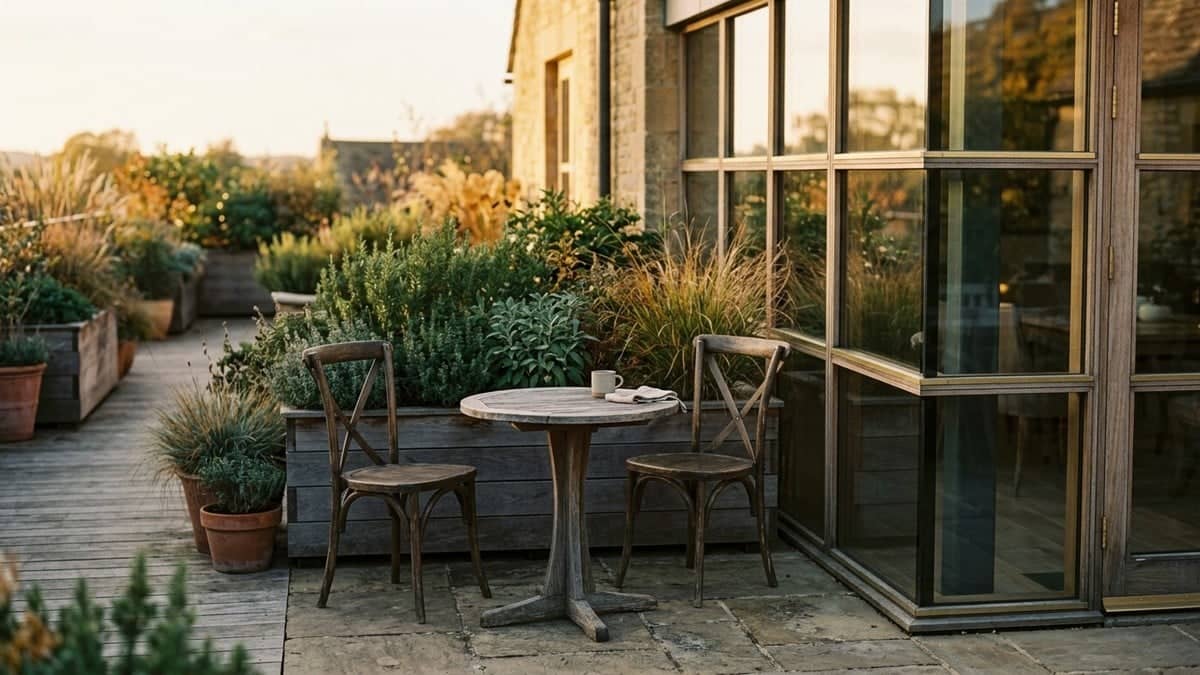
Third, walking and outdoor access. Either the venue has it on site (a roof terrace, a garden, a courtyard) or it sits within five minutes of green space. For conference venues in London that's usually solvable. For regional briefs it needs to be a question on the RFP.
What it means for the agenda
Agenda changes are less expensive than venue changes and arguably more impactful.
Build in proper breaks. Twenty minutes minimum between sessions, ideally thirty. Not the kind of break where the chair says "grab a coffee and be back at the top of the hour", which produces a six-minute scramble. A genuine break with seating, drinks and no expectation to network.
Treat downtime as content. If your day runs 9am to 5pm, an hour of optional unstructured time after lunch outperforms an extra panel almost every time. We made the same argument from a different angle in The Session ROI Gap.
Offer optional wellness without forcing it. A 7am run for the keen. A walking tour for the curious. A guided breathwork session for the open-minded. None are the main event. All give the 76 percent who lean into work-led wellness somewhere to go.
Build in a give-back. One hour. Local. Real. The 68 percent who prefer this to a gift will remember it longer than the agenda.
These are practical, low-cost changes. They are also the changes an HR business partner reading your post-event report will recognise as a serious wellbeing intervention rather than a marketing gesture. We've written more about the broader experience design choices in The Event Experience Playbook and on the inclusion side in Tips for Inclusive Events.
The GWI launch gives planners a framework to point at. The Hilton data tells you which choices move attendee behaviour. The UK Mental Health at Work standards make the case to procurement and HR. Put them together and wellness stops being a line on the run sheet. It becomes infrastructure: the daylight, the breaks, the food, the quiet room, the walking route, the give-back hour. The things you don't notice when they're done well and feel immediately when they're not.
If your next brief is going out in the second half of 2026, this is the lens to apply. Hire Space 360 can help you build the whole programme around it, or talk to us about venues that already have these basics designed in.
Other platforms search their database. We search everything.
Tell us what you need. Our deep research finds any venue, whether it's in our marketplace or not. No one else does this.
One supplier. Every venue. Full visibility on what you spend.
Multiple venues and events. One agreement.

With 10 years in events, Kim leads growth at Hire Space. Writing about what's shaping the future of events, from personalisation and experience design to the technology making it all possible, turning industry insight into practical advice.
Related articles
Simple Events Win: Why Restraint Beats Spectacle
Budgets are tight and audiences want connection over spectacle. The events that land in 2026 are the deliberately simple ones. Here is how to edit rather than cut, grounded in the 2026 industry data, and why the right venue does the heavy lifting.
Why UK Event Calendars Got So Tight (And How to Book Smarter)
Lead times for UK corporate events are up 39% since 2022, based on Hire Space booking data. The calendar is tighter, conversion rates fall sharply when you leave it late and the peak windows are getting more crowded. Here is what the numbers say and what to do about it.