Cocktail Bars for Hire in Central London
Find cocktail bars in Central London with private hire spaces, clear pricing estimates and capacity for 30 to 650 guests.
467 Cocktail Bars for Hire in Central London










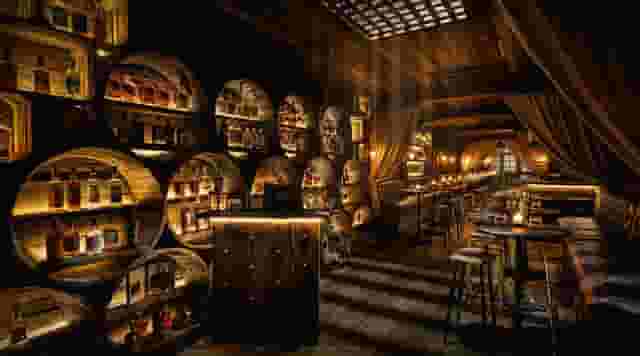
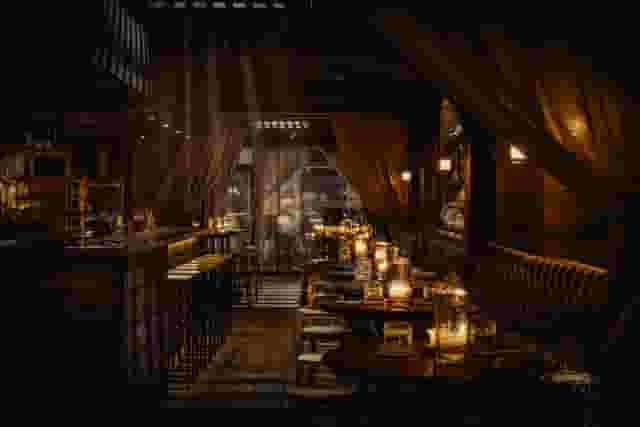
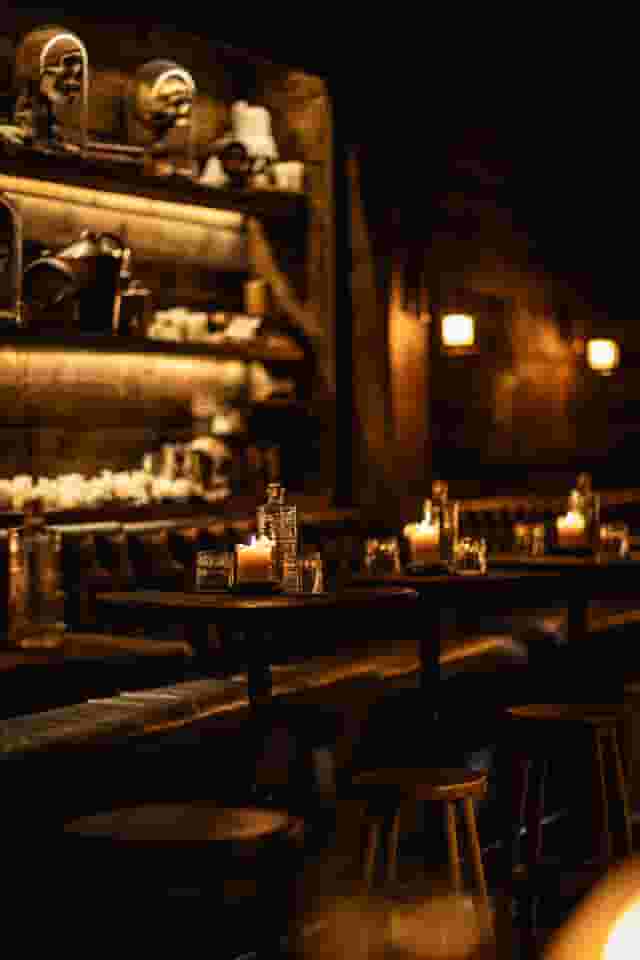
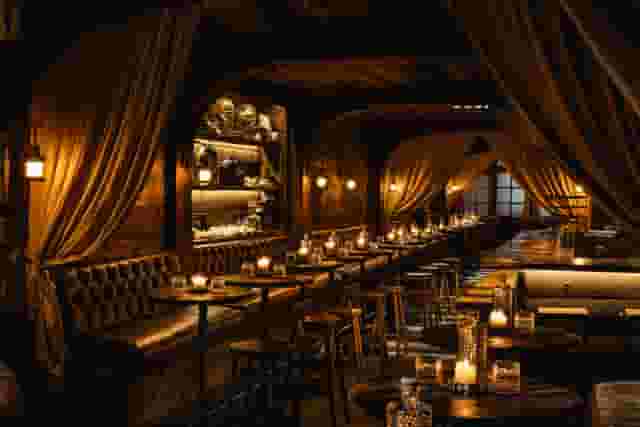

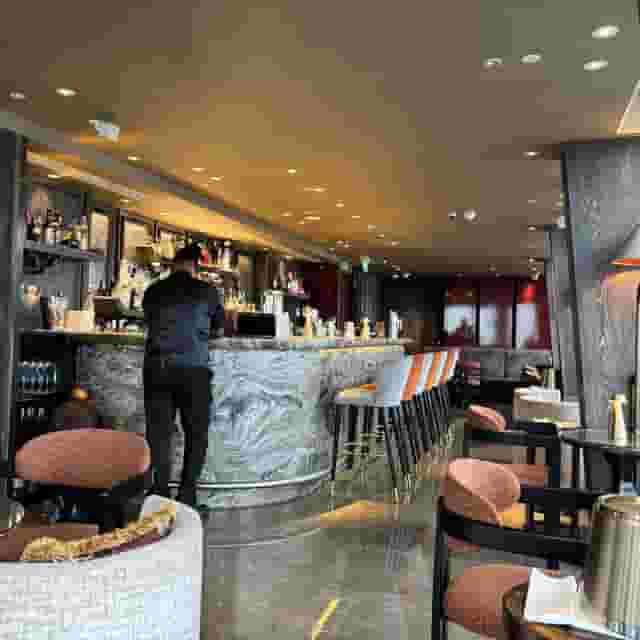

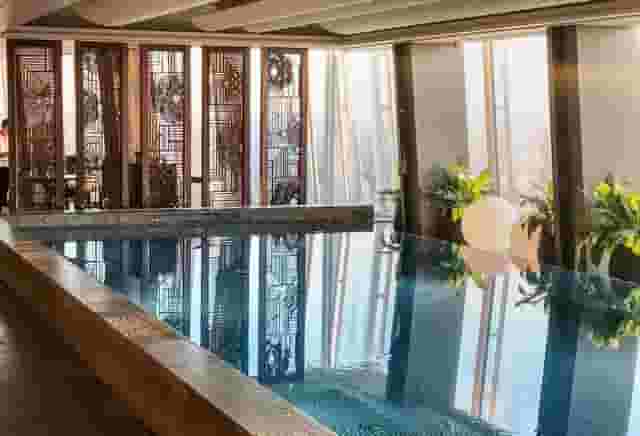

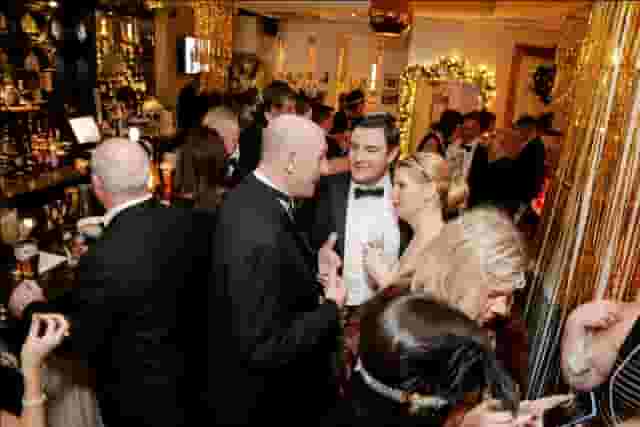


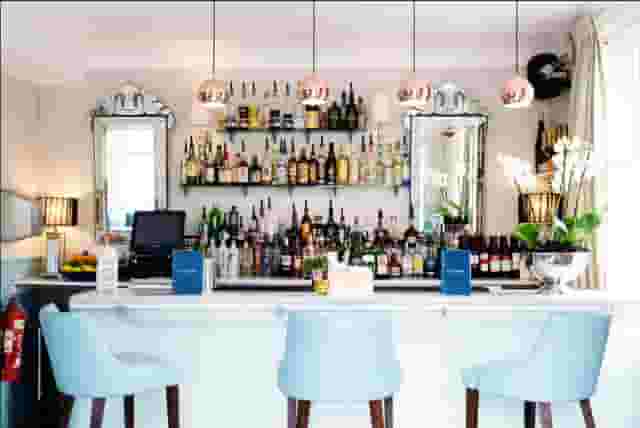
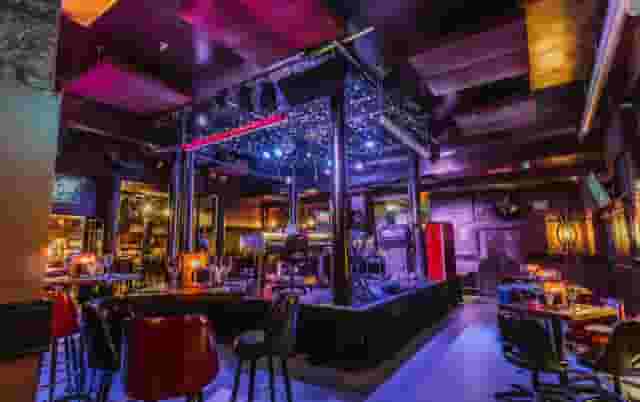
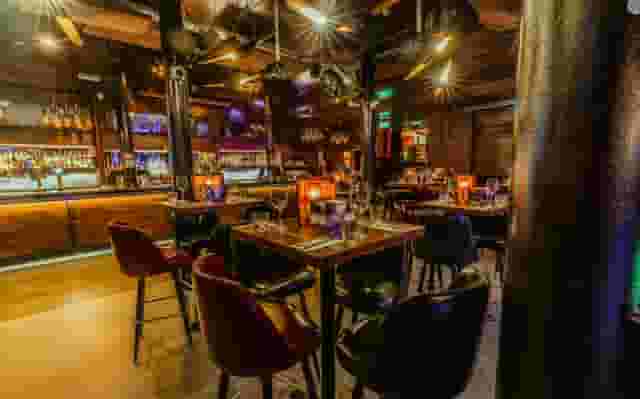
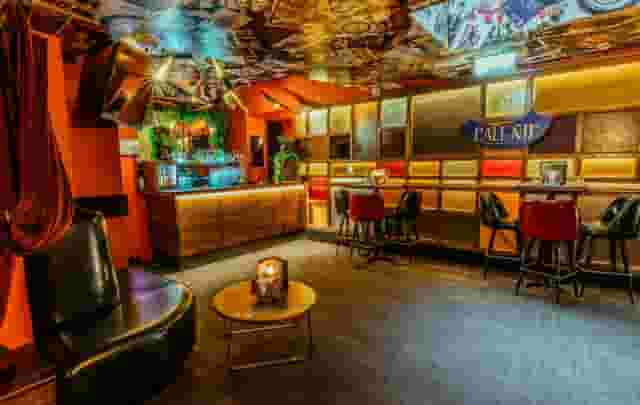
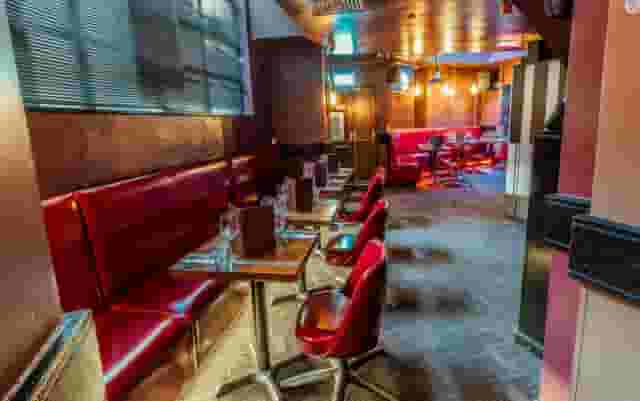
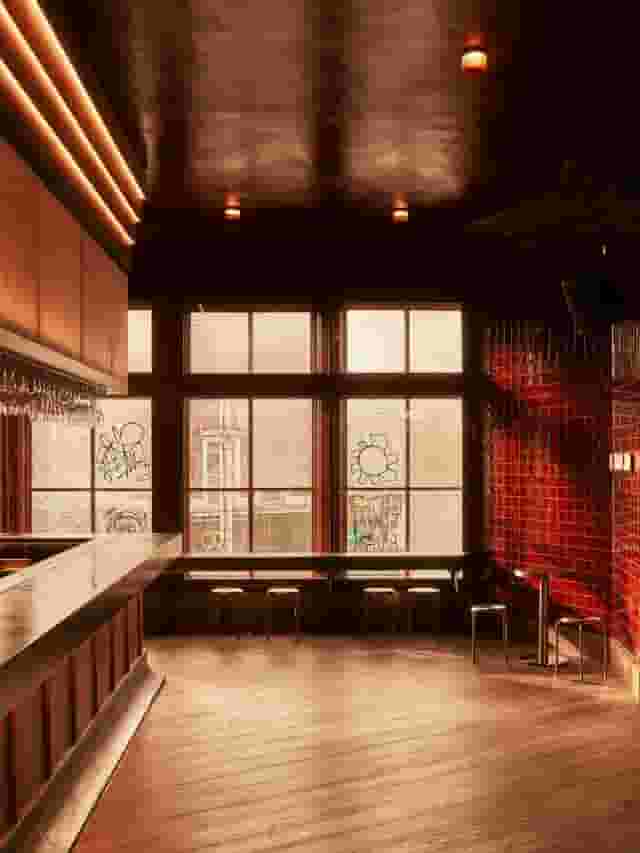
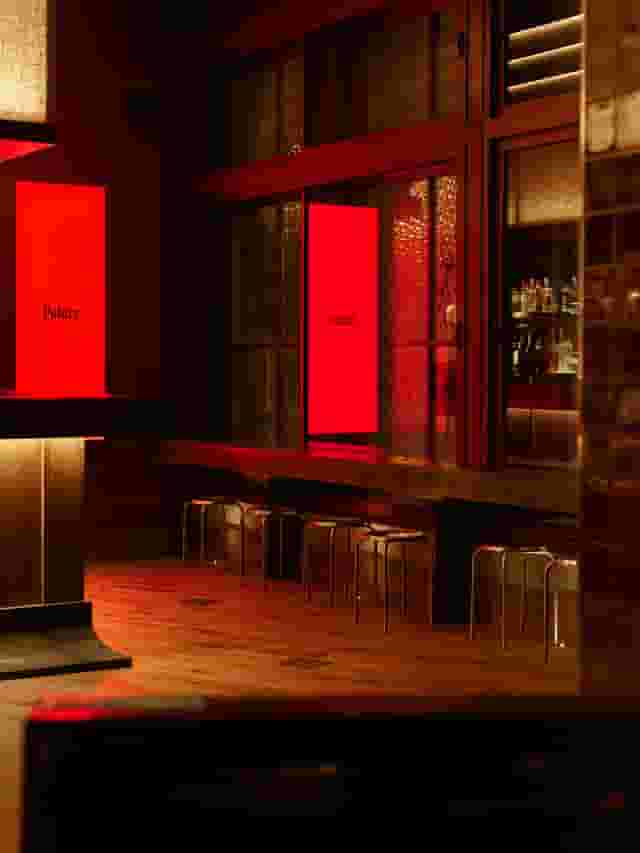
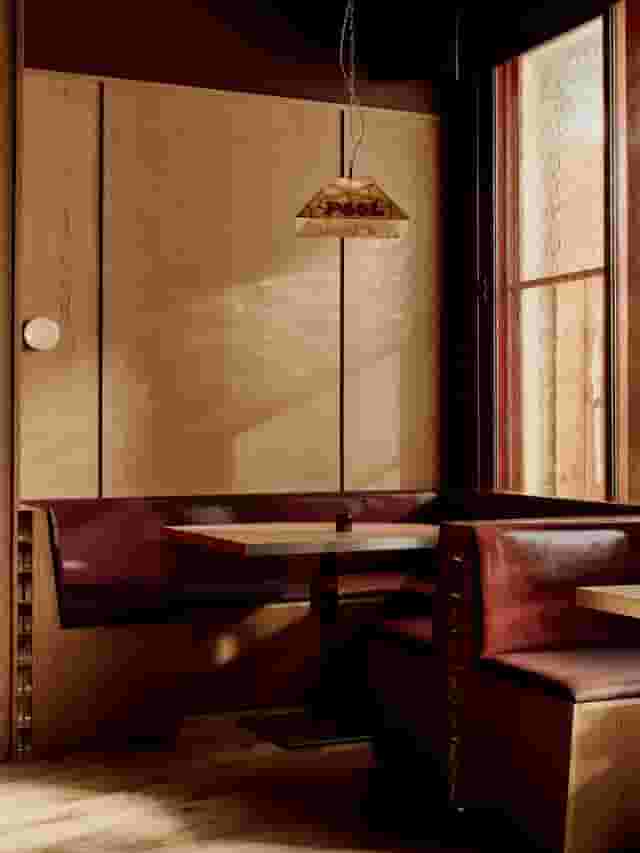
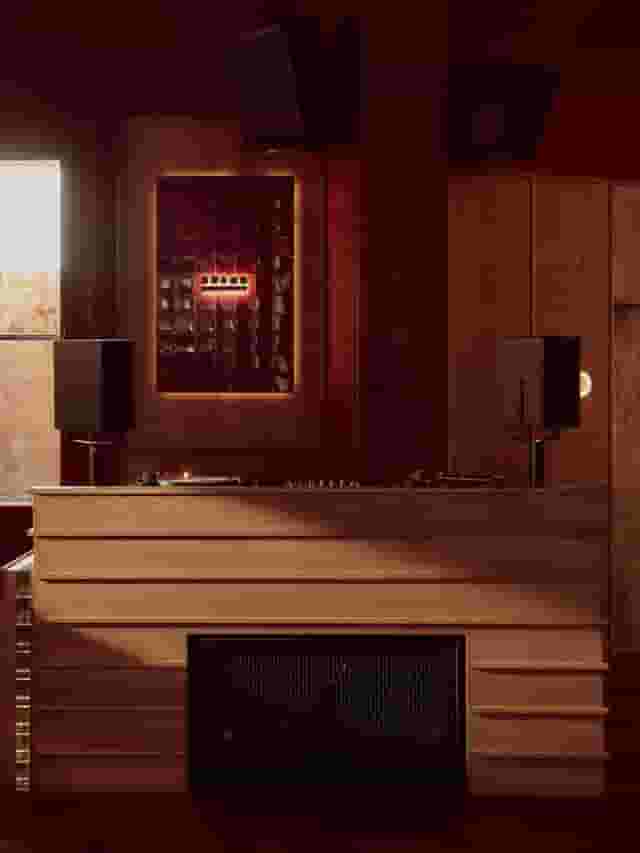



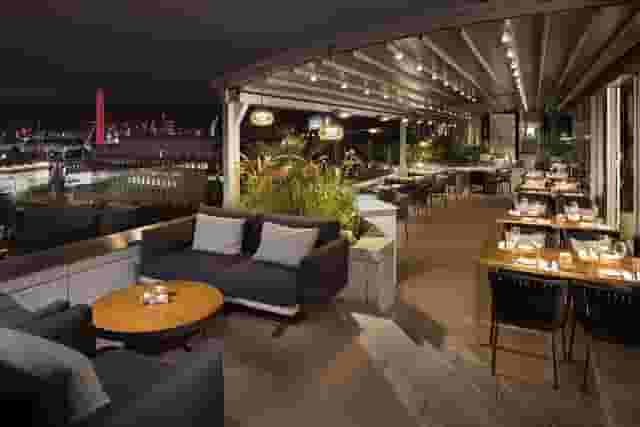
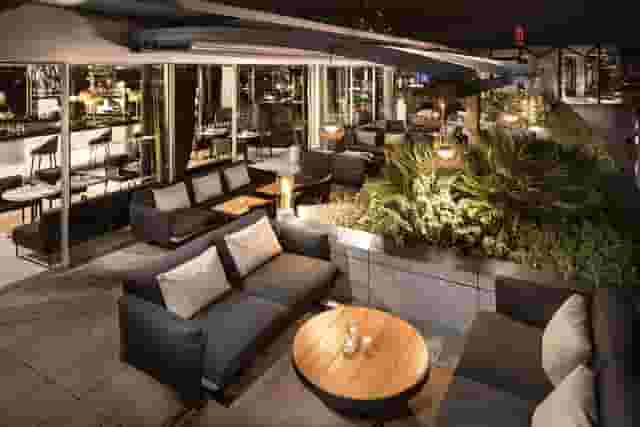
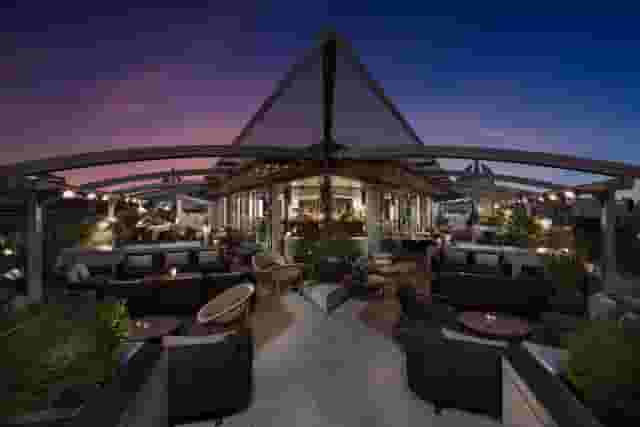
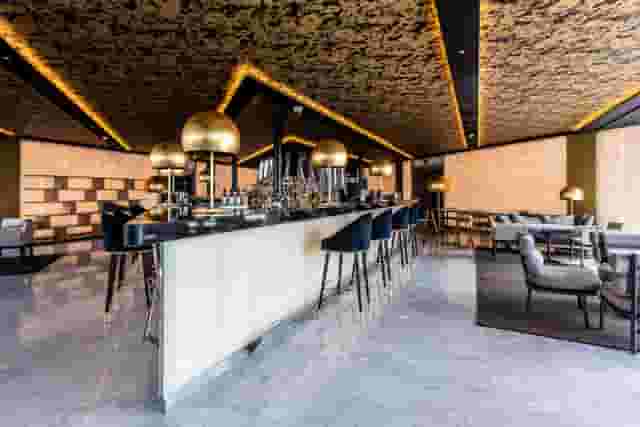











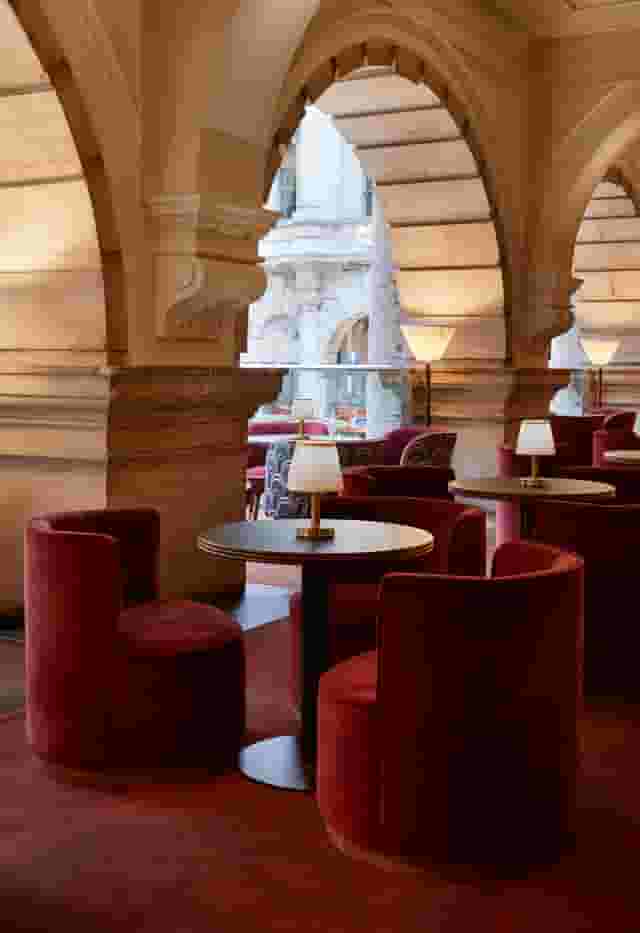
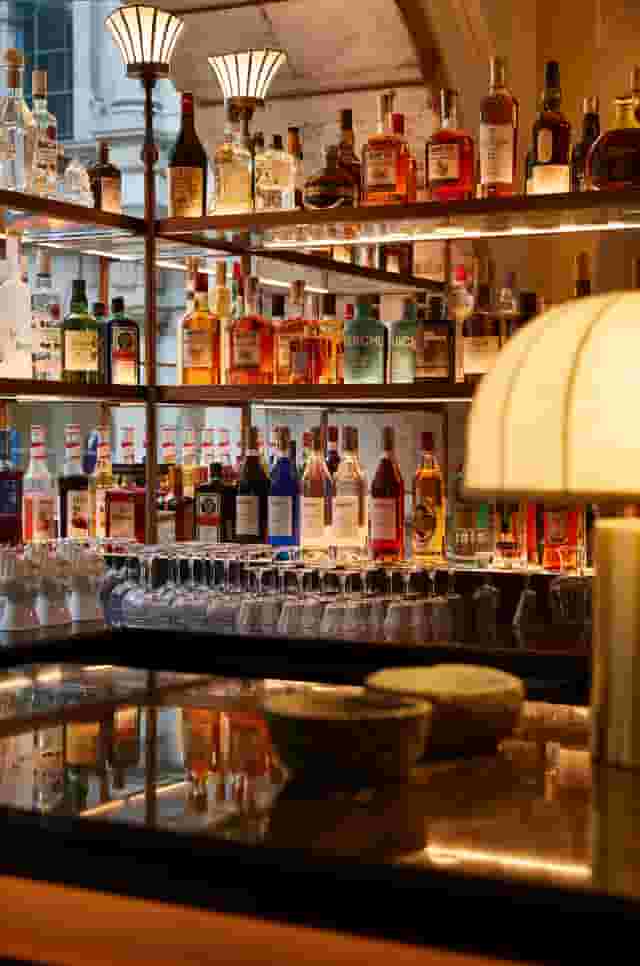
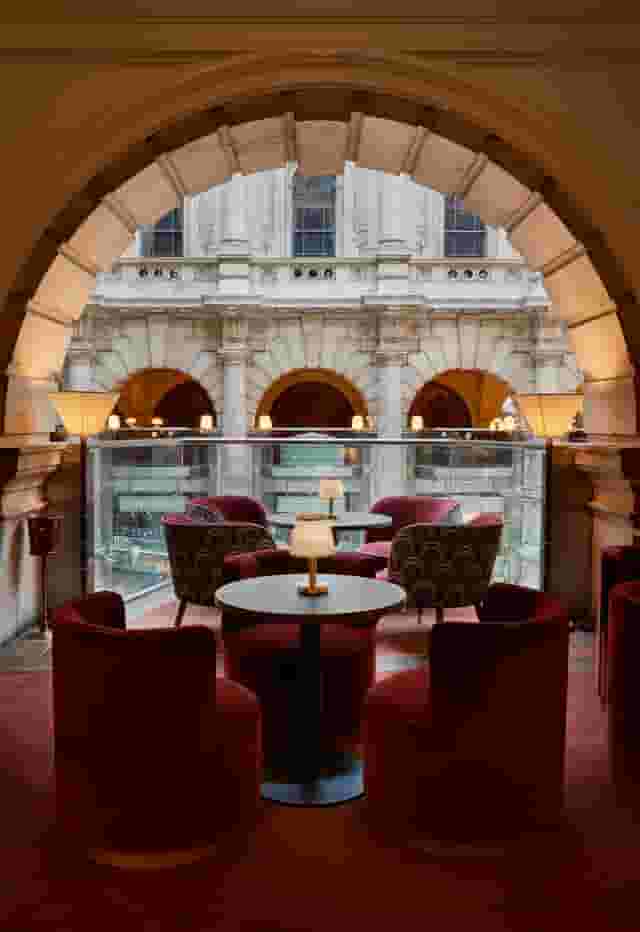
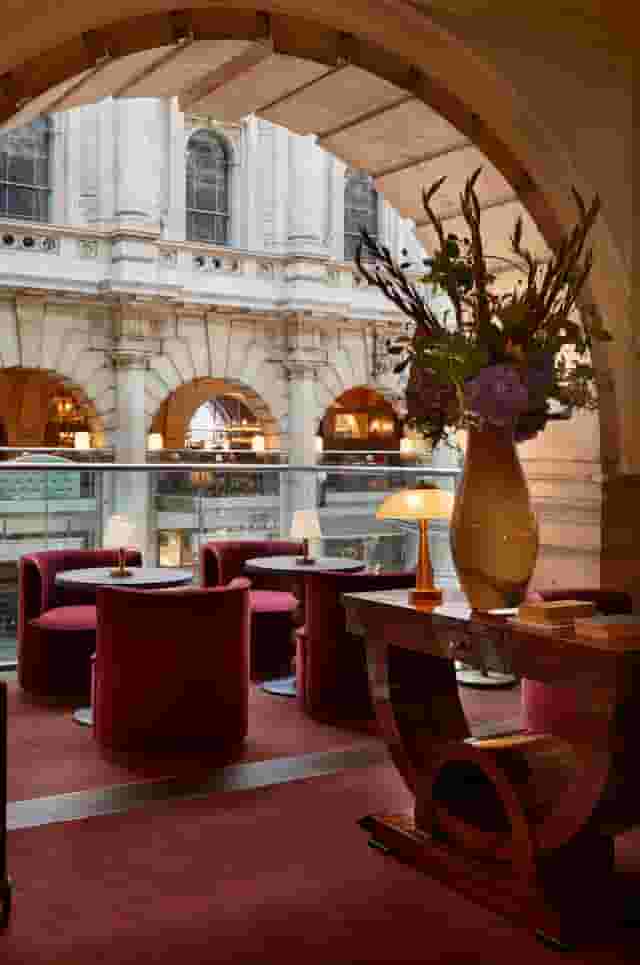
















No venues match these filters
Try widening your capacity, luxury level or event type.
Don't have time to search? We'll find it for you.
For business events that need human judgement, talk to our team. Free for events of 100+ people, budgets over £10k or ongoing programmes.




Explore more venues in Central London

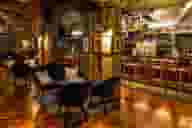
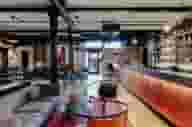
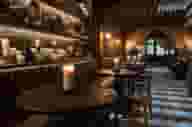



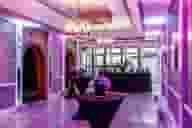

Other platforms search their database. We search everything.
Tell us what you need. Our deep research finds any venue, whether it's in our marketplace or not. No one else does this.
About Cocktail Bars in Central London
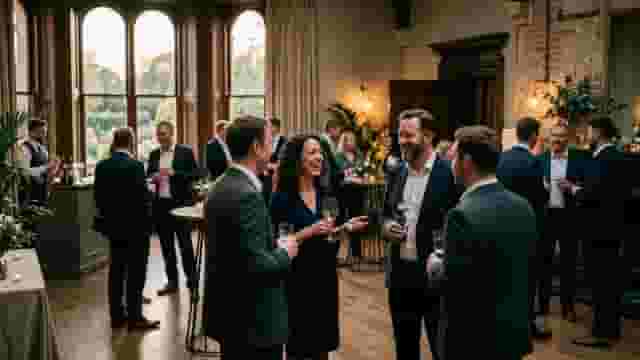
Organising a company event in a cocktail bar is a practical way to step away from formal banqueting while keeping the atmosphere sharp and sociable. Central London has hundreds of drinking establishments, but only a fraction manage private corporate bookings well. A successful evening requires more than good drinks. It demands enough private floor space, fast bar service, clean sightlines and hot food that guests can eat while standing up.
When you book for a business group, your priorities differ from a normal night out. You cannot have fifty colleagues or clients queueing three deep for twenty minutes to order a single drink. You also need an environment where people can actually hear each other speak without shouting over a sound system designed for a basement club. Planning ahead means matching the room layout, the commercial terms and the drink service directly to your crowd.
Matching the space to your event format
The first decision is whether your event is an internal celebration, an informal team social or an external client reception. Each format requires a distinct room layout, service style and acoustic level.
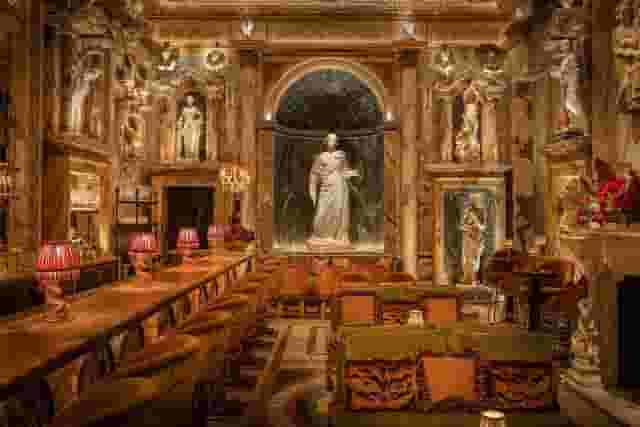
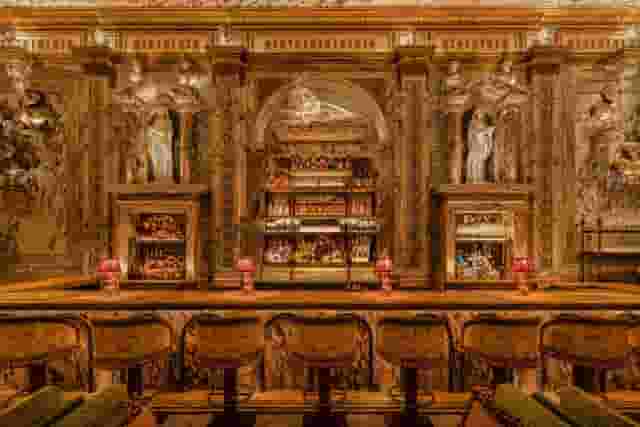
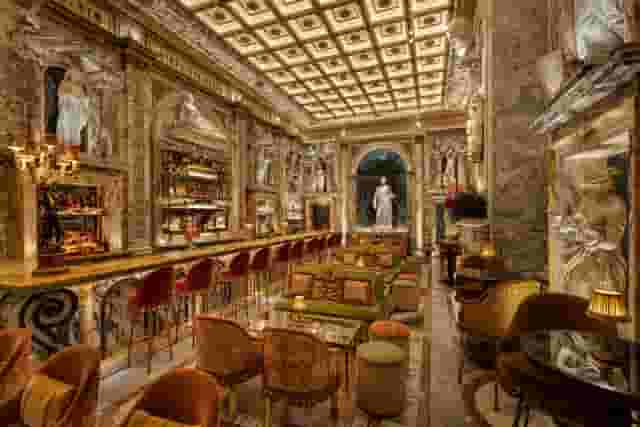
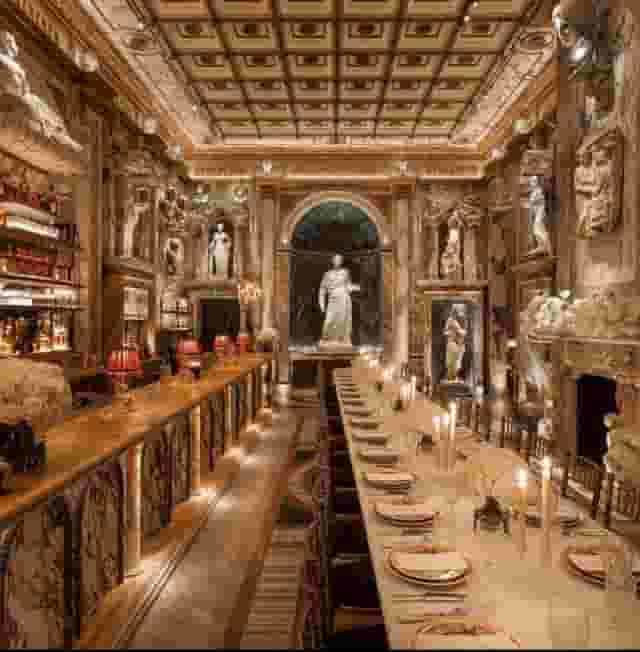
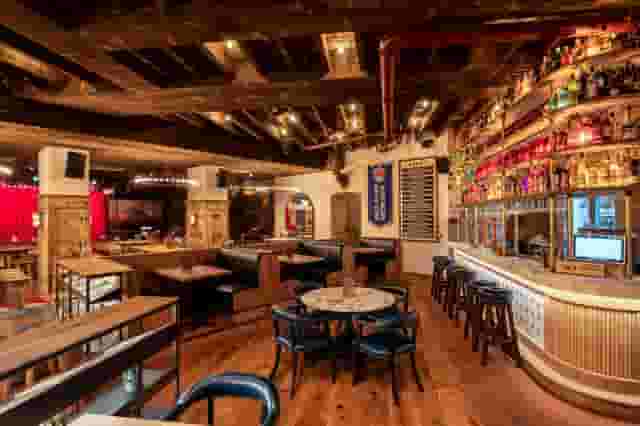
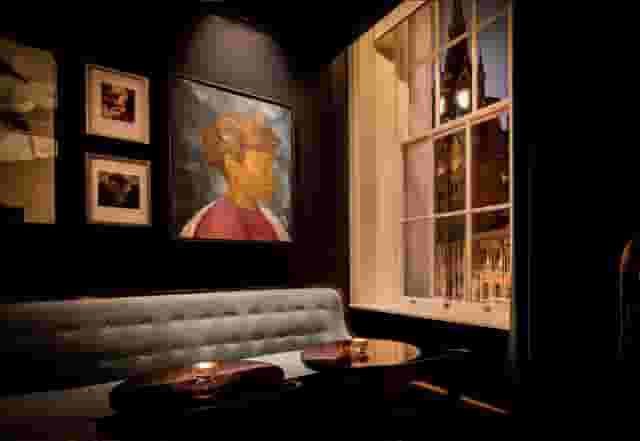
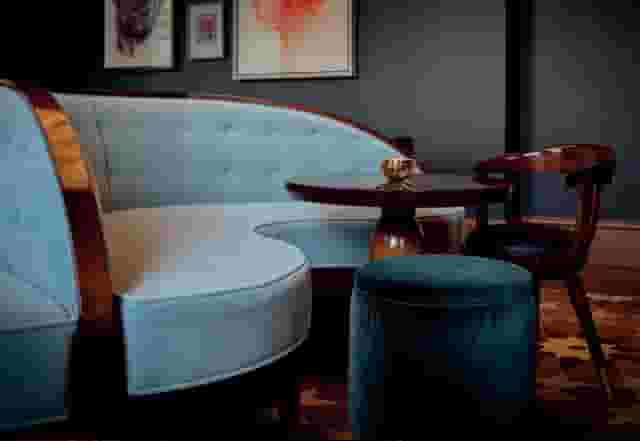
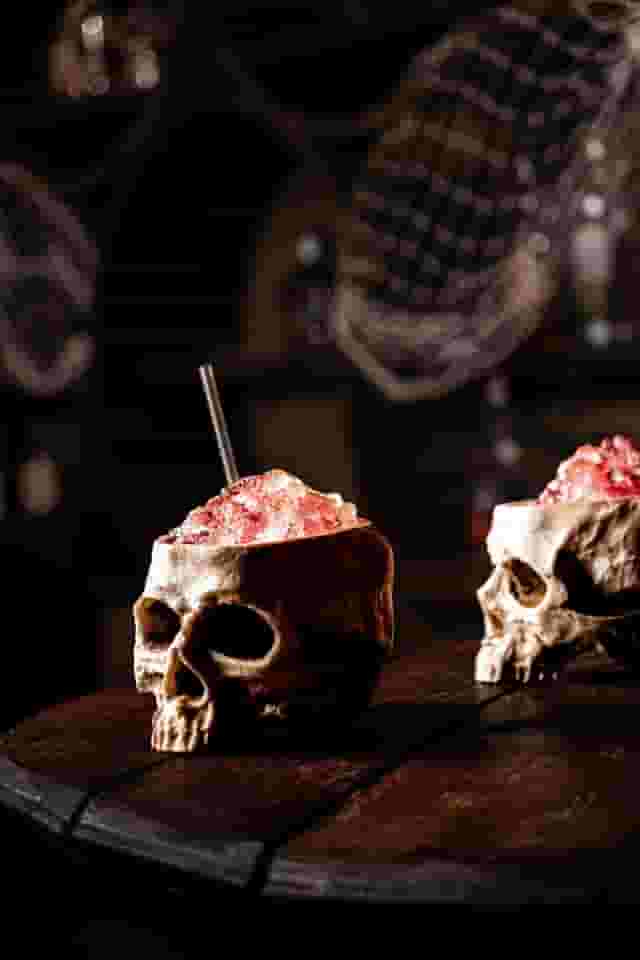
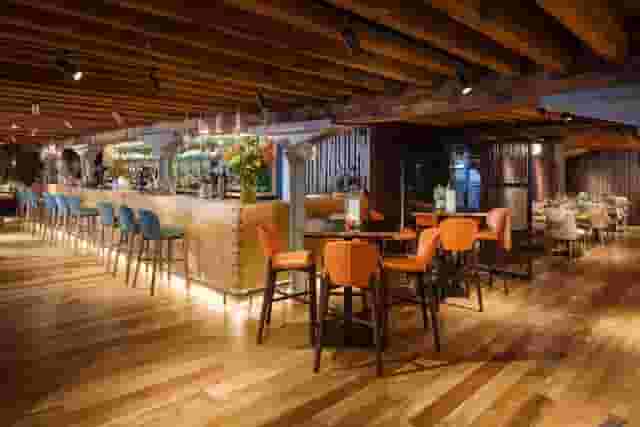
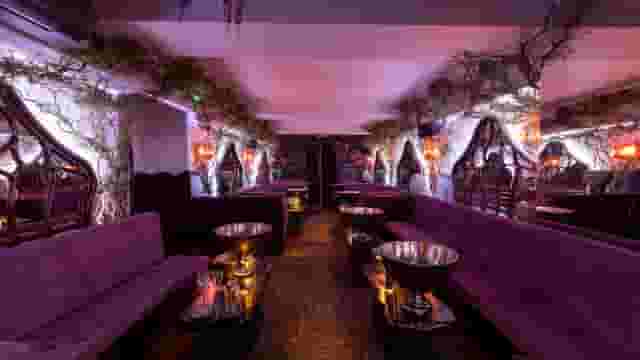
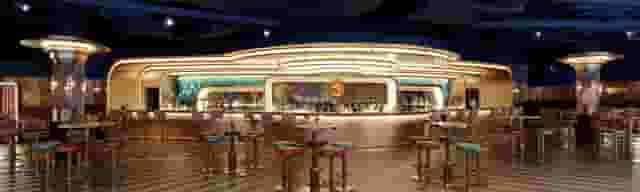
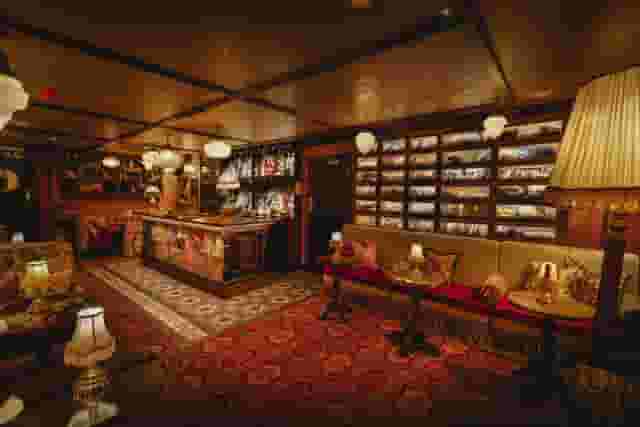
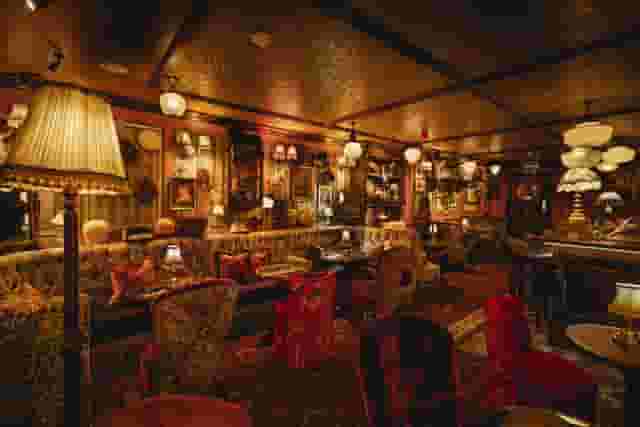
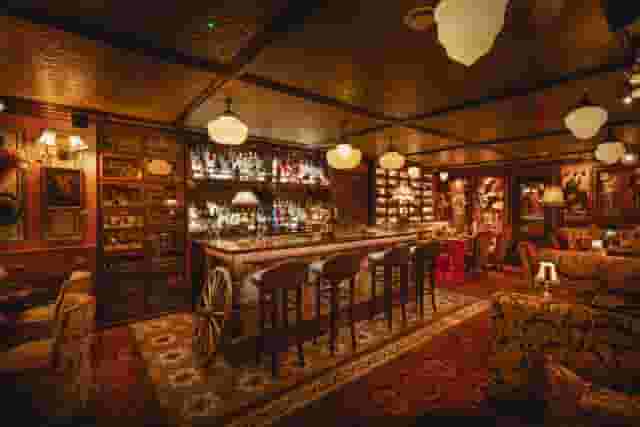
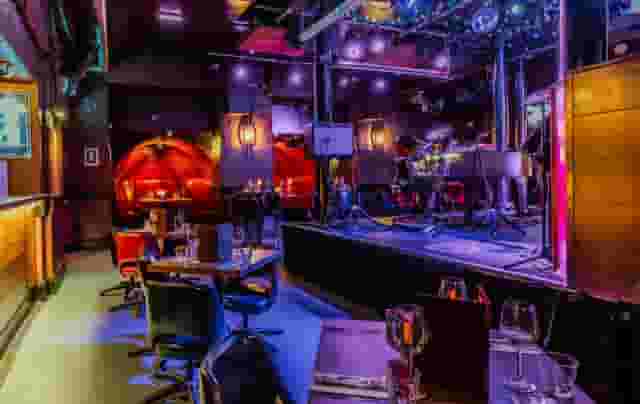
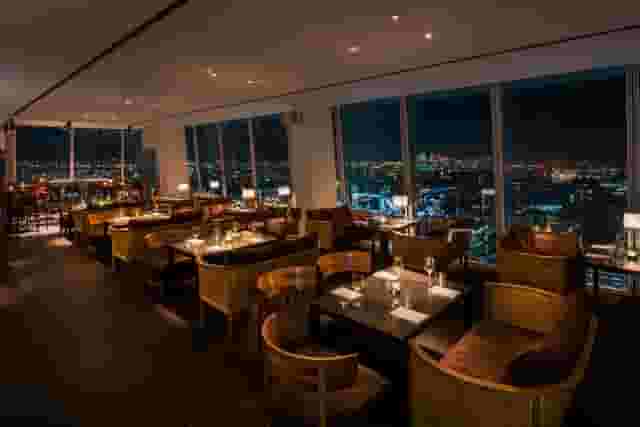
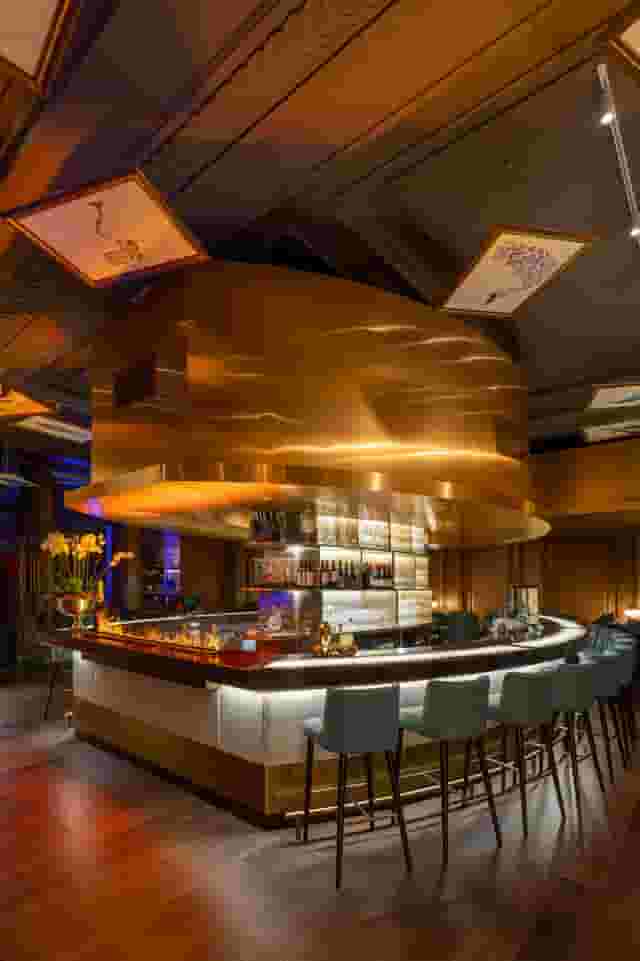
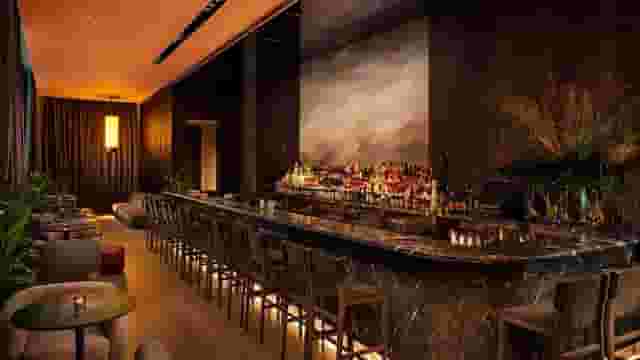
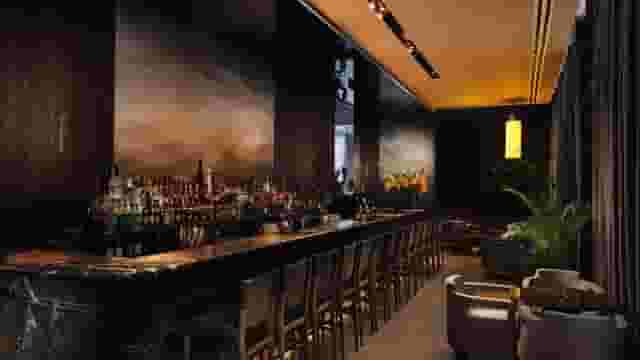
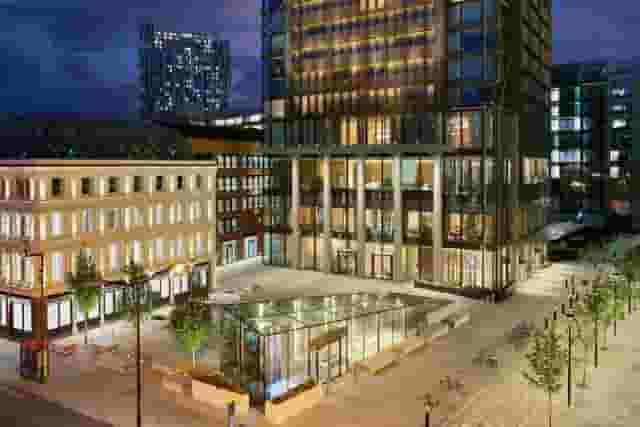
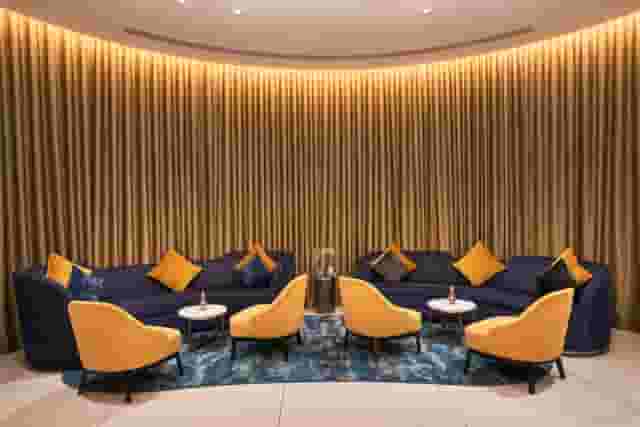
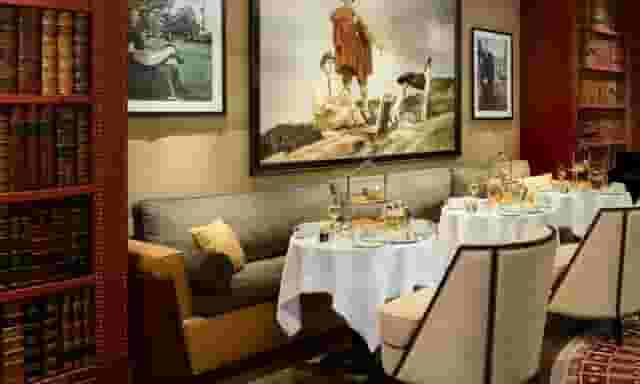
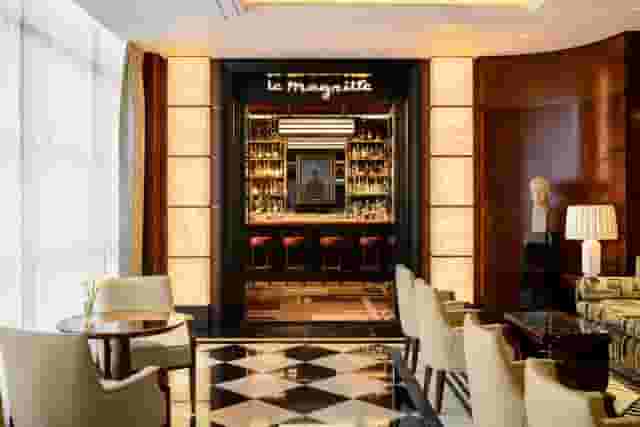
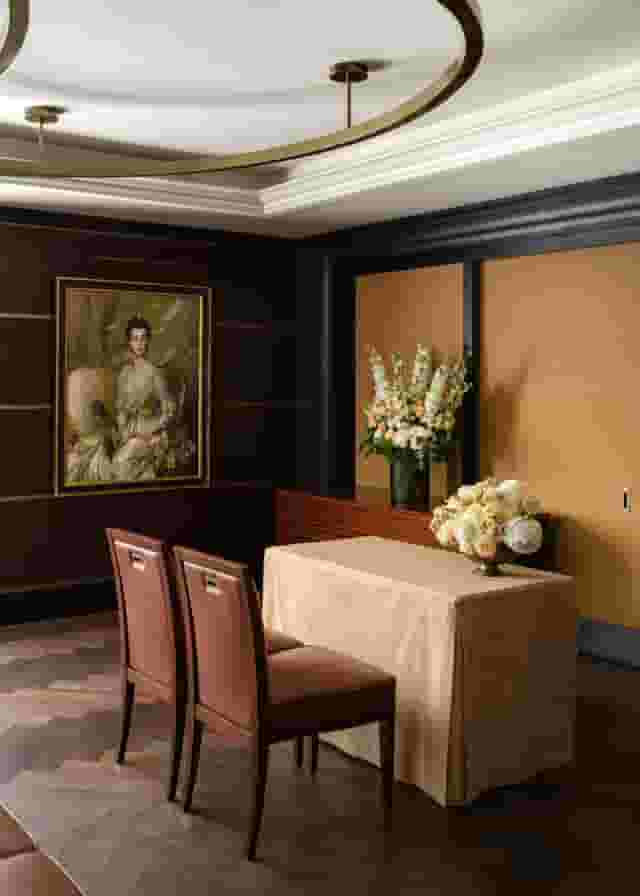
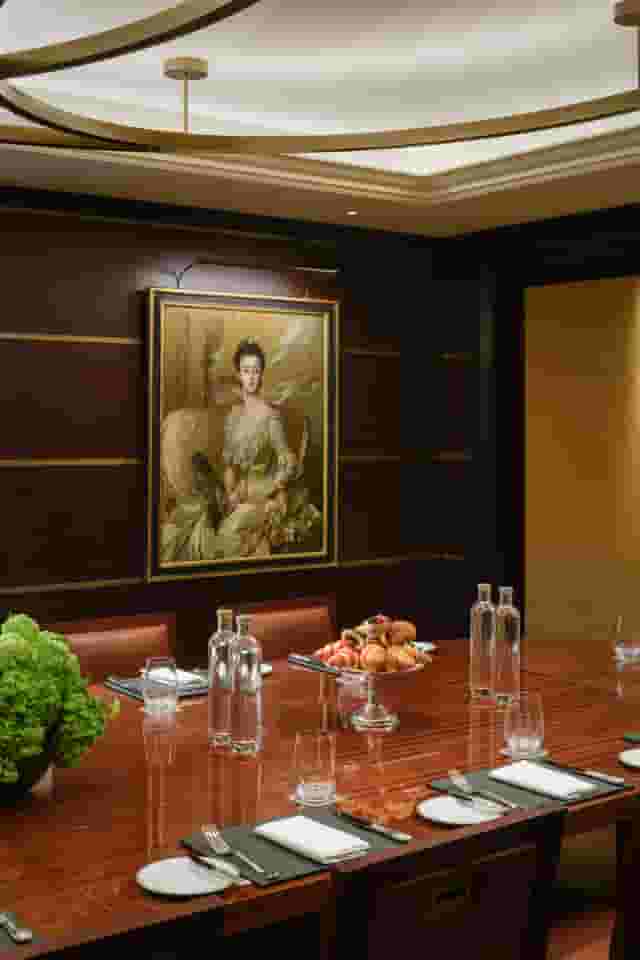
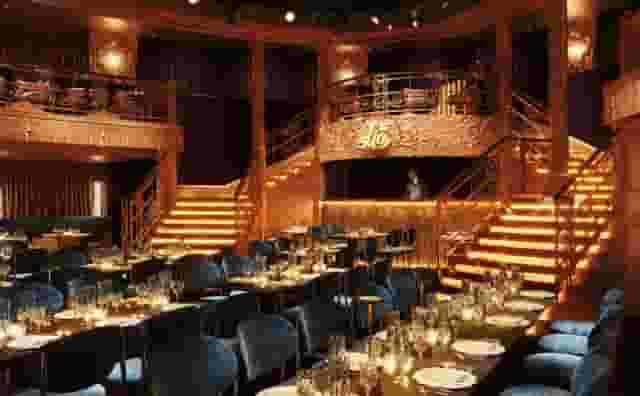
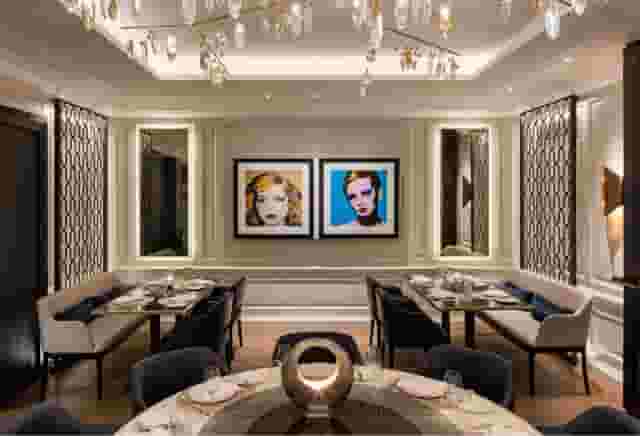
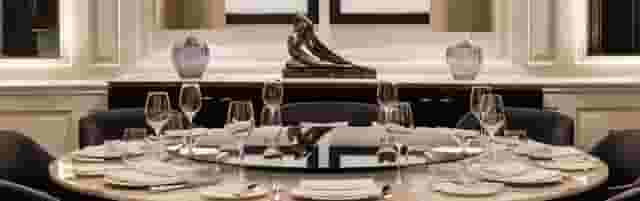
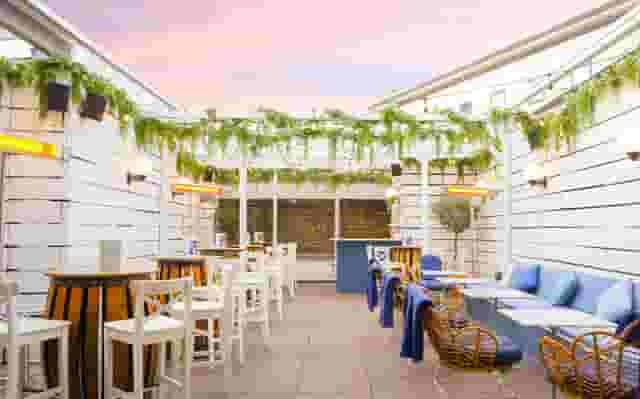
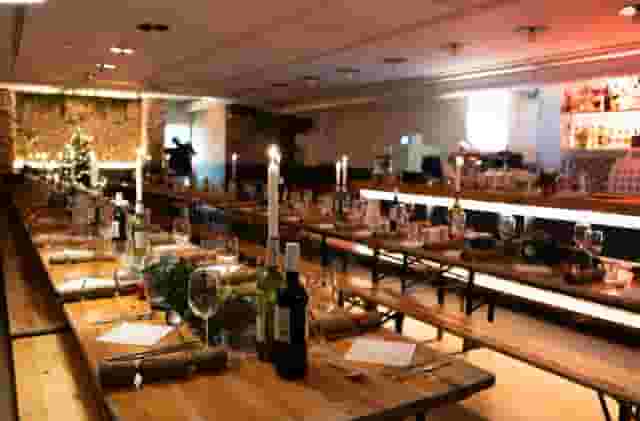
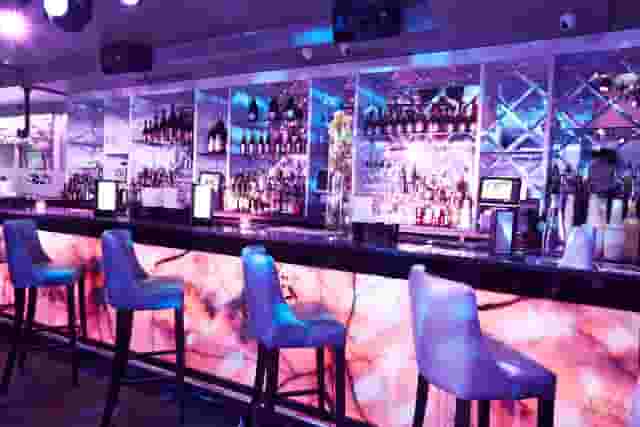
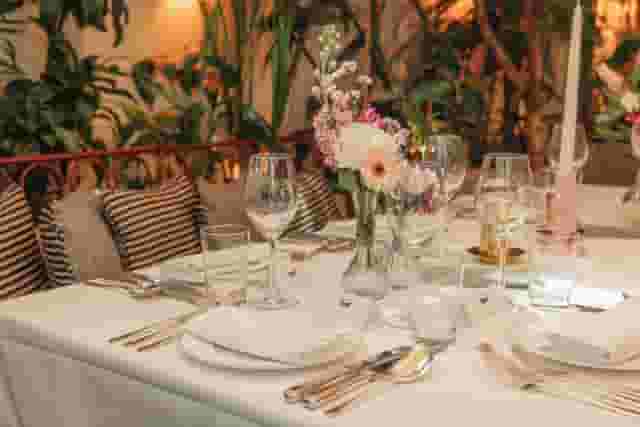
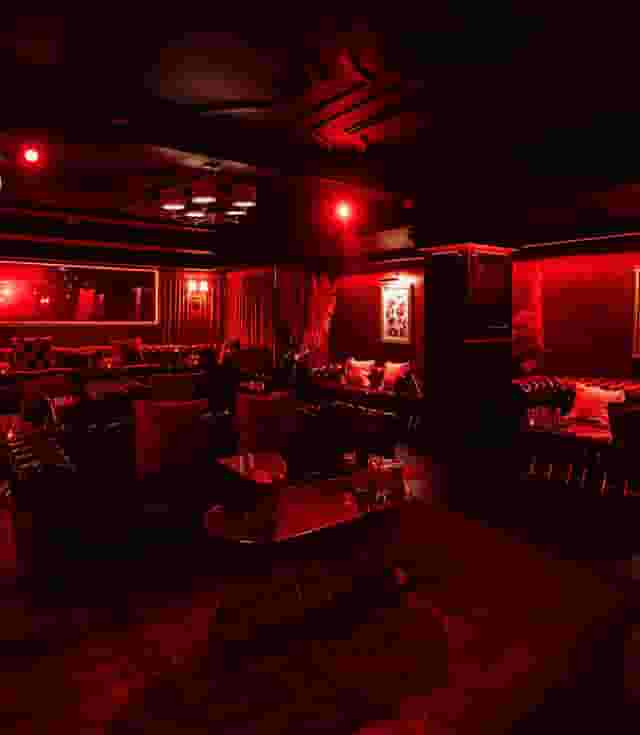
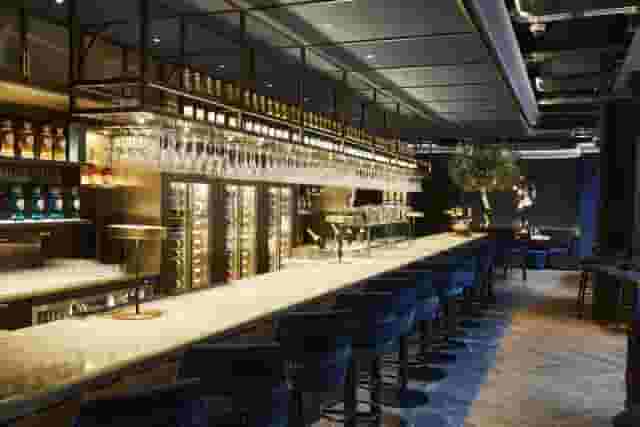
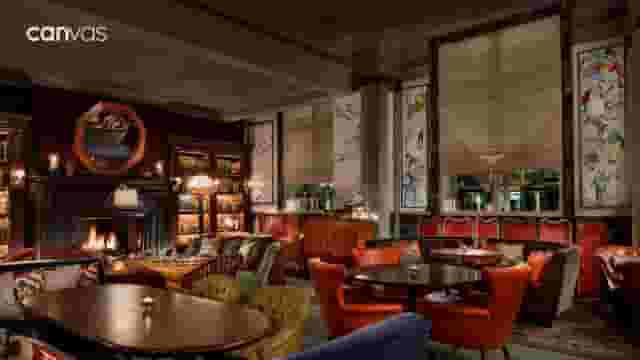
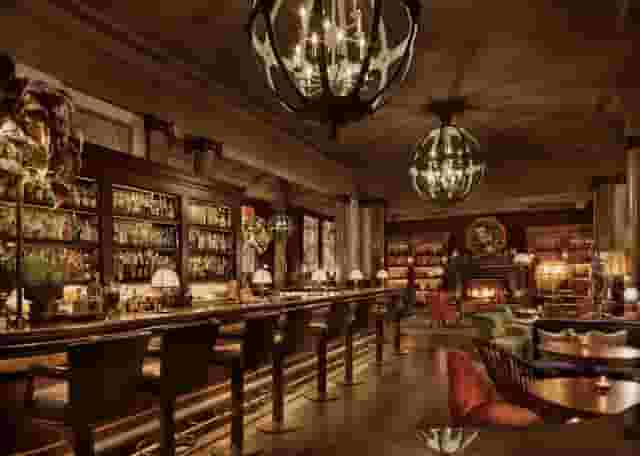
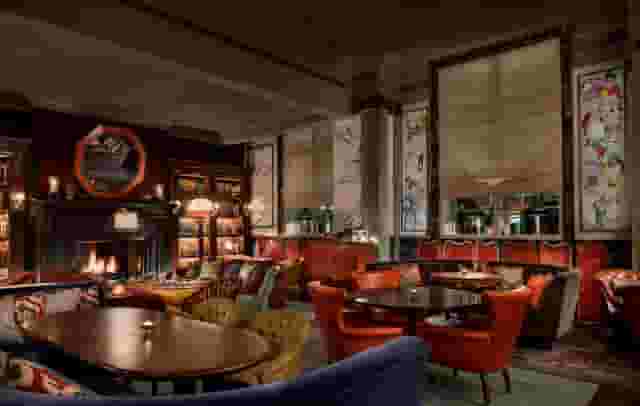
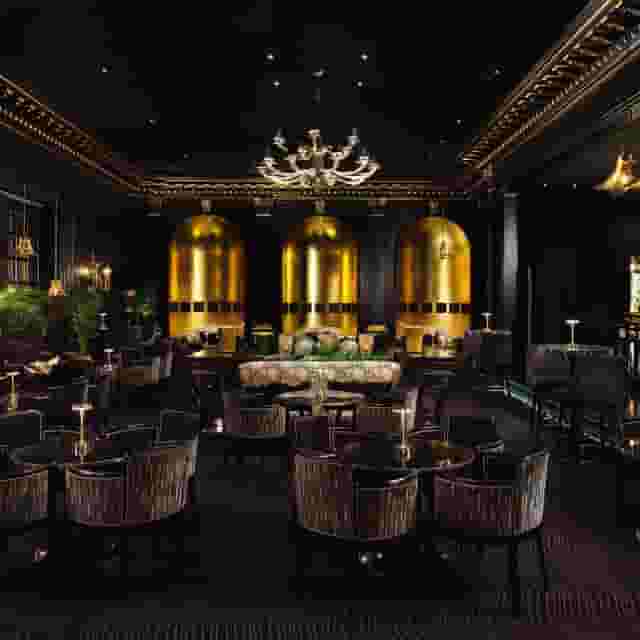
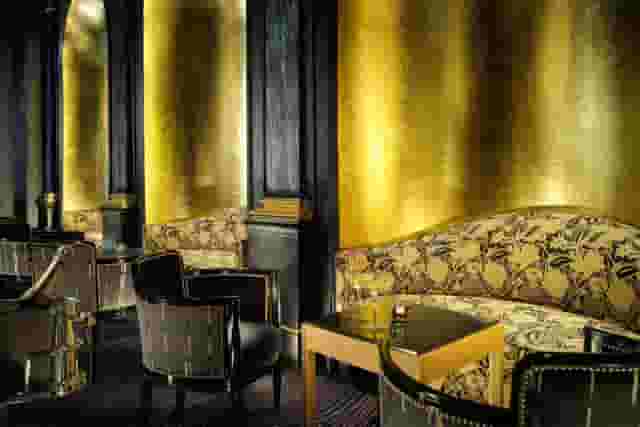
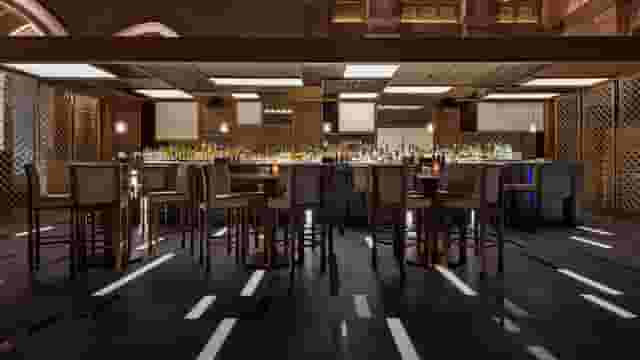
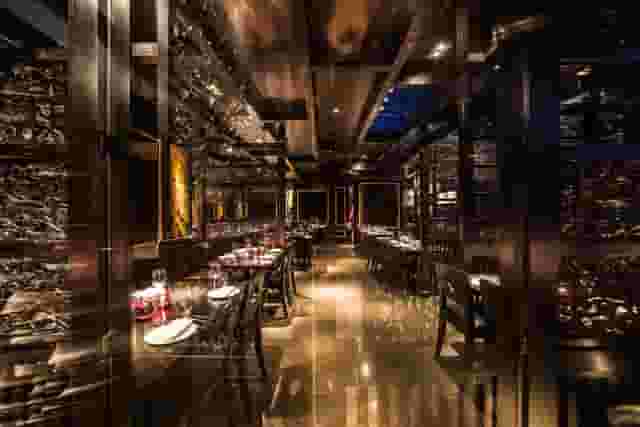
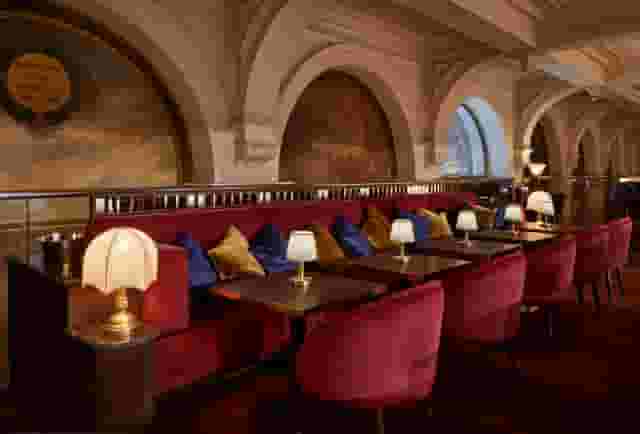
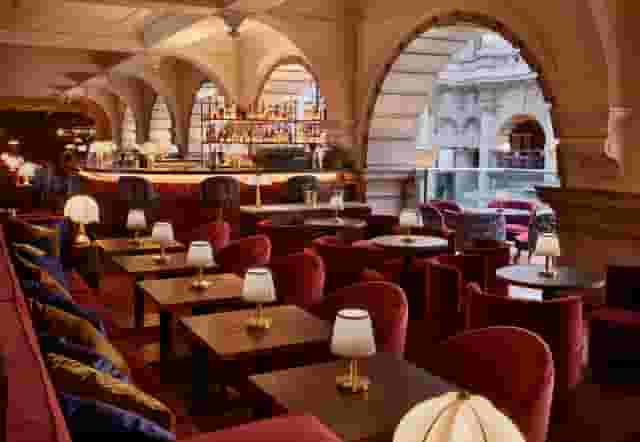
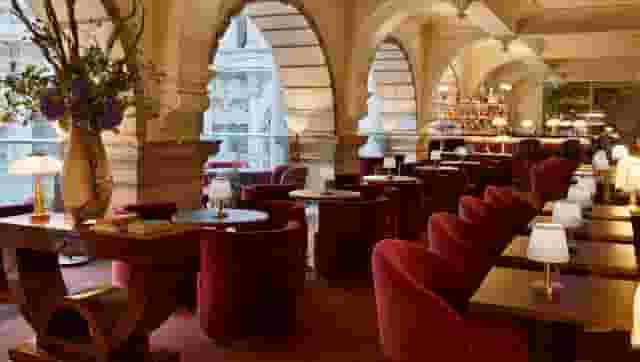
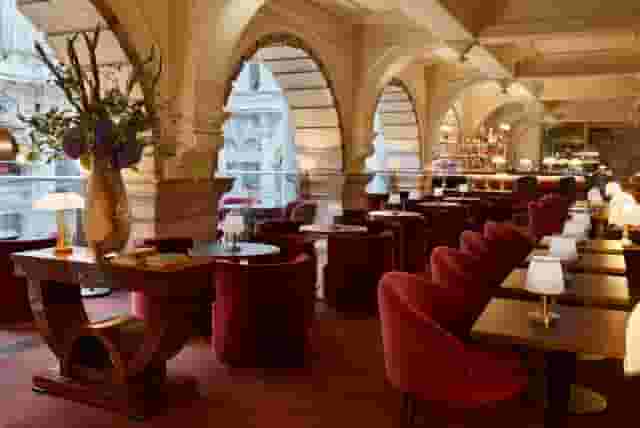
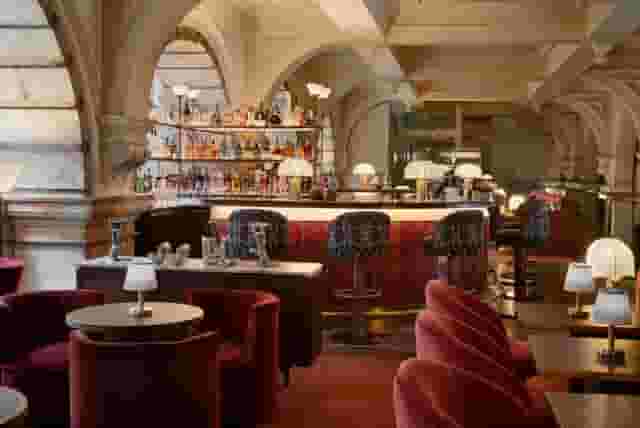
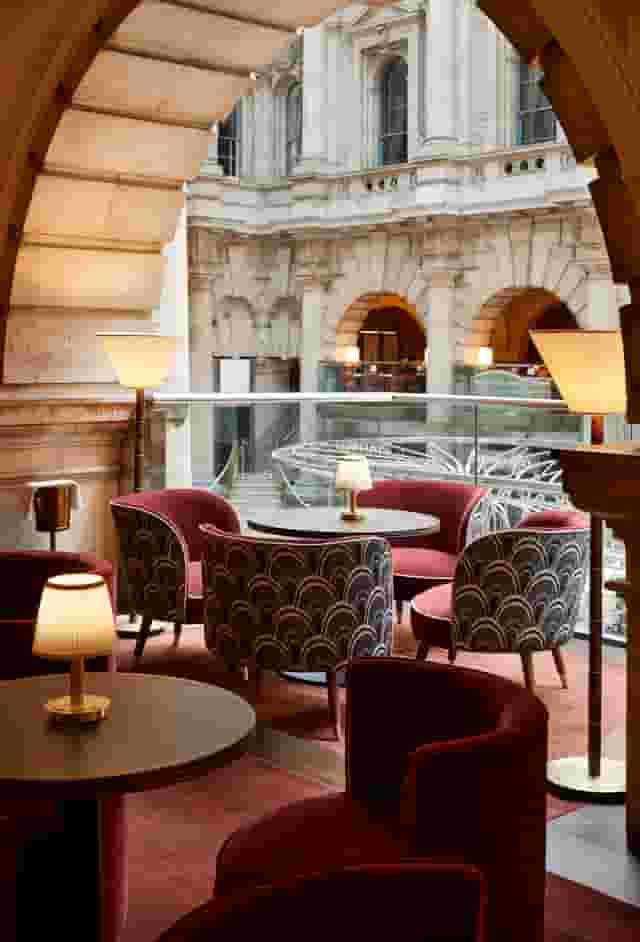
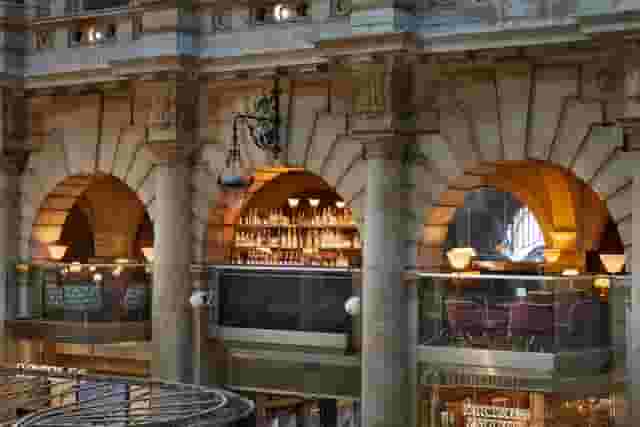
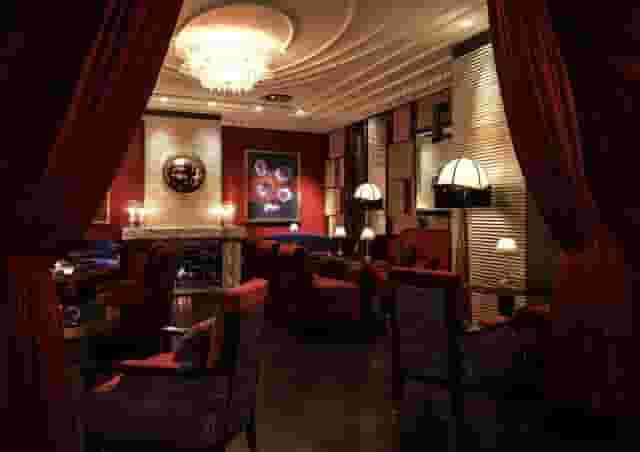
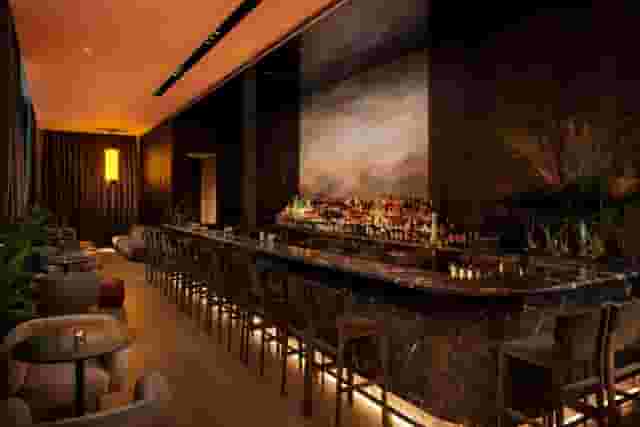
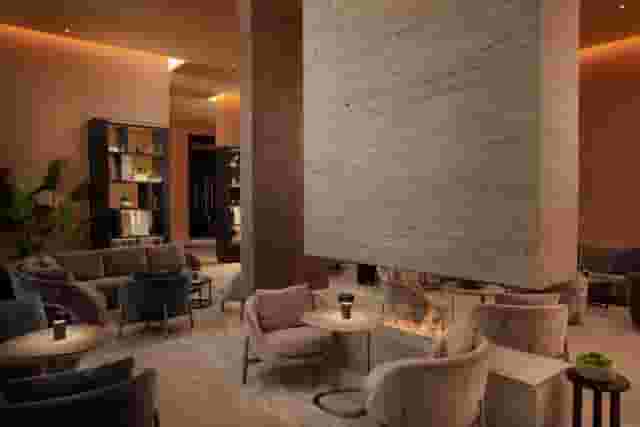
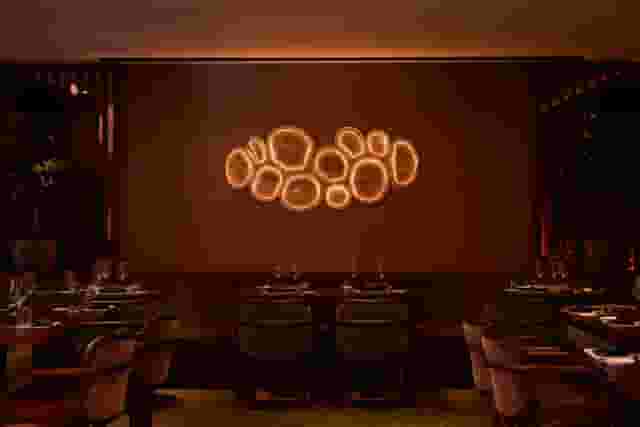
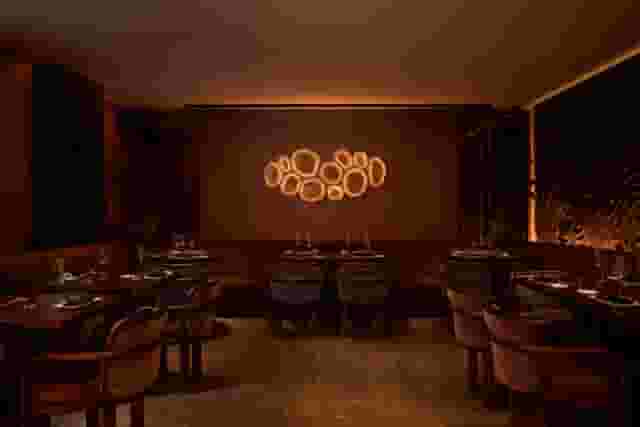
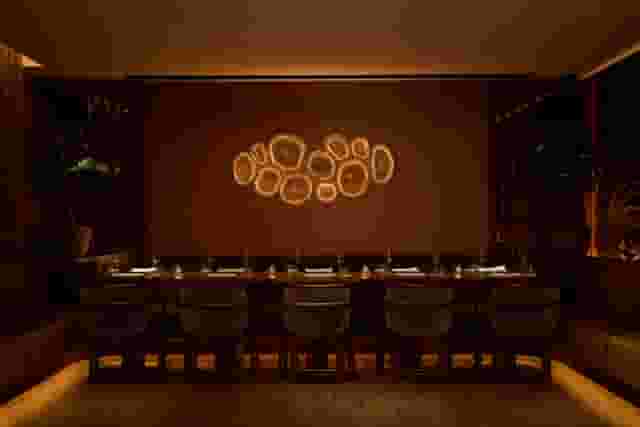
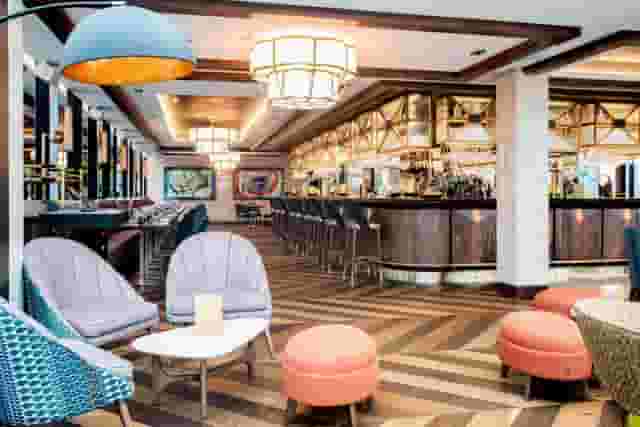
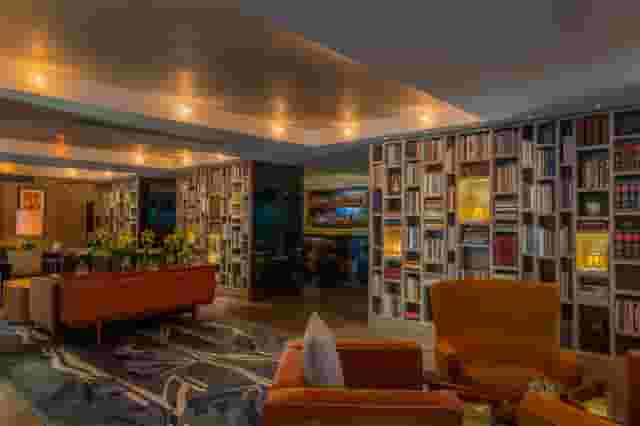
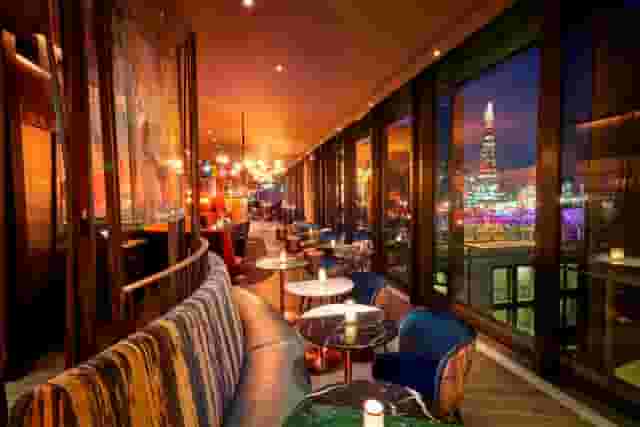
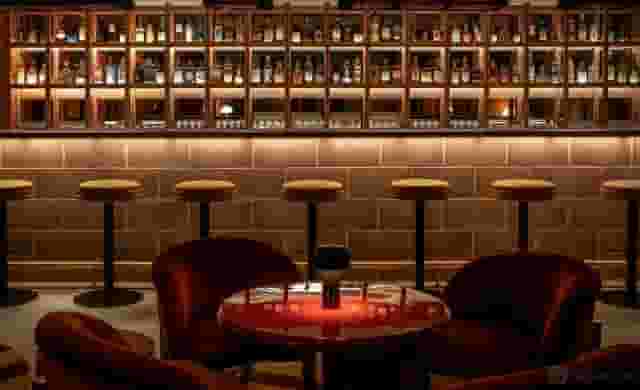
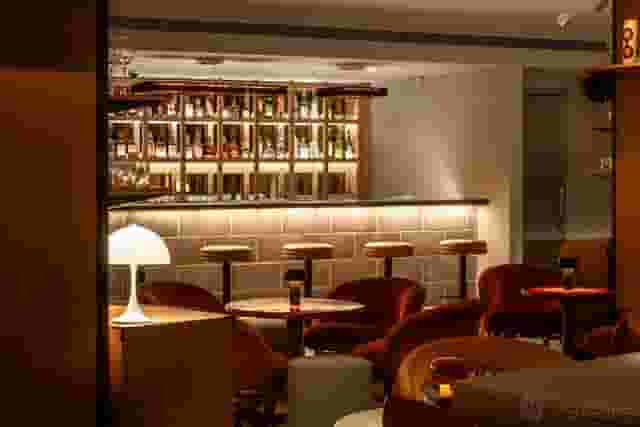
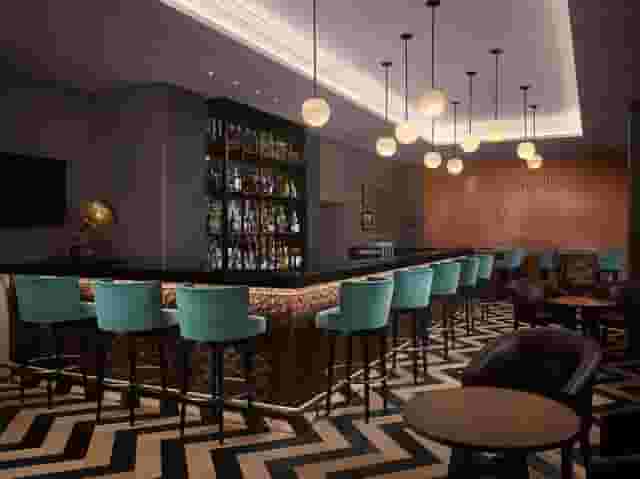
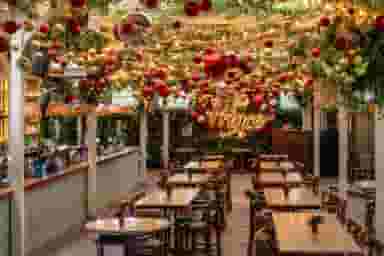
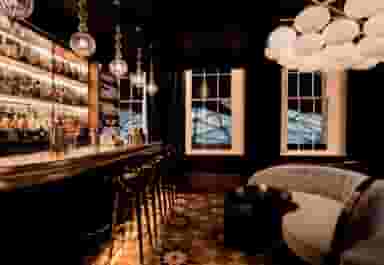
For high-profile client entertainment or executive networking, the surroundings need to convey polish and discretion. External guests expect fast service, high-grade drinks and enough breathing room to hold confidential conversations. In King's Cross, Anthracite provides a martini lounge within a five-star hotel, accommodating 120 guests for a standing reception across interconnecting rooms. That interconnected layout lets people circulate naturally rather than remaining trapped in one static crowd. In Mayfair, Apollo's Muse suits smaller, high-end gatherings. It accommodates 100 standing guests or 40 seated among marble interiors and classical artwork, offering an intimate backdrop for senior stakeholder receptions.
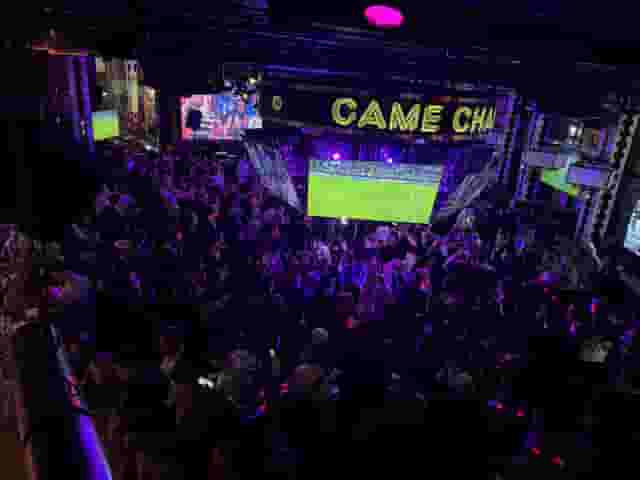
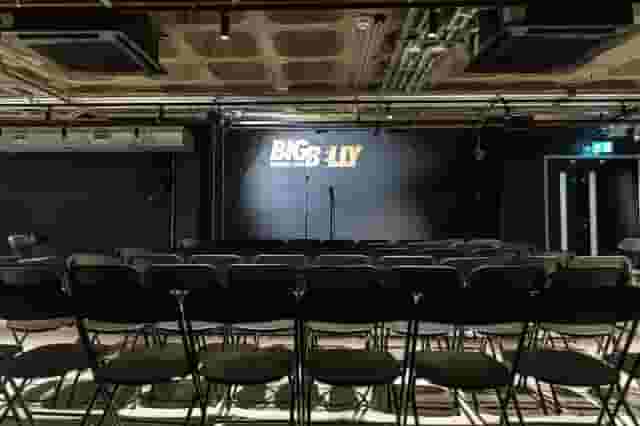
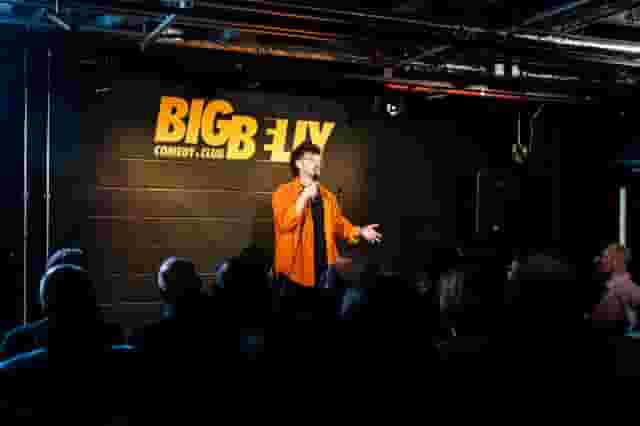
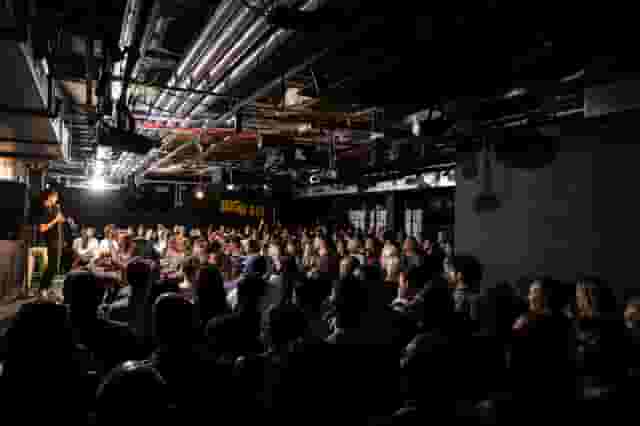
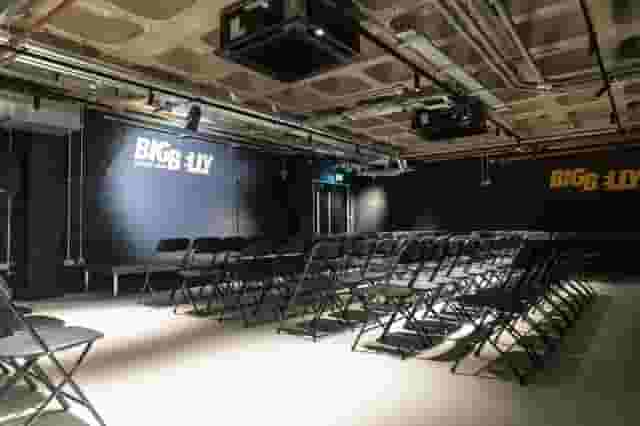
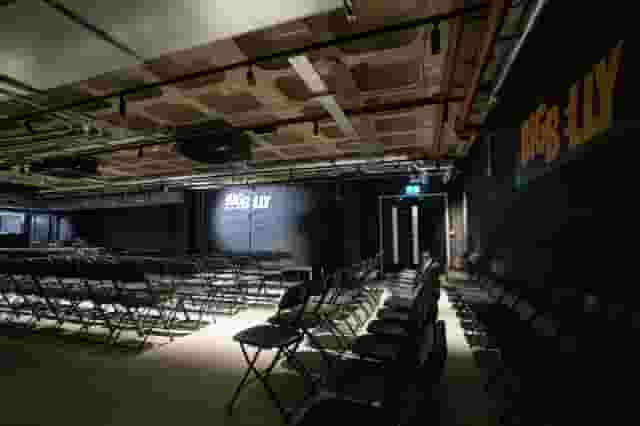
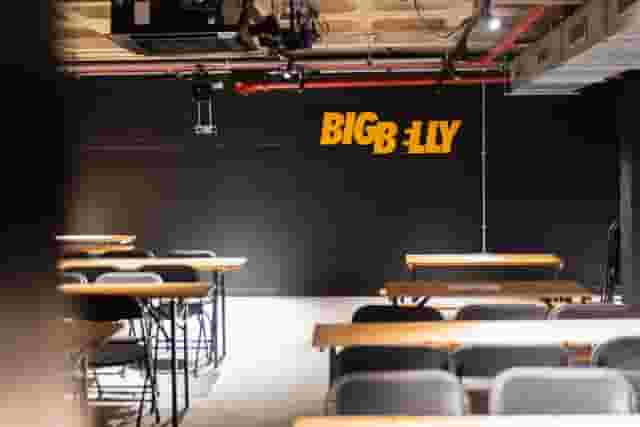
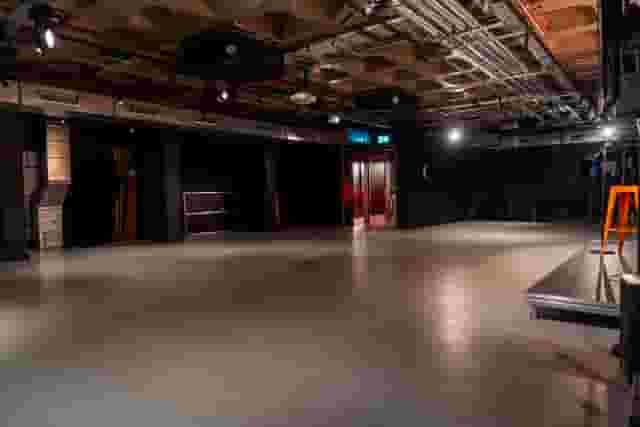
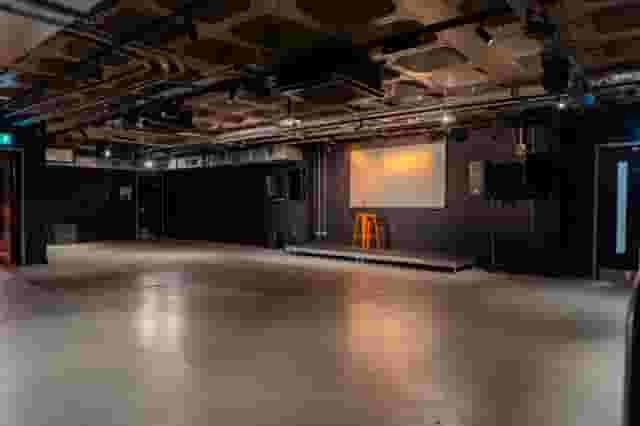
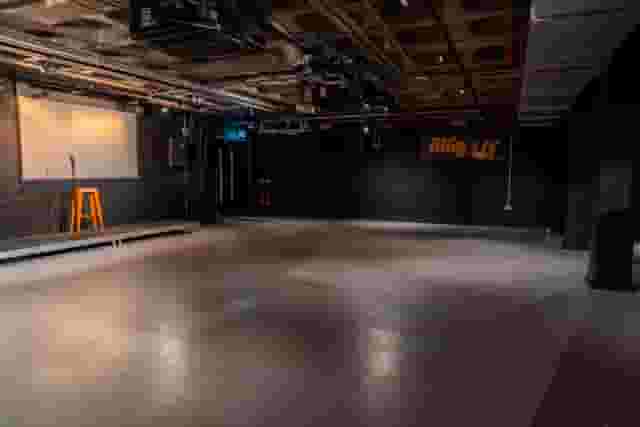
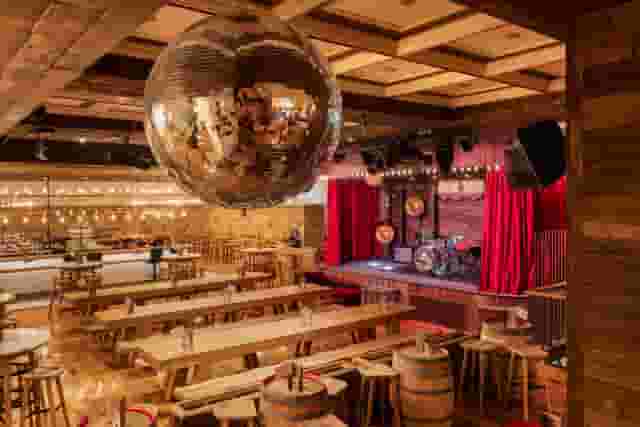
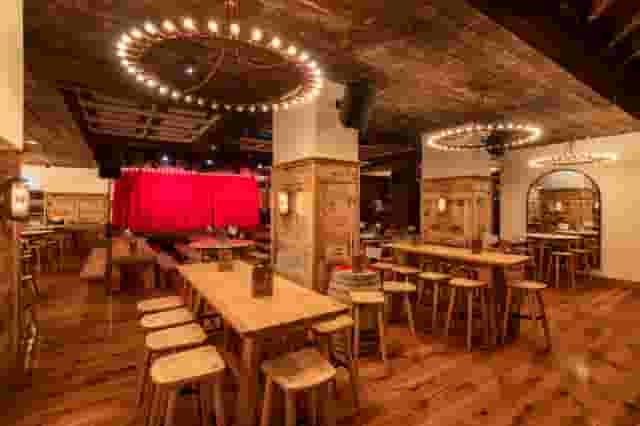
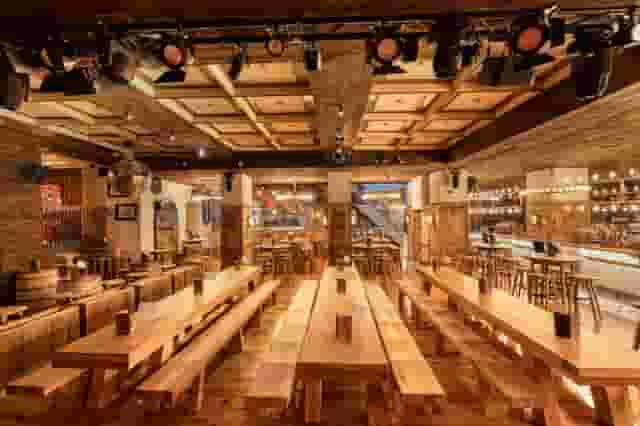
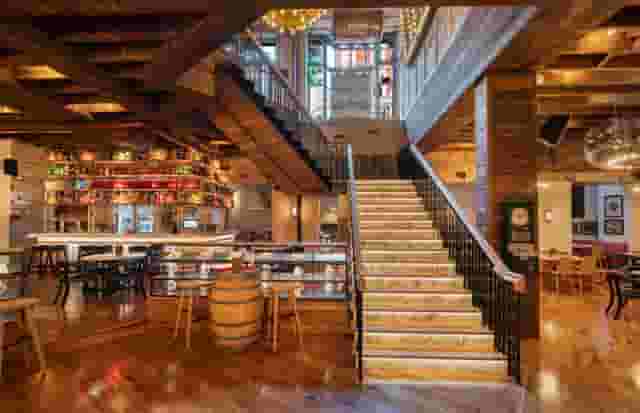
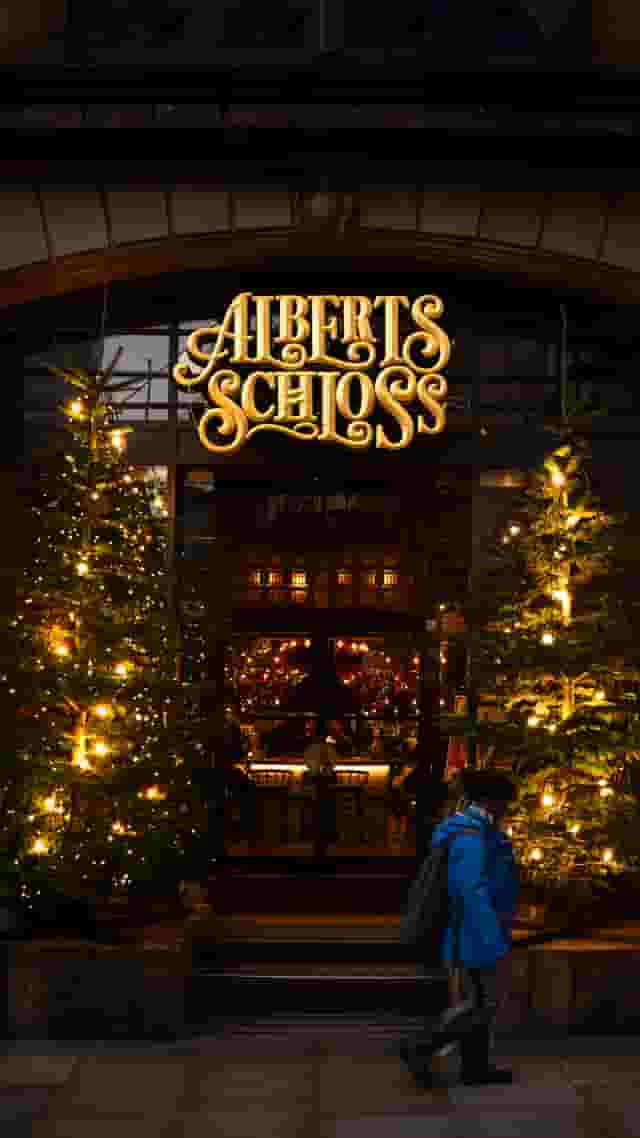
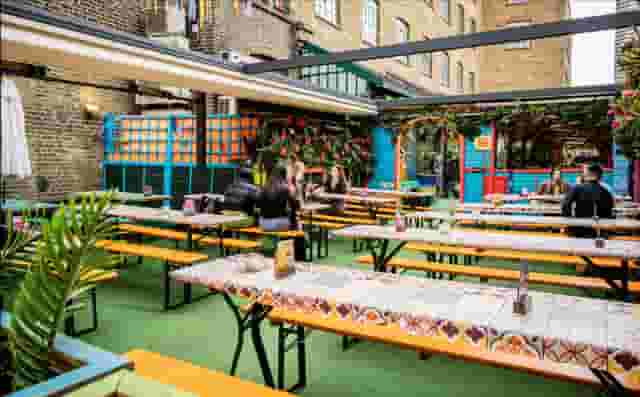
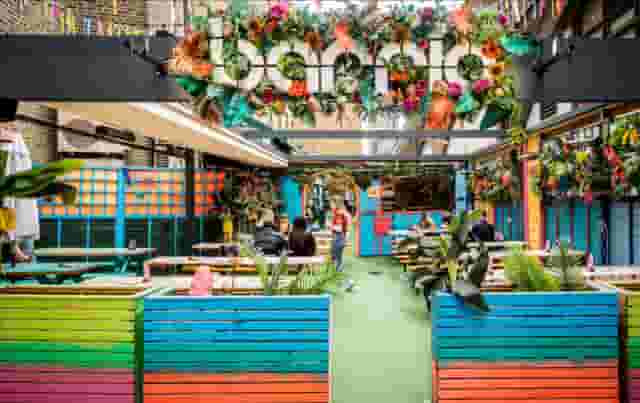
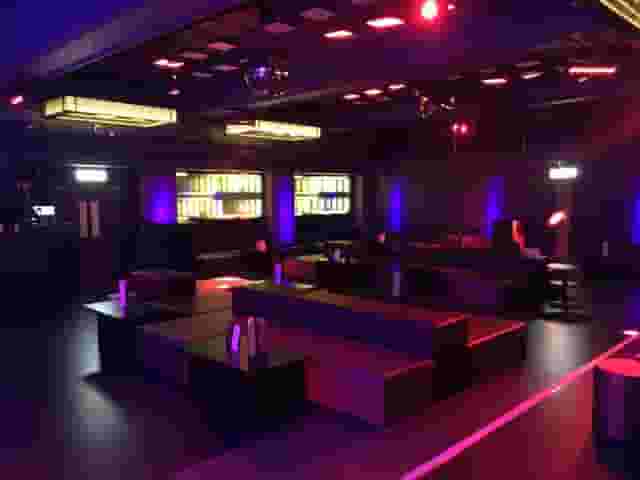
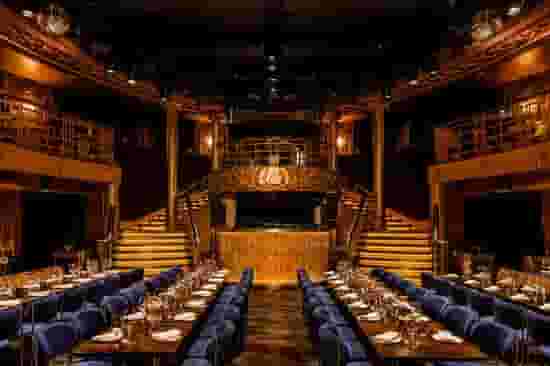
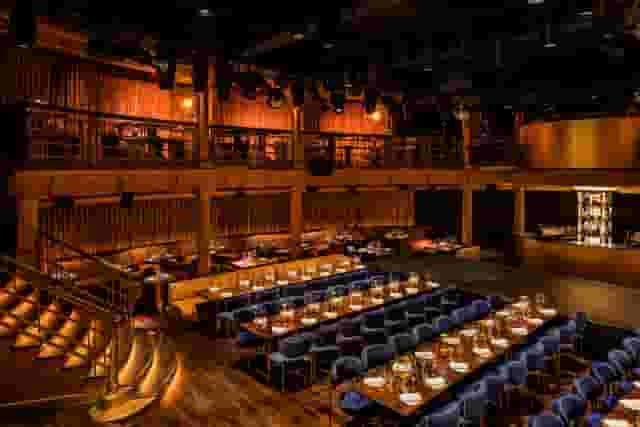
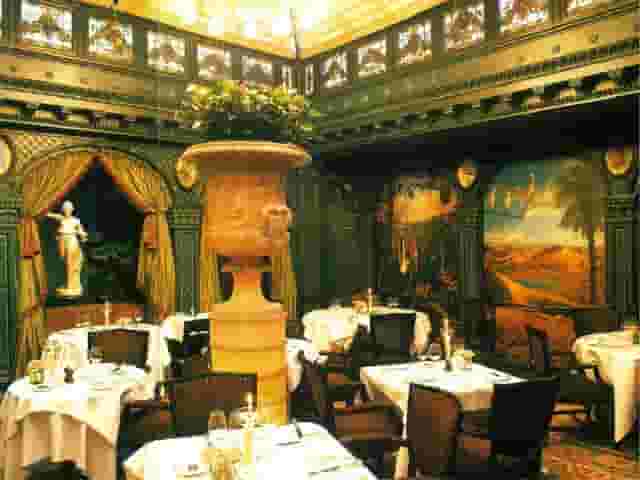
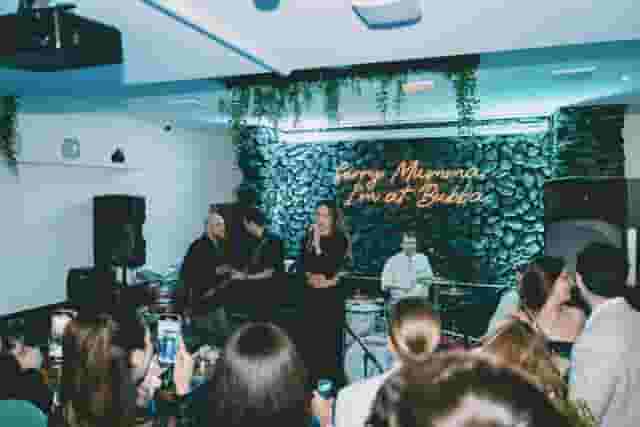
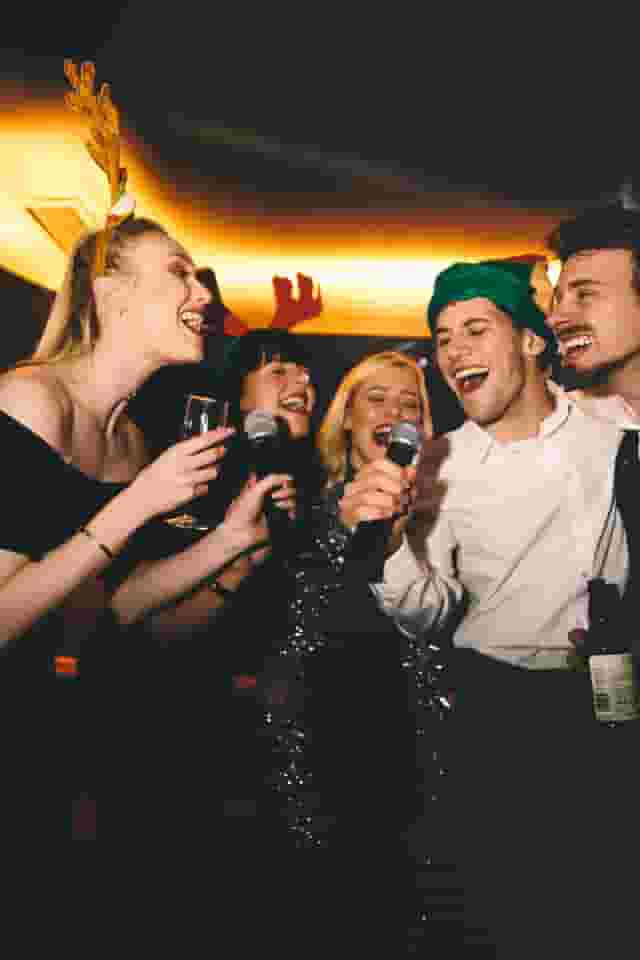
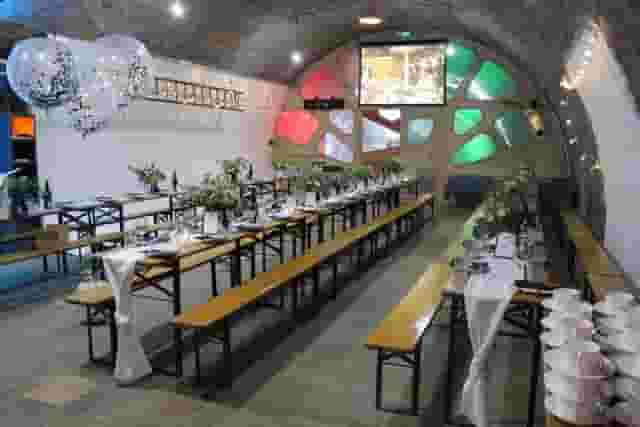
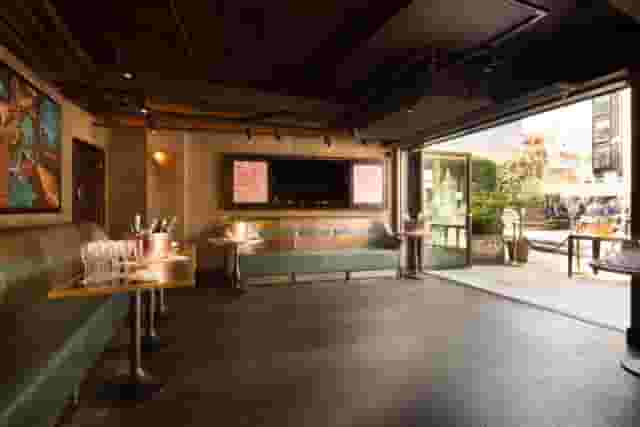
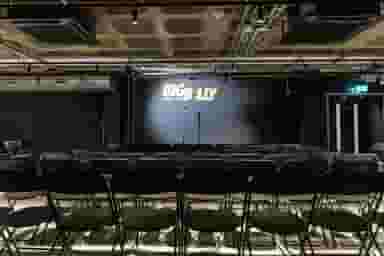
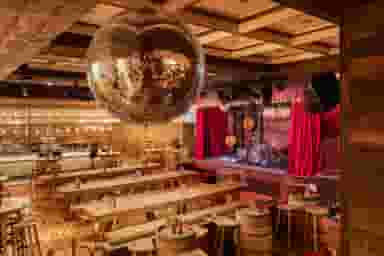
If your event is an end-of-quarter social or an internal company party, the energy shifts. You want a livelier room, informal seating and an atmosphere where people can unwind quickly. In Soho, Albert's Schloss Soho offers full venue hire for up to 650 standing guests across a Bavarian-inspired hall, making it suitable for large company socials that require stage entertainment alongside food and drink. For groups that want a relaxed, informal tone with lighthearted entertainment, Big Belly Bar on the South Bank accommodates 240 standing guests in the Big Belly Room, pairing drinks with a comedy club setting.
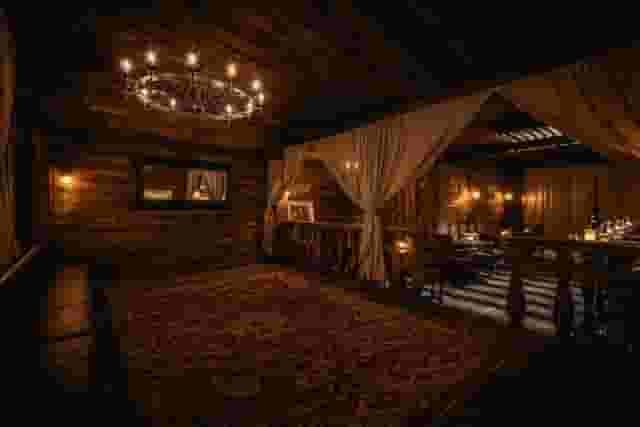
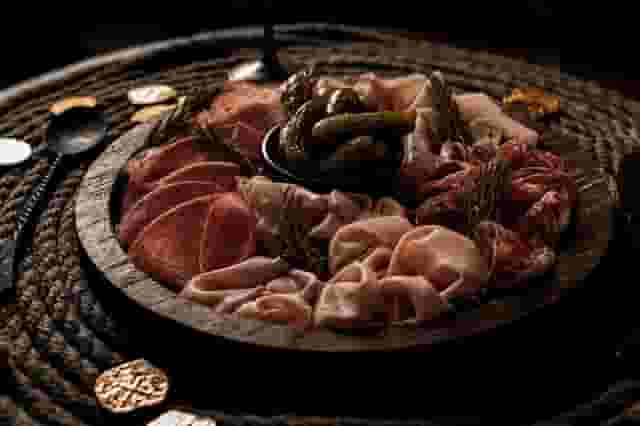
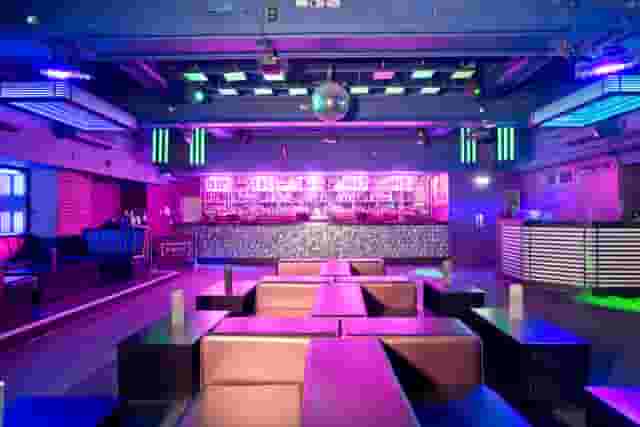
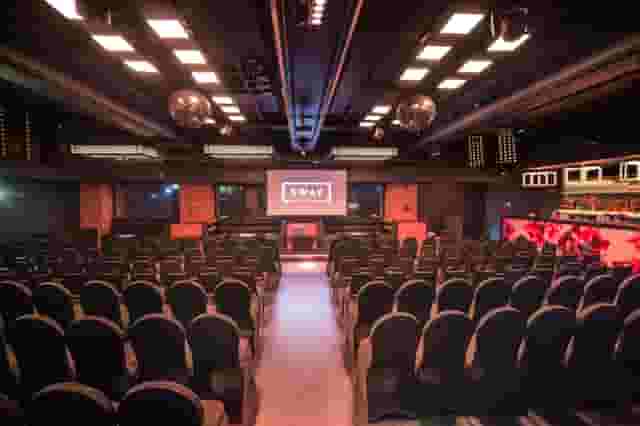
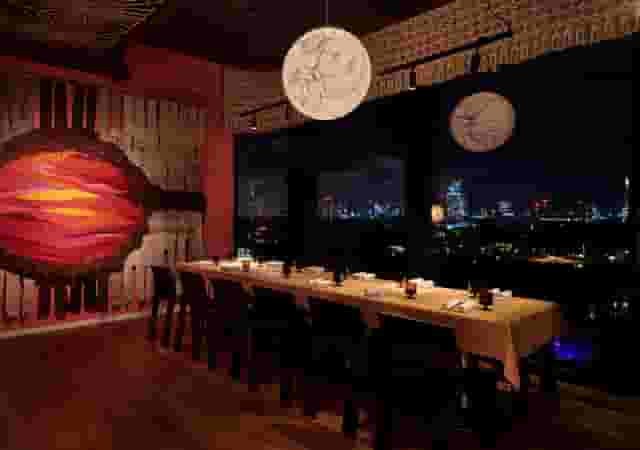
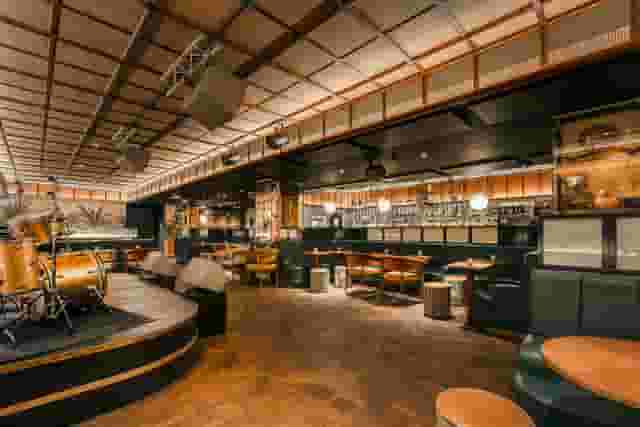
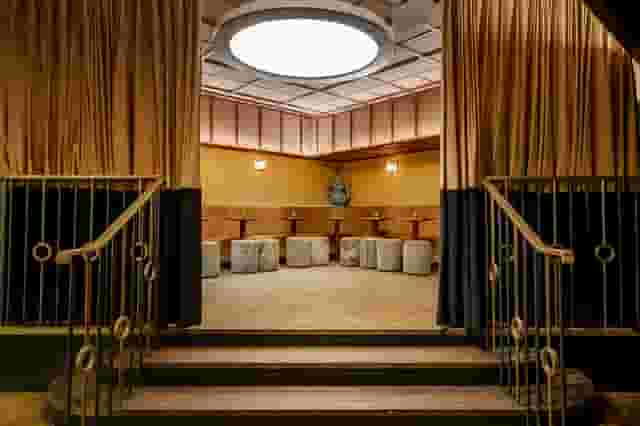
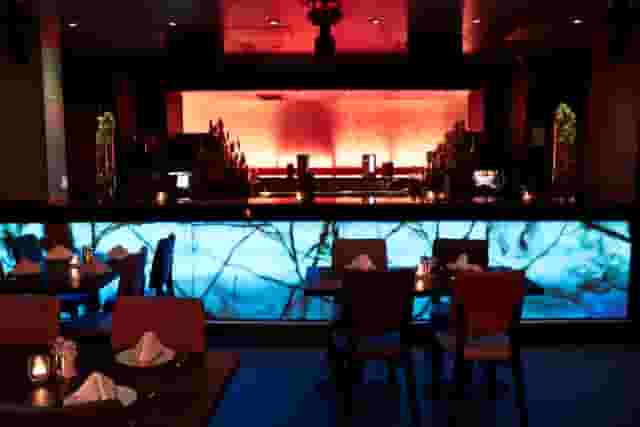
For central mid-sized gatherings, practical floor layouts are essential. In Holborn, Sway handles up to 300 guests in a buffet format across a two-floor club layout, giving you room to split arrival drinks from late-night dancing. In Fitzrovia, Rhum Tavern offers the Captain's Quarters, taking up to 80 guests for a private reception. It features maritime interiors, a private bar and dedicated audiovisual facilities, making it a functional option if you need to run brief opening remarks or project slides before the bar opens fully.
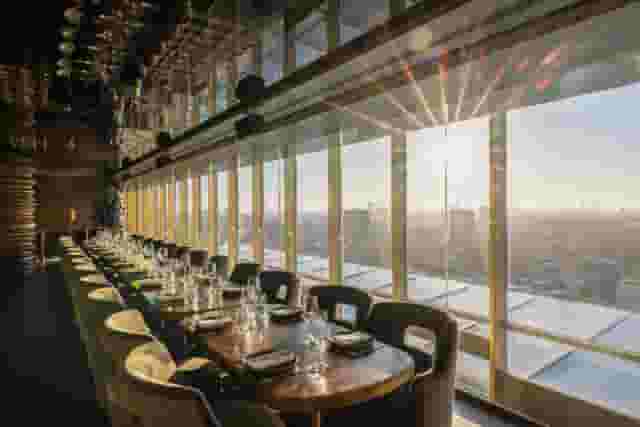
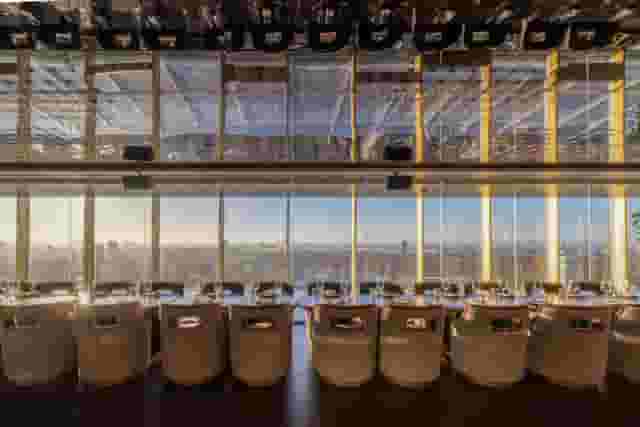
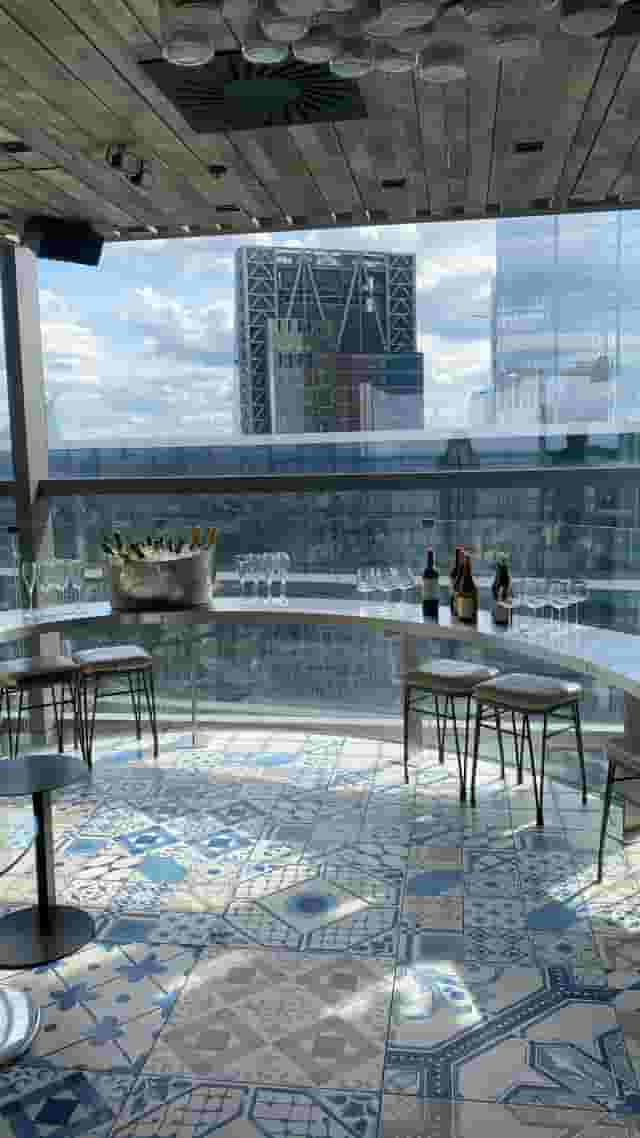
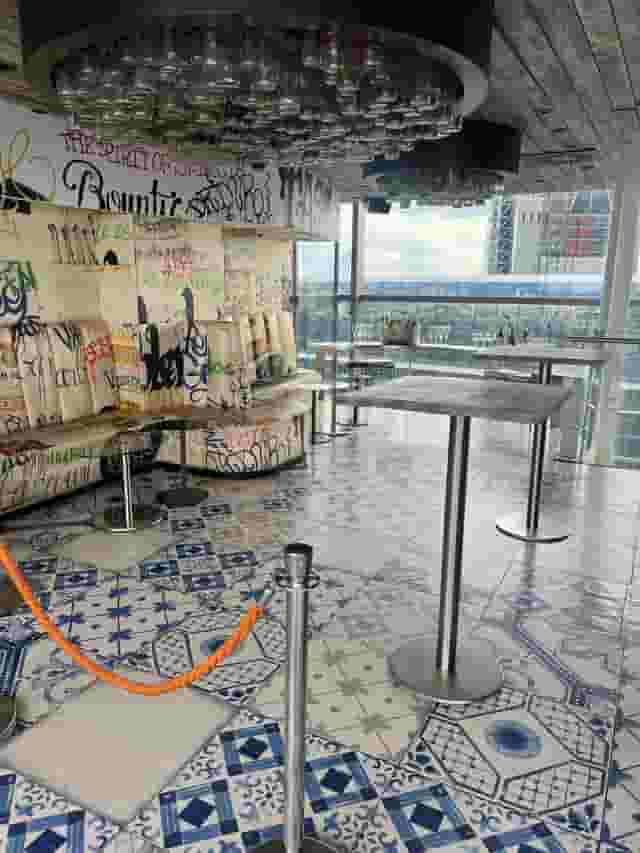
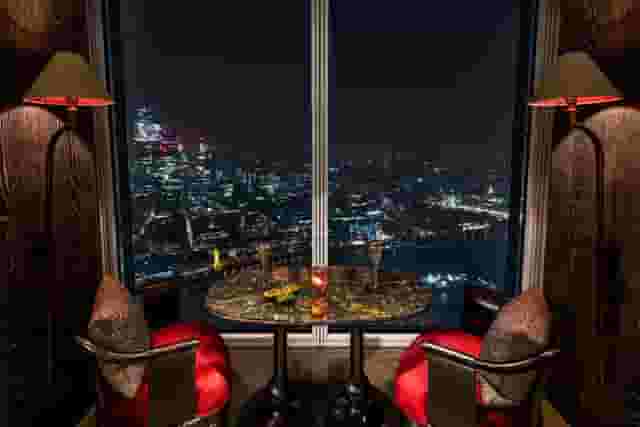
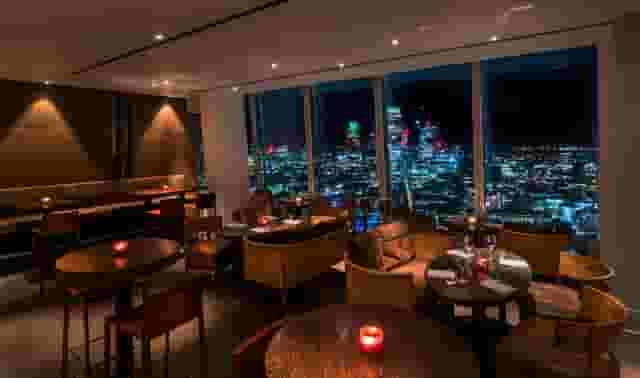
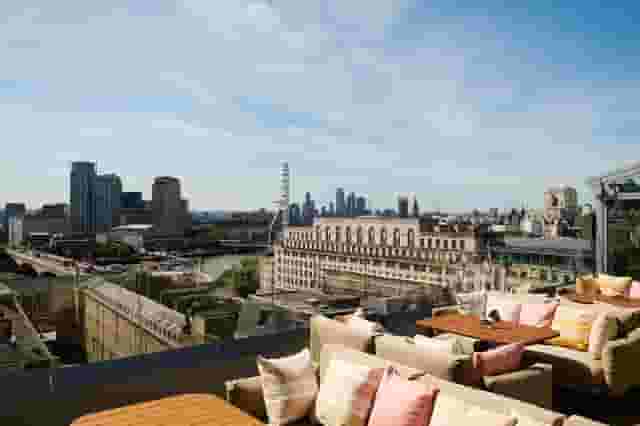
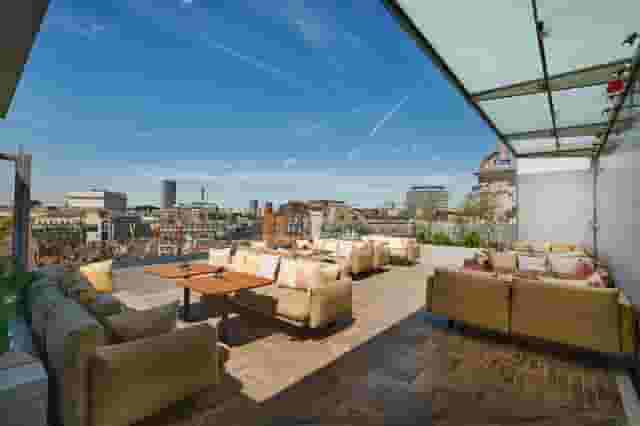
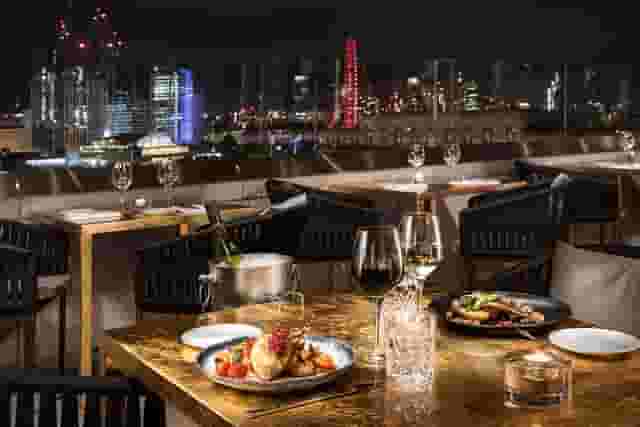
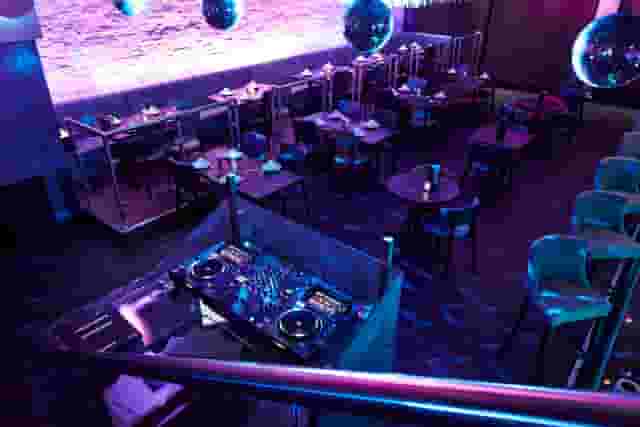
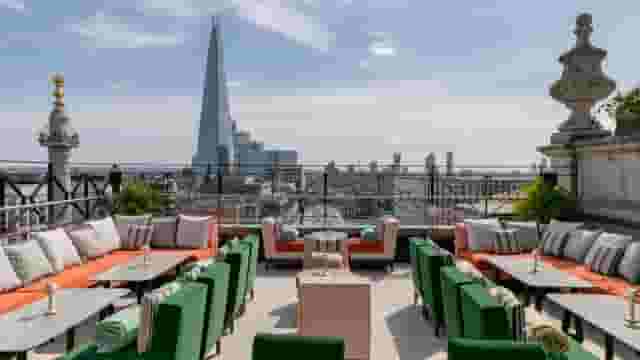
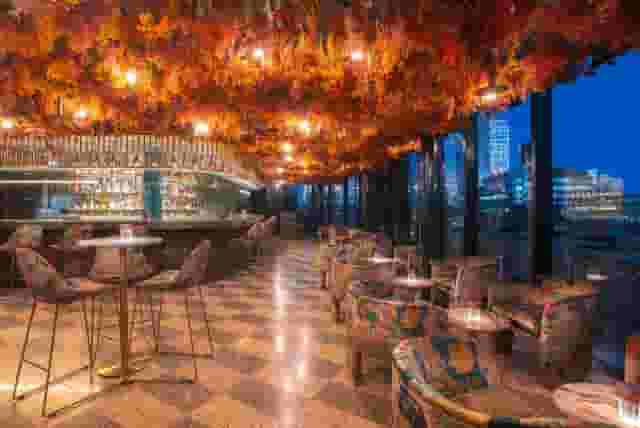
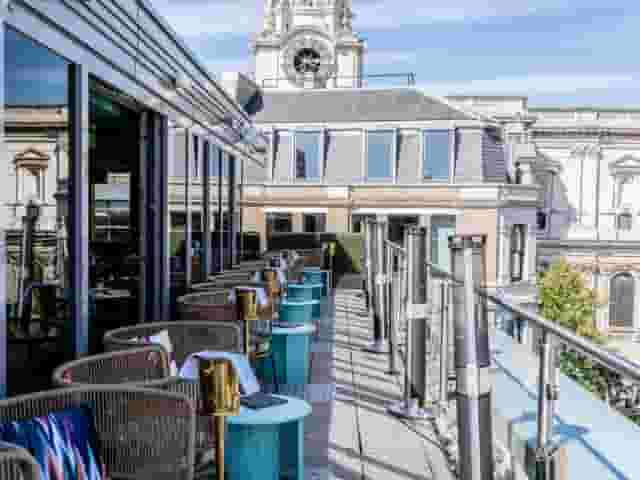
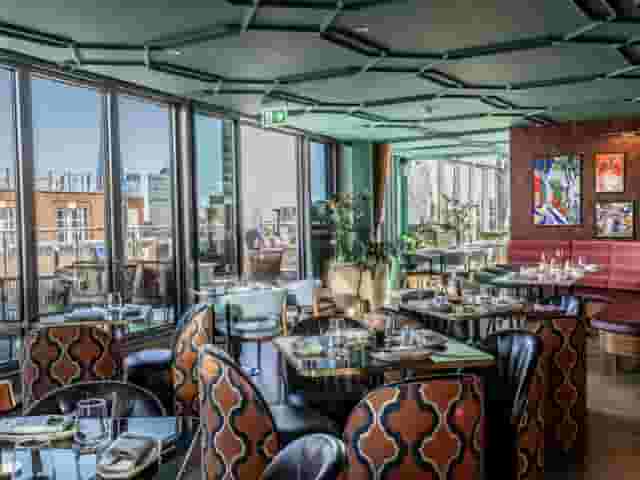
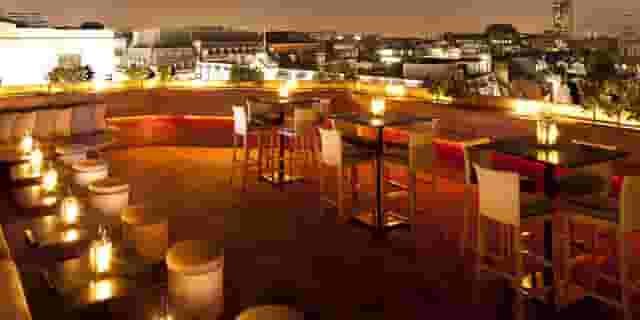
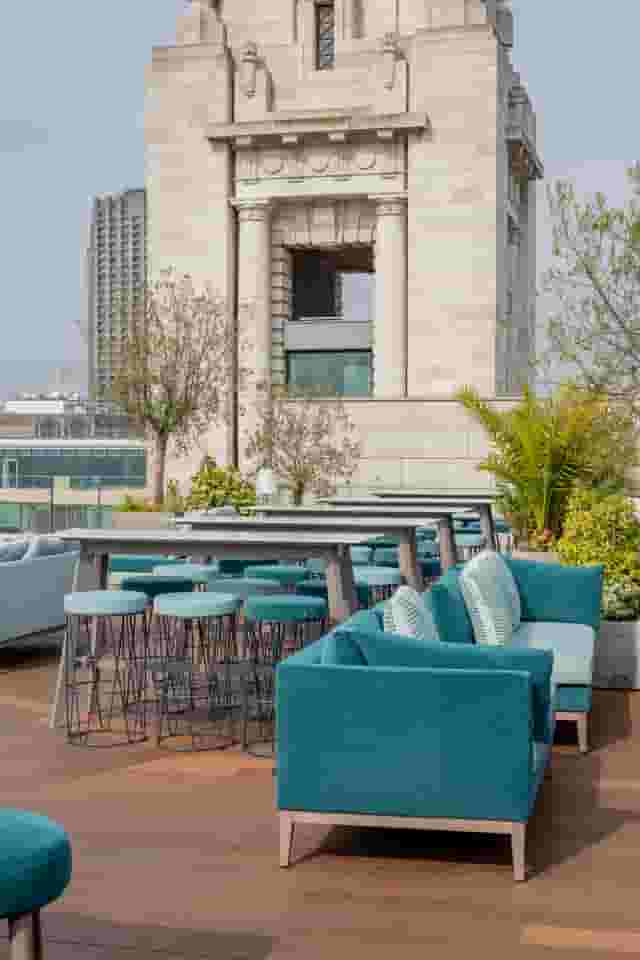
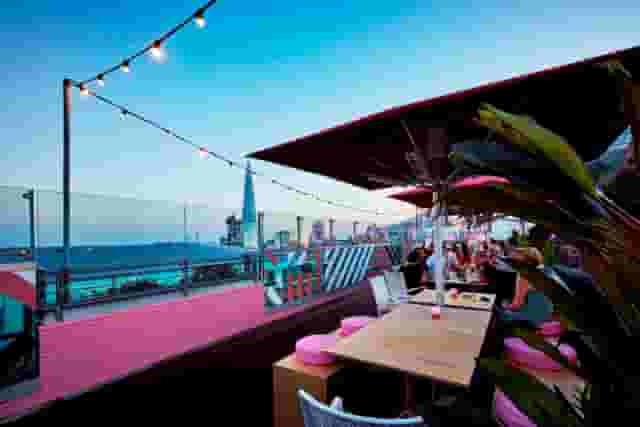
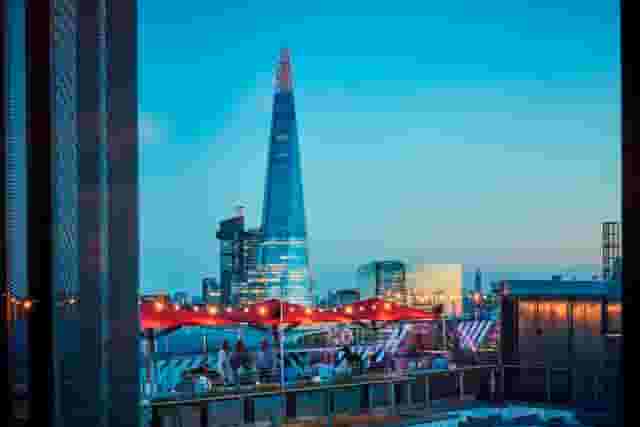
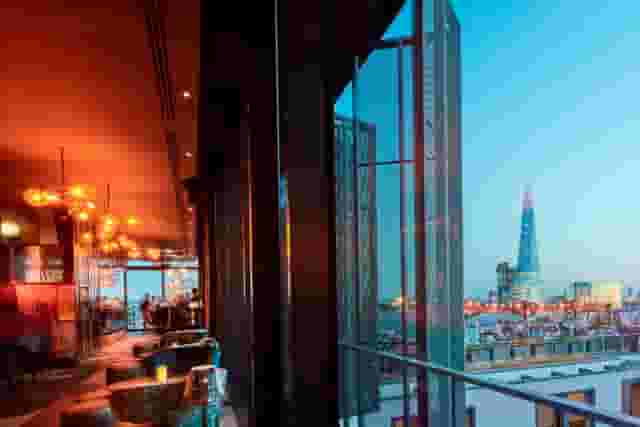
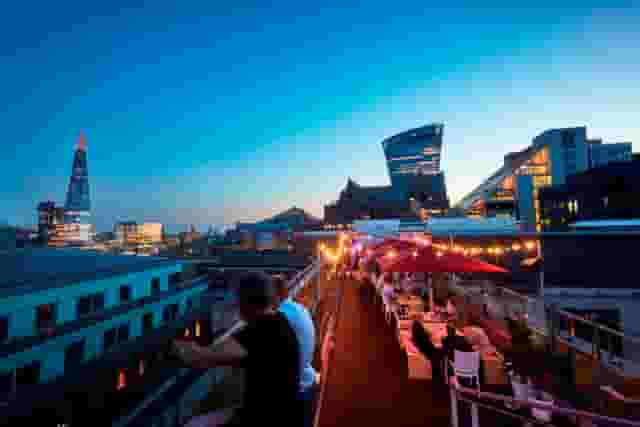
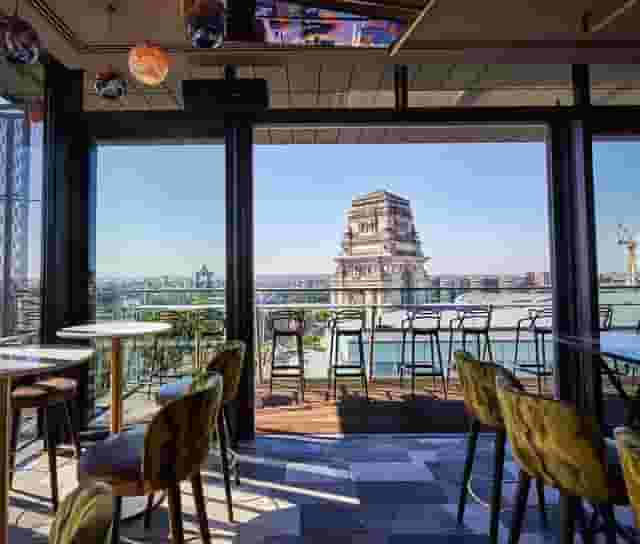
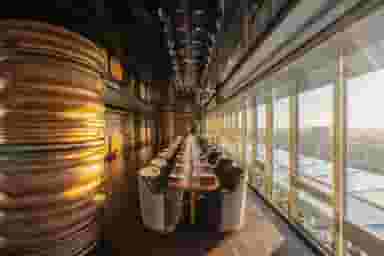
Smaller gatherings need spaces that feel private without feeling deserted. In Soho, The Crown & Two Chairmen provides The Grotto, a ground-floor space for up to 40 standing guests that keeps your team together in their own section of a classic central pub. If your brief calls for a private executive discussion followed by drinks with skyline views, CÉ LA VI London in Paddington holds 30 in a boardroom setup on the 18th floor, complete with a rooftop lounge and DJ booth.
Understanding costs: minimum spends, packages and extras
Cocktail venues in Central London typically operate on one of two commercial models: a minimum spend against the bar and kitchen, or a fixed per-head event package.
Our data shows that corporate events in Central London cocktail bars typically cost £55 to £130 per head. This price range is based on 9 quotes from the venues on this page for about 50 guests. The figure assumes that party size, and what you actually spend within that band depends heavily on your choice of drinks menu, catering style and night of the week. To help navigate those variables, venue booking platform Hire Space provides instant, data-backed price estimates for your brief, backed by a team of real people who own the outcome. If your first-choice bar stretches past your spend limit, it immediately suggests comparable spaces at a lower price to keep your budget intact.
Toward the £55 end of the range, quotes generally cover an entry-level drinks allocation with house wines, standard draught beers and perhaps one arrival cocktail per guest, supported by light finger food or bar snacks. Toward the £130 end, quotes incorporate premium spirits, specialised cocktail menus with dedicated mixologists, multiple glasses of champagne and substantial bowl food circulated throughout the evening.
| Commercial model | Best suited for | What to watch for |
|---|---|---|
| Minimum spend | Mixed drinkers, variable arrival times, budget flexibility | Under-ordering leaves you paying a shortfall fee with nothing received in return |
| Per-head package | Strict budget certainty, predictable attendance, simple internal sign-off | Non-drinkers cost the same as heavy drinkers; top-ups require secondary payment |
| Room hire plus consumption | Venues with low bar turnover, daytime bookings, specialised catering requirements | Uncapped bar tabs can spiral quickly without strict cut-off limits at the tills |
Minimum spends look attractive because there is no separate room hire fee. The venue simply requires you to spend an agreed total across the night on food and drink. However, you must look at how the venue prices its menu. If classic cocktails cost £16 each plus a 12.5% or 15% service charge, a group of 50 guests ordering three drinks each will spend over £2,700 on drinks alone. Add four pieces of canapés per guest at £4 per piece, and you reach the threshold quickly.
The danger with minimum spend arises when your guest turnout drops. If bad weather or travel disruption cuts attendance by a third, the remaining guests must consume significantly more to clear the contracted minimum, or your company pays the difference as an unallocated venue charge. For tighter budget control, a structured package guarantees the cost upfront. Hire Space 360 is enterprise venue and hotel procurement for companies spending £1m or more a year on meetings and events: a managed meetings and events programme, the kind procurement teams call strategic meetings management. It places every booking on a single agreement with consolidated invoicing, ensuring team socials and client entertainment comply with company event policy. Finance and procurement teams also get live spend reporting with a clear audit trail, with named event sourcing experts managing the negotiations.
Always ask what is included in the headline quote. Standard items that can appear as extra charges on a final bill include:
- Service charge, which ranges from 12.5% to 15% across Central London and is rarely included in the initial minimum spend figure.
- Dedicated cloakroom attendants, especially during autumn and winter when heavy coats and bags must be managed safely.
- Door security staff, which local licensing authorities often mandate for evening gatherings over 50 or 100 people.
- Extended cleaning or late-licence fees if your event runs past midnight.
Managing bar service and guest experience
The biggest operational failure at private cocktail events is slow service at the bar. Pouring a pint of beer or opening a bottle of wine takes fifteen seconds. Shaking a craft cocktail to order takes up to two minutes. If you have 80 guests in a private room with only one bartender, a queue will form within five minutes of arrival, and it will persist for the rest of the night.
To keep service flowing smoothly, maintain a ratio of at least one bartender for every 25 to 30 guests if cocktails are the primary beverage. If the venue cannot supply that staffing level, adjust your drink strategy.
The flow is simple: a guest arrives, takes a pre-poured drink from a tray, and enters the room immediately, so there is no wait at the bar.
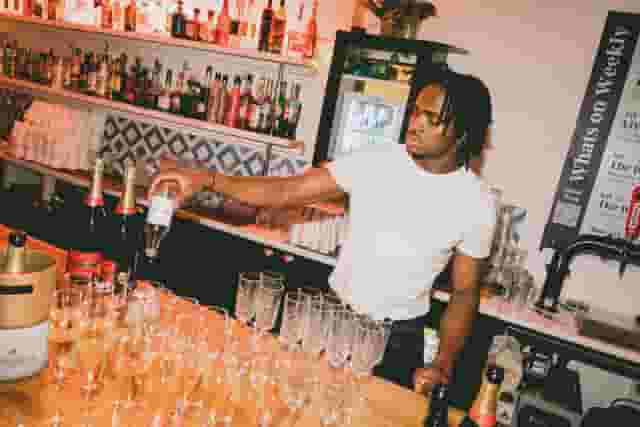
Work with the venue to pre-batch two or three signature drinks before the doors open. Having trays of pre-poured cocktails ready as guests walk in removes the initial surge at the bar counter. Colleagues grab a drink instantly, move into the room and start talking, spreading out the orders over the first hour.
You should also curate a shortened menu for private events. Instead of letting guests order from a list of thirty cocktails, select three signature drinks, one non-alcoholic option, two beers and two wines. A restricted menu speeds up decisions, lets bar staff work faster and stops people getting stuck behind indecisive colleagues.
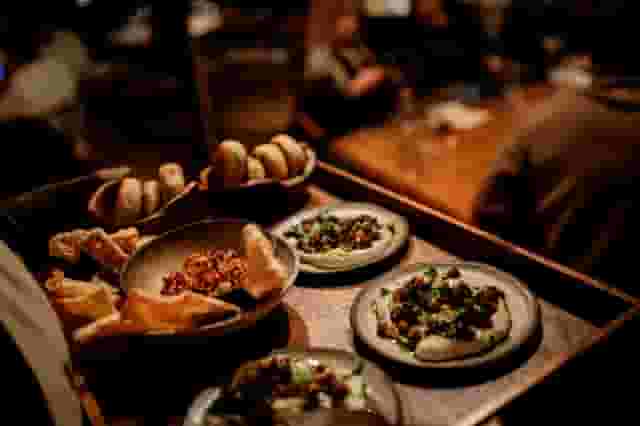
Food timing is equally critical. Alcohol-forward cocktail events require sustained, substantial food service, but standard seated dining disrupts the social energy. Circulating canapés and bowl food are the standard choice. Plan for three to four light canapés per person during the first hour, followed by two to three hearty warm bowls per person over the second and third hours. Risottos, braised meats, noodle boxes and slider buns are easy to eat while standing with a glass in hand. Avoid anything that requires a knife, cuts awkwardly or creates greasy fingers.
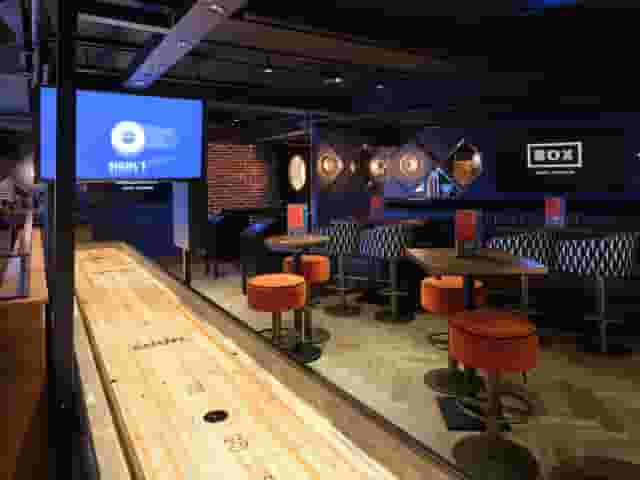
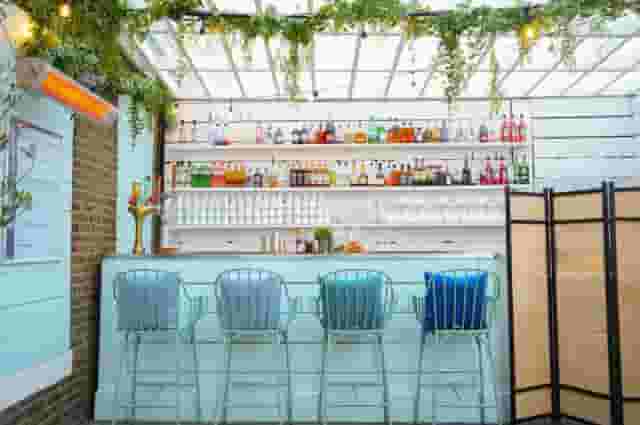
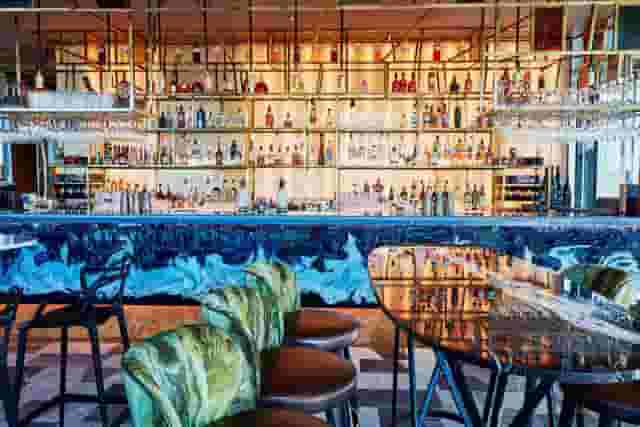
Seating balance makes or breaks room layout. In a pure standing room, guests tire after two hours, leaving earlier than planned. In a room filled with standard dining tables, people sit down in small, fixed cliques and refuse to move. Aim for a seating ratio of 30% to 40%. Mix low lounge seating, banquettes and high poseur tables. Poseur tables give standing guests a place to rest their drinks and bowls while encouraging cross-team mingling.
Sound, speeches and audiovisual practicalities
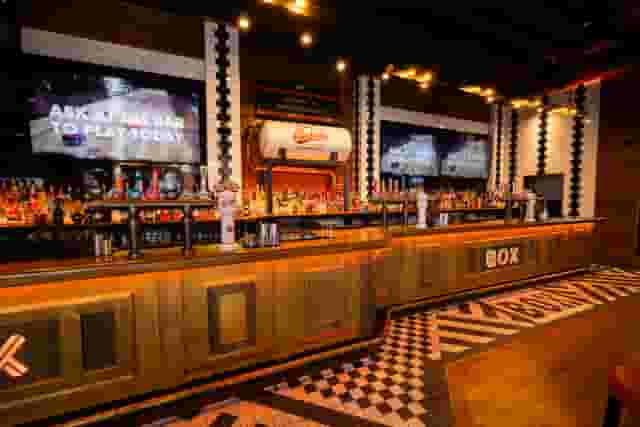
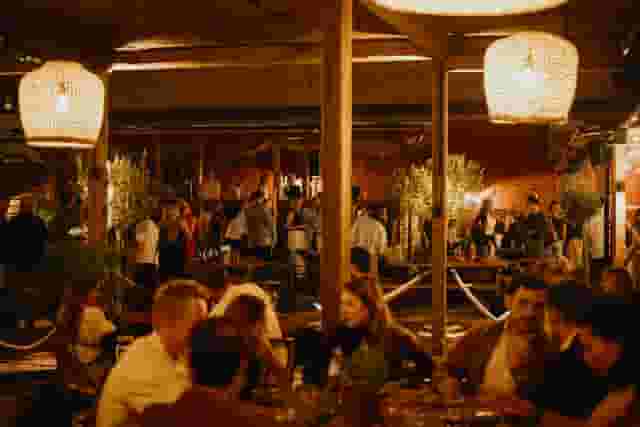
Many cocktail bars feature hard surfaces, including exposed brick, tiled floors and mirrored walls. While visually striking, these materials bounce sound around the room. By 8pm, background chatter, shaker noise and recorded music combine into a wall of sound that makes conversation exhausting.
If your evening includes an address from leadership, a project retrospective or an award presentation, check the room acoustics in advance. Never assume a venue's standard background sound system can handle live speeches.
| Audio requirement | Standard cocktail lounge | Dedicated private hire space |
|---|---|---|
| Background music | Preset playlists, central volume control | Zoned volume controls, playlist plug-in options |
| Wireless handheld microphones | Rarely included; often unavailable | Usually available or rentable on request |
| Acoustic dampening | Low; hard tiled or glass surfaces dominate | Moderate; curtains, banquettes or carpets reduce echo |
| Screen and projector access | Rare; TVs often locked to sports feeds | Built-in HDMI hookups, presentation screens |
Spaces like Rhum Tavern include dedicated audiovisual facilities specifically for private company presentations. If you choose a venue without built-in audio support, you will need to bring in a standalone PA system and wireless microphone. Test the microphone while standing in the exact spot your speaker will use, and check whether the venue manager can pause the house background music across the entire building during your ten-minute presentation window.
Licensing, curfews and transport logistics
Transport convenience dictates attendance and departure times. A Central London location ensures that colleagues based in outer boroughs and clients travelling from across the UK can reach the venue easily and get home safely.
Venues clustered around primary transport hubs offer clear advantages:
- King's Cross and St Pancras provide direct links to six underground lines alongside mainline rail, making spaces like Anthracite practical for regional teams.
- The West End and Soho, home to venues like Albert's Schloss Soho and The Crown & Two Chairmen, place guests within walking distance of Piccadilly Circus, Tottenham Court Road and Leicester Square stations.
- Holborn and the City fringe connect guests via the Central and Piccadilly lines, easing travel from financial and legal offices to spaces like Sway.
- West London hubs like Paddington give direct access to the Elizabeth line and Heathrow Express, making venues like CÉ LA VI London convenient for international visitors.
Examine the venue's licence conditions before signing an agreement. In Westminster and Camden, many venues operate under strict historical licensing terms. A bar may have a premises licence until 11pm from Monday to Wednesday, extending to midnight or 1am on Thursdays and Fridays. If your event takes place on a Tuesday, do not assume you can extend drinking hours without an approved Temporary Event Notice (TEN).
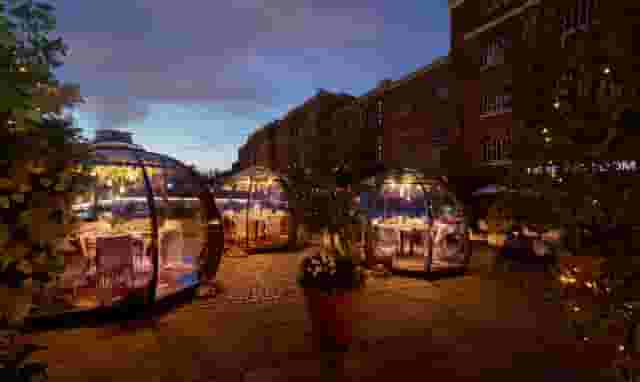
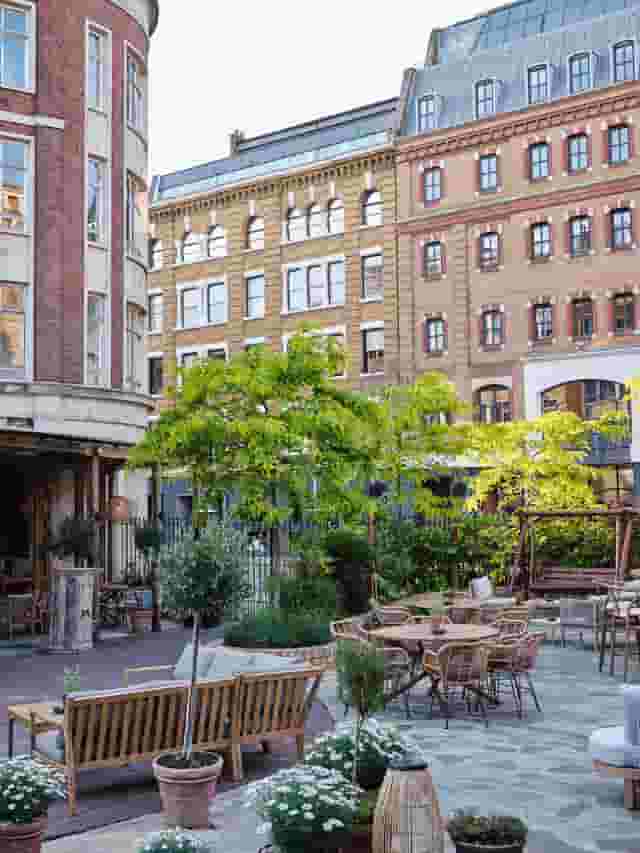
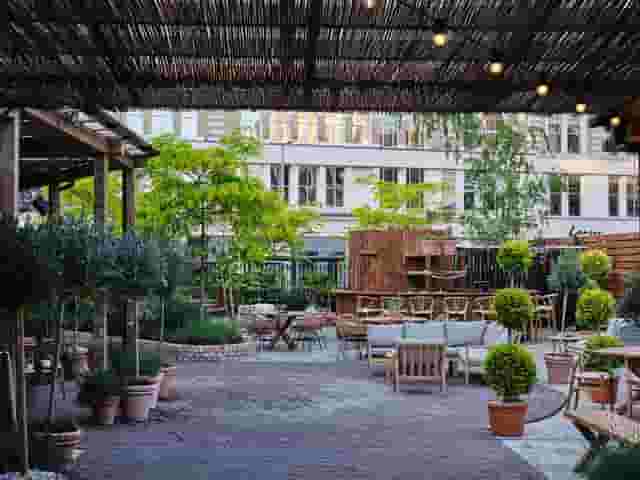
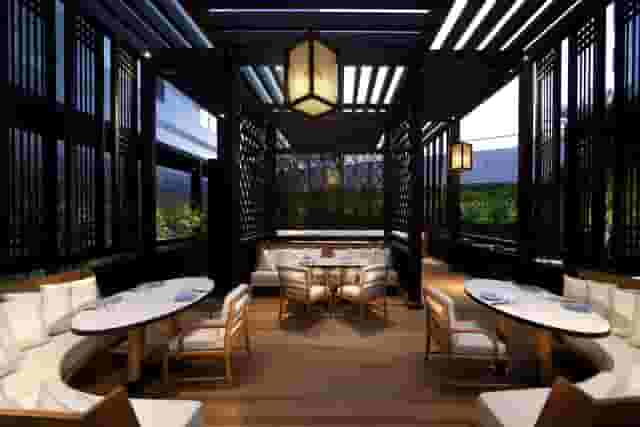
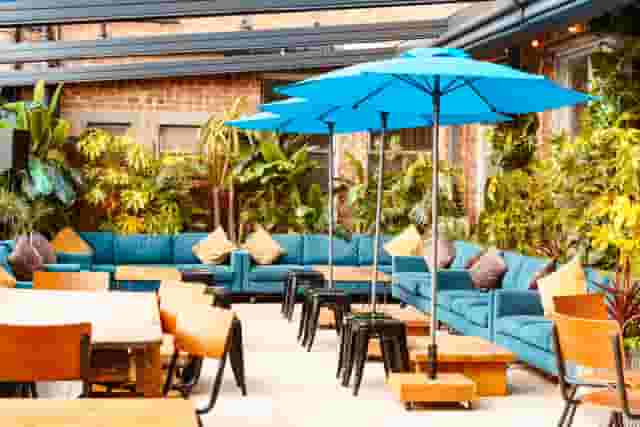
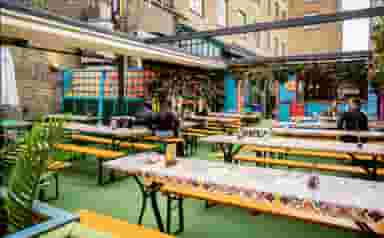
Outdoor terraces and garden areas carry even tighter restrictions. Even if the indoor bar is licensed until late, council noise regulations frequently require outdoor spaces to be cleared and locked by 10pm. If your plan relies on using an outdoor deck or terrace for socialising throughout the evening, check the outdoor curfew explicitly in the contract.
Finally, consider the dispersal policy. Venues in residential pockets of Mayfair, Fitzrovia or Soho often require private security to supervise guests as they leave, ensuring minimal street noise. Confirm whether security fees are wrapped into your hire package or added as a separate line item. Understanding these practical details well before the first shaker moves ensures your event runs smoothly, finishes on time and stays within budget.
What our customers say
Inspiration and planning guides

Watch a real brief turn into priced, available venues in 15 minutes
Chloe Richardson has spent 17 years in events. We gave Deep Venue Research one of her briefs and filmed every step, from the first questions to availability checked at the venues she chose.
Simple Events Win: Why Restraint Beats Spectacle
Budgets are tight and audiences want connection over spectacle. The events that land in 2026 are the deliberately simple ones. Here is how to edit rather than cut, grounded in the 2026 industry data, and why the right venue does the heavy lifting.

Why UK Event Calendars Got So Tight (And How to Book Smarter)
Lead times for UK corporate events are up 39% since 2022, based on Hire Space booking data. The calendar is tighter, conversion rates fall sharply when you leave it late and the peak windows are getting more crowded. Here is what the numbers say and what to do about it.
One supplier. Every venue. Full visibility on what you spend.
Multiple venues and events. One agreement.