Unusual Venues in London
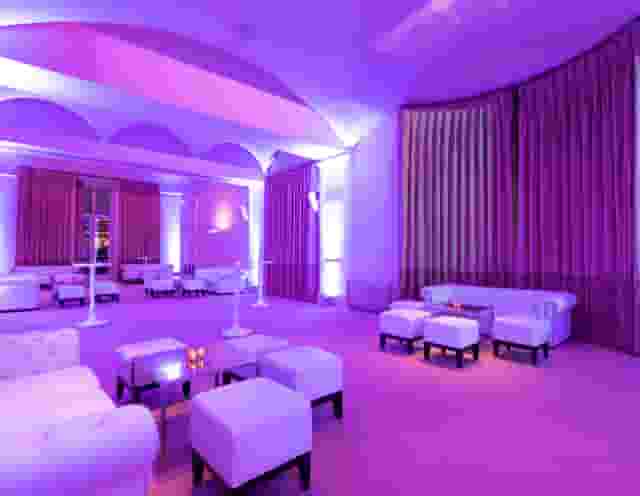
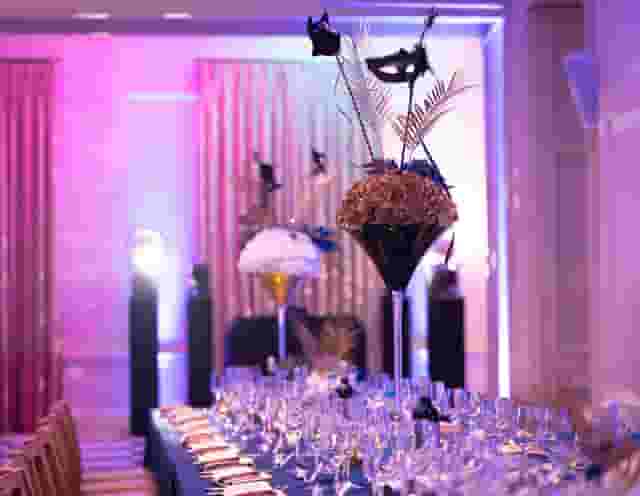
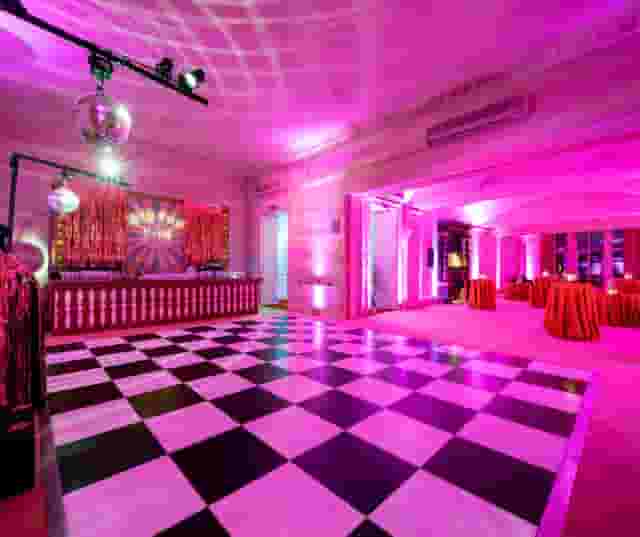
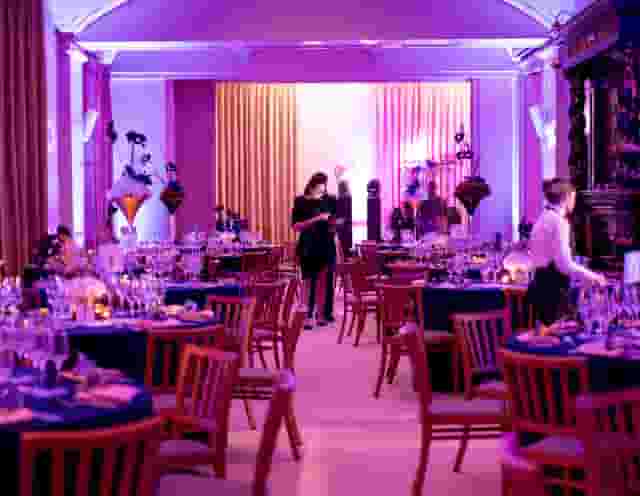
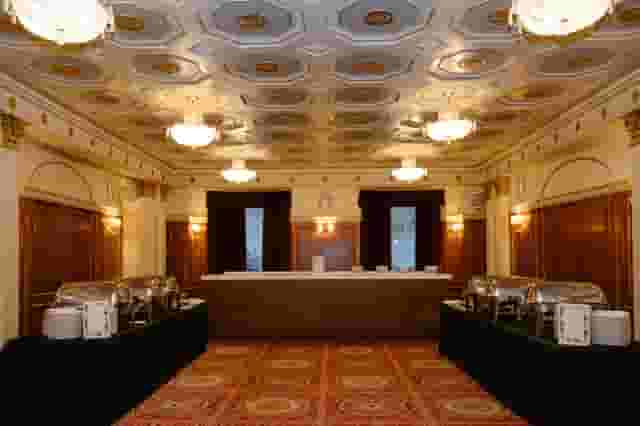
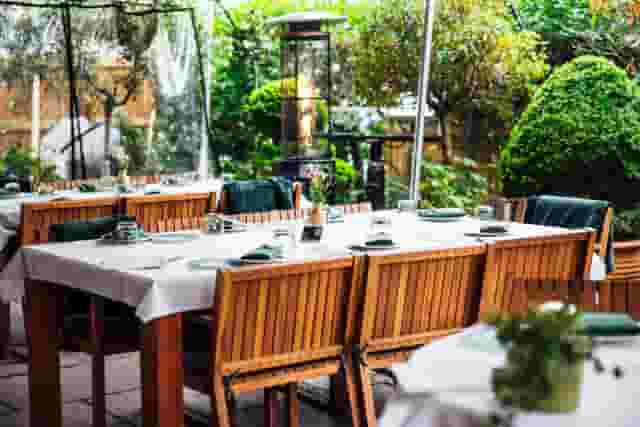
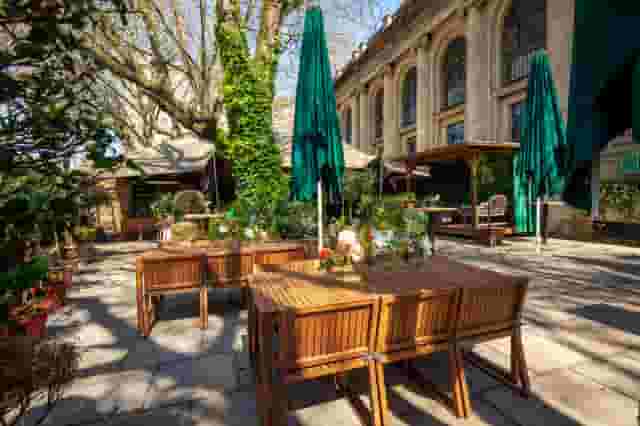
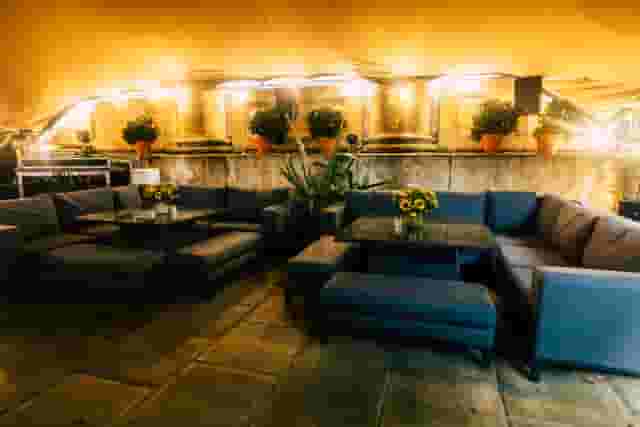
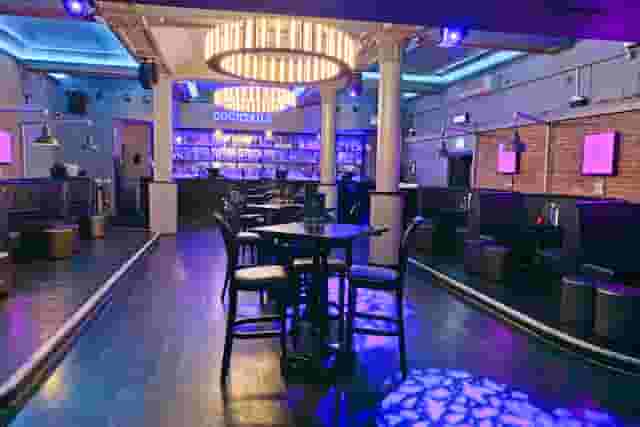
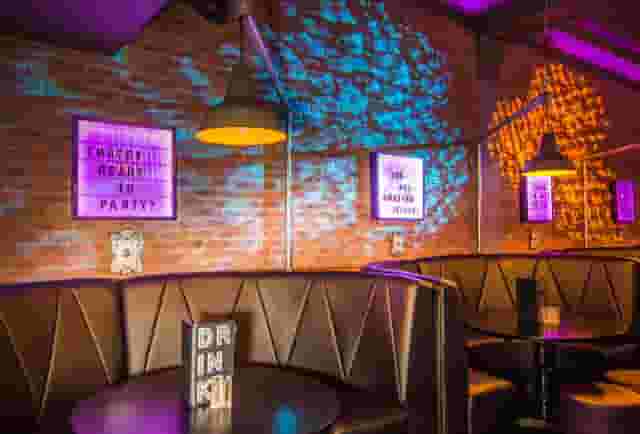
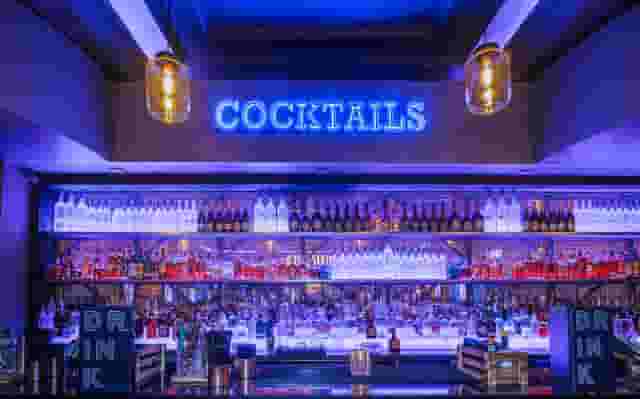
Explore unique venues in London ideal for events of 200 guests.
50 Unusual in venues in London







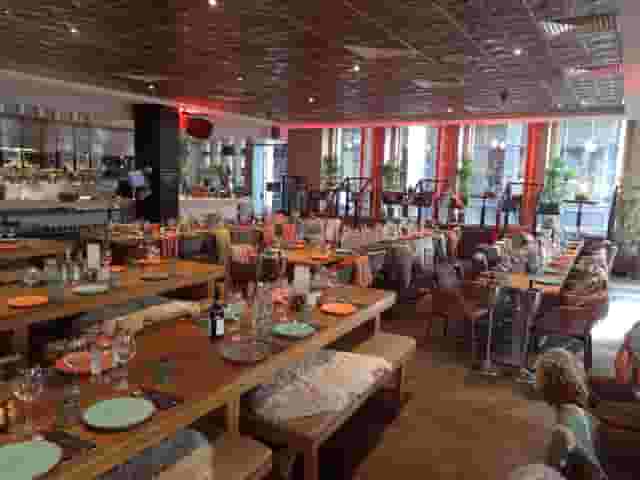
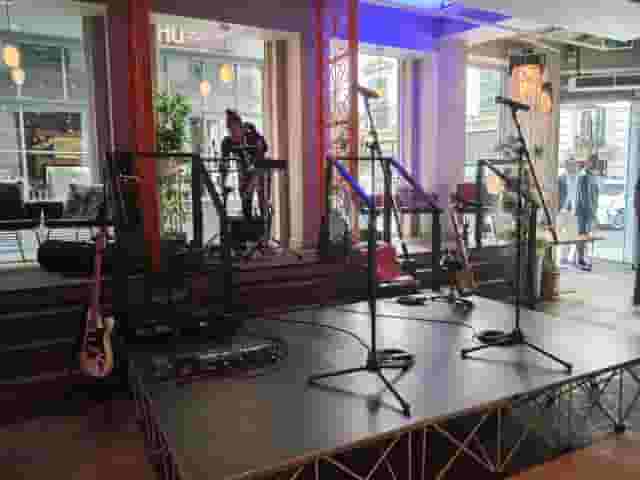

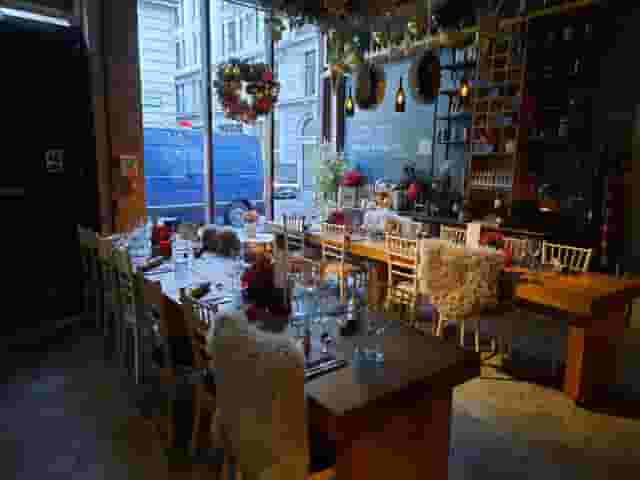
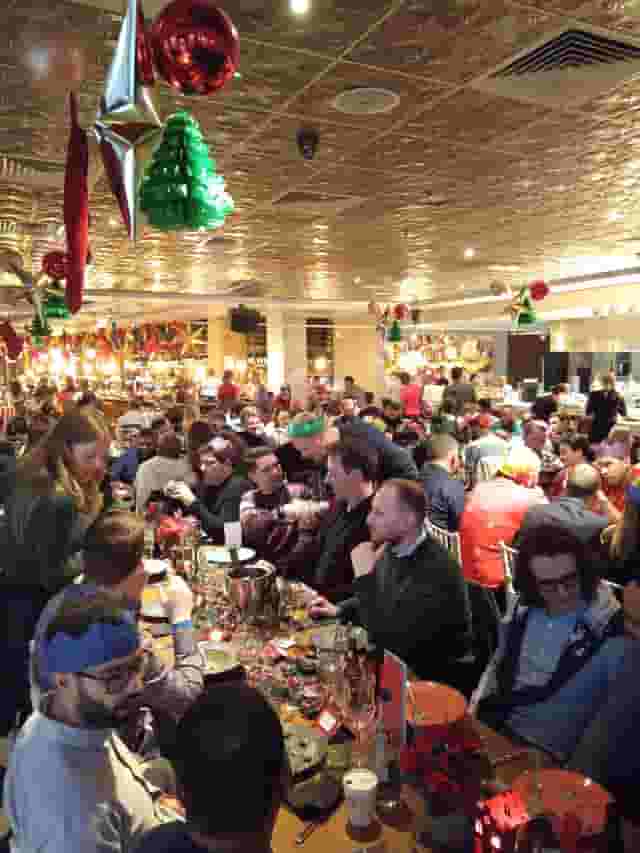


















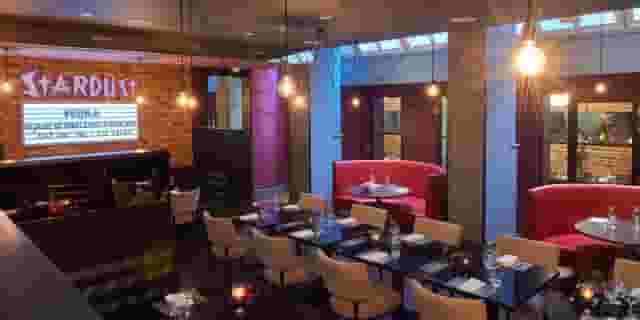
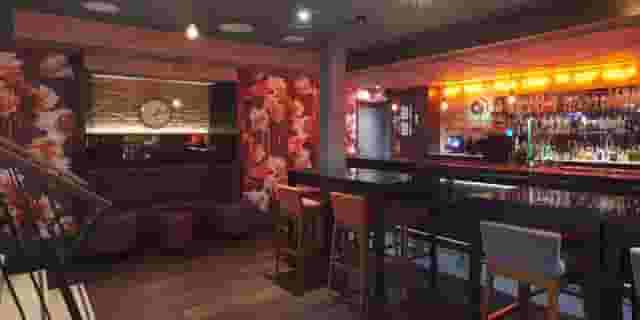
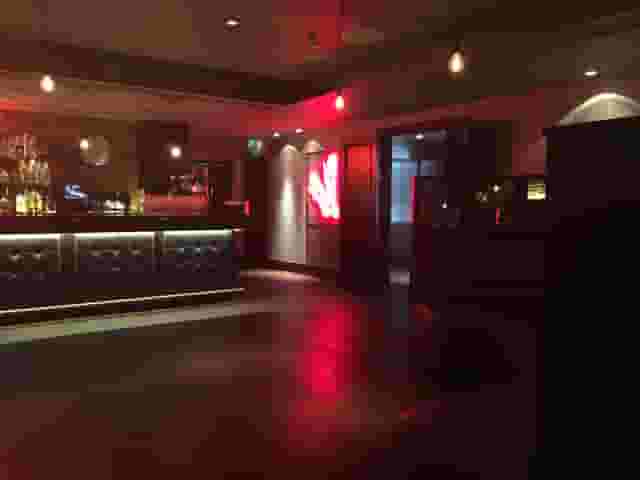

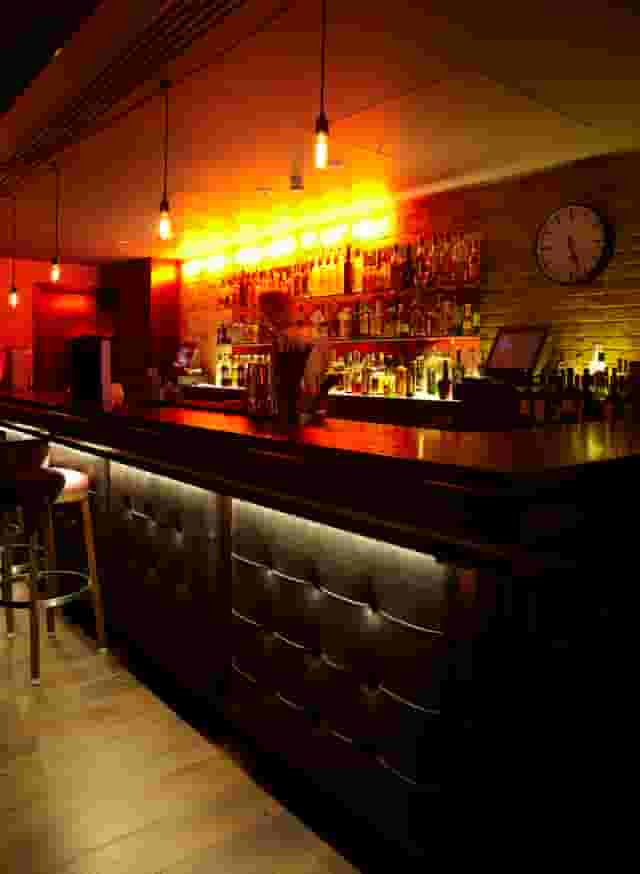




























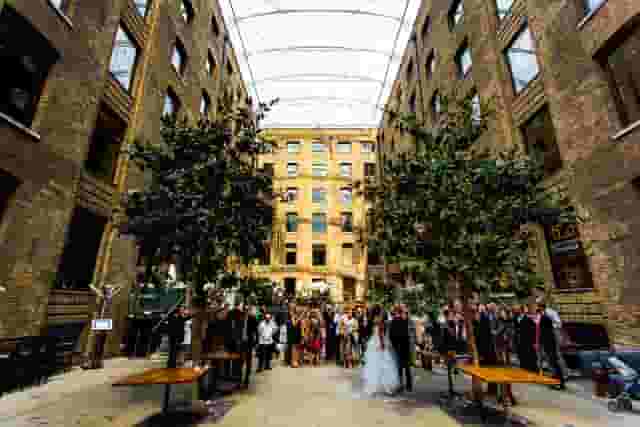
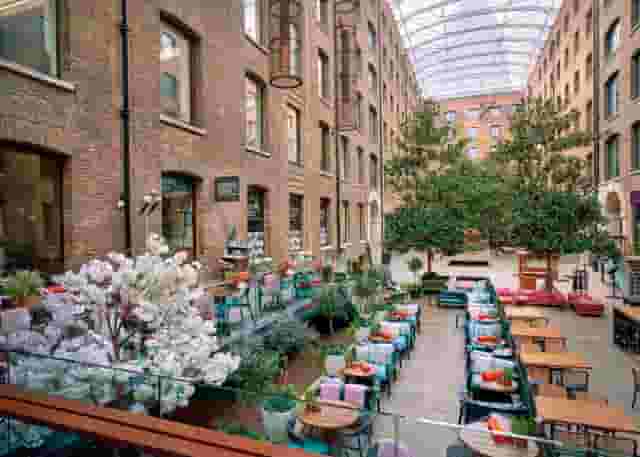

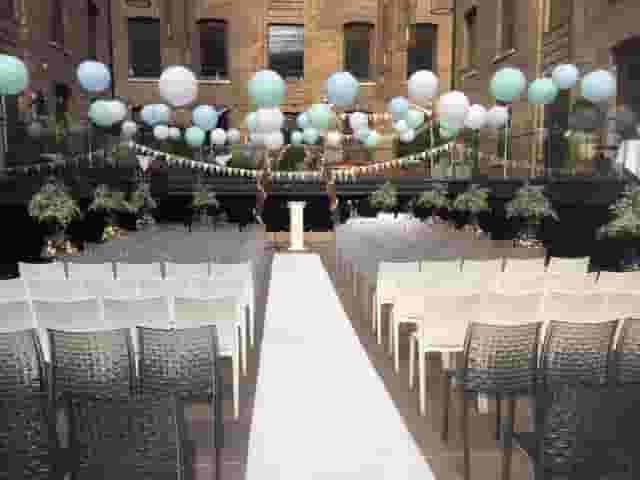
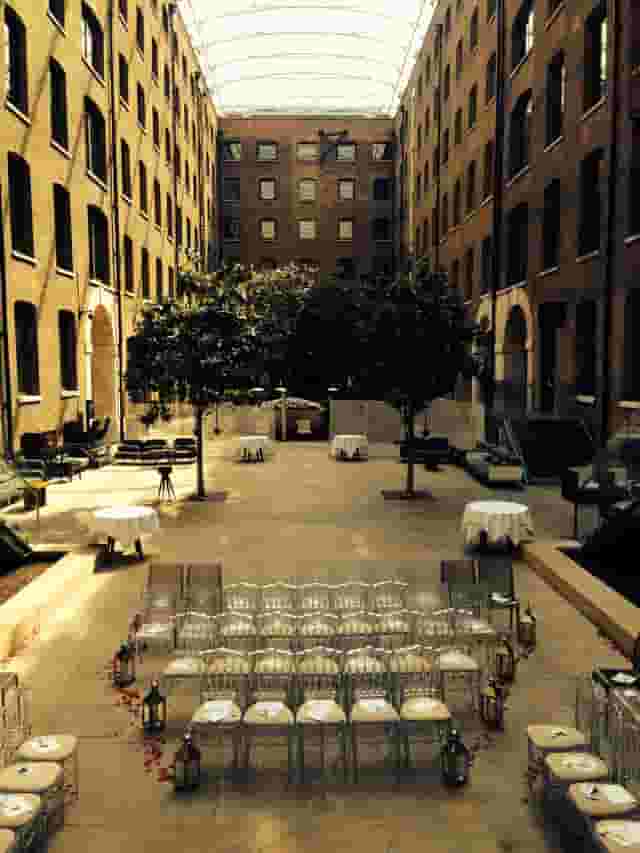




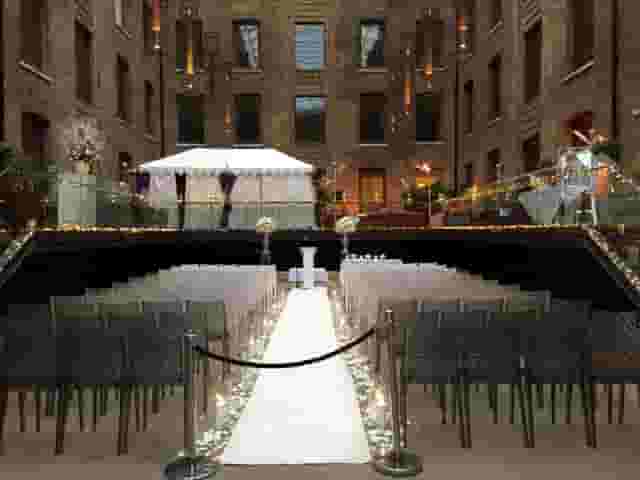


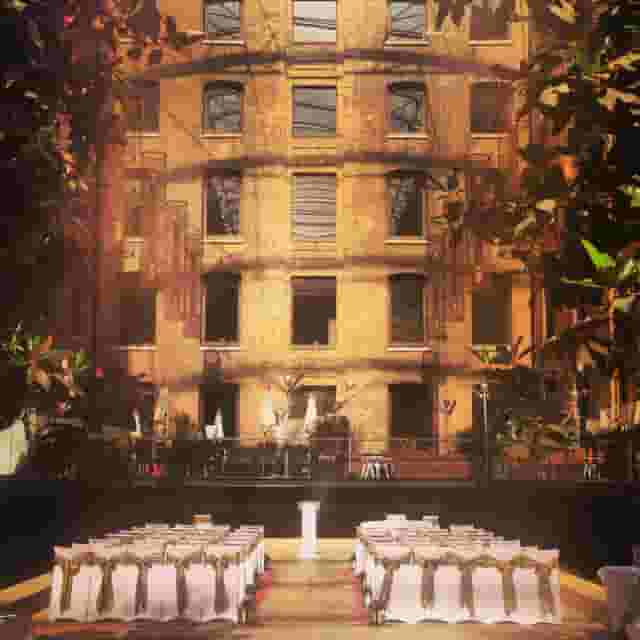
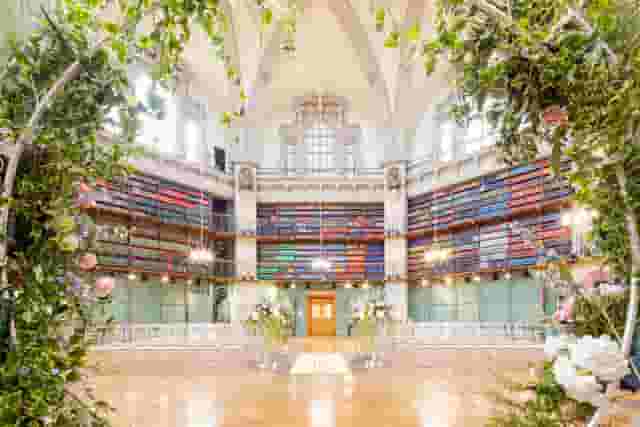

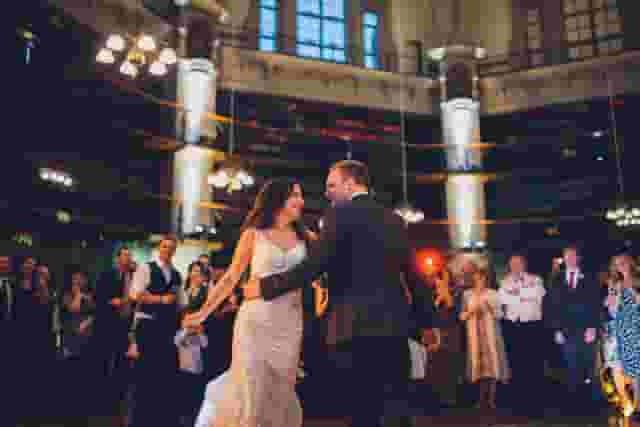























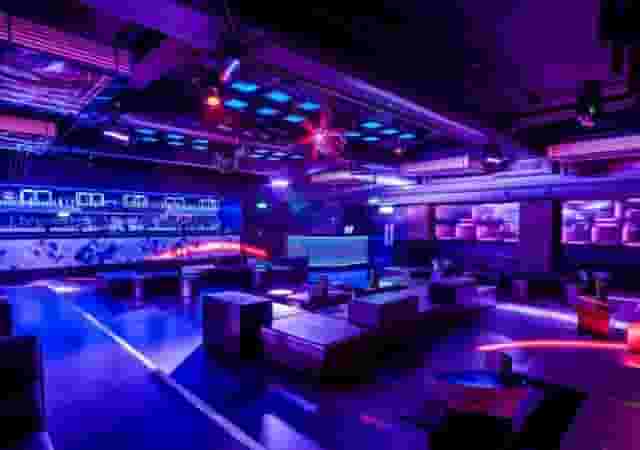
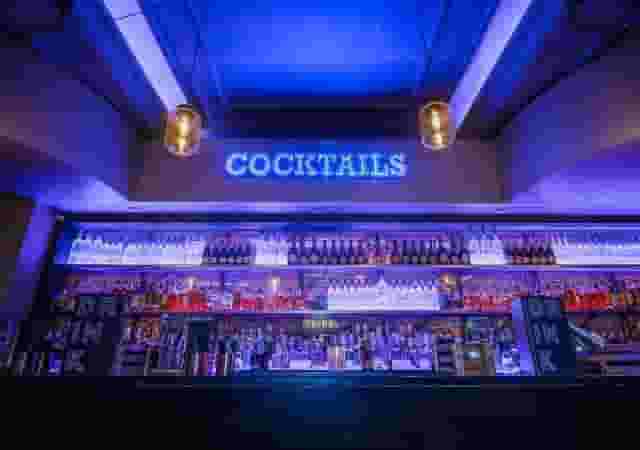

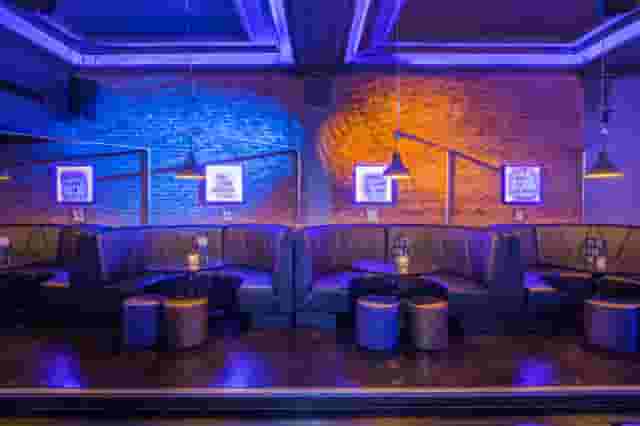
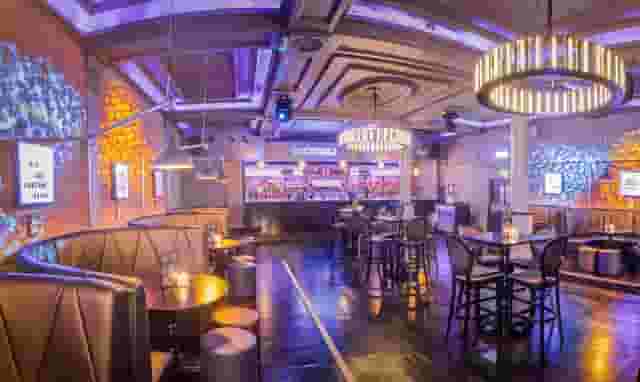







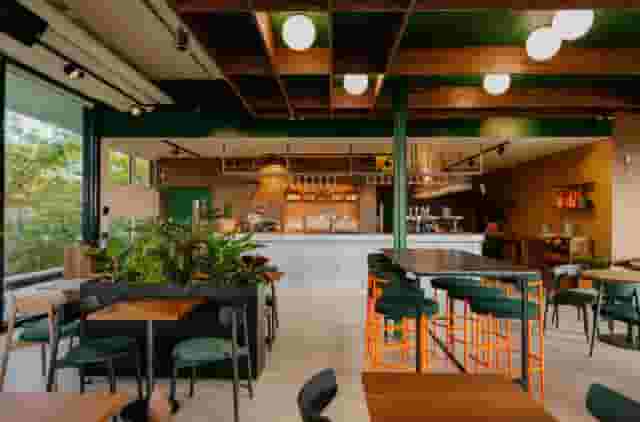
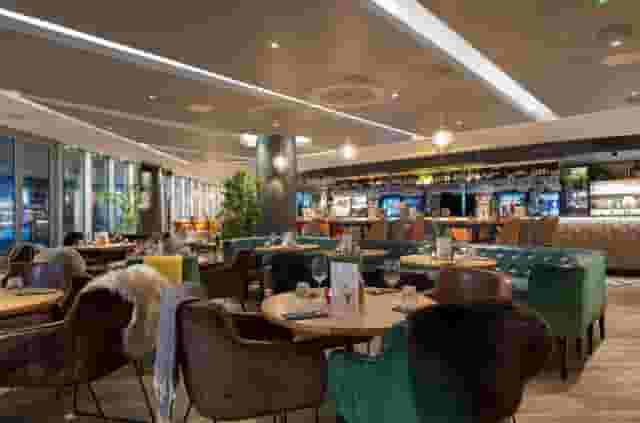
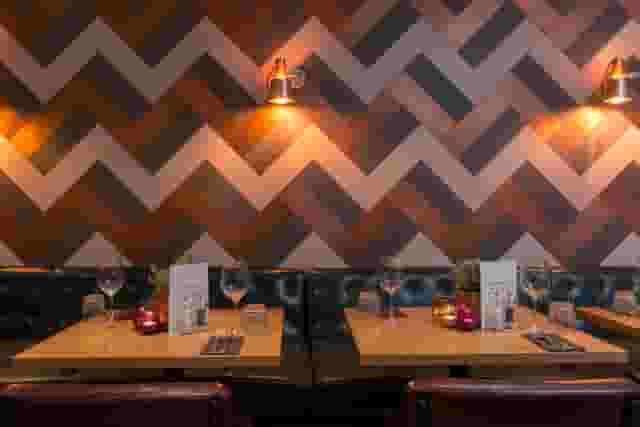

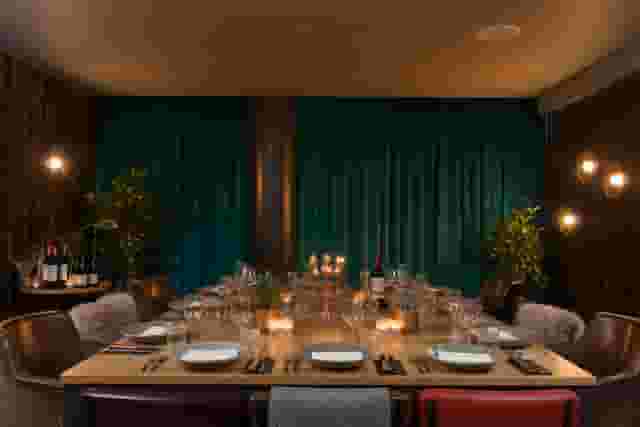
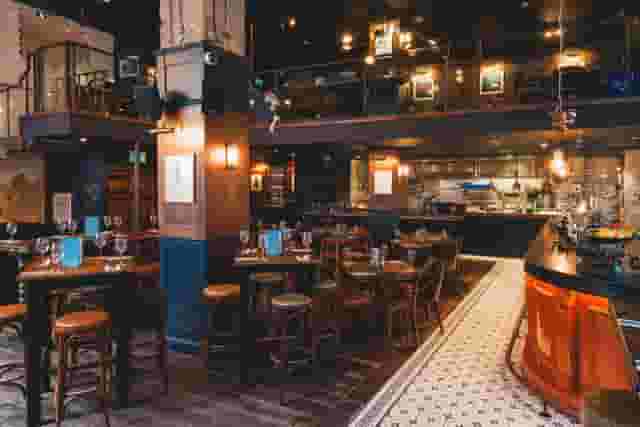
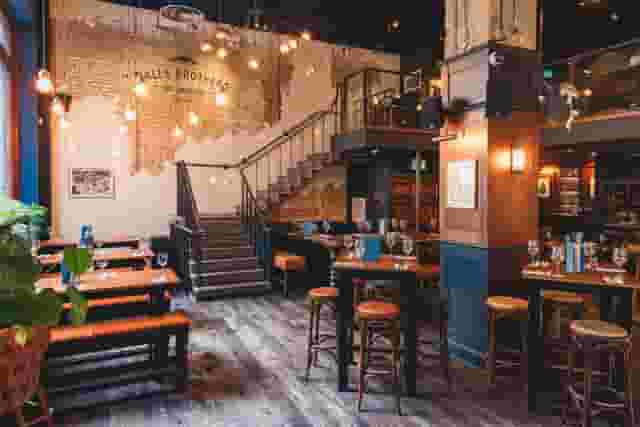
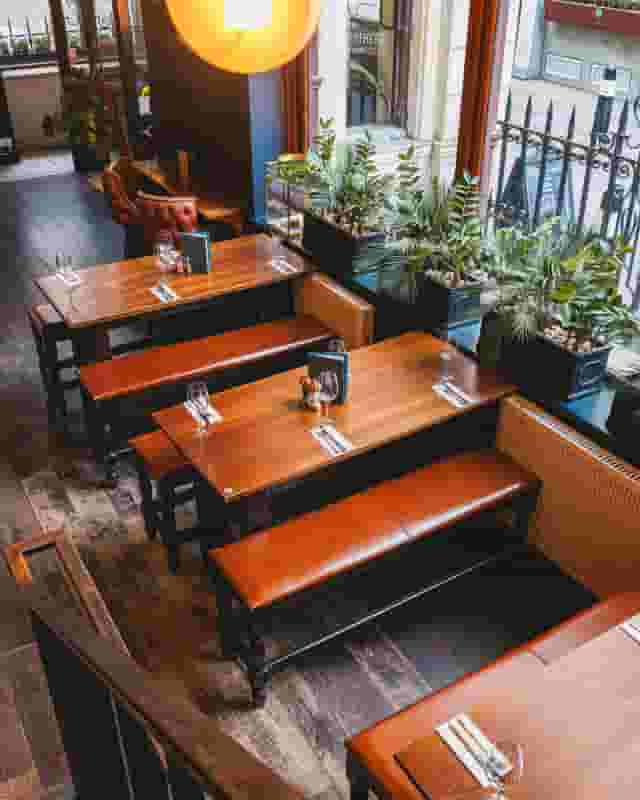
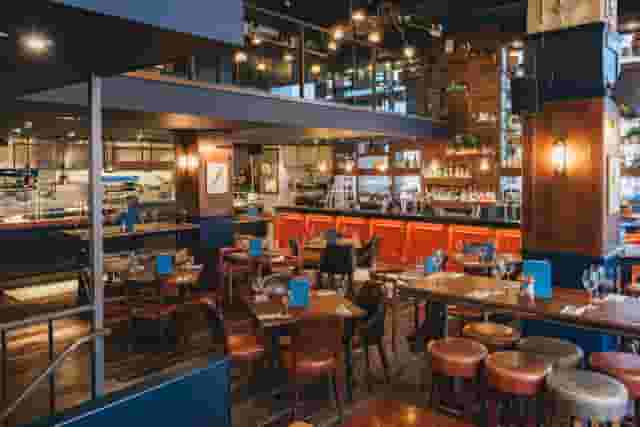












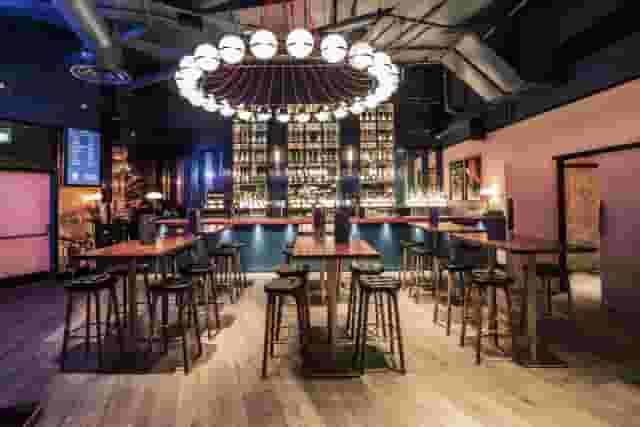
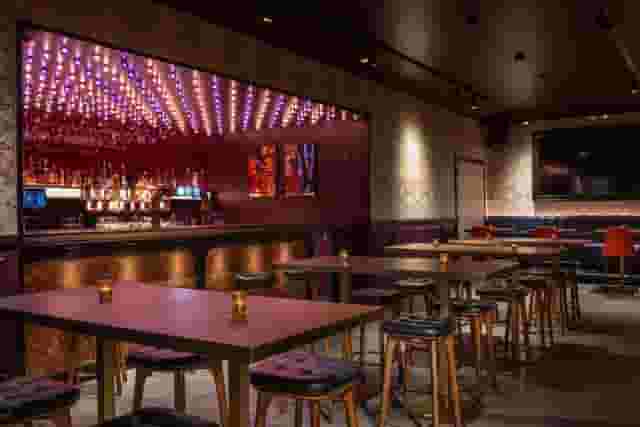
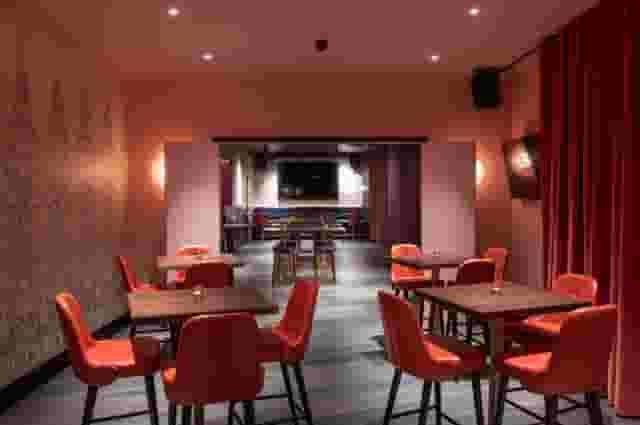
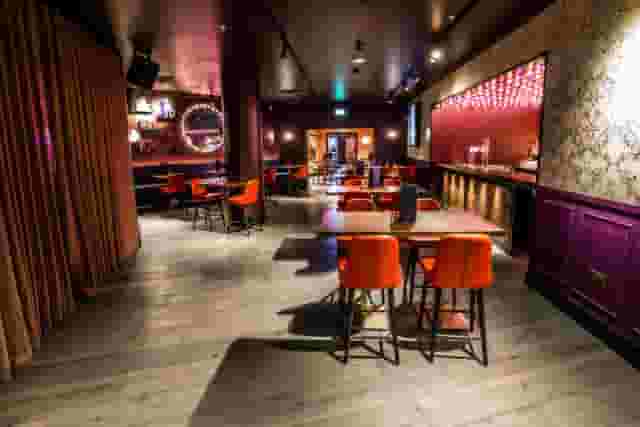

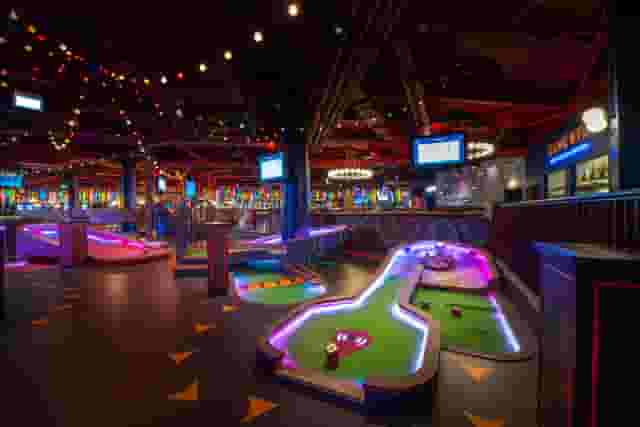
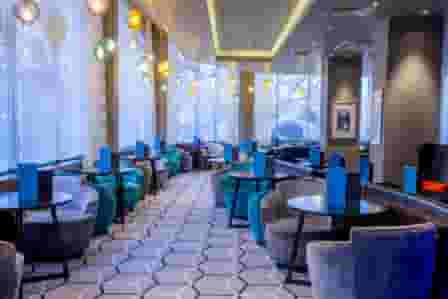
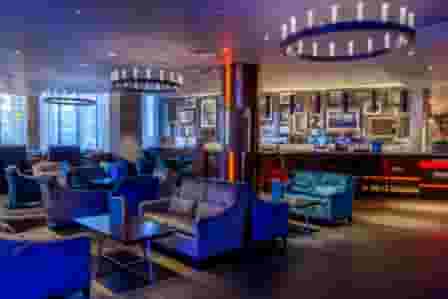

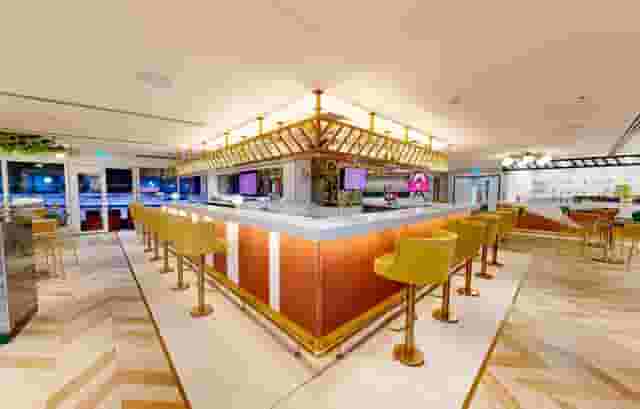





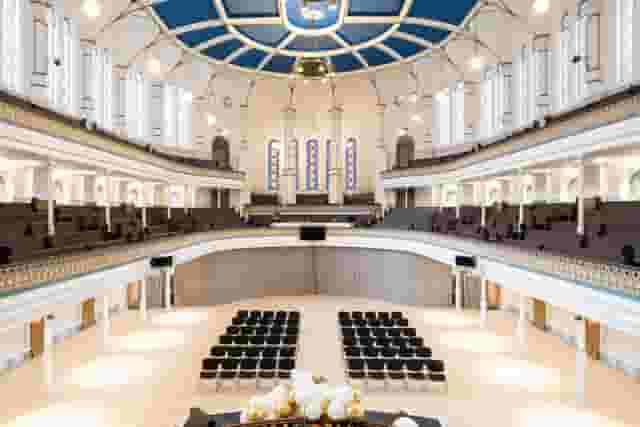
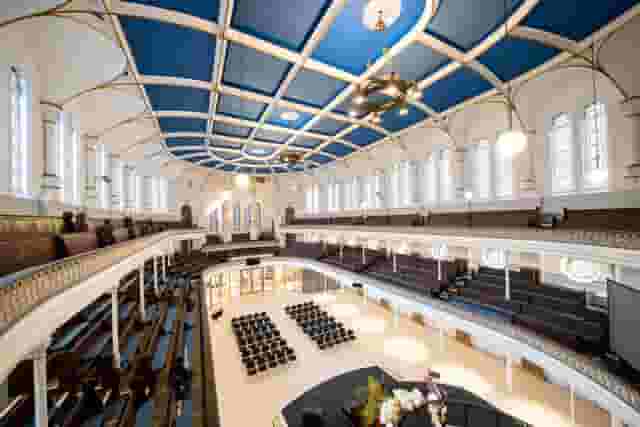
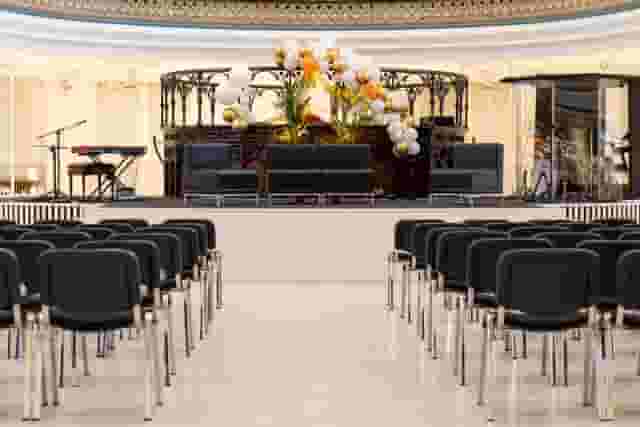
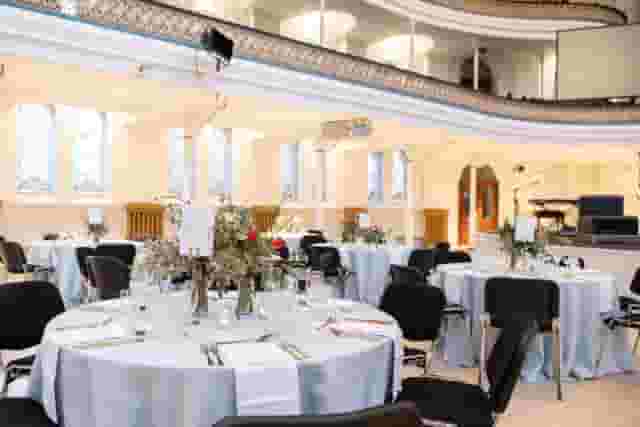








No venues match these filters
Try widening your capacity, luxury level or event type.
Don't have time to search? We'll find it for you.
For business events that need human judgement, talk to our team. Free for events of 100+ people, budgets over £10k or ongoing programmes.




Explore more venues in London


















Frequently asked questions
How far in advance should you book unusual venues for 200 people?
What capacity do unusual venues need for 200 people standing vs seated?
What AV equipment do unusual venues typically provide for 200 people?
How do unusual venue hire costs compare to traditional conference centres?
What makes unusual venues suitable for corporate events of 200 people?
What insurance requirements apply to unusual venue hire in London?
Which London areas offer the most accessible unusual venues for 200 people?
How long do unusual venues allow for event setup and breakdown?
What catering restrictions apply to unusual venues in London?
What are the key risks when booking unusual venues for large events?
How much do unusual venues cost per person for 200 guests in London?
What accessibility features should unusual venues have for 200 guests?
Other platforms search their database. We search everything.
Tell us what you need. Our deep research finds any venue, whether it's in our marketplace or not. No one else does this.
About Unusual in London
Why London's Unusual Venues Are Perfect for Your 200-Person Event (And What Makes Them Worth the Premium)
When you're planning an event for 200 people, you've got plenty of traditional options – but here's why London's unusual venues are absolutely worth that 20-40% premium you'll pay over standard conference centres.
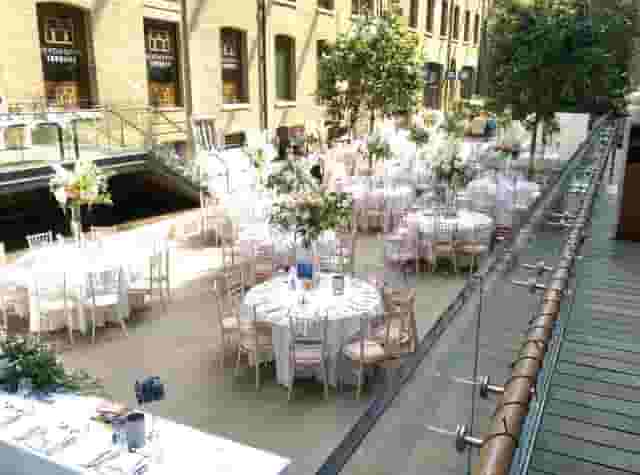
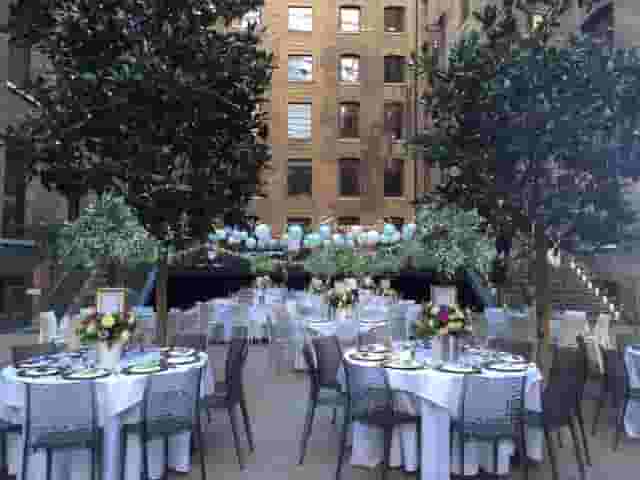
I've seen countless events transformed by the right unusual space, and there's something magical that happens when you move beyond the predictable hotel ballroom. Your guests arrive expecting another corporate gathering and instead find themselves in a Victorian railway arch or a converted printing press – suddenly, they're engaged before you've even started your presentation.
The Numbers That Matter for Your Budget
Let's talk real figures. You're looking at £55-75 per person for day events in Central London's unusual venues, with premium spaces reaching £75-120 per person. Yes, that's more than your typical conference centre, but here's what you're actually buying: a venue that does half your marketing work for you. When delegates are already talking about your venue choice on social media before the event starts, you've created buzz that money can't buy.
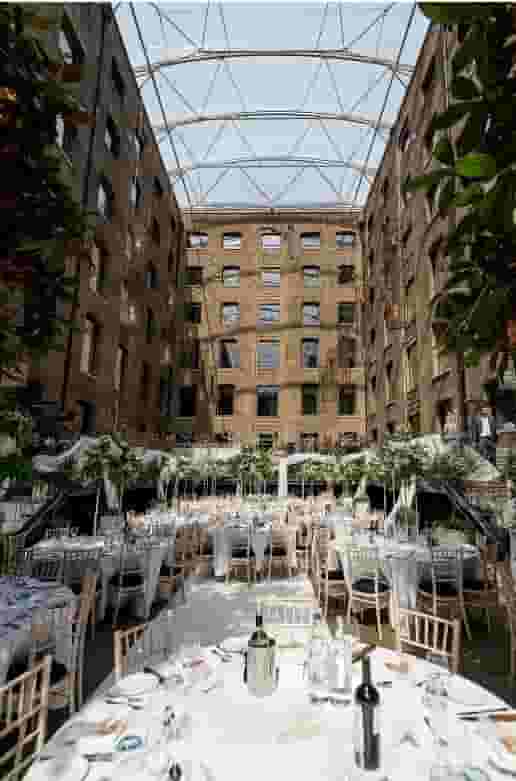
The sweet spot for 200-person events is venues between 250-400 m² – spaces like The Vaults in Waterloo, where Victorian brickwork and 4.5-metre ceilings create an atmosphere that's impossible to replicate in a standard function room. These venues typically require minimum spends of £8,000-15,000, but factor in the reduced need for elaborate décor (the venue is the décor), and your total event budget often balances out.
Why London's Unusual Venue Scene Is Unmatched
London's industrial heritage gives us something special – converted warehouses in Shoreditch, railway arches in Bermondsey, and galleries in King's Cross that other cities simply can't match. The transport links are crucial too; your 200 guests can reach Unusual Venues in East London or Unusual Venues in South London within 15-20 minutes from major stations.
What really sets London apart is the infrastructure. These aren't just quirky spaces – they're professionally managed venues with 63A three-phase power, fiber internet, and proper climate control. You get the wow factor without sacrificing functionality.
The Strategic Advantage You're Really Paying For
Here's the insider truth: unusual venues create what we call "positive disruption." Your attendees remember the content better because the environment is memorable. I've tracked this with clients – engagement scores consistently run 15-20% higher in unusual venues compared to traditional spaces.
The key is choosing venues that balance character with practicality. Look for spaces with dedicated event management, proper licensing, and – crucially for 200 people – multiple emergency exits and adequate toilet facilities.
Ready to explore your options? Start by identifying venues in areas with excellent transport links, then evaluate their technical capabilities against your specific event requirements.
The Essential Guide to Evaluating Unusual Venues: 7 Critical Factors That Make or Break Large Events
After 15 years of booking unusual venues across London, I've learned that the most stunning space can become your biggest headache if you don't evaluate it properly. Here's my tried-and-tested checklist that'll save you from those 2am panic calls I used to get from stressed event managers.
1. Power Infrastructure: The Make-or-Break Factor
First thing I check? The electrical supply. For 200 people, you need minimum 63A three-phase power – anything less and you'll be juggling extension leads like a circus performer. I've seen gorgeous warehouse spaces that looked perfect until we realised they couldn't handle our AV requirements and catering equipment simultaneously. Always ask for the electrical certificate and factor in £800-1,200 for additional power distribution if needed.
2. Ceiling Height and Acoustic Properties
Those Instagram-worthy brick arches can become acoustic nightmares. You need minimum 3.5-4.5 metres ceiling height for 200 people – any lower and conversations become a muddle. Victorian spaces like The Vaults work brilliantly because their 4.5-metre ceilings and natural brick provide excellent sound absorption. Budget £1,500-3,000 for acoustic treatment in harder surfaces like concrete warehouses.
3. Climate Control Capabilities
London's weather is unpredictable, but your venue's temperature shouldn't be. Underground venues and converted industrial spaces often struggle with climate control. Insist on seeing HVAC specifications – you need systems capable of maintaining 20-22°C with 200 people generating heat. Some venues require portable climate solutions, adding £500-800 to your costs.
4. Access and Loading Logistics
This is where unusual venues can catch you out. That stunning gallery might have a single narrow entrance that takes three hours to load equipment through. Check loading bay access, lift capacity (minimum 1,000kg for staging), and whether you can get vehicles close to the entrance. Factor setup time carefully – complex unusual spaces often need 8-12 hours versus 4-6 for standard venues.
5. Licensing and Compliance Framework
Every unusual venue has unique restrictions. Historic buildings might prohibit certain rigging points, galleries ban red wine near artwork, and some industrial spaces have noise curfews that'll kill your evening networking. Get the full list of restrictions upfront and verify their premises license covers your event type.
6. Backup Systems and Contingency Plans
Unlike hotels with redundant systems, unusual venues often lack backup power or alternative spaces. What happens if the heating fails or there's a water leak? Venues like those in Unusual Venues in Central London typically have better contingency planning due to higher event volumes.
7. Hidden Cost Transparency
The venue hire is just the start. Security requirements, additional cleaning, overtime charges, and damage deposits can add 30-40% to your budget. Get everything in writing, including setup/breakdown time limits and any restrictions on suppliers.
Your next step? Create a venue evaluation scorecard using these seven factors, then visit shortlisted venues during similar events to see how they actually perform under pressure.
Navigating London's Unique Venue Landscape: From Victorian Vaults to Converted Warehouses
London's unusual venue scene isn't just about finding something different – it's about understanding which type of space actually works for your specific event. After years of navigating everything from railway arches to former printing presses, I've learned that each venue category has its own personality and practical considerations.
Victorian Underground Spaces: Character with Complexity
The Vaults in Waterloo exemplifies what makes Victorian underground venues so compelling – those dramatic brick arches and 4.5-metre ceilings create instant atmosphere. But here's what the brochures don't tell you: these spaces often have limited natural light and can feel claustrophobic during long events. For 200 people, you'll need robust ventilation systems and strategic lighting design. Budget an extra £2,000-3,000 for atmospheric lighting to counteract the underground feel.
The transport links are usually excellent – most Victorian venues sit near major stations – but loading access can be challenging. I've seen events where equipment had to be carried down narrow Victorian staircases because modern lifts weren't installed during conversion.
Converted Warehouses: The Flexible Favourites
Shoreditch and Bermondsey warehouses offer the best of both worlds – industrial character with practical functionality. These spaces typically provide 250-400 m² with excellent ceiling heights (5-7 metres), making them perfect for 200-person events with complex AV requirements. The concrete floors handle heavy staging, and most have been fitted with proper electrical infrastructure.
What I love about warehouse venues is their adaptability. You can create distinct zones – networking areas, presentation spaces, dining sections – without feeling cramped. Warehouses in London for 200 people consistently deliver on both atmosphere and practicality.
Gallery and Cultural Spaces: Prestige with Restrictions
Gallery venues in areas like King's Cross offer sophisticated backdrops that impress corporate clients, but they come with strict operational requirements. No red wine near artwork, limited rigging points, and often restrictive setup times (typically 9am-6pm only). However, the prestige factor can be worth these constraints for high-profile events.
Industrial Heritage Sites: Unique but Demanding
Former printing presses, power stations, and manufacturing facilities offer unparalleled character but require careful evaluation. These venues often lack modern amenities and may need significant additional infrastructure. Always verify heating, power capacity, and accessibility compliance before committing.
Regional Alternatives Worth Considering
Don't overlook venues in Unusual Venues in Bristol or Unusual Event Venues in Manchester – they often provide similar character at 20-30% lower costs, with easier logistics and parking.
Your venue choice should align with your event's core objectives. Start by identifying which venue category best matches your needs, then evaluate specific spaces within that category using technical and practical criteria.
Smart Budgeting for Unusual Venues: Hidden Costs, Negotiation Tactics, and Value-Maximizing Strategies
The sticker shock is real when you first see unusual venue quotes – £8,000-15,000 minimum spends can make your finance director's eye twitch. But here's the thing: I've helped clients save 20-30% on their total event budgets by understanding how unusual venue pricing actually works and where the real value lies.
The True Cost Breakdown You Need to Know
That £55-75 per person day rate is just your starting point. What catches most event planners off-guard are the operational extras that can add £3,000-5,000 to your budget. Security requirements often run £800-1,200 for 200-person events in unusual spaces – galleries and heritage sites typically mandate professional security throughout your event. Extended setup time is another hidden cost; while hotels give you standard setup hours, unusual venues often charge £200-400 per hour for access beyond their basic allocation.
The cleaning fees can be brutal too. That gorgeous warehouse with exposed brick? You'll pay £600-900 for deep cleaning because dust and debris are inevitable. Factor in damage deposits (typically £1,000-2,500) and overtime charges for staff, and your venue costs can easily balloon by 40%.
Negotiation Strategies That Actually Work
Here's where experience pays off. Unusual venues have more pricing flexibility than chain hotels because they're often independently owned. I've secured 15-20% discounts by booking Tuesday-Thursday events, especially during January-February when demand drops. Multi-year agreements work brilliantly too – commit to 2-3 events annually and you'll unlock preferred rates.
The key is understanding their pain points. Many unusual venues struggle with last-minute cancellations, so offering a higher deposit (40-50% instead of 25%) in exchange for better rates often works. Similarly, venues love events that showcase their space well – offer to provide professional photography for their marketing in exchange for reduced hire fees.
Value-Maximizing Tactics from the Trenches
Smart planners bundle services to reduce overall costs. Instead of hiring separate suppliers for AV, catering, and décor, work with venues that have preferred partner packages. Unusual Venues in West London often provide these integrated packages at 10-15% below individual supplier rates.
Consider shoulder seasons and off-peak times strategically. March-April and September-October offer the best balance of availability and pricing, while December commands premium rates but delivers maximum impact for client events.
Your next move? Request detailed cost breakdowns from three venues, then use the highest quote as your negotiation starting point with your preferred choice.
Expert Solutions to the 5 Most Common Challenges When Booking Unusual Venues for 200 Guests
Every unusual venue booking comes with its own set of curveballs – I've fielded enough panicked calls at 11pm to know exactly where things go wrong. The good news? These challenges are entirely predictable and manageable once you know what to look for.
Challenge 1: Power Supply Nightmares
The most expensive mistake I see? Assuming that gorgeous converted warehouse can handle your full AV setup. For 200 guests, you need minimum 63A three-phase supply, but many unusual venues were converted with domestic electrical systems. I learned this the hard way at a Shoreditch gallery where we had to choose between proper lighting or hot catering – not a choice you want to make on event day.
Solution: Request electrical certificates upfront and budget £1,200-2,000 for temporary power distribution. Most venues in Unusual Venues in North London have upgraded their electrical infrastructure, making them safer bets for tech-heavy events.
Challenge 2: Access and Loading Logistics
That stunning Victorian railway arch might have a single narrow entrance that turns your 4-hour setup into an 8-hour marathon. I've watched crews carry staging equipment down three flights of stairs because the venue's "loading access" was a residential street with no parking.
Solution: Visit during a similar event's setup phase. Check lift capacity (minimum 1,000kg), loading bay proximity, and vehicle access restrictions. Factor realistic setup times – unusual venues typically need 8-12 hours versus 4-6 for standard spaces.
Challenge 3: Climate Control Failures
Underground venues and converted industrial spaces often struggle with temperature regulation. With 200 people generating heat, inadequate HVAC systems create uncomfortable conditions that kill engagement. I've seen networking sessions abandoned because guests couldn't breathe properly in overheated basement venues.
Solution: Verify HVAC specifications can maintain 20-22°C with full occupancy. Budget £500-800 for portable climate solutions if needed, especially for venues without dedicated systems.
Challenge 4: Licensing and Compliance Surprises
Every unusual venue has unique restrictions that only surface during detailed planning. Historic buildings prohibit certain rigging points, galleries ban specific foods and drinks, and some industrial spaces have noise curfews that end your event at 9pm sharp.
Solution: Request comprehensive restriction lists during initial enquiries. Verify premises licenses cover your specific event type and check noise limitations with neighbouring properties.
Challenge 5: Hidden Cost Escalation
The venue hire is just the beginning. Security requirements, extended cleaning, overtime charges, and damage deposits can add 30-40% to your budget. I've seen final invoices double initial quotes because planners didn't account for these operational necessities.
Solution: Request itemised cost breakdowns including all potential extras. Compare venues using total projected costs, not just hire fees. Consider venues with inclusive packages to avoid surprise charges.
Your next step? Create a venue evaluation checklist incorporating these five challenge areas, then use it to score potential venues before making site visits.
What our customers say
Inspiration and planning guides

Your Guide to (Last Minute) London Christmas Party Venues
Organising a Christmas party [https://hirespace.com/Top/London/London-Christmas-Party-Venues] may sound exciting but let's be honest, sometimes it's more than a little bit stressful, especially when you've left it to the last minute. But never fear, there are still some brilliant venues available for a fantastic festive shindig if you think outside the box a little. Thankfully, the Venue Expert Team is here to help. With these five unique venues [https://hirespace.com/Top/London/Unusual-Christm

6 Top Venues For A 30th Birthday Party
If your 30th is approaching, it's the perfect excuse for having a big old birthday bash in our books - here's a whirlwind tour of 6 of our favourite venues!

This Is Why London Has Such Unique Venues
At Hire Space, unusual venues [https://hirespace.com/Browse/Unusual-Event-Venues-London] are the name of the game. Passion to find a unique venue for an event seems to be unabated in London, but it's of little surprise when taking into account all the amazing spaces the capital has to offer. But just why is London filled with so many unusual venues for hire? We investigated: Romans, Saxons, Normans, Tudors and Stuarts. The Black Death, two World Wars and one Great Fire. London has seen it a
One supplier. Every venue. Full visibility on what you spend.
Multiple venues and events. One agreement.