Networking Venues in London
Explore top networking venues in London suitable for 200 guests.
59 Networking in venues in London
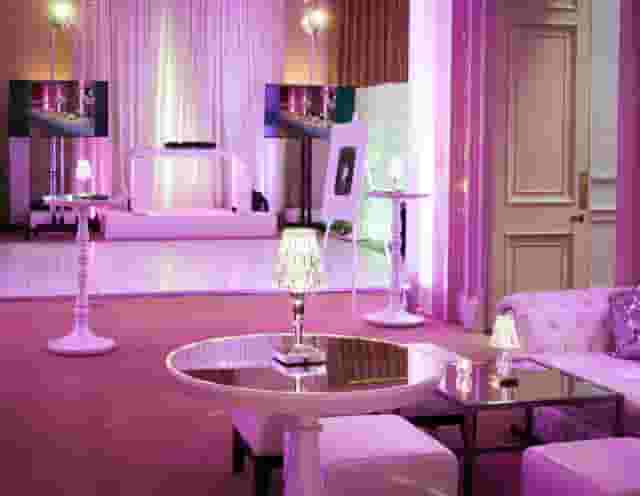
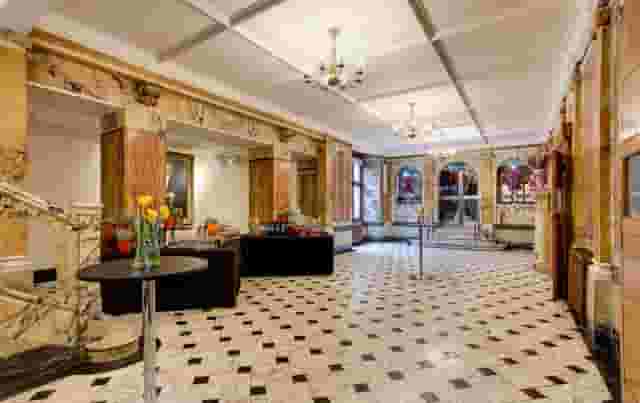
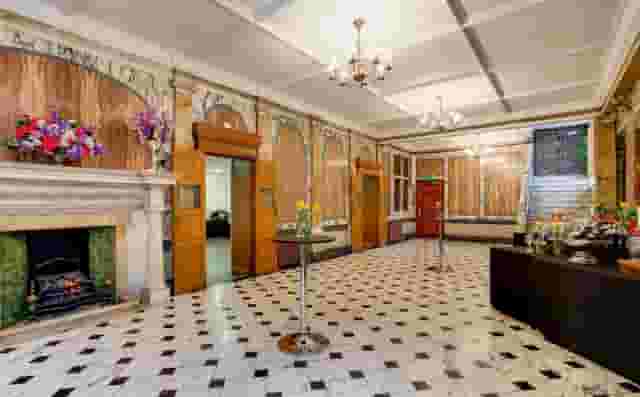
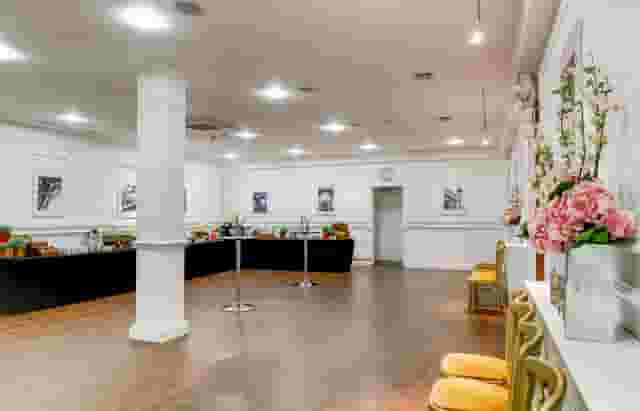







































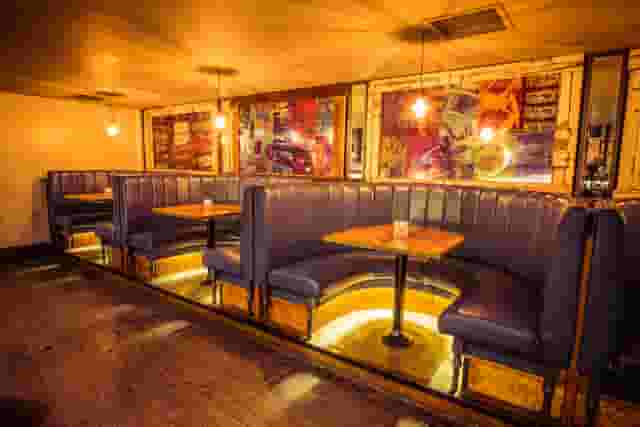
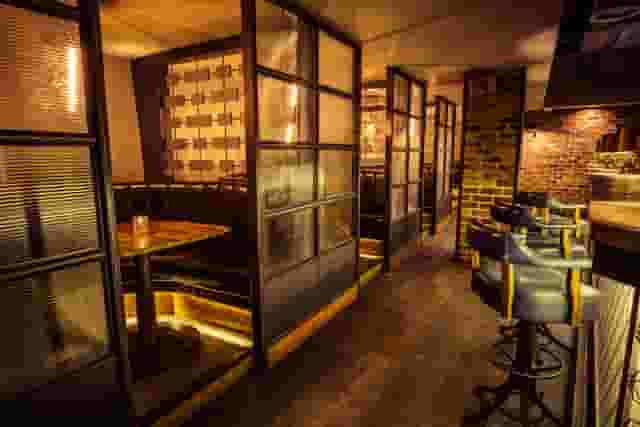
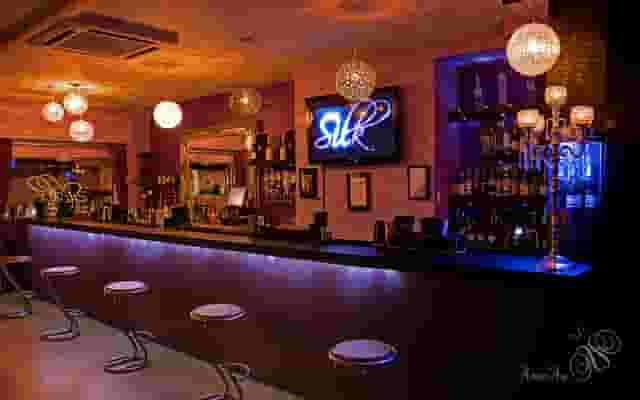
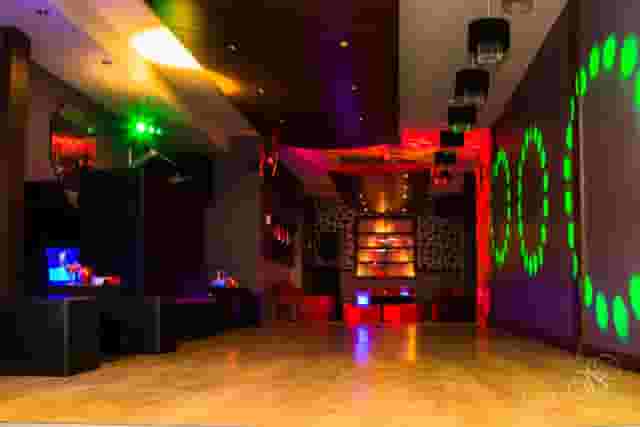




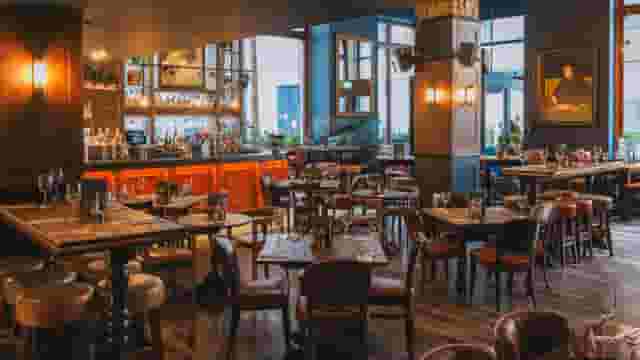
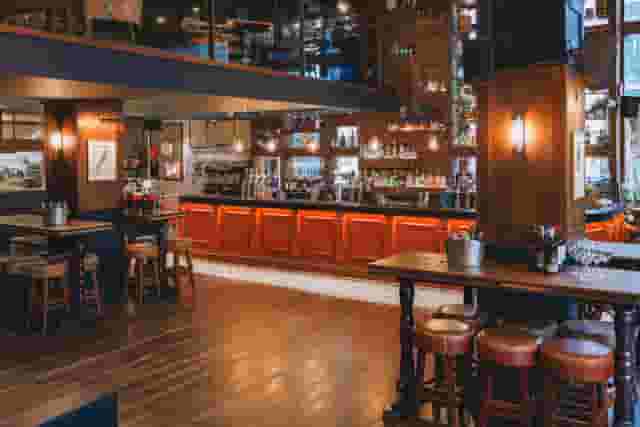
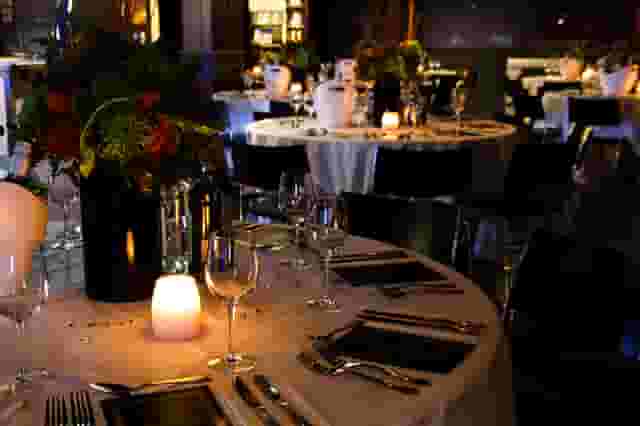
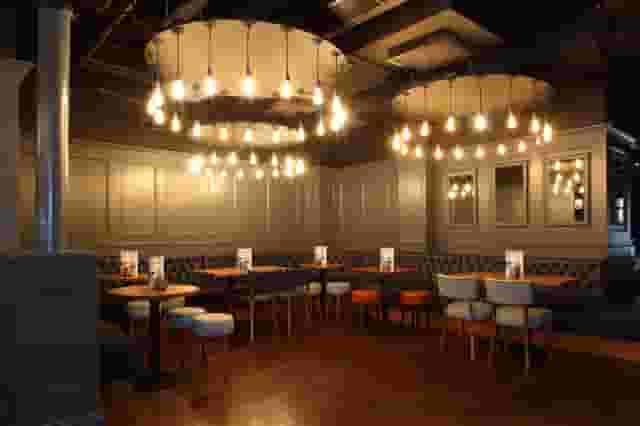







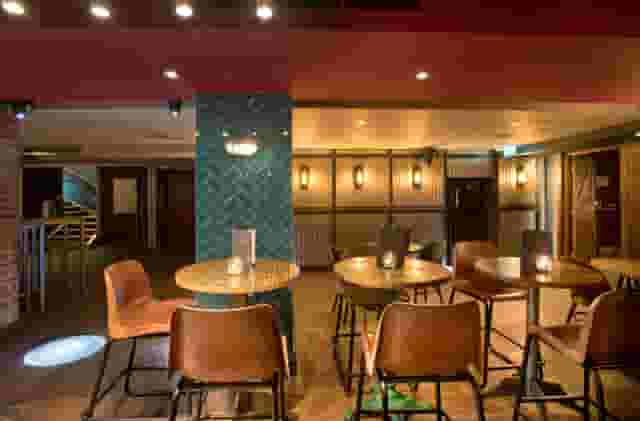
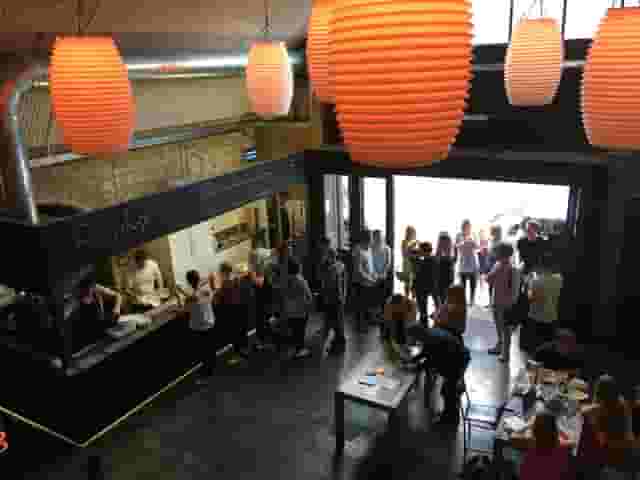
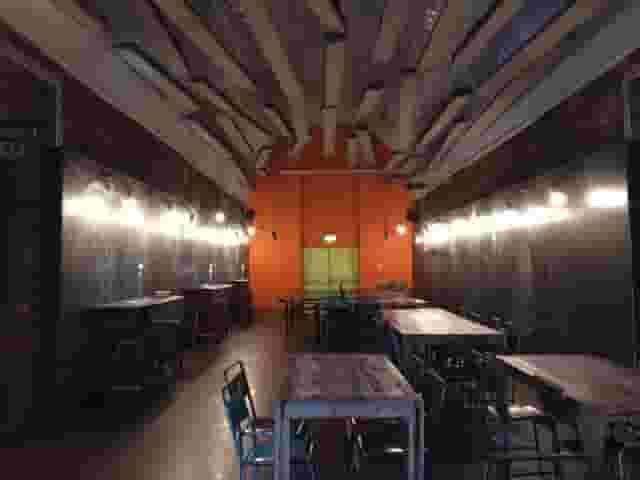
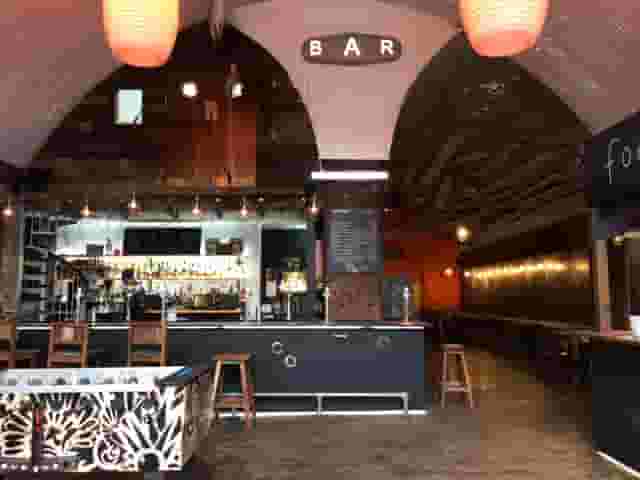
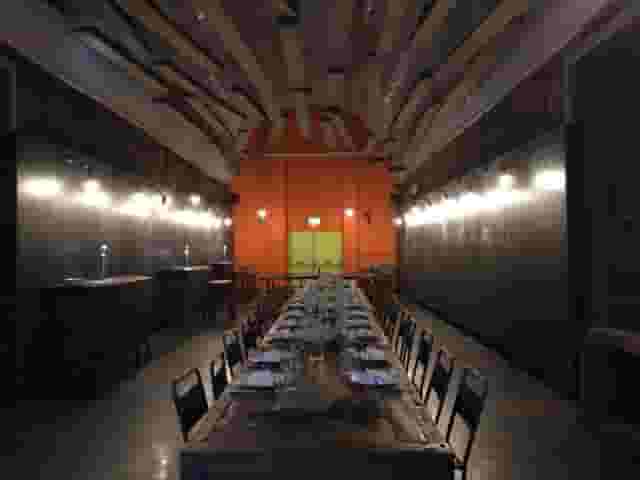
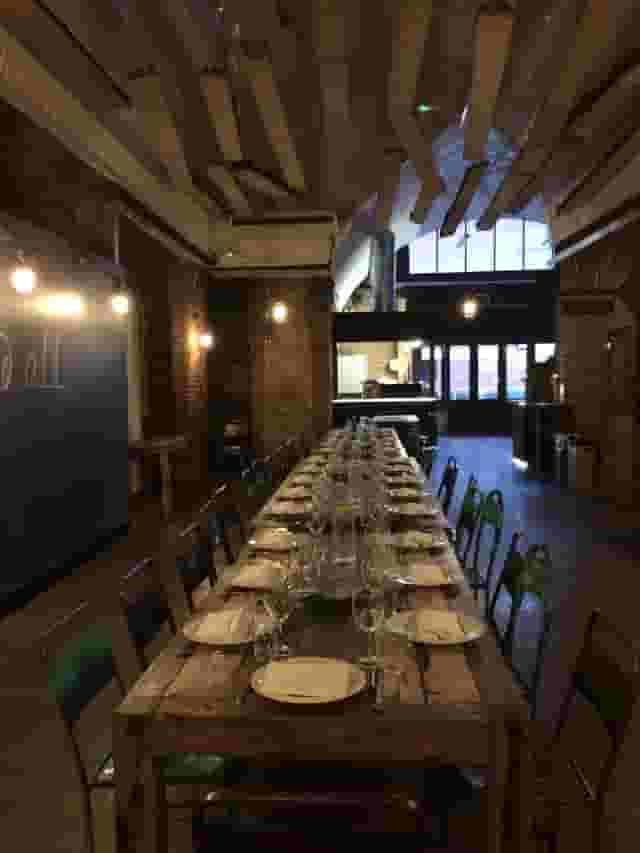
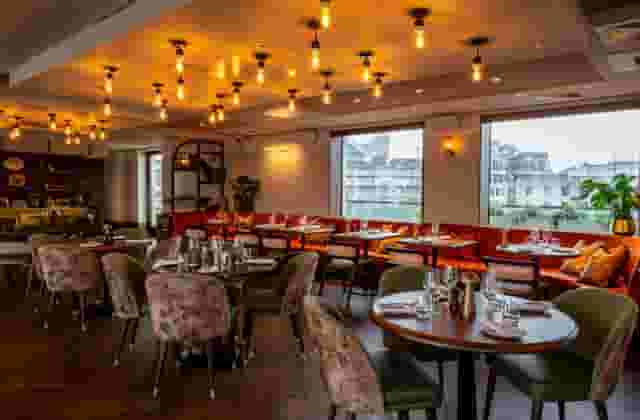
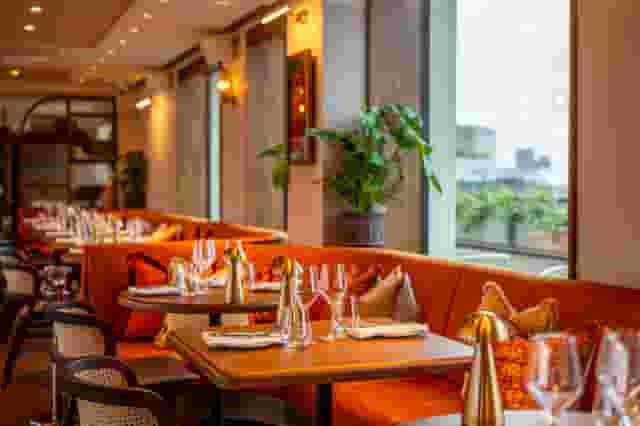
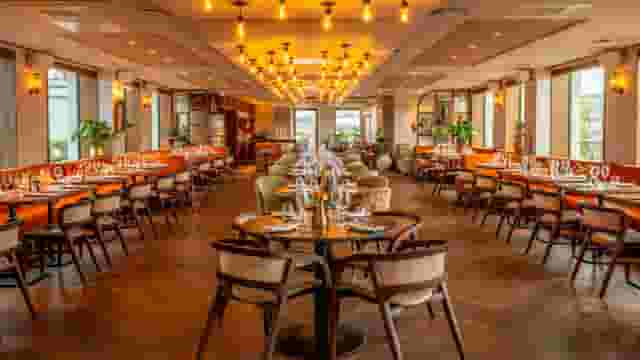
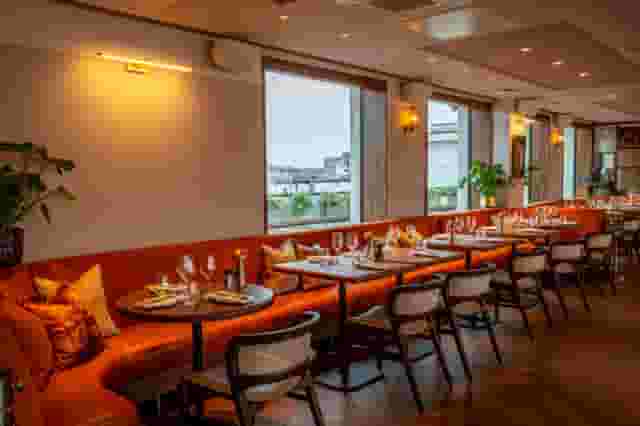
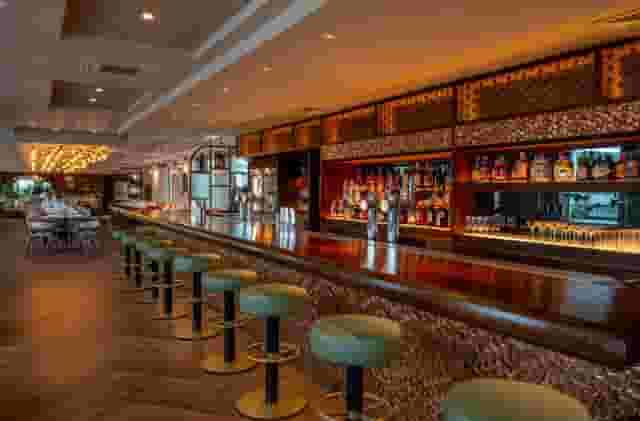
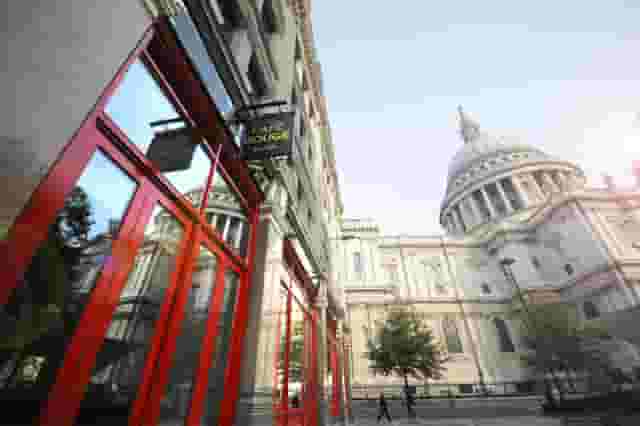



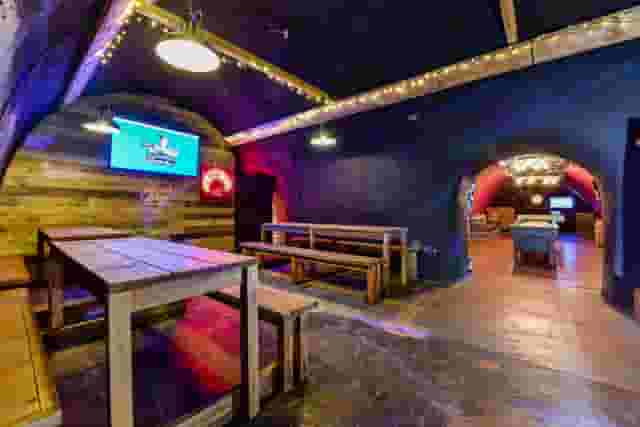
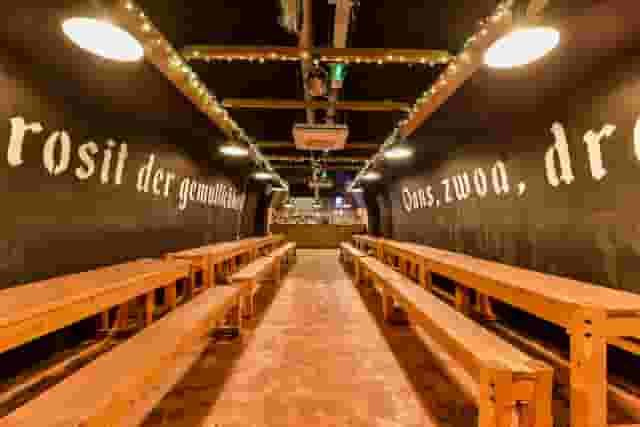
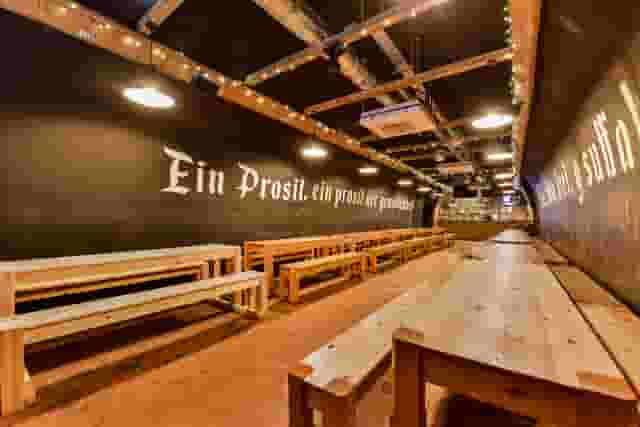
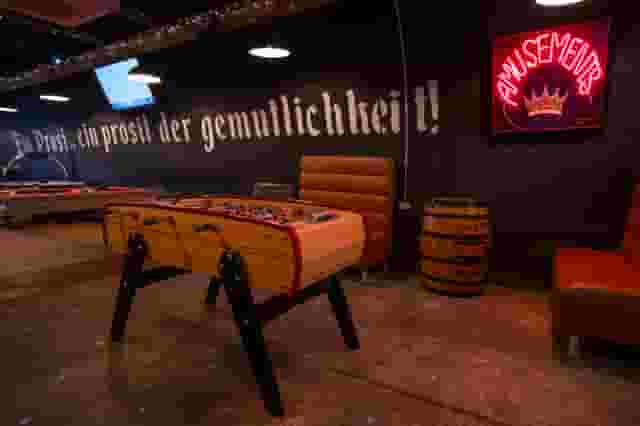






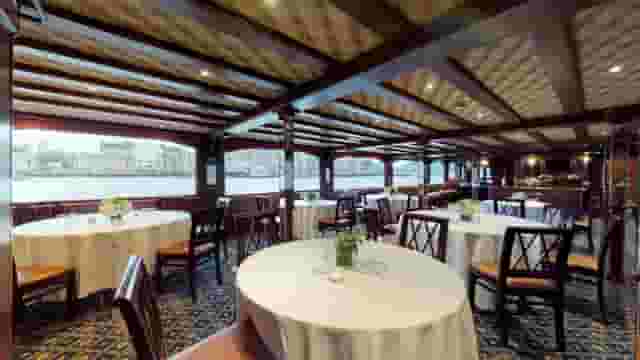
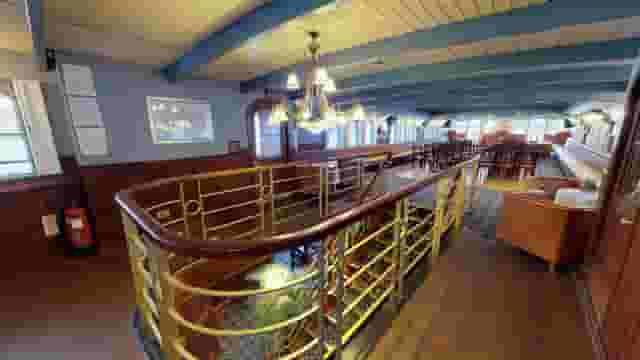
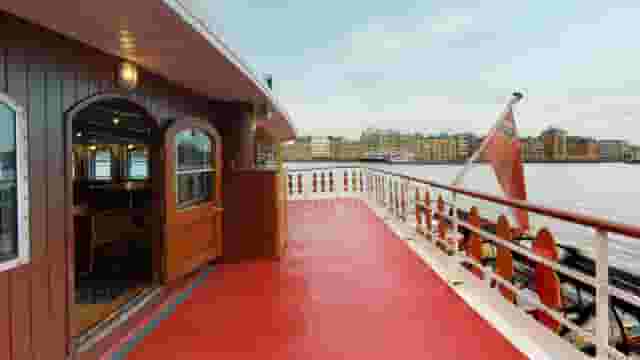
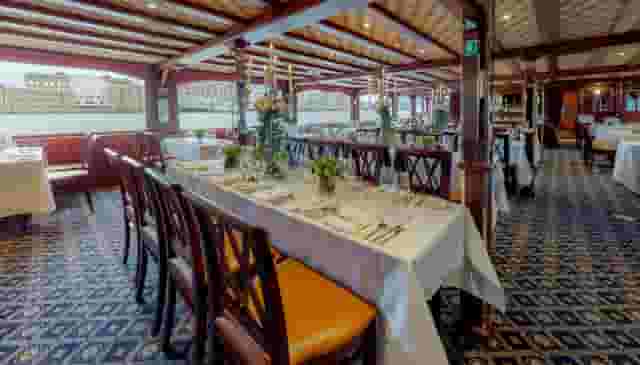













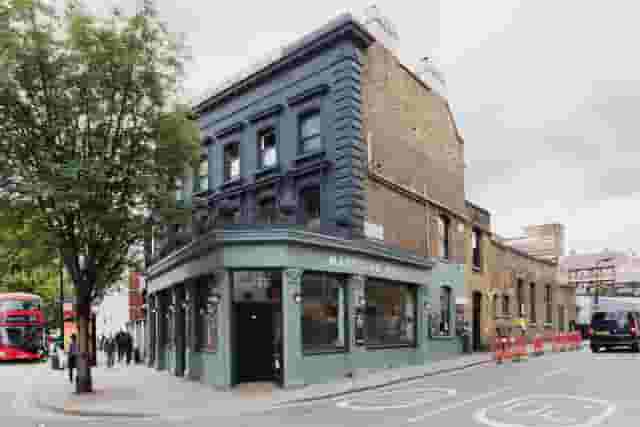
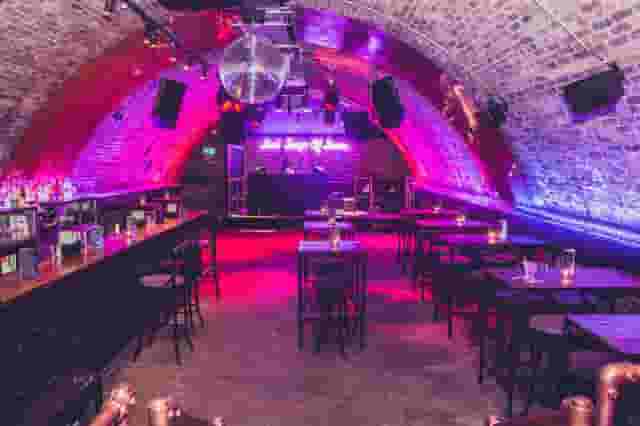
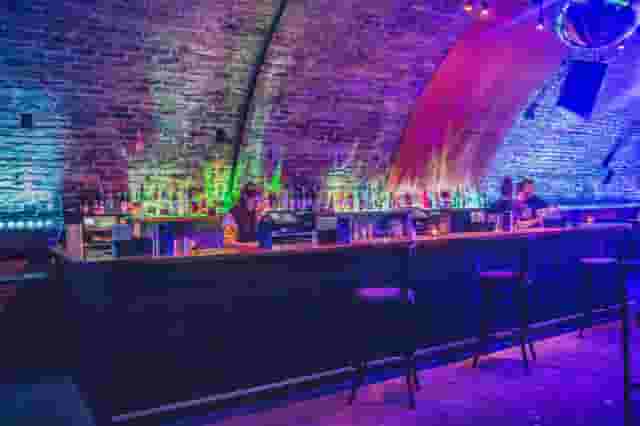
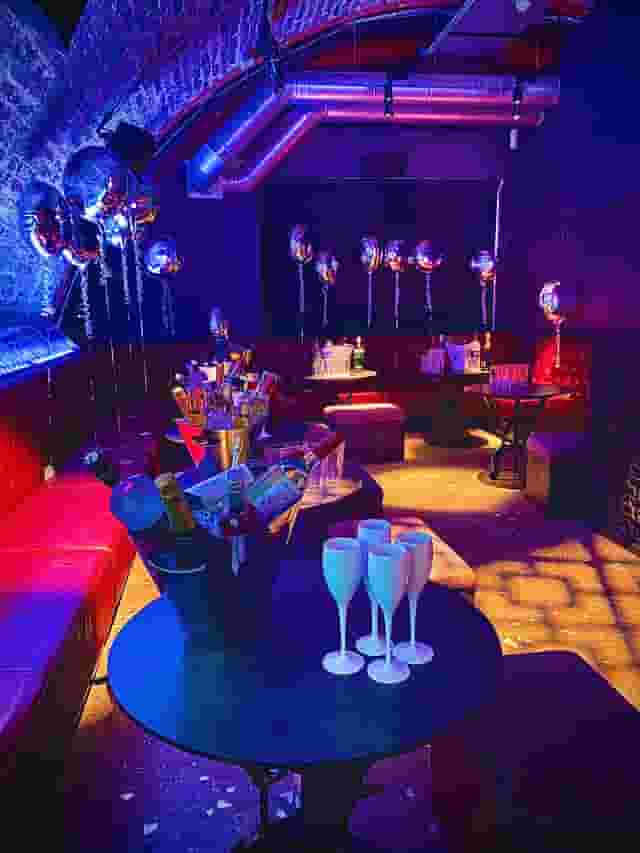













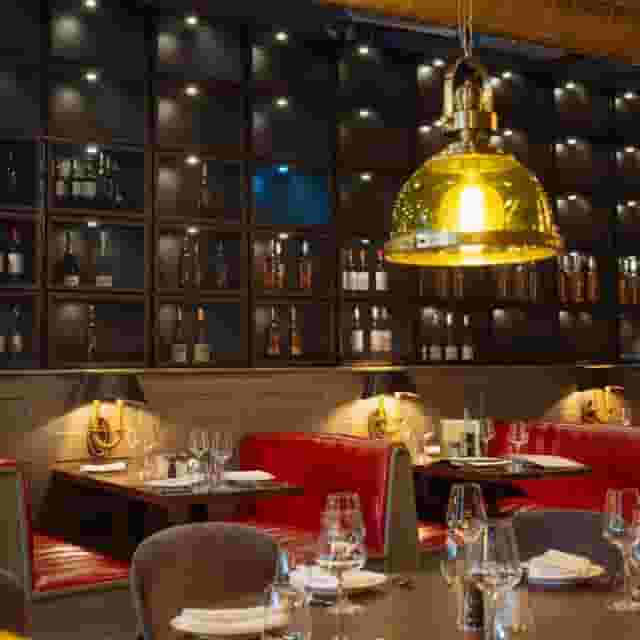
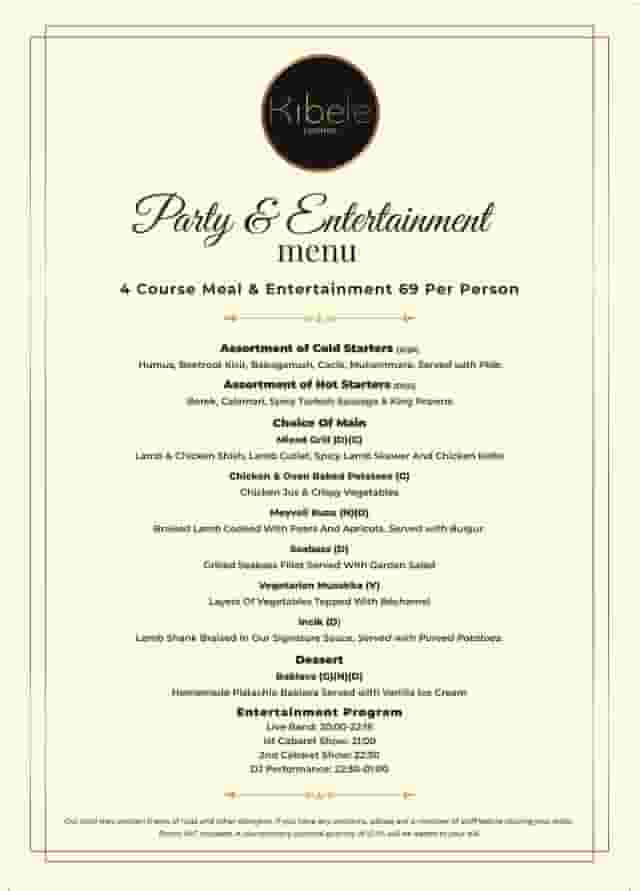
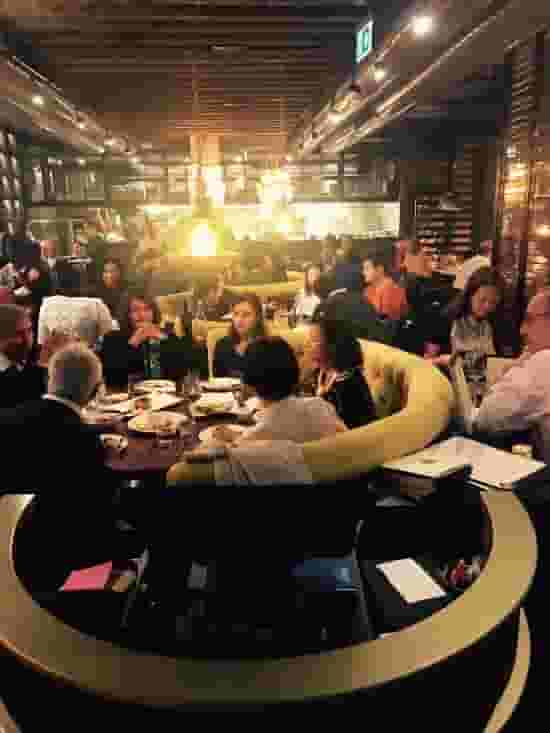
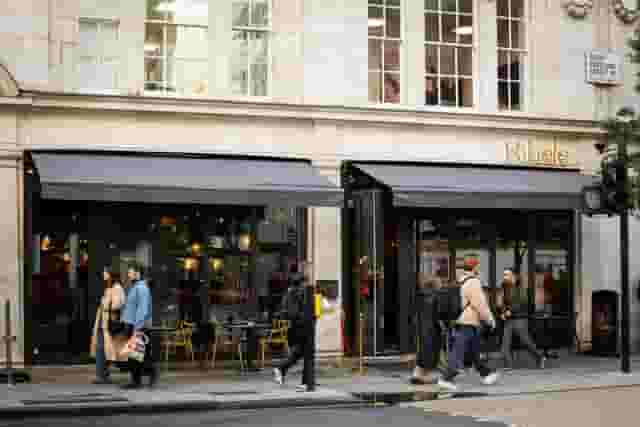

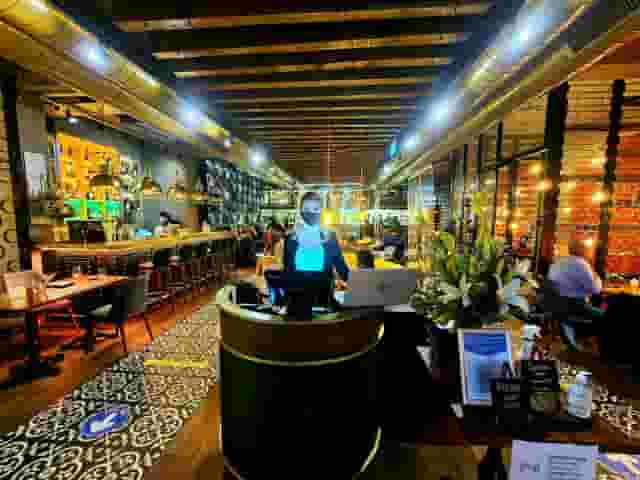



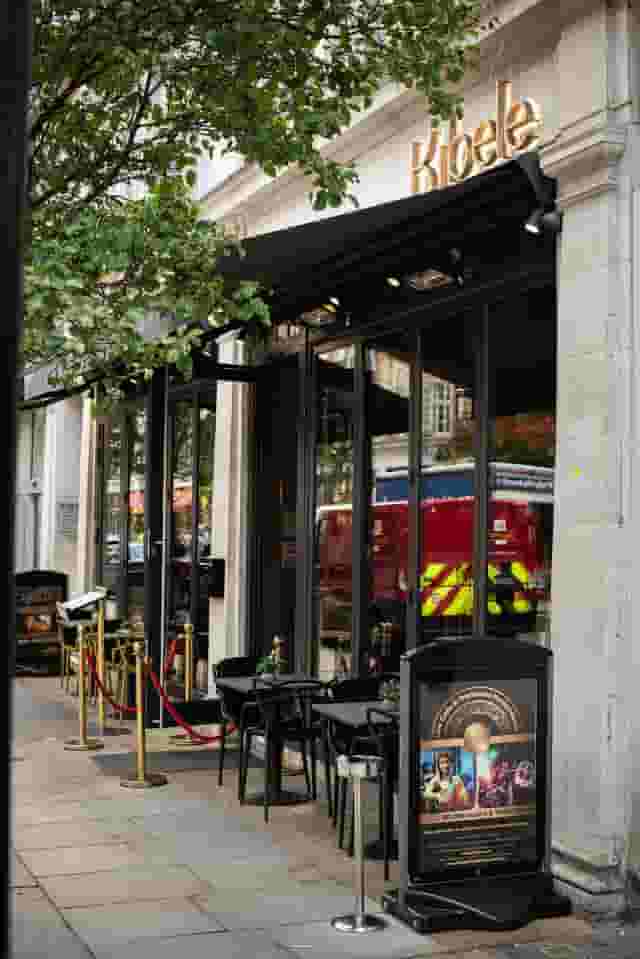



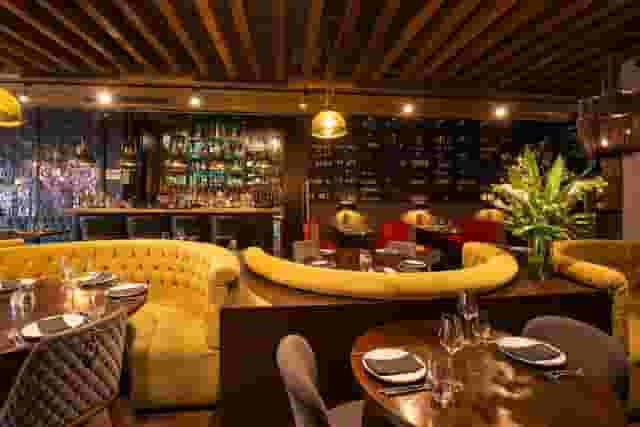
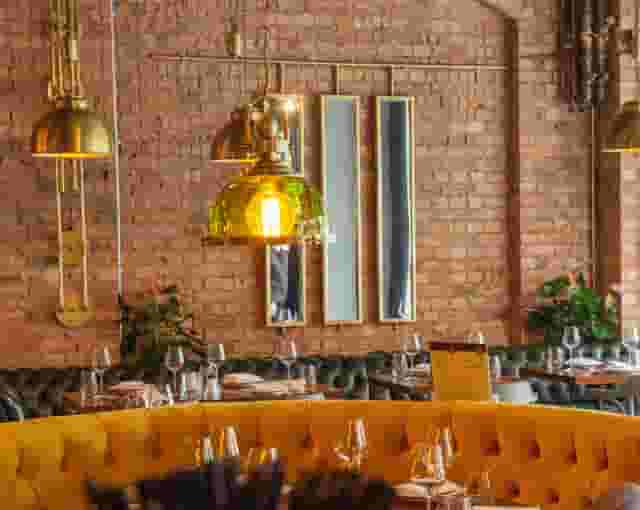







No venues match these filters
Try widening your capacity, luxury level or event type.
Don't have time to search? We'll find it for you.
For business events that need human judgement, talk to our team. Free for events of 100+ people, budgets over £10k or ongoing programmes.


Explore more venues in London














Frequently asked questions
What parking options exist near London networking venues for 200 attendees?
What minimum ceiling height do networking venues need for 200 people?
What does it cost to hire networking venues in London for 200 people?
What capacity networking venues work best for 200 professional attendees?
How do London networking venue prices compare by day of the week?
What AV equipment do 200-person networking venues typically include?
How far in advance should you book London networking venues for 200 guests?
What catering space requirements apply to 200-person networking events?
What insurance requirements apply to 200-person networking events in London?
Which London areas offer the best networking venue accessibility?
Other platforms search their database. We search everything.
Tell us what you need. Our deep research finds any venue, whether it's in our marketplace or not. No one else does this.
About Networking in London
Why London's Networking Scene Demands Purpose-Built Venues for 200-Person Events
After organising hundreds of networking events across London, I can tell you that the capital's networking scene is unlike anywhere else in the UK. The sheer volume of professionals, the diversity of industries, and the fast-paced nature of London business culture creates unique demands that only purpose-built venues can truly satisfy.
When you're bringing together 200 professionals in London, you're not just hosting an event – you're orchestrating a complex dance of personalities, expectations, and business objectives. I've seen too many organisers underestimate this, booking generic conference rooms or hotel spaces, only to watch their carefully planned networking event fall flat.
The London Networking Reality Check
London's networking events operate at a different intensity level. Your 200 guests aren't just looking to exchange business cards; they're seeking genuine connections that could transform their careers or businesses. This means your venue needs to facilitate natural conversation flow, not hinder it.
The most successful networking venues I've worked with understand this psychology. They're designed with multiple conversation zones, strategic lighting that flatters everyone (trust me, this matters more than you'd think), and acoustics that allow people to hear each other without shouting. A typical hotel ballroom simply can't deliver this level of sophistication.
Why Size Matters in London's Competitive Market
With 200 attendees, you're hitting that sweet spot where the event feels substantial enough to attract senior professionals, yet intimate enough for meaningful connections. However, London's venue landscape is notoriously challenging for this capacity. You need approximately 400-500 square metres of usable space – that's 2-2.5 square metres per person for comfortable networking flow.
I've found that venues specifically designed for networking events typically charge £50-£120 per person for day delegate rates, but the investment pays dividends. These spaces understand the importance of multiple entry points to prevent bottlenecks, dedicated registration areas that don't eat into your networking space, and flexible layouts that can adapt throughout the evening.
The venues that consistently deliver exceptional networking experiences often incorporate elements you won't find in standard event spaces: charging stations strategically placed throughout the room, multiple bar stations to prevent queuing, and even subtle design features that encourage mingling rather than clustering.
For your next 200-person networking event, consider exploring Networking Venues in Central London or Networking Venues in East London to find spaces that truly understand the London networking landscape. The right venue doesn't just host your event – it amplifies your networking objectives and ensures every one of your 200 guests leaves with valuable new connections.
The 7 Non-Negotiable Requirements Every 200-Person Networking Venue Must Meet
Having organised countless networking events across London, I've developed a checklist that separates venues that deliver exceptional networking experiences from those that merely provide space. When you're investing £10,000-£25,000 in a 200-person networking event, these seven requirements aren't just nice-to-haves – they're absolutely essential.
1. Acoustic Design That Actually Works for Conversation
The biggest networking killer I've encountered? Venues where people can't hear each other speak. Your venue needs proper acoustic treatment – not just carpets and curtains, but professional sound absorption panels and strategic design. Look for spaces with 3.5-4 metre ceiling heights minimum; anything lower creates a cacophony when 200 people are networking simultaneously.
I always test this during site visits by having a normal conversation in different areas of the room. If I'm straining to hear at a whisper level, your guests will be shouting over each other by 7pm.
2. Multiple Circulation Zones to Prevent Clustering
Standard conference rooms create natural bottlenecks that kill networking flow. Purpose-built networking venues design multiple conversation zones – typically 4-6 distinct areas for a 200-person capacity. This prevents the dreaded "wall-hugger" syndrome where half your guests cluster near the entrance.
The best venues I work with incorporate features like raised platform areas, comfortable seating clusters, and even outdoor terraces that naturally distribute your guests throughout the space.
3. Professional-Grade Wi-Fi Supporting 300+ Concurrent Devices
Here's where many venues fall short: they claim "high-speed Wi-Fi" but can't handle 200 professionals simultaneously checking emails, posting LinkedIn updates, and using networking apps. Demand minimum 100 Mbps symmetrical bandwidth with enterprise-grade access points.
I've seen networking events derailed by poor connectivity – nothing kills momentum like guests unable to exchange digital contact details or access your event app.
4. Strategic Power and Charging Infrastructure
Modern networking requires power. Your venue needs charging stations distributed throughout the space, not just a few outlets along the walls. Professional networking venues typically provide 1 charging point per 8-10 guests, strategically placed near conversation areas.
5. Flexible Lighting Control for Different Event Phases
Networking events evolve throughout the evening. You need bright, welcoming light for arrivals and registration, warmer ambient lighting for networking, and focused lighting for presentations. Venues with zone-controlled LED systems allow you to adapt the atmosphere as your event progresses.
6. Multiple Service Points to Eliminate Queuing
Nothing disrupts networking flow like long queues at the bar. Insist on multiple beverage stations – typically 3-4 for 200 guests – positioned to encourage circulation rather than create bottlenecks.
7. Dedicated Registration and Coat Storage Areas
These operational elements must be separate from your main networking space. I've seen too many events lose 20% of their networking area to registration desks and coat racks.
When evaluating venues, consider exploring Networking Venues in West London or Networking Venues in South London – these areas often offer purpose-built spaces that tick all seven boxes. Remember, the right venue doesn't just accommodate your networking event; it actively enhances every interaction your guests have.
Mastering London's Networking Venue Geography: Where Your 200 Guests Will Actually Want to Travel
Location isn't just about prestige – it's about practicality. After years of watching attendance patterns, I've learned that venue location can make or break your 200-person networking event before it even begins. The harsh reality? Even the most compelling networking opportunity won't overcome a venue that's genuinely difficult to reach.
The Transport Triangle That Actually Works
The most successful networking events I've organised cluster around what I call London's "networking triangle" – King's Cross, London Bridge, and the City. These areas offer multiple tube lines, national rail connections, and crucially for evening events, reliable transport home after 9pm.
King's Cross stands out particularly for 200-person events. The area's regeneration has created purpose-built networking spaces with excellent transport links – six tube lines plus Eurostar and national rail. More importantly, it's psychologically neutral territory. Unlike Canary Wharf (which can feel exclusive to non-finance professionals) or Shoreditch (which some corporates find too trendy), King's Cross appeals to London's diverse professional community.
The 45-Minute Rule That Governs London Networking
Here's a crucial insight from tracking RSVP patterns: professionals will travel up to 45 minutes for quality networking, but drop-off rates spike dramatically beyond this threshold. From King's Cross, you can reach Canary Wharf in 25 minutes, Oxford Circus in 15 minutes, and most of Greater London within 40 minutes.
This geography matters enormously for 200-person events. Unlike smaller gatherings where you might attract 30-40 people from a tight geographic area, larger networking events need to draw from across London's professional ecosystem. Your venue choice directly impacts whether that senior partner from Canary Wharf or that startup founder from Clapham actually shows up.
The Evening Accessibility Factor
Evening networking events face unique transport challenges. The last tubes run around midnight, but many professionals want to leave by 9-10pm. Venues near major stations like London Bridge or Victoria offer multiple route options and later services, reducing the anxiety that keeps people away from networking events.
I've noticed that Networking Venues in Central London consistently achieve higher attendance rates than equally impressive venues in outer zones, purely due to transport confidence.
The Parking Reality Check
For 200-person events, assume maximum 15-20% will drive. Central London venues typically offer 10-20 parking spaces maximum, with nearby NCP car parks charging £5-10 per hour. Factor this into your venue selection – excellent public transport access reduces parking pressure and broadens your potential attendee base.
When evaluating locations, consider exploring Networking Venues in North London or Networking Venues in South West London for options that balance accessibility with competitive pricing. The key is choosing locations where your 200 guests feel the journey is worthwhile, not burdensome.
The Real Cost Breakdown: What You'll Actually Pay for Premium Networking Venues in London
Let's talk numbers – because I've seen too many event organisers get blindsided by the true cost of premium networking venues in London. When you're planning for 200 people, you're not just paying for space; you're investing in an experience that can make or break professional relationships worth millions.
The Day Delegate Rate Reality
Most networking venues quote day delegate rates, but here's what those figures actually mean for your budget. Basic venues start around £50-55 per person, covering meeting space, basic catering, and standard AV. That's £10,000-11,000 for your 200 guests before you've added anything special.
Premium venues – the ones that consistently deliver exceptional networking experiences – typically charge £65-75 per person. For 200 attendees, you're looking at £13,000-15,000. But here's the insider knowledge: these venues often include elements that basic spaces charge extra for, like professional lighting control, multiple beverage stations, and dedicated event coordination.
Super luxury venues exceed £120 per person, pushing your base cost above £24,000. However, I've found these spaces often justify their premium through features that directly enhance networking outcomes: superior acoustics, flexible space configuration, and integrated technology that supports modern networking needs.
The Hidden Costs That Catch Everyone Out
Evening networking events often use minimum spend models rather than per-person pricing. Expect £8,000-25,000 minimum spends depending on location and inclusions. The catch? These minimums rarely include service charges (typically 12.5%), VAT, or essential extras like coat check facilities.
I always budget an additional 30-40% beyond the quoted venue cost for these inevitable extras. Professional photography, enhanced AV packages, premium bar selections, and extended service hours can quickly add £3,000-8,000 to your bill.
Timing Is Everything for Your Budget
Tuesday-Thursday evening slots command premium pricing – typically 20-30% above Monday/Friday rates. If budget flexibility exists, consider Monday evening events, which often deliver identical networking value at significantly reduced cost.
Peak networking seasons (September-November, January-March) see prices increase by 15-25%. Book during these periods 8-12 weeks in advance to secure better rates, or consider shoulder months like April or June for substantial savings.
When evaluating costs, explore Networking Venues in Greater London for options that balance premium features with more competitive pricing. Remember, the most expensive venue isn't always the most effective – focus on spaces that deliver genuine networking value for your investment.
5 Insider Strategies That Guarantee Your 200-Person Networking Event Delivers Results
After orchestrating hundreds of networking events across London, I've identified five strategies that consistently separate successful 200-person networking events from forgettable gatherings. These aren't theoretical concepts – they're battle-tested approaches that deliver measurable results.
The 90-Minute Sweet Spot Strategy
Here's something most organisers get wrong: they plan 3-4 hour networking events that exhaust attendees rather than energise them. For 200-person events, the optimal duration is 90 minutes of focused networking time. This creates urgency that drives meaningful conversations while preventing the energy dip that typically occurs after two hours.
I structure these events with 15 minutes for arrival and registration, 60 minutes of peak networking, and 15 minutes for natural wind-down. This timing works particularly well in London's fast-paced business environment where professionals appreciate efficiency.
The Strategic Attendee Mix Formula
The magic ratio for 200-person networking events is 60% established professionals, 30% rising talent, and 10% industry influencers or thought leaders. This creates natural mentoring opportunities and ensures conversations flow across experience levels rather than clustering in similar groups.
I've found that events exceeding 200 people often lose this delicate balance, with senior professionals gravitating toward familiar faces rather than engaging with the broader group. The 200-person capacity allows you to curate this mix while maintaining an intimate enough atmosphere for genuine connections.
The Multiple Conversation Starter Technique
Deploy 3-4 structured conversation catalysts throughout your 90-minute window. This might include a brief welcome presentation, strategic introductions of key attendees, or even simple icebreaker activities. For 200 people, these moments need to be visible and audible from anywhere in the venue – another reason why proper acoustics and sightlines are crucial.
The Follow-Up Acceleration System
The most successful networking events I've organised implement immediate follow-up mechanisms. Provide digital business card exchange technology, create LinkedIn groups before the event, or use networking apps that facilitate post-event connections. With 200 attendees, manual follow-up becomes impossible – you need systems that scale.
The Value-Add Content Strategy
Incorporate 10-15 minutes of valuable content that gives attendees a reason to stay engaged. This could be industry insights, market updates, or brief presentations from thought leaders. The key is making this content exclusive to your networking event, creating additional value beyond just meeting people.
When implementing these strategies, consider venues from Networking Venues in North West London or explore Away Day Activities for unique networking formats that break traditional moulds.
The combination of strategic timing, curated attendee mix, and systematic follow-up transforms your 200-person networking event from a simple gathering into a catalyst for lasting professional relationships. Start planning your next event with these five strategies as your foundation, and watch your networking ROI soar.
What our customers say
Inspiration and planning guides

11 Techniques That Will Make You Better At Networking
Is your networking not working? Some people, it seems, absolutely love it - they swan in, glide through the party, charm everyone, and swap business cards like they're handing out Pokémon in a playground. But not all of us are like that.

6 Networking Venues That'll Seal the Deal
Networking is a key tool in today's competitive business world: it's often a necessary activity when trying to secure the right contacts, gain new employment or generally advance professionally. But in order to successfully rub elbows, you'll need an inspiring venue – such as one of these slick spaces. 1. Lee Valley VeloPark [https://hirespace.com/Spaces/London/107652/Lee-Valley-VeloPark/Velodrome-Track-Centre/Business] Stratford Few venues can claim to have been a part of the 2012 London Ol

EventLAB Series: Introducing the Event
We're very excited to introduce EventLAB [https://eventlab.online/], our first two-day event designed to take event professionals through every step of the event planning process. We'll be bringing you the latest updates in the run-up to the event in our 'EventLAB Series' [https://hirespace.com/blog/tag/eventlab//], including relevant content and a little glimpse of the speakers, workshops and themes that will feature at the event. In the first instalment, we’ll explain all there is to know a
One supplier. Every venue. Full visibility on what you spend.
Multiple venues and events. One agreement.