Networking Venues for Hire in South West London
Compare top South West London networking venues with instant pricing estimates, verified capacities and spaces built for business conversation.
299 Networking Venues for Hire in South West London


























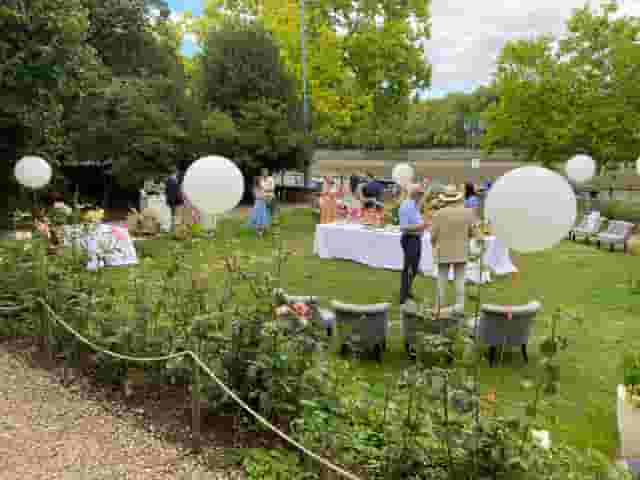
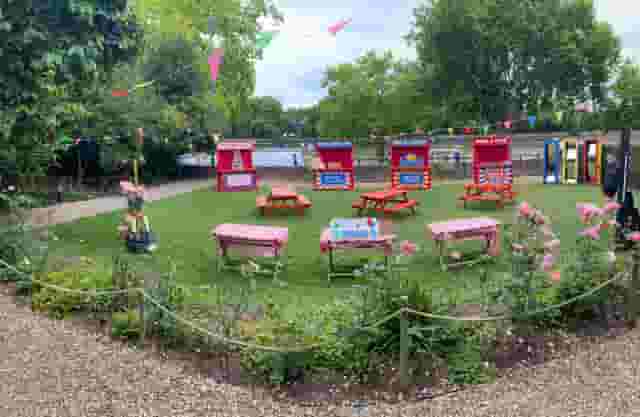
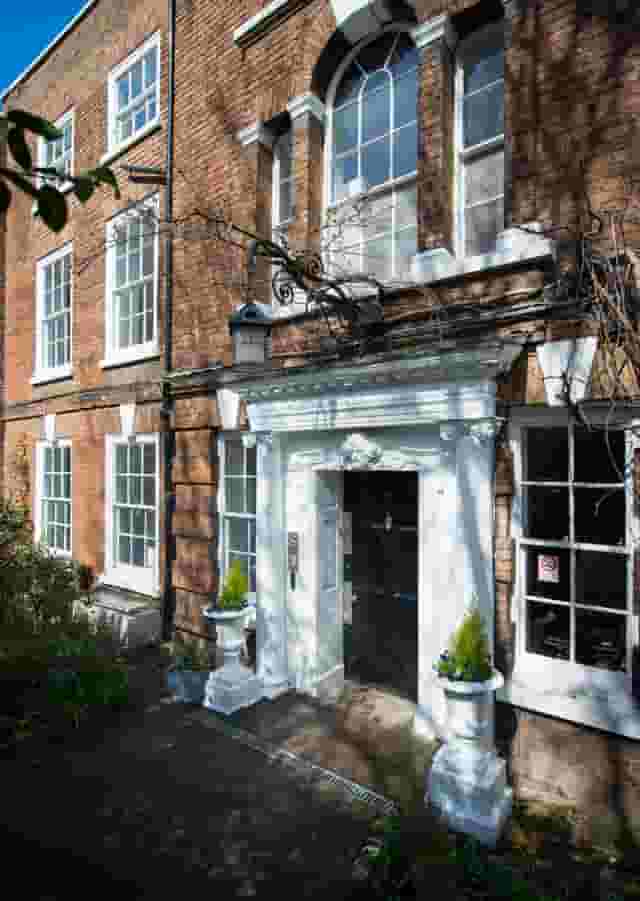
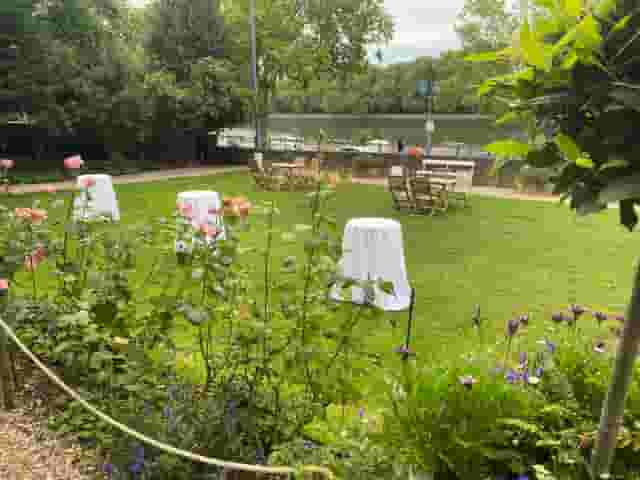



























No venues match these filters
Try widening your capacity, luxury level or event type.
Don't have time to search? We'll find it for you.
For business events that need human judgement, talk to our team. Free for events of 100+ people, budgets over £10k or ongoing programmes.




Explore more venues in South West London




Frequently asked questions
What tech should SW London venues offer?
How to select a SW London networking venue?
What size venue is ideal in SW London?
Are SW London venues well-connected?
Can I find exclusive venues in SW London?
How are modern amenities enhancing networking in South West London?
What is the optimal guest capacity for effective networking?
What delegate pricing should be expected for networking events here?
What modern tech amenities are vital for networking venues?
What local transport options support networking events in South West London?
What should event planners consider when booking networking venues?
Why do professionals value networking venues in South West London?
Which areas in South West London are best for networking events?
How do venue layouts boost networking opportunities?
How can venue services be customised for professional networking?
Other platforms search their database. We search everything.
Tell us what you need. Our deep research finds any venue, whether it's in our marketplace or not. No one else does this.
About Networking in South West London
Choosing the right setting across South West London
Organising an evening networking reception means balancing professional polish with an environment where people actually talk to each other. South West London covers a wide spread of corporate backdrops, from riverside terraces in Fulham and Battersea to historic halls and private members' grounds further down the Thames. The right choice depends on the scale of your guest list, how formal the gathering needs to be and how easily your attendees can reach the room after finishing work.
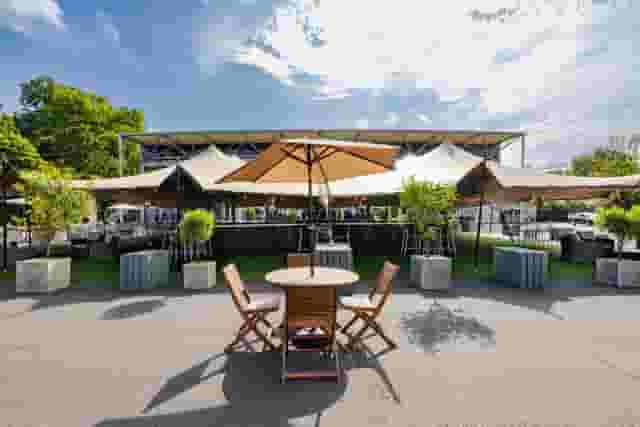
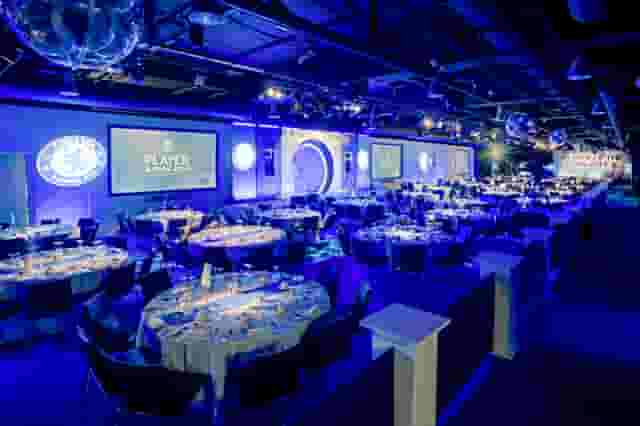
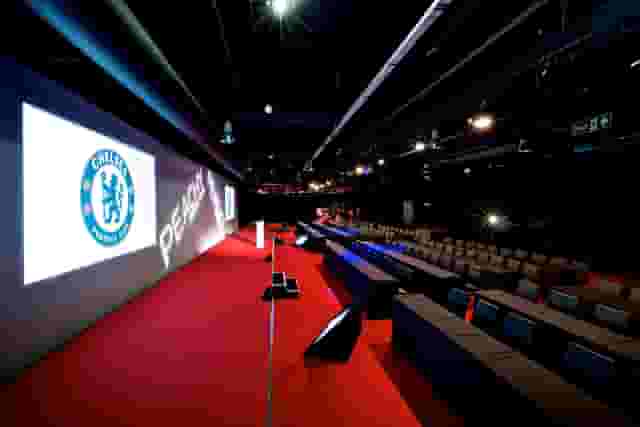
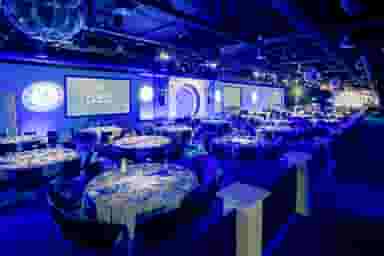
For large industry gatherings or cross-company summits, scale dictates the shortlist. Evolution London in Battersea Park handles up to 4000 guests for standing receptions, offering an expansive blank canvas for substantial brand backdrops and high-capacity production. If your numbers sit between 500 and 1000 guests, sports venues and heritage clubs offer self-contained event operations. The Great Hall at Chelsea Football Club accommodates 1000 people for a reception, backed by 25 function rooms and 60 syndicate suites that make it straightforward to run an afternoon conference before stepping straight into evening drinks.
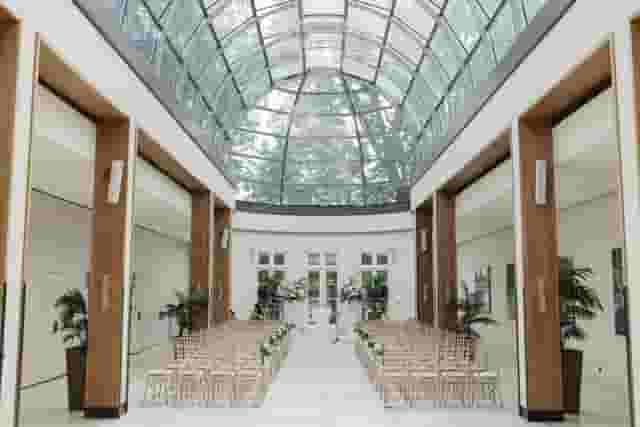
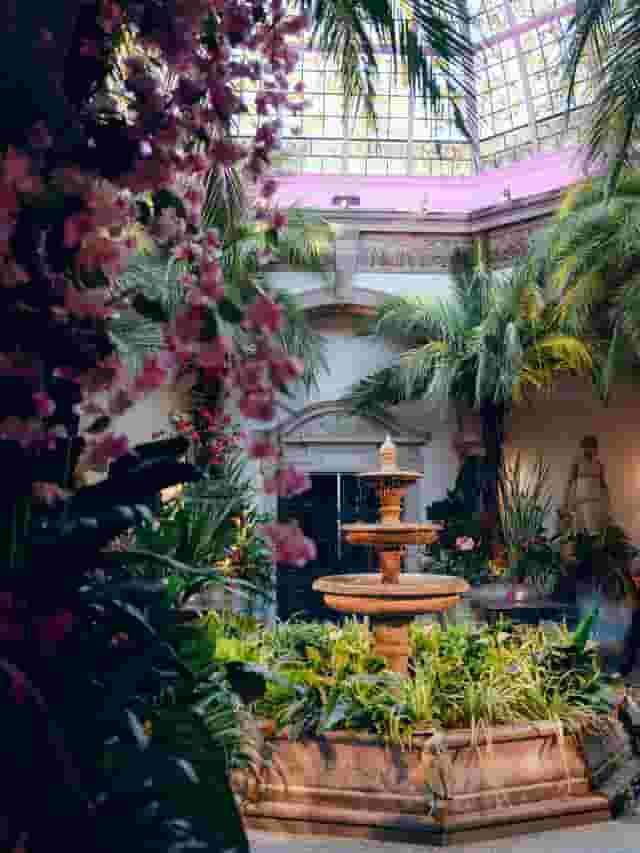
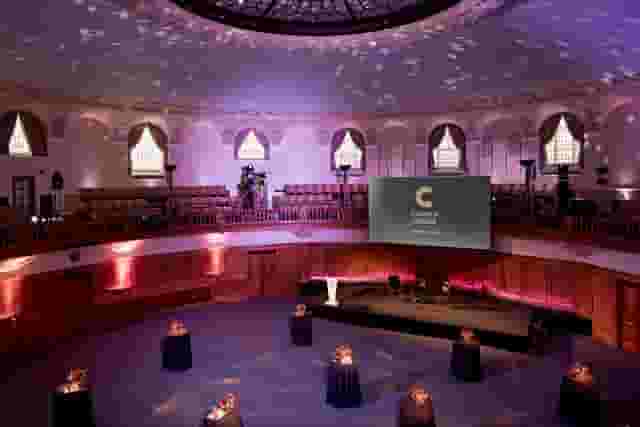
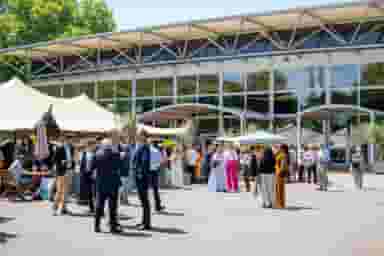
Where tone leans towards executive client entertaining, private grounds provide an established sense of occasion. The Palm Court and Broomhouse Suite at The Hurlingham Club provides capacity for 850 guests standing, combining a glass-domed interior with Thames-side grounds in Fulham. When planning larger gatherings, studying how formal venues organise their flow can help you set up an evening that clicks, as explored in our guide on how to make more of your networking event at One Moorgate Place.
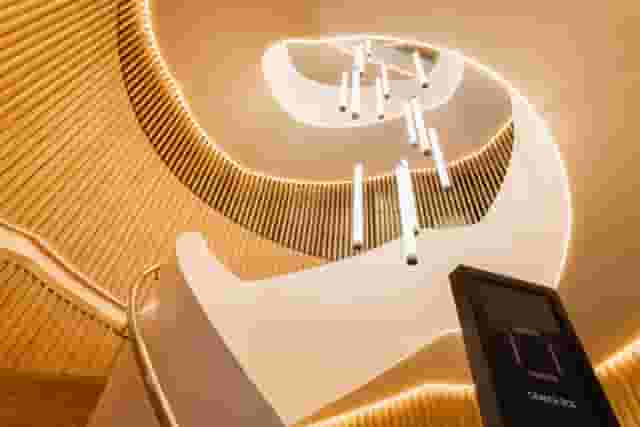
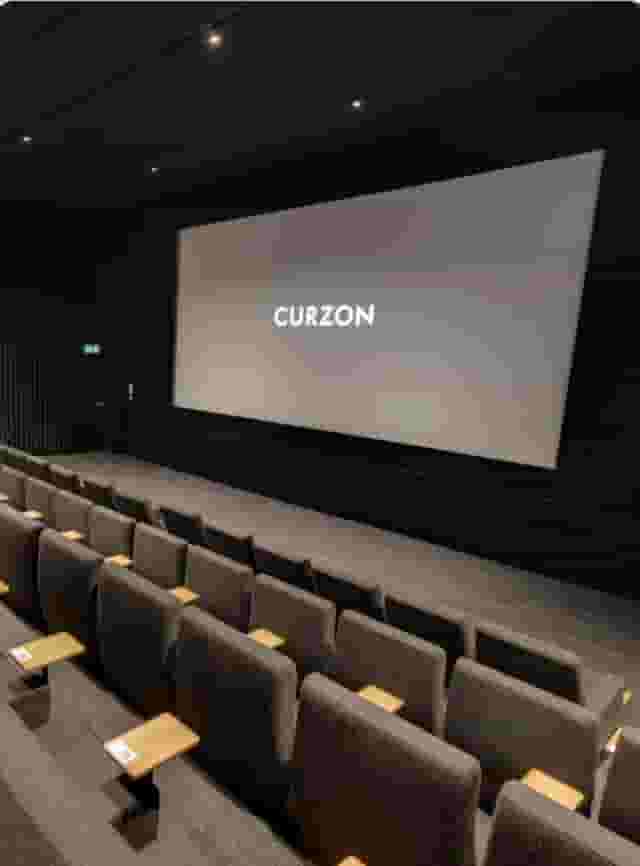
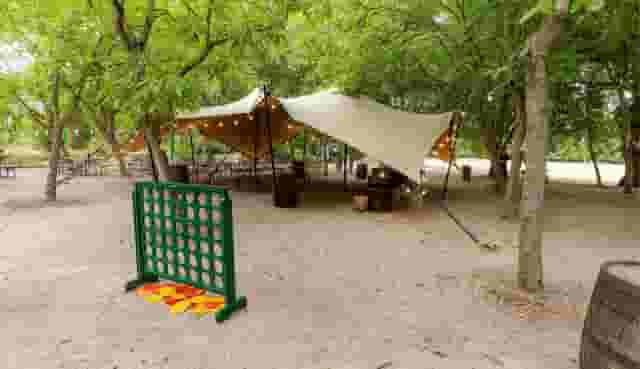
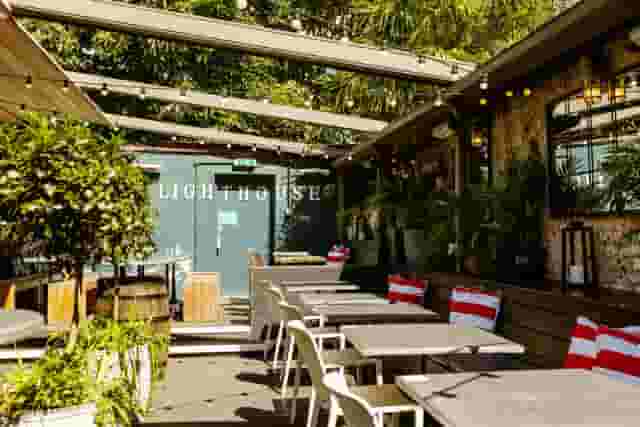
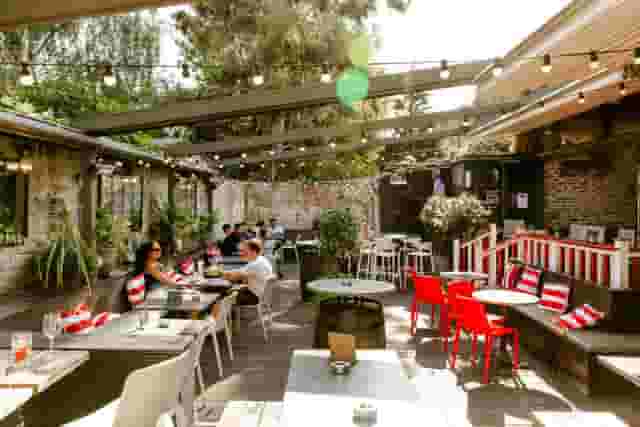
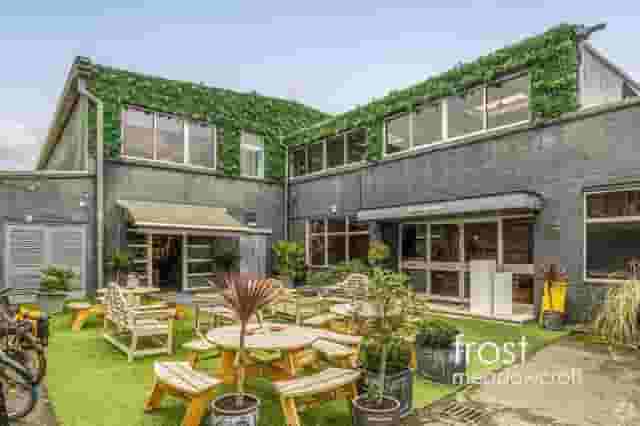
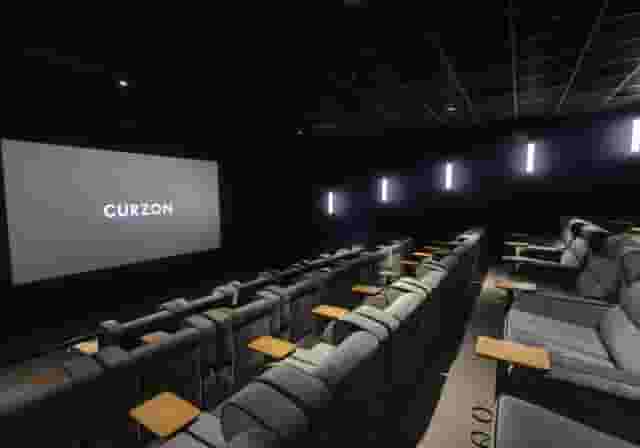
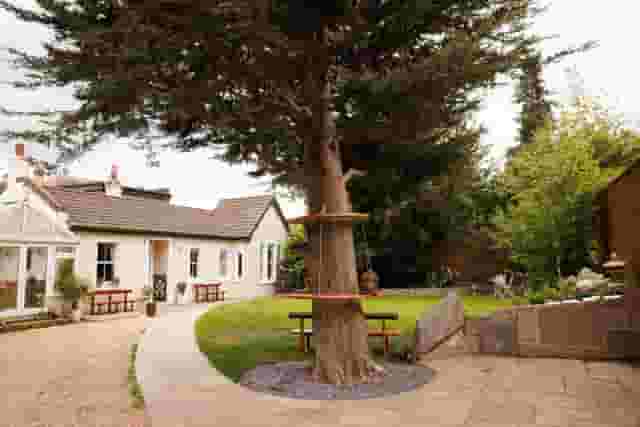
Mid-sized networking events between 100 and 500 guests require careful room proportion. A space that feels half-empty kills conversation quickly. The Orange Box at Fulham Pier hosts up to 450 guests standing right on the river, making it adaptable for evening receptions with presentations. In the same neighbourhood, the Courtyard and Grounds at Sands End accommodates up to 500 guests standing for organisations looking for a more relaxed, pub-style courtyard environment. If your evening starts with a screening, keynote or product launch before networking, the Atrium at Curzon Chelsea holds 300 standing alongside its 300-seat theatre and dedicated podcast studio. For gatherings of this scale, venue sourcing through the Hire Space venue booking platform provides instant availability confirmed directly by venues for your specific date and guest count, supported by a team of real people who stay involved through to booking. That narrows your search to viable rooms in minutes rather than spending days chasing responses.
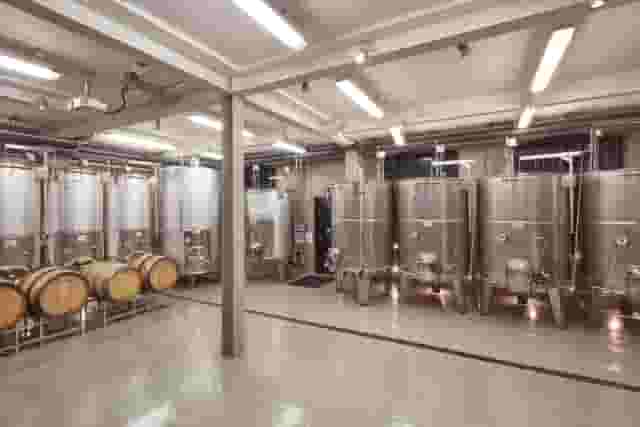
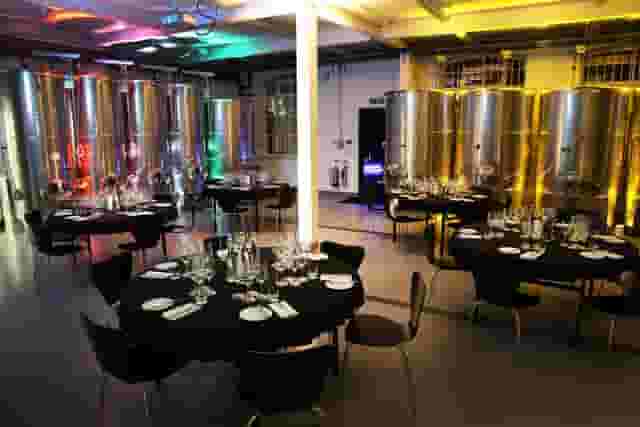
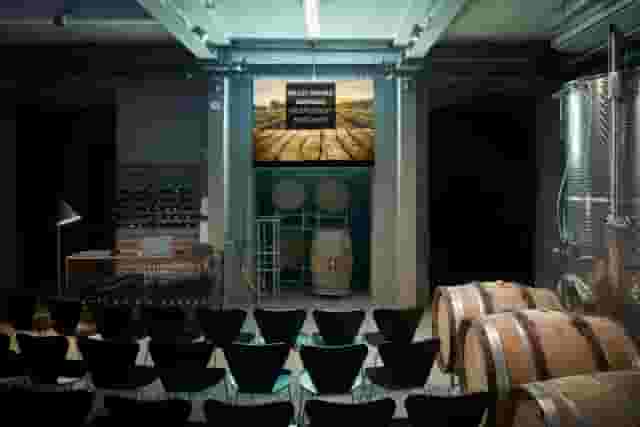
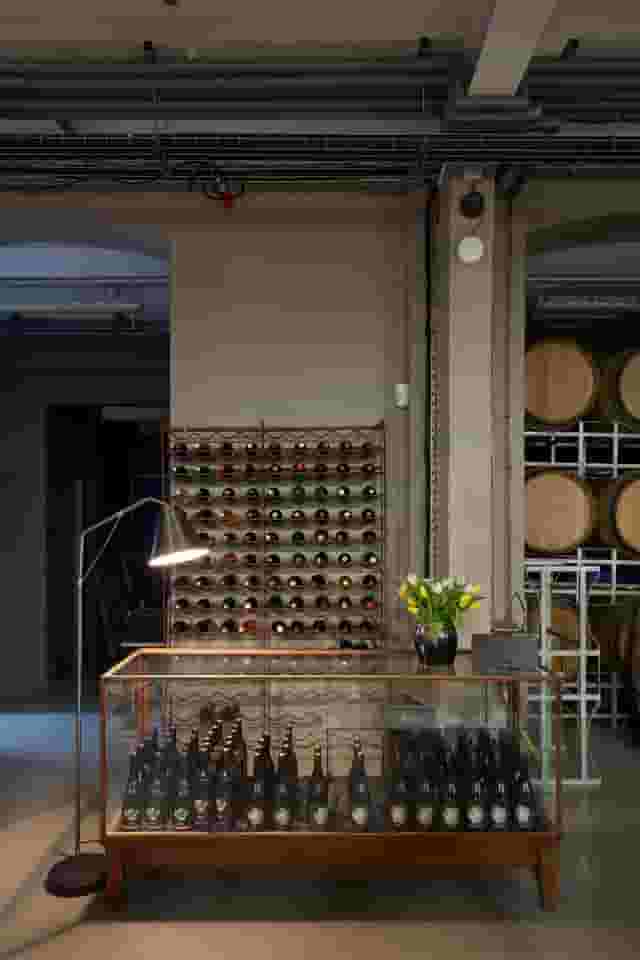
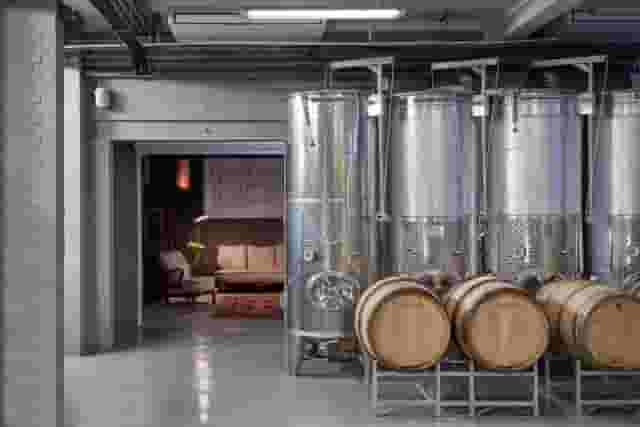
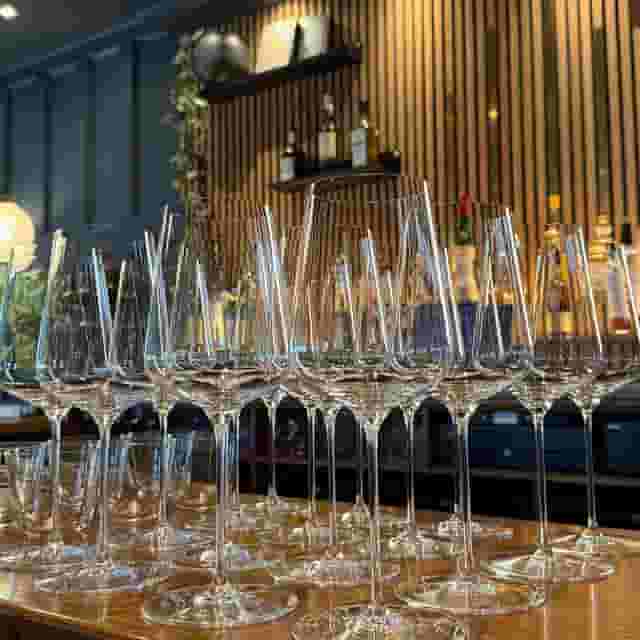
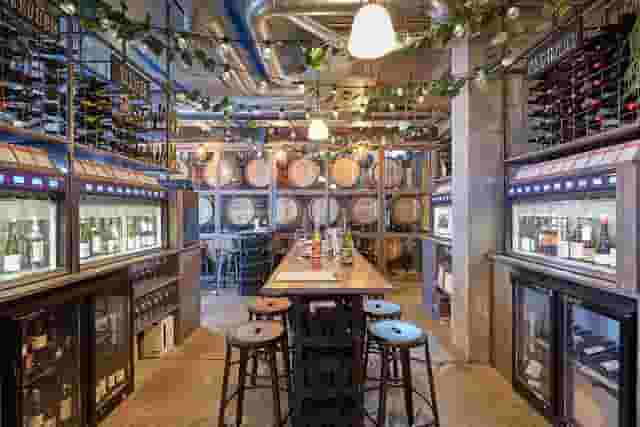
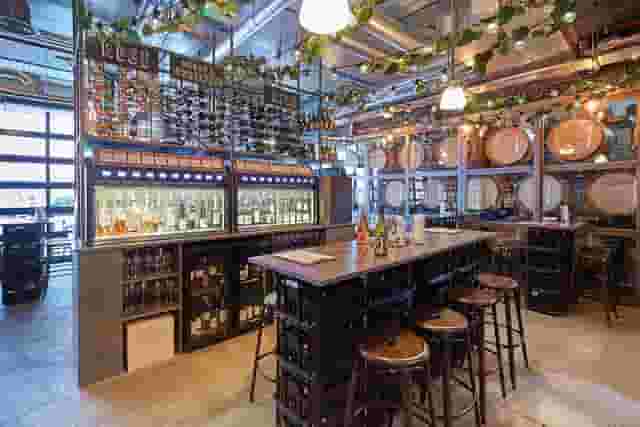
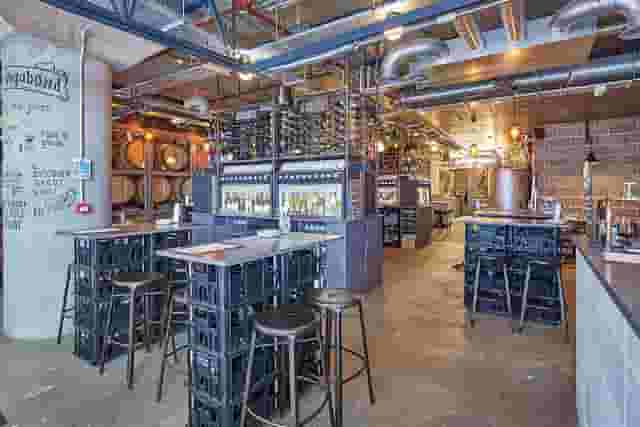
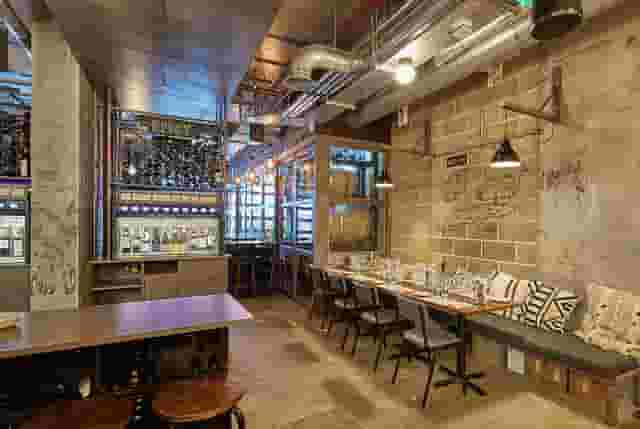
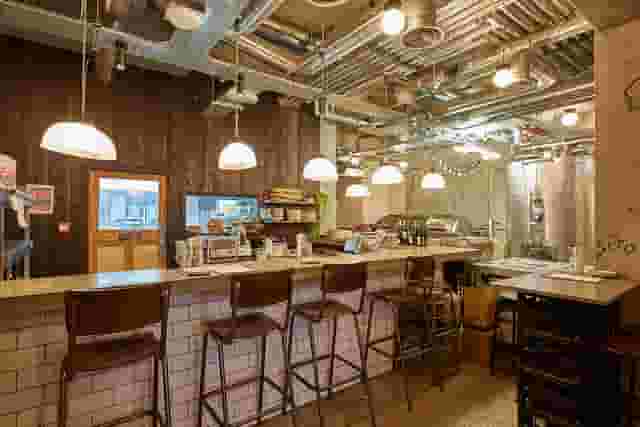
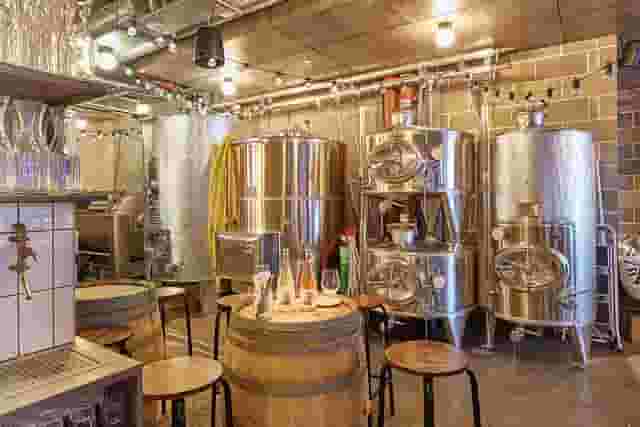
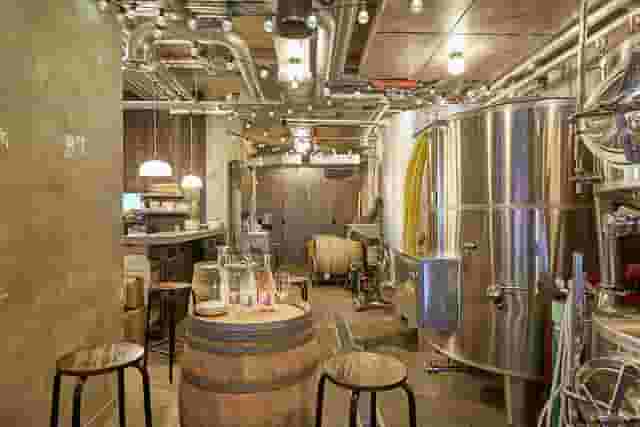
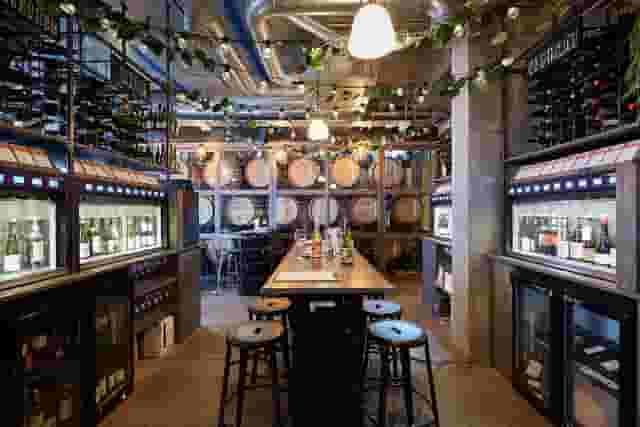
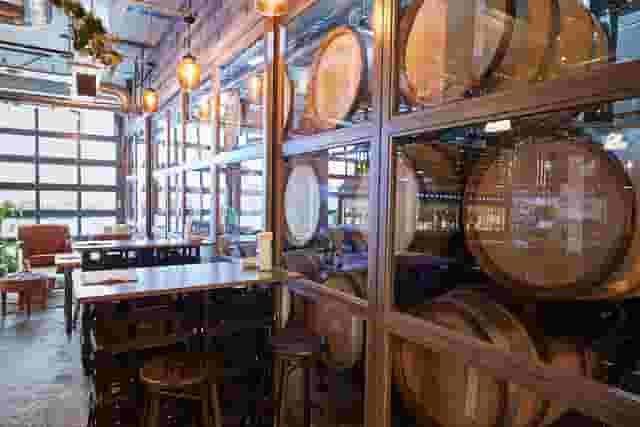
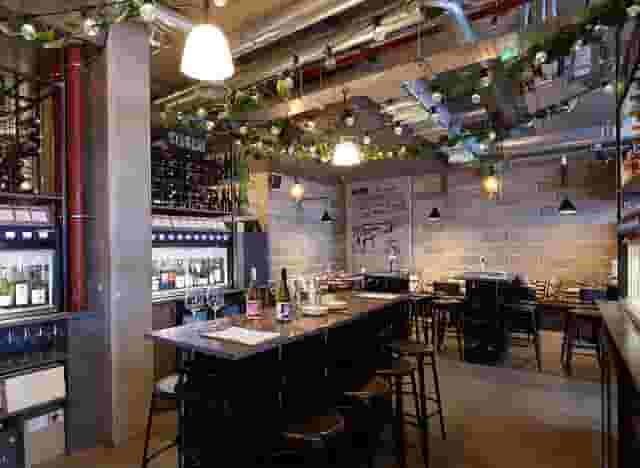
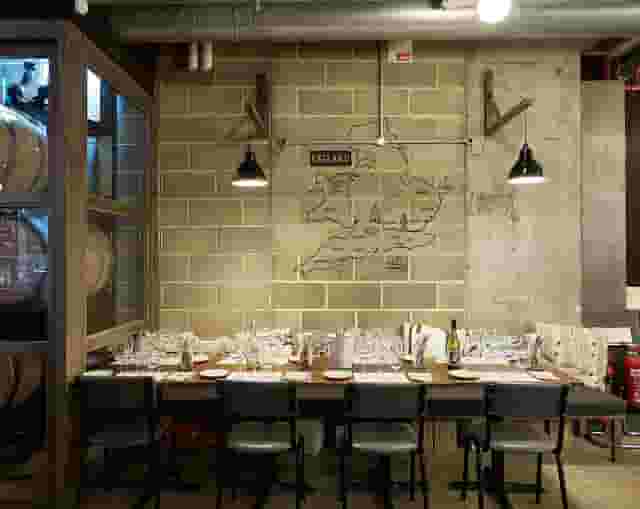
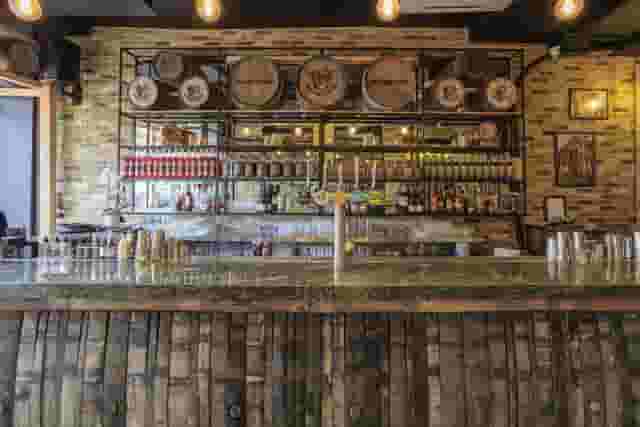
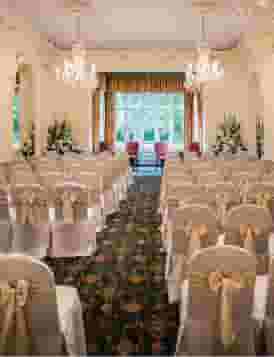
For targeted groups of under 100, private character properties and distinctive production spaces keep people grouped together naturally. London Cru Urban Winery in West London offers an industrial winery setting for 100 guests standing, creating an immediate talking point around the winemaking vats. Further out in Kingston upon Thames, the Edwardian Ballroom at Warren House Hotel accommodates 90 guests for a reception in a Grade II listed Victorian mansion with landscaped gardens, working well for executive retreats that finish with evening drinks.
Layout, crowd movement and room flow
The physical arrangement of a networking room directly controls how long guests stay and how many people they meet. The primary risk at a drinks and canape event is static clustering, where guests form fixed circles that newcomers cannot penetrate. Designing the floor plan with deliberate movement points prevents dead zones and keeps energy levels high.
Circulation and furniture ratios
A standing reception should never mean an empty room with drinks on trays. High poseur tables give standing guests a place to rest glasses while checking phones or business cards. Pair these with lower seating clustered around the perimeter, providing quieter zones where deeper one-to-one conversations can happen without blocking the main walking routes.
Keep furniture away from the primary entrance. When guests arrive, they need a clear line of sight into the room, immediate access to the cloakroom and a welcoming drink within thirty seconds. If the entry point is bottlenecked with high tables or a registration desk, queues spill backwards and incoming guests feel trapped in the doorway.
Distributing service points is equally critical:
- Set up at least two separate bar stations on opposite sides of the room for any group over 100 people.
- Brief circulating waiting staff to disperse from different corners so food trays do not all emerge from one kitchen door.
- Keep water stations self-service and clearly visible so guests do not wait in bar queues just for tap water.
- Position the acoustic focus or stage area away from the main bar to avoid sound clashes when speeches begin.
Food service and glassware choices
Canapes must be genuinely edible in a single bite. Any food that requires a knife, fork or two hands prevents people from shaking hands, holding a glass or exchanging contact details. Plan for four to six savoury pieces per person for a two-hour networking reception, or eight to ten pieces if the event runs over three hours and replaces dinner.
Ensure staff circulate with napkins and that discrete collection points for empty glasses and used skewers are cleared every fifteen minutes. Cluttered tables make a room feel neglected, and abandoned glasses take up valuable table space that guests need for mingling.
Audio, visual and hybrid considerations
Most networking receptions feature five to ten minutes of brief welcomes or sponsor thank-yous. Never rely on the venue's general background speaker system for spoken remarks. A wireless roving microphone with proper PA amplification ensures the host can be heard without screaming over ambient room noise.
Check where power points and digital infrastructure sit before confirming your setup. Fast, password-free guest Wi-Fi and reliable mobile coverage are non-negotiable for professional events where attendees are actively sharing updates or coordinating follow-ups. If your event bridges in-person attendees with remote teams or digital communities, pairing your room audio with modern digital tools is worth exploring; take a look at our review of 5 of the best virtual networking tools on the market for ideas on managing hybrid interaction.
What networking receptions cost in South West London
Budgeting for an evening reception requires looking beyond the headline room hire rate. Across South West London, pricing typically falls between £54 to £151 per head. This indicative range is based on 8 quotes from the venues on this page for about 80 guests, assuming a standard evening party size.
Where your event lands within this band depends on whether the venue operates on a dry-hire rate, a minimum spend threshold or an all-inclusive delegate package.
| Pricing format | Typical inclusions | Potential extra costs | Best suited for |
|---|---|---|---|
| Per-person package | Room hire, welcome drinks, wine and beer allowance, 4 to 6 canapes, basic AV | Upgraded spirits, extended hours, coat check staff | Predictable budgeting with fixed guest headcounts |
| Minimum spend | Exclusive use of room, bar spend credited against total bill | Room hire top-up if bar spend falls short, AV technician fees | High-attendance internal socials and informal client drinks |
| Dry hire | Raw space access, loading access | Full catering, mobile bars, temporary staffing, furniture hire, cleaning | Bespoke branded environments, unusual layouts, specific cultural catering |
Venues towards the £54 end of the pricing range usually operate on pub minimum spends or simpler venue packages featuring house wine, draft beer, soft drinks and basic finger food. At this level, furniture is typically existing in-house stock and AV is limited to a single microphone and background music connection.
Venues approaching the £151 end of the range reflect premium private clubs, hotel suites and landmark settings. Quotes at this level generally provide sparkling wine or Champagne on arrival, premium wines, a broader selection of complex hot and cold canapes, dedicated cloakroom attendants, on-site event managers and commercial-grade sound systems. Hire Space 360 is enterprise venue and hotel procurement for companies spending £1m or more a year on meetings and events: a managed meetings and events programme, the kind procurement teams call strategic meetings management. For companies coordinating client hospitality throughout the year, the programme brings every booking onto a single agreement with centrally negotiated rates, keeping bookings compliant with company event policy while providing consolidated invoicing. You can see how Hire Space 360 works for procurement to give finance teams live spend reporting and named sourcing specialists across all corporate events.
Hidden extras to check before signing
When reviewing proposals, ask the venue to clarify what is included in the base figure. Standard extras that frequently appear on final balance sheets include:
- Staffing and service charges: Check whether waiting staff, bar tenders, security personnel and cloakroom attendants are included in the quote or charged as an hourly supplement. Discretionary service charges across London typically add 12.5% to food and beverage totals.
- AV and technical support: Many venues include a screen and handheld microphone, but patching into complex lighting systems, hiring staging or having an on-site technician present throughout the speeches often incurs additional fees.
- Overtime and de-rig fees: Check the precise contracted departure time. If your event is scheduled to finish at 21:30, confirm when guests must vacate the building and whether your suppliers have sufficient time to pack down without triggering late-night penalty rates.
- Deposit schedules and cancellation terms: Most corporate contracts require a 50% deposit upon confirmation, with the balance due four to six weeks prior to the event date. Always confirm the cut-off date for final headcount confirmations, which is usually when catering numbers are locked down.
Managing timings, licences and guest journeys
An evening networking event relies on momentum. Because guests are arriving after a full workday, the programme must respect their time while giving them a compelling reason to stay for the duration.
Structuring the evening agenda
A two-and-a-half to three-hour window is the sweet spot for an evening business reception. A proven running order ensures guests settle in, hear the core message and have ample time to connect:
- 18:00 to 18:45: Guest arrival, registration, cloakroom drop, welcome drinks and circulating cold canapes. Background music should stay low enough that people do not have to raise their voices.
- 18:45 to 19:00: Short welcome remarks. Keep executive speeches under ten minutes. Guests are standing, holding drinks and waiting to talk; long presentations will cause attendees to tune out or slip to the edges.
- 19:00 to 20:30: Main networking period, hot canapes served, bar fully open for replenishment. This is the window for structured introductions or sponsor networking.
- 20:30 to 21:00: Last orders called, desserts or sweet bites served, event wraps up.
Licencing and noise regulations
South West London features a high proportion of residential neighbourhoods, particularly across Chelsea, Fulham, Wandsworth and Richmond. Venues in these boroughs often operate under strict local authority premises licences.
Ask the venue about their specific music and alcohol curfews. While central London spaces might hold 01:00 licences, many suburban and riverside properties have outdoor terrace curfews of 21:00 or 22:00, after which all guests must move indoors to comply with noise restrictions. Similarly, confirm loading bay hours; some venues cannot accept equipment deliveries before 08:00 or after 20:00, which can restrict external staging, production or florist deliveries.
Public transport and arrival considerations
Getting guests to your venue comfortably dictates the turnout rate. South West London offers extensive rail, tube, bus and river connections, but connectivity varies significantly between postcodes.
Venues close to the District line (such as Fulham Broadway, West Brompton and South Kensington) or the Northern line extension (Battersea Power Station) give quick transit from Mayfair, Victoria and the City. For venues further out along the river or towards Kingston, guests will rely heavily on South Western Railway services from Waterloo or Clapham Junction.
When sharing invitations, clearly spell out:
- The nearest railway or Underground station, noting which exits offer step-free access for guests with mobility requirements.
- Walking distances and direct bus routes from major interchange hubs.
- Current transport updates: note that Clapham Junction is undergoing footbridge works, which can extend interchange times for attendees travelling across rail lines.
- Safe drop-off points for taxis and rideshare services, ensuring guests know where drivers can legally pull up outside the venue doors.
Providing clear transport advice and selecting a venue with a layout that encourages movement ensures your networking reception feels effortless, focused and productive from the moment the first guest checks in.
What our customers say
Inspiration and planning guides

11 Techniques That Will Make You Better At Networking
Is your networking not working? Some people, it seems, absolutely love it - they swan in, glide through the party, charm everyone, and swap business cards like they're handing out Pokémon in a playground. But not all of us are like that.

6 Networking Venues That'll Seal the Deal
Networking is a key tool in today's competitive business world: it's often a necessary activity when trying to secure the right contacts, gain new employment or generally advance professionally. But in order to successfully rub elbows, you'll need an inspiring venue – such as one of these slick spaces. 1. Lee Valley VeloPark [https://hirespace.com/Spaces/London/107652/Lee-Valley-VeloPark/Velodrome-Track-Centre/Business] Stratford Few venues can claim to have been a part of the 2012 London Ol

EventLAB Series: Introducing the Event
We're very excited to introduce EventLAB [https://eventlab.online/], our first two-day event designed to take event professionals through every step of the event planning process. We'll be bringing you the latest updates in the run-up to the event in our 'EventLAB Series' [https://hirespace.com/blog/tag/eventlab//], including relevant content and a little glimpse of the speakers, workshops and themes that will feature at the event. In the first instalment, we’ll explain all there is to know a
One supplier. Every venue. Full visibility on what you spend.
Multiple venues and events. One agreement.