Galleries for Hire in London
Explore London art galleries for private views, evening talks and drinks receptions, with clear specs and live guidance from Hire Space.
658 Galleries for Hire in London















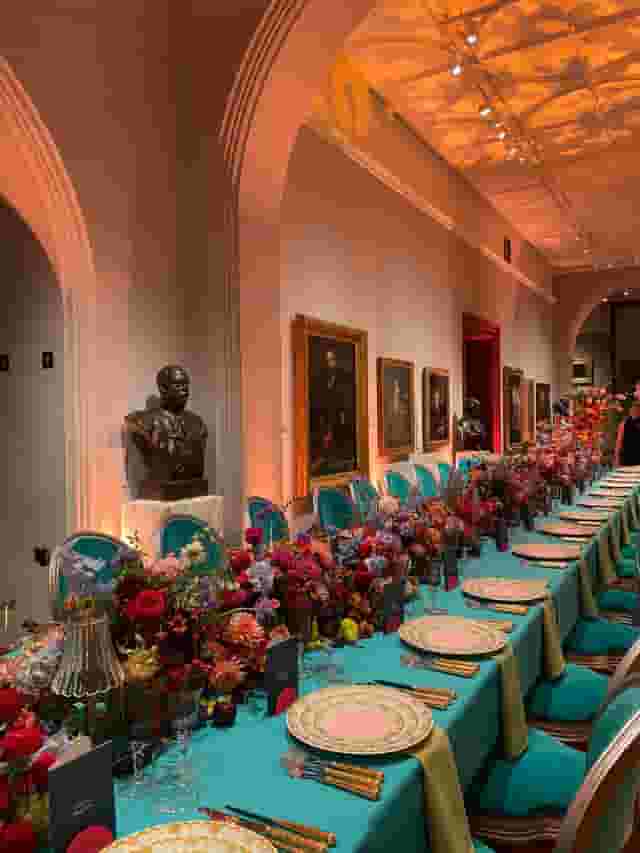
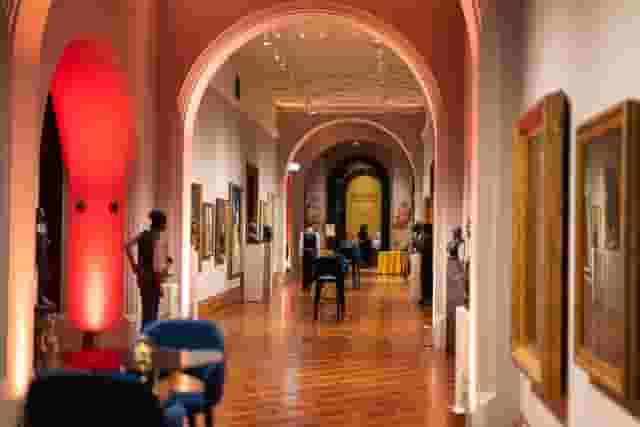
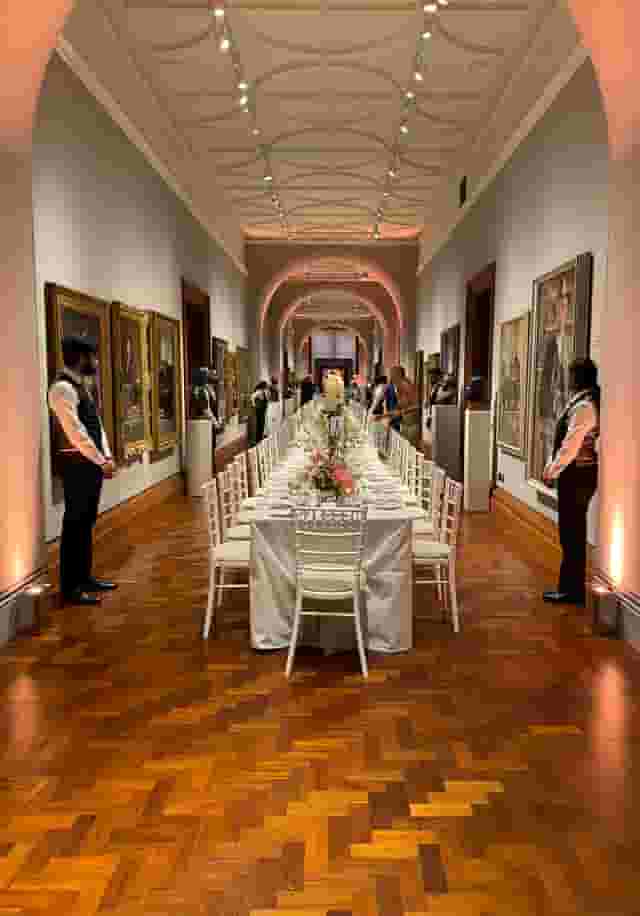
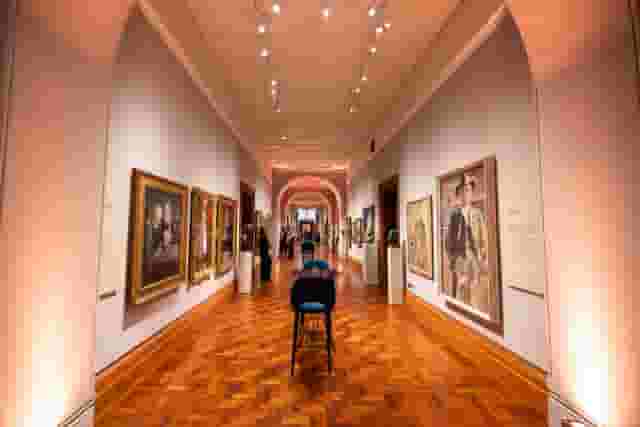
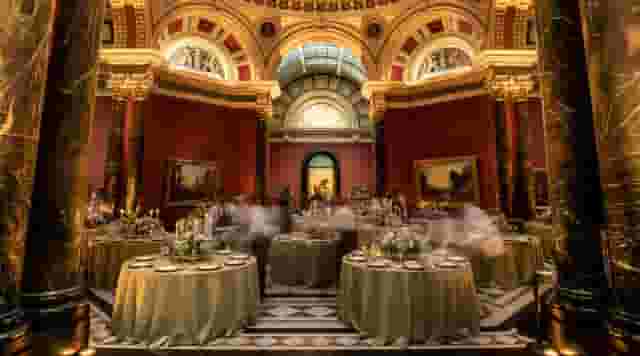
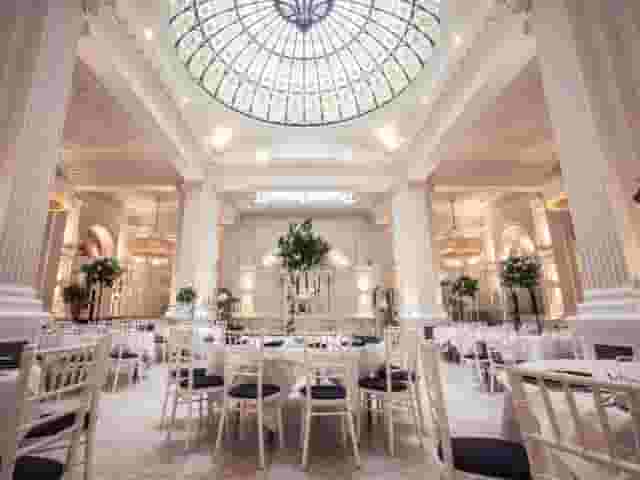
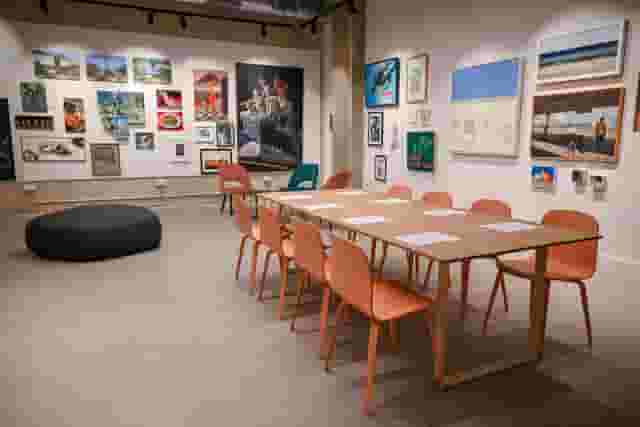
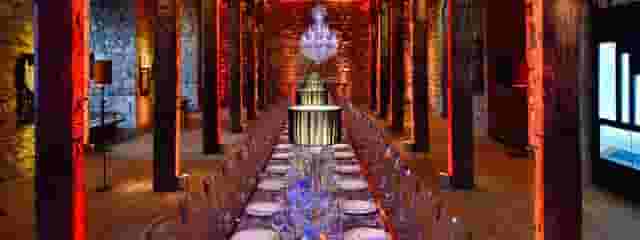

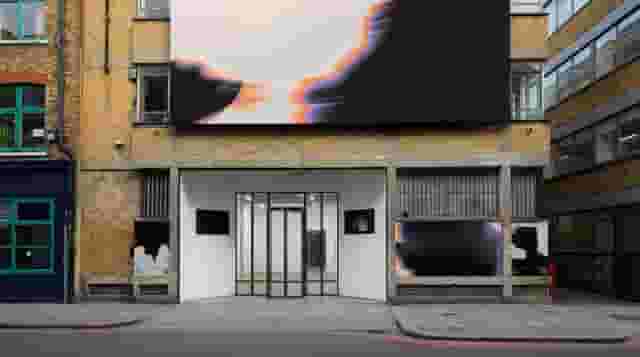
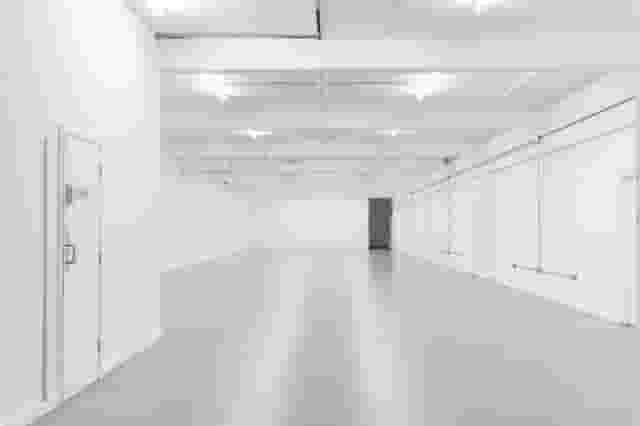
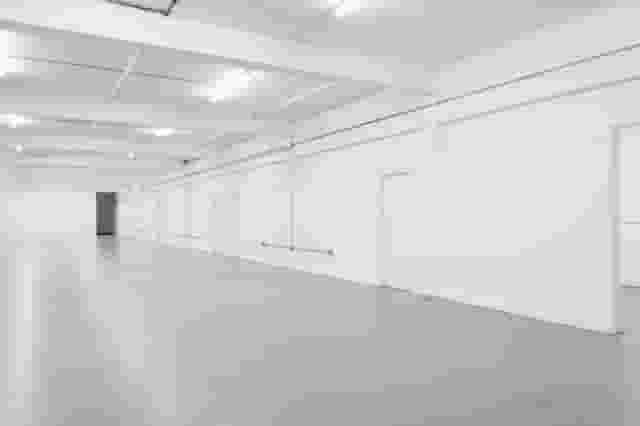
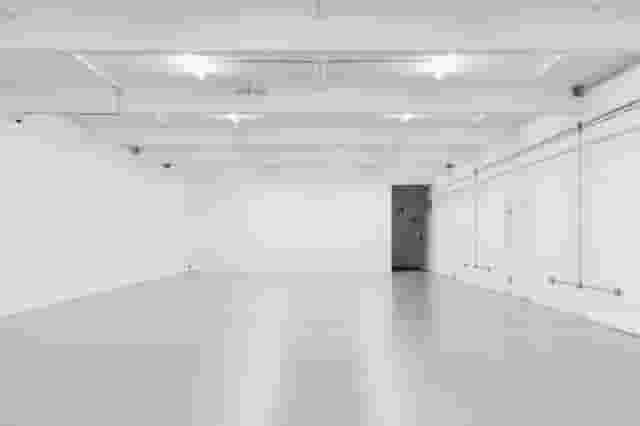






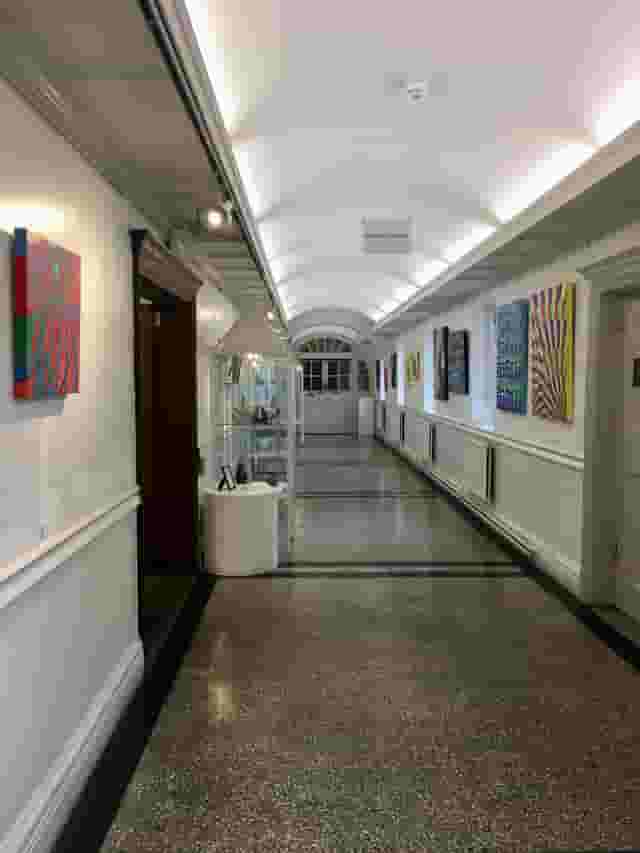
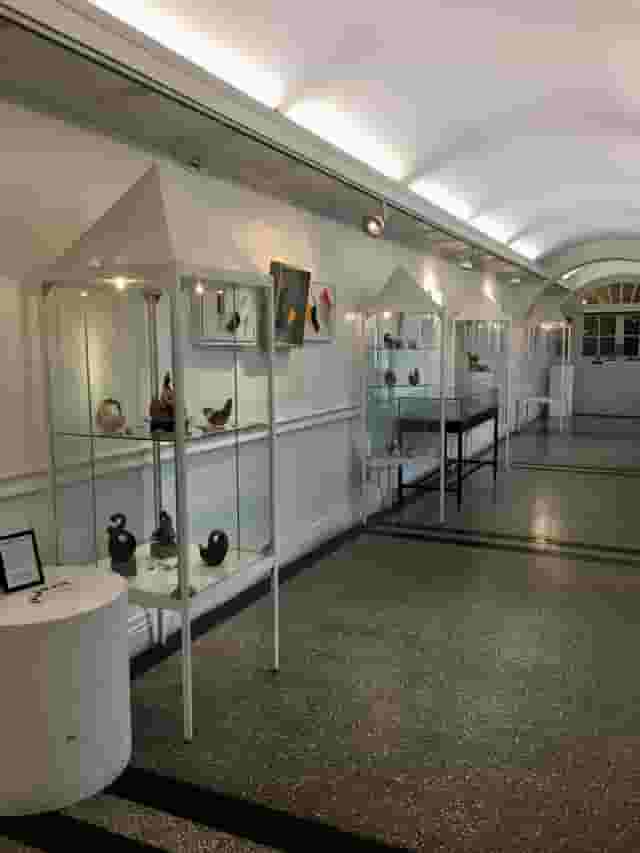
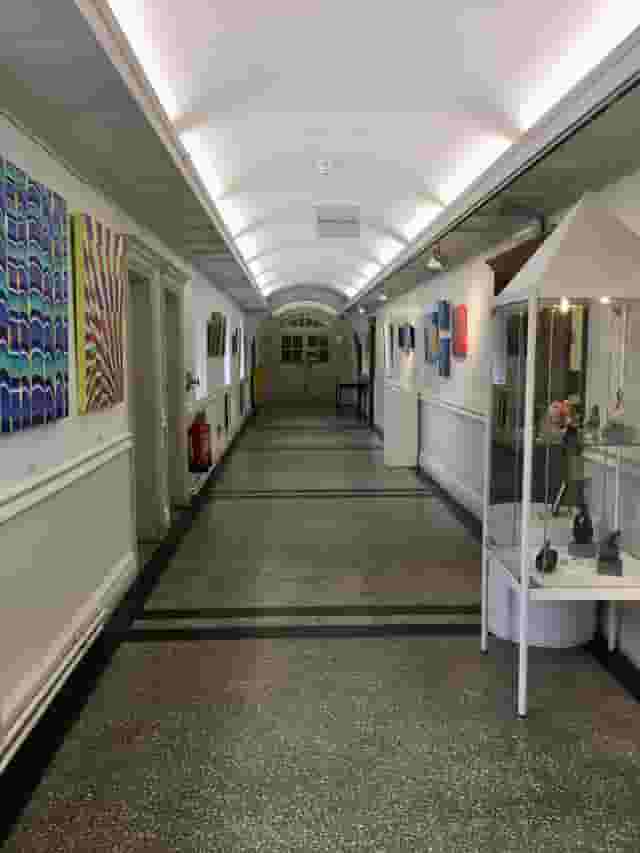
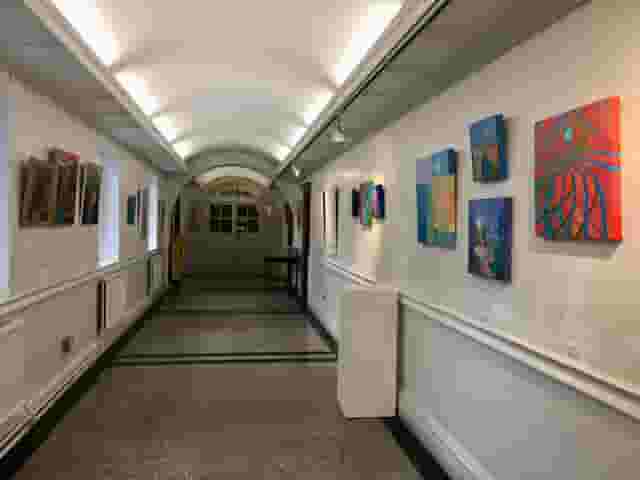

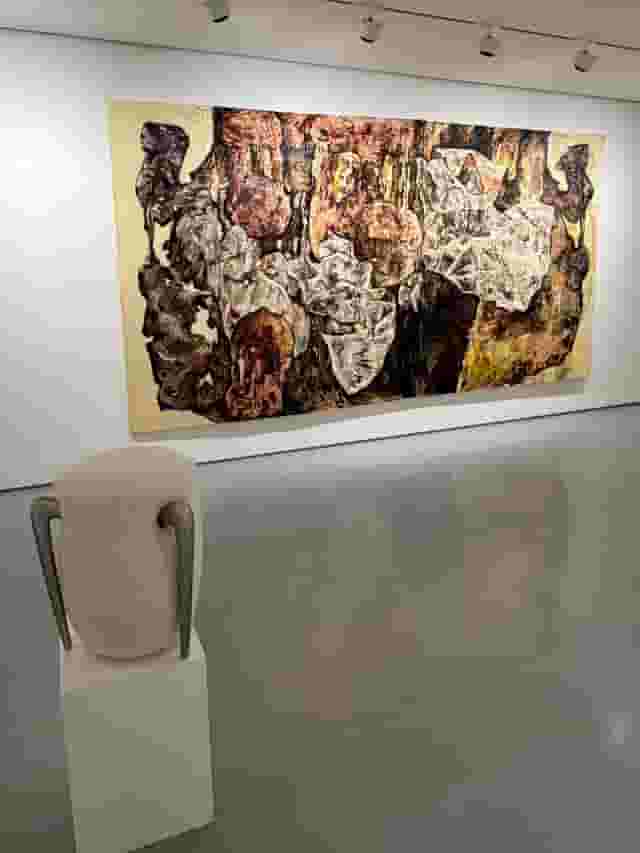
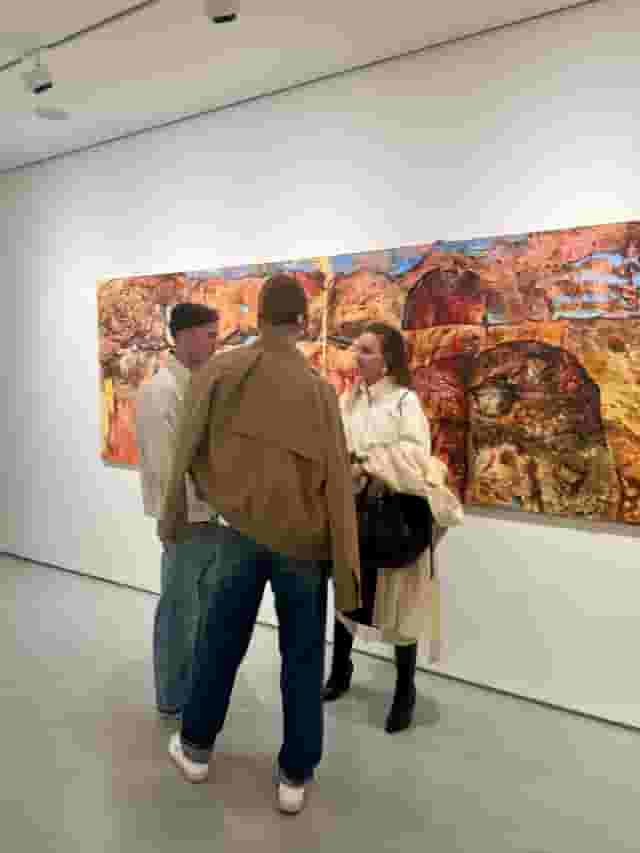
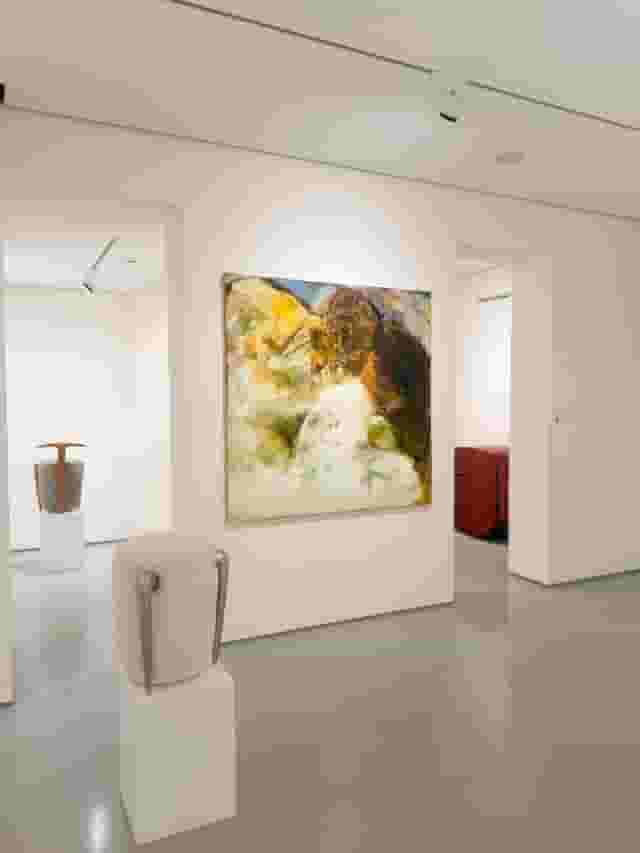
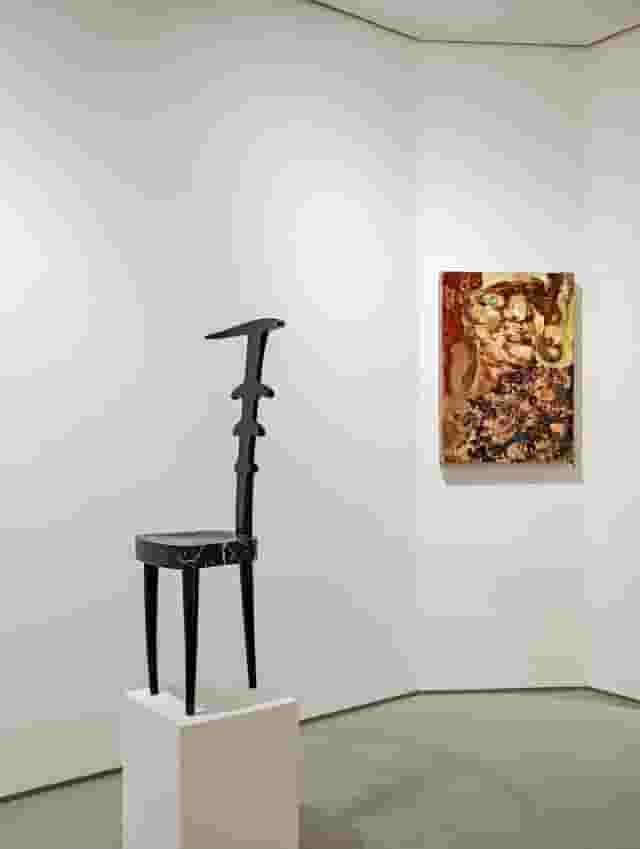




































No venues match these filters
Try widening your capacity, luxury level or event type.
Don't have time to search? We'll find it for you.
For business events that need human judgement, talk to our team. Free for events of 100+ people, budgets over £10k or ongoing programmes.




Explore more venues in London





Frequently asked questions
What events are perfect to be held at a Gallery?
How much does it cost to hire a Gallery venue?
I want to book a gallery for several weeks, is this possible?
What size gallery suits a London event?
Are central London galleries better?
How to ensure art safety in venues?
How to select a London gallery venue?
What tech should a gallery venue have?
Which gallery settings work best for intimate vs large corporate events?
What technical features are essential in London galleries for exhibitions?
What logistical support do proven London galleries typically offer?
What key factors determine a successful gallery event in London?
How do gallery spaces in London cater to corporate event requirements?
How does centrality of a gallery in London impact attendee accessibility?
What per head budget range should I expect for a gallery event in central London?
How can event planners optimise ambiance in a London gallery?
Other platforms search their database. We search everything.
Tell us what you need. Our deep research finds any venue, whether it's in our marketplace or not. No one else does this.
About Galleries in London
Structuring the evening: flow between art, drinks and speeches
Planning a cultural evening built around a private view, a drinks reception and a talk requires a deliberate running order. Unlike a standard drinks reception where guests drift naturally across a room, a gallery event has distinct phases that compete for attention. Guests want to inspect the artwork, talk to colleagues, hold a glass and listen to a speaker. Attempting to do all four at once leads to crowded pinch points and distracted audiences.
The most reliable schedule breaks the evening into three clear chapters. Start with an arrival window of 45 to 60 minutes dedicated to drinks and private viewing. When guests enter an exhibition space, their first instinct is to explore the walls. If you try to hold a welcome speech ten minutes after the doors open, half the room will still be examining paintings with their backs turned. Let them circulate, grab a drink and take in the collection at their own pace.
| Phase | Duration |
|---|---|
| Arrival and private view | 45 to 60 minutes |
| Call to talk and presentation | 20 to 30 minutes |
| Main reception and networking | 60 to 90 minutes |
Signalling the shift from private viewing to the talk is where many gallery evenings stall. Galleries often have hard stone floors, tall ceilings and minimal soft furnishings, creating an acoustic environment where raised voices echo rather than carry. Do not rely on clinking a glass with a spoon. Agree on a cue with the venue team, such as dipping the ambient lighting in the viewing corridors or using a chime over the public address system.
Keep the talk between 20 and 30 minutes. Standing audiences grow restless quickly, especially if they are balancing drinks. If your presentation runs longer, you will need cabaret or theatre seating, which fundamentally changes how much space remains for the rest of the night. After the talk concludes, reopen the bars and allow guests to return to the exhibits for the remainder of the evening.
Choosing the right gallery format for your guest count
London galleries fall into three operational models: major cultural institutions, independent societies with permanent exhibition programmes and commercial dry-hire white cubes. Each model suits a different guest count and imposes different rules on how your event operates.
National institutions and historic collections
Major institutions give an evening immediate prestige, but they operate under strict conservation controls. These spaces are open to the public during the day, which means private event access rarely begins before 18:00 or 18:30. In exchange for the late setup window, your guests gain after-hours access to world-famous collections.
For large gatherings, spaces such as the National Portrait Gallery, which can accommodate 900 guests for a standing reception, offer grand architectural surroundings that need little decorative addition. You can read more about hosting within major historic art spaces in our guide to dining at the National Portrait Gallery. Similarly, Room 34 at The National Gallery accommodates up to 350 guests beneath grand ceilings in Trafalgar Square. Further details on organising corporate events in these rooms are covered in our feature on planning an event at The National Gallery.
If your preference leans towards industrial architecture, the brutalist South Room at Tate Modern handles 300 guests for a reception, offering river views and dedicated lift access that keeps your group self-contained.
Independent societies and commercial galleries
Commercial and independent galleries offer far more flexibility for daytime access, branding and bespoke catering. These spaces are accustomed to rotating exhibitions, making their teams comfortable with production crews and temporary AV installations.
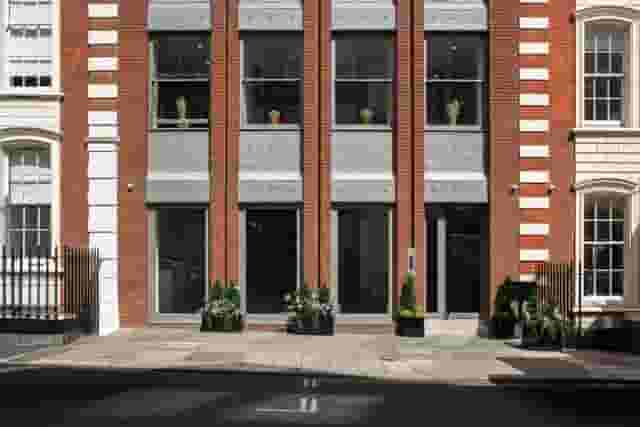
Mall Galleries, located on The Mall near St James's Park, accommodates up to 350 standing guests across interconnected rooms. This layout works particularly well for an evening with a talk because you can base your presentation in one room while keeping food and drink service stationed in another. In Mayfair, 3 Hanover Square provides 6,000 square feet of gallery space holding up to 400 standing guests, well suited to presentations where clear wall space or brand takeovers are required alongside contemporary art displays.
Intimate and specialised exhibition rooms
When your guest list sits between 80 and 160 people, renting a 400-capacity gallery leaves the gathering feeling sparse. Smaller galleries keep the atmosphere focused and allow speakers to address the room without an arena-scale sound system.
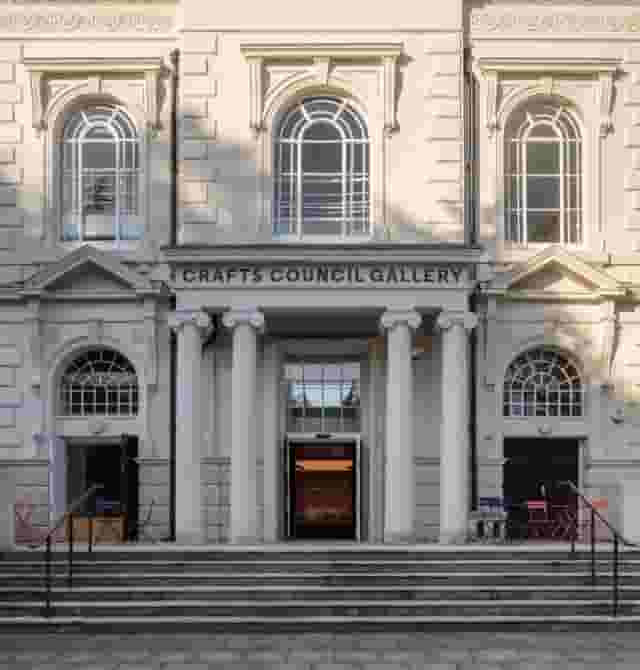
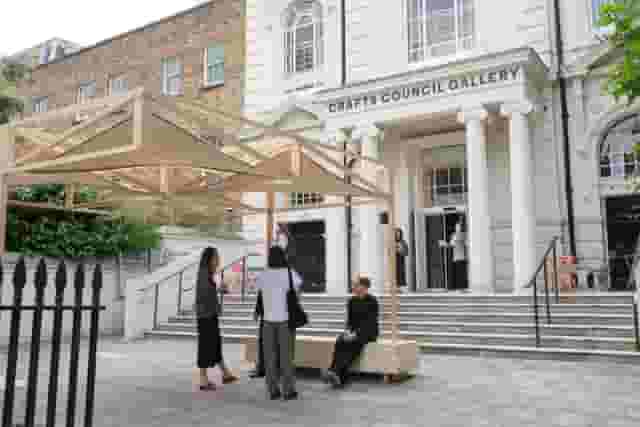
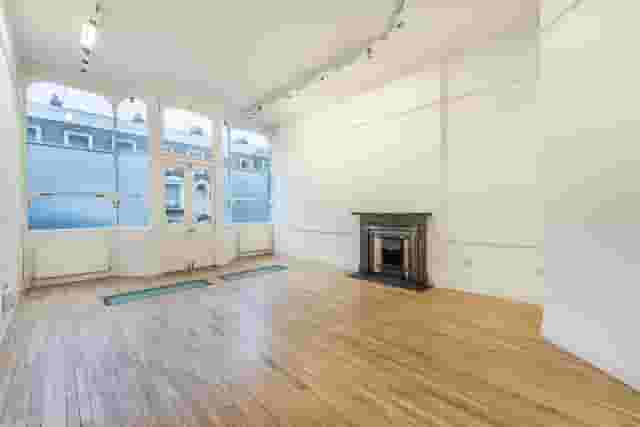
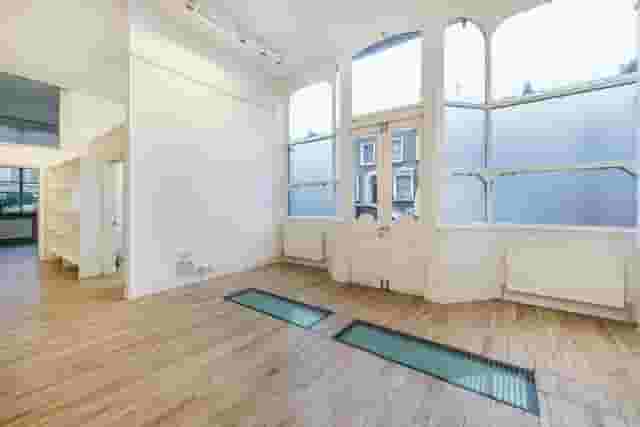
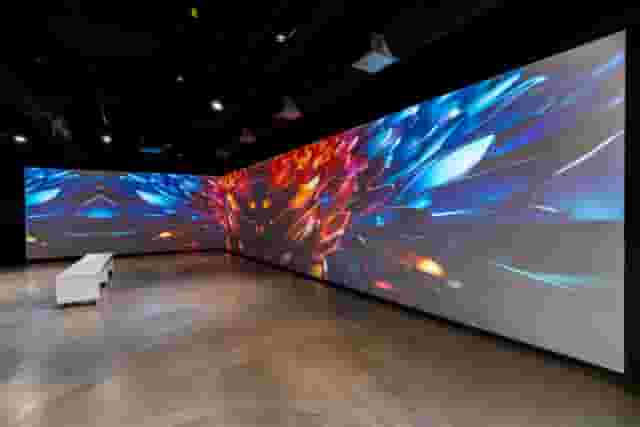
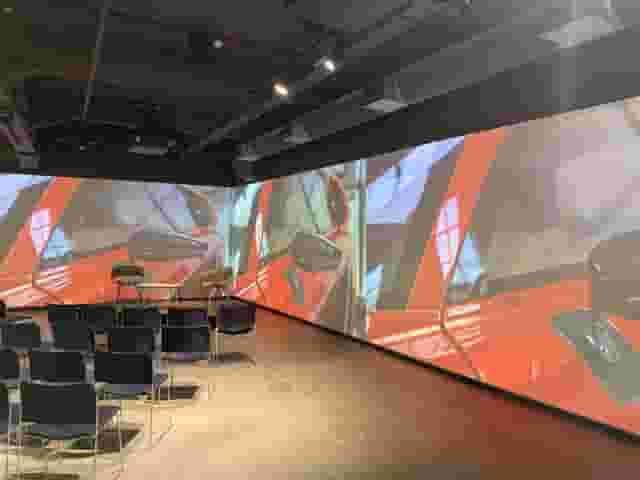
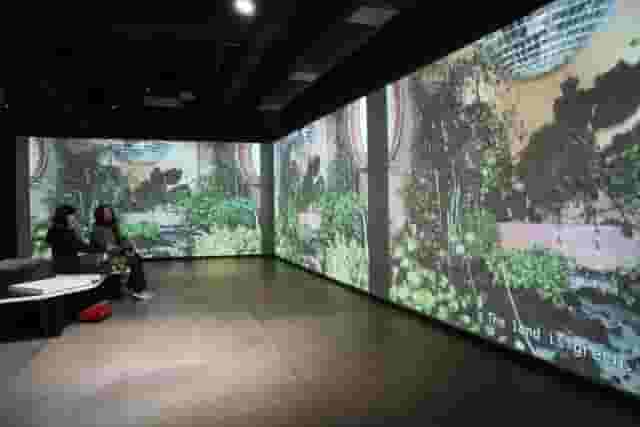
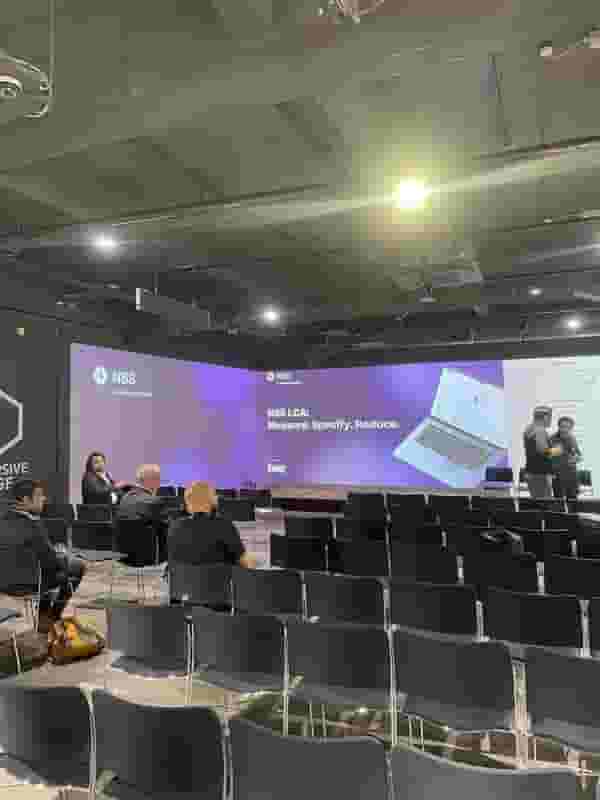
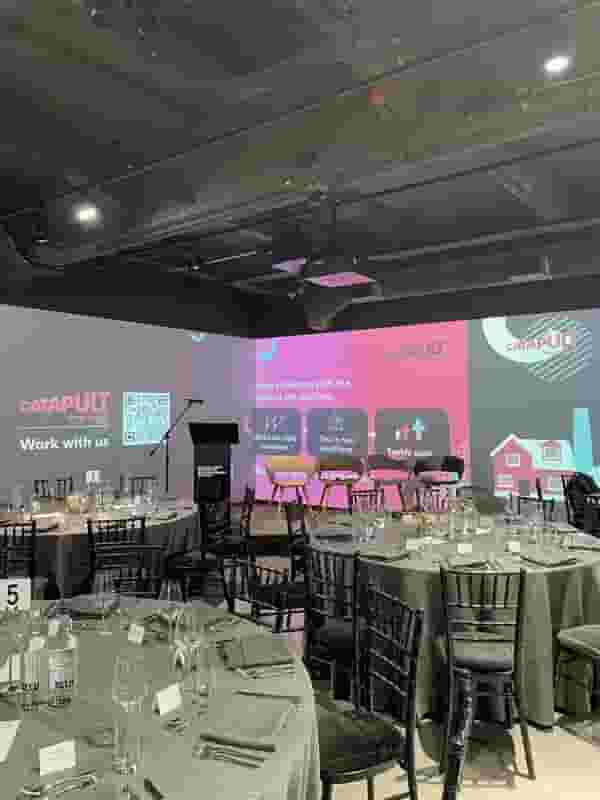
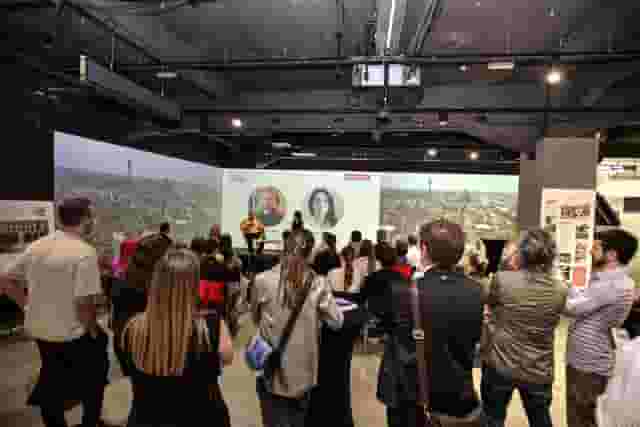
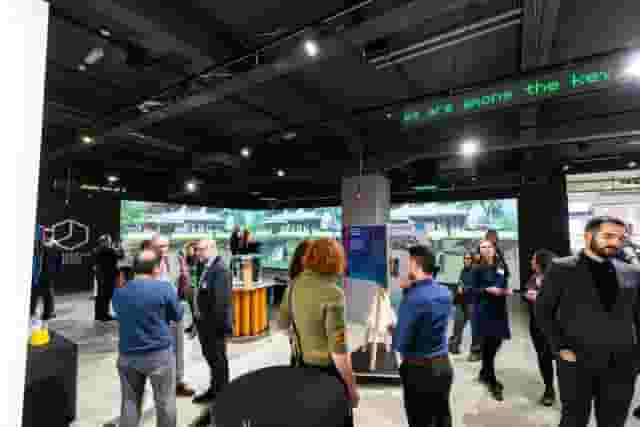
The Crafts Council Gallery in Islington, set within a converted 18th-century chapel, holds up to 160 guests for a reception and provides a contemporary backdrop for craft and design-led talks. In East London, ALL PROJECTS in Hoxton accommodates 120 guests for standing events, offering a flexible studio setting for creative talks and launches. If your evening requires digital projection or screening facilities, the Main Gallery at The Building Centre in Bloomsbury seats 100 guests for dining and includes a built-in 16-metre video wall that avoids the need to bring in external staging and screens.
| Venue | Locality | Reception capacity | Best suited for |
|---|---|---|---|
| National Portrait Gallery | Westminster | 900 | Large corporate receptions with private collection viewing |
| 3 Hanover Square | Mayfair | 400 | Brand takeovers and large contemporary receptions |
| Mall Galleries | Central London | 350 | Multi-room events dividing talks from drink service |
| The National Gallery | Trafalgar Square | 350 | Formal heritage receptions in central London |
| Tate Modern | Southwark | 300 | Receptions wanting industrial architecture and city views |
| Crafts Council Gallery | Islington | 160 | Mid-sized talks, design events and creative workshops |
| ALL PROJECTS | Hoxton | 120 | Independent private views and community-led gatherings |
| The Building Centre | Bloomsbury | 100 (Dining) | Presentation-led events needing large digital display walls |
Managing technical delivery and artwork protection
Galleries are designed to display art, not host technical stage setups. Combining audio visual equipment, waiting staff and priceless exhibits requires careful coordination before anyone loads a flight case into the building.
Sound, vision and acoustics
Acoustics are the primary technical hurdle in gallery spaces. Polished floorboards, exposed brick and plasterboard bounce sound waves around the room, which turns speaking voices into mud.
- Use multiple small speakers on low volume positioned along the guest area, rather than two large speakers blasting from the front. This delivers even sound without blowing out the front row.
- Stick to directional wireless handheld or tie-clip microphones. Avoid omnidirectional mics that pick up ambient room chatter and echo.
- Check whether screens can be mounted on stands or if projection is permitted on neutral walls. Many historic venues forbid anything touching or projecting onto protected surfaces.
- Ensure cables are taped down with approved residue-free gaffer tape along designated skirting routes, well away from wall-mounted works.
For more inspiration on spaces that balance strong visual character with practical presentation capability, browse our curated collection of five London art galleries for your next event.
Conservation rules and catering boundaries
Artwork conservation governs what caterers can serve and where guests can walk with a drink. Institutional galleries enforce these rules through invigilators and security teams stationed throughout the room.
Red wine is routinely banned in galleries containing historic paintings, tapestries or unsealed stone floors. A dropped glass of Pinot Noir can cause thousands of pounds of conservation damage in seconds. White wine, champagne, gin and tonics and light-coloured soft drinks are the standard alternatives.
Food service must be clean and manageable in a single bite. Avoid oily dips, flaky pastries or anything requiring a side plate. Caterers should prepare food in a separate back-of-house prep kitchen; naked flames, deep fat fryers and butane burners are strictly prohibited near exhibition rooms.
Position your bars away from high-value display walls. Guests naturally gather where the drinks are poured, creating crowd density that blocks circulation and increases the risk of someone bumping a frame. Place bars in doorways, central open floor areas or dedicated entrance lobbies.
Budgeting and comparing gallery quotes
Comparing gallery proposals can be confusing because venues structure their hire models differently. Some venues quote a bare dry-hire fee covering four walls, while others package venue management, security, cloakrooms and waste removal into the base price.
Across the wider market, research indicates that evening gallery venue hire: £1,500 to £12,000 in total. This figure generally covers building access for an evening reception or cultural gathering, but excludes catering, specialist staff, dedicated AV production and VAT. Where your quote falls within that range depends heavily on location, exclusivity, guest numbers and the public status of the building. To remove the guesswork, venue booking platform Hire Space provides instant, data-backed price estimates based on real booking figures so you can see what an art space is likely to cost before you enquire. Its team of real people works alongside you to guide the search and suggest alternative galleries at lower rates if your first choice sits over budget.
When budgeting for a complete reception including canapes, drinks, gallery staff and presentation support, market estimates indicate a central London gallery reception budget: £125 to £250 per head.
To compare your venue options accurately, break your event costs into fixed venue overheads and variable guest expenses:
| Cost category | Typical inclusions | Hidden extras to confirm |
|---|---|---|
| Fixed venue hire | Basic room hire, building insurance, standard ambient lighting | Get-in access before 17:00, late closing extensions past 23:00 |
| Venue staffing | Duty manager, security guards, invigilators, cloakroom attendants | Overtime rates if de-rig runs past midnight, extra security ratios |
| Catering and drinks | Service staff, glassware, bar setup, canape prep equipment | Corkage charges, kitchen setup fees, chef travel allowances |
| Production and AV | Microphones, PA speakers, technician, staging, uplighters | Load-in lift access, power distribution drops, PAT testing checks |
| Cleaning and waste | Post-event floor sweep, general surface wipe-down | Rubbish removal fees, recycling disposal, specialist art cleaning |
Always clarify whether the venue mandates an approved supplier list. Many galleries restrict catering and production to accredited suppliers who hold high-value public liability insurance and understand building conservation rules. While approved suppliers guarantee reliable execution, they can limit your ability to negotiate food and beverage costs down.
Access, timings and public opening hours
Logistical success in a gallery venue comes down to the access window. Unlike a dedicated conference centre where you might hold the room from 08:00 to midnight, an active gallery often has daytime visitors until late afternoon.
The turnaround crunch
If a gallery closes to the public at 17:00 or 18:00 and your guests arrive at 18:30, your production and catering teams have less than two hours to build the entire event.
During that turnaround, the venue must clear daytime visitors, clean the floors, position the bars, run audio cables, chill wine and set up check-in desks. To survive this compressed window, keep production simple. Choose self-powered wireless speakers that do not require extensive cabling, hire free-standing bars that wheel into position, and brief your caterer to complete food prep off site so canapes only require plating on arrival.
| Time | Activity |
|---|---|
| 17:00 | Public gallery closes to visitors |
| 17:15 | Production, AV and catering teams access event space |
| 17:45 | Sound check complete and bar stations stocked |
| 18:15 | Duty manager inspection and security briefing |
| 18:30 | Guest doors open for arrival and private view |
Get-out deadlines and transport
Most London galleries hold premises licences that require music and alcohol service to end between 22:30 and 23:00, with all guests off the premises by 23:30.
Get-out times are enforced strictly. In residential boroughs such as Kensington, Chelsea, Islington and parts of Westminster, council noise restrictions require load-out crews to clear equipment without generating street noise late at night. Make sure your production company knows whether gear must be removed immediately at midnight or if it can be safely stored in a locked back room until the following morning.
Central London galleries enjoy excellent tube and bus links, meaning guests can travel home easily. However, central locations present difficult loading conditions for supplier vans. Congestion zones, narrow service alleys, red routes and limited loading bays mean caterers and AV technicians need pre-booked delivery slots. Always ask the gallery manager for their detailed loading dock dimensions and vehicle access policy before signing contracts with your production crew.
What our customers say
Inspiration and planning guides
The Top 5 Gallery Event Spaces In London
Discover the top 5 gallery event spaces in London for your next product launch or exhibition. Explore unique venues that combine creativity and sophistication.

This Is Why London Has Such Unique Venues
At Hire Space, unusual venues are the name of the game. Passion to find a unique venue for an event seems to be unabated in London, but it's of little surprise when taking into account all the amazing spaces the capital has to offer. But just why is London filled with so many unusual venues for hire? We investigated: Romans, Saxons, Normans, Tudors and Stuarts. The Black Death, two World Wars and one Great Fire. London has seen it all and lived to tell the tale. That's why so many of its bu

Dine with Cézanne at the National Portrait Gallery
After years struggling to find a permanent space for the collection, The National Portrait Gallery opened it's current site on 4th April 1896. It is now renowned for its unique showcase of art, biography, history and fame, and welcomes over two million visitors a year, who come to view the famous faces who adorn the walls, from Shakespeare to the Duchess of Cambridge. The venue has also made a name for itself as a unique and beautiful event space, catering for anything from charity gala dinner
One supplier. Every venue. Full visibility on what you spend.
Multiple venues and events. One agreement.