Audition Venues in London
Discover London audition spaces and cultural venues with dedicated stages, reception bars and soundproof rooms for talks, private views and showcases.
3,338 Audition in venues in London
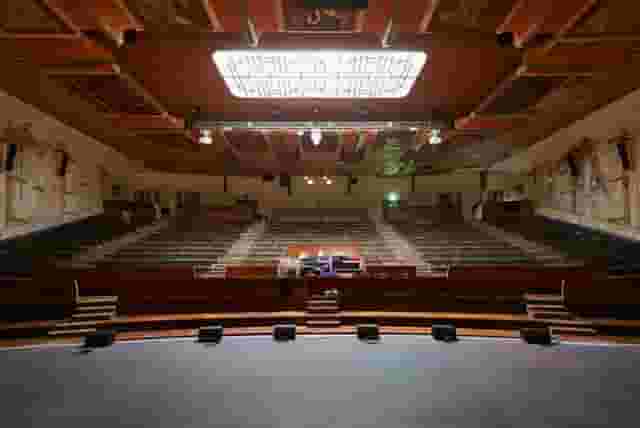
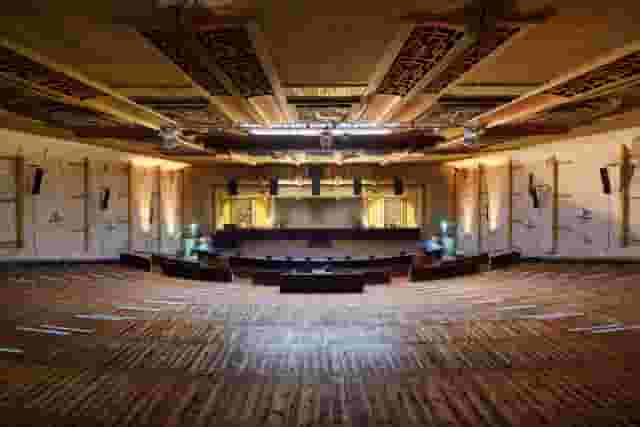











































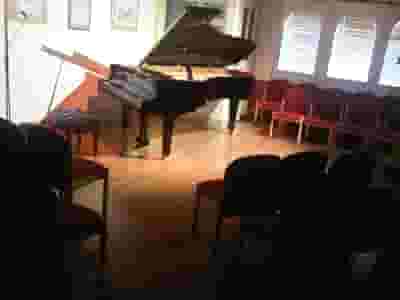
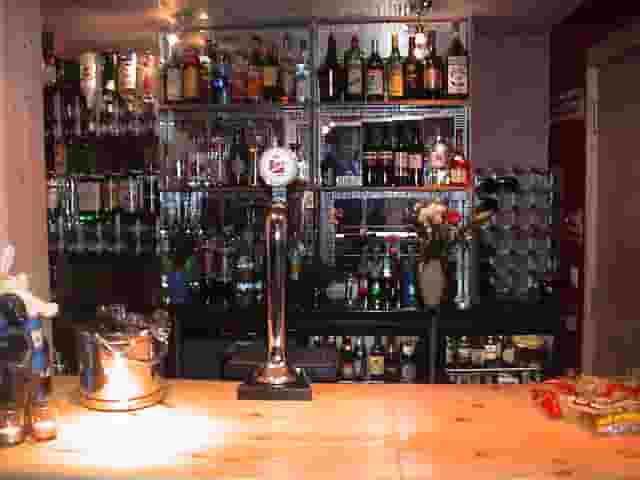


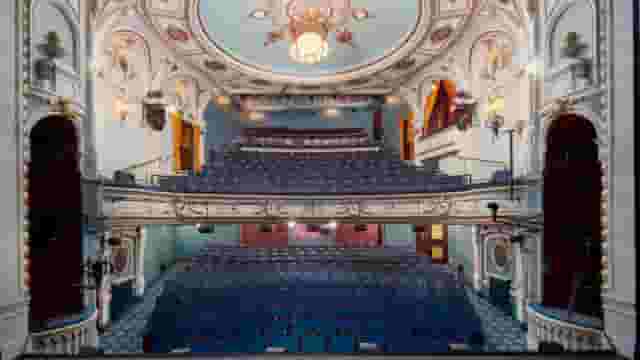
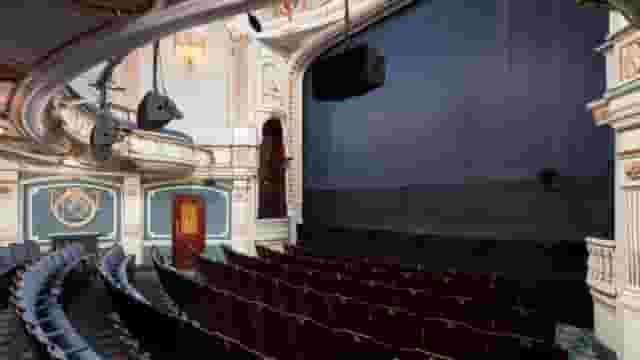









No venues match these filters
Try widening your capacity, luxury level or event type.
Don't have time to search? We'll find it for you.
For business events that need human judgement, talk to our team. Free for events of 100+ people, budgets over £10k or ongoing programmes.




Explore more venues in London







Frequently asked questions
Are there cost-effective audition spaces in London?
What's the best area in London for audition venues?
What should I look for in a London audition venue?
How can I find a tech-equipped audition venue?
How do I ensure privacy at an audition venue?
Other platforms search their database. We search everything.
Tell us what you need. Our deep research finds any venue, whether it's in our marketplace or not. No one else does this.
About Audition in London
Planning the flow between viewing, speaking and socialising
An evening that combines a private view, a seated talk and a drinks reception requires careful spatial planning. When an event asks guests to move between three distinct activities, the floor plan dictates how natural the transitions feel. If people are forced to drink in the same narrow corridor where they queued to see an installation, conversations stall and guest movement grinds to a halt.
The most successful format separates the presentation area from the social space. When a talk happens in the middle of a gallery or open hall, guests feel hesitant about speaking, glasses clink against plates during speeches and staff cannot replenish drinks without walking across the presentation sightline. Choosing a venue that offers interconnected rooms or a clear division between stage seating and circulating space lets each part of the programme breathe.
| Arrival & Private View | Seated Presentation/Talk | Drinks & Reception |
|---|---|---|
| Quiet gallery space | Tiered or raked seating | Spacious open floor |
| Clear sightlines | Dedicated PA and lectern | Accessible bar station |
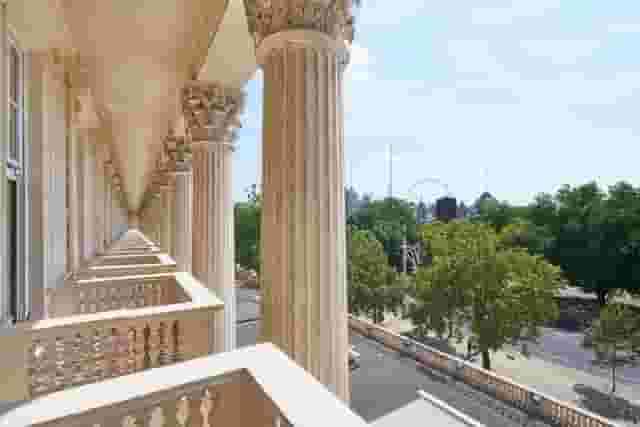
For mid-sized gatherings, spaces like the Institute of Contemporary Arts on The Mall provide an effective layout. Its Nash and Brandon Rooms hold up to 150 guests for a reception, offering distinct Regency rooms and balconies that allow a viewing or conversation to carry on in one room while speeches happen in another. For gatherings with a commercial or corporate focus, The May Fair Hotel in Mayfair features The Crystal Room, which accommodates 370 standing guests and sits adjacent to dedicated theatre and screening facilities. This setup allows organisers to run a presentation in a darkened auditorium before ushering guests directly into a fully staffed hospitality lounge.
When you map the running order, assign clear durations to each transition. Guests take around 15 minutes to finish a glass, deposit coats and move from a reception space into auditorium seating. Build that buffer into the schedule. If a guest speaker starts before everyone finds a seat, the opening remarks get lost under the rustle of late arrivals. Similarly, schedule bar service to pause five minutes before the talk begins so attendees focus on the stage rather than ordering another drink.
Stage acoustics and production essentials
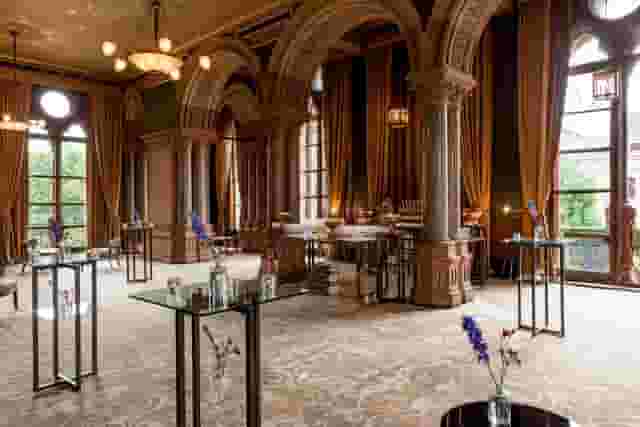
A cultural talk or audition presentation stands or falls on its technical setup. Historic halls and gallery spaces often look magnificent, but their hard stone surfaces, marble columns and vaulted ceilings can create reverberation that destroys vocal clarity. A room suited for a string quartet or art display can turn spoken words into an indecipherable wash of echo.
Before signing a contract, ask the venue manager for their full technical specification document. A basic house PA system meant for background music cannot handle multiple wireless handheld microphones or lapel packs without feedback. If your event includes a panel discussion, question and answer sessions or live readings, look for rooms equipped with acoustic baffles, perimeter drapery and professional sound reinforcement.
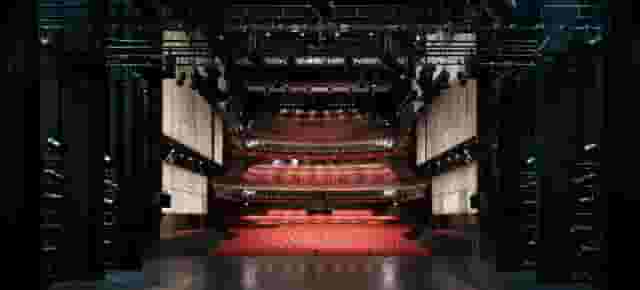
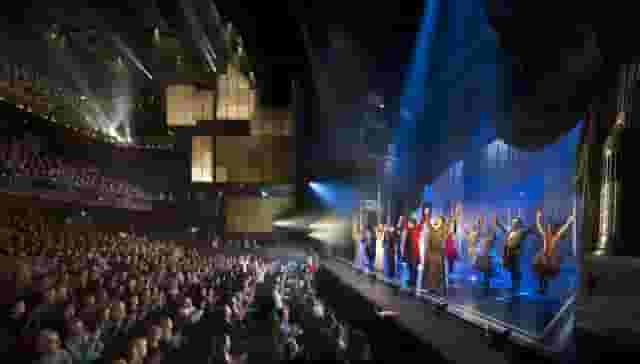
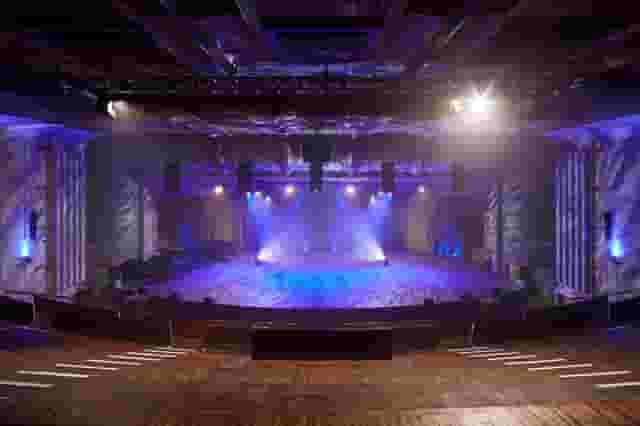
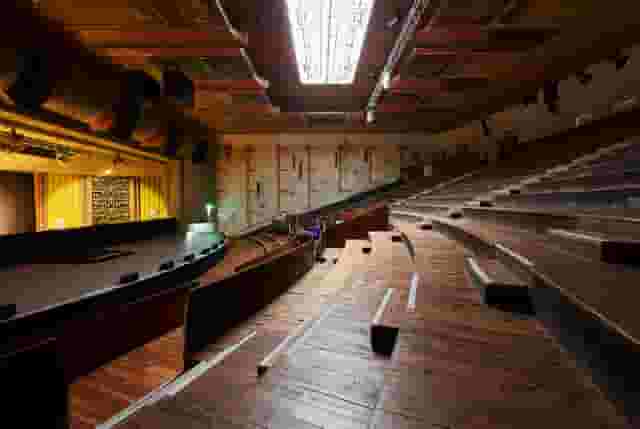
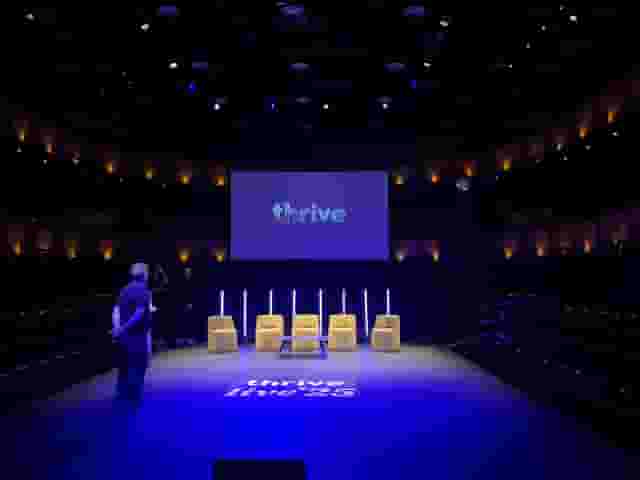
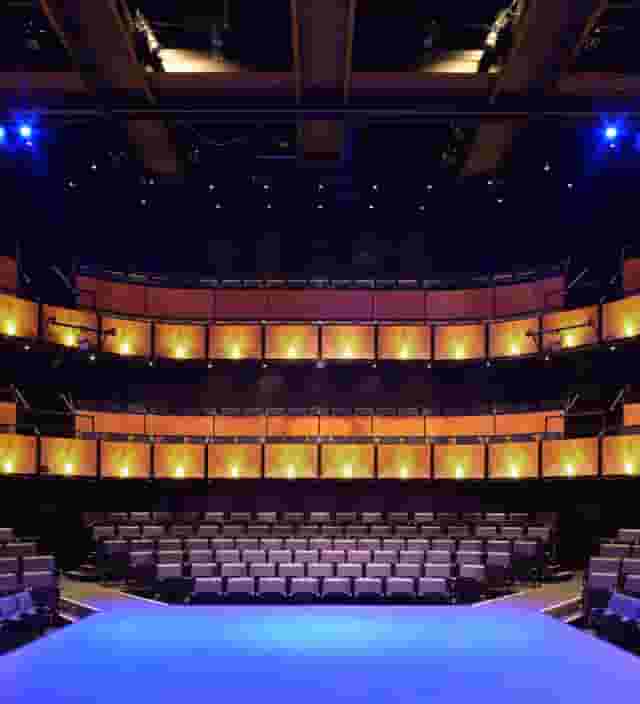
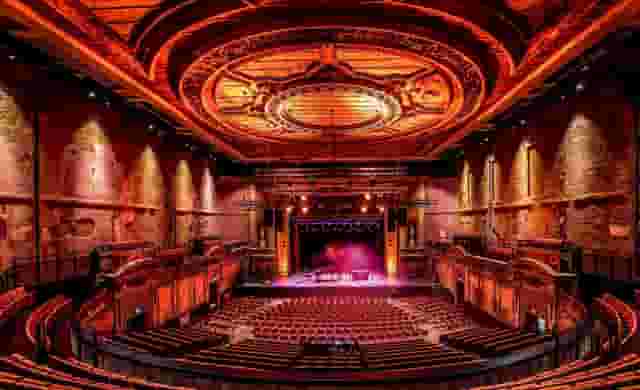
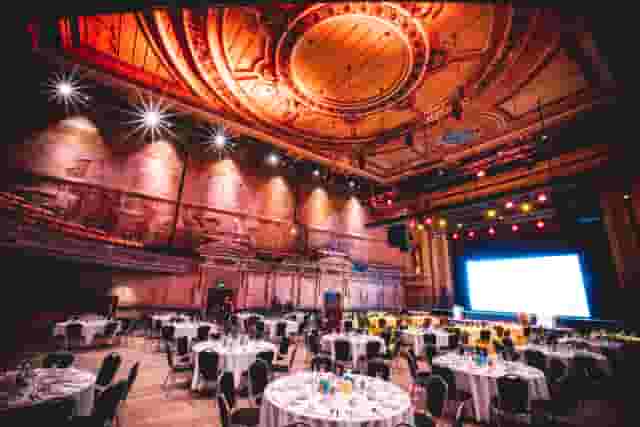
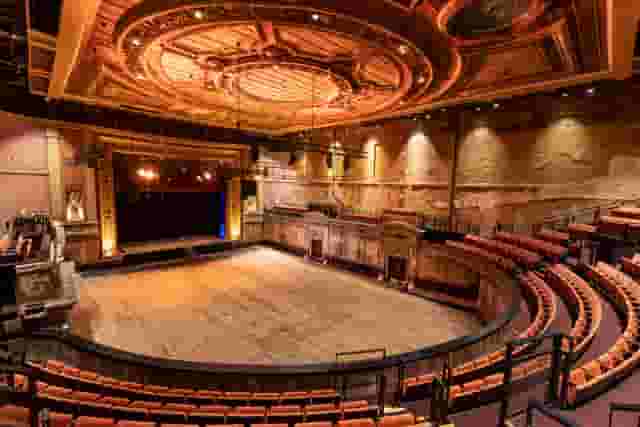
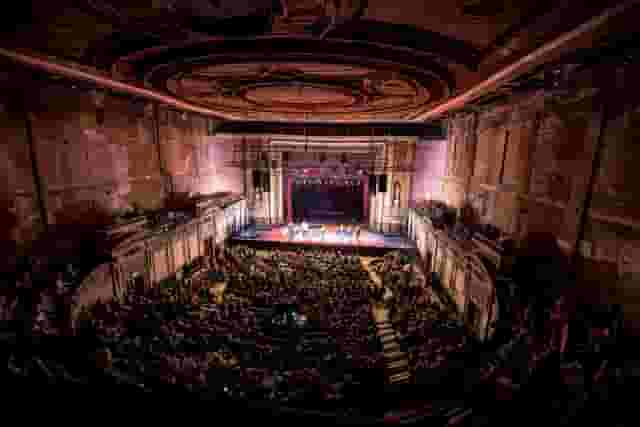
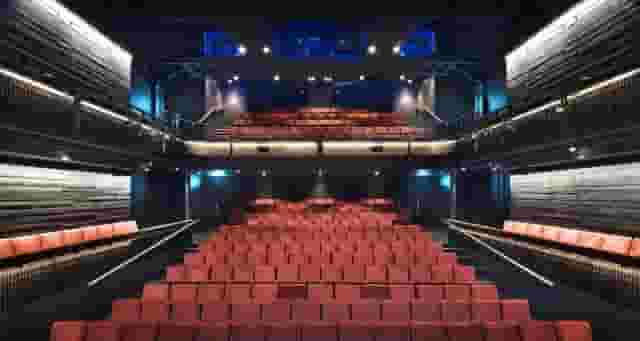
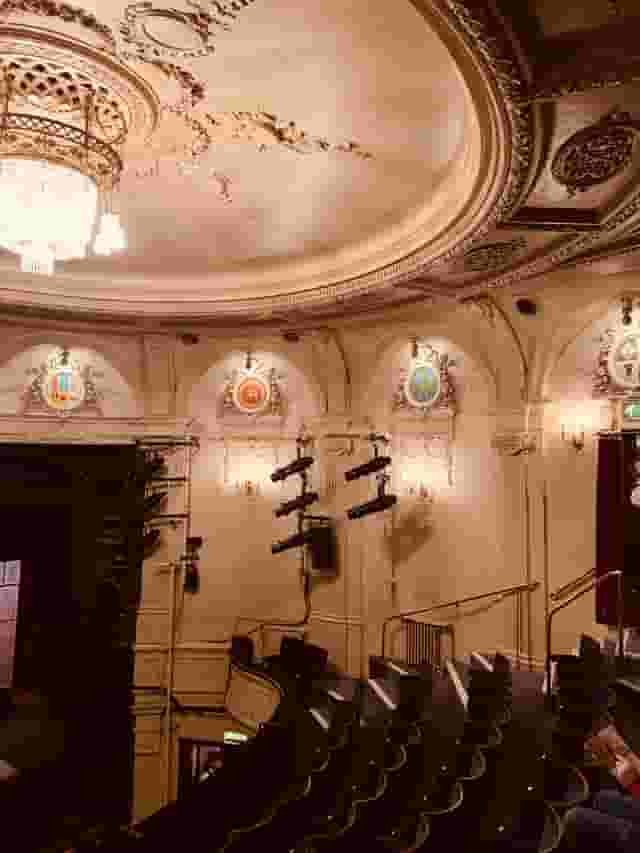
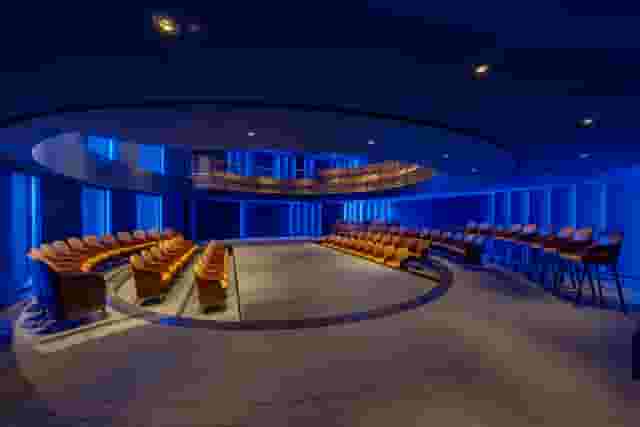
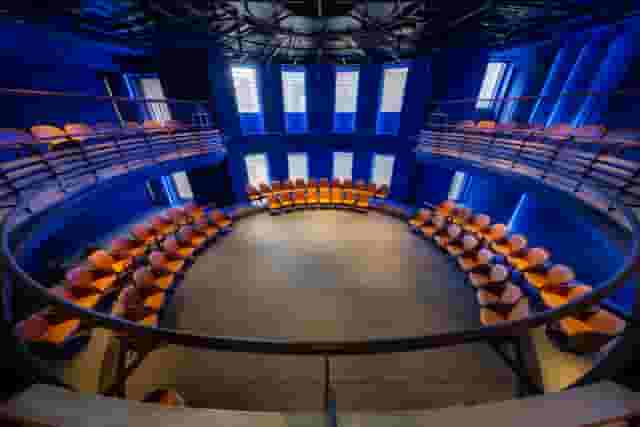
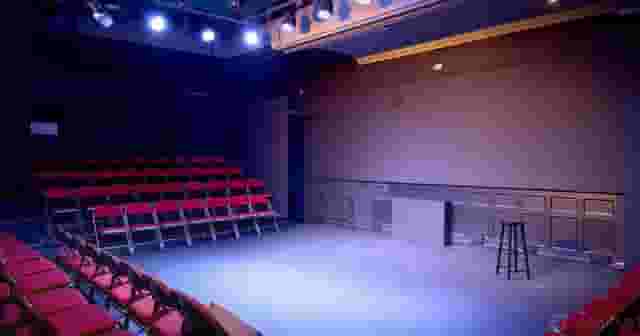
Dedicated performance spaces solve these problems at the architectural level. In Angel, Sadler's Wells provides an auditorium seating 1500 people with purpose-built stage technology, soundproofing and house lighting desks managed by resident technicians. In east London, EartH in Dalston offers a 700 capacity theatre space featuring restored amphitheatre seating alongside modern audio installations, letting organisers deliver talks or performance auditions with clarity before moving downstairs to its multi-room bar areas.
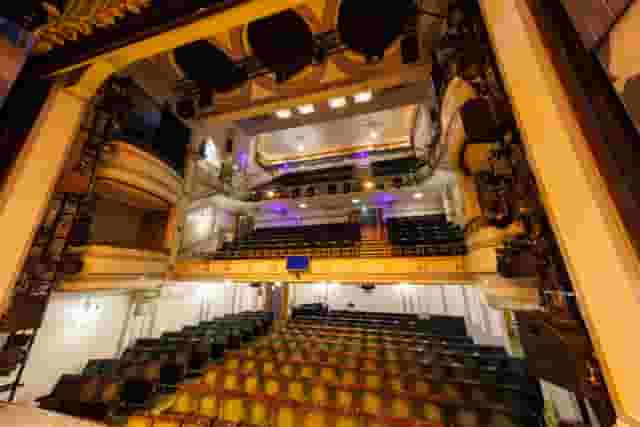
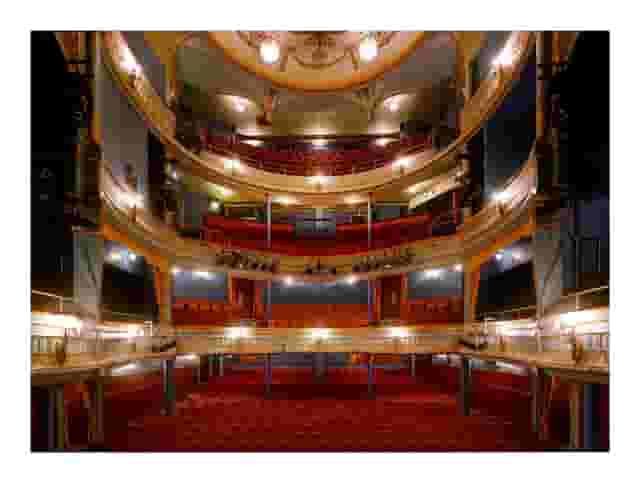
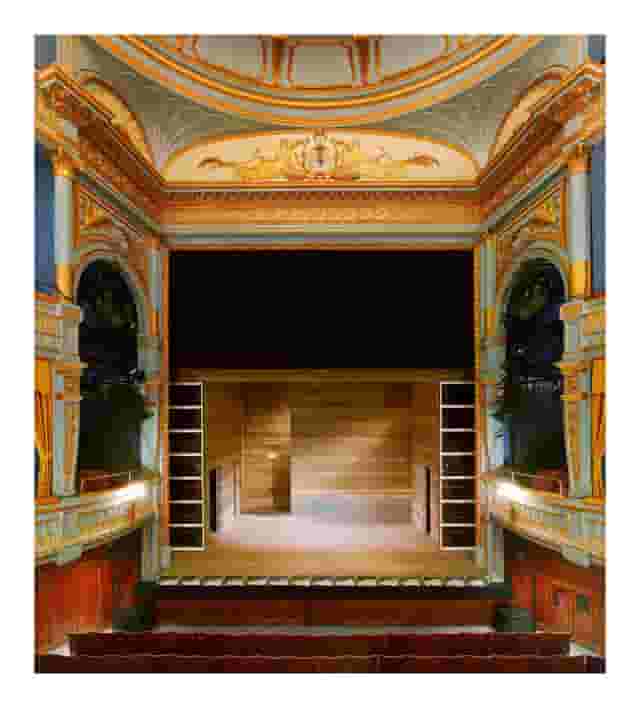
For heritage theatre atmospheres with intimate sightlines, Hoxton Hall operates a traditional Victorian music hall stage with tiered cast-iron balconies that seat 230 people in theatre layout. The built-in stage frames speakers naturally and eliminates the need to rent temporary staging risers.
When reviewing production requirements with a venue team, run through this checklist:
- Microphone provisions: verify whether radio hand-helds, head-mics or lectern goosenecks are supplied, and confirm how many channels can run at once.
- Projection and monitors: confirm whether screens are drop-down motorised surfaces or portable monitors, and check projector lumens against room ambient light.
- House technicians: check whether an audio engineer is assigned to your event duration or if you must contract external crew.
- Playback systems: ensure digital audio connections and presentation computers match your speaker files and run on dedicated, hard-wired internet lines.
- Sightlines: verify that every seat has an unobstructed line of sight to the presenter and demonstration screens.
Budgeting and quote structures for cultural events
Across London, pricing for an evening event combining a viewing, talk and reception varies according to location, technical overheads and catering style. Based on 7 quotes from the venues on this page, pricing typically sits between £43 to £88 per head. This figure is indicative, and estimated from what these venues have charged for similar events, assuming a guest count of about 120 guests. To get a clearer picture for your specific guest count and date, venue booking platform Hire Space provides instant, data-backed price estimates drawn from past bookings. Supported by a team of real people, it also suggests comparable spaces at a lower price if your initial choice exceeds what you planned to spend.
What that money buys changes depending on which end of the range your quote lands on:
| Cost Tier | Typical Inclusions | Typical Exclusions & Extras |
|---|---|---|
| Towards the £43 end | Room hire for 4 to 5 hours, house lighting, simple lectern with wired mic, house wine, beer and soft drinks, cold canapes or grazing boards | Dedicated sound engineer, cloakroom attendants, complex AV rigging, late licence extensions past 23:00, corkage |
| Towards the £88 end | Full venue access, private green room, sound engineer, stage lighting wash, sparkling wine reception, four to six hot and cold bowl food items, full bar team | Heavy projection mapping, multi-camera live streaming, external security guards, storage fees for overnight equipment |
Towards the £43 end of the band, venues generally operate on dry-hire rates paired with entry-level drink packages. You receive access to the room, basic cleaning and standard furniture, but you need to supply your own presentation equipment or rely on a single plug-and-play speaker. Food at this level tends toward charcuterie platters, standing grazing tables or light passed canapes that require minimal kitchen prep.
Towards the £88 end of the band, venues provide comprehensive evening event packages. This usually includes dedicated technical managers who run sound and lighting throughout the night, multiple roaming microphones, warm canapes and substantial bowl food, and staffed coat checks.
Pay close attention to extra charges that sit outside standard venue fees. Many venues charge separate fees for security staff, requiring one guard per 50 to 100 guests depending on local licensing conditions. In historic buildings, specialist cleaning deposits and trash removal charges often appear on the final invoice. Ask whether the venue levies catering commission charges, which can add 10 to 20 percent to external supplier bills if you step outside their approved list.
Privacy, guest circulation and arrival logistics
Managing how people arrive, register and disperse protects the atmosphere of the evening. When hosting an exhibition view alongside an industry talk or performance audition, guest privacy and crowd control require active management from the street entrance inward.
A dedicated arrival desk ensures that unregistered walk-ins cannot wander into private presentations. Ask the venue manager whether your group has exclusive use of the front door or if attendees share an entrance foyer with public visitors. If the building remains open to the public during your hire, agree on clear directional signage and assign door staff to check names from an approved guest list.
Space for performers, speakers and VIP guests should remain separate from the main circulation paths. Having a private green room or dressing room allows speakers to review slides, test microphones and store personal belongings securely before taking the stage. In west London, Ladbroke Hall in Notting Hill features versatile performance spaces that hold 250 in a theatre layout, providing distinct back-of-house areas and breakout rooms that keep talent away from the main arrival lounge until showtime.
Step-free accessibility is another operational priority. Confirm that wheelchair users can access the registration desk, stage area, presentation seating, restrooms and bar stations without navigating manual fire doors or back-service lifts unassisted. Request an accessibility guide and inspect the route during your site visit.
For large-scale cultural events, The Royal Opera House in Covent Garden offers the Paul Hamlyn Hall, which holds up to 700 guests for drinks receptions under its high glass barrelled roof. The venue handles large crowds through wide access points, dedicated cloakroom infrastructure and professional front-of-house teams who understand crowd flow.
To avoid bottlenecks during the night:
- Station the registration desk at least five metres inside the entrance so queues do not back up onto the pavement.
- Place bars and food stations at the far end of the room rather than near the doorway, pulling guests deep into the space.
- Keep coat check stations separated from the bar area to avoid cross-traffic between people arriving and people ordering drinks.
- Position high-top poser tables through the centre of the room to encourage small standing groups without blocking the primary walking aisles.
Location and transport across London cultural hubs
Where you place your event shapes who turns up and how long they stay. If attendees must travel through multiple bus connections or navigate complex rail changes on a weekday evening, attendance drop-off rates increase. Selecting a venue close to established transport interchanges gives guests an easy journey into the room and a reliable way home after late drinks.
Different London districts offer distinct practical advantages:
| Area | Best Suited For | Transport Connections | Key Considerations |
|---|---|---|---|
| West End & Covent Garden | Broad citywide reach, central industry talks, VIP-heavy guest lists | Charing Cross, Covent Garden, Leicester Square, Piccadilly Circus | Heavy tourist traffic, limited street parking, higher evening venue hire rates |
| The City & Barbican | Corporate and cultural crossovers, formal presentations | Moorgate, Barbican, Bank, Liverpool Street | Quieter on weekends, strict commercial loading dock hours |
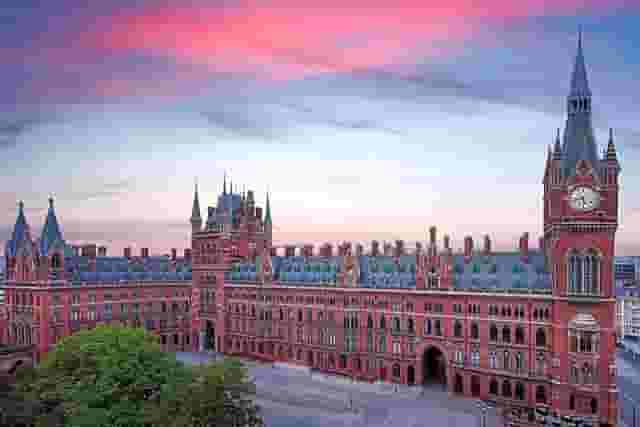
| Angel & King's Cross | North and central audiences, multi-region railway arrivals | King's Cross St Pancras, Angel, Euston | Fast cross-city connections, busy underground interchanges at peak hours |
| East London (Dalston, Shoreditch) | Creative industry launches, informal performances, younger crowds | Shoreditch High Street, Dalston Junction, Old Street | Dependent on London Overground lines, variable late-night walking routes |
If your guest list includes people travelling from outside London, picking a venue near major terminals like King's Cross, St Pancras or Charing Cross minimises travel time and keeps the schedule on track. For central London audiences, venues situated in Covent Garden or Westminster allow guests to walk straight from central offices at 17:30 and arrive in time for an 18:00 drinks reception.
Check local licensing constraints before booking. Some central boroughs impose strict terminal hours that require music and bar service to stop by 22:30 or 23:00 on weeknights, while outer districts may allow entertainment licences that extend past midnight. Clarify these curfew limits early so your running order does not run into unexpected licensing restrictions. Ensure guests can reach night Tube services or major bus corridors when the reception concludes, making their journey home as simple as their arrival.
What our customers say
Inspiration and planning guides

Proposal Requests Are Now On Hire Space!
It's now even easier to find the perfect venue for your event with Hire Space. The UK's leading venue website has just launched its new Request For Proposal (RFP) functionality, meaning that whatever size, style or sort of event you're hoping to put on, we can help make it a reality. Quick and Easy With our quick and easy online form, event planning can be a breeze. Just enter the date and time of your event as well as your budget. You can then input further details on the type of event you'r

The World's Easiest Way To Find The Perfect Venue
Need the perfect venue? Want to get it as easily and quickly as possible? Here's what you should do. Just fill in this lightning-quick form, and the world experts in UK venues will dedicate themselves to finding exactly what you're looking for. And they won't charge you a penny to do it. Here's how it works. 1. Click your event [https://hirespace.com/Ask-An-Expert] Whatever your event is, we've got you covered. 2. Pop in the details [https://hirespace.com/Ask-An-Expert] The essentials of

Event Design That Will Wow Your Guests
Take a look at some of the best designed events venues in London - so eye catching that you won't be able to forget them.
One supplier. Every venue. Full visibility on what you spend.
Multiple venues and events. One agreement.