Music Practice Rooms in London
Explore top Music Practice Rooms in London for 200 people.
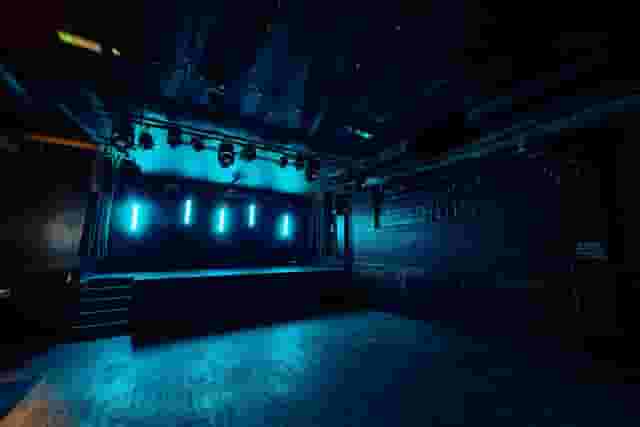
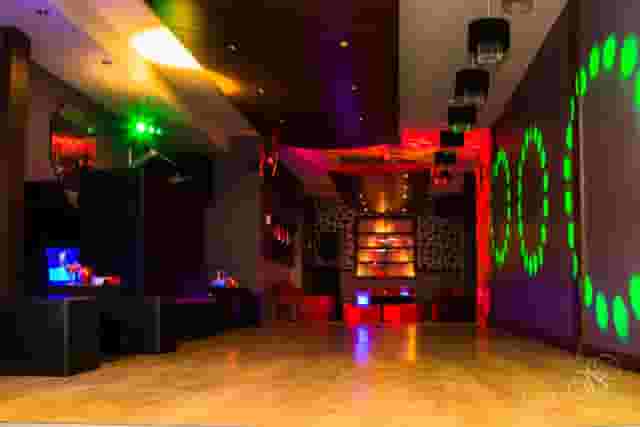
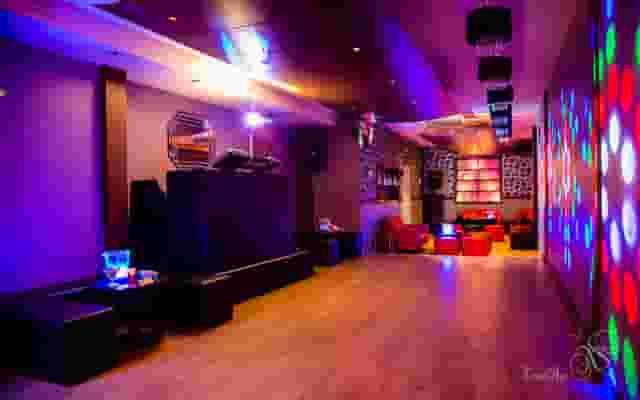
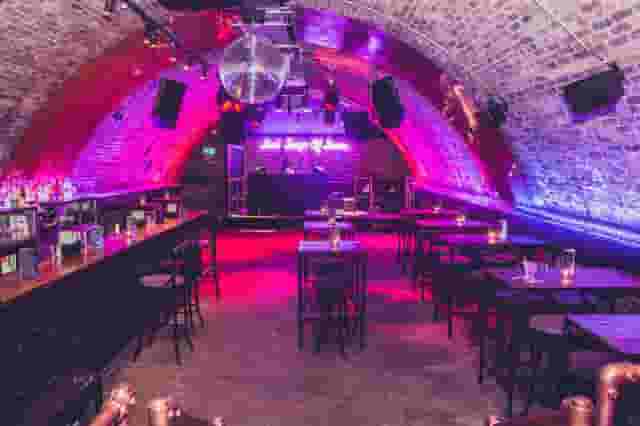
15 Music Practice Rooms in venues in London



























































No venues match these filters
Try widening your capacity, luxury level or event type.
Don't have time to search? We'll find it for you.
For business events that need human judgement, talk to our team. Free for events of 100+ people, budgets over £10k or ongoing programmes.


Explore more venues in London












Frequently asked questions
What are noise restrictions for London music practice venues?
How much space per person is needed in music practice rooms?
What acoustic requirements do 200-person music practice spaces need?
How much do large music practice rooms cost per hour in London?
What loading access do large music venues provide?
What ceiling height do music practice rooms need for 200 people?
How far in advance should you book large music practice rooms?
What insurance requirements apply to music practice room hire?
What equipment do 200-capacity music practice rooms typically include?
Which London areas offer best transport access for music rehearsals?
Other platforms search their database. We search everything.
Tell us what you need. Our deep research finds any venue, whether it's in our marketplace or not. No one else does this.
About Music Practice Rooms in London
Why London's Large-Scale Music Practice Rooms Are Perfect for Your 200-Person Event
When you're planning a large-scale musical event for 200 people, London's purpose-built music practice rooms offer something truly special that you simply can't replicate in a standard conference venue or hotel ballroom. Having organised countless musical gatherings over the years, I can tell you that the difference between a good event and an unforgettable one often comes down to choosing the right acoustic environment.
London's music practice rooms designed for 200+ people are architectural marvels in their own right. These spaces typically feature 4-6 metre ceiling heights – absolutely crucial for proper sound distribution when you've got that many musicians or audience members in one room. The acoustic engineering alone is worth the investment, with most venues boasting NRC ratings between 0.8-1.0 and carefully calibrated reverberation times of 1.2-1.8 seconds. This isn't just technical jargon – it means your string section won't get lost in muddy acoustics, and your percussion won't overwhelm the entire ensemble.
What Sets London Apart for Large Musical Gatherings
The capital's unique advantage lies in its concentration of professional-grade facilities. We're talking about venues with 32-48 channel mixing desks as standard, 4-8kW PA systems that can handle everything from intimate acoustic sets to full orchestral performances, and climate control systems that maintain optimal conditions even when you've got 200 people generating heat and humidity.
Location accessibility is another game-changer. Areas like Camden, King's Cross, and Shoreditch offer multiple transport links, making it feasible for large groups to arrive from across the capital. I've seen events where participants travelled from as far as Brighton and Birmingham, all converging seamlessly thanks to London's transport network.
The practical considerations matter enormously too. These venues typically provide dedicated loading bays with 3.5-4 metre height clearance – essential when you're moving grand pianos, full drum kits, or orchestral equipment. Many offer ground-floor access, which saves both time and your musicians' backs during setup.
What really impresses me is how these spaces handle the business side. Most operate with flexible booking windows, understanding that musical events often require extended setup and breakdown periods. You're looking at £300-400 per hour in central London, but the value proposition becomes clear when you factor in the included professional equipment and acoustic treatment that would cost thousands to replicate elsewhere.
For your next large-scale musical event, consider exploring Corporate Days Out in London for 200 people to understand how these venues can accommodate diverse group activities beyond traditional rehearsals.
5 Essential Technical Requirements Every 200-Capacity Music Practice Room Must Have
After years of helping clients navigate the technical maze of large music venues, I've learned that getting the specifications right from the start can make or break your event. When you're dealing with 200 people in a music practice room, there are five non-negotiable technical requirements that separate the professionals from the pretenders.
Power Infrastructure That Won't Let You Down
Your venue needs a minimum of 32 amps per phase, but honestly, I'd push for 63 amps when you're dealing with this scale. I've seen too many events where the power supply couldn't handle multiple keyboard rigs, amplifiers, and lighting simultaneously. The last thing you want is your headline act's performance cut short because someone plugged in one synthesiser too many. Most professional venues in areas like King's Cross and Shoreditch have learned this lesson and now provide dedicated power distribution with individual circuit protection.
Acoustic Treatment Beyond the Basics
Here's where many venues fall short – they focus on soundproofing but neglect internal acoustics. Your 600-800 square metre space needs strategically placed acoustic panels, bass traps in corners, and ideally floating floors to prevent sound transmission. The magic number you're looking for is an NRC rating of 0.8-1.0, which means the room absorbs 80-100% of sound energy rather than bouncing it around like a pinball machine.
Professional-Grade Mixing Capabilities
A 32-48 channel digital mixing desk isn't just nice to have – it's essential when you're managing multiple instrument groups, vocals, and potentially live streaming. I always recommend venues with Yamaha or Allen & Heath consoles, as your sound engineers will thank you for familiar interfaces. The mixing position should be acoustically isolated from the performance area, typically requiring a separate control room or booth.
Climate Control That Actually Works
Two hundred people generate serious heat and humidity, which affects both comfort and instrument tuning. Your venue needs HVAC systems capable of maintaining 18-22°C consistently, with humidity control between 40-60%. I've witnessed string sections go completely out of tune in poorly ventilated spaces – not the professional impression you're aiming for.
Flexible Monitoring Systems
Multiple monitor feeds are crucial for large ensembles. Look for venues offering at least 8-12 separate monitor mixes, allowing different sections to hear exactly what they need. This becomes particularly important when you're mixing acoustic instruments with amplified ones.
Before committing to any venue, request a technical specification sheet and, if possible, a site visit during a similar event. For broader event planning insights, explore our guide to London's 8 Best Hybrid Ready Conference Venues to understand how professional venues handle large-scale technical requirements.
The Real Cost of Hiring Music Practice Rooms for 200 People in London (Plus Hidden Fees to Watch)
Let's talk money – because when you're budgeting for a 200-person music practice room in London, the headline rate is just the beginning of your financial journey. I've helped countless clients navigate these costs over the years, and the venues that seem like bargains upfront often become the most expensive once you factor in all the extras.
The Base Rate Reality Check
You're looking at £300-400 per hour in central London zones, dropping to £150-250 in outer areas like Walthamstow or New Cross. But here's the insider knowledge: most venues require minimum 4-6 hour bookings for spaces this size, so you're immediately talking £1,200-2,400 for a basic session. Weekend rates typically carry a 25-50% premium, and evening slots (after 6pm) often cost extra too.
The sweet spot I've found is booking Tuesday-Thursday daytime slots, where you might negotiate down to £250-300 per hour in zones 2-3. Some venues offer full-day rates with 20-30% discounts, which makes sense if you're planning an 8-10 hour intensive workshop or recording session.
Hidden Costs That Catch Everyone Out
Equipment hire is where venues make their real money. That professional mixing desk and PA system? Expect £100-200 per day on top of room hire. Additional microphones, DI boxes, and monitor speakers can add another £50-150. I always ask for a complete equipment list upfront – some venues include basics in their rate, others charge for everything separately.
Loading fees are another gotcha – £50-100 is standard for vehicle access, and some venues charge per trip if you're bringing substantial equipment. Security deposits range from £500-2,000, refundable but tied up for weeks after your event.
Smart Budgeting Strategies
| Cost Category | Central London | Outer London | Pro Tip |
|---|---|---|---|
| Base hourly rate | £300-400 | £150-250 | Book 6+ hours for discounts |
| Equipment package | £150-250/day | £100-150/day | Negotiate bundled rates |
| Loading access | £75-100 | £50-75 | Book early morning slots |
Insurance is non-negotiable – budget £30-60 for day cover or arrange annual policies if you're booking regularly. Some venues accept your existing coverage, others insist on their preferred providers.
The venues that offer genuine value are those with transparent pricing and inclusive packages. I've found that paying slightly more upfront for a venue that includes professional equipment and technical support often works out cheaper than nickel-and-diming with add-ons.
For broader event budgeting insights, check out our guide to Corporate Days Out in London for 200 people to understand how professional venues structure their pricing models. Always request a detailed quote breakdown before committing – the best venues will happily provide this transparency.
How to Navigate London's Complex Venue Regulations and Secure Your Perfect Music Practice Space
Navigating London's venue regulations for large music spaces can feel like learning a new language, but I've cracked the code after years of helping clients secure the right permissions. The key is understanding that a 200-person music practice room sits in a unique regulatory grey area – you're not quite a concert venue, but you're definitely beyond a simple rehearsal space.
Understanding Your Licensing Requirements
The moment you're hosting 200 people, you're likely triggering premises licensing requirements under the Licensing Act 2003. Most venues will already hold the necessary entertainment licenses, but you need to verify this covers your specific use. I've seen events shut down because the venue's license covered "recorded music" but not "live performance" – a distinction that matters enormously to local authorities.
If you're planning to serve refreshments or alcohol, the venue needs additional permissions. Even something as simple as selling bottled water requires consideration under the licensing framework. The good news is that most professional music venues have learned to secure comprehensive licenses that cover multiple use cases.
Noise Compliance That Actually Works
London's noise regulations are particularly strict, with daytime limits of 55dB and evening limits of 45dB at residential boundaries. What catches people out is that these measurements are taken outside the building, not inside your practice room. Most professional venues provide acoustic reports and maintain relationships with environmental health officers – ask to see these documents before booking.
Sound limiters are now standard in most large venues, automatically cutting power when preset levels are exceeded. I always recommend doing a sound check at your intended volume levels during the site visit. Some venues in areas like Shoreditch and Camden have negotiated higher thresholds due to their industrial heritage, whilst residential areas maintain stricter limits.
The Booking Timeline That Prevents Disasters
Here's my proven timeline for securing large music practice spaces: start your search 8-12 weeks ahead for weekend bookings, 4-8 weeks for weekday slots. Only 15-20 venues in London can genuinely accommodate 200 people for music practice, creating genuine scarcity during peak periods.
Submit your initial enquiry with specific details about amplification levels, expected attendance, and any special requirements. The venues that respond quickly with detailed availability and pricing are usually the most professional operators.
Insurance and Liability Essentials
Your public liability insurance needs to cover £2-5 million for events this size, with equipment coverage between £10,000-50,000 depending on what you're bringing. Many venues accept day insurance policies costing £15-40, which can be more cost-effective than annual coverage if you're booking infrequently.
Professional indemnity insurance becomes relevant if you're running commercial workshops or masterclasses. Some venues include basic coverage in their hire fees, but always verify the extent of protection.
For additional insights on managing large-scale events in London, explore our guide to Unconventional Conference Venues You'll Love to understand how creative spaces handle regulatory compliance.
Start your venue search with a clear checklist of regulatory requirements – it'll save you weeks of back-and-forth with venues that can't actually accommodate your needs.
7 Proven Strategies for Booking London's Most In-Demand Large Music Practice Rooms
After helping hundreds of clients secure London's most sought-after large music spaces, I've developed a systematic approach that consistently gets results. The reality is that only 15-20 venues in London can genuinely accommodate 200 people for music practice, and they're booked solid during peak periods. Here's how to cut through the competition and secure your ideal space.
Start with Off-Peak Reconnaissance
The smartest bookers I know begin their search during quiet periods – not to book immediately, but to build relationships. Visit venues during weekday afternoons when staff have time to show you around properly. I've seen clients secure prime Saturday slots months later because they'd established rapport during a Tuesday afternoon visit. This approach also lets you assess acoustics without competing noise from other bookings.
Master the Art of Flexible Timing
Tuesday-Thursday bookings are your golden ticket to both availability and better rates. I've negotiated 20-30% discounts by offering venues flexibility across these midweek slots. Even better, propose split sessions – perhaps 10am-2pm and 6pm-10pm – which allows venues to accommodate other bookings while giving you the prime acoustic hours when ambient noise is lowest.
Bundle Your Requirements Strategically
Rather than requesting quotes piecemeal, present venues with a comprehensive package. "We need the space for 8 hours, full PA system, 20 microphones, and loading access" gets much better responses than drip-feeding requirements. Venues prefer clients who understand their needs upfront, and you'll often receive package discounts that individual add-ons wouldn't qualify for.
Leverage Seasonal Booking Patterns
January-March and September-October are booking goldmines. Most amateur groups hibernate during winter months, whilst September sees a rush of new bookings that haven't yet secured regular slots. I've helped clients secure premium venues during these periods that would be impossible to book in summer months.
Build Your Venue Portfolio
Don't put all your eggs in one basket. Maintain relationships with 3-4 venues that meet your requirements. When your first choice is unavailable, you can pivot immediately rather than starting from scratch. Some of my most successful clients rotate between venues, which also gives them negotiating leverage.
Use the 48-Hour Follow-Up Rule
After initial enquiries, follow up within 48 hours with specific dates and requirements. Venues receive dozens of vague enquiries weekly – those who respond quickly with concrete details get priority treatment. Include your insurance details, expected setup times, and any special requirements in this follow-up.
Consider Venue Partnerships
Some venues offer preferential booking to regular clients or those willing to commit to multiple dates. I've negotiated annual agreements where clients secure monthly slots at 15-20% below standard rates. This works particularly well for music schools, corporate training programmes, or regular ensemble rehearsals.
The venues that consistently deliver exceptional experiences are those featured in our 7 Perfect Product Launch Locations guide – they understand that professional events require professional service standards.
Start building these relationships now, even if your next event is months away. The best venues book their premium slots to clients they know and trust.
What our customers say
Inspiration and planning guides

Proposal Requests Are Now On Hire Space!
It's now even easier to find the perfect venue for your event with Hire Space. The UK's leading venue website has just launched its new Request For Proposal (RFP) functionality, meaning that whatever size, style or sort of event you're hoping to put on, we can help make it a reality. Quick and Easy With our quick and easy online form, event planning can be a breeze. Just enter the date and time of your event as well as your budget. You can then input further details on the type of event you'r

The World's Easiest Way To Find The Perfect Venue
Need the perfect venue? Want to get it as easily and quickly as possible? Here's what you should do. Just fill in this lightning-quick form, and the world experts in UK venues will dedicate themselves to finding exactly what you're looking for. And they won't charge you a penny to do it. Here's how it works. 1. Click your event [https://hirespace.com/Ask-An-Expert] Whatever your event is, we've got you covered. 2. Pop in the details [https://hirespace.com/Ask-An-Expert] The essentials of

Event Design That Will Wow Your Guests
Take a look at some of the best designed events venues in London - so eye catching that you won't be able to forget them.
One supplier. Every venue. Full visibility on what you spend.
Multiple venues and events. One agreement.