Unique Event Venues for Hire in Birmingham
Explore unusual Birmingham spaces for company drinks, dinners and away days, with indicative pricing and fast availability checks.
151 Unique Event Venues for Hire in Birmingham


























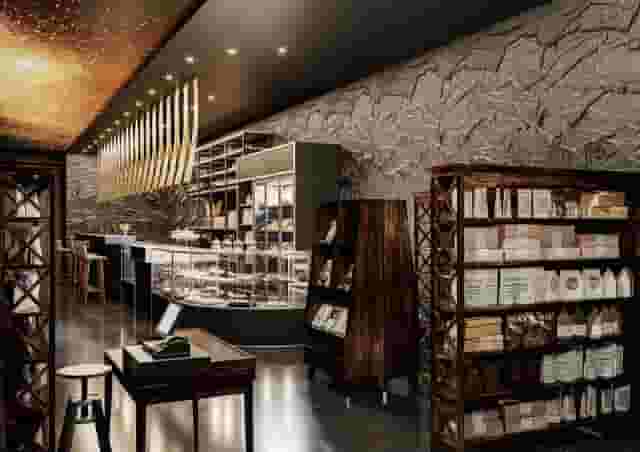
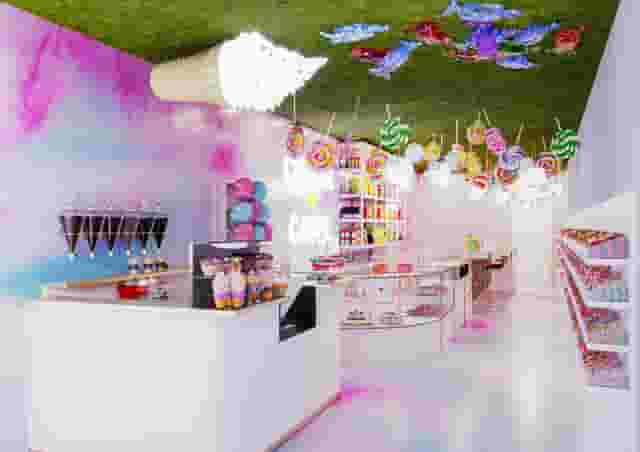
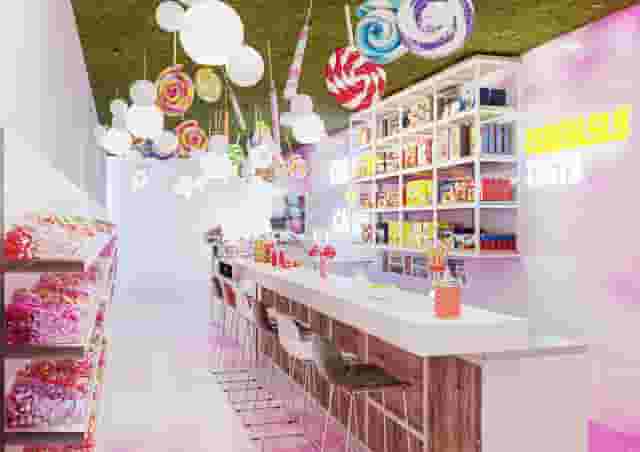
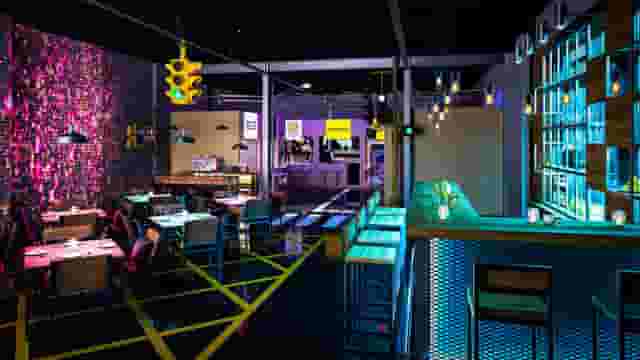












































No venues match these filters
Try widening your capacity, luxury level or event type.
Don't have time to search? We'll find it for you.
For business events that need human judgement, talk to our team. Free for events of 100+ people, budgets over £10k or ongoing programmes.




Explore more venues in Birmingham


Frequently asked questions
What unique venues suit a Birmingham gala?
What size unique venue do I need in Birmingham?
Can I hire a private unique venue in Birmingham?
Are Birmingham's unique venues tech-ready?
How to find a quirky Birmingham meeting space?
Other platforms search their database. We search everything.
Tell us what you need. Our deep research finds any venue, whether it's in our marketplace or not. No one else does this.
About Quirky in Birmingham
Matching venue character to your event format
Organising a company event in an unusual space requires balancing character against function. A standard hotel conference room gives you predictable layouts and built-in facilities, but it rarely sparks conversation. An unconventional room immediately changes the social dynamic, yet it introduces operational variables that demand early attention. In Birmingham, the range of non-standard venues stretches from raw industrial warehouses in Digbeth to converted manufacturing workshops in the Jewellery Quarter and competitive socialising spaces across the city centre. Choosing the right one comes down to how your guests will interact, what formality level you need and how the evening moves from welcome drinks to the main activity.
Industrial and warehouse settings
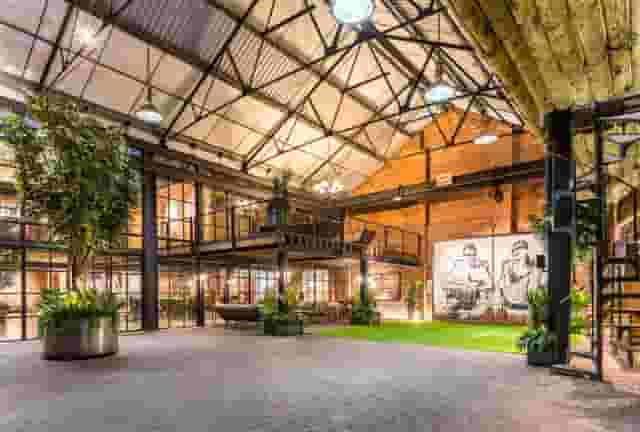
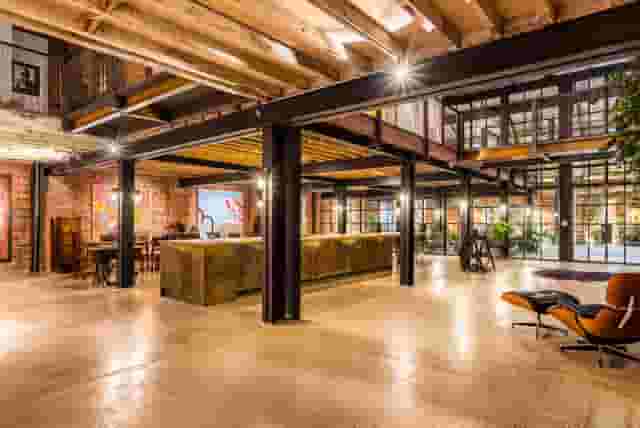
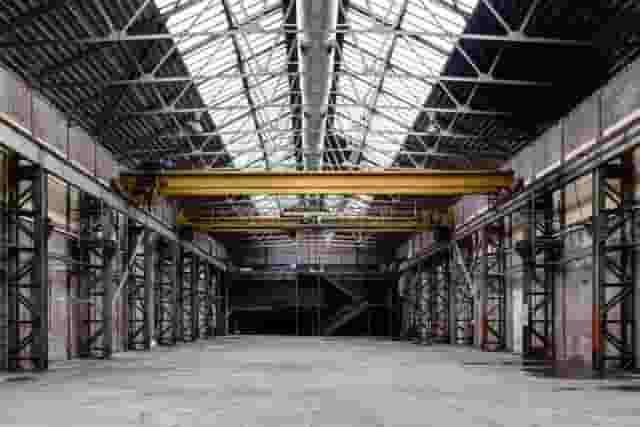
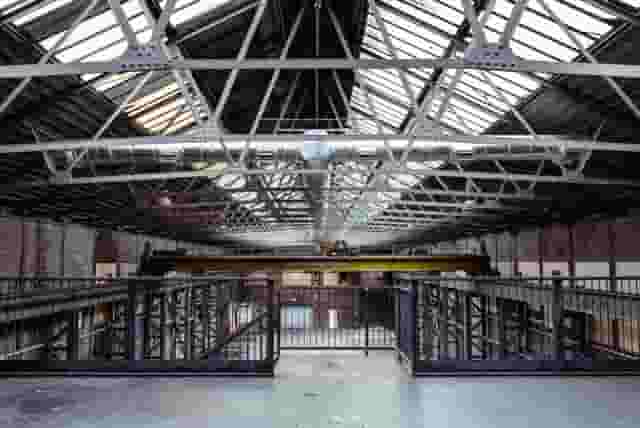
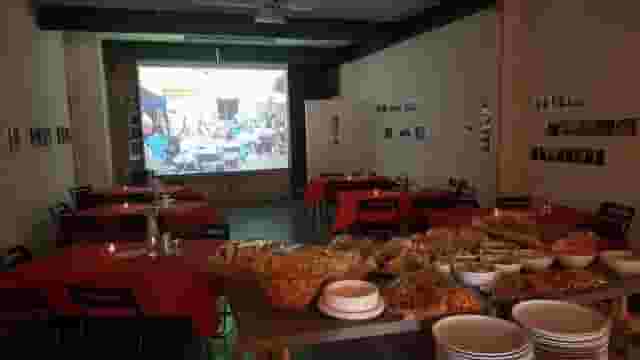
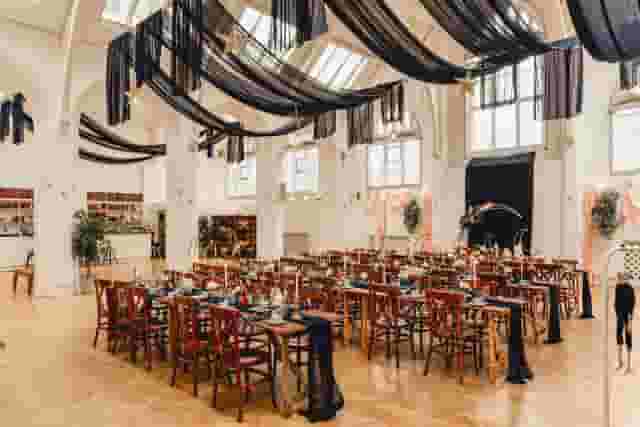
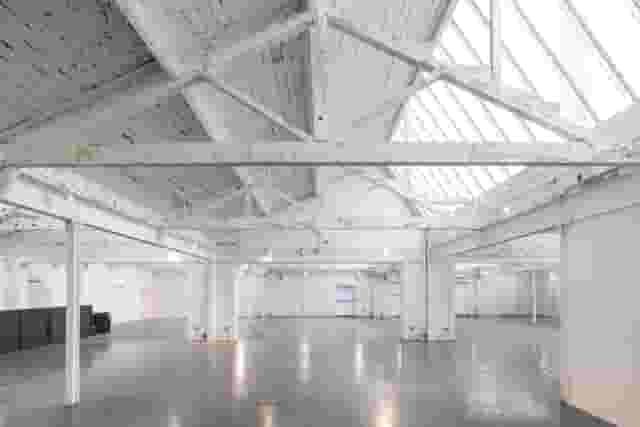
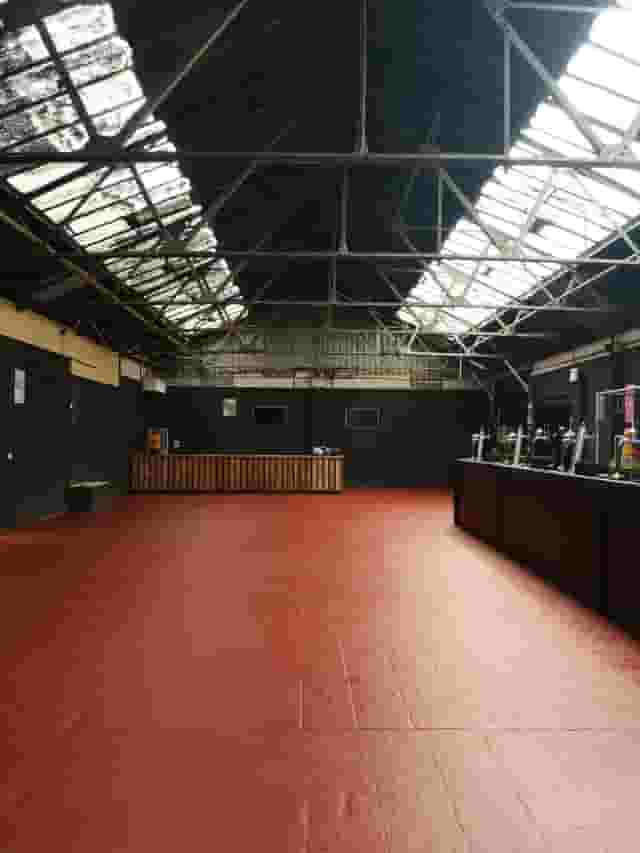
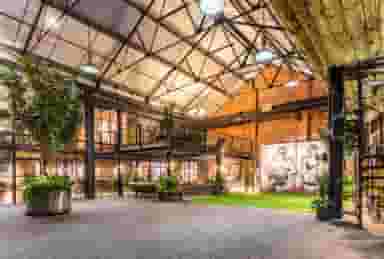
Industrial spaces give you volume, architectural texture and flexibility. High ceilings, exposed brickwork and steel trusses establish an informal, creative mood that works well for company socials, town halls and product launches. Because these spaces are often large and open, they let you build zones for dining, networking and entertainment within the same room.
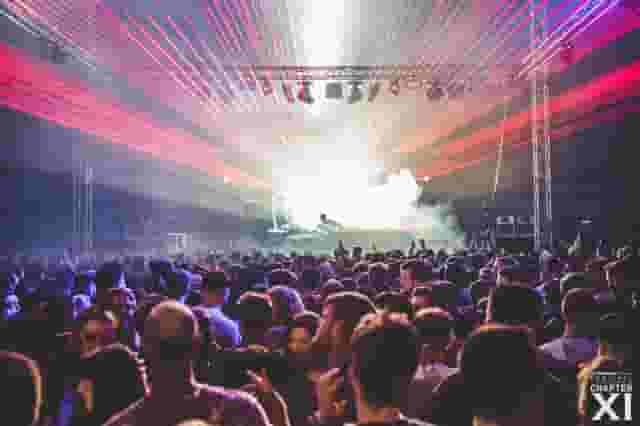
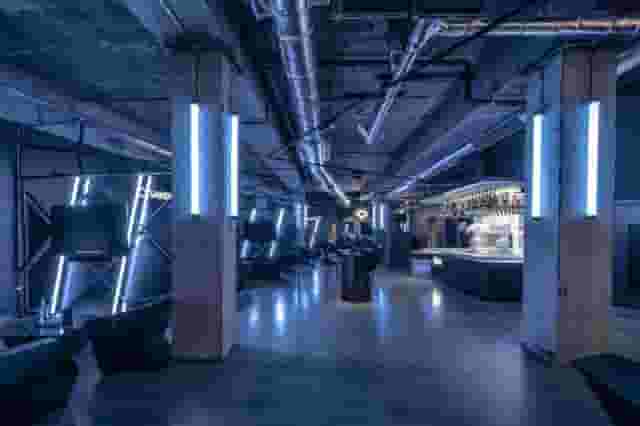
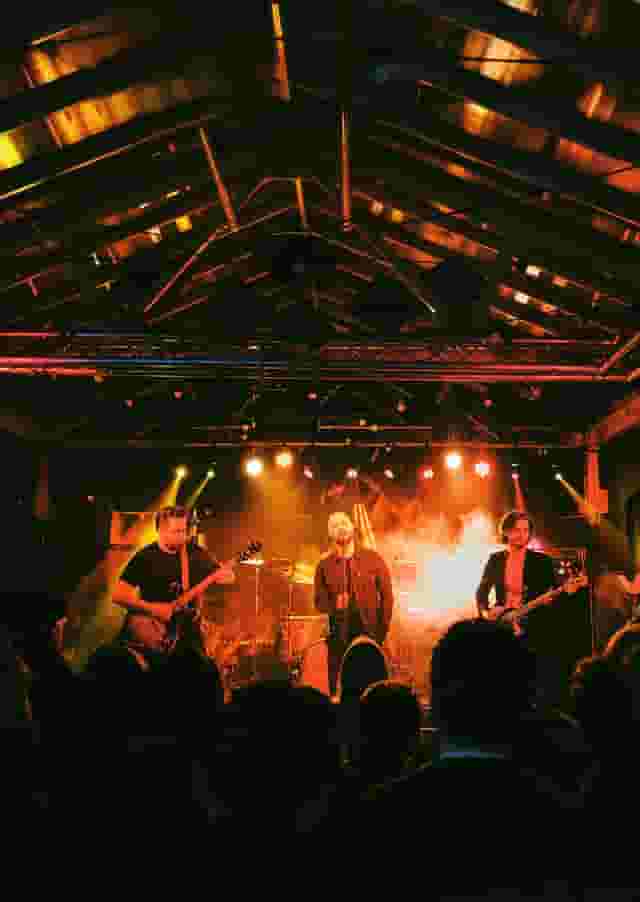
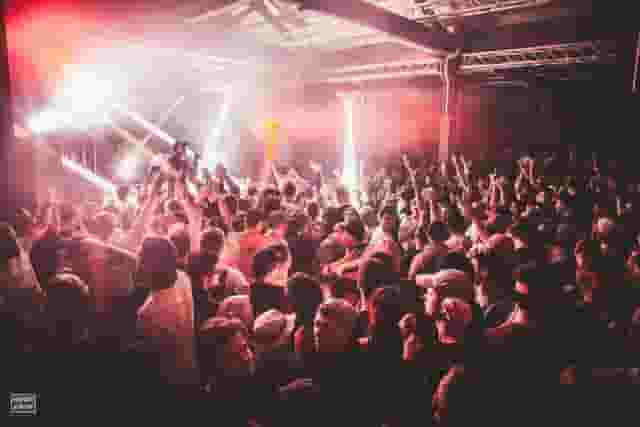
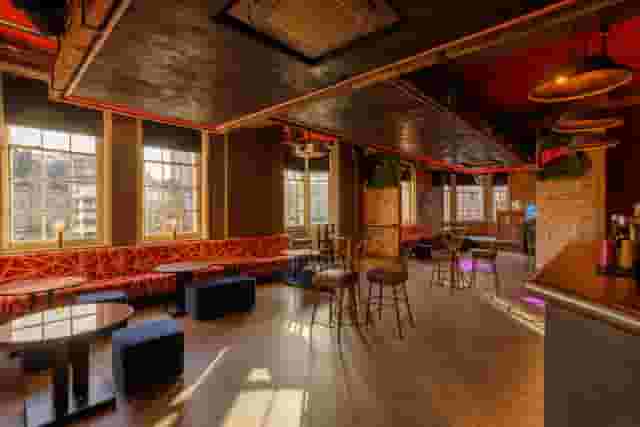
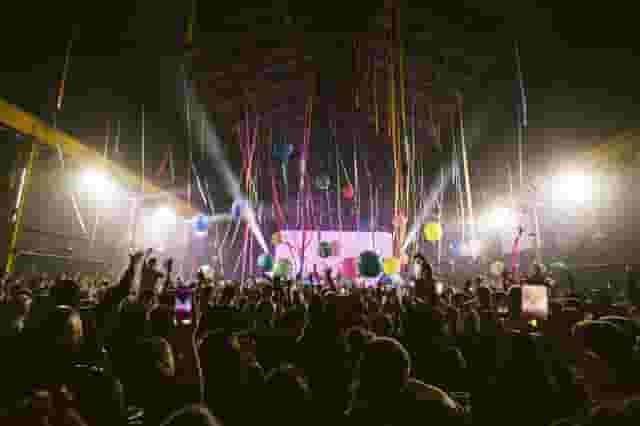
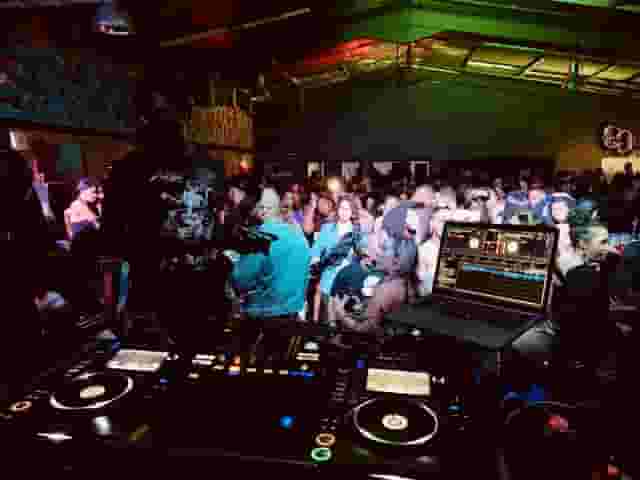
The main challenge with converted industrial properties is environmental control. High ceilings and concrete floors can cause sound to reverberate, which makes background music intrusive and speeches difficult to follow without targeted audio distribution. Heating and cooling must also be checked in advance, as older brick buildings often retain cold in winter or warm up quickly under stage lighting. For large gatherings, XOYO Birmingham in Digbeth provides an industrial main room holding up to 800 guests standing, featuring exposed beams and an adjoining rooftop garden that gives guests an outdoor break-out space without leaving the party footprint.
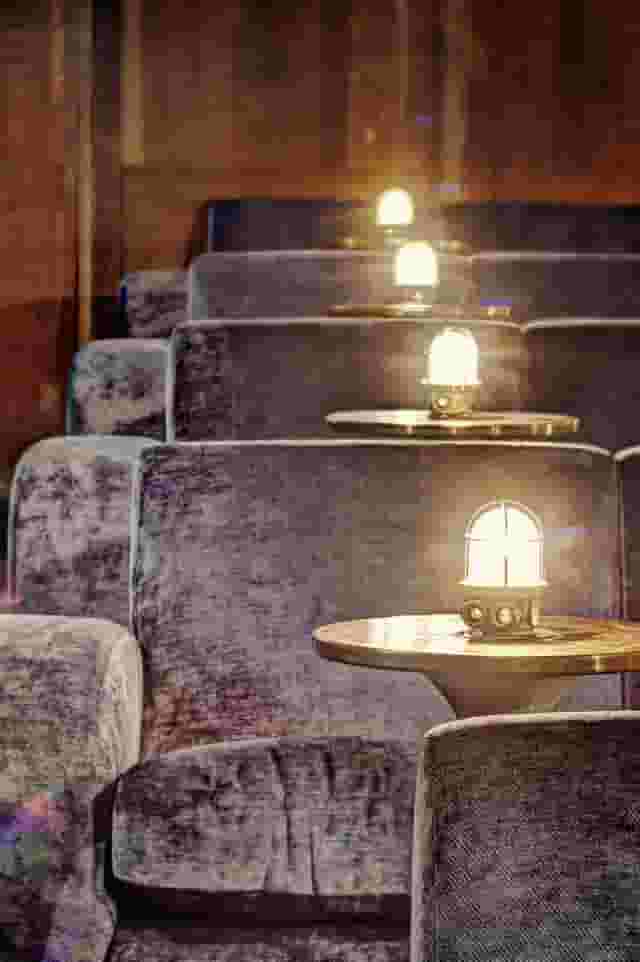
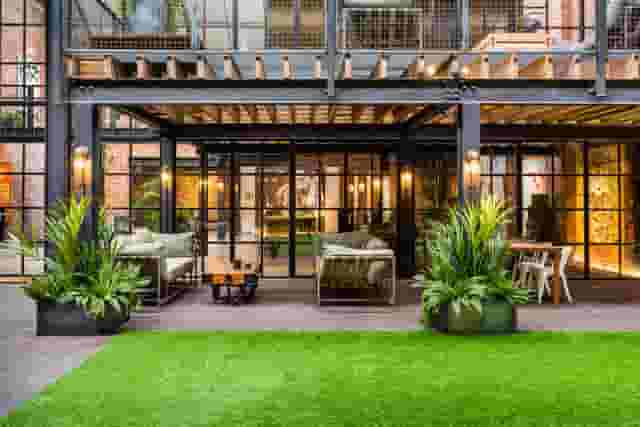
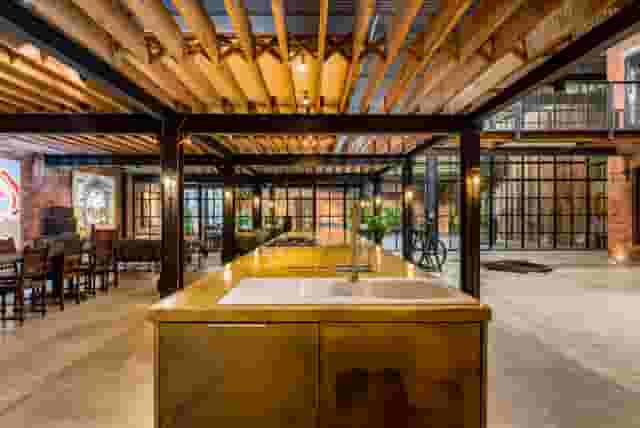
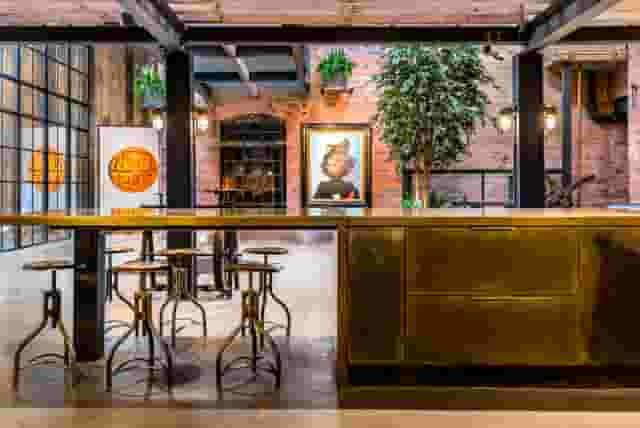
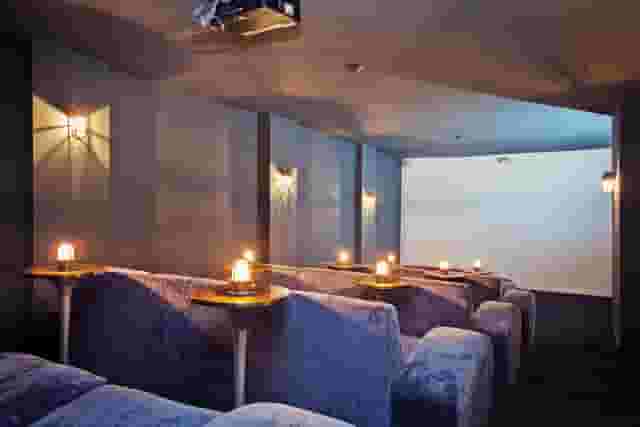
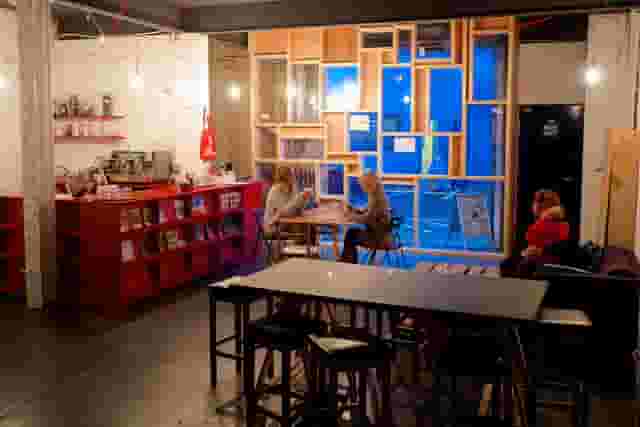
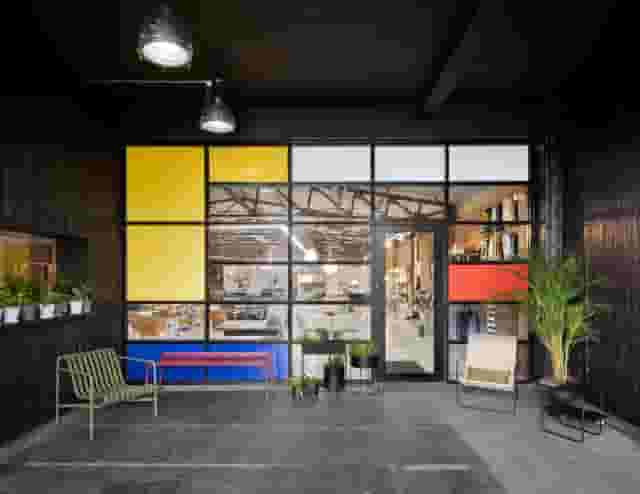
For events that need architectural character alongside domestic intimacy, repurposed industrial buildings can offer surprising layouts. The Compound in the Jewellery Quarter covers 12,000 square feet inside a former factory, holding up to 150 guests standing. Because it contains a cinema room, bar, art studio and split-level living spaces, it suits company gatherings where you want teams to explore distinct environments rather than remain gathered in a single open hall.
Activity-led and social gaming spaces
When your objective is team integration or an informal celebration, activity-led venues remove the pressure of forced networking. Having a structured social game gives attendees an immediate talking point, which helps cross-departmental teams mix more comfortably than they would over stationary drinks.
The operational risk with activity venues is fractured attention. If half your guests are focused on a game while senior management attempts to deliver a company presentation, neither element succeeds. When planning an evening around social gaming, split your timeline clearly. Run your presentation and official welcome before opening the games, or reserve a dedicated semi-private lounge away from the main action for your speeches and food service.
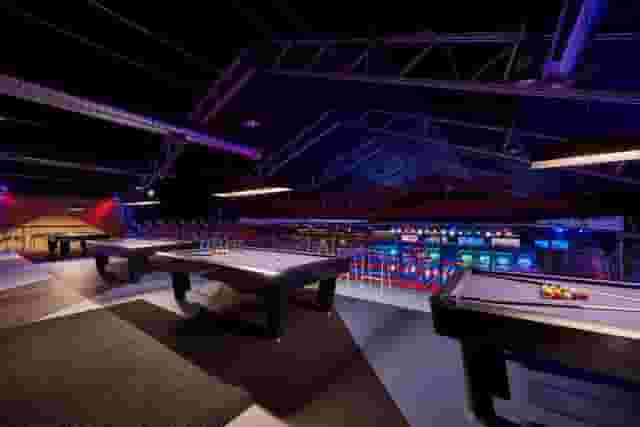
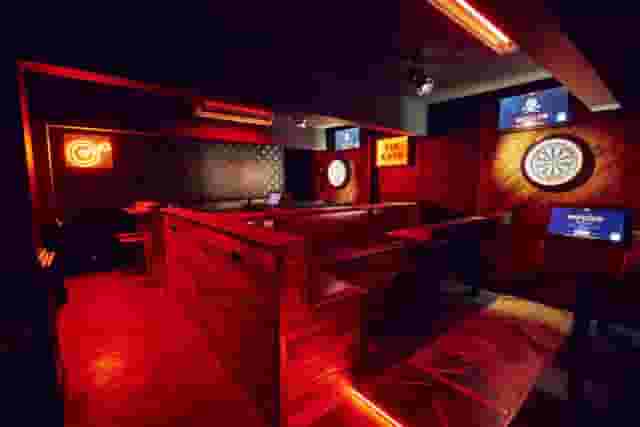
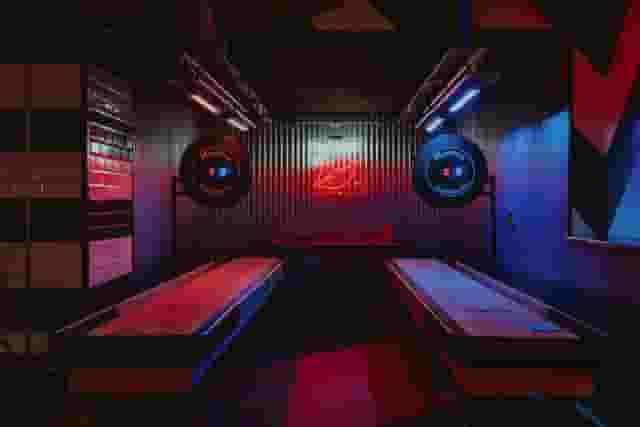
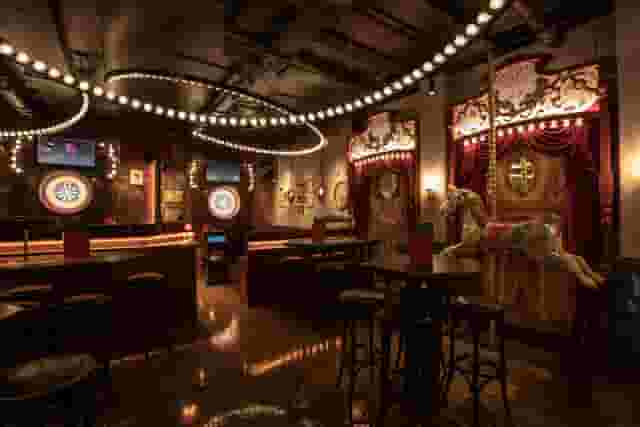
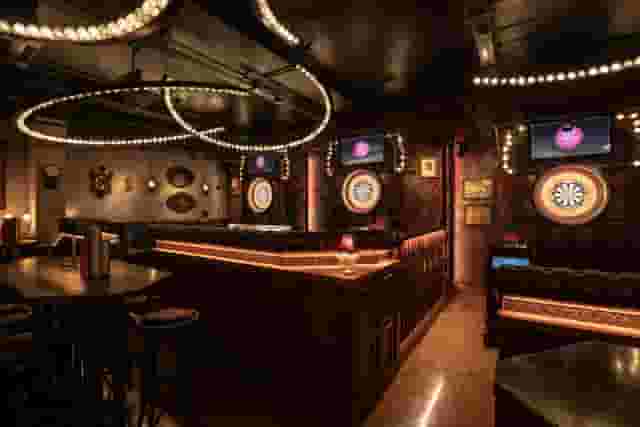
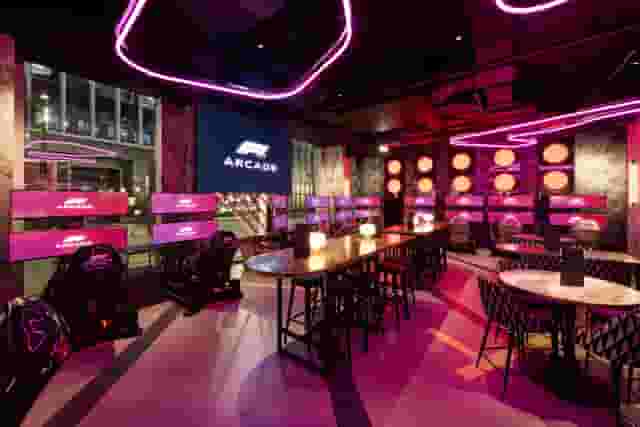
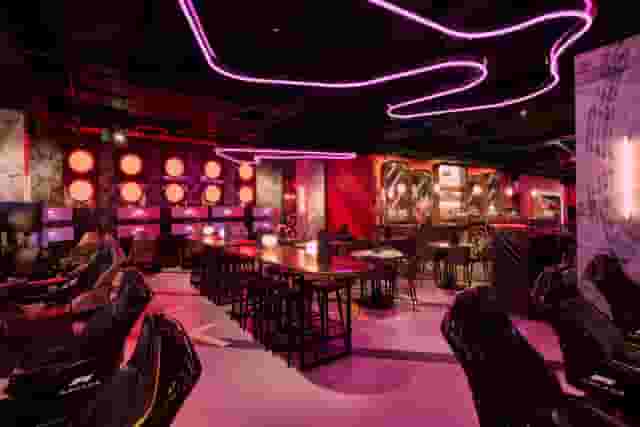
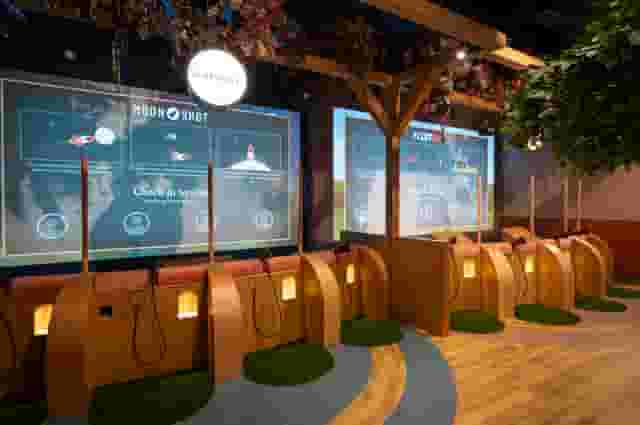
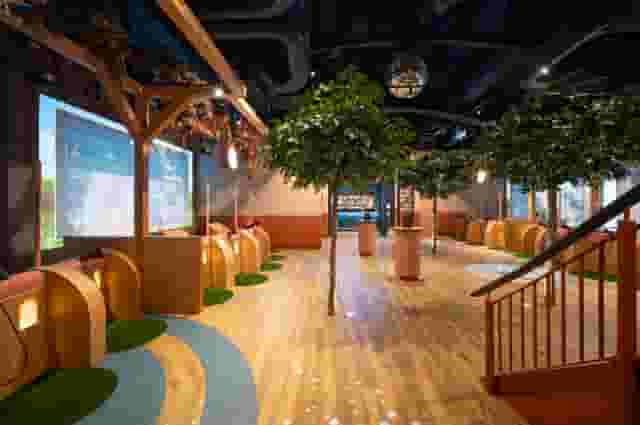
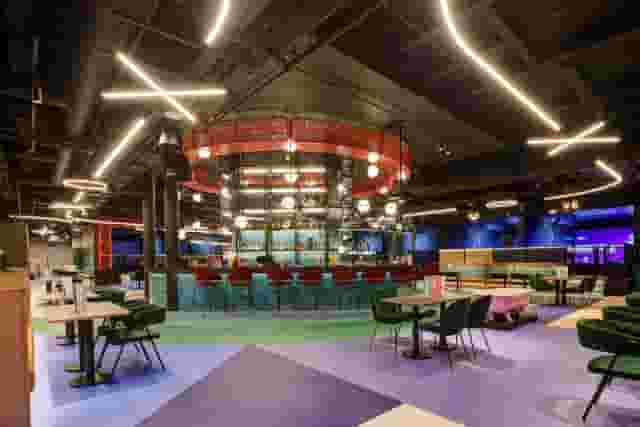
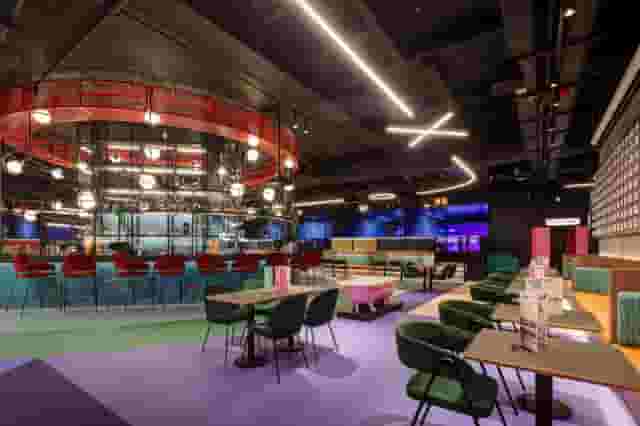
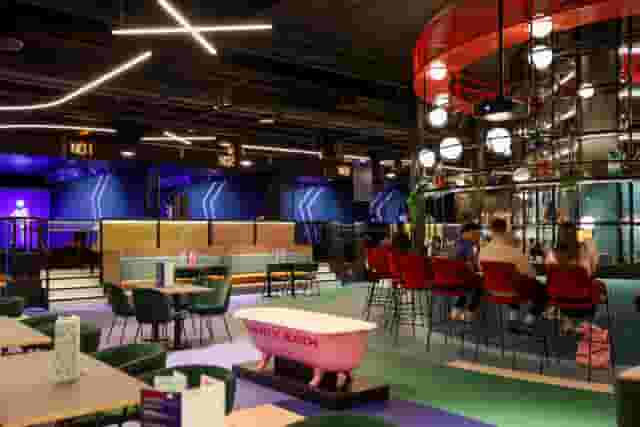
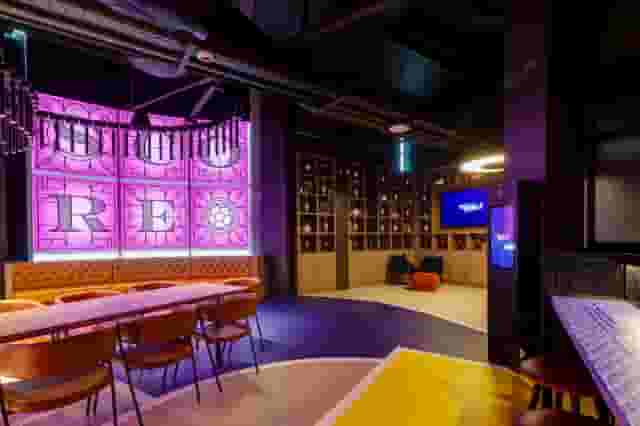
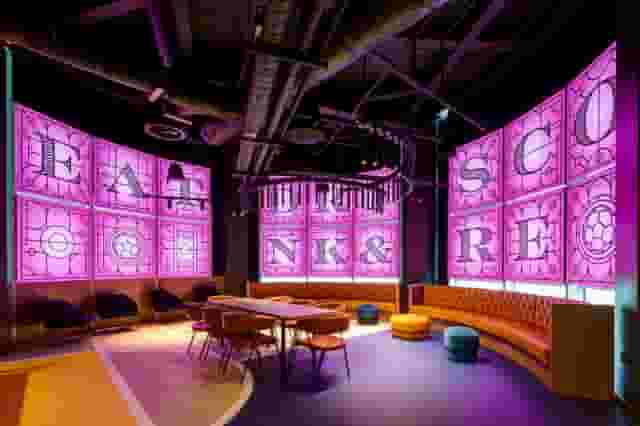
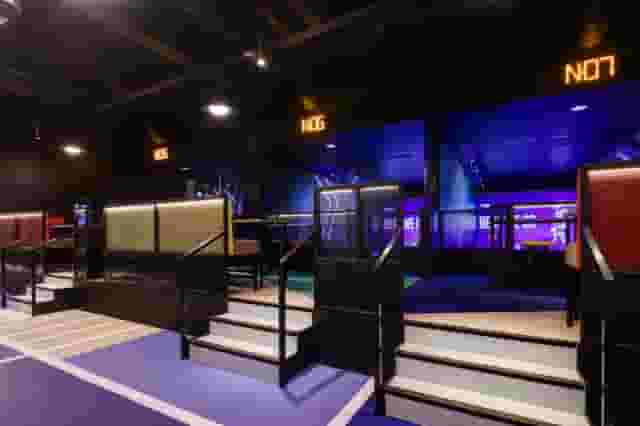
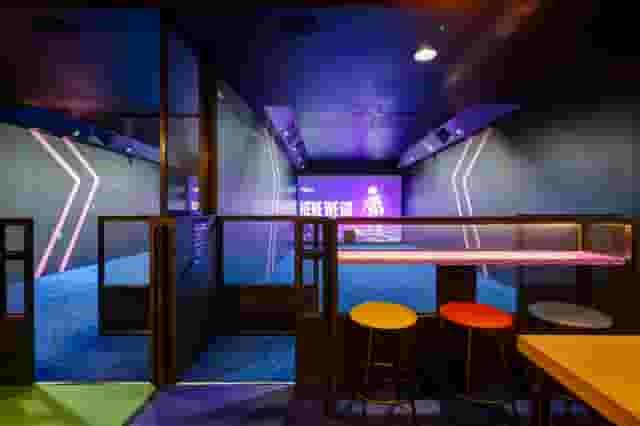
In central Birmingham, options vary depending on your team's competitive appetite. Flight Club Birmingham accommodates up to 400 guests standing for full venue hires, providing social darts lanes alongside two private bars. If you prefer motorsport simulation, the P1 semi-private space at F1 Arcade Birmingham holds up to 100 guests standing, allowing teams to compete in racing simulators while remaining within reach of dedicated hospitality.
Heritage, theatrical and music halls
Spaces created around performance or historic architecture bring built-in atmosphere, established stage lines and dedicated audio infrastructure. They work particularly well for milestone celebrations, summer parties and informal awards nights where the focus shifts toward music and dancing later in the evening.
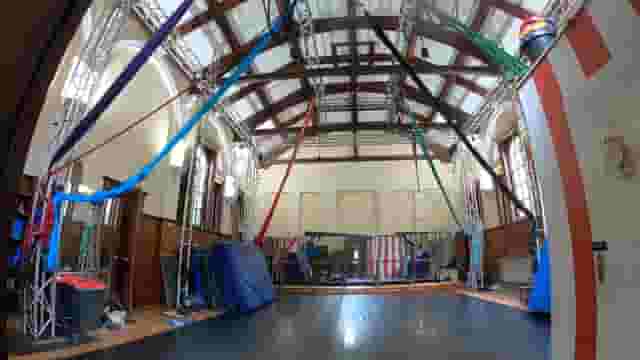
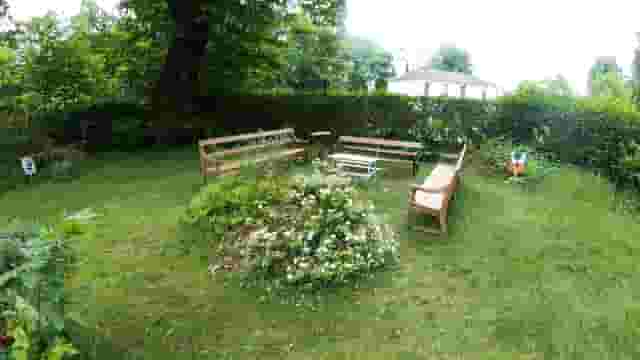
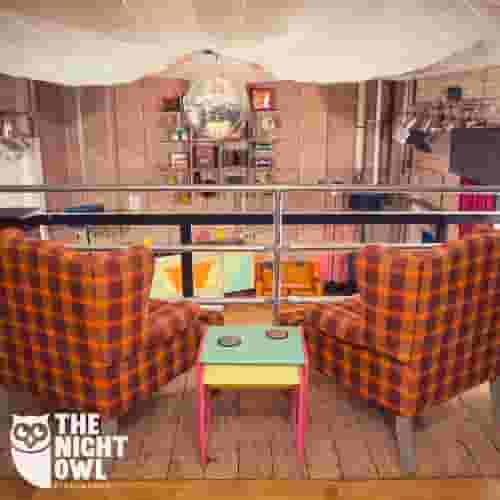
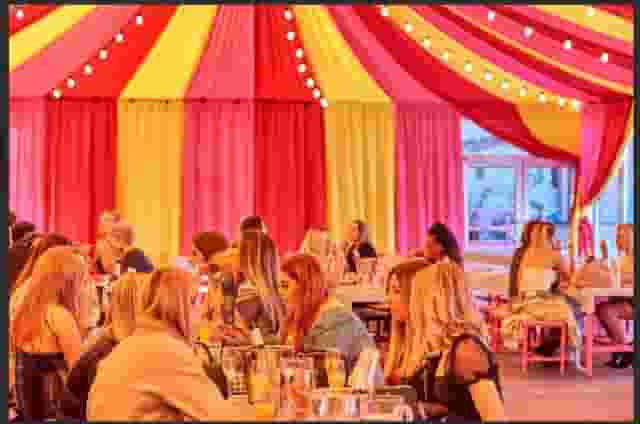
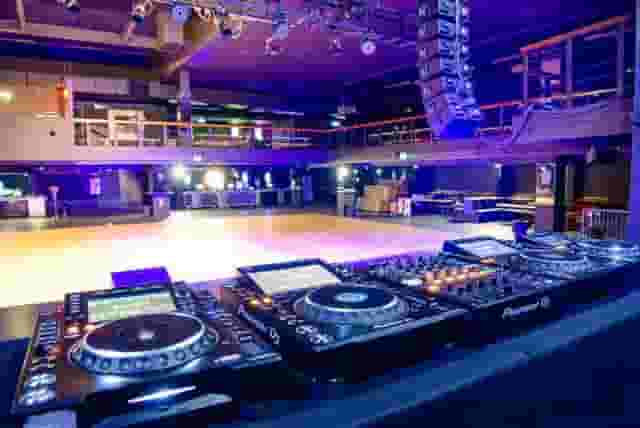
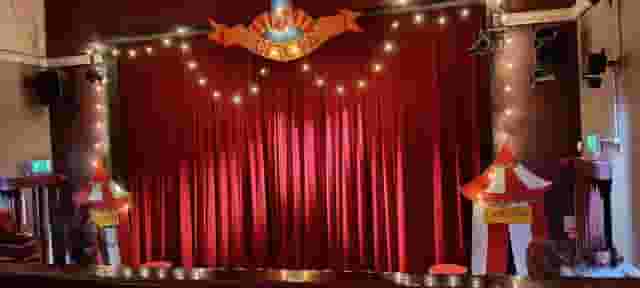
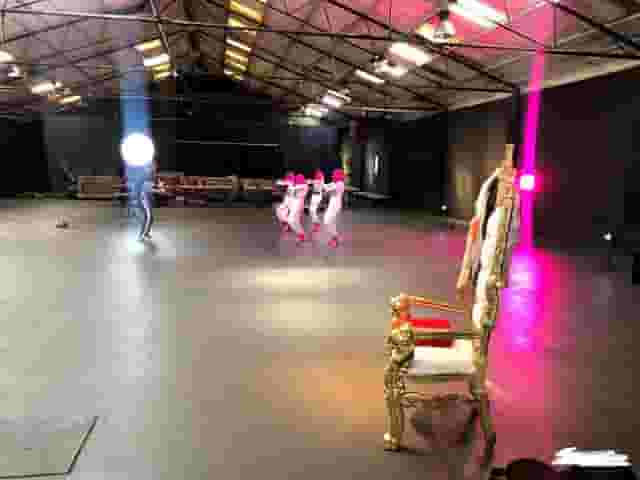
When working with performance spaces, check the floor finishes and existing furniture layouts. Venues built around live music may have fixed stages, stepped floor areas or dedicated dance floors that dictate how guests move. In Digbeth, The Night Owl provides a 250-capacity standing space with a sprung wooden dance floor, making it ideal for celebrations where entertainment forms the core of the night. If your brief requires outdoor lawns alongside historic indoor rooms, West Midlands Circus Centre in Edgbaston holds up to 200 guests across two halls, private gardens and on-site parking.
What corporate packages cost and how to compare quotes
Budgeting for an unconventional space requires closer scrutiny than booking a standard venue package. In traditional hotels, catering, staffing, linen and basic AV often arrive bundled into a single delegate rate. In unusual venues, pricing models diverge significantly between dry-hire hire fees and all-inclusive minimum spends.
Based on 8 quotes from the venues on this page for about 50 guests, corporate events typically cost £28 to £56 per head. This figure assumes that party size and provides an indicative range based on recent bookings. Where your booking lands within that bracket depends heavily on whether you choose a weekday or weekend date, how drinks are structured and whether the space provides in-house catering teams. As an event planning and venue booking platform, Hire Space pairs smart tools with a team of real people who oversee the outcome. It provides instant, data-backed price estimates based on historical booking figures, helping you evaluate potential spaces and discover cost-effective alternatives before submitting an enquiry.
Minimum spend versus dry hire
Venues that operate primarily as bars, restaurants or entertainment spaces typically charge on a minimum spend basis. You commit to spending a set financial threshold across food, drinks and activities. If your tab reaches that target, room hire is effectively included. This model keeps upfront costs predictable, provided you monitor the bar spend during the evening.
Dry-hire venues charge a fixed fee for the empty space. You then contract caterers, security, furniture and technicians separately. While dry hire gives you complete authority over your menu and supplier list, the ancillary costs accumulate quickly. Kitchen set-up charges, glassware hire, waste disposal and late-night staffing can add 30 to 50 percent on top of your headline venue fee. Hire Space 360 is enterprise venue and hotel procurement for companies spending £1m or more a year on meetings and events: a managed meetings and events programme, the kind procurement teams call strategic meetings management. It places every venue, supplier and accommodation booking on a single agreement with consolidated invoicing, keeping expenditure aligned with your company event policy. You can explore how Hire Space 360 works for procurement to see how it provides live spend reporting and audit tracking across every internal department.
| Pricing element | Minimum spend model | Dry hire model |
|---|---|---|
| Upfront room fee | Usually zero, provided spend threshold is met | Fixed fee for access hours |
| Catering and bar | Provided in-house; counts toward your total target | Contracted separately; requires external kitchen team |
| Technical and AV | Existing house rig included; upgrades charged extra | Sourced externally or hired via approved suppliers |
| Furniture and setup | Standard venue tables, stools and lounge seating used | Must be hired, delivered and cleared within the hire window |
| Best suited for | Social celebrations, networking and informal dining | Elaborate brand activations and tailored productions |
Reading the food and beverage fine print
To keep your spending towards the lower end of the £28 to £56 per head range, examine what each quote includes for reception drinks and evening food:
- Food style: Bowl food and slider stations are typically more cost-effective and space-efficient than formal seated three-course meals. They keep guests circulating and require fewer dining tables.
- Drink tokens versus open bars: Open bars create budgeting volatility. Structuring your package around welcome drinks followed by set tokens gives you tight control over the overall spend while still treating your team.
- Service charges and VAT: Quotes often exclude mandatory service charges, which commonly run between 10 and 12.5 percent across Birmingham venues. Verify whether the headline figure includes VAT before comparing proposals.
Managing logistics, AV and production in non-standard rooms
Technical production is where unconventional venues either shine or create headaches. Rooms not originally built for corporate events may lack balanced acoustics, adequate power distribution or reliable presentation screens. Understanding what exists on site lets you brief your speakers and suppliers without discovering shortcomings on the day.
Audio quality and sightlines
An echo that adds charm to a cocktail party will ruin an executive speech. High brick walls, glass facades and vaulted ceilings bounce vocal frequencies, making spoken words muddy and unintelligible.
When visiting a prospective space, stand where your speakers will deliver their remarks and look out across the room:
- Look for structural pillars, mezzanine overhangs or fixed decorative installations that could block audience sightlines.
- Check whether the venue has a distributed sound system with small speakers positioned throughout the space, rather than two loud speakers blasting from the front. Distributed audio allows everyone to hear clearly without deafening guests near the stage.
- If speeches are planned, verify that handheld wireless microphones are available and test them for local interference before guests arrive.
For occasions where presentations must run smoothly alongside waterside drinks, IET Birmingham: Austin Court offers its Waterside Room for up to 150 guests in a reception layout. With oak floors, exposed brick walls and canalside views, it gives your team historic character backed by professional AV infrastructure.
Power distribution and connectivity
Older manufacturing conversions and historic buildings often have limited electrical outlets spread around the perimeter walls. If your event involves food stations, photo booths, staging lights and live musicians, your production team will need to calculate the total draw on each ring main.
Ask the venue operations manager for a technical specification sheet that outlines available power:
- Do they have 16-amp or 32-amp commando sockets available for heavy production equipment, or only standard 13-amp domestic plugs?
- Where are the cable runs positioned? Running cables across guest pathways requires rubber floor ramps that can create trip hazards and ruin the look of the room.
- Does the guest Wi-Fi have sufficient bandwidth for corporate attendees? If your team relies on interactive polling, digital slide decks or live video streaming, request a separate hardwired Ethernet connection or dedicated staff network.
Privacy, exclusive hire and run-of-show practicalities
A common pitfall when booking distinctive venues is misunderstanding the boundary between private hire and semi-private hire. A cordoned-off area inside a busy hospitality venue can work well for a casual after-work drink, but it rarely suits confidential corporate speeches, product reveals or structured team celebrations.
Evaluating access and guest flow
When you negotiate private hire, confirm whether you have exclusive use of the entire address or sole access to a specified room within a larger trading building. If the venue remains open to the public, check where your guests will enter, which washrooms they will use and whether your team must share bar service with regular patrons.
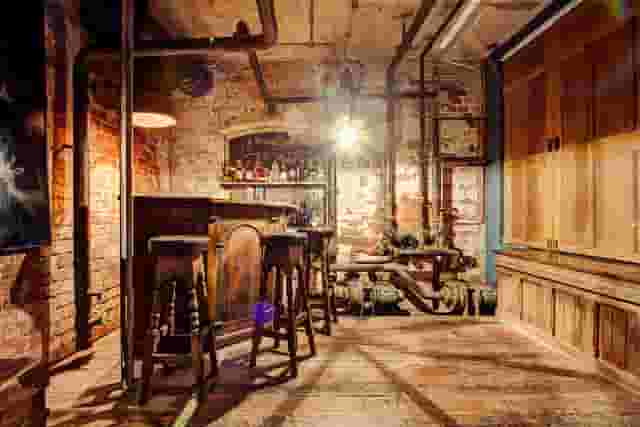
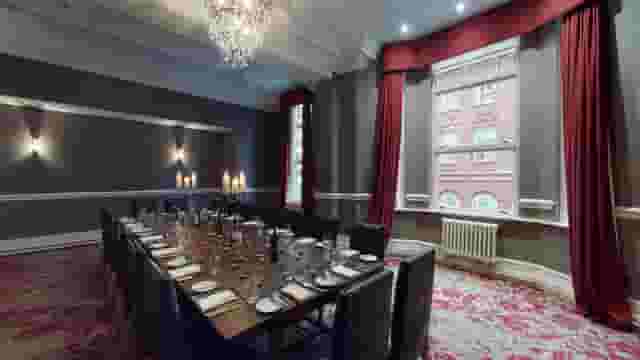
For mid-sized groups seeking dedicated character, The Lost & Found features The Secret Bar, an enclosed Victorian-themed space that holds up to 100 guests standing. Because the room is tucked away from the main restaurant floor, teams can enjoy cocktails and private speeches without external noise spilling into their party.
Timing your evening run of show
Distinctive rooms often require a more deliberate schedule than conventional banqueting suites. Because furniture may be informal or clustered in pockets, moving guests between stages of the evening requires clear direction.
| Time | Activity |
|---|---|
| 18:00 | Guest arrival, coat check and initial reception drinks |
| 18:45 | Welcome remarks and short company presentation |
| 19:15 | Food service begins (canapes, street food or bowl food) |
| 20:15 | Entertainment, team activities or social games commence |
| 22:30 | Last orders called at the private bar |
| 23:00 | Venue carriages and guest departure |
Build a brief buffer between arrival and your official speeches. Guests arriving via Birmingham New Street or local roads will inevitably face transit delays during peak evening rush hours. Starting presentations 45 minutes after doors open ensures the room is settled and drinks are poured before your leadership team takes the microphone.
Transport links, local geography and guest dispersal
Birmingham's central location makes it convenient for national teams converging from London, Manchester and the South West. However, transport convenience varies across the city's key entertainment districts. Factoring geography into your venue choice ensures guests can arrive easily and reach homeward trains or hotels without complicated travel arrangements.
Navigating Birmingham's key event districts
- City Centre and Colmore Business District: Venues near Colmore Row, New Street and Snow Hill offer effortless transit. Guests arriving at New Street Station can walk to their venue in under 10 minutes, making this area ideal when you have external clients or rail-dependent commuters attending on a work night.
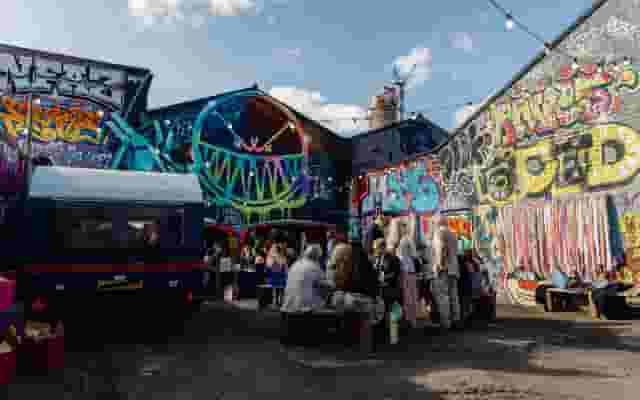
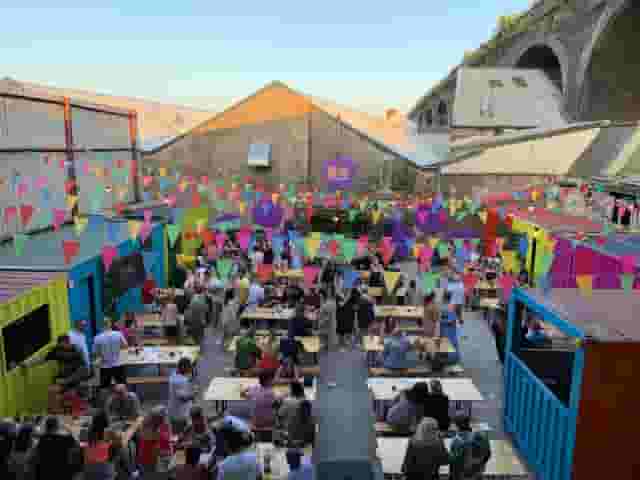
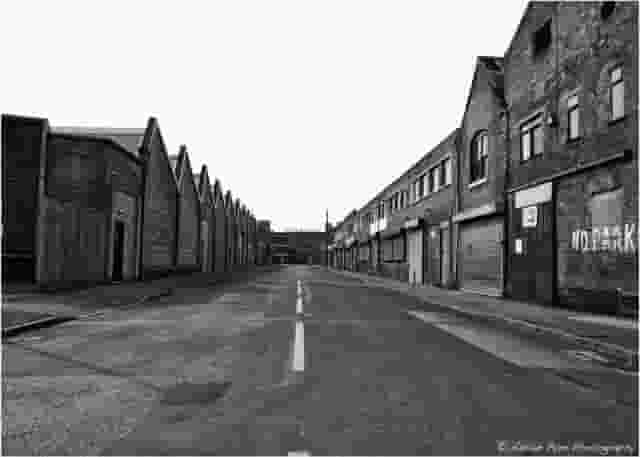
- Digbeth: Located a 10 to 15-minute walk south-east of Moor Street Station, Digbeth is Birmingham's hub for creative conversions, warehouse bars and street-food concepts. It offers exceptional atmosphere for relaxed celebrations. Pavements and industrial backstreets can be quiet late at night, so arranging clear taxi pick-up points or sharing local cab numbers with attendees is sensible.
- The Jewellery Quarter: Positioned northwest of the core centre, this district mixes historic industrial heritage with modern dining. It is easily reached via the Jewellery Quarter train and tram station or a quick five-minute taxi ride from New Street.
- Edgbaston and Outer Suburbs: Suburb venues provide more green space, easier on-site parking and quieter surroundings. However, they require attendees to travel by car, bus or taxi from the central rail terminals, which should be factored into your invitations.
Departure planning and local amenities
When your event concludes, guest dispersal should be smooth and safe:
- Late-night rail connections: Cross-city trains and services to London or the North generally taper off between 22:30 and 23:30 from Birmingham New Street. If key team members must travel back the same night, align your bar closure with railway timetables so guests do not get stranded.
- Ride-hailing pick-up zones: City-centre pedestrian zones and bus corridors can prevent taxis from stopping directly outside venue doors. Identify the nearest vehicle collection point and include that detail on the event confirmation sheet sent to attendees.
- Hotel proximity: If your gathering brings regional teams together, look for venues located within a short walk of major hotel hubs around Broad Street, New Street and the Mailbox. This reduces transport costs and lets attendees walk back safely at the end of the night.
What our customers say
Inspiration and planning guides

Watch a real brief turn into priced, available venues in 15 minutes
Chloe Richardson has spent 17 years in events. We gave Deep Venue Research one of her briefs and filmed every step, from the first questions to availability checked at the venues she chose.

Simple Events Win: Why Restraint Beats Spectacle
Budgets are tight and audiences want connection over spectacle. The events that land in 2026 are the deliberately simple ones. Here is how to edit rather than cut, grounded in the 2026 industry data, and why the right venue does the heavy lifting.

Why UK Event Calendars Got So Tight (And How to Book Smarter)
Lead times for UK corporate events are up 39% since 2022, based on Hire Space booking data. The calendar is tighter, conversion rates fall sharply when you leave it late and the peak windows are getting more crowded. Here is what the numbers say and what to do about it.
One supplier. Every venue. Full visibility on what you spend.
Multiple venues and events. One agreement.