Memorable Wedding Venues in Birmingham
Find memorable wedding reception venues in Birmingham for drinks, seated dining and dancing. Compare spaces with real layouts to plan your day.
84 Memorable Wedding in venues in Birmingham

































No venues match these filters
Try widening your capacity, luxury level or event type.
Don't have time to search? We'll find it for you.
For business events that need human judgement, talk to our team. Free for events of 100+ people, budgets over £10k or ongoing programmes.




Explore more venues in Birmingham




Frequently asked questions
How to ensure privacy at Birmingham weddings?
What size venue is ideal in Birmingham?
Central vs. secluded venues in Birmingham?
Are Birmingham venues tech-equipped?
What are Birmingham's best wedding styles?
Other platforms search their database. We search everything.
Tell us what you need. Our deep research finds any venue, whether it's in our marketplace or not. No one else does this.
About Memorable Wedding in Birmingham
Matching architectural style to the rhythm of the day
A wedding reception that brings together an arrival drinks reception, a seated meal and evening dancing requires a layout that flows naturally between each stage. In Birmingham, the architectural options range from red-brick industrial heritage in Digbeth to grand municipal buildings and secluded country manors on the edge of the city. The style you select sets the visual tone, but it also dictates how easily your guests move through the celebration.
Historic buildings give an immediate sense of occasion, yet their protected status influences practical planning. At the Birmingham Museum and Art Gallery, the Edwardian Tea Rooms holds up to 200 guests for a reception in a Grade 2 listed setting right in the city centre. Spaces like this bring soaring archways, detailed woodwork and built-in grandeur, which cuts down the need for heavy dressing. However, listed interiors often enforce strict rules regarding naked flames, wall fixings and external catering setups.
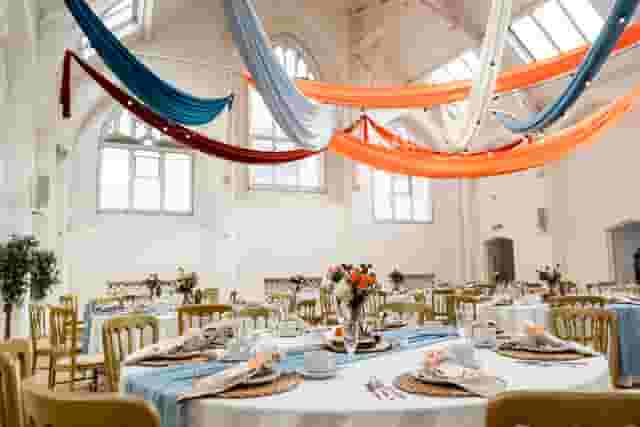
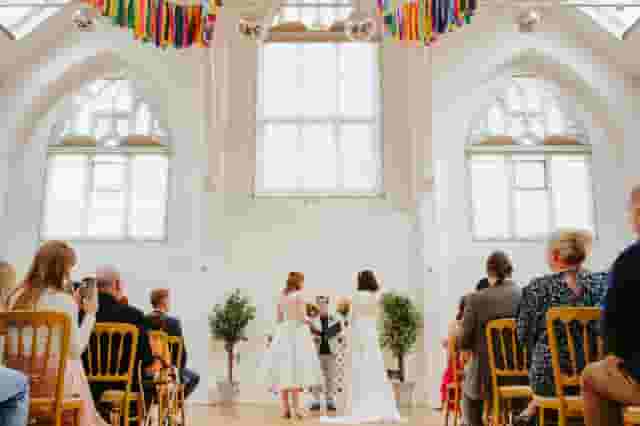
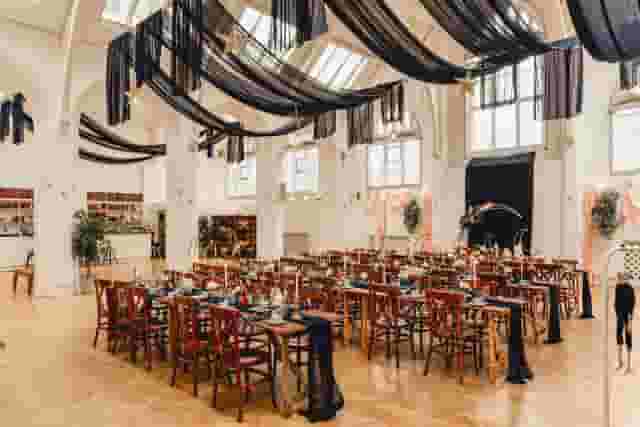
If your preference leans towards late-Victorian or civic architecture with more decorative flexibility, The Old Library in Digbeth offers a characterful Victorian space with high ceilings and generous natural daylight. It accommodates up to 250 guests for a reception. Buildings with high roof timbering and tall windows handle daylight well for late afternoon dinners, but you need to consider how lighting will transition once evening dancing begins. Uplighting against brickwork or heritage plaster softens the room when the daylight fades, creating a distinct boundary between dinner and party.
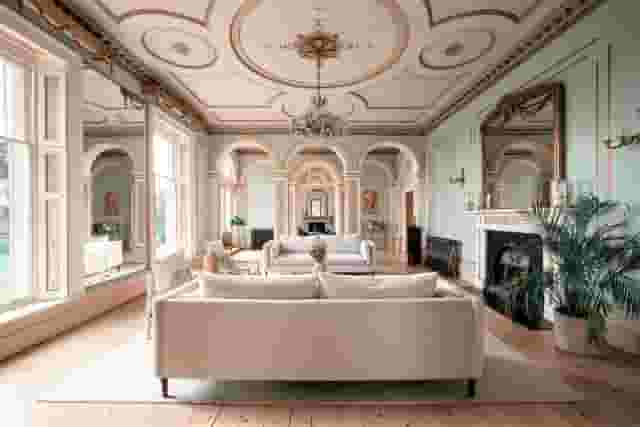
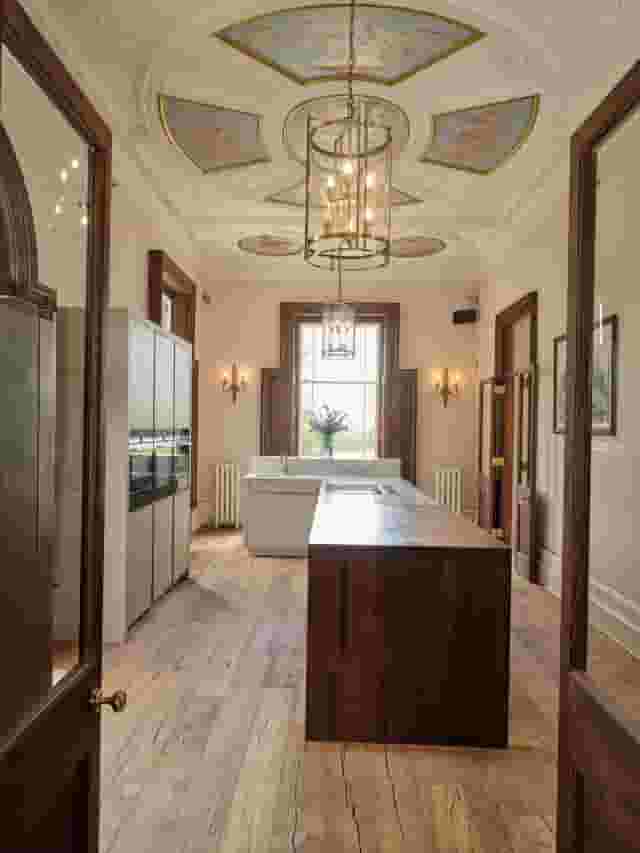
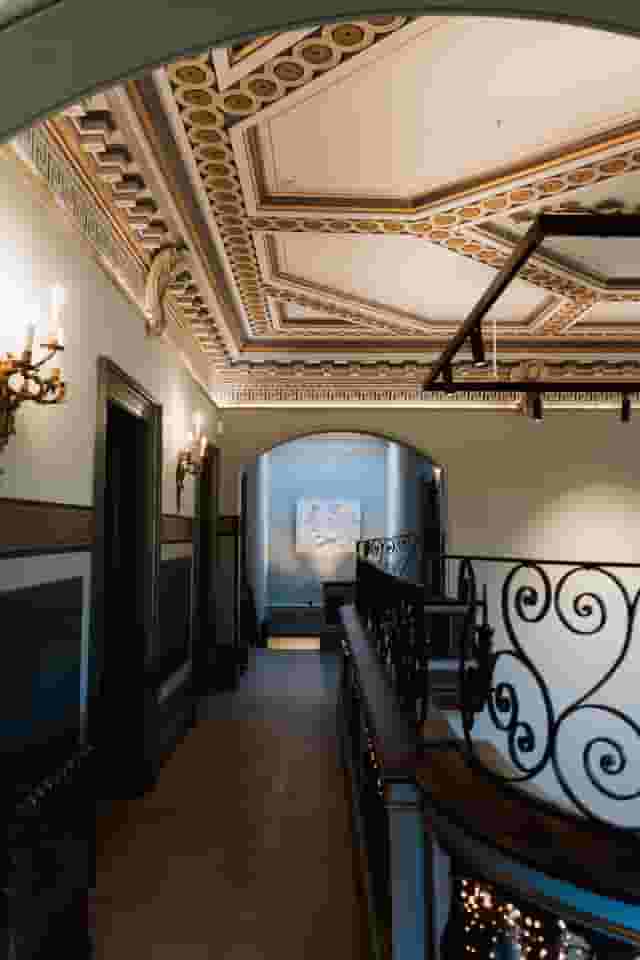
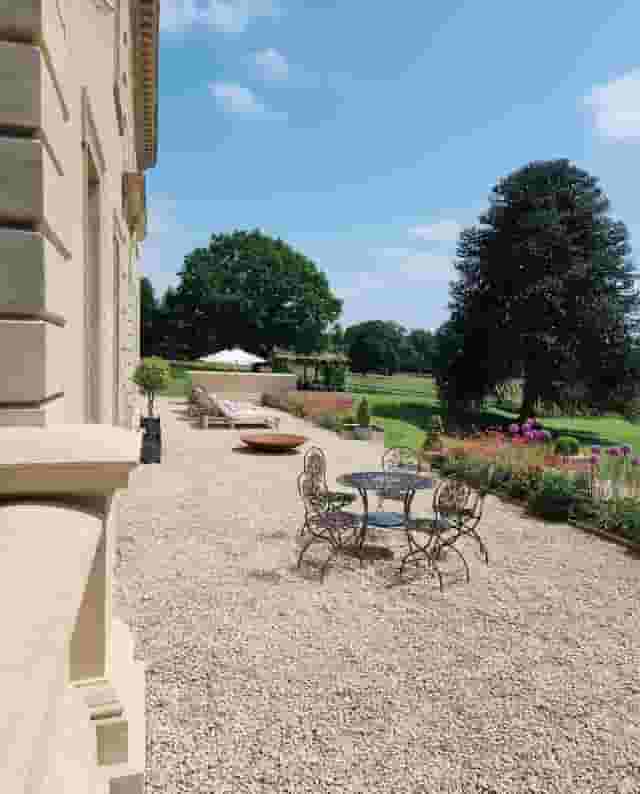
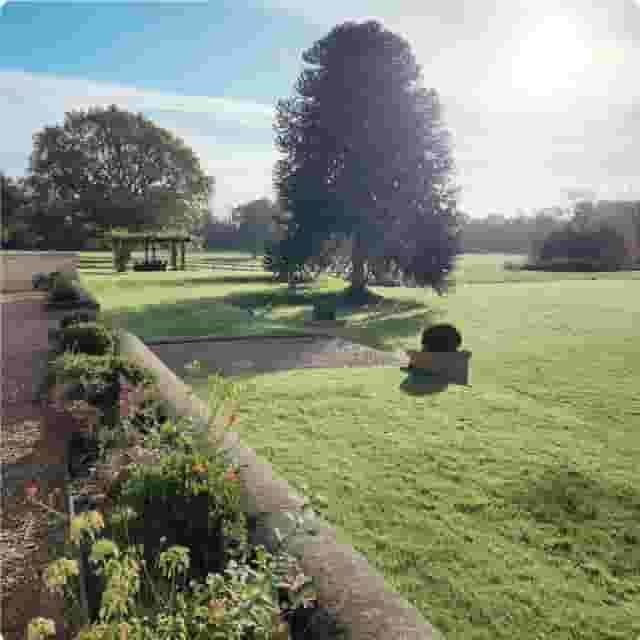
For celebrations looking for country surroundings without leaving the city boundary, Highbury Hall in Moseley provides a Grade II* listed mansion set in grounds that feel entirely rural. It has a wedding capacity of 150. A setting like this allows arrival drinks on lawns or terrace walks before guests head inside for formal dining.
When choosing between historic architecture and modern spaces, look closely at how the room breathes across eight to ten hours. If you want seasonal ideas for dressing heritage spaces during darker months, exploring approaches to romantic winter wedding venues can clarify how candles, fairy lights and architectural lighting balance high ceilings and stone floors.
Sizing rooms for dinner, dancing and guest circulation
Calculating venue capacity for a full wedding reception is fundamentally different from booking a cocktail evening or a theatre performance. A room that claims a generous standing limit can feel uncomfortably cramped once dining rounds, service paths, a dance floor, a bar and a five-piece band are set up.
When comparing spaces, always ask for floor plans based on banqueting layouts rather than reception totals. You need roughly two square metres per seated guest at round tables once you account for circulation and waiter service. If the meal and the dancing take place in the same room, you also need space to keep the dance floor clear or a dedicated staging area for evening entertainment to set up without intruding on the meal.
For large guest lists requiring scale, dedicated halls offer wide floorplates. The Banqueting Hall at the Majestic Conference & Banqueting Centre near Aston Villa accommodates 500 guests standing, providing the footprint needed for expansive celebrations where extensive staging or wide head tables are planned. Similarly, the Grand Botanical Suite offers an event space holding up to 350 standing, where floral decoration is already woven into the interior design.
Smaller guest lists demand the opposite discipline: choosing a space that feels full, warm and lively without feeling sparse. Historic rooms with fixed timbering or panelled walls work especially well for smaller numbers because their proportions are already balanced. The Great Hall at Aston Hall, a Grade 1 listed Jacobean mansion, hosts up to 80 guests for a reception. For still more focused gatherings, the 17th century Great Hall at Blakesley Hall in Yardley seats up to 40 guests in a restored Elizabethan house surrounded by grounds. In spaces of this scale, an intimate dinner feels natural rather than lost, and evening acoustic music fills the room without overwhelming conversation.
| Venue | Locality | Capacity Type | Stated Capacity | Notable Feature |
|---|---|---|---|---|
| Majestic Conference & Banqueting Centre | Aston (B6) | Standing | 500 | Large banqueting space near Aston Villa |
| Grand Botanical Suite | Birmingham (B5) | Standing | 350 | Integrated floral interior decoration |
| The Old Library | Digbeth (B9) | Reception | 250 | Victorian hall with high ceilings |
| Birmingham Museum and Art Gallery | City Centre (B3) | Reception | 200 | Grade 2 listed Edwardian Tea Rooms |
| Highbury Hall | Moseley (B13) | Wedding | 150 | Grade II* listed hall in country grounds |
| Aston Hall | Birmingham (B6) | Reception | 80 | Grade 1 listed Jacobean Great Hall |
| Blakesley Hall | Yardley (B25) | Wedding | 40 | 17th century hall in Elizabethan house |
Balancing city centre connections against secluded grounds
Deciding between a central Birmingham venue and one situated further out comes down to transport convenience versus exclusive outdoor privacy. Each style introduces logistical choices that affect your guests and your supplier schedules.
A central city reception makes guest logistics straightforward. Venues close to Birmingham New Street, Snow Hill and Moor Street allow guests to arrive easily by rail and find nearby hotel rooms across all budgets. Taxis are simple to hail at midnight, and older relatives can leave early without coordinating group travel. The tradeoff is external control. In busy areas like central Birmingham or Digbeth, you share the immediate vicinity with public traffic, nightlife and surrounding venues. Loading windows for suppliers, such as florists and bands, can be tightly regulated due to pedestrian zones or parking restrictions.
Moving outward towards the edges of the West Midlands and neighbouring Worcestershire brings privacy, greener backdrops and quieter air. At Bordesley Park Wedding Venue, Bishops Barn holds up to 250 guests in a theatre setup within a converted rustic barn. Converted barns and rural estates give couples secluded grounds where outside noise does not interrupt the speeches or the afternoon drinks.
However, rural and edge-of-city venues demand early transport planning. You must evaluate whether there is enough on-site parking, whether local taxi firms can handle thirty pickups between 11pm and midnight, and whether surrounding country lanes have adequate lighting for guests walking to local accommodation.
| Factor | Central Birmingham Venues | Suburban and Country Venues |
|---|---|---|
| Transport | Rail links within walking distance; frequent city taxis | Relies on private cars, coaches or pre-booked local taxis |
| Accommodation | Broad hotel choices within a short walk or cab ride | Limited nearby hotel beds; often requires rural inns or B&Bs |
| Privacy | Shared streetscapes, city hum and public access points | Dedicated private grounds, quiet photography spaces and tree lines |
| Curfews and Noise | Council noise limiters common; midnight or 1am music licences | Outdoor music curfews often 10pm or 11pm; rural council bylaws |
| Supplier Load-In | Controlled parking bays, loading lifts and tight time windows | Ground-level access, private service drives and open parking |
Managing the room transition: drinks, dinner and evening entertainment
A memorable wedding reception relies on momentum. The day falters when guests are left standing in a corridor while waiting staff carry tables past them, or when music volume forces conversation out of the room before dinner has fully digested.
Handling single-room turnarounds
If your venue uses one primary hall for both the meal and the evening party, ask the operations team exactly how the turnaround runs. A well-managed room flip requires between 45 and 60 minutes. During this period, guests must be directed into an adjoining bar, an entrance foyer or an outdoor terrace for coffee or evening drinks. Venues like The Old Library benefit from characterful surrounding areas in Digbeth where guests can mingle while waiting staff collapse tables, reposition seating and uncover the dance floor.
Managing sound, acoustics and lighting
Sound travels unpredictably in tall, historic rooms. High ceilings and plaster walls, such as those found in Victorian libraries or Jacobean halls, can cause spoken words to reverberate during speeches. Ensure your speech setup includes handheld roving microphones connected directly to speakers positioned along the length of the dining area, rather than relying on a single loud speaker at the top table.
When booking evening entertainment, ask the venue coordinator these technical questions:
- Does the venue operate a hard-wired sound limiter that cuts power if sound breaches a decibel threshold?
- What three-phase or 13-amp power supplies exist near the performance area?
- Can your DJ or live band tie into the in-house sound system, or must they bring full PA rigs?
- At what time can musicians load in, and does that access disrupt the seated meal?
Lighting also commands the atmosphere. Avoid relying on full overhead chandeliers once the dancing begins. Dimming the main lights down to twenty percent and using focused stage lighting or low uplighting allows guests to feel comfortable moving onto the dance floor.
Privacy, exclusive use and contractual terms
Confirming whether your booking guarantees exclusive use is essential for peace of mind. A venue that hosts multiple functions on the same day can create awkward crossover moments where two wedding parties meet in the foyer or compete for the best photo locations in the grounds.
When touring historic estates, council-owned properties or multi-room venues, obtain clear written answers to the following points:
- Public access. If the building is an active gallery or heritage property, confirm the exact hour public visitors depart and when your private access starts.
- Dedicated facilities. Ensure the bar, restrooms and cloakrooms serving your party are not shared with general restaurant diners, hotel guests or another event.
- Supplier timelines. Clarify when wedding coordinators, cake makers and decorators can enter the room to begin their dressing, and when items must be collected the following morning.
- Quiet retreats. Verify whether older guests or families with infants have access to a comfortable seating area away from the main sound system.
At a property like Highbury Hall, where the entire venue can be reserved, having the whole mansion gives your party total freedom across the rooms, allowing conversation in the drawing spaces while dancing continues elsewhere.
Navigating catering structures and reception quotes
Understanding the financial structure of a wedding reception quote keeps your budget predictable. In Birmingham, venues generally operate on one of three models: fully catered packages, approved-caterer panels or dry hire.
Packages versus dry hire
A packaged price per head usually wraps room hire, an arrival drink, a three-course dinner, table wine, toast fizz and standard staffing into a single fee. This offers cost certainty from the outset, making comparisons relatively straightforward. If you want to compare figures before reaching out to coordinators, event planning and venue booking platform Hire Space provides instant price estimates based on real booking data. Backed by a team of real people who stay involved throughout the search, it can also highlight similar Birmingham venues that offer better value if your preferred setting exceeds the budget.
Dry hire, by contrast, gives you the empty room for a flat hire fee. You then hire your own catering team, bar service, furniture and tableware. While dry hire gives you complete authority over what you eat and drink, the hidden extras accumulate quickly. You will need to account for kitchen setup equipment, linen hire, service staff wages, glassware breakages and waste disposal.
Questions to ask about catering charges
Before committing to any venue proposal, verify how these specific operational elements are priced:
- Corkage charges. If you bring your own champagne or wine, does the venue charge a flat fee per bottle, a per-head fee or refuse outside alcohol altogether?
- Tasting sessions. Is an advance food and wine tasting for two people included in the booking fee, or is it invoiced as an additional extra?
- Evening food. Does the package include late-night bites, such as flatbreads or sliders, or does that require an uplift to the catering contract?
- Staffing ratios. Does the proposal provide at least one waiting staff member per ten to twelve dining guests to ensure prompt, warm service during the main meal?
- Curfew extensions. What is the hourly charge if you wish to extend the bar and entertainment licence from 11pm to midnight or 1am?
For broader advice on how to structure your venue search and ask the right questions early in the planning process, review our comprehensive guide to finding wedding venues. Taking time to read contracts thoroughly, asking direct questions about sound and catering limitations, and visiting your shortlisted rooms at the exact time of day your reception will happen will ensure you secure a setting that runs smoothly from your first toast to the final song.
What our customers say
Inspiration and planning guides

3 Affordable Wedding Venues In London
Planning a wedding in London can be as dreamy as it is daunting, especially when trying to keep costs reasonable without compromising on the venue. Fortunately, London boasts an array of stunning yet affordable wedding venues that cater to every taste and budget. So let's dive in!

Venue Review: Theatre Royal Drury Lane
Theatre Royal Drury Lane [https://hirespace.com/Spaces/London/11681/Theatre-Royal-Drury-Lane/Grand-Saloon/Weddings] is a phoenix. Amazingly, the first time it burned down was after the Great Fire Of London - it survived that fire. But six years later, it was burnt to a crisp. But it rose, rebuilt, only a few years later - only to be destroyed once again, in 1794. And in 1809, having been rebuilt again, it caught alight, and Theatre Royal [https://hirespace.com/Spaces/London/11681/Theatre-Royal

9 Glorious Glass Venues in London
London is a city that knows how to make an impression, and when it comes to hosting events, why settle for anything less than spectacular? Enter London’s glorious glass venues!
One supplier. Every venue. Full visibility on what you spend.
Multiple venues and events. One agreement.