Unique Event Venues in Manchester
Explore distinctive event spaces across Manchester for company dinners, drinks receptions and conferences with private rooms and full catering.
230 Unique Event in venues in Manchester


















































































































No venues match these filters
Try widening your capacity, luxury level or event type.
Don't have time to search? We'll find it for you.
For business events that need human judgement, talk to our team. Free for events of 100+ people, budgets over £10k or ongoing programmes.




Explore more venues in Manchester








Frequently asked questions
What unique venues are in central Manchester?
How to find a tech-ready unique venue?
Can I host a large event in Manchester?
What if my event needs a historic setting?
Are there exclusive venues in Manchester?
Other platforms search their database. We search everything.
Tell us what you need. Our deep research finds any venue, whether it's in our marketplace or not. No one else does this.
About Unique Event in Manchester
Matching venue architecture to your event format
Choosing a non-standard setting for a business event alters how people interact. In a standard hotel conference suite, guests default to polite distance. Move that same group into an Edwardian swimming baths, a working distillery or a waterside arts complex, and the architecture does the initial conversational work for you. The practical challenge is ensuring that the physical quirks of an unusual building do not get in the way of your presentation, your dinner or your bar service.
Manchester holds an exceptional range of converted industrial spaces, cultural institutions and civic landmarks. When assessing whether a room suits your company event, begin with the sightlines and acoustic surfaces. Raw brick, exposed steel and high vaulted ceilings look striking, but they bounce sound relentlessly. If your evening involves a CEO address, a client presentation or an awards ceremony, a room made entirely of hard surfaces requires additional acoustic dampening, directional speakers or a dedicated stage setup.
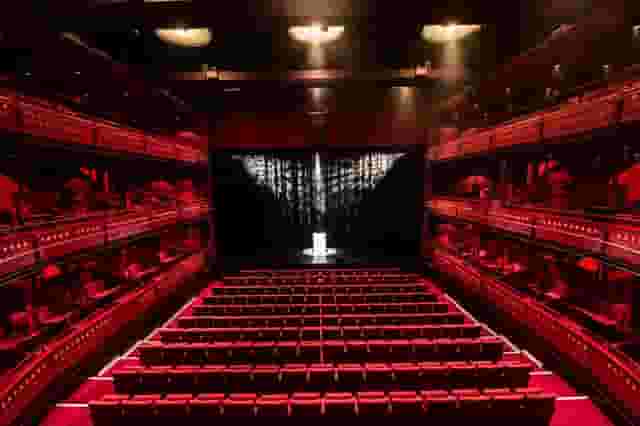
For theatre-style presentations with high production values, dedicated performance spaces eliminate the headache of building a technical rig from scratch. Lowry at Salford Quays offers the Lyric Theatre, which seats 1,730 people with professional stage rigging, lighting rigs and in-house production crews already in place. This scale works well for national company conferences where an evening drinks reception follows in the surrounding foyers overlooking the water. Similarly, Aviva Studios provides The Hall, seating 1,500 guests in a modern cultural setting designed specifically to accommodate complex technical production and flexible seating plans.
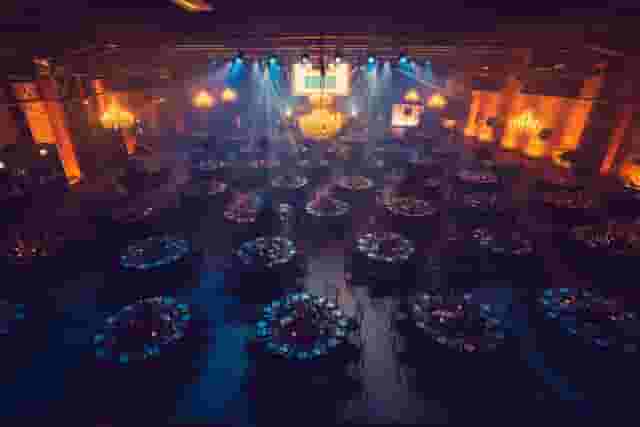
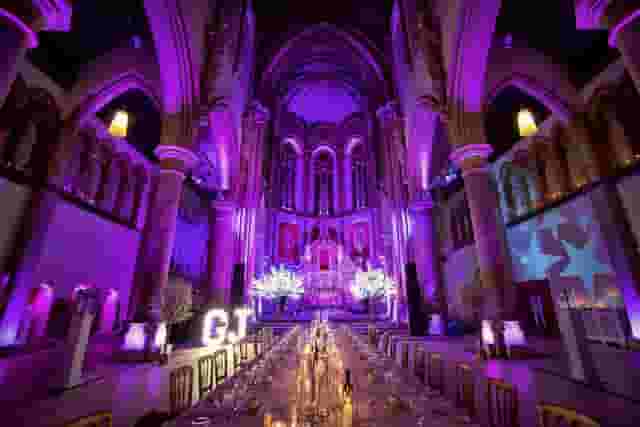
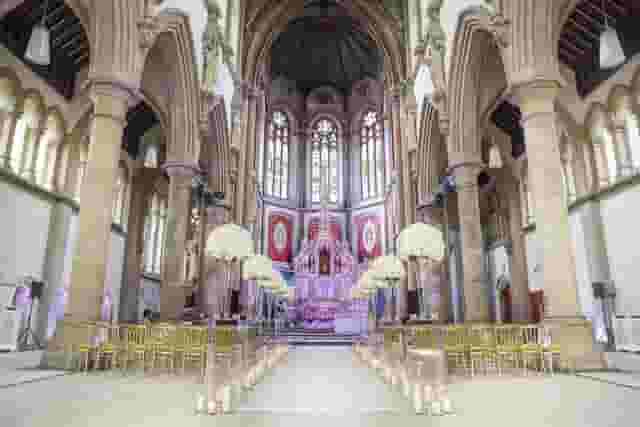
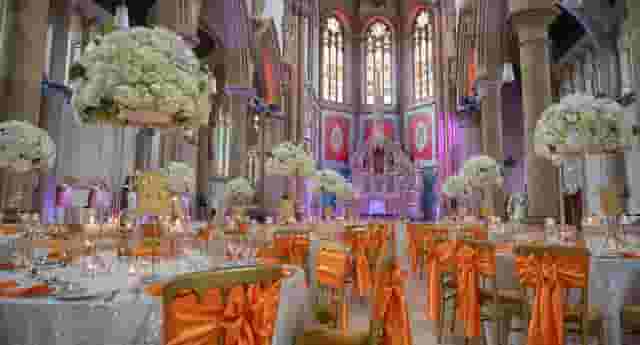
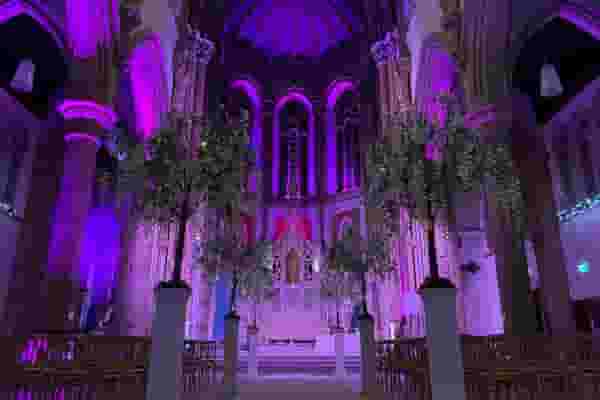
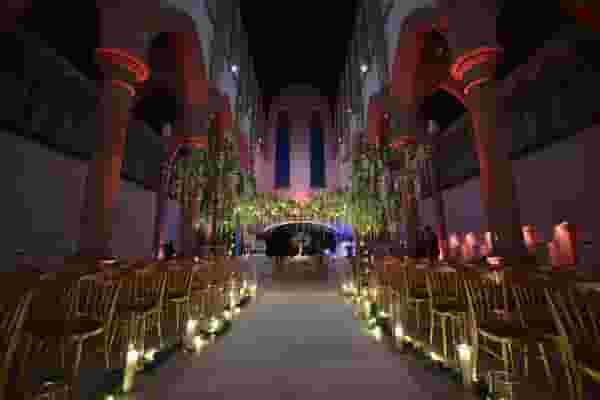
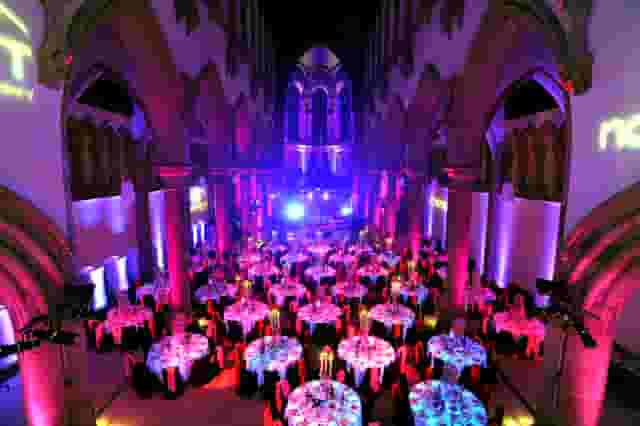
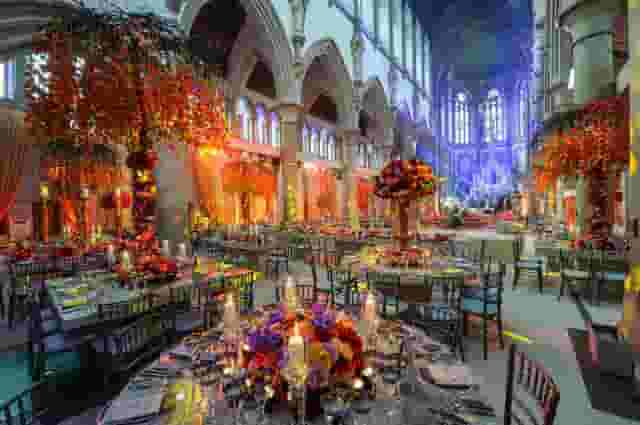
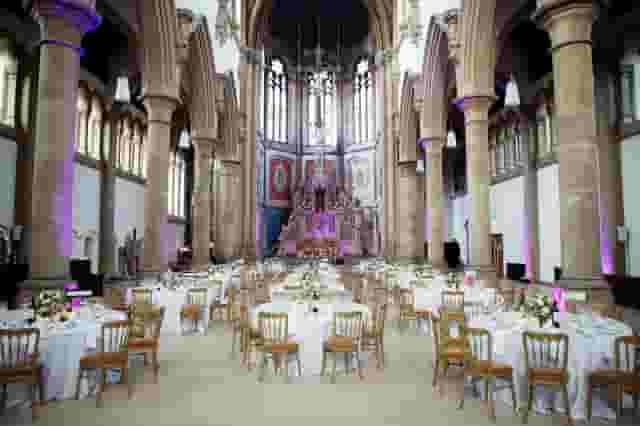
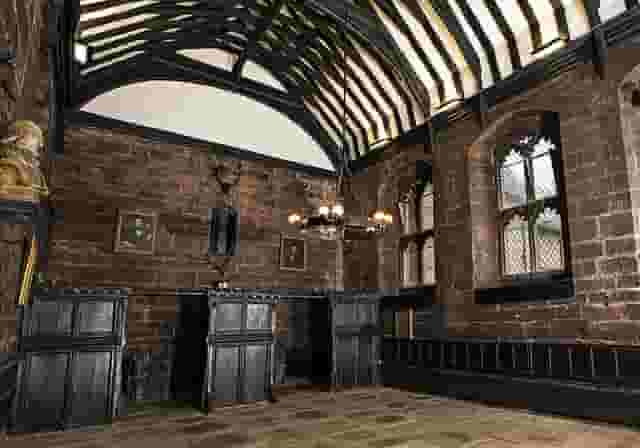
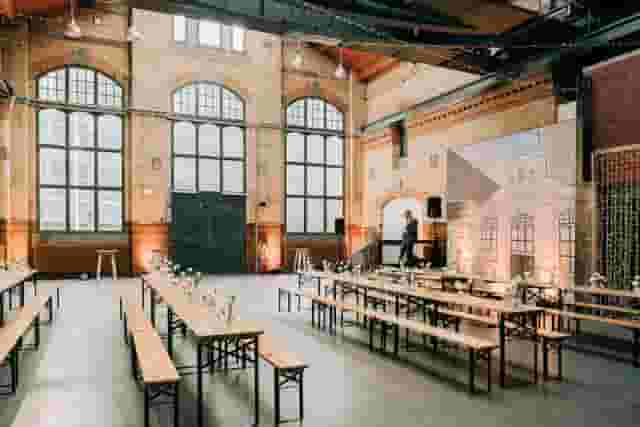
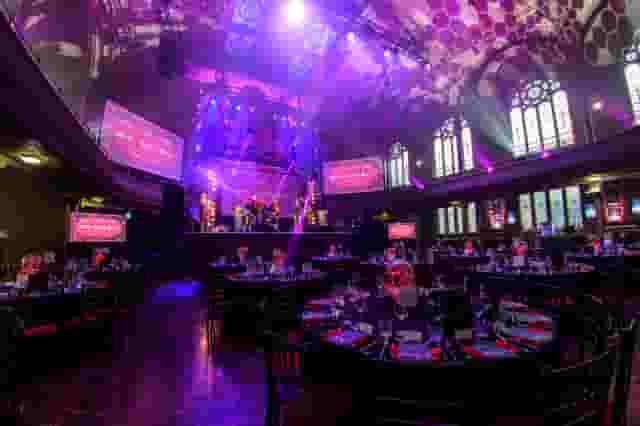
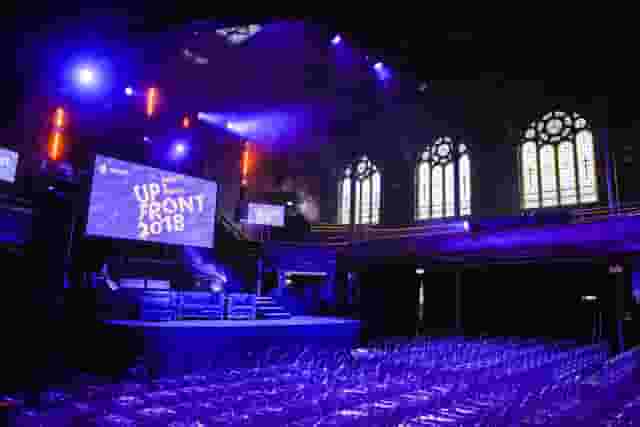
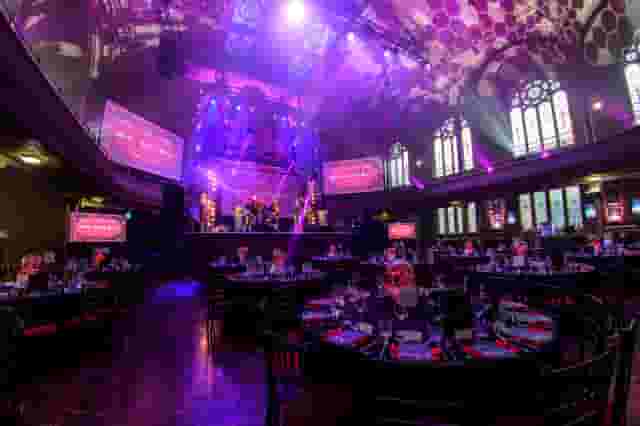
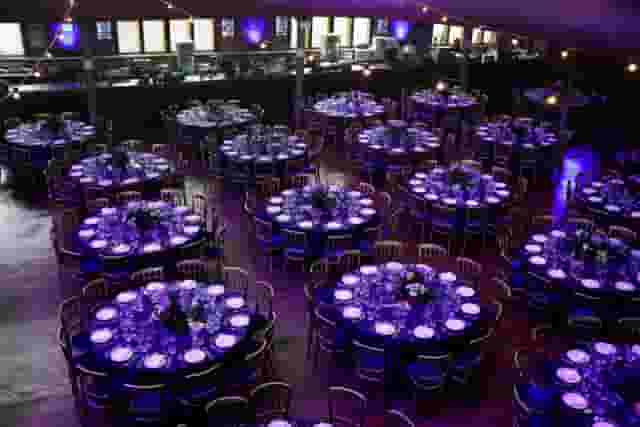
When your brief calls for dinner and drinks with a dramatic backdrop rather than a theatrical stage, converted heritage buildings change the mood entirely. Manchester Monastery provides exclusive venue hire for up to 700 guests in a Gothic setting, giving private groups full run of the property without outside distraction. Within the same complex, the The Monastery Manchester features the Great Nave, which accommodates 650 people for presentations or up to 450 seated for banquets under its high arched ceilings. Spaces of this scale suit end-of-year gatherings or major client dinners where the visual impact of the room replaces the need for heavy external styling.
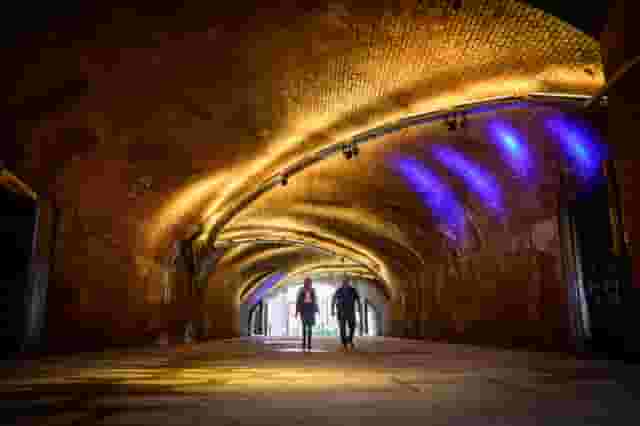
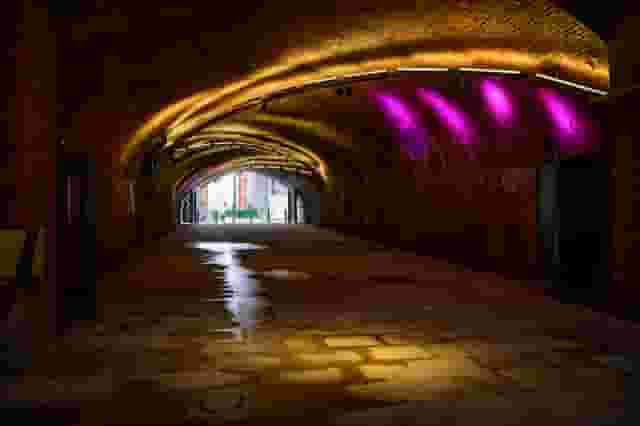
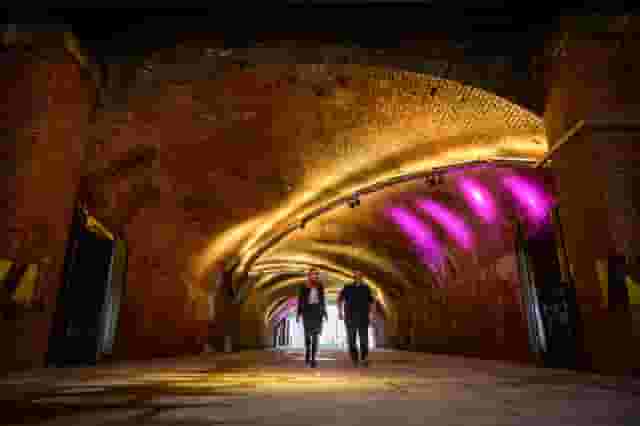
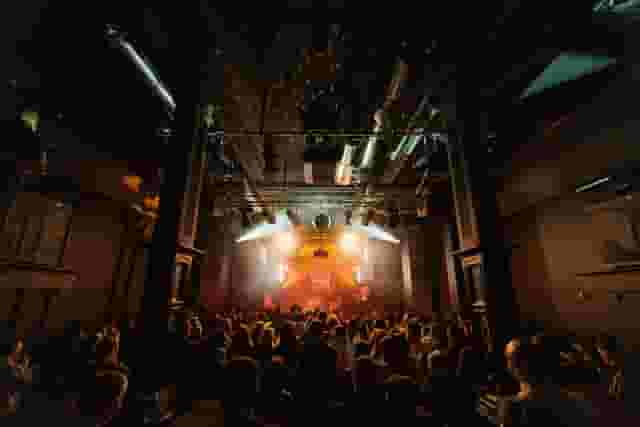
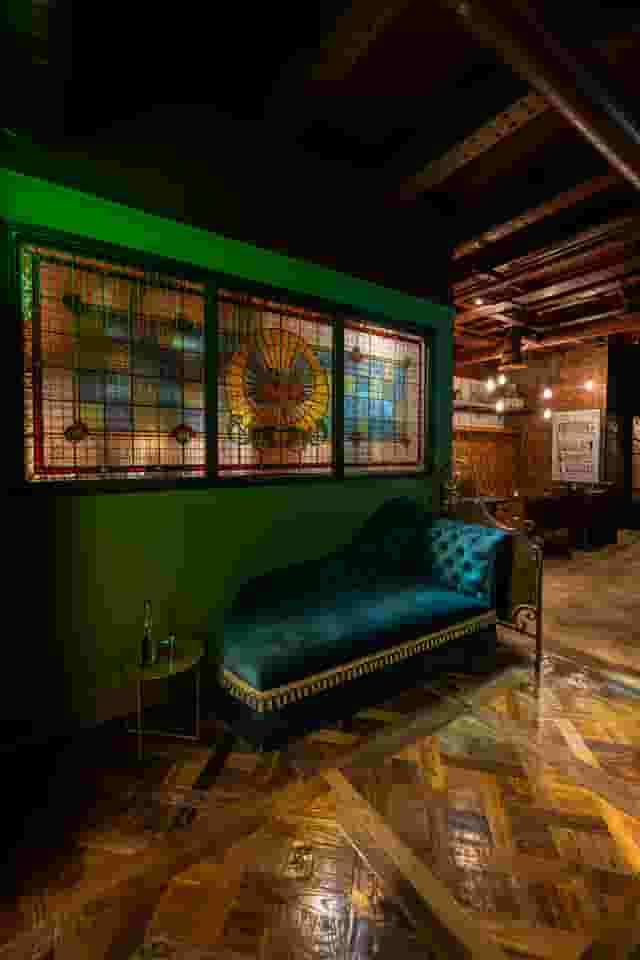
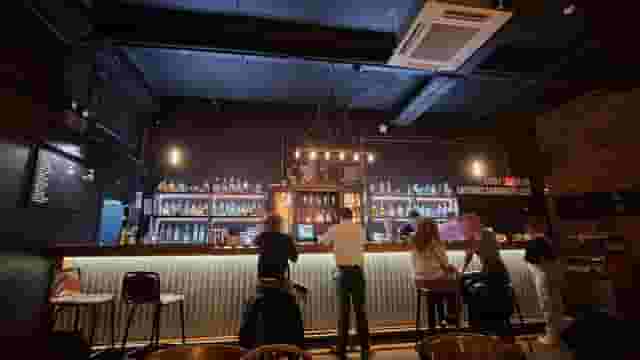
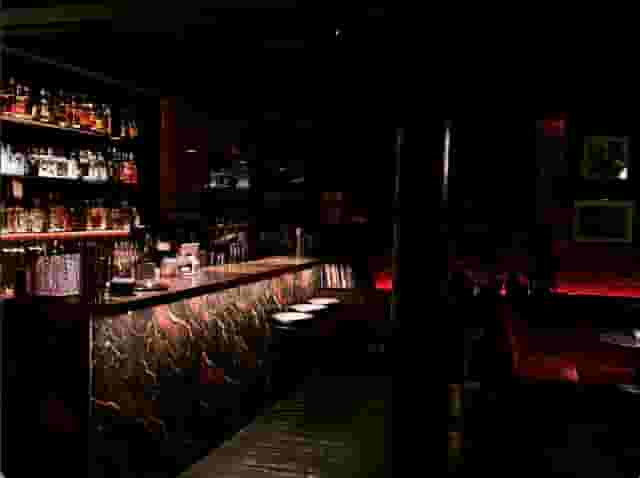
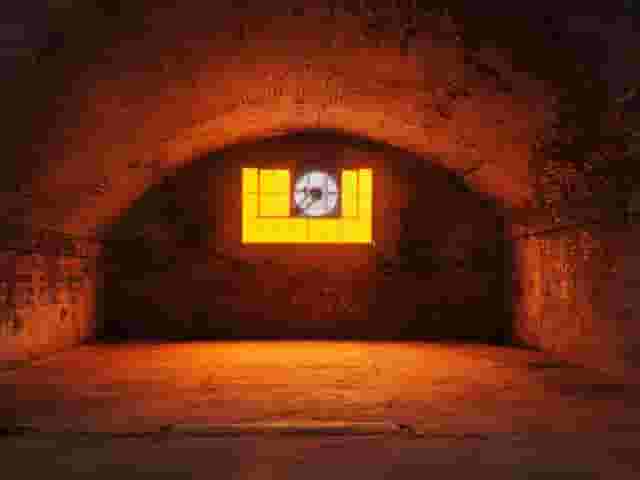
For smaller gatherings where conversation is the main priority, look for self-contained spaces that keep guests together. A large cavernous hall can swallow a group of 50 or 60 people, leaving attendees feeling scattered. For team celebrations and informal client evenings, The Bar at The Spirit of Manchester Distillery in Deansgate accommodates 60 guests standing. Set within a working distillery among railway arches, it provides an industrial backdrop with live gin production visible behind the bar. If you want a music-led atmosphere with a private bar and stage, The Deaf Institute along the Oxford Road corridor offers the lodge space for up to 300 standing guests.
| Venue type | Best event formats | Physical considerations |
|---|---|---|
| Converted industrial and railway arches | Evening social events, brand showcases, informal networking | Acoustic reverberation, temperature control, baseline power distribution |
| Civic landmarks and listed halls | Banquets, formal dinners, large presentations | Supplier restrictions, conservation rules, strict pack-down curfews |
| Purpose-built performance spaces | Company-wide conferences, hybrid events, awards shows | Fixed seating configurations, restricted outside catering access |
| Independent music and arts venues | Summer parties, team socials, creative product launches | Lower ceiling heights, split levels, private bar positioning |
Managing technical requirements and sound in historic spaces
Unconventional venues rarely come with uniform corporate technology. While a conference hotel has drop-down screens and ceiling-mounted projectors every four metres, a converted warehouse or a 19th-century public hall presents solid stone walls, irregular floor plans and strict conservation rules. When planning presentations, town halls or panel discussions, technical preparation must start during your first site visit.
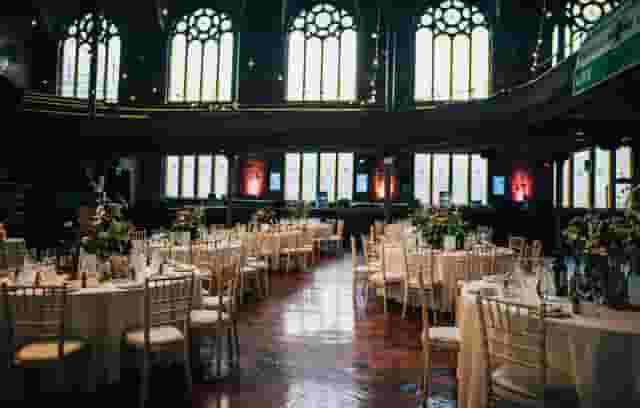
Always request a current technical specification document before signing a contract. You need to know the clear Wi-Fi capacity, the positions of hardwired data points, the specifications of any installed speakers and microphones, and whether the venue provides on-site technical support during your event. In heritage spaces such as Victoria Baths, where the Sports Hall holds up to 400 guests inside a Grade II* listed Edwardian building, attaching equipment to walls or drilling into structural fabric is prohibited. Any lighting truss, projection screen or branded backdrop must be completely free-standing.
Power distribution is another common hurdle. Older properties often have a limited number of standard 13-amp domestic sockets placed along outer walls, rather than the three-phase 32-amp or 63-amp power supplies required by production companies and external caterers. If your event uses significant stage lighting, sound amplifiers or mobile hot-holding ovens for food service, establish the total power draw early. Running heavy-duty cabling across public walkways creates trip hazards that require rubber cable ramps, which can compromise step-free access and narrow your clear fire exit routes.
Sound management requires a clear plan. In cavernous brick structures, low-end bass frequencies linger while spoken vocals turn muddy. If your agenda includes important company announcements, instruct your AV supplier to use distributed point-source speakers placed close to your guests at lower volumes, rather than two loud speakers blasting from the front of the stage. For guidance on how non-traditional spaces operate across other UK cities, reading about unusual event hire options helps illustrate the creative ways planners adapt unusual buildings for corporate groups.
Private catering and bar logistics away from standard hotel packages
Organising food and beverage in a distinctive venue requires more oversight than selecting a three-course hotel banquet. Some venues manage their catering through an in-house culinary team, while others operate as dry-hire shells where you must bring in an approved external caterer. Each approach affects your budget, your staffing levels and the flow of the evening.
When an in-house kitchen exists, service is generally simpler because the infrastructure is fixed. However, in historic or industrial buildings, the kitchen might be located several floors away from your private dining area, or service might rely on temporary back-of-house finishing kitchens. Always clarify how food travels from the preparation area to your guests. If your menu features hot plated food for 200 people, service staff need clear, unobstructed corridors between the kitchen and the room. If access relies on a single passenger lift shared with the public, food can arrive cold and table clearance will slow down.
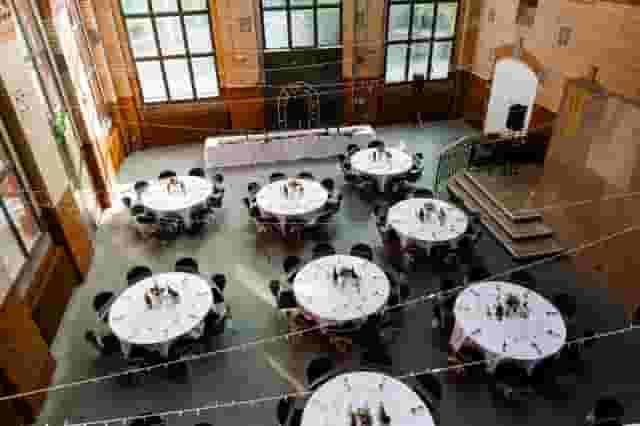
For standing drinks receptions, bowl food and passed canapes often work better than formal buffets. A seated banquet requires a large floor footprint for round tables, service aisles and clearing stations, which reduces the standing capacity of the room. Finger food and circulated bowls keep guests moving around the room and talking, while eliminating the bottleneck of a static buffet queue.
Bar logistics also require attention. Unconventional spaces often have a single bar counter designed for regular retail trade rather than the sudden rush of 150 colleagues ordering drinks simultaneously at 18:30. To avoid 20-minute bar queues that dampen the atmosphere of your event:
- Request secondary satellite bars serving a restricted menu of pre-poured wine, beer and soft drinks for the first 45 minutes of the reception.
- Ensure the venue has dedicated glassware washing facilities on site, or confirm that your caterer brings adequate clean glass stock to cover the entire evening without mid-event washing cycles.
- Confirm ice supplies in advance, as small independent venues frequently lack high-capacity industrial ice makers capable of supporting an open bar on a warm evening.
- Agree whether bar spend operates on a prepaid tab, a fixed per-head drinks package or a dry-hire corkage arrangement before contract exchange.
What corporate events cost in Manchester
Budgeting for an event with private space, food and drinks requires looking past the base venue hire fee. In Manchester, indicative pricing for corporate events typically sits between £45 to £84 per head. This figure is an estimate based on 4 quotes from the venues on this page, and it assumes a party size of about 50 guests. To test figures against your own guest count, venue booking platform Hire Space generates instant cost estimates drawn from real corporate bookings, backed by a team of real people who can help you shortlist spaces and suggest alternatives if your preferred room pushes past your budget.
Where your event lands within that £45 to £84 per head range depends heavily on the structure of the venue's pricing and what is included in the initial proposal. Understanding what separates the lower end from the higher end allows you to compare proposals fairly:
- The lower end (towards £45 per head): Typically reflects standing drinks receptions where the venue charges a reasonable minimum spend on food and beverage rather than a heavy room hire fee. Catering at this level usually consists of light canapes, bowl food or informal sharing platters, accompanied by house wines, draught beers and soft drinks. It generally relies on the venue's existing furniture, standard house lighting and basic background sound systems.
- The higher end (towards £84 per head): Generally includes seated three-course private dining, expanded welcome drinks with premium spirits or cocktails, and a dedicated room hire charge that grants exclusive use of the space for setup, the event itself and late-night pack-down. It also covers professional service staff, dedicated cloakroom attendants and standard AV packages including wireless microphones and projection screens.
To compare quotes accurately, build a simple comparison matrix that accounts for variable costs that standard quotes frequently exclude.
| Cost element | Often included in packages | Frequently charged on top |
|---|---|---|
| Venue access | Contracted event hours (e.g. 18:00 to 23:00) | Early access for AV setup, next-day decor collection |
| Technical kit | House background speakers, basic static lighting | Handheld wireless mics, projection screens, sound engineers |
| Staffing | General floor bartenders, waiting staff | Dedicated security guards, cloakroom staff, kitchen porters |
| Facilities | Existing furniture, standard house glassware | Furniture hire, table linen, specialist bar glassware, corkage fees |
| Cleaning and waste | Standard post-event sweep | Heavy waste removal, skip hire, deep cleaning after late finishes |
Always ask venues to confirm their service charge and VAT treatment on food and drink. A quote that appears competitive on paper can rise by 20 percent for VAT and an additional 10 to 12.5 percent for discretionary service, which quickly pushes your final spend outside your company's approved budget limits. Hire Space 360 is enterprise venue and hotel procurement for companies spending £1m or more a year on meetings and events: a managed meetings and events programme, the kind procurement teams call strategic meetings management. It consolidates all venue hire and accommodation onto a single supplier contract with centralised invoicing, giving finance teams complete spend visibility and an audit trail to keep every booking within agreed limits.
Licences, timings and arrival logistics
The operational success of an evening event often hinges on the small practical details: how guests get into the building, when the music must stop, and how easily attendees can catch trains or book taxis home. Manchester has several distinct commercial and entertainment districts, each with its own access characteristics.
Transport connections and guest arrival
Consider where your guests are travelling from. If attendees are arriving from regional offices across the UK, proximity to Manchester Piccadilly, Oxford Road or Victoria stations is vital. Spaces near the central transport network allow guests to arrive on foot or via a short tram ride on the Metrolink network. For example, venues in Deansgate or Spinningfields offer immediate access to regional rail and tram interchanges, making them straightforward for commuters who need to catch late-night trains home.
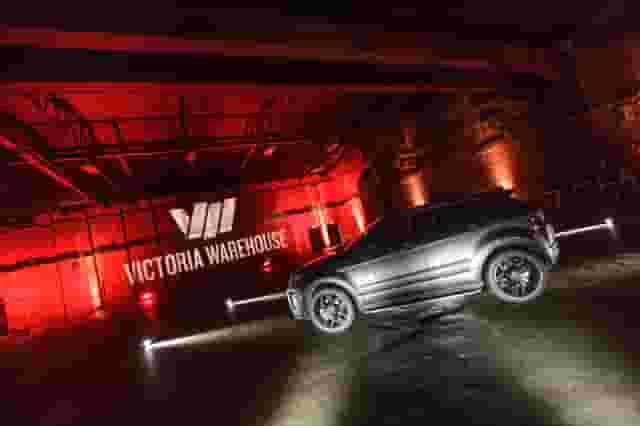
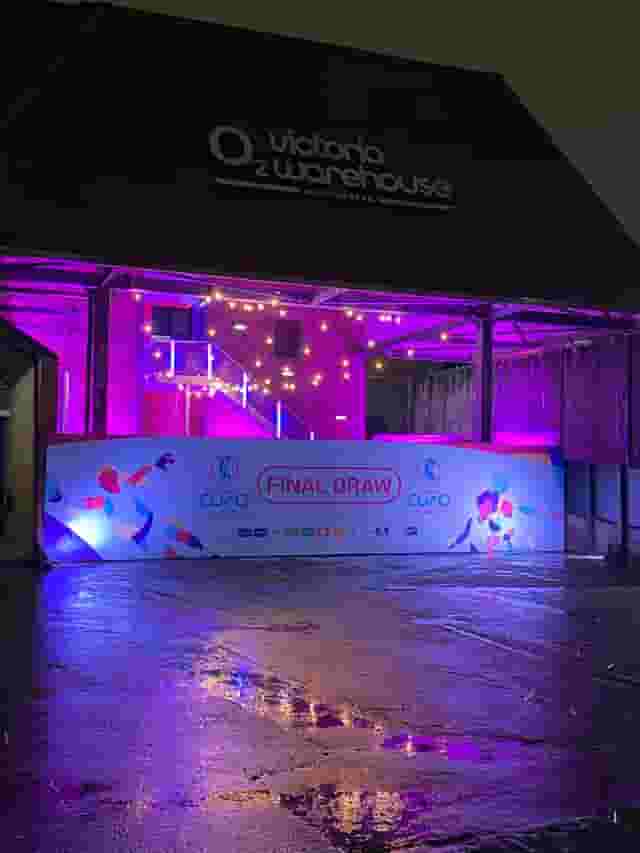
If you choose a waterside location in Salford Quays or an industrial space in Trafford Park, such as Victoria Warehouse (where The Cotton Sheds can host up to 1,000 guests theatre style), you must plan for guest transit. While these locations offer vast footprints that central city basements cannot match, walking to them in evening attire is rarely practical. Provide clear travel guidance pointing attendees to the nearest Metrolink tram stops (such as Wharfside or Exchange Quay) or organise pre-booked transport vouchers for local taxi apps.
Curfews and entertainment licences
Licensing hours vary considerably across Manchester. Heritage and residential-adjacent properties often face strict sound limits and early alcohol curfews, requiring music to stop and bars to close by 23:00. If your company event is intended to continue into the early hours, check the venue's premises licence early. Venues with late-night entertainment licences, such as converted club venues or dedicated performance halls, can often serve alcohol until 01:00 or 02:00, but they may mandate professional security personnel at the doors from 21:00 onwards.
Confirm whether the venue operates under a noise limiter. In listed buildings or areas close to city-centre apartment blocks, council environmental health teams frequently require sound limiters wired directly into the main power circuit. If a live band or DJ exceeds a preset decibel limit for more than a few seconds, the system cuts power to the stage instantly. Knowing your venue's specific decibel ceiling allows you to brief your entertainment provider properly, avoiding awkward interruptions during the party.
Access for suppliers and step-free entry
Finally, verify the accessibility routes into the private space. Historic properties frequently feature grand stone steps at their main entrance, but step-free access may require navigating a side entrance, service lifts or rear courtyards. Ensure that step-free access is clearly signposted, fully operational on the night and does not involve routing colleagues through functional kitchen preparation areas or service alleys.
For your external suppliers (such as florists, photobooth operators, production crews or musicians), establish clear loading bay rules. Many central Manchester streets have strict loading restrictions, bus lanes and pedestrian zones that prohibit commercial vans from parking during business hours. Ensure the venue can provide a designated loading bay, clear lift dimensions and an agreed delivery window so that setup proceeds smoothly long before your first guest arrives at reception.
What our customers say
Inspiration and planning guides

The 5 Best Boats For Hire In London
Looking for something a bit different for your summer party? Check out our picks for the best boat venues in London. Perfect for corporate events, they're guaranteed to offer a unique experience with stunning views!

This Is Why London Has Such Unique Venues
At Hire Space, unusual venues [https://hirespace.com/Browse/Unusual-Event-Venues-London] are the name of the game. Passion to find a unique venue for an event seems to be unabated in London, but it's of little surprise when taking into account all the amazing spaces the capital has to offer. But just why is London filled with so many unusual venues for hire? We investigated: Romans, Saxons, Normans, Tudors and Stuarts. The Black Death, two World Wars and one Great Fire. London has seen it a

London's Most Unusual Christmas Venues
Tired of the same old Christmas party venues? This year, why not switch things up and throw your festive bash somewhere that’s truly out of the ordinary?
One supplier. Every venue. Full visibility on what you spend.
Multiple venues and events. One agreement.