Studios in Manchester
Explore Manchester studios designed for cultural evenings, private views and talks, with flexible spaces for drinks and presentations.
68 Studios in venues in Manchester
























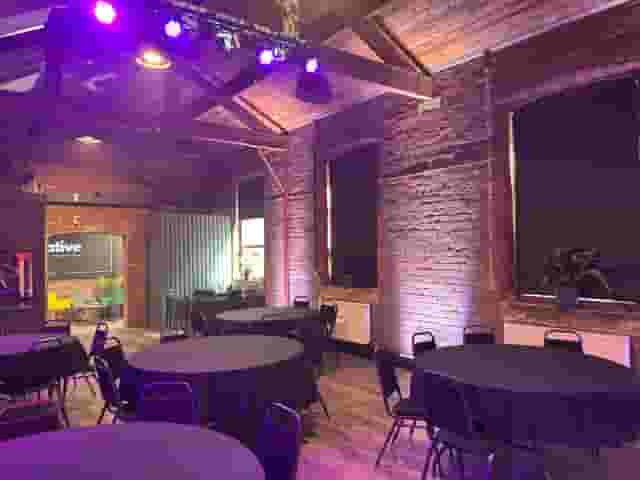
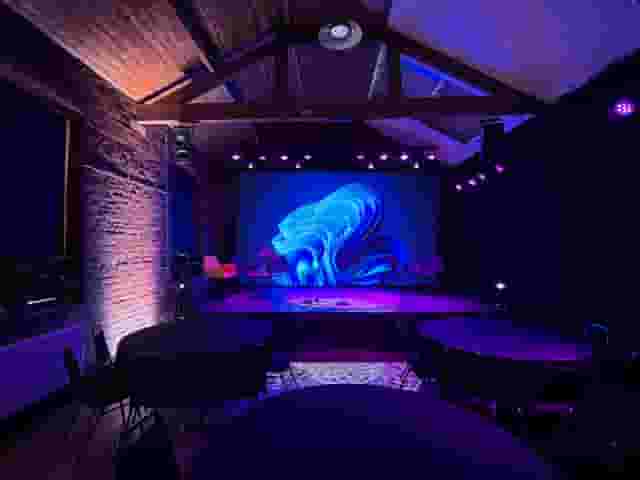

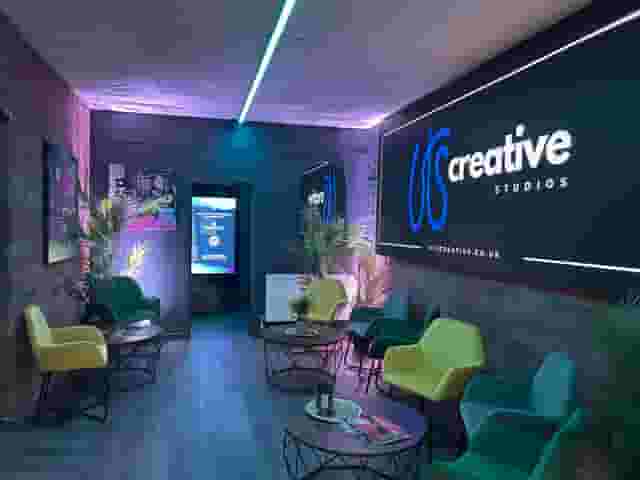


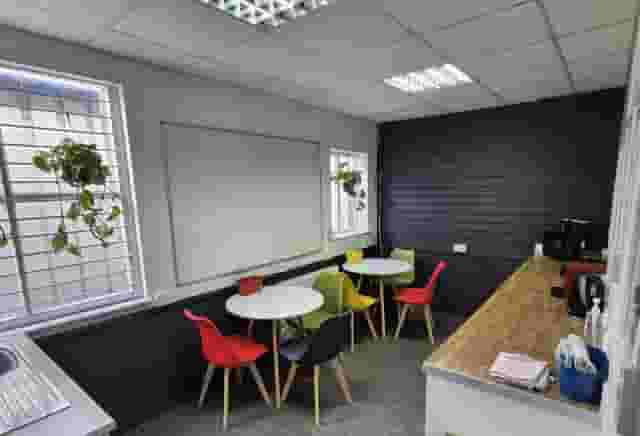






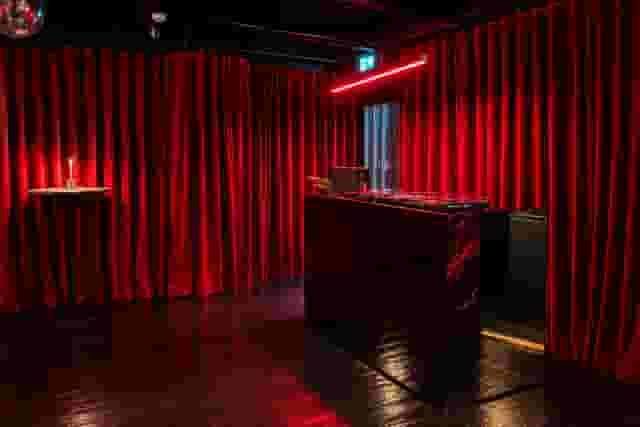
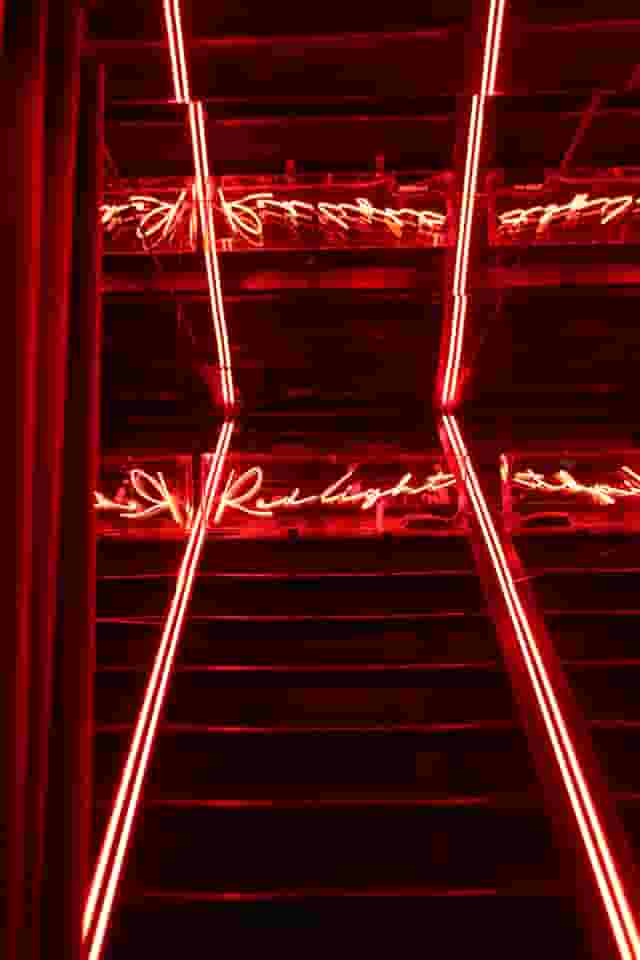


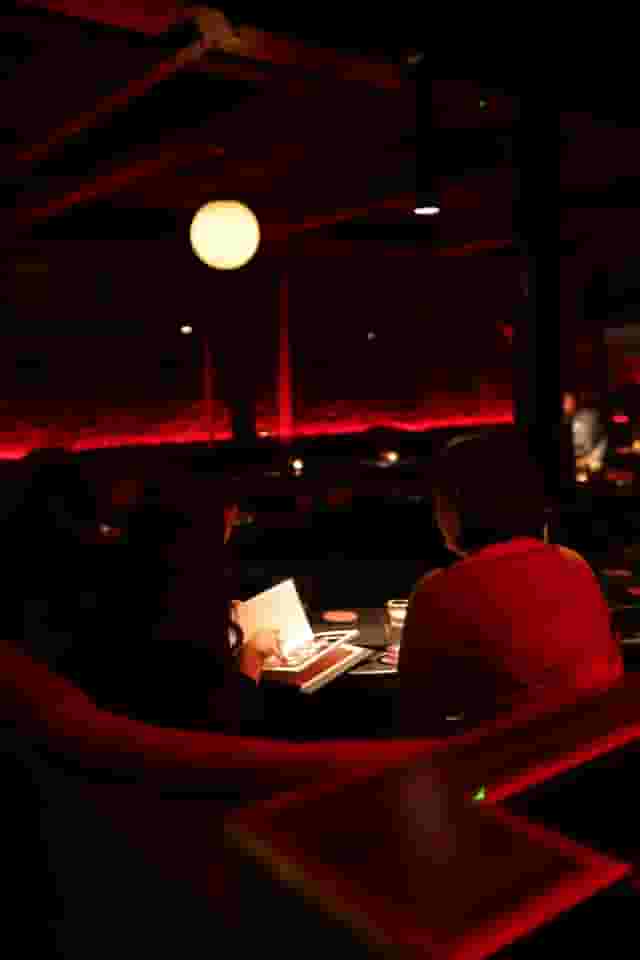
No venues match these filters
Try widening your capacity, luxury level or event type.
Don't have time to search? We'll find it for you.
For business events that need human judgement, talk to our team. Free for events of 100+ people, budgets over £10k or ongoing programmes.




Explore more venues in Manchester


Frequently asked questions
How do I ensure privacy in Manchester studios?
Are Manchester studios suitable for large teams?
What's the cost of hiring a studio in Manchester?
What tech should I expect in Manchester studios?
Can studios in Manchester inspire creativity?
Other platforms search their database. We search everything.
Tell us what you need. Our deep research finds any venue, whether it's in our marketplace or not. No one else does this.
About Studios in Manchester
Structuring a three-part cultural evening
A cultural evening built around a private view, a drinks reception and a guest talk presents a distinct logistical challenge. You are asking one room or an interconnected set of spaces to support three different modes of behaviour over four hours. Guests arrive expecting to browse visual work with a drink in hand, settle into focused listening for a 30 to 45 minute presentation, and then return to conversational mingling without the momentum faltering.
When you book a dedicated studio rather than a standard corporate suite, you gain character, distinct architectural lines and creative credibility. You also inherit an empty floor that demands deliberate spatial zoning. The most successful studio events solve the transition between viewing and listening before guests set foot through the door.
If your talk takes place in the same open space as the exhibition, you cannot simply ask 120 people to turn around and face a podium while standing. Feet get tired after twenty minutes, sightlines fail for anyone past the third row, and clinking glasses from the bar will compete directly with your speaker.
You have two practical layouts for a combined studio evening:
- The split floor plan. Divide a large studio into two clear zones using temporary acoustic flats, pipe-and-drape or existing structural pillars. One side holds your display boards, plinths and standing drinks stations. The other side contains simple theatre-style seating and a raised riser. Guests circulate through the exhibition during arrival, move through an opening in the partition when the talk begins, and return to the drinks area afterwards.
- The sequential turnover. In smaller single-room studios, the perimeter walls hold the exhibition pieces, while loose seating occupies the centre of the floor from the start. Guests view the work by circulating around the perimeter during the reception. When the talk begins, they step inward to take their seats. This avoids shifting furniture midway through the evening, which is noisy, disruptive and awkward for your front of house team.
Circulation requires generous margins. A room rated for 150 people standing will feel cramped once you install display easels, catering tables, a projector throw distance and 100 chairs. For this format, always calculate your capacity based on the seated talk, not the headline standing reception limit. Ensure there is at least two metres of clear passage between your display walls and the back row of audience seating so latecomers can enter without cutting across the speaker.
Matching studio styles to audience numbers
Manchester has a rich variety of studio spaces, ranging from high-spec photographic infinity coves near the quays to heavy industrial warehouses and converted music production hubs. Choosing the right environment depends on the scale of your guest list, the nature of your visual work and how much acoustic control your speaker requires. To make venue sourcing more straightforward, Hire Space operates as an event planning and venue booking platform supported by a dedicated team of real people. You can use Deep Venue Research to uncover creative spaces right across the city rather than relying solely on venues registered with a directory, building a targeted shortlist in minutes instead of waiting days for initial responses.
| Studio type | Best guest count range | Operational strengths |
|---|---|---|
| Photography and daylight coves | 20 to 150 guests | Neutral walls, clean rigging points |
| Sound and broadcast facilities | 30 to 100 guests | Pristine speech audio, warm mood |
| Converted industrial sheds | 200 to 1,000+ guests | Huge scale, raw architectural grit |
| Purpose-built cultural halls | 500 to 1,500+ guests | Full theatre acoustics and staging |
Photographic and daylight studios
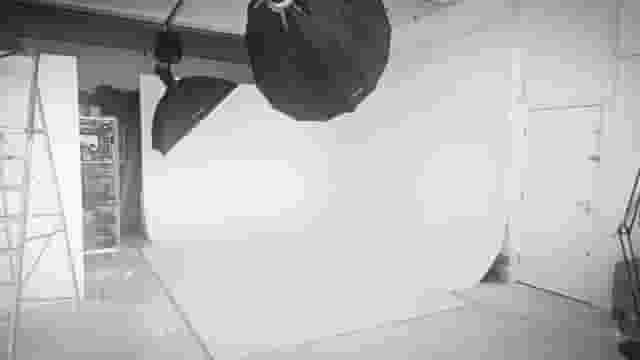
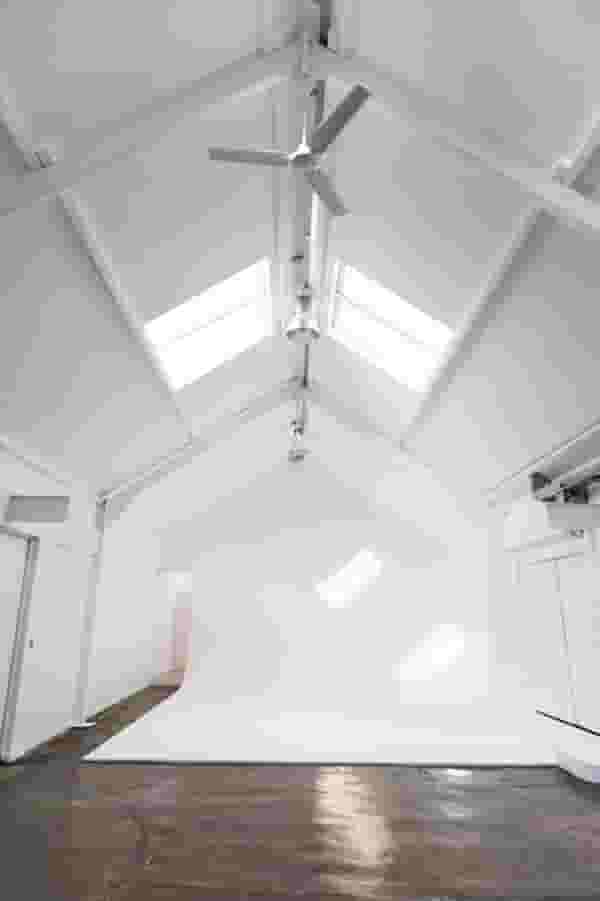
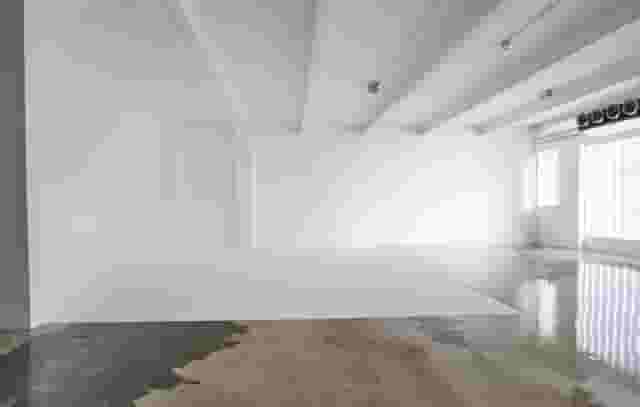
Clean white-brick studios, daylight spaces and infinity coves offer an ideal neutral backdrop for visual art, architectural drawings or product showcases. They act as blank canvases where your content provides the colour.
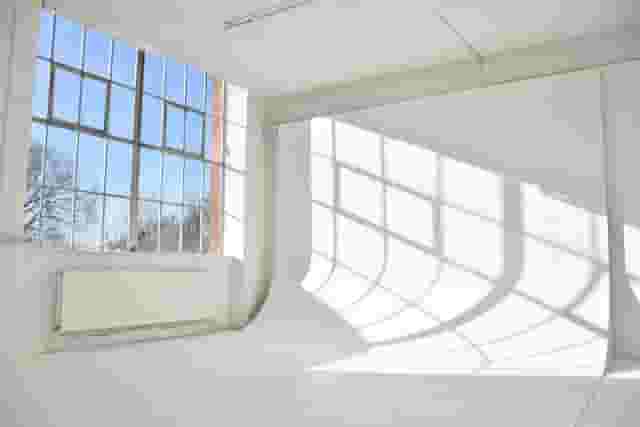
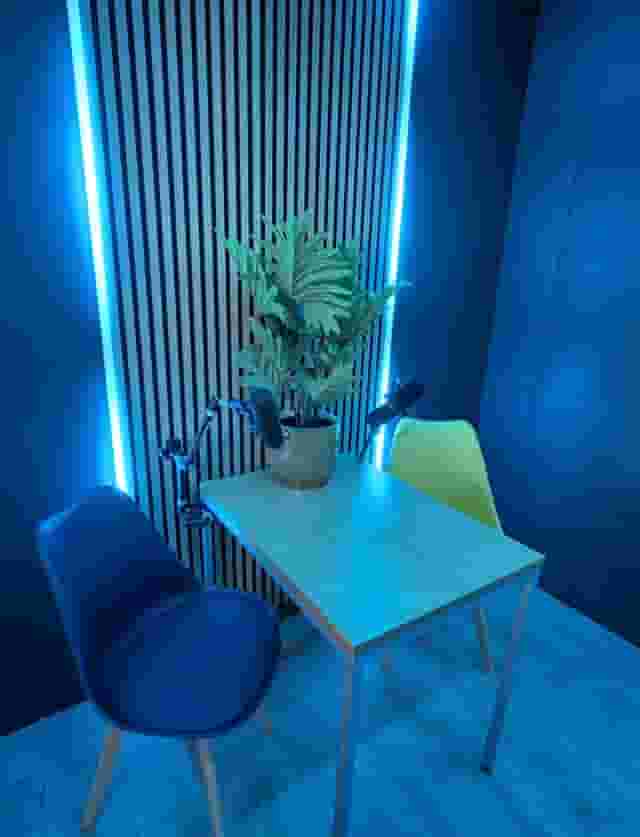
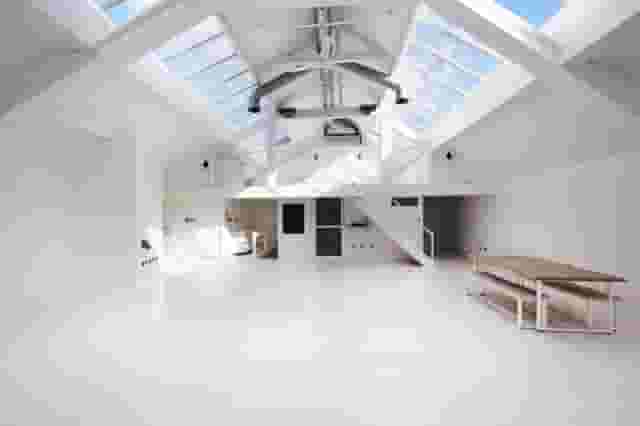
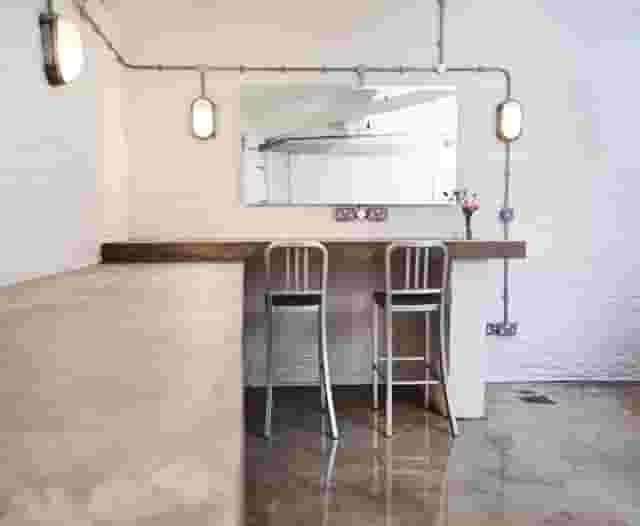
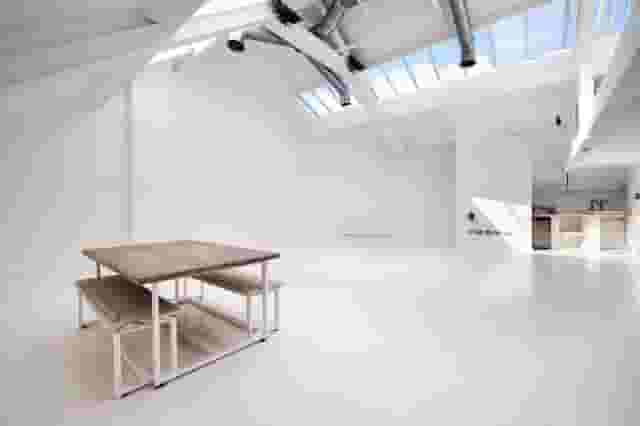
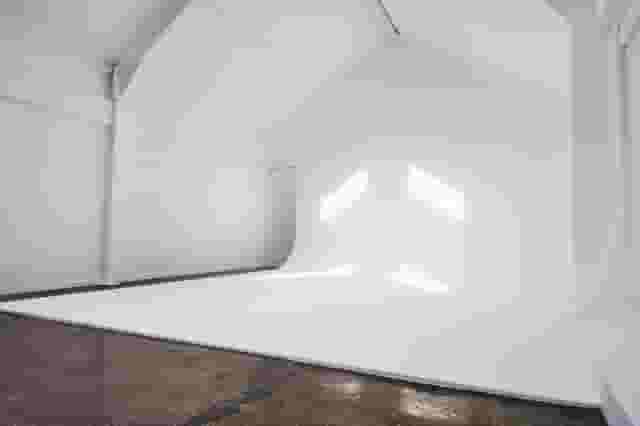
In MediaCity, [Un.titled] Studio offers Studio Two, a 1,722 square foot space with a built-in infinity curve and a standing capacity of 200. The clean lines give you immediate gallery style display potential, while the open floor plate makes setting out fifty to eighty presentation chairs straightforward.
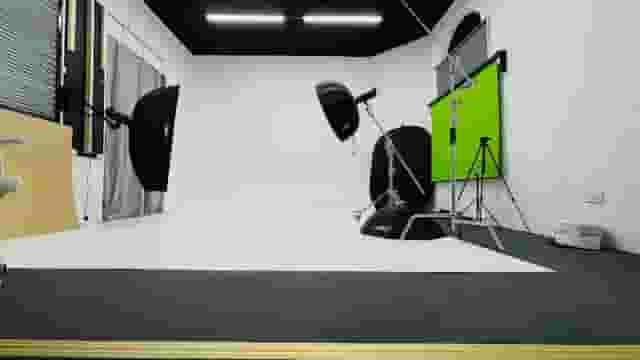
For smaller, more intimate gatherings on the eastern side of the city centre, Spectrum Studios in Ancoats provides Studio 2, with standing room for 40 guests. It works well for small private views, print launches or salon-style talks where the speaker can address the room without heavy amplification.
Music and broadcast studios
If the spoken element of your evening carries complex audio, video playback or a live musical performance, booking a specialist sound studio removes the technical headache. These rooms are built specifically to tame flutter echoes, standing waves and exterior street rumble.
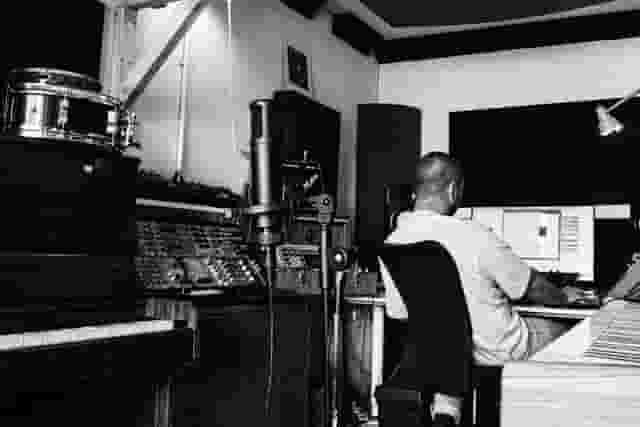
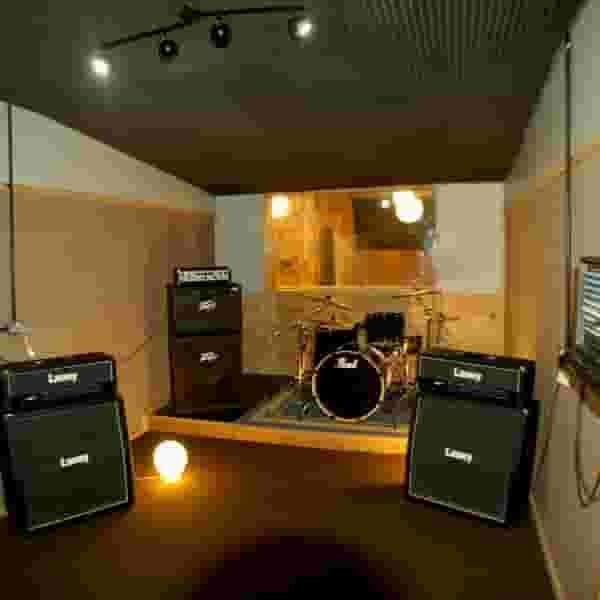
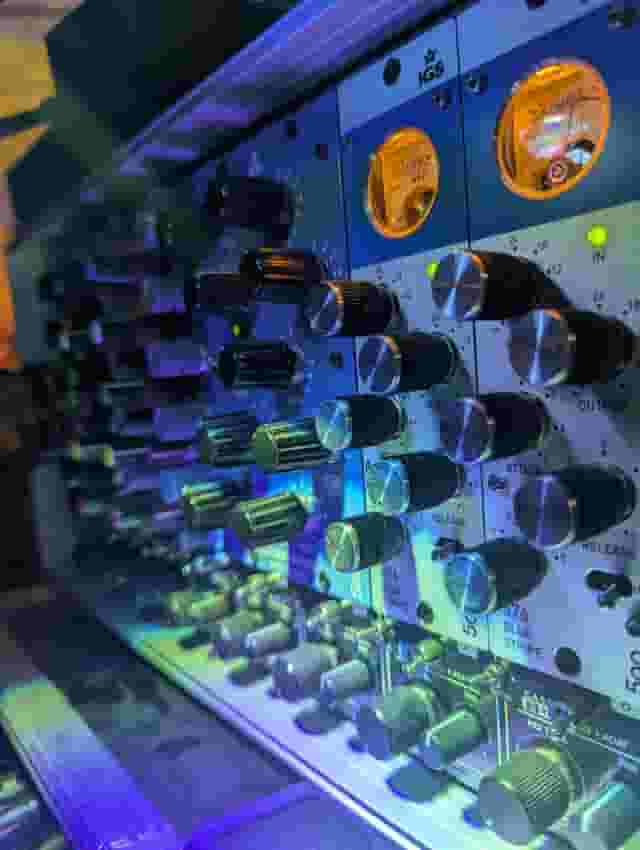
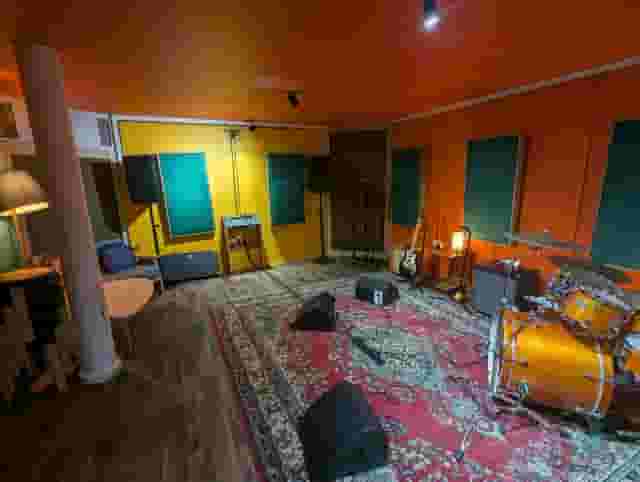
In Castlefield, Low Four Studio features a dedicated Live Room with room for 100 standing. Because it functions as a working broadcast and recording studio with its own Cloudwater bar, it handles both clear vocal amplification and an informal drinks service with zero fuss. Over in Miles Platting, the Jefferson Live Room at 80 Hertz Recording Studios accommodates up to 100 standing guests. With its Decca Tree microphone setup and precise studio acoustics, it suits cultural evenings where lecture clarity, panel discussions or spoken word recordings are the priority.
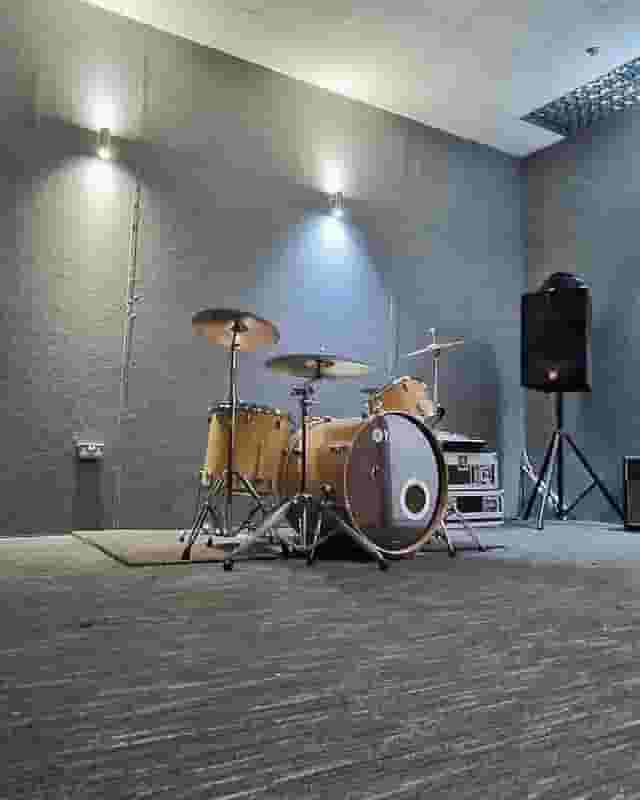
South of the centre in Hulme, the Music Studio at Z-arts accommodates up to 50 guests for a reception. It serves community-focused cultural projects, acoustic performances and developmental talks where an accessible, creative atmosphere matters more than a glossy corporate finish.
Large cultural landmarks and industrial scale
When your audience climbs into the hundreds, standard photography and rehearsal studios will struggle to handle the sheer volume of coats, glassware and circulation traffic. You need spaces with major production infrastructure.
At the western edge of the city centre, Aviva Studios houses The Hall, which seats up to 1,500 in theatre style. As a modern landmark built for international arts, it handles large-scale cultural presentations where an exhibition can sit in adjoining circulation spaces before guests move inside for a keynote presentation. Across the water in Salford Quays, the Lyric Theatre at Lowry provides a waterside theatre setting for 1,730 people, equipped with full professional stage rigging, lighting and technical support.
For organisers who want an atmospheric, industrial aesthetic for high guest volumes, Victoria Warehouse offers The Cotton Sheds. Capable of seating 1,000 guests in theatre format, its historic brick and timber architecture suits bold contemporary art installations, large screenings and industry talks that require a raw, dramatic setting.
Production, sound and presentation kit
Studios are production environments by design, but a room built for a commercial fashion shoot does not work the same way as a lecture theatre. Photographic coves are designed to bounce light, and sound recording booths are designed to deaden noise. When you bring in a private view with a live talk, you must balance both.
Voice clarity and acoustic bounce
The biggest mistake organisers make in white-box and daylight studios is ignoring sound. Wide concrete floors, hard painted brickwork and high ceilings look sharp, but they create long reverberation times. A speaker talking into a handheld wireless microphone in an untreated brick box can quickly dissolve into an unintelligible wash of echoes.
If you book a visual studio:
- Insist on a directional PA system that focuses sound downward into the audience rather than scattering it off hard side walls.
- Hire two wireless lapel or headset microphones rather than relying on a handheld mic, which keeps volume consistent even if your speaker turns to look at a presentation screen.
- Bring in soft furnishings, perimeter pipe-and-drape or fabric display partitions. These double as hanging space for your private view while soaking up sound reflections.
- Check background plant noise. Air conditioning units, commercial dehumidifiers and kitchen extraction fans can hum loudly. Confirm with the venue manager that cooling units can be switched off during the talk.
Presentation screens and ambient light
Private views thrive under bright, focused lighting that draws attention to artwork, prints or sculpture. Presentations, by contrast, require controlled ambient light so slides and video do not look washed out.
If your chosen studio features large industrial windows, check sunset times relative to your running order. A talk scheduled for 18:30 in midsummer will fight against full daylight streaming across your screen. Check whether the studio provides blackout blinds or full-drop theatre drapes. If it does not, rent a high-lumen laser projector (at least 6,000 to 8,000 lumens) or opt for a freestanding LED video wall instead of an entry-level conference projector.
Always ask for a written technical inventory before signing an agreement. Confirm specifically whether the hire fee includes wireless presentation systems, microphone receivers, staging blocks and an on-site technician. Having an engineer in the room to ride the audio levels and cue slides allows you to focus on hosting your guests and managing your speakers.
What hiring a Manchester studio costs
Understanding studio hire rates requires looking closely at how the space operates day to day. Commercial production spaces often charge a basic room hire fee based on a ten-hour shoot day, with every piece of equipment, staff member and catering requirement priced separately. Dedicated cultural event spaces may package room hire, basic sound and furniture into an all-in rate.
Our pricing data indicates that studio events for arts and culture in Manchester typically cost £16 to £45 per head. This indicative range is based on 6 quotes from the venues on this page and assumes a guest count of about 120 guests.
| Budget driver | What to look for on your quote |
|---|---|
| Venue hire basis | Dry hire rate vs package rate |
| Sound and projection kit | Built-in system vs third-party hire |
| Bar and catering fees | Minimum spend vs corkage and waste |
| Overtime and de-rig | Hourly fees past 23:00 curfew |
Where your event falls within that £16 to £45 band depends heavily on the level of production you need to bring in:
- Towards the £16 end. This typically reflects dry hire spaces or community-oriented studios where you pay a straightforward floor fee and supply your own catering, portable PA kit and service staff. You carry more operational work, but keep total expenditure low.
- Towards the £45 end. This level usually includes studios that provide integrated technical infrastructure, an on-site audiovisual technician, furniture setup, dedicated door security and an established drinks package through an in-house or preferred bar supplier.
Beyond the baseline room hire, watch for secondary costs that frequently catch first-time organisers out:
- Power drops and three-phase supplies. If you are bringing in heavy theatrical lighting, an LED screen or external warmers for caterers, check whether the venue levies a flat utility surcharge for drawing three-phase power.
- Rubbish clearance and recycling. Creative studios rarely have industrial commercial waste contracts set up for hundreds of empty bottles and discarded catering platters. Ask whether waste removal is included in the cleaning fee or if you must take recycling off site at the end of the night.
- Breakage and wall repair deposits. If you plan to hang artwork, screw display battens into brick or attach vinyl lettering to plasterboard, check the venue's policy on wall fixings. Many photographic studios require you to patch and paint any pierced surfaces back to white before the morning, or deduct a standard repair fee from your deposit.
Access, privacy and running order logistics
A cultural evening involves distinct setup phases: artists or curators need calm to hang work, technicians need access to ring out audio frequencies without interruption, and caterers need clear routes for glass deliveries. Managing access schedules and visitor privacy is essential to keeping stress low.
Managing multi-unit creative buildings
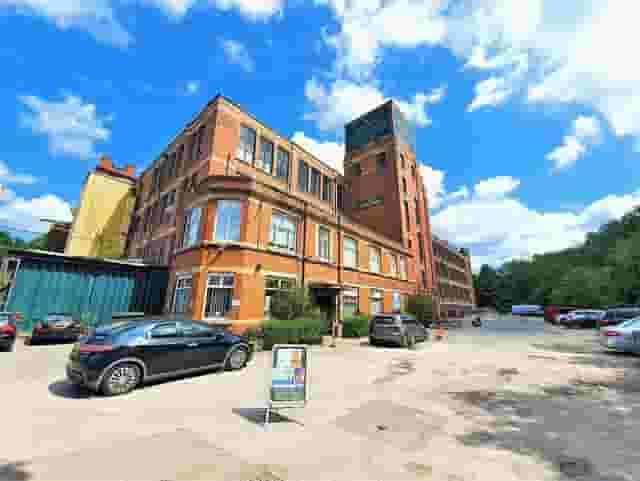
Many of Manchester's most interesting studios sit within converted textile mills, railway arches or shared creative incubators. In these multi-occupancy complexes, other tenants may be editing video, running rehearsals or printing textiles during your setup.
Before committing, ask these practical questions:
- Do you have exclusive use of the floor, or will other tenants share the entrance lobby, stairwells and washrooms during your event?
- Is there a private green room or holding area where your speaker can review their notes and store their bags away from arriving guests?
- How does delivery access work? Studios in older historic mills may rely on a single goods lift with restricted operating hours. Confirm that your caterers and display suppliers can access loading bays without blocking neighbouring businesses.
- Who controls building access? If your studio sits behind an intercom or an unstaffed security gate, you will need to allocate a dedicated member of your team to meet guests at the street entrance.
Timings and sound curfews
A typical three-part cultural evening runs smoothly on the following timetable:
- 16:00 to 18:00. Load-in, artwork positioning, microphone sound check and bar setup.
- 18:30. Doors open. Background music at low level, drinks and canapes served, guests circulate around the exhibition.
- 19:30. Transition chime. Guests move into presentation seating. Bar service pauses to eliminate background glass noise.
- 19:40 to 20:20. Talk and short audience question-and-answer session.
- 20:20. Talk concludes. Bar service resumes, allowing guests to discuss the topic and view pieces with the speaker.
- 21:45. Last orders called at the bar.
- 22:00. Guests depart.
- 22:00 to 23:00. Pack-down, artwork collection and de-rig.
Pay close attention to evening noise curfews. Studios located in developing residential pockets like Ancoats, Castlefield or the Northern Quarter often have strict licence restrictions requiring amplified sound and external doors to shut down at 22:00 or 23:00. Check these cut-offs early so you can schedule your talk and bar service comfortably without an abrupt finish.
Transport and getting home
Consider how your guests will travel across Greater Manchester when the event wraps up. Venues in central districts allow people to walk directly to Manchester Piccadilly, Victoria or Oxford Road stations. If your studio sits further out towards Salford Quays, MediaCity or Stockport, confirm that local tram stops are within easy walking distance, check well-lit pedestrian routes for guests walking at night, and ensure there is an accessible drop-off zone for taxis outside the venue doors. Clear arrival instructions on your invitation will keep your guest flow on schedule from the moment doors open.
What our customers say
Inspiration and planning guides

This Is Why London Has Such Unique Venues
At Hire Space, unusual venues [https://hirespace.com/Browse/Unusual-Event-Venues-London] are the name of the game. Passion to find a unique venue for an event seems to be unabated in London, but it's of little surprise when taking into account all the amazing spaces the capital has to offer. But just why is London filled with so many unusual venues for hire? We investigated: Romans, Saxons, Normans, Tudors and Stuarts. The Black Death, two World Wars and one Great Fire. London has seen it a

EventLAB Series: Introducing the Event
We're very excited to introduce EventLAB [https://eventlab.online/], our first two-day event designed to take event professionals through every step of the event planning process. We'll be bringing you the latest updates in the run-up to the event in our 'EventLAB Series' [https://hirespace.com/blog/tag/eventlab//], including relevant content and a little glimpse of the speakers, workshops and themes that will feature at the event. In the first instalment, we’ll explain all there is to know a

6 Reasons Why Venues Should Join Hire Space
Four years ago, we launched Hire Space to connect event venues with new customers easily via our online platform and Venue Expert service. We've come up with 6 reasons why Venue Managers might like working with Hire Space, and why venues should join the club [http://bit.ly/2kQaHEd]! 1. Best SEO in the Industry = High Web Traffic Our Marketing team has enhanced our site visibility on search engines and as a result 1.3M customers visited our web site in 2016 (7% higher than the previous year). Ou
One supplier. Every venue. Full visibility on what you spend.
Multiple venues and events. One agreement.