26 Meeting Spaces in venues in London




















No venues match these filters
Try widening your capacity, luxury level or event type.
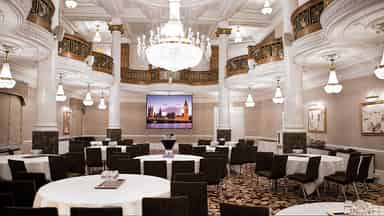
Explore top meeting spaces in London for 200 people. Perfect venues for corporate events and professional gatherings.
No venues match these filters
Try widening your capacity, luxury level or event type.
For business events that need human judgement, talk to our team. Free for 100 person+ events organised by businesses.









Tell us what you need. Our deep research finds any venue, whether it's in our marketplace or not. No one else does this.
The corporate events landscape has shifted dramatically, and nowhere is this more evident than in London's meeting spaces designed for 200 attendees. We're seeing a fundamental transformation in how organisations approach large-scale gatherings, driven by hybrid working patterns and the need for more meaningful face-to-face interactions.
What's particularly striking is the surge in demand for venues that can seamlessly blend in-person and virtual experiences. The numbers tell the story – bookings for 200-person meeting spaces have increased by 35% since 2023, with companies willing to invest significantly more in premium venues that offer comprehensive hybrid capabilities. We're talking about budgets ranging from £11,000 to £24,000+ for full-day events, reflecting the strategic importance organisations now place on these gatherings.
London's meeting space providers have responded brilliantly to this demand. Take the transformation happening in areas like King's Cross and Canary Wharf – these aren't just conference rooms anymore, they're experience hubs. Modern 200-person venues now feature modular layouts that can shift from theatre-style presentations to collaborative breakout zones within minutes, supported by integrated AV systems that would make broadcast studios envious.
The technical specifications alone reveal this evolution. Today's venues require minimum 100 Mbps symmetrical internet for seamless streaming, professional-grade acoustic treatment, and climate control systems that maintain optimal conditions for extended sessions. These aren't nice-to-haves – they're essential for delivering the calibre of events that justify bringing 200 people together in one space.
What's fascinating is how venue selection has become more strategic. Companies are choosing Meeting Spaces in Greater London not just for convenience, but for the statement they make. A well-chosen venue near major transport hubs like Liverpool Street or London Bridge can reduce attendee travel time by up to 40%, whilst venues in creative districts like Shoreditch signal innovation and forward-thinking.
The most successful events we're seeing combine traditional meeting elements with Away Day Activities, creating multi-dimensional experiences that justify the investment. Companies are realising that when you're bringing 200 people together, every element – from the venue's architectural character to its catering capabilities – contributes to the overall impact.
The key insight? London's 200-person meeting spaces aren't just keeping pace with corporate needs – they're actively shaping how organisations think about large-scale collaboration. The venues that understand this are the ones securing the premium bookings and building lasting client relationships.
Here's the reality that catches most event professionals off guard: booking a 200-person meeting space in London isn't just about finding availability – it's about navigating a complex ecosystem where timing can make or break your budget and attendee experience.
After organising hundreds of large-scale corporate meetings, we've learned that the sweet spot for booking is 4-6 months ahead. This isn't arbitrary – it's based on hard data showing that venues release their premium inventory in quarterly cycles, and the best spaces for 200 people get snapped up quickly during peak corporate seasons.
September through November represents London's busiest corporate meeting period, with demand spiking 40% above summer levels. If you're planning events during these months, start your venue search by April at the latest. We've seen day rates jump from £15,000 to £22,000+ simply because clients waited until the 8-week mark to begin serious negotiations.
The same principle applies to January through March – the post-holiday planning surge. Companies returning from Christmas break suddenly realise they need substantial meeting spaces for Q1 initiatives, creating a booking frenzy that drives prices up by 25-30%.
What many don't realise is that 200-person venues require extensive coordination beyond the booking itself. AV requirements alone need 6-8 weeks lead time for complex hybrid setups. We're talking about integrated streaming capabilities, multiple camera angles, and professional lighting rigs that transform standard meeting rooms into broadcast-quality environments.
Catering logistics become exponentially more complex at this scale. Quality caterers for 200-person events often require 4-6 weeks notice, particularly if you're requesting specific dietary accommodations or premium service levels. The venues that excel at large meetings, like those featured in The Top 3 London Hotels With Great Meeting Rooms, have established partnerships that streamline this process.
Here's an insider tip that's saved our clients thousands: book your preferred venue with a flexible date range initially, then negotiate final details once you've secured the space. Most premium venues will hold dates for 7-14 days whilst you finalise logistics, but only if you demonstrate serious intent with a preliminary deposit.
Consider exploring Meeting Spaces in North London or Meeting Spaces in South London as alternatives to central locations – you'll often find better availability and 20-30% cost savings whilst still maintaining excellent transport links.
The key takeaway? Start your venue search the moment your meeting gets board approval. In London's competitive market, the difference between a good event and an exceptional one often comes down to having first pick of the city's premier 200-person meeting spaces.
London's geography creates fascinating opportunities when you're hunting for the perfect 200-person meeting space. Each district offers distinctly different advantages, and understanding these nuances can save you both money and headaches whilst delivering exactly the right atmosphere for your event.
The financial districts – Canary Wharf and the City – dominate the premium end of the market. These venues typically charge £2,500-£4,000 per day but deliver impeccable service standards and state-of-the-art facilities. What you're really paying for is reliability and prestige. When we've hosted major board meetings or investor presentations, these locations signal serious business intent. The downside? Limited flexibility and higher catering costs, often £45-£65 per person for quality service.
Shoreditch and the surrounding creative districts offer a completely different proposition. Here, converted warehouses and purpose-built studios provide 200-person capacity at £1,800-£3,200 per day, often with more interesting architectural features and flexible layouts. We've found these venues particularly effective for innovation workshops, product launches, and team-building events where the environment itself becomes part of the experience.
The transport considerations are crucial at this scale. Meeting Spaces in East London benefit from excellent connectivity via Liverpool Street and the Elizabeth Line, making them accessible for attendees travelling from across the Southeast. Meanwhile, Meeting Spaces in West London offer easier access for international delegates flying into Heathrow.
King's Cross has become our go-to recommendation for clients seeking the best of both worlds. The area combines modern facilities with competitive pricing – typically £2,200-£3,500 for 200-person spaces. The transport links are exceptional, with six Underground lines converging at King's Cross St Pancras, plus direct Eurostar connections for European attendees.
South of the river presents excellent value, particularly around London Bridge and Southwark. These venues often provide 15-25% cost savings compared to central locations whilst maintaining professional standards. The key is understanding that your attendees might need an extra 10-15 minutes travel time, which can actually work in your favour for networking as people arrive in smaller groups.
Consider your audience demographics carefully. Corporate audiences expect certain standards – reliable Wi-Fi, professional catering, and seamless AV integration. Creative teams might prioritise unique spaces that inspire different thinking, like those featured in 6 Quirky London Meeting Rooms to Inspire Creative Thinking.
The smart approach is to shortlist venues in 2-3 different areas, then factor in your total event costs including delegate travel time and accommodation needs. Sometimes a slightly more expensive central venue delivers better overall value when you account for reduced travel costs and time savings for your 200 attendees.
The biggest shock for first-time organisers of 200-person meetings isn't the venue cost – it's everything else that comes with it. We've seen budgets spiral from £15,000 to £35,000+ because clients underestimated the hidden complexities that emerge when you scale up to this size.
Let's start with the fundamentals. Day delegate rates for 200-person venues range from £55-£120 per person, but this is where the confusion begins. A £75 per person rate sounds reasonable until you realise it often excludes AV equipment, additional staffing, and premium catering options that become essential at this scale.
Here's the breakdown that catches most people off guard: venue hire typically represents only 40% of your total budget. The remaining 60% splits between AV/technical requirements (25%), enhanced catering (20%), and additional staffing/logistics (15%). For a £20,000 total budget, you're looking at £8,000 for the venue, £5,000 for technical setup, £4,000 for catering, and £3,000 for operational support.
AV costs escalate dramatically at 200-person capacity. Basic projection and sound systems that work fine for 50 people become inadequate. You'll need professional-grade equipment: multiple screens, wireless microphone systems, and robust Wi-Fi infrastructure capable of supporting hybrid attendance. Budget £2,500-£5,000 for comprehensive AV, with premium venues in areas like those featured in The 5 Most Inspiring Meeting Rooms In London often requiring higher-end specifications.
Catering becomes exponentially more complex. Buffet service for 200 people requires dedicated serving staff, extended setup areas, and careful timing to avoid queues. Premium venues charge £35-£65 per person for full-day catering, but the real cost comes from dietary requirements – typically affecting 15-20% of attendees – which can add £8-£12 per person for specialist options.
The savviest event professionals we know negotiate package deals that bundle venue, basic AV, and standard catering. This approach often delivers 15-20% savings compared to itemised pricing. Consider venues in Meeting Spaces in South West London or Meeting Spaces in North West London where competitive pricing doesn't compromise on quality.
Timing your booking strategically can yield significant savings. Tuesday-Thursday slots command premium rates, but Monday and Friday bookings often come with 20-25% discounts. Similarly, venues are more flexible on pricing during summer months when corporate demand traditionally dips.
The key insight? Build your budget from the ground up, starting with your total attendee experience goals rather than just the venue cost. When you're investing in bringing 200 people together, every pound spent on creating a memorable, productive experience pays dividends in engagement and outcomes.
After organising countless 200-person meetings across London, we've witnessed the same costly mistakes repeatedly. The scale of these events amplifies every small oversight into a major headache, often costing thousands in last-minute fixes or, worse, damaging your professional reputation.
The most expensive mistake we see is underestimating registration logistics. With 200 attendees, you can't rely on a simple sign-in sheet. We've watched queues snake around buildings because organisers didn't plan for the 15-20 minutes it takes to process this many people. Smart venues now offer electronic check-in systems, but you need to request this during booking – not the morning of your event.
Here's where the maths gets dangerous: venues quote maximum capacity, but this rarely accounts for practical considerations. A room that holds 200 in theatre style becomes cramped with networking breaks, registration desks, and catering stations. Always book for 20% more space than your headcount suggests. We've seen events fail because organisers booked a 200-capacity room for exactly 200 people, leaving no space for essential logistics.
Fire safety regulations add another layer of complexity. London venues must maintain clear evacuation routes, which can reduce usable capacity by 10-15%. Always verify the certified capacity with the venue's fire safety documentation, not their marketing materials.
Technical failures at 200-person events become public disasters. The biggest pitfall is assuming standard AV equipment scales linearly. A microphone system that works for 50 people becomes inadequate for 200 – you need professional-grade wireless systems with backup units. Budget £3,000-£5,000 for reliable AV, and always insist on on-site technical support throughout your event.
Hybrid meetings present additional challenges. We've seen events collapse when organisers underestimated bandwidth requirements. With 200 in-person attendees plus virtual participants, you need dedicated internet lines – shared Wi-Fi simply won't cope.
Food service for 200 people requires military precision. The fatal error is underestimating serving time – even efficient buffet service takes 25-30 minutes for this many people. Plan your agenda accordingly, or consider multiple serving stations to reduce queues.
Dietary requirements become exponentially more complex at this scale. With 200 attendees, expect 30-40 people with specific needs. Venues experienced with large meetings, like those featured in 7 Corporate Venues Loved By London PA's, have systems to manage this complexity.
London's transport network can make or break your event. The biggest mistake is scheduling start times during peak hours. A 9am start means attendees travelling during rush hour, leading to late arrivals and stressed participants. Consider 10am starts to avoid the worst congestion.
Parking becomes critical for senior executives who won't use public transport. Central London venues typically offer 10-20 spaces maximum – nowhere near enough for 200 attendees. Research nearby NCP facilities or consider venues in Meeting Spaces in North East London where parking is more readily available.
The key to avoiding these pitfalls? Visit your shortlisted venues during similar events, observe their operations firsthand, and always build contingency plans for the most likely failure points.
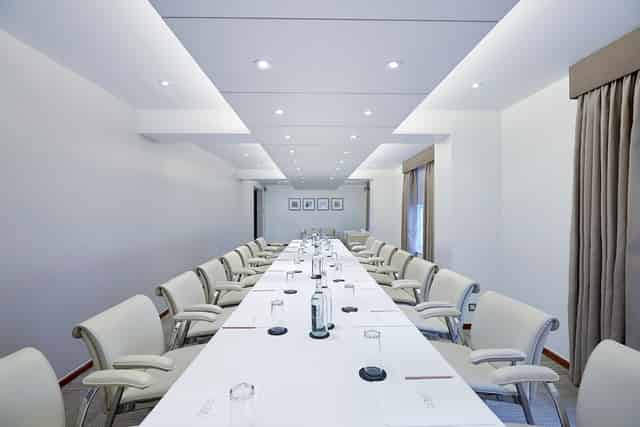
Looking for the coolest meeting rooms in London? From stylish interiors to unique settings, here are 8 venues that will definitely elevate your next meeting!

Located in the heart of the City, Salters’ Hall combines the rich heritage of the salt trade of medieval London with contemporary surroundings. Rebuilt in 1972 by Basil Spence and now a Grade II listed building, it is a rare example of a post-war livery building and has remained largely untouched until now... Architects de Metz Forbes Knight [http://www.dmfk.co.uk/projects/load/salters-hall] (dMFK) were tasked with the project to upgrade the building whilst retaining its sense of history and al

Creative ventures across the artistic spectrum are accommodated and embraced at Anomalous Space [https://hirespace.com/Venues/London/1551/Anomalous-Space], situated stunningly close to Angel Station on Pentonville Road. The venue's name captures its uniqueness, in that it deviates from the standard, unoriginal function space that's all too common. Anomalous Space combines the most contemporary of technological facilities with Art-Deco features, all set within an authentic Georgian townhouse.
Multiple venues and events. One agreement.


