Filming Locations in Central London
Discover top filming locations in Central London for 300 people.
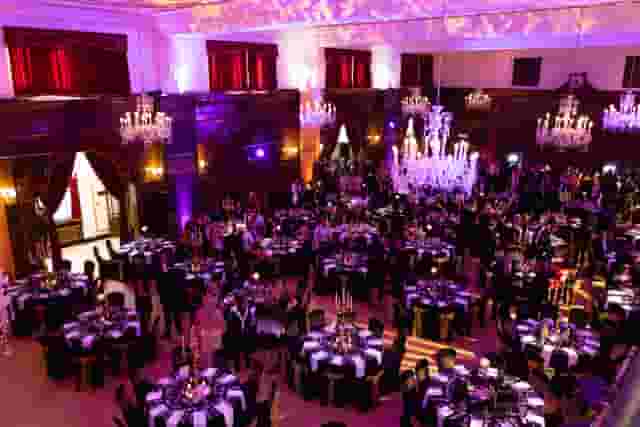
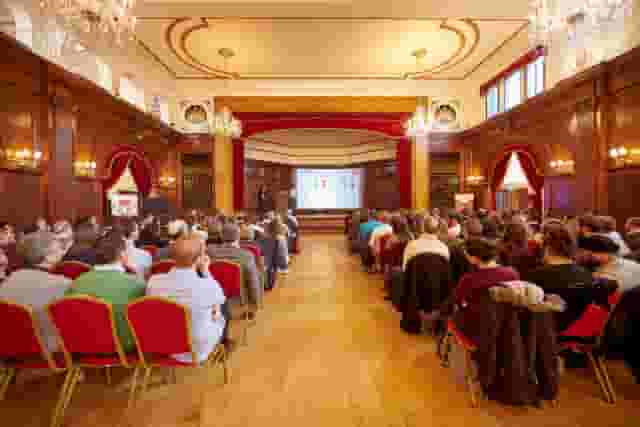
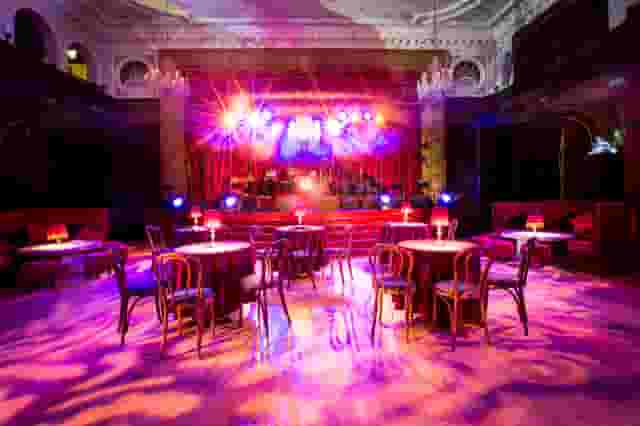
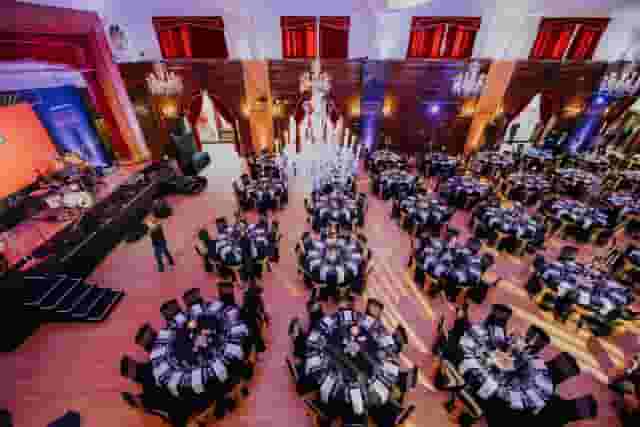
9 Filming Locations in venues in Central London
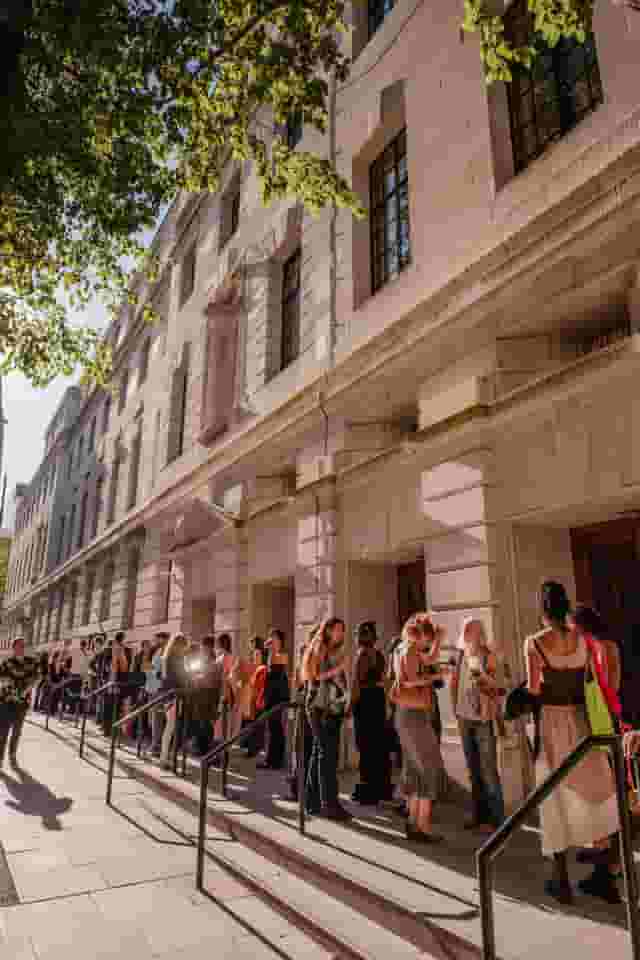
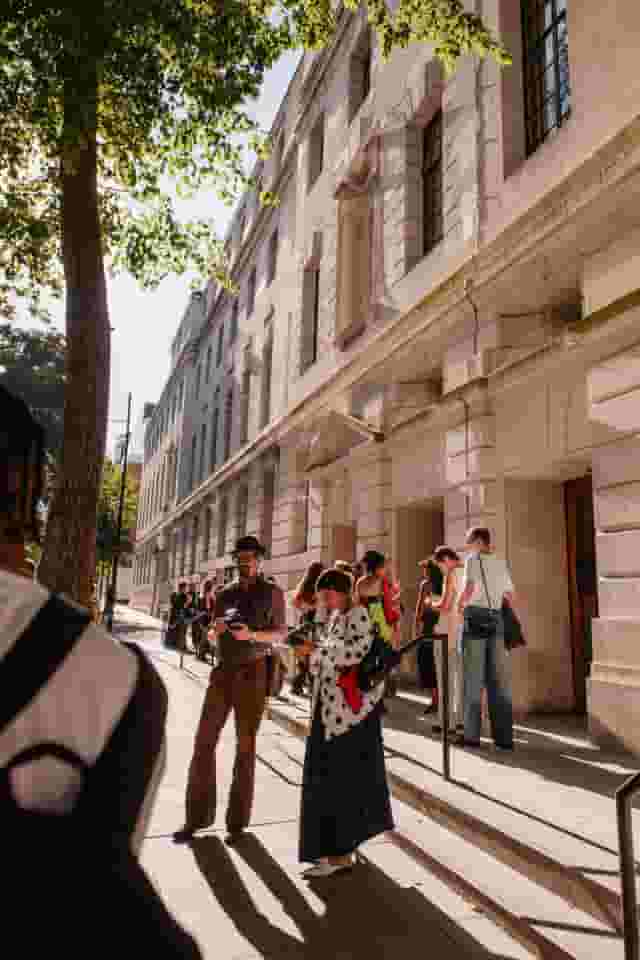

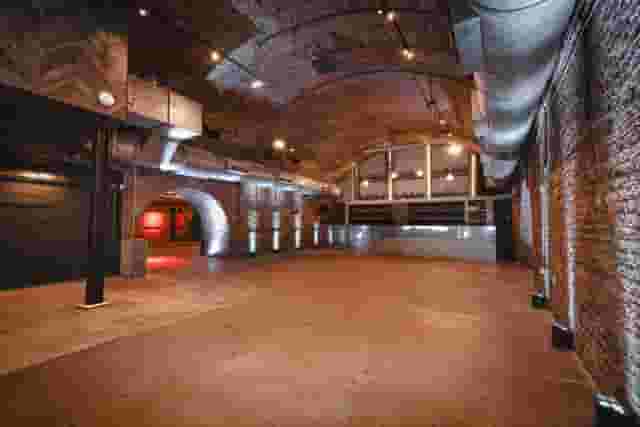

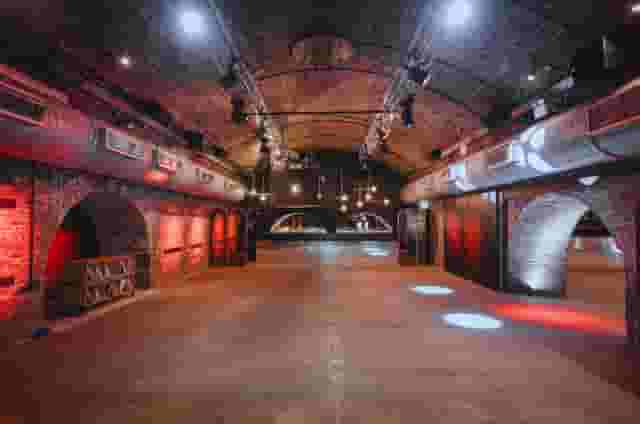



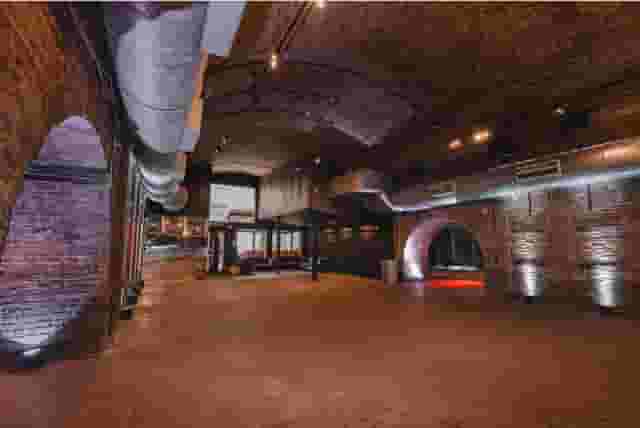
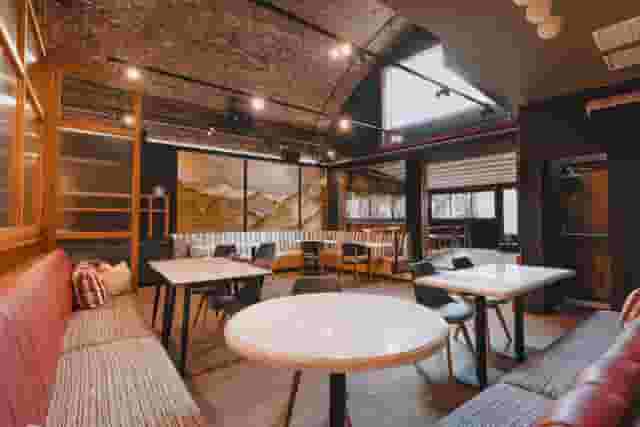



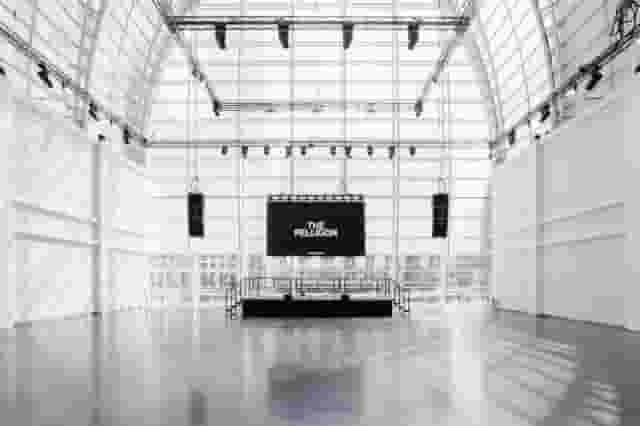
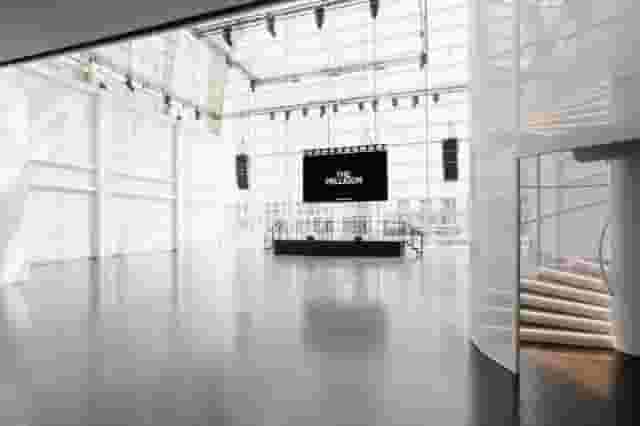








No venues match these filters
Try widening your capacity, luxury level or event type.
Don't have time to search? We'll find it for you.
For business events that need human judgement, talk to our team. Free for events of 100+ people, budgets over £10k or ongoing programmes.


Explore more venues in Central London


Other platforms search their database. We search everything.
Tell us what you need. Our deep research finds any venue, whether it's in our marketplace or not. No one else does this.
About Filming Locations in Central London
Why Central London's Filming Locations Are Perfect for Large-Scale Productions of 300 People
When you're planning a large-scale production for 300 people in Central London, you're tapping into one of the world's most versatile filming ecosystems. Having worked on countless productions across the capital, I can tell you that Central London's unique blend of historical architecture, modern infrastructure, and unparalleled connectivity makes it absolutely ideal for ambitious filming projects.
The sheer diversity of locations within a compact area is remarkable. You've got everything from the Georgian terraces of Bloomsbury to the glass towers of the City, all within a 20-minute journey of each other. For productions requiring multiple setups or quick location changes, this proximity is invaluable – I've seen crews move between three distinct filming environments in a single day without the logistical nightmare you'd face elsewhere.
Space and Infrastructure That Actually Works for Large Crews
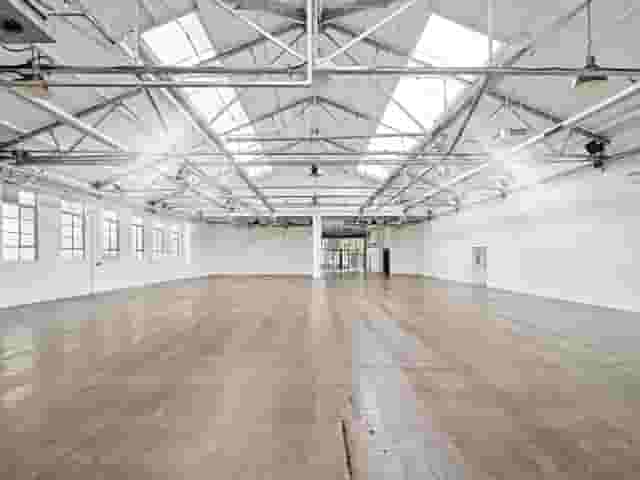
What sets Central London apart for 300-person productions is the infrastructure that's been built to handle volume. Venues like The Steel Yard offer 600m² of flexible space with 4m+ ceiling heights – essential when you're rigging professional lighting for large groups. The power supply standards here are robust too, with most professional filming locations providing at least 400 amps of 3-phase power, which means you won't be constantly juggling generators or worrying about tripping circuits mid-shoot.
The transport links are genuinely game-changing. King's Cross St Pancras and Liverpool Street Station put you within 10 minutes of most Central London filming locations, and with Crossrail's full operation coming in 2024, accessibility will improve even further. This matters enormously when you're coordinating 300 people – the difference between a smooth call time and chaos often comes down to transport logistics.
| Venue Size | Typical Capacity | Daily Rate Range | Key Features |
|---|---|---|---|
| Medium Studios | 100-300 people | £5,000-£15,000 | Controlled lighting, sound stages |
| Large Warehouses | 300+ people | £15,000+ | Raw space, high ceilings, flexibility |
| Historic Venues | 200-300 people | £8,000-£20,000 | Character, built-in atmosphere |
For productions needing that authentic London backdrop, you'll find filming locations across different areas offer distinct visual personalities. If you're working with a smaller crew first, I'd recommend checking out filming locations for 50 people to test your setup before scaling up.
The key is booking early – particularly for those peak filming months between May and July when rates can jump significantly. Start your venue search at least 8-12 weeks ahead for the best selection and pricing.
Essential Technical Requirements and Space Planning for 300-Person Film Shoots in Central London
Getting the technical specifications right for a 300-person film shoot is where many productions stumble, but it doesn't have to be complicated if you know what to prioritise. After years of working with large-scale productions in Central London, I've learned that success comes down to three critical elements: space configuration, power infrastructure, and acoustic control.
Space Configuration That Actually Works for Large Groups
For 300 people, you're looking at a minimum of 500-700m² of usable space – and that's before you factor in equipment, catering areas, and crew zones. The Steel Yard's 600m² setup is a perfect example of how this works in practice. You need clear sightlines for cameras, designated areas for talent holding, and crucially, enough circulation space so your crew isn't constantly navigating around each other.
Ceiling height is non-negotiable – anything under 4m will severely limit your lighting options. I've seen productions compromise on this and regret it immediately when they realise they can't achieve the dramatic lighting effects they'd planned. Most professional Central London venues understand this, which is why you'll find consistent 4m+ heights across quality filming locations.
Power and Technical Infrastructure Essentials
Here's where the numbers really matter: you need at least 400 amps of 3-phase power for a production this size. That covers your lighting rigs, sound equipment, catering facilities, and all the ancillary equipment that comes with large crews. Many venues quote lower power availability, but trust me, you'll hit capacity issues quickly with 300 people on set.
Climate control becomes critical too – maintain 21°C ±2°C with proper HVAC zoning. Nothing kills a shoot faster than overheated talent or fogged camera lenses. The best venues have independent climate zones, so you can keep your equipment areas cooler while maintaining comfort for your cast and crew.
For connectivity, insist on dedicated 100 Mbps minimum – shared bandwidth simply won't cut it when you're potentially streaming rushes or coordinating with remote teams. I've worked on productions where poor internet brought everything to a standstill.
Acoustic Considerations for Professional Results
Soundproofing isn't just about keeping noise out – it's about controlling the acoustic environment within your space. Look for venues with proper acoustic treatment panels that minimise echo and reverberation. External noise interference can ruin takes, particularly in Central London where traffic and construction are constant factors.
If you're exploring different scales, filming locations in East London for 200 people often offer more industrial acoustics, whilst South London options for 200 people might provide quieter residential settings.
Start your technical planning by creating a detailed equipment manifest – this helps venues understand your exact power and space requirements upfront, avoiding costly surprises on shoot day.
Navigating Permits, Licensing, and Location Access in Central London's Filming Districts
The permit landscape for large-scale filming in Central London can feel like navigating a maze, but once you understand the system, it's actually quite straightforward. The key is starting early – I always tell clients to begin the permit process at least 6-8 weeks before their shoot date, particularly for 300-person productions which inevitably require more complex approvals.
Understanding Westminster and City of London Requirements
Most Central London filming locations fall under Westminster City Council or the City of London Corporation, and each has distinct requirements. For venues accommodating 300 people, you'll typically need a Temporary Event Notice (TEN) if you're serving alcohol or having amplified music – even background music during filming counts. The application costs around £21 and takes up to 10 working days to process, but I've seen applications rejected for missing details, so get it right first time.
Public liability insurance of at least £5 million is standard across all professional venues in London – this isn't negotiable. Most venues will ask to see your certificate before confirming bookings, and some require you to name them as additional insured parties. Factor this into your budget early; comprehensive production insurance for a 300-person shoot typically runs £800-£1,500 depending on your coverage.
Street Filming and External Shots
If your production involves any external filming or street access, you'll need separate filming permits from the relevant borough. Westminster charges around £150-£300 per day for basic street filming permits, but costs escalate quickly if you need road closures or parking suspensions. For large crews, parking becomes a real challenge – NCP Car Park Covent Garden charges approximately £12 per hour, and street parking is virtually impossible for 300 people.
The trick is working with venues that have established relationships with local councils. Many professional filming locations maintain ongoing dialogue with licensing departments, which can smooth the approval process significantly. When I'm working with filming locations across West London, I always ask about their existing permit arrangements.
Timing and Seasonal Considerations
Peak filming season (May-July) sees increased scrutiny from councils dealing with multiple applications. Off-peak periods like January-February not only offer better rates but also faster permit processing. I've seen identical applications take 5 days in February versus 15 days in June.
Start by creating a comprehensive permit checklist with your venue – they'll know exactly which approvals you need and can often handle applications on your behalf. This partnership approach saves time and reduces the risk of overlooked requirements that could derail your production schedule.
Smart Budget Planning and Booking Strategies for Central London Film Locations
Budget planning for a 300-person film shoot in Central London requires a completely different approach than smaller productions – the costs scale exponentially, not linearly. Having managed budgets ranging from £50,000 to £250,000 for large-scale Central London shoots, I can tell you that the difference between a well-planned budget and financial chaos often comes down to understanding the hidden multipliers that kick in at this scale.
Understanding the Real Cost Structure
For 300-person filming locations in Central London, you're looking at daily venue hire rates starting around £15,000 and climbing rapidly from there. Premium warehouse spaces like those in King's Cross can hit £25,000-£35,000 per day, whilst historic venues with character – think converted Victorian railway arches or Georgian mansion blocks – often command £20,000-£40,000 daily. These aren't just venue costs; they're comprehensive packages including power, basic lighting infrastructure, and essential facilities.
The key insight most producers miss is that catering costs alone can add £80-£200 per person depending on your requirements. For a basic craft services setup, budget £80 per head. If you're planning a more substantial catering operation or client entertainment element, you're looking at £120-£200+ per person. Multiply that by 300 people and suddenly you've got a £24,000-£60,000 line item that many budgets underestimate.
Strategic Booking Windows and Negotiation Points
Timing your booking is crucial for cost control. Peak season (May-July) sees rates increase by 30-40%, whilst January-February bookings can secure significant discounts. I've negotiated 25% reductions for off-peak bookings, particularly for multi-day shoots where venues appreciate the guaranteed occupancy.
The sweet spot for booking is 8-12 weeks ahead – early enough for venue selection but not so early that you're paying premium rates for uncertainty. Many venues offer progressive discounts for longer booking commitments: 5% for 2-3 days, 10% for week-long bookings.
When exploring different areas, filming locations across various London districts can offer surprising value alternatives. Sometimes moving slightly outside the traditional Central London boundaries delivers 20-30% cost savings without compromising on quality or accessibility.
Value-Adding Opportunities and Cost Control
Smart producers bundle services during negotiations. Ask about package deals that include equipment hire, catering partnerships, or extended access hours. I've seen venues throw in overnight security or additional power capacity when booking multiple days.
Always request detailed breakdowns of additional charges – cleaning fees, security deposits, overtime rates for extended shoots. These can add £5,000-£15,000 to your final bill if not negotiated upfront.
Start your budget planning with a comprehensive venue comparison spreadsheet, factoring in all ancillary costs, not just the headline day rate.
Maximizing Your Production Value: Expert Tips for Successful Large-Scale Filming in Central London
The difference between a good 300-person film shoot and an exceptional one often comes down to the details that most producers overlook until it's too late. After managing dozens of large-scale productions across Central London, I've learned that maximizing production value isn't about spending more money – it's about making smarter decisions that compound throughout your shoot day.
Pre-Production Site Visits That Actually Matter
Never book a 300-person filming location without conducting a full technical recce with your key department heads. I always bring my lighting director, sound engineer, and catering coordinator on these visits because each will spot potential issues the others miss. During one recent shoot at a converted warehouse in Shoreditch, our sound engineer identified acoustic dead spots that would have been disastrous for dialogue scenes – something I'd completely missed during my initial walkthrough.
Test your equipment setup during the recce, particularly power distribution and internet connectivity. Many venues claim 100 Mbps bandwidth, but I've found that actual performance during peak hours can drop to 30-40 Mbps. Request a speed test during your busiest anticipated usage time, not during a quiet Tuesday afternoon visit.
Crew Flow and Logistics Optimization
For 300-person productions, crowd management becomes as important as creative direction. Create designated zones for different crew functions – talent holding, equipment storage, catering, and client areas. The best Central London venues understand this and can provide detailed floor plans showing optimal traffic flow patterns.
I always negotiate extended load-in times for large productions. Standard 8am access isn't realistic when you're moving equipment for 300 people. Push for 6am access or even overnight load-in for complex setups. This typically adds £1,000-£2,000 to your venue cost but saves exponentially more in crew overtime and stress.
Leveraging London's Creative Infrastructure
Central London's unique advantage is the concentration of world-class suppliers within walking distance. Partner with established providers like Event Concept for AV needs or Rhubarb Catering for bespoke menus – their local knowledge and venue relationships can solve problems before they arise.
Consider exploring photography studios across London for inspiration on technical setups, or review successful filming case studies to understand what works at scale.
Start your production planning by creating a detailed timeline that includes 30% buffer time for large-group coordination – trust me, you'll need every minute of it.
What our customers say
Inspiration and planning guides

The Top 5 Photography & Filming Venues In London
It wasn't that long ago that we featured a blog on photography studios but with so many great venues joining the Hire Space stable, we knew that it was time to send James Roche out again to preview five more marvellous film and photography spaces available for hire in London! First Option Studio With a Welsh slate entrance and custom built French doors, one could never accuse this split-level studio space of being culturally exclusive. And whether you're filming a Bollywood blockbuster, Holly

Unique Venue of the Month: Motel
Under a Victorian railway arch, just steps from Kingsland Road, lies a studio [https://hirespace.com/Spaces/London/85467/MOTEL/Whole-Venue/Events] that's the brainchild of famed photographer and filmmaker John Wright, who's worked with such big-name clients as Vanity Fair, Louis Vuitton and Sky Arts, and captured the biggest pop cultural names on camera including Rihanna, Paul McCartney and Arnold Schwarzenegger. GQ Britain's James Mullinger called the space the "best photographer's studio in Lo

Venue Review: Anomalous Space
Creative ventures across the artistic spectrum are accommodated and embraced at Anomalous Space [https://hirespace.com/Venues/London/1551/Anomalous-Space], situated stunningly close to Angel Station on Pentonville Road. The venue's name captures its uniqueness, in that it deviates from the standard, unoriginal function space that's all too common. Anomalous Space combines the most contemporary of technological facilities with Art-Deco features, all set within an authentic Georgian townhouse.
One supplier. Every venue. Full visibility on what you spend.
Multiple venues and events. One agreement.