Pop Up Spaces in Central London
Explore top pop up spaces in Central London for 100 people. Perfect venues for events that leave a lasting impression.
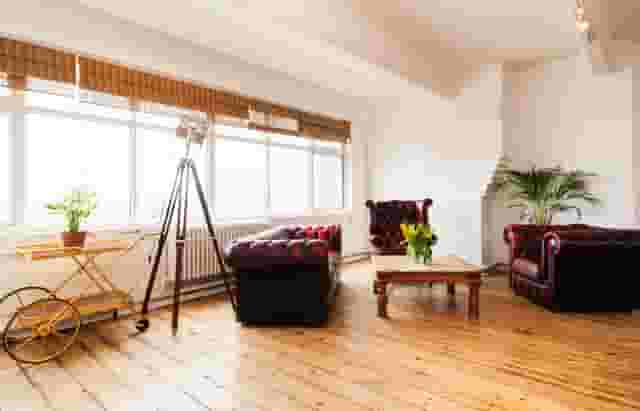
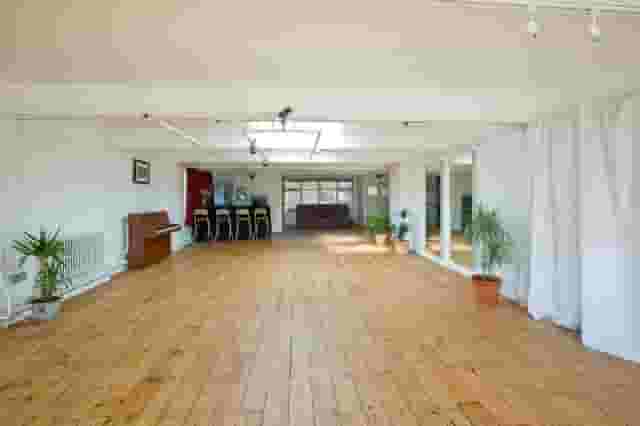
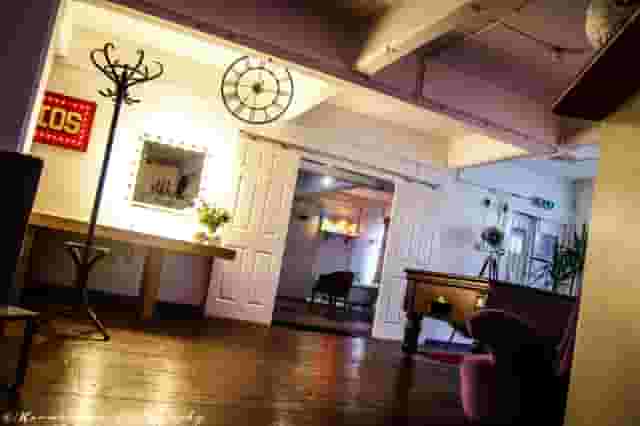
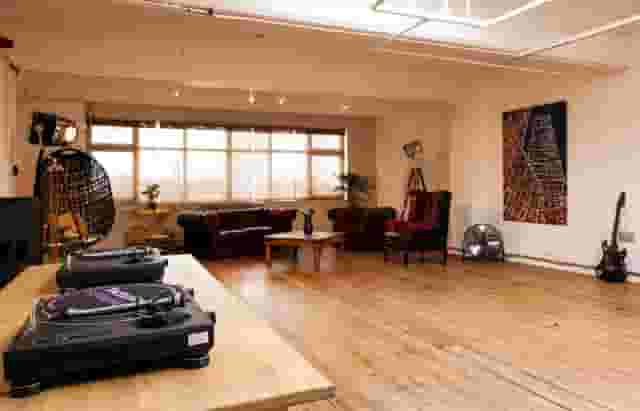
25 Pop Up Spaces in venues in Central London
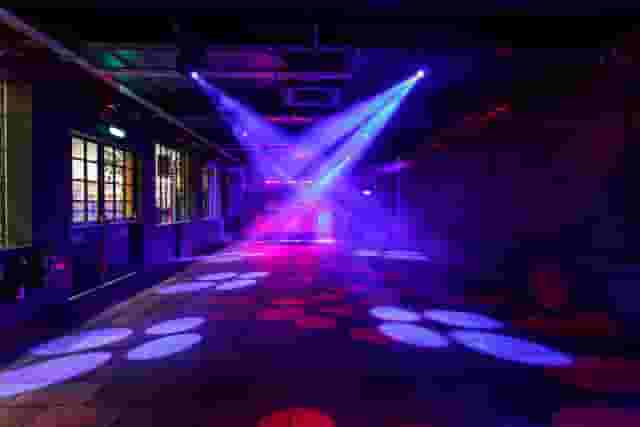
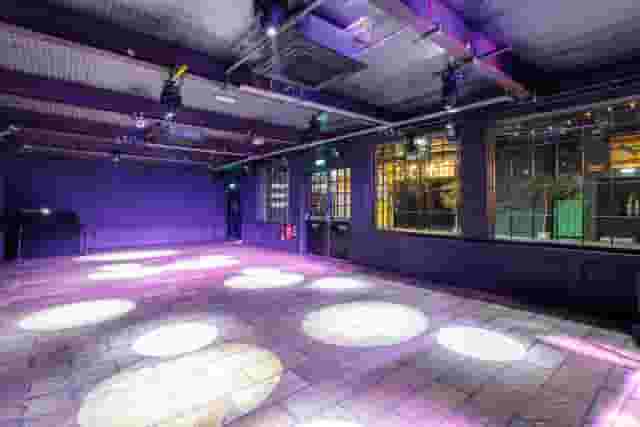
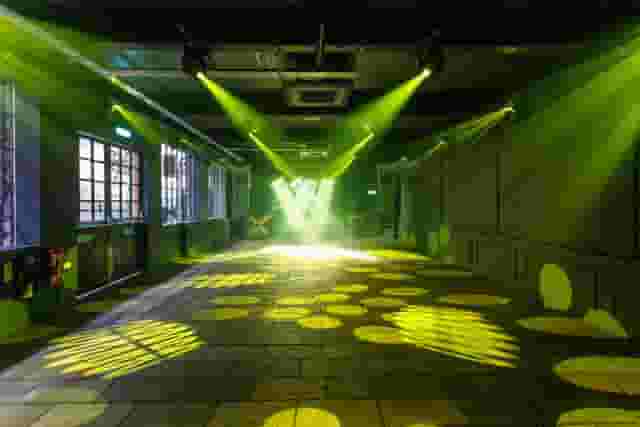
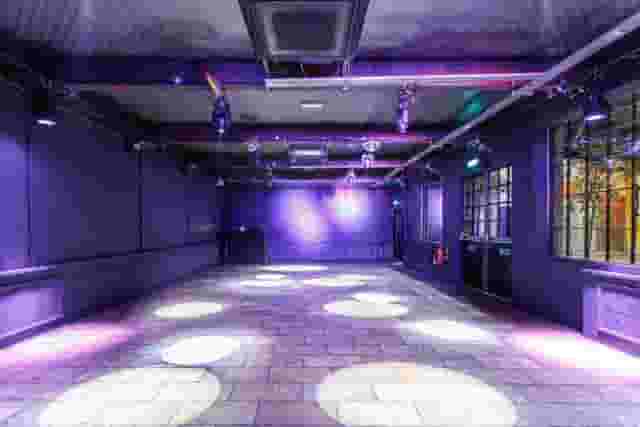

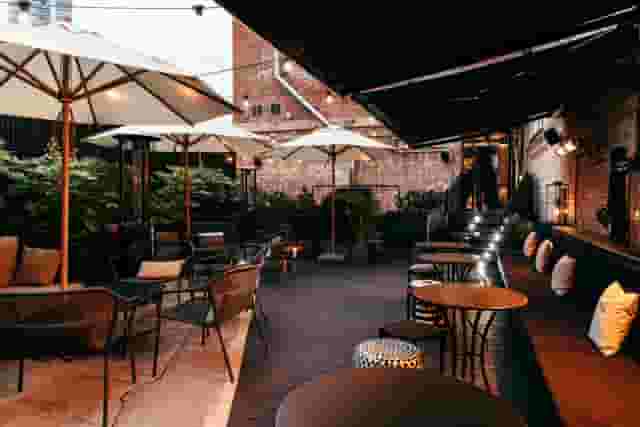
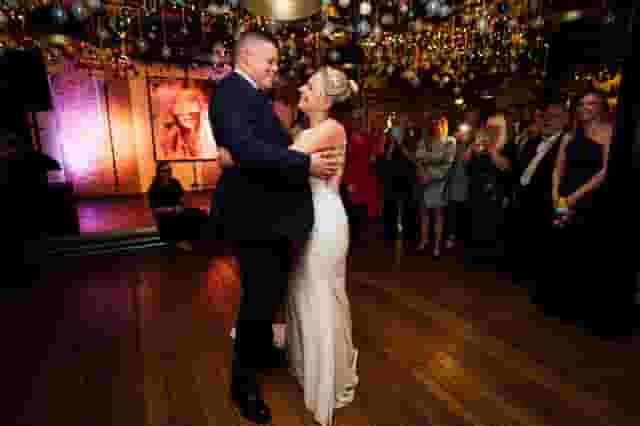
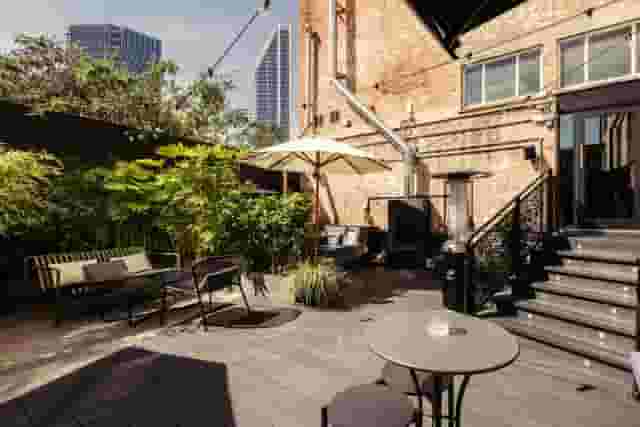
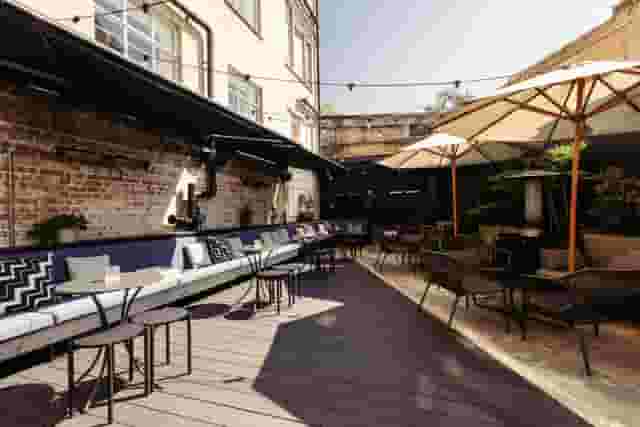
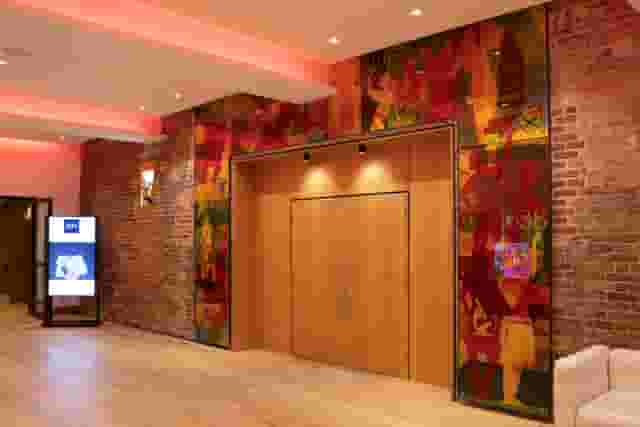
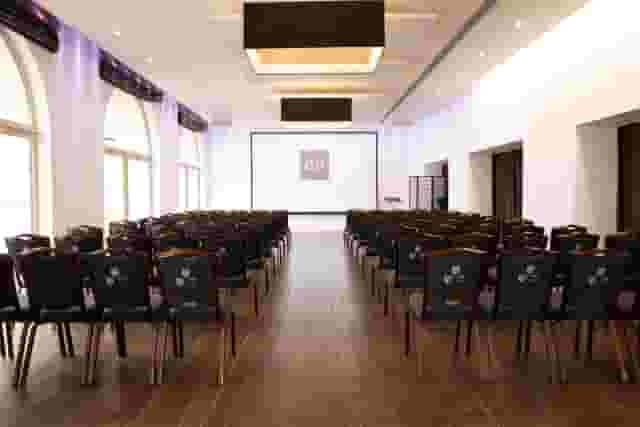
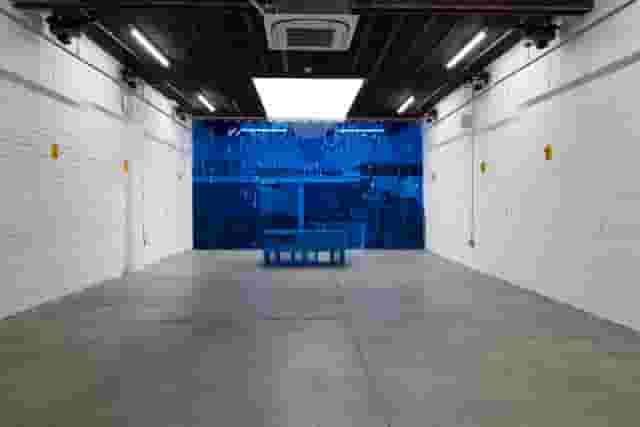
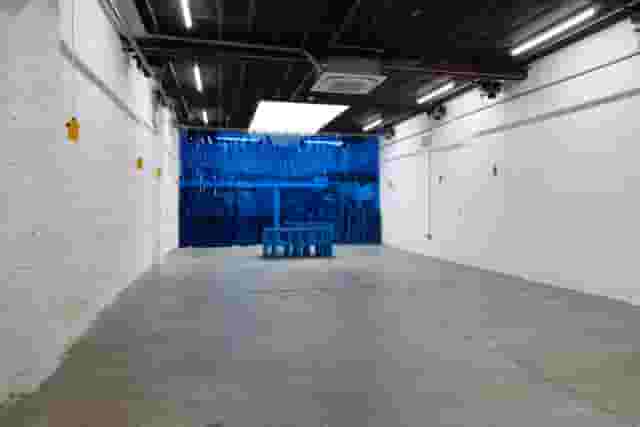
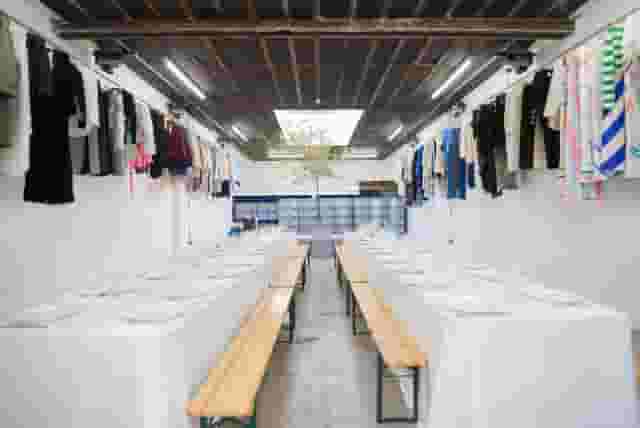
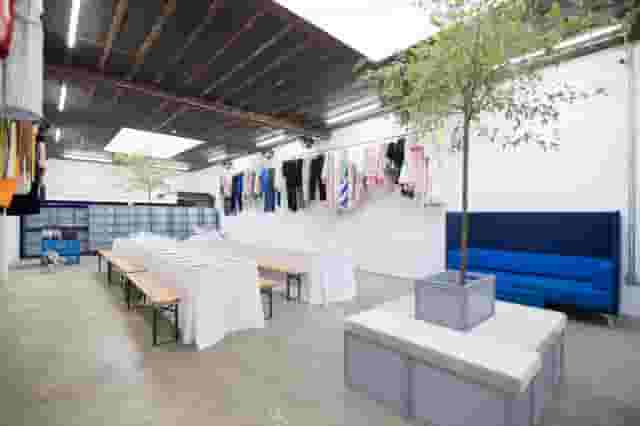

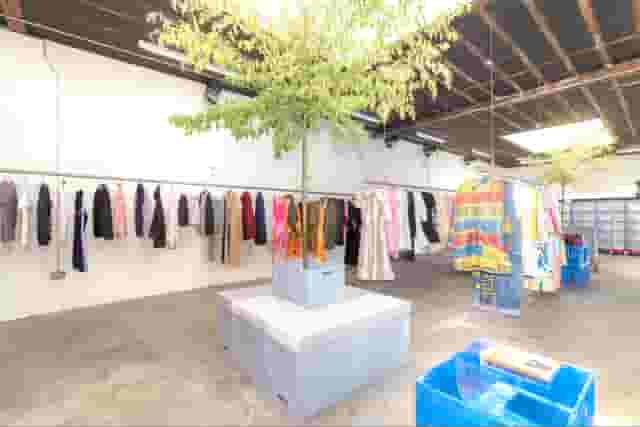
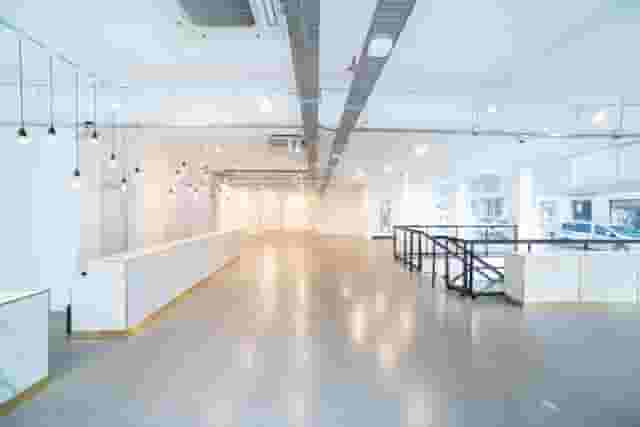
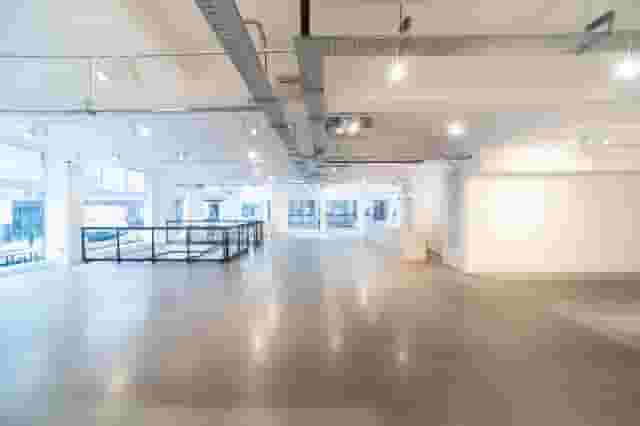


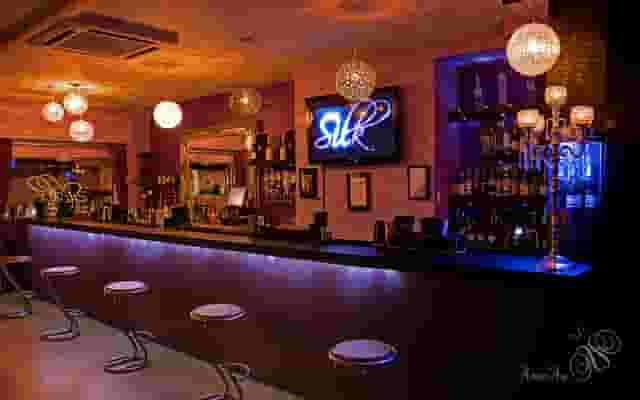
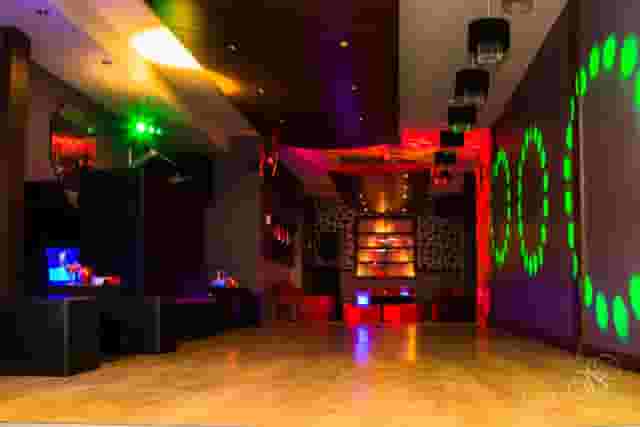
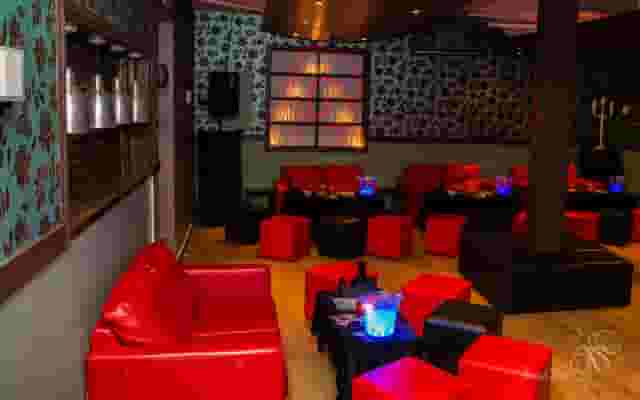
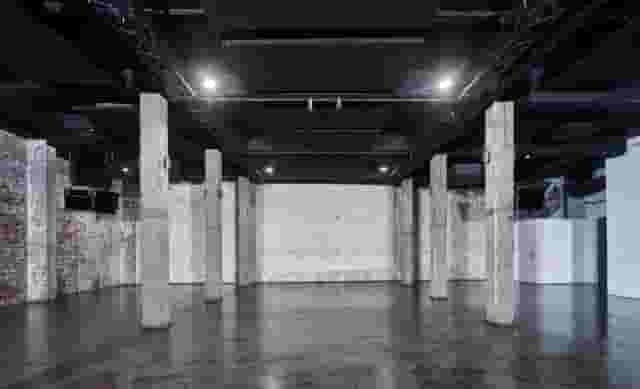
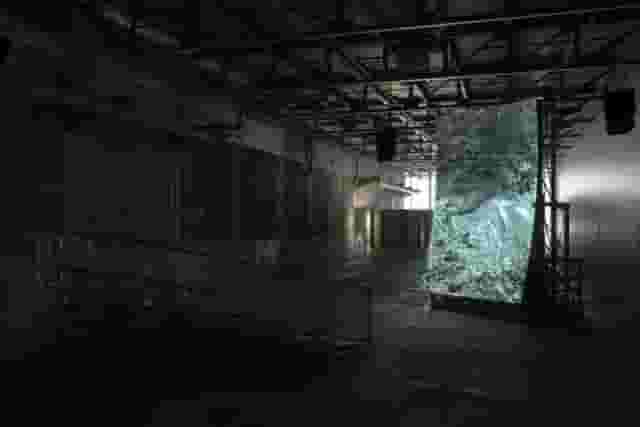
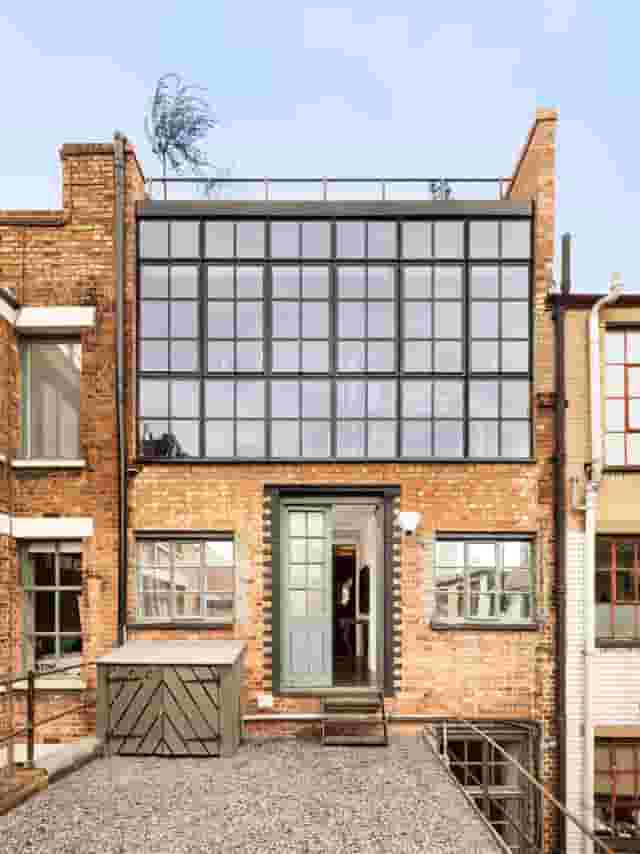
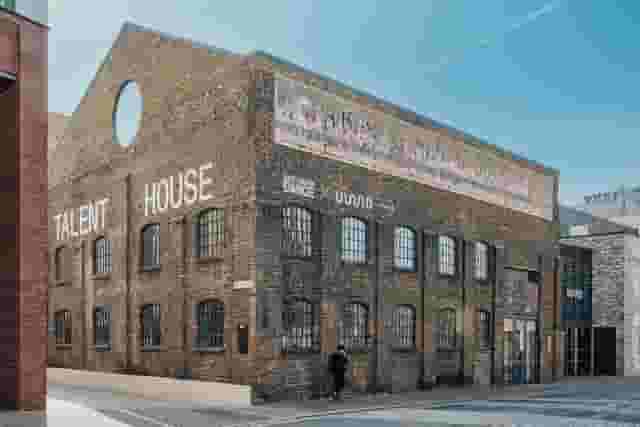

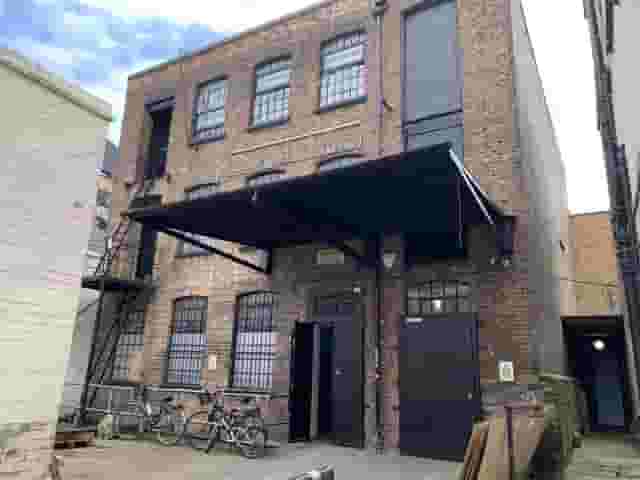
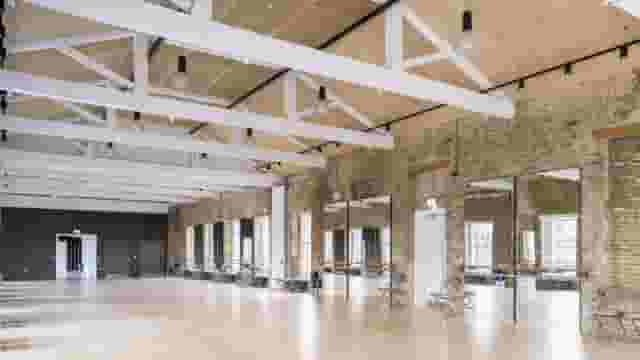
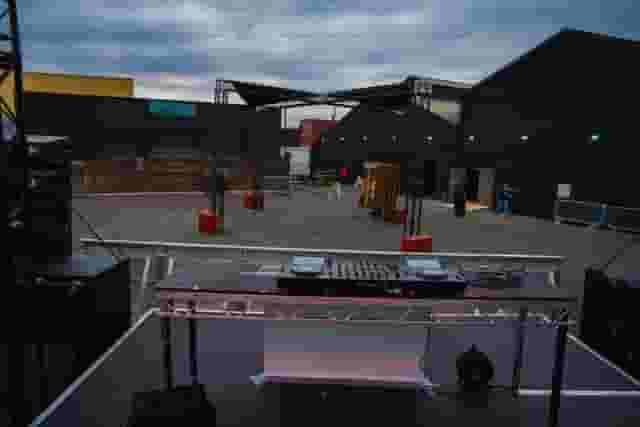
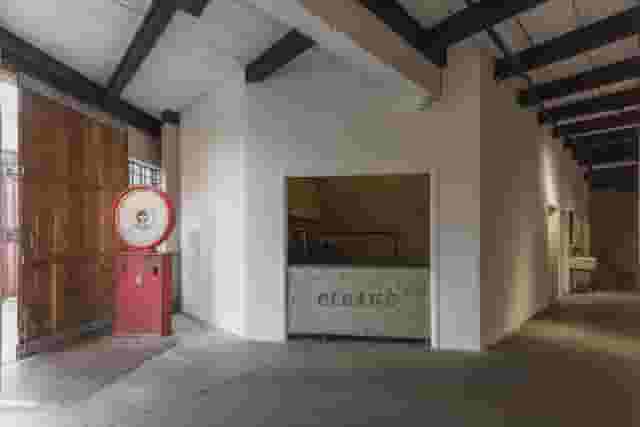
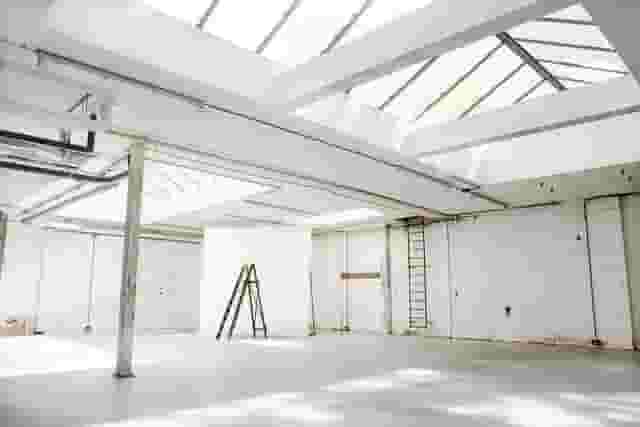
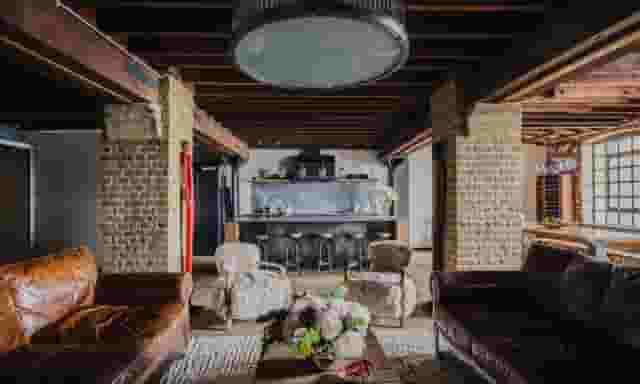
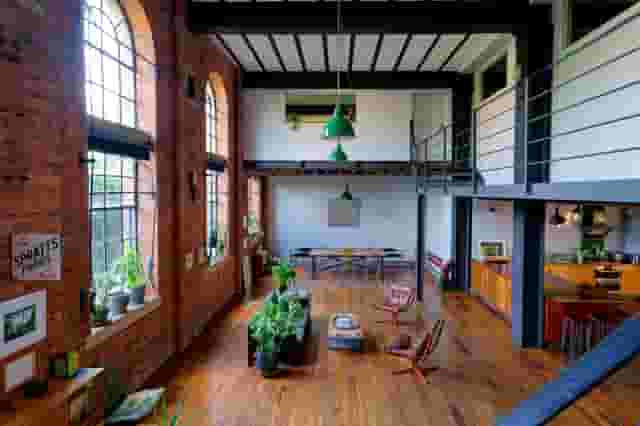
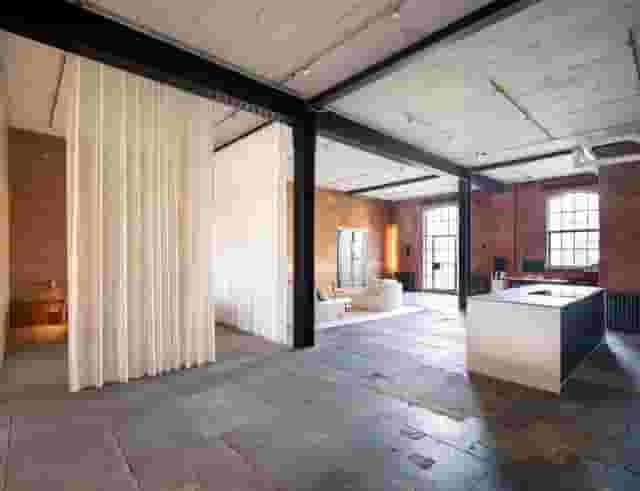
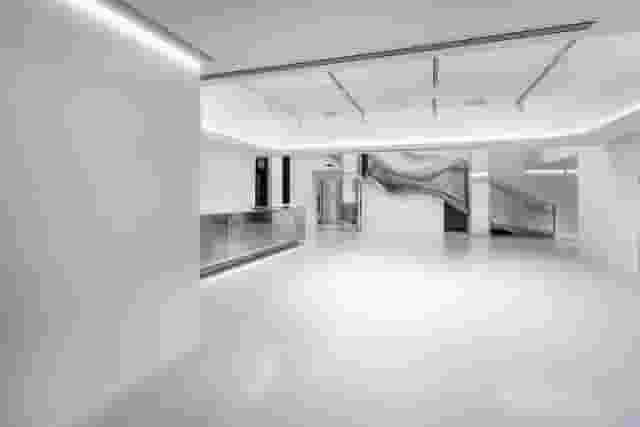
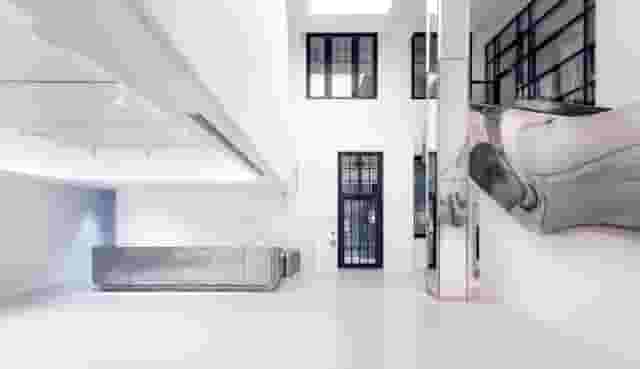
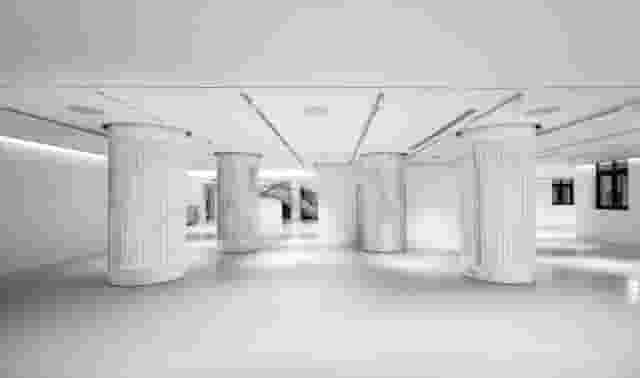


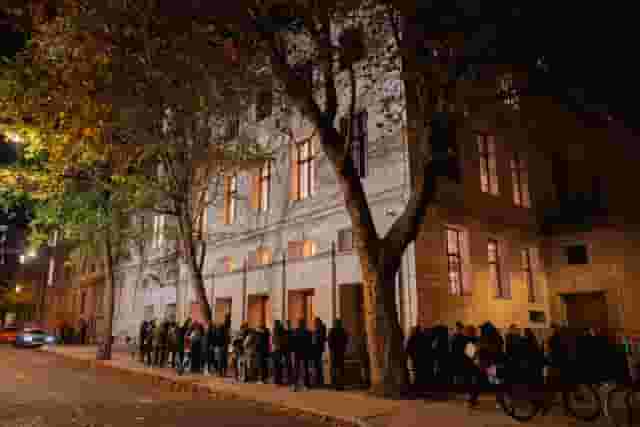




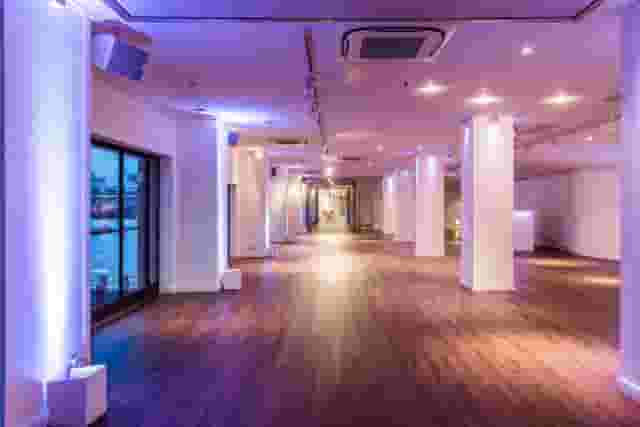

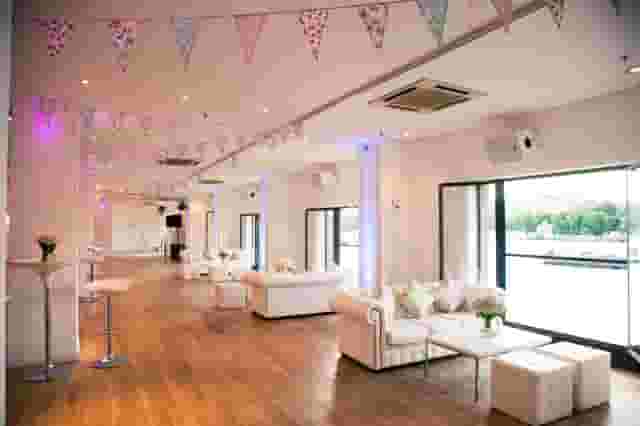
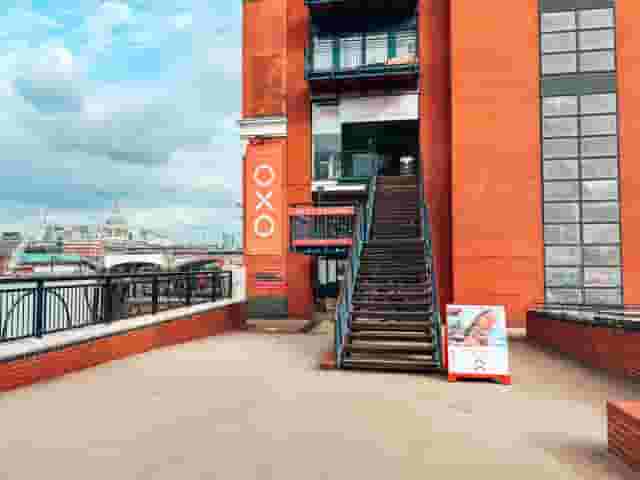
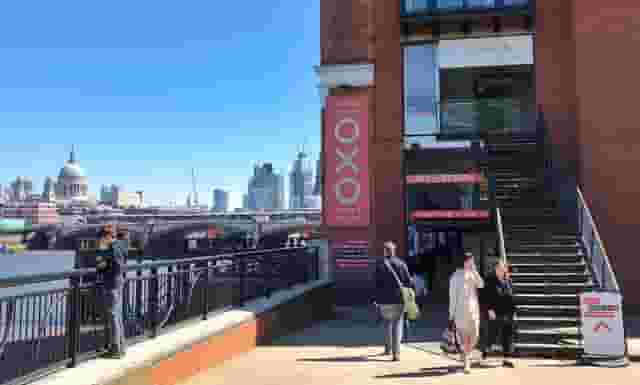
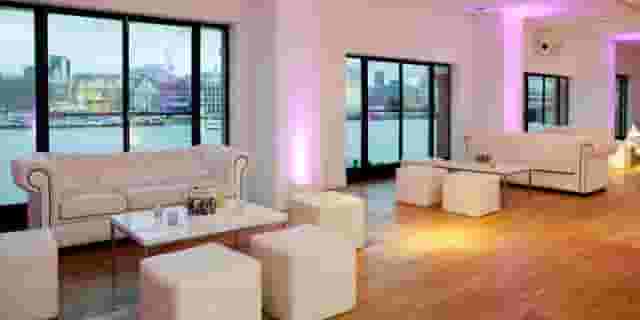
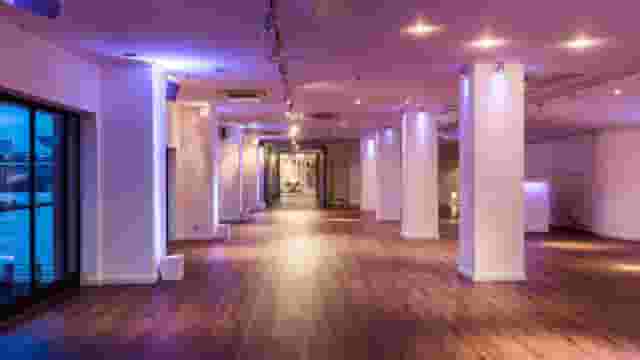
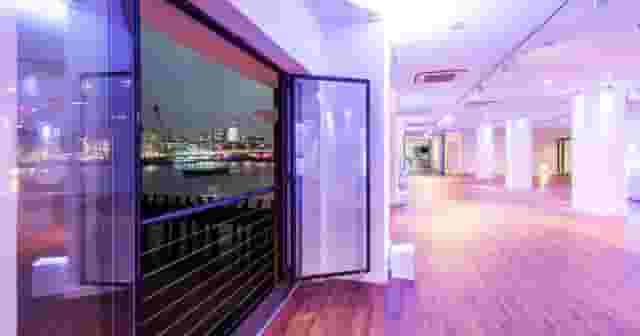
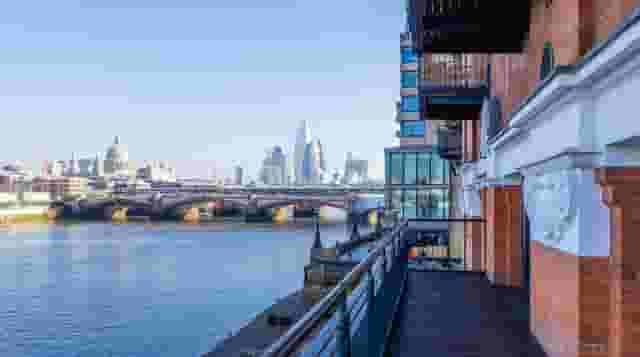



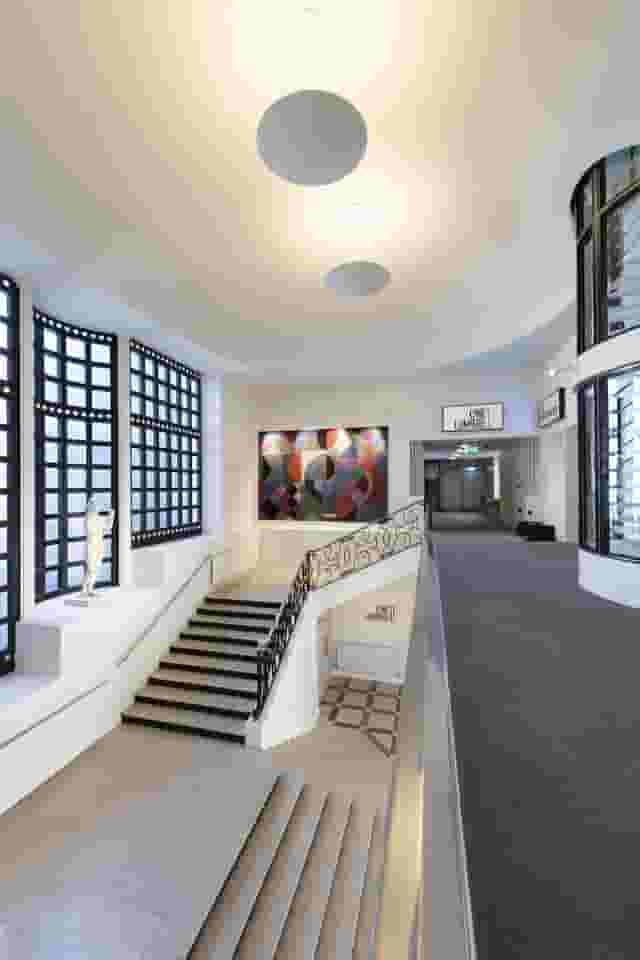
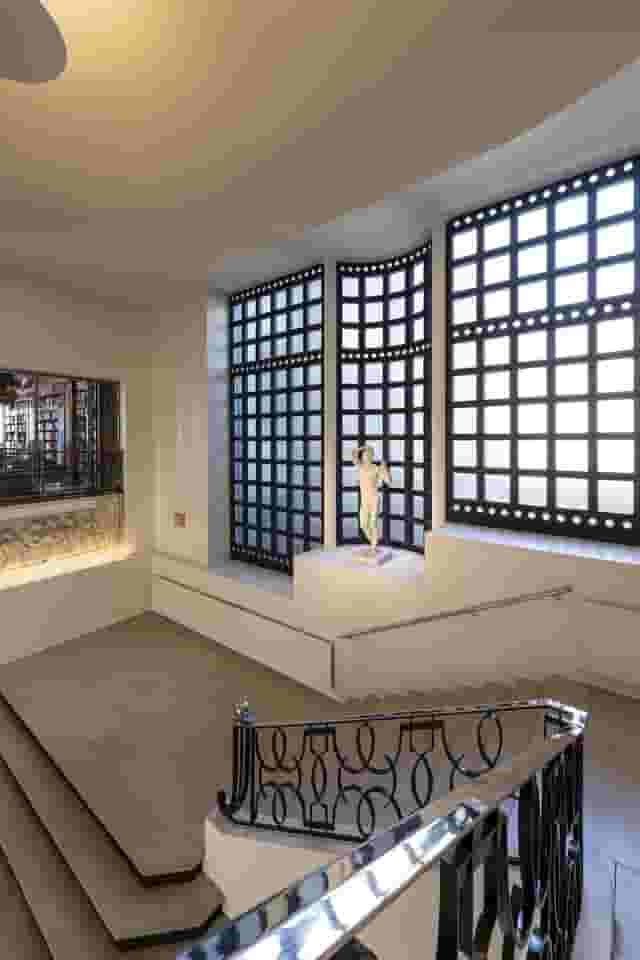




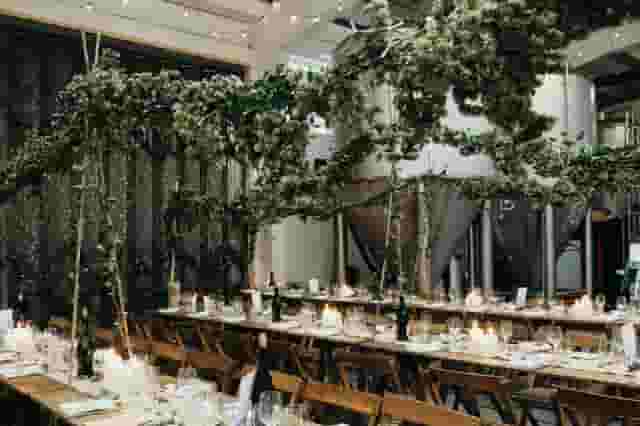
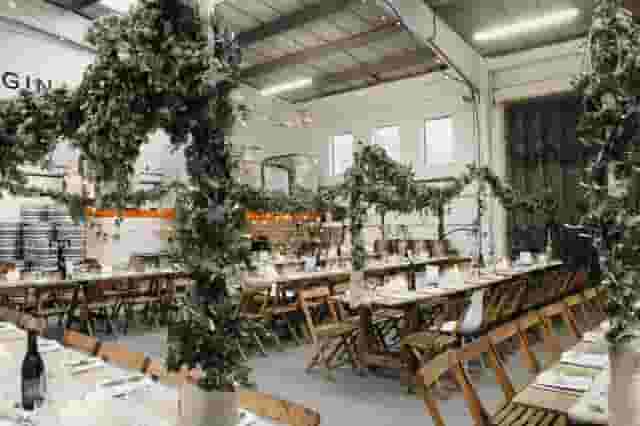

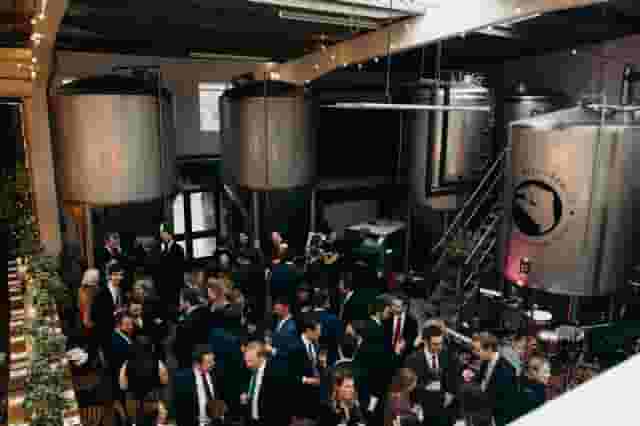
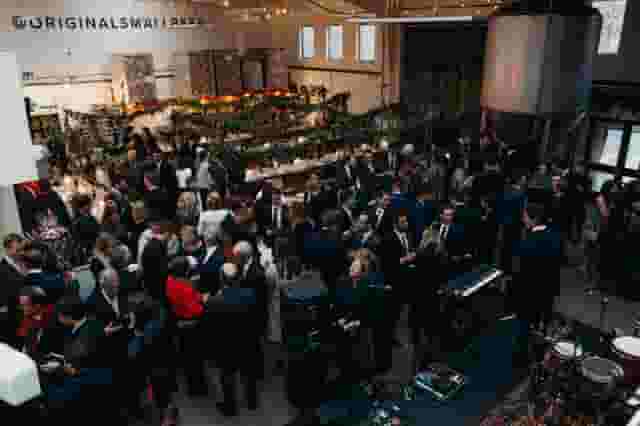



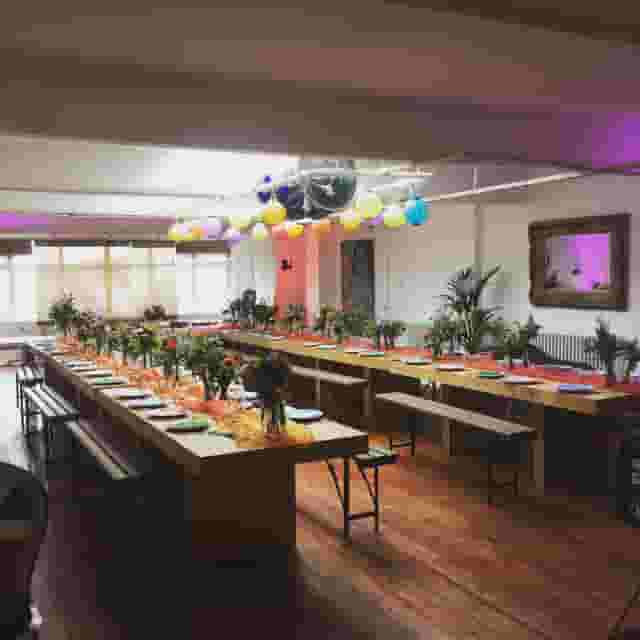
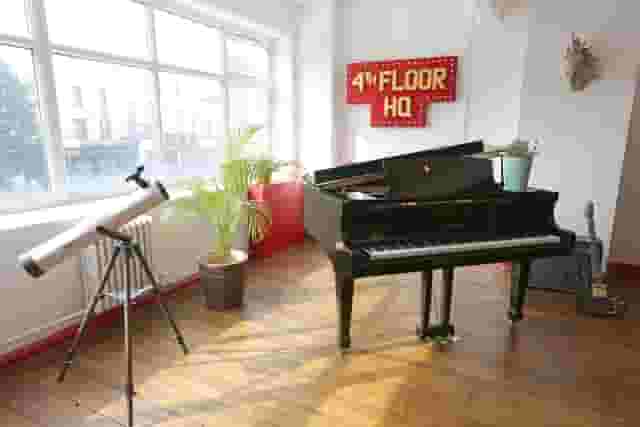
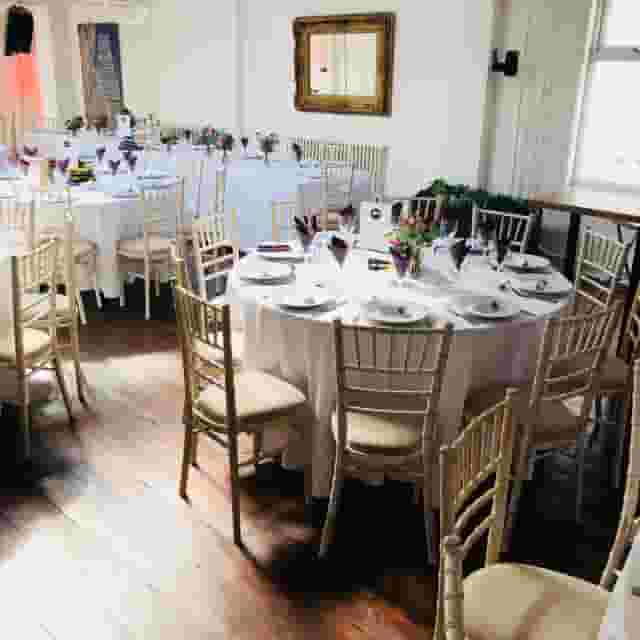
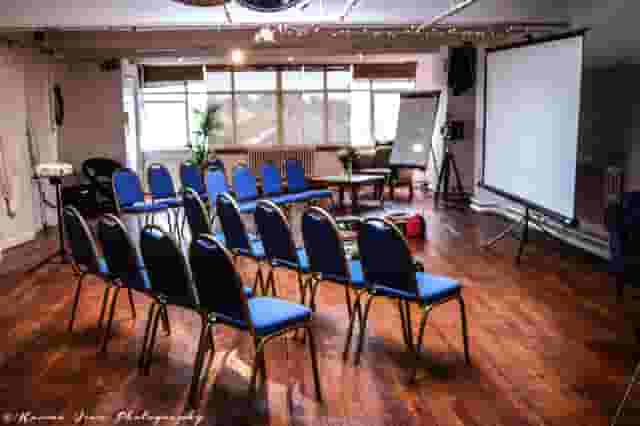
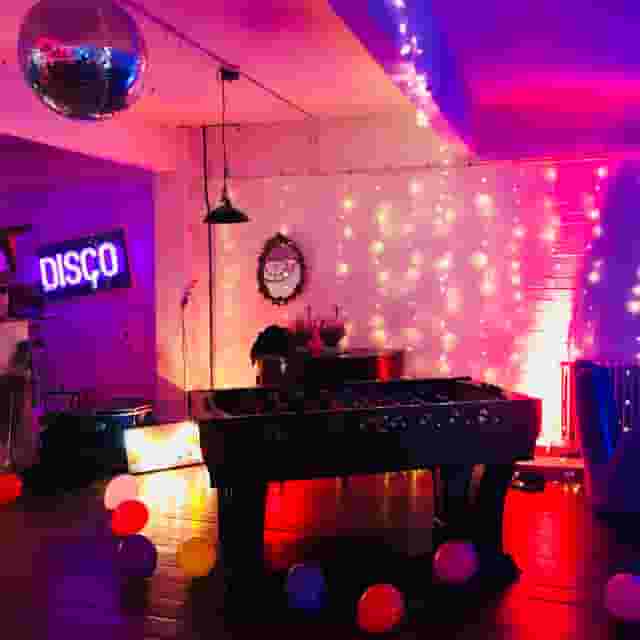
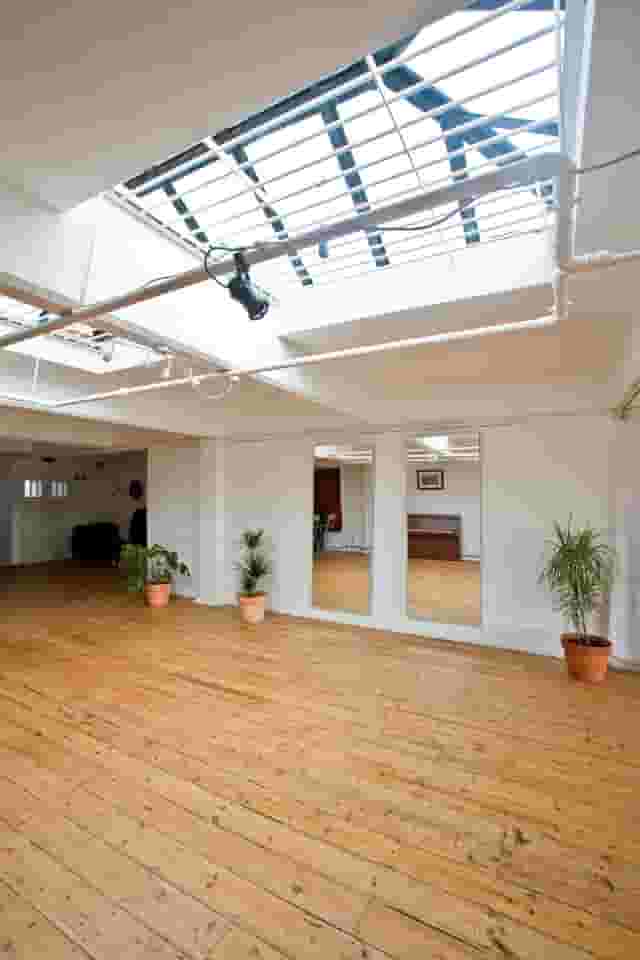
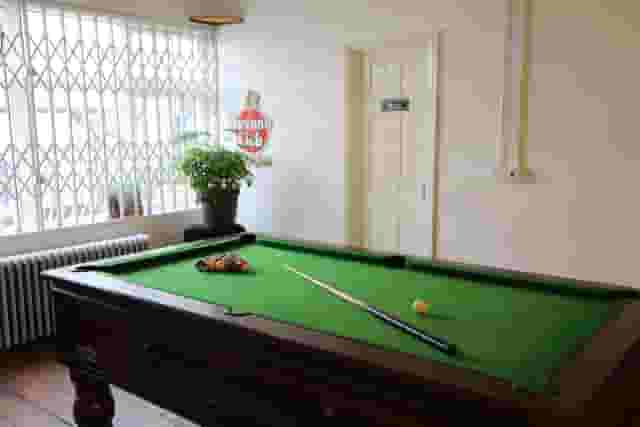
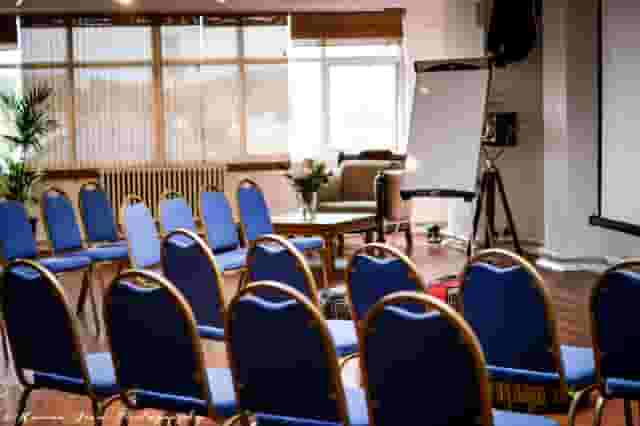
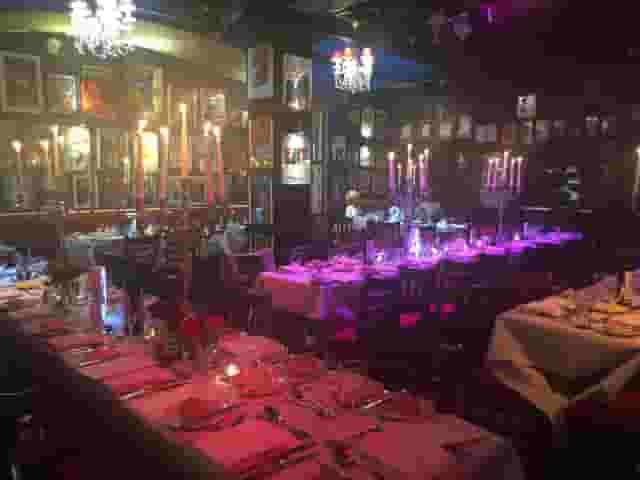
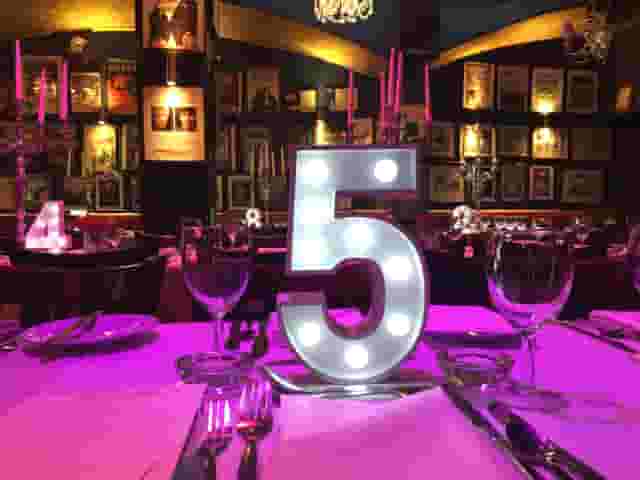
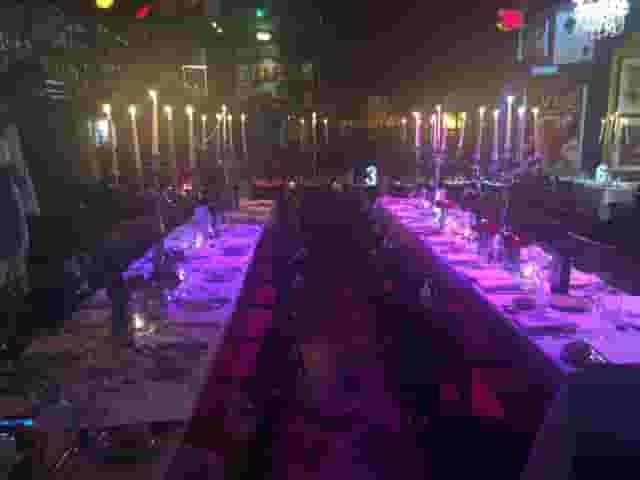
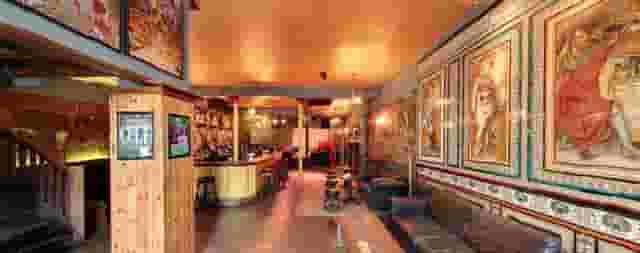

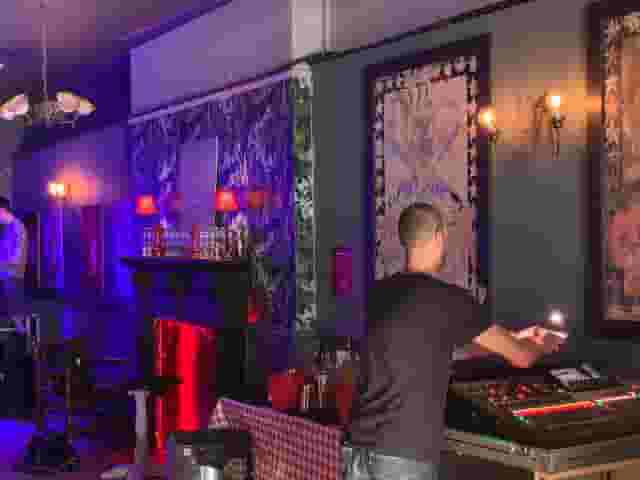
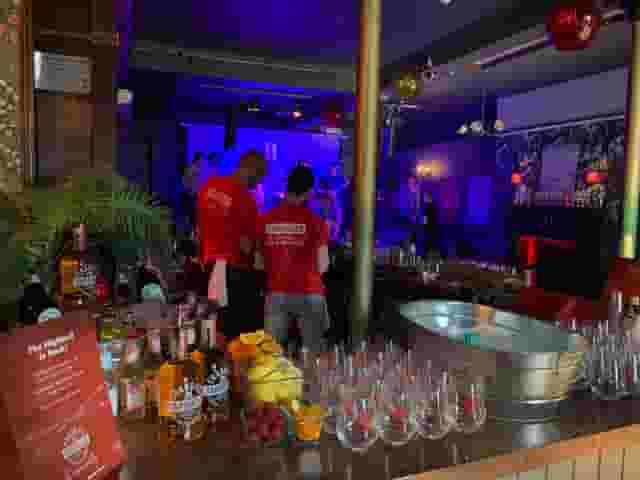
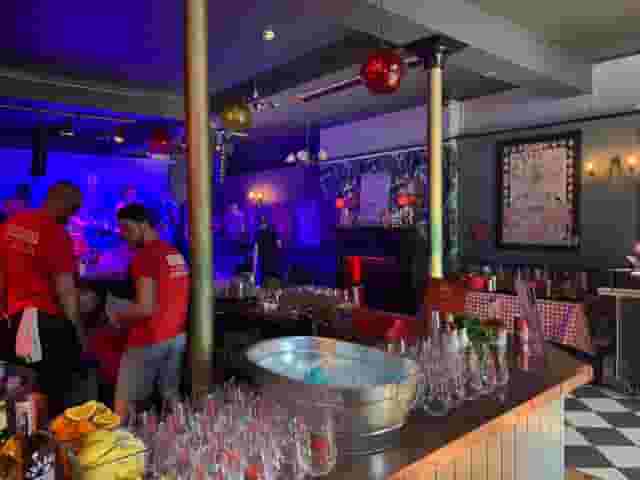
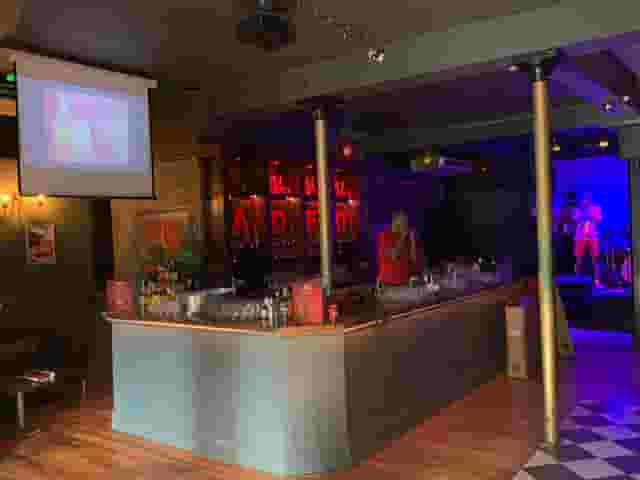
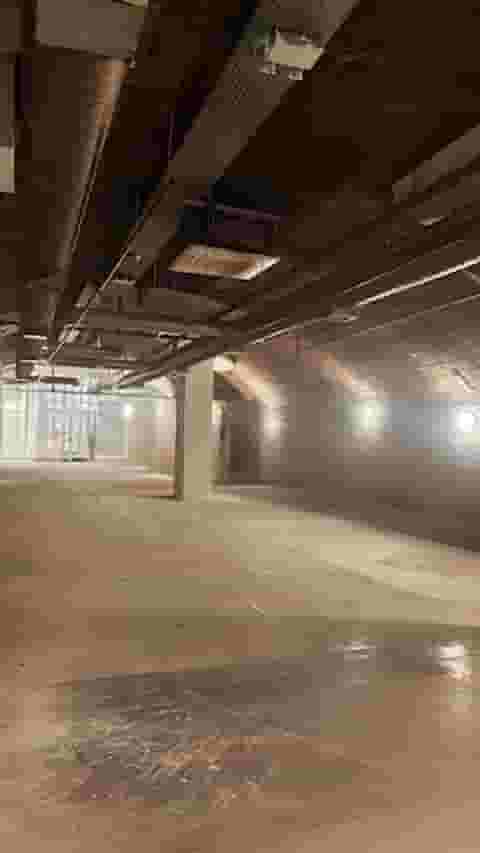
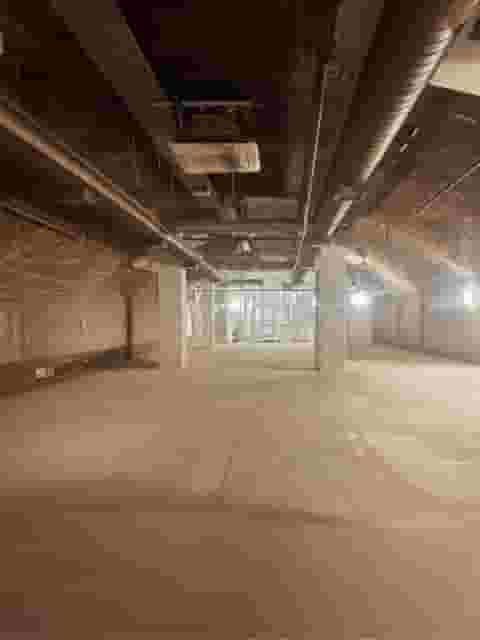
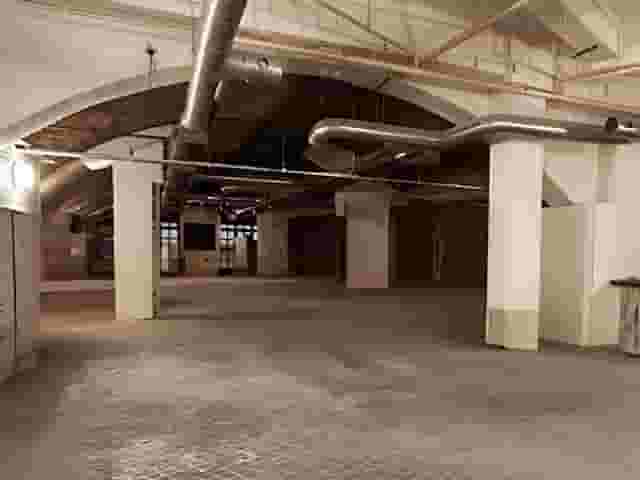
No venues match these filters
Try widening your capacity, luxury level or event type.
Don't have time to search? We'll find it for you.
For business events that need human judgement, talk to our team. Free for events of 100+ people, budgets over £10k or ongoing programmes.


Explore more venues in Central London

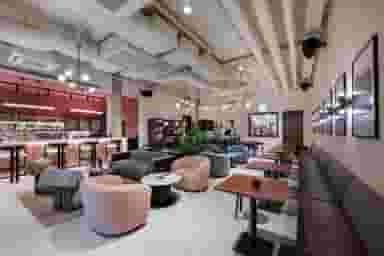
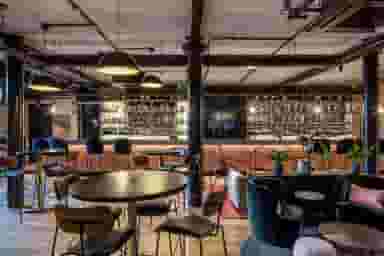







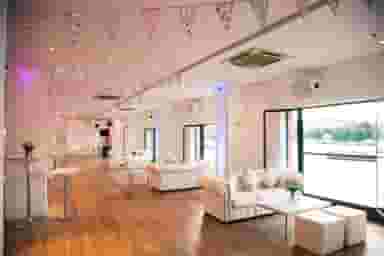










Other platforms search their database. We search everything.
Tell us what you need. Our deep research finds any venue, whether it's in our marketplace or not. No one else does this.
About Pop Up Spaces in Central London
Why Central London's Pop Up Spaces Are Perfect for Your 100-Person Event (And What Makes Them Different)
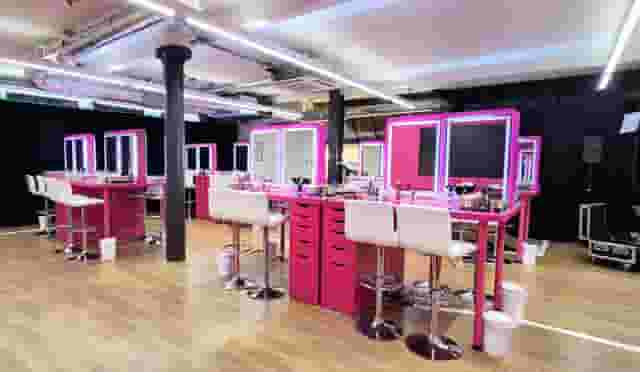
There's something genuinely exciting about pop up spaces that traditional venues simply can't match – and when you're planning for exactly 100 people in Central London, you've hit the sweet spot where these temporary venues truly shine.
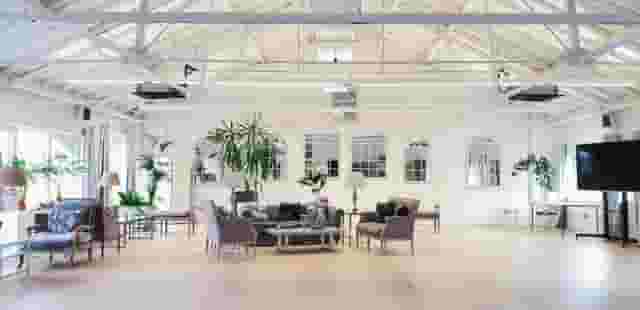
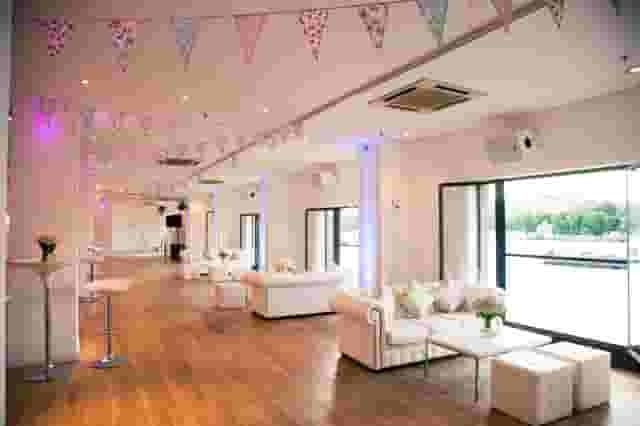
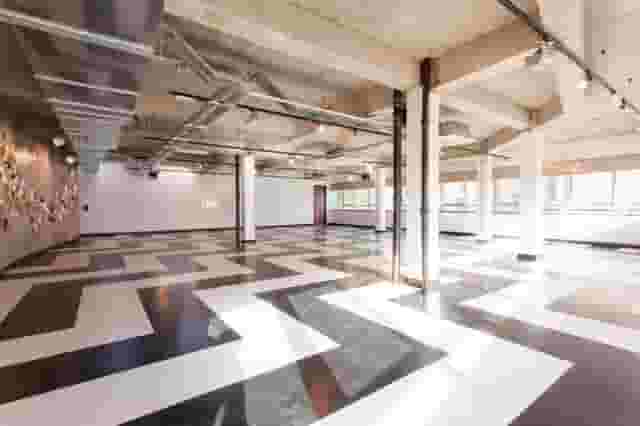
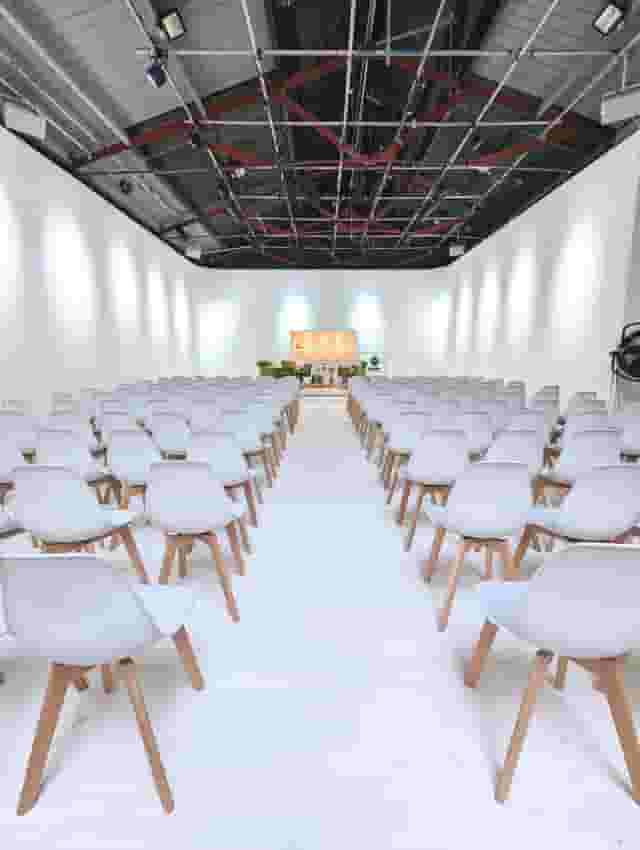
We've found that 100-person events work brilliantly in pop up spaces because you're dealing with that perfect middle ground. You're not cramming people into a space that's too small, nor are you rattling around in a cavernous venue that kills the atmosphere. Most quality pop up spaces in Central London range from 120-150 m², which gives you proper breathing room for networking whilst maintaining that intimate energy that makes events memorable.
What Sets Central London Pop Ups Apart from Traditional Venues
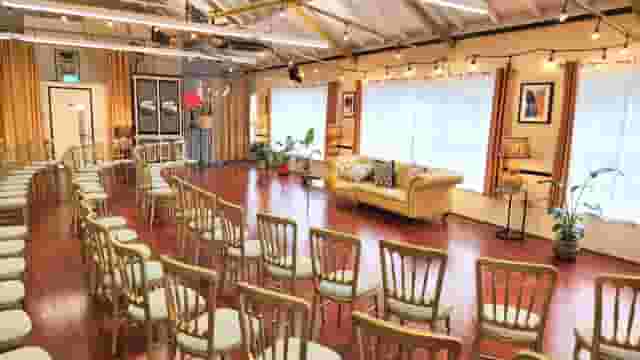
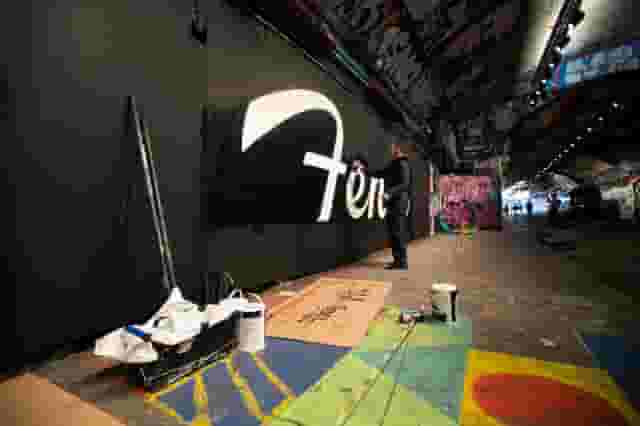
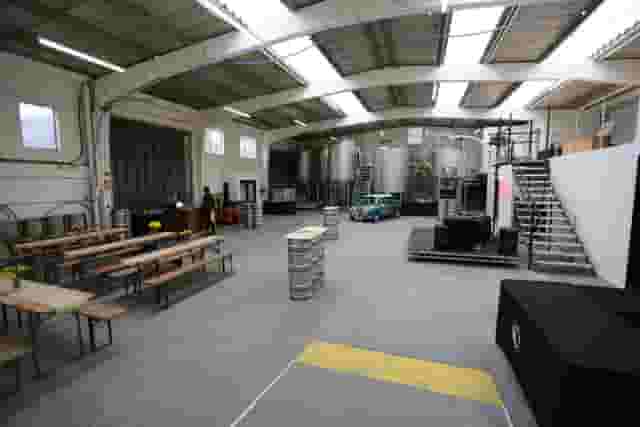
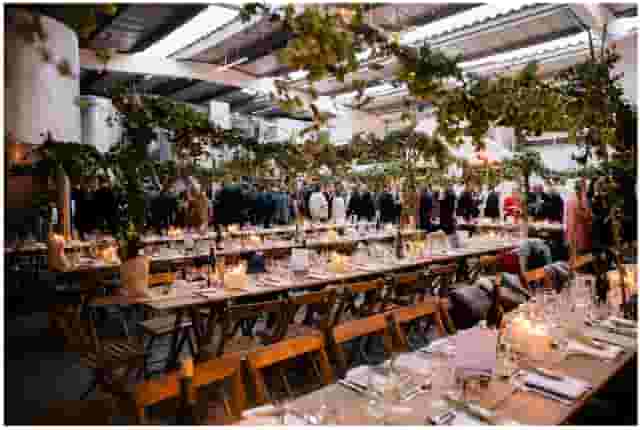
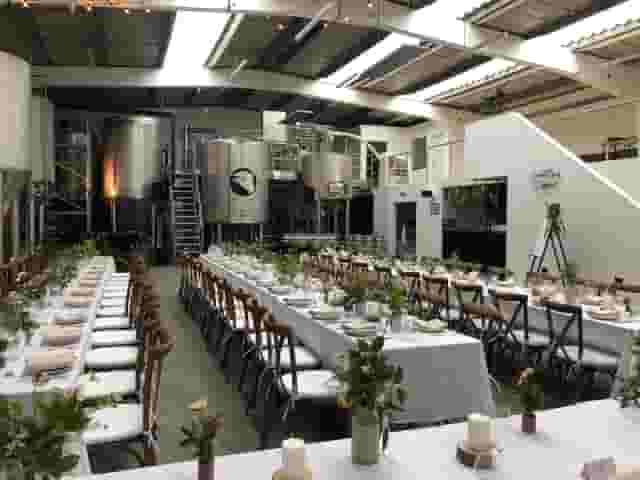
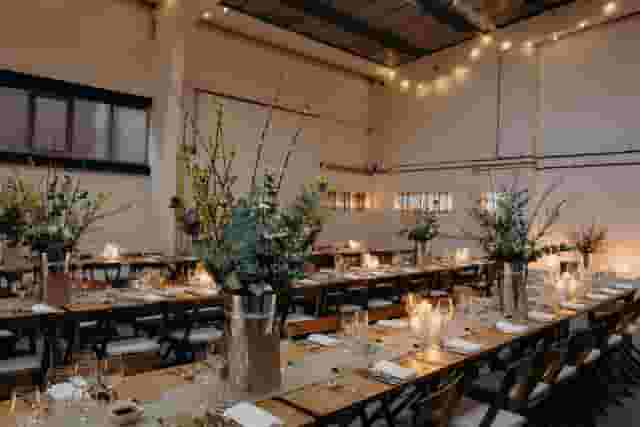
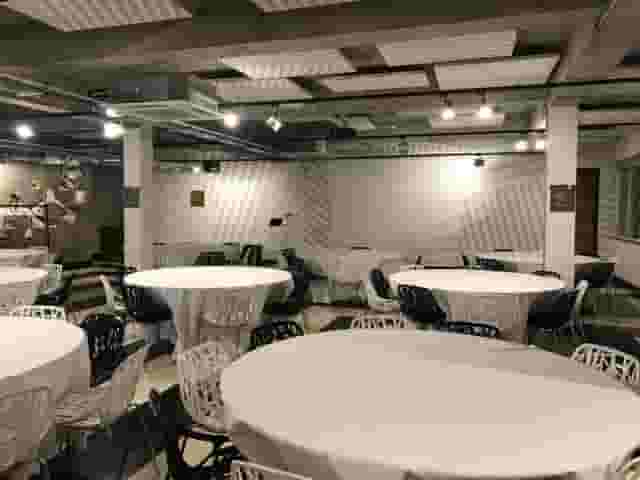
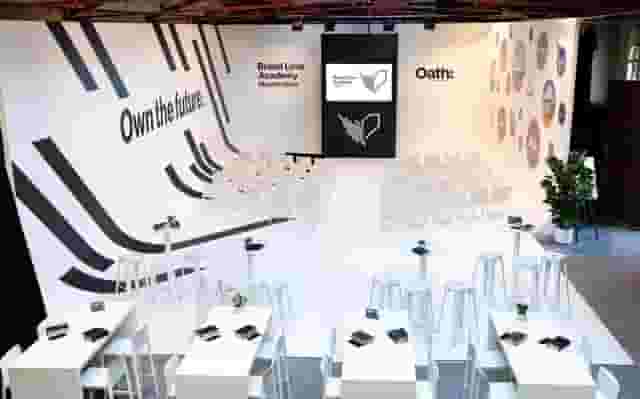
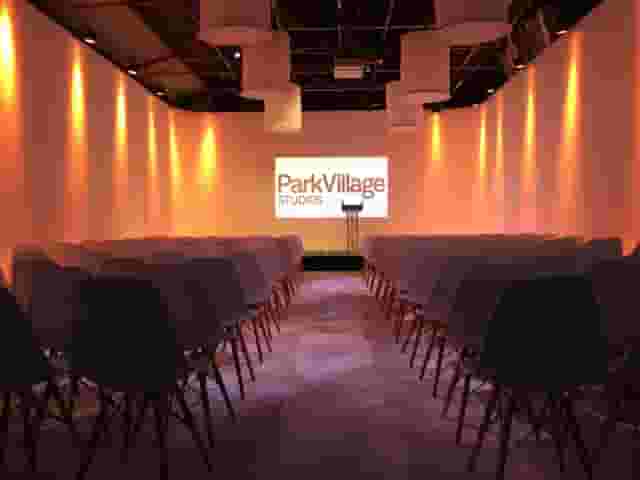
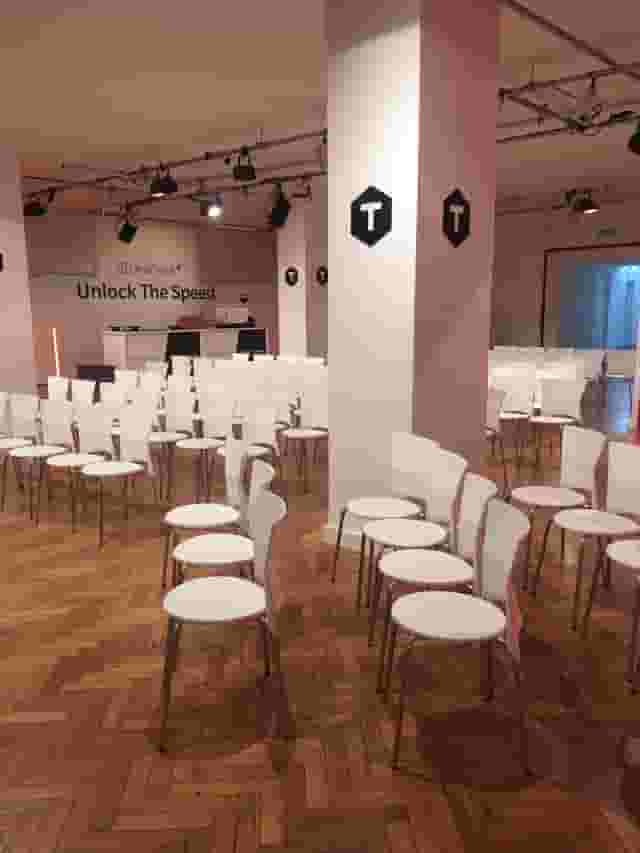
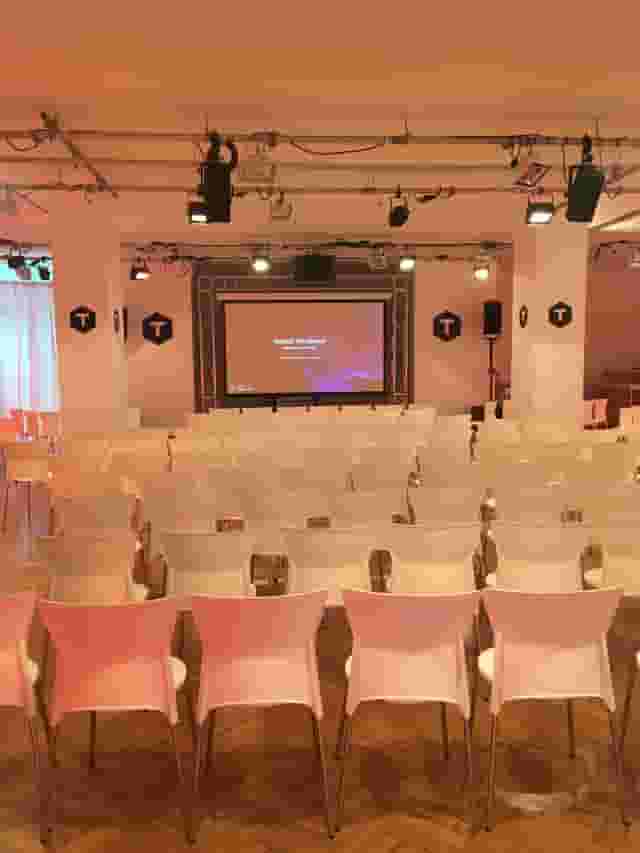
The flexibility is genuinely game-changing. Unlike hotel function rooms or established event spaces, pop up venues let you completely transform the environment. We've seen clients turn former retail spaces in Covent Garden into immersive brand experiences, or convert warehouse spaces near King's Cross into sophisticated product launch venues. The modular nature means you can configure theatre-style seating for 100, switch to banquet rounds for 80, or open it right up for 120 people at a reception.
The location advantage is massive too. Central London pop up spaces put you within 10 minutes of major transport hubs like King's Cross St Pancras and Liverpool Street Station. Your guests from Canary Wharf's finance district or Shoreditch's tech scene can reach you easily, and with Crossrail's full operation coming in 2024, accessibility will be even better.
The Commercial Reality You Need to Know
Let's talk numbers honestly. Quality pop up spaces for 100 people in Central London typically run £2,000-£5,000 per day, depending on location and specifications. That might seem steep, but when you factor in the flexibility, prime location, and the fact that many come with basic AV setup included, the value becomes clear. We've seen events where the unique setting alone generated more social media buzz than venues costing twice as much.
The key is understanding what you're getting. Unlike 5 a Side in Covent Garden venues that serve specific purposes, pop up spaces are blank canvases. You'll need to budget for additional elements like proper lighting, sound systems, and often catering partnerships, but this flexibility lets you create something truly distinctive.
If you're considering smaller numbers, Pop Up Spaces in Central London for 50 people offer similar benefits with potentially lower costs, but for 100 guests, you'll want to ensure you've got adequate space for comfortable networking and movement.
The Complete Planning Timeline: From Finding Your Space to Event Day Success
Getting the timeline right for a 100-person pop up event in Central London can make or break your entire project – and honestly, most people start far too late. We've learned this the hard way after seeing brilliant concepts fall flat simply because there wasn't enough runway to execute properly.
Start Your Search 12-16 Weeks Out (Seriously)
The best pop up spaces in Central London get snapped up quickly, especially during peak season from May-July and November-December. We typically recommend starting your venue search 12-16 weeks before your event date. This isn't just about availability – it's about having proper time to negotiate rates and secure the technical requirements that 100-person events demand.
During off-peak periods like January-February, you might get away with 8-10 weeks, but why risk it? The venues that can properly handle 100 guests with adequate power supply (minimum 63 amps/three-phase) and proper HVAC systems are limited, and the good ones book up regardless of season.
The 8-Week Mark: Permits and Technical Planning
Eight weeks before your event, you need to have your Temporary Event Notice (TEN) application submitted if you're serving alcohol or having amplified music. Westminster City Council's portal makes this straightforward, but processing takes time. Don't leave this until the last minute – we've seen events scramble because permits weren't sorted.
This is also when you should be finalising technical requirements. For 100 people, you'll need proper acoustic treatment to prevent that echoey warehouse feel, and adequate lighting that works for both networking and presentations. Most quality spaces offer basic AV, but you'll likely need to bring in specialists like Event Concept for more sophisticated setups.
Final Month: The Detail Phase
Four weeks out is when everything comes together. Your £5 million public liability insurance should be confirmed (non-negotiable for Central London venues), catering partnerships finalised, and your setup timeline locked down. Most pop up spaces allow four hours for setup and breakdown – plan accordingly.
The week before, do a proper site visit during similar lighting conditions to your event. We always recommend this because pop up spaces can look completely different at 6pm in November versus 6pm in June, and lighting adjustments might be needed.
Your next step: Create a master timeline working backwards from your event date, and start venue hunting immediately. The perfect space for your 100-person event is out there, but only if you give yourself enough time to find and secure it properly.
Navigating Costs, Permits, and Hidden Expenses in Central London's Pop Up Scene
The financial side of pop up spaces can be a minefield if you don't know what you're looking for – and frankly, the advertised day rate is just the beginning of your actual costs. We've seen too many event planners get caught out by expenses they never saw coming, so let's break down the real numbers you need to budget for.
The True Cost Breakdown for 100-Person Pop Up Events
Your base venue hire will typically run £2,000-£5,000 per day in Central London, but that's rarely the full story. Most pop up spaces quote a "shell" rate, meaning you're getting four walls, basic power, and not much else. For 100 guests, you'll almost certainly need additional power supply beyond the standard domestic setup – expect to pay £300-£500 for temporary three-phase power if the venue doesn't already have it.
Then there's the technical kit. While some venues include basic AV, proper sound coverage for 100 people requires line array speakers and professional mixing, which typically adds £800-£1,200 to your budget. Lighting that actually works for both networking and presentations? Another £600-£1,000, especially if you need blackout capabilities for screens.
Here's where it gets interesting though – the permit costs are surprisingly reasonable. A Temporary Event Notice through Westminster City Council costs just £21, though you'll need to factor in time for processing. The real expense comes with insurance requirements. That mandatory £5 million public liability coverage typically runs £150-£300 for a single event, depending on your activities.
The Hidden Expenses That Catch Everyone Out
Storage is the big one nobody thinks about. Pop up spaces rarely have adequate storage for 100-person events, so you'll need to arrange separate storage for equipment, catering supplies, and guest belongings. Budget £200-£400 for temporary storage solutions or additional space rental.
Security deposits are another consideration – most Central London pop up venues require £500-£1,000 upfront, which you'll get back assuming no damage. But here's the insider tip: negotiate this down if you're booking during off-peak periods like January-February. Venues are often more flexible when they need the bookings.
Cleaning standards in pop up spaces can be variable, so factor in professional cleaning both before and after your event. BICSc-standard cleaning typically costs £300-£500 for a 120-150 m² space, but it's worth every penny for the peace of mind.
Smart Ways to Control Your Budget
The key is bundling services where possible. Many pop up venues have preferred supplier relationships that can save you 15-20% on technical equipment and catering. Don't be afraid to ask about package deals – venues would rather secure a comprehensive booking than lose you to a competitor.
Your next step: Create a detailed budget spreadsheet with a 20% contingency fund, and always get written quotes that specify exactly what's included versus what's additional.
5 Critical Technical Requirements Every Pop Up Space Must Meet for 100 Guests
Here's the thing about pop up spaces – they look fantastic in photos, but the technical reality can be quite different when you're actually trying to run a professional event for 100 people. We've walked into supposedly "event-ready" spaces that couldn't even power a decent sound system, let alone handle the full technical requirements of a proper corporate gathering.
Power Supply: The Make-or-Break Factor
This is absolutely non-negotiable. For 100 guests, you need a minimum of 63 amps with three-phase power supply. Standard domestic power simply won't cut it when you're running professional AV equipment, adequate lighting, and potentially catering equipment simultaneously. We've seen events literally go dark because someone assumed the basic power supply would be sufficient.
Most quality pop up spaces in Central London should already have this sorted, but always verify during your site visit. If they're offering to "bring in temporary power," budget an extra £300-£500 and ensure it's arranged well in advance. The last thing you want is your AV supplier arriving on event day to discover they can't plug anything in properly.
Ceiling Height and Acoustic Treatment
Your space needs a minimum 3-metre ceiling height for proper AV setups and lighting rigs. Anything lower and you'll struggle with sight lines for 100 people, especially if you're doing presentations. But height alone isn't enough – the acoustic treatment is crucial.
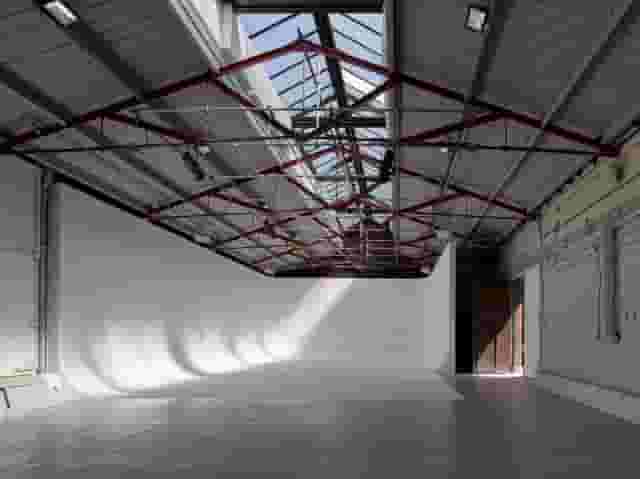
Raw warehouse spaces or former retail units often have terrible acoustics. You need proper soundproofing panels to reduce echo, otherwise your speakers will sound muddy and conversations will be difficult. We always test the acoustics by clapping loudly during site visits – if there's a noticeable echo, factor in acoustic treatment costs of £400-£600.
Climate Control That Actually Works
HVAC systems with zonal control are essential for 100 people. The basic calculation is roughly 100 watts of heat per person, so you're looking at 10kW of cooling capacity minimum. Many pop up spaces have inadequate climate control, which becomes obvious very quickly when you pack 100 people into the space.
During your site visit, ask to see the HVAC specifications and test the system if possible. If the venue can't provide proper climate control documentation, consider it a red flag. Overheated guests don't network well, and stuffy conditions kill the energy of any event.
Internet Infrastructure for Modern Events
You need at least 50 Mbps dedicated bandwidth – not shared with other tenants or activities. This isn't just for guest WiFi; it's essential if you're doing any live streaming, social media integration, or hybrid event elements. Many pop up spaces offer "high-speed internet" that's actually shared domestic broadband, which will crash the moment 100 people try to connect.
Test the internet speed during your site visit using multiple devices simultaneously. If speeds drop significantly under load, arrange for dedicated connectivity through the venue's preferred supplier.
Your next step: Create a technical requirements checklist and insist on testing every system during your site visit. Don't accept verbal assurances – see everything working firsthand before you commit.
Avoiding the 7 Most Common Pop Up Space Mistakes That Could Ruin Your Event
We've seen brilliant events completely derailed by mistakes that were entirely preventable – and honestly, most of them happen because people treat pop up spaces like traditional venues when they're fundamentally different beasts. After years of troubleshooting these situations, we've identified the seven critical errors that can turn your 100-person event from triumph to disaster.
Mistake #1: Assuming "Event-Ready" Means Actually Ready
The biggest trap is taking venue descriptions at face value. We've walked into "fully equipped" spaces that had domestic plug sockets and called it professional power supply. For 100 guests, always verify that three-phase power, proper HVAC capacity, and adequate internet bandwidth are actually installed and tested, not just "available upon request."
Mistake #2: Underestimating Setup and Breakdown Time
Pop up spaces aren't hotels with dedicated event staff. Most venues allow four hours each for setup and breakdown, but that's rarely enough for 100-person events with proper AV, catering, and branding elements. We always negotiate for extended access – typically 6-8 hours setup time – and factor this into our timeline and budget.
Mistake #3: Ignoring Load-Bearing and Floor Specifications
This one's caught out more events than you'd think. Many pop up spaces have weight restrictions that aren't immediately obvious. For 100 people plus equipment, you need floors supporting at least 500 kg/m², and non-slip surfaces are essential for safety. Always ask for structural specifications, especially in converted retail or warehouse spaces.
Mistake #4: Overlooking Storage and Back-of-House Needs
Pop up venues rarely have adequate storage for 100-person events. You'll need space for coats, equipment, catering supplies, and staff areas. Budget £200-£400 for additional storage solutions or negotiate access to adjacent spaces. We've seen events where guests' belongings ended up in piles because nobody planned for this.
Mistake #5: Failing to Test Everything Under Load
The sound system that works perfectly empty might be completely inadequate with 100 people absorbing sound. The WiFi that seems fast during your site visit could crash when everyone connects. Always insist on testing technical systems under realistic conditions, or at minimum during busy periods in the building.
Mistake #6: Skipping the Detailed Site Survey
Every pop up space has quirks – awkward pillars, uneven floors, poor sight lines from certain angles. For 100 guests, these details matter enormously for flow and experience. We always do a detailed survey with our AV and catering teams present, measuring everything and identifying potential issues before they become problems.
Mistake #7: Not Having a Proper Contingency Plan
Pop up spaces are inherently less predictable than established venues. Weather can affect temporary structures, power issues are more common, and backup systems are often limited. Always have contingency plans for your most critical elements – backup power for AV, alternative catering arrangements, and emergency contact protocols.
Your next step: Create a comprehensive checklist covering each of these areas and use it during every venue visit and planning meeting. The extra diligence upfront will save you from disaster on event day.
What our customers say
Inspiration and planning guides

Watch a real brief turn into priced, available venues in 15 minutes
Chloe Richardson has spent 17 years in events. We gave Deep Venue Research one of her briefs and filmed every step, from the first questions to availability checked at the venues she chose.

Simple Events Win: Why Restraint Beats Spectacle
Budgets are tight and audiences want connection over spectacle. The events that land in 2026 are the deliberately simple ones. Here is how to edit rather than cut, grounded in the 2026 industry data, and why the right venue does the heavy lifting.

Why UK Event Calendars Got So Tight (And How to Book Smarter)
Lead times for UK corporate events are up 39% since 2022, based on Hire Space booking data. The calendar is tighter, conversion rates fall sharply when you leave it late and the peak windows are getting more crowded. Here is what the numbers say and what to do about it.
One supplier. Every venue. Full visibility on what you spend.
Multiple venues and events. One agreement.