Small Meeting Rooms in Greater London
Explore small meeting rooms in Greater London for up to 300 people. Perfect venues for professional gatherings.
19 Small Meeting Rooms in venues in Greater London























No venues match these filters
Try widening your capacity, luxury level or event type.
Don't have time to search? We'll find it for you.
For business events that need human judgement, talk to our team. Free for events of 100+ people, budgets over £10k or ongoing programmes.




Other platforms search their database. We search everything.
Tell us what you need. Our deep research finds any venue, whether it's in our marketplace or not. No one else does this.
About Small Meeting Rooms in Greater London
Why Greater London's Small Meeting Room Market is Perfect for Your 300-Person Event
When you're tasked with finding a "small meeting room" for 300 people, it might sound like an oxymoron – but Greater London's unique venue landscape makes this entirely achievable. What we're really talking about are intimate, purpose-built spaces that maintain that crucial small meeting atmosphere whilst accommodating larger groups through clever design and flexible configurations.
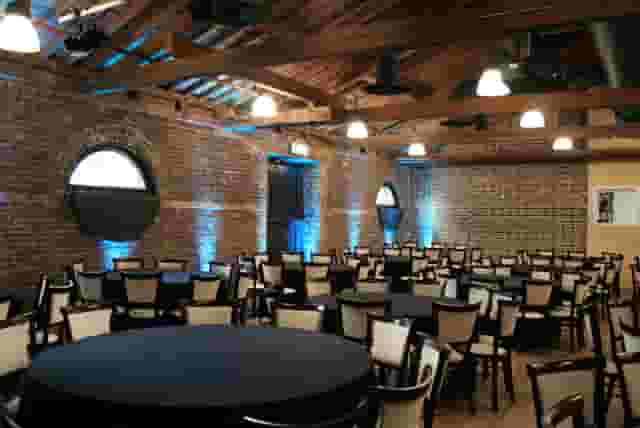
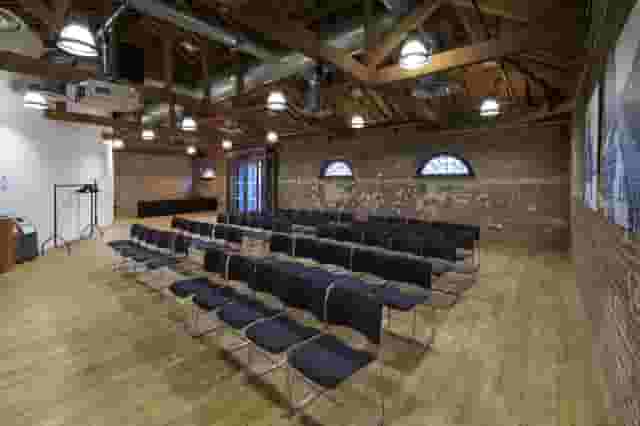
The beauty of Greater London's market lies in its sheer diversity. You've got everything from converted Victorian warehouses in Shoreditch that can transform from boardroom-style setups for 50 to theatre configurations for 300, to modern corporate spaces in Canary Wharf that specialise in modular meeting environments. We've seen venues like The Brewery's Queen Charlotte Room (300m²) demonstrate how traditional "small meeting room" principles – intimate lighting, acoustic treatment, and collaborative layouts – can scale beautifully.
The Numbers That Matter for Your Budget
Here's what you're looking at financially: day delegate rates typically range from £50-£65 in outer London zones, jumping to £75+ in central locations, with premium venues commanding £100+ per delegate. For a 300-person event, you're realistically budgeting £15,000-£30,000 for a full day, including catering and basic AV. That might seem steep, but when you break it down per attendee, it's often more cost-effective than multiple smaller venues.
The transport connectivity is genuinely game-changing. With the Elizabeth Line now fully operational, you can get 300 people from Heathrow to Liverpool Street in 45 minutes, or from Reading to Canary Wharf in under an hour. This opens up venue options that were previously impractical for large groups.
What Makes These Venues Work for 300 People
The secret sauce is in the venue design. Look for spaces with minimum 3.5m ceiling heights – essential for proper AV setup when you're dealing with sightlines for 300 people. You'll need dedicated three-phase power (63 amps per phase minimum) and at least 100 Mbps bandwidth to handle the inevitable video calls and live streaming.
Smart event planners are increasingly looking beyond central London. Areas like Greenwich, Richmond, and even well-connected spots in Surrey offer excellent value whilst maintaining that professional edge. Consider exploring Small Meeting Rooms in Buckinghamshire or Small Meeting Rooms in Bristol for comparison – you'll often find Greater London offers the perfect middle ground between accessibility and cost.
The key is booking 8-12 weeks ahead for optimal choice and pricing, especially if you're planning for those peak Tuesday-Thursday slots.
The 5 Essential Steps to Planning Your Large-Scale Small Meeting Room Event
Right, let's get practical about this. After organising countless large-scale meetings in London's "small" venues, we've developed a foolproof five-step approach that'll save you both headaches and budget overruns.
Step 1: Define Your True Space Requirements (Not What You Think You Need)
Here's where most people trip up – they focus on headcount rather than actual usage patterns. For 300 people, you're not looking for one massive room; you need a venue that can flex between different configurations throughout the day. Start by mapping out your agenda: will you need breakout spaces for smaller groups? Networking areas? Registration zones? A venue like those featured in The Top 3 London Hotels With Great Meeting Rooms typically offers this modular approach.
Step 2: Lock Down Your Transport Strategy Early
This is absolutely critical with 300 attendees. We always recommend venues within 10 minutes' walk of major transport hubs – think Liverpool Street, King's Cross, or Canary Wharf. Calculate journey times from your attendees' likely starting points and factor in peak travel disruptions. The Elizabeth Line has been a game-changer here, but you'll still want backup routes planned.
Step 3: Technology Infrastructure Assessment
Don't just ask "do you have WiFi?" – dig deeper. For 300 simultaneous users, you need minimum 100 Mbps dedicated bandwidth, multiple access points, and backup connectivity. Test the AV setup beforehand: can the sound system handle Q&A sessions without feedback? Are there enough power points for laptops and devices? We've seen too many events derailed by basic tech failures.
Step 4: Catering Logistics That Actually Work
With 300 people, standard coffee breaks become logistical nightmares. Look for venues with multiple service points and staggered break scheduling. Budget £25-£40 per person for quality catering, but negotiate volume discounts – you've got serious buying power here. Consider venues that can handle dietary requirements efficiently; nothing kills momentum like a 45-minute lunch queue.
Step 5: Build in Your Contingency Plans
Weather, transport strikes, last-minute cancellations – London throws curveballs. Always have a Plan B venue shortlisted, especially during peak conference season (September-November). Book 10-15% over capacity where possible, and ensure your chosen venue has flexible cancellation terms.
The venues that excel at this scale often have dedicated event coordinators who've handled similar challenges. Don't be afraid to lean on their expertise – they know their space better than anyone and can suggest configurations you might not have considered. For inspiration on creative approaches, check out 6 Quirky London Meeting Rooms to Inspire Creative Thinking.
Your next step? Create a detailed brief covering all five areas and start reaching out to venues 12 weeks before your event date.
Navigating London's Transport Networks: Getting 300 Attendees to Your Venue Seamlessly
Getting 300 people to the same place at roughly the same time in London? It's like conducting an orchestra where half the musicians are stuck on the Northern Line. But here's the thing – with proper planning, London's transport network becomes your greatest asset rather than your biggest headache.
The golden rule we've learned from years of large-scale events is this: never rely on a single transport mode. Your attendees will be coming from everywhere – Heathrow arrivals, commuters from Surrey, locals from Zone 2. The Elizabeth Line has genuinely revolutionised this, cutting journey times from Reading to central London to just 45 minutes, but you still need multiple backup routes.
The 15-Minute Rule for Venue Selection
When scouting venues for 300-person meetings, we always apply the 15-minute walking rule. Your venue should be within 15 minutes' walk of at least two major transport hubs. Liverpool Street is brilliant for this – you've got the Elizabeth Line, Circle, Hammersmith & City, and Metropolitan lines all converging, plus it's a major rail terminus. King's Cross offers similar connectivity, whilst Canary Wharf provides excellent DLR and Jubilee line access for those coming from South London.
Here's a practical tip: test the journey yourself during peak hours. That 10-minute walk from Liverpool Street can easily become 20 minutes when you're navigating through rush-hour crowds with 300 people doing the same thing.
Managing Peak-Time Logistics
Tuesday to Thursday events hit London's transport system at its busiest. We typically advise staggered arrival times – perhaps VIP attendees at 8:30am, general delegates from 9:00am onwards. This prevents that awful bottleneck scenario where everyone's trying to squeeze through the same tube barriers simultaneously.
For venues in areas like Shoreditch or those featured in The Top 5 Historic Meeting Rooms in London, consider providing clear walking directions from multiple stations. A simple map showing routes from both Liverpool Street and Old Street can save considerable confusion.
The Parking Reality Check
Let's be honest about parking – for 300 people, it's largely irrelevant. But for speakers, VIPs, or those with accessibility needs, you'll want options. NCP Finsbury Square charges around £10/hour, whilst some venues offer limited on-site parking at premium rates. Always negotiate a few guaranteed spaces as part of your venue package.
The smart move? Partner with venues that understand transport logistics. Many of the spaces we recommend for large-scale small meetings have dedicated transport coordinators who can provide real-time updates and alternative routes when the inevitable engineering works strike.
Your next step: map out three different route options from major transport hubs to your shortlisted venues, then test them during your actual event timeframe.
Smart Budgeting Strategies for Small Meeting Rooms That Scale to 300 People
Here's the uncomfortable truth about budgeting for 300-person events in London's small meeting room market: most people underestimate costs by 30-40%. We've seen countless event planners get caught out by the hidden expenses that come with scaling intimate meeting spaces to accommodate larger groups.
The baseline figures are straightforward enough – day delegate rates range from £50-£65 in outer London zones, jumping to £75+ in central locations, with premium venues commanding £100+ per delegate. For your 300-person event, you're realistically looking at £15,000-£30,000 for a full day including catering and basic AV. But here's where it gets interesting: the real savings come from understanding how these venues price their flexibility.
The Volume Discount Sweet Spot
Most venue managers won't advertise this, but 300 delegates puts you in prime negotiation territory. You're large enough to command serious attention but not so massive that you'll overwhelm their infrastructure. We've consistently secured 15-20% discounts by booking Tuesday-Thursday slots 12 weeks in advance, particularly during quieter periods like January or August.
The key is understanding their cost structure. Small meeting rooms that scale to 300 people often have higher per-delegate setup costs – they're reconfiguring spaces, bringing in additional AV equipment, and deploying extra staff. But once those fixed costs are covered, the marginal cost per additional delegate drops significantly.
Hidden Costs That'll Catch You Out
Here's what venues don't always mention upfront: technical requirements for 300 people often trigger additional charges. That dedicated 100 Mbps bandwidth line? Expect £200-£500 extra. Multiple breakout spaces requiring separate AV setups? Another £300-£800 per room. Security deposits for large groups can reach £2,000-£5,000, though these are typically refundable.
Catering logistics become exponentially more complex at this scale. Standard coffee breaks turn into elaborate service operations requiring multiple stations and extended timeframes. Budget an extra 20-30% on top of quoted per-head catering costs for the operational complexity.
The Smart Money Moves
Consider venues slightly outside Zone 1 – places like Greenwich or Richmond offer 25-35% savings whilst maintaining excellent transport links. The venues featured in 7 Corporate Venues Loved By London PA's often provide better value than their central counterparts without compromising on quality.
Bundle your requirements intelligently. Rather than booking meeting space, catering, and AV separately, negotiate a comprehensive package. Most venue managers prefer this approach and will offer better rates for the convenience of a single contract.
For comparison shopping, explore options like Small Meeting Rooms in Manchester – you'll often find London's pricing becomes more reasonable when you see the alternatives.
Your next step: create a detailed budget spreadsheet including a 20% contingency fund, then approach three venues with identical requirements for accurate comparison quotes.
7 Expert Tips to Avoid Common Pitfalls When Booking Large-Capacity Meeting Spaces
After watching countless event planners stumble through the same mistakes when scaling small meeting rooms for 300 people, we've compiled the pitfalls that'll save you both money and reputation. These aren't theoretical concerns – they're real-world disasters we've witnessed (and occasionally experienced ourselves).
Don't Assume "Small Meeting Room" Means Simple Logistics
The biggest misconception? That booking a small meeting room for 300 people is just like booking for 30, but bigger. Wrong. You're essentially creating a temporary conference centre within an intimate space, which requires completely different planning approaches. We've seen events collapse because organisers didn't account for registration bottlenecks, inadequate toilet facilities, or fire safety requirements that kick in at higher capacities.
Test Your Technology Under Load, Not Just Functionality
Here's a costly lesson: that WiFi that works perfectly for 50 people will crawl to a halt with 300 simultaneous users. Always insist on a stress test during peak usage hours. One client learned this the hard way when their live-streamed presentation to 300 attendees became a buffering nightmare, despite the venue's assurances about "excellent connectivity."
Negotiate Flexibility Into Your Contract From Day One
Standard small meeting room contracts aren't designed for 300-person events. Build in clauses for layout changes, additional breakout spaces, and extended setup times. We typically negotiate a 48-hour change window and 10% capacity flexibility. The venues highlighted in 5 Ways to Make your Meetings More Memorable understand this need for adaptability.
Plan for the 20% Who'll Arrive Late or Leave Early
London transport is unpredictable, and with 300 people, statistical probability guarantees disruption. Design your registration process to handle staggered arrivals and ensure your venue can accommodate latecomers without disrupting proceedings. Consider venues with separate entrance areas or lobby spaces that can absorb the inevitable chaos.
Don't Overlook Accessibility Requirements at Scale
What works for 30 people becomes complex with 300. Wheelchair access, hearing loops, and sight-line considerations multiply exponentially. Ensure your venue meets current accessibility standards and can handle multiple requirements simultaneously. This isn't just legal compliance – it's about creating inclusive experiences.
Factor in Local Authority Requirements
Many boroughs have specific regulations for events over 250 people, even in private venues. Some require temporary event notices, additional security measures, or crowd management plans. Check requirements early – retrospective compliance is expensive and sometimes impossible.
Build Relationships, Not Just Bookings
The venues that excel with large-scale small meetings have experienced event coordinators who've navigated these challenges before. Invest time in building relationships with venue managers who understand your specific needs. For inspiration on venue types that handle this complexity well, explore The 5 Most Inspiring Meeting Rooms In London.
Your next step: create a detailed venue briefing document covering all seven areas, then schedule site visits with your top three venue choices to discuss these specific requirements face-to-face.
What our customers say
Inspiration and planning guides
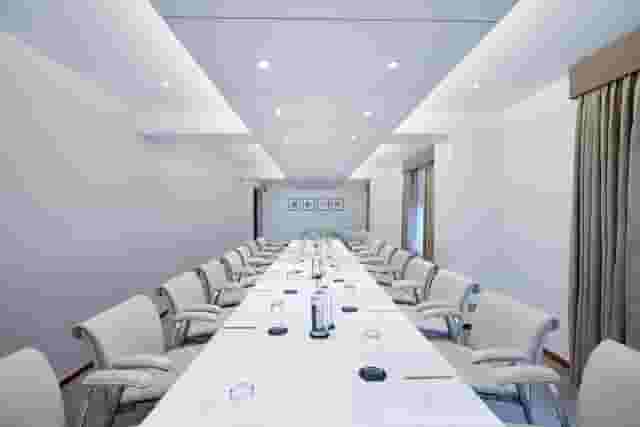
8 of the Coolest Meeting Rooms in London
Looking for the coolest meeting rooms in London? From stylish interiors to unique settings, here are 8 venues that will definitely elevate your next meeting!

Sneak Peek: The Salters' Hall Refurbishment
Located in the heart of the City, Salters’ Hall combines the rich heritage of the salt trade of medieval London with contemporary surroundings. Rebuilt in 1972 by Basil Spence and now a Grade II listed building, it is a rare example of a post-war livery building and has remained largely untouched until now... Architects de Metz Forbes Knight [http://www.dmfk.co.uk/projects/load/salters-hall] (dMFK) were tasked with the project to upgrade the building whilst retaining its sense of history and al

Venue Review: Anomalous Space
Creative ventures across the artistic spectrum are accommodated and embraced at Anomalous Space [https://hirespace.com/Venues/London/1551/Anomalous-Space], situated stunningly close to Angel Station on Pentonville Road. The venue's name captures its uniqueness, in that it deviates from the standard, unoriginal function space that's all too common. Anomalous Space combines the most contemporary of technological facilities with Art-Deco features, all set within an authentic Georgian townhouse.
One supplier. Every venue. Full visibility on what you spend.
Multiple venues and events. One agreement.