Galleries for Hire in Manchester
Plan your gallery reception and talk in Manchester with our guide to venue layouts, guest capacities and indicative costs.
85 Galleries for Hire in Manchester








































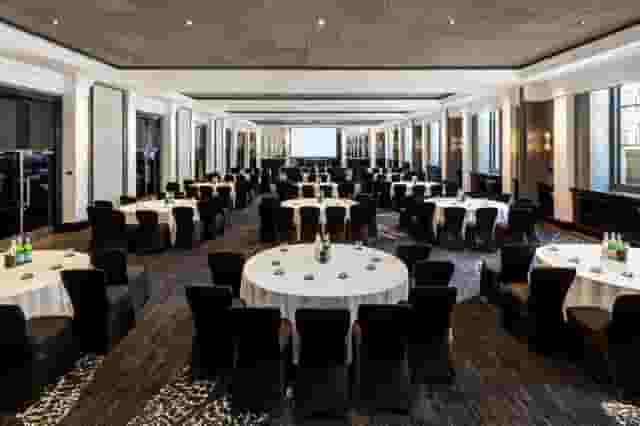
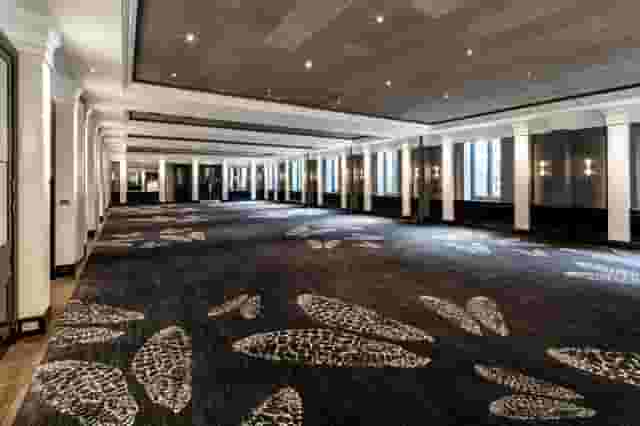
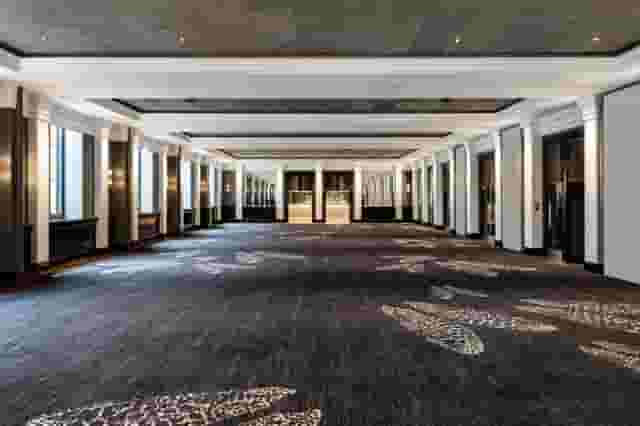
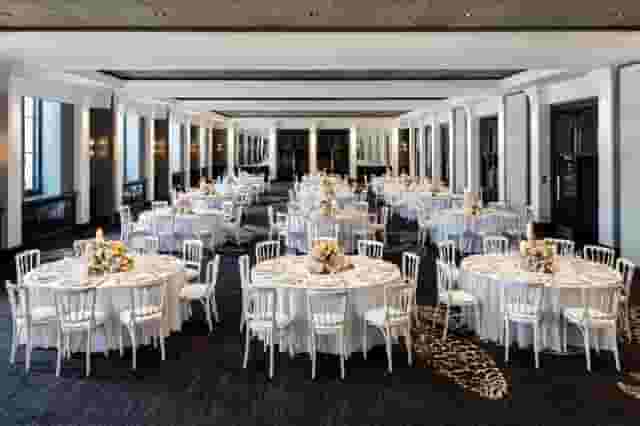
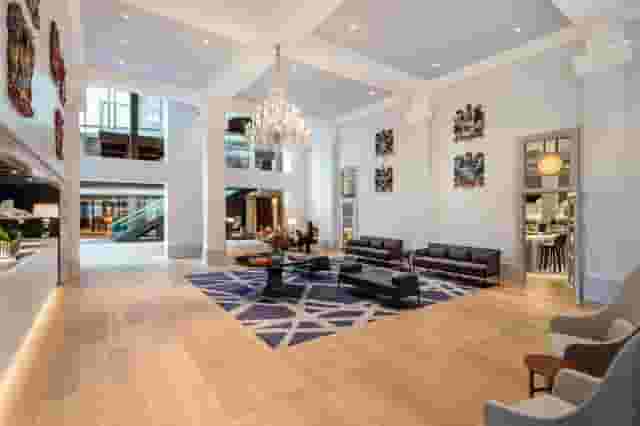
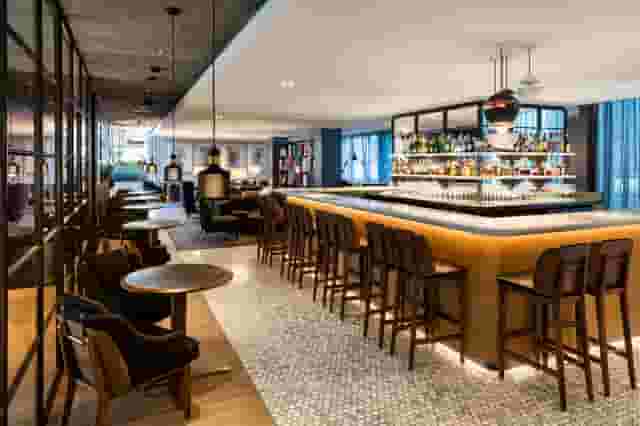
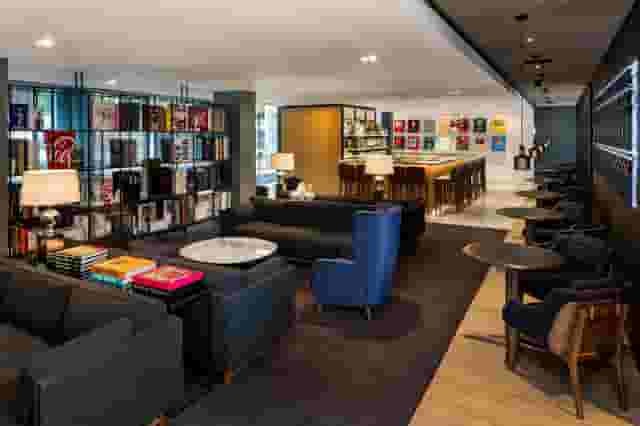
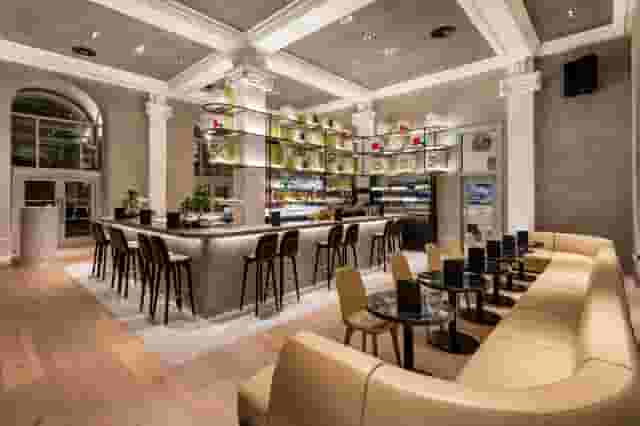









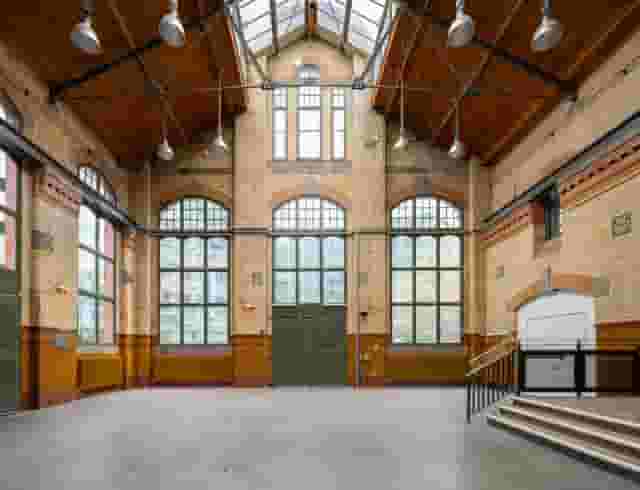
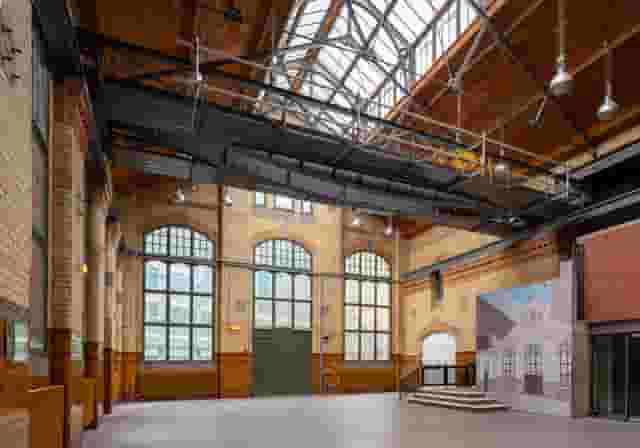
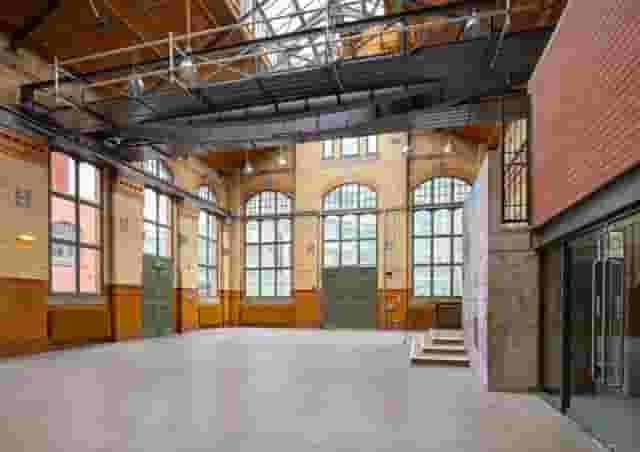
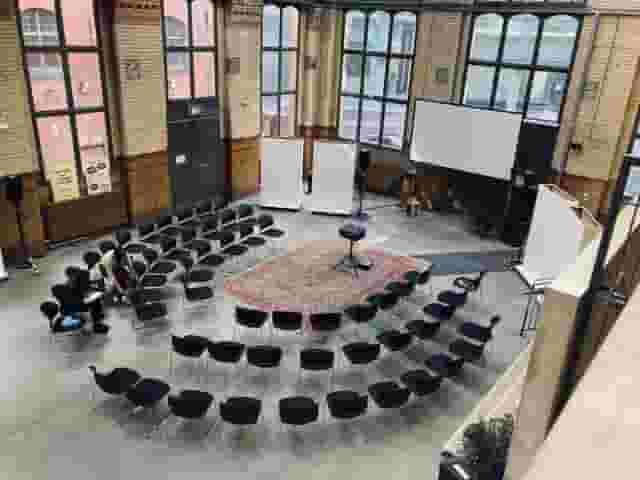
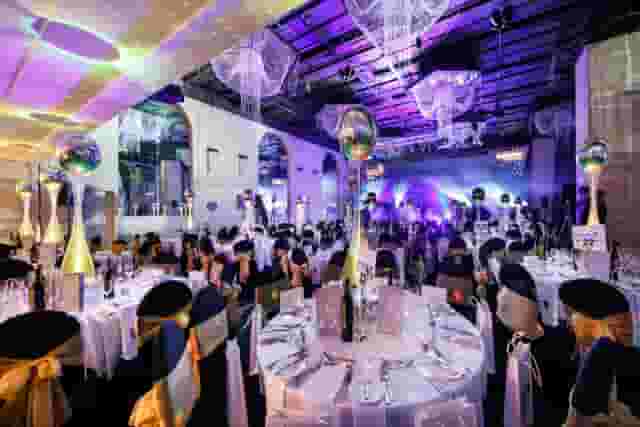
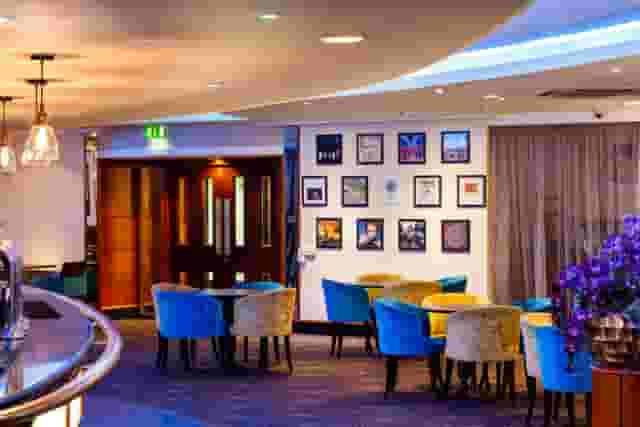
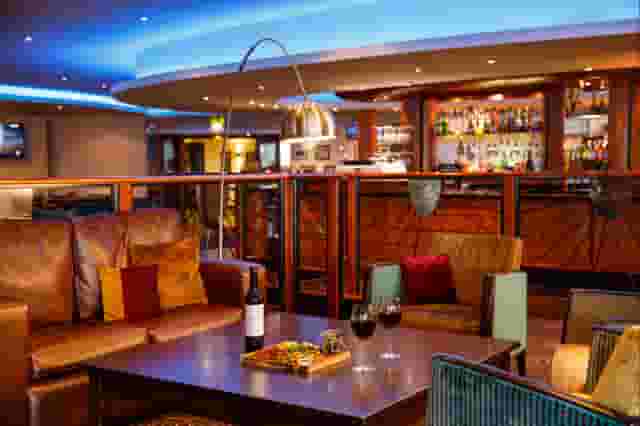

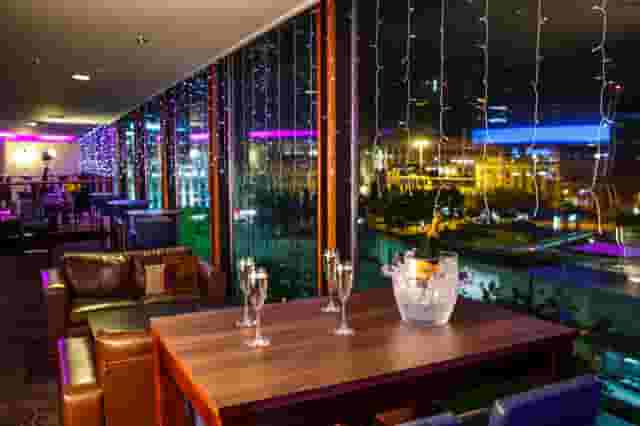





























No venues match these filters
Try widening your capacity, luxury level or event type.
Don't have time to search? We'll find it for you.
For business events that need human judgement, talk to our team. Free for events of 100+ people, budgets over £10k or ongoing programmes.




Explore more venues in Manchester
Frequently asked questions
How much space do I need for a gallery event?
What are ideal features of Manchester galleries?
What tech should Manchester galleries have?
How to ensure artwork safety in galleries?
Are historic venues suitable for galleries?
What are the typical per delegate costs for a gallery event in Manchester?
How many guests can Manchester galleries typically accommodate?
Who typically manages event planning in Manchester galleries?
Which areas in Manchester offer the best access to gallery venues?
What tech amenities do Manchester galleries provide for events?
What are typical gallery event pricing packages in Manchester?
Do Manchester galleries offer guided tours during events?
How are audiovisual and catering costs incorporated in gallery event budgets?
What makes Manchester galleries ideal for corporate events?
Other platforms search their database. We search everything.
Tell us what you need. Our deep research finds any venue, whether it's in our marketplace or not. No one else does this.
About Galleries in Manchester
Hosting an evening that balances an art exhibition, a drinks reception and a formal talk requires careful coordination. Unlike a standard event hall or private dining room, an art gallery comes with existing collections, delicate display cases and distinct acoustic qualities. You are inviting guests into an environment designed primarily for looking and contemplating, then asking it to function as a social lounge and a lecture theatre.
Manchester has an exceptional range of cultural spaces that can host this format, from traditional municipal collections to industrial warehouses and independent artist hubs. Pulling it off comes down to managing the movement of your guests, understanding how catering works around priceless displays and booking a space with the right technical setup for live speaking.
Structuring the evening: flow between gallery, drinks and talk
A three-part event works best when the running order gives each element its own clear window. If you try to serve canapes while someone is giving a presentation in the same room, glasses will clink, service staff will interrupt sightlines and half your audience will struggle to hear. Dividing the night into distinct phases lets attendees take in the exhibition, focus on your speaker and socialise without friction.
A standard two-and-a-half-hour schedule usually begins with arrival drinks and a private view for the first 45 minutes. This gives latecomers time to arrive, lets guests check their coats and allows people to wander the exhibition while the room is relatively quiet. The talk should follow in a dedicated presentation area or a clear clearing within the gallery. Keep the spoken programme to 20 or 30 minutes, followed by a short question period. Once the formal remarks conclude, open the bar again for another 45 minutes of networking, conversation and a second pass at the exhibits.
| Time | Activity |
|---|---|
| 6:30 pm | Guest arrival, welcome drinks and private view |
| 7:15 pm | Transition to seated talk and presentation |
| 7:45 pm | Q&A session concludes; bar reopens |
| 7:50 pm | Drinks reception, networking and exhibition viewing |
| 8:30 pm | Event concludes and guest departures |
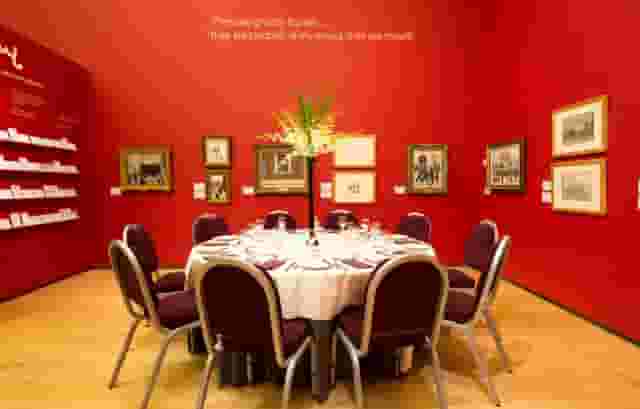
Circulation space dictates how comfortable your guests will feel. As a planning rule, allow roughly 90 to 120 square metres for a comfortable standing reception of 120 guests. That figure accounts purely for people standing with drinks. You then need to add floor area for registration desks, bars, food stations and clear walkways between displays.
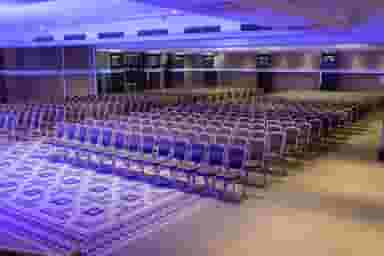
If your talk involves rows of chairs, allow an additional 84 to 108 square metres for audience seating alone, plus room for a stage or lectern. If your total footprint cannot accommodate both setups side by side, look at whether you can deliver the talk to a standing audience or hire a venue with an adjoining studio or foyer.
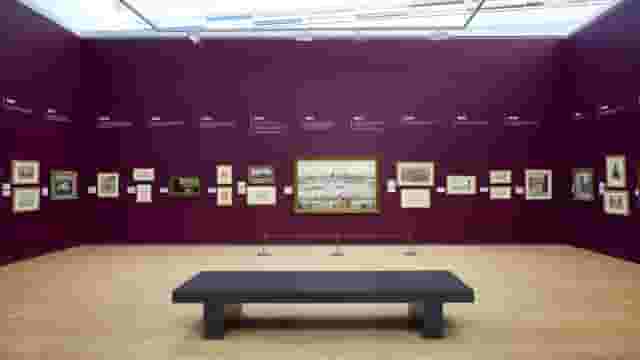
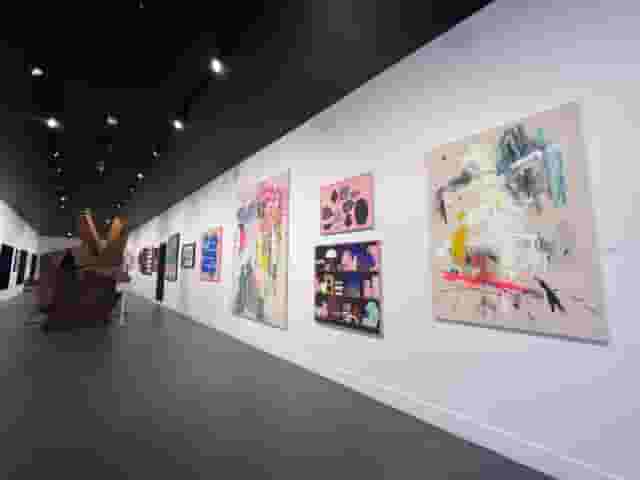
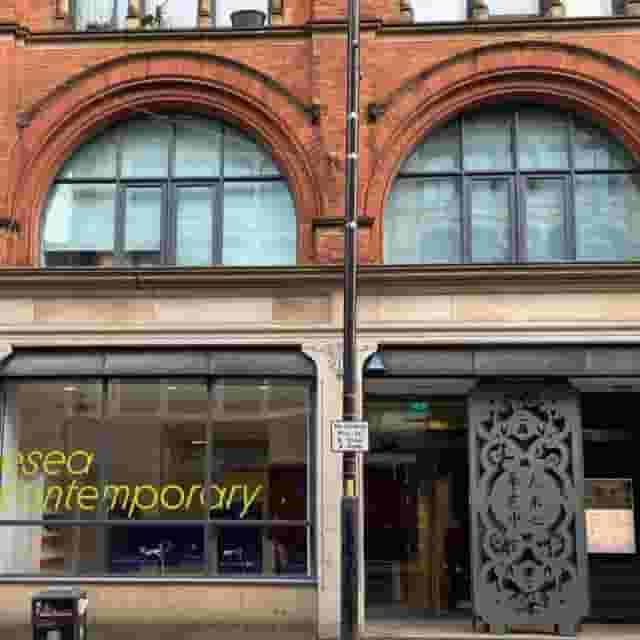
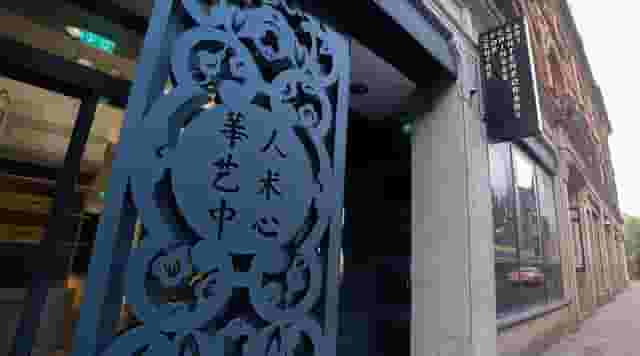
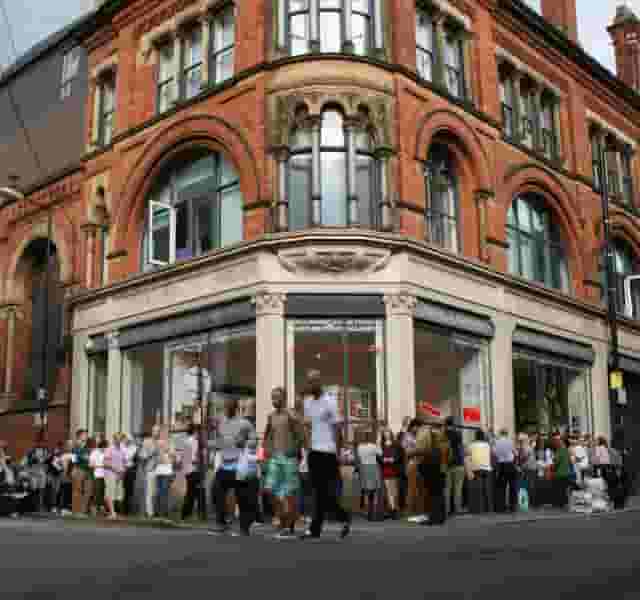
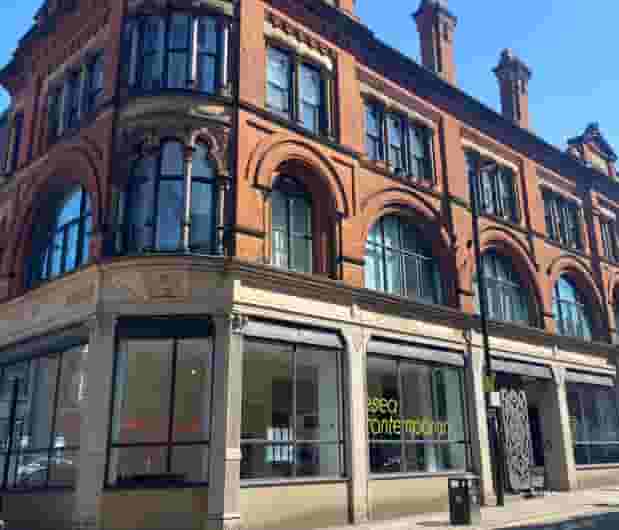
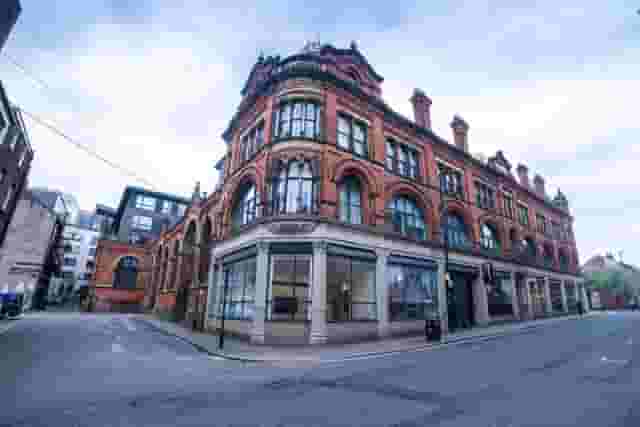
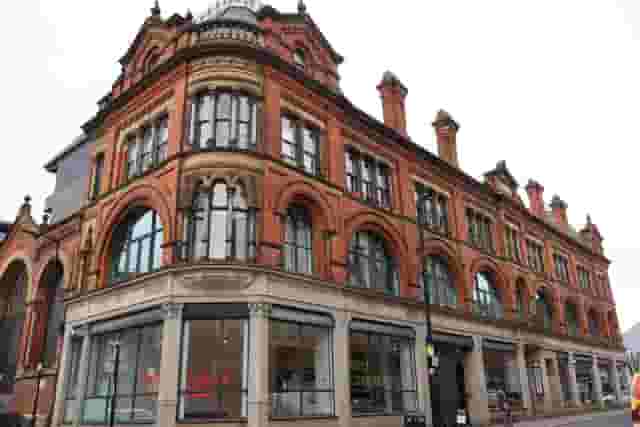
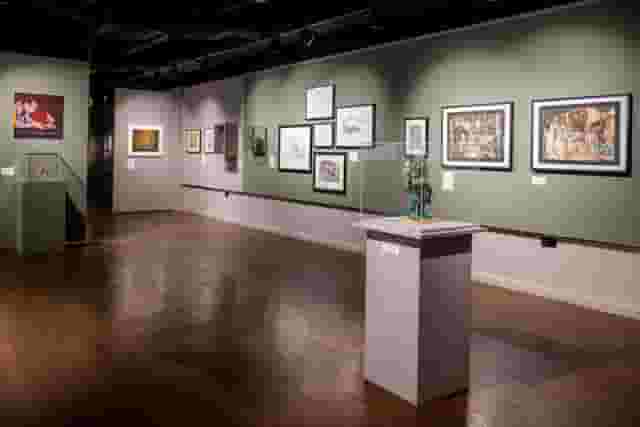
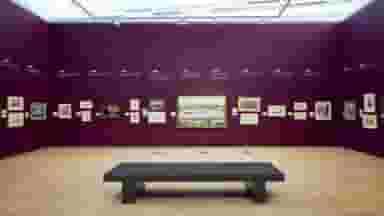
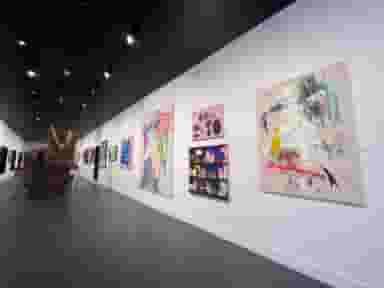
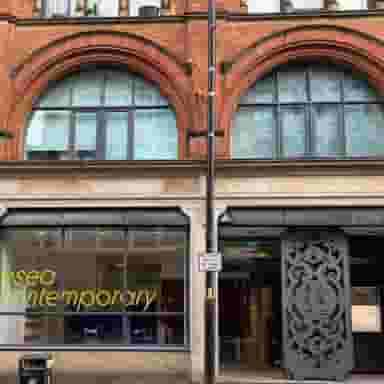
For an intimate gathering of up to 100 people, Castlefield Gallery provides high ceilings and clean sightlines across a focused contemporary layout. When guest lists push to 150, esea contemporary in the Northern Quarter offers a standing capacity that lets people view art without feeling boxed against the walls. Both venues demonstrate how dedicated exhibition spaces allow your content to form the background of the evening without requiring elaborate dressing.
Choosing the right gallery setting in Manchester
Manchester's cultural architecture splits into distinct categories. Selecting the right one depends on the tone of your evening, the size of your audience and the technical complexity of your talk.
Independent contemporary galleries and artist spaces
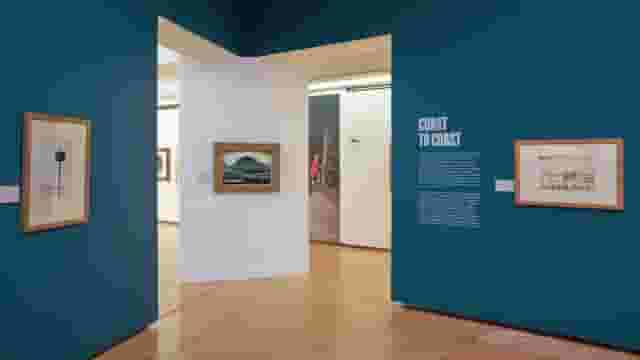
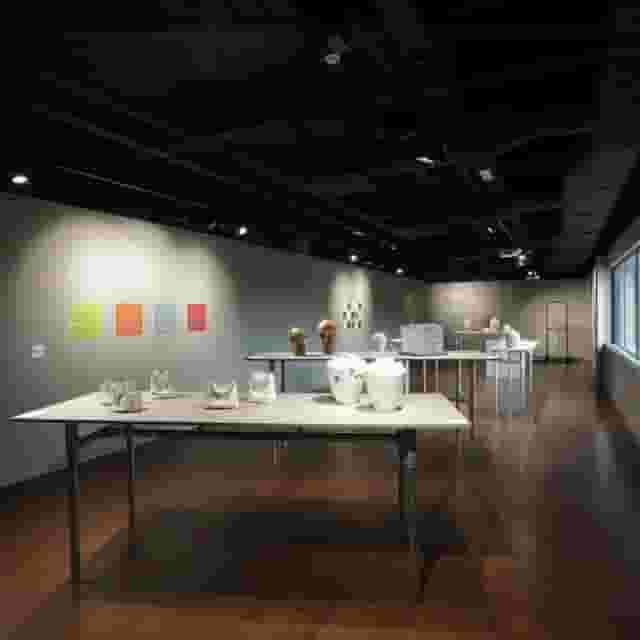
Independent spaces are often the most flexible for evening hires. They feature clean white walls, adaptable track lighting and a layout that you can configure around your presentation. These spaces often work well for creative agency launches, book releases or panel discussions where the surrounding artwork sparks immediate conversation.
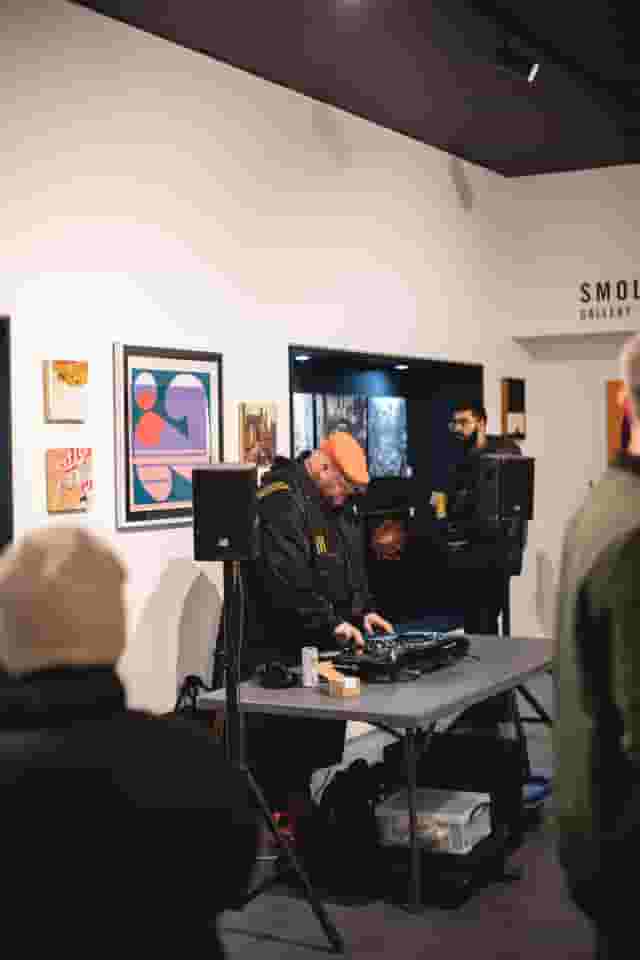
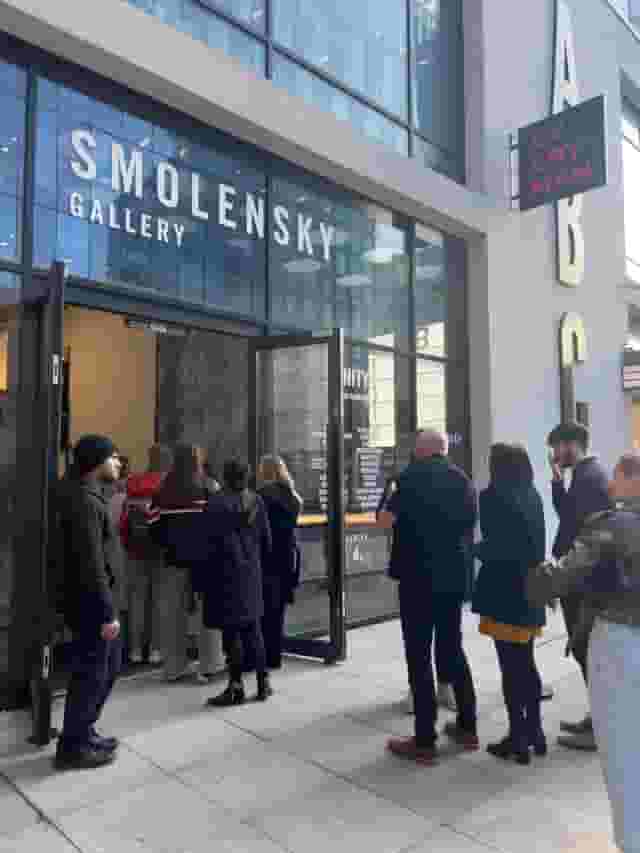
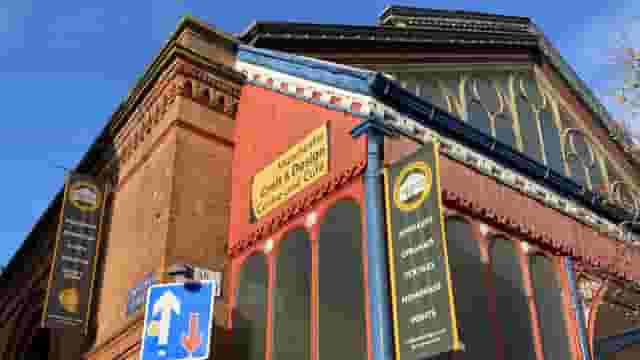
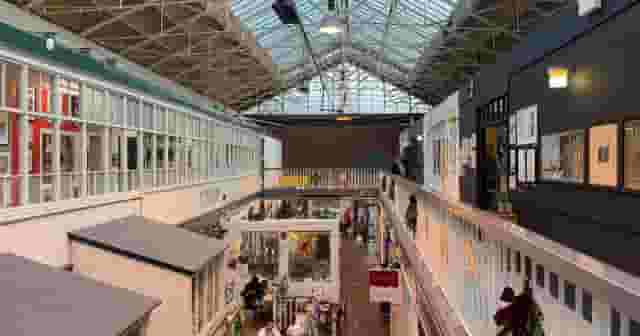
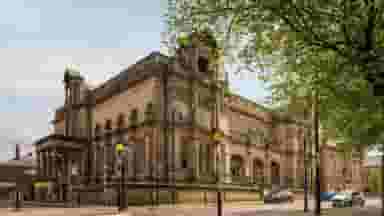
In the city centre, Smolensky Gallery accommodates up to 200 standing guests under tall ceilings that give smaller events room to breathe. Nearby, Manchester Craft and Design Centre offers a Victorian retail hall setting for receptions of up to 200 guests. The ground-floor layout surrounded by maker studios creates a natural loop for guests to wander with a drink in hand. For guidance on how historic exhibition spaces handle catering and evening lighting, see our guide on Manchester Art Gallery.
Historic civic museums and public collections
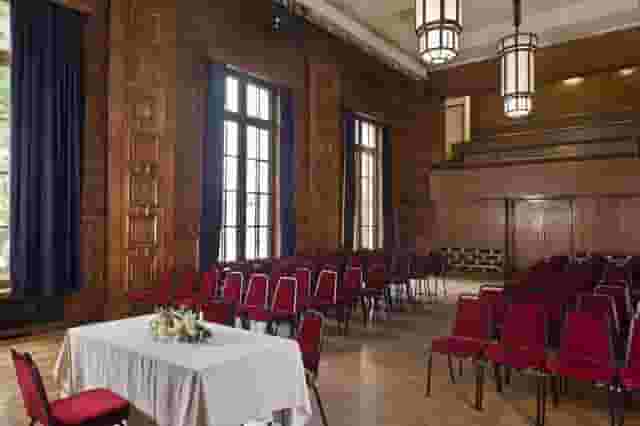
Civic institutions offer architectural gravitas. High ceilings, stone floors and historical artefacts give an event an immediate sense of occasion. They suit annual keynote lectures, academic gatherings and donor receptions where prestige matters.
Further north, the Sculpture Centre at Bury Art Museum holds up to 200 guests in an Edwardian building that places your reception directly alongside municipal art and sculpture collections. Historic sites come with stricter conservation rules, but they provide an atmosphere that purpose-built event suites cannot match. You can compare how civic collections balance heritage preservation with private hire in our roundup of gallery spaces.
Converted industrial and multi-arts venues
When your guest list exceeds 200 people or your talk requires high-end production, consider converted industrial settings and modern cultural centres. These spaces offer reinforced load-in access, substantial power distribution and rigging points for heavy lighting and sound rigs.
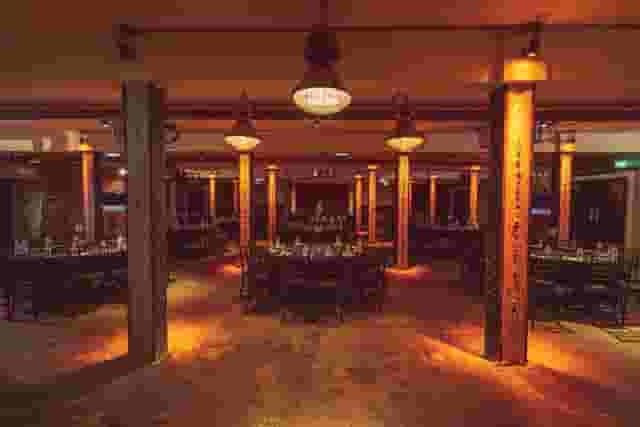
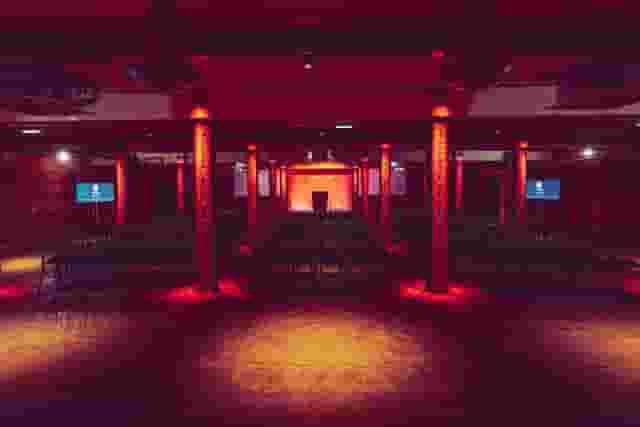
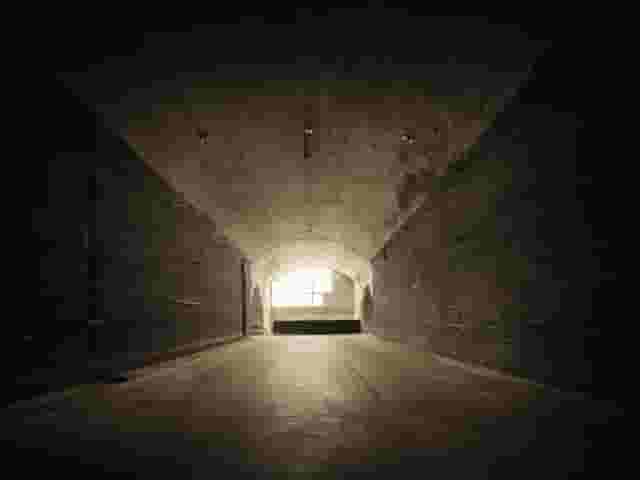
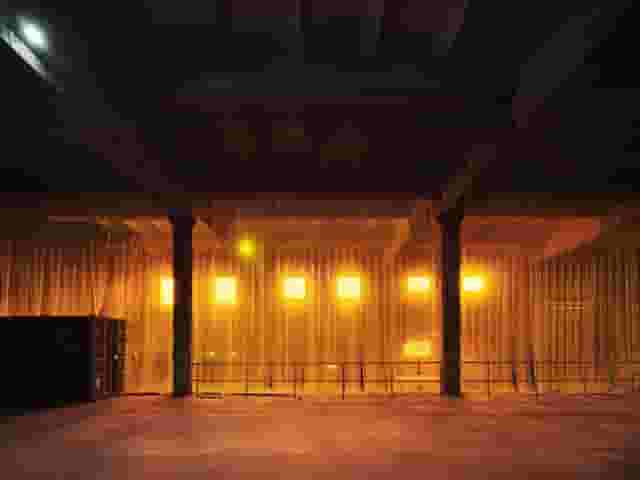
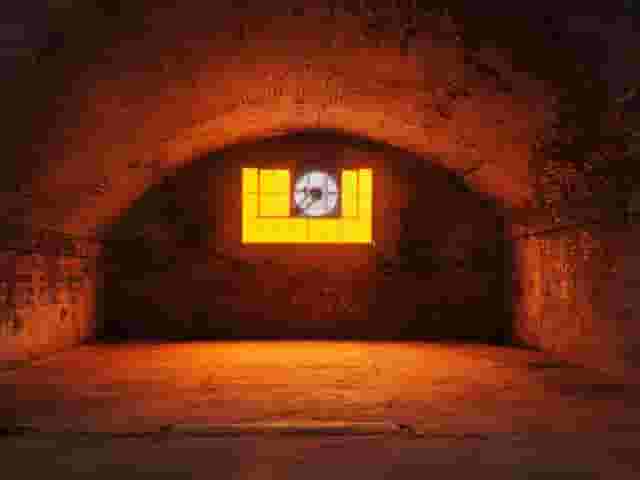
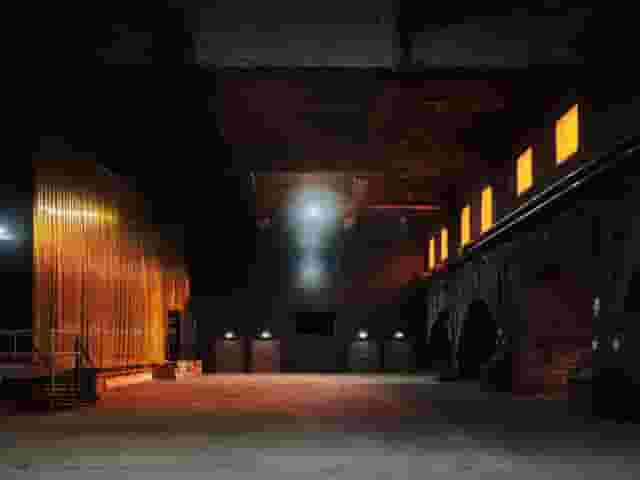
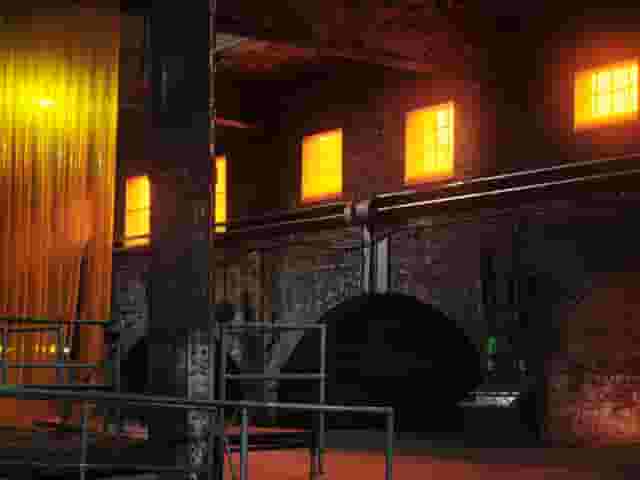
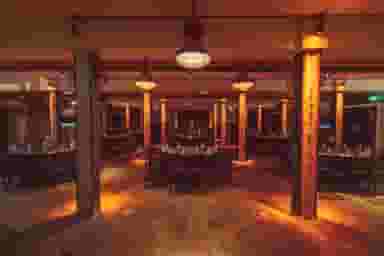
At Salford Quays, The Aldridge Studio at Lowry holds up to 300 guests for a reception, backed by double-height windows looking out over the water. Across the ship canal in Trafford, The Archives at Victoria Warehouse delivers an industrial basement aesthetic with space for 300 standing attendees.
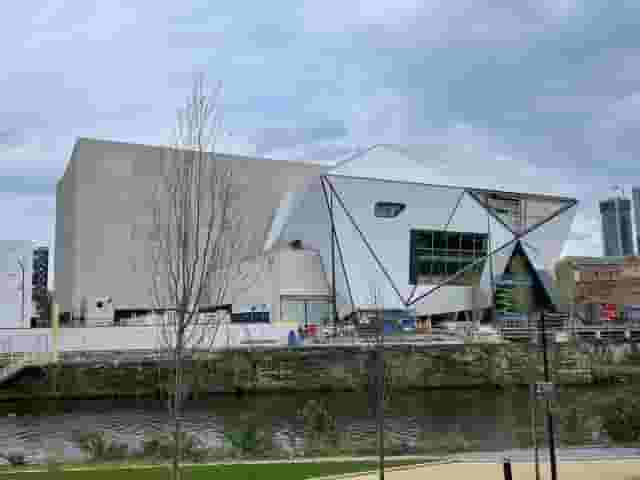
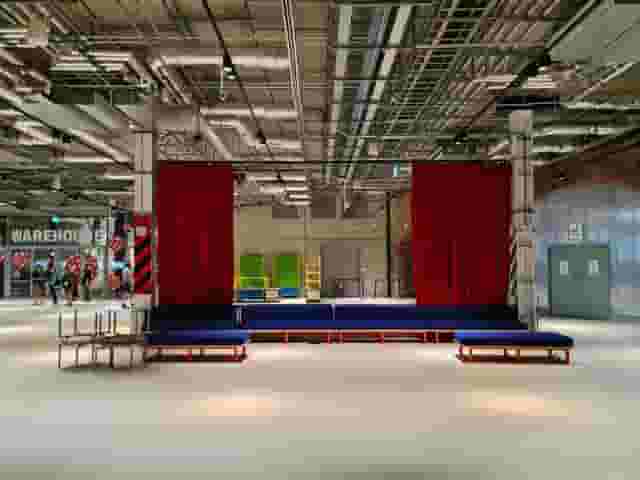
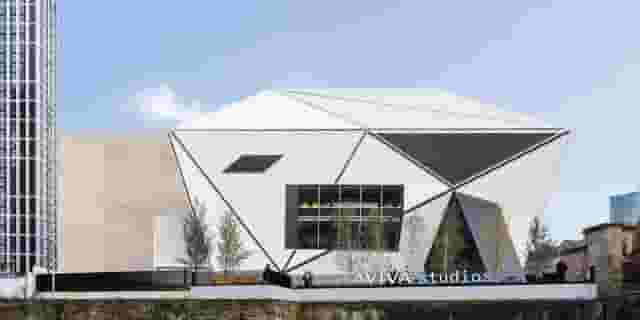
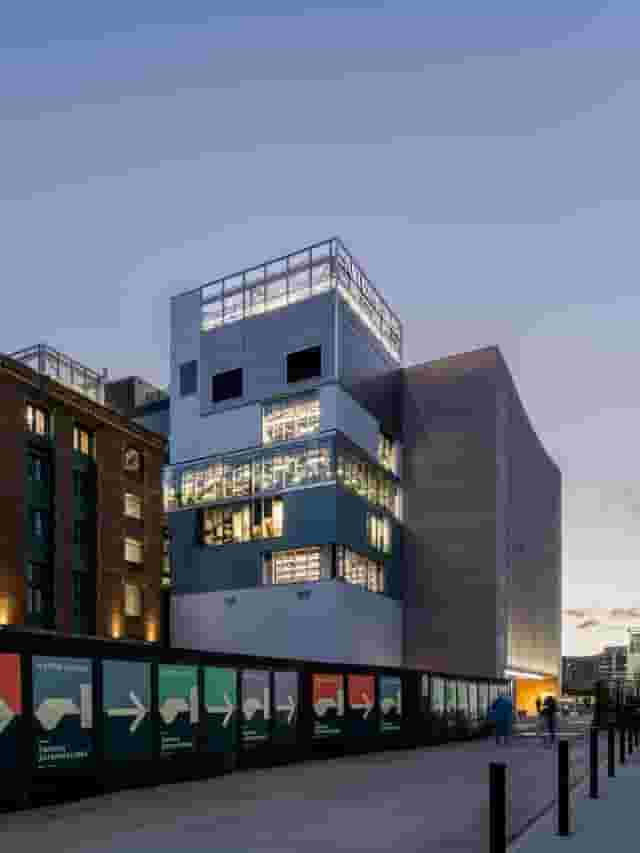
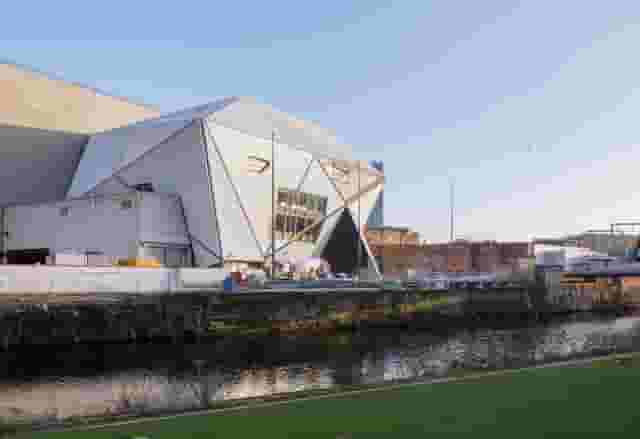
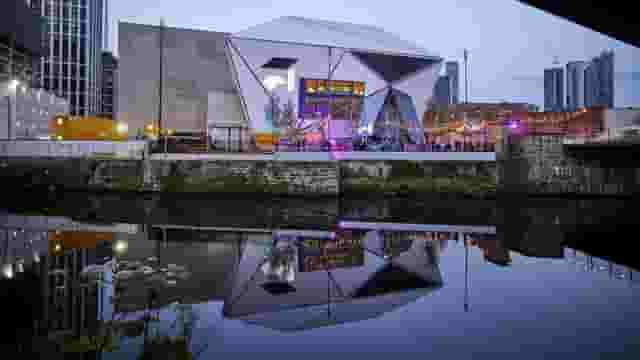
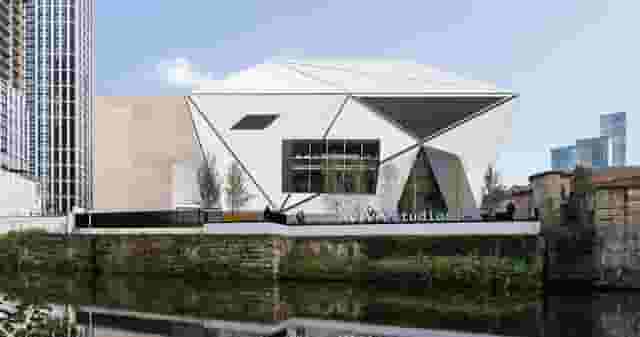
For large-scale corporate summits or international cultural programmes, the Warehouse at Aviva Studios provides a capacity of up to 5000 people, offering enough sheer volume to construct entire pop-up presentation auditoriums inside the exhibition hall.
| Venue type | Typical capacity | Best suited for | Key consideration |
|---|---|---|---|
| Independent contemporary gallery | 40 to 150 guests | Intimate private views, artist talks, product reveals | Limited back-of-house kitchen storage |
| Historic civic museum | 100 to 200 guests | Academic lectures, stakeholder receptions, awards | Strict collection boundaries and red wine rules |
| Industrial conversion or theatre studio | 200 to 300+ guests | Multi-speaker panels, brand showcases, live music | Requires directional lighting to feel warm |
Artwork protection, licensing and collection rules
Booking an art gallery is fundamentally different from hiring a bar or hotel suite. The venue's primary obligation is to protect the art on display. Before you sign a contract, walk the space with the venue's operations manager to understand where their non-negotiable boundaries lie.
Food and drink rules are universal across curated galleries. Red wine, dark berry juices and oily finger foods are frequently banned around open hanging canvases or porous stone sculptures. White wine, champagne, gin and clear soft drinks are standard alternatives. Canapes must be dry, bite-sized and designed to be consumed in a single mouthful without crumbly pastry or dripping glazes.
Establish clear physical perimeters. Guests holding drinks will naturally step backwards while engaged in conversation. Experienced venues position low barriers, plinths or floor markers at least one metre away from delicate walls. You should also verify the venue's invigilation staff plan. Gallery attendants are there to safeguard the collection, not to pour drinks or collect empty coats. Clarify whether invigilation is included in the base hire or charged at an hourly rate per guard.
Check the premises licence for curfew times and entertainment permissions. Many gallery spaces operate under standard retail or exhibition licences during the day and rely on specific evening variations for private events. Alcohol service usually cuts off at 10:00 pm or 11:00 pm to comply with local noise regulations, particularly in residential corners of the Northern Quarter and Castlefield.
Technical production and acoustics for gallery presentations
Galleries are notorious acoustic traps. Polished concrete floors, vast plastered walls and large expanses of glass look striking, but they bounce sound around the room. An echo that goes unnoticed during quiet daytime viewing can render a speaker completely unintelligible once 100 guests are gathered inside.
Never rely on an internal PA system designed purely for background music. For a successful talk, you need focused voice reinforcement. A pair of directional line-array speakers raised above head height will throw sound directly at your audience rather than scattering it off the ceiling. Always equip your speaker with a wireless lapel or head-worn microphone so their voice remains consistent as they turn toward presentation slides.
| Zone | Position |
|---|---|
| Presentation screen / lectern | Front of the room |
| Line-array speakers | Flanking the screen, raised above head height |
| Audience seating | 84 to 108 sqm facing the screen |
| Central walkway / circulation | Between the seating and the bar area |
| Standing reception / bar area | Rear of the room |
Sightlines require equal attention. In an exhibition hall, overhead track spotlights are angled to highlight artworks on the perimeter walls, leaving the centre of the floor relatively dim. If your speaker stands in the middle of the room, they may be silhouetted or poorly lit. Hire two basic profile lanterns on stands to wash the stage area with clean, warm light.
Test your presentation screen under full ambient lighting. Daytime galleries make heavy use of skylights. If your event starts during summer twilight, check whether overhead blinds can be drawn to stop sunlight washing out your digital slides.
Understanding the costs: hire rates, catering and production lines
Gallery event budgets divide into three main categories: venue hire, catering packages and technical production. Because public galleries and independent arts spaces operate with different funding models, their pricing sheets vary substantially.
When budgeting for the space itself, broad UK industry figures give a dependable baseline. Across public institutions, evening gallery or museum reception hire: £2,000 to £4,500 in total (UK and Manchester public gallery or museum examples for evening reception space; varies with exclusivity, hours, guest numbers, season and VAT, with catering and production often additional).
Food and drink costs scale on a per-delegate basis. Across the wider sector, drinks, canapés and basic event service: £40 to £130 per head (UK museum and gallery reception benchmarks; varies with menu, drinks, guest numbers, season, VAT and whether venue hire is included).
To keep control of your total spend, ask the venue manager to provide a quote that separates every operational line item. Galleries often carry costs that traditional hospitality venues do not charge, such as art handling fees if displays must be moved, specialised cleaning crews to manage sensitive floor surfaces and dedicated technicians who understand the building's electrical loads. If you want to gauge expenses before reaching out to venues, venue booking platform Hire Space provides instant price estimates drawn from real booking data, helping you see what a space is likely to cost up front. Backed by a team of real people who oversee venue sourcing, it can also suggest comparable spaces at a lower price if an initial option stretches your budget.
| Expense category | What is typically included | Watch out for |
|---|---|---|
| Space hire | Exclusive access, standard building utilities, reception desk | Setup and breakdown hours charged as overtime |
| Food and beverage | Canapes, welcome wine, glassware, waiting staff | Glass break deposits, corkage fees, kitchen setup tents |
| Staffing | Front of house manager, basic cloakroom attendant | Mandatory invigilators, overnight security guards |
| Production and AV | Basic PA for background music, ambient track lights | Microphones, projectors, screens, sound technicians |
Logistics, accessibility and getting guests home across Manchester
Manchester's transport network makes central galleries easy to reach, but local geography influences arrival times and vendor logistics.
Galleries in the Northern Quarter sit within an easy ten-minute walk from Manchester Piccadilly and Manchester Victoria stations. However, the narrow streets and pedestrianised zones mean delivery vehicles bringing in staging, AV equipment or hired glassware must coordinate delivery slots carefully. Ask your venue for their designated loading bay location and check if council access permits are required before 6:00 pm.
If your venue is in Castlefield or Knott Mill, guests arriving from across Greater Manchester can connect via Deansgate station or the Deansgate-Castlefield Metrolink tram stop. Spaces further afield, such as Salford Quays, benefit from dedicated tram stops and extensive multi-storey parking, making them practical choices when attendees are driving in from Cheshire or Lancashire.
Always audit physical accessibility for every segment of the night. Historic buildings frequently feature raised stone thresholds, mezzanine floors without lifts or heavy fire doors that require dedicated staffing to hold open. Confirm that step-free routes run smoothly from the street entrance right through to the exhibition floor, the presentation area and the accessible bathrooms. Ensure your presentation audio is patched into an induction loop system for attendees with hearing aids, and provide wide aisles between chair rows so wheelchair users can sit alongside colleagues rather than being relegated to the back of the room.
What our customers say
Inspiration and planning guides
The Top 5 Gallery Event Spaces In London
Discover the top 5 gallery event spaces in London for your next product launch or exhibition. Explore unique venues that combine creativity and sophistication.

This Is Why London Has Such Unique Venues
At Hire Space, unusual venues are the name of the game. Passion to find a unique venue for an event seems to be unabated in London, but it's of little surprise when taking into account all the amazing spaces the capital has to offer. But just why is London filled with so many unusual venues for hire? We investigated: Romans, Saxons, Normans, Tudors and Stuarts. The Black Death, two World Wars and one Great Fire. London has seen it all and lived to tell the tale. That's why so many of its bu

Dine with Cézanne at the National Portrait Gallery
After years struggling to find a permanent space for the collection, The National Portrait Gallery opened it's current site on 4th April 1896. It is now renowned for its unique showcase of art, biography, history and fame, and welcomes over two million visitors a year, who come to view the famous faces who adorn the walls, from Shakespeare to the Duchess of Cambridge. The venue has also made a name for itself as a unique and beautiful event space, catering for anything from charity gala dinner
One supplier. Every venue. Full visibility on what you spend.
Multiple venues and events. One agreement.