Galleries for Hire in Central Manchester
Compare central Manchester art spaces for private views and talks, with clear capacities and direct venue guidance for your evening.
85 Galleries for Hire in Central Manchester































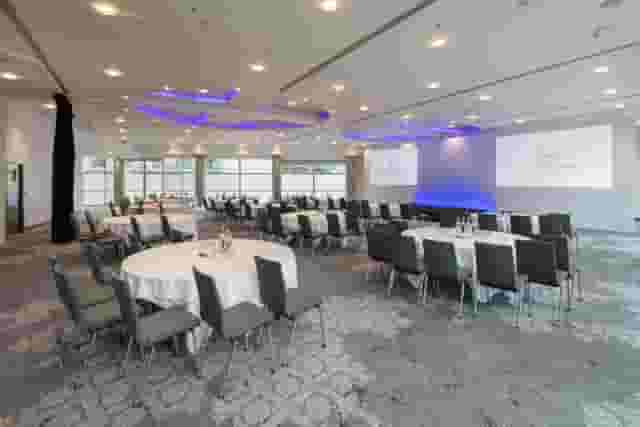
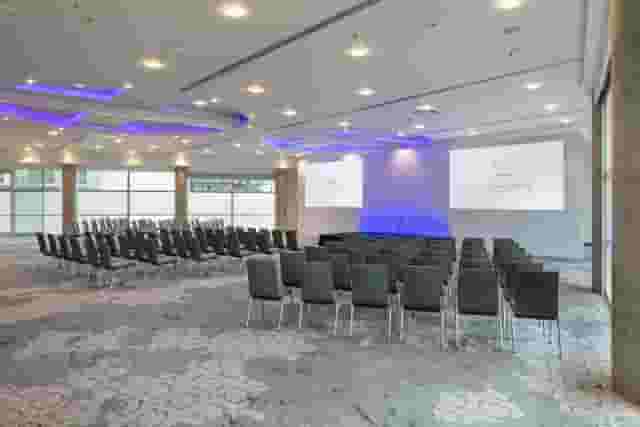
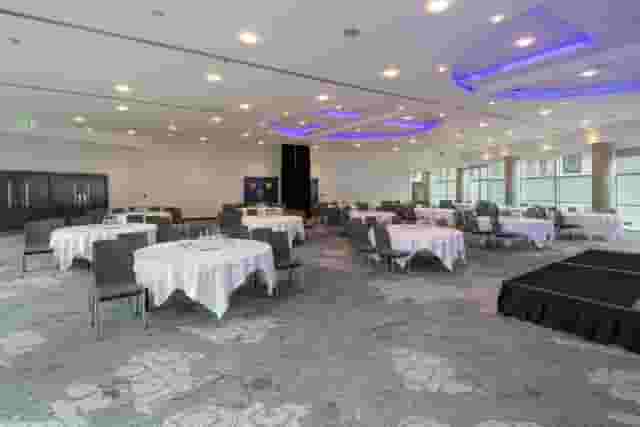
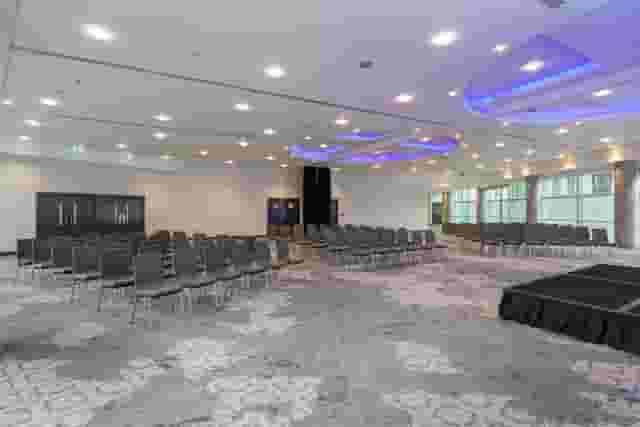



















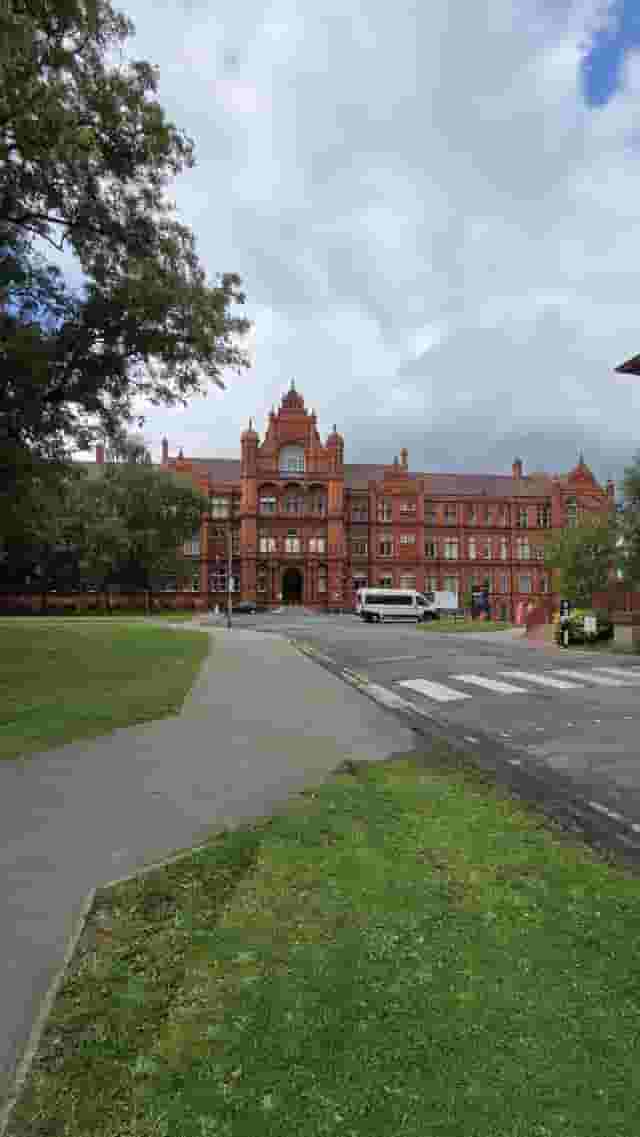
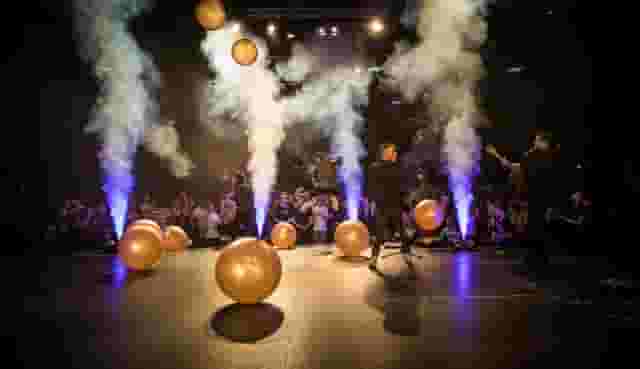








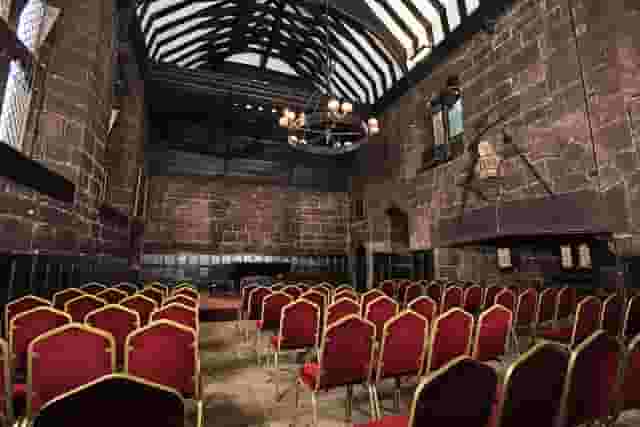
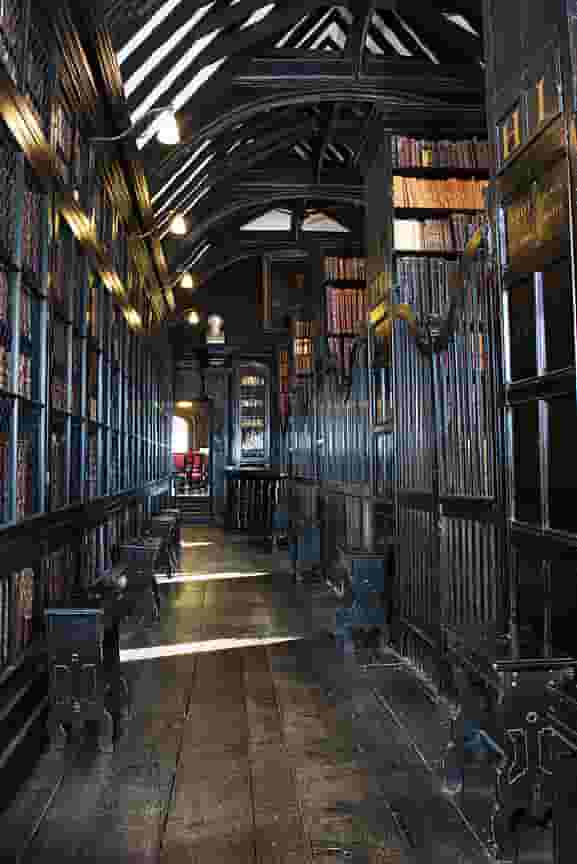
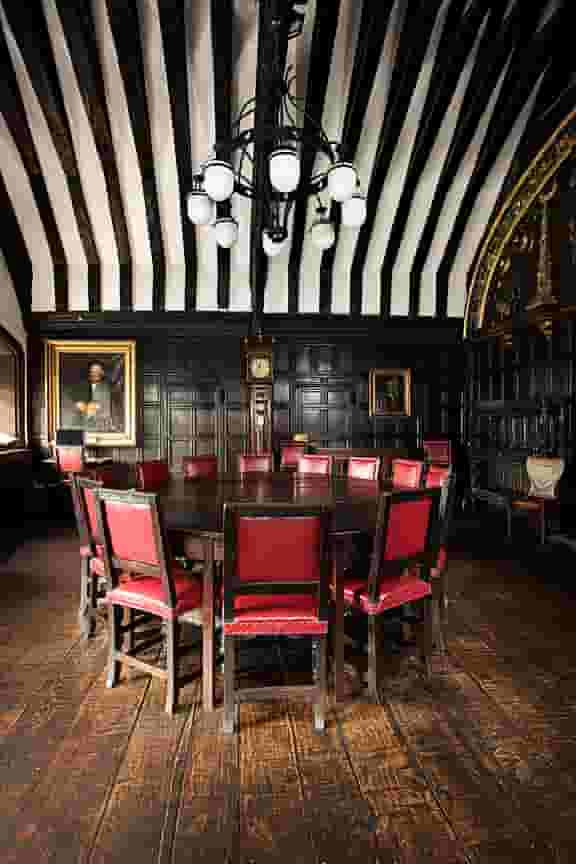
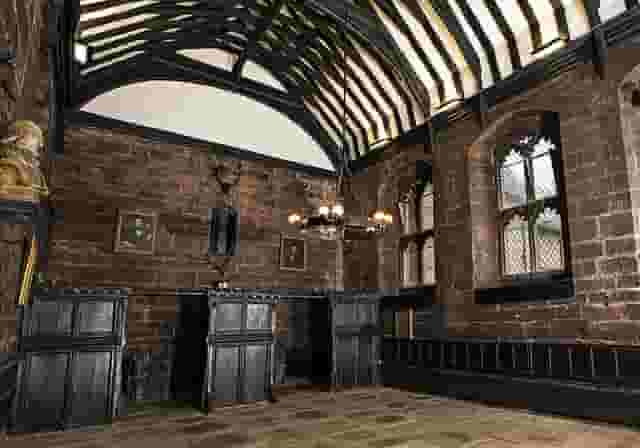






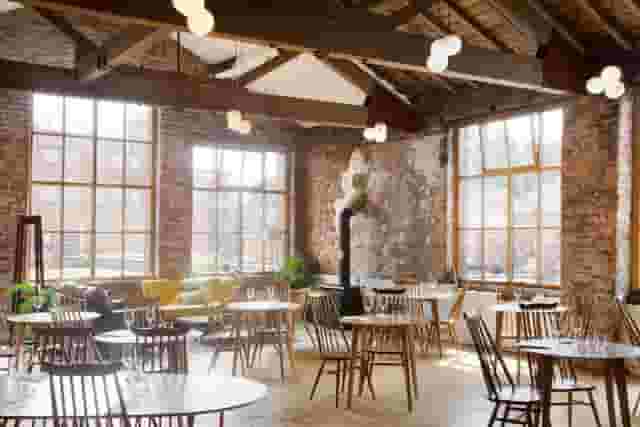
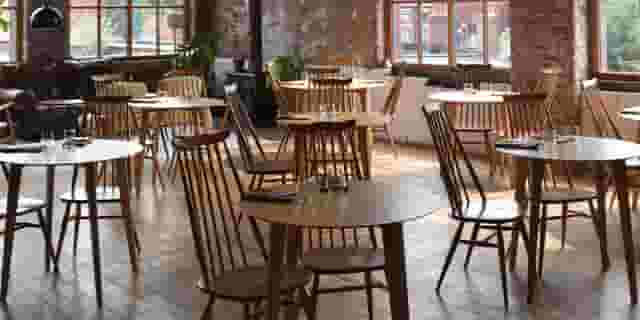
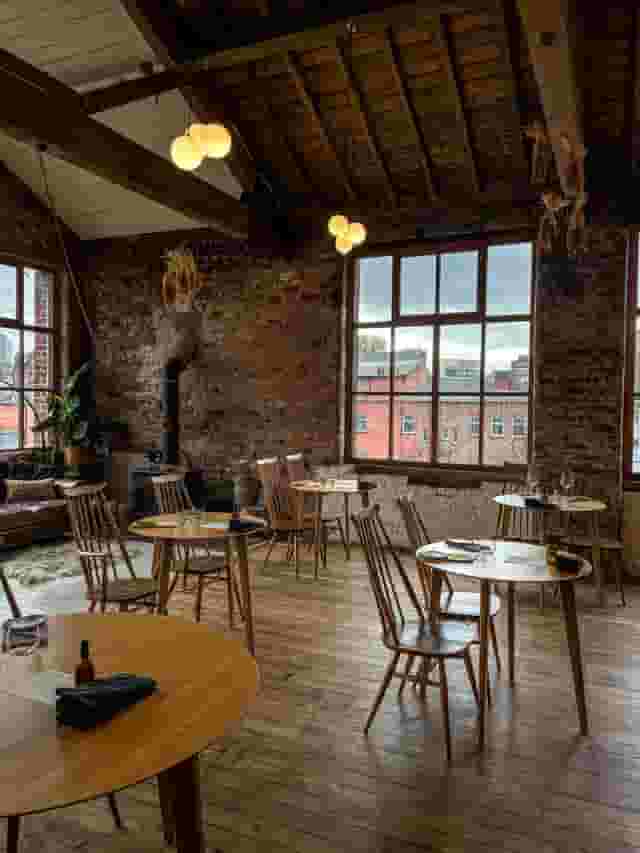
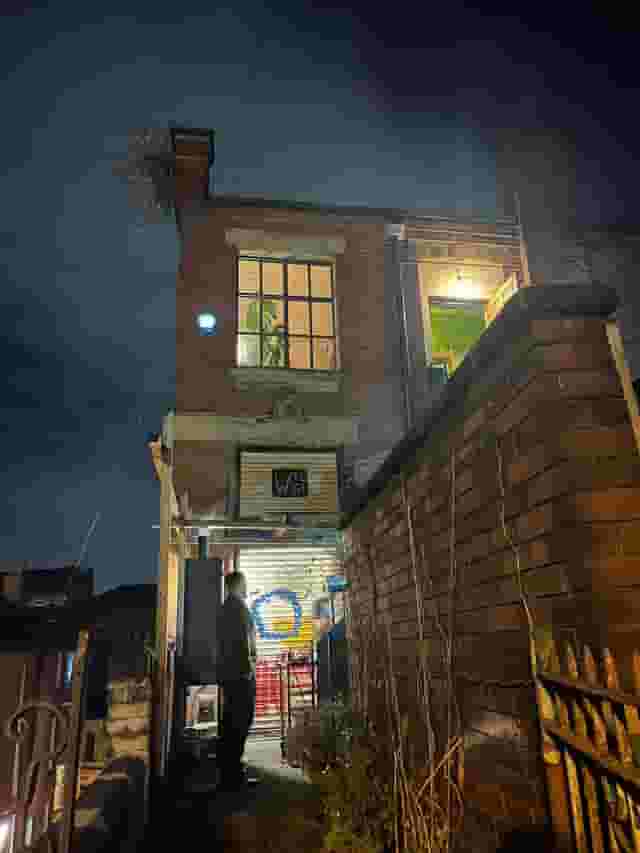

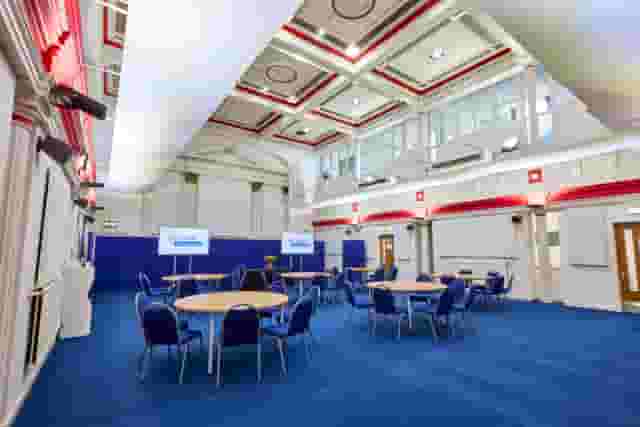
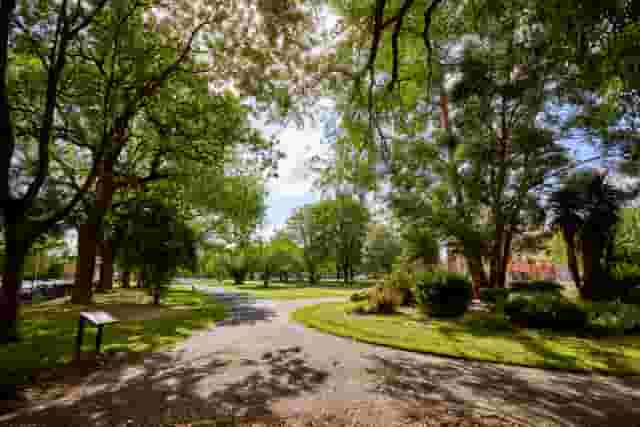
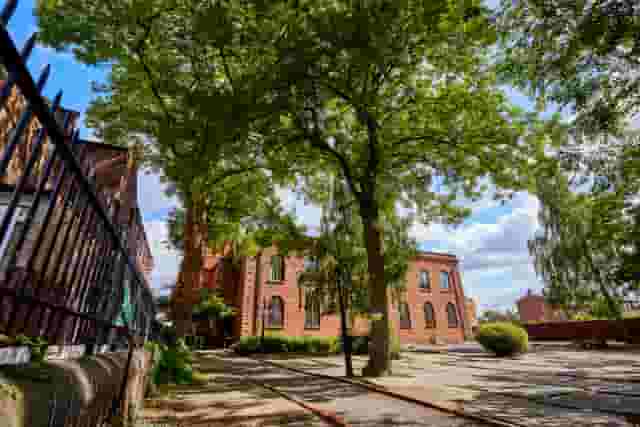
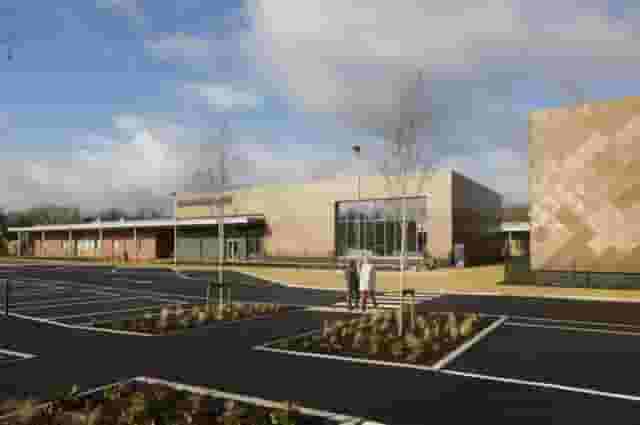




No venues match these filters
Try widening your capacity, luxury level or event type.
Don't have time to search? We'll find it for you.
For business events that need human judgement, talk to our team. Free for events of 100+ people, budgets over £10k or ongoing programmes.




Frequently asked questions
Are Central Manchester galleries tech-ready?
What lighting is best for Manchester galleries?
How to find a unique gallery in Manchester?
What's the ideal gallery size in Manchester?
How to secure art in Manchester galleries?
What logistical considerations are essential for planning gallery events?
What are typical costs for hosting events in Central Manchester galleries?
How accessible are Central Manchester galleries for art events?
What technical amenities support interactive art events in galleries?
How does venue layout impact event success in gallery spaces?
What features make a gallery ideal for corporate events?
How do galleries in Central Manchester support multimedia exhibitions?
What are the benefits of hosting events in a central location?
What distinguishes historic gallery spaces in Central Manchester?
How do planners manage technical and logistical risks in galleries?
Other platforms search their database. We search everything.
Tell us what you need. Our deep research finds any venue, whether it's in our marketplace or not. No one else does this.
About Galleries in Central Manchester
Structuring the evening: flow between art, drinks and discussion
Hosting an evening that combines a private view, drinks and a seated or standing talk requires careful orchestration of movement. Unlike a standard reception where guests gather around a bar, or a lecture where everyone sits quietly facing forward, an arts-led event asks people to shift between sociable chatter, observant quiet and focused listening. If you hold all three parts in a single undivided room without planning the transitions, guests will cluster by the wine and ignore the exhibits, or linger so close to the speakers that the talk starts fifteen minutes late.
Begin with arrivals and the private view. The first 45 minutes should let guests step inside, check their coats and pick up a welcome drink before moving naturally toward the artwork. Avoid placing the main service bar right at the entrance. When the bar is beside the door, guests collect a glass, stop walking and create a bottleneck that blocks newcomers. Set the drinks station deeper into the gallery, pulling the room forward and encouraging people to browse the walls on their way through. Background music during this phase must stay low; art spaces with polished concrete, high ceilings or exposed brick bounce sound aggressively, and loud music forces people to shout over each other before the evening has hit its stride.
The transition to the talk is the moment most organisers find tricky. If your venue uses one open hall, give a clear five-minute warning before speeches begin so attendees can refresh their drinks and find a place to stand or sit. Position the speaker and presentation screen away from the main bar so staff can restock or clear glasses silently without walking through the presentation area.
After the presentation, open the floor back up for further viewing and conversation. Many attendees feel self-conscious discussing art or asking questions during the initial arrival phase, but a twenty-minute talk provides a natural conversational springboard for the rest of the night. A well-paced schedule allows 45 minutes for arrival and viewing, 30 minutes for introductory remarks and the main talk, followed by 60 to 90 minutes of relaxed social time. For a sense of how gallery spaces can handle both formal programming and lively receptions, looking at curating memorable art spaces shows how physical room layouts support different types of gathering.
Matching the space to your format and guest count
Central Manchester offers gallery spaces that range from white-walled modern exhibition rooms to converted Victorian textile mills. The right venue depends on whether your talk needs raked or rowed seating, whether you require high projection visibility, and how many people you expect to attend. To simplify the search, venue booking platform Hire Space provides venue sourcing supported by a team of real people who help match spaces to your brief. The platform gives instant price estimates based on real booking data so you can judge costs before enquiring, helping you shortlist suitable galleries in minutes.
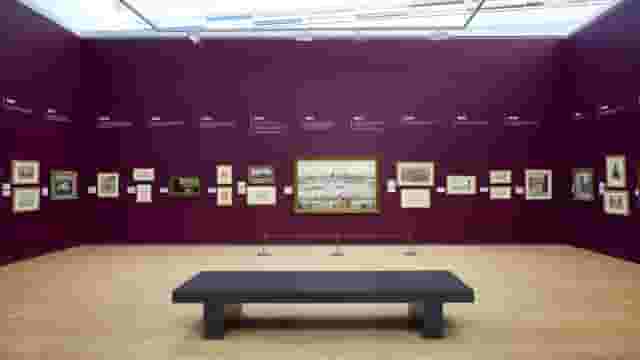
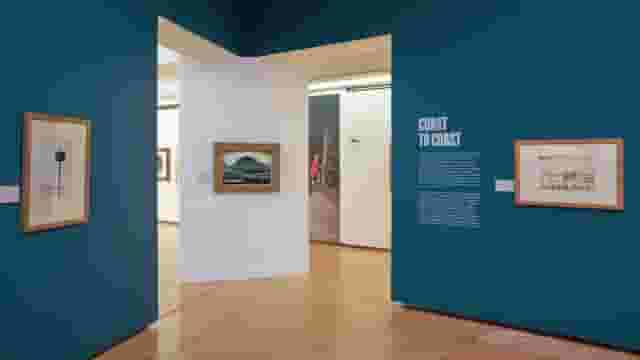
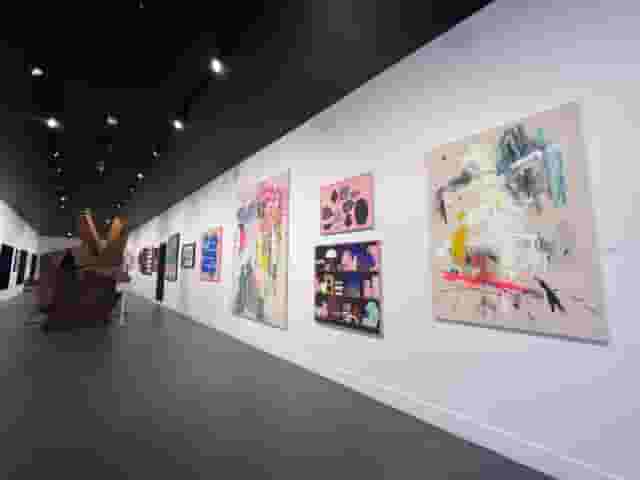
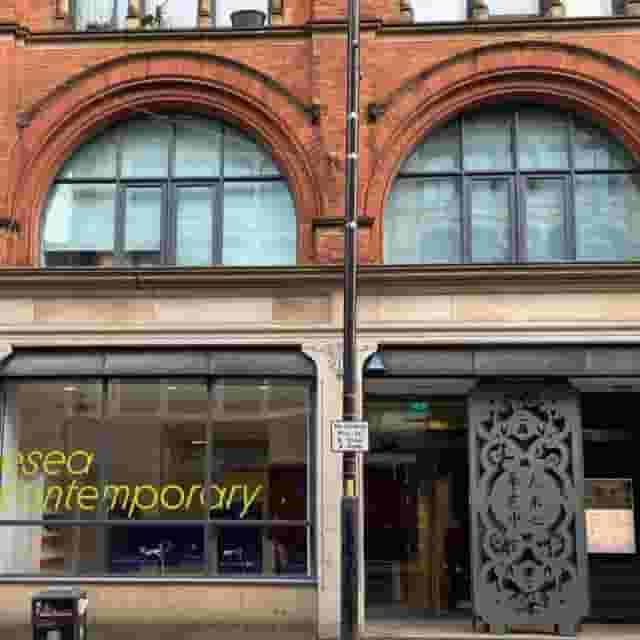
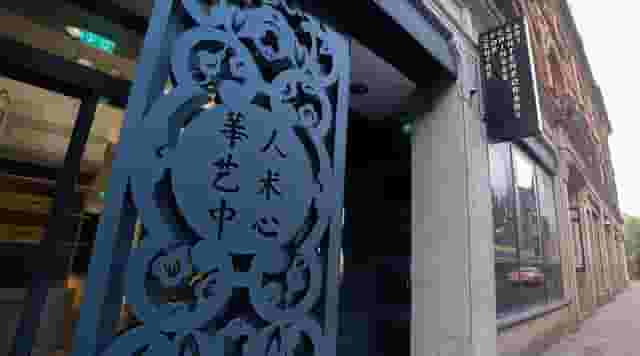
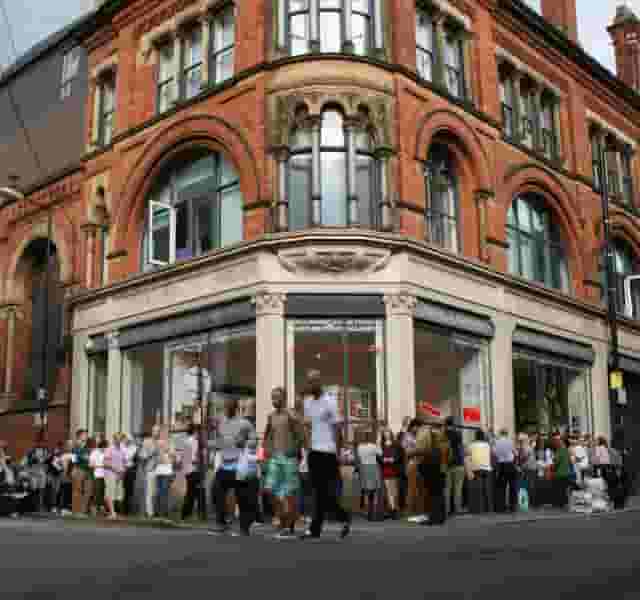
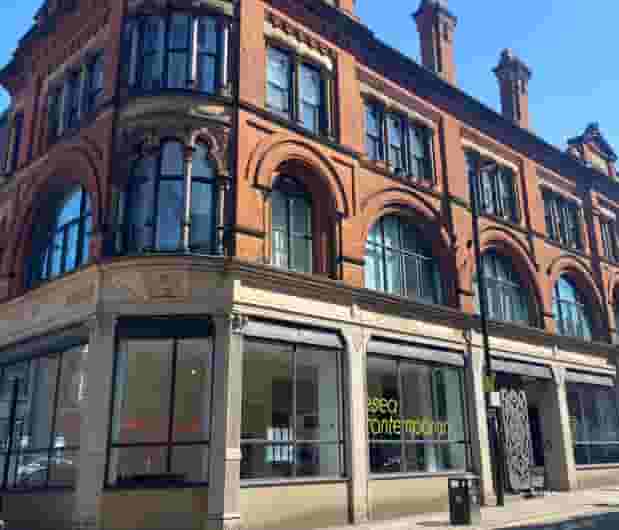
When your guest list sits between 40 and 100 people, smaller independent galleries create an immediate sense of focus and warmth. Castlefield Gallery provides a contemporary setting with high ceilings and natural daylight that works well for intimate receptions of up to 100 standing guests. Its crisp white walls give speakers a clean backdrop, though you will want to arrange portable fold-out seating if your talk runs longer than twenty minutes. In the Northern Quarter, esea contemporary accommodates up to 150 guests standing. Its gallery programme focuses on cultural dialogue, making it particularly well suited to events where the talk directly addresses social, community or artistic themes.
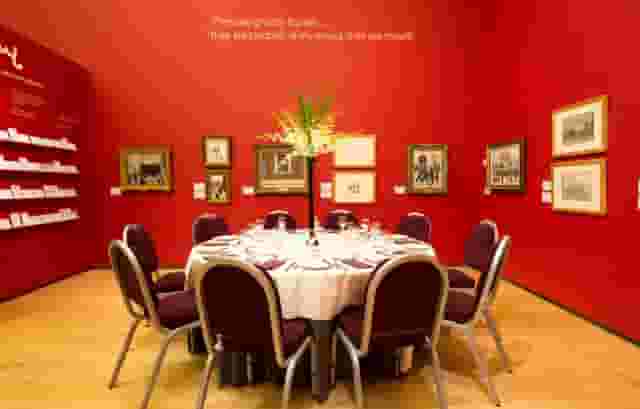
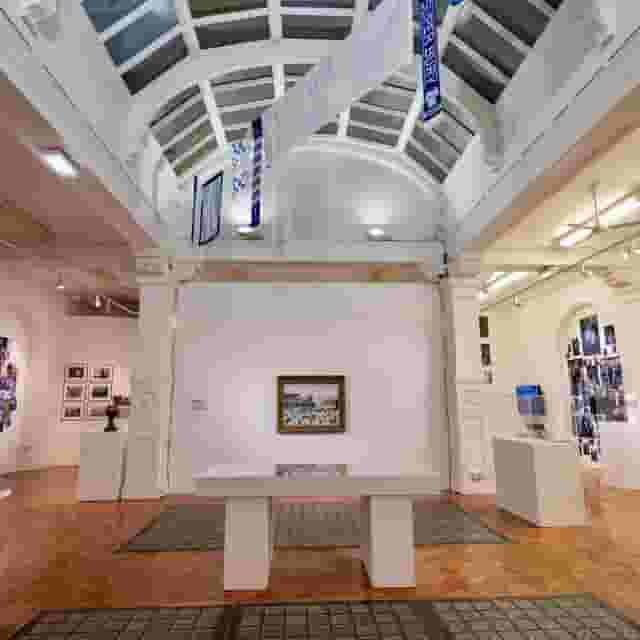
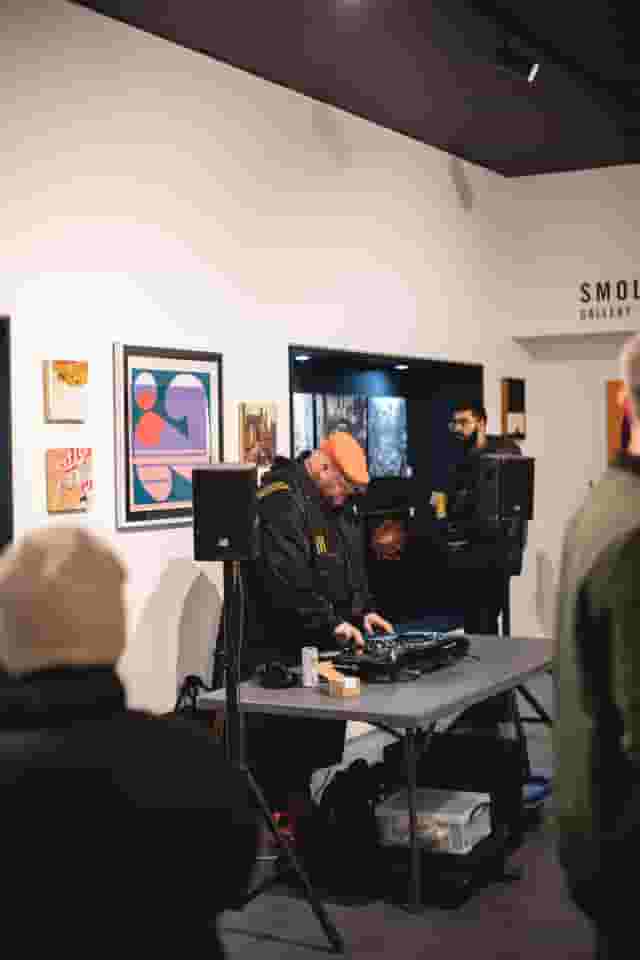
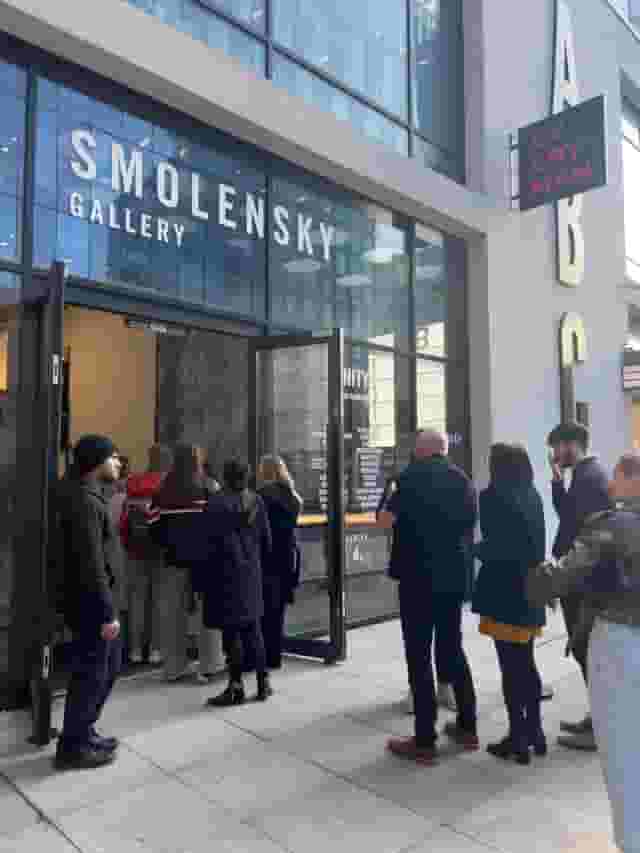
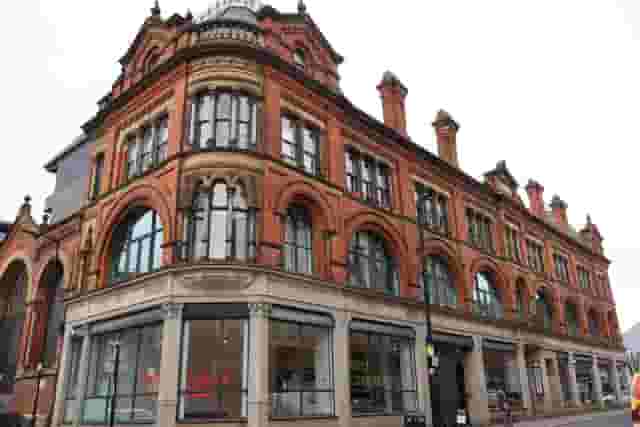
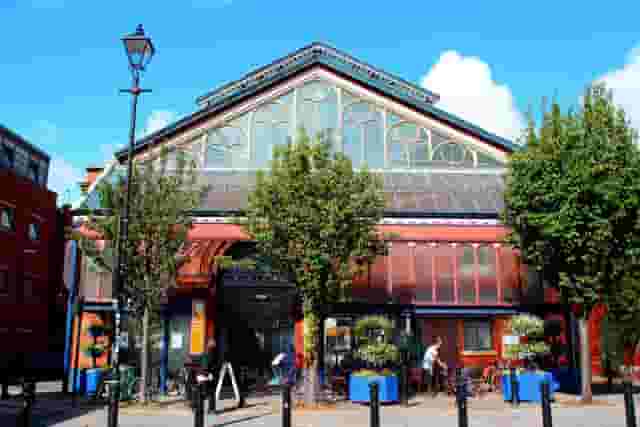
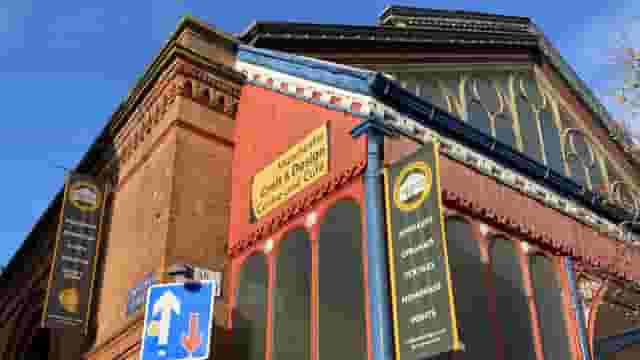
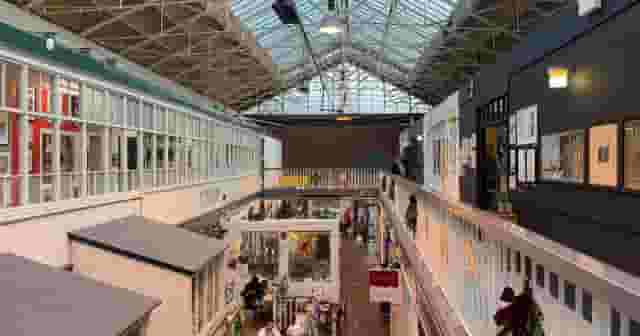
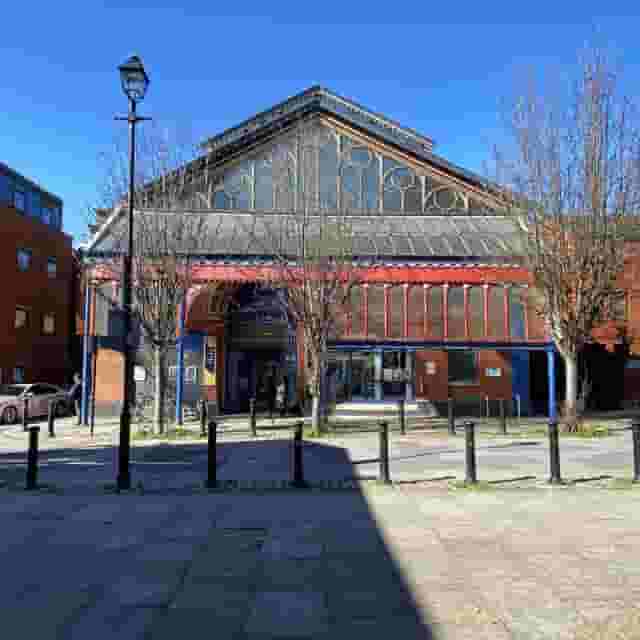
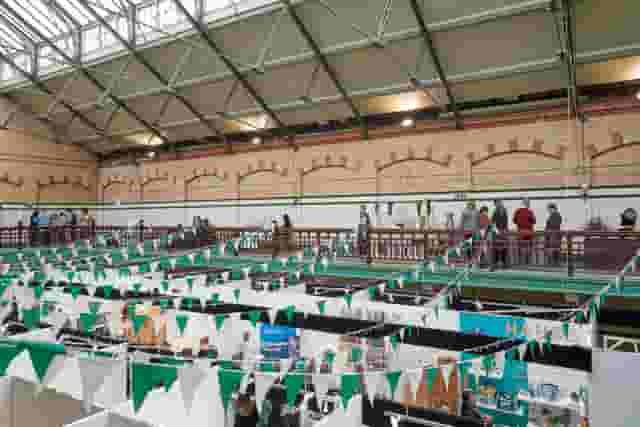
For groups around the 150 to 200 mark, you need enough floor surface to accommodate canapé trays, circulation paths around wall-mounted art and a distinct staging area. Smolensky Gallery offers high ceilings and an urban edge that handles up to 200 standing attendees, giving speakers ample vertical clearance for wall projection. Alternatively, Manchester Craft and Design Centre places your event within a Victorian former market building in the Northern Quarter. It accommodates up to 200 people for a reception, surrounding guests with independent craft studios rather than plain plastered walls. Further into the Northern Quarter's creative backstreets, Kraak Gallery uses former textile rooms to host up to 150 guests standing, complete with an existing licensed function setup that suits a less conventional, grass-roots cultural night.
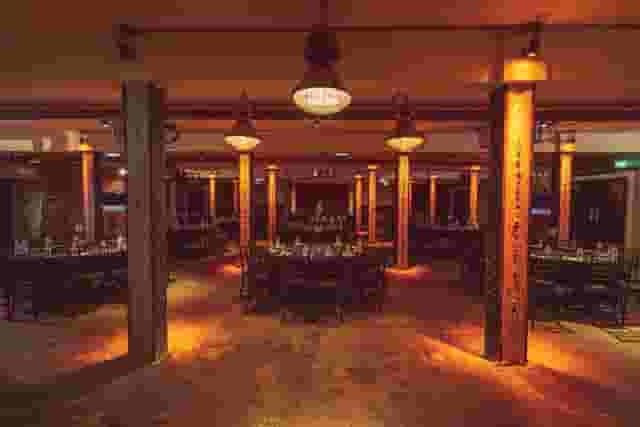
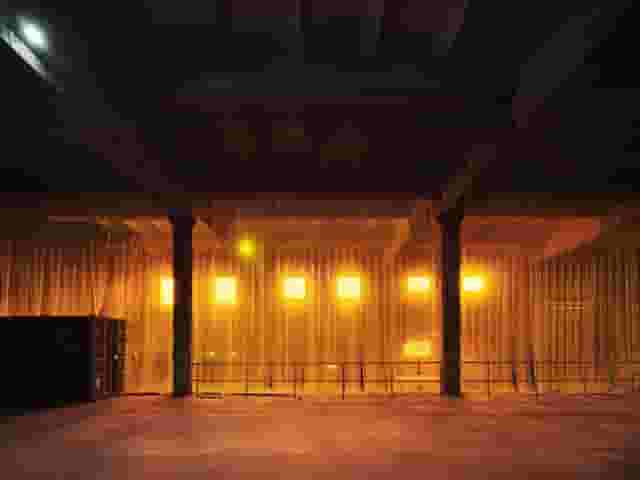
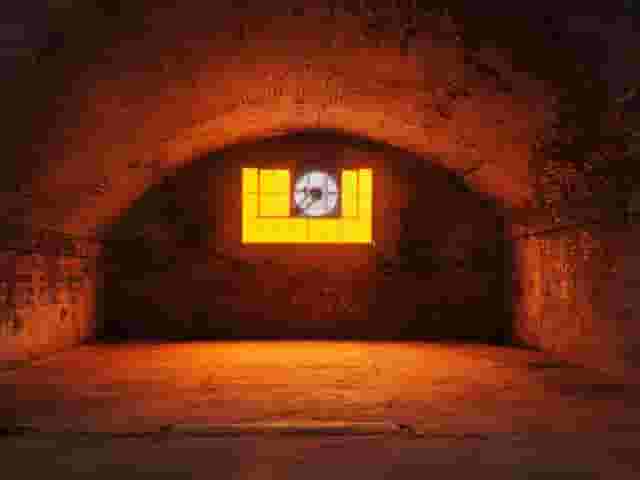
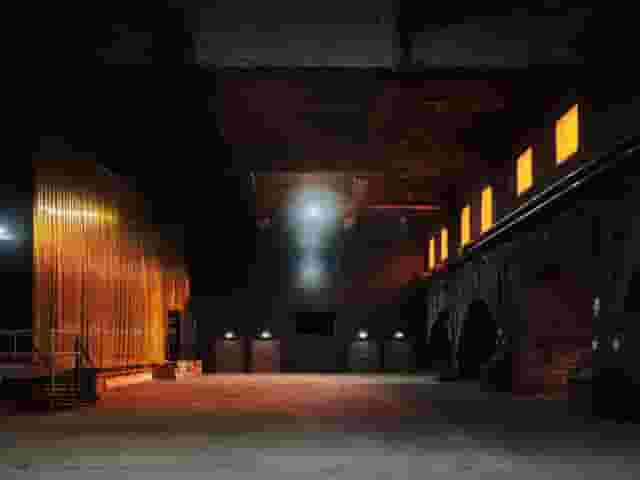
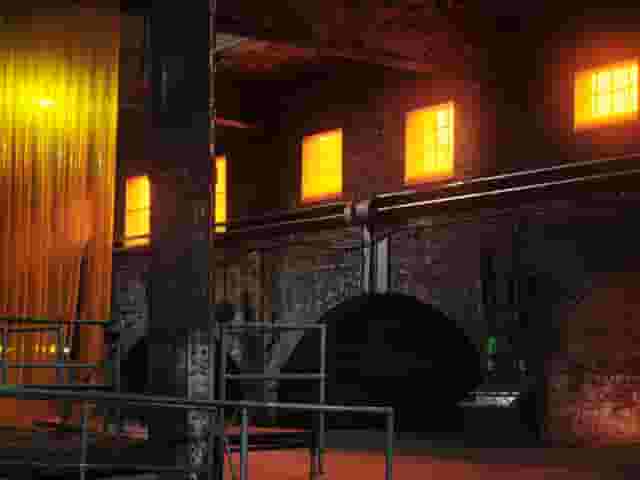
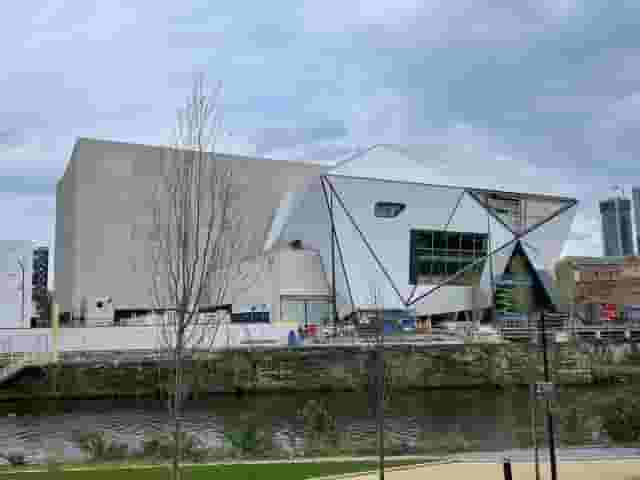
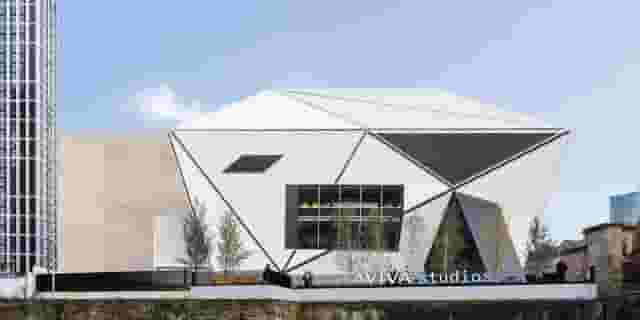
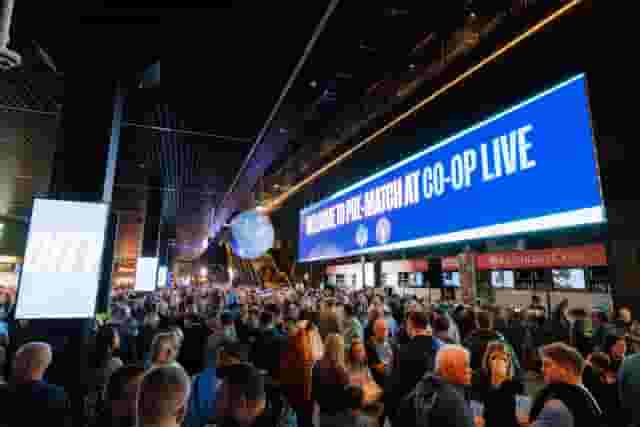
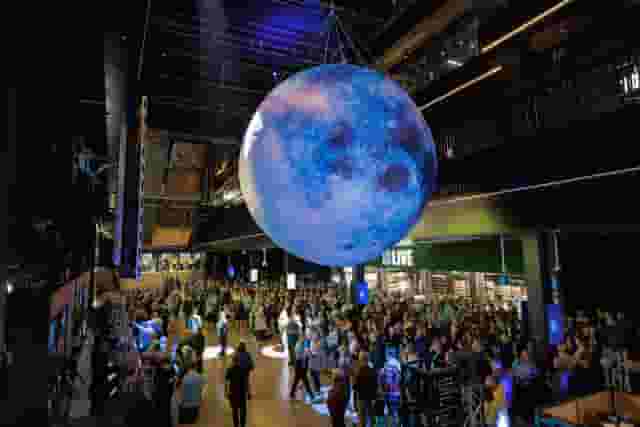
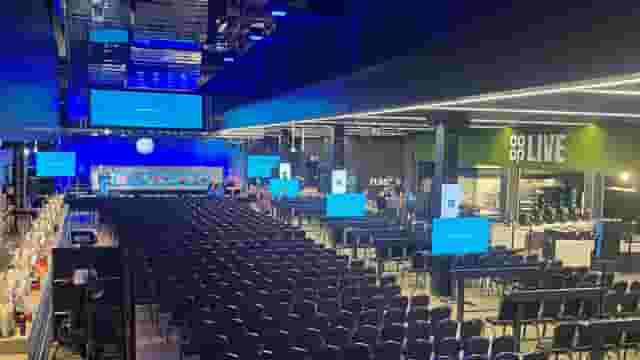
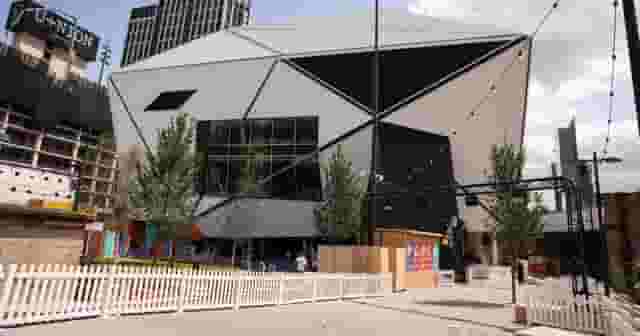
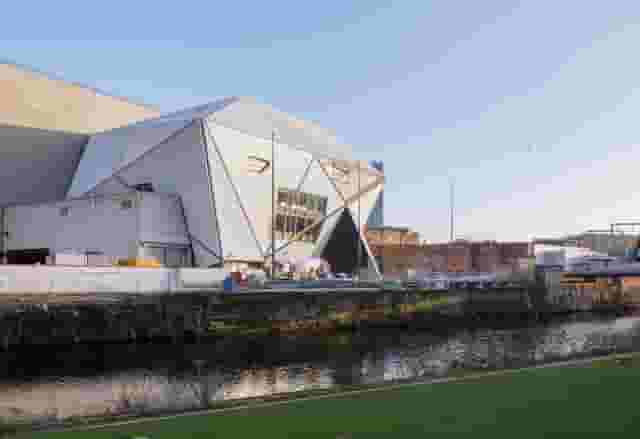
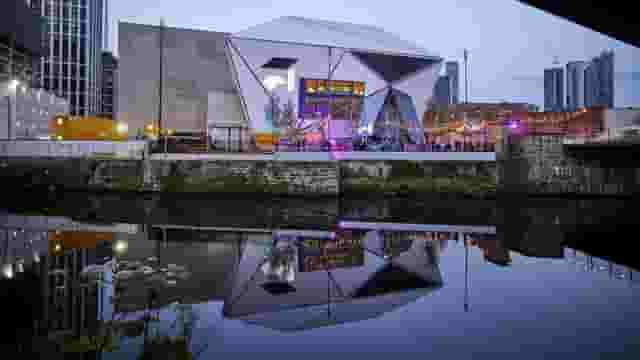
If your event scales up toward 300 guests, or if your talk demands dedicated theatre seating separated from the reception area, consider larger cultural institutions on the city centre fringe. The Aldridge Studio at Lowry accommodates up to 300 guests for a standing reception, providing double-height windows and waterside views across Salford Quays alongside theatrical production infrastructure. South of the centre, Victoria Warehouse offers The Archives, an industrial basement setting holding up to 300 guests for exhibitions and private gatherings. At the extreme end of the scale, Aviva Studios provides massive industrial capacity in its Warehouse space, which can hold up to 5000 people for large-scale enterprise presentations, public arts programming and expansive cultural exhibitions.
| Venue | Capacity (Standing / Reception) | Distinctive architectural feature | Best suited for |
|---|---|---|---|
| Castlefield Gallery | 100 | Clean white gallery walls, high ceilings | Intimate talks, contemporary art shows |
| esea contemporary | 150 | Cultural dialogue focus, open gallery floor | Panel discussions, social community events |
| Kraak Gallery | 150 | Former textile warehouse setting | Informal presentations, artist showcases |
| Smolensky Gallery | 200 | Urban art focus, generous vertical space | Evening brand showcases, launches |
| Manchester Craft and Design Centre | 200 | Victorian market hall, glass roof | Evening receptions among craft workshops |
| Lowry | 300 | Double-height glazing, Quayside backdrop | Formal talks with dedicated production |
| Victoria Warehouse | 300 | Industrial brick basement aesthetic | Subterranean art viewings, dynamic launches |
| Aviva Studios | 5000 | Massive warehouse volume, flexible rigging | Large cultural gatherings, major talks |
Technical production: acoustics, projection and lighting
Galleries present specific acoustic and visual challenges that ordinary conference suites do not. Most display galleries are built with hard plasterboard, polished timber, stone or screed flooring, and expansive perimeter walls. These surfaces bounce mid and high sound frequencies, creating an echo that makes spoken words muddy and difficult to follow.
When staging a talk inside a gallery, do not rely on natural room acoustics or a small desktop speaker. Hire a directional public address system with two to four small satellite speakers positioned along the length of the audience area rather than two massive speakers cranked up at the front. This approach spreads clear sound at lower individual volume, reducing the slap-back echo off rear walls. Provide wireless handheld or clip-on lapel microphones for your speakers. If your audience includes people who need hearing assistance, ask the venue whether they have a portable induction loop system ready for deployment.
Visual presentations require careful coordination with the venue's illumination. Art galleries rely heavily on targeted spotlighting. The best setup uses adjustable, dimmable LED lighting with good colour rendering, minimal heat and no ultraviolet output. Dimmable LEDs ensure that delicate oils, watercolours or archival photographs remain protected while you lower ambient light around your projection screen. Check with the gallery technician about which lighting circuits can be isolated. You want to avoid plunging the entire space into darkness just to make a PowerPoint slide readable, as sudden darkness risks guests bumping into sculptures or display plinths. Keep circulation routes, step edges and safety exits lit at all times.
If your talk involves multimedia video, check the internet connection speed and test equipment compatibility on site before doors open. Ask venue staff about power distribution; historic or converted buildings frequently have limited 13-amp plug sockets scattered far apart along skirting boards. Running extension cables across main circulation paths creates trip hazards, so ensure all cables are covered with low-profile rubber ramps or firmly taped to the floor using exhibition-grade gaffer tape that leaves no adhesive residue on polished floors.
Artwork protection, catering rules and licences
Serving drinks and food in an active gallery means operating under strict conservation rules. The primary duty of any gallery director or registrar is safeguarding the objects on display, so your catering and event layout must reflect that priority.
Food service requires a practical approach:
- Choose cold or room-temperature finger food that does not require cutlery, small plates or dipping bowls.
- Avoid foods that crumble easily, leak grease or produce heavy aromatic steam, which can affect atmospheric humidity around historic works.
- Set up food prep tables and staging away from display walls, ideally in an adjoining corridor or back room.
- Ban red wine and dark berry drinks if the exhibition includes raw textiles, untreated timber or porous stone; white wine, prosecco, beer and clear soft drinks are far safer.
- Keep drinks bars at least two metres clear of hanging artworks to prevent splashes when bottles are uncorked or glasses are filled.
Planners looking at food arrangements in museum environments can see practical examples in seasonal catering within cultural spaces, where dining setups are balanced alongside active gallery displays.
Before booking, ask the venue manager about their condition report protocol. Standard gallery procedure involves checking all artworks before the external team arrives and re-checking them the following morning. Agree on a written schedule of who has authority to handle or move display cases. You should also ensure that the gallery's premises licence covers alcohol consumption and entertainment for the specific hours you intend to run. Many municipal or independent spaces hold licences that finish at 22:00 or 23:00 on weeknights, and extending those hours requires an application for a Temporary Event Notice well in advance.
Understanding costs and comparing quotations
Costing a gallery event involves balancing fixed venue hire against variable catering and production expenses. Many first-time organisers expect a gallery to operate like a hotel that charges a simple per-person day delegate rate, but most gallery venues lease their space as dry hire, leaving catering and equipment hire separate.
Across the wider market, indicative data shows that gallery venue hire for an evening reception and talk: £1,750 to £3,500 in total (published Manchester museum and art-gallery examples for reception-sized spaces; varies by weekday or weekend, season, hours, number of rooms and whether exclusive hire is required). This fee generally grants you exclusive access to the agreed rooms after public closing hours, basic building security, front-of-house attendants and post-event waste disposal.
Food and beverage costs vary according to menu complexity and staffing ratios. Market guidance shows staffed canapé reception catering: £20 to £45 per head (UK corporate event-catering guidance; varies with menu, quantity, staffing, dietary requirements and whether drinks or service equipment are included). When evaluating catering quotes, check whether glassware, linen, ice and service trays are included in the headline rate or listed as separate hire lines.
| Cost category | What it typically covers | Key variable to monitor |
|---|---|---|
| Space hire fee | Room access, standard building utilities, site supervisor | Number of rooms used, early access setup times |
| Food and drinks | Welcome glass, canapés, bar staff, service equipment | Glass breakage deposits, corkage if bringing own wine |
| Technical production | PA system, wireless microphones, technician, LED uplighting | Rehearsal hours, rigging charges for heavy screens |
| Gallery staffing | Dedicated invigilators, door security, cloakroom team | Overtime rates after 23:00, minimum staff-to-guest ratios |
| Venue cleaning | Dusting, rubbish removal, bathroom restocking, recycling | Surcharges if external waste removal is mandatory |
To avoid surprises, request an itemised quotation that states VAT, security charges and overtime rates clearly. Some venues mandate using their approved list of caterers, which maintains quality control around the exhibits but reduces your ability to shop around for lower food prices. If you want to supply your own wine, ask whether the venue charges corkage fees and whether their staff will handle the chilling and bottle recycling.
Guest access, city centre transit and timing
Holding your evening in Central Manchester makes travel simple for attendees arriving locally or travelling from further afield. Rail connections into Manchester Piccadilly, Manchester Victoria and Oxford Road link directly with the city's extensive Metrolink tram network, letting guests reach venues in Castlefield, the Northern Quarter or Salford Quays without needing personal cars.
City centre locations, however, present logistical constraints for your suppliers. Loading bays in areas like the Northern Quarter or along Deansgate are often tightly controlled, with strict council stopping restrictions during rush hour. Give your AV suppliers, caterers and florists detailed delivery notes that list the exact loading dock access, lift dimensions and permissible arrival windows. If a supplier gets caught in central traffic or finds the venue loading bay occupied, your setup schedule can lose half an hour before anyone has unpacked a flight case.
Accessibility must be confirmed room by room rather than assumed from a modern website. Manchester features many listed warehouse conversions and heritage buildings where original stone steps, heavy fire doors or narrow archways can create barriers for wheelchair users. Walk the entire route that guests will take, starting from the street pavement through to the registration desk, the main gallery floor, the speaking area and the accessible toilets. Confirm whether the venue has step-free lift access and whether lifts are wide enough for power wheelchairs.
Clear communication before the night helps everything run on time. Send attendees travel instructions that specify the nearest Metrolink stop, recommended parking facilities for blue badge holders and the precise doorway to use, particularly if your event takes place after normal public gallery opening hours when main exterior gates might be locked. By coordinating the guest journey, protecting the collection and setting a balanced running order, you ensure your private view and talk delivers an engaging, culturally memorable evening.
What our customers say
Inspiration and planning guides
The Top 5 Gallery Event Spaces In London
Discover the top 5 gallery event spaces in London for your next product launch or exhibition. Explore unique venues that combine creativity and sophistication.

This Is Why London Has Such Unique Venues
At Hire Space, unusual venues are the name of the game. Passion to find a unique venue for an event seems to be unabated in London, but it's of little surprise when taking into account all the amazing spaces the capital has to offer. But just why is London filled with so many unusual venues for hire? We investigated: Romans, Saxons, Normans, Tudors and Stuarts. The Black Death, two World Wars and one Great Fire. London has seen it all and lived to tell the tale. That's why so many of its bu

Dine with Cézanne at the National Portrait Gallery
After years struggling to find a permanent space for the collection, The National Portrait Gallery opened it's current site on 4th April 1896. It is now renowned for its unique showcase of art, biography, history and fame, and welcomes over two million visitors a year, who come to view the famous faces who adorn the walls, from Shakespeare to the Duchess of Cambridge. The venue has also made a name for itself as a unique and beautiful event space, catering for anything from charity gala dinner
One supplier. Every venue. Full visibility on what you spend.
Multiple venues and events. One agreement.