Event Venues for Hire in Central Manchester
Compare central Manchester event venues with upfront pricing and space for company presentations, team dinners or standing receptions.
518 Event Venues for Hire in Central Manchester













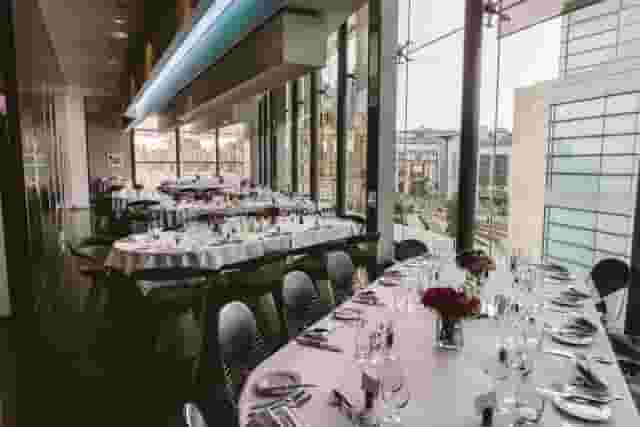
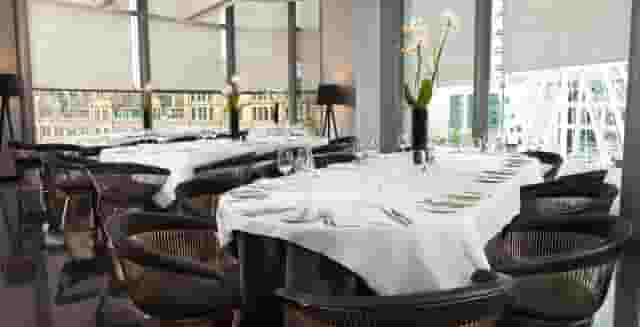
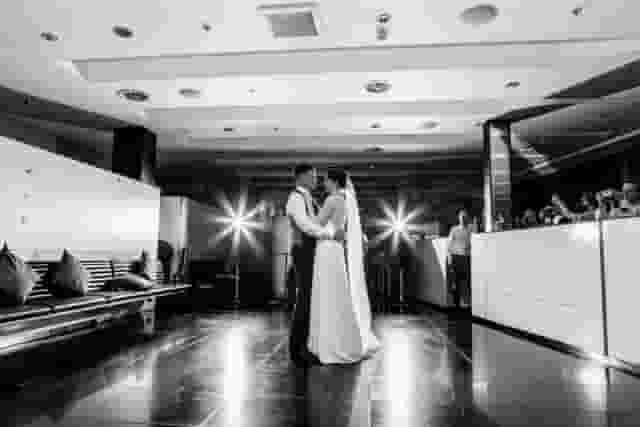
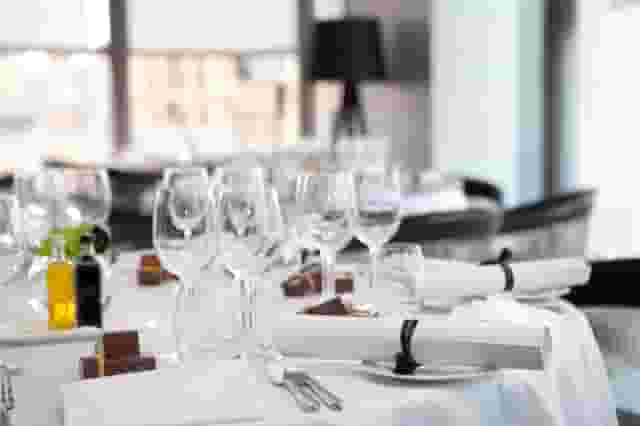
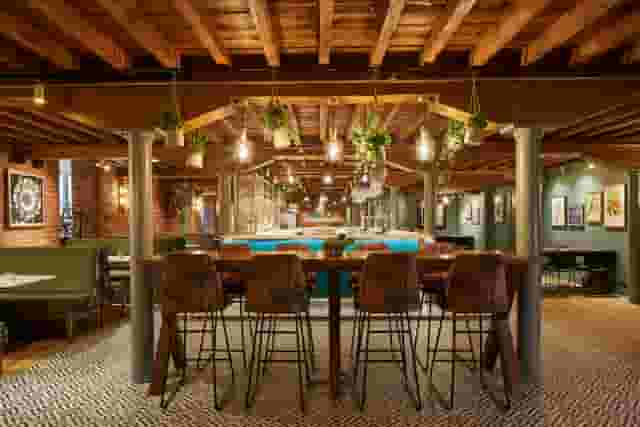
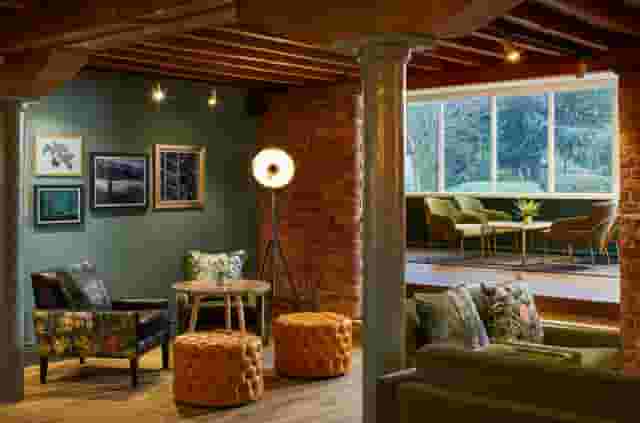
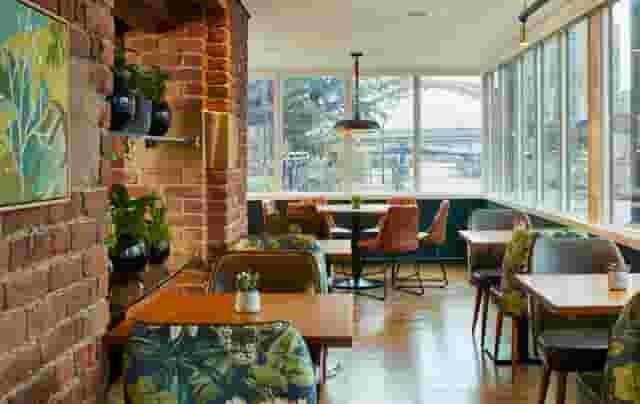
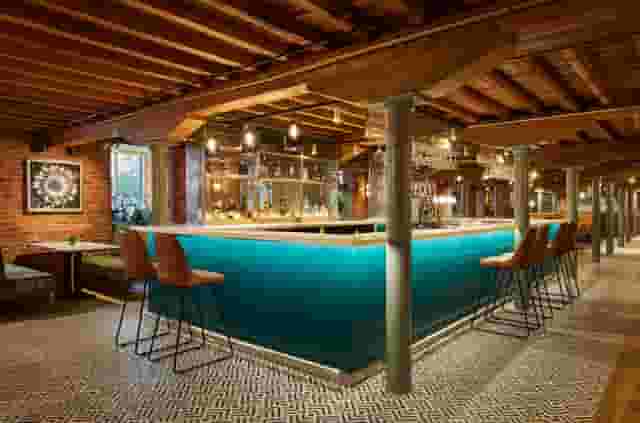


































No venues match these filters
Try widening your capacity, luxury level or event type.
Don't have time to search? We'll find it for you.
For business events that need human judgement, talk to our team. Free for events of 100+ people, budgets over £10k or ongoing programmes.




Other platforms search their database. We search everything.
Tell us what you need. Our deep research finds any venue, whether it's in our marketplace or not. No one else does this.
About Event Spaces in Central Manchester
Organising a company event with private dining, drinks or a dedicated party space in Central Manchester means balancing competing priorities. You need an environment where colleagues or clients can talk without shouting over industrial refrigeration, catering that arrives hot and on schedule, a bar setup that does not generate a twenty-minute queue, and transport links that make getting home straightforward on a Tuesday night.
Manchester has plenty of floor space, but corporate organisers quickly discover that square footage alone does not guarantee a functional evening. An echoing cellar that works for a student club night can swallow corporate speeches whole. A hotel ballroom built for awards galas might leave an eighty-person team feeling marooned. Finding the right room comes down to understanding how your guest count interacts with the layout, how the venue prices its food and drinks, and how the evening will flow from the first welcome glass to the final coat collection. To make shortlisting faster, Hire Space is a venue booking platform supported by a team of real people who help manage the outcome. You can use Deep Venue Research to search any suitable space across the city, generating data-backed price estimates for your brief in minutes rather than waiting days for venues to reply.
Matching the room to the style of the event
The architectural variety across Central Manchester is broad, ranging from Victorian industrial brickwork to contemporary hotel suites. When narrowing down your shortlist, the key operational question is whether the venue's natural layout supports the behaviour you want from your guests.
Grand rooms and historic scale
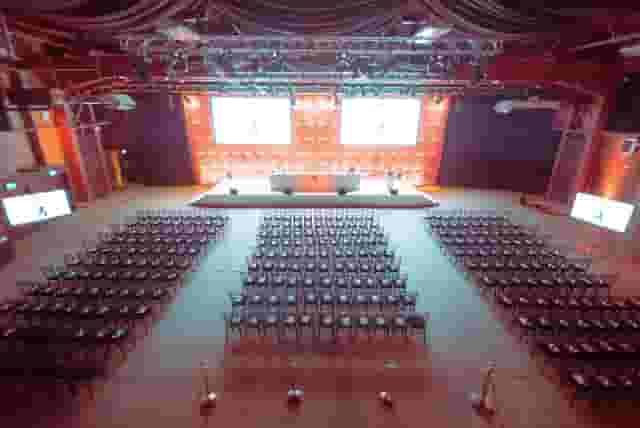
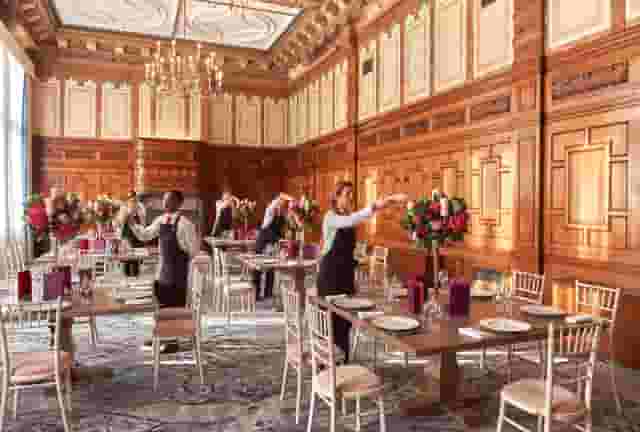
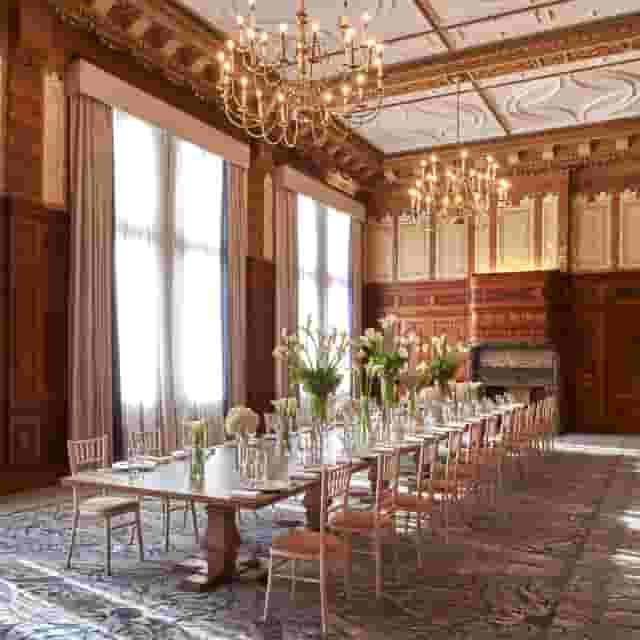
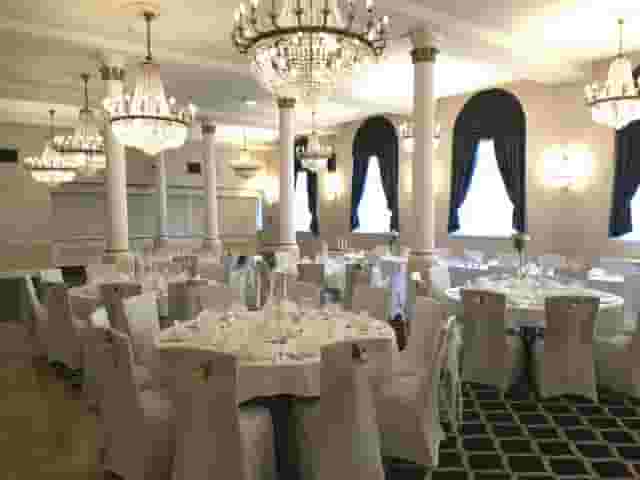
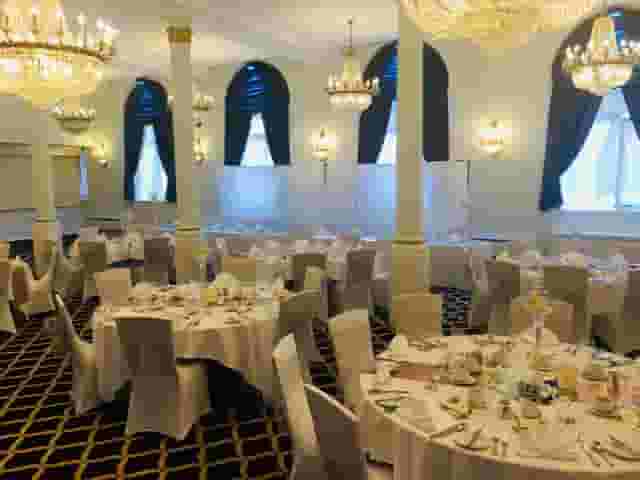
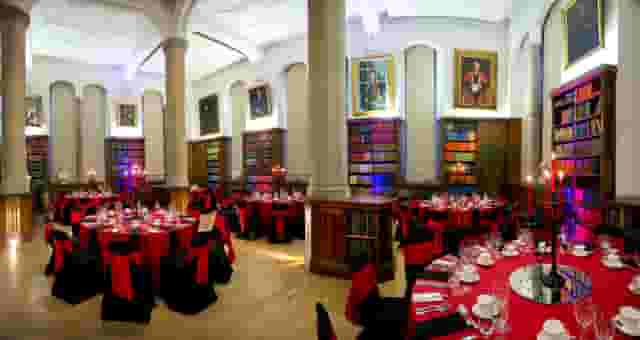
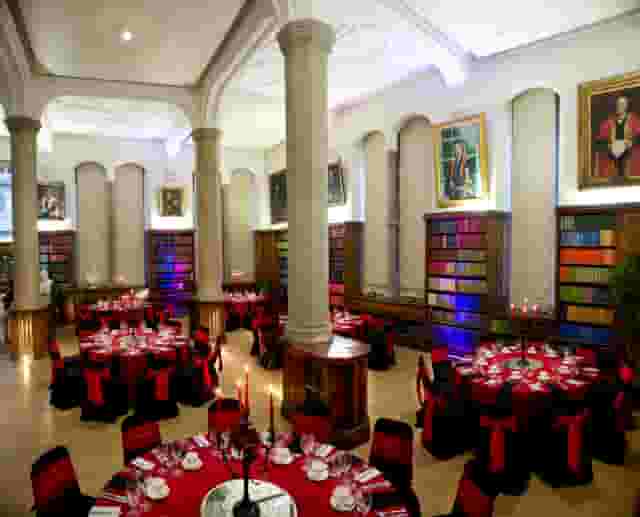
If your event involves formal presentations followed by seated dining, traditional venues provide the acoustic damping, ceiling heights and kitchen infrastructure required to serve hundreds of guests simultaneously. In the heart of the city, the Alexandra Suite at The Midland Hotel handles up to 500 guests for dining. Because it is situated on the ground floor with built-in staging, natural daylight and dedicated air conditioning, it removes the logistical bottlenecks common to multi-floor conversions.
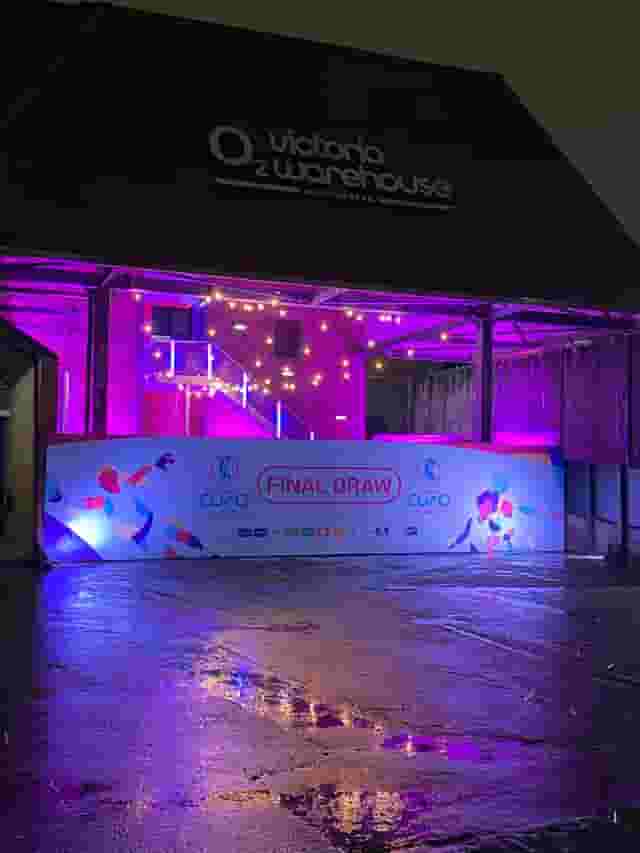
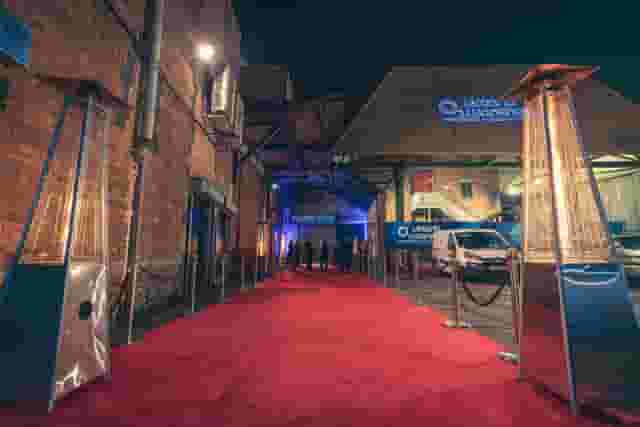
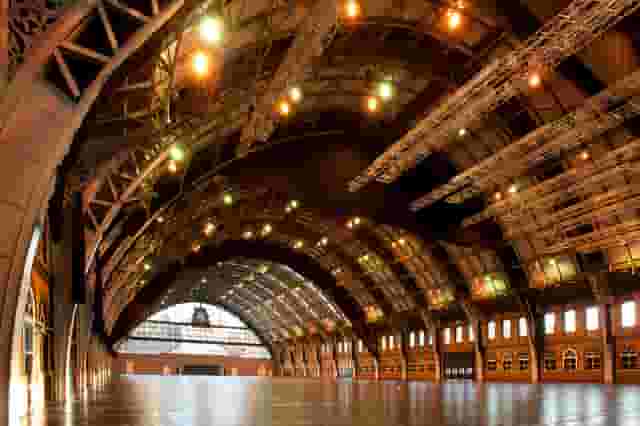
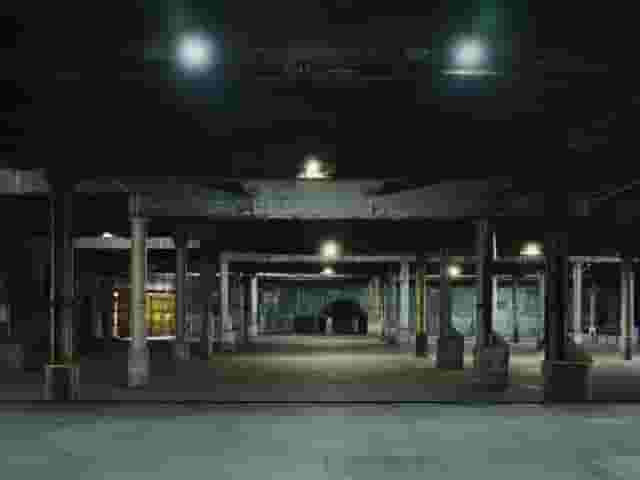
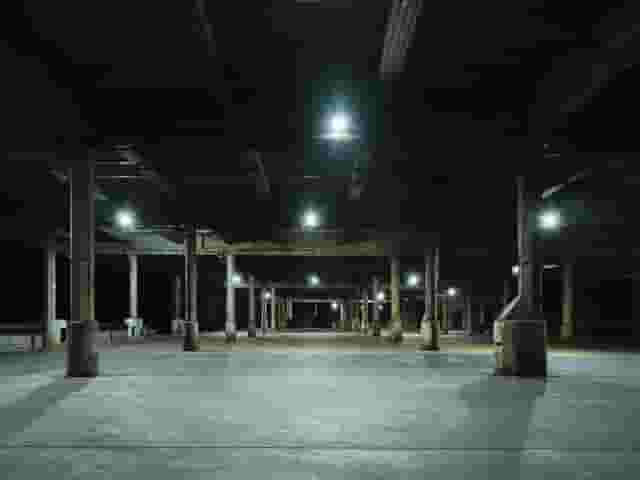
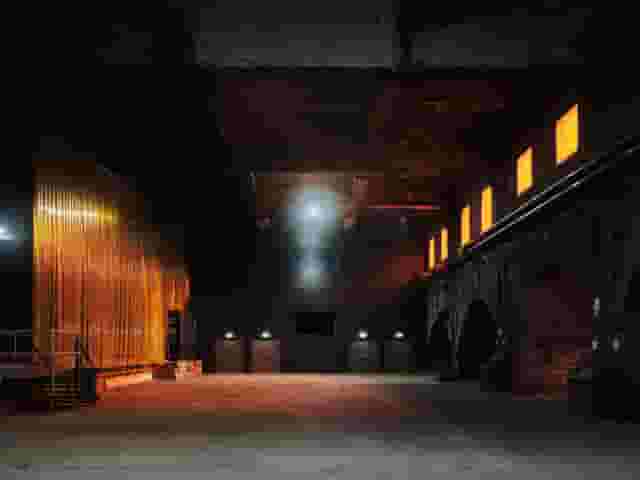
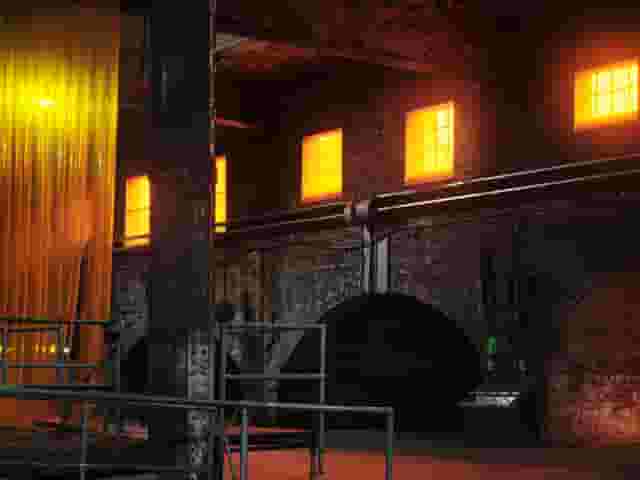
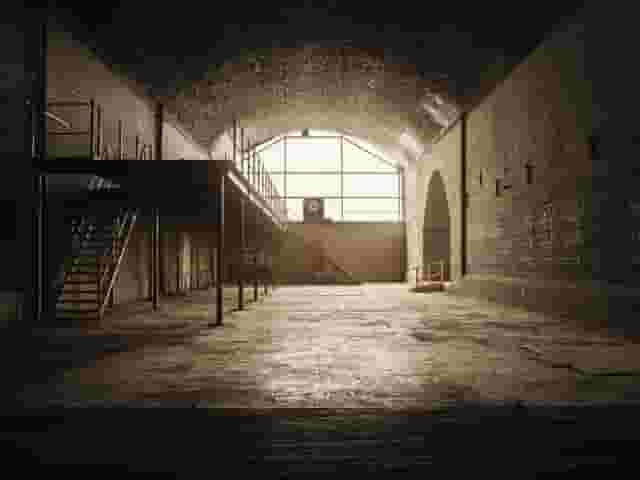
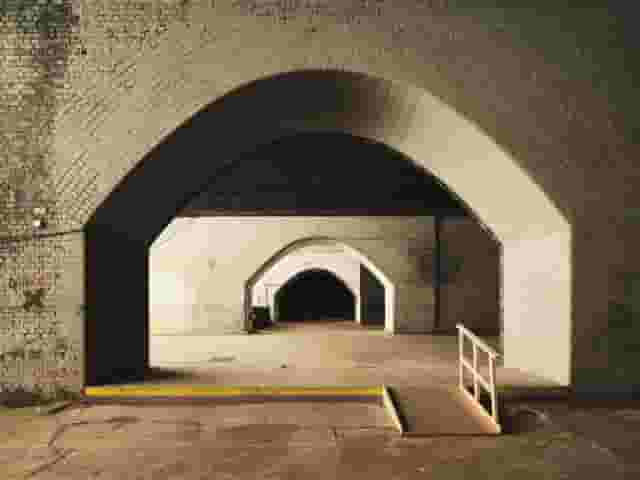
For large-scale events that lean into Manchester's industrial heritage, spaces like The Tobacco Stores at Victoria Warehouse accommodate up to 400 guests in a cabaret layout. Exposed brickwork and historic architectural features provide character that modern conference centres lack, but venues of this scale require careful consideration around acoustic spill and production. When booking a cavernous heritage space, ensure your quote includes adequate lighting and directional sound so that speeches remain crisp across the entire room.
Modern spaces and private lounges
When the objective is informal networking or a celebratory company social, cavernous ballrooms can hinder conversation. Guests naturally cluster near bars and exits, leaving large voids in the centre of the floor.
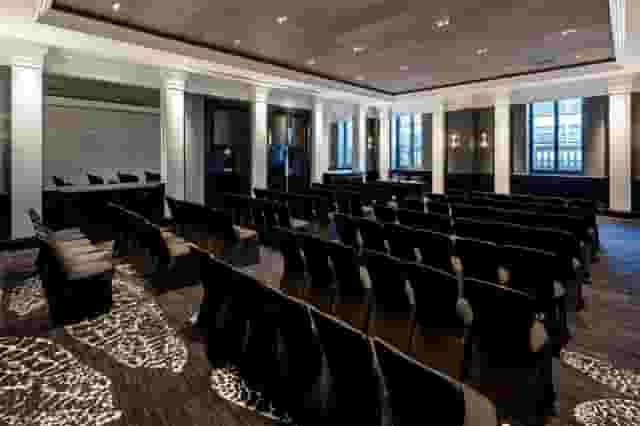
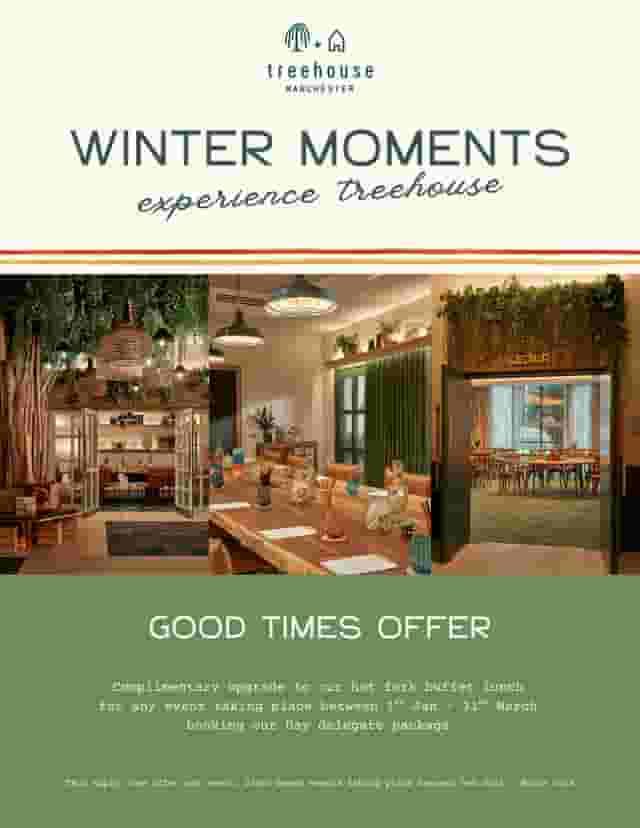
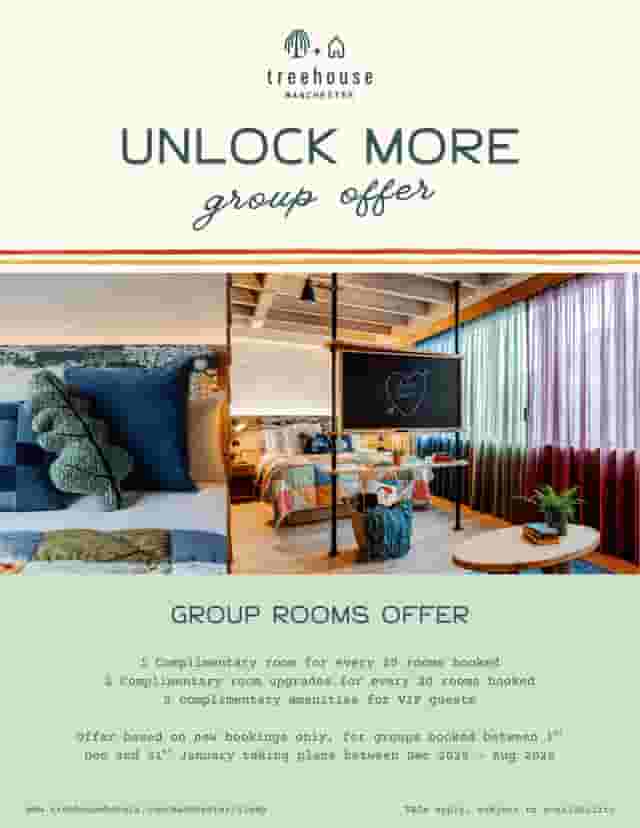
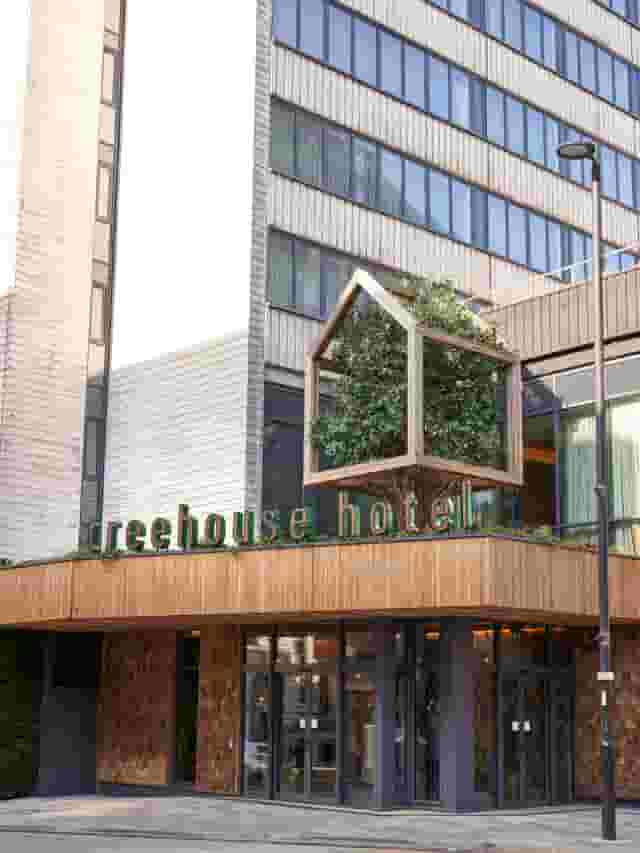
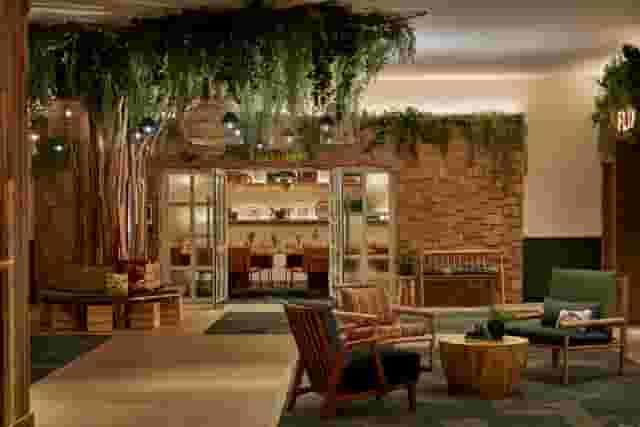
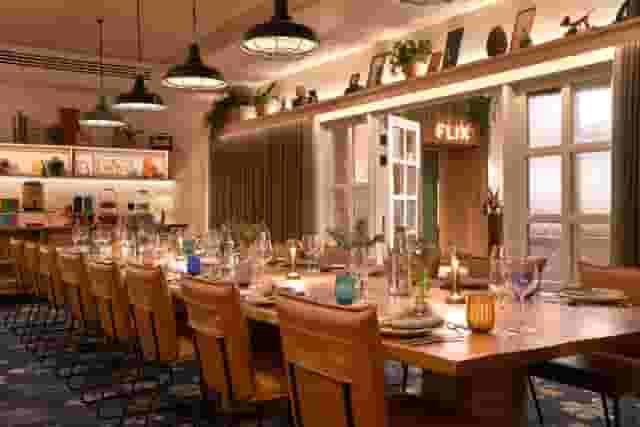
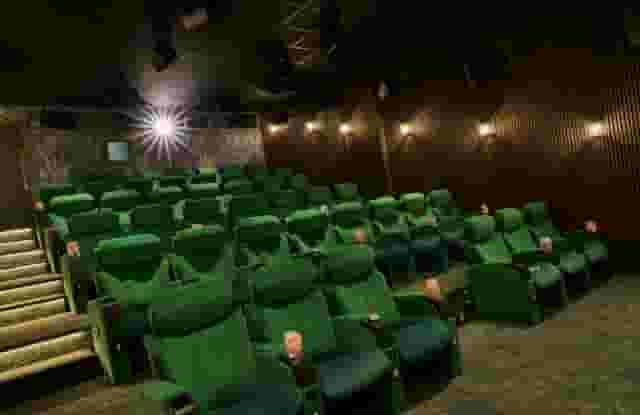
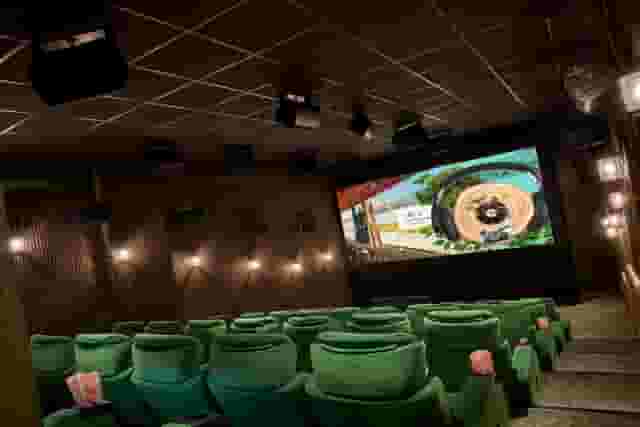
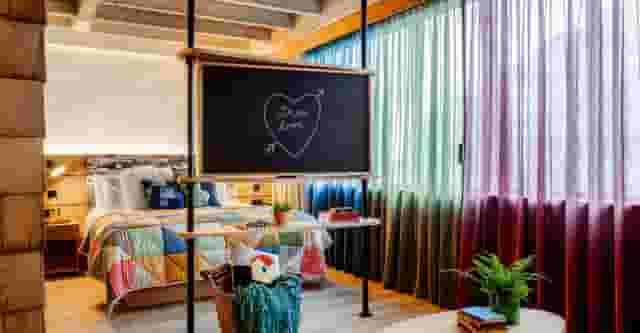
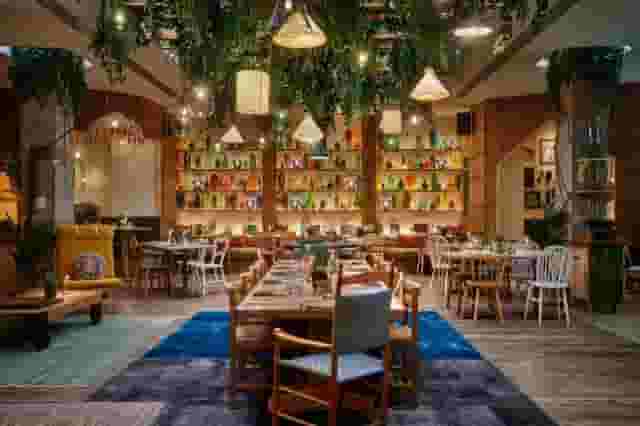
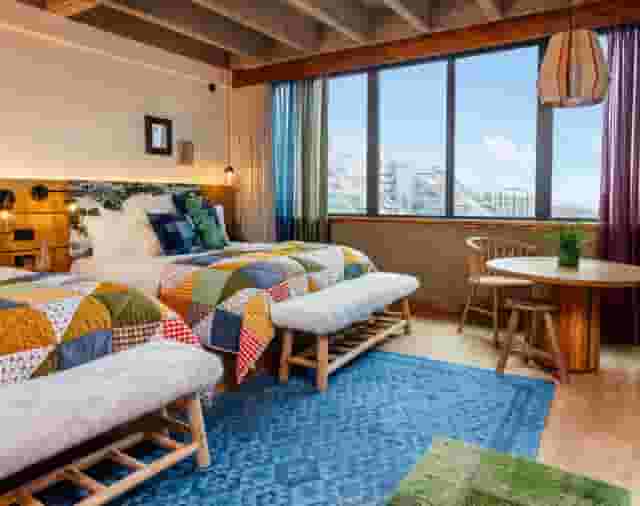
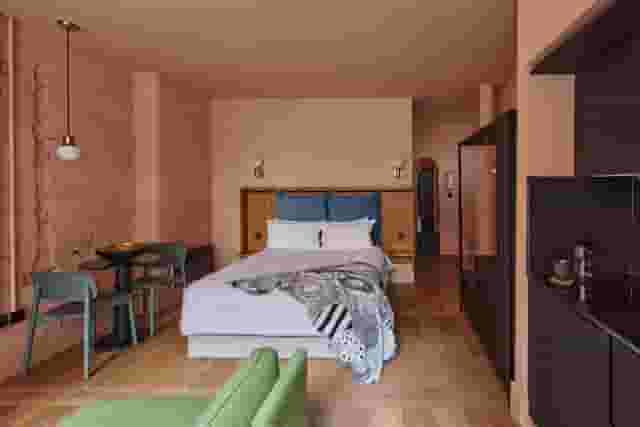
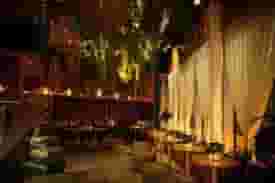
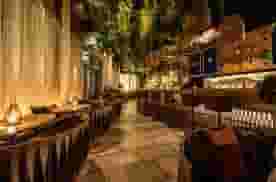
Modern hotel developments offer spaces designed specifically to keep mid-sized groups engaged. For instance, the Willow room at Treehouse Hotel Manchester in the Medieval Quarter accommodates up to 458 guests in a theatre setup, offering a playful, contemporary interior that feels relaxed without descending into pub clutter.
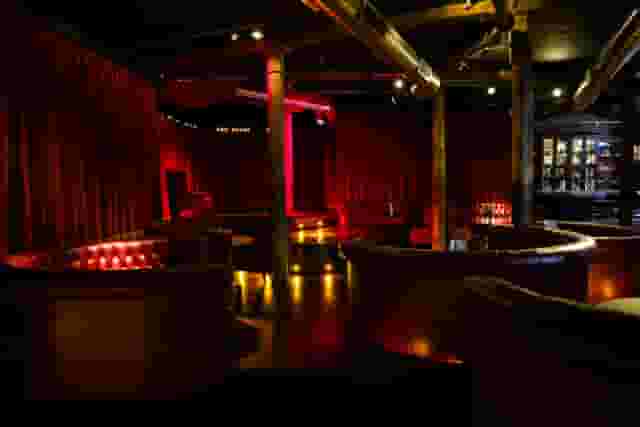
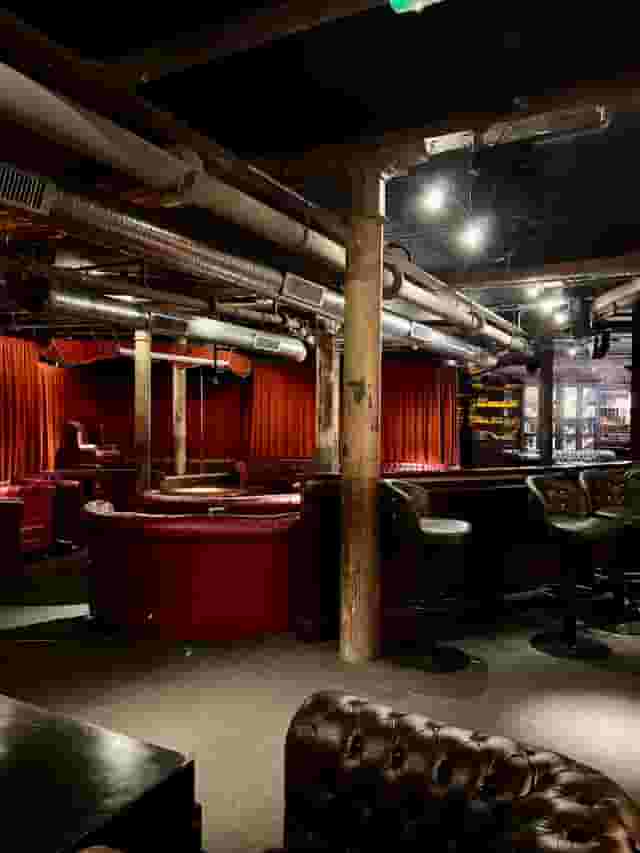
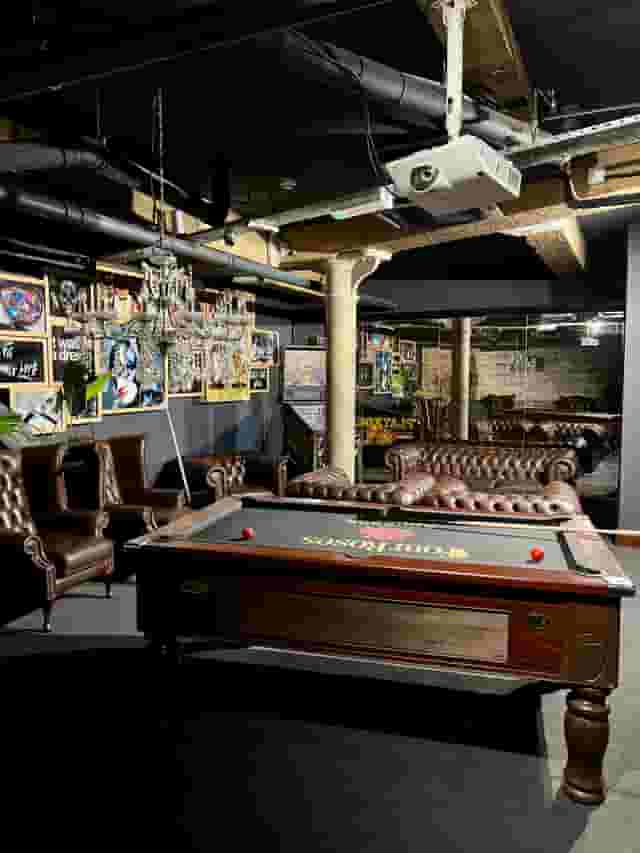
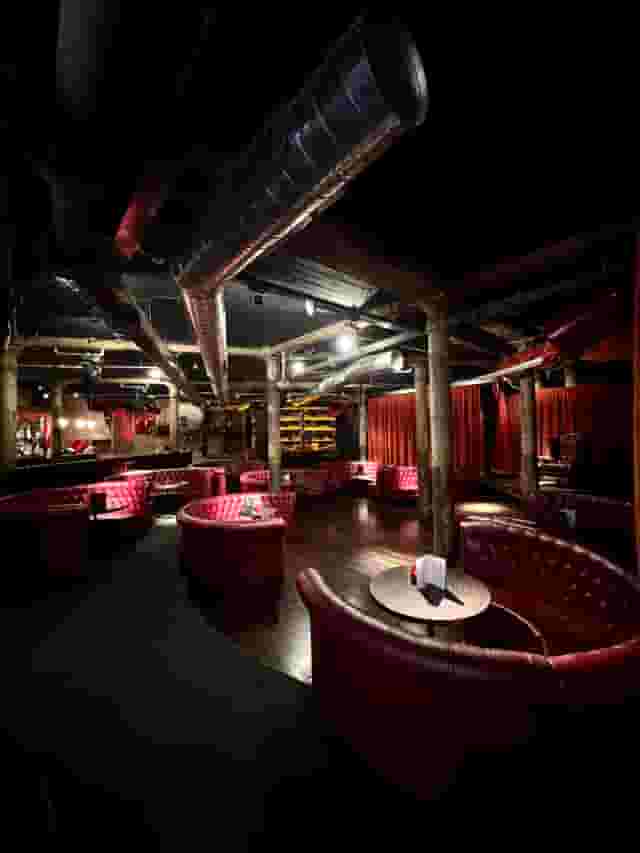
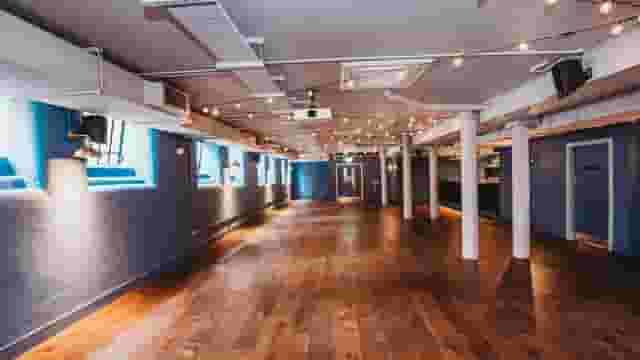
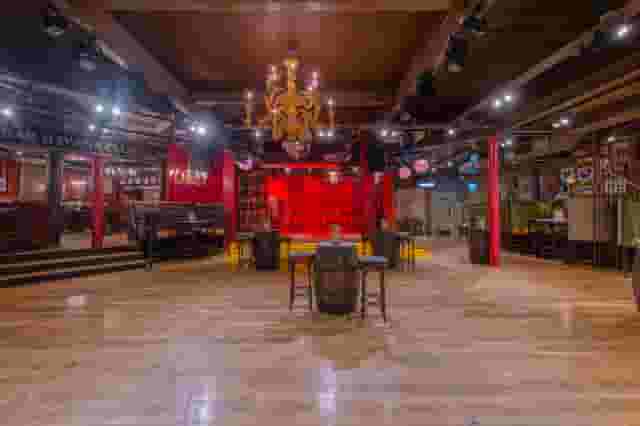
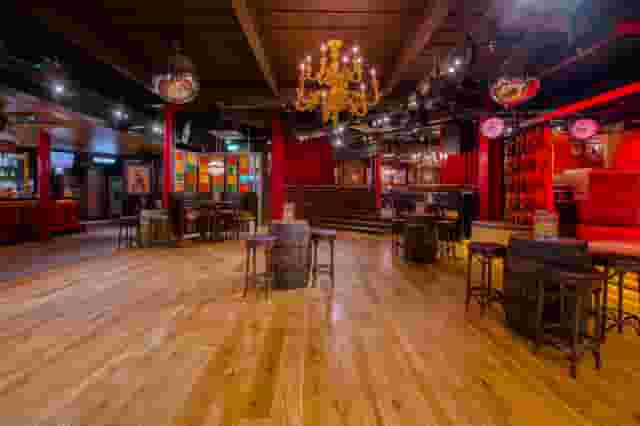
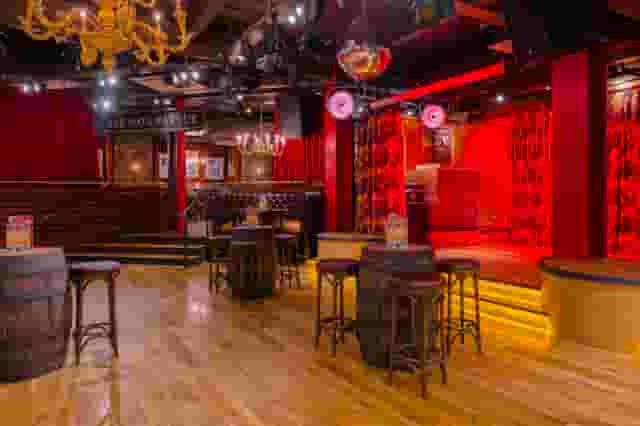
For smaller groups of 80 to 100 people who want exclusivity without booking an aircraft hangar, 47 Dale Street in the Northern Quarter provides an exclusive hire option with capacity for 100 standing. Located within a Grade II listed building, it includes its own private bar and dance floor, giving smaller companies full control over the entrance, music volume and timetable.
| Space type | Best suited for | Typical guest capacity range | Key operational advantage |
|---|---|---|---|
| Heritage hotel ballroom | Formal dinners, annual kick-offs, ceremonies | 200 to 500 dining | Heavy-duty catering kitchens, ground-floor loading, built-in staging |
| Converted warehouse | Large socials, product showcases, awards | 250 to 400 seated | High ceilings, characterful backdrops, flexible branding space |
| Contemporary hotel suite | Presentations with networking drinks | 150 to 450 theatre | Integrated AV, climate control, lift access, on-site rooms |
| Dedicated private venue | Mid-sized socials, networking, celebrations | 50 to 150 standing | Self-contained entrance, private bar, total sound control |
Budgeting and what your quote really covers
When pricing an event with catering and drinks in Central Manchester, headline room hire rates rarely tell the full story. Venues structure their commercial terms around dry hire fees, per-head packages, or minimum spends on food and drink.
Based on 6 quotes from the venues on this page, pricing for corporate events in Manchester typically sits between £44 to £78 per head. This figure is indicative, and estimated from what these venues have charged for similar events. It assumes a party size of about 50 guests.
| Cost per head | What's included |
|---|---|
| £44 per head | Welcome drinks + bowl food |
| £78 per head | Three courses + reception + wine |
Where your event lands inside that bracket depends on how you choose to feed and water your team. Towards the £44 end of the range, quotes generally cover a standing reception with entry-level bowl food or pass-around canapes, accompanied by two glasses of house wine or beer per guest. Towards the £78 end, you are looking at seated dining packages with a three-course meal, half a bottle of wine per person, arrival sparkling wine and dedicated service staff for the evening.
Comparing hire models
Before signing an agreement, verify which financial model the venue operates:
- Minimum spend on food and beverage. Common among bars and casual restaurants. You pay no separate room hire charge as long as your group spends a contracted total across the bar and kitchen. The trap here is guest drop-out. If bad weather or project deadlines cause 20% of your attendees to cancel, the minimum spend remains unchanged, meaning your cost per head increases sharply.
- Fixed package rate per head. Standard across hotels and dedicated conference centres. You pay an agreed amount for each confirmed attendee, covering room hire, catering, staffing and a defined drinks allocation. This provides predictable budgeting for finance departments, though you must check the attrition policy to see how close to the event date you can reduce numbers without paying full price.
- Dry hire plus approved suppliers. Common in historic halls and industrial warehouses. You pay purely for the empty shell, bringing in your own caterers, bar operators and production crew. While this lets you tailor the menu to specific cultural requirements or reduce food waste by choosing sustainable venues for a green and impactful product launch, the administrative workload is considerably higher. You will also need to budget for temporary kitchen equipment, waste disposal charges and corkage fees.
Always ask whether the initial estimate includes VAT and service charge. A discretionary 12.5% service charge added to an after-VAT catering bill can push an approved budget into the red if it was not accounted for at the proposal stage. Hire Space 360 is enterprise venue and hotel procurement for companies spending £1m or more a year on meetings and events: a managed meetings and events programme, the kind procurement teams call strategic meetings management. It puts every booking onto one agreement with centrally negotiated terms, giving teams consolidated invoicing and live spend reporting to ensure budgets stay strictly within company event policy. You can explore how Hire Space 360 works for procurement to see how organisations track expenditure and maintain an audit trail across all their regional events.
Planning food and drink service that keeps conversations moving
Catering sets the pace of any business event. The format you choose dictates how freely people mingle, how long speeches can reasonably run, and how much floor space you need.
Seated meals against standing receptions
A three-course seated dinner creates an orderly atmosphere where leadership speeches can take place between courses. However, seated dinners freeze conversations. Guests only speak to the people directly to their left, their right, and across the table for two to three hours. If your primary goal is cross-departmental mixing or introducing new clients to account managers, seated dining works against you.
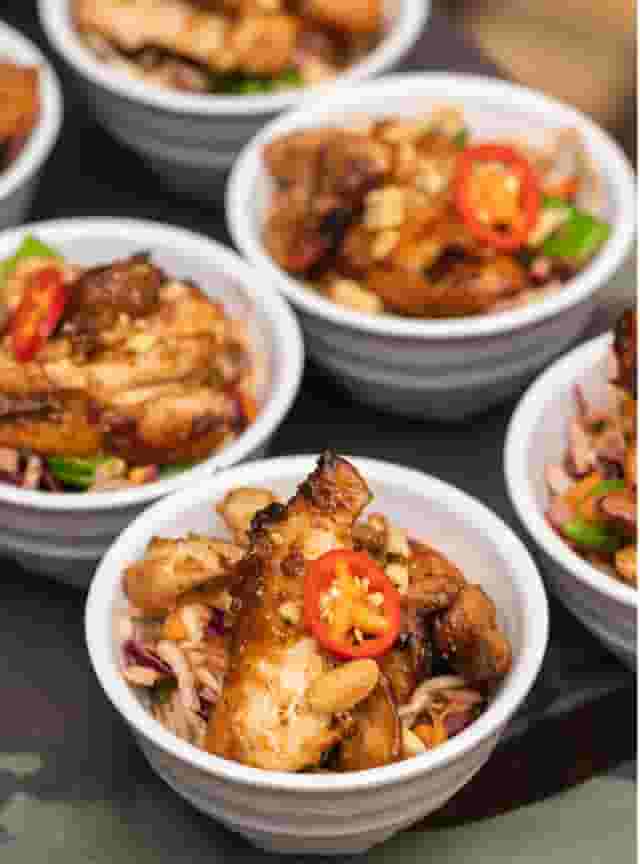
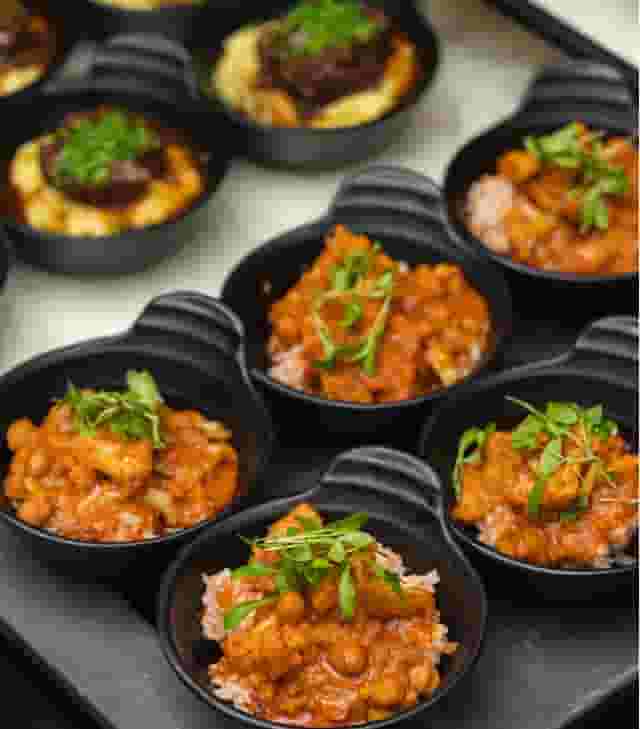
Bowl food and grazing stations offer a practical middle ground. Guests stand and circulate while eating warm, substantial food from small bowls using forks. You avoid the static nature of formal dining while providing more sustenance than traditional canapes, which leave people searching for takeaway food on the way home.
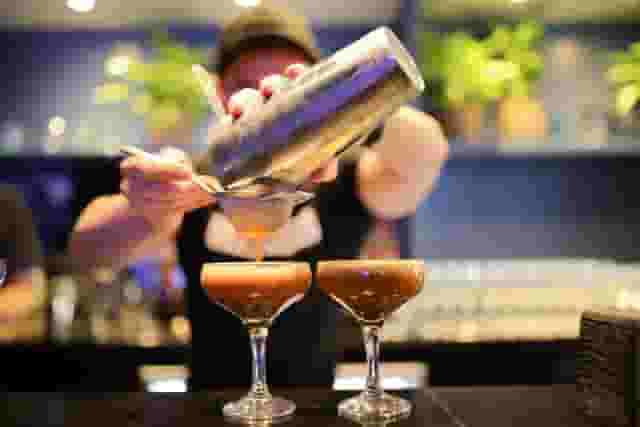
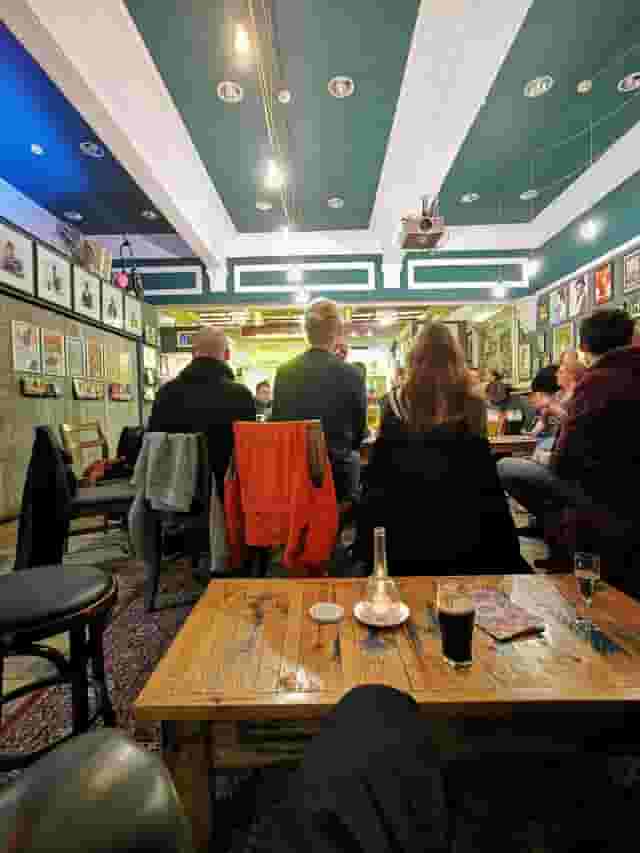
For groups that want an informal, bar-centred atmosphere, venues with an authentic operational twist keep energy levels high. The Bar at The Spirit of Manchester Distillery in Deansgate offers full venue hire for up to 200 standing guests. Set against the backdrop of a working distillery, it provides a built-in focal point for conversation that generic hotel lounges struggle to replicate.
Managing bar queues and drinks spend
A bottleneck at the bar during the first thirty minutes will colour your guests' perception of the entire evening. To prevent queues forming at 18:30:
- Pre-pour arrival drinks on trays near the entrance. Do not make guests order their first drink from the bar.
- Offer a balanced initial split, such as prosecco, a local beer and an interesting non-alcoholic option.
- Keep the drink selection simple during peak arrival times. A bar team shaking individual cocktails for two hundred people will stall service almost immediately.
- If you run a tab, specify clearly to the venue manager what brands are included. Put an embargo on double spirits, high-end champagne and shots unless senior leadership has explicitly authorised them in writing.
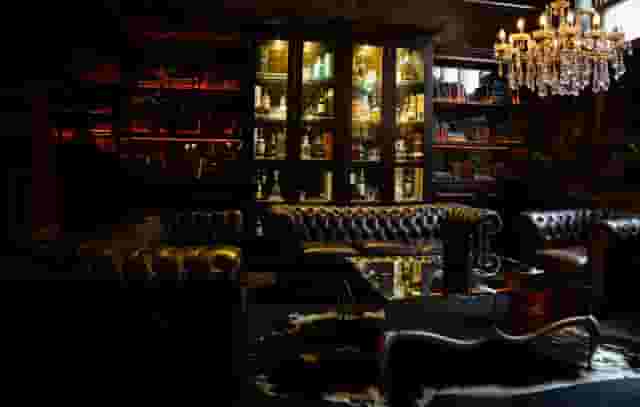
If you prefer a pub environment with historic character, spaces like The Vault at Kimpton Clocktower Hotel in the city centre provide a private entrance and bar for up to 300 reception guests. Having a dedicated bar counter inside the private room prevents attendees from drifting into public hotel areas, keeping your group together throughout the night.
Structuring the evening and managing the sound
A successful company gathering has a clear rhythm. Without deliberate structure, people stand around checking their phones by 20:30, wondering when it is polite to slip away.
The running order
A reliable timeline for an evening event following a working day runs as follows:
- 18:00 to 18:45: Arrivals, coat drop and welcome drinks. Keep music at conversational level (under 65 decibels).
- 18:45 to 19:15: The business element. Short presentations, project retrospectives or awards. Schedule this before food is served, while attention spans are intact.
- 19:15 to 20:30: Catering service. Whether bowl food or seated dining, ensure the bar is fully staffed during this window.
- 20:30 onwards: Music level increases, ambient lighting dims, informal networking and socialising.
- 23:00 to 23:30: Bar closes, taxis called.
Acoustics and presentation equipment
Never assume that a venue with a microphone behind the bar can host company presentations. In spaces with polished concrete, high ceilings or bare brickwork, spoken words bounce off hard surfaces and turn into muddy reverberation.
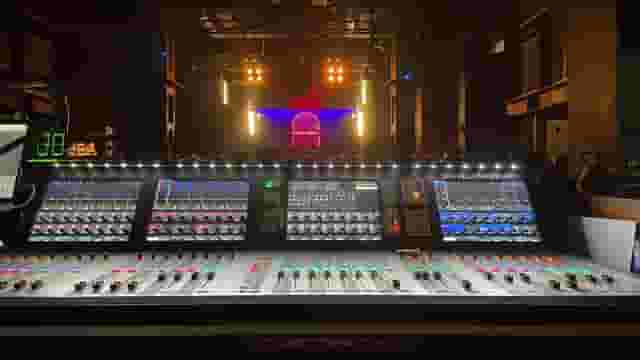
If speeches are central to the evening, consider venues that specialise in sound reinforcement. The Music Hall at Gorilla on Whitworth Street West hosts up to 550 standing guests. Because it operates as a live music venue, it features professional sound equipment, dedicated stage lighting and sound engineers who understand how to mix audio so that people at the back hear every word clearly.
For large events requiring varied activities under one roof, venues like Dive NQ in the Northern Quarter hold up to 600 guests while offering breakout areas. Having smaller side spaces alongside the main room allows teams to step away from loud music to hold private conversations without having to leave the building entirely. If you want to keep an eye on upcoming development across the market, reviewing this year's best new venue openings can give you an early look at spaces adopting these multi-zone layouts.
Location, transit links and late departures in Central Manchester
The geographical position of your venue directly impacts attendance and safety at the end of the night. A central postcode looks convenient on paper, but you must assess how your guests will actually arrive and leave.
Rail and tram connections
Manchester's public transport network radiates outwards from three primary stations:
- Manchester Piccadilly: The main terminus for regional and national rail links, including trains to London, Leeds and Birmingham. Venues within a ten-minute walk of Piccadilly Station ensure that out-of-town colleagues can reach their platforms without expensive taxi fares.
- Manchester Victoria: Serving northern routes into Lancashire, Yorkshire and the wider commuter belt.
- Oxford Road and Deansgate: Essential rail commuter corridors for staff travelling from South Manchester and Cheshire.
The Metrolink tram system connects these hubs effectively, with major interchanges at St Peter's Square and Piccadilly Gardens. If your event finishes after 23:00, check the timetable for the last trams, particularly for staff travelling on peripheral lines such as Rochdale, Altrincham or Manchester Airport.
Access, curfews and cloakrooms
Three practical details often get missed during site inspections:
- Step-free access. Many basement spaces and Grade II listed conversions in the Northern Quarter and Deansgate feature steep stone stairwells. Always check the route from street level to the private room, bar counter and bathrooms to ensure step-free access is available for all attendees.
- Licensing hours. Check the venue's premises licence carefully. While city-centre bars often hold late entertainment licences, residential proximity in areas like Ancoats or Castlefield can mean outside terraces close at 21:00 and sound levels must be reduced by 22:00.
- Cloakroom capacity. Manchester weather frequently demands heavy coats and umbrellas. If a venue has no dedicated, staffed cloakroom, jackets will end up draped across chairs, tables and fire exits, creating clutter and security risks for personal belongings. Ensure adequate hanging space is included in your room hire agreement.
What our customers say
Inspiration and planning guides

5 Steps To Finding The Perfect Venue For Your Event
Finding the perfect venue for your event is the first step to creating a memorable experience for your guests. The venue finding pro's at Hire Space give their advice on some simple steps you can take to make sure you get it right.

Unique Venue Of The Month: Drink, Shop & Do
Drink, Shop & Do [https://hirespace.com/Venues/London/2123/Drink-Shop-Do] is a venue [https://hirespace.com/Top/London/Venues-For-Corporate-Entertainment] of two halves, both brilliant, both very different. The first is a light, bright café [https://hirespace.com/Spaces/London/107565/Drink-Shop-Do/Upstairs-Bar-Dome/Business] , jam-packed with multi-coloured paper balloons, taxidermy and sweets. They host imaginative day-play events for adults, like 'Bloody Marys & Boardgames', 'Benedict Cumber

London's 7 Most Mouthwatering Caterers
It's no secret that an event can live or die by the quality of the food. You're only a few lukewarm canapés away from a complete disaster. But it's also a huge opportunity: if you can dazzle your guests with sumptuous food all night, you'll transform their entire experience of your event. By taking care over your catering choice, you're giving your event the best chance to flourish. 1. Ampersand [http://www.ampersandcatering.co.uk] Price: Mid-range From gin and tonic 'glaciers', to donuts s
One supplier. Every venue. Full visibility on what you spend.
Multiple venues and events. One agreement.