Cocktail Bars for Hire in West London
Compare West London cocktail bars for your next corporate event, with indicative pricing, clear floor plans and direct venue support.
26 Cocktail Bars for Hire in West London





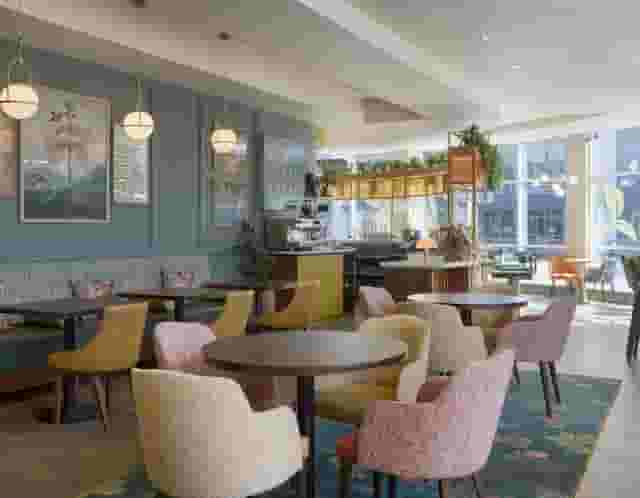
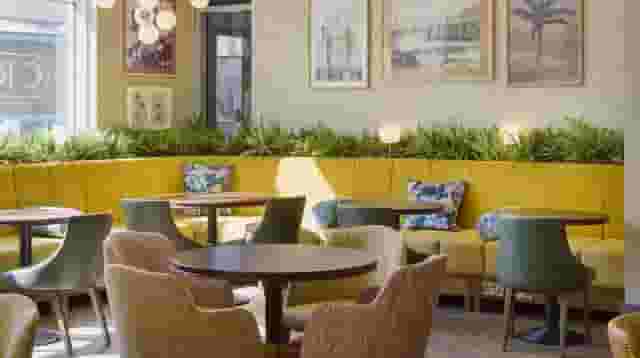
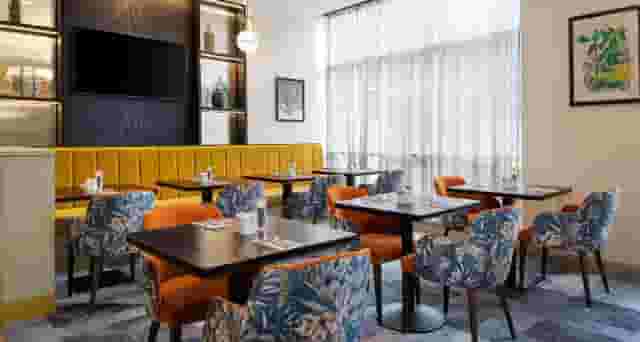
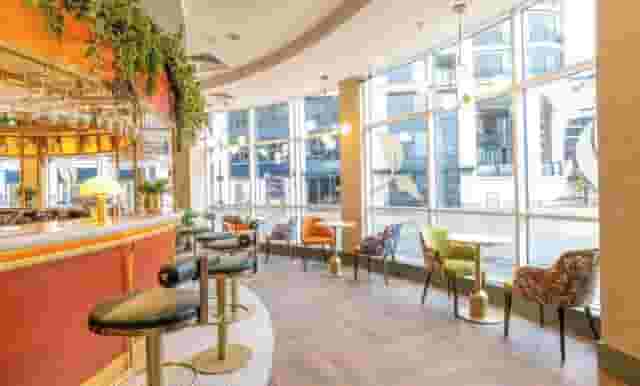
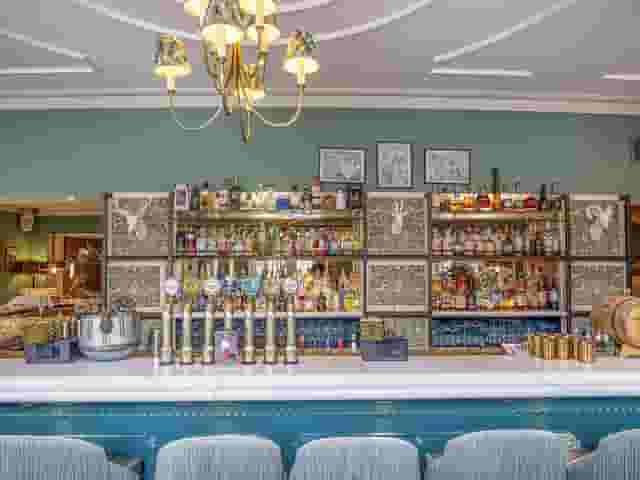
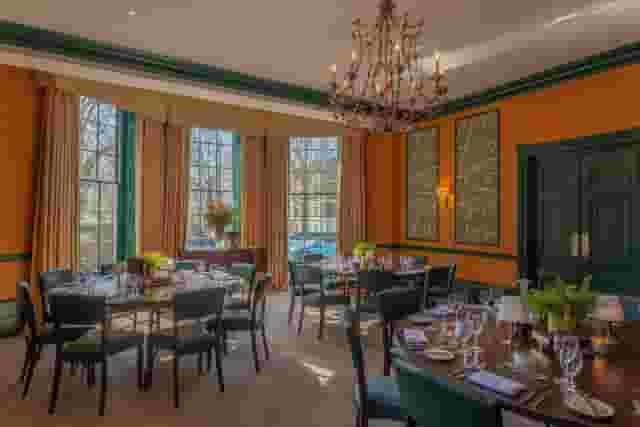
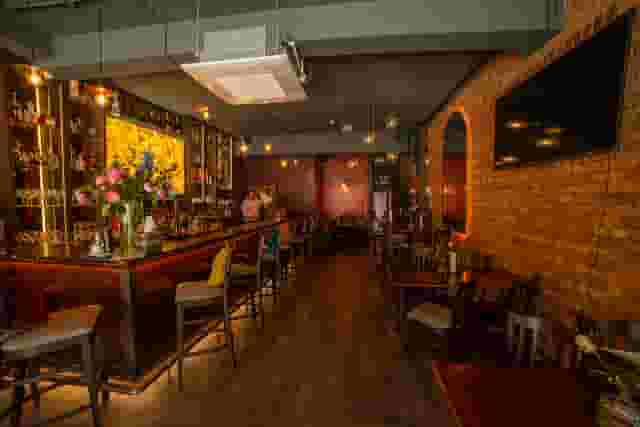
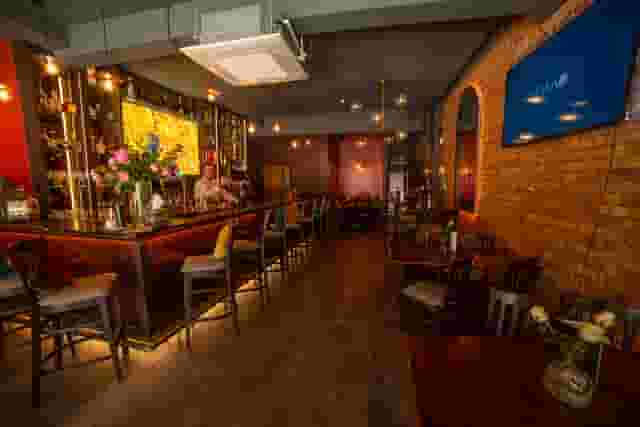








No venues match these filters
Try widening your capacity, luxury level or event type.
Don't have time to search? We'll find it for you.
For business events that need human judgement, talk to our team. Free for events of 100+ people, budgets over £10k or ongoing programmes.




Explore more venues in West London

Frequently asked questions
Are private rooms a must in West London bars?
What's the price range for West London bars?
How important is tech in West London bars?
What size venue is ideal for West London?
What defines a top West London cocktail bar?
Other platforms search their database. We search everything.
Tell us what you need. Our deep research finds any venue, whether it's in our marketplace or not. No one else does this.
About Cocktail Bars in West London
Selecting the right format for a West London cocktail event
Planning a corporate cocktail evening in West London requires matching your business objectives to the layout of the room. Corporate gatherings usually fall into three formats: networking drinks where colleagues or clients circulate freely, milestone celebrations that require short speeches before the music turns up, and focused client entertaining where comfortable seating and lower noise levels take precedence.
West London offers distinct architectural styles, each altering how guests interact. The borough of Kensington and Chelsea tends toward underground cocktail lounges and discreet basements. Further north and west, through White City, Hammersmith and Ealing, you find industrial conversions, multi-level venues with retractable glass roofs and purpose-built rooftops with wide terraces.
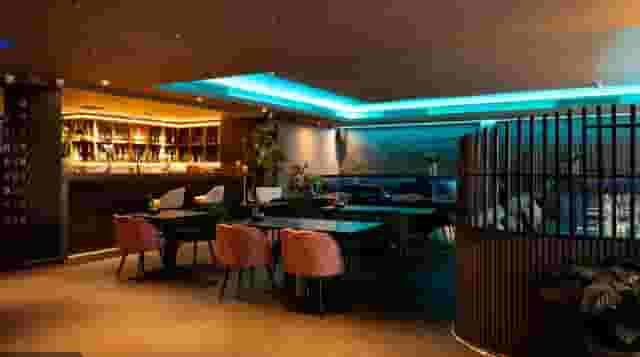
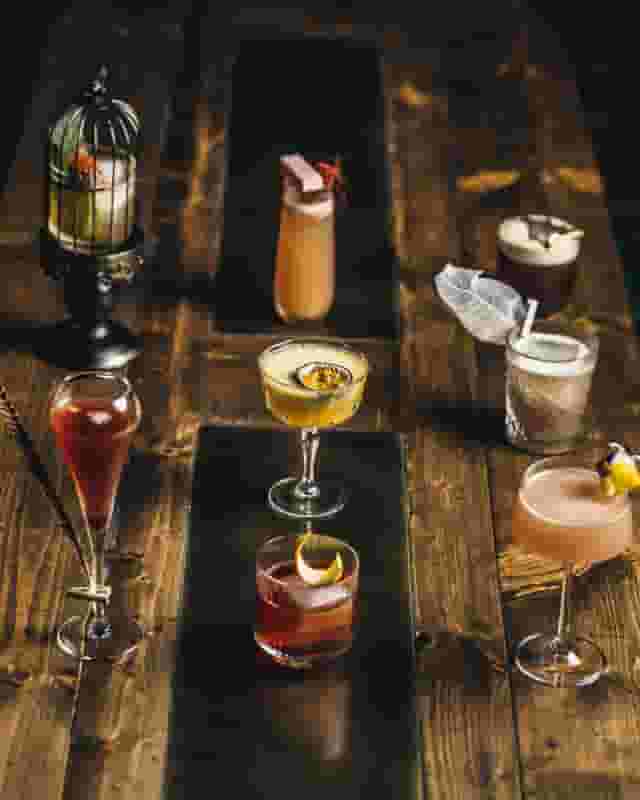
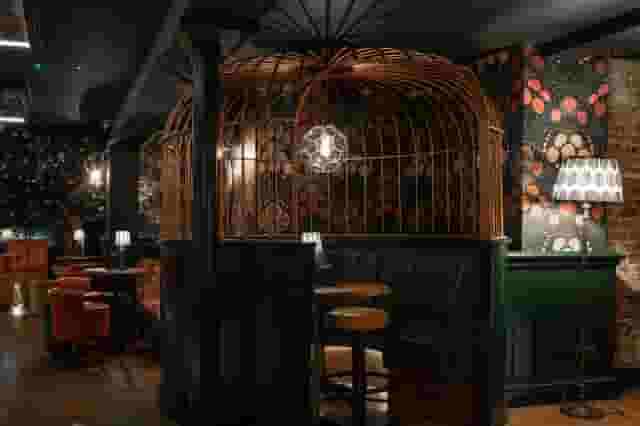
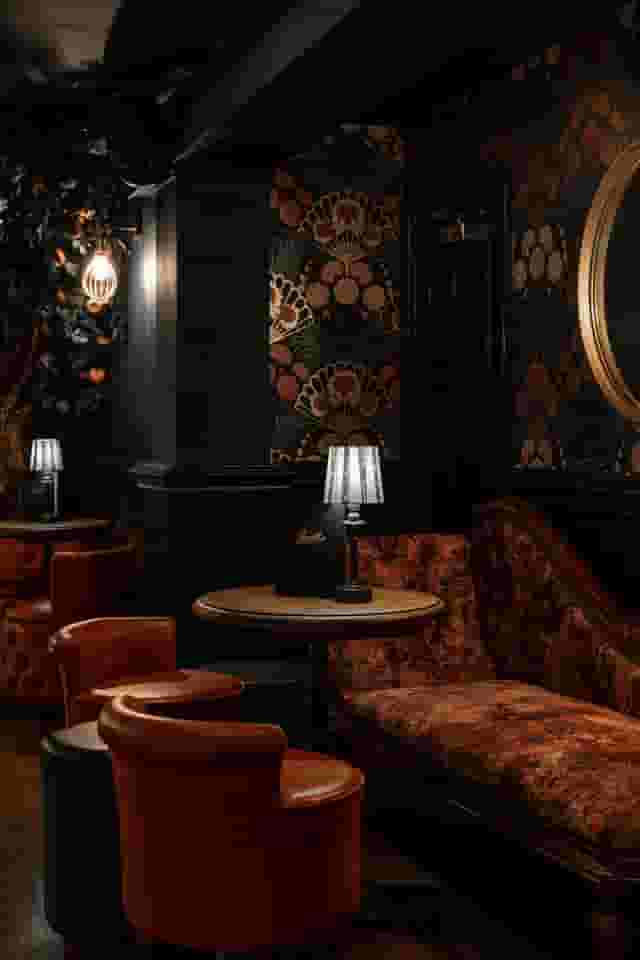
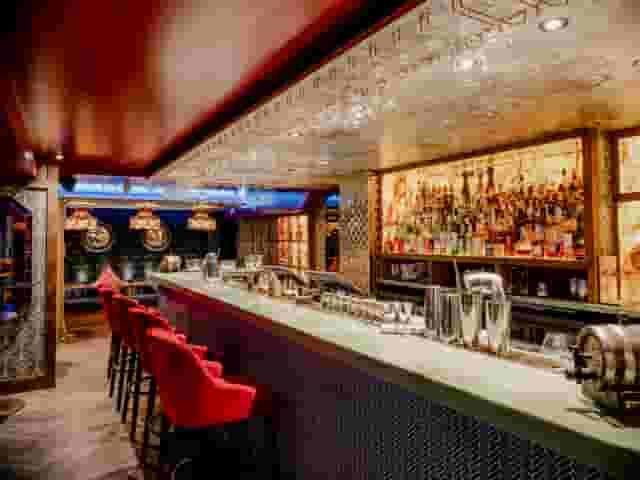
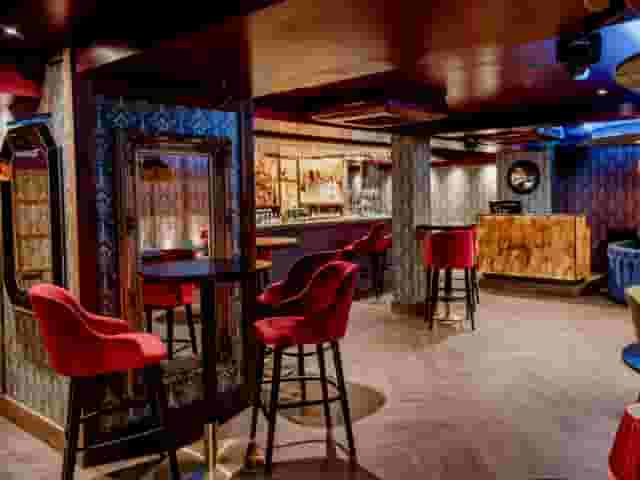
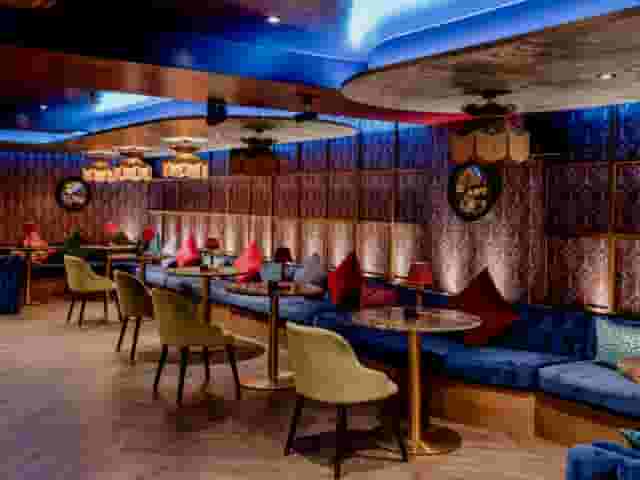
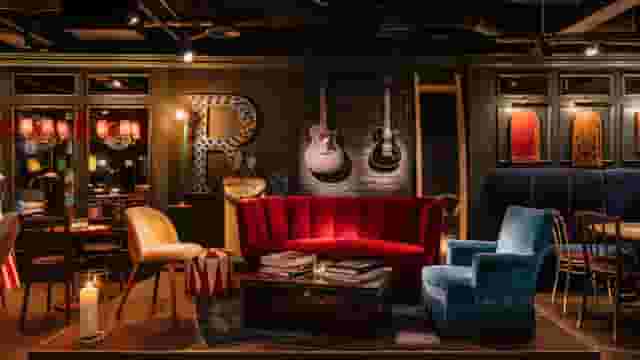
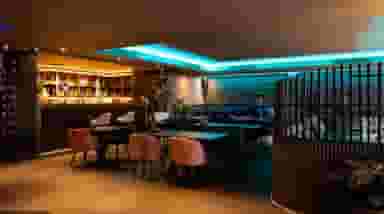
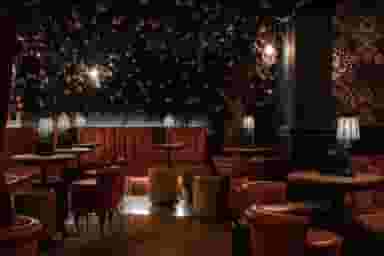
If your group wants an intimate atmosphere where conversation stays central, underground speakeasy spaces provide immediate character without requiring supplementary decor. Boha Chelsea offers The Shibeen, a 1920s speakeasy setting accommodating up to 150 guests standing, complete with its own private bar and mixology setup. A dedicated basement room like this keeps your attendees together from the first drink, preventing the drop-off that often happens when guests wander off to find secondary public bars.
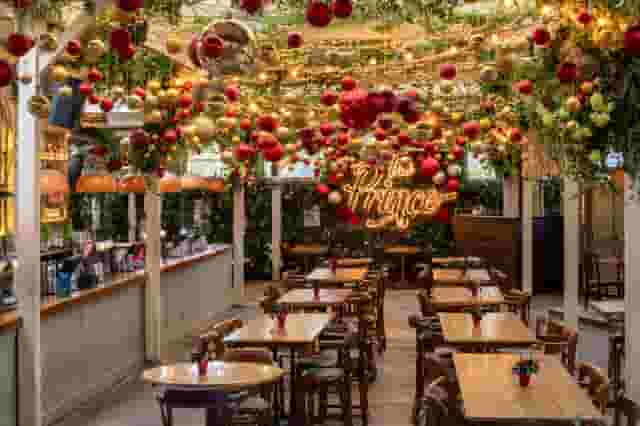
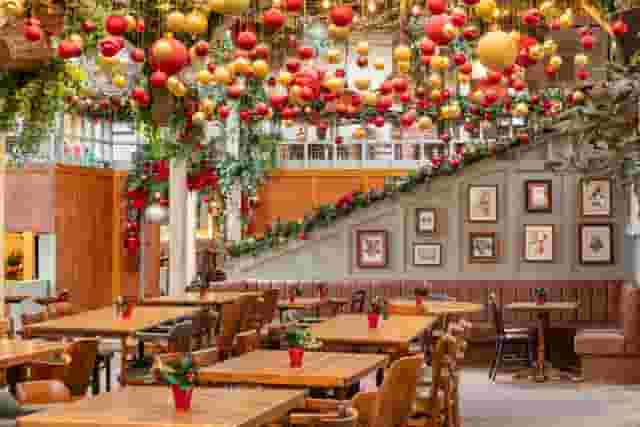
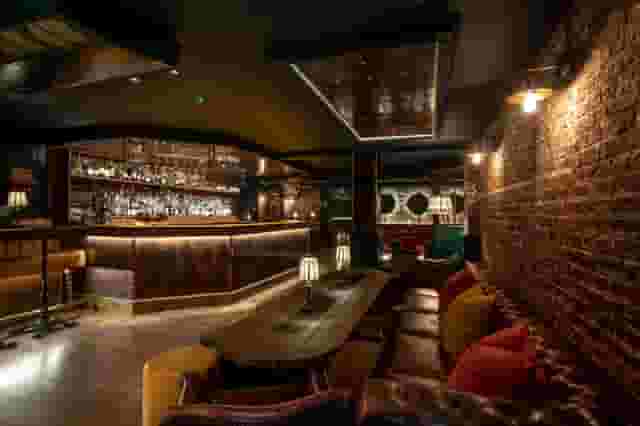
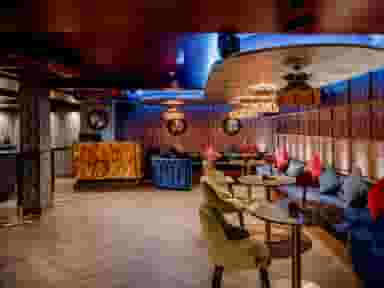
When your objective is an energetic celebration for a larger department, multi-floor or open-plan venues give guests room to spread out. The Prince in West Brompton accommodates up to 750 standing across three bars, a loft area and a garden covered by a retractable roof. A layout with multiple service points prevents long queues at the bar, which remains the single fastest way to stall conversation early in an evening.
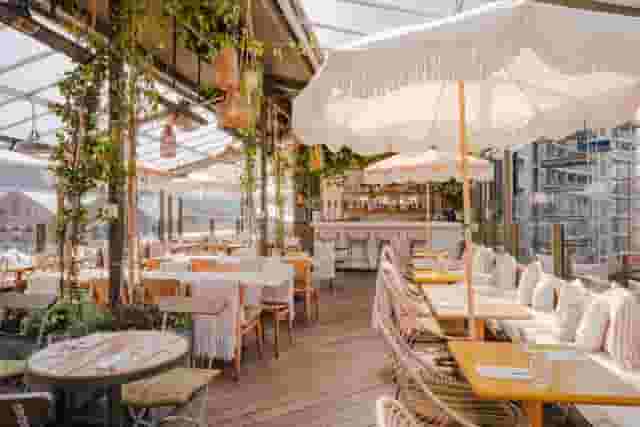
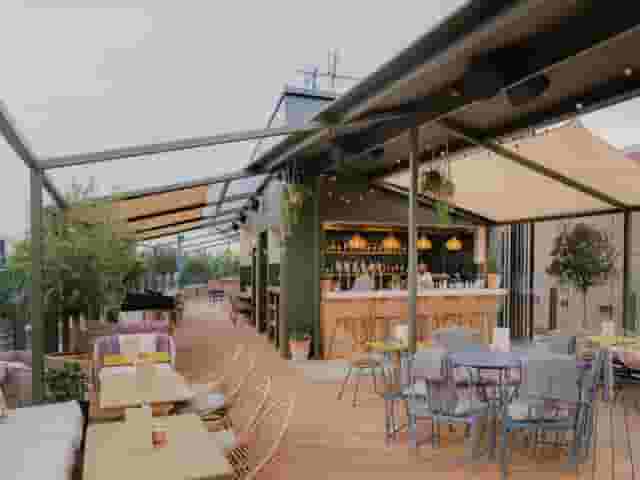
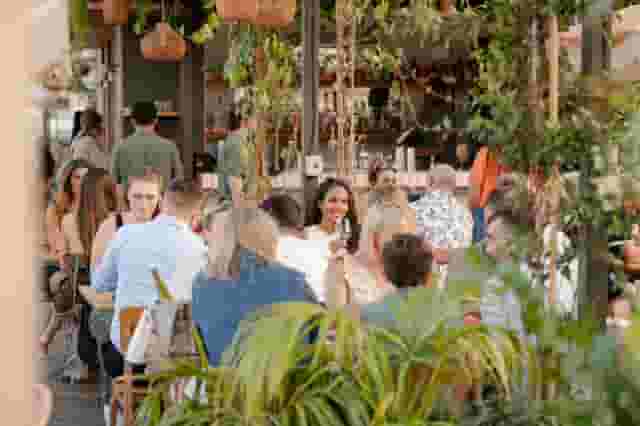
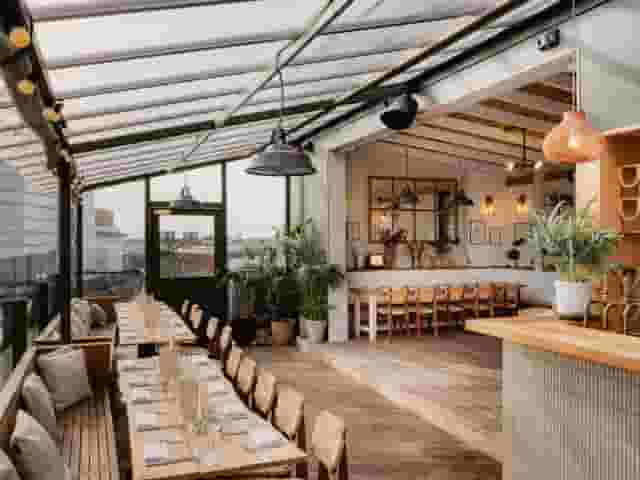
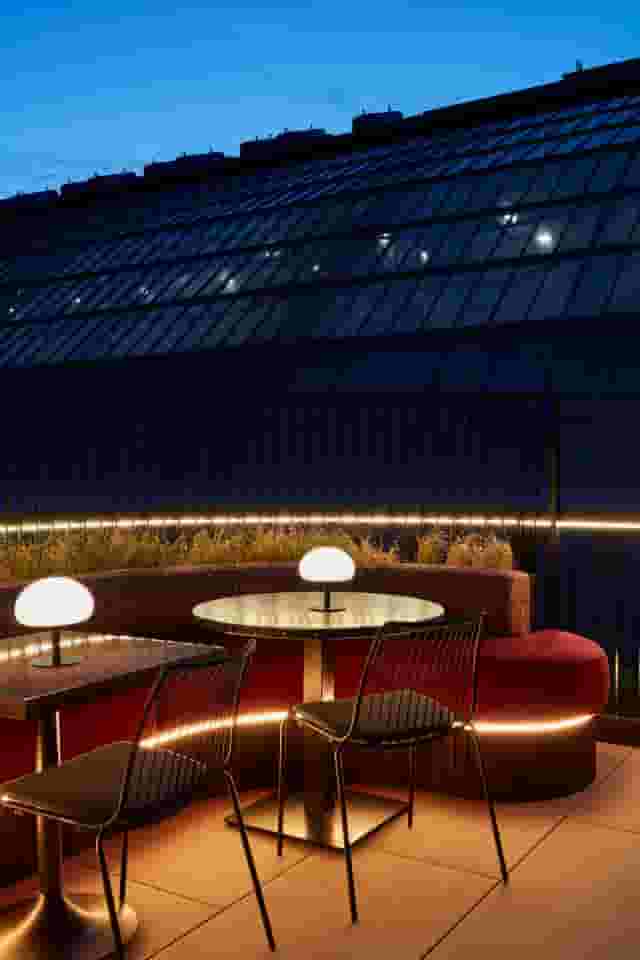
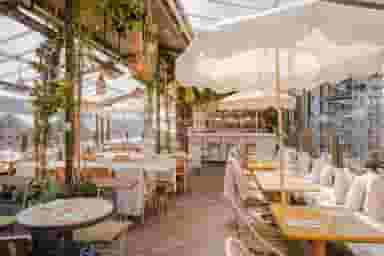
For events where daytime daylight transitions into evening drinks, covered outdoor areas work well throughout the year. The Broadcaster in White City features a covered heated rooftop, which holds up to 170 guests standing with heating, full cover, a dedicated bar and views across the surrounding city development. Spaces of this size allow organisers to hold brief welcome remarks outdoors before moving into heavier food service inside.
| Event Format | Typical Capacity | Best Suited For | Key Space Requirement |
|---|---|---|---|
| Intimate Reception | 40 to 150 guests | Client entertaining | Acoustic control, soft seating |
| Department Social | 100 to 300 guests | Summer or quarterly | Multiple bars, covered terrace |
| Company Party | 300 to 750 guests | End-of-year events | High-volume bar, zone layouts |
Managing privacy, sound levels and technical requirements
One of the earliest decisions you will make is whether to book an exclusive room, reserve a semi-private lounge or commit to a full venue buyout. A semi-private mezzanine can work well for informal after-work drinks, but company presentations, client thank-yous and sensitive conversations demand full physical boundaries.
Booking a private room gives your company ownership over the environment. You control the background music volume, the lighting levels and the timing of food service. You also avoid competing with public patrons for staff attention or toilet access. If a completely private room is outside your budget, look for semi-private zones that offer clear architectural screening, such as raised mezzanines, cordoned-off archways or distinct rear bars.
Acoustic management is critical for company cocktail events. High-ceilinged venues with hard surfaces like polished concrete, bare brick and large glass panes amplify chatter. When two hundred people fill an untreated room, guests must shout to be heard, leading to early fatigue. If your evening includes networking or executive presentations, inspect the soft furnishings. Heavy drapes, booth upholstery, wood panelling and low ceilings absorb mid-frequency sound, making speech far more intelligible.
Technical equipment in cocktail bars varies widely. Standard cocktail establishments focus on ambient background music through multi-zone speaker systems, whereas corporate events often require:
- A wireless handheld microphone for brief welcomes or company announcements
- A dedicated PA system or auxiliary input that cuts background music during speeches
- A screen or portable display for brief product reels or sponsor holding slides
- Independent lighting controls to shift the mood from presentation mode to party mode
- Clear electrical access and booth space if you plan to bring in a corporate DJ
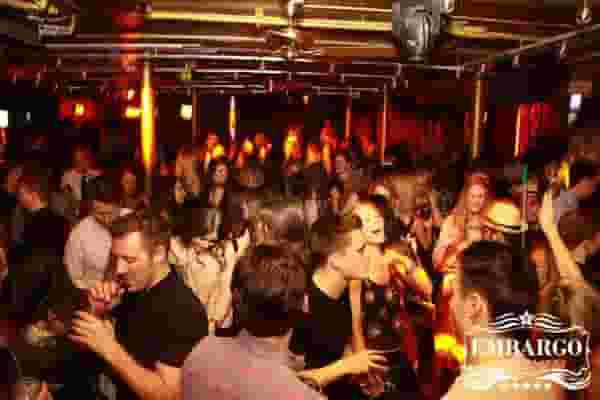
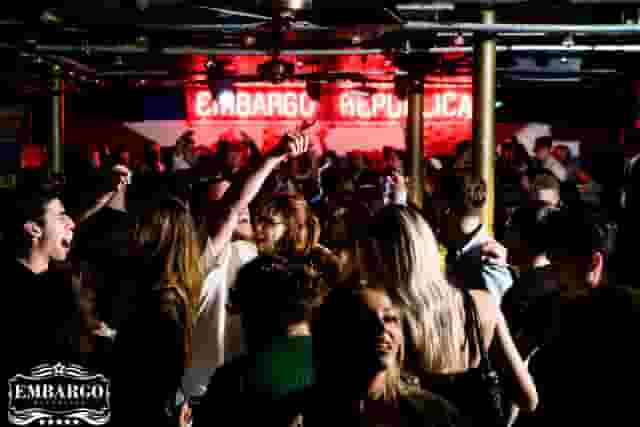
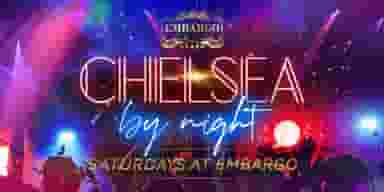
Venues designed for late-night entertainment handle sound transitions far better than standard hotel bars. Embargo Republica on King's Road in Chelsea holds up to 300 standing in its club space, which incorporates professional sound rigs, DJ booths, live music staging and an adjoining rooftop terrace. Having integrated audio gear saves thousands of pounds in third-party production hire, as you avoid bringing in external speakers, mixers and sound technicians.
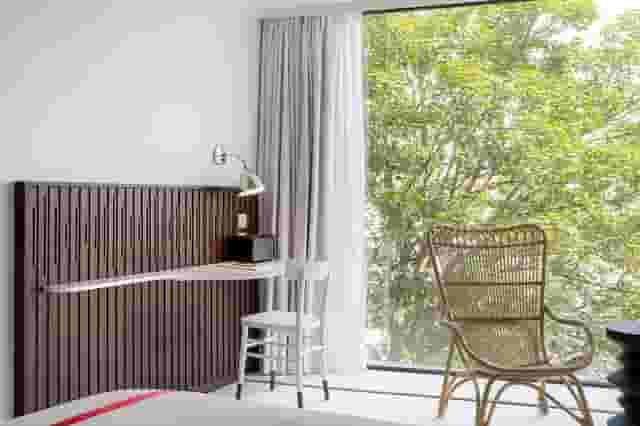
If your event requires guests to travel from regional offices or out-of-town hubs, choosing a space with on-site accommodation simplifies travel plans. Ruby Zoe Hotel & Bar in Notting Hill can host corporate receptions for up to 316 guests while offering bedrooms under the same roof, eliminating post-event taxi stress for visiting teams.
Understanding pricing, minimum spends and package structures
Budgeting for cocktail bars in West London typically involves either a minimum spend agreement or a set per-head package.
Our booking data indicates that cocktail events in this area typically cost £118 to £300 per head. This figure is based on 4 quotes from the venues on this page and assumes a party size of about 50 guests. Where your quote falls within that range depends on the day of the week, the duration of service, the premium tier of spirits requested and the volume of food required to sustain the group. To gauge your numbers before you enquire, Hire Space is an event planning and venue booking platform with a team of real people beside it to help manage the search. It generates instant price estimates drawn from genuine booking data for your guest count, suggesting similar cocktail spaces at lower rates if an initial quote sits outside your budget.
| Budget End | Typical Inclusions | Commercial Structure |
|---|---|---|
| Towards £118/head | House wines, draft beer, single spirit mixers, light finger food | Midweek hire, minimum spend threshold with standard drinks allowance |
| Towards £300/head | Full craft cocktail menu, premium spirits, substantial food courses | Prime Thursday or Friday buyout, unlimited drinks package, DJ licence |
When comparing quotes from venues across Kensington, Hammersmith, Fulham and Ealing, look closely at how the venue structures its charges:
Minimum spend agreements
Under a minimum spend, the venue waives a separate room hire fee provided your group spends an agreed total on food and drink. This model suits evenings where you want flexibility in what guests order. However, minimum spends carry risk if guest attendance drops below your forecast. If your 50 attendees only consume £4,000 against a £6,000 minimum spend, the business must settle the £2,000 difference as a room charge, yielding no food or drink in return. Always confirm whether the minimum spend includes VAT and the venue service charge (frequently 12.5% to 15% in London).
Per-head packages
Packages provide budget certainty for procurement and finance departments. A standard package covers a fixed reception duration, typically three to four hours, with unlimited house wine, beer, soft drinks and an agreed selection of mixed cocktails, accompanied by several rounds of canapes or bowl food. Check whether high-value spirits, sparkling wine, or custom cocktail creations are covered, or whether they trigger supplementary charges. Hire Space 360 is enterprise venue and hotel procurement for companies spending £1m or more a year on meetings and events: a managed meetings and events programme, the kind procurement teams call strategic meetings management. It brings every venue agreement and overnight stay under one contract with consolidated invoicing, ensuring team entertainment adheres to your company event policy. Finance leaders also gain live spend reporting and audit trails across all regional offices, with further details on how Hire Space 360 works for procurement.
Additional line items to review
Before signing, ask what is included in the base rate and what incurs an extra charge. Common extras that surprise organisers include:
- Security staff fees, especially for events running past 11:00 pm or exceeding 100 guests
- Cloakroom attendants, which should be included rather than charged to guests individually
- Dedicated bar staff ratios to guarantee that guests wait no longer than two minutes for a drink
- Cleaning fees for confetti, external decorations or post-midnight wrap-ups
Planning food service to complement cocktail menus
Alcohol-forward events require substantial, well-timed food. Serving strong, spirit-heavy drinks on empty stomachs cuts an evening short and risks unprofessional behaviour. When building your menu, balance canapes with hearty bowl food or hot food stations that provide sustained carbohydrates and protein.
Canapes serve as an opening icebreaker during the first 45 minutes, circulating while guests arrive and receive their initial glass. However, finger food alone rarely satisfies attendees attending straight from the office. Planning for three to four substantial food bowls per person, or setting up a dedicated hot food station, ensures guests stay on site rather than slipping out to nearby restaurants.
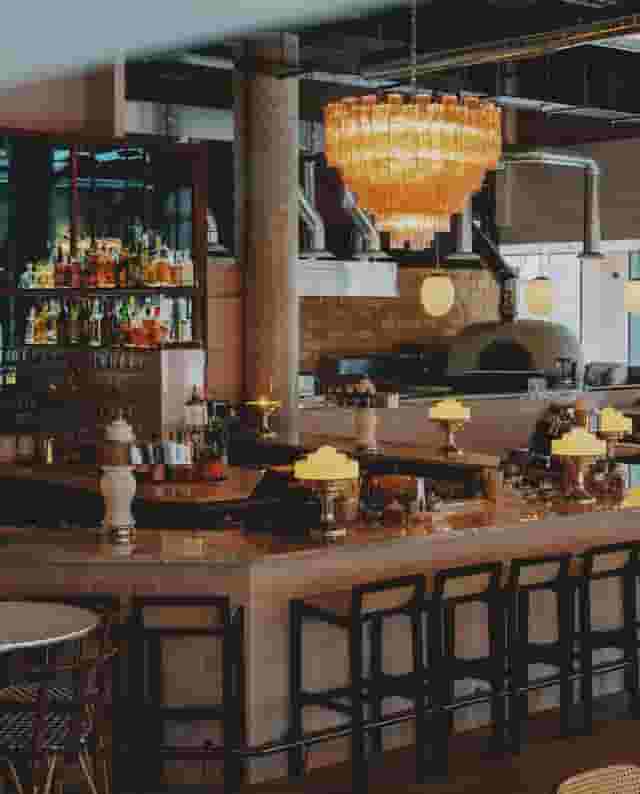
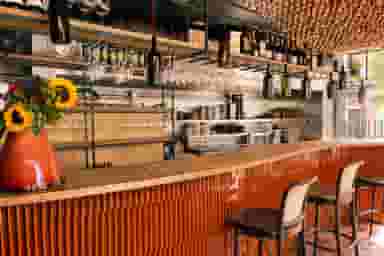
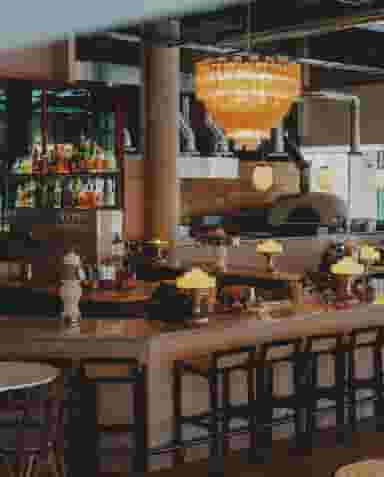
Certain venues integrate open kitchens or specialised culinary offerings into their bar layouts, turning food preparation into part of the evening entertainment. Teatro Hall in Ealing features an expansive central island bar alongside coal-fired pizza ovens and a dedicated tasting room, accommodating up to 400 guests for buffet-style events. Fresh, hot pizza slices circulating alongside craft drinks offer a dependable way to keep energy levels steady.
If you are planning a client dinner that segues into late-night cocktails, a structured dining format with strong culinary credentials provides better impact. Wolves of Tokyo at Olympia in Hammersmith offers an 80-seat dining room featuring an open kitchen, sushi counter and izakaya plates. Combining sharing dishes with tailored drinks gives the evening a deliberate rhythm before the space transitions into evening socialising.
For medium-sized office parties where casual, continuous dining suits the agenda, Smith's Cocktail Bar in Hammersmith accommodates buffets for up to 110 guests. Buffet stations allow attendees to eat on their own schedule rather than interrupting conversations for structured service courses.
When designing the bar menu, work with the head mixologist to select three or four cocktails that can be prepared rapidly or batched in advance. Specialty cocktails that require four minutes of individual muddling and shaking cause immediate bottlenecks at the bar. Offering one signature gin drink, one dark spirit option, a crisp spritz and a well-conceived alcohol-free cocktail keeps service brisk while catering to diverse guest preferences.
Navigating transport, licences and neighborhood curfews
West London spans multiple local authorities, including Hammersmith and Fulham, Kensington and Chelsea, and Ealing. Licensing rules and closing hours differ substantially across these boroughs, directly affecting how late your event can run.
Venues situated close to residential properties, particularly in Chelsea, Fulham and Notting Hill, frequently face strict outdoor noise curfews. Terraces and roof gardens often close at 9:00 pm or 10:00 pm, requiring guests to move indoors to comply with local council regulations. If your plan relies on an outdoor reception, confirm the exact time that patio doors must close and music must be turned off outside.
Transport connections should dictate your venue shortlist. West London benefits from major transit corridors:
- Central Line and Elizabeth Line stations, such as Ealing Broadway, provide rapid eastward routes for teams returning to central London or docklands offices.
- District Line and Piccadilly Line hubs at Earl's Court and Hammersmith serve southern and northern commuters reliably.
- The London Overground network connects West Brompton and White City directly to Clapham Junction and North London.
When an event finishes between 11:30 pm and midnight on a weeknight, proximity to major Tube lines or well-lit main roads with accessible taxi ranks is essential for guest safety. Venues situated on major thoroughfares allow black cabs and pre-booked cars to pull up without blocking narrow residential mews.
Finally, review the venue cloakroom capacity. A corporate cocktail reception in winter requires secure, staffed hanging space for hundreds of heavy coats, umbrellas and laptop bags. Ensure the cloakroom is situated away from the main entrance so arrivals do not create a crush at the door during the first half-hour of your event. Paying for an extra cloakroom attendant is a modest operational cost that dramatically improves your guests' first impression of the night.
What our customers say
Inspiration and planning guides

Watch a real brief turn into priced, available venues in 15 minutes
Chloe Richardson has spent 17 years in events. We gave Deep Venue Research one of her briefs and filmed every step, from the first questions to availability checked at the venues she chose.
Simple Events Win: Why Restraint Beats Spectacle
Budgets are tight and audiences want connection over spectacle. The events that land in 2026 are the deliberately simple ones. Here is how to edit rather than cut, grounded in the 2026 industry data, and why the right venue does the heavy lifting.

Why UK Event Calendars Got So Tight (And How to Book Smarter)
Lead times for UK corporate events are up 39% since 2022, based on Hire Space booking data. The calendar is tighter, conversion rates fall sharply when you leave it late and the peak windows are getting more crowded. Here is what the numbers say and what to do about it.
One supplier. Every venue. Full visibility on what you spend.
Multiple venues and events. One agreement.