Private Dining Rooms for Hire in London Bridge
Compare private dining spaces across London Bridge, from high-rise rooms in The Shard to historic riverside cellars with data-backed pricing.
13 Private Dining Rooms for Hire in London Bridge




No venues match these filters
Try widening your capacity, luxury level or event type.
Don't have time to search? We'll find it for you.
For business events that need human judgement, talk to our team. Free for events of 100+ people, budgets over £10k or ongoing programmes.




Explore more venues in London Bridge







Frequently asked questions
Can I host an informal event?
What's the cost of dining rooms here?
Are London Bridge venues tech-ready?
What size are London Bridge dining rooms?
How to find a unique dining room?
Other platforms search their database. We search everything.
Tell us what you need. Our deep research finds any venue, whether it's in our marketplace or not. No one else does this.
About Private Dining in London Bridge
Choosing the right style of private dining room in London Bridge
London Bridge is one of the most accessible commercial junctions in the capital, making it a primary target for corporate dinners, leadership gatherings and client entertainment. The transport interchange links direct mainline rail from Kent, Sussex and Surrey with the Northern and Jubilee underground lines, while the City of London sits just across the river. Because guests can reach the area easily and depart quickly after dinner, attendance rates for evening events here tend to remain high.
The local dining stock splits into distinct architectural profiles. Choosing the right profile depends on whether your dinner prioritises private conversation, visual spectacle or culinary prestige.
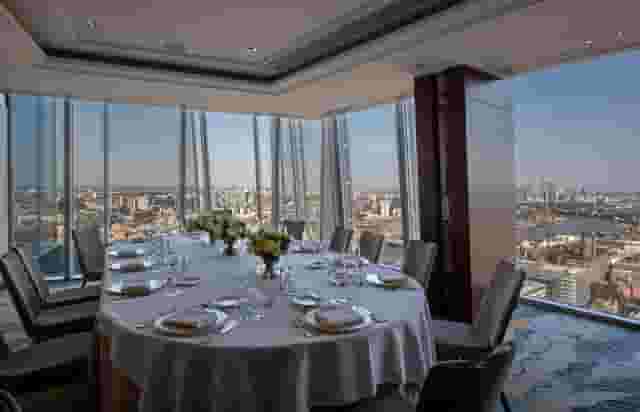
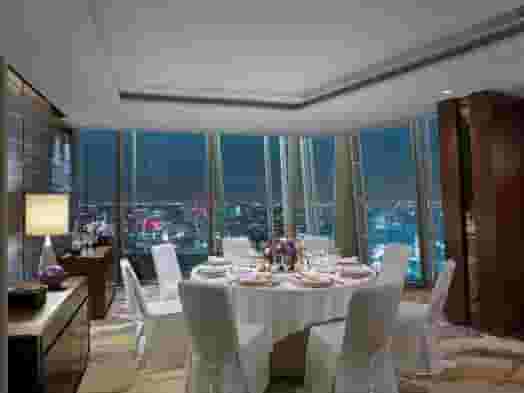
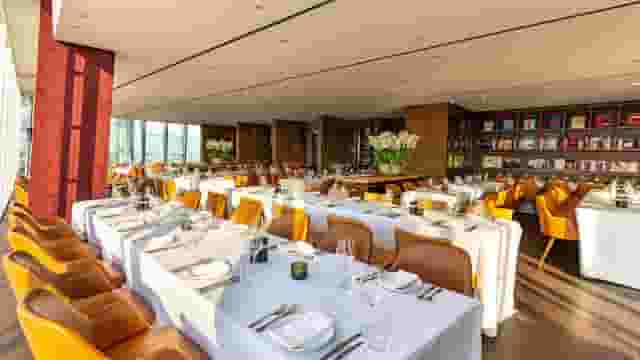
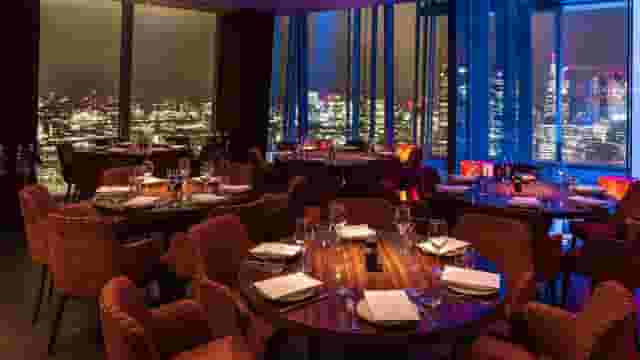
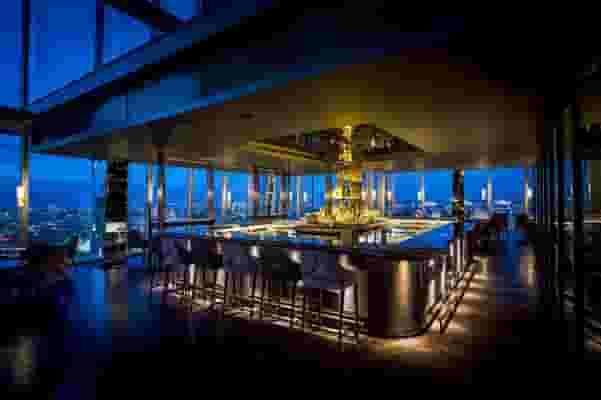
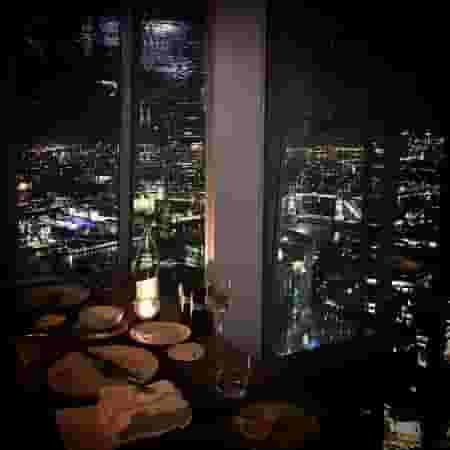
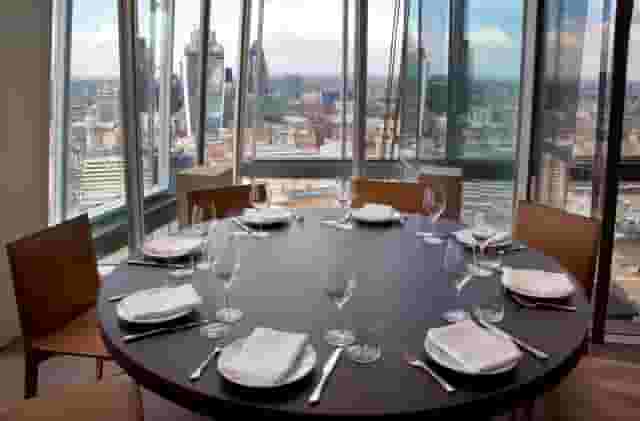
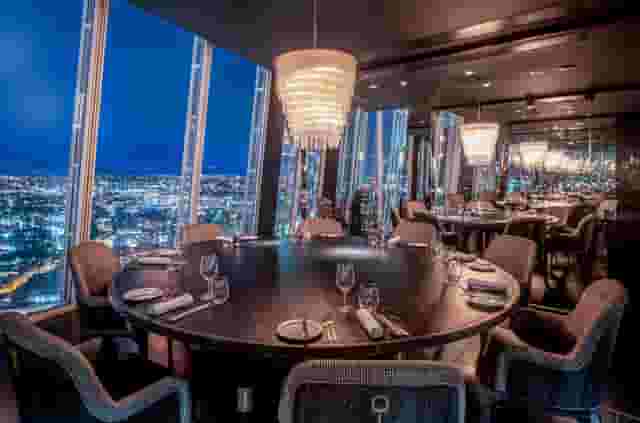
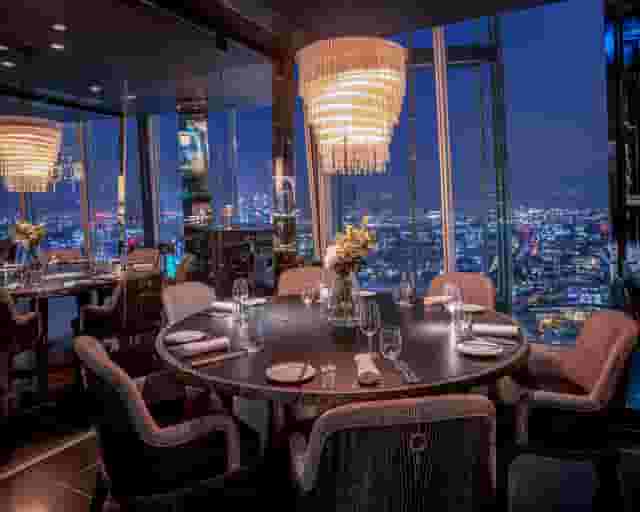
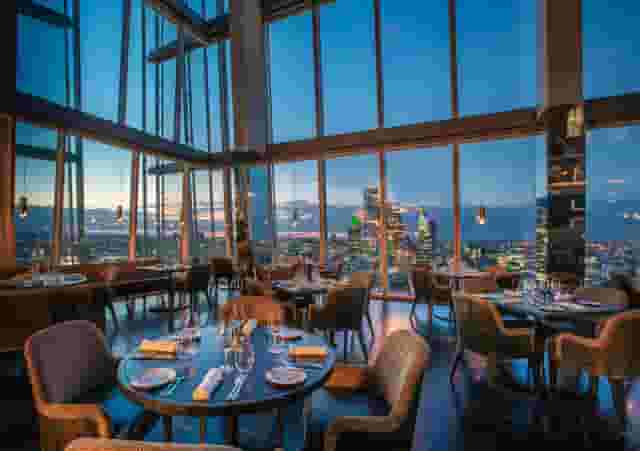
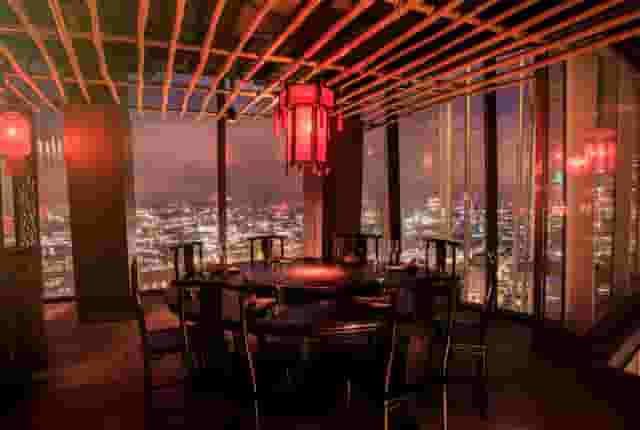
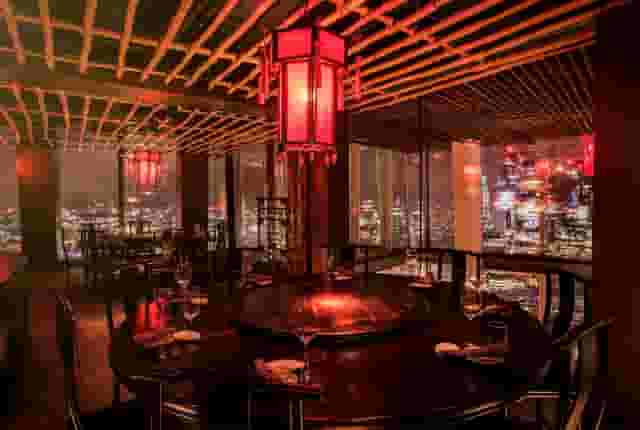
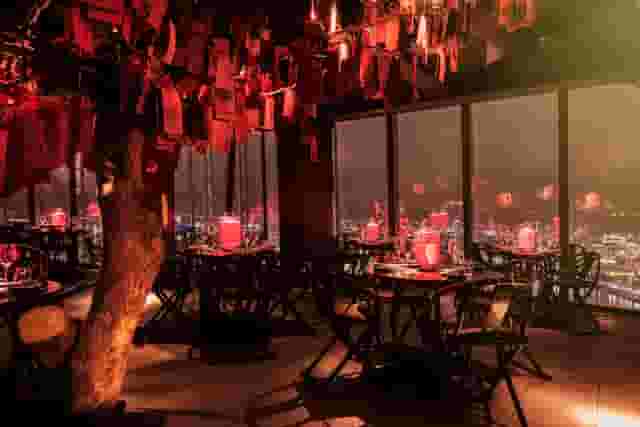
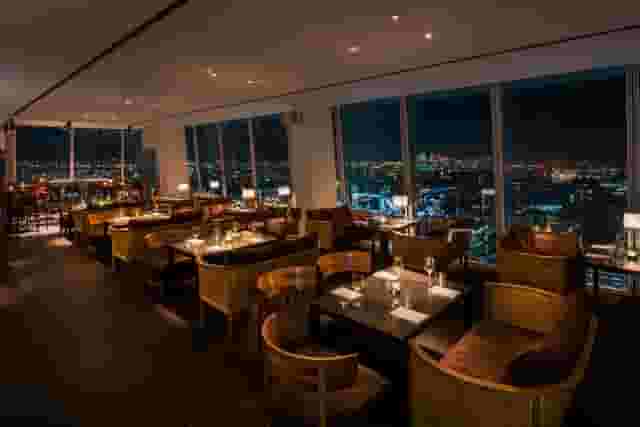
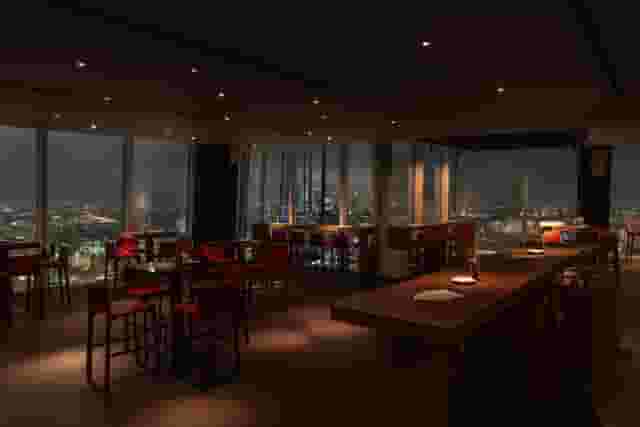
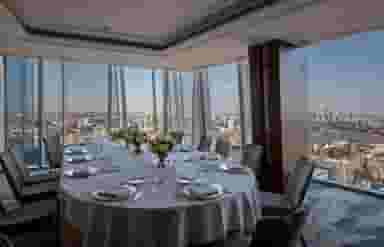
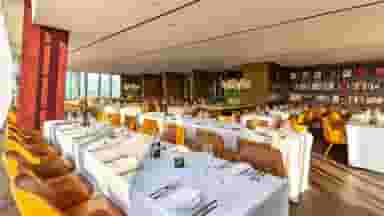
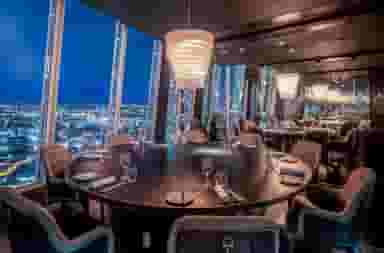
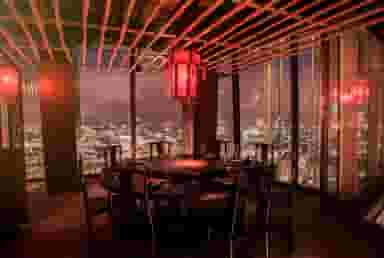
High-altitude dining rooms provide an immediate talking point for guests who are visiting London or attending an annual milestone event. Rooms on upper levels give your attendees an expansive view across the capital, creating an impressive backdrop without requiring additional decor. In this category, the Private Dining Room at Aqua Shard accommodates a reception for 60 guests against glass walls, while the Beijing Private Dining Room at Hutong seats 26 guests with standing capacity for 50, framed by traditional red lanterns and skyline views. These rooms suit partnership announcements, executive celebrations and senior client dinners where the setting does the heavy lifting.
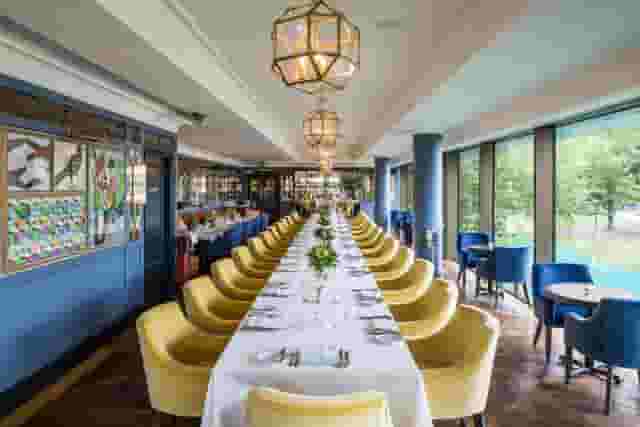
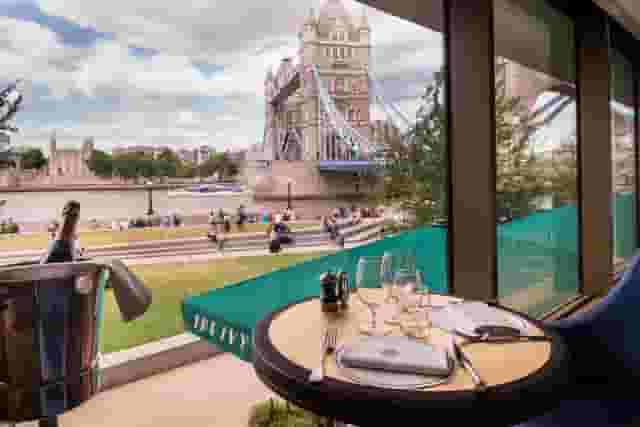
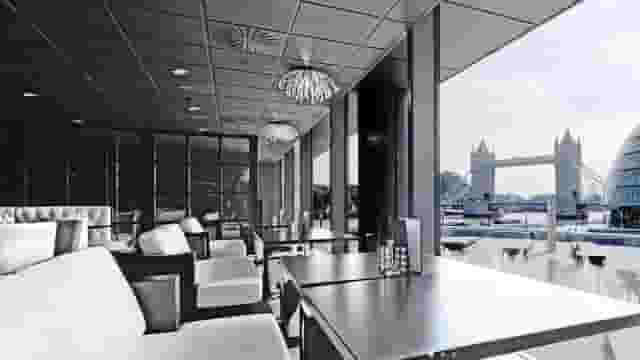
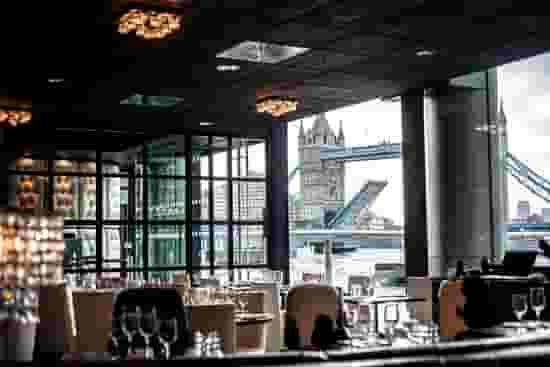
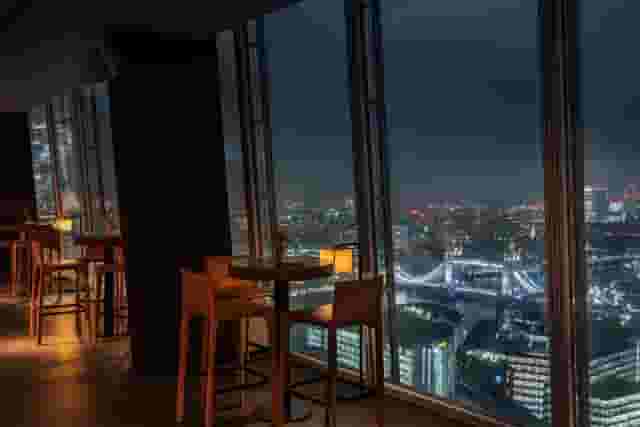
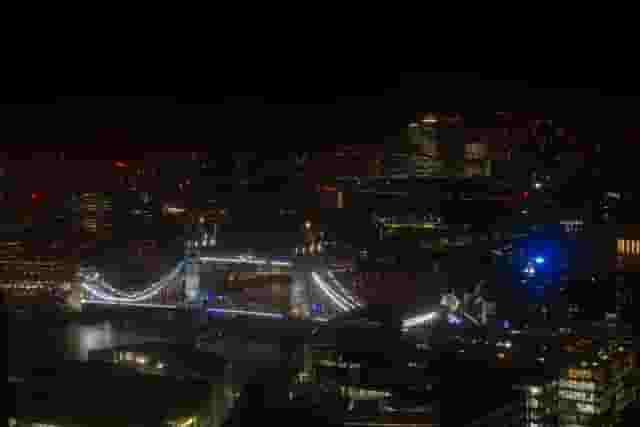
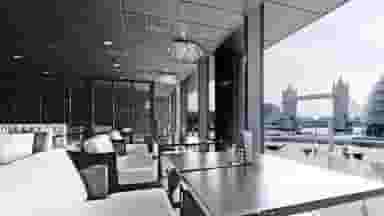
Riverside dining spaces offer a grounded alternative that still delivers views of the water and historic crossings. Looking directly out over the Thames, The Tower View Private Room at The Ivy Tower Bridge seats 25 guests for formal meals and holds up to 150 for standing events. Nearby, the whole venue hire at Tower Bridge (Gaucho) accommodates seated dining for 100 guests, giving larger corporate dinners room to spread across an entire riverside property with an Argentinian steak menu.
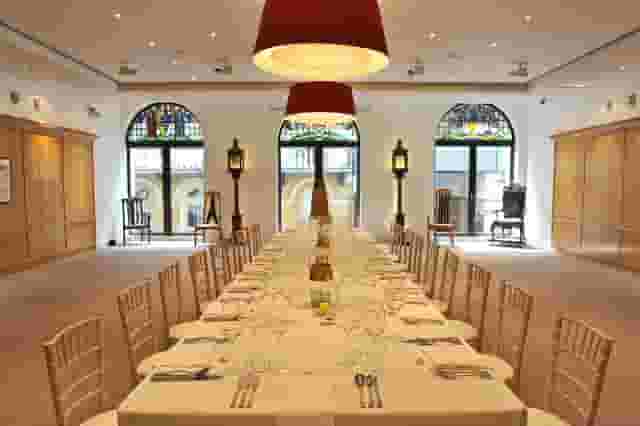
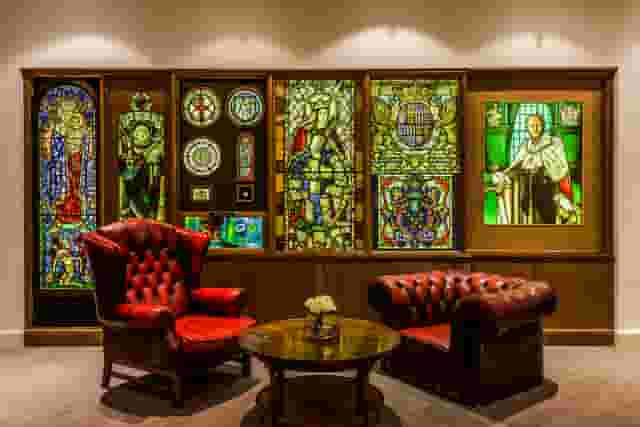
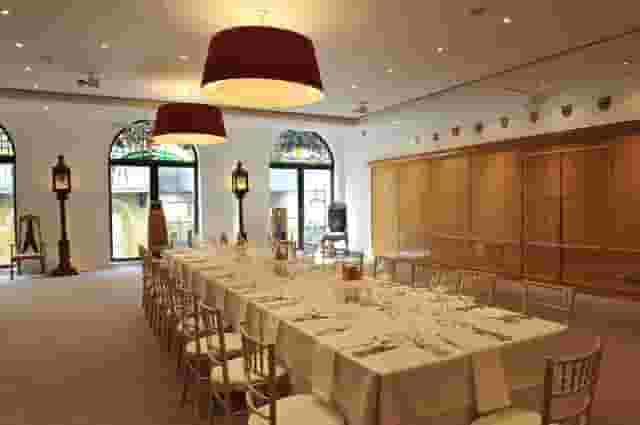
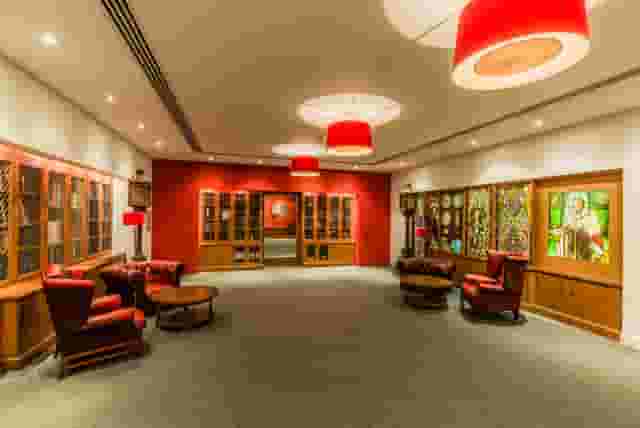
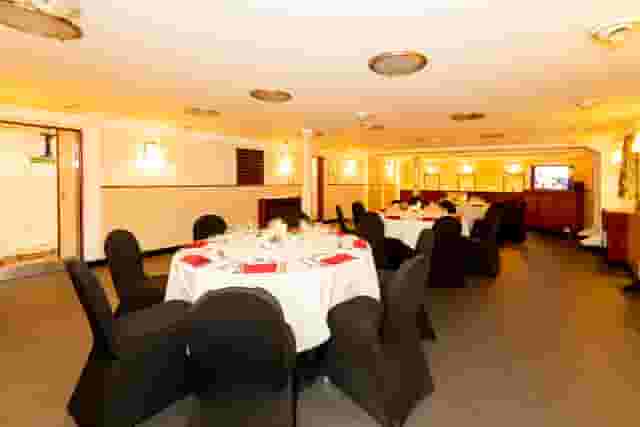
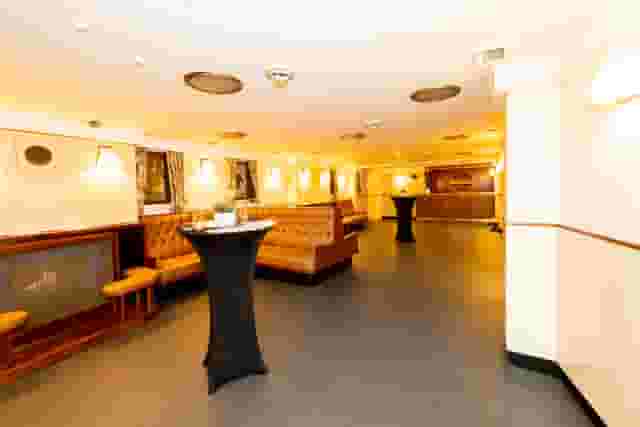
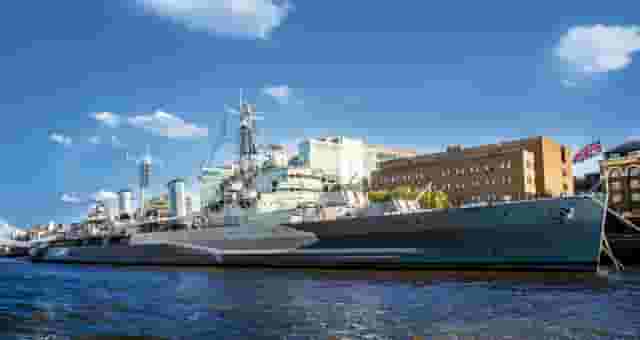
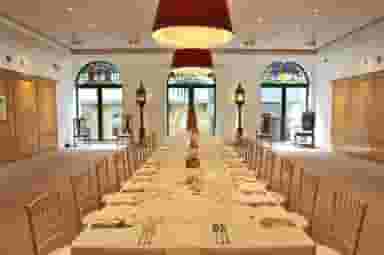
Historic and maritime settings suit dinners where character and privacy are more important than contemporary glass facades. Spaces with architectural heritage often provide thicker walls, separate street entrances and deeper acoustic separation from public bar areas. The London Bridge Arches at Glaziers Hall offers exposed brick vaulting, stone floors and an adjoining wine cellar for receptions of 110 guests. For an unusual dinner setting, the Ward and Ante Room on HMS Belfast hosts receptions for 100 guests within the preserved Officers' Mess rooms on the river.
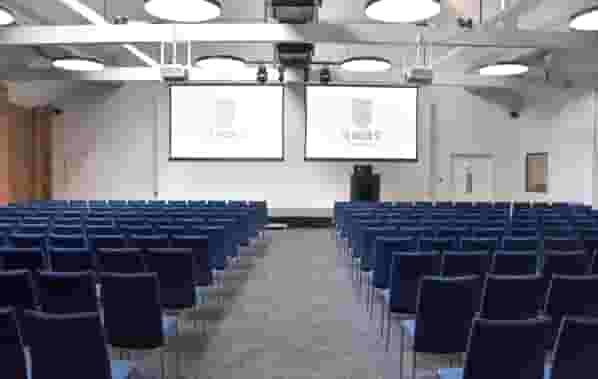
Where culinary reputation leads the evening, Michelin-calibre dining rooms draw senior stakeholders who value focused menus and wine pairings. Private hire at Restaurant Story accommodates seated groups of up to 40 guests and standing receptions of 70, putting the kitchen's craft at the centre of the guest experience. For large corporate dinners that require a daytime conference or presentation directly beforehand, modern event centres bridge the gap. The Main Hall at 10 Union Street provides daylight and integrated audiovisual infrastructure for standing receptions of up to 400 guests, allowing organizers to pair structured meetings with evening dining under one roof.
Budgeting and menu pricing in London Bridge
Private dining costs across London Bridge reflect both the square footage of the space and the reputation of the kitchen. Based on 6 quotes from the venues on this page for about 60 guests, private dining in this area is typically £101 to £266 per head. This figure assumes that party size and is indicative, estimated from what these venues have charged for similar events. To help navigate these costs, Hire Space is a venue booking platform supported by a team of real people who oversee the process. It delivers data-backed price estimates based on historical figures for your group size, shortlisting private dining rooms in minutes and suggesting lower-cost alternatives if a preferred space stretches the budget.
The gap between the lower and higher ends of this bracket comes down to menu complexity, beverage selections and the commercial structure of the booking.
Towards the £101 end, you are looking at standard three-course set menus with house wine pairings, mineral water and filter coffee, often booked on a Monday, Tuesday or lunchtime sitting. These lower-bracket packages work well for departmental celebrations, internal networking dinners and informal client catch-ups where a solid meal matters more than vintage cellar access.
Towards the £266 end, packages feature multi-course tasting formats, premium champagne on arrival, paired fine wines, digestive trolleys and room hire charges that protect prime Thursday or Friday evening covers. High-elevation venues and Michelin-starred dining rooms naturally sit toward this upper bracket because their baseline food costs and cover demands are higher.
Private dining quotes generally follow one of two financial structures:
- A minimum spend model: The venue waives a room hire fee, provided your food and beverage spend reaches an agreed threshold. If your party drinks and eats enough to clear that threshold, you pay only what you consume plus service charge and VAT. If your final bill falls short, the venue charges the difference as a room hire fee.
- A fixed package model: The venue charges a flat per-person fee that covers a set menu, a welcome drink, half a bottle of wine and tea or coffee, sometimes alongside a modest room hire fee.
| Cost element | Typical market baseline | What to check before signing |
|---|---|---|
| Set menu food | Three courses, bread service, filtered water | Number of choices per course, dietary surcharges |
| House wine allowance | Half bottle per guest | Variety of grape options, retail mark-up on top-ups |
| Service charge | 12.5% to 15% added to total spend | Whether the charge applies to minimum spend shortfalls |
| Audiovisual hire | Wi-Fi usually included, screens charged extra | Provision of microphones, display patch leads, technician support |
| Linen and place cards | Basic white linen included | Surcharges for bespoke table setups or branded stationery |
When working with a minimum spend, always calculate what your guest count will realistically consume. If you have 20 attendees in a room requiring a £3,000 minimum spend, each guest must account for £150 in consumption. If your group includes light drinkers or finishes early, you might find yourself ordering bottles of vintage spirit at the end of the night just to hit the contracted target. In those cases, negotiating an upgraded dessert wine course, canapes on arrival or paired cheese boards helps you reach the minimum through structured hospitality rather than wasteful bar spend.
Always clarify service charge rules. Most venues apply a discretionary 12.5% or 15% charge to the subtotal. Check whether that service charge counts toward the minimum spend or sits on top of it. A £4,000 minimum spend that excludes service will generate a final bill of £4,600 before any incidental extras are added. Hire Space 360 is enterprise venue and hotel procurement for companies spending £1m or more a year on meetings and events: a managed meetings and events programme, the kind procurement teams call strategic meetings management. It consolidates all venue bookings and overnight stays onto a single contract with centralised invoicing, keeping corporate entertaining aligned with internal event policy. Dedicated venue sourcing specialists manage each account, giving finance teams clear spend reporting and audited savings across every department.
Room layouts, acoustic privacy and technical requirements
When organising a dinner for business guests, the physical configuration of the room sets the dynamic for the entire evening. A room that feels spacious during arrival can turn cramped once waiting staff circulate with trays, while a table layout that separates key executives can undermine the purpose of the booking.
Table layouts and spatial flow
The three standard configurations each suit different group sizes and objectives:
- Single boardroom table (up to 24 guests): This setup keeps everyone in a shared conversation. It works best for executive boards, senior negotiations and client pitches. The limitation is conversational reach: guests can talk comfortably only to the people sitting directly opposite or beside them.
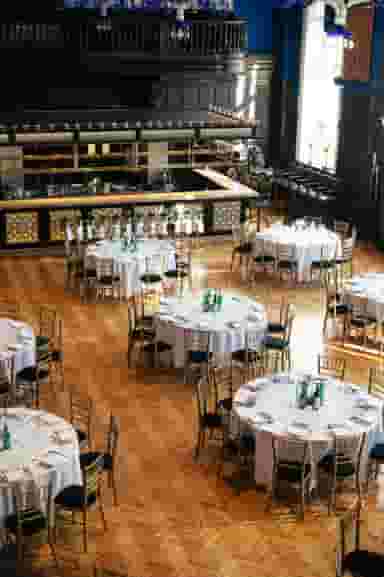
- Multiple round tables (20 to 100 guests): Rounds of eight or ten break a large dinner into intimate conversational hubs. This is the practical choice for team dinners, awards evenings and networking meals. Place a table host on each round to keep discussions moving.
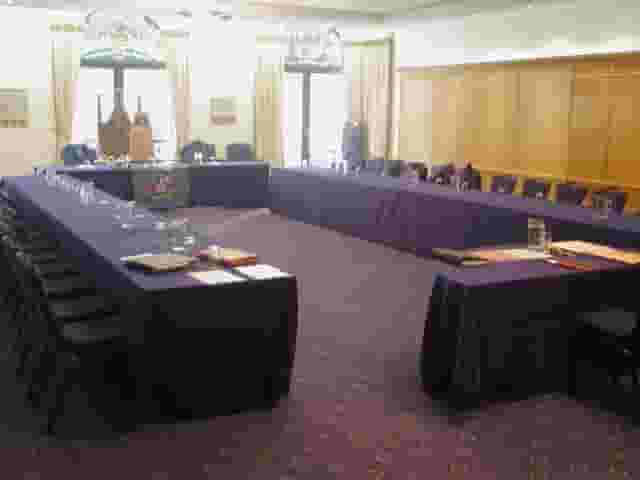
- Horseshoe or U-shape (15 to 35 guests): This arrangement keeps sightlines open toward a screen or a speaker at the open end. It works well when speeches, awards or quarterly presentations happen throughout the meal.
Acoustic isolation and presentation technology
One of the most frequent surprises for private dining organisers is acoustic bleed. Some venues advertise private dining rooms that are separated from the main restaurant only by a heavy curtain, a slatted timber partition or half-height glass. If your dinner involves proprietary business results, candid client discussions or formal toasts, insist on a fully enclosed room with a solid, closeable door.
Technical readiness varies significantly across London Bridge dining rooms. While some spaces come fully equipped for corporate presentations, others provide only guest Wi-Fi and ambient lighting. If you plan to run a slide deck or deliver opening remarks, confirm the technical capabilities during your initial inspection.
- Display screens: Ask whether the room features a permanent television screen or projector. If a portable screen must be wheeled into the room, check whether power sockets sit near the screen position and whether cables can be taped down out of the service path.
- Sound reinforcement: For groups larger than 30 guests, ambient restaurant noise and cutlery clatter make unamplified speaking difficult. Check whether the room supports a handheld or lapel microphone, and whether the background music system can be muted independently from the main dining room.
- Presentation connectivity: Ensure your presenter has access to HDMI, USB-C or reliable wireless casting connections. Request a ten-minute technical run-through before guests arrive to avoid troubleshooting display resolutions while clients wait with champagne glasses.
- On-site support: Clarify whether an in-house facilities technician is on duty during the evening, or if venue waiting staff handle AV adjustments.
Structuring the dinner schedule and menu choices
A business dinner requires deliberate pacing. If service runs too slowly, conversation drags and guests slip away before the closing remarks. If service moves too fast, attendees feel rushed through an expensive meal.
The running order
A dependable evening schedule allows 45 minutes for drinks on arrival, giving latecomers a buffer without delaying food service.
- 18:30: Guest arrival, coats checked, sparkling wine and water offered.
- 19:15: Call to sit, bread service, water glasses filled.
- 19:30: Starter served.
- 20:10: Main course served, wine topped up.
- 21:00: Dessert served, tea and coffee ordered.
- 21:30: Formal speeches or closing remarks.
- 22:30: Carriages and departure.
Placing speeches after dessert rather than before the starter is usually the safer choice. Hungry guests make a poor audience, and delivering speeches early can cause kitchen plating times to slip, leading to cold starters and overcooked proteins. If you must run a presentation before food, keep it under fifteen minutes and ensure guests have a drink in hand.
Managing pre-orders and dietaries
For groups larger than 12 people, almost all London Bridge restaurants require a set menu or a pre-order collected in advance. Offering guests a choice of three starters, three mains and two desserts is standard practice, but compiling those choices across a corporate group takes time.
Send out menu selection requests at least three weeks before the dinner, setting a firm return deadline two weeks out. Venues typically lock kitchen orders seven to ten days before the event date. Always ask attendees to specify allergies, intolerances and ethical requirements explicitly rather than assuming a standard vegetarian option covers all bases.
Print individual place cards displaying each guest's name alongside their pre-ordered selections. Waiting staff can then glance at the card and serve plates smoothly without interrupting conversations to ask who ordered the sea bass.
Wine should be pre-selected at least two weeks before the event. Relying on guests to order bottles from the wine list on the night slows down early service, creates uneven consumption across tables and risks unexpected billing spikes. Selecting a solid white, a versatile red and a non-alcoholic botanical option ensures the waiting staff can pour drinks the moment guests sit down.
Travel, venue access and end-of-night transport
London Bridge is a bustling commercial quarter with complex pedestrian routing around the railway viaducts, Borough Market and the river walkways. Clear transport instructions prevent attendees from wandering the streets looking for hidden side-street entrances.
London Bridge station serves as the central hub:
- Mainline rail: Thameslink routes connect directly north to St Pancras International and south to Gatwick Airport and Brighton. Southeastern services connect directly to Charing Cross, Waterloo East, Cannon Street and Kent.
- London Underground: Jubilee line trains provide quick links to Canary Wharf and the West End, while the Northern line bank branch runs straight into the City and King's Cross.
- River services: Uber Boat by Thames Clippers calls at London Bridge City Pier, giving guests travelling from Canary Wharf or Westminster an alternative approach.
When writing invitations, include the exact street address, the nearest station exit and precise instructions for finding the private room once inside the building. Large venues with multiple floors or complex reception lobbies can be intimidating; inform the front-of-house team of your party's name so doormen can direct guests immediately to the correct lift or staircase.
Accessibility requires specific attention, particularly in historic riverfront properties or older converted warehouses. Check whether the private dining room offers step-free access from the street, whether lifts accommodate wheelchairs, and whether an accessible toilet is located on the same floor as the dining room. Venues located within deep brick cellars or aboard historic vessels sometimes rely on narrow spiral stairs or steep gangways, which will not work for guests with reduced mobility.
For the end of the evening, ensure your venue has a managed taxi drop-off and collection point. While London Bridge has an official black cab rank on the St Thomas Street side of the station, hail-riding apps frequently struggle with navigation around pedestrianised riverside zones. Directing guests toward a named hotel forecourt or a broad through-road makes boarding cars home simple and stress-free.
What our customers say
Inspiration and planning guides

Watch a real brief turn into priced, available venues in 15 minutes
Chloe Richardson has spent 17 years in events. We gave Deep Venue Research one of her briefs and filmed every step, from the first questions to availability checked at the venues she chose.

Simple Events Win: Why Restraint Beats Spectacle
Budgets are tight and audiences want connection over spectacle. The events that land in 2026 are the deliberately simple ones. Here is how to edit rather than cut, grounded in the 2026 industry data, and why the right venue does the heavy lifting.

Why UK Event Calendars Got So Tight (And How to Book Smarter)
Lead times for UK corporate events are up 39% since 2022, based on Hire Space booking data. The calendar is tighter, conversion rates fall sharply when you leave it late and the peak windows are getting more crowded. Here is what the numbers say and what to do about it.
One supplier. Every venue. Full visibility on what you spend.
Multiple venues and events. One agreement.