Private Dining Rooms in London
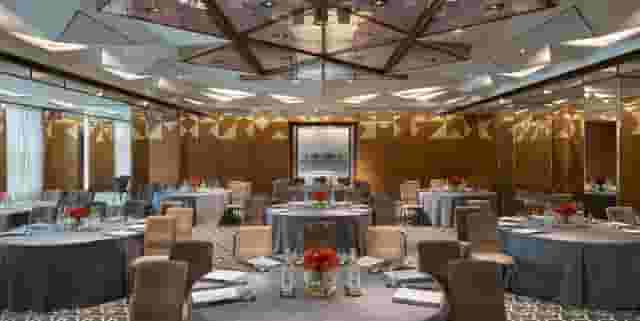
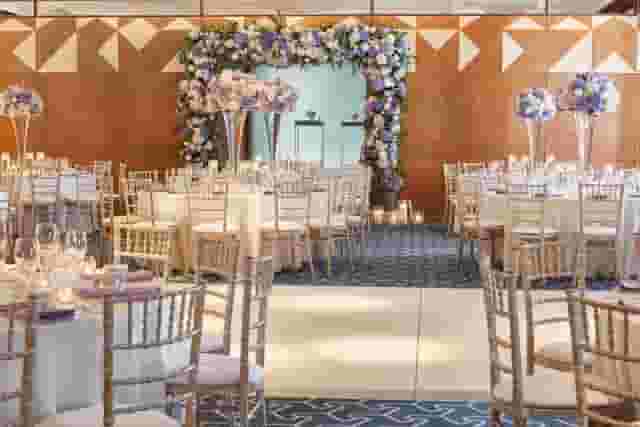
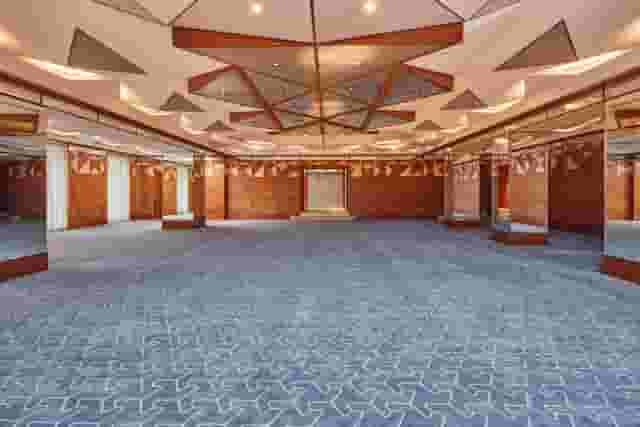
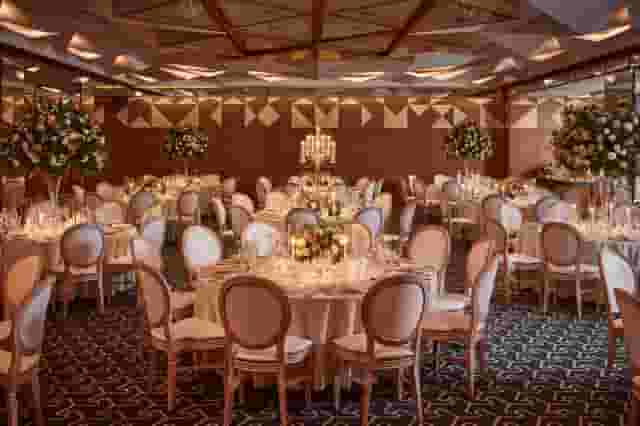
Explore top private dining rooms in London for 100 guests, perfect for corporate events and special occasions.
33 Private Dining Rooms in venues in London










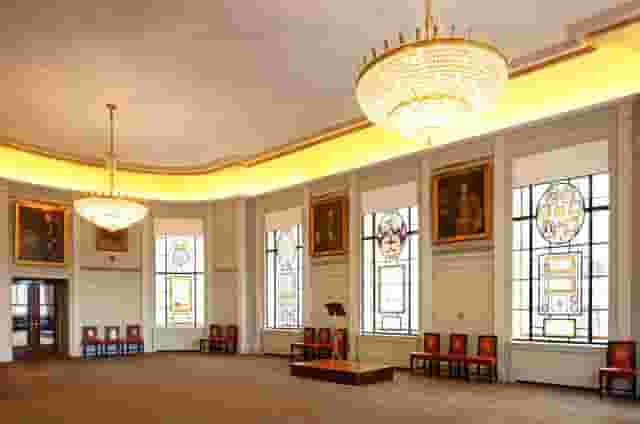
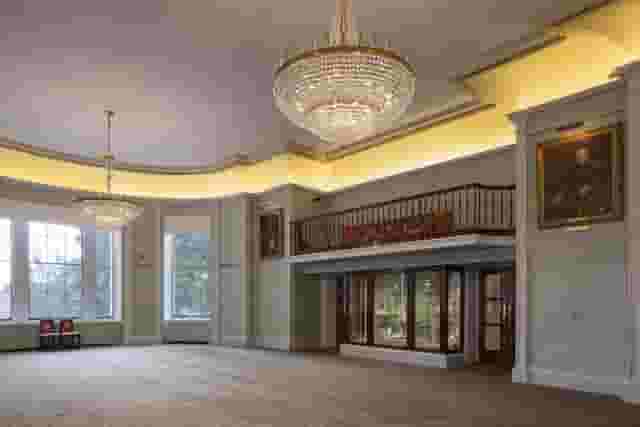
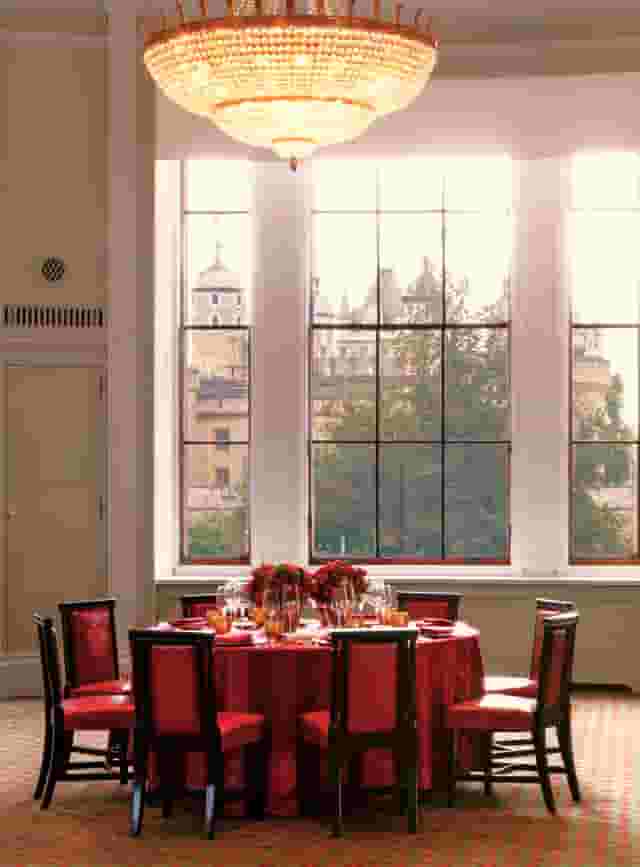
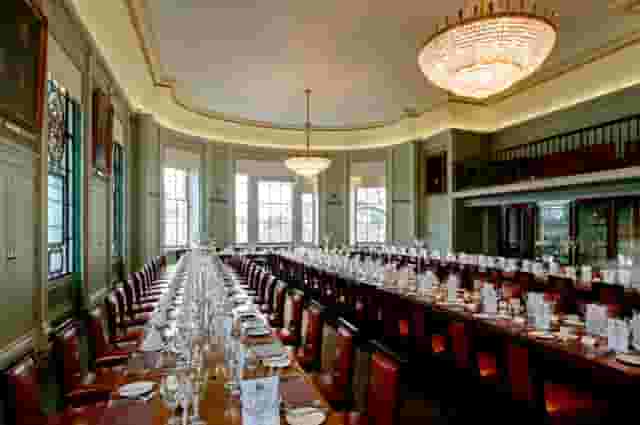
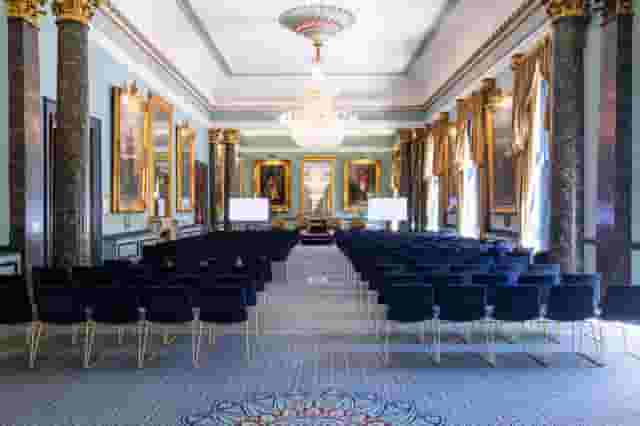
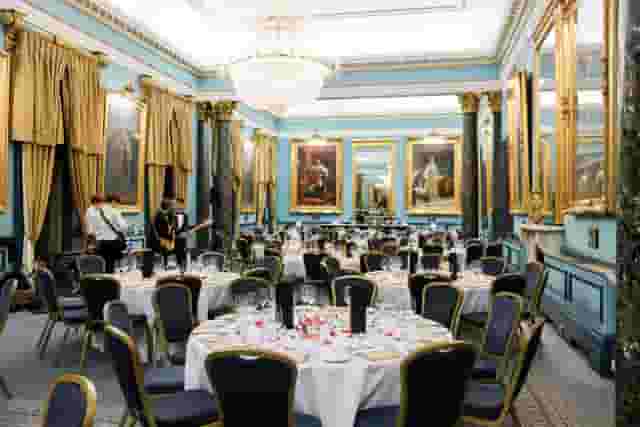
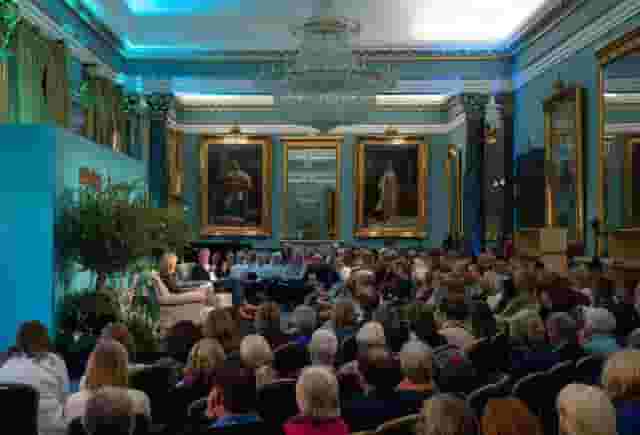
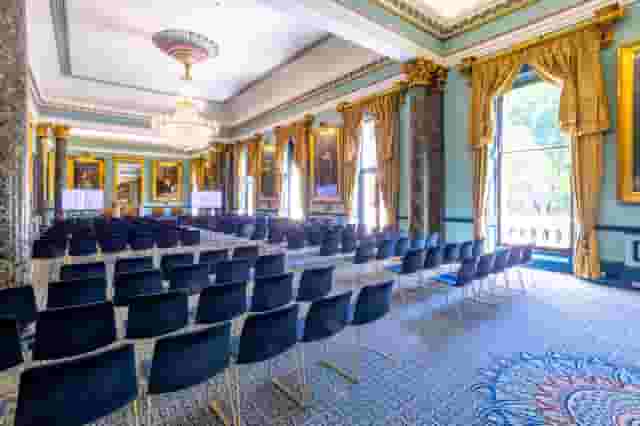


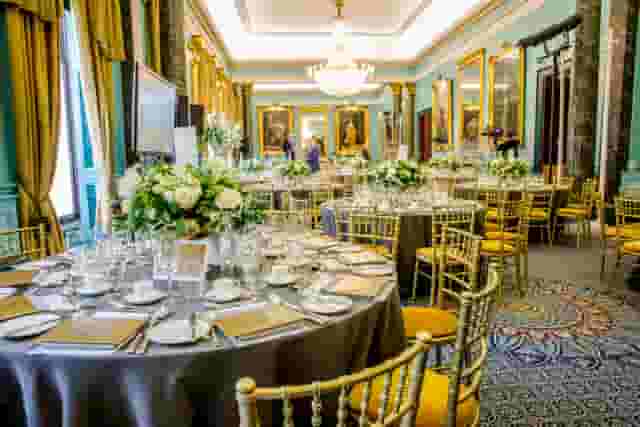
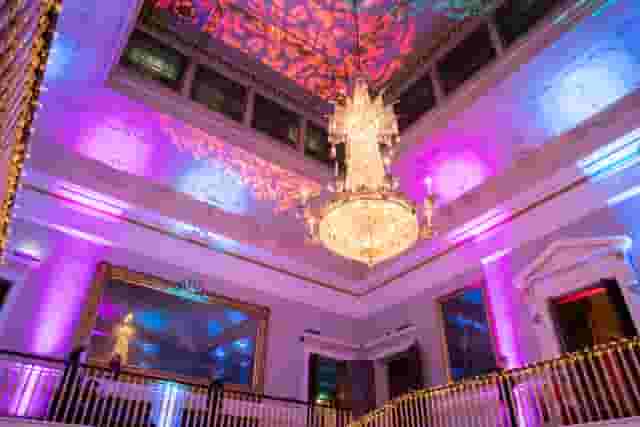
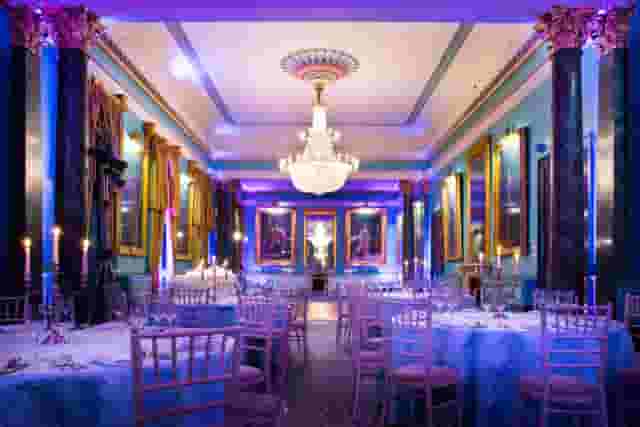

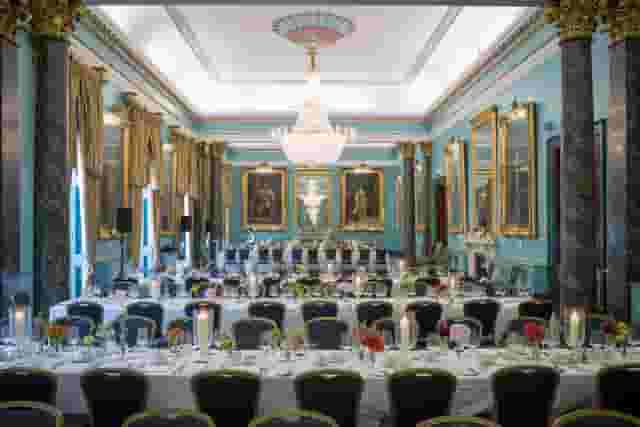







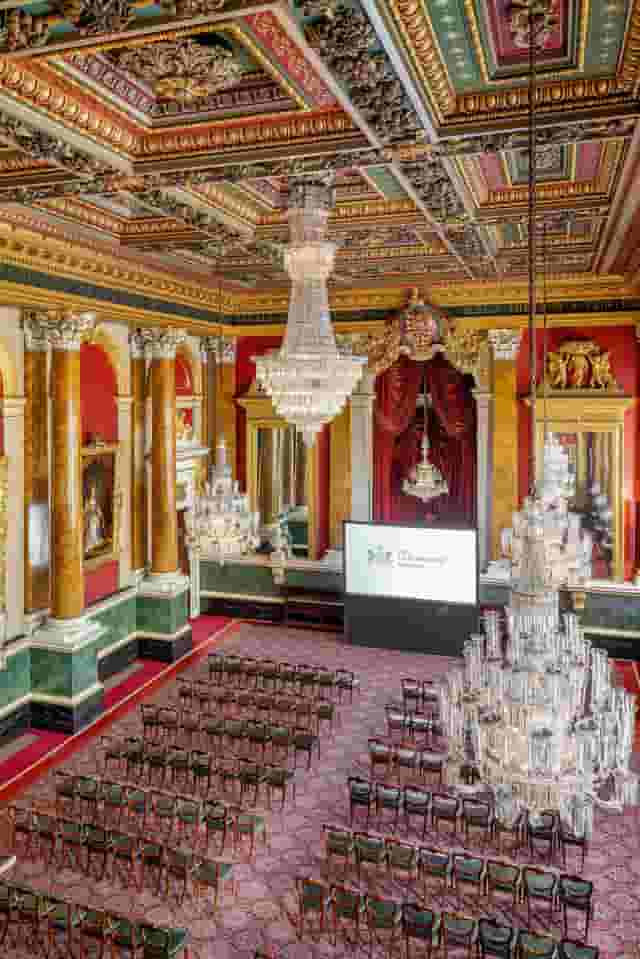
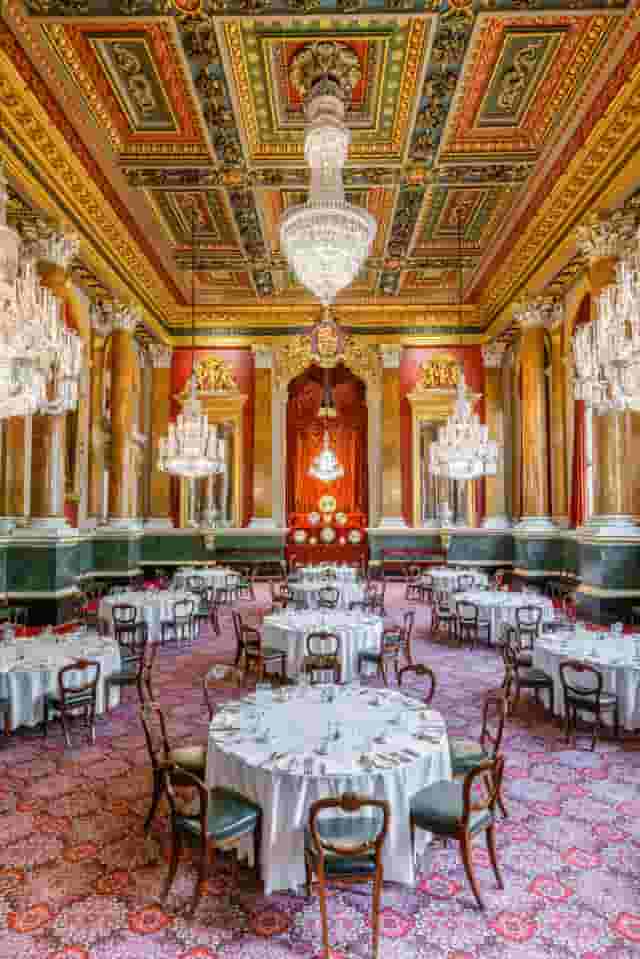
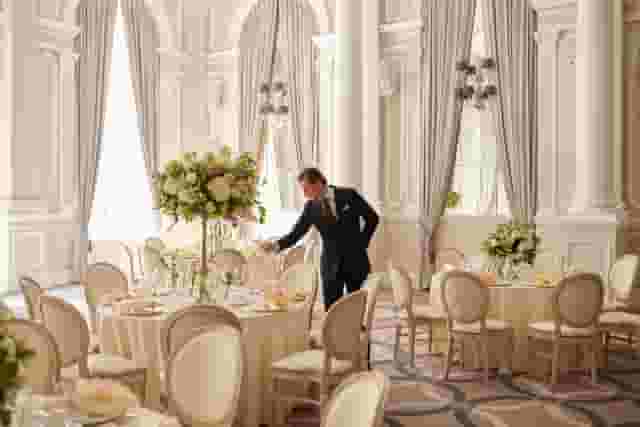

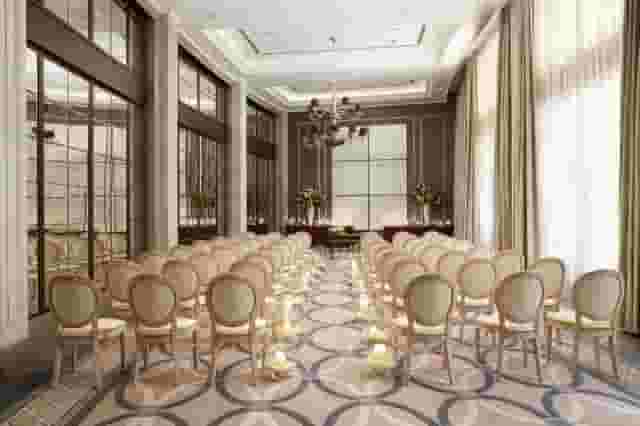
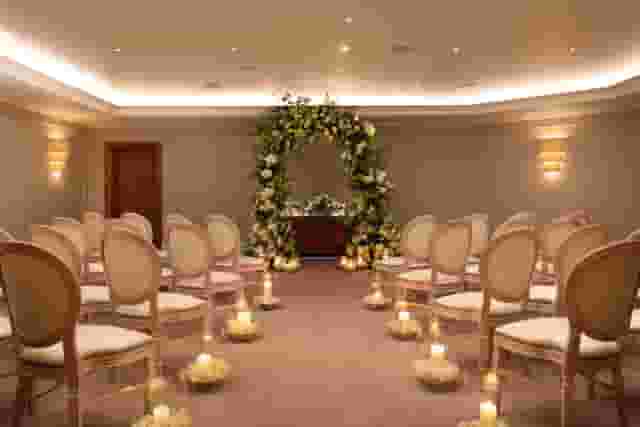
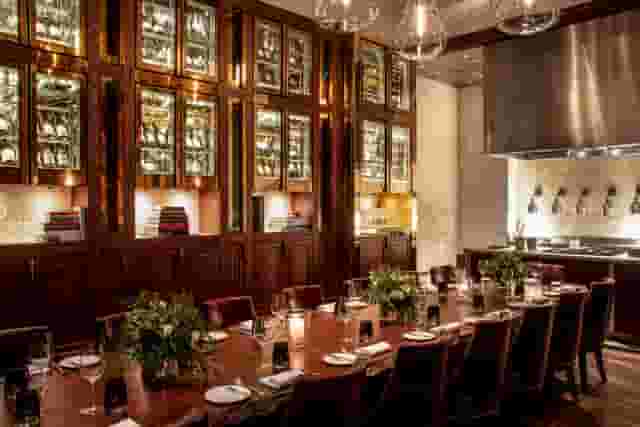
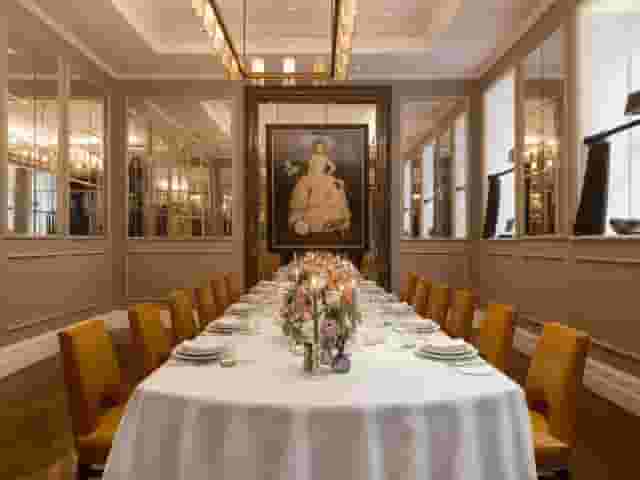
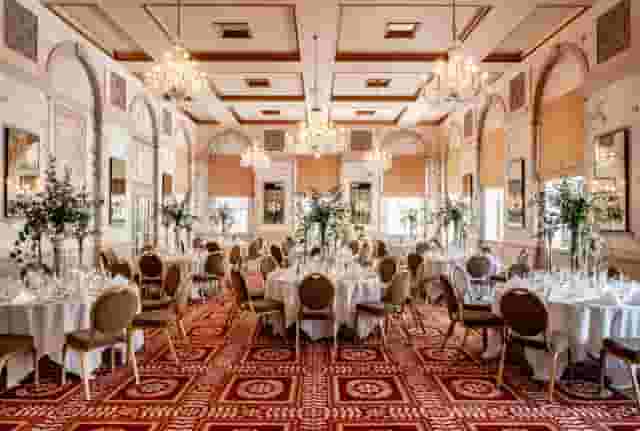
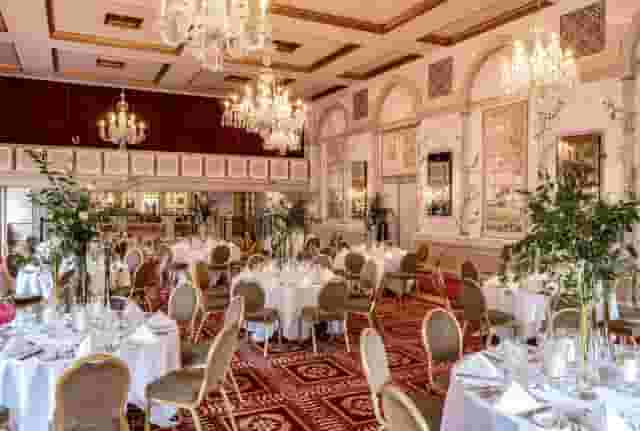
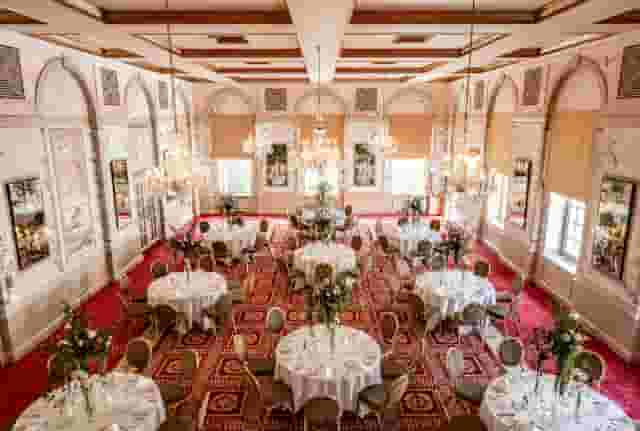
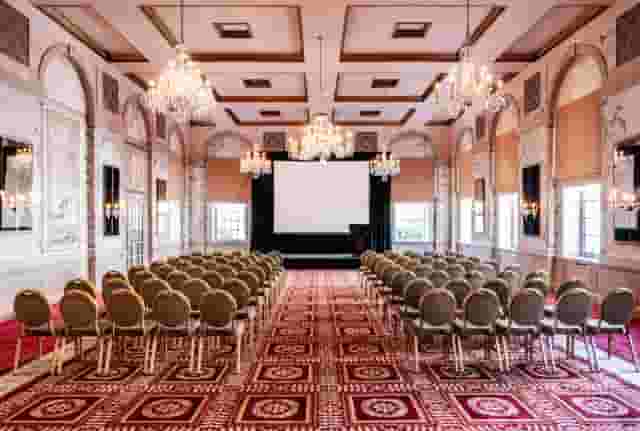

















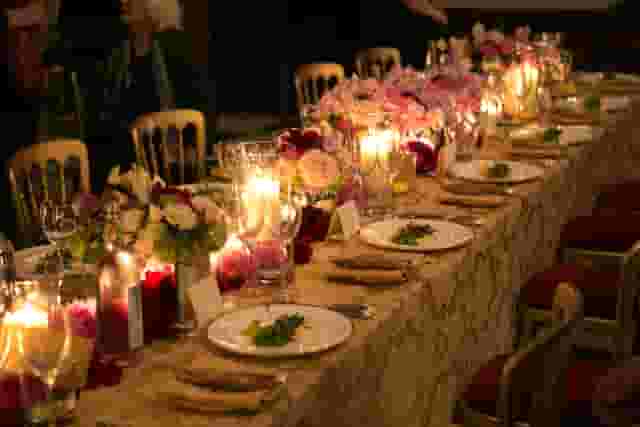
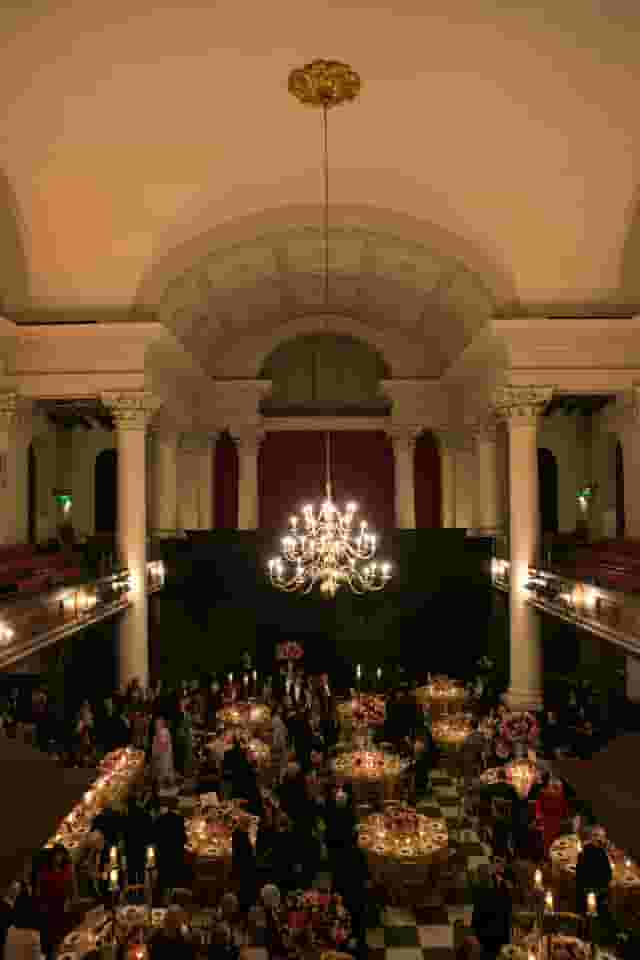
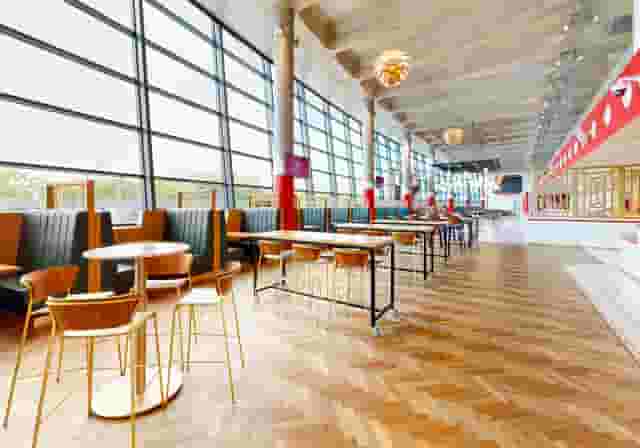

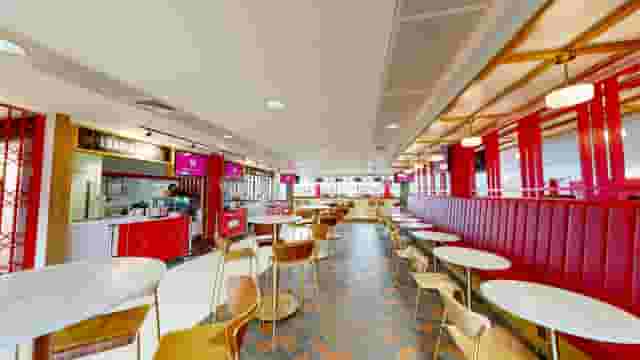

















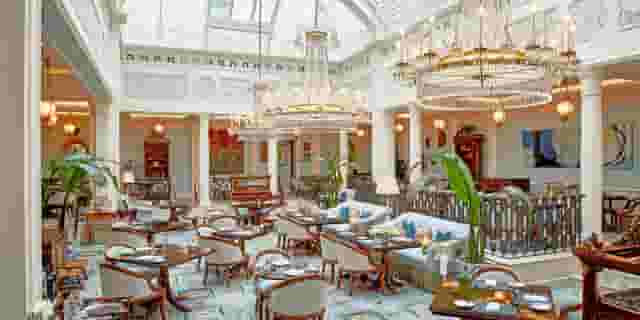
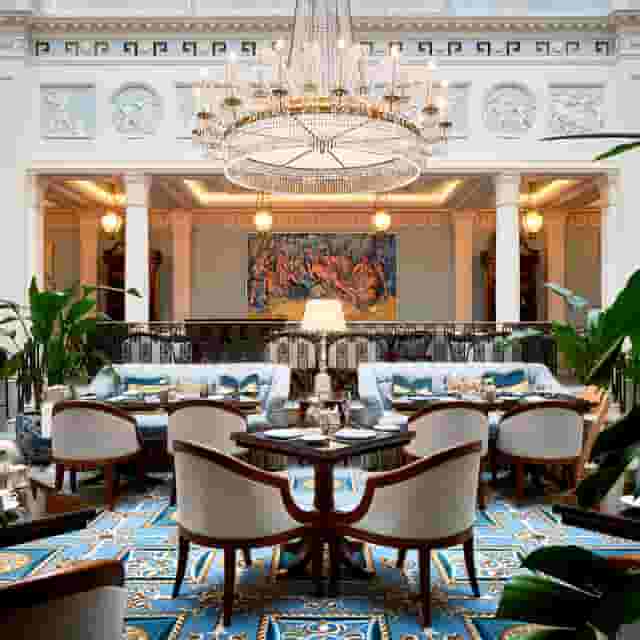
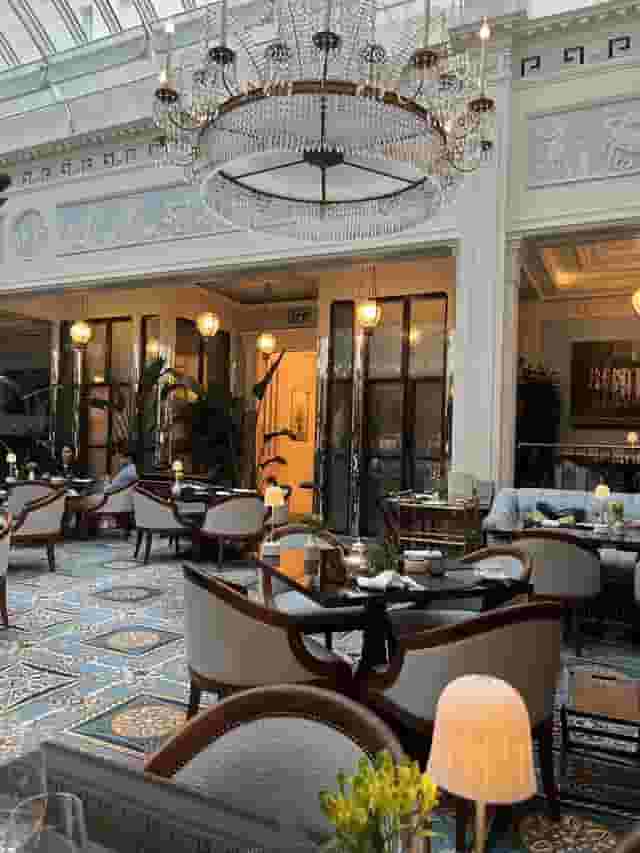

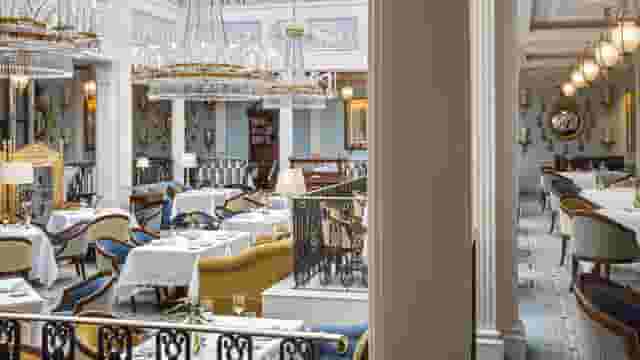
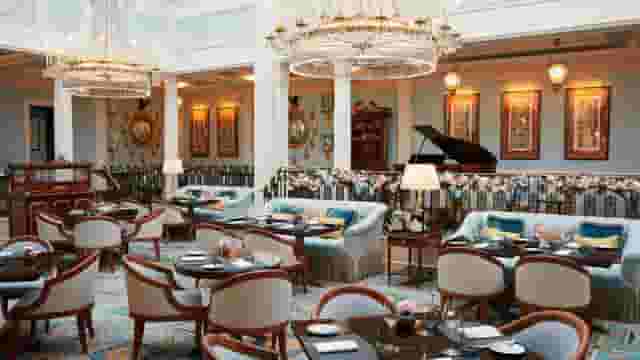
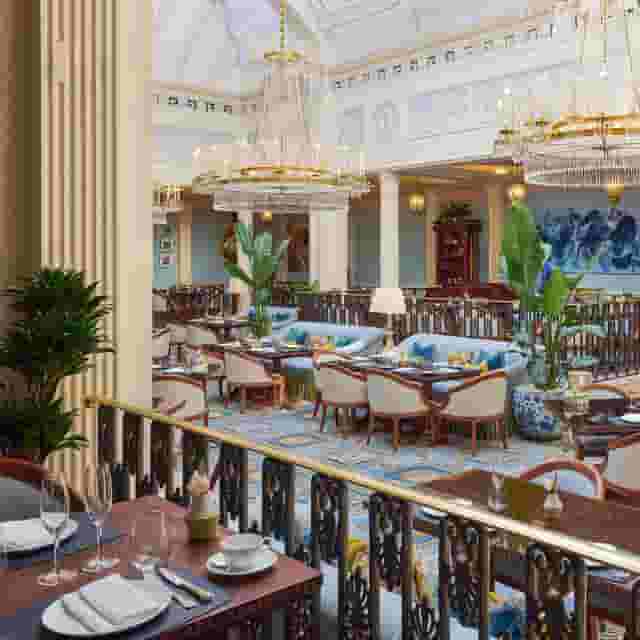
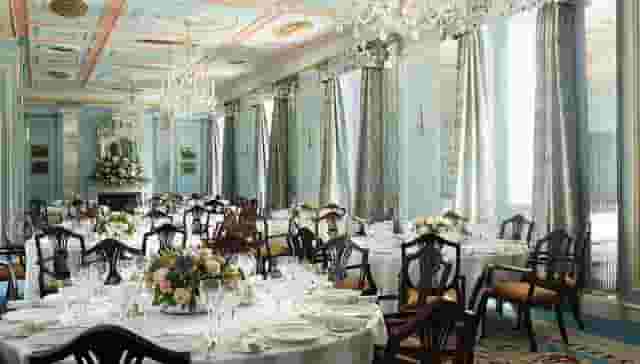
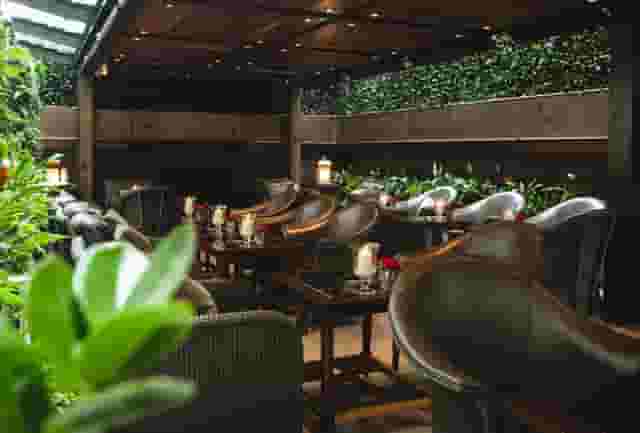







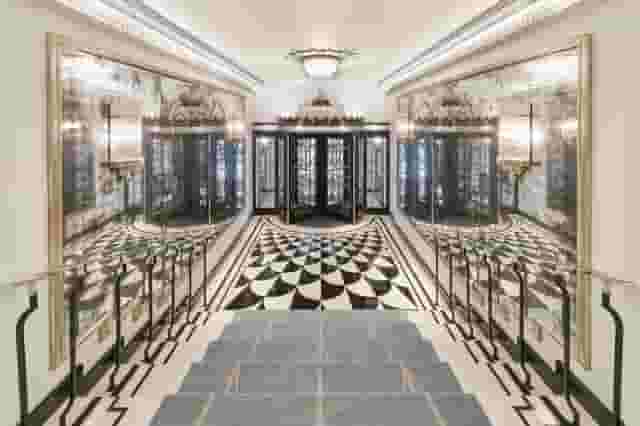
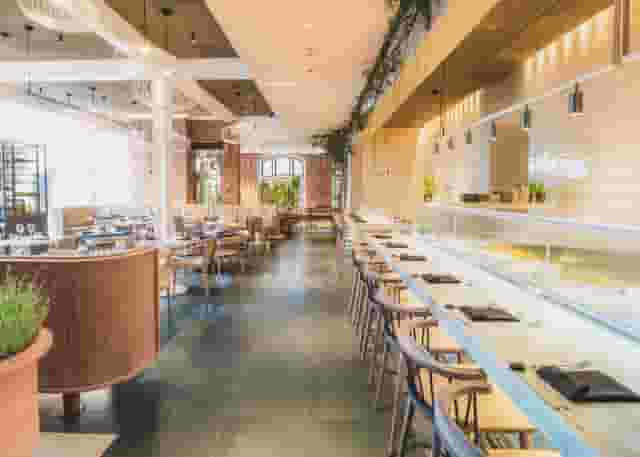
No venues match these filters
Try widening your capacity, luxury level or event type.
Don't have time to search? We'll find it for you.
For business events that need human judgement, talk to our team. Free for events of 100+ people, budgets over £10k or ongoing programmes.


Explore more venues in London


















Other platforms search their database. We search everything.
Tell us what you need. Our deep research finds any venue, whether it's in our marketplace or not. No one else does this.
About Private Dining Rooms in London
Why London's Private Dining Scene is Perfect for Your 100-Guest Event (And What Makes It Different)
When you're planning a private dining event for 100 guests in London, you're entering one of the world's most sophisticated dining markets – and frankly, it shows in every detail. Having organised countless events across the capital, I can tell you that London's private dining scene offers something genuinely unique for larger groups that you simply won't find elsewhere.
The sheer variety is staggering. Within a 20-minute tube journey, you can move from a Georgian townhouse in Mayfair charging £250+ per head to a converted warehouse in Shoreditch at £100 per head, each offering completely different experiences but both capable of delivering exceptional events for 100 guests. This diversity means you're never stuck with a one-size-fits-all approach.
What really sets London apart is the infrastructure built specifically for larger private dining groups. Most venues accommodating 100 guests feature dedicated service kitchens, separate arrival areas, and crucially, the staff-to-guest ratios that make the difference between good and exceptional service. You'll typically see one event manager plus five service staff minimum – a ratio that ensures your guests never feel like they're at a mass catering event.
The business-focused nature of London's market works brilliantly for corporate events. Wednesday and Thursday bookings peak because the city's financial and professional services sectors drive serious demand. This means venues have invested heavily in the technical infrastructure you need – reliable 100 Mbps internet, integrated AV systems, and climate control that actually works when you've got 100 people in one room.
Here's something I've learned from experience: London venues understand the complexity of large group dining in ways that smaller markets simply don't. They've solved the logistical challenges of serving 100 guests simultaneously while maintaining quality. The kitchen workflows, the service choreography, even the way tables are configured – it's all been refined through years of high-volume, high-expectation events.
The regulatory environment also works in your favour. London's licensing requirements mean venues operating at this scale have robust health and safety protocols, proper insurance coverage (minimum £5 million public liability), and the operational experience to handle everything from dietary requirements to accessibility needs seamlessly.
If you're considering alternatives, Private Dining Rooms Manchester and Private Dining Rooms Birmingham offer excellent options, but London's combination of venue density, service standards, and logistical sophistication remains unmatched for events of this scale.
The Essential Planning Timeline: 8 Weeks to Flawless Private Dining for 100 Guests
Right, let's talk timing – because getting this wrong with 100 guests is where I've seen even experienced planners come unstuck. Eight weeks might sound generous, but trust me, when you're coordinating a private dining event for this many people in London, every week counts.
Week 8: Venue Research and Initial Outreach
Start by shortlisting venues that genuinely accommodate 100 guests comfortably. I can't stress this enough – many venues claim they can handle 100 but actually squeeze people in. Look for spaces with minimum 150-200m² and proper banquet configurations. This is when you'll want to explore options across different areas, from Private Dining Rooms in Central London to Private Dining Rooms in South West London, as location flexibility at this stage gives you better negotiating power later.
Weeks 6-7: Site Visits and Contract Negotiations
Here's where the 100-guest factor really matters. During site visits, test the acoustics by speaking from different corners – with this many people, sound carries differently. Check the kitchen's capacity for simultaneous service; you need venues that can plate 100 covers within a 15-minute window to maintain food quality. Budget-wise, expect £100-150 per head in Greater London zones, scaling up to £250+ in premium Central London locations.
Weeks 4-5: Menu Finalisation and Logistics
Large group catering requires different approaches. Work with venues to create maximum three-choice menus – any more becomes logistically nightmarish. This is also when you'll need to confirm technical requirements. For 100 guests, you'll need minimum 63-amp power supply and integrated AV systems, not portable equipment that might fail.
Weeks 2-3: Final Confirmations and Contingency Planning
Confirm your minimum staff ratio – one event manager plus five service staff is non-negotiable for smooth service. Create seating plans that account for accessibility needs and natural conversation flow.
Final Week: Last-Minute Coordination
Reconfirm dietary requirements, arrival logistics, and backup plans. With 100 guests, even small hiccups become major issues.
The venues that consistently deliver for large groups understand this timeline intimately. They'll often block-book preferred dates during your initial enquiry, knowing that serious planners work to these schedules. Start your search now, and you'll have the pick of London's best private dining rooms rather than settling for what's available.
Navigating London's Private Dining Landscape: From Mayfair to Shoreditch for Large Groups
The geography of your venue choice will fundamentally shape your event's success – and with 100 guests, location becomes even more critical than you might expect. I've learned this the hard way, watching brilliant events stumble because the venue choice didn't match the guest profile or logistical needs.
Let's start with the obvious: Mayfair and the West End remain the gold standard for corporate private dining at this scale. Venues here charge £200-300+ per head, but there's a reason. The infrastructure is unmatched – dedicated service lifts, separate kitchen facilities, and crucially for 100-guest events, proper arrival and cloakroom areas that don't create bottlenecks. The Corinthia's private spaces, for instance, can handle simultaneous arrival of large groups without the chaos you'd see elsewhere.
The City and Canary Wharf offer compelling alternatives, especially for financial services events. Venues here understand the Wednesday-Thursday peak demand and have invested accordingly. You'll find spaces with integrated AV systems designed for presentations, plus the transport links that matter when you're coordinating 100 busy professionals. Journey times from Liverpool Street to most City venues average just 10-15 minutes, making logistics significantly easier.
Here's where it gets interesting: Shoreditch and East London have emerged as serious contenders for large-group private dining. The converted warehouse spaces offer something unique – genuine flexibility for 100 guests without the stuffiness of traditional venues. Pricing typically runs £100-150 per head, and the creative atmosphere works brilliantly for tech companies or agencies wanting something different. Private Dining Rooms in East London showcase this perfectly.
South of the river deserves serious consideration, particularly Private Dining Rooms in South London. The venues here often offer better value – £120-180 per head – with easier parking and loading access. For events requiring significant setup or catering deliveries, this can save hours of stress.
Transport Considerations That Actually Matter
With 100 guests, transport becomes a logistical exercise. Central London venues benefit from multiple tube lines, but consider this: if 30% of your guests drive (typical for senior executive events), you need venues with nearby parking or valet services. Private Dining Rooms in North West London often provide better parking solutions than central options.
The smart move? Shortlist venues across three different areas, then let your guest profile and budget guide the final decision. Your 100 guests will thank you for choosing location over prestige if it means easier access and better value.
Smart Budget Strategies and Hidden Costs When Booking Private Dining for 100
Let's talk money – because with 100 guests, the numbers add up quickly, and there are costs lurking that even experienced planners miss. I've seen budgets blow out by 40% simply because someone didn't account for the unique expenses that come with large-group private dining in London.
The headline figure you'll see quoted – £100-250+ per head – is just the starting point. What venues don't always mention upfront is that 100-guest events trigger different cost structures entirely. Most private dining rooms operating at this scale require minimum spends rather than per-head pricing, typically ranging from £10,000-25,000 for a full evening depending on location and venue calibre.
The Hidden Costs That Catch Everyone Out
Service charges escalate dramatically with group size. While intimate dinners might see 12.5% service, venues often apply 15-20% for events over 80 guests due to the additional coordination required. On a £15,000 event, that's an extra £750-1,500 you might not have budgeted for.
Corkage fees become significant when you're providing wine for 100 people. London venues typically charge £15-25 per bottle, and with 100 guests consuming roughly 50-60 bottles over an evening, you're looking at £750-1,500 in corkage alone. Some venues waive this if you hit certain spend thresholds – always negotiate this point.
Technical requirements multiply costs at this scale. Basic AV packages that work for 20 people simply don't cut it for 100. You'll need distributed sound systems, multiple screens, and professional lighting control. Budget £2,000-4,000 for proper technical setup, not the £500 basic package.
Smart Negotiation Strategies That Actually Work
Here's what I've learned works: Book Tuesday or Sunday evenings for immediate 15-20% savings. Wednesday-Thursday premium pricing exists because demand is genuine, but venues are often flexible on quieter nights. For a £20,000 event, that's £3,000-4,000 back in your budget.
Negotiate inclusive packages rather than itemised billing. Venues prefer predictable revenue, so offering a guaranteed minimum spend in exchange for fixed per-head pricing (including service, basic AV, and corkage) often works brilliantly. I've secured deals at £180 per head all-inclusive when the initial quote was £220 plus extras.
Consider Private Dining Rooms in North London or Private Dining Rooms in West London for 20-30% savings versus Central London, often with better parking and easier logistics.
The key is transparency from day one. Ask for a detailed breakdown including all potential extras, then negotiate a fixed price that covers everything. Your finance team will thank you, and you'll sleep better knowing there won't be any nasty surprises.
5 Critical Questions Every Event Planner Should Ask Before Signing the Contract
Right, you've done your research, visited venues, and you're ready to sign on the dotted line. But here's where I've seen even seasoned event planners get caught out – the contract stage is where the devil truly lives in the details, especially when you're committing to a venue for 100 guests.
These five questions have saved me from countless headaches over the years, and more importantly, they've protected my clients from nasty surprises that could derail events worth tens of thousands of pounds.
What Happens If Guest Numbers Drop Below 90?
This is crucial for 100-guest events because attendance fluctuations are inevitable. Most venues set minimum spend requirements based on your projected numbers, but what if illness, travel disruptions, or last-minute cancellations drop you to 85 guests? I've seen venues demand full payment for 100 covers regardless. Negotiate a 10% tolerance clause – if numbers drop within 10% of your booking (90-100 guests), you pay for actual attendance only. Beyond that, you're committed to the minimum spend.
Can You Guarantee Simultaneous Service for All 100 Guests?
Here's where venue capacity really shows. Ask specifically about their plating and service capabilities. Professional venues should plate 100 covers within 15 minutes maximum to maintain food quality and temperature. If they can't commit to this timeline, you'll end up with guests receiving cold food or waiting awkwardly while others eat. The best venues will walk you through their service choreography – this isn't excessive, it's professional.
What's Your Contingency Plan for Kitchen Equipment Failure?
With 100 guests, there's no room for "we'll figure it out" if the main oven breaks down. Venues operating at this scale should have backup kitchen facilities or partnerships with nearby venues. I once had a venue's entire kitchen system fail three hours before service – their backup plan saved the event, but only because we'd discussed this scenario during contracting.
How Do You Handle Dietary Requirements and Last-Minute Changes?
For 100 guests, expect 15-20 people with specific dietary needs. The venue should have systems for tracking and delivering these requirements without confusion during service. Ask about their process for managing allergen-free meals and how they prevent cross-contamination when preparing multiple dietary variations simultaneously.
What Are Your Cancellation Terms and Force Majeure Clauses?
Large events carry significant financial risk. Understand exactly what you're liable for at different stages – typically 50% at 4 weeks out, 100% at 2 weeks. More importantly, ensure force majeure clauses cover realistic scenarios like transport strikes or severe weather that could prevent guests from attending.
Before you sign, consider exploring Private Dining Rooms in South East London as alternatives – sometimes having a backup option gives you better negotiating power on these critical contract terms.
Get these answers in writing, and you'll avoid the pitfalls that turn dream events into operational nightmares.
What our customers say
Inspiration and planning guides

Beyond the Bowl: The Ultimate Bowl Food Recipes To Wow Your Guests
In the quest for the perfect party or private dining menu? One that combines convenience with style? Look no further than the versatile bowl food!

5 Catering Suppliers To Ensure Your Food is Glorious
Here's our curated list of catering suppliers guaranteed to transform your event into an extraordinary feast!

Unique Venue of the Month: The Attendant
If we said our Unique Venue of the Month for March was a restaurant inside a public toilet, you would probably start to think we've (finally) lost it here at Hire Space. Well...our Unique Venue of the Month is a restaurant inside a public toilet. But it's not what it seems. Hear us out. The Attendant [https://hirespace.com/Spaces/London/8941/Attendant/Whole-Venue/Events] was originally a Victorian public gents' bathroom in Fitzrovia, built in 1890. It was mothballed and made spick-and-span in
One supplier. Every venue. Full visibility on what you spend.
Multiple venues and events. One agreement.