62 Networking in venues in Central London


















No venues match these filters
Try widening your capacity, luxury level or event type.
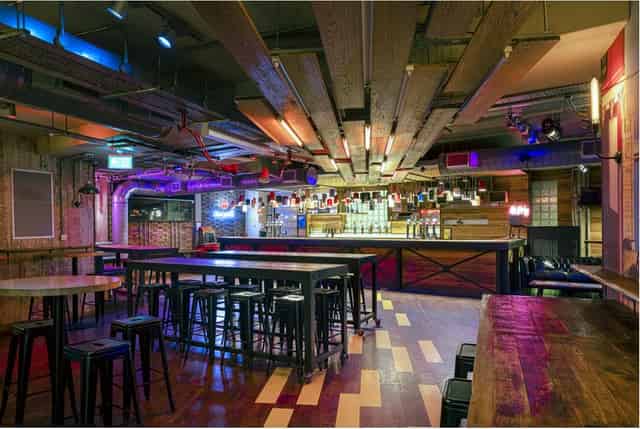
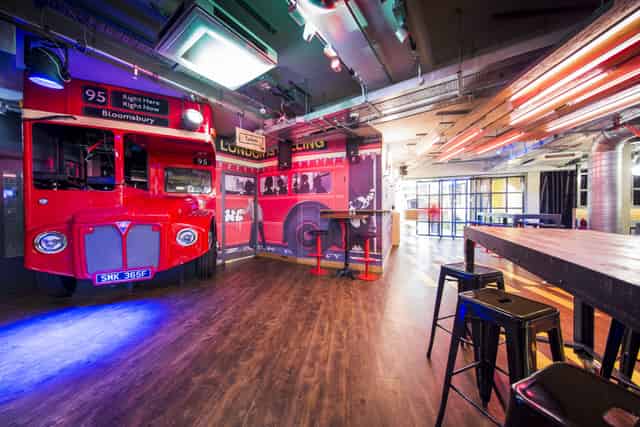
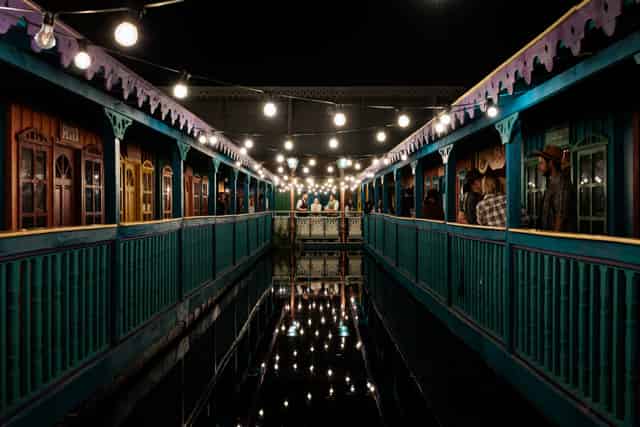
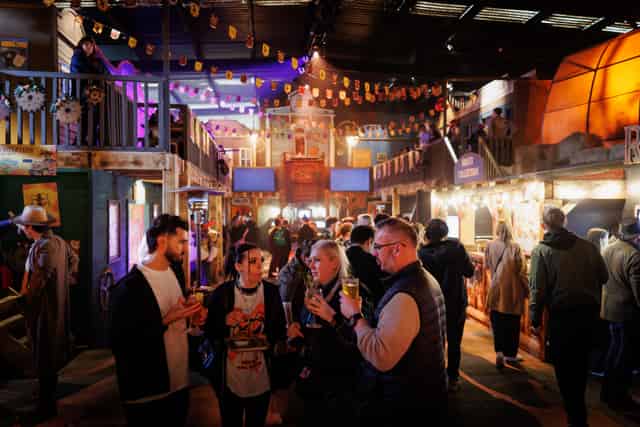
Discover top Networking Venues in Central London suitable for 200 people.
No venues match these filters
Try widening your capacity, luxury level or event type.
For business events that need human judgement, talk to our team. Free for 100 person+ events organised by businesses.

Tell us what you need. Our deep research finds any venue, whether it's in our marketplace or not. No one else does this.
When you're planning a networking event for 200 people in Central London, you're not just booking a venue – you're tapping into one of the world's most competitive business ecosystems. The difference between a forgettable gathering and a career-defining connection hub often comes down to understanding the unique dynamics of London's networking landscape.
Here's what we've learned from organising hundreds of these events: Central London's networking venues operate in a completely different league. You're competing with Fortune 500 companies, government departments, and international organisations for the same prime spaces. The venues that work brilliantly for 50 people simply don't scale effectively to 200 – you need spaces specifically designed for mid-scale professional gatherings.
Most Central London venues fall into two camps: intimate spaces under 100 capacity, or grand ballrooms for 500+. Finding that perfect middle ground for 200 guests requires insider knowledge. We've found the most successful events happen in converted warehouses in King's Cross, modern conference centres near London Bridge, or purpose-built networking spaces in Canary Wharf.
The magic number for networking density is roughly 2.5 square metres per person for standing events, which means you need around 500 square metres of usable space. Factor in registration areas, catering stations, and breakout zones, and you're looking at venues between 600-800 square metres total.
Let's be honest about costs – quality networking venues in Central London for 200 people typically run £3,000-£6,000 for a half-day event, with premium spaces reaching £8,000+. That's before catering, AV, and staffing. We've seen too many events fail because organisers underestimated the true cost of creating a professional networking environment.
The key is understanding what drives these prices: prime location accessibility, integrated technology, professional service teams, and the prestige factor that makes attendees actually want to show up. When you're asking 200 busy professionals to give up their evening, the venue choice signals the event's importance.
Consider exploring alternatives like networking venues in East London or North London if budget flexibility allows – you might find better value whilst maintaining excellent transport links.
The bottom line? Central London networking success isn't just about the space – it's about understanding how location, capacity, and professional expectations intersect to create genuine business value.
The sticker shock hits most event planners around the third venue quote. You've budgeted £4,000 for the space, then discover that's just the room hire – before AV, security deposits, overtime charges, and the dozen other line items that somehow materialise.
We've dissected hundreds of venue contracts, and the pattern is always the same: the headline price covers roughly 60% of your actual spend. Here's where the real money goes and how to plan for it properly.
Security deposits for 200-person events typically run £1,500-£3,000, refundable but tying up cash flow for 4-6 weeks. Most venues require dedicated security staff at £25-£35 per hour (minimum 6 hours), plus a venue coordinator at £40-£50 hourly. That's an extra £600-£800 you hadn't budgeted for.
AV packages are where venues make serious margin. Basic PA systems start at £800, but for 200 people you need distributed speakers, wireless mics, and projection – easily £2,500-£4,000. We've learned to negotiate AV as part of the venue package rather than accepting their preferred supplier markup.
Then there's the overtime trap. Standard hire periods end at 11 PM, but networking events naturally run late. Overtime charges of £200-£400 per hour add up quickly when you're managing 200 guests who don't want to leave.
Book Tuesday-Thursday events for 15-20% better rates than peak Monday or Friday slots. Venues need midweek bookings and you'll get more flexibility on terms. We've secured £1,000+ savings simply by shifting from Thursday to Wednesday.
Bundle your requirements upfront. Instead of venue + separate AV + separate catering quotes, negotiate a complete package. Venues prefer single contracts and you'll avoid the markup cascade between suppliers.
Consider networking venues in South London or West London – often 20-30% cheaper than Zone 1 with excellent transport links. Your guests won't mind a 10-minute tube journey for a better experience.
Allocate 70% for venue and core services, 20% for contingencies and upgrades, 10% for last-minute additions. This prevents the common scenario where you've spent 95% of budget before addressing catering quality or guest experience enhancements.
Most importantly, get everything in writing. Verbal agreements about included services evaporate when the invoice arrives. A detailed contract protects both parties and prevents those awkward conversations about unexpected charges.
Start your venue search with a realistic total budget, not just room hire costs. Factor in all these elements from day one, and you'll avoid the scramble for additional funding that derails so many promising events.
The moment your first guest walks through the door, they're making subconscious decisions about whether this event is worth their time. With 200 people, you've got roughly 90 seconds before the space either feels energised and purposeful, or cramped and chaotic.
We've tested dozens of layouts for mid-scale networking events, and the data is clear: traditional conference setups kill conversation. Theatre-style seating for 200 creates a lecture, not networking. Cabaret rounds work for 120 maximum – beyond that, people cluster at familiar tables and never venture out.
Successful 200-person networking venues need three distinct zones. Allocate 60% of your 600-800 square metres to open networking space with high-top tables and standing areas. This encourages movement and casual conversations. We position these tables in clusters of 6-8 people maximum – any larger and they become exclusive circles.
Reserve 30% for structured interaction zones: registration, presentation areas, and catering stations. These anchor points create natural traffic flow and give people permission to move around. The remaining 10% becomes your buffer space – coat storage, quiet conversation nooks, and emergency overflow areas.
Place your bar strategically off-centre, never against a wall. This creates a natural circulation pattern and prevents the dreaded bottleneck. We've learned that people instinctively move clockwise around spaces, so position your key networking zones accordingly.
Ceiling height matters more than you'd think. Spaces under 3.5 metres feel oppressive with 200 people, whilst anything over 5 metres creates an echo chamber that kills intimate conversation. The sweet spot is 4-4.5 metres – high enough to feel spacious, low enough to maintain energy.
Consider venues like those found in networking venues in City of London which often feature the industrial architecture perfect for this scale. Many converted warehouses near London Bridge offer the ideal combination of open space and intimate zones.
Harsh overhead lighting kills networking energy. Insist on dimmable LED systems with warm colour temperature (2700-3000K). We've seen events transform simply by adjusting lighting from corporate bright to evening ambient.
For acoustics, hard surfaces create energy but need management. Carpet or acoustic panels in 20-30% of the space prevents the conversation roar that makes networking impossible. Background music should hover at 65-70 decibels – loud enough to provide privacy, quiet enough for easy conversation.
Your layout isn't just about fitting 200 people in a room – it's about creating an environment where meaningful connections happen naturally. Get the space design right, and your event practically runs itself.
The phone call always starts the same way: "We need a venue for next month, can you help?" By then, the best Central London networking venues for 200 people are already booked solid, and you're left choosing between overpriced last-minute options or compromising on location.
Here's the uncomfortable truth about venue booking in Central London: the premium spaces that actually work for 200-person networking events get snapped up 4-6 months in advance. We're not talking about massive conferences here – these mid-scale venues are the sweet spot that everyone wants, making them surprisingly scarce.
Start your venue search 16 weeks before your event date. This isn't arbitrary – it's based on how Central London's venue booking cycles actually work. Corporate clients typically plan quarterly events 3-4 months ahead, whilst association events book even earlier. By 12 weeks out, you're competing for cancellations and second-tier options.
The golden booking window runs from weeks 16-12 before your event. During this period, venues are actively filling their calendars but haven't yet reached capacity. You'll get better rates, more flexibility on terms, and first pick of preferred dates.
January-March bookings for autumn events offer the best selection and pricing. Venues are hungry for confirmed business and more willing to negotiate package deals. We've secured 15-20% discounts simply by booking autumn networking events during the post-Christmas lull.
Avoid booking during "conference season" – September through November when every organisation seems to schedule their annual networking events. If you must book for these months, add 8 weeks to your timeline and expect premium pricing.
December events require special consideration. Many networking venues in Central London get booked for Christmas parties by August, leaving limited options for professional networking events.
Never put all your eggs in one venue basket. Identify 3-4 suitable spaces and submit enquiries simultaneously. Venues appreciate transparency about your selection process, and you'll avoid the disappointment of losing your first choice to another event.
Consider expanding your search to include networking venues in North West London or South East London – often better availability and value whilst maintaining excellent transport connections.
Once you've found your venue, move quickly but carefully. Premium spaces for 200 people often have multiple enquiries, so be prepared to pay your deposit within 48 hours of agreeing terms.
Negotiate cancellation terms upfront – not when you need them. Standard contracts favour venues heavily, but you can often secure more reasonable terms during initial negotiations. We typically push for 50% refund if cancelled 8+ weeks prior, reducing to 25% at 4 weeks.
Start your venue search today, not next month. The perfect networking venue for 200 people exists, but only if you give yourself enough time to find and secure it properly.
Three weeks before your event, when everything seems under control, the real work begins. We've seen perfectly planned 200-person networking events derailed by a single overlooked detail – usually something technical that seemed obvious until it wasn't.
The harsh reality is that Central London's infrastructure, whilst excellent, wasn't designed for 200 people simultaneously trying to connect to WiFi, charge phones, and stream LinkedIn updates. Your venue might promise "high-speed internet," but can it actually handle 200 devices without grinding to a halt?
Demand a dedicated bandwidth test during your site visit. Standard venue WiFi typically runs 50-100 Mbps shared across all users – fine for 50 people, catastrophic for 200. Insist on minimum 200 Mbps dedicated bandwidth, or better yet, negotiate a temporary upgrade for your event. We've paid £300-500 for bandwidth boosts that saved events from social media disasters.
Power access becomes critical with 200 guests. Modern networking events need charging stations every 10-15 metres, plus dedicated power for registration desks, AV equipment, and catering stations. Venues often underestimate this – we've learned to request a detailed power distribution plan showing amp capacity and circuit locations.
Audio coverage for 200 people requires distributed speaker systems, not a single PA stack. Insist on sound level testing at various points throughout the space. Dead zones kill networking energy, whilst overly loud areas prevent conversation. The sweet spot is 70-75 decibels with even distribution.
Central London's transport excellence comes with complexity. Your 200 guests will arrive via 8-12 different tube lines, multiple bus routes, and various parking options. Create detailed arrival instructions including backup routes – when the Northern Line inevitably has delays, your guests need alternatives.
Peak networking hours (6-8 PM) coincide with rush hour chaos. Factor this into your timeline and communicate realistic arrival windows. We've found that staggered arrival times (6:00-6:30 PM registration) work better than expecting everyone at 6:00 sharp.
For venues near major stations like King's Cross or London Bridge, coordinate with venue security about increased foot traffic. Some buildings restrict access during peak hours, potentially leaving guests stranded in lobbies.
Test everything twice. WiFi passwords, microphone batteries, projection systems, and payment terminals. We maintain a standard checklist covering 47 technical points – it sounds excessive until you're troubleshooting audio feedback in front of 200 professionals.
Establish clear communication channels with venue technical staff. Get mobile numbers, not just reception desk contacts. When issues arise during events, you need direct access to people who can actually solve problems.
Consider exploring networking venues in London Bridge for their excellent transport connectivity and modern technical infrastructure.
Your pre-event preparation determines whether you're confidently welcoming guests or frantically troubleshooting problems. Start this checklist today – your future self will thank you when everything runs smoothly.

Is your networking not working? Some people, it seems, absolutely love it - they swan in, glide through the party, charm everyone, and swap business cards like they're handing out Pokémon in a playground. But not all of us are like that.

Networking is a key tool in today's competitive business world: it's often a necessary activity when trying to secure the right contacts, gain new employment or generally advance professionally. But in order to successfully rub elbows, you'll need an inspiring venue – such as one of these slick spaces. 1. Lee Valley VeloPark [https://hirespace.com/Spaces/London/107652/Lee-Valley-VeloPark/Velodrome-Track-Centre/Business] Stratford Few venues can claim to have been a part of the 2012 London Ol

We're very excited to introduce EventLAB [https://eventlab.online/], our first two-day event designed to take event professionals through every step of the event planning process. We'll be bringing you the latest updates in the run-up to the event in our 'EventLAB Series' [https://hirespace.com/blog/tag/eventlab//], including relevant content and a little glimpse of the speakers, workshops and themes that will feature at the event. In the first instalment, we’ll explain all there is to know a
Multiple venues and events. One agreement.


