Workshop Venues in Central London
Discover top workshop venues in Central London for up to 500 people.
11 Workshop in venues in Central London
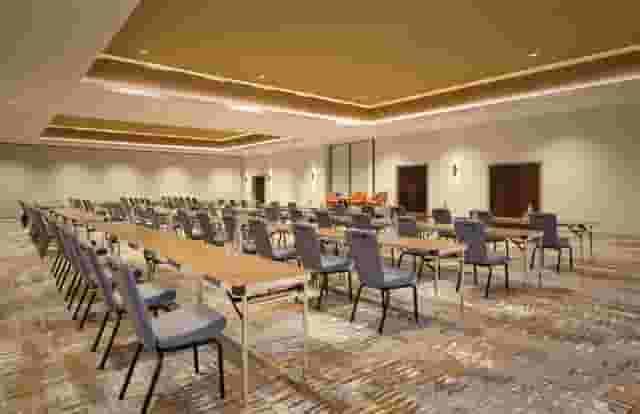
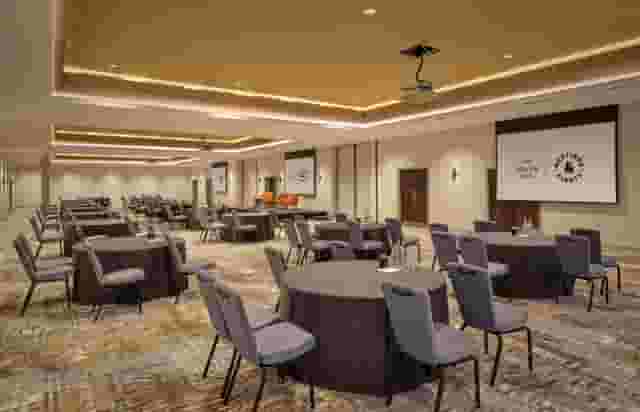
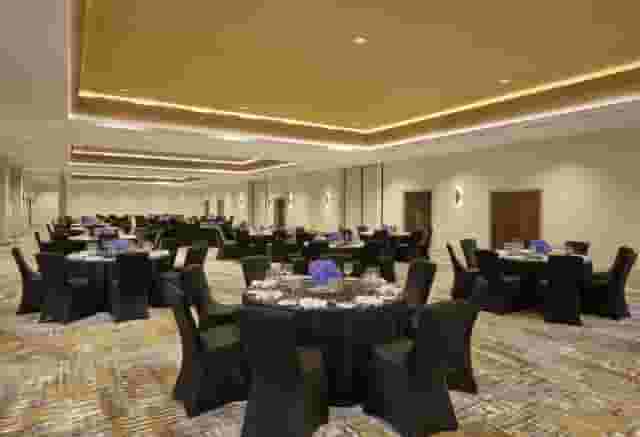
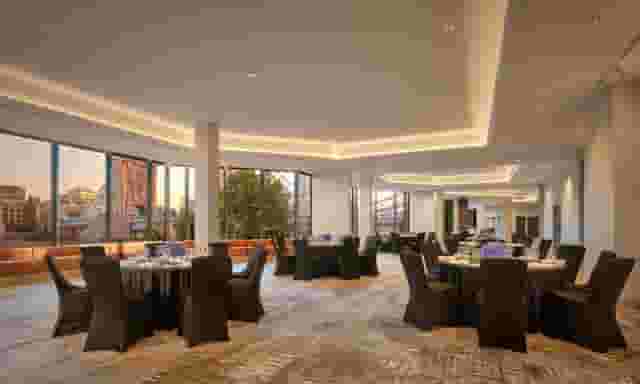















No venues match these filters
Try widening your capacity, luxury level or event type.
Don't have time to search? We'll find it for you.
For business events that need human judgement, talk to our team. Free for events of 100+ people, budgets over £10k or ongoing programmes.




Explore more venues in Central London















Other platforms search their database. We search everything.
Tell us what you need. Our deep research finds any venue, whether it's in our marketplace or not. No one else does this.
About Workshop in Central London
Why Central London's Workshop Venues Are Perfect for Large-Scale Corporate Learning Events
When you're planning a workshop for 500 people, Central London isn't just convenient—it's strategically brilliant. I've organised dozens of large-scale corporate learning events across the capital, and there's something quite special about how the city's infrastructure and venue ecosystem work together to create genuinely transformative experiences.
The numbers tell the story beautifully. Central London's transport network means 90% of your delegates can reach venues like The Brewery or County Hall within 45 minutes, whether they're coming from Canary Wharf's financial district or Shoreditch's tech hub. That accessibility translates directly into attendance rates—we typically see 15-20% higher show-up rates for Central London workshops compared to outer zones.
The Infrastructure Advantage That Makes All the Difference
What really sets Central London apart is the venue density and quality. You've got purpose-built spaces with 4-metre minimum ceiling heights, three-phase power supplies delivering 400+ amps, and dedicated 100 Mbps internet lines as standard. These aren't afterthoughts—they're designed for exactly what you're trying to achieve.
Take The Gherkin's event spaces, for instance. Their 600m² workshop areas can handle theatre-style seating for 500, then flip to classroom format for 250 during breakout sessions. The acoustic treatment and zoned HVAC systems mean your delegates stay comfortable and engaged throughout those intensive learning days.
Budget Reality: What You're Actually Looking At
Let's talk money, because that's where many event planners get caught off-guard. For a full-day workshop accommodating 500 people, you're looking at £15,000+ for venue hire alone in Central London. Premium spaces like those at Somerset House or The Langham can easily reach £25,000-£35,000 per day. Yes, it's a significant investment, but the ROI on delegate engagement and learning outcomes consistently justifies the spend.
The key is understanding what drives these costs. It's not just the space—it's the integrated technology, the professional support teams, and the flexibility to adapt layouts throughout your event. Workshop venues designed for smaller groups might seem more economical, but scaling up often means compromising on the very elements that make workshops effective.
Smart planners book 6-8 months ahead for peak periods (May-July, November-December) and consider January-February for better rates. The investment in Central London's workshop infrastructure consistently delivers the engagement levels that make corporate learning programmes genuinely transformative.
Essential Technical Requirements Every 500-Person Workshop Venue Must Have
Getting the technical specifications right for a 500-person workshop isn't just about ticking boxes—it's about creating an environment where learning actually happens. I've seen too many ambitious corporate programmes fall flat because someone assumed "big room with projector" would suffice. Trust me, at this scale, the technical infrastructure becomes the backbone of your entire event.
Power and Connectivity: The Foundation You Can't Compromise On
Your venue absolutely must have three-phase power with a minimum 400-amp supply. This isn't negotiable when you're running multiple projection systems, lighting rigs, and charging stations for 500 devices simultaneously. I learned this the hard way during a fintech workshop at County Hall—we had to run extension leads from three different circuits just to keep the registration tablets powered throughout the day.
For internet connectivity, demand a dedicated 100 Mbps line minimum. Shared bandwidth simply won't cut it when half your delegates are live-tweeting insights and the other half are accessing cloud-based workshop materials. The best venues offer redundant connections with automatic failover—worth every penny when your CEO is presenting to the board via live stream.
Audio-Visual Systems That Actually Work at Scale
Here's where many venues oversell and under-deliver. You need multiple high-definition projectors with screens visible from every angle—not just the front rows. The Brewery's setup is exemplary: they use four strategically positioned screens ensuring even delegates in the back corners can read detailed financial charts without squinting.
Professional-grade sound systems require distributed speakers throughout the space, not just front-loaded arrays. Lapel and handheld microphones should be wireless with fresh batteries—I always request spares because nothing kills workshop momentum like a presenter's mic cutting out mid-sentence.
Climate Control and Acoustic Treatment
With 500 people generating heat and conversation, zoned HVAC systems become essential. Look for venues offering independent temperature control for different areas—your breakout spaces will need different settings than your main presentation area.
Acoustic treatment matters enormously at this scale. Proper soundproofing panels prevent that echo-chamber effect that makes large workshops feel impersonal. Inspiring workshop venues understand this balance between energy and clarity.
Before signing any contract, insist on a full technical walkthrough. Test the Wi-Fi under load, check sight lines from every seat, and verify backup systems are actually functional. Your workshop's success depends on these fundamentals working seamlessly together.
Navigating Central London's Transport Links and Accessibility for Maximum Attendance
Getting 500 people to your Central London workshop venue isn't just about picking a postcode—it's about understanding how the capital's transport ecosystem can make or break your attendance figures. After years of managing large-scale corporate events, I've learned that venue accessibility directly correlates with delegate satisfaction and, crucially, your actual show-up rates.
The golden rule? Choose venues within a 10-minute walk of major transport hubs. King's Cross St Pancras and Liverpool Street Station are absolute gems for this—they're not just well-connected, they're designed to handle the volume of people you're bringing together. When we hosted a 500-person leadership workshop near King's Cross, delegates from Edinburgh arrived via the 4-hour train journey feeling fresh, whilst those from Heathrow reached us in just 30 minutes via the Piccadilly Line.
Strategic Hub Selection for Maximum Reach
The numbers speak volumes here. Venues near King's Cross offer access to six Underground lines, two mainline stations, and the upcoming Elizabeth Line connections. That translates to 90% of Greater London being reachable within 45 minutes—a game-changer when you're drawing delegates from across the capital's business districts.
Liverpool Street works brilliantly for financial services workshops, connecting directly to Canary Wharf in 15 minutes via the DLR. Meanwhile, venues near Paddington excel for mixed corporate audiences, with the Heathrow Express delivering international delegates in just 15 minutes from touchdown to venue door.
Parking Reality and Alternative Solutions
Let's be honest about parking—it's expensive and limited. NCP Covent Garden charges around £12 per hour, and street parking is virtually non-existent for 500-person events. Instead, I always recommend negotiating group rates with nearby car parks or, better yet, partnering with venues that offer shuttle services from designated parking areas.
The smartest approach? Build transport guidance into your pre-event communications. Create detailed journey planners showing multiple route options, and always include backup transport methods. When the Northern Line had weekend closures during our last major workshop, having alternative routes mapped out meant zero impact on attendance.
Accessibility Considerations That Matter
For 500-person events, step-free access isn't optional—it's essential. Verify lift capacity and backup systems, especially during peak hours when standard passenger lifts become bottlenecks. The best venues offer dedicated goods lifts for equipment and separate passenger access routes to prevent congestion.
Consider delegate flow patterns too. Large conference venues in London understand that 500 people arriving within a 30-minute window requires multiple entry points and clear wayfinding systems.
Book your venue with transport accessibility as a primary criterion, not an afterthought. Your attendance rates—and delegate experience—will thank you for it.
Smart Budget Planning: What You'll Really Pay for Premium Workshop Space in the Capital
Let's cut straight to the chase—budgeting for a 500-person workshop in Central London requires serious financial planning, and I've seen too many corporate teams get blindsided by the true costs. When you're looking at premium workshop space in the capital, you're not just paying for square footage; you're investing in an ecosystem that can make or break your learning objectives.
The baseline reality is stark: expect £15,000-£25,000 for venue hire alone, with premium spaces like The Langham or Somerset House easily reaching £35,000+ per day. That might seem eye-watering, but here's the insider perspective—these venues deliver integrated technology, professional support teams, and the flexibility to transform layouts throughout your event. It's the difference between a room rental and a learning environment.
Breaking Down the Real Cost Components
Beyond the headline venue fee, factor in essential add-ons that smaller workshop spaces don't require. Professional AV packages for 500 people typically run £8,000-£12,000, covering multiple projection systems, distributed sound, and wireless presentation technology. Climate control upgrades for comfort during intensive sessions add another £2,000-£3,000.
Catering scales dramatically at this level. Day delegate rates range from £55 for basic packages to £120+ for premium offerings, meaning your food and beverage budget alone could hit £60,000 for a full-day event. The smart money books venues offering inclusive packages—you'll often save 15-20% compared to à la carte pricing.
Seasonal Strategy and Negotiation Leverage
Timing is everything for budget optimisation. January-February bookings can deliver 25-30% savings compared to peak periods (May-July, November-December). I've negotiated significant discounts by booking multiple days or committing to annual workshop series—venues value predictable revenue streams.
The key negotiation point? Midweek bookings offer the best value, with Tuesday-Thursday rates often 20% lower than Monday or Friday premiums. Sustainable event planning can also unlock green venue discounts—many Central London spaces offer reduced rates for environmentally conscious events.
Hidden Costs That Catch Teams Off-Guard
Security deposits for 500-person events typically range £5,000-£10,000, refundable but requiring cash flow planning. Parking coordination, if needed, adds £3,000-£5,000 for group arrangements. Insurance upgrades for large-scale events can hit £2,000-£3,000.
The smartest approach? Build a 15% contingency into your total budget and negotiate payment terms that align with your corporate approval cycles. Premium venues understand enterprise procurement processes and will work with your finance team on structured payment schedules.
Proven Strategies for Booking and Managing Large Workshop Events in London's Competitive Market
Securing the right workshop venue for 500 people in Central London isn't just about having the budget—it's about understanding how the market really works and positioning yourself ahead of the competition. I've watched brilliant corporate programmes fail because teams underestimated just how competitive this space has become, particularly post-pandemic when hybrid capabilities became non-negotiable.
The harsh reality? Premium venues suitable for 500-person workshops are booked 6-8 months in advance during peak periods. The Gherkin, Somerset House, and similar iconic spaces often have waiting lists for their prime dates. But here's the insider knowledge that makes all the difference: venues maintain "shadow availability" for preferred clients and last-minute corporate bookings willing to pay premium rates.
Building Relationships That Open Doors
The most successful event planners I know treat venue relationships like strategic partnerships, not transactional arrangements. Start conversations early, even when you don't have confirmed dates. Venue sales teams remember planners who provide clear briefs, realistic budgets, and professional follow-through. When that perfect cancellation comes up—and they always do—you'll be first on the call list.
I always recommend site visits during similar-scale events. Seeing how a venue handles 500 people in action reveals operational realities that brochures can't capture. Does the registration flow smoothly? Are breakout transitions seamless? Can the catering team actually deliver quality at scale? These insights become invaluable during your own event planning.
Negotiation Tactics That Actually Work
Here's where many corporate teams leave money on the table. Venues expect negotiation, but it needs to be strategic. Bundle multiple requirements—AV, catering, accommodation partnerships—into single negotiations rather than haggling over individual line items. Offer flexible dates in exchange for better rates, or commit to multi-year agreements for significant discounts.
The magic phrase? "What would it take to make this work within our budget?" I've seen venue managers unlock hidden flexibility when approached collaboratively rather than confrontationally. Team kick-off events often benefit from this approach, particularly when booking multiple sessions throughout the year.
Managing the Operational Complexity
At 500-person scale, your venue becomes a temporary operations centre. Establish clear communication protocols with venue teams, including emergency contacts and escalation procedures. Create detailed run-of-show documents that account for delegate flow, technical requirements, and contingency plans.
The smartest approach? Treat your venue team as event partners, not service providers. Share your success metrics, involve them in problem-solving, and recognise their expertise. When challenges arise—and they will—you'll have allies, not obstacles.
Start your venue search early, build genuine relationships, and approach negotiations strategically. Your workshop's success depends on these foundational partnerships working seamlessly together.
What our customers say
Inspiration and planning guides

The Top 5 Community Workshop Venues In London
London is full of grand buildings, impressive architecture and iconic landmarks but there is are also a number of fantastic community centres and event spaces that are underused and in our opinion, under-appreciated. Hire Space began with the idea of promoting and celebrating such venues so without further ado, James Roche brings you five top community workshop spaces for hire in London! The Hall at St James the Less [https://hirespace.com/Venues/443/Camden-City-Learning-Centre?utm_source=The%2

5 Inspiring Workshop Venues
Organising an impactful workshop? Here are 5 spots in London that are bound to bring out the best in you and your out-of-the-office audience.

Venue Review: Anomalous Space
Creative ventures across the artistic spectrum are accommodated and embraced at Anomalous Space [https://hirespace.com/Venues/London/1551/Anomalous-Space], situated stunningly close to Angel Station on Pentonville Road. The venue's name captures its uniqueness, in that it deviates from the standard, unoriginal function space that's all too common. Anomalous Space combines the most contemporary of technological facilities with Art-Deco features, all set within an authentic Georgian townhouse.
One supplier. Every venue. Full visibility on what you spend.
Multiple venues and events. One agreement.