Recording Studios for Hire in Birmingham
Explore Birmingham sound studios with broadcast-grade audio, live rooms for talks and reception areas set up for an intimate cultural evening.
43 Recording Studios for Hire in Birmingham













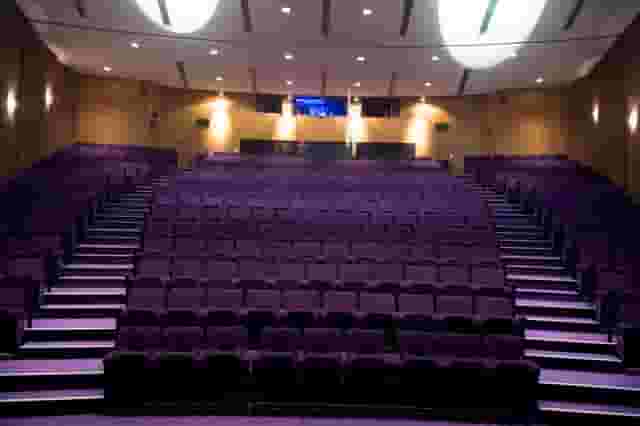

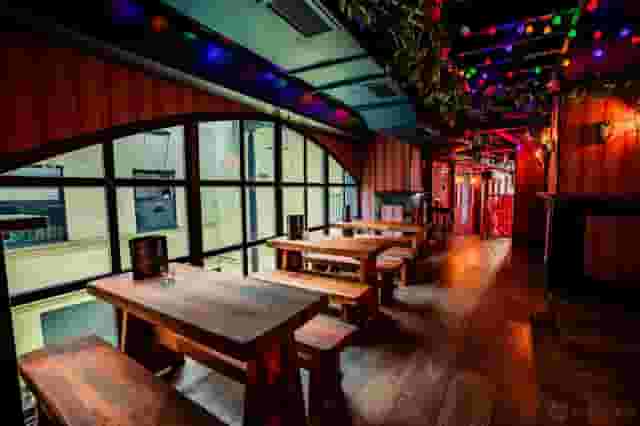
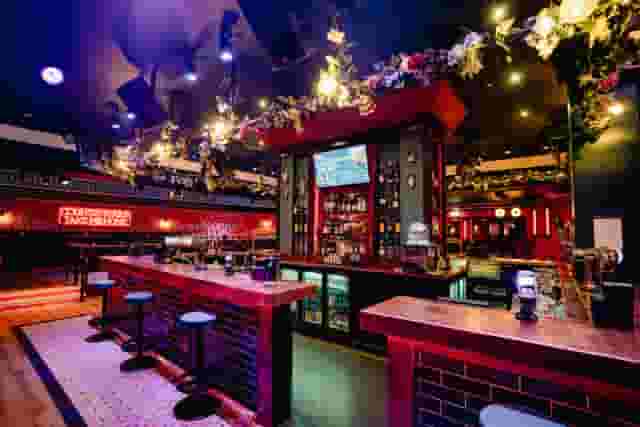
No venues match these filters
Try widening your capacity, luxury level or event type.
Don't have time to search? We'll find it for you.
For business events that need human judgement, talk to our team. Free for events of 100+ people, budgets over £10k or ongoing programmes.




Explore more venues in Birmingham
Other platforms search their database. We search everything.
Tell us what you need. Our deep research finds any venue, whether it's in our marketplace or not. No one else does this.
About Recording Studios in Birmingham
Matching the space to your format and guest count
Planning a cultural evening with a private view, an artist talk and a drinks reception requires balancing three very different physical needs. A gallery viewing asks people to circulate, pause and step back from displays. A talk requires focused sightlines, quiet surroundings and either seated or comfortable standing room where everyone can hear clearly. A drinks reception needs casual circulation, access to glasses and a social buzz that does not feel cramped. When you choose a working recording or rehearsal studio for this programme, you gain character and acoustic control, but you must ensure the floor plan supports all three acts without awkward bottlenecks.
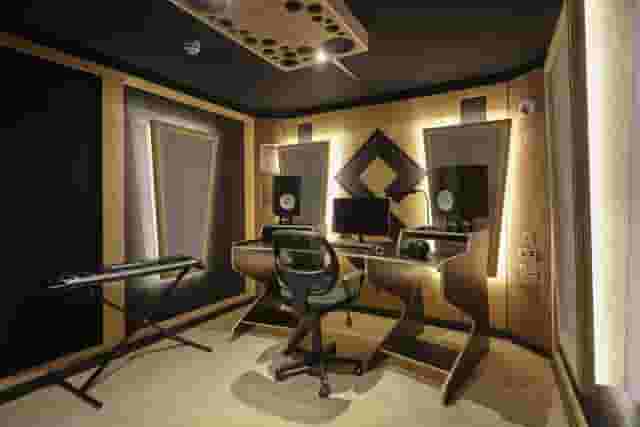
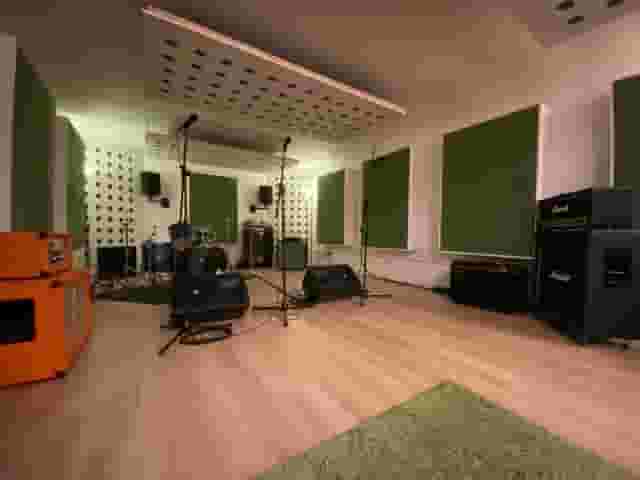
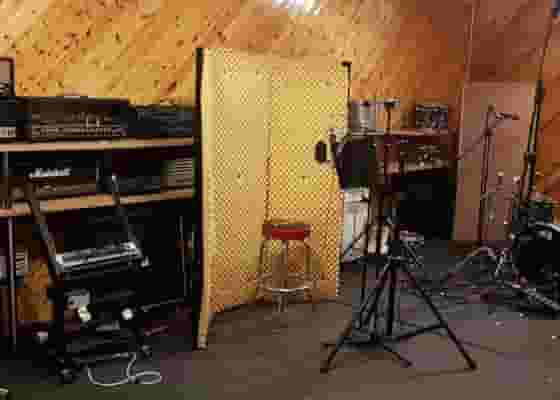
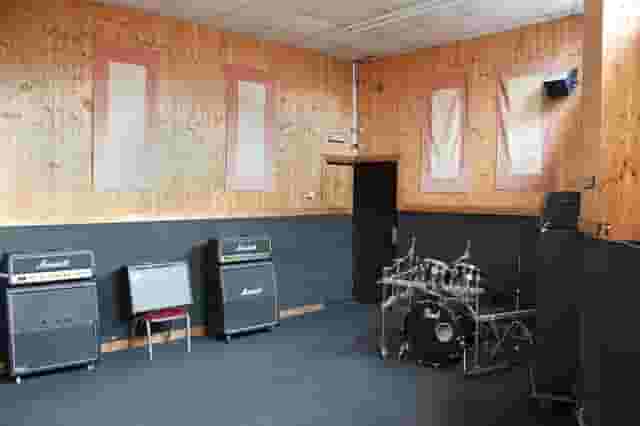
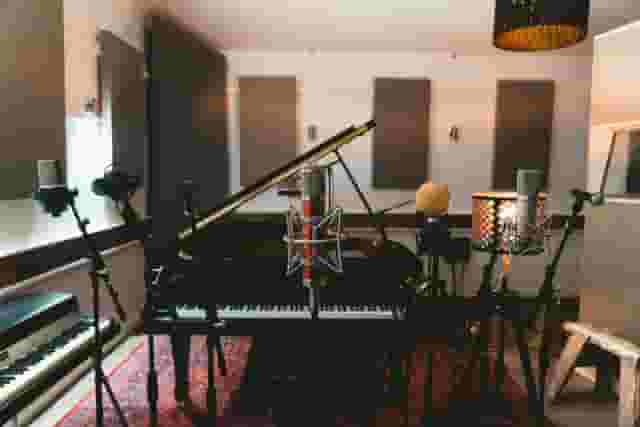
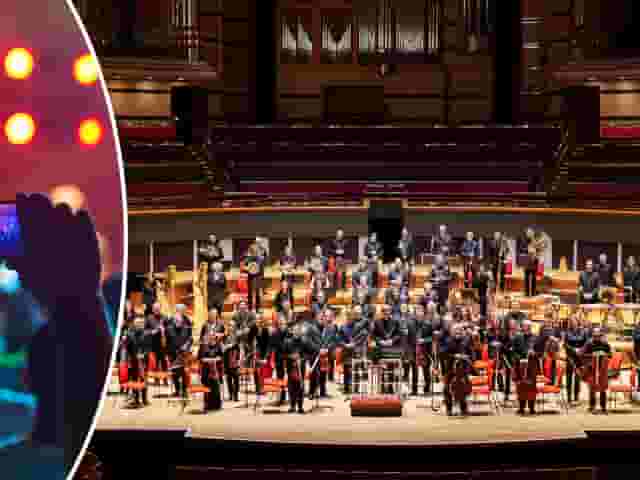
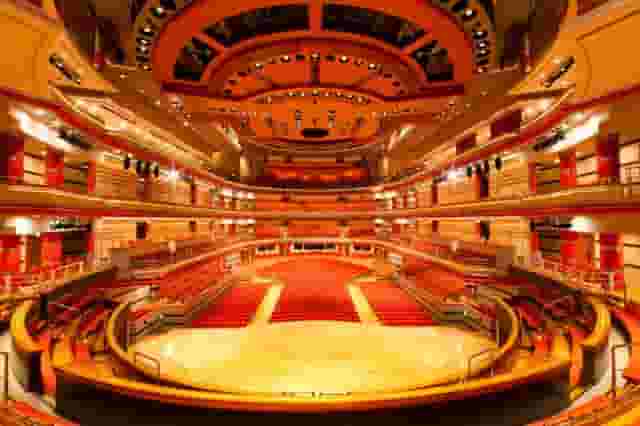
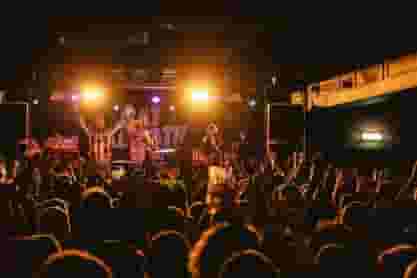
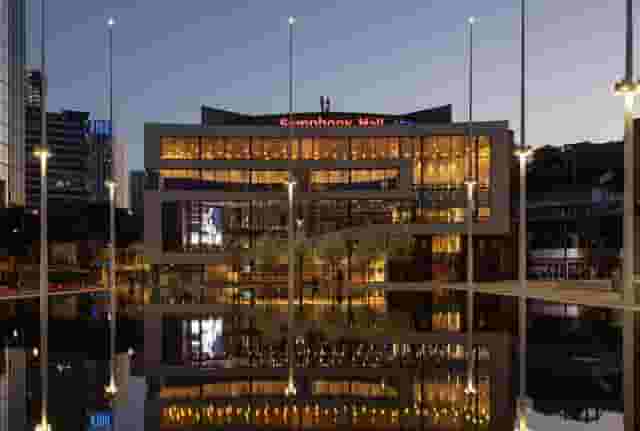
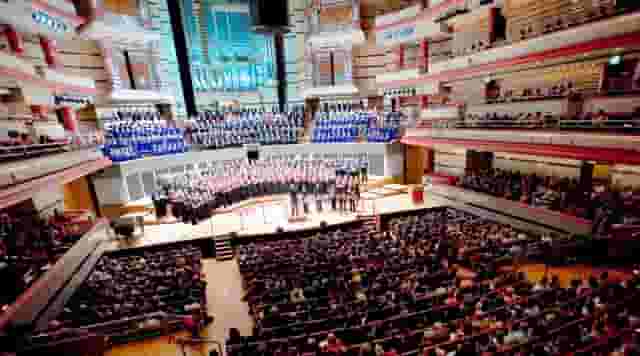
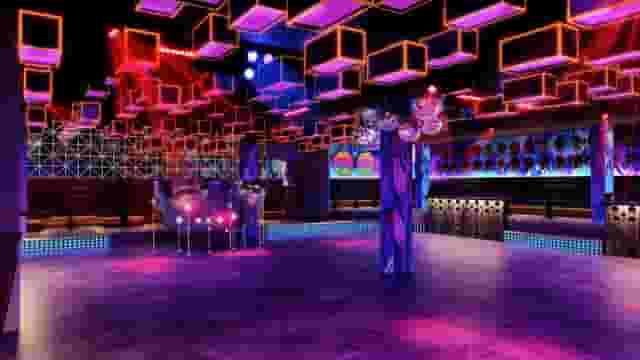
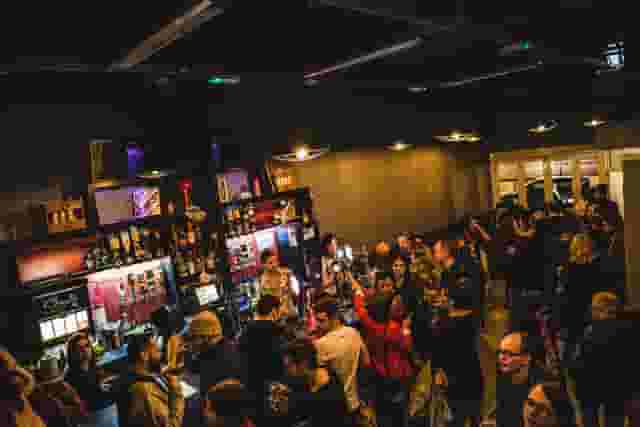
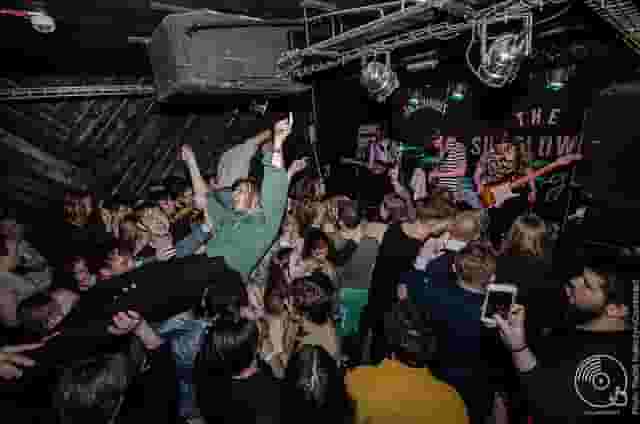
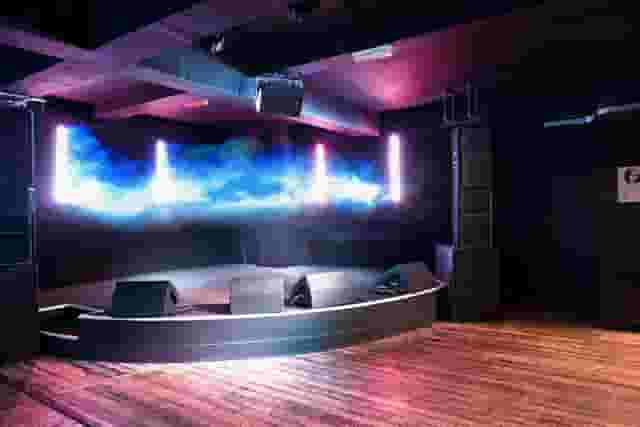
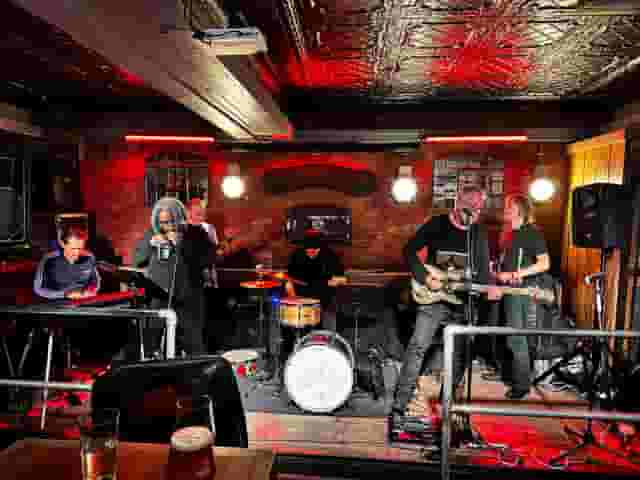
Studio spaces naturally split between large tracking rooms, live rooms and smaller control booths. For larger cultural gatherings of 100 to 200 people, you need a high-ceilinged room that accommodates clear audio projection without deadening the conversational energy during the reception. The rehearsal studio at City of Birmingham Symphony Orchestra provides standing capacity for 198 people, offering the acoustic precision of an orchestral hall alongside the open floor space needed for temporary display easels and reception mingling. If your evening leans towards an edgy, gig-adjacent feel with a dedicated presentation area, So Called Studios accommodates up to 150 standing guests across its main stage area, giving you an existing platform for speakers and an integrated bar.
Mid-sized cultural gatherings work best when the talk feels intimate and direct. Between 50 and 70 guests, standard studio live rooms offer enough breathing room for display plinths around the perimeter while maintaining an attentive cluster of chairs in the centre. Base Studios in Stourbridge handles 65 standing guests in its recording, production and mastering studio, making it practical for creative workshops, product showcases and small panel talks. Similarly, The Tower of Song accommodates 60 standing guests in a purpose-built live room environment where the stage setup allows for an immediate shift from a speaker presentation to live acoustic accompaniment. For slightly smaller groups, Robannas Studios offers a capacity of 54 standing, giving you enough floor space for standing high-tables and mobile display screens.
For micro-events, private collector viewings or salon discussions under 40 people, a smaller studio changes the dynamic from a public lecture to a close-quarters conversation. Muthers Studio in Digbeth provides a rehearsal studio with dining capacity for 40 guests, allowing you to combine a sit-down talk with catered hospitality. When the guest list is strictly limited to 20 people, intimate environments like CapsaArx Studios, with reception capacity for 20, or the daylight-filled live room at Stage Studios, also holding 20 standing, provide direct access to recording gear, mixing desks and a behind-the-scenes atmosphere that commercial galleries cannot replicate. If you are looking for spaces with this kind of character across Birmingham, Hire Space is an event planning and venue booking platform backed by a team of real people to help with your venue sourcing. Its Deep Venue Research tool can uncover options well beyond standard event lists, building a shortlist in minutes with upfront price estimates based on real bookings so you know the likely costs before reaching out.
| Studio setup | Capacity | Best suited for | Key layout consideration |
|---|---|---|---|
| Large orchestral rehearsal room | 150 to 200 | Keynote talks and large gallery walls | Needs temporary partitioning to create reception zones |
| Live stage with integrated bar | 100 to 150 | Panel discussions and lively receptions | Built-in sound rig avoids hiring outside audio gear |
| Mid-sized live tracking room | 50 to 70 | Focused artist talks and print displays | Perimeter displays protect central seating area |
| Intimate production studio | 10 to 40 | Salon discussions, masterclasses and VIP viewings | Tight perimeter requires strict limits on bulky displays |
Structuring the evening across multiple studio zones
A successful cultural evening relies on deliberate pacing. If guests walk directly into a seated talk, they miss the social warmth that sets up the conversation. If the reception starts immediately around delicate artwork without clear boundaries, people hold drinks too close to items that need protection. Dividing the running order across distinct studio zones keeps guests moving naturally and protects the focus of each phase.
Start with the private view during the first 45 minutes. Guests should enter through a defined reception point or studio lounge where coats and bags are checked. Bulky winter coats and backpacks are hazardous in a working recording suite filled with wall-mounted acoustic baffles and microphone stands. Direct guests into the live room or perimeter gallery space with an initial welcome drink. The lighting should stay relatively bright during this stage: 70 to 80 percent illumination lets attendees view prints, sculpture, photography or product prototypes properly. Keep background music low or off entirely. Acoustic dampening in studios absorbs high frequencies quickly, so ambient conversation sounds crisper and carries further without competing against a playlist.
Transitioning to the talk requires a deliberate audio and lighting cue. Dim the perimeter display lighting and bring up focused warm light on your speaker or discussion panel. Ten minutes before the presentation, announce last orders for the opening drinks so guests can settle without glass clinking during the opening remarks. If you are using a room with a permanent stage, such as So Called Studios, ask guests to gather towards the stage area 5 minutes ahead of time. Keeping the talk between 25 and 35 minutes preserves audience attention, especially if guests are standing rather than seated. Allow 10 minutes for audience questions, using a roving handheld microphone so questions are audible to everyone in the room.
Once the talk concludes, bring the main house lights back up slightly and open the bar fully for the main drinks reception. This is the moment to reveal secondary spaces if the venue permits. In spaces like Muthers Studio, you can move guests between rehearsal rooms and communal lounge areas, encouraging conversation away from the primary presentation floor. Schedule 60 to 90 minutes for this final phase. It gives guests enough time to revisit the displays with the context from the talk, discuss the ideas with the host and finish drinks before pack-down begins.
Sound engineering and display lighting inside recording environments
The greatest advantage of booking a recording studio for a cultural talk is vocal clarity. Traditional art galleries, converted warehouses and hotel function rooms frequently suffer from hard, reflective surfaces. Concrete floors and bare plaster walls bounce sound, turning an otherwise thoughtful lecture into a boomy, unintelligible wash. Studio live rooms are engineered to control reverb, damp flutter echoes and isolate frequencies. Your speaker does not need to shout, and your audience will not strain to catch nuanced points.
However, recording rooms present specific technical considerations for visual displays and staging:
Controlling the vocal mix
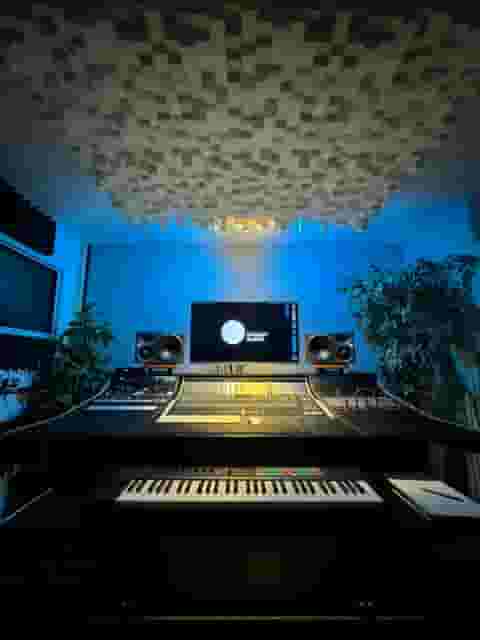
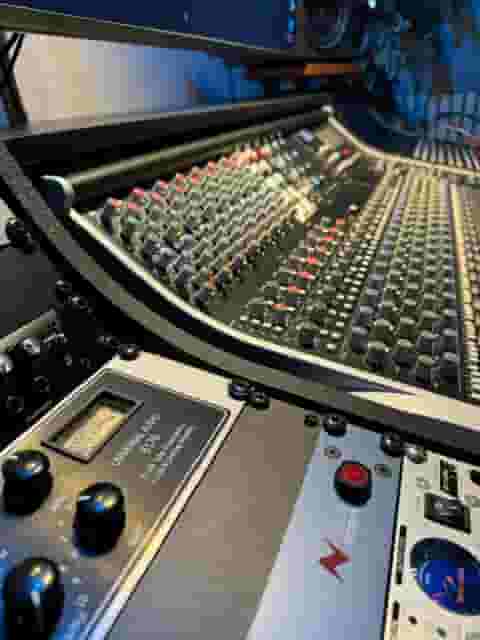
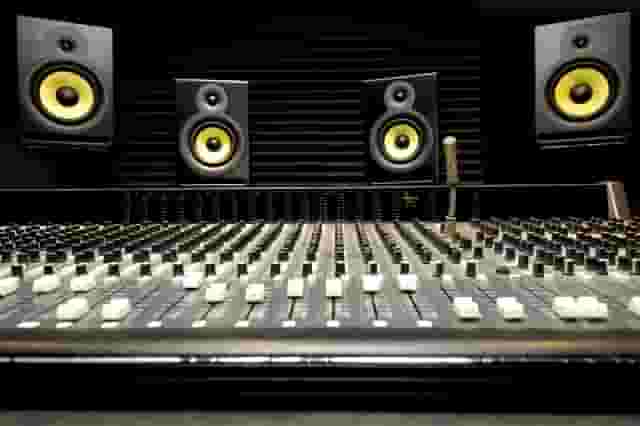
Never rely on a camera microphone or a standard portable PA speaker when you have access to studio-grade monitoring. Working recording facilities like Base Studios or Robannas Studios house high-end mixing desks and directional dynamic microphones. Use cardioid vocal microphones for panel discussions to reject spill from side chatter. If your speaker moves while talking, supply an unobtrusive wireless lavalier or head-worn microphone, and assign a sound engineer to monitor levels throughout the presentation. Studio sound technicians know the room modes and will eliminate feedback spikes before the audience notices them.
Managing lighting and reflection
Studios prioritize acoustic isolation over daylight. Spaces like Stage Studios offer natural light, which is an advantage for early evening viewings of physical artwork, but many recording suites rely entirely on artificial lighting. Standard studio mood lighting is often warm and dim, geared towards musicians tracking late at night. For an art or design private view, you will need clean, neutral light that renders colours accurately. Check whether the venue allows temporary LED lighting trees or battery-powered uplighters. Avoid halogen lamps, which generate substantial heat in soundproofed rooms with limited ventilation.
Rigging and wall fixings
You cannot hammer nails into studio walls or hang heavy picture frames from acoustic diffusers. Studio acoustic panels consist of wrapped fibreglass, rockwool or precision-cut timber slats that tear easily. Plan to use freestanding display systems. Heavy-base poster stands, wooden artists' easels and free-standing exhibition panels work best. Keep displays at least half a metre away from mixing consoles and permanently mounted outboard gear.
Studio etiquette, drinks service and equipment protection
Bringing food and drink into a facility filled with delicate electronic hardware requires strict operational boundaries. Studio owners are protective of their control boards, outboard racks and instruments. Establishing clear policies with your venue manager beforehand prevents misunderstandings on the night.
Work with the studio team to establish red zones and green zones. The red zone covers the mixing console, monitor speakers and outboard racks. This area should be roped off or clearly signed, with a strict ban on glasses, bottles and open food. The green zone is your reception area, bar perimeter and circulation path. Venues like The Tower of Song combine performance spaces with established hospitality setups, making wet receptions straightforward. In contrast, dedicated technical spaces like CapsaArx Studios require extra care around desktop production hardware.
When selecting catering, choose dry, handheld canapes that do not shed greasy residue or crumbs. Avoid soup shooters, dripping sauces or foods requiring cutlery. Skewers, savoury tarts, bite-sized pastries and cheese parcels work well. For drinks, offer bottled beers, quality wines and non-alcoholic alternatives served in sturdy glassware. Avoid over-tall champagne flutes that tip over easily when knocked against a cable trunk. Place waste bins and glass collection trays every few metres along walls so guests never set empty glasses down on equipment cases or speaker cabinets.
Check licensing conditions early. Some studios operate a premises licence with a staffed bar, while others operate on a dry hire basis where you must apply for a Temporary Event Notice (TEN) through Birmingham City Council if you plan to sell alcohol. Even if drinks are included in the ticket price rather than sold over a bar, a TEN may still be required if the provision of alcohol constitutes a licensable activity under local authority rules. Submit any TEN application at least ten clear working days before your event date.
Understanding venue hire costs and comparing quotes
Because working studios primarily sell tracking time by the hour or day, their pricing models differ from standard corporate event suites. Comparing quotes requires looking closely at what technical support and utility fees are included. Studio quotes for an evening event generally break down across four core operational drivers:
Room hire versus engineer fees
A basic dry hire fee gives you the physical room, heating and standard house lighting. However, operating the PA system, running microphones and adjusting lighting levels during the talk requires an on-site technician. Always ask whether the quote includes an in-house studio engineer for the duration of the hire, plus two hours of load-in and soundcheck time beforehand. Paying for an experienced resident engineer is well worth the line item: they know every patch bay, circuit breaker and acoustic quirk in the building.
Equipment usage and patch fees
Some studios include use of their in-house vocal microphones, stands and floor monitors in the hire fee. Others charge a supplement for unlocking high-end microphones, moving grand pianos or using house backline. Clarify in writing what hardware is included on the live room floor. If you need a projector and screen for a visual presentation accompanying the talk, verify whether the studio supplies this or if you need to hire an external AV unit.
Cleaning, waste disposal and security
Unlike conventional meeting rooms, recording spaces are carpeted to reduce acoustic reflections. Wine spills on studio carpeting are difficult to extract. Venues often require a refundable damage deposit, alongside a fixed post-event cleaning charge to vacuum floors, wipe surfaces and sanitize microphones before morning recording sessions begin. If your guest list exceeds 100 people at venues like City of Birmingham Symphony Orchestra, check whether door security is mandatory under the venue's operating licence.
Access windows and setup buffers
Always negotiate at least two hours of preparation time before guest arrival. Setting up display easels, positioning spotlights, testing presentation audio and laying out glassware takes longer in a studio than in a standard hall. You also need at least one hour of teardown time after guests leave. Ensure your hire window covers load-in to final exit, avoiding steep overtime penalty rates that kick in past midnight.
Transport, load-in and neighbourhood access across Birmingham
Birmingham offers a range of studio locations, from the central creative hub of Digbeth to the surrounding industrial and suburban districts. Choosing the right neighbourhood influences both guest attendance and the logistical ease of getting your exhibits into the room.
Digbeth remains Birmingham's creative heart, home to artistic hubs like Muthers Studio. The area is easily accessible for guests on foot or by taxi from Birmingham New Street and Birmingham Moor Street stations, making it practical for after-work weeknight events. However, on-street parking in Digbeth is competitive, and narrow industrial streets can make unloading large display boards tricky. Always confirm whether the venue has a dedicated loading bay or roller shutter access for vehicle drop-offs.
If your event requires moving large quantities of staging, display boards or wine crates, venues located in outer districts often provide easier vehicle access. Facilities like Base Studios in Stourbridge or Stage Studios towards the western suburbs offer on-site parking and ground-floor load-in directly from the car park into the live room, eliminating the need to haul heavy flight cases up stairwells. For central city events near Centenary Square, such as the City of Birmingham Symphony Orchestra rehearsal facilities, guests benefit from excellent public transport links via the West Midlands Metro tram network and multiple multi-storey car parks within a five-minute walk.
When writing your guest invitations, provide clear advice on local arrival points. Studios can blend into commercial estates or converted factory buildings without prominent street frontages. Include photos of the entrance door, specific intercom instructions and local taxi drop-off postcodes to ensure attendees arrive relaxed and ready for the evening ahead.
What our customers say
Inspiration and planning guides

The Top 5 Community Workshop Venues In London
London is full of grand buildings, impressive architecture and iconic landmarks but there is are also a number of fantastic community centres and event spaces that are underused and in our opinion, under-appreciated. Hire Space began with the idea of promoting and celebrating such venues so without further ado, James Roche brings you five top community workshop spaces for hire in London! The Hall at St James the Less [https://hirespace.com/Venues/443/Camden-City-Learning-Centre?utm_source=The%2

The Top 3 Trending Venues In Soho
From casual pubs to exclusive clubs, Soho is definitely a kingdom for the cool kids. That’s not to say we can’t all enjoy its many wonders – you just need to know where to start. Hire Space’s James Roche is here to help with ‘Three Slamming Soho Spots!’ Avalon Soho According to legend, Avalon was an island paradise to which Arthur was carried after his death. If you ignore the part about the deceased King and forgive the absence of palm trees and coconuts, then you’d have to admit that this p

London's Top 5 Christmas Meals
The kids are all laughing, the gifts have been exchanged, Grandpa’s on to his fifth sherry and singing Jingle Bells in the background – it’s Christmas Day and everyone is having a merry old time. Everyone, that is, but the chef. Organising a festive feast can be exhausting and it’s a fair bet that whoever has been entrusted with this enormous task will spend more time cursing and sweating away than actually enjoying the day as they should. Our gastronomic guide, James Roche is here to help. Here
One supplier. Every venue. Full visibility on what you spend.
Multiple venues and events. One agreement.