Photo Studios for Hire in Birmingham
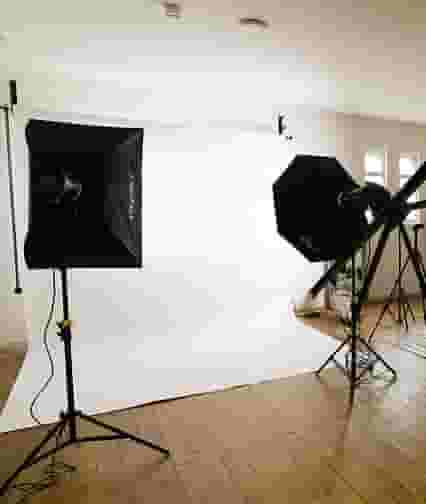
Explore photo studios in Birmingham with the lighting, acoustics and floor space needed to host private views, evening talks and drinks.
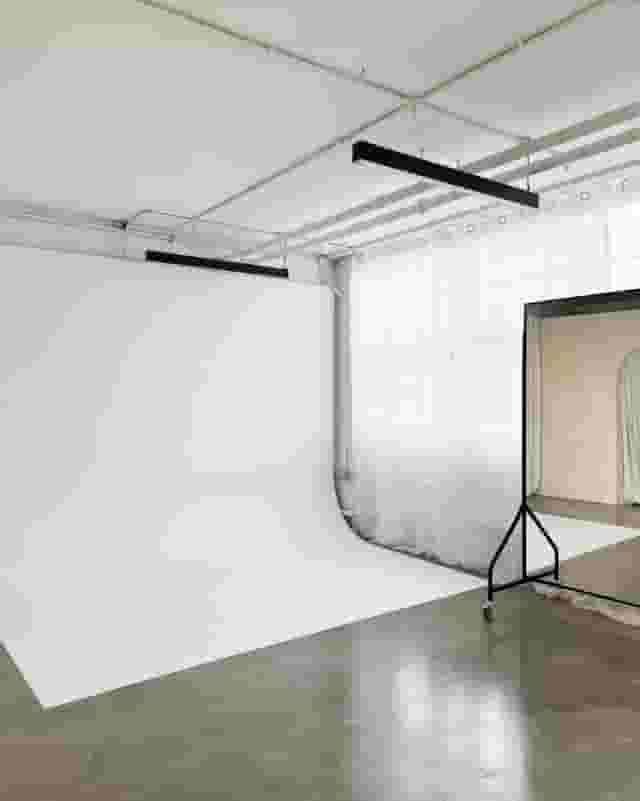
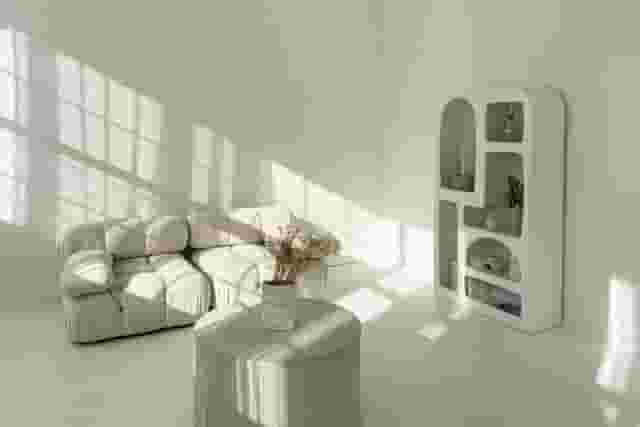
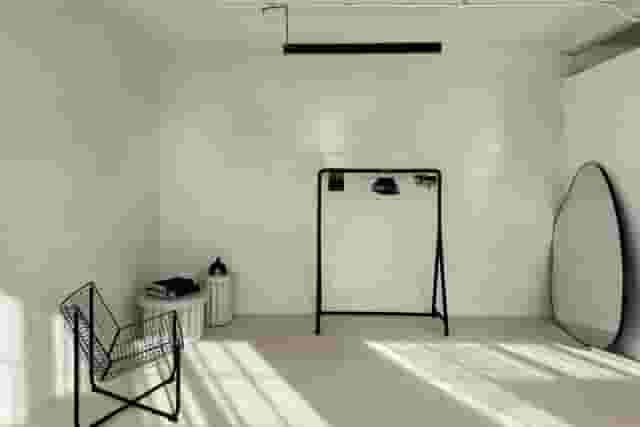
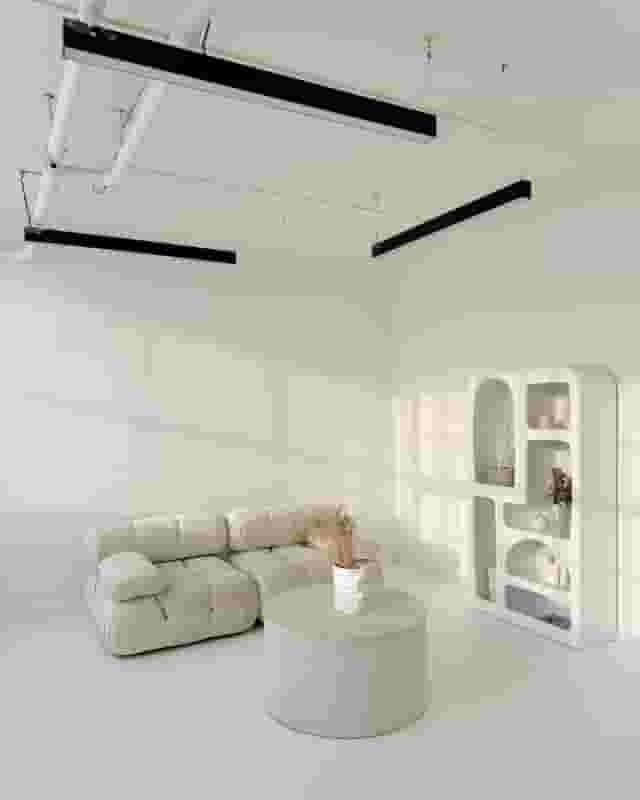
48 Photo Studios for Hire in Birmingham








No venues match these filters
Try widening your capacity, luxury level or event type.
Don't have time to search? We'll find it for you.
For business events that need human judgement, talk to our team. Free for events of 100+ people, budgets over £10k or ongoing programmes.




Explore more venues in Birmingham
Frequently asked questions
How do I select a photo studio for a fashion shoot?
What features define a top photo studio in Birmingham?
Are there unique photo studios in Birmingham's centre?
Can I find a photo studio with a vintage feel in Birmingham?
What's the price range for hiring a photo studio in Birmingham?
Other platforms search their database. We search everything.
Tell us what you need. Our deep research finds any venue, whether it's in our marketplace or not. No one else does this.
About Photography Studios in Birmingham
Hosting a cultural evening that blends a gallery-style private view, an engaging talk and a relaxed drinks reception requires a venue that can perform three distinct jobs in a single night. Traditional art galleries often impose strict conservation rules that restrict where guests can hold a glass of wine, while standard conference rooms provide the audiovisual equipment for a presentation but lack atmosphere. Photography studios across Birmingham offer a practical middle ground. Built with clean lines, high ceilings, neutral backdrops and adaptable rigging, these spaces give you the freedom to mount visual displays, set up temporary seating for a speaker and host an evening reception without forcing guests to change rooms.
Studios also carry an industrial, creative character that suits artistic gatherings, book launches, design showcases and panel talks. You can explore creative staging approaches in 7 Picture Perfect Venues for Memorable Photoshoots to see how raw production spaces adapt to different formats. However, running a public or semi-private evening event in a working studio involves different operational demands than booking the same room for a commercial shoot. You need to consider sound management, guest flow, licensing, furniture turnarounds and catering prep. Understanding how to navigate these elements ensures your programme runs smoothly from arrival to the final glass.
Matching the studio space to your programme
The success of a three-part evening hinges on how the room accommodates movement. Your guests will spend the first part of the night circulating to view work, then sit or stand in a focused cluster for the talk, and finish by socialising with drinks in hand. When shortlisting spaces, calculate your capacity based on the most space-intensive phase of the event, which is almost always the seated or clustered audience configuration.
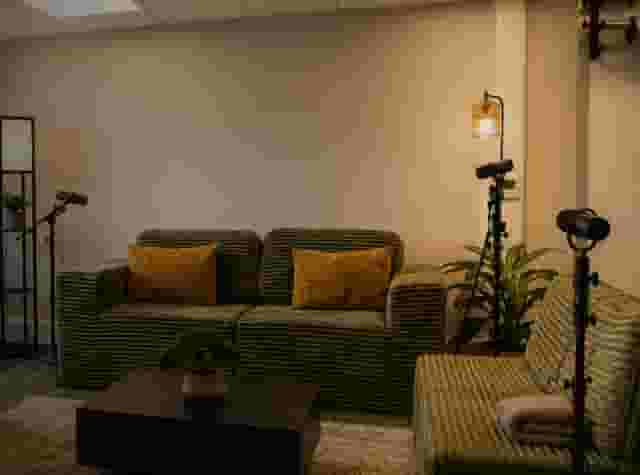
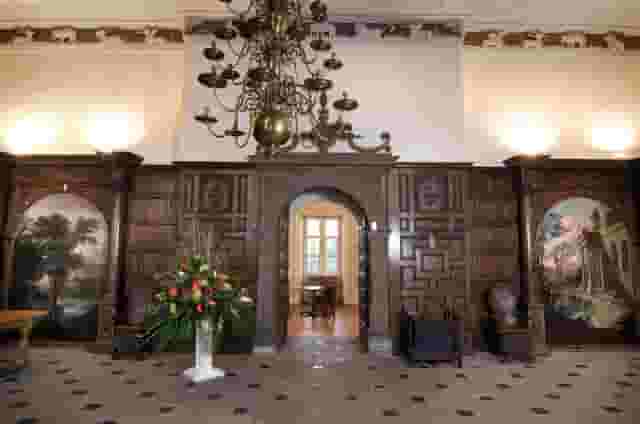
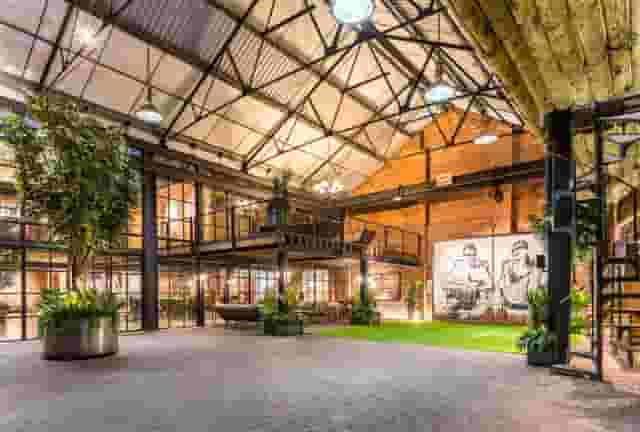
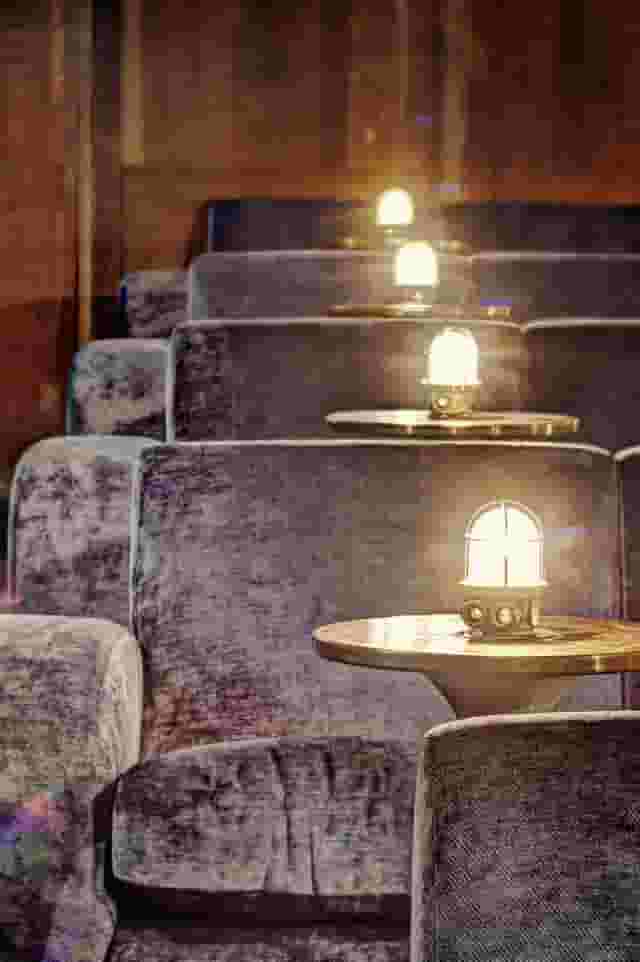
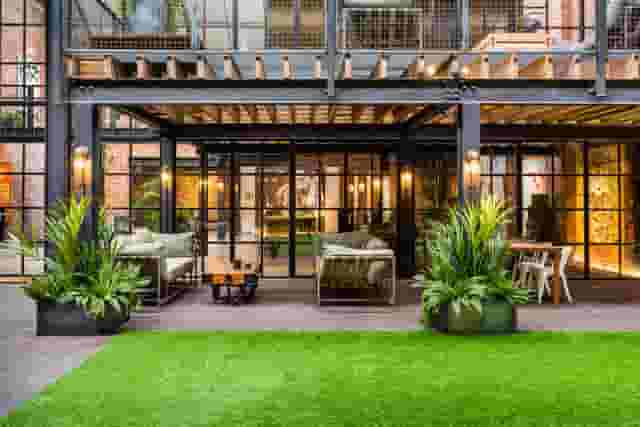
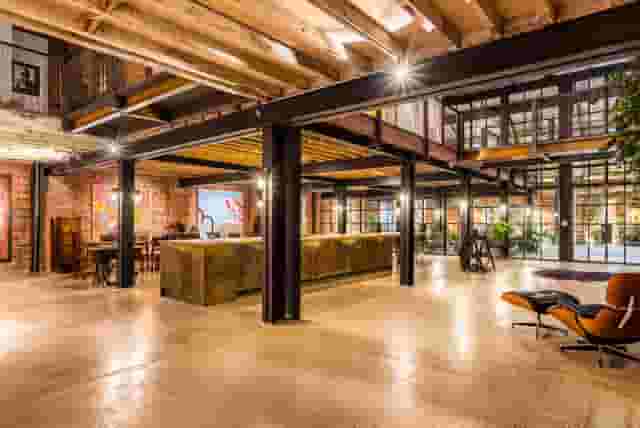
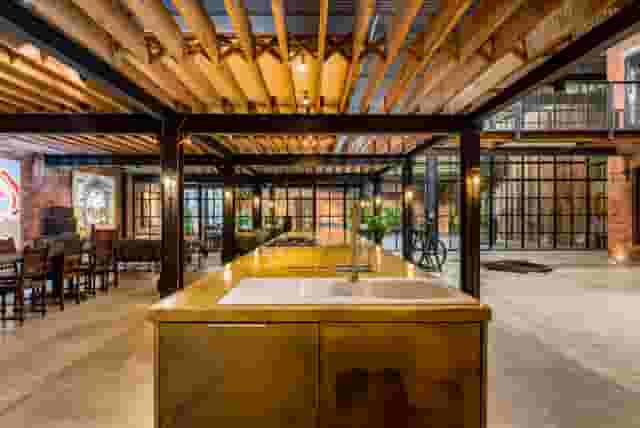
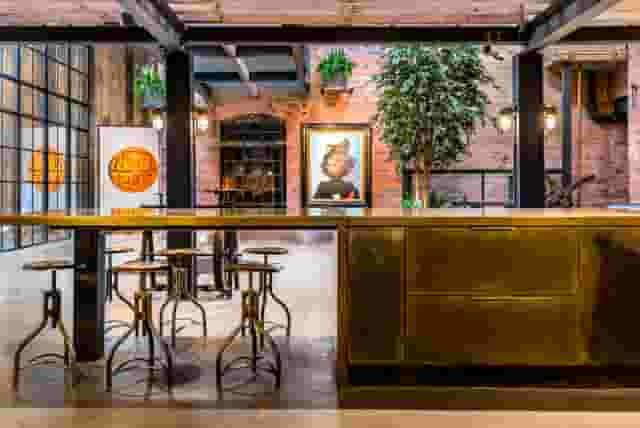
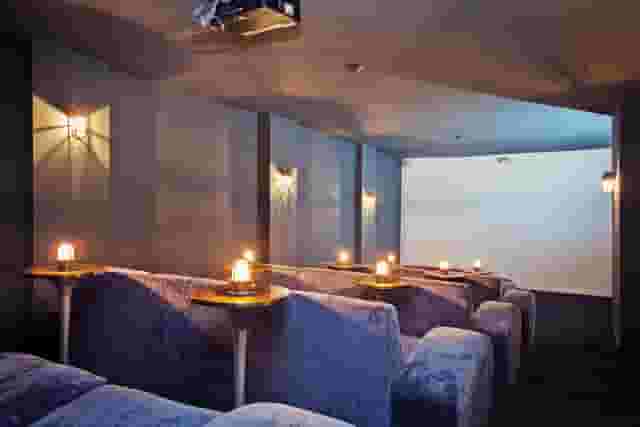
For larger cultural events expecting between 100 and 200 guests, look for venues that feature multiple defined zones or an expansive footprint that allows you to separate the display area from the reception bar. The Compound in the Jewellery Quarter offers 12,000 sq ft across a converted historic factory, incorporating an art studio, a dedicated cinema room, living areas and a bar. With capacity for 150 standing guests, it lets you screen visual presentations or host a panel talk in one zone while keeping the art display and bar service accessible in adjacent rooms. This layout eliminates the need to awkwardly rearrange chairs while your guests wait with their drinks.
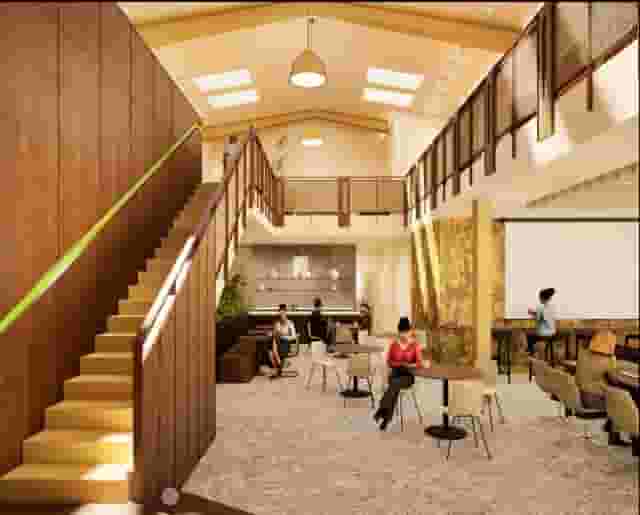
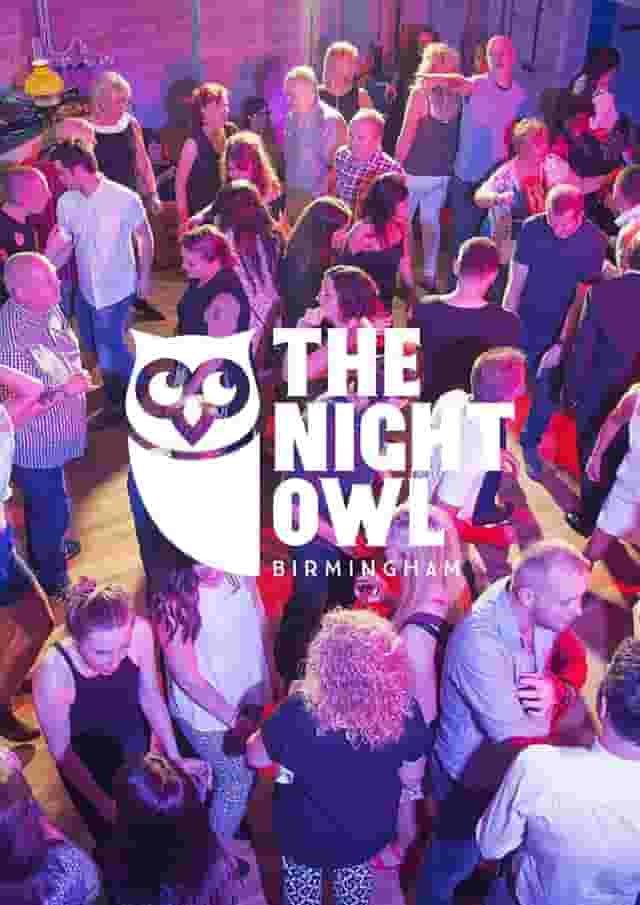
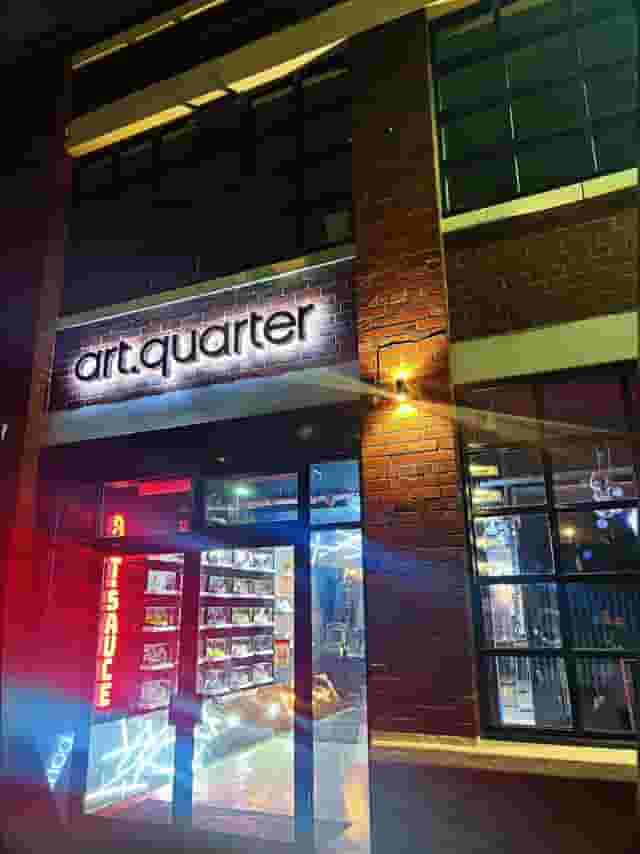
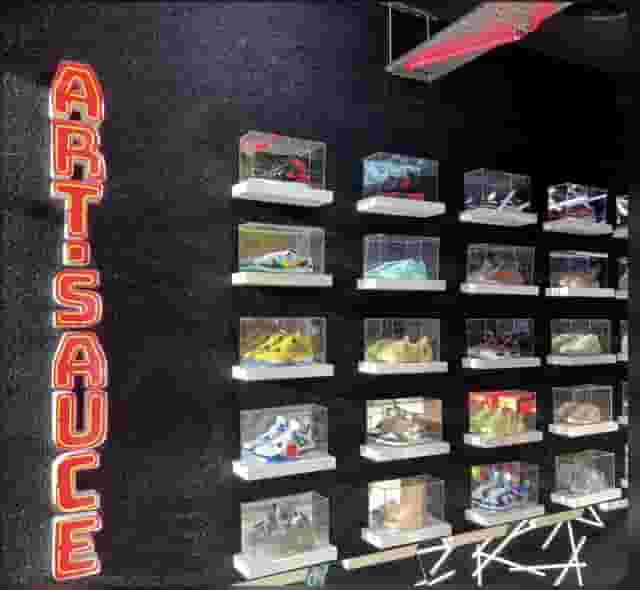
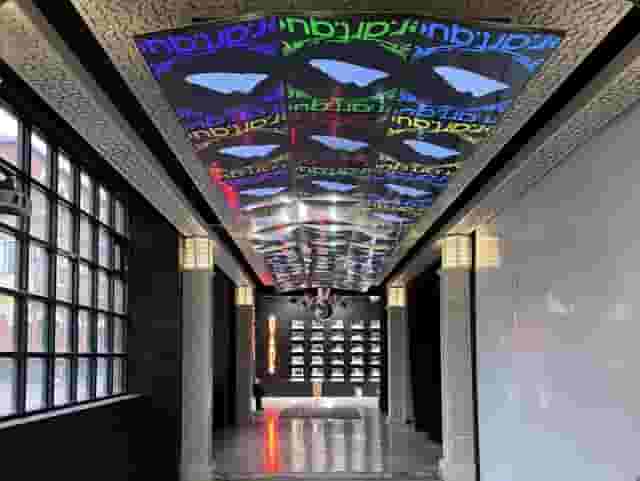
If your private view involves digital media, projections or interactive visual art, a tech-oriented complex is often more suitable than a plain daylight studio. Art Quarter provides a multi-purpose creative complex with an immersive events room and digital display facilities, accommodating up to 200 standing guests. For gatherings that lean toward live performance, music history or an energetic social atmosphere alongside an exhibition, The Night Owl in Digbeth provides capacity for 250 standing guests in its main room, giving you an established staging area and built-in bar facilities that can handle high guest turnover.
For mid-sized and boutique cultural events, smaller studios offer an intimate, focused environment where the work remains the primary feature:
- Base Studios accommodates up to 100 standing guests within a dedicated film, TV and photography setup, providing an industrial backdrop that gives you full control over rigging and guest movement.
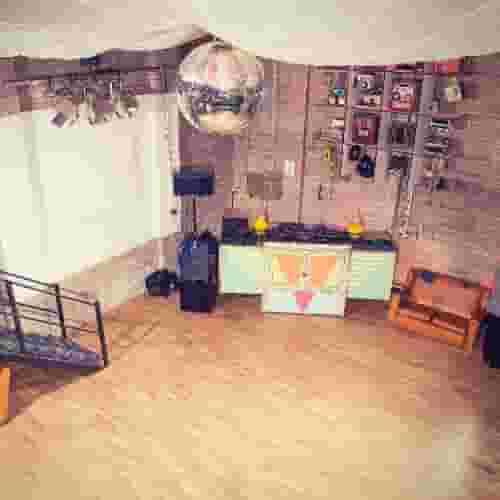
- CFC Studio in Aston features 1,000 sq ft of open-floor space holding up to 90 standing guests, with flexible lighting options, storage for equipment and parking is included on site.
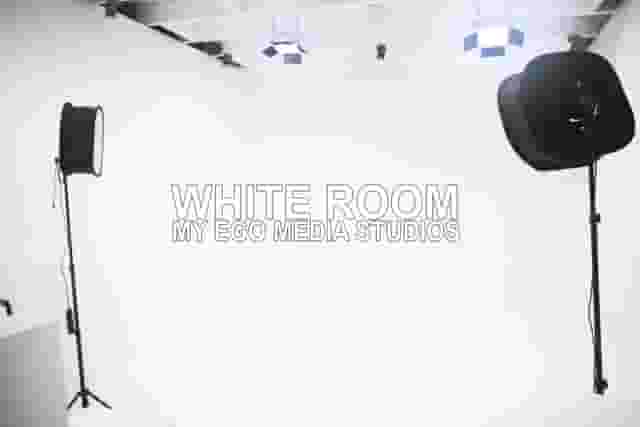
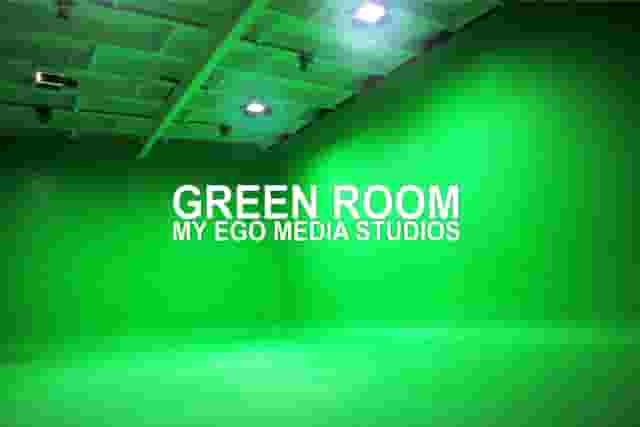
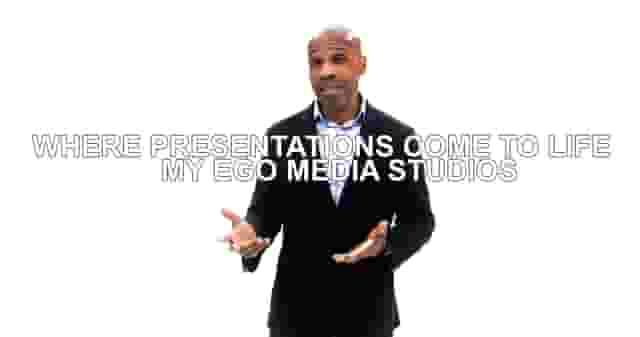
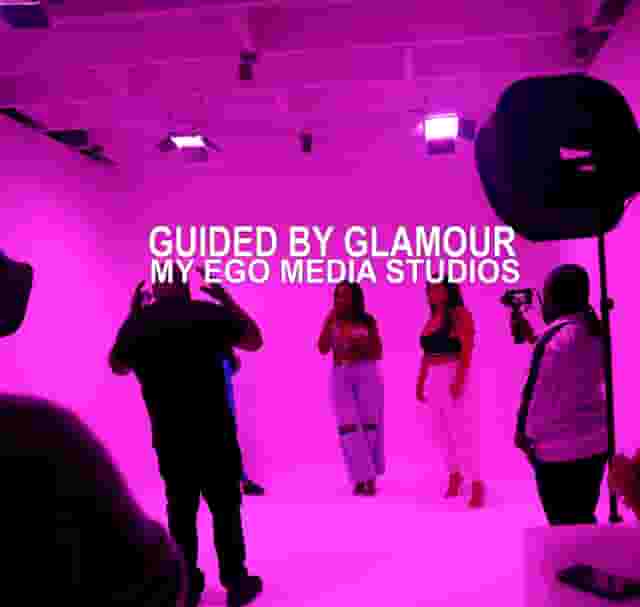
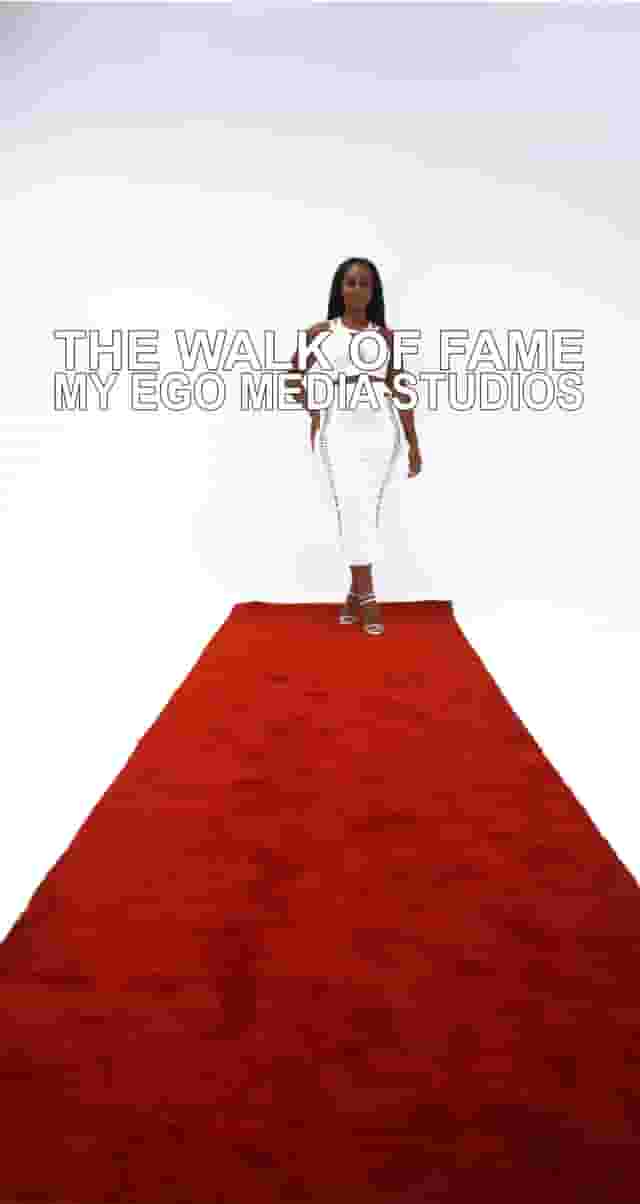
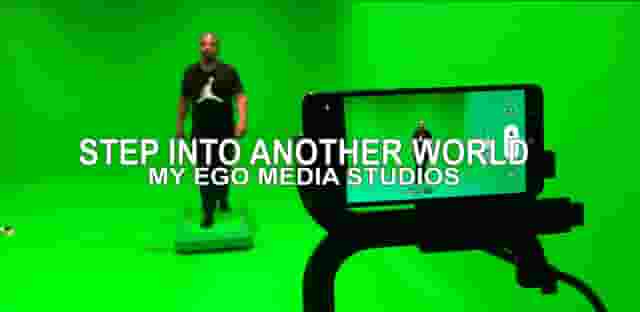
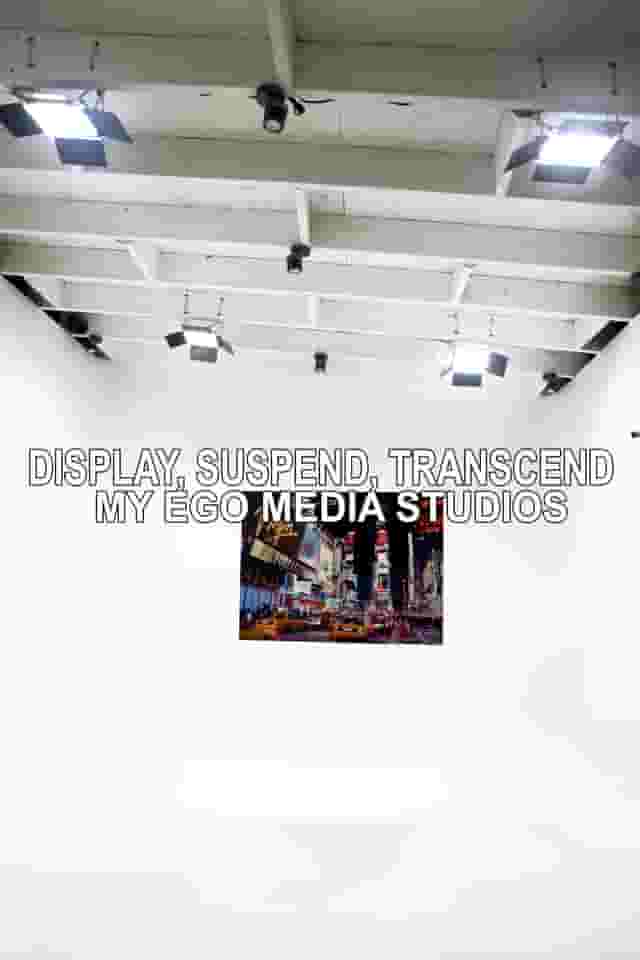
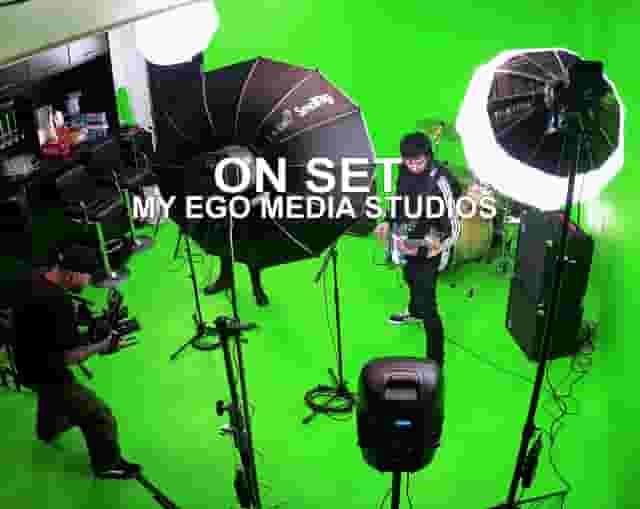
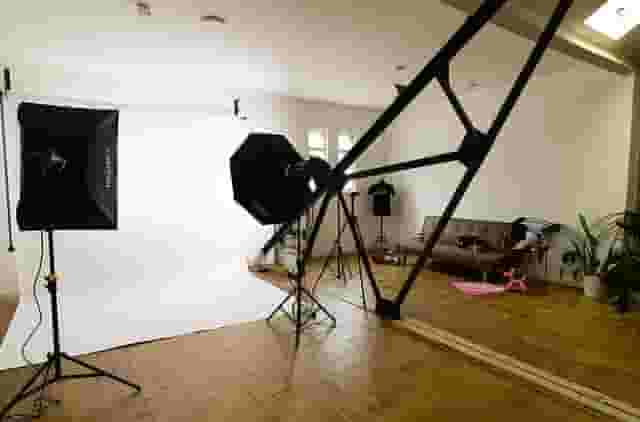
- My Ego Media Studios offers capacity for 40 standing guests, featuring infinity walls and dynamic lighting options that suit photography showcases and short presentations.
- The Creatv Hub in Cradley Heath provides a ground-floor space for up to 30 standing guests, well suited to community art events and creative workshops.
- Sumei Studios in the Jewellery Quarter accommodates up to 20 standing guests for micro-exhibitions, press previews or intimate discussion roundtables.
Managing acoustics, lighting and room transitions
Photography studios are engineered around visual capture rather than acoustic performance. Industrial buildings with exposed brick, polished concrete floors and corrugated metal roofs bounce sound across the room. While this acoustic brightness is unnoticeable during a photoshoot, it can create a wall of echo once 80 people start talking with drinks in hand.
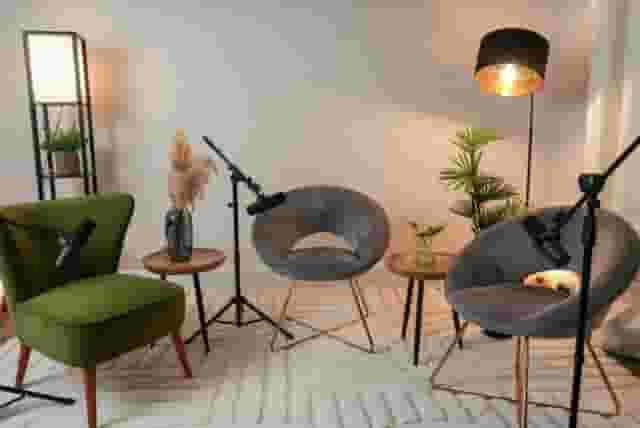
When your event schedule transitions to the speaking portion of the night, clear sound is essential. Never rely on the unamplified voice of your speaker in a room with hard floors and high ceilings. Rent a compact PA system with directional wireless microphones, and arrange the speaker's podium away from hard reflective glass or bare metal walls. If you are showing slides or a short documentary, ensure the sound from the media feeds directly into the PA system rather than playing through basic projector speakers. For guidance on production infrastructure, review Filming & Photography with Hire Space to see how technical crew handle live audio and power distribution in working studios.
Lighting requires careful division into zones. A cultural evening demands three lighting states:
- Exhibition mode: Bright, directional light focused onto artwork, photographs or display plinths, with softer ambient light in circulation pathways so guests can mingle safely.
- Presentation mode: Dimmed ambient light throughout the room to preserve projection contrast, with a focused spotlight on the speaker's lectern or stage.
- Reception mode: Warmer, indirect lighting that softens the studio atmosphere and signals the transition to socialising.
Studios with lighting trusses or magnetic track systems let you adjust these levels from a central control board. If you are hiring an open studio with standard overhead fluorescent lighting or large industrial daylight windows, confirm whether the venue has blackout blinds or dimmable fixtures. If an evening event starts while daylight remains, natural light will dilute projection screens unless the windows can be shaded.
Structuring the schedule and evening flow
The transition between viewing art, listening to a talk and drinking wine can feel disjointed if the timing is too tight. A successful schedule gives attendees enough time to view the work without feeling rushed, captures their attention for the formal talk while their energy is high, and leaves ample room for networking afterwards.
Plan for doors to open 45 minutes before the talk. This window allows late arrivals to check coats, pick up a welcome glass and view the displays without missing the formal address. Keep the spoken presentation to no more than 35 minutes, followed by 10 to 15 minutes of structured questions. Any talk extending past 45 minutes tests the patience of a standing audience and invites restlessness.
| Time | Event phase | Operational focus | Space and lighting state |
|---|---|---|---|
| 18:00 to 18:45 | Arrival and private view | Welcome drinks tray-served, coat check active, background ambient music | Full exhibition lighting, soft pathway lighting |
| 18:45 to 19:30 | Talk and Q&A | Bar service paused, background music off, sound reinforcement live | Dimmed gallery lights, focused speaker lighting, projection live |
| 19:30 to 21:00 | Drinks reception and networking | Bar reopens, canapes circulated, casual viewing resumes | Warm ambient lighting, low background playlist |
| 21:00 to 21:30 | Guest departure | Coat check collection, music lowered, taxis summoned | Clear circulation lighting, main work protected |
During the speaking segment, pause bar service entirely. Staff opening bottles, pouring drinks or clinking glassware at the back of the room will compete directly with the speaker. Brief your catering team to stop serving five minutes before the speaker takes the microphone and to resume quietly once the floor opens for questions.
Studio hire costs, package structures and hidden expenses
Pricing for photo studios in Birmingham differs significantly from standard corporate hotel rooms or conference suites. A studio's primary revenue comes from production hires, where crew sizes are small and equipment use is straightforward. When you book a studio for an evening gathering with hospitality, the venue must account for wear and tear, additional staffing, waste removal and licensing.
Across the wider Birmingham event market, published studio data shows standard photo-studio hire: £35 to £110 per day, which generally reflects dry studio space booked for small creative shoots. When planning a public reception or multi-part evening with larger guest numbers, venues provide an event or exclusive-hire package: £390 to £820 in total across published event rates. Where an event demands late-night operating hours, security, bespoke bar management or heavy technical support, the overall hire quote will adjust upward depending on your brief. If you want a clearer picture of costs before reaching out to venues, Hire Space offers instant, data-backed price estimates drawn from real bookings, backed by a team of real people to guide your search. If your preferred space stretches your budget, it can also suggest similar local studios at a lower price.
| Cost category | What standard studio hire covers | What an event package typically includes | Additional budget to anticipate |
|---|---|---|---|
| Space hire | Empty studio floor, basic house power, heating | Exclusive building use, access to green rooms, early setup access | Overtime charges past contracted breakdown times |
| Technical and lighting | Pre-hung lighting grids, standard wall sockets | Use of projection screens, basic house PA, dimmable tracks | Specialised microphones, sound technician, video recording |
| Staffing and safety | Studio manager on site for building access | Duty manager, basic security on the door | Extra cloakroom staff, glass collectors, licensed door staff |
| Facilities and waste | Routine commercial bin access | Extended restroom restocking, basic post-event sweep | Heavy rubbish removal, deep clean fees, recycling disposal |
Pay close attention to turnaround hours. A studio quote that covers 18:00 to 21:30 does not leave enough time for your exhibition team to hang artwork or for the caterers to chill wine. Always negotiate setup access at least two to three hours before doors open, and allow an hour after guests leave for de-rigging and packing away fragile display materials.
Licensing, catering and venue operations
Because many photography studios operate primarily as working commercial sets, they do not always hold a permanent premises licence for retail alcohol sales or public entertainment. You must ask the venue team early in your planning whether their space is licensed, or whether you need to submit a Temporary Event Notice (TEN) to Birmingham City Council.
A TEN is required if you are selling drinks across a bar, charging an entrance ticket that includes alcohol, or staging amplified entertainment in an unlicensed space. Submitting a standard notice requires at least ten clear working days before the event date, though providing three to four weeks is safer. If the venue requires an external mobile bar supplier, ensure the supplier holds a personal licence and carries public liability insurance.
Catering in a photo studio requires a pragmatic setup. Very few photographic studios feature commercial kitchens. Most offer a production kitchenette equipped with a domestic kettle, microwave and under-counter fridge. For a cultural reception, avoid hot dishes that demand on-site cooking equipment or produce strong food aromas that linger near artwork. Opt instead for:
- High quality cold finger food and ambient canapes that can be finished with minimal plating
- Chilled wine, local beers and non-alcoholic drinks delivered on ice in insulated tubs
- Glassware and bar supplies brought in by an external caterer on a sale-or-return basis
Ensure the studio has a discreet back-of-house area where catering staff can store transport crates, clear empty glasses and manage food prep away from the main exhibition floor. Studio green rooms, styling suites or dressing rooms make effective staging areas. Confirm that access paths from the prep room to the event floor do not cross right through the speaking area.
Finally, check the venue's waste policy. Unlike hotels, creative studios often have limited municipal waste collections. If your event produces empty wine bottles, food cartons and packaging from art transportation, you may be required to take all rubbish off site at the end of the evening, or pay a dedicated disposal surcharge. Clarifying these operational details before confirming your booking guarantees that your cultural evening in Birmingham runs smoothly, keeping the focus squarely on the art, the ideas and the conversation.
What our customers say
Inspiration and planning guides

The Top 5 Photography & Filming Venues In London
It wasn't that long ago that we featured a blog on photography studios but with so many great venues joining the Hire Space stable, we knew that it was time to send James Roche out again to preview five more marvellous film and photography spaces available for hire in London! First Option Studio With a Welsh slate entrance and custom built French doors, one could never accuse this split-level studio space of being culturally exclusive. And whether you're filming a Bollywood blockbuster,

Unique Venue of the Month: Motel
Under a Victorian railway arch, just steps from Kingsland Road, lies a studio [https://hirespace.com/Spaces/London/85467/MOTEL/Whole-Venue/Events] that's the brainchild of famed photographer and filmmaker John Wright, who's worked with such big-name clients as Vanity Fair, Louis Vuitton and Sky Arts, and captured the biggest pop cultural names on camera including Rihanna, Paul McCartney and Arnold Schwarzenegger. GQ Britain's James Mullinger called the space the "best photographer's studio in Lo

Venue Review: Anomalous Space
Creative ventures across the artistic spectrum are accommodated and embraced at Anomalous Space [https://hirespace.com/Venues/London/1551/Anomalous-Space], situated stunningly close to Angel Station on Pentonville Road. The venue's name captures its uniqueness, in that it deviates from the standard, unoriginal function space that's all too common. Anomalous Space combines the most contemporary of technological facilities with Art-Deco features, all set within an authentic Georgian townhouse.
One supplier. Every venue. Full visibility on what you spend.
Multiple venues and events. One agreement.