Bars for Hire in Central Manchester
Compare private bar spaces across Central Manchester with indicative pricing from real quotes, room layouts and direct venue availability.
165 Bars for Hire in Central Manchester
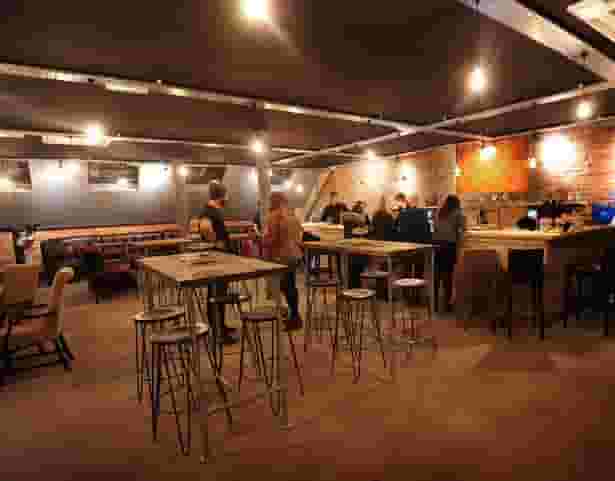
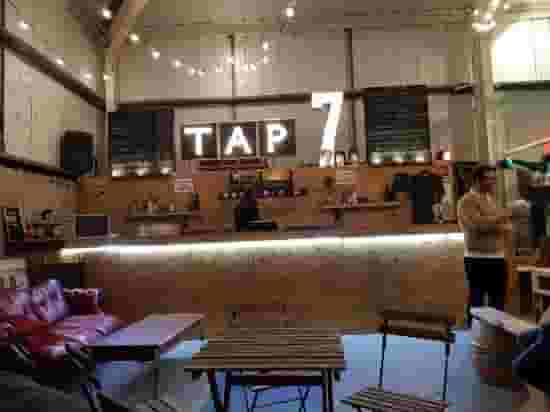
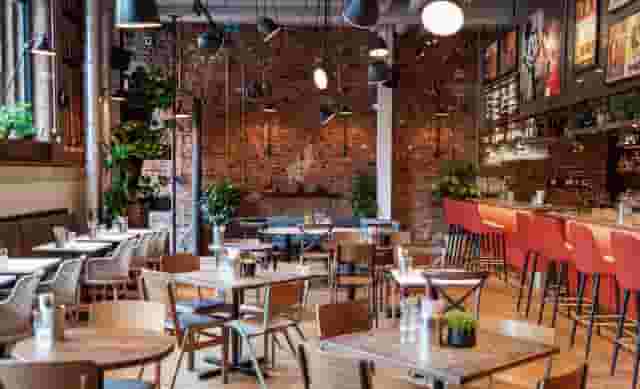
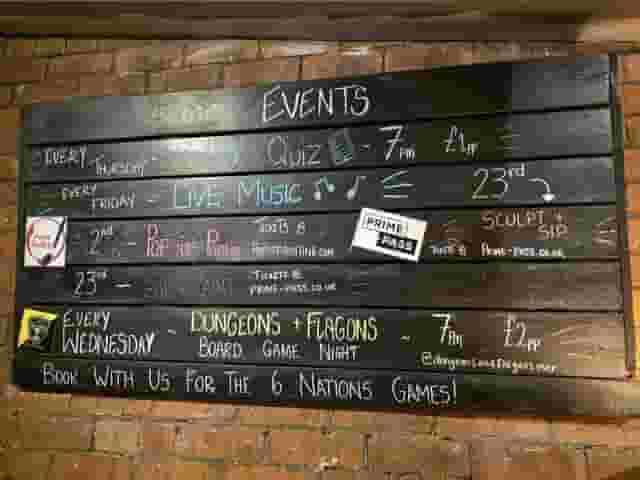
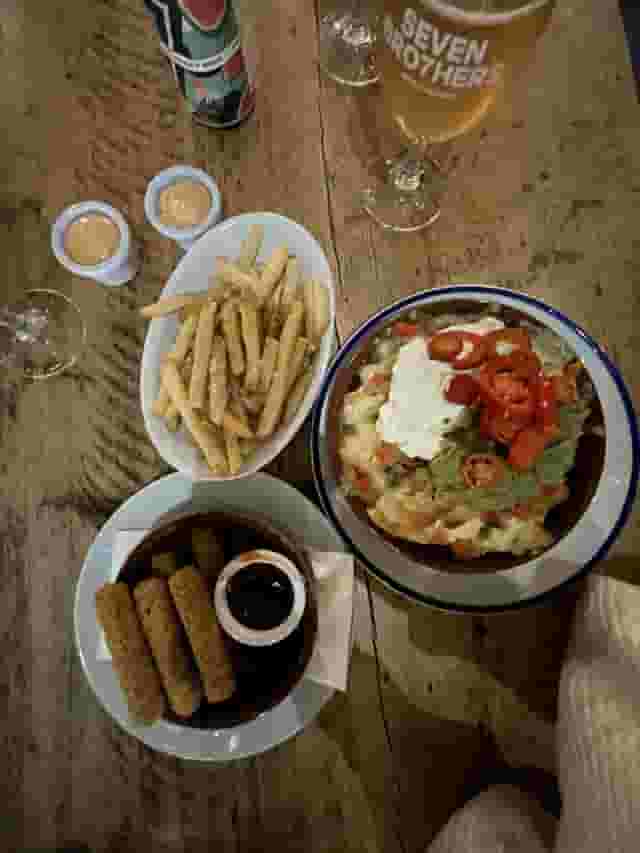
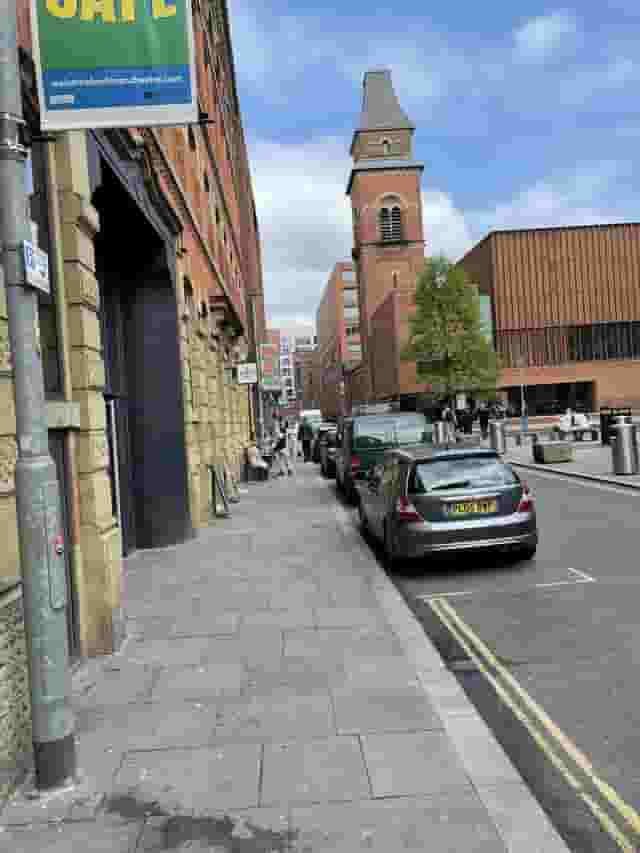
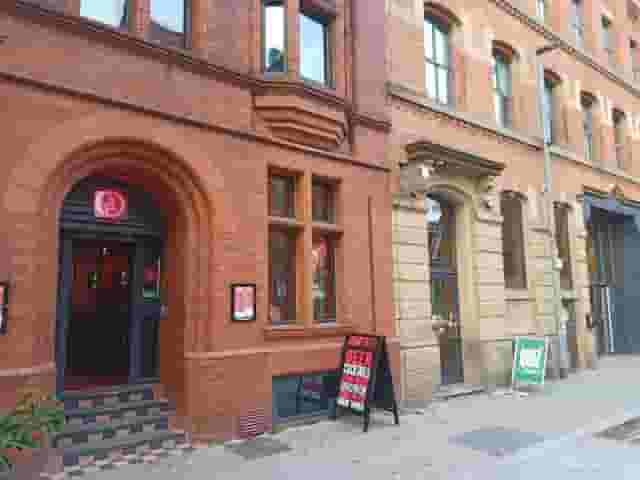
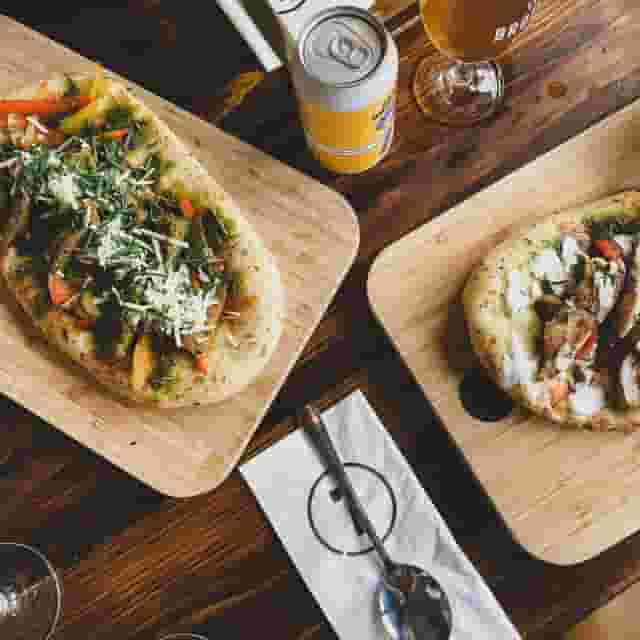
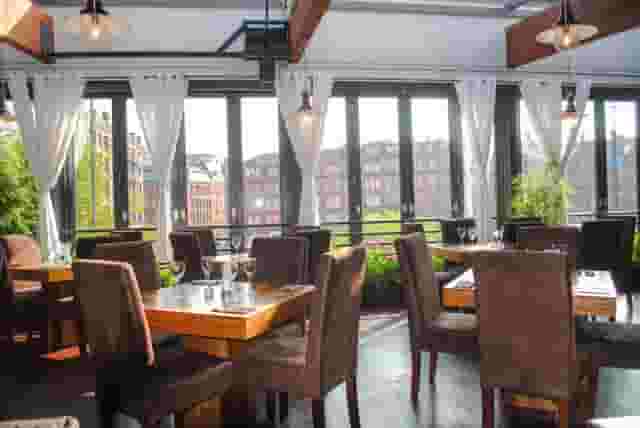
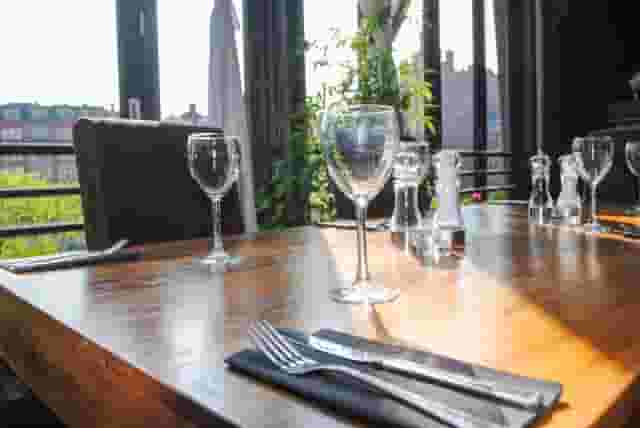
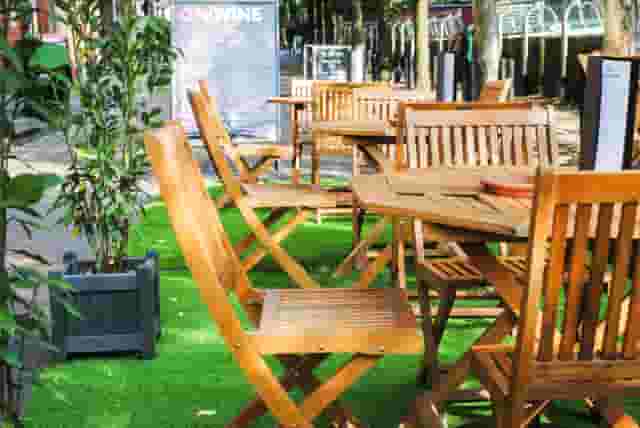
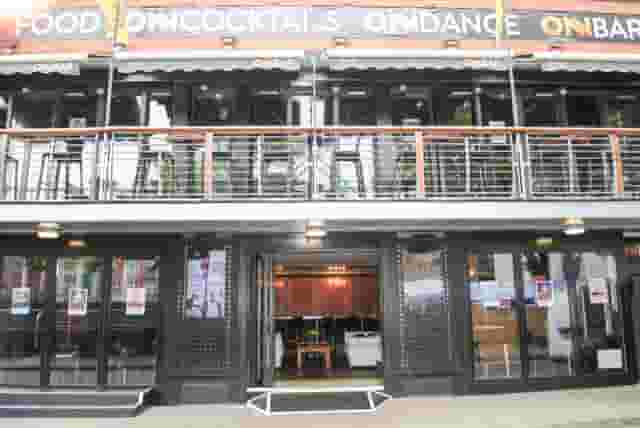
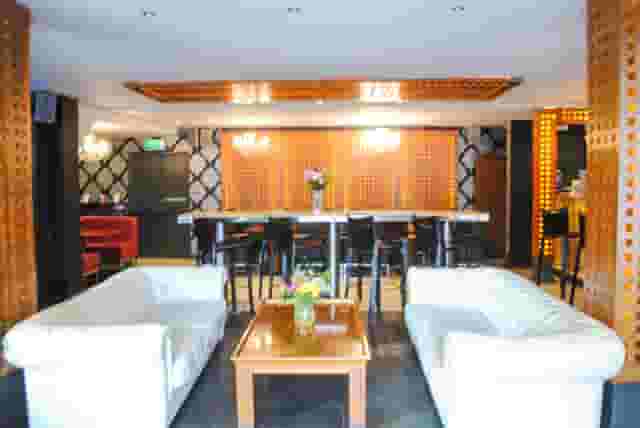
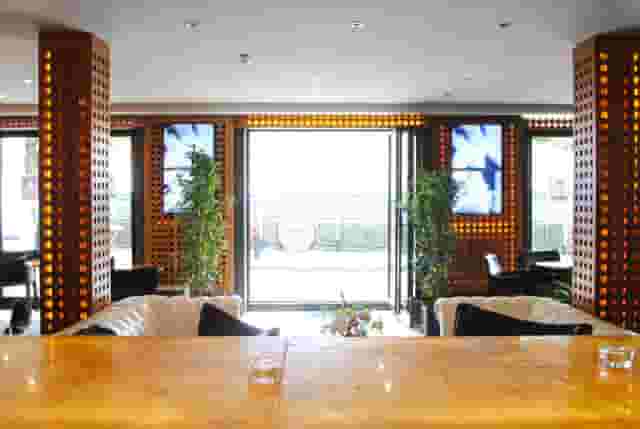
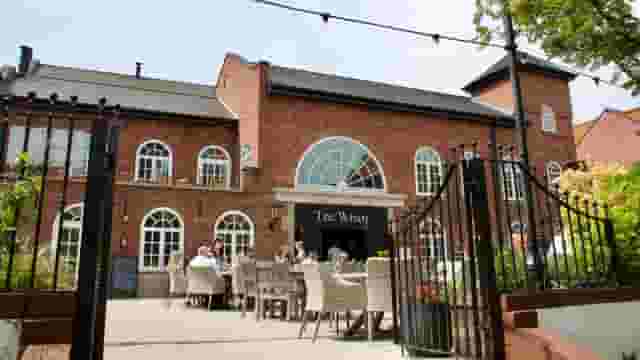
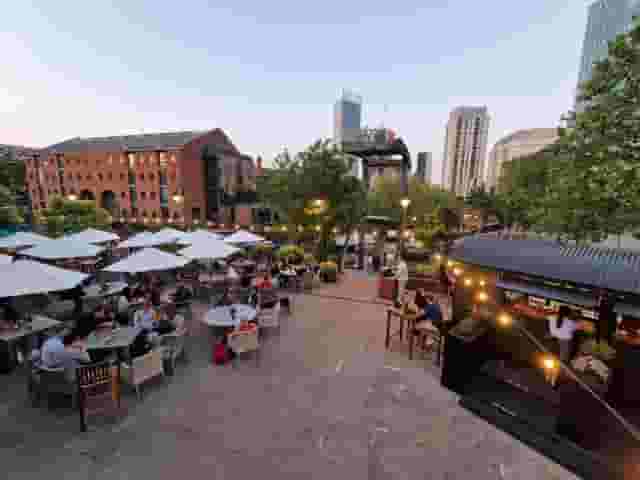
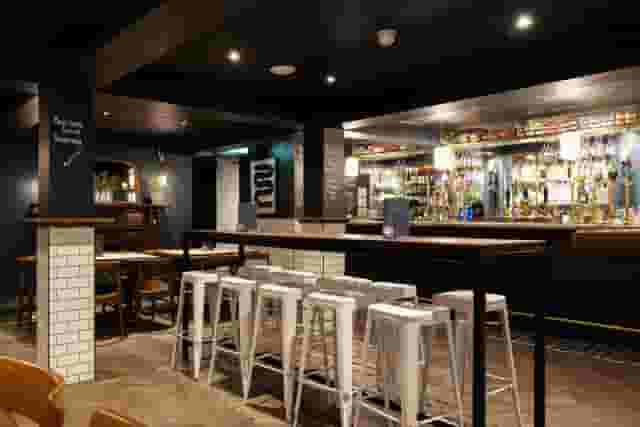
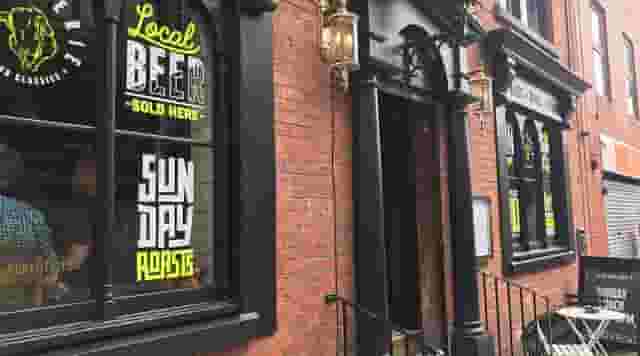
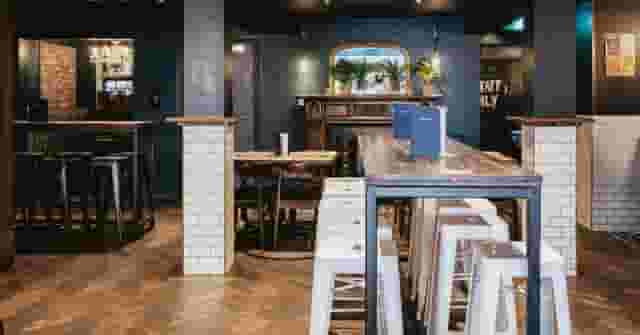
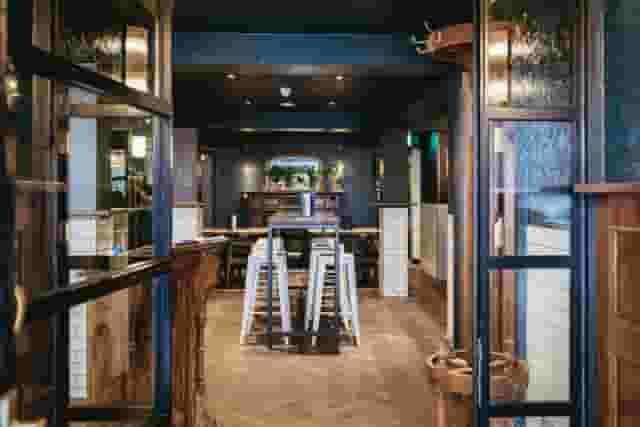
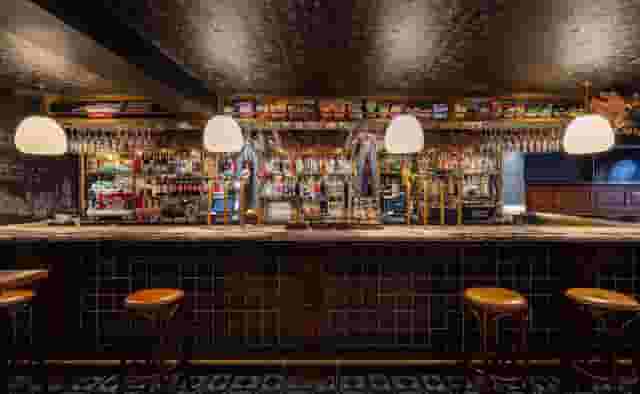
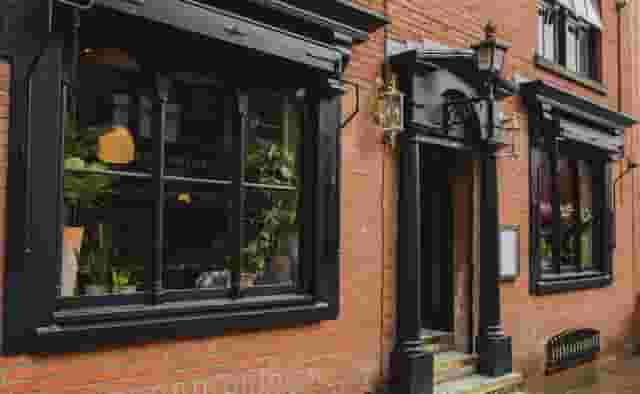
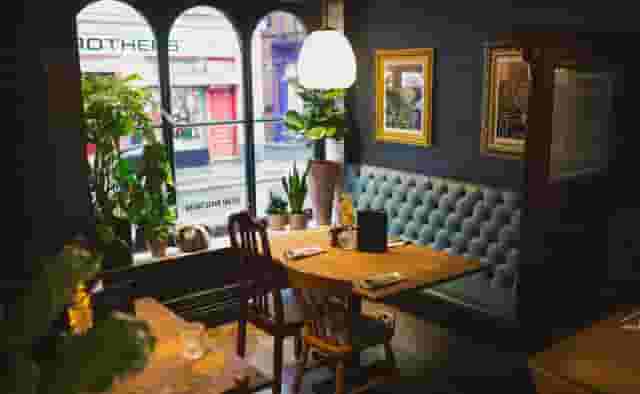
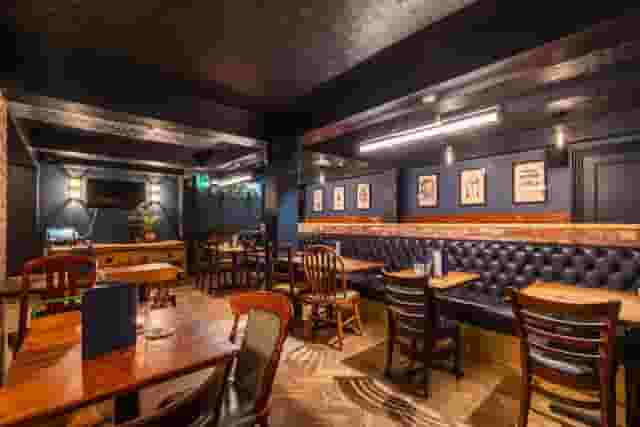
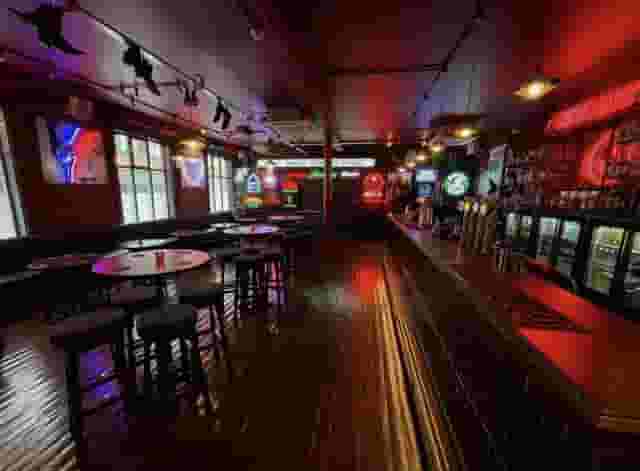
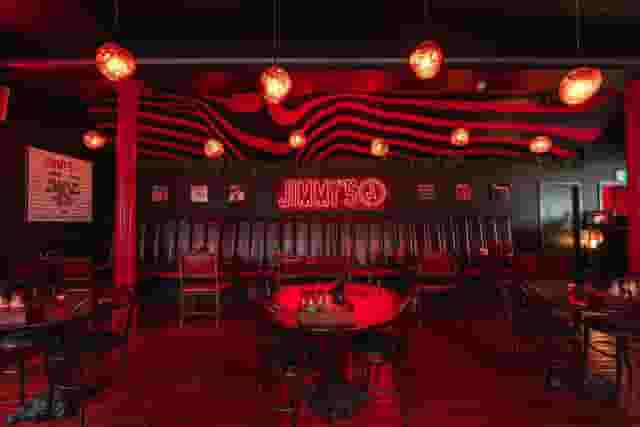
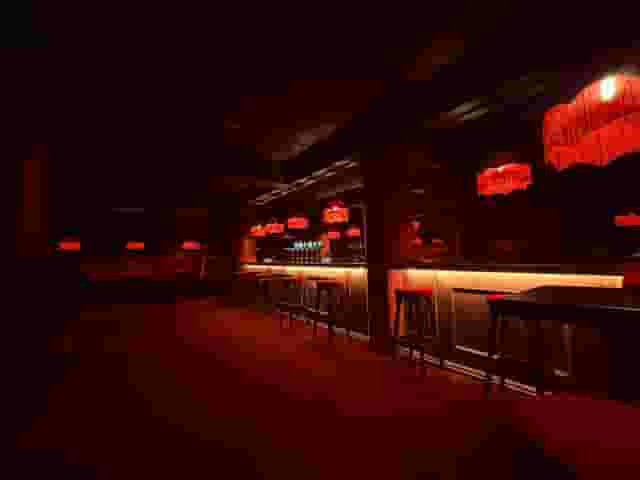
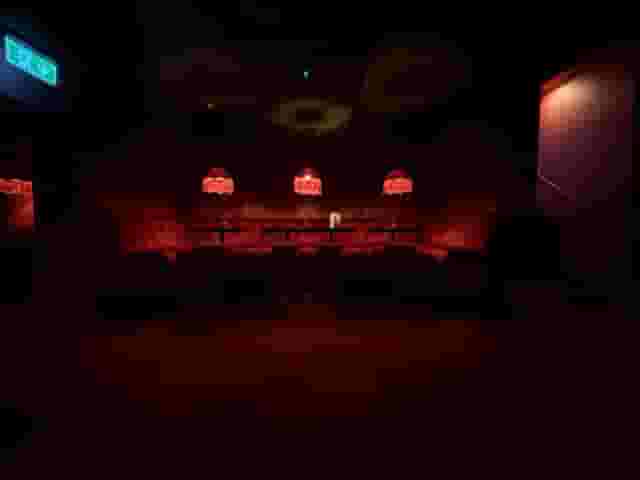
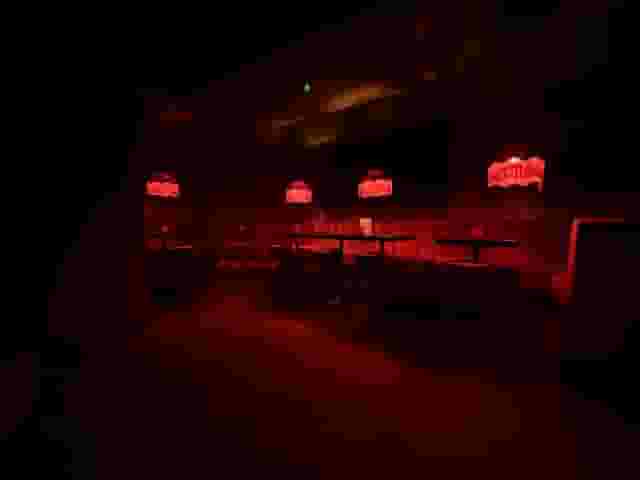
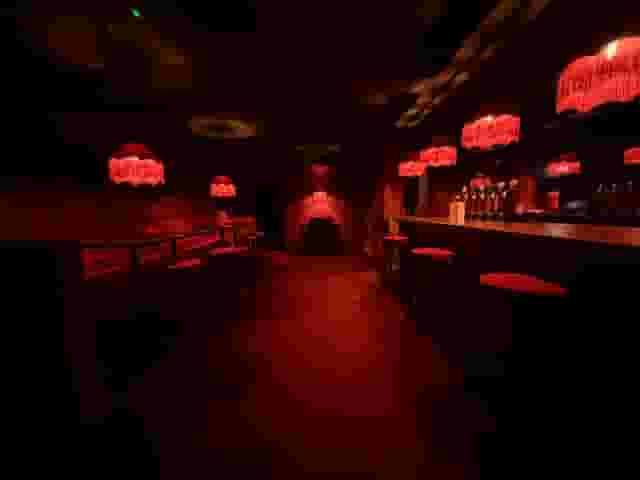
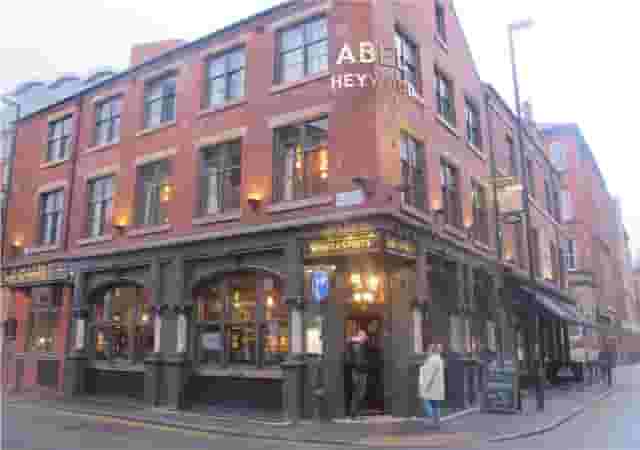
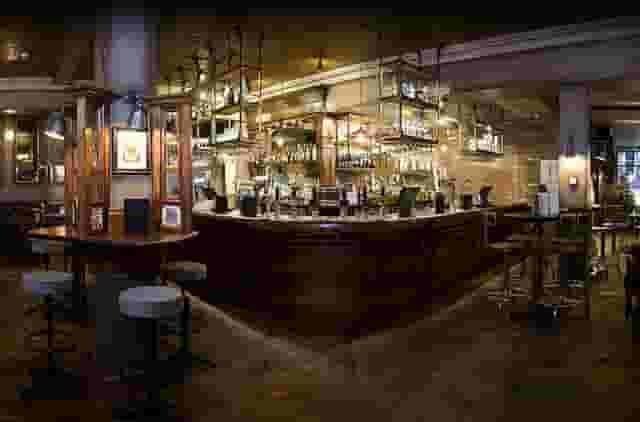
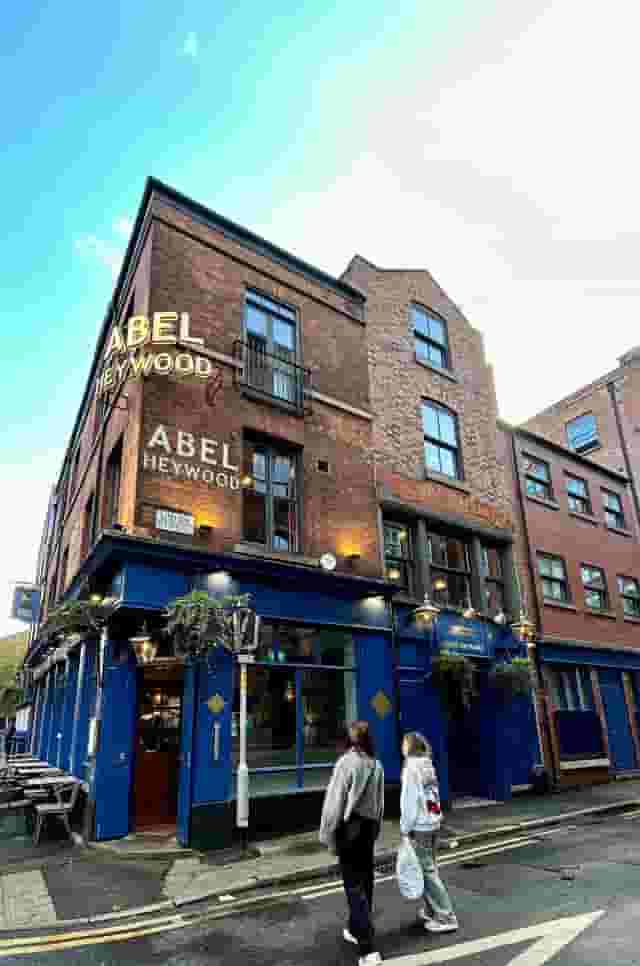
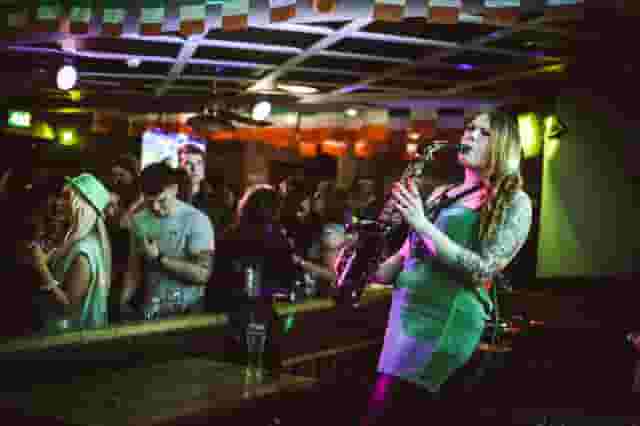

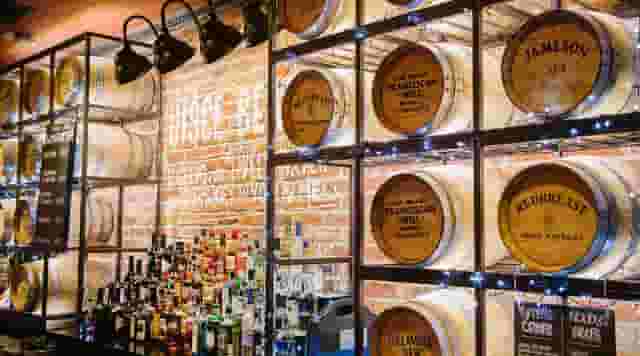
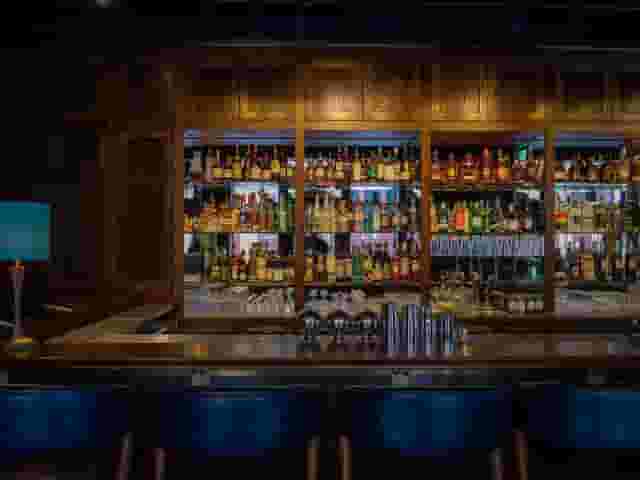
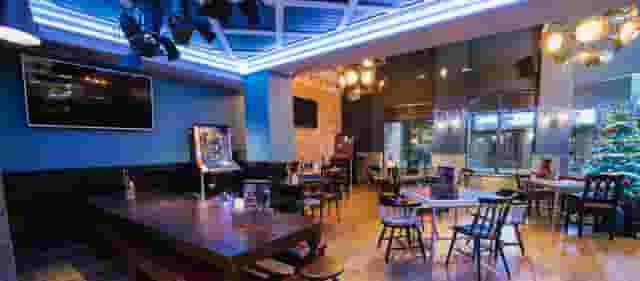
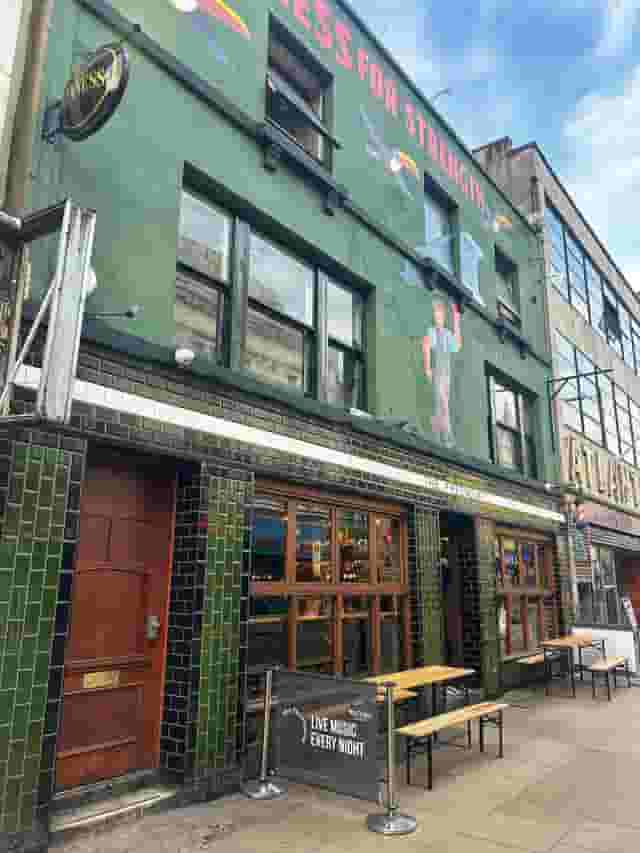





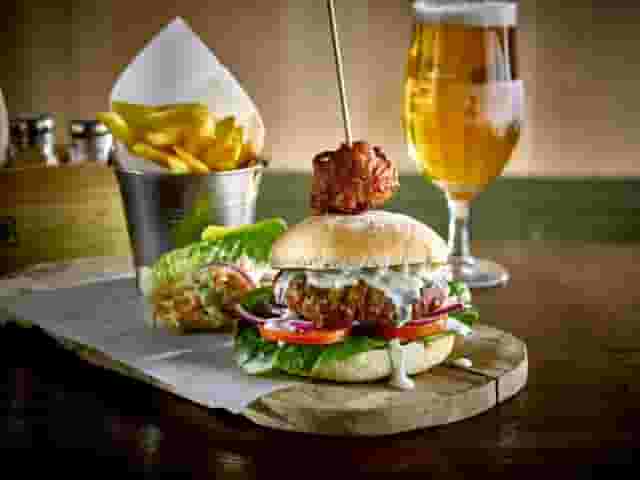
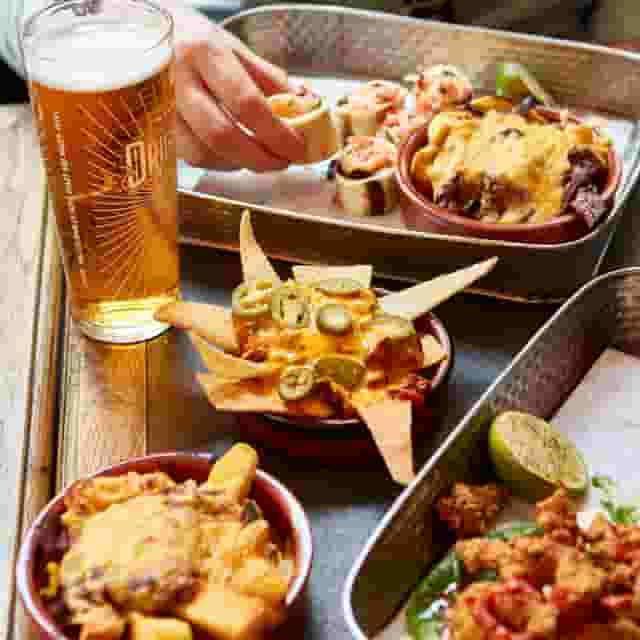
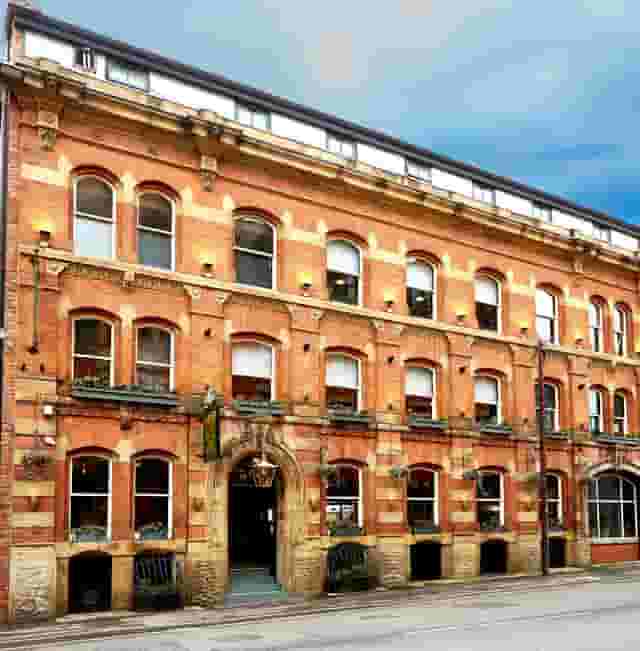
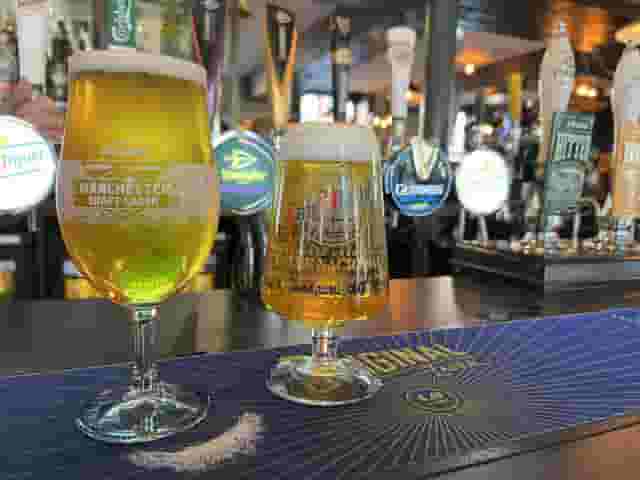
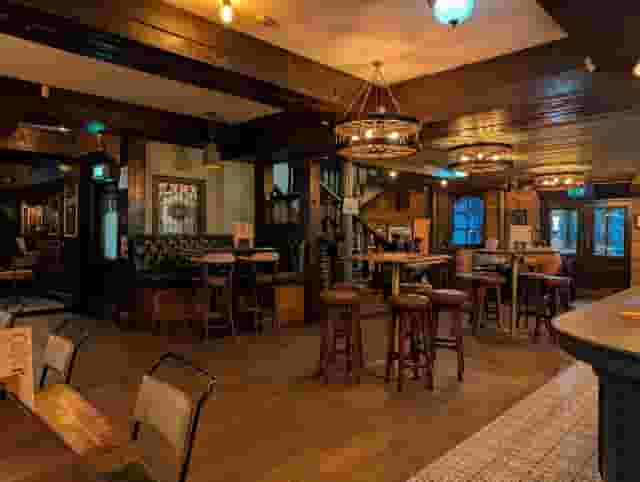
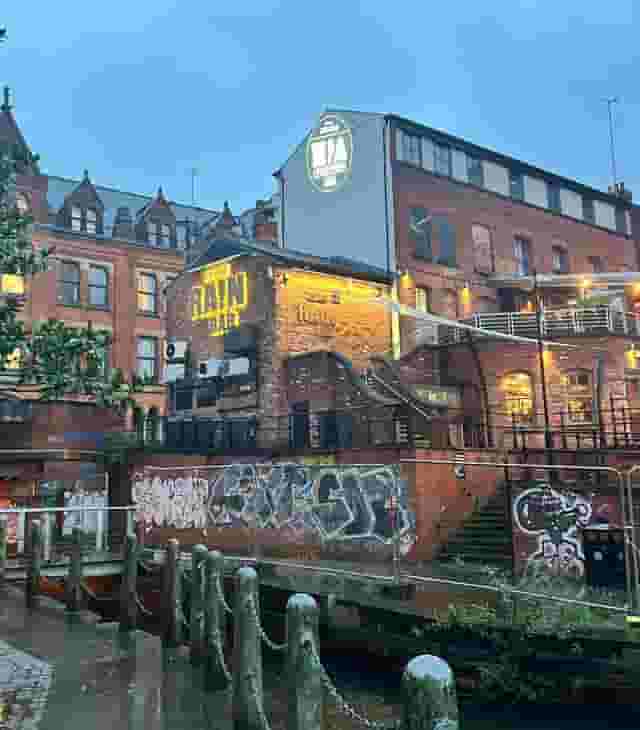
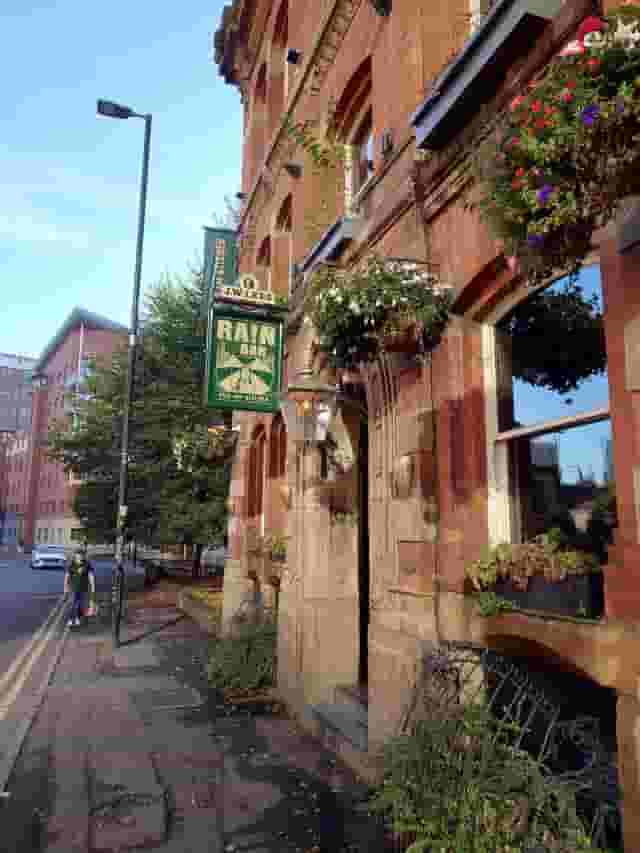
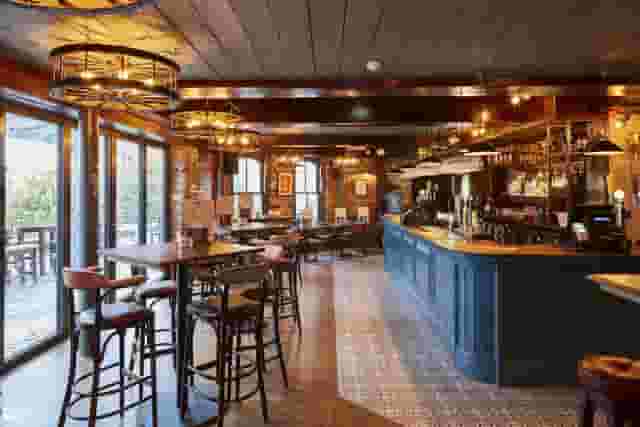
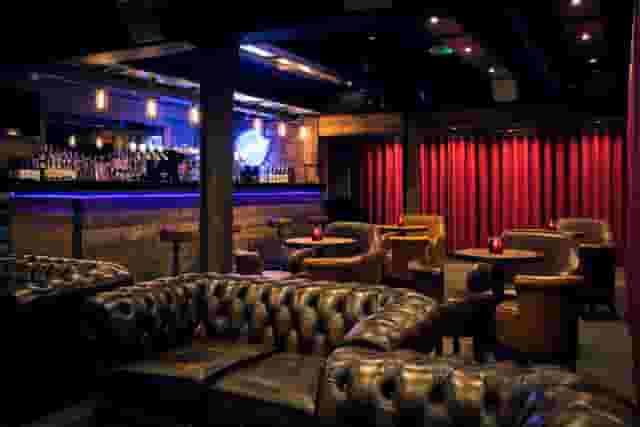
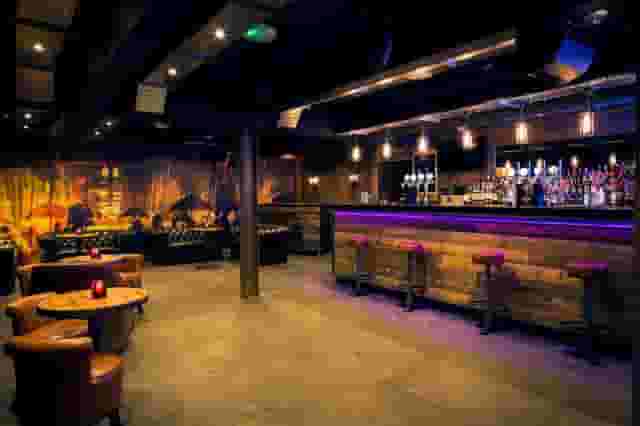
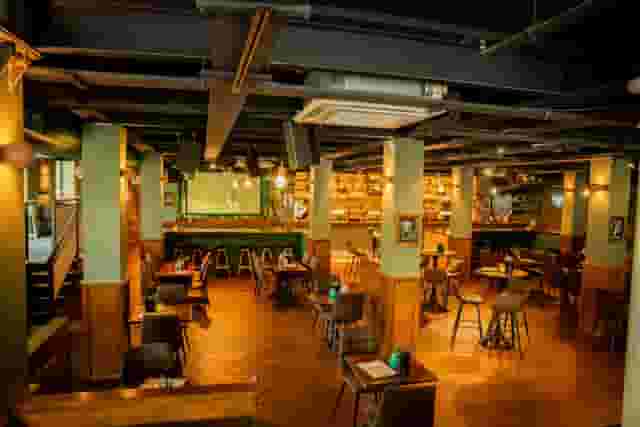
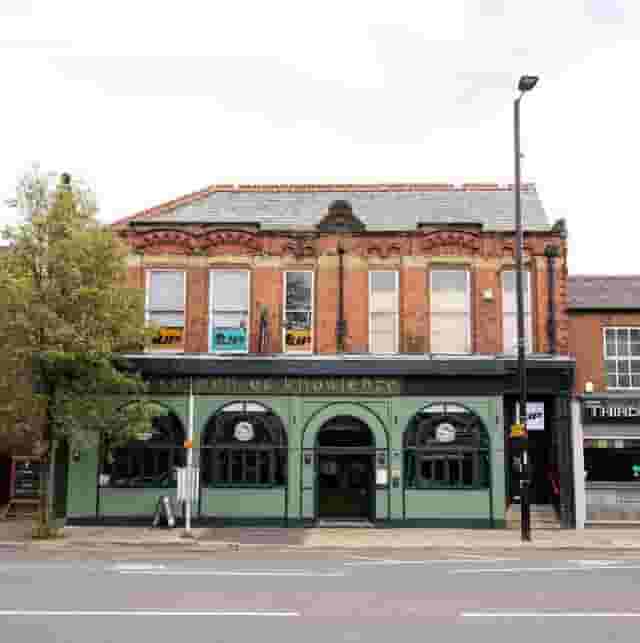
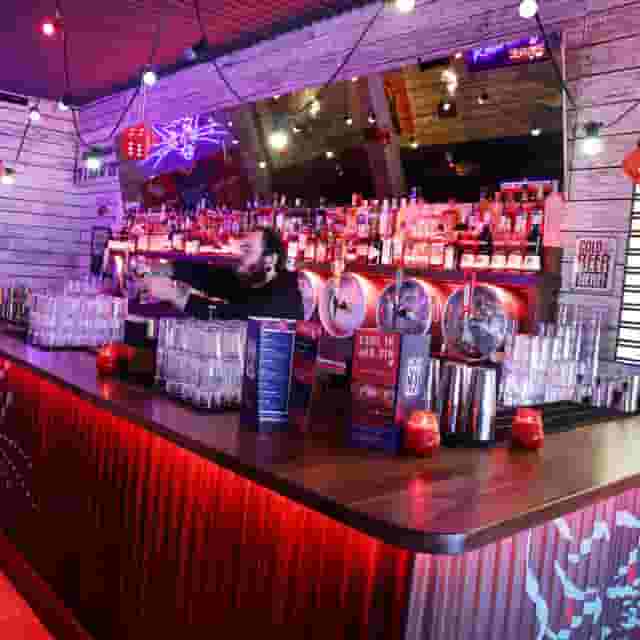
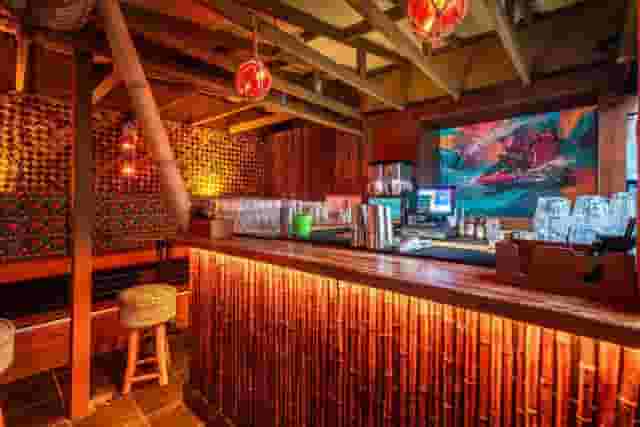
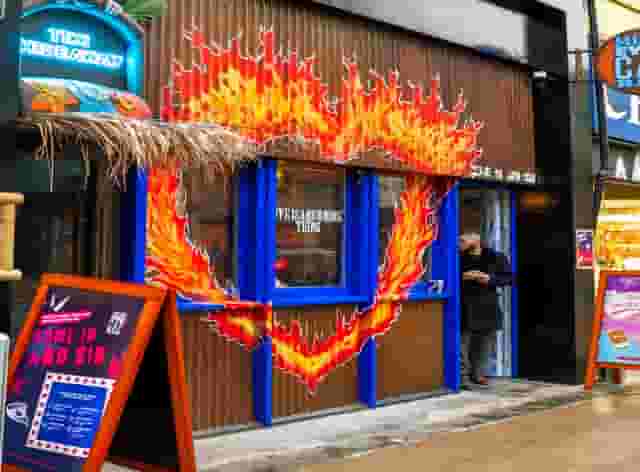
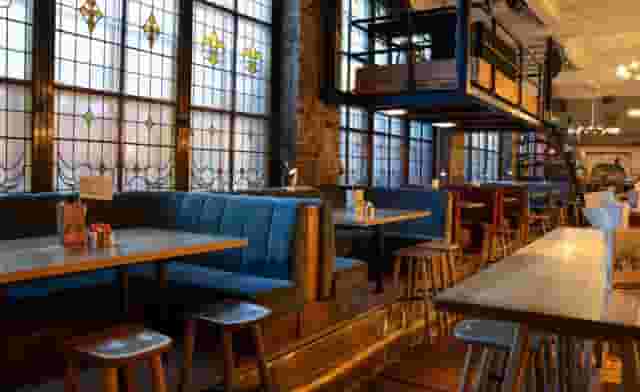
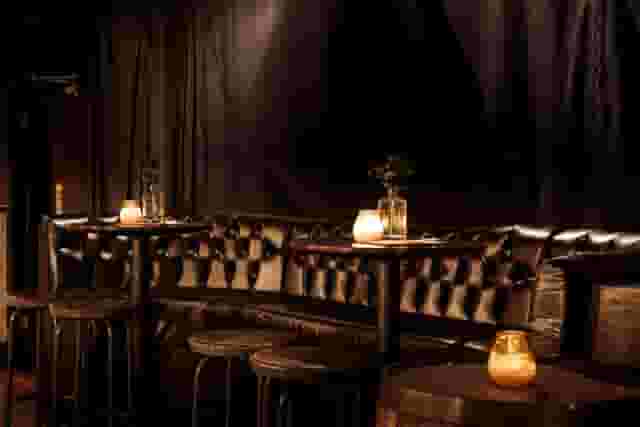
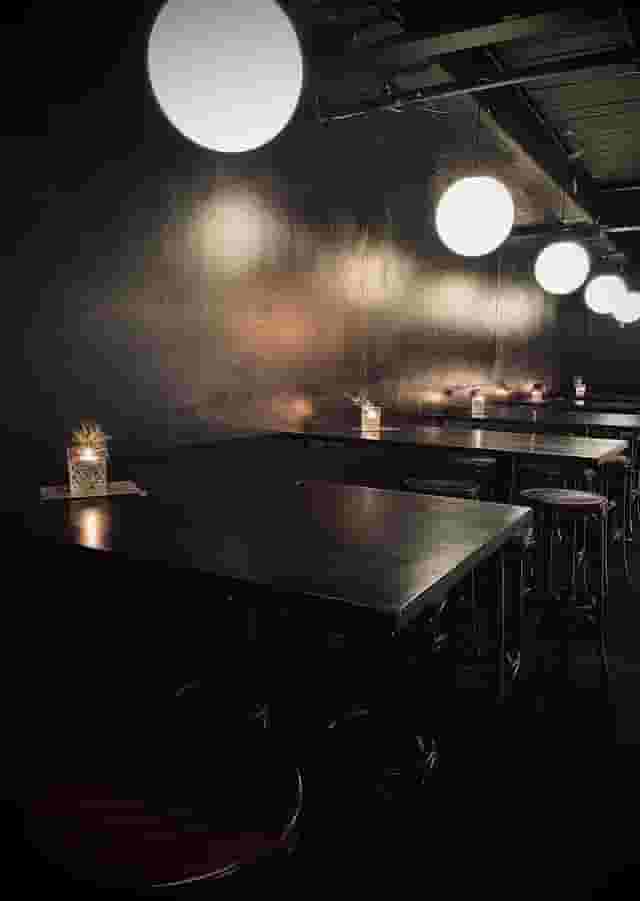
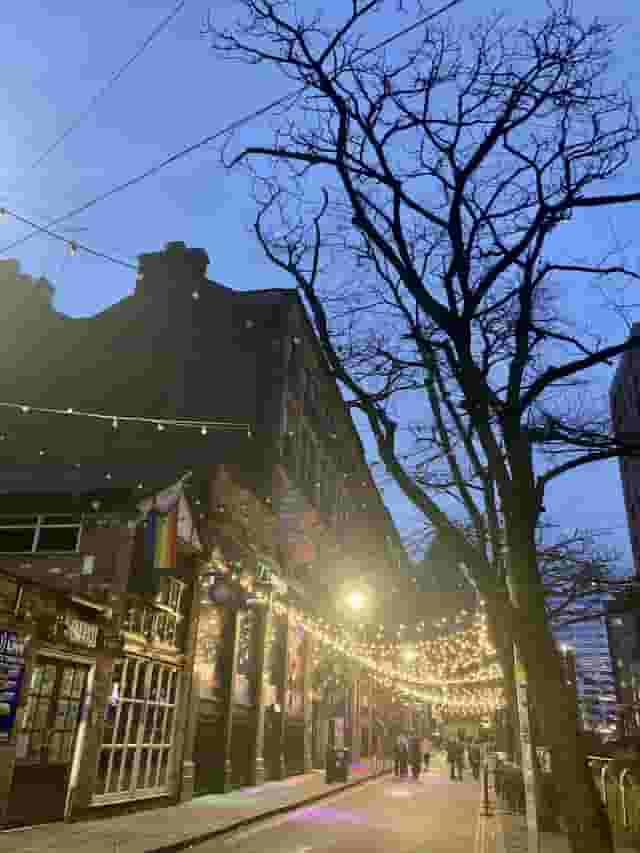
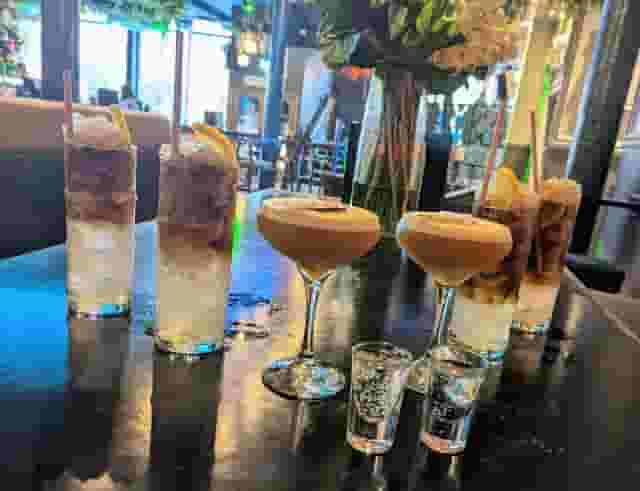
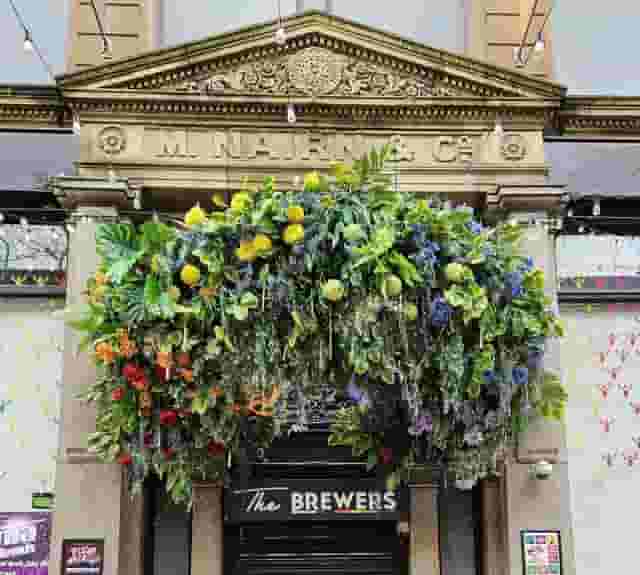
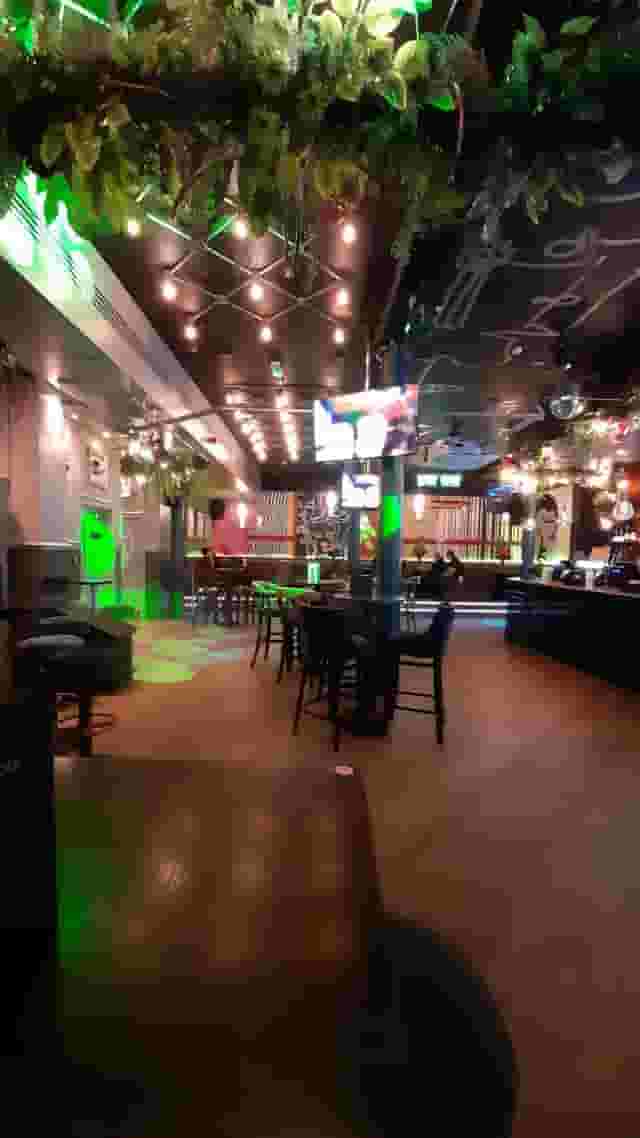
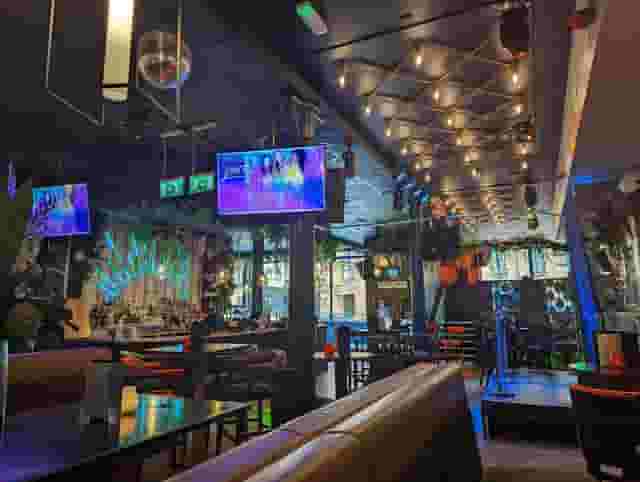
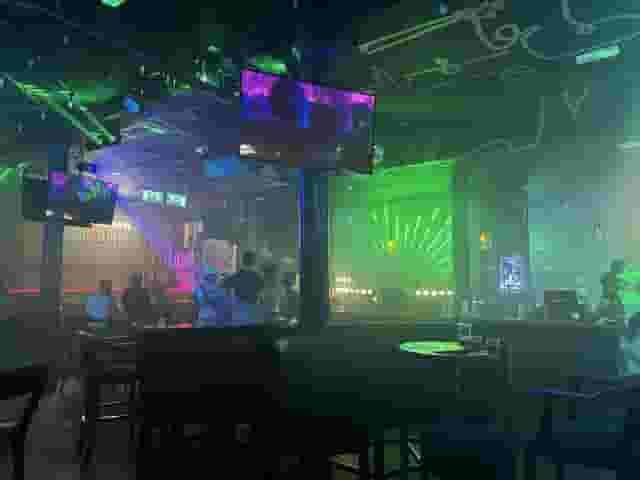
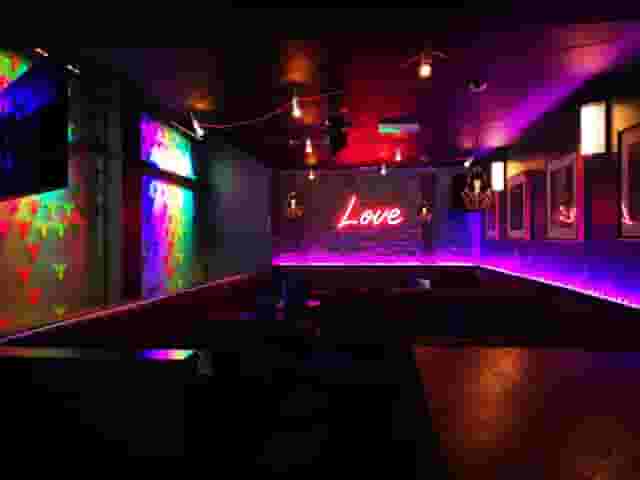
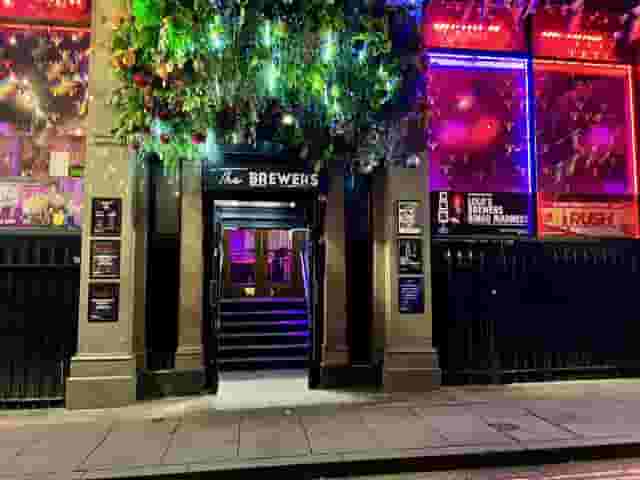
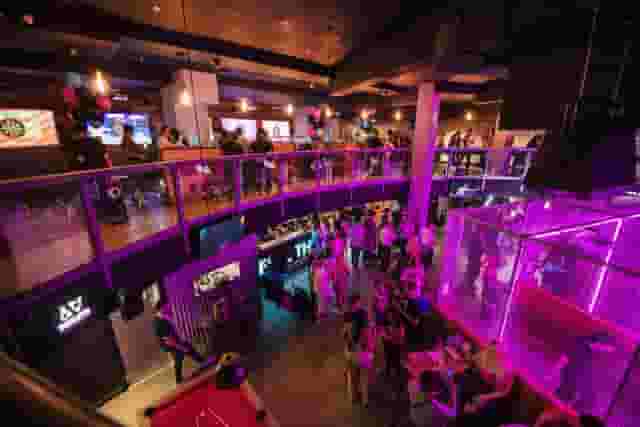
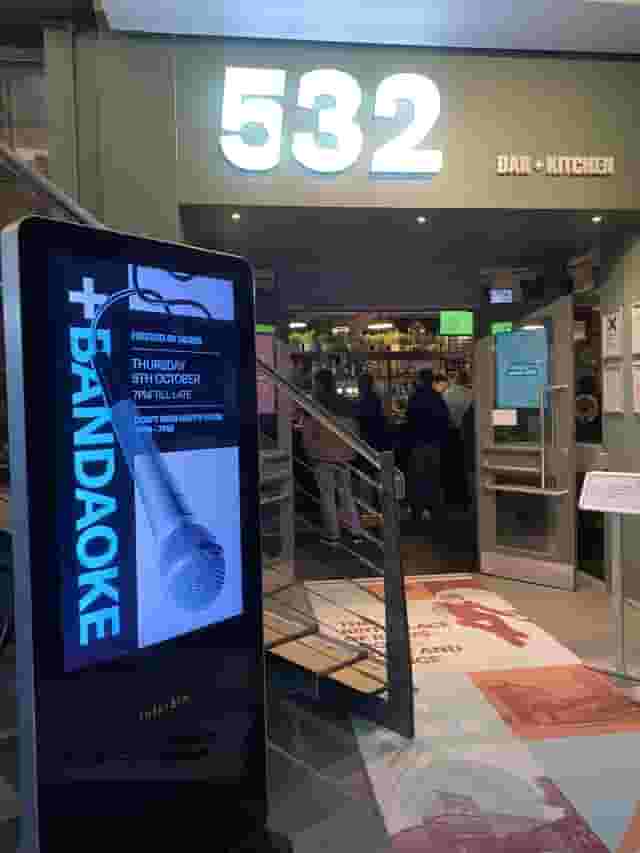
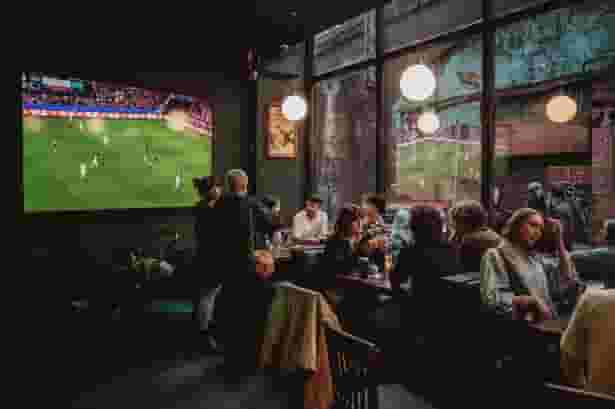
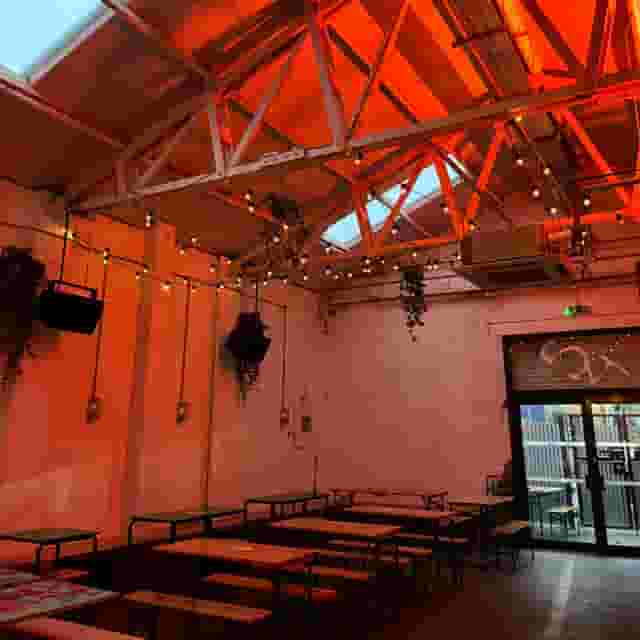

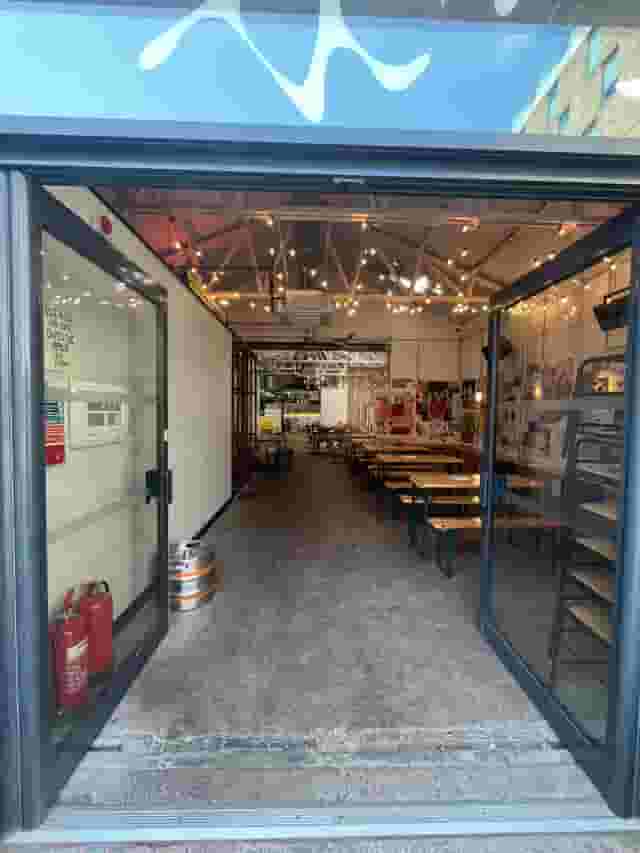
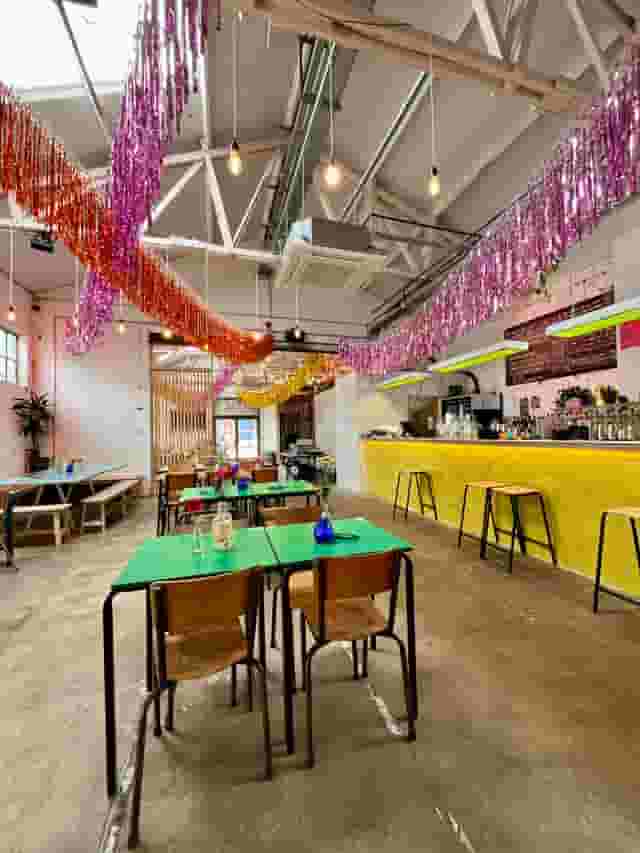
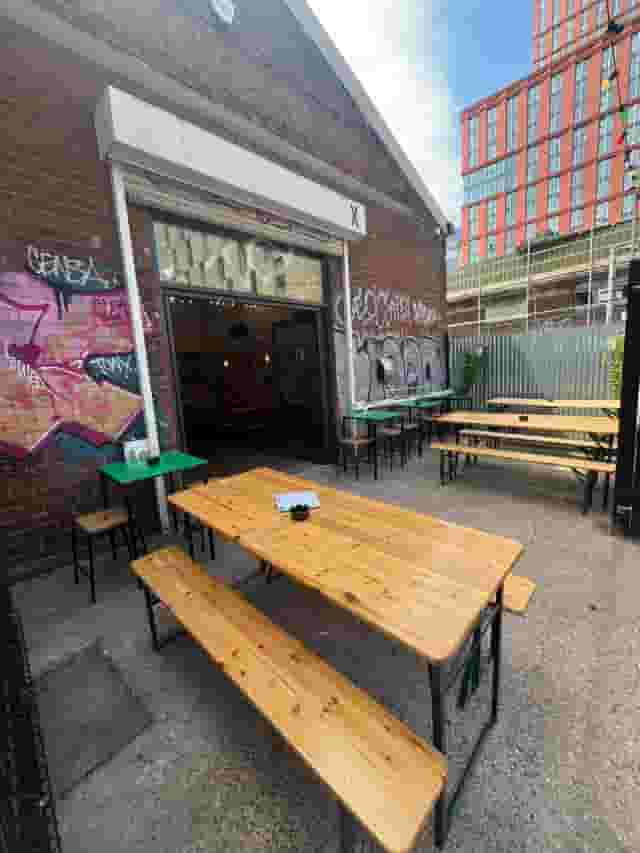
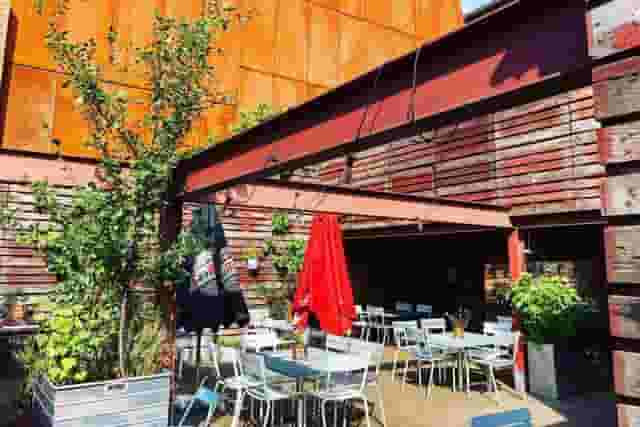
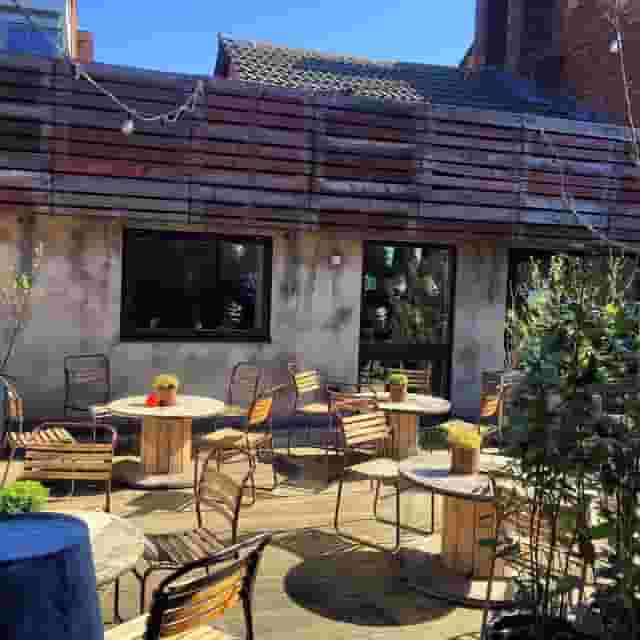
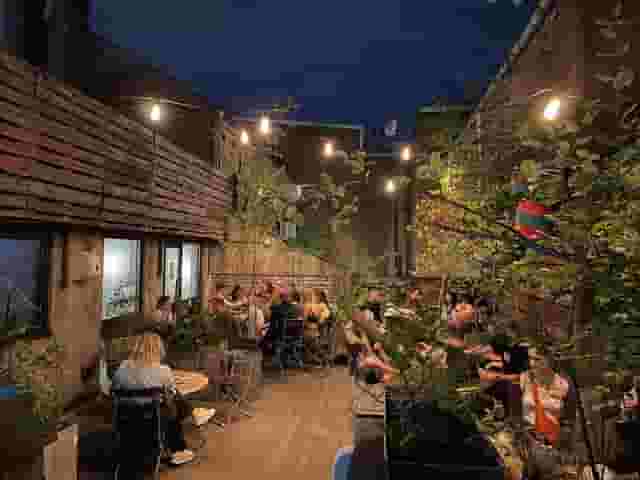
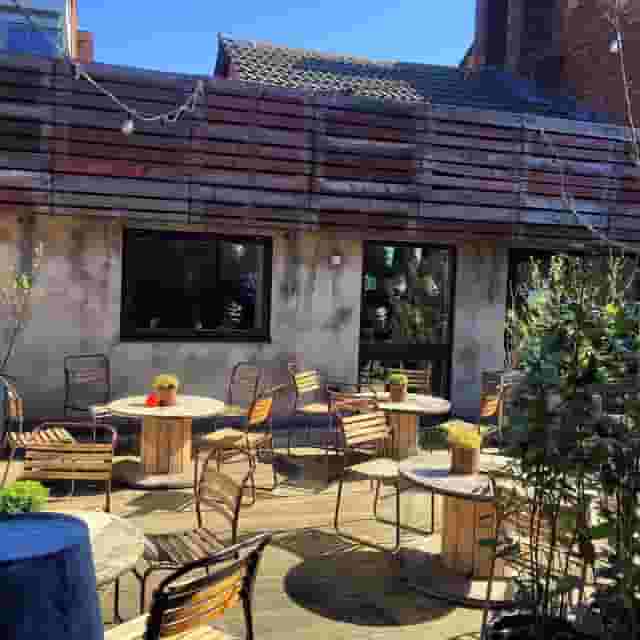
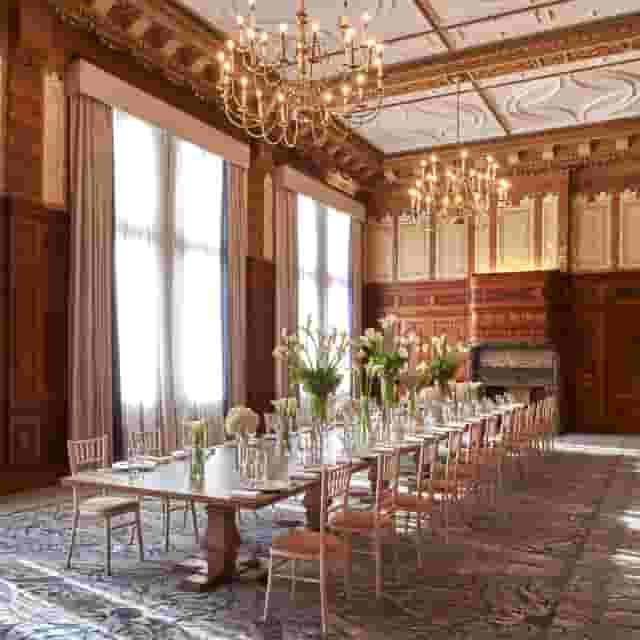
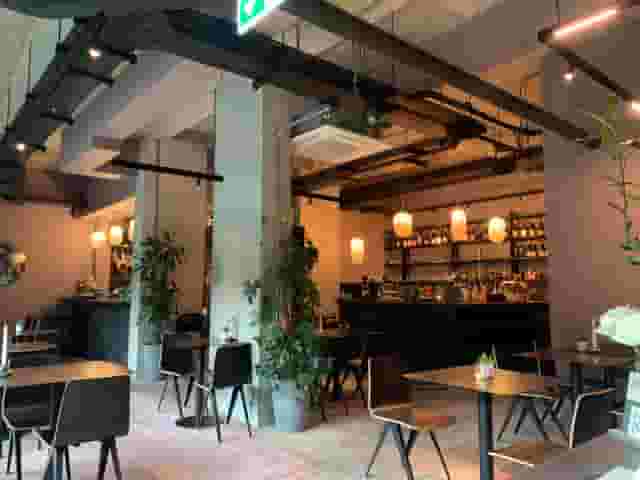
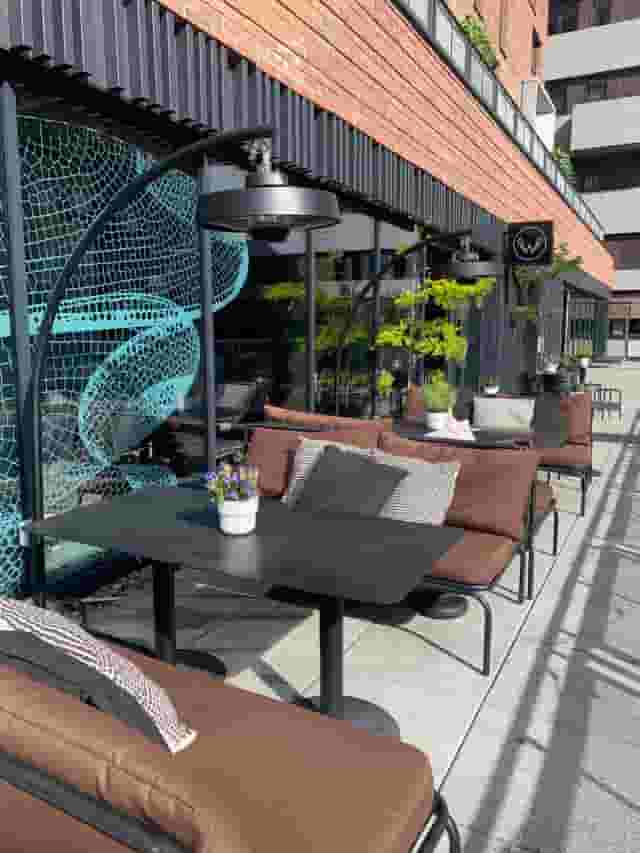
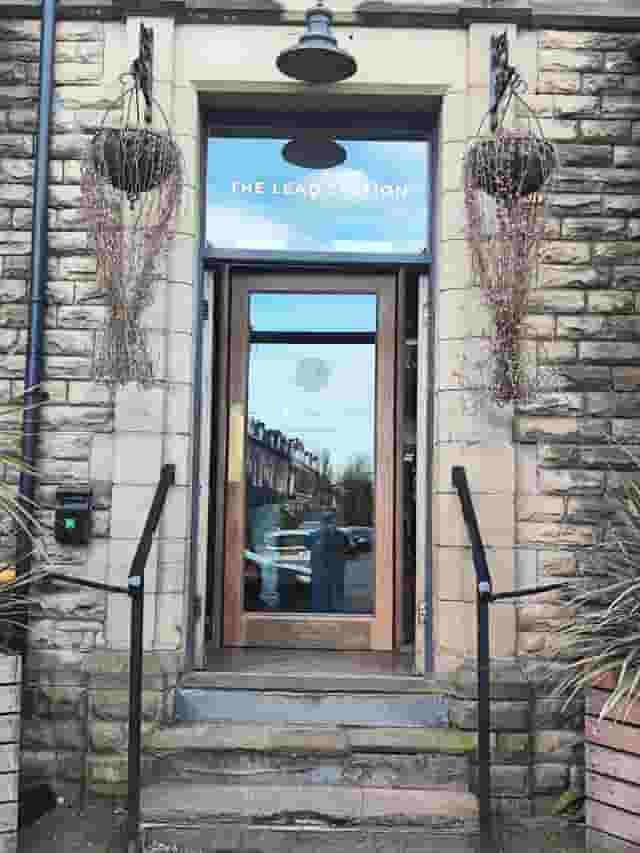
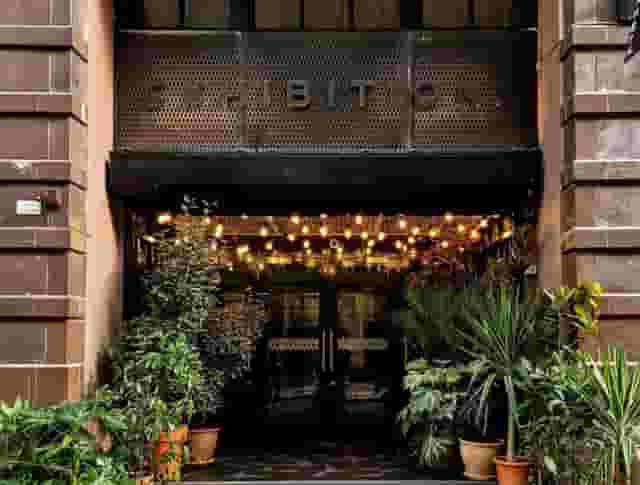
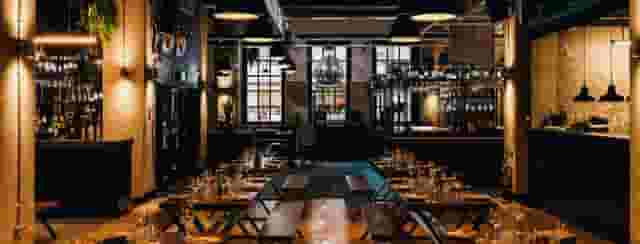
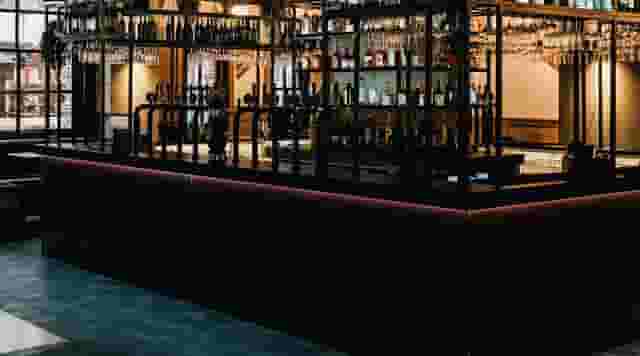
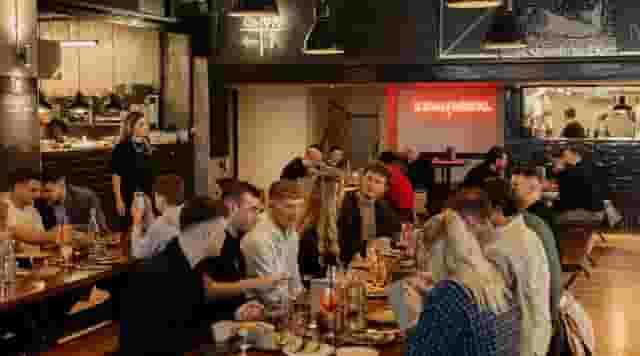

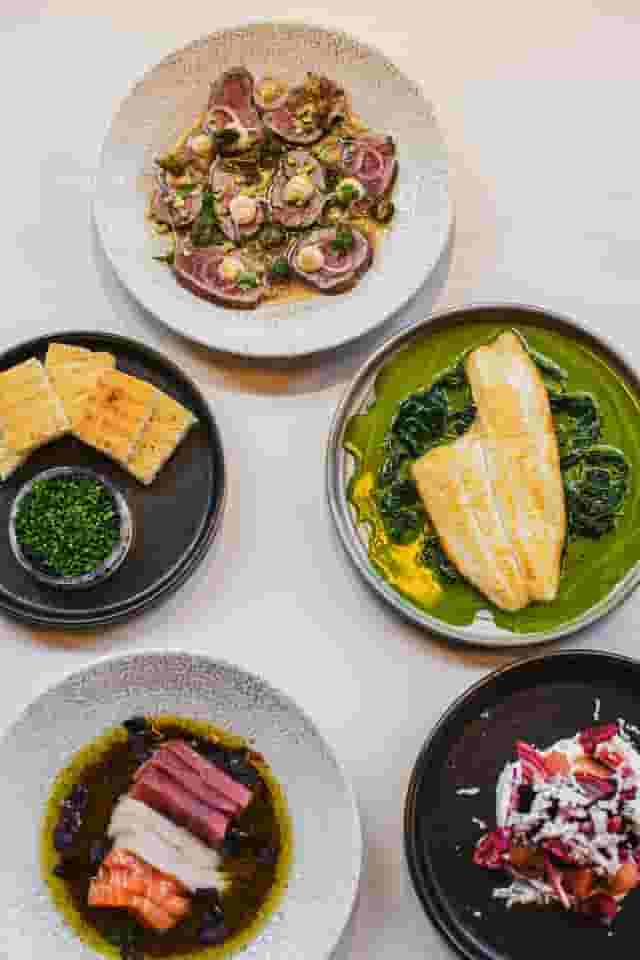
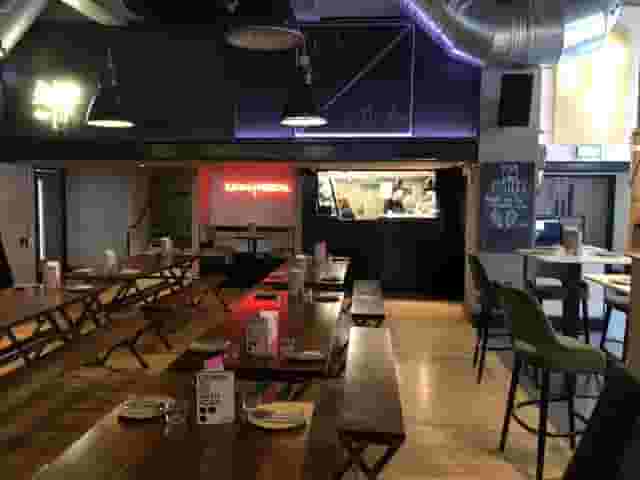
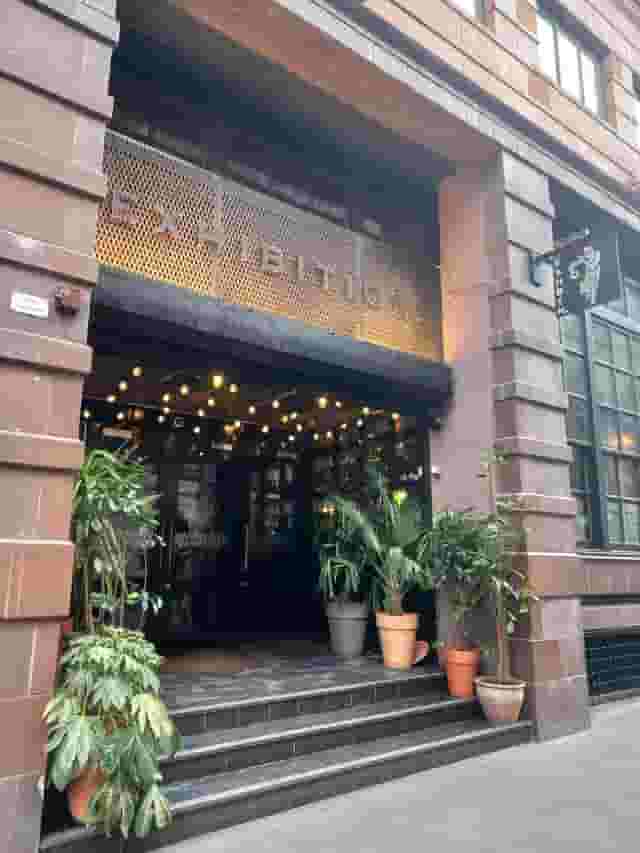
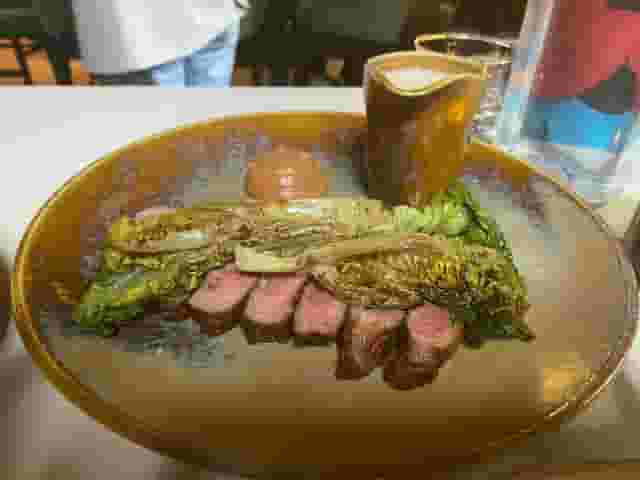


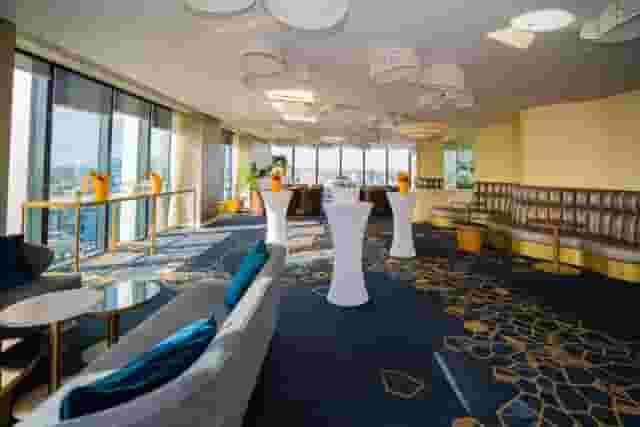
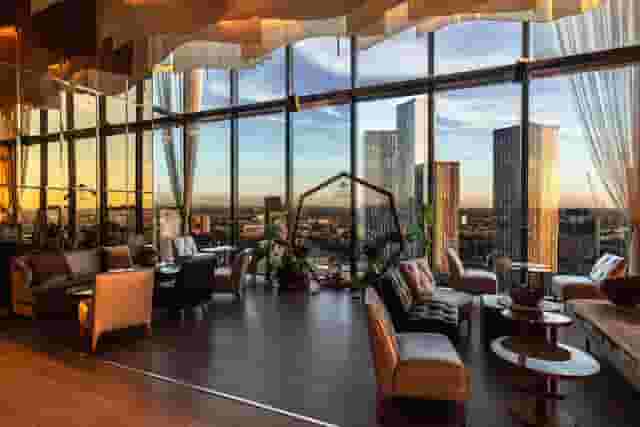
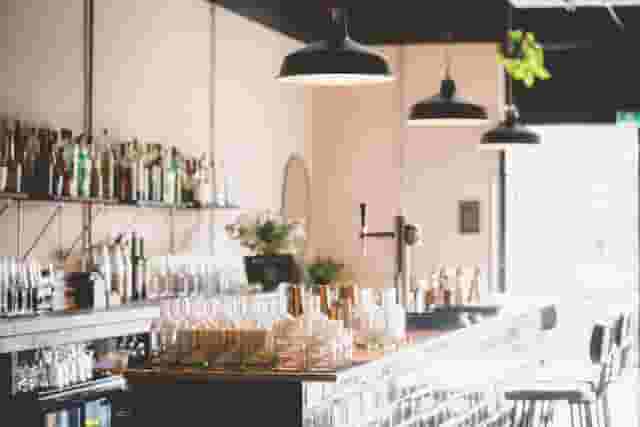




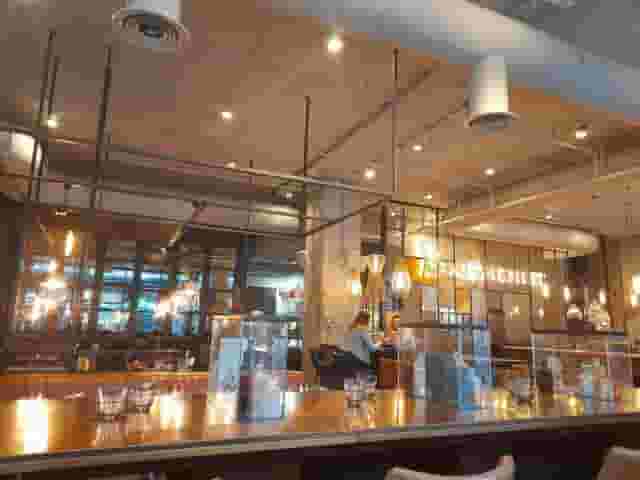
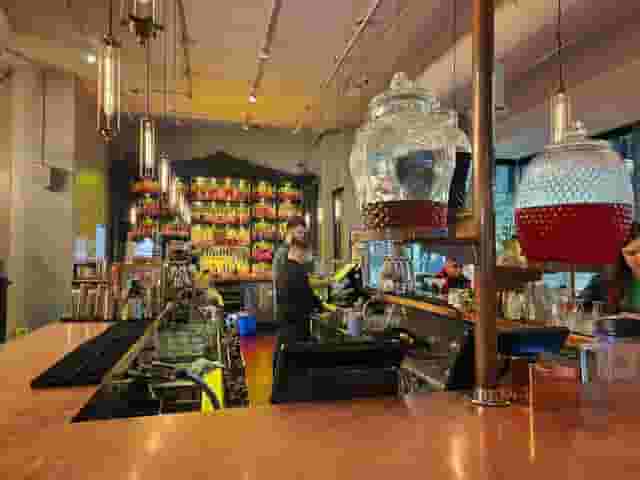

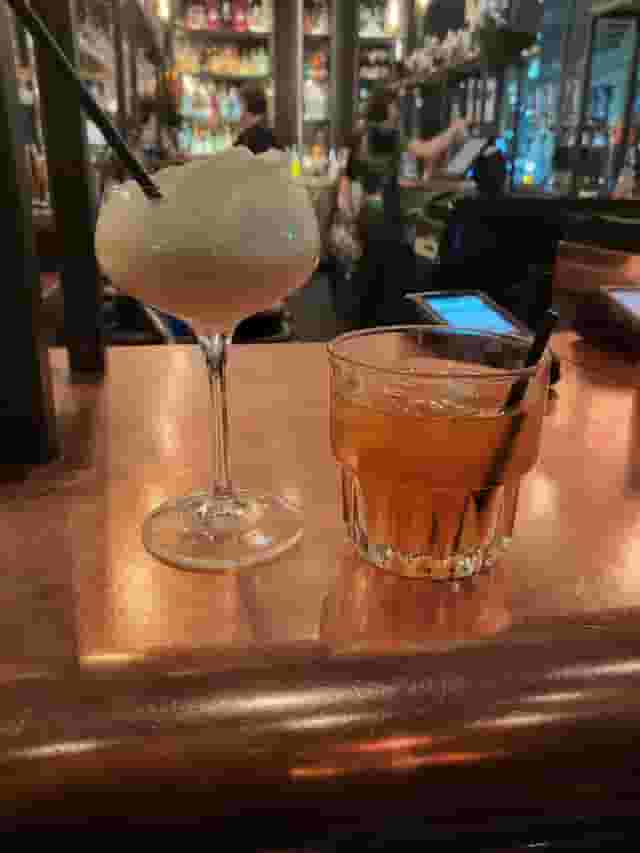
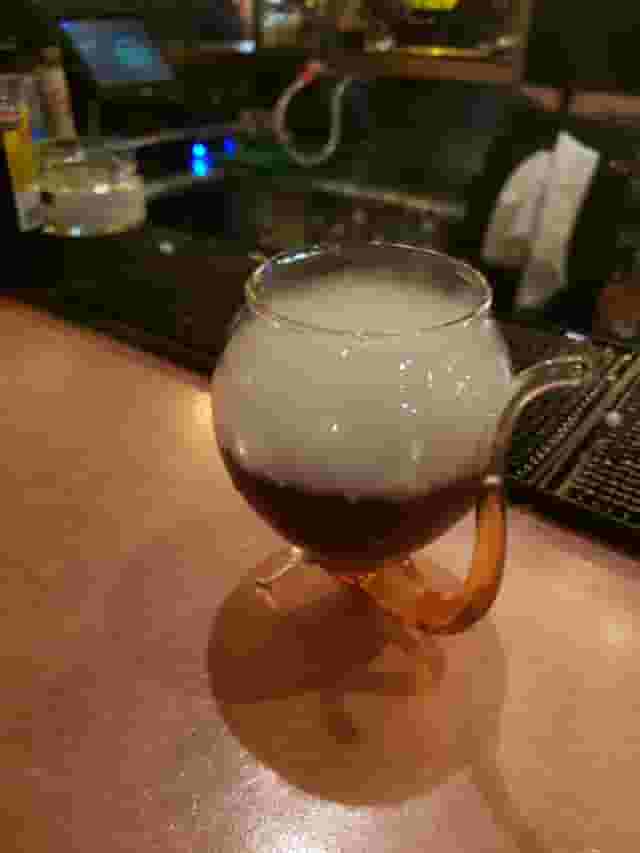
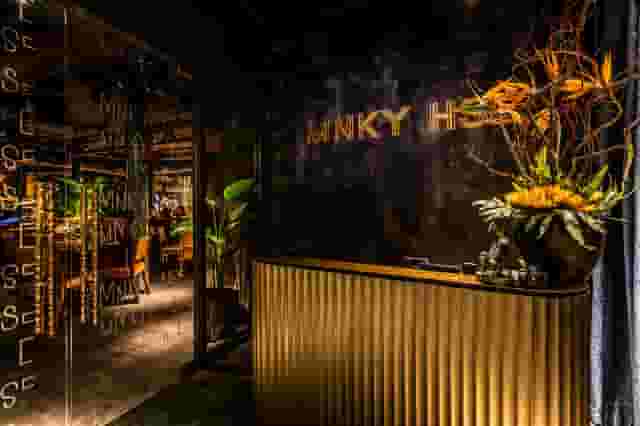
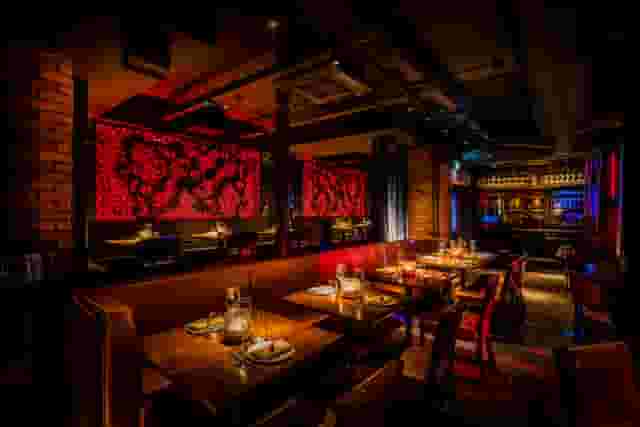
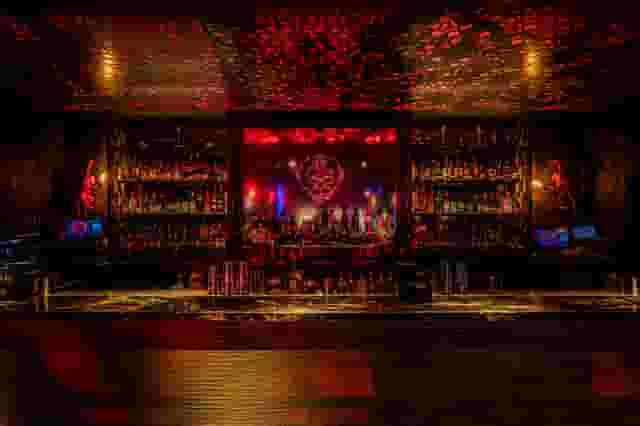

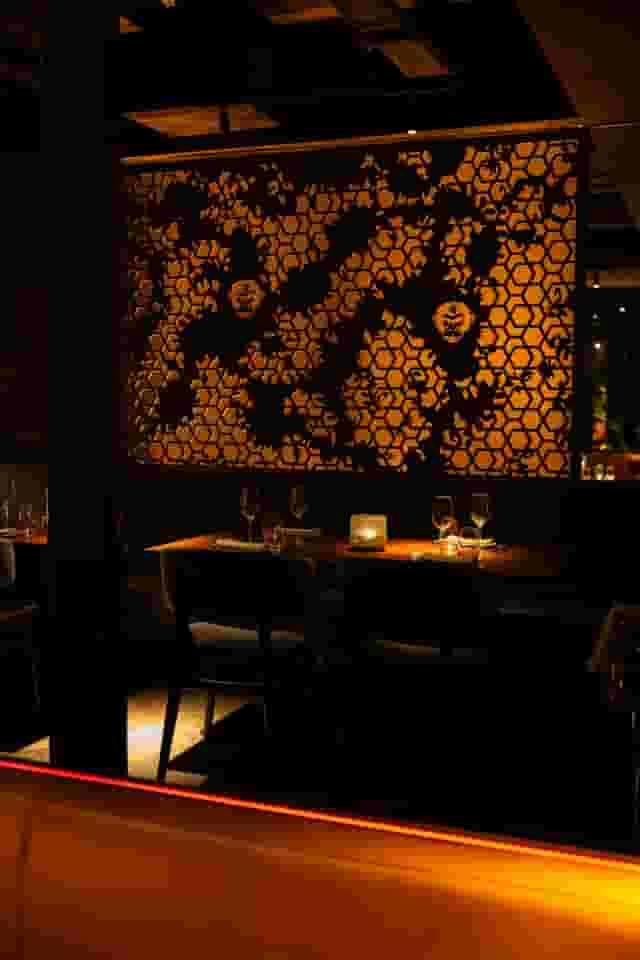



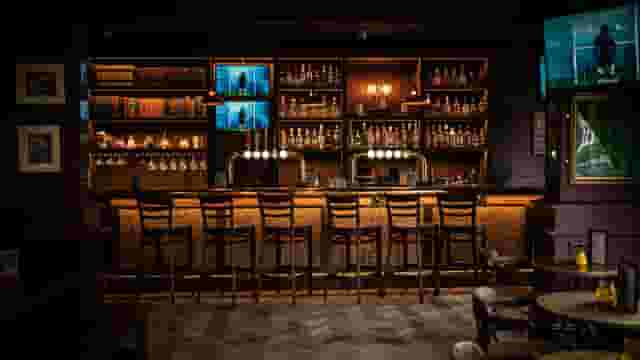
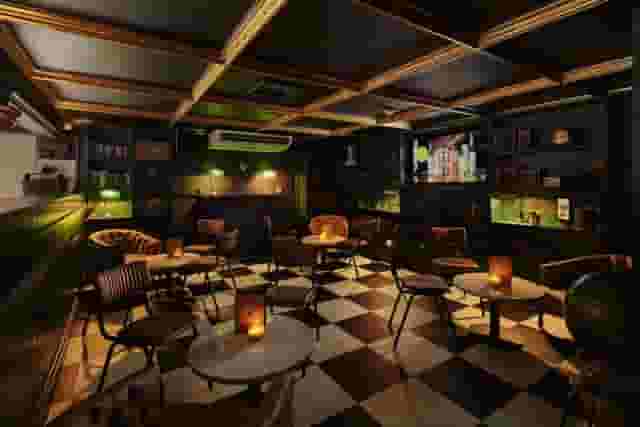
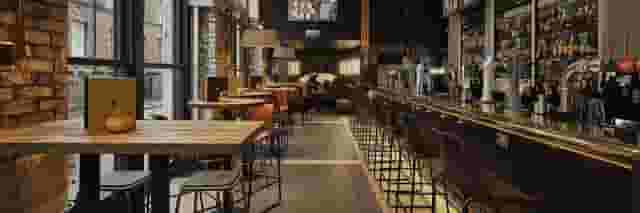
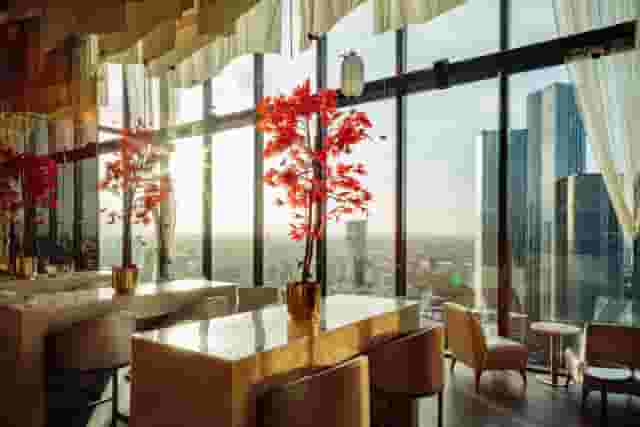
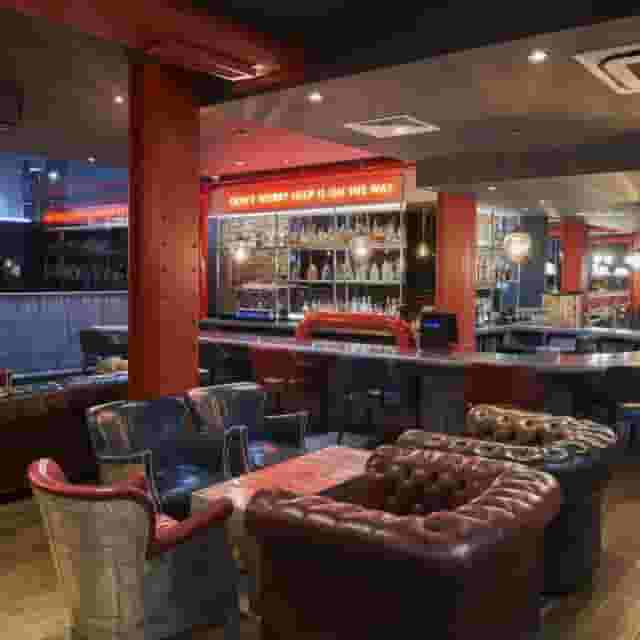
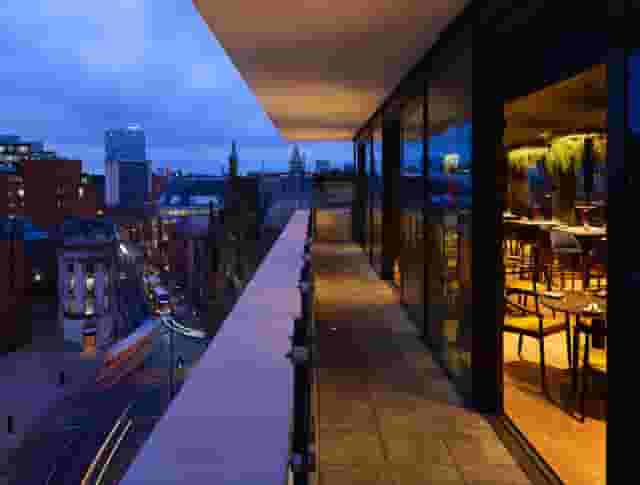
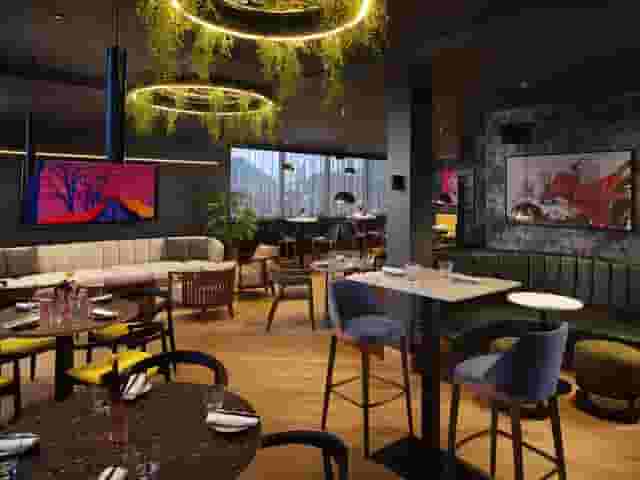
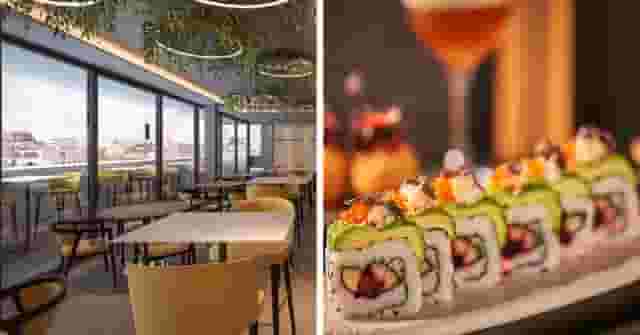
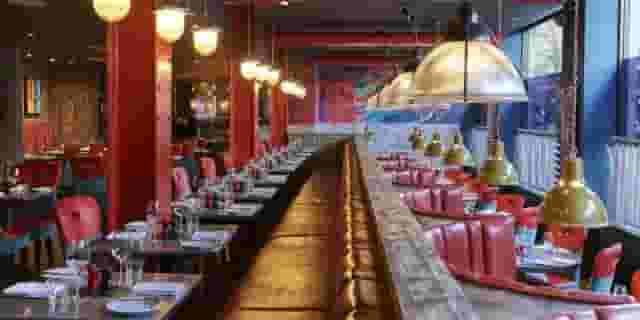
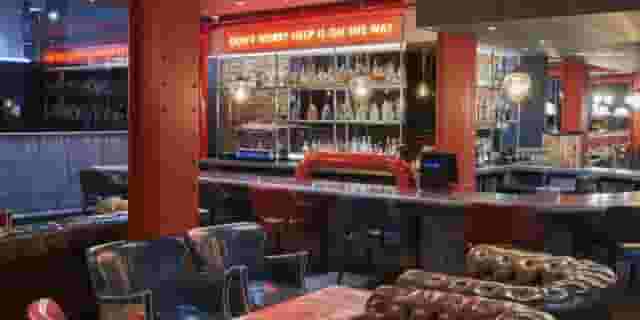
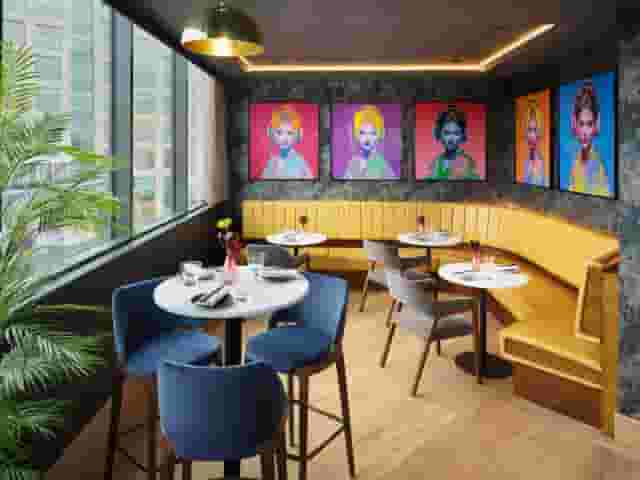
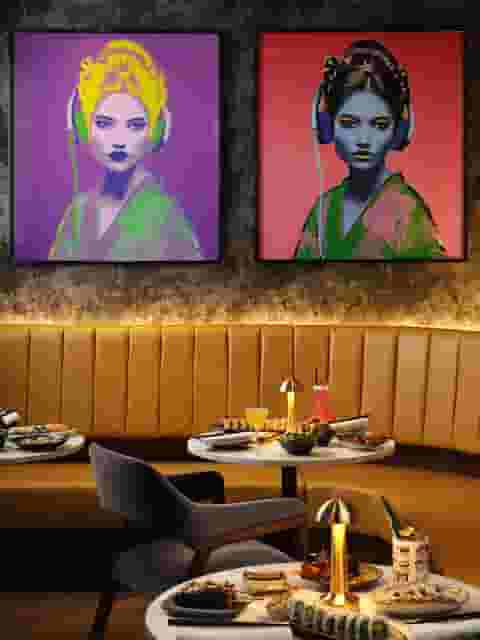
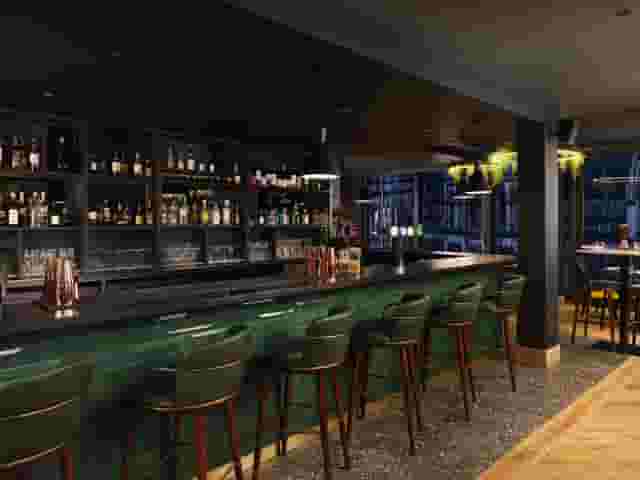
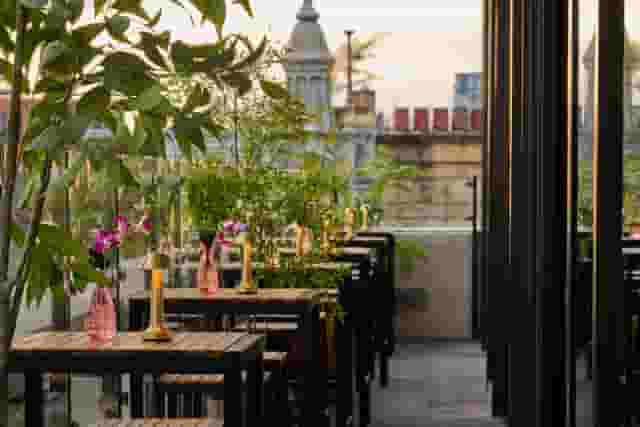
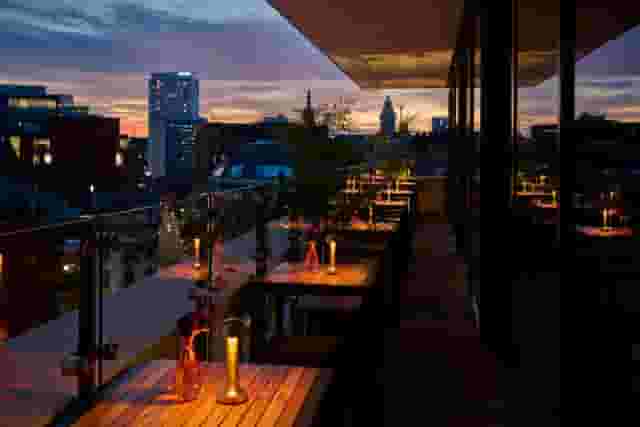
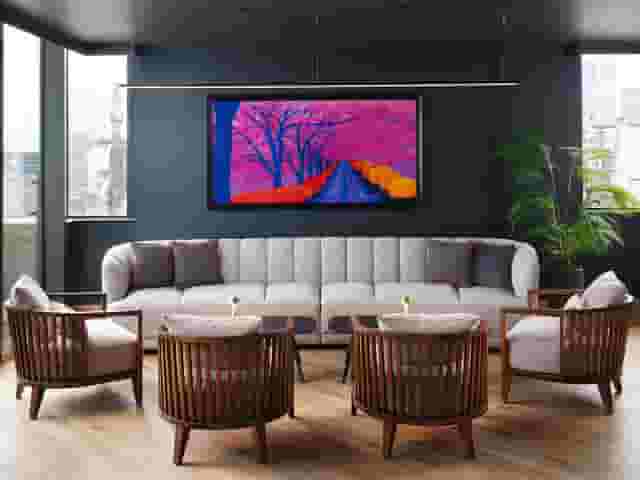
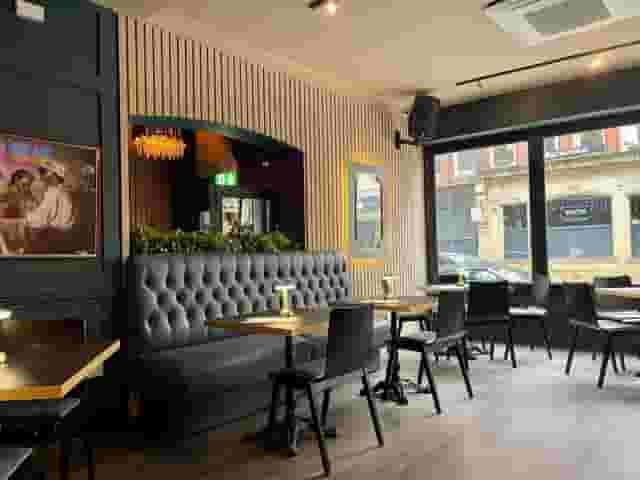
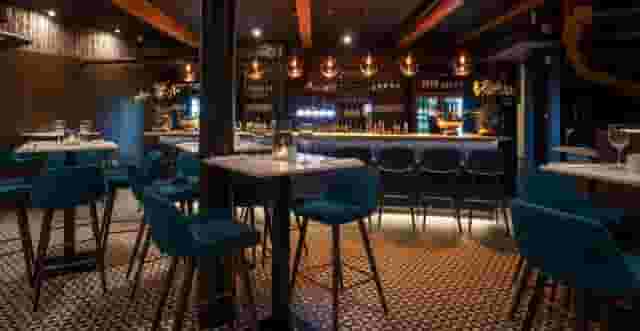
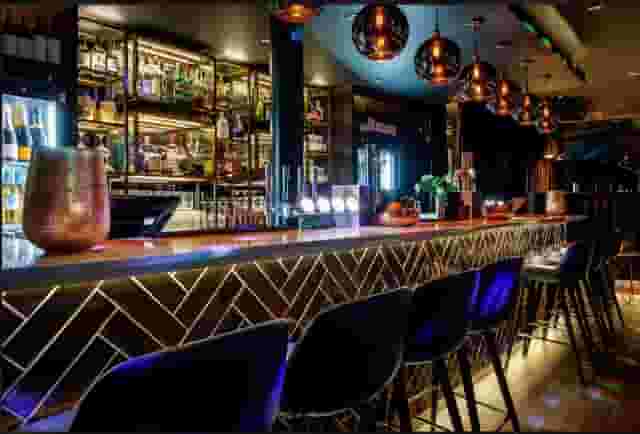
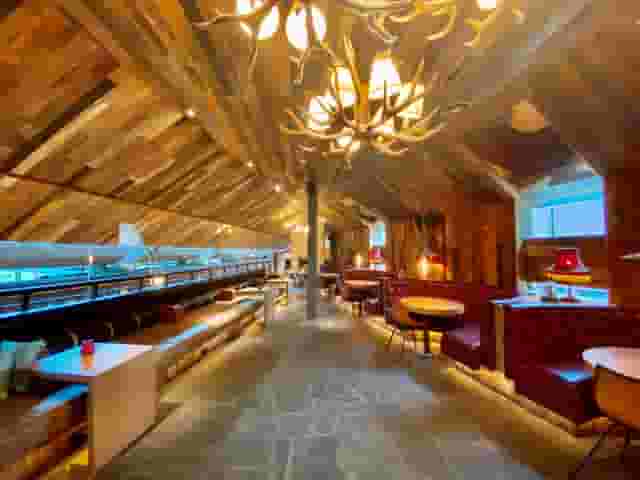
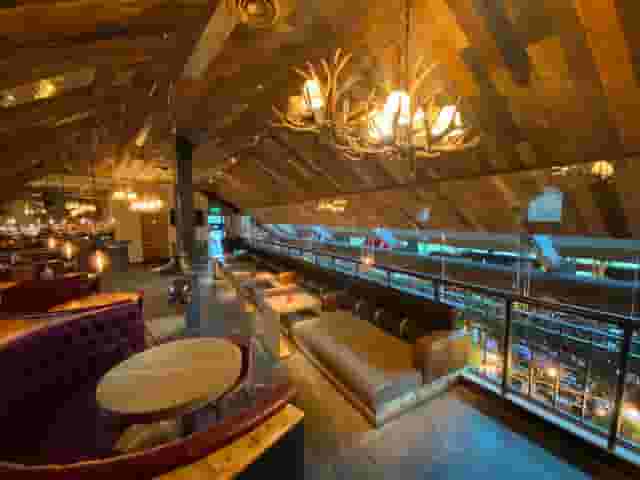


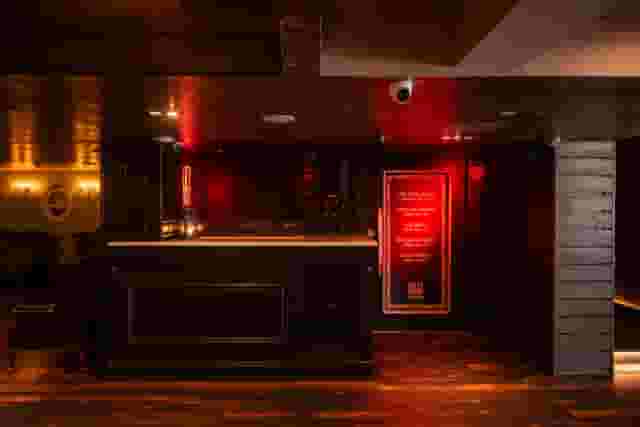
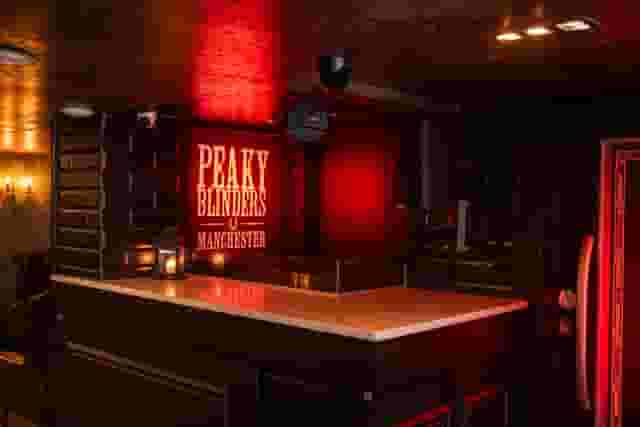
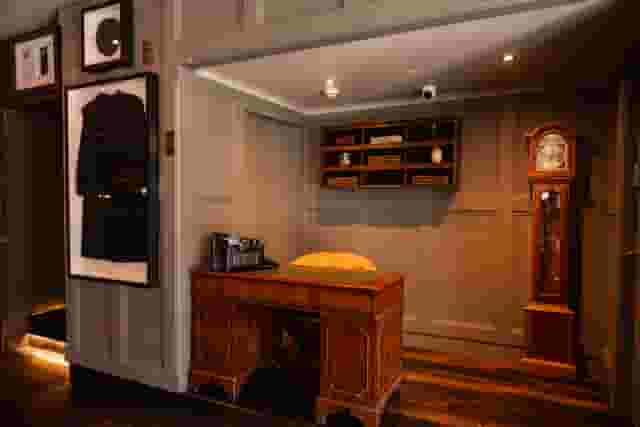
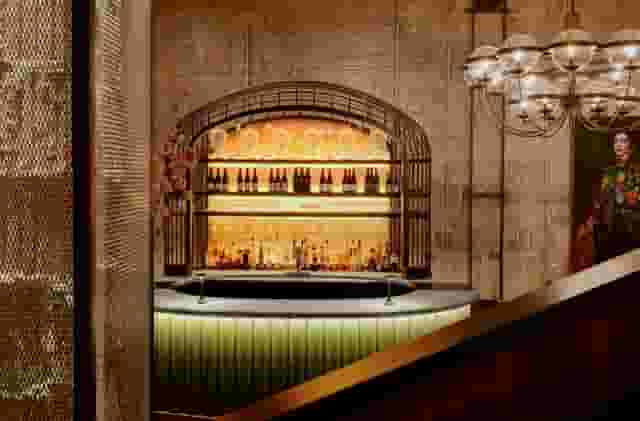
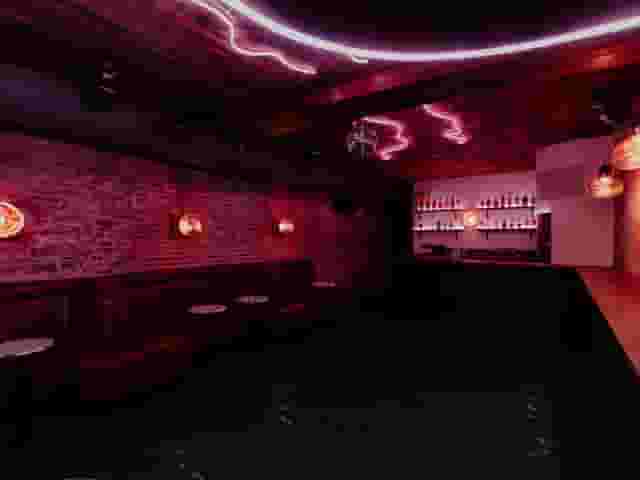
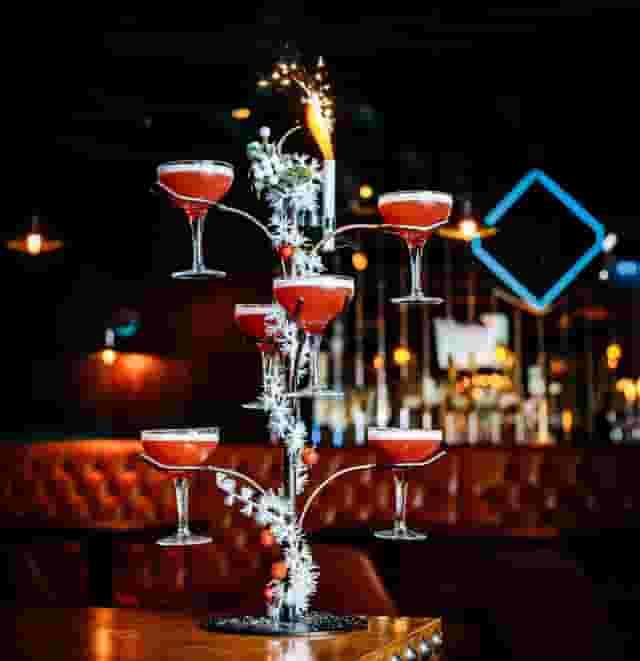
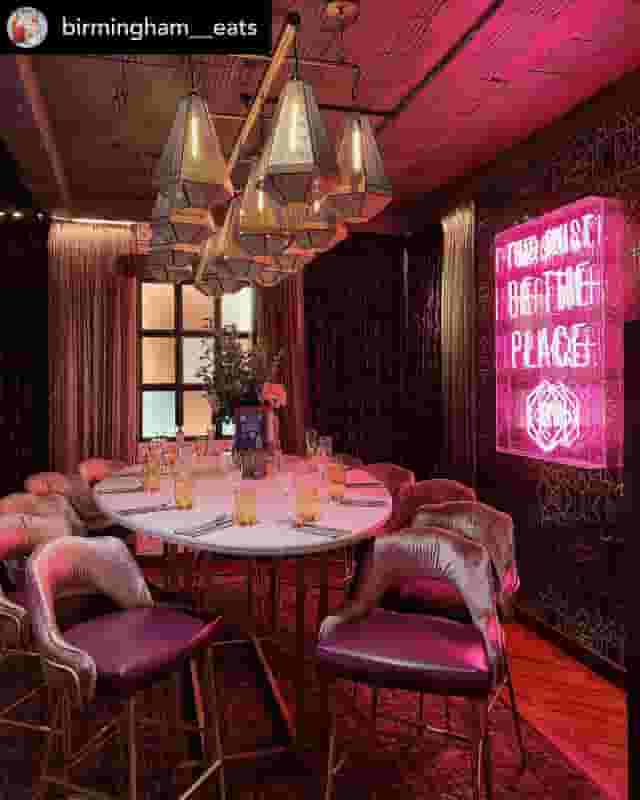
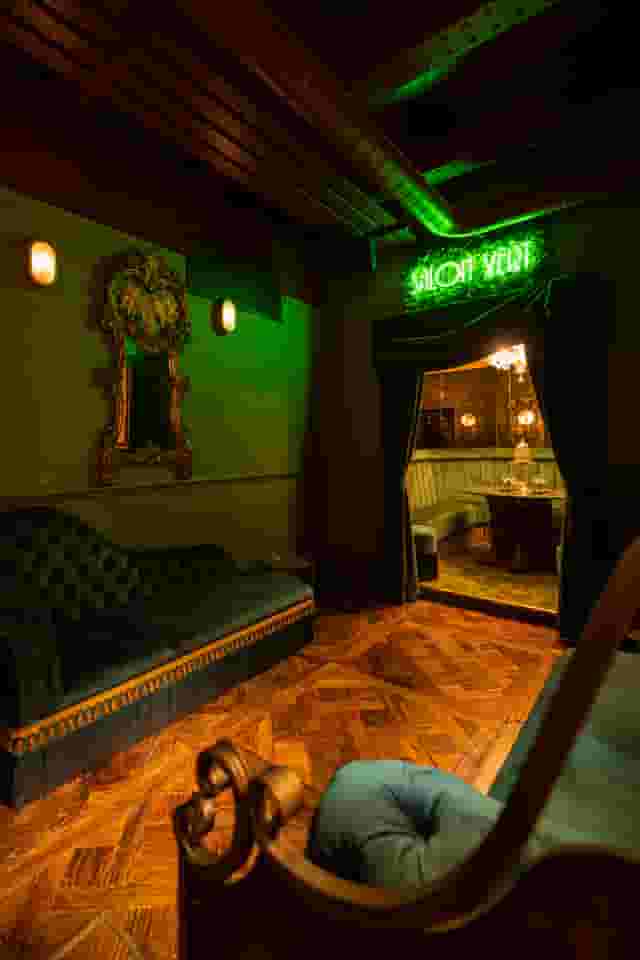
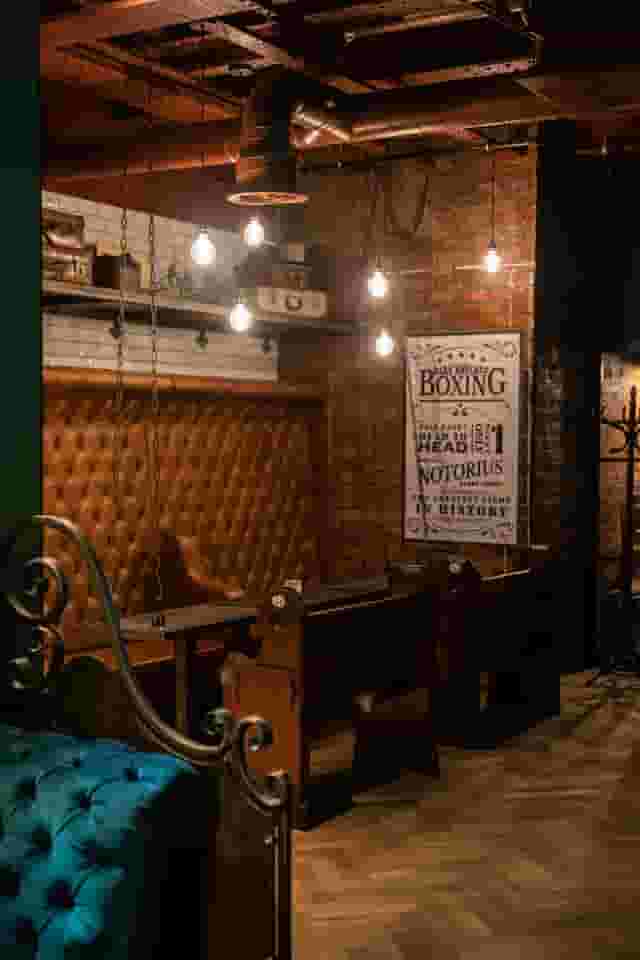
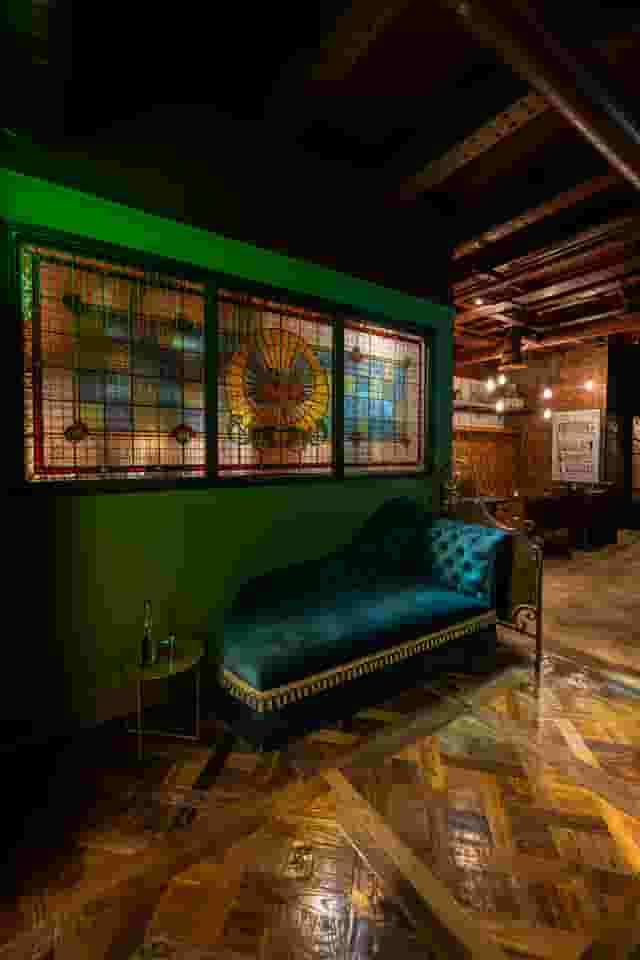
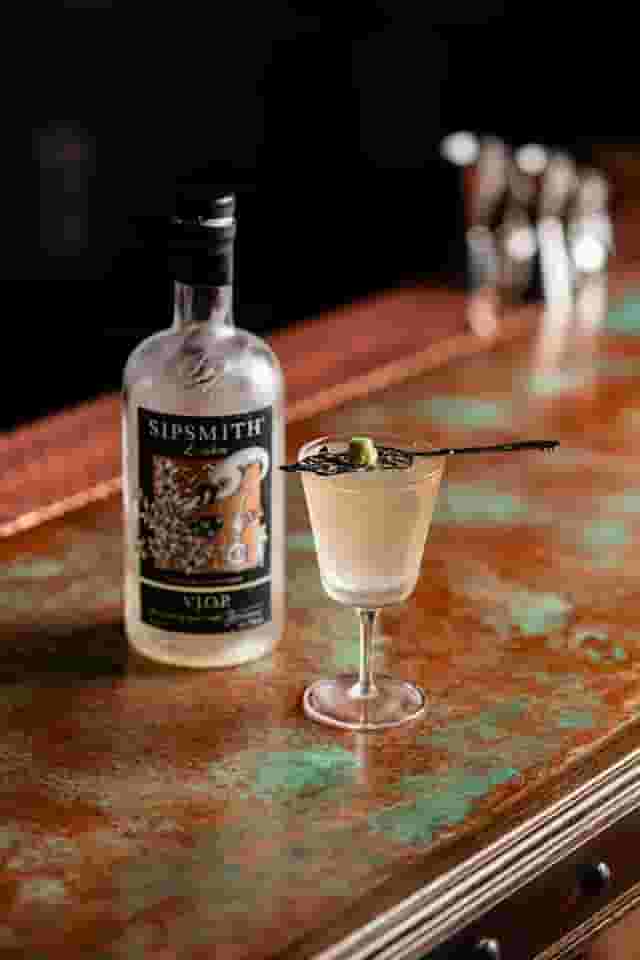
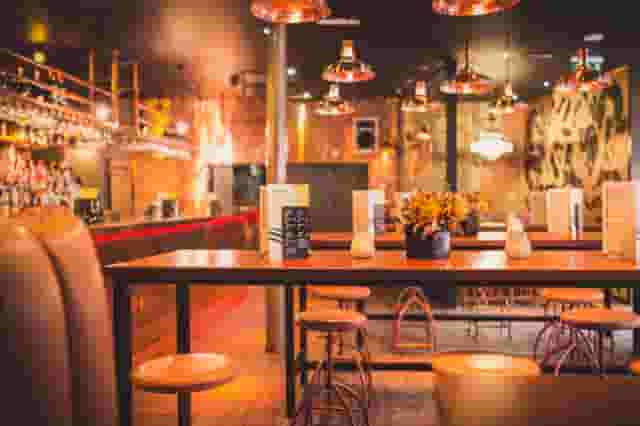
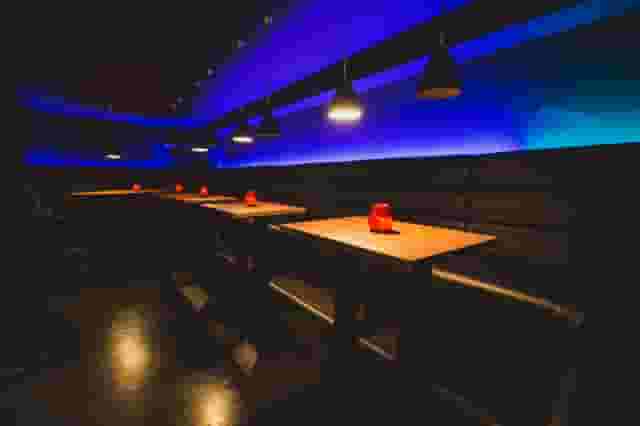
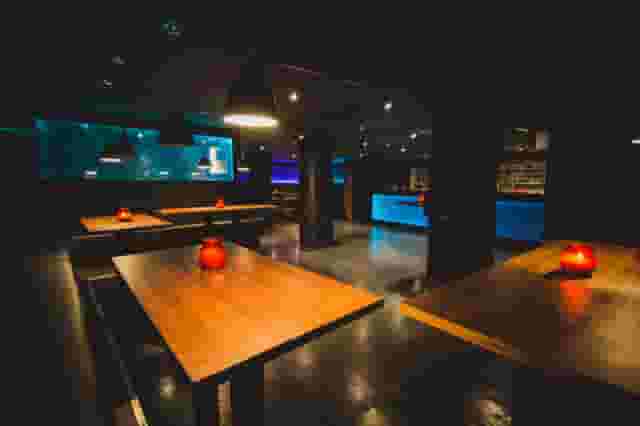
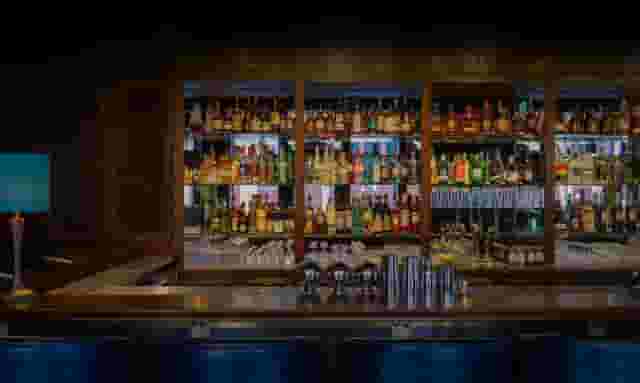
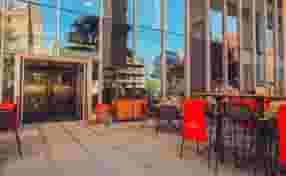
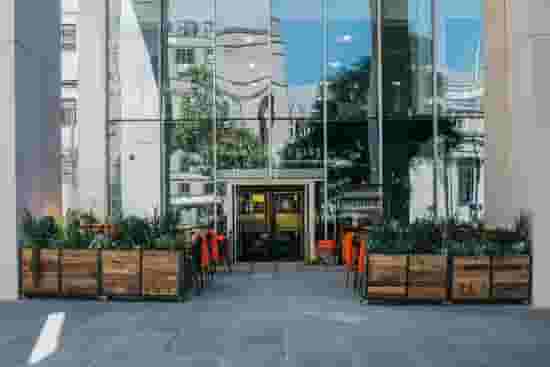
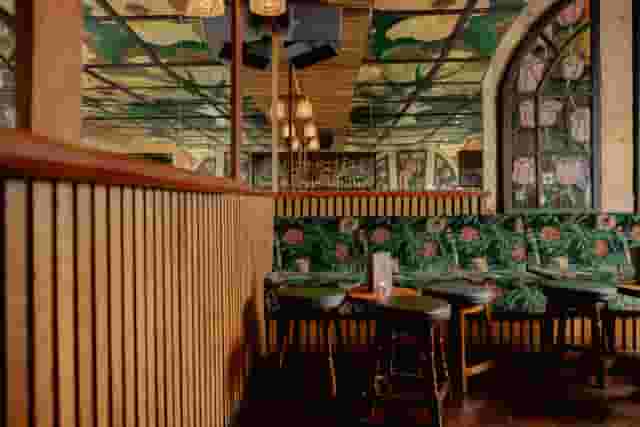
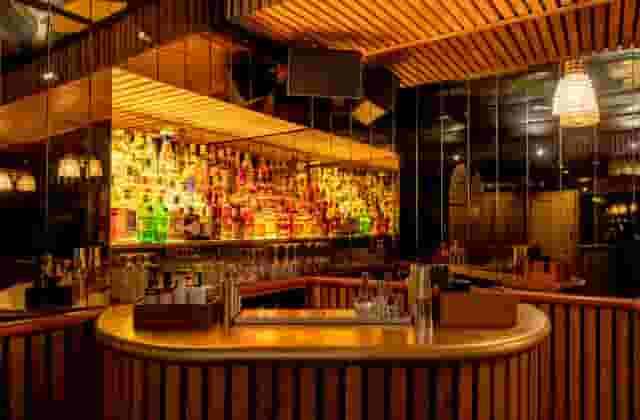
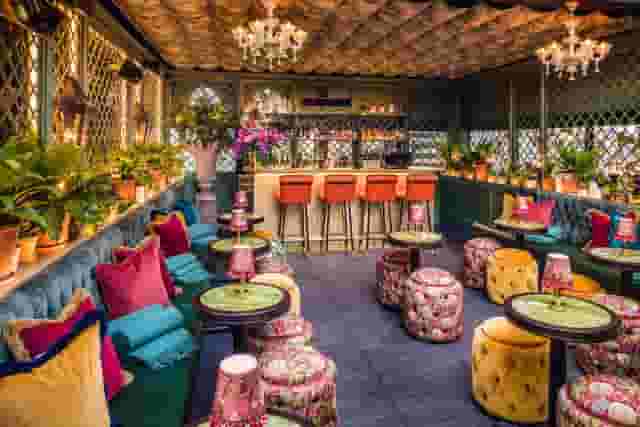
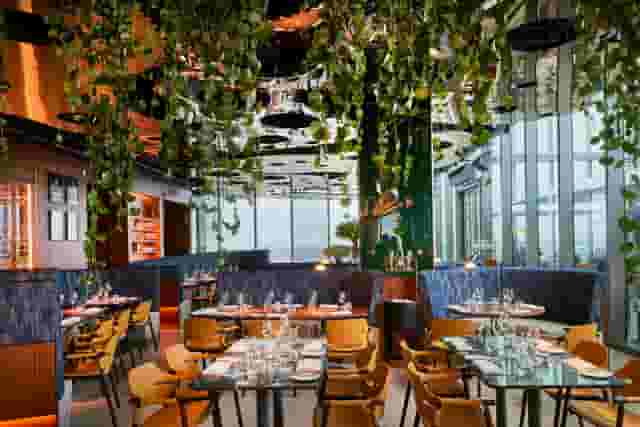
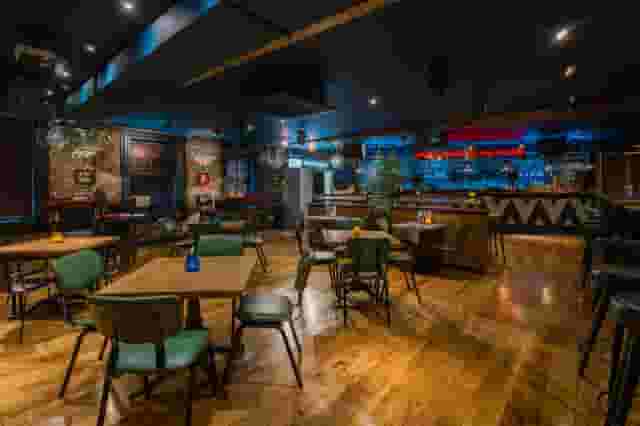
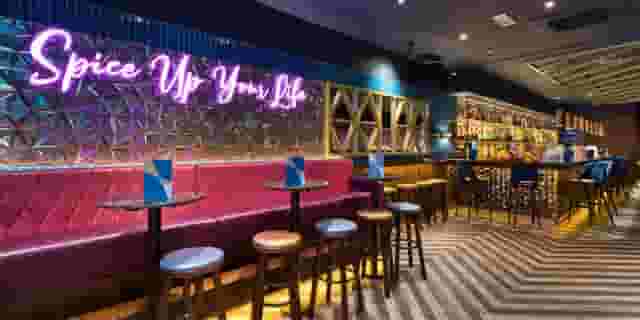
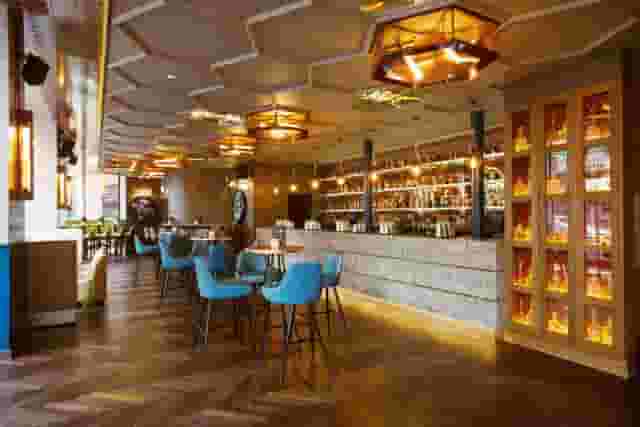
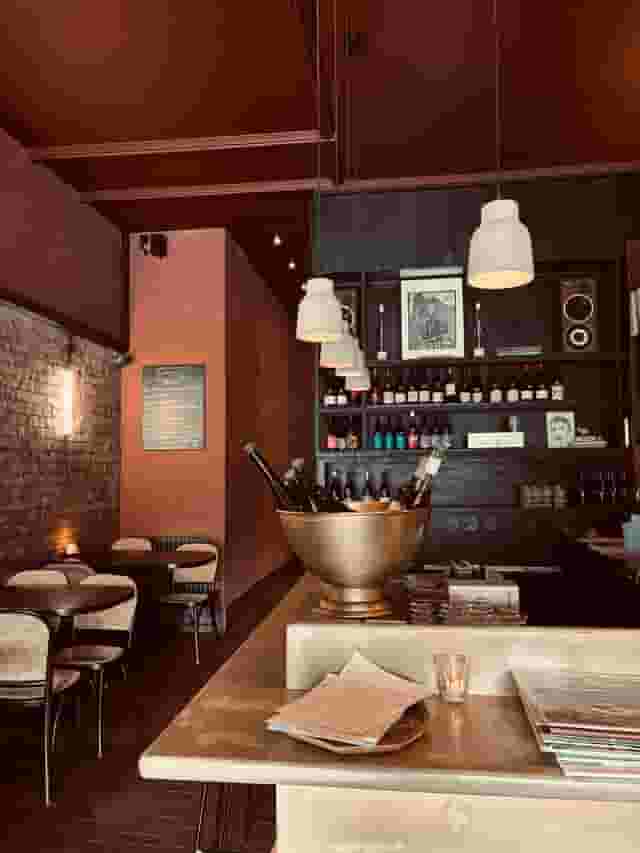
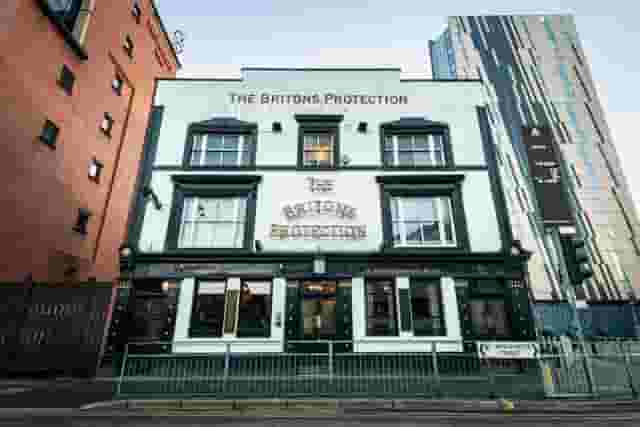
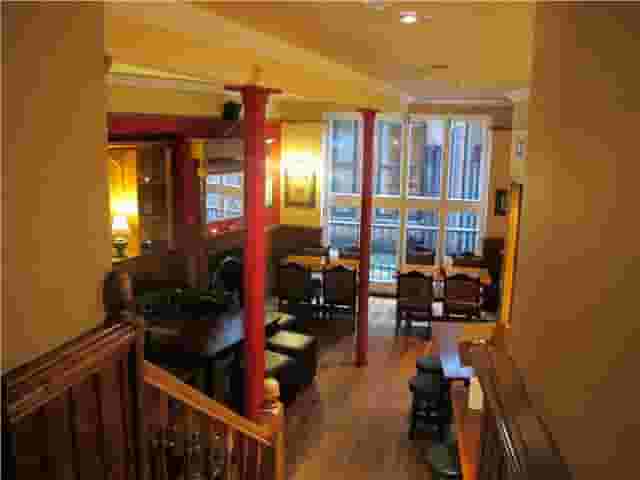
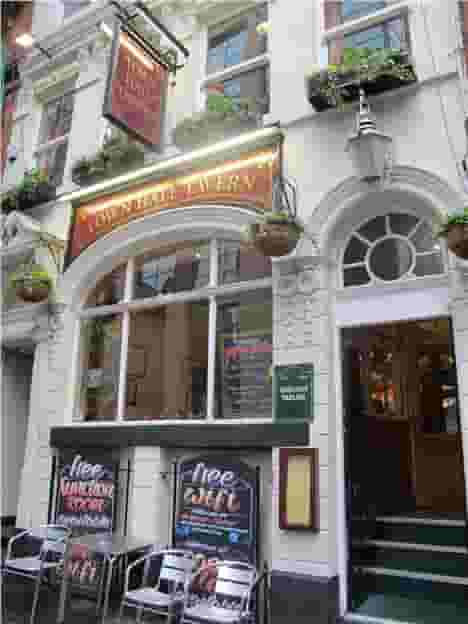
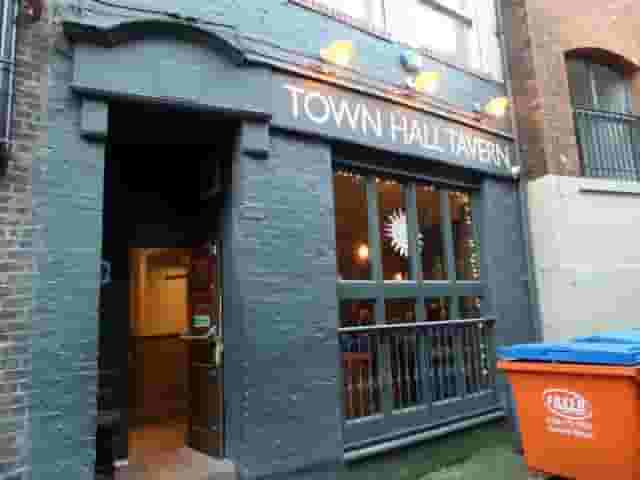
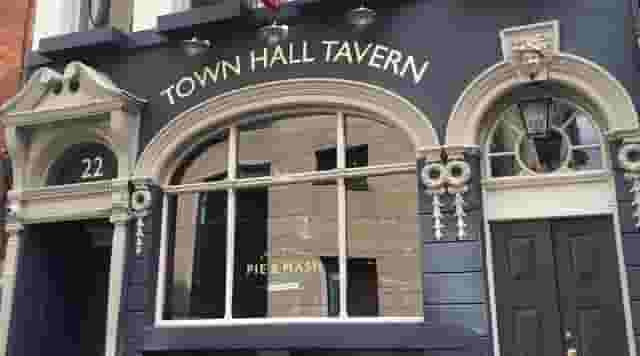
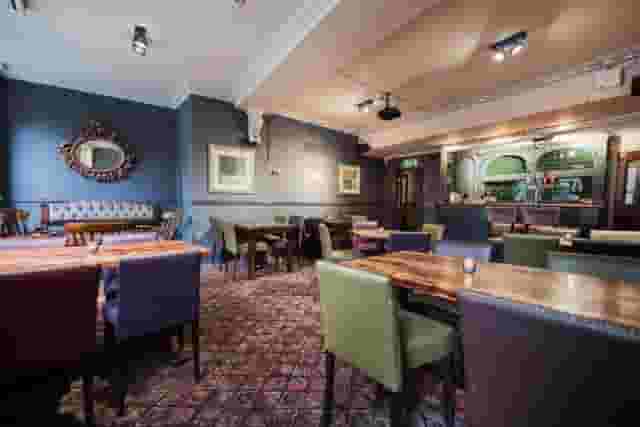
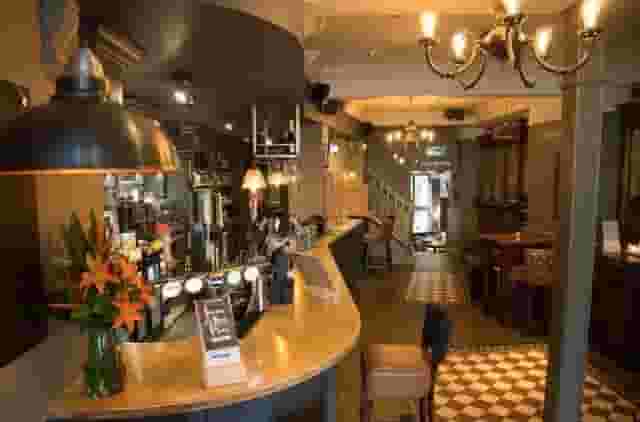
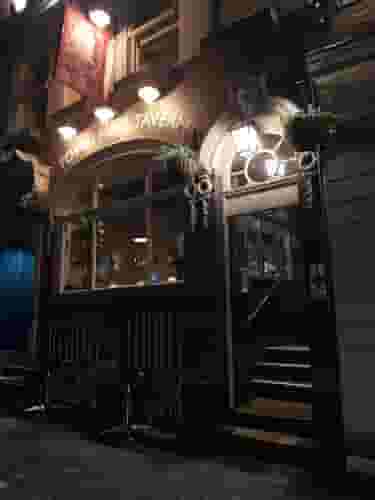
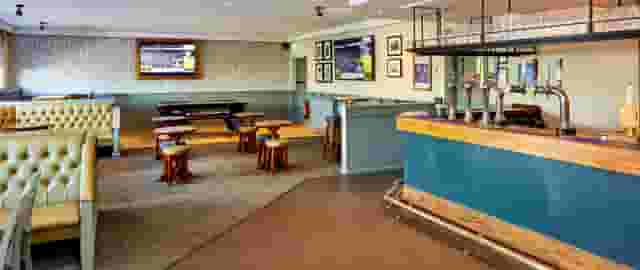
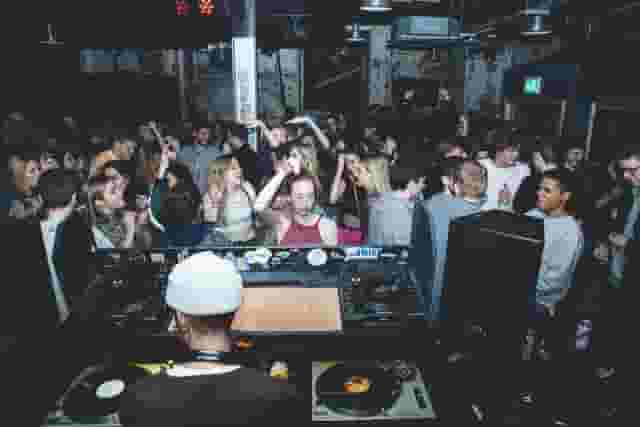
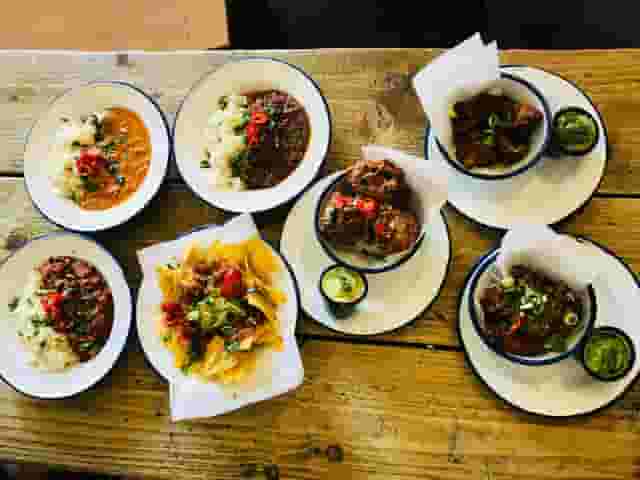
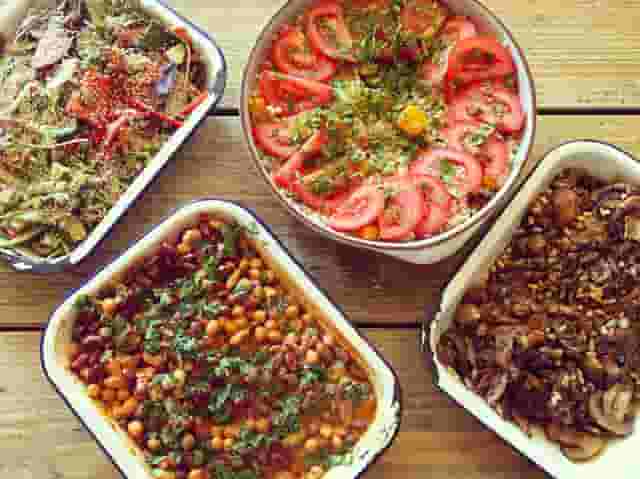
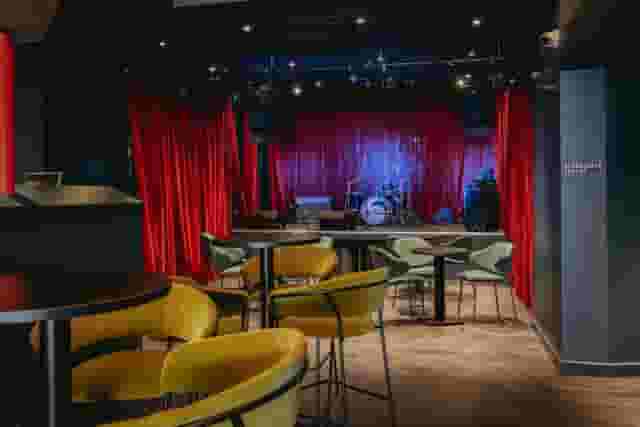
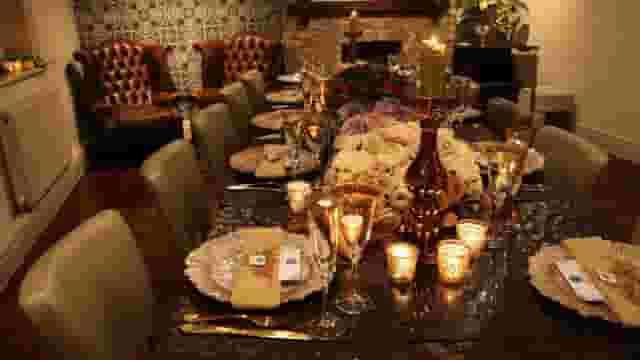
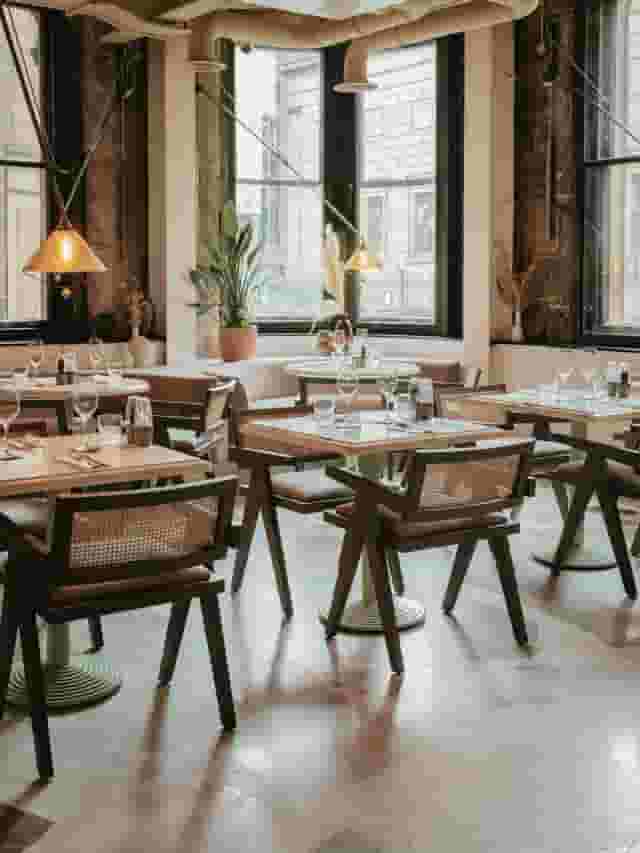
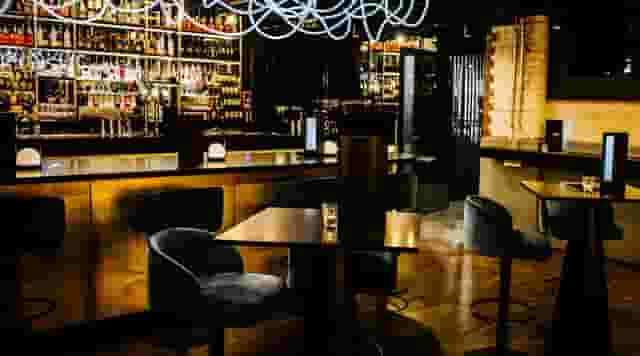

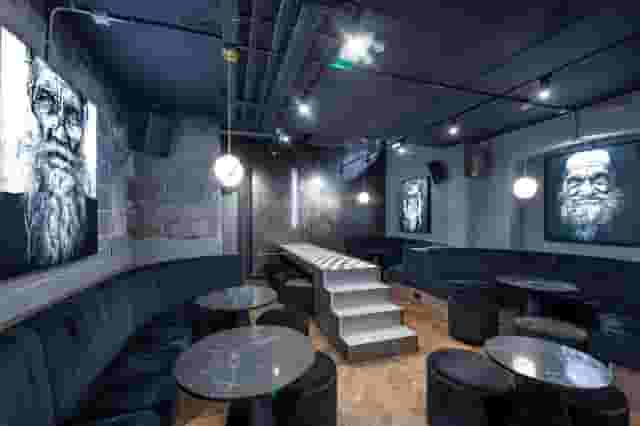
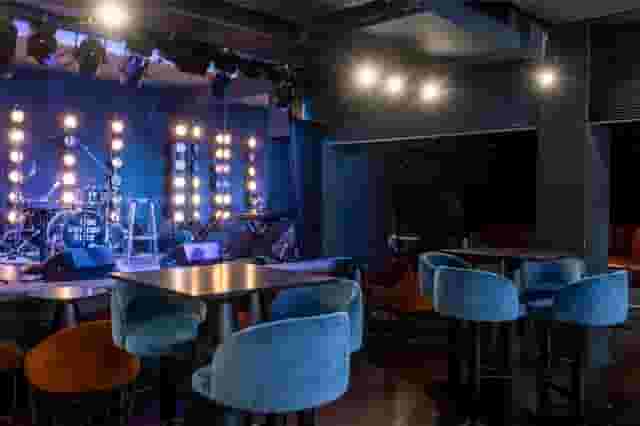
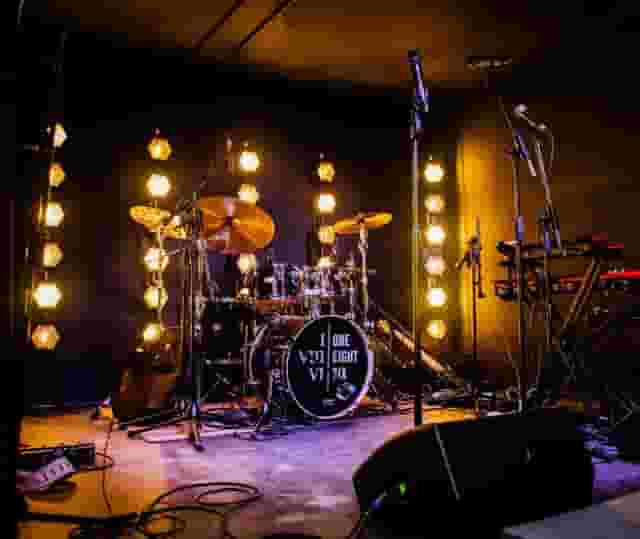
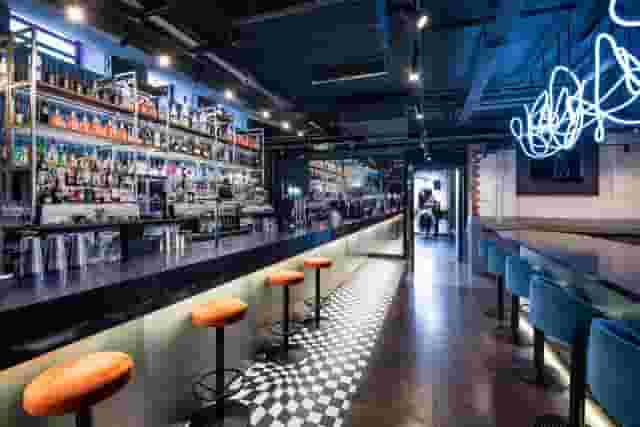
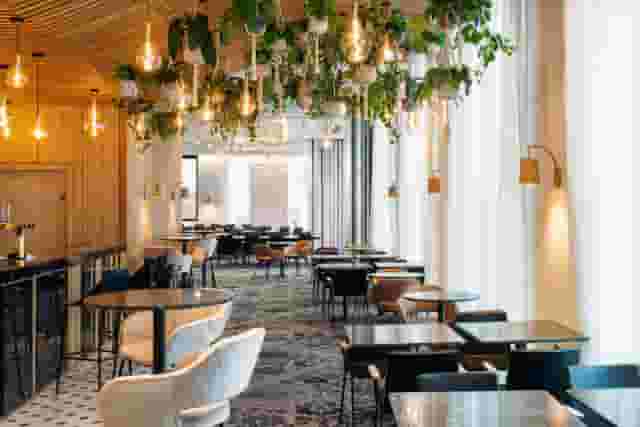
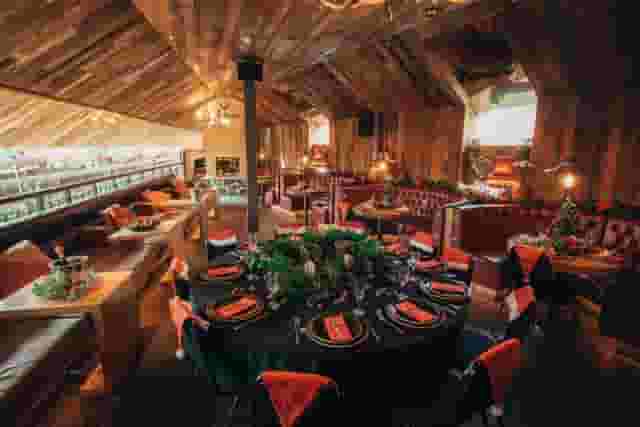
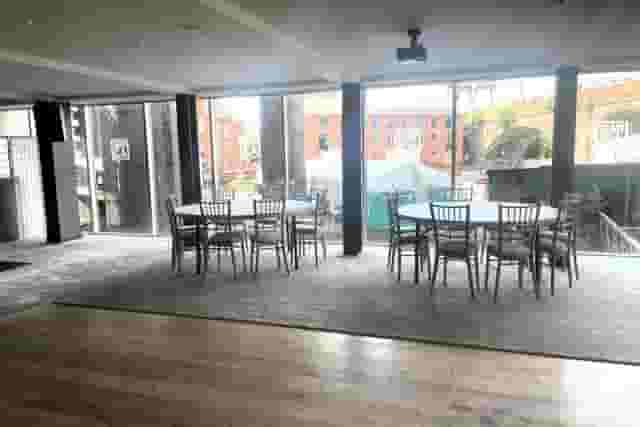
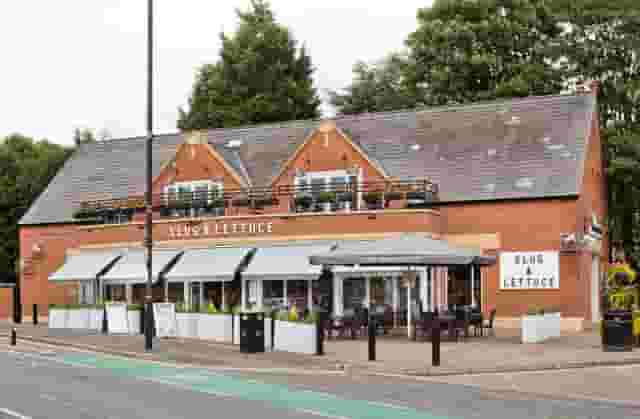


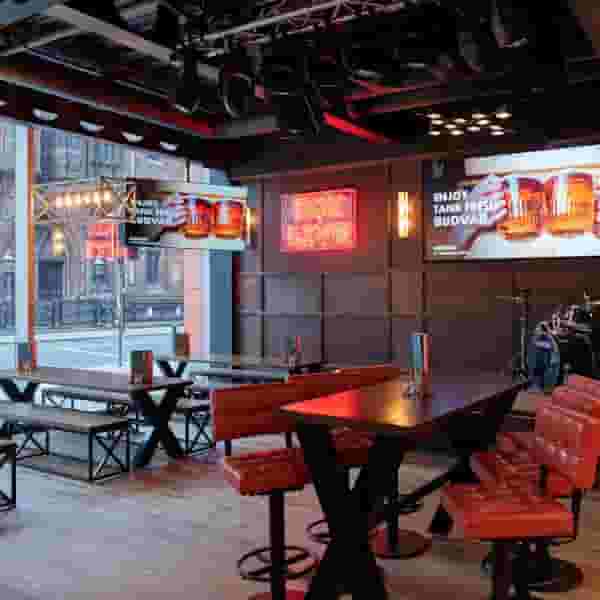
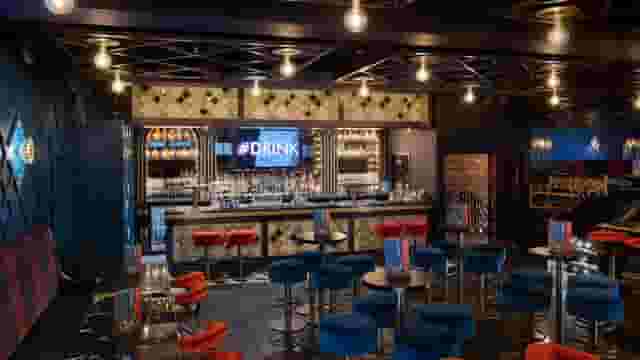
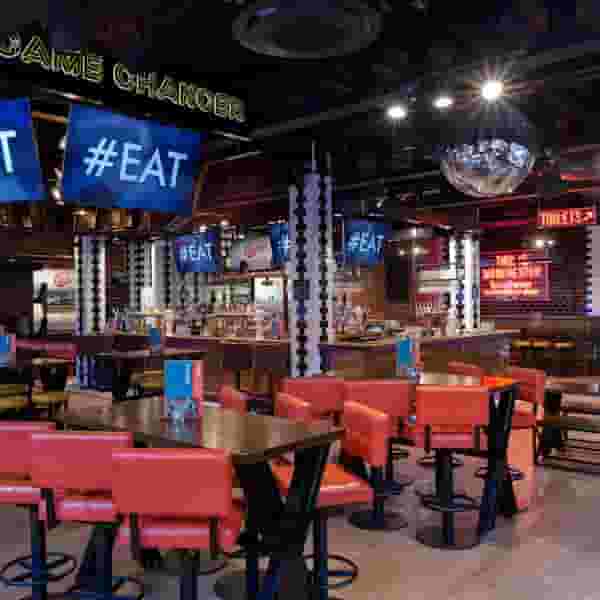
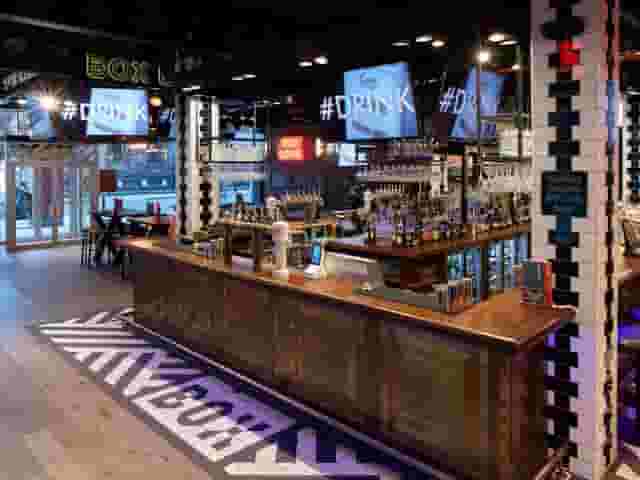
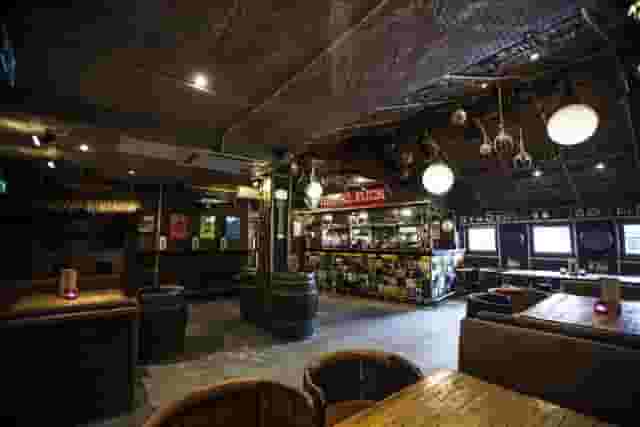
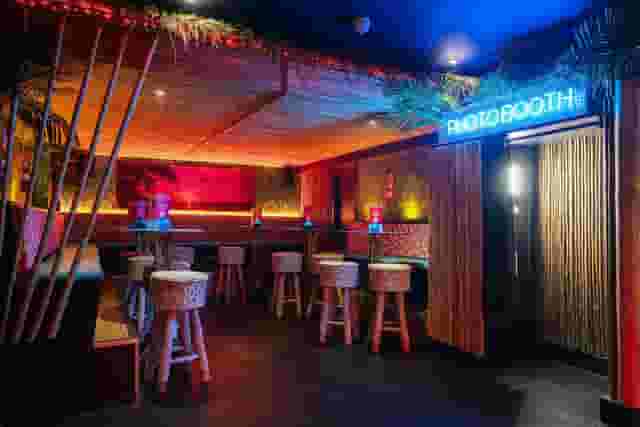
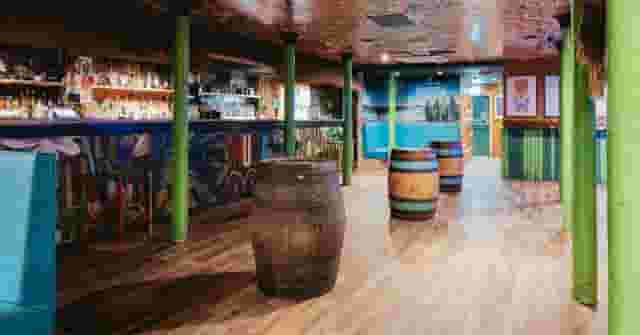
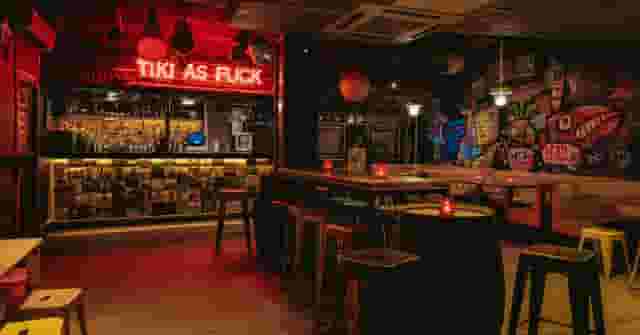
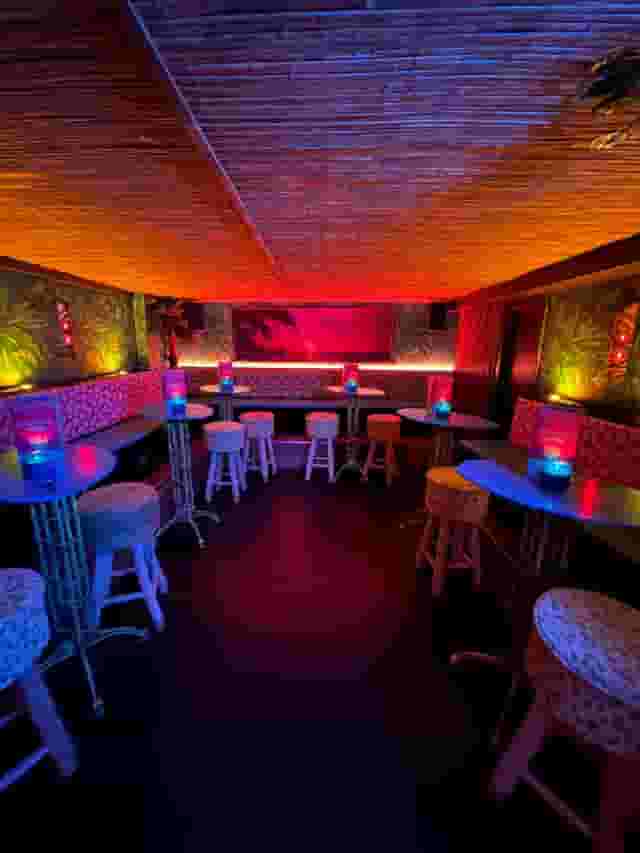
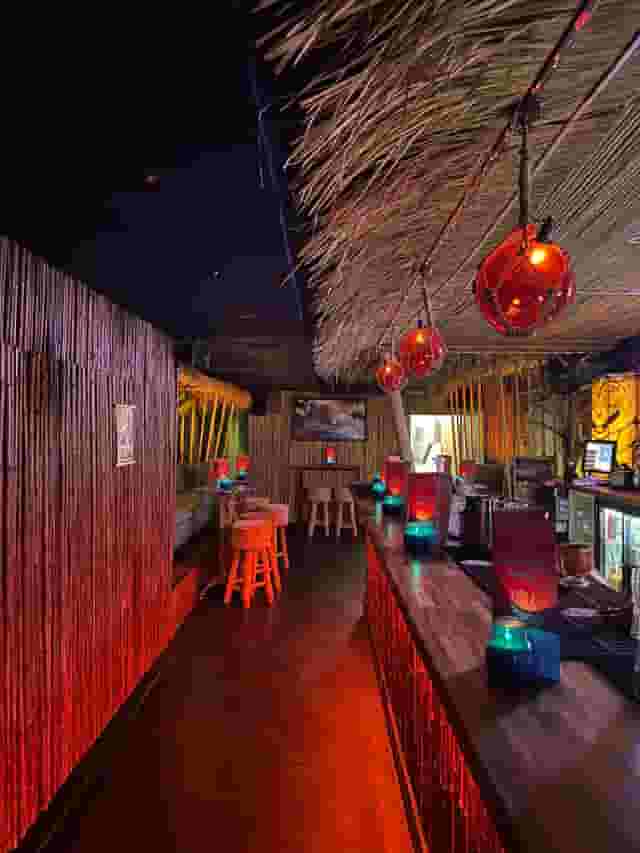
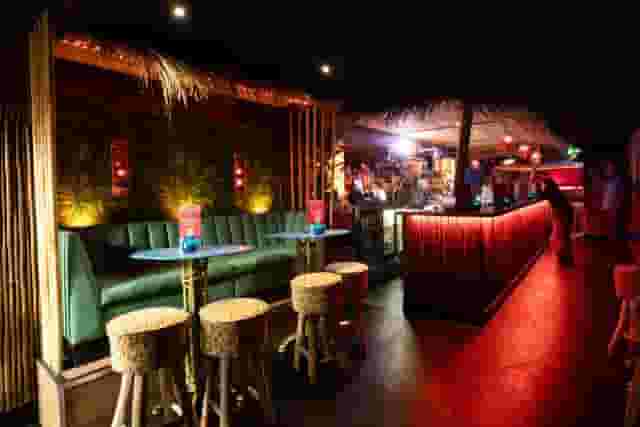
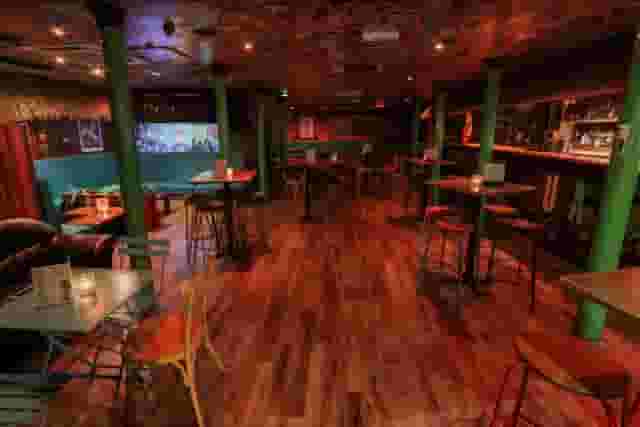
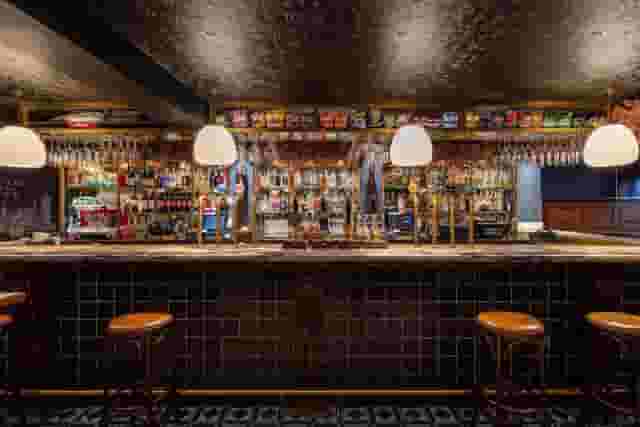
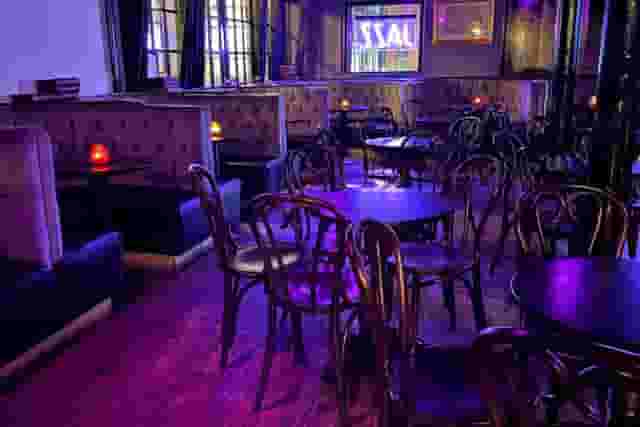
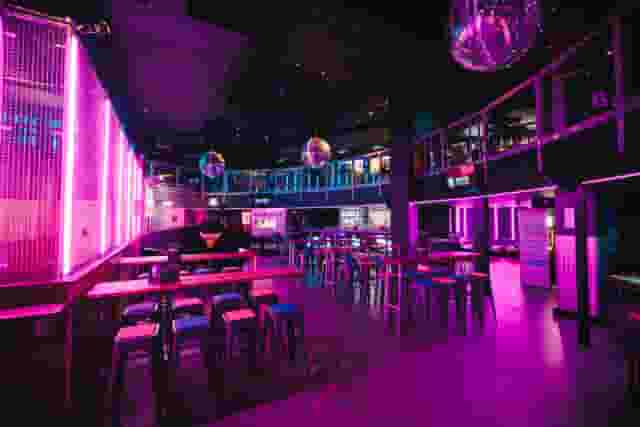
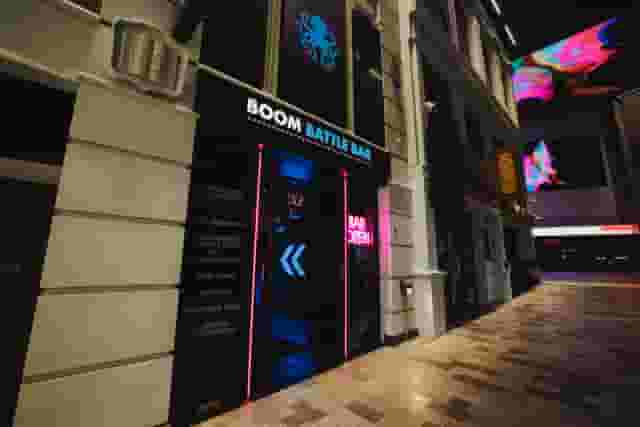
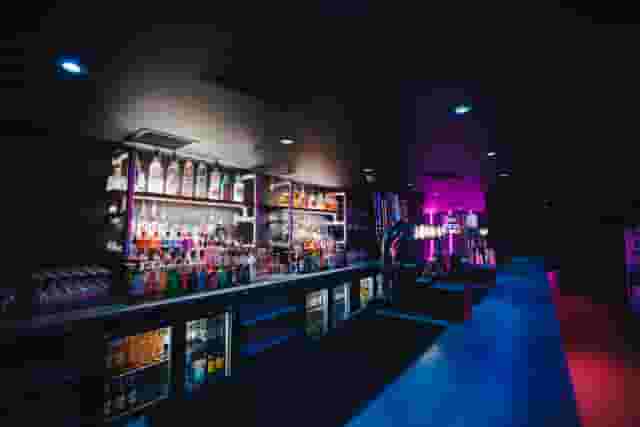
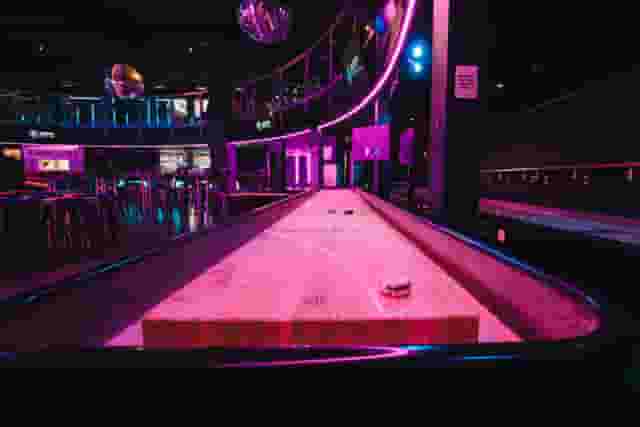
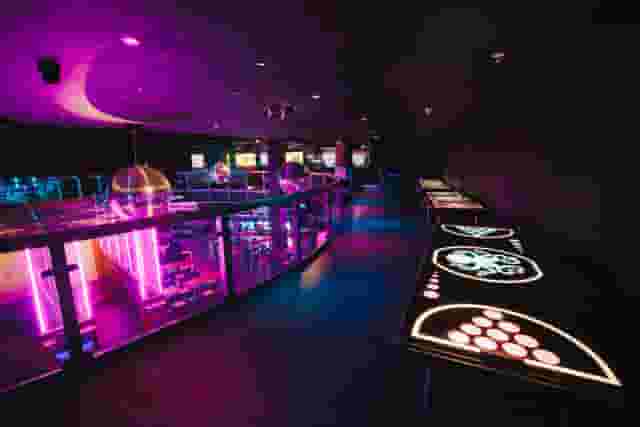
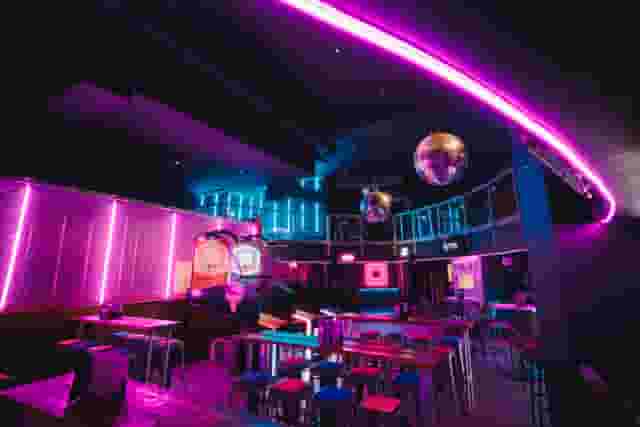




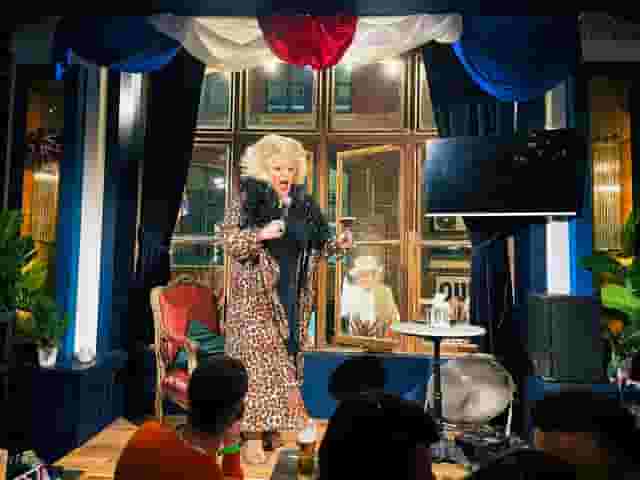
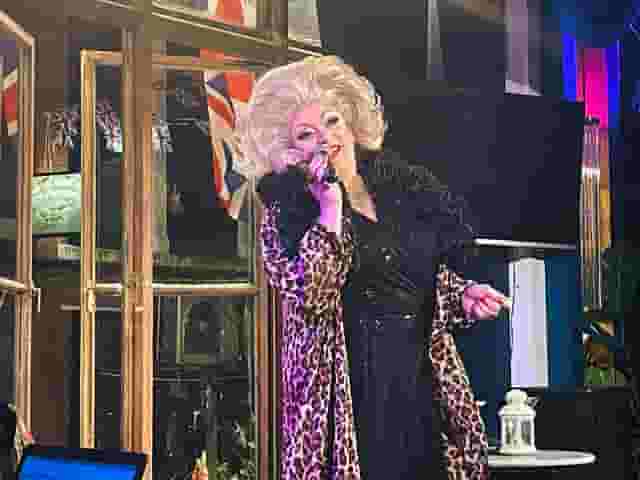
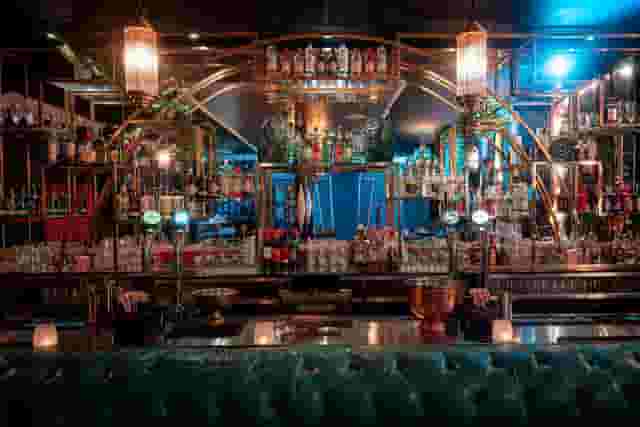
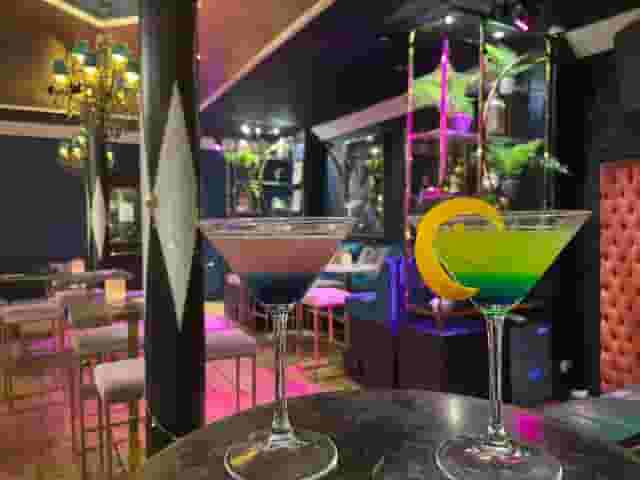
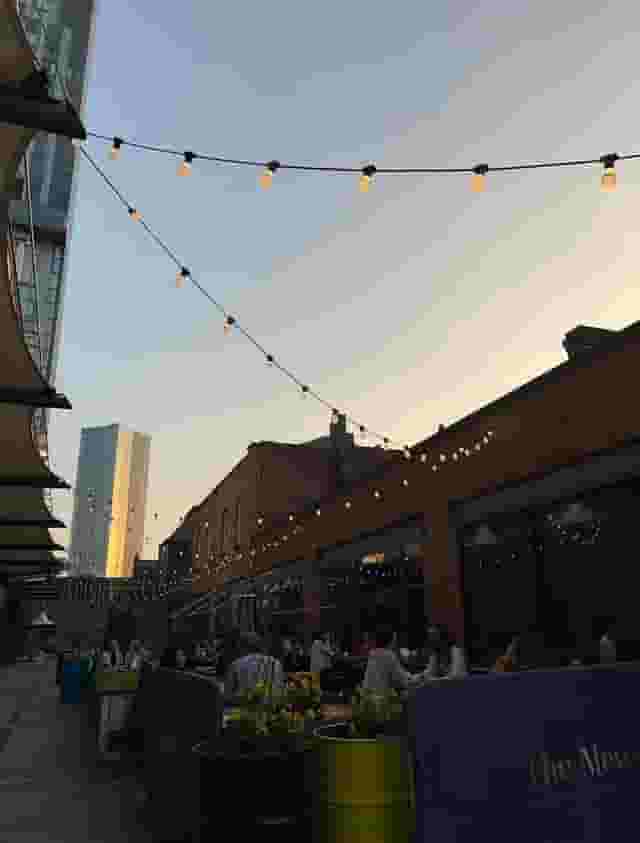
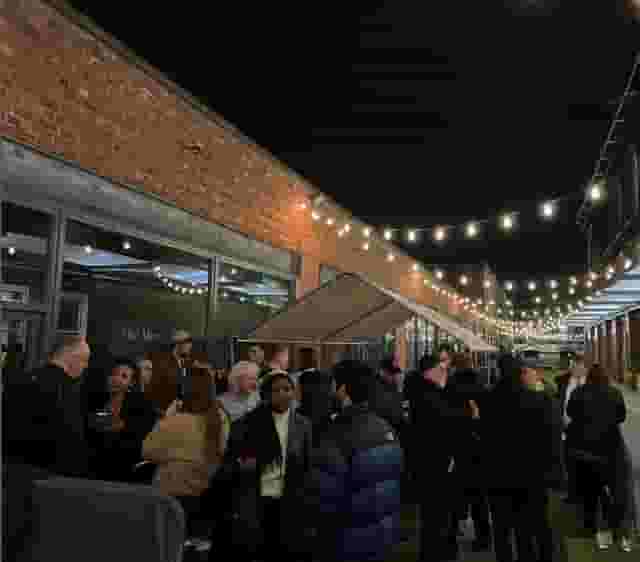
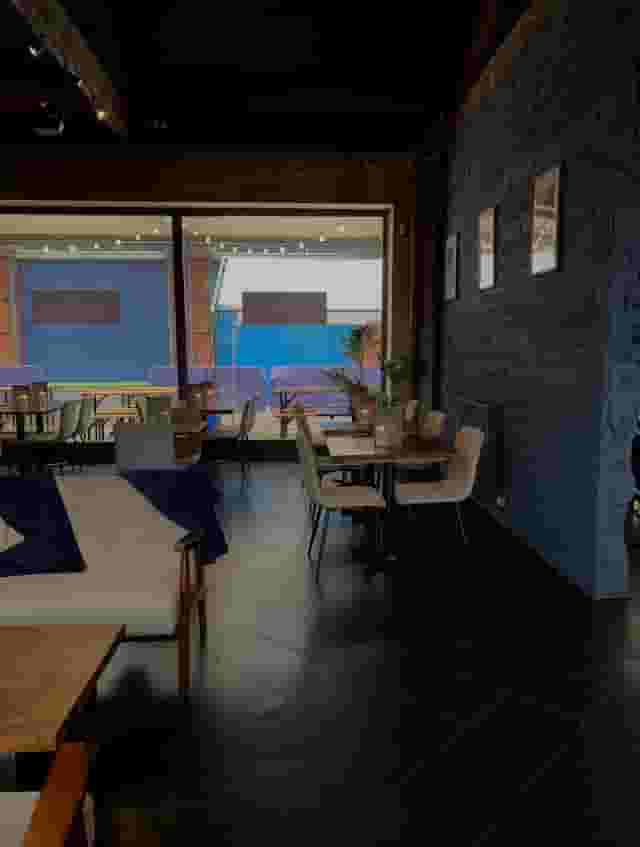
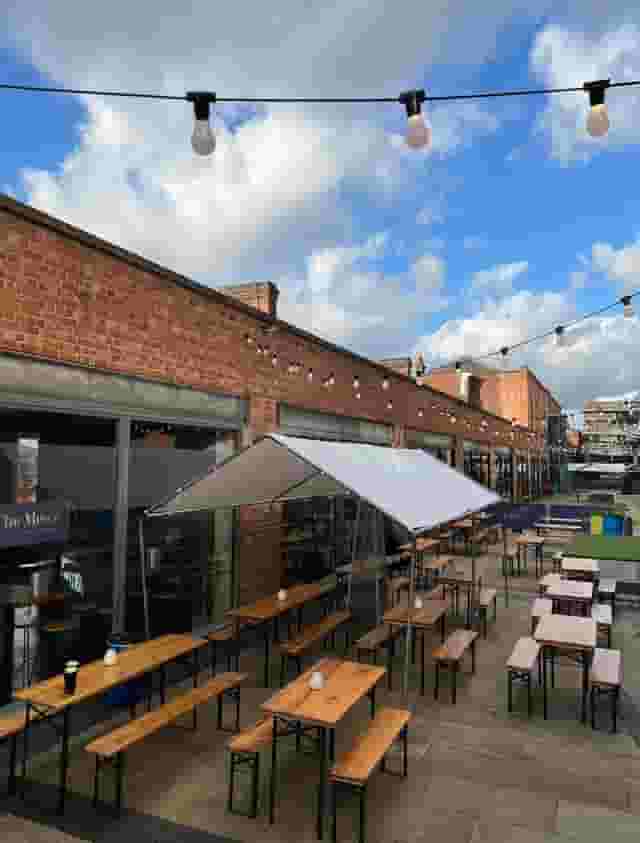
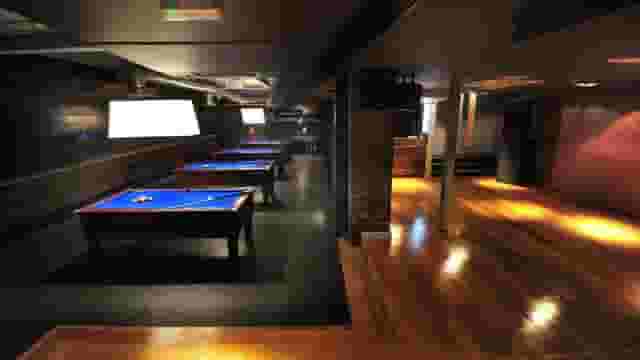
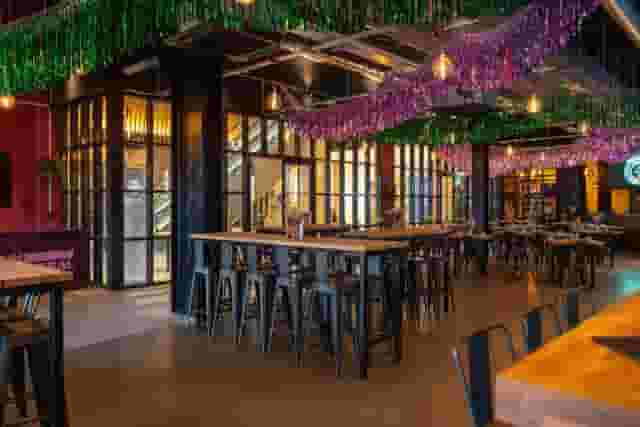
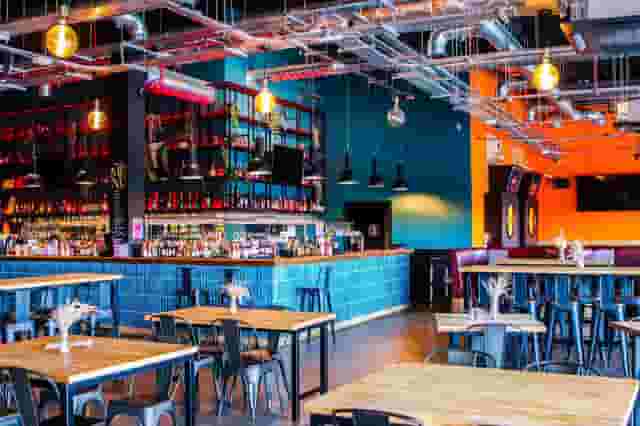
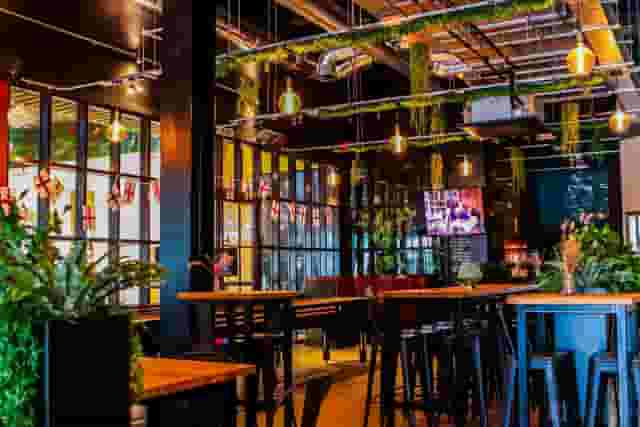

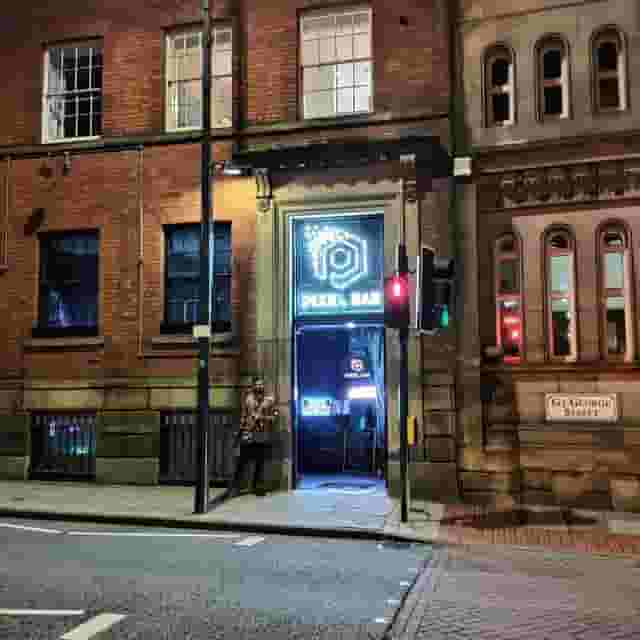
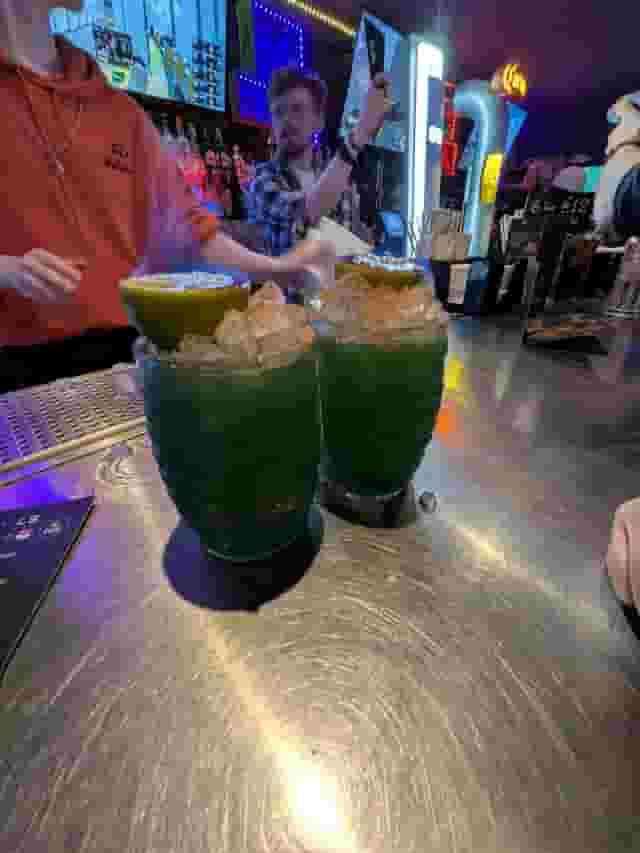
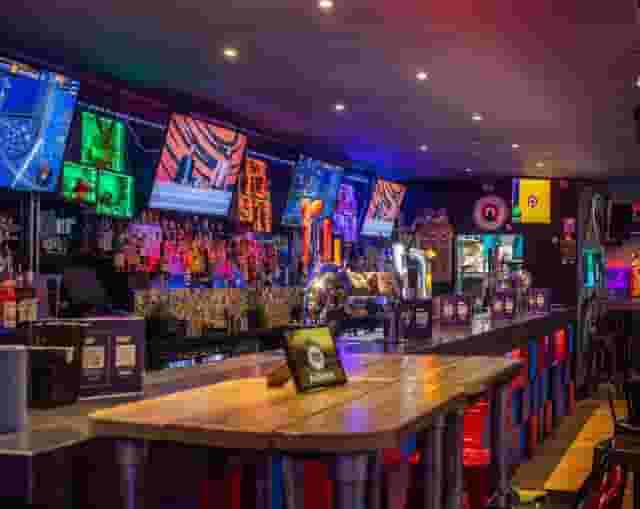

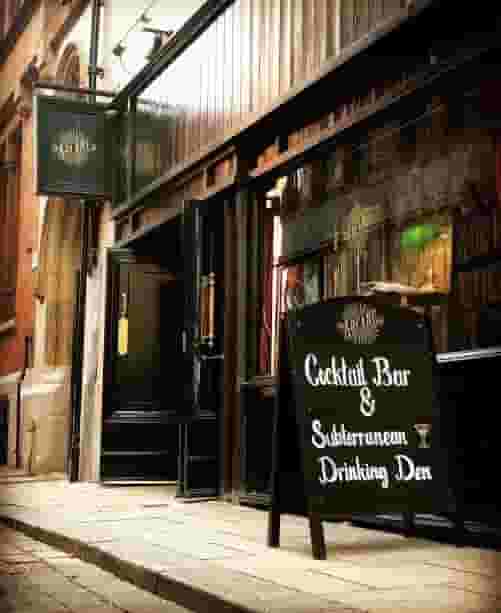
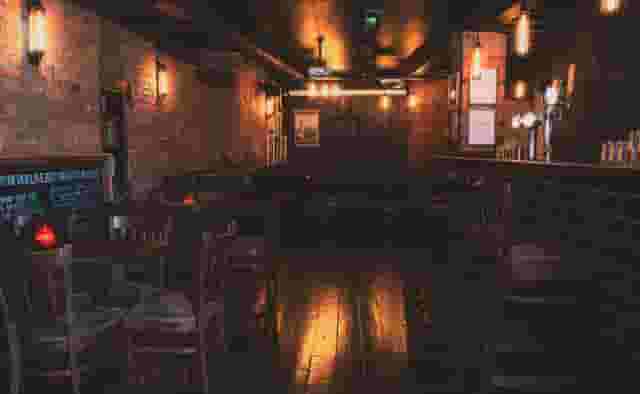
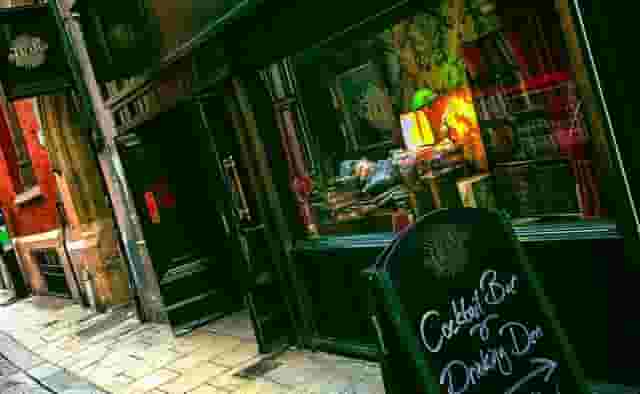
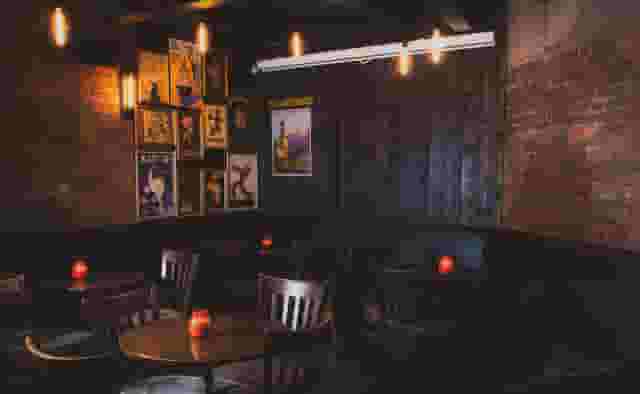
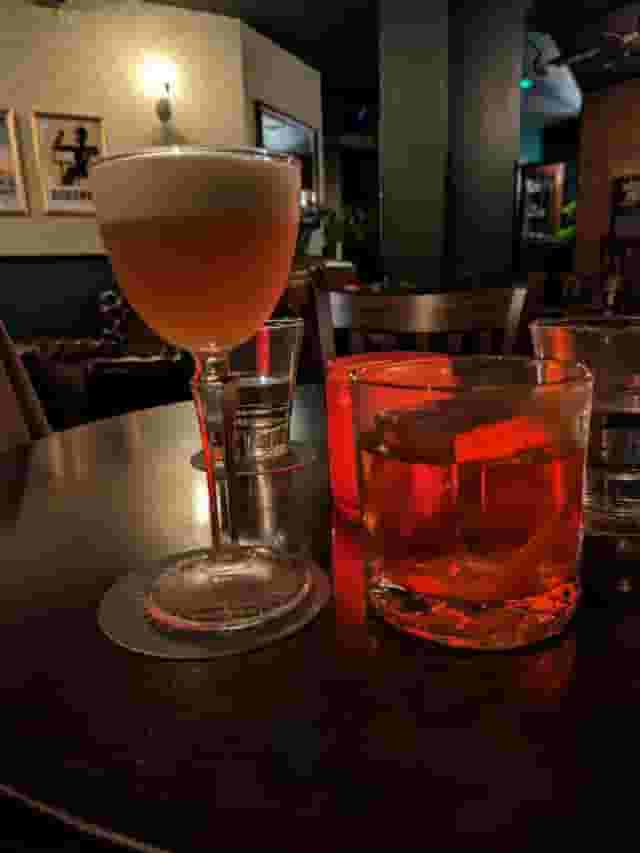
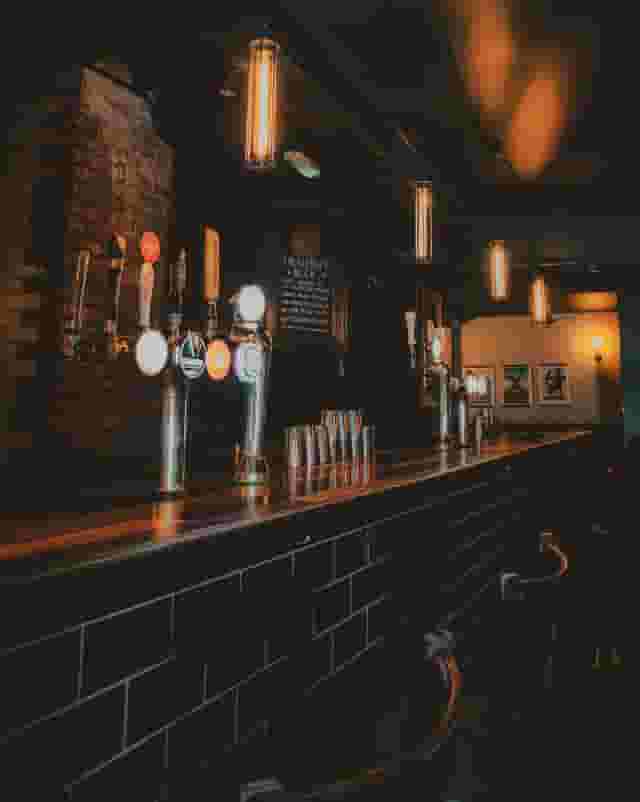
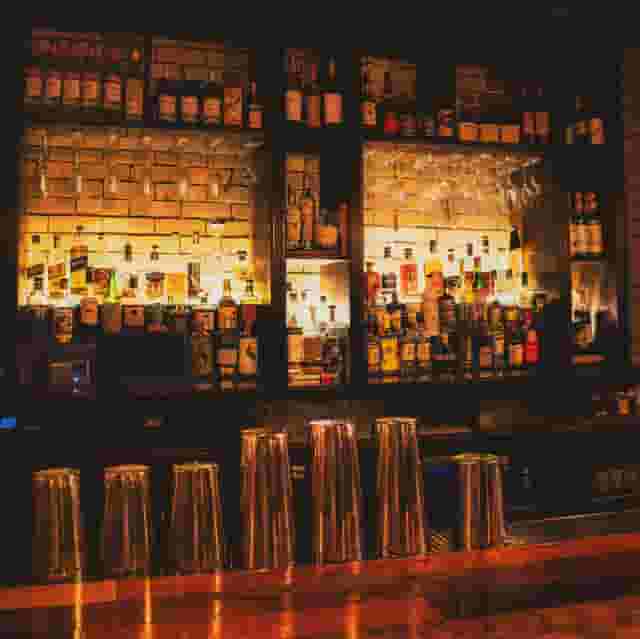

No venues match these filters
Try widening your capacity, luxury level or event type.
Don't have time to search? We'll find it for you.
For business events that need human judgement, talk to our team. Free for events of 100+ people, budgets over £10k or ongoing programmes.




Other platforms search their database. We search everything.
Tell us what you need. Our deep research finds any venue, whether it's in our marketplace or not. No one else does this.
About Bars in Central Manchester
Matching the room to the style of company event
Choosing a bar for a business event involves more than finding a room with taps and a sound system. The architecture of the space directly dictates how your guests interact. A casual post-conference drink needs an open floor where people can mingle easily, while a celebration of company milestones or an annual team social often requires a closed-off room where speeches can happen without competing with the general public.
Dedicated private basements versus open public zones
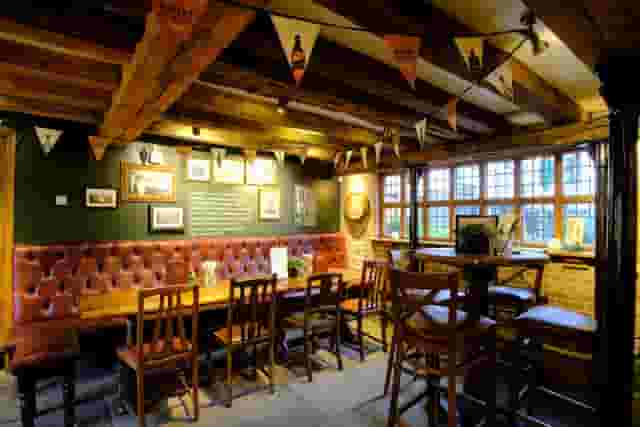
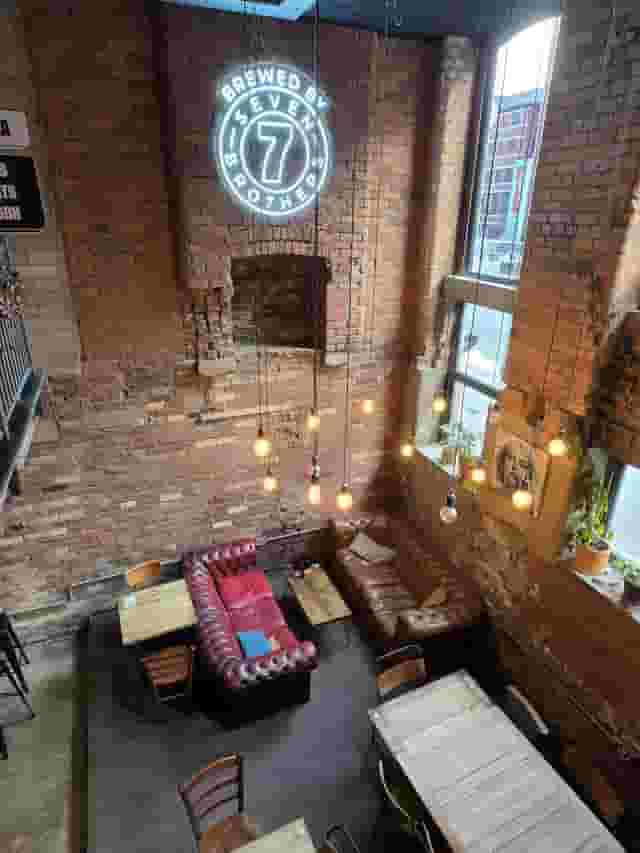
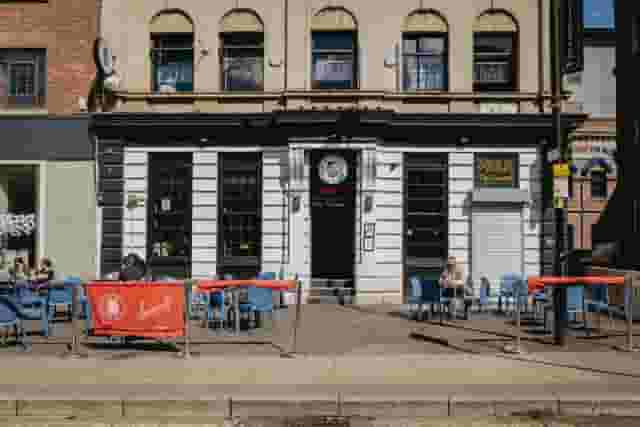
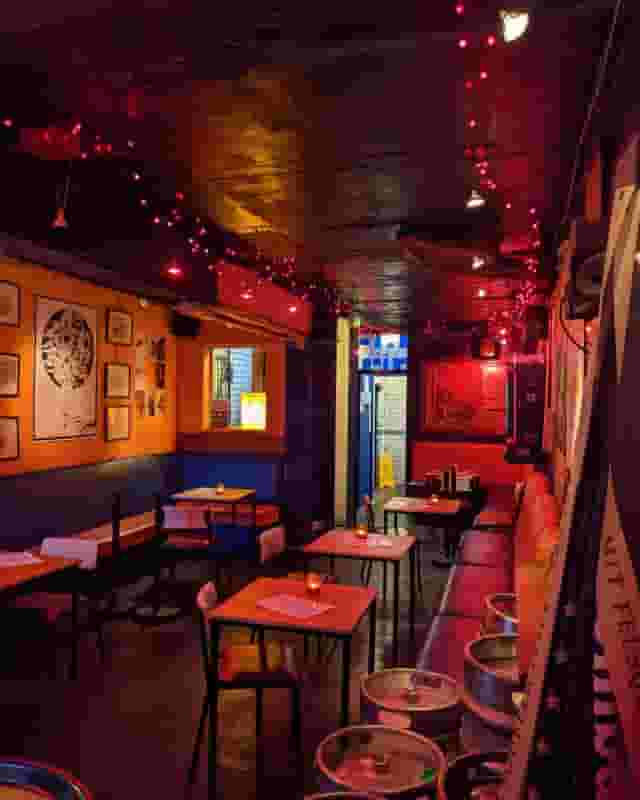
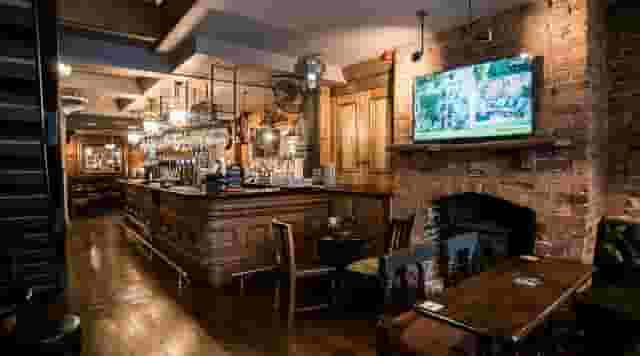
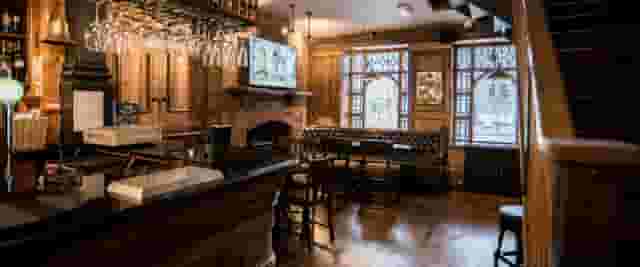
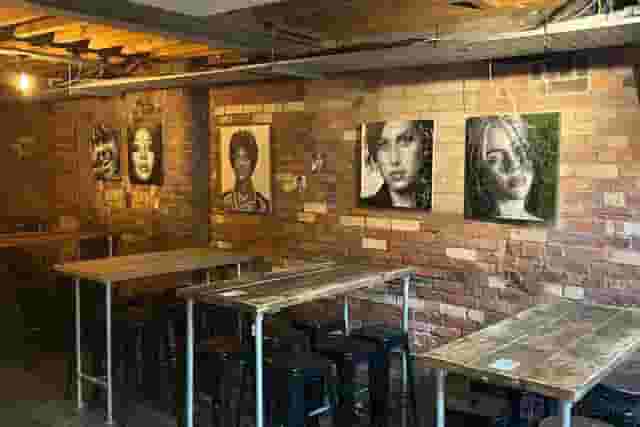
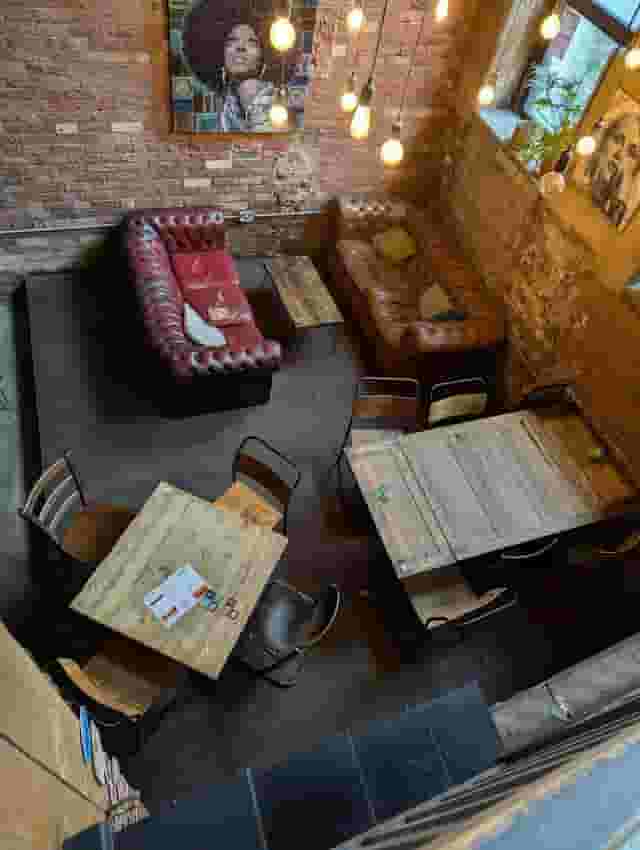
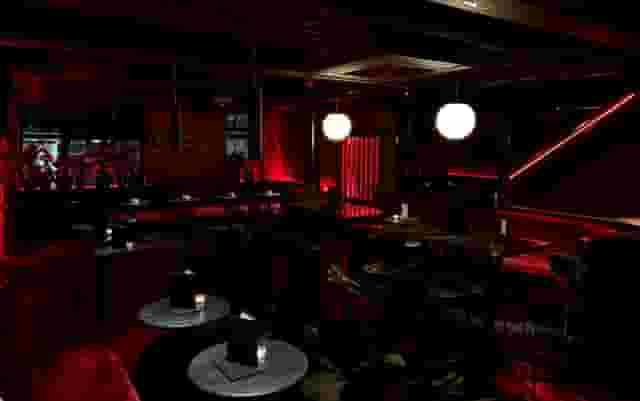
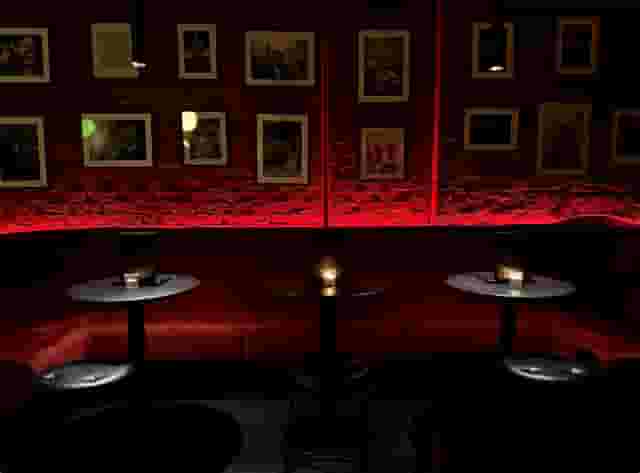
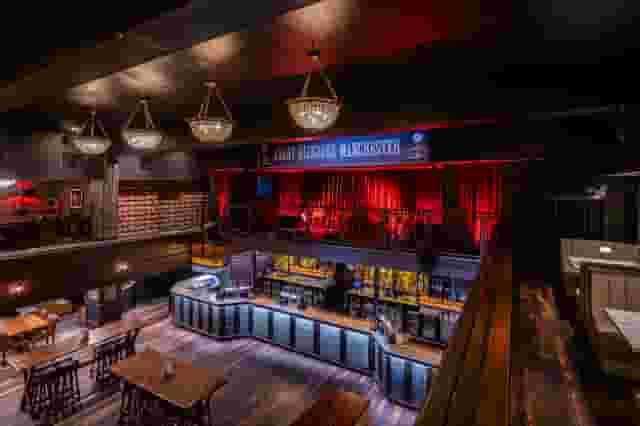
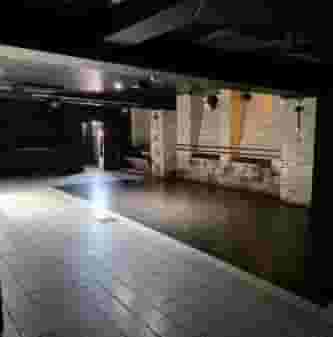
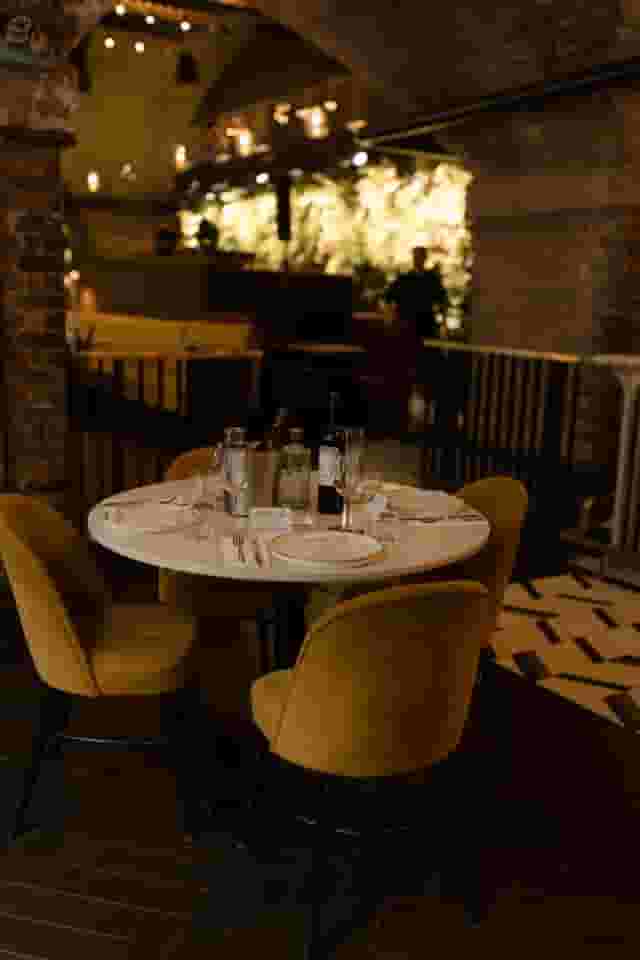
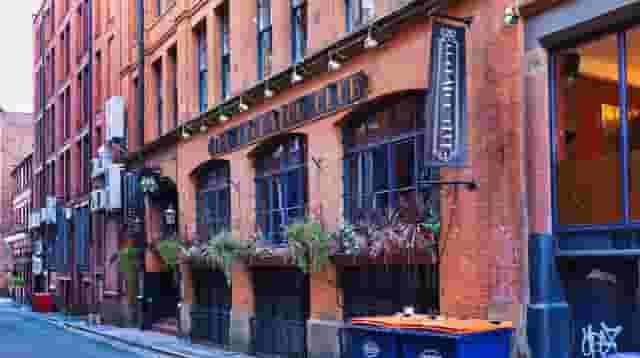
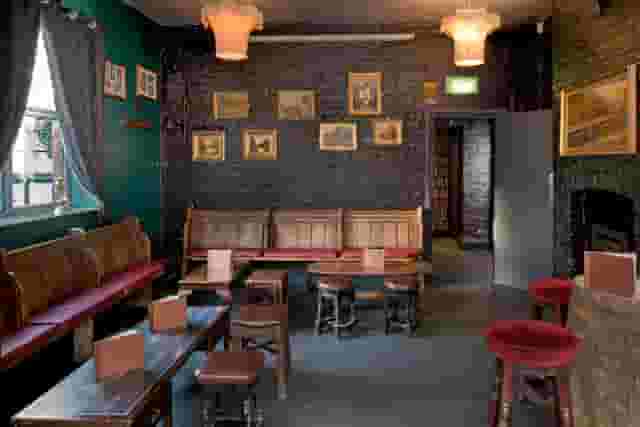
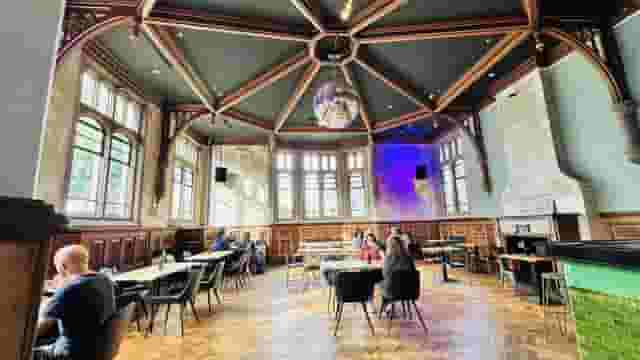
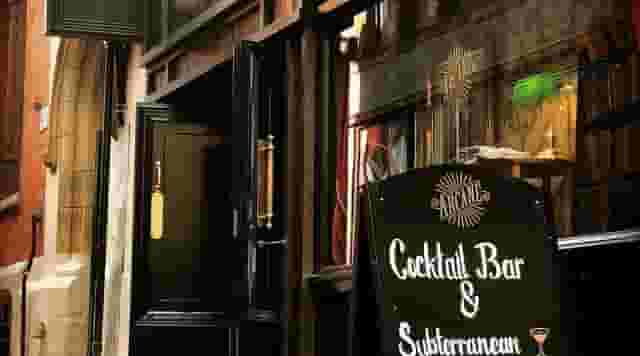
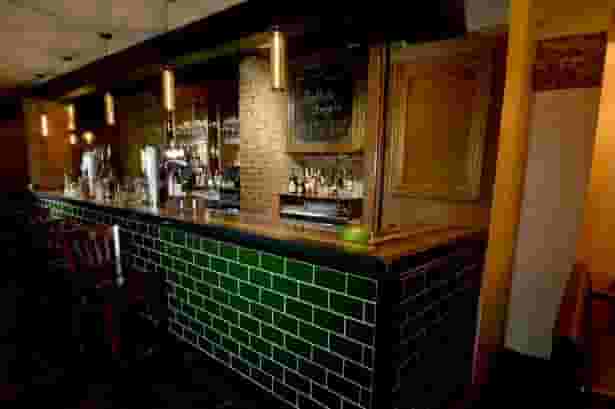
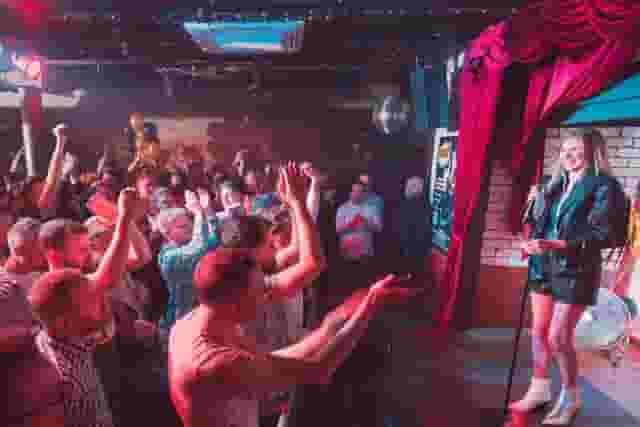
Private basement spaces offer total isolation from the street, giving your team an exclusive setting where company matters remain confidential. In Central Manchester, historic basements often feature original brickwork and low ceilings, which naturally concentrate conversation and build an energetic atmosphere quickly. For instance, The Whiskey Jar in the Northern Quarter provides a basement space holding up to 175 standing guests, functioning well for corporate socials and informal workshops that need complete separation from passers-by.
By contrast, semi-private spaces or roped-off mezzanine levels keep your group connected to the hum of the main bar. This setup works well when you want an energetic backdrop without paying the higher minimum spend typically associated with full venue buyouts. The trade-off is noise and foot traffic: guests from the public may drift past your entrance, and background music cannot always be turned down for announcements.
Hotel lounges versus independent pubs
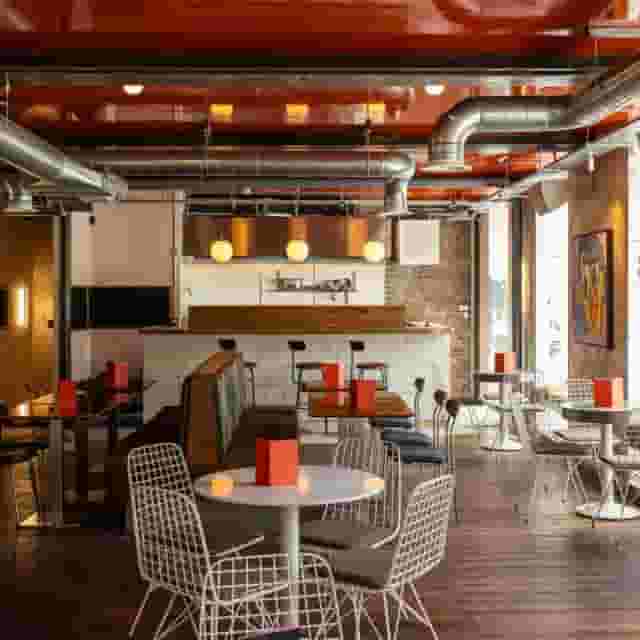
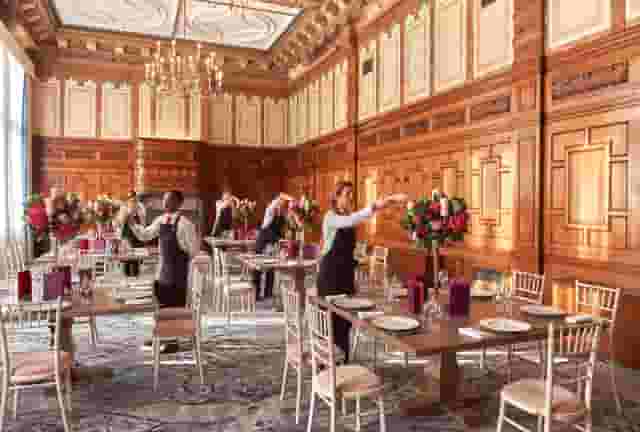
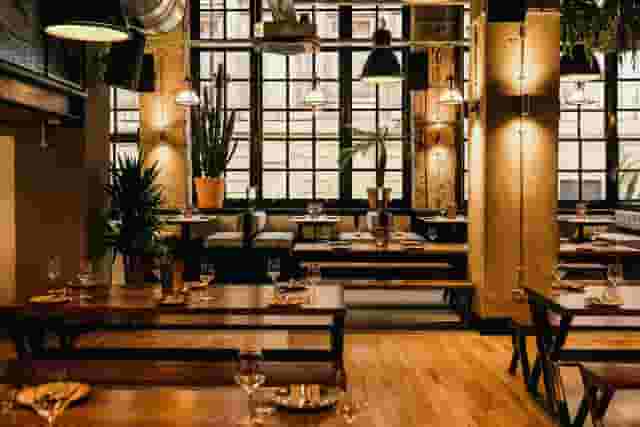
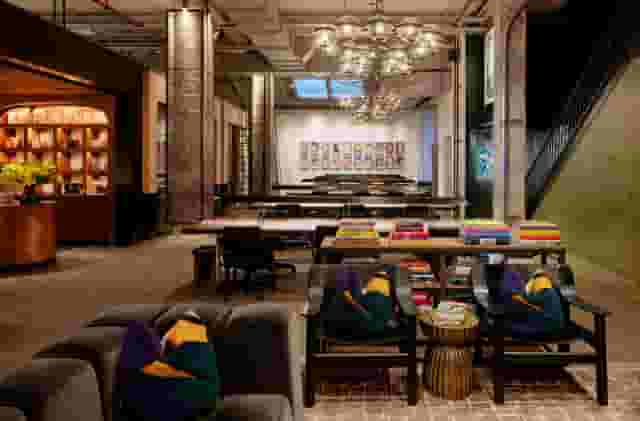
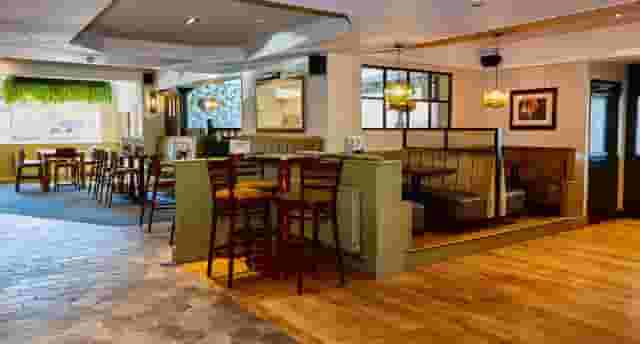
Hotel bars bring a high degree of operational predictability. They offer accessible entrances, dedicated front-of-house teams, on-site bedrooms for out-of-town colleagues and reliable audiovisual equipment. Leonardo Hotel Manchester Central features a bar and grill space holding 150 guests, which suits corporate groups stepping straight out of a day of meetings who need an uncomplicated, professional environment. Similarly, modern design-led hotel spaces like Pip at Treehouse Hotel Manchester in the Medieval Quarter accommodate 150 standing guests, pairing hotel-grade operational support with an informal, contemporary setting.
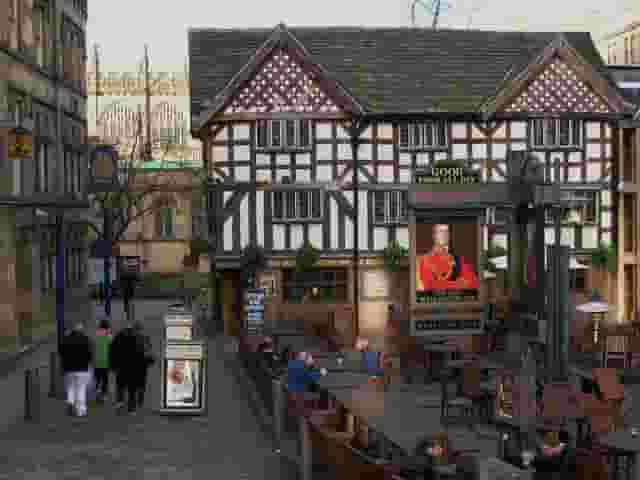
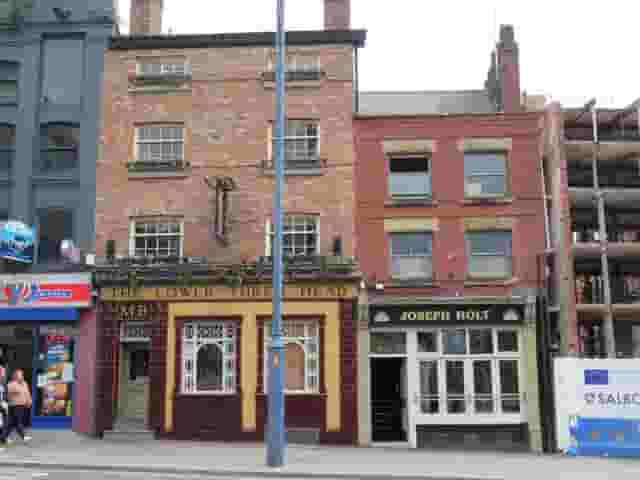
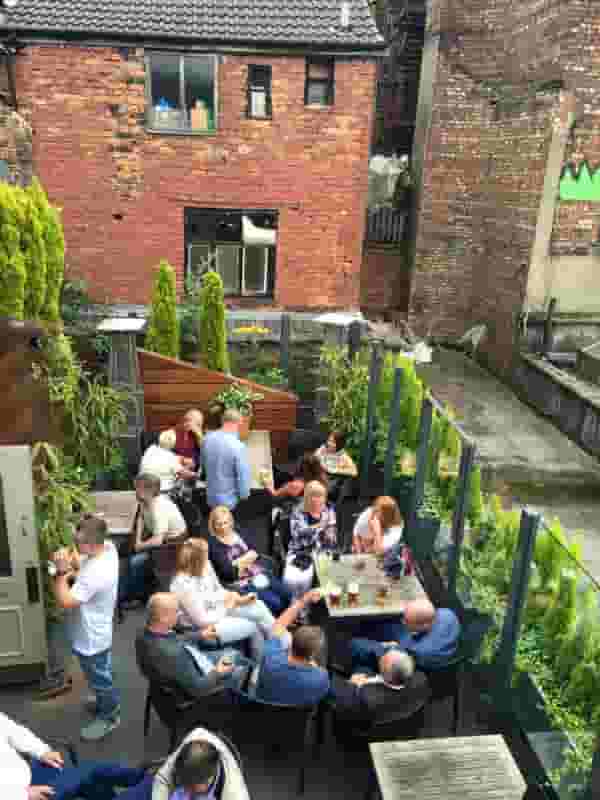
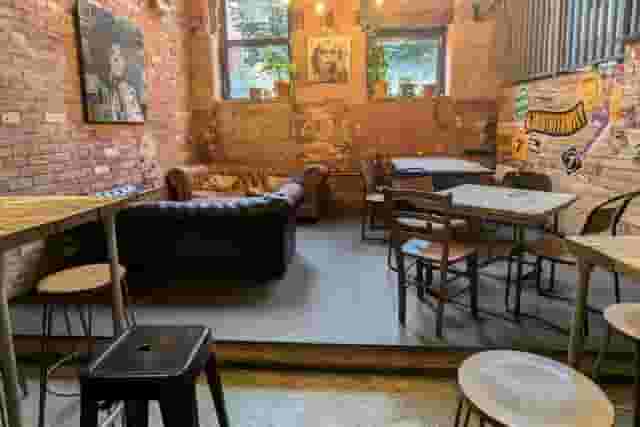
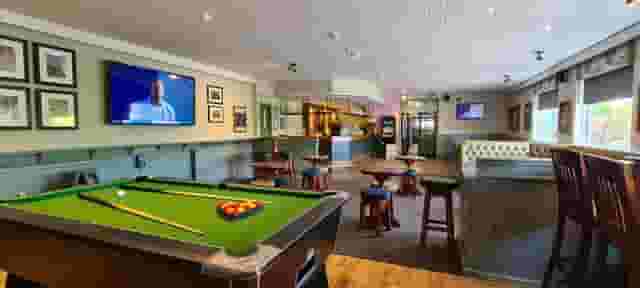
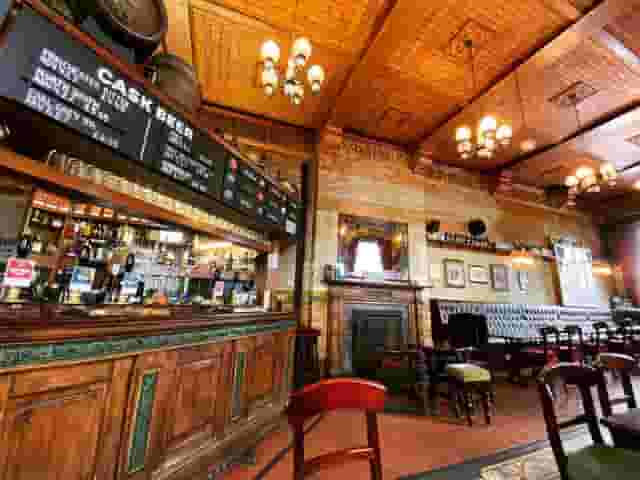
Independent pubs and taverns offer a warmer, more relaxed tone that immediately removes corporate hierarchy. A pub environment encourages people to relax, which can be useful when bringing together newly merged teams or hosting inter-departmental socials. The Bay Horse Tavern in the Northern Quarter accommodates 100 standing guests in its bar and grill space, offering a traditional pub feel along with an outdoor garden area for fresh air during longer evening events.
Calculating capacity, guest flow and private facilities
Working out guest numbers for a bar event requires a different calculation than planning a seated dinner. Bar capacities are routinely reported as maximum standing limits based on fire regulations, which assume an empty room with people standing shoulder to shoulder. In practice, a company event needs space for coats, food platters, high-top poseur tables and comfortable movement between conversation groups.
Realistic standing numbers versus technical room limits
To keep an event comfortable, aim for roughly 70% to 80% of a venue's stated maximum standing capacity. If a venue quotes a capacity of 100 standing guests, inviting 75 to 80 colleagues allows enough breathing room for people to circulate without constantly bumping into elbows or having to push past groups to reach the bar.
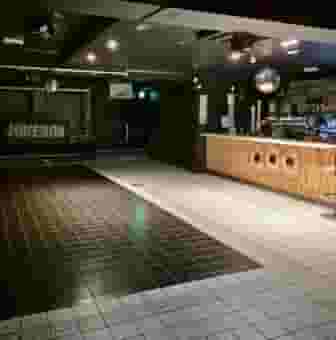
When your guest list scales up, larger dedicated entertainment spaces become necessary to avoid bottlenecks at the entrance and bar. On Bar on Canal Street can host up to 350 standing guests, providing the physical footprint needed for larger corporate receptions, product showcases and all-hands gatherings with a dedicated event manager on hand to coordinate movement.
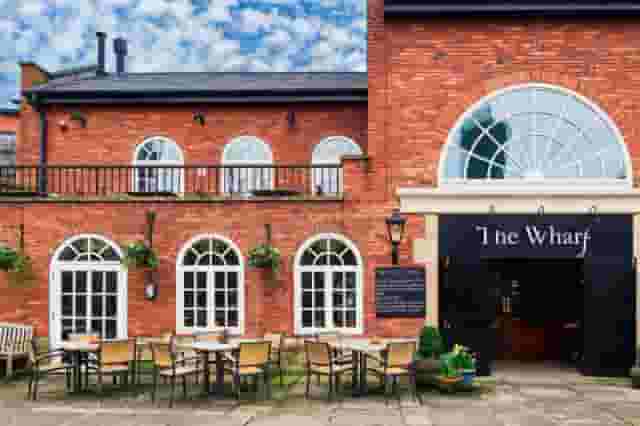
For smaller gatherings, placing 40 people into a 150-capacity room causes the event to feel poorly attended, which drains energy from the room. Smaller private areas keep the energy concentrated. The Wharf in Castlefield offers an upstairs restaurant and bar space suited to 50 standing guests, maintaining an intimate feel for close-knit department celebrations.
Outdoor terraces and dedicated facilities
Having private washrooms and a private bar inside your booked room alters the dynamic of an evening. When guests must leave the room to queue for drinks or use public facilities, you lose control of the group. Private bars ensure faster service, while private facilities keep the event contained.
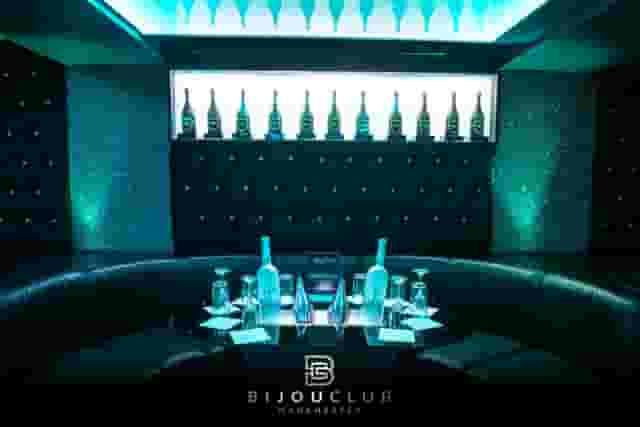
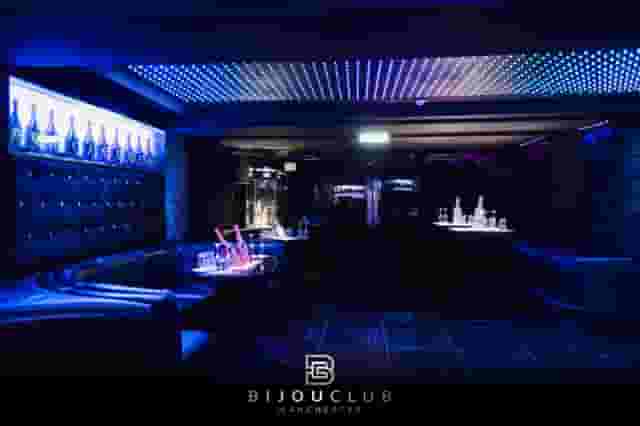
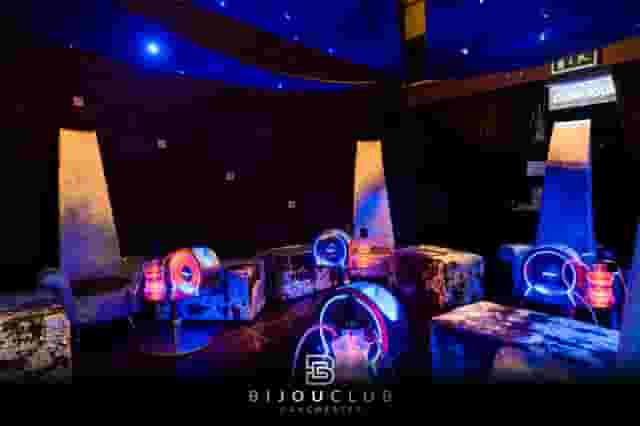
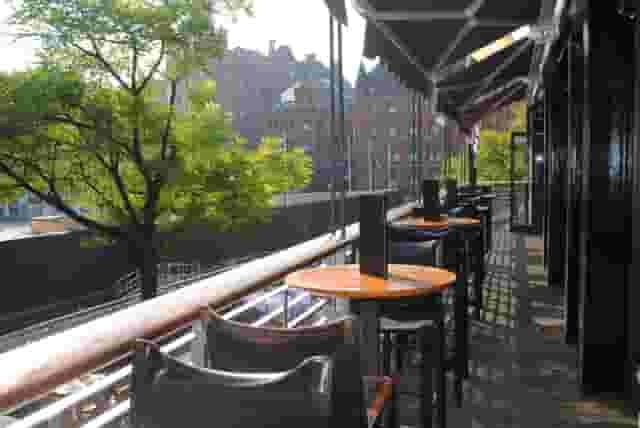
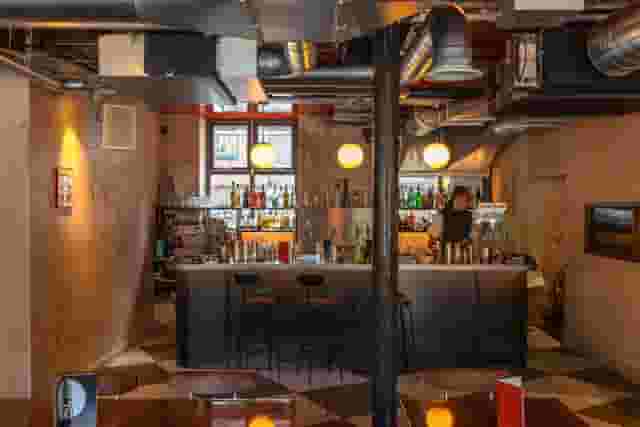
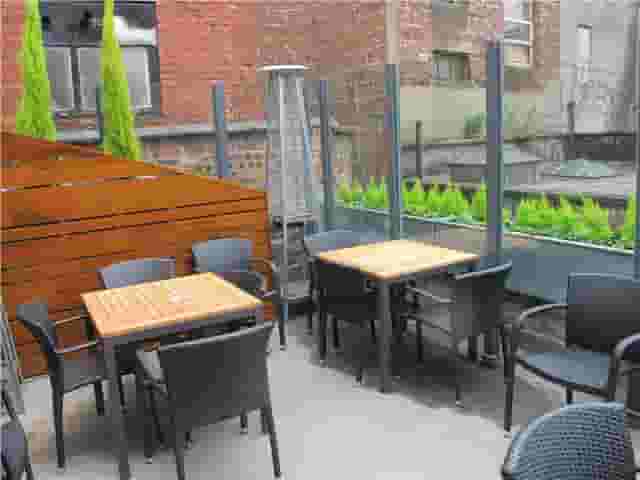
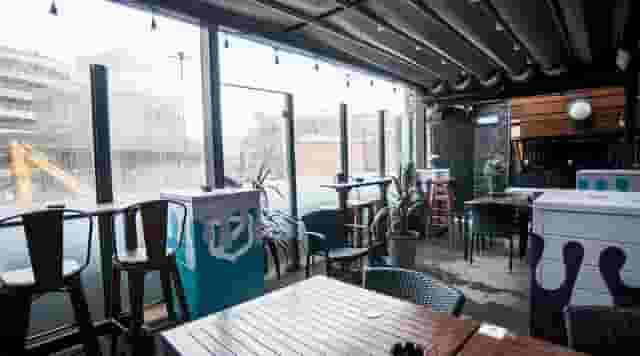
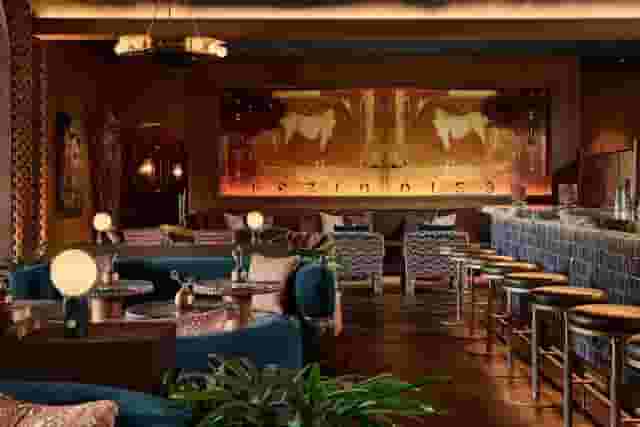
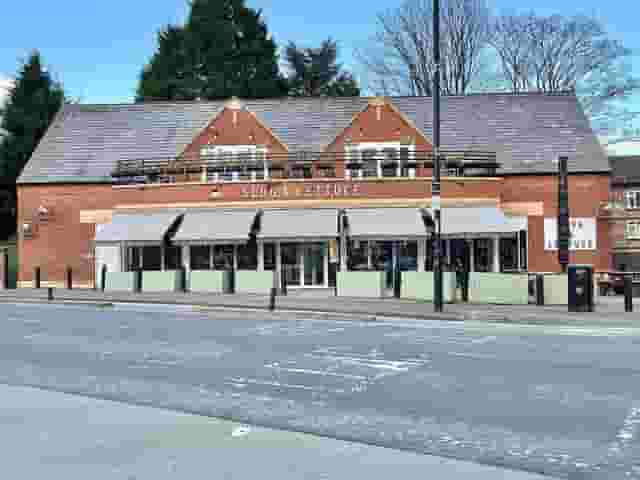
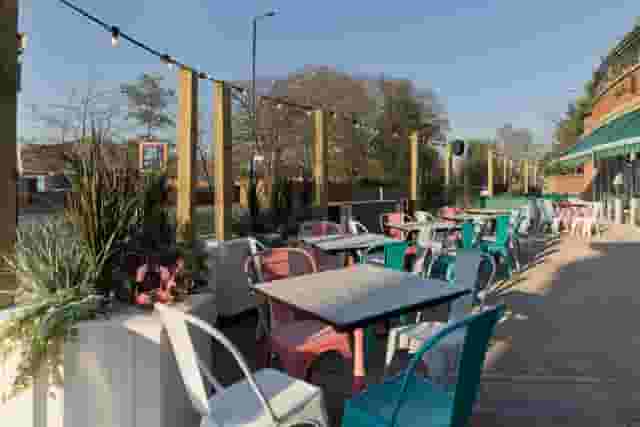
Outdoor access is equally valuable, particularly during spring and summer or for events starting directly after office hours. Spaces with heated terraces let guests step outside without leaving the venue footprint. For example, Bijou Club in the city centre has a cocktail bar holding 120 standing guests with its own private heated terrace. Similarly, the mezzanine and roof terrace at Slug & Lettuce, Manchester Piccadilly holds 100 guests for a buffet and includes its own private bar, private toilets and a partially covered rooftop terrace that functions across different weather conditions.
Understanding pricing structures, minimum spends and package costs
Budgeting for a company bar night generally follows one of two models: an agreed minimum spend or a fixed per-head package. Understanding how these models operate prevents unexpected balance adjustments at the end of the night.
Pricing for corporate events in Central Manchester typically sits between £55 to £90 per head. This indicative figure is based on 3 quotes from the venues on this page and assumes a guest count of about 50 guests. To calculate likely costs before reaching out to spaces, venue booking platform Hire Space provides instant price estimates drawn from historical booking figures. Supported by a team of specialists who help guide the process from start to finish, it can also recommend similar venues at a lower price point if an initial choice exceeds your target.
How packages compare to minimum spend agreements
Under a minimum spend agreement, the venue waives a room hire fee provided your group spends an agreed total on food and drinks across the night. This approach works well for groups that enjoy premium drinks or have high beverage consumption, because your entire budget goes directly towards items consumed. The financial risk sits with attendance: if 20 of your 50 guests do not turn up, the remaining attendees must spend the full agreed amount, or the company must pay the difference out of pocket as room hire.
A per-head package charges a set fee per guest and provides a defined allocation of drinks and food. This approach eliminates budget unpredictability and makes internal sign-off straightforward for finance departments. Hire Space 360 is enterprise venue and hotel procurement for companies spending £1m or more a year on meetings and events: a managed meetings and events programme, the kind procurement teams call strategic meetings management. The service places all bookings under one master supplier contract, ensuring every gathering complies with your internal event policy while providing finance teams with consolidated invoicing and live spend reporting. Dedicated venue sourcing specialists manage the process alongside the technology, and you can see how Hire Space 360 works for procurement.
| Feature | Minimum Spend Agreement | Per-Head Package |
|---|---|---|
| Payment basis | Total spend on food and drink combined | Fixed charge per attending guest |
| Cost certainty | Variable until the final till audit | Fixed before the event begins |
| Best suited for | Groups with high drink consumption | Tight internal budgets needing sign-off |
| Under-attendance risk | Company pays the spend shortfall | Minimal, provided notice meets policy terms |
| Bar efficiency | High if single tab is run | High with tokens or inclusive wristbands |
What influences where a quote lands in the pricing bracket
Where an event sits within the market range depends heavily on the date, the food selection and the beverage tier.
Quotes towards the £55 end of the bracket typically reflect events held on a Tuesday or Wednesday evening, using house wines, standard draught lagers, single spirits with basic mixers and a light circulation of cold canapes. This price tier provides a solid baseline for an informal team social where drinks are the primary focus.
Moving towards the £90 end of the bracket, quotes reflect prime peak nights, especially Thursdays and Fridays in November or December. At this level, packages generally include welcome cocktails, upgraded wine selections, premium craft beers, substantial hot bowl food or hot buffets, and longer service windows. Dedicated bar staff ratios are also higher, ensuring that drinks are prepared quickly without long queues forming.
Planning food service and bar operations for work crowds
Managing the bar operation effectively makes the difference between an effortless evening and one spent dealing with frustrated colleagues waiting twenty minutes for a pint.
Substantial catering versus light drinks accompaniments
If your event begins between 5:30 pm and 6:30 pm, attendees will arrive expecting dinner. Relying purely on small bowls of crisps or light canapes will lead to guests leaving early in search of a meal, or becoming intoxicated too quickly.
- Canapes work well for short receptions lasting up to two hours. Plan for four to six bites per person for a brief drinks reception, or eight to ten bites if the event covers a longer window.
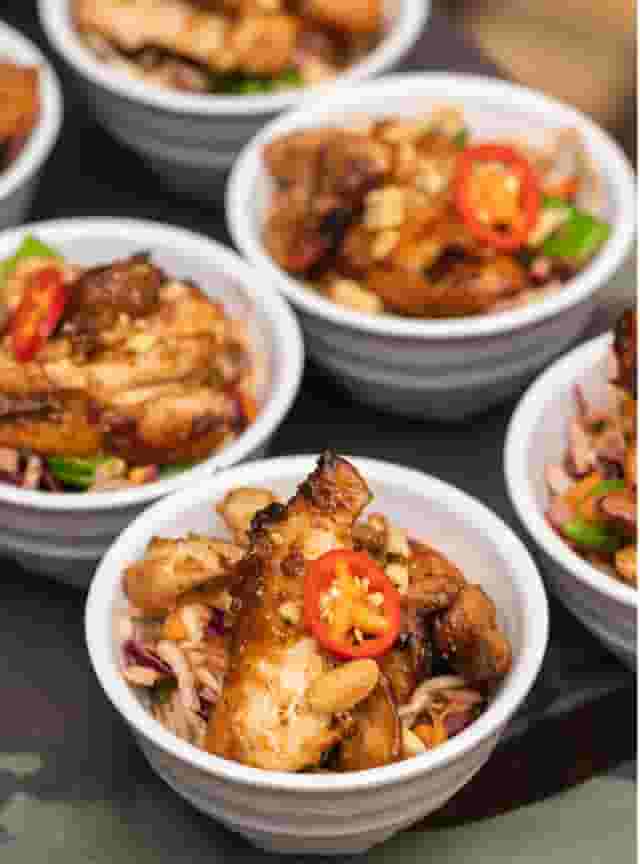
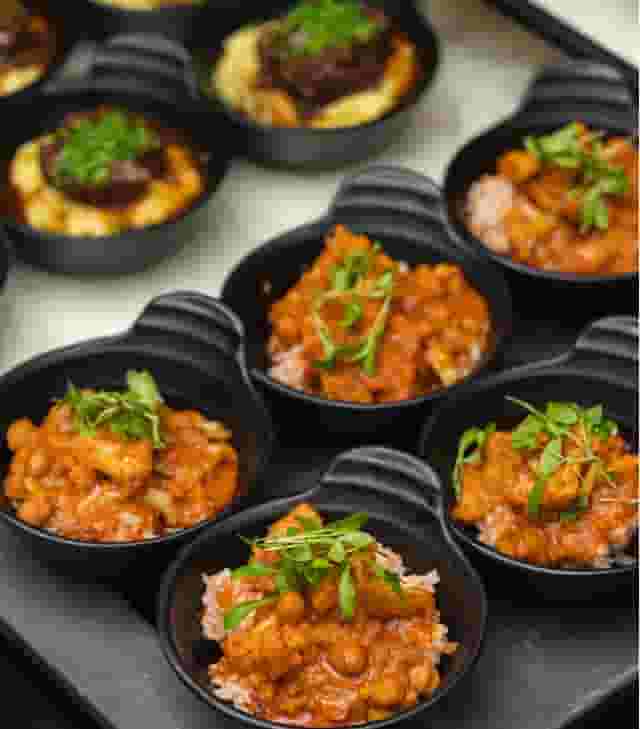
- Bowl food offers a practical middle ground for standing events. Small, handheld bowls of hot dishes like curries, braised meats or noodles provide substantial sustenance without requiring guests to balance a knife and fork while standing.
- Buffet layouts suit venues with dedicated side rooms or alcoves. A buffet allows attendees to eat at their own pace, but you must ensure the room has adequate circulation space so the food station does not block access to the bar.
Bar staffing, speed of service and tab administration
Cocktail service looks impressive on an invitation, but complicated mixed drinks can halt service at a busy company event. A bartender can pour four pints of lager or glasses of wine in the time it takes to build a single shaken cocktail. If your event includes cocktails, ask the venue to batch prepare signature drinks in advance, or offer welcome trays as guests arrive.
When running a corporate bar tab, agree on strict parameters with the venue manager before doors open:
- Specify what drinks are included on the company tab (for example, draught beer, house wine, soft drinks and single house spirits).
- Set a clear financial ceiling where the manager must check in with you before authorising an extension.
- Establish a notification system when the tab reaches 75% and 90% of your allocated budget.
- Decide whether drinks will be allocated using physical tokens, wristbands or an open order system under your team name.
Managing acoustics, speeches and screen requirements
A bar event rarely stays quiet, and managing sound levels is critical if you plan to make project announcements, hand out quarterly awards or welcome a client group.
Sound bleed and background music management
Many bars operate on shared sound systems where music volume is controlled centrally for the entire building. If your private space sits adjacent to the main public room, heavy bass and crowd noise will filter through partitions and doors.
When scouting a venue for an event involving presentations, check whether the room has an independent sound system with local volume dials, or if it relies on a venue-wide feed. If the room has exposed hard surfaces like concrete floors, bare brickwork and large glass windows, acoustic reflection will make spoken announcements difficult to understand. Soft furnishings, curtains and upholstered seating absorb sound and make dialogue far clearer.
Audio setups for announcements and project milestones
Never rely on raising your voice over a bar crowd of more than 30 people. Shouting across background music strains the speaker and feels unpolished.
- Wireless microphones give speakers freedom to move and avoid trailing cables across drink service areas.
- PA systems should be tested before guests arrive, checking specifically for feedback when the microphone moves near speakers.
- Screen positioning matters if you plan to show slides or a short company video. Wall-mounted screens should sit above head height so attendees at the back of the room can see over the standing crowd.
Transport connections, district selection and guest dispersal
Central Manchester offers several distinct entertainment districts, each with its own character, transport hubs and late-night dynamics. Choosing the right geographic pocket ensures that guests can arrive easily and, more importantly, get home safely at the end of the evening.
| District | Transport Proximity | Event Atmosphere | Practical Advantage |
|---|---|---|---|
| Northern Quarter | Manchester Piccadilly and Victoria stations | Creative, historic, informal | High density of independent basements and pubs |
| Piccadilly and Canal Street | Manchester Piccadilly station and Metrolink interchange | Energetic, accessible, central | Immediate access to main national rail routes |
| Castlefield and Deansgate | Deansgate rail and Metrolink stops | Scenic, open, waterside | Quieter outdoor spaces and generous floor layouts |
| Central Business District | St Peter's Square Metrolink hub | Corporate, modern, structured | Short walk from major commercial office hubs |
Rail hubs and Metrolink accessibility
If you have colleagues travelling in from Leeds, Liverpool or regional satellite offices across Greater Manchester, prioritize venues within a short walk of Manchester Piccadilly or Victoria stations. Piccadilly serves mainline rail routes alongside major Metrolink tram connections, making it the most practical anchor point for cross-regional attendance.
Venues clustered around Piccadilly or the Northern Quarter cut down walking times in bad weather and eliminate the need for secondary taxi journeys across the city centre. For events drawing local Manchester staff, proximity to key Metrolink stops like St Peter's Square, Piccadilly Gardens or Exchange Square provides rapid transit connections across all tram lines.
Dispersal and late-night licensing
Standard bar licences in Central Manchester typically cover alcohol service until 11:00 pm or midnight on weeknights, extending to 1:00 am or 2:00 am on Thursdays and Fridays. If your event is scheduled for a Thursday, confirm the exact time that music stops and alcohol service concludes.
When an event closes, having established taxi ranks nearby or accessible pickup zones makes dispersal much smoother. Venues located directly on narrow pedestrian streets can make minicab collections difficult, whereas venues situated just off main arterial routes allow guests to arrange rides without confusion. Planning these operational details ahead of time ensures that the event finishes on a professional, positive note for every colleague attending.
What our customers say
Inspiration and planning guides

Watch a real brief turn into priced, available venues in 15 minutes
Chloe Richardson has spent 17 years in events. We gave Deep Venue Research one of her briefs and filmed every step, from the first questions to availability checked at the venues she chose.
Simple Events Win: Why Restraint Beats Spectacle
Budgets are tight and audiences want connection over spectacle. The events that land in 2026 are the deliberately simple ones. Here is how to edit rather than cut, grounded in the 2026 industry data, and why the right venue does the heavy lifting.

Why UK Event Calendars Got So Tight (And How to Book Smarter)
Lead times for UK corporate events are up 39% since 2022, based on Hire Space booking data. The calendar is tighter, conversion rates fall sharply when you leave it late and the peak windows are getting more crowded. Here is what the numbers say and what to do about it.
One supplier. Every venue. Full visibility on what you spend.
Multiple venues and events. One agreement.