Wedding Venues in North London
Explore North London wedding venues suited to drinks receptions, seated dining and dancing, with direct capacity guides and practical planning advice.
20 Wedding in venues in North London


















No venues match these filters
Try widening your capacity, luxury level or event type.
Don't have time to search? We'll find it for you.
For business events that need human judgement, talk to our team. Free for events of 100+ people, budgets over £10k or ongoing programmes.




Explore more venues in North London
















Frequently asked questions
Are outdoor weddings feasible in North London?
What size venue is ideal for a large wedding?
What are North London's top wedding styles?
How do I find a tech-equipped wedding venue?
How to ensure exclusivity at my wedding venue?
Other platforms search their database. We search everything.
Tell us what you need. Our deep research finds any venue, whether it's in our marketplace or not. No one else does this.
About Wedding in North London
Planning a wedding reception in North London gives you access to an eclectic mix of spaces, from Victorian conversions and contemporary daylight studios to classic hotel ballrooms and expansive banqueting suites. Because the area stretches from bustling urban transport hubs out towards leafy suburbs, the key to finding the right space lies in mapping how your day will move. A complete wedding reception usually demands three distinct rhythms: an opening drinks reception where guests can mingle, a seated dinner with speeches, and a separate evening party where the music can kick in properly.
Finding a venue that handles all three transitions without feeling cramped or cavernous requires looking past glossy photographs and focusing on room layouts, production logistics, supplier flexibility and curfews.
Choosing your venue style and layout
North London venues fall into three main categories: converted industrial blank canvases, dedicated banqueting halls and traditional hotels or private halls. Each setting dictates how much administrative legwork you take on and how the day feels for your guests.
Industrial studios and blank canvases
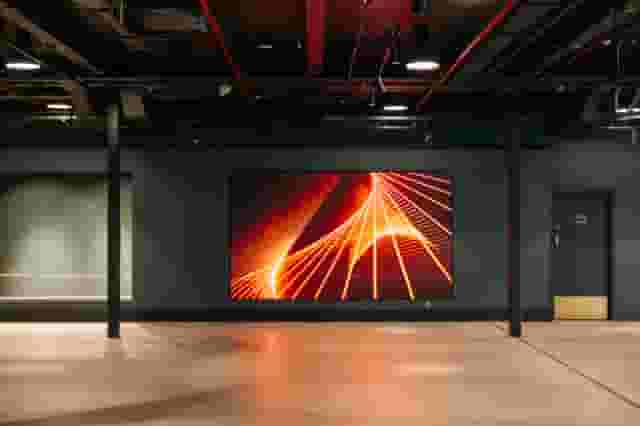
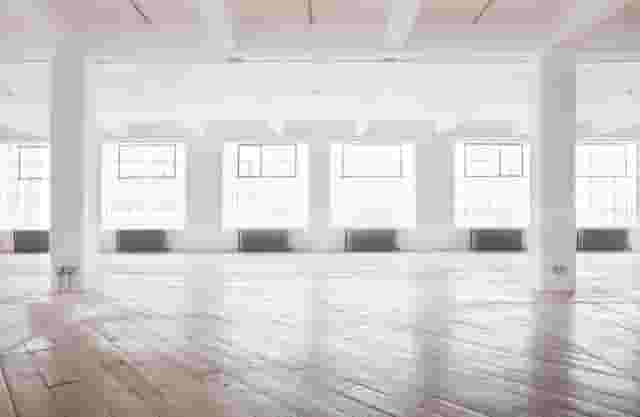
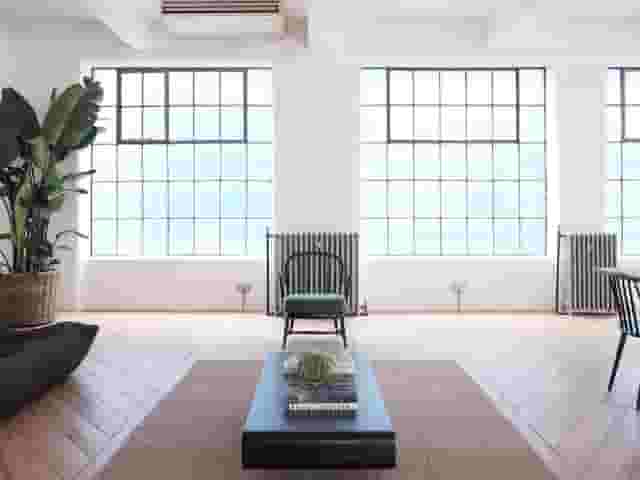
Couples who want full creative control often gravitate towards blank canvas spaces. These locations usually give you bare brick, concrete or clean white walls, exposed rafters and total freedom over your floristry, table layout and lighting.
In Willesden, 6 Degrees Studios provides a 1200 square foot photography studio with a standing capacity of 100. It works well for intimate gatherings where you want a single, focused space to host drinks before sitting down to dinner. For larger creative celebrations, Sweet Space in NW10 features high ceilings, an all-white interior and space for up to 350 guests in a theatre style. Blank canvases like these allow you to install custom partition walls, build bespoke staging or project visuals across plain surfaces.
The compromise with a blank canvas is logistics. You will generally need to hire every fork, table, speaker, uplighter and rubbish disposal service separately. If you are exploring this route, looking at wider recommendations such as 5 North London Wedding Venues can help you compare what different spaces provide as standard.
Banqueting halls and purpose-built suites
If you are planning for a higher guest count or want a venue engineered specifically for large feasts and dancing, North London has several dedicated banqueting options. These venues are set up to move hundreds of people through multi-course dinners efficiently.
In Edgware, The Hive London can accommodate standing crowds of up to 10000 across its wider complex, with dedicated spaces seating up to 600 guests for wedding breakfasts. Venues of this scale offer vast floorplans, dedicated commercial kitchens for external specialist caterers, on-site parking and loading docks that make setting up elaborate stages straightforward.
Further west in Harrow, The Suite offers a blank canvas format for up to 300 guests, giving you ample room to set up dining tables alongside a permanent dance floor. In Golders Green, the Madison Room at Avenue Banqueting seats 80 guests for dining and includes installed audiovisual equipment and lighting systems, cutting down the amount of technical production you need to bring in from outside.
Spaces with distinctive character
If you prefer an environment with built-in atmosphere that requires minimal styling, look for spaces with an immediate focal point. In East Finchley, The Engine Rooms seats up to 250 guests surrounded by a collection of classic supercars. The architecture and vehicle display do the decorative heavy lifting, meaning simple table settings and subtle pin-spot lighting are all you need to make the room look complete.
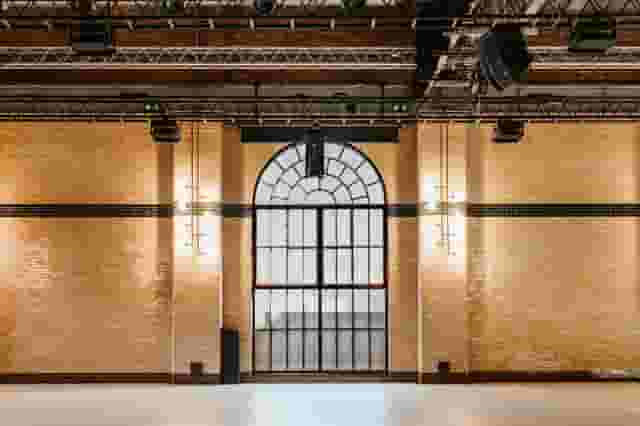
For an indoor-outdoor feel, the Daylight Courtyard at Loft Studios holds 200 guests for receptions. It provides an all-weather covered courtyard attached to refurbished Victorian warehouse studios, letting you hold your drinks reception under natural daylight before moving inside for dinner and dancing.
| Venue type | Best suited for | What to consider early |
|---|---|---|
| Blank canvas studios | Modern, personalised themes and creative styling | Extra costs for furniture, lighting, kitchen build and waste removal |
| Banqueting suites | Large guest counts, community weddings and high-volume dining | Existing décor may require draping if you want a neutral backdrop |
| Distinctive venues | Low-effort styling and immediate conversational focal points | Fixed floor features can limit where you place your top table or DJ |
| Hotel function suites | Guests travelling into London who need overnight rooms | Sound limiters and strict service timelines |
Structuring the reception: drinks, dinner and dancing
A successful wedding reception flows naturally from one phase to the next. Problems occur when 100 guests are left standing around while staff dismantle dining tables to make room for a DJ, or when the bar is placed so far from the dance floor that the party splits in two.
Phase 1: The drinks reception (60 to 90 minutes)
Your guests arrive thirsty and looking for people they know. You need a room layout that promotes easy movement:
- Bar placement: Position the bar entrance away from the main door to prevent a bottle-neck as soon as people enter.
- Surface area: Ensure there are poseur tables or low ledges where guests can set down empty glasses, canape plates and bags.
- Seating options: Even at a standing reception, retain seating for elderly relatives or guests wearing uncomfortable footwear. Around 15 to 20 seats per 100 guests is a solid benchmark.
If you are using an outdoor area or a covered space like the Daylight Courtyard at Loft Studios, confirm the wet-weather fallback well before the day. English weather requires a sheltered option that does not require you to compress your dining space prematurely.
Phase 2: The seated dinner (2 to 2.5 hours)
When choosing a room for a three-course dinner, never rely on a venue's standing capacity. A room that holds 200 people standing with a pint glass can feel uncomfortably packed when you introduce 20 ten-person round tables, service corridors, highchairs and a top table.
Allow at least 1.5 to 2 square metres per guest for banquet dining on round tables. This ensures waiting staff can serve food from behind chairs without bumping into guests, and it gives wheelchair users clear, step-free access to all tables.
Think carefully about the sightlines for speeches. Long, narrow rooms or spaces broken up by structural pillars can leave guests at the back isolated. Venues with clear spans, or integrated AV setups like Avenue Banqueting, make it much easier for everyone to hear without hiring auxiliary PA speakers.
Phase 3: The evening party (3 to 4 hours)
The transition between dinner and dancing determines whether your party builds momentum or stalls. There are two ways venues handle this:
- The split room: The venue is large enough that the dance floor, DJ or band and evening bar are set up in a connected room or behind an acoustic partition. When the meal finishes, guests walk straight into the party.
- The room flip: Staff clear away several dining tables, sweep the floor and move furniture while guests step outside or into a bar area.
If your venue requires a room flip, ask the coordinator exactly how long it takes. A professional team should complete a 100-guest room turnaround in 30 to 45 minutes. Ensure your guests have somewhere warm, well-lit and fully serviced with drinks while the staff reset the space.
Understanding wedding costs in North London
Budgeting for a reception requires understanding the difference between dry hire, packaged venue rates and minimum spends.
Our pricing data indicates that a wedding reception in North London typically costs between £58 to £100 per head. This indicative range is estimated from what venues on this page have charged for similar events, based on 3 quotes from the venues on this page, and assumes a guest count of about 100 guests.
Where you land within that £58 to £100 per head bracket depends on your venue model and supplier arrangements:
- Towards the £58 end: This typically reflects venue hire where basic infrastructure is already in place, or off-peak dates where you are working with an established in-house catering team using standard seasonal menus. It covers essential room hire, furniture and a straightforward meal format.
- Towards the £100 end: This end of the range usually accounts for peak summer Saturdays, extended licensing hours, premium multi-course menus, comprehensive drinks service covering reception fizz, table wine and toast pours, or blank canvas spaces where production and furniture hire push up the overall per-person spend.
If you are keeping a firm eye on total spend, reviewing guides like 3 Affordable Wedding Venues In London will help you understand how different operational models affect your final invoices. As an event planning and venue booking platform backed by a team of real people, Hire Space assists your venue sourcing with instant price estimates based on historical booking figures before you enquire. If a particular setting stretches what you want to spend, it can also recommend similar spaces at a lower price point.
Dry hire against package rates
A dry hire fee buys you the room and very little else. This is common across studios and large blank canvases such as Sweet Space or The Suite. While dry hire gives you the freedom to bring in caterers who specialise in your preferred regional cuisine, remember to add up the secondary costs:
- Generator hire or additional power distribution boxes
- Commercial kitchen equipment hire for your caterer (ovens, hot cupboards, prep tables)
- Security staff (mandatory for evening events at many North London venues)
- Post-event waste removal and professional cleaning fees
Hotel venues, such as the banquet hall at Croft Court Hotel in NW11, generally bundle tables, chairs, linen, basic glassware and service staff into their room rates. While you have less freedom over your supplier list, packaged pricing eliminates unexpected third-party logistics costs and simplifies your budget tracking.
Practical checks before you pay a deposit
Before signing a venue contract, visit the space at the same time of day your wedding will take place. An industrial studio that looks warm and inviting at midday can feel cold and echoey once the sun sets unless you invest in adequate mood lighting.
1. Confirm true exclusivity
Do not rely on the phrase "exclusive use" without reading the contract terms. In busy multi-use venues, exclusive use may apply only to your specific room or floor, leaving public foyers, smoking areas, garden terraces or restrooms shared with another event or general visitors.
Ask the venue manager to confirm in writing:
- Exactly which rooms, outdoor courtyards and restrooms are yours exclusively.
- Whether external members of the public or sports attendees share access routes (particularly relevant for sports complexes like The Hive London).
- What time your suppliers can arrive to drop off equipment, and what time your decorator must finish packing down at the end of the night.
2. Sound limits and late licences
Local councils across North London, including Barnet, Brent, Camden and Haringey, enforce strict environmental health limits on noise, especially near residential properties.
Ask whether the venue operates an electronic sound limiter. These devices cut the mains power to the band or DJ if music volume exceeds a set decibel level. If a limiter is installed, check its decibel rating:
- 85dB to 90dB: Uncomfortably low for live music. Acoustic acts or low-volume background playlists work, but a full party band will repeatedly trip the power.
- 95dB to 100dB: Acceptable for a standard wedding band or DJ.
- Over 100dB or no limiter: Ideal for loud, high-energy live evening entertainment.
Confirm the bar closure time and the music curfew. Many North London spaces must switch off music by 23:00, with guests off site by 23:30. If you want to party until 01:00 or 02:00, confirm whether the venue holds a late licence or whether you will need to apply to the local council for a Temporary Event Notice (TEN).
3. Power, AV and supplier access
Large blank canvas venues need sufficient power to run a commercial kitchen, sound rigs and lighting consoles at the same time without blowing fuses.
- Ask how many separate 13-amp and 16-amp or 32-amp phase-three power supplies are available in the room.
- Check if there is dedicated supplier parking and a flat, step-free loading route. Carrying heavy speaker stacks or wedding cakes up two flights of narrow stairs increases your suppliers' crew fees and increases the risk of damage.
- Check guest Wi-Fi capability. If your venue has thick brick or basement walls, poor mobile coverage can prevent guests from calling taxis or booking ride-share pickups at midnight.
Transport and accommodation for your guests
North London covers a wide geographic spread. A venue located close to an Underground or Overground station will save your guests expensive cab fares and prevent people from leaving your party early.
- Tube and rail lines: Venues along the Northern Line (such as East Finchley for The Engine Rooms or Golders Green for Avenue Banqueting), the Jubilee Line (for Edgware or Willesden) and the Metropolitan Line (for Harrow) offer reliable late-night connections back into central London. The Night Tube runs on Friday and Saturday nights on the Northern and Jubilee lines, which is an invaluable perk for late-finishing receptions.
- Taxis and parking: Outer North London postcodes in Harrow and Edgware offer better parking provision than inner-city boroughs. For instance, large sites like The Hive London give guests driving from outside London dedicated vehicle parking. For inner-city studios, check local resident parking restrictions and identify the nearest 24-hour car park for your suppliers and guests.
- Overnight stays: If you have friends and family travelling from across the country, check hotel availability within a two-mile radius. Booking your reception at a venue with rooms on site, such as Croft Court Hotel, removes the stress of organising midnight transport for close family members and allows you to catch up over breakfast the following morning.
Taking the time to walk through the space, calculating real per-head costs and checking logistics before committing your deposit ensures your wedding reception runs smoothly from the first glass of fizz to the final dance.
What our customers say
Inspiration and planning guides

3 Affordable Wedding Venues In London
Planning a wedding in London can be as dreamy as it is daunting, especially when trying to keep costs reasonable without compromising on the venue. Fortunately, London boasts an array of stunning yet affordable wedding venues that cater to every taste and budget. So let's dive in!

Venue Review: Theatre Royal Drury Lane
Theatre Royal Drury Lane [https://hirespace.com/Spaces/London/11681/Theatre-Royal-Drury-Lane/Grand-Saloon/Weddings] is a phoenix. Amazingly, the first time it burned down was after the Great Fire Of London - it survived that fire. But six years later, it was burnt to a crisp. But it rose, rebuilt, only a few years later - only to be destroyed once again, in 1794. And in 1809, having been rebuilt again, it caught alight, and Theatre Royal [https://hirespace.com/Spaces/London/11681/Theatre-Royal

9 Glorious Glass Venues in London
London is a city that knows how to make an impression, and when it comes to hosting events, why settle for anything less than spectacular? Enter London’s glorious glass venues!
One supplier. Every venue. Full visibility on what you spend.
Multiple venues and events. One agreement.